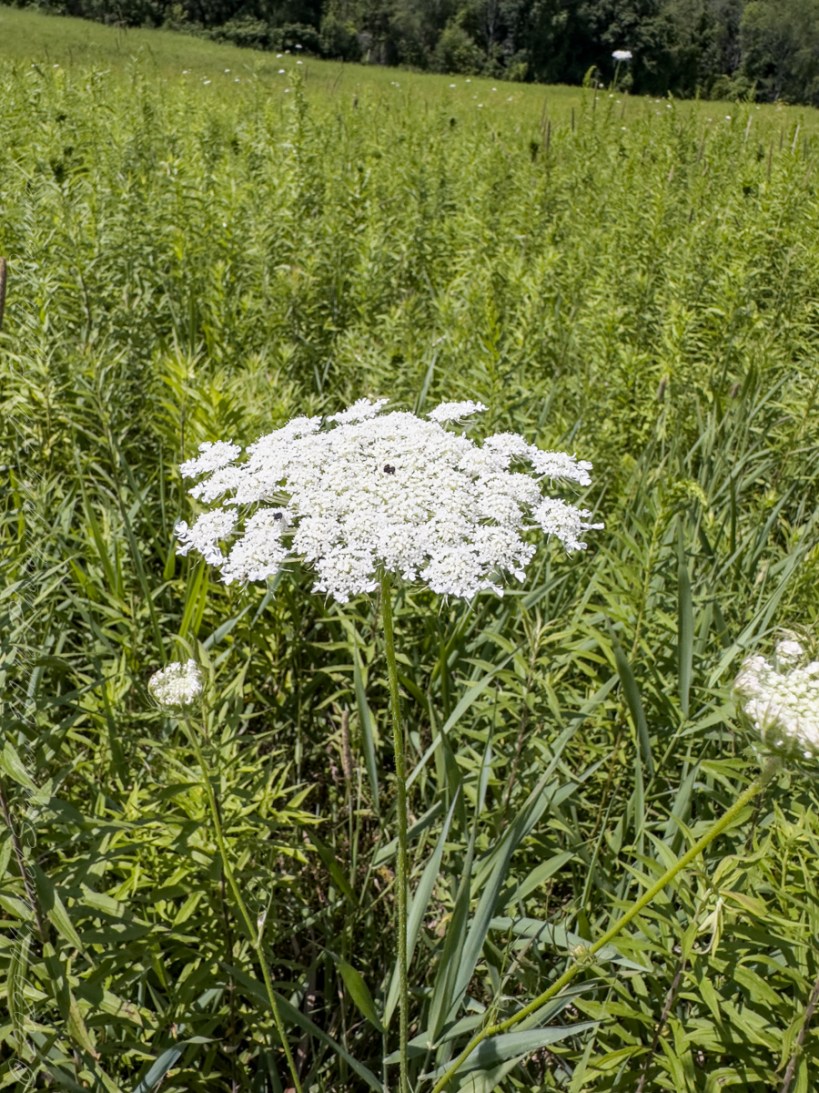
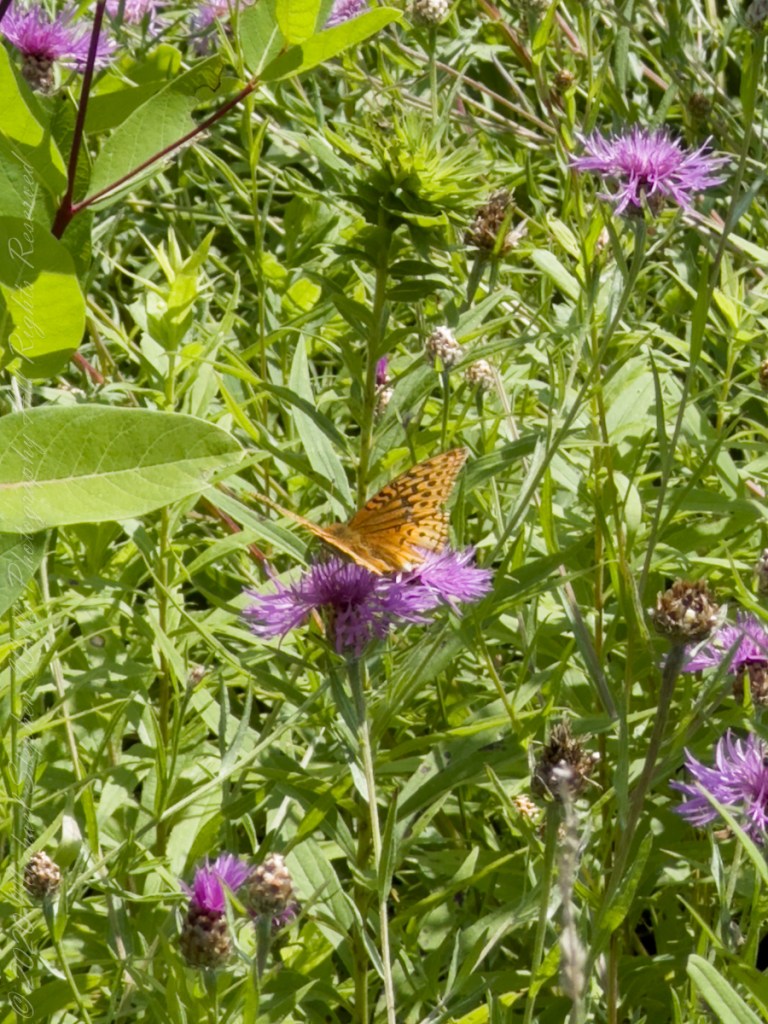
Found in a meadow of the Brock-Harvey Forest Preserve. The function of the central dark florets of D. carota has been subject to debate since Charles Darwin speculated that they are a vestigial trait.
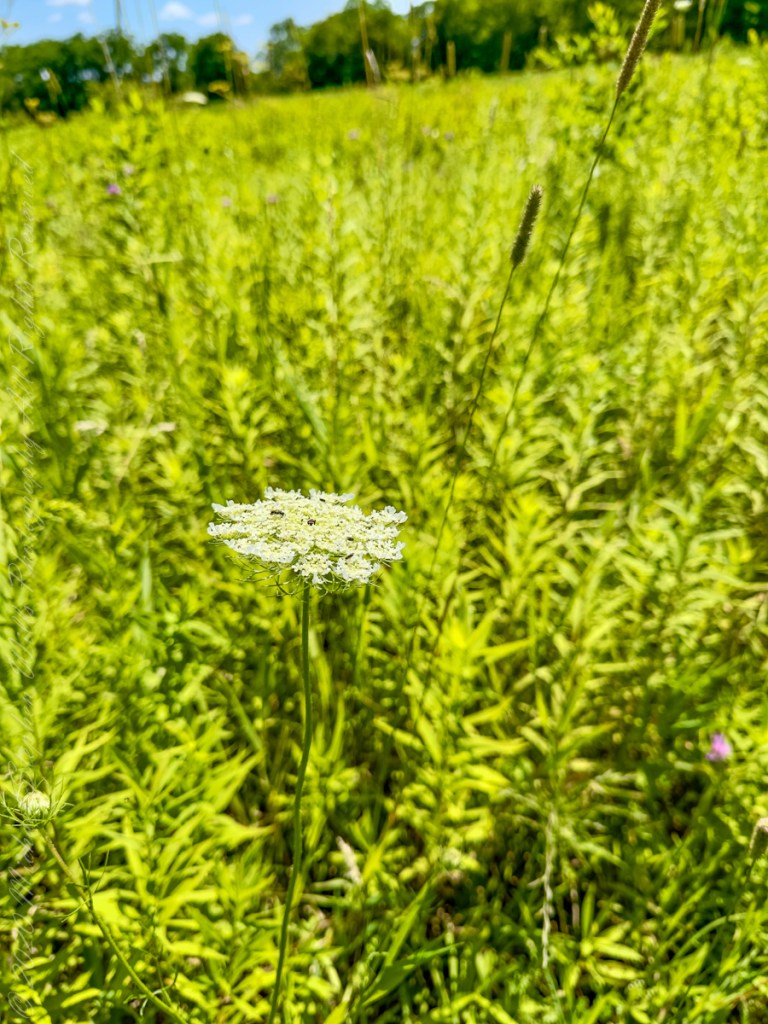
It has been suggested that they have the adaptive function of mimicking insects, thus either discouraging herbivory, or attracting pollinators by indicating the presence of food or opportunities for mating.
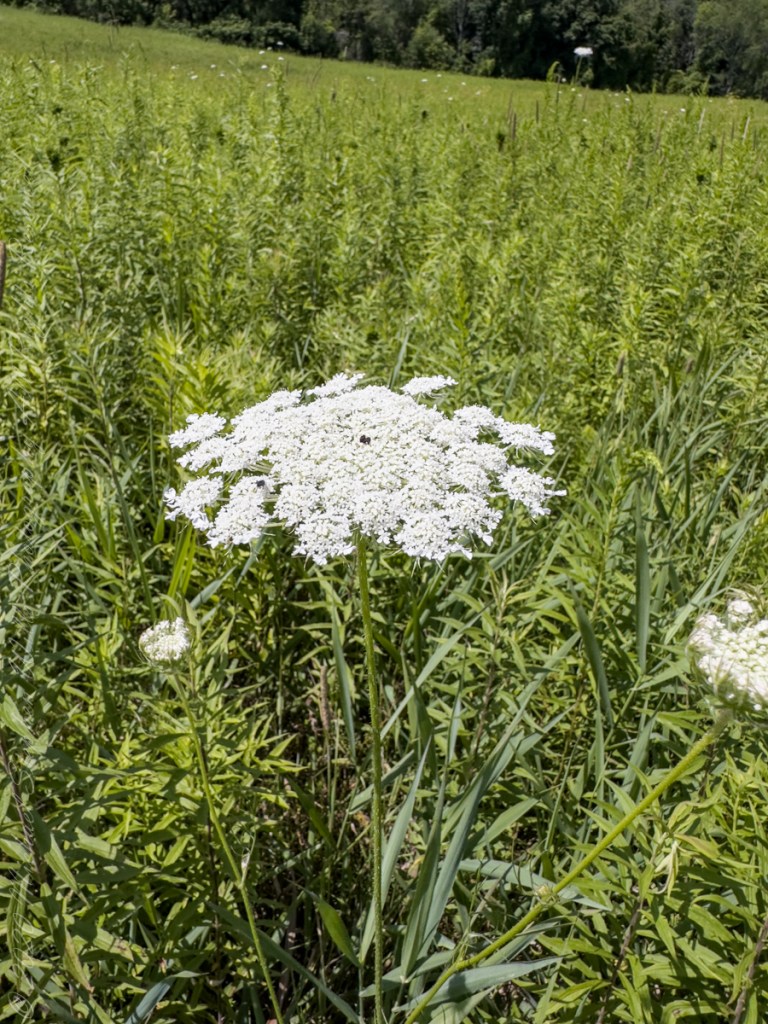
One study in Portugal found that the dark florets contributed to visitation by the varied carpet beetle, Anthrenus verbasci, and that higher numbers of dark florets correlated with increased visitation, whereas inflorescences without dark florets had fewer visits. Replacing the dark florets with one or more freeze-killed A. verbasci, who are similar to the florets in size and shape produced similar results to those observations of inflorescences with intact florets..
This specimen was found among many others in a meadow of the Brock-Harvey Forest Preserve
Click me for another post from this forest preserve.
References
Wikipedia, Daucus carota
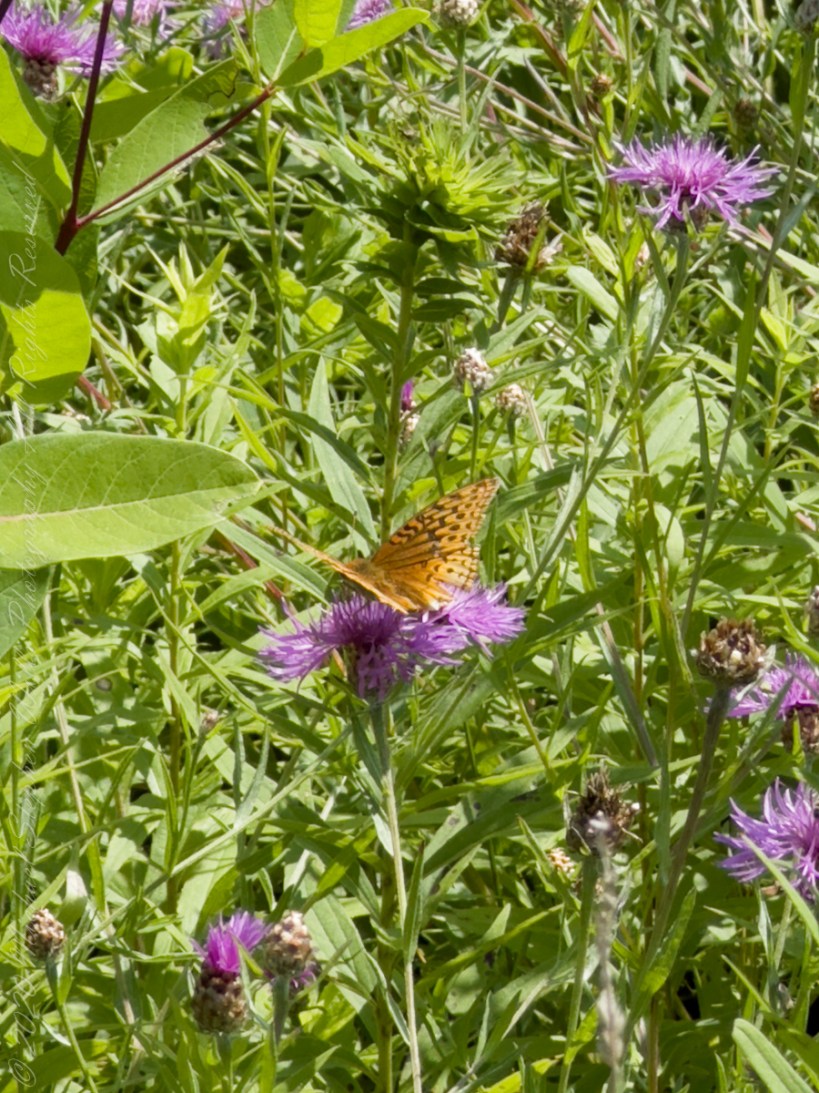
 Michael Stephen Wills Photography