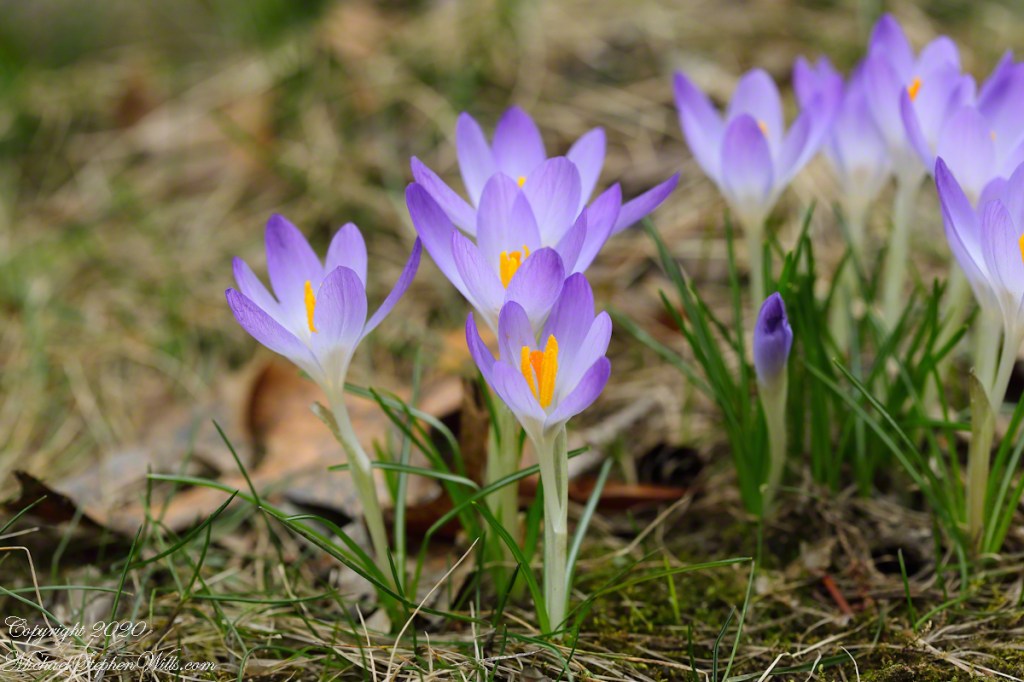
Anniversary Wildflower, crocus

The crocus has been known throughout recorded history, mainly as the source of saffron.

I found crocuses blooming beneath our magnolia tree on our 14th anniversary, Monday, March 20, 2023.

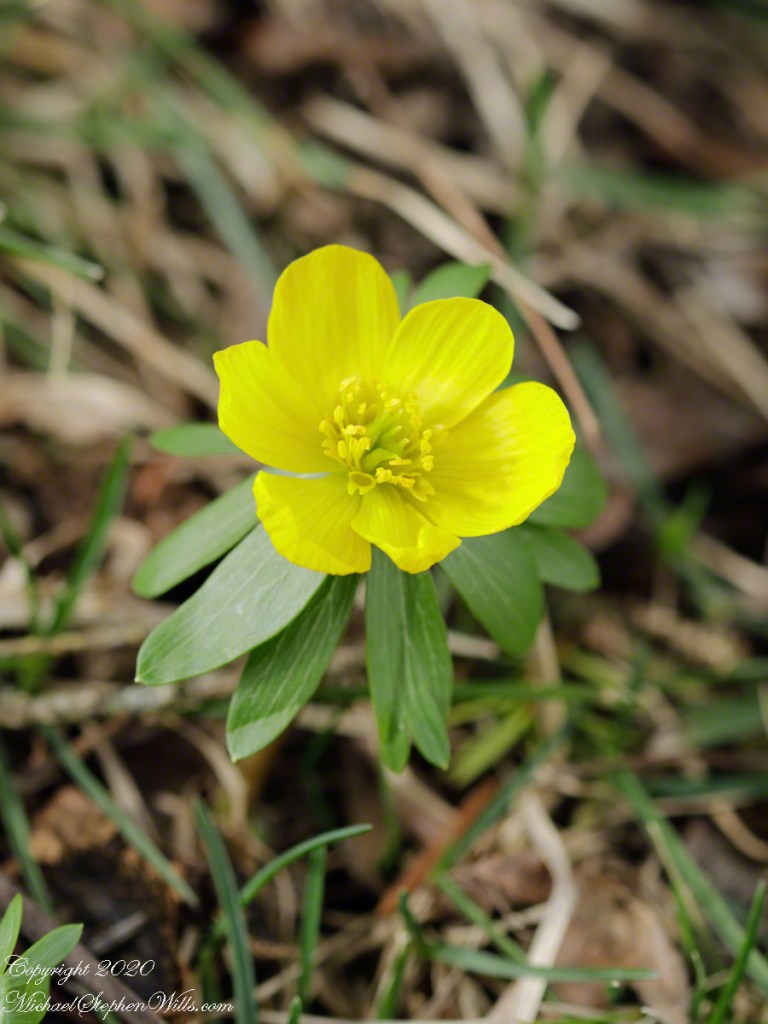
The following photograph is from the Apple IPhone 14 ProMax, raw format and perfected on the phone. The rest are from the Canon 5D Mark IV with the lens EF 100mm f/2.8 Macro USB.

Click Me for more photographic art from my OnLine Gallery, “Finger Lakes Memories.”
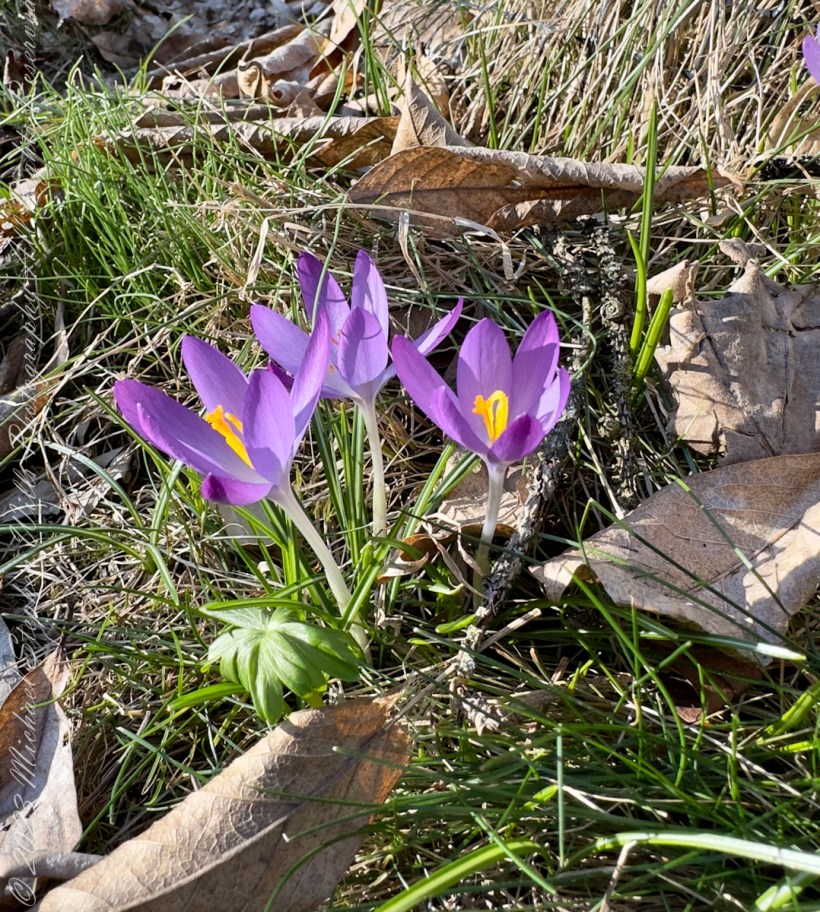
“Crocus is a genus of seasonal flowering plants in the family Iridaceae (iris family) comprising about 100 species of perennials growing from corms. They are low growing plants, whose flower stems remain underground, that bear relatively large white, yellow, orange or purple flowers and then become dormant after flowering. Many are cultivated for their flowers, appearing in autumn, winter, or spring. The flowers close at night and in overcast weather conditions.”

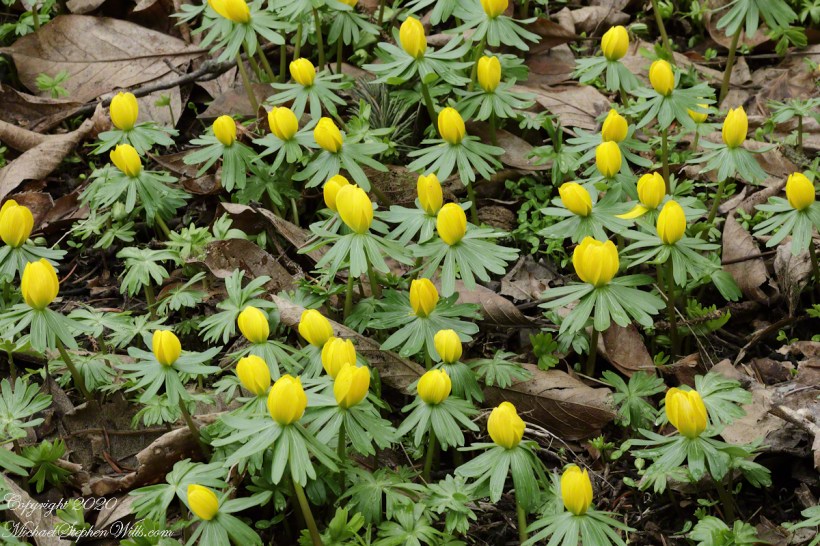
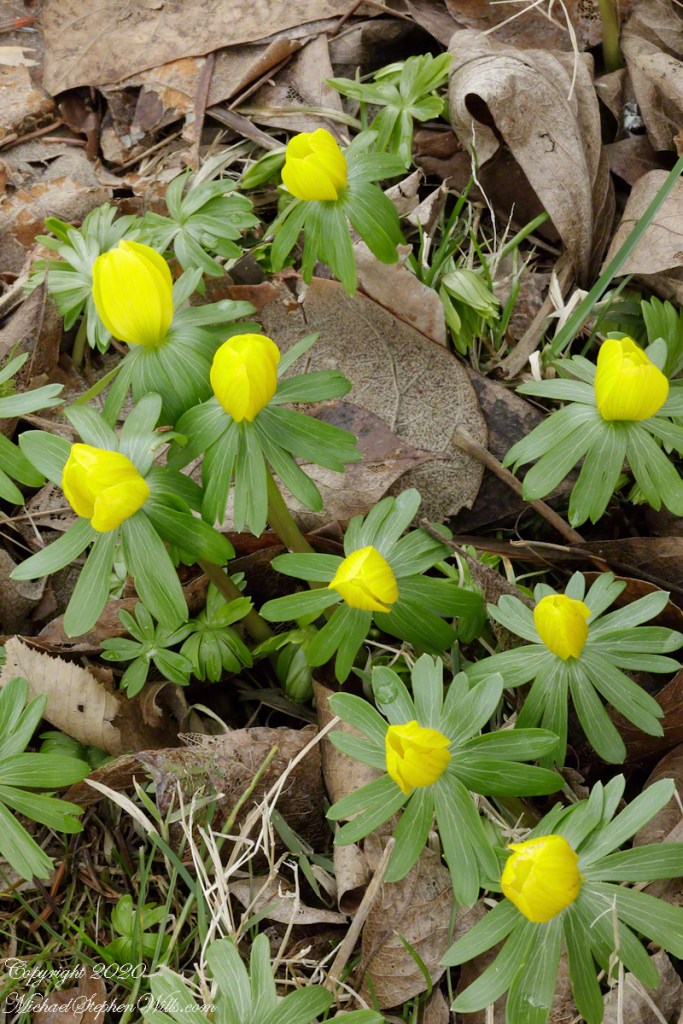
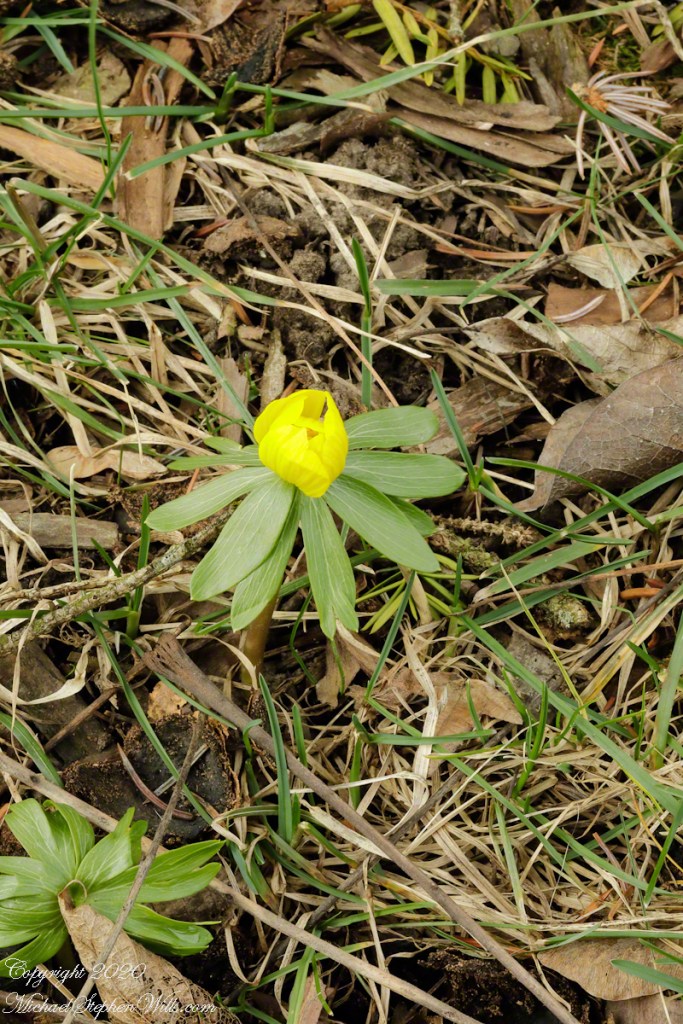
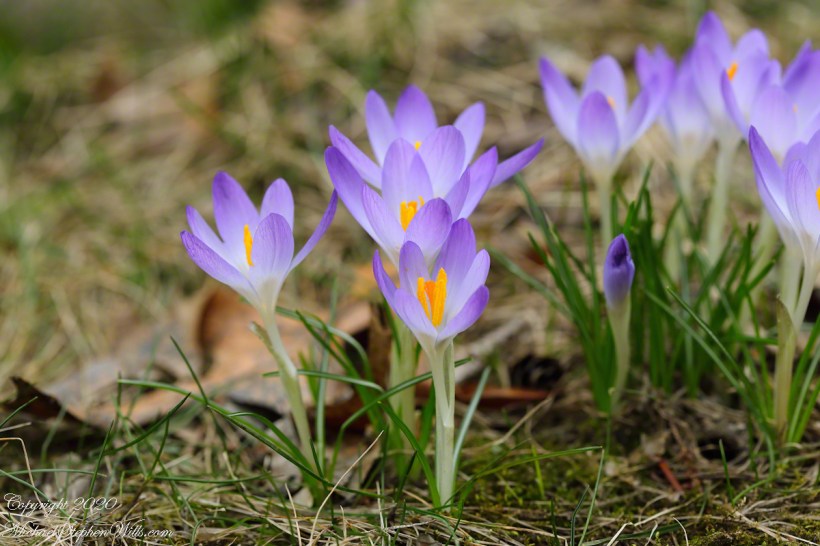
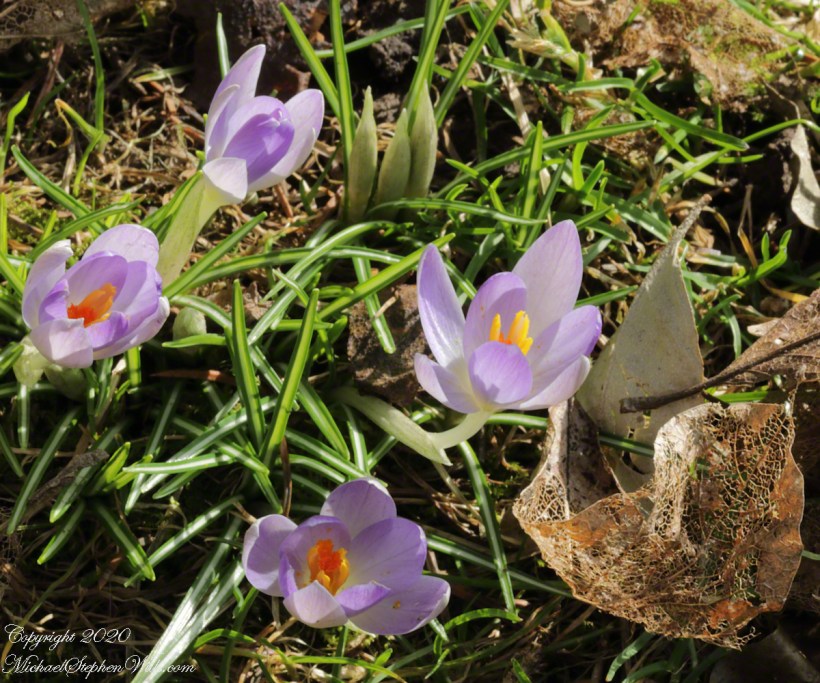
Here are partially closed blooms under the same magnolia tree on a very cold March 2020 afternoon.
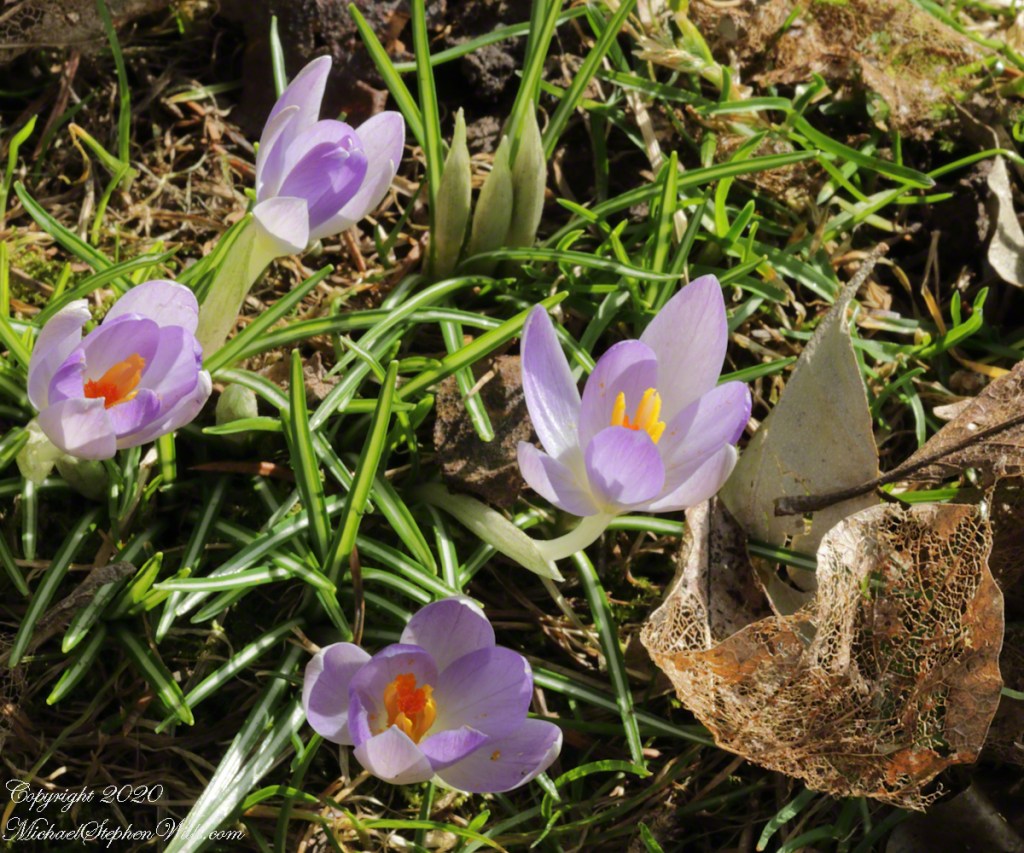
“The crocus has been known throughout recorded history, mainly as the source of saffron. Saffron is obtained from the dried stigma of Crocus sativus, an autumn-blooming species. It is valued as a spice and dyestuff and is one of the most expensive spices in the world. Iran is the center of saffron production. Crocuses are native to woodland, scrub, and meadows from sea level to alpine tundra from the Mediterranean, through North Africa, central and southern Europe, the islands of the Aegean, the Middle East and across Central Asia to Xinjiang in western China. Crocuses may be propagated from seed or from daughter cormels formed on the corm, that eventually produce mature plants. They arrived in Europe from Turkey in the 16th century and became valued as an ornamental flowering plant.” Source: wikipedia “crocus”
Copyright 2023 All Rights Reserved Michael Stephen Wills

Wildflowers Late Winter / Early Spring 3

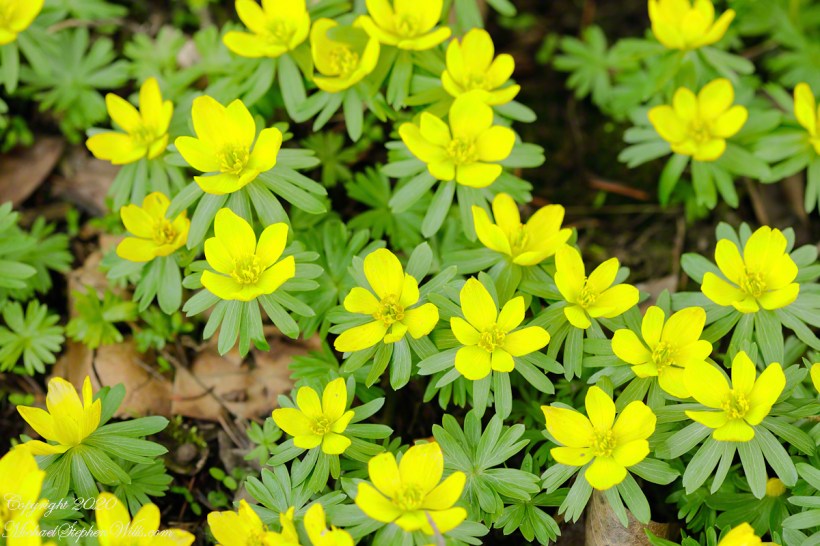
With the thermometer in the 40’s on March 12 these crocus were open, under the same magnolia tree as the buttercups from the 10th. The blooms close during cold snaps much as you see in the first post.

Click photograph for a larger view. To do this from WordPress Reader, you need to first click the title of this post to open a new page.

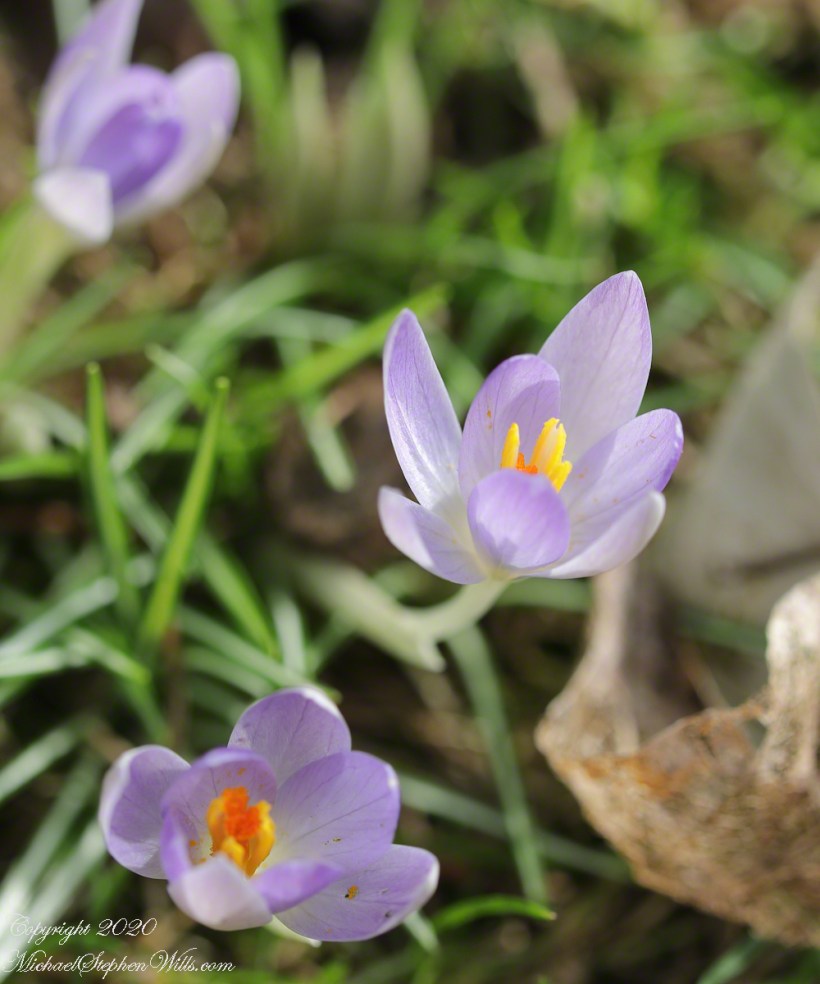
A tripod held the composition steady and the timer was set to 2 seconds for extra stability. With the leaf body worn away by time, the remaining veining turns the form lacy.

Here is a slideshow today’s and previous wildflowers.

Copyright 2021 All Rights Reserved Michael Stephen Wills

Happy March Wedding Anniversary

Unexpected Beauty

Coronavirus is raging this March 20th (I schedule posts several weeks ahead now), on this day of our anniversary, easy for me to remember falling close to or on the Spring equinox. Earliest spring flowers were up for a week when I spied this group of crocus blooms on a hill. We do not remember them being there, so I called Pam to enjoy them.

Click photograph for a larger view. To do this from WordPress Reader, you need to first click the title of this post to open a new page.

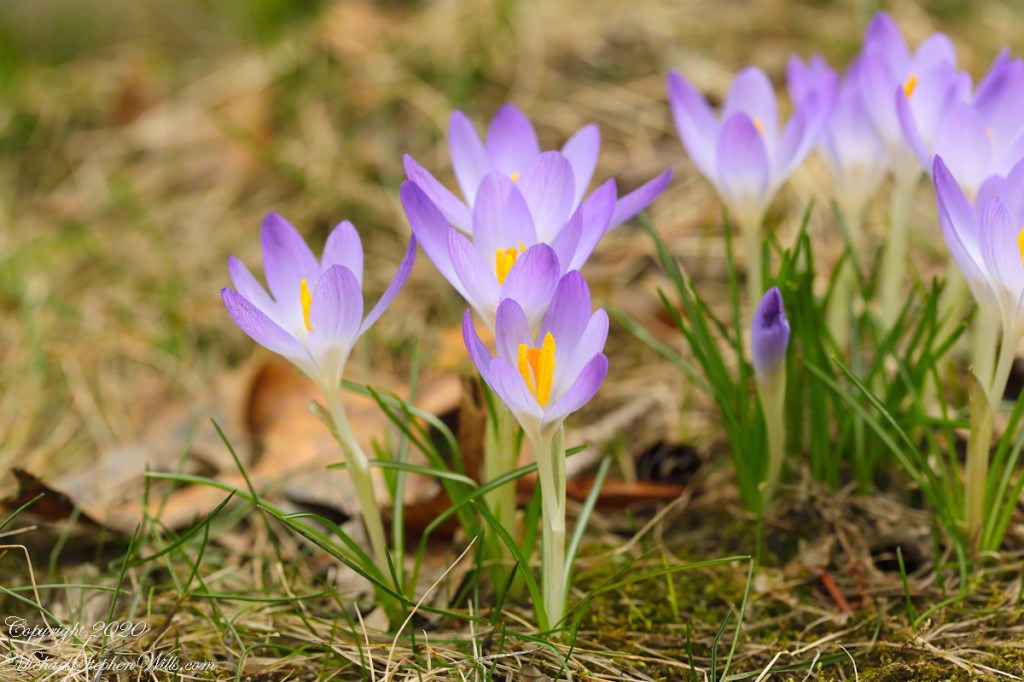
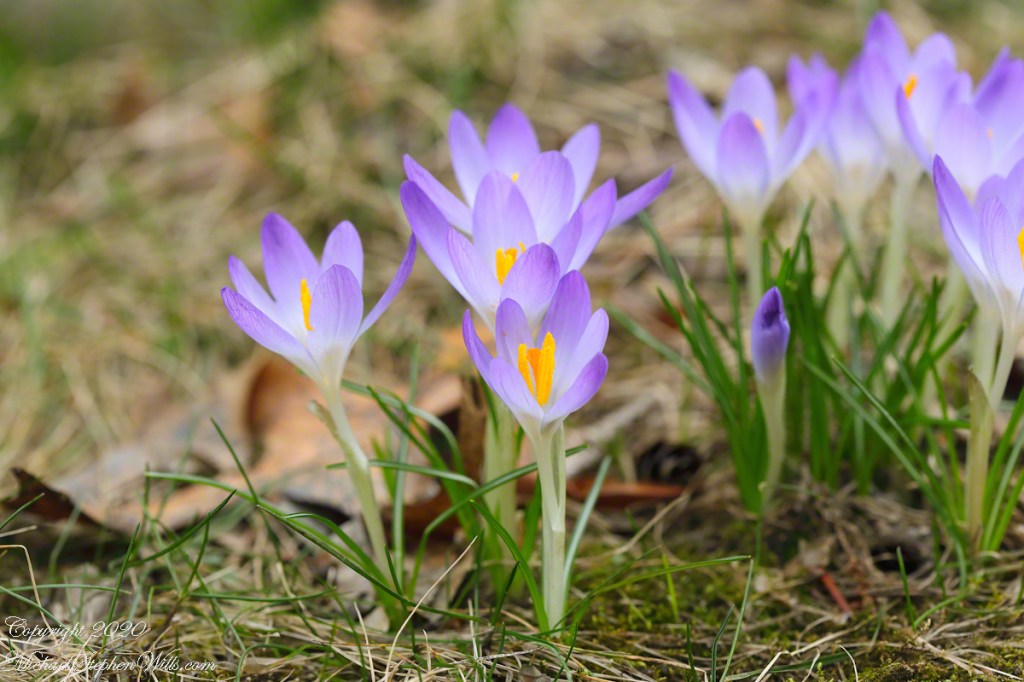
These are extra special, Pam’s parents planted them years ago. The above images are the same photograph. On the left, white balance is set to “cloudy.” At the time, late afternoon, the sun was behind low clouds, providing back light. Perfect lighting for flowers, which is why I interrupted springtime yard cleanup to run inside for the camera.

My intent was to increase the f-stop to over 20 for the following photograph. Metadata on the photograph shows I was only successful in increasing it from 5 to 5.7. ISO was increased from 100 to 400. There was an intermittent breeze and my intent was to avoid blur.

In retrospect, I neglected to change to Aperture mode so any change to F-stop I made was reset. This is a beginners mistake, so photograph turned out well. The colors are richer in the f/5.7 shot.

Copyright 2020 All Rights Reserved Michael Stephen Wills