Dutchman’s Breeches (scientific name: Dicentra cucullaria). Dicentra cucullaria is dependent on bumblebees (especially Bombus bimaculatus, a common eastern North American species) for cross-pollination. In fact, the flower structure and mechanism by which it is pollinated indicate that it is adapted for bumblebees, which can separate the outer and inner petals of the flower. They will then use their front legs to expose the stigma, stamen, and anthers. Shortly afterwards, they will sweep pollen in a forward stroke by utilizing their middle legs, before leaving the flower to return to the colony with the pollen. In this way, Dicentra cucullaria is pollinated as the bees move from plant to plant, and the bumblebee meets its dietary needs. The effect of a hallucinogenic compound contained in the plant on livestock has led ranchers to refer to it as ‘Staggerweed’.
Click for my Fine Art Photography Gallery.
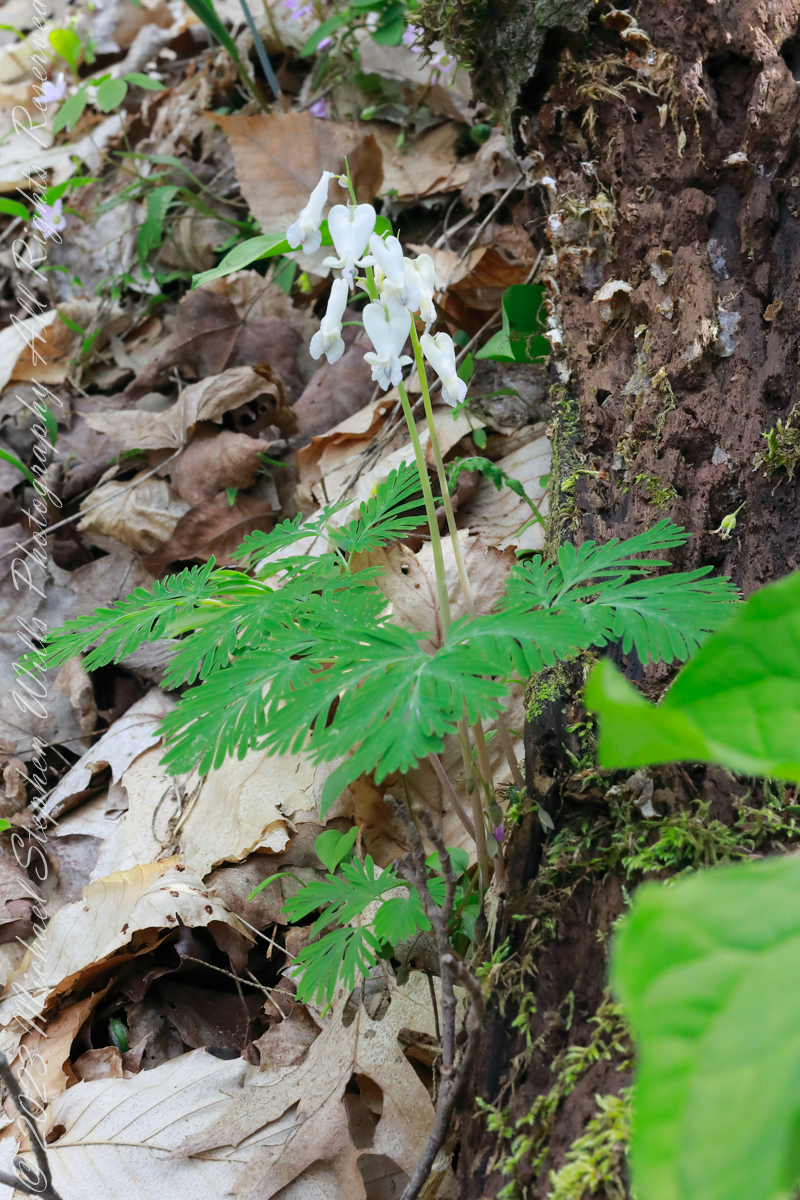
Dutchman’s breeches were likely introduced to cultivation in England when Philip Miller introduced it to the Chelsea Physic Garden. Miller likely received it from John Bartram. The species was, however, not mentioned in American horticultural literature until the early 19th century. Two clones with pink flowers have received cultivar names: ‘Pittsburg’, which turns pink under certain conditions, and ‘Pink Punk’, collected by Henrik Zetterlund on Saddle Mountain in Oregon, is more consistently pink.
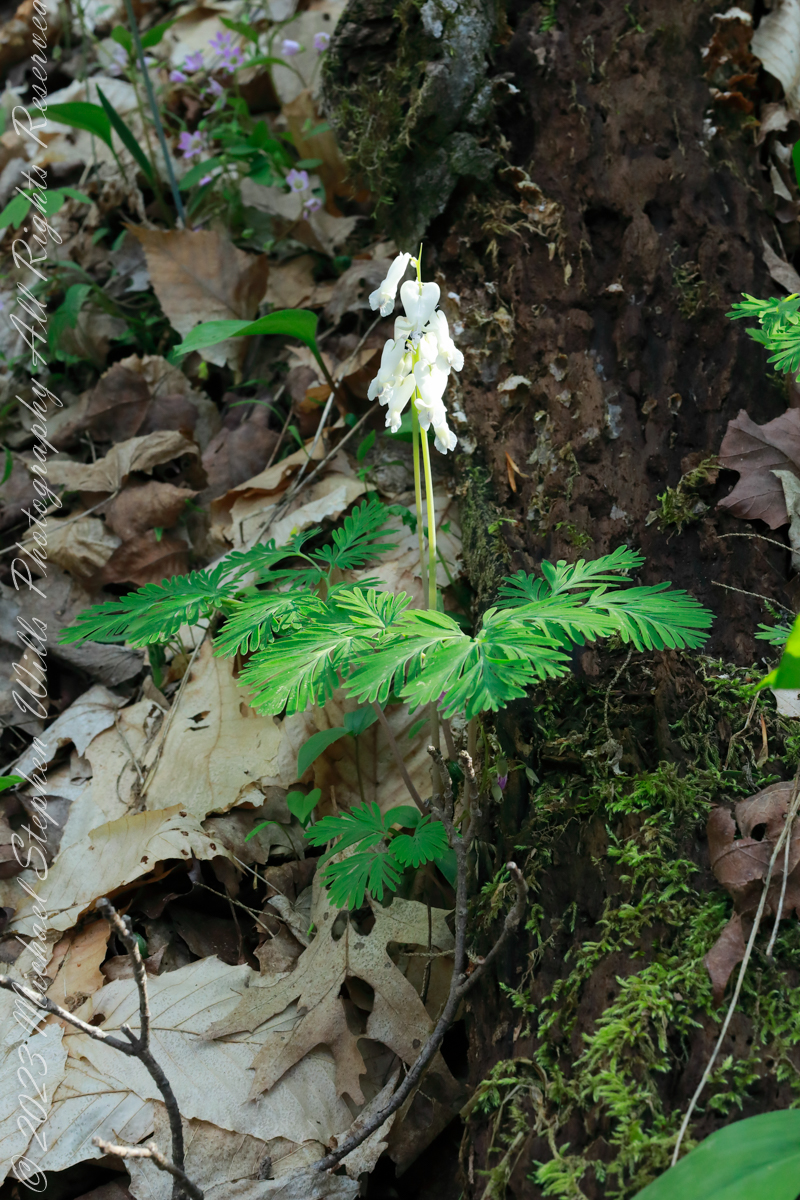
Native Americans and early white practitioners considered this plant useful for syphilis, skin conditions and as a blood purifier. Dutchman’s breeches contain several alkaloids that may have effects on the brain and heart. However, Dicentra cucullaria may be toxic and causes contact dermatitis in some people.
Reference: Wikipedia “Dicentra cucullaria“
 Michael Stephen Wills Photography
Well that was certainly interesting!😲
LikeLiked by 1 person
a relative of Bleeding Hearts
LikeLiked by 1 person