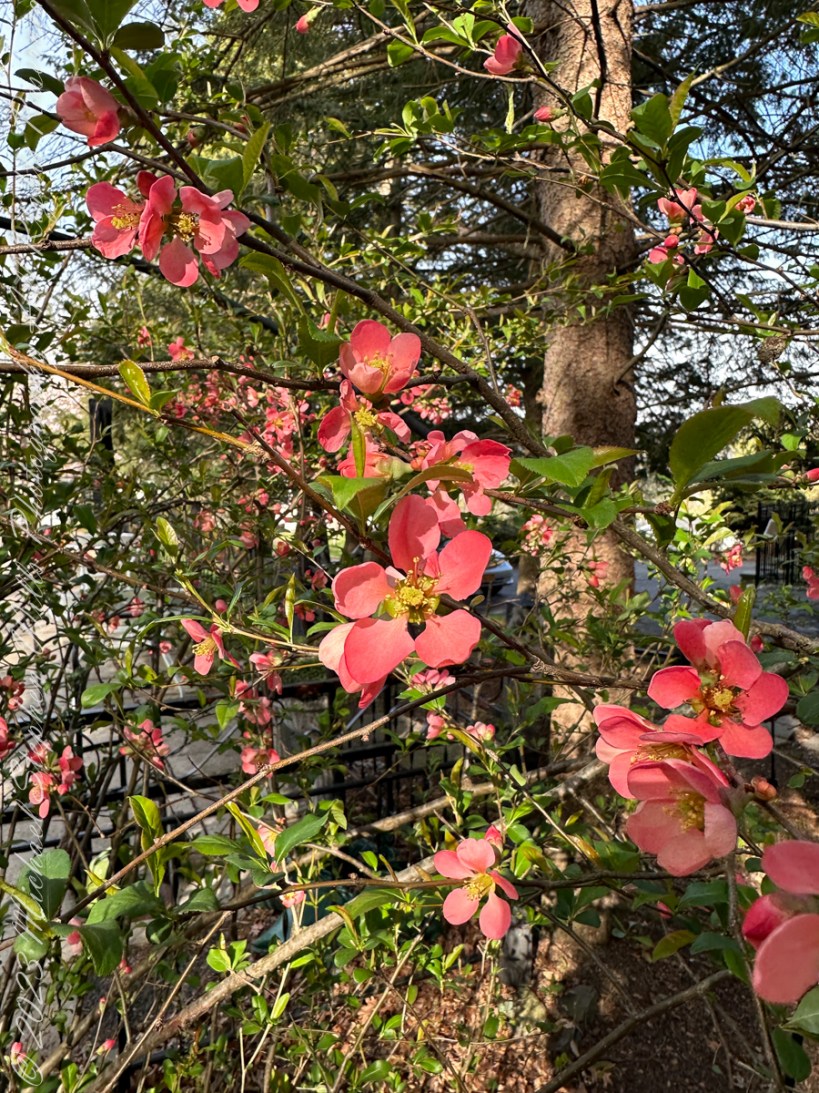
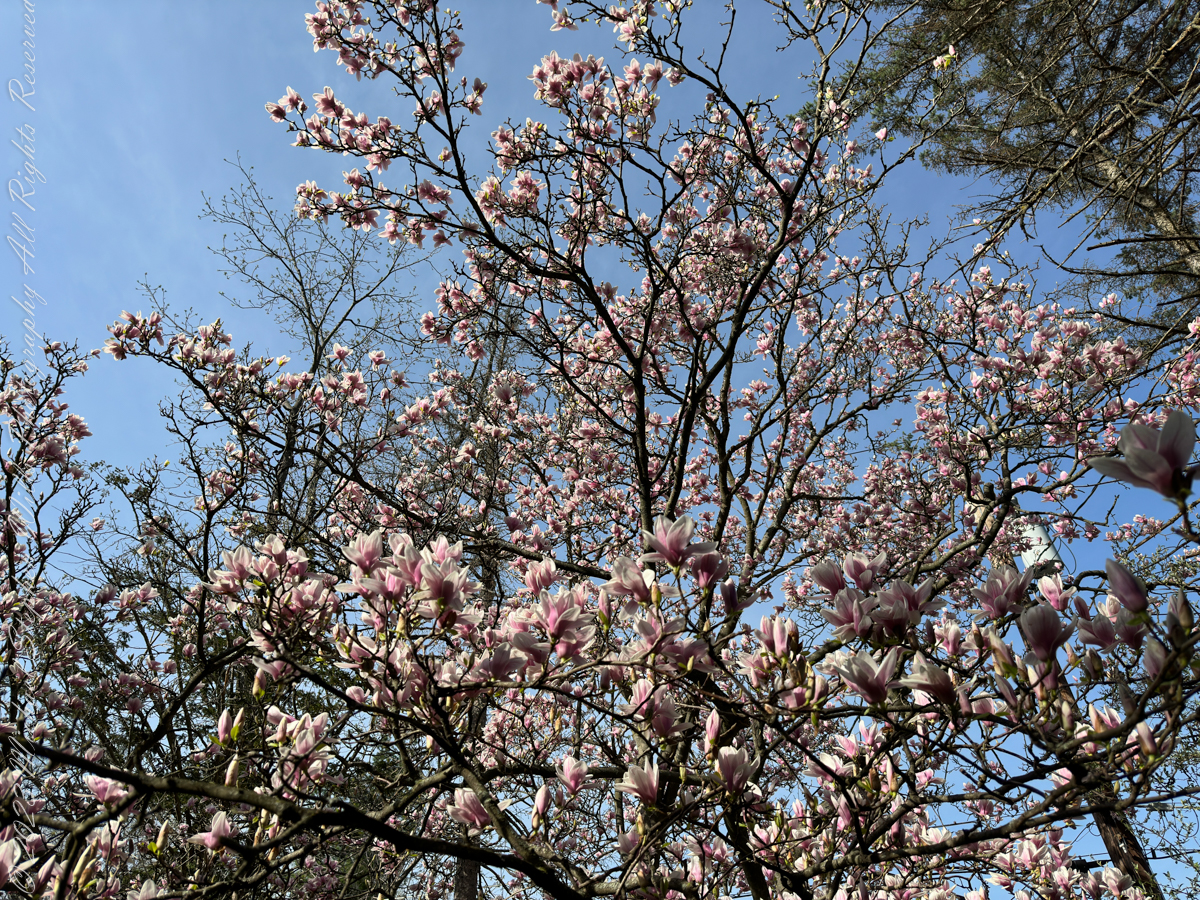
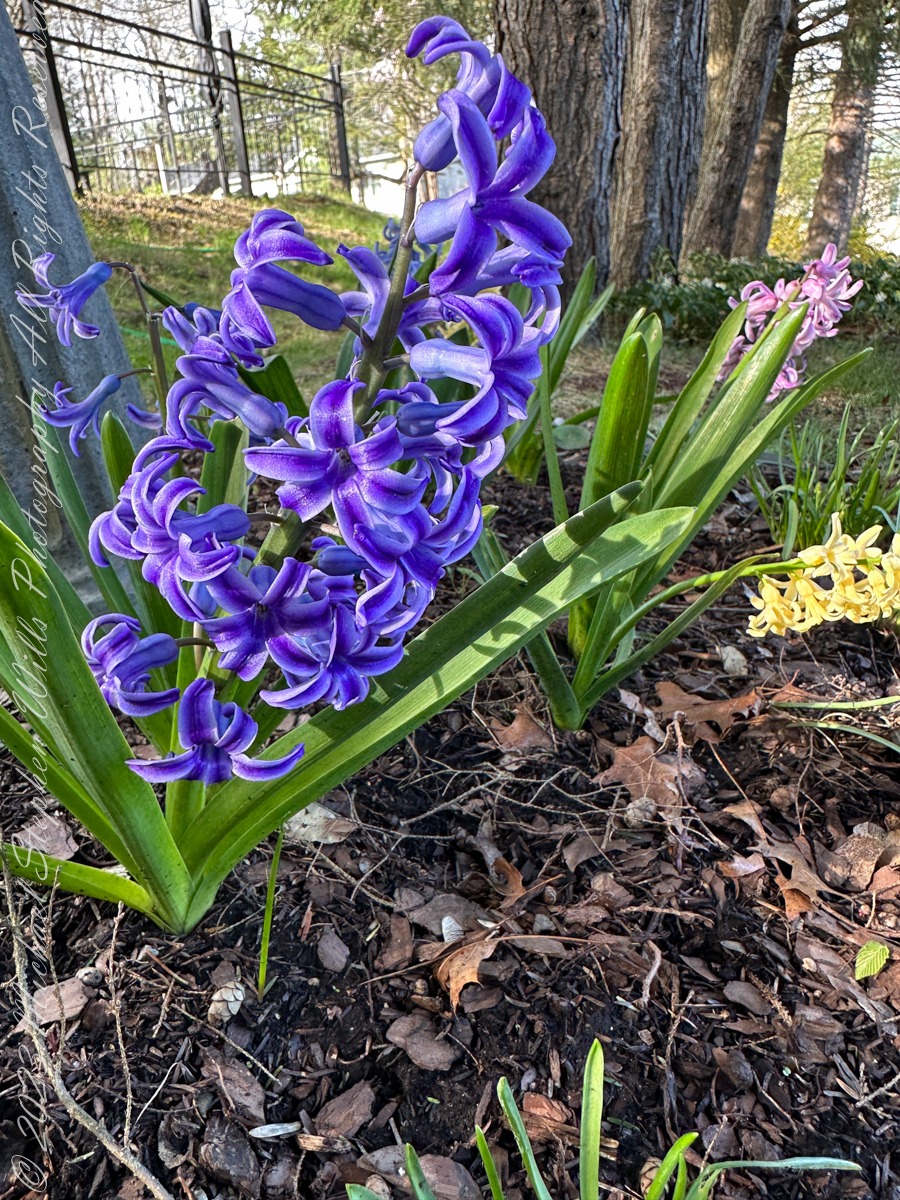
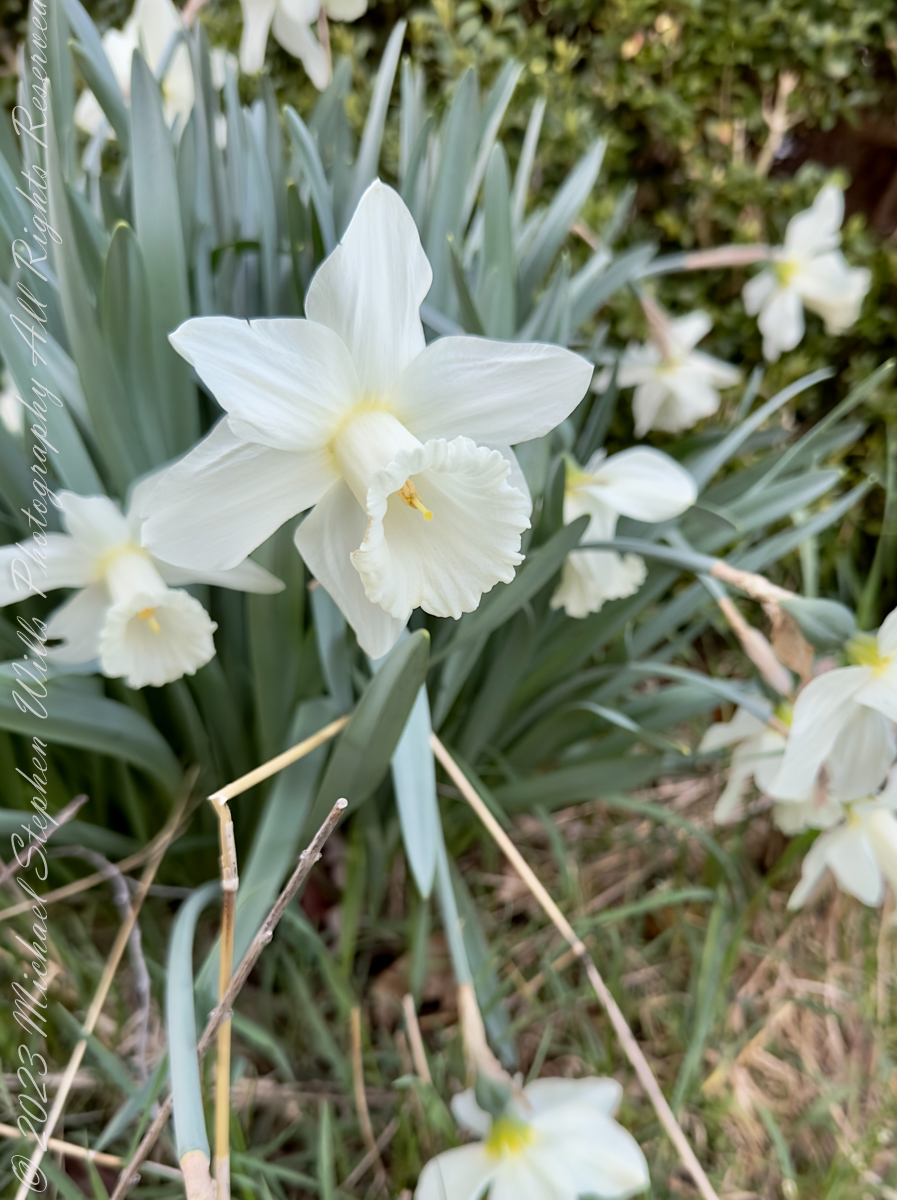
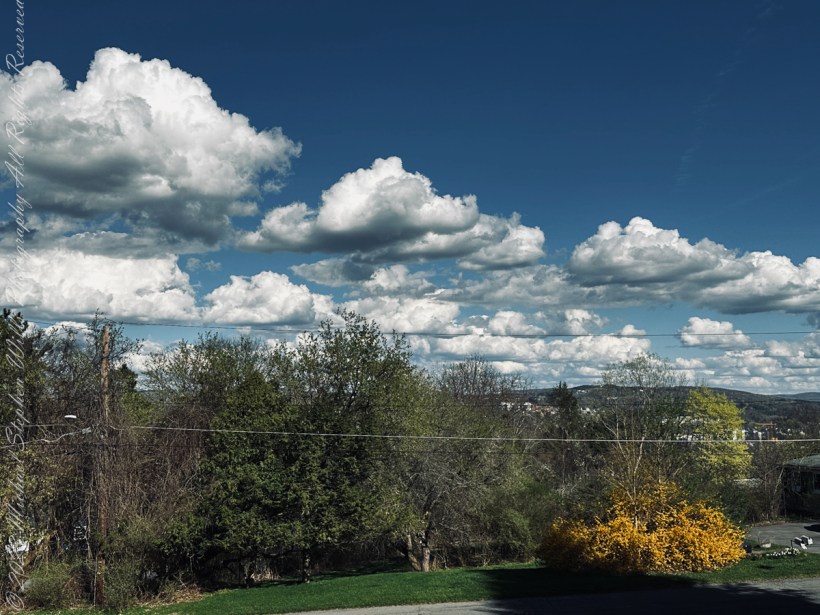
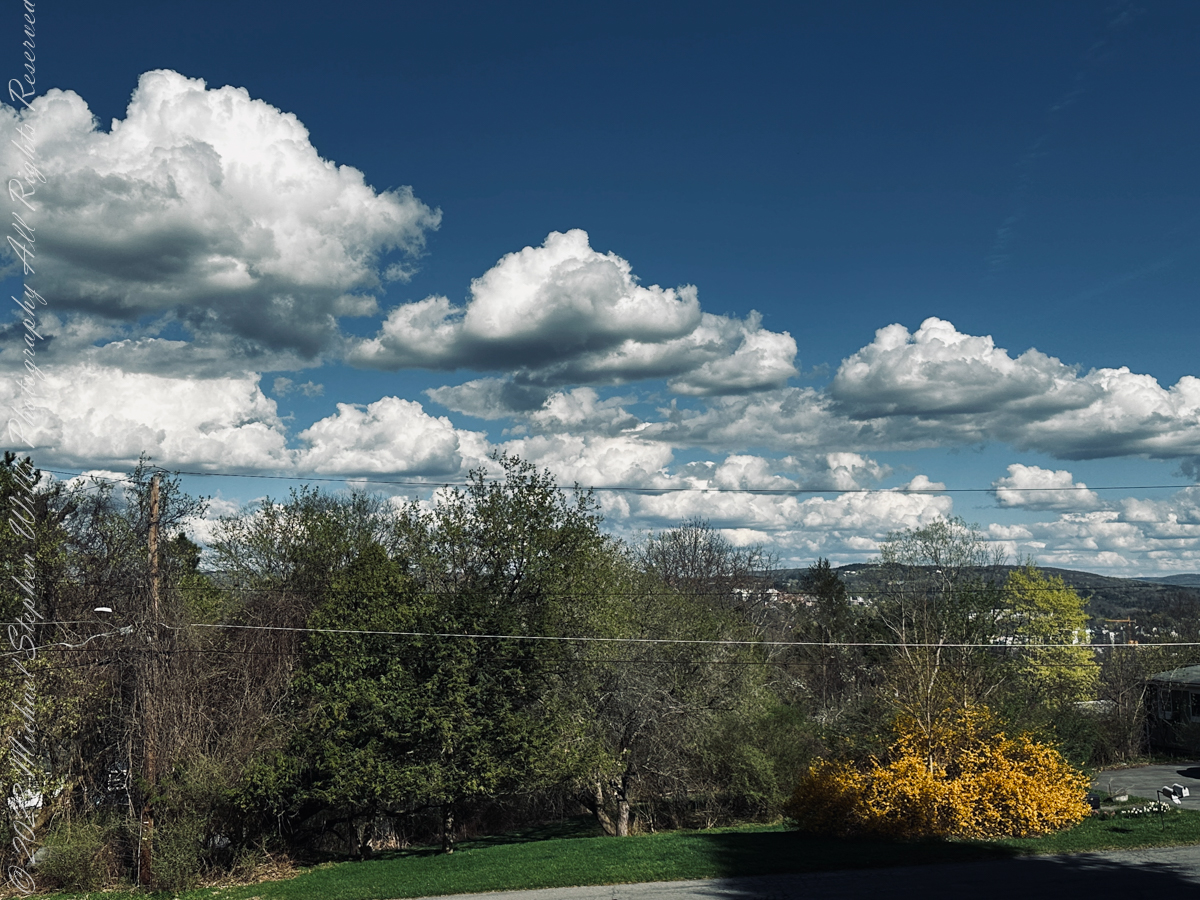
After spreading 15,000 square feet of crabcrass/fertilizer and before attending a frigid first baseball game of a grandson, I capture eight photographs of five different flowers from our home.
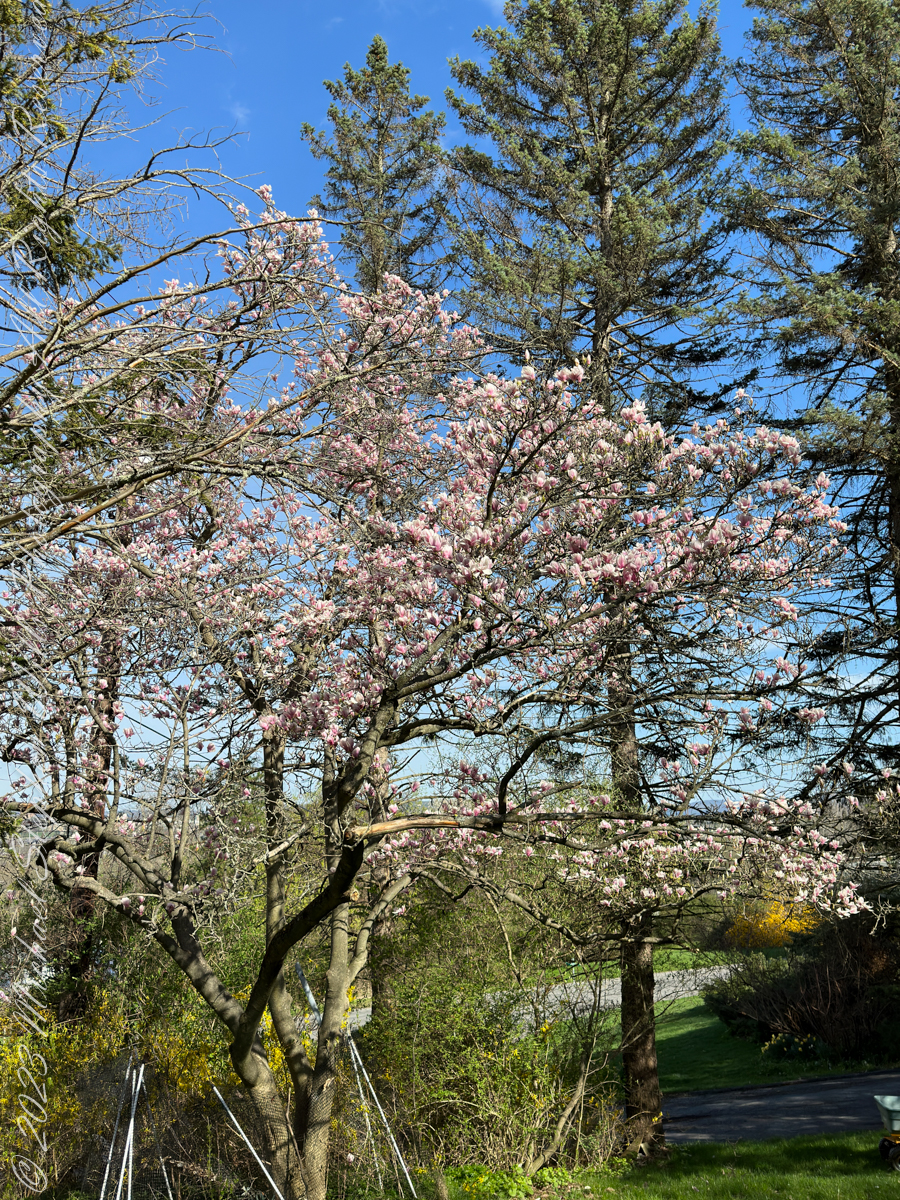
More about the Magnolia, from Wikipedia: The name Magnolia first appeared in 1703 in the Genera of Charles Plumier (1646–1704), for a flowering tree from the island of Martinique (talauma). It was named after the French botanist Pierre Magnol.
More about the Hydrangea, from Wikipedia: Hydrangea is derived from Greek and means ‘water vessel’ (from ὕδωρ húdōr “water” + ἄγγος ángos or αγγεῖον angeîon “vessel”), in reference to the shape of its seed capsules.
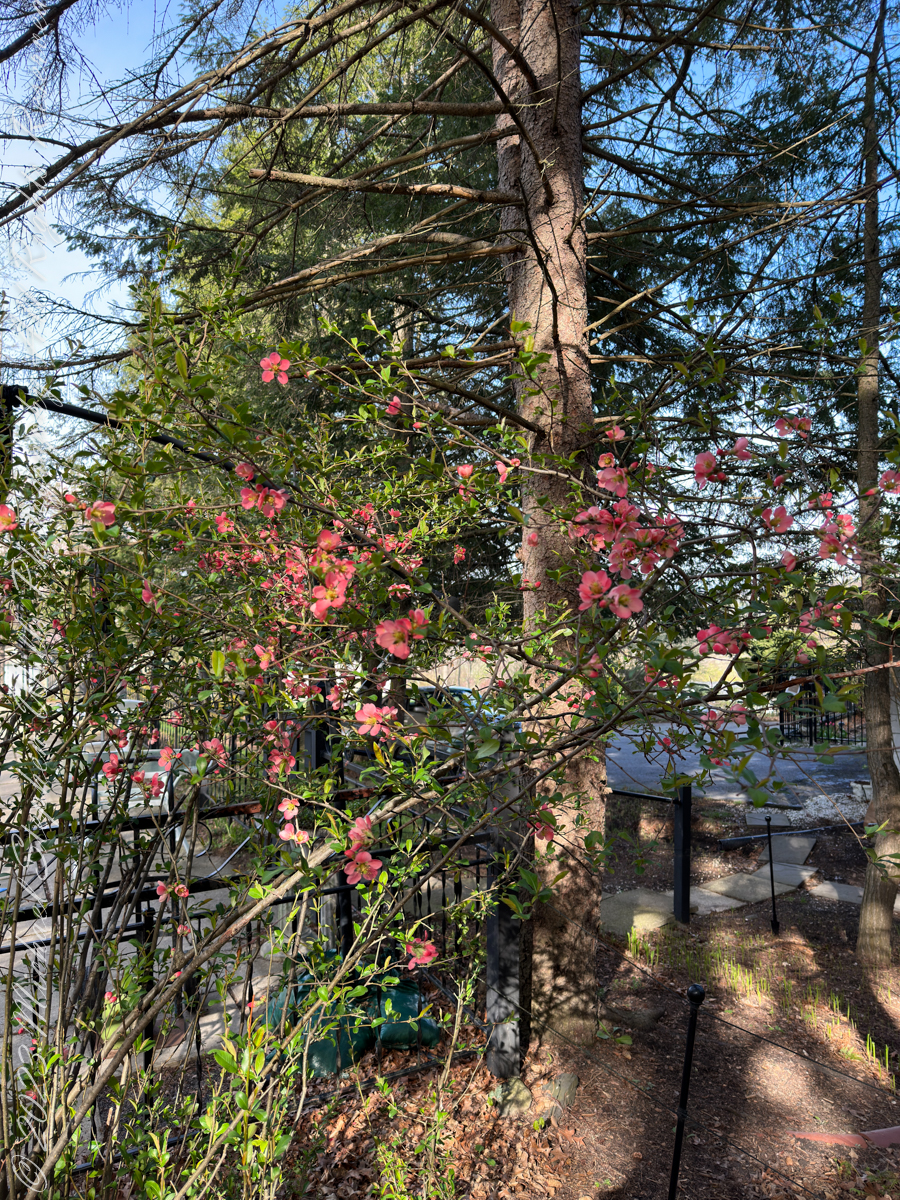
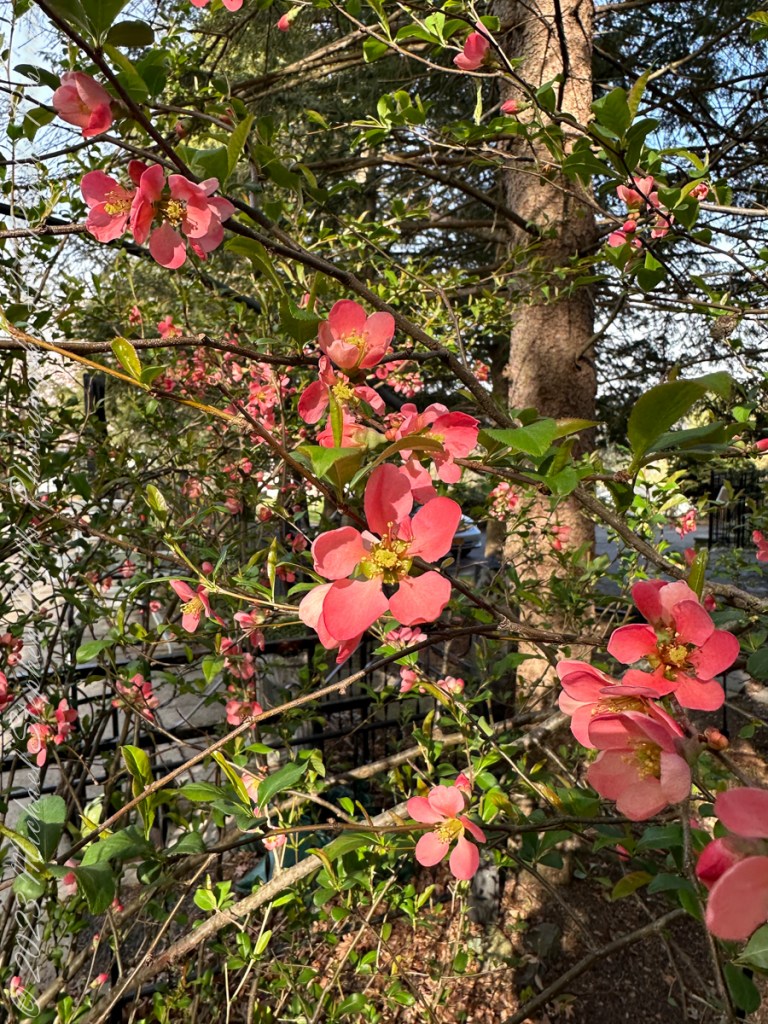
More about these Quince, from Wikipedia: Although all quince species have flowers, gardeners in the West often refer to these species as “flowering quince”, since Chaenomeles are grown ornamentally for their flowers, not for their fruits.
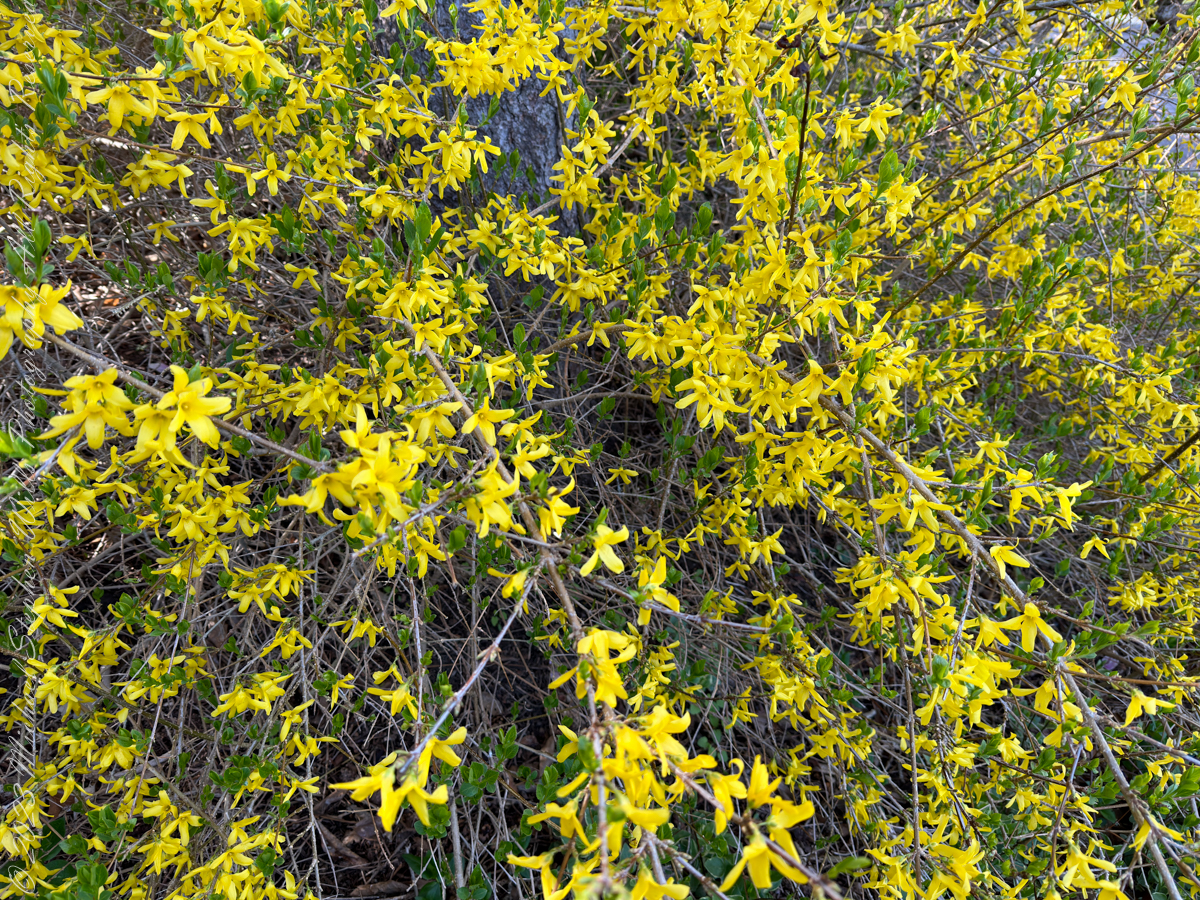
More about Forsythia, from Wikipedia: The genus is named after William Forsyth (1737–1804), a Scottish botanist who was a royal head gardener and a founding member of the Royal Horticultural Society.
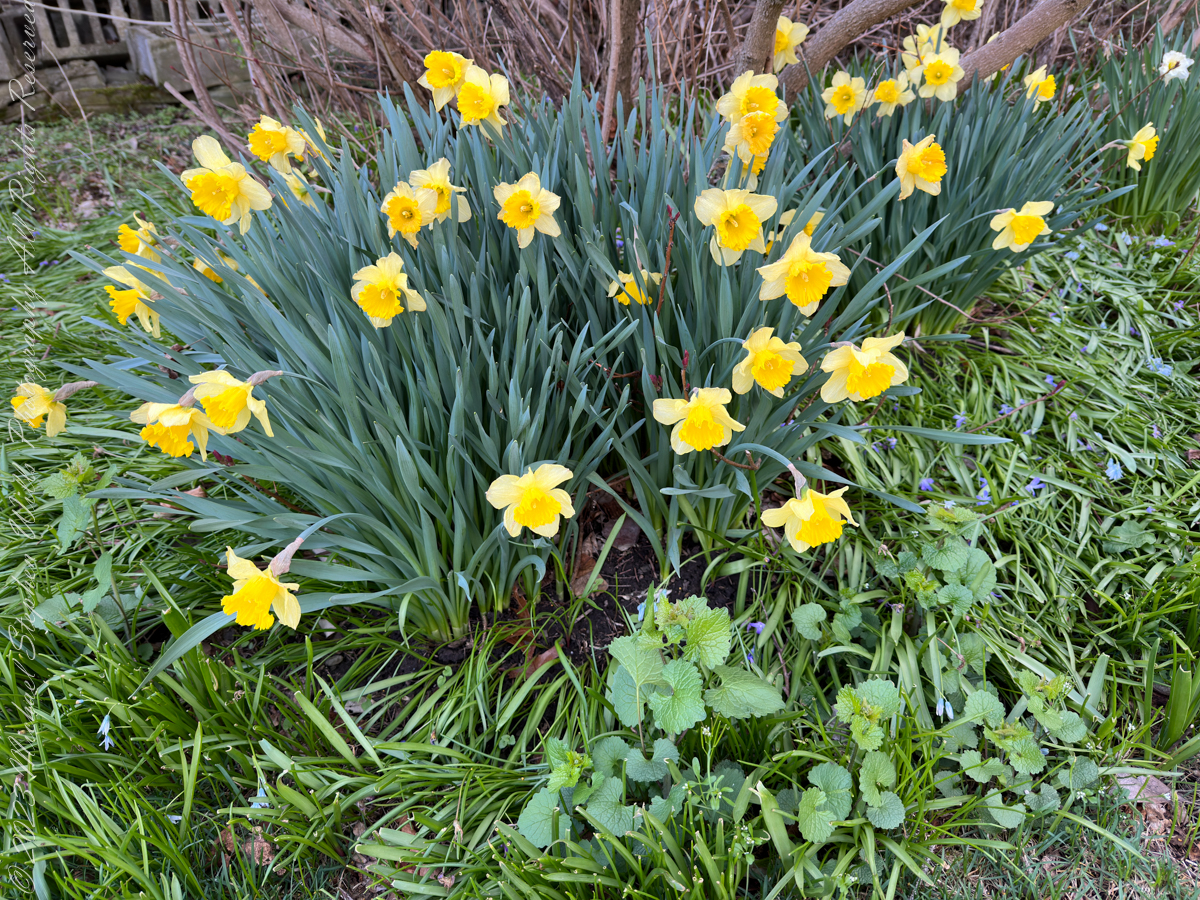
More about Forsythia, from Wikipedia: Narcissus is a genus of predominantly spring flowering perennial plants of the amaryllis family, Amaryllidaceae. Various common names including daffodil, narcissus, and jonquil are used to describe all or some members of the genus. Narcissus has conspicuous flowers with six petal-like tepals surmounted by a cup- or trumpet-shaped corona. The flowers are generally white and yellow (also orange or pink in garden varieties), with either uniform or contrasting colored tepals and corona.
 Michael Stephen Wills Photography