Iquique was a Peruvian city under Chilean naval blockade in May 1879 during the War of the Pacific, also called the Saltpeter War, for control of valuable nitrate deposits in the Atacama Desert. The conflict primarily involved Chile, Peru, and Bolivia, with Chile aiming to secure the resource-rich coastal regions of Bolivia and southern Peru.
The photographs illustrating this post feature Valparaiso, beginning with an overview of Plaza Sotomayor from the bridge of the ship Regatta docked in the harbor. Centered in the square is a memorial to the heroes of Iquique, a tribute to those who fought valiantly during the naval confrontations.
Click any photograph for a larger view and use Ctrl-x to zoom in closer.
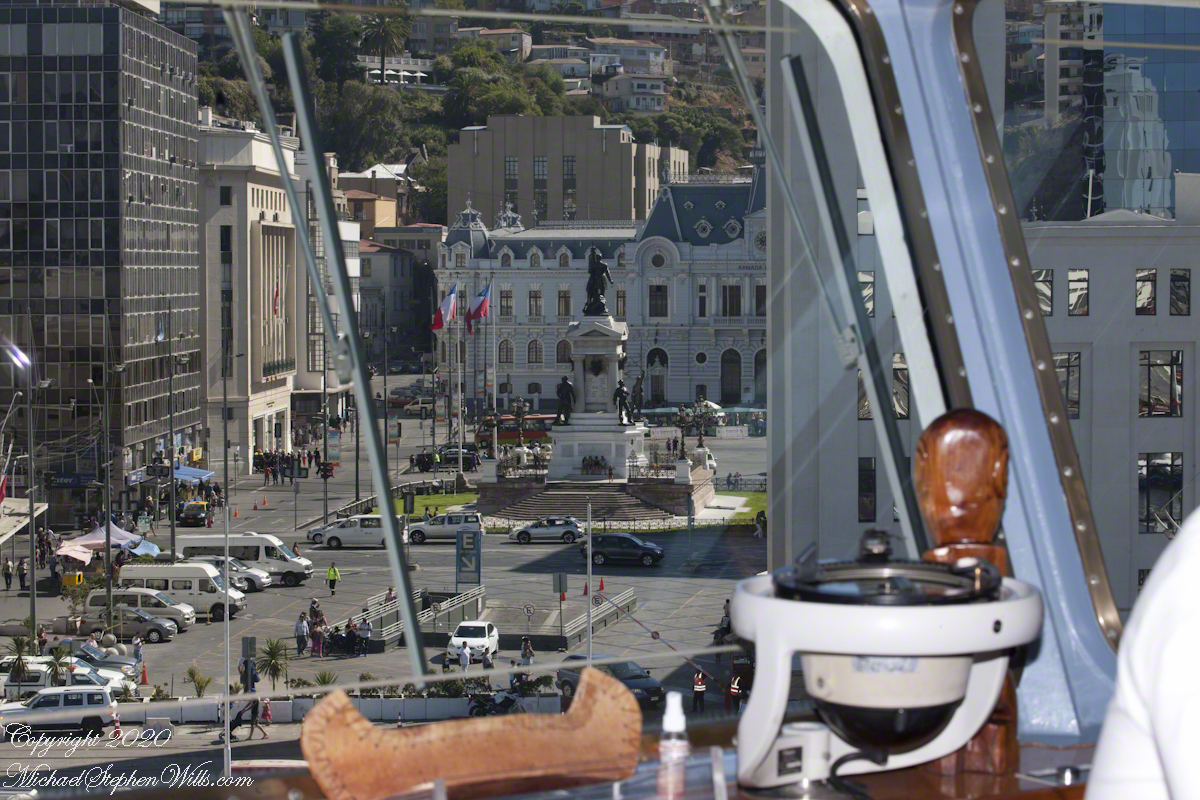
On the morning of May 21, 1879, two older wooden Chilean ships were stationed blockading the Iquique harbor: the corvette Esmeralda, captained by Arturo Prat Chacón, and the schooner Covadonga. Out of the thick morning fog emerged two Peruvian ironclad ships, the Huáscar and the Independencia. The Huáscar, commanded by Admiral Miguel Grau, posed a significant threat to the Chilean blockade due to its superior firepower and armor.
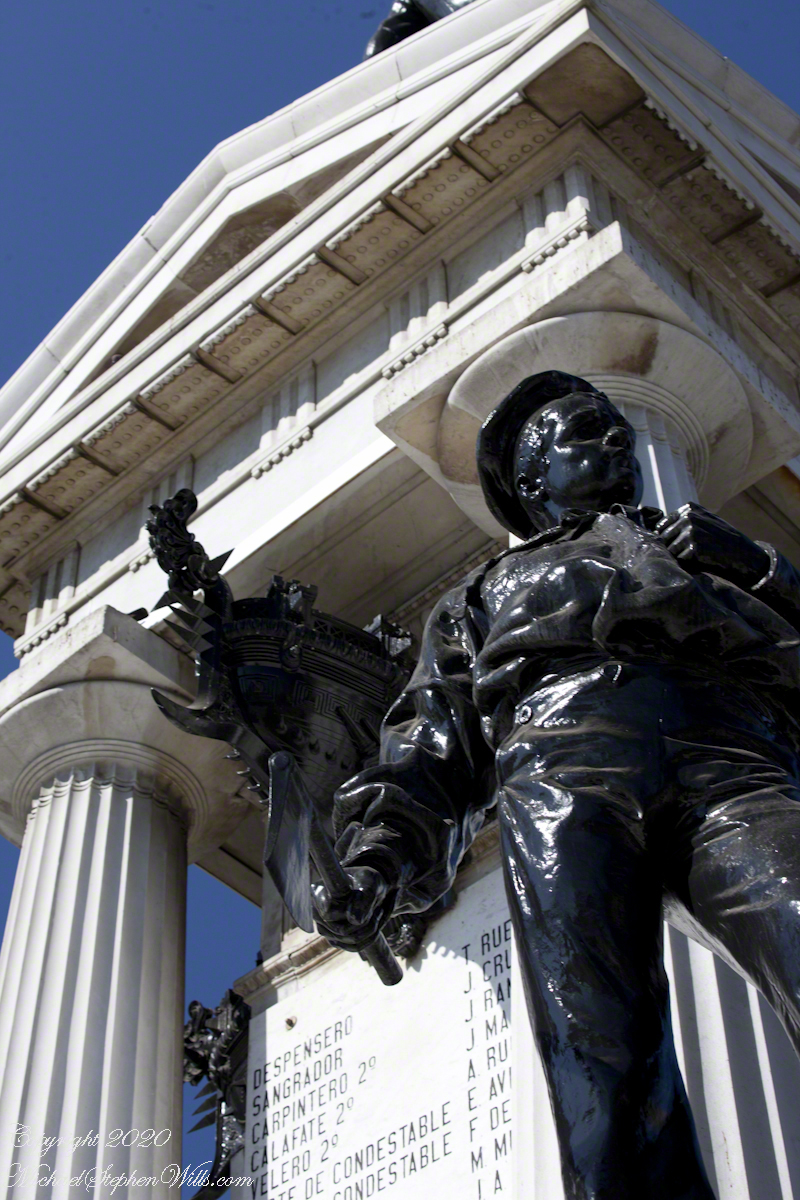
Facing the formidable Peruvian ironclads, the Covadonga withdrew to avoid certain destruction. Captain Prat, however, stood his ground aboard the Esmeralda. Despite being heavily outgunned and outmatched, Prat chose to engage the Huáscar. In a courageous but ultimately futile effort, Prat attempted to board the Huáscar but was killed in the process, and the Esmeralda was subsequently destroyed with a great loss of life.
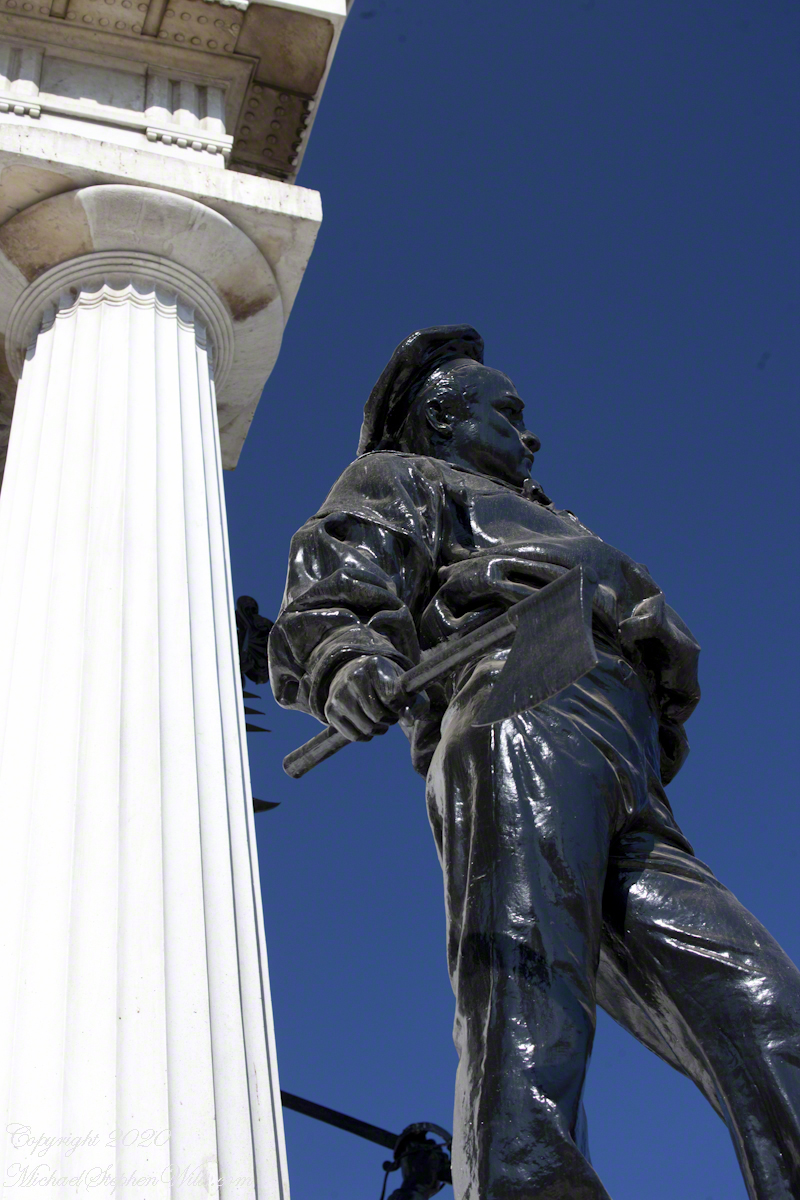
The Battle of Iquique ended with a Peruvian victory, temporarily lifting the blockade and opening the port. However, the heroism displayed by Captain Prat and his crew had a profound impact on Chilean morale. News of their bravery spread rapidly, galvanizing the Chilean population and military. Prat’s sacrifice became a symbol of national pride and determination, fueling Chile’s resolve to win the war.
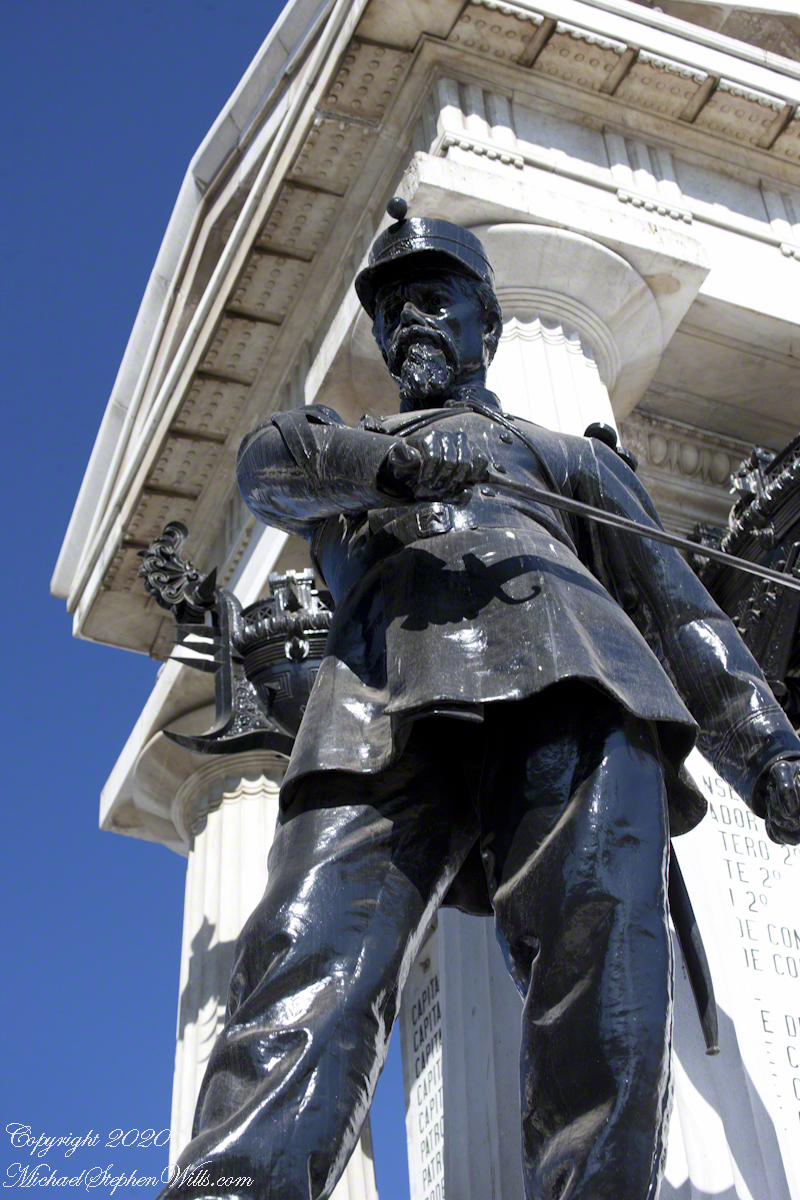
The outcome of the War of the Pacific was a decisive victory for Chile. By the end of the conflict in 1884, Chile had gained significant territories from Peru and Bolivia, including the nitrate-rich provinces of Tarapacá and Antofagasta. These territorial acquisitions provided Chile with substantial economic benefits due to the lucrative nitrate mines, which were crucial for agricultural fertilizers and explosives.
The War of the Pacific had far-reaching consequences for the region. Bolivia lost its coastal territory, becoming a landlocked country, which has had lasting implications on its economic development and geopolitical strategy. Peru, on the other hand, was forced to cede valuable territories and endured a period of economic hardship and political instability following the war.
Today, the Battle of Iquique is commemorated annually in Chile on Naval Glories Day (Día de las Glorias Navales) on May 21st. This national holiday honors the bravery of Captain Prat and his men, serving as a reminder of their sacrifice and the pivotal role the battle played in Chilean history.
In summary, the blockade of Iquique and the ensuing naval battle were significant events in the War of the Pacific. They highlighted the strategic importance of naval power and the impact of individual heroism on national morale. The war reshaped the territorial boundaries in the region, with lasting economic and political effects that continue to influence the countries involved.


Hi Sir
Amazing photography
LikeLiked by 3 people
Valparaiso is on my bucket list. I want to visit Pablo Neruda’s home.
LikeLiked by 2 people
We highly recommend that city. One of the drawbacks of the cruise was the limited time at port, one day in most cases. Neruda’s home is exceptional. Sadly, photography is limited.
LikeLiked by 2 people
Very interesting post.
LikeLike
Francoisco, I enjoyed revisiting the experience. Thanks for coming by and the positive message.
LikeLiked by 1 person
My pleasure Michael. All the best.
LikeLiked by 1 person
There are still rumblings in Bolivia about how they can regain this access to the sea.
LikeLiked by 1 person
Great point!! The situation regarding Bolivia’s access to the Pacific Ocean remains complex and unresolved. Despite persistent efforts to regain access to the Pacific Ocean lost in the 19th century, a significant legal setback occurred in 2018 when the International Court of Justice (ICJ) ruled that Chile is not obligated to negotiate sovereign access to the ocean for Bolivia. This decision dashed Bolivia’s hopes for a court-mandated resolution but left open the possibility for continued diplomatic dialogue.
Economically, Bolivia’s landlocked status significantly hampers its trade potential. The lack of direct access to the sea results in higher transportation costs, adding approximately 55.7% to the price of shipping containers compared to Chile. This economic disadvantage affects Bolivia’s overall GDP, which is significantly smaller compared to neighboring Chile.
In response, Bolivia has been exploring alternative routes to mitigate these logistical challenges. The reclassification of river ports on the Paraguay-Paraná waterway, such as Port Jennefer, offers a viable route to the Atlantic Ocean, reducing transportation costs and time for Bolivian exports.
Additionally, a novel proposal has been made to construct a 150-kilometer tunnel from Bolivia to the Pacific Ocean, emerging at an artificial island. While this solution is intriguing, it faces numerous political and logistical hurdles, requiring the consent of Chile, Peru, and Bolivia.
Overall, Bolivia continues to pursue various strategies to alleviate the economic impact of its landlocked status while maintaining its longstanding goal of regaining sovereign access to the Pacific Ocean through diplomatic and innovative means.
LikeLike
Wonderful history of this part of the world. While I’ve visited and was enamored by Peru, I badly wanted to venture into Chile as well – this post gives me yet another reason to make is so 🙂
LikeLiked by 1 person
Also, I’d like to add the first line of your “Iquique-by-Sea I” post is the reason sailing and the water holds something special with my imagination:
“Standing on the balcony of our port side stateroom, the early morning light casts a subdued, almost ethereal glow over the vast expanse of the Pacific Ocean.”
A feeling. The unspoken beauty of exploring.
LikeLiked by 1 person
Thank you for your kind words, Dalo! I’m glad that line resonated with you. The ocean’s vastness does have a way of stirring the imagination and evoking deep emotions. I’m happy to share that feeling with you.
LikeLike
Thank you, Dalo!
I’m thrilled the post sparked your interest in Chile.
It’s a captivating place, and I hope you get the chance to explore it someday!
LikeLike