One hundred and thirty-six years and nine months after that foggy morning of the Battle of Iquique, our view of the harbor was clear. Unlike the historic event where dreadnoughts emerged from the mist to engage in battle, today’s scene was peaceful and serene. Instead of warships, a small, fast boat waited to guide the Regatta into the harbor, a far cry from the turmoil of the past.
Our journey to Iquique began with a memory from long ago and far from any ocean. My first encounter with a maritime pilot occurred not at sea but on an Arizona mountain, a story I recounted in a previous post titled “Cochise Dawn.” On that occasion, the concept of maritime navigation seemed distant and abstract, far removed from the desert landscapes. Today, as Pam and I stood on the balcony of our port-side stateroom, the reality of maritime piloting unfolded before our eyes in the bustling harbor of Iquique.
Click any photograph for a larger view and use Ctrl-x to zoom in closer.
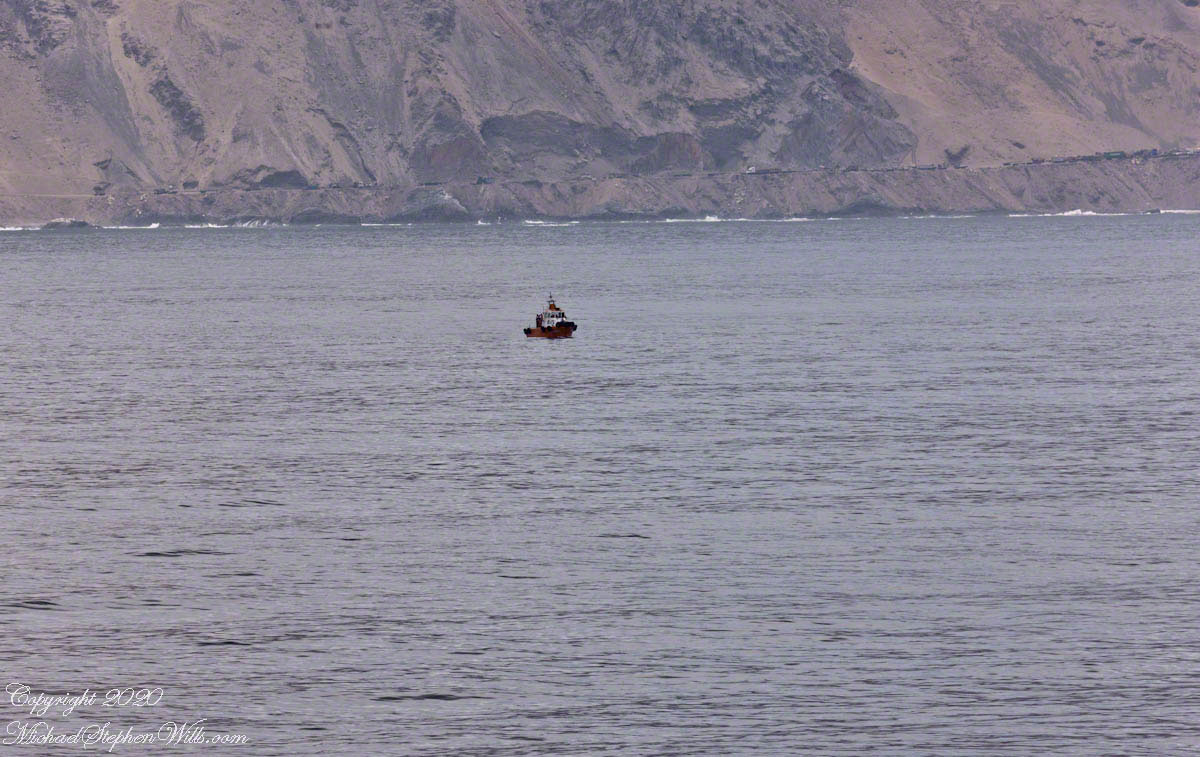
Our journey to Iquique began with a memory from long ago and far from any ocean. My first encounter with a maritime pilot occurred not at sea but on an Arizona mountain, a story I recounted in a previous post titled “Cochise Dawn.” On that occasion, the concept of maritime navigation seemed distant and abstract, far removed from the desert landscapes. Today, as Pam and I stood on the balcony of our port-side stateroom, the reality of maritime piloting unfolded before our eyes in the bustling harbor of Iquique.
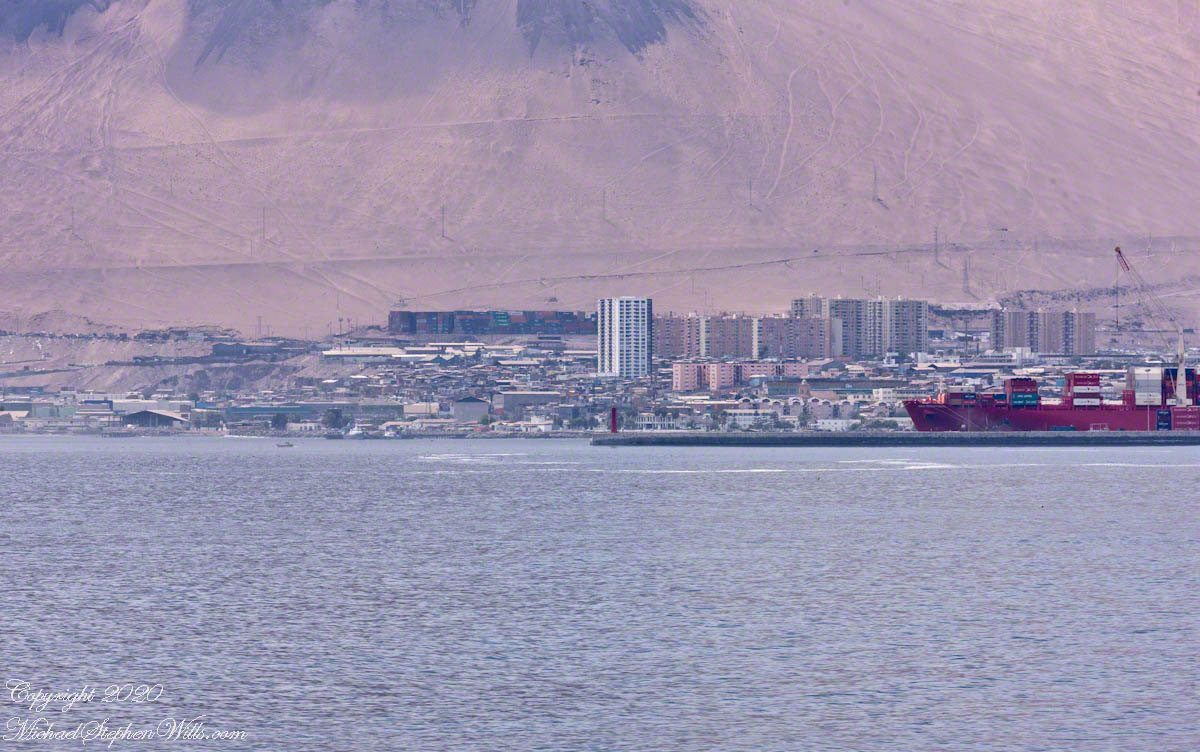
The city of Iquique, nestled against an escarpment that rises hundreds of feet high, presents a striking backdrop. This natural barrier, both protective and imposing, has shaped the city’s history and development. Today, it would lead us to an exploration of a different kind—an excursion to a former nitrate mine located on the desert plateau above the escarpment. This region, once a hub of industrial activity, holds stories of economic booms and busts, of labor struggles and technological advancements.
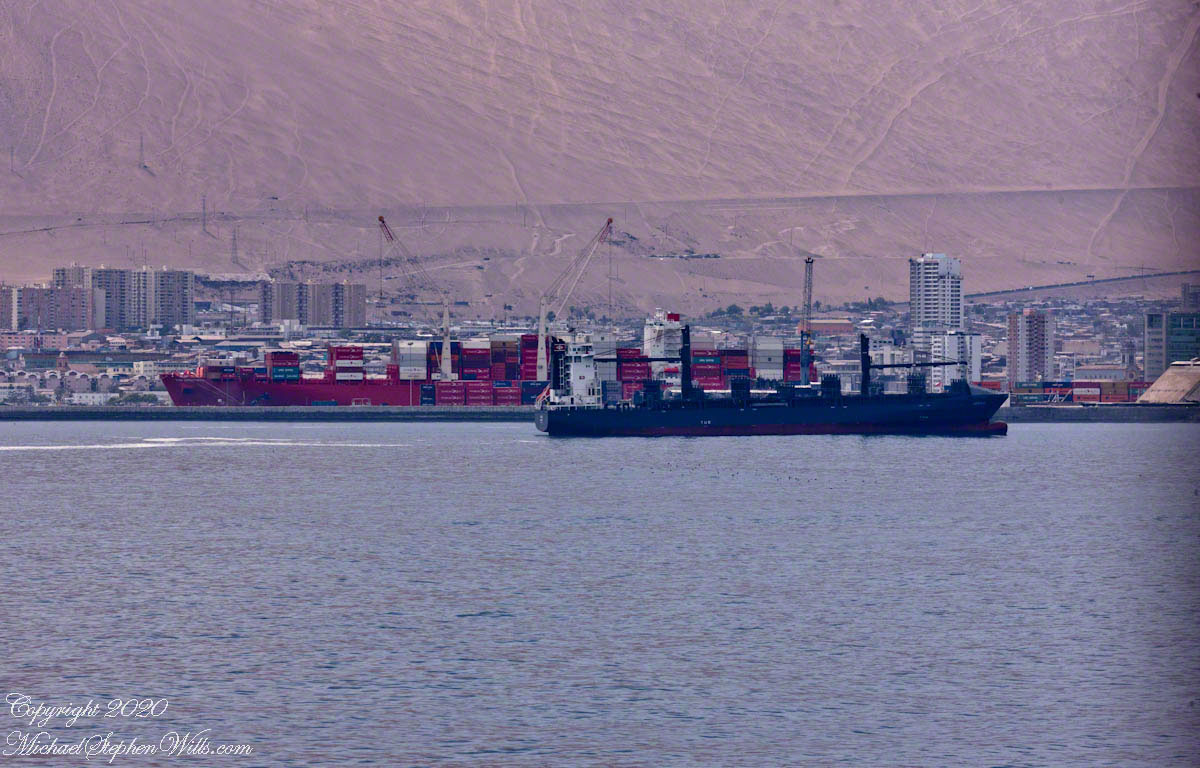
As we prepared to anchor beyond the breakwater, the tiny fast boat drew closer, carrying the maritime pilot. This figure, crucial to our safe passage, represents a profession that has existed since ancient times.
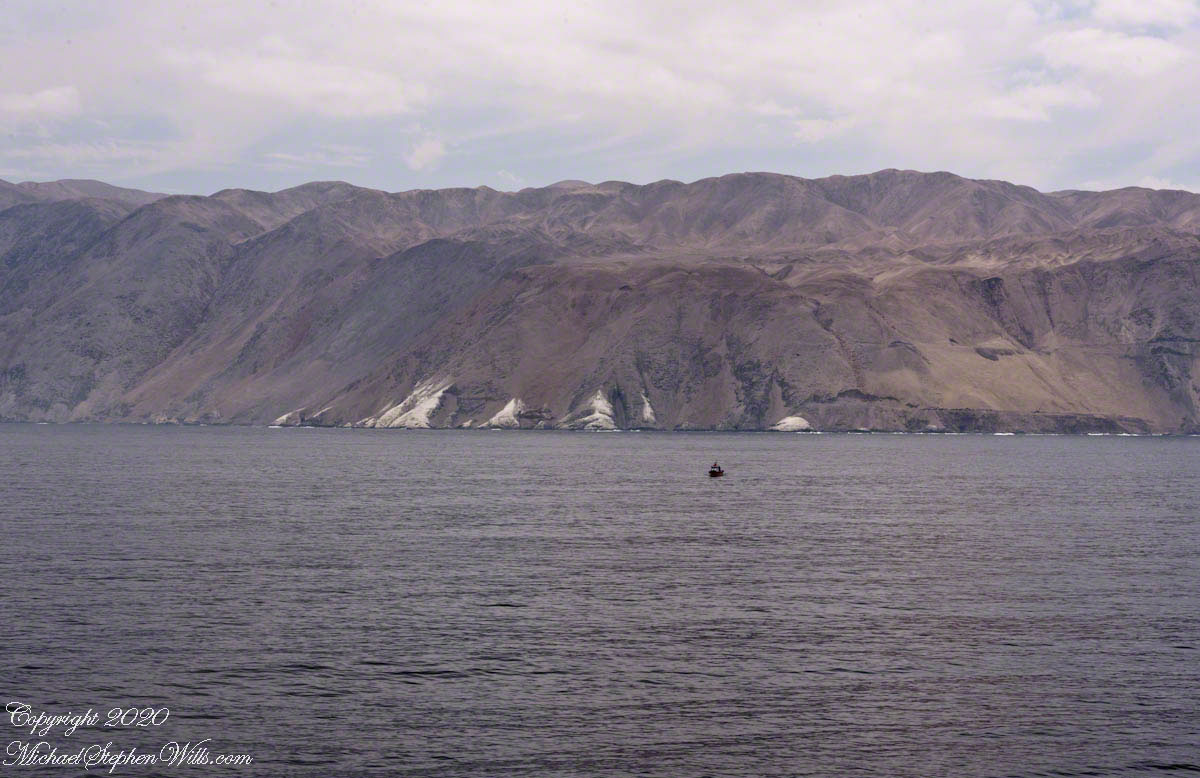
The Greeks and Romans first utilized fishermen, who knew their local waters intimately, to guide valuable cargo ships safely to port. These early pilots were invaluable for navigating the treacherous and often uncharted coastal waters.
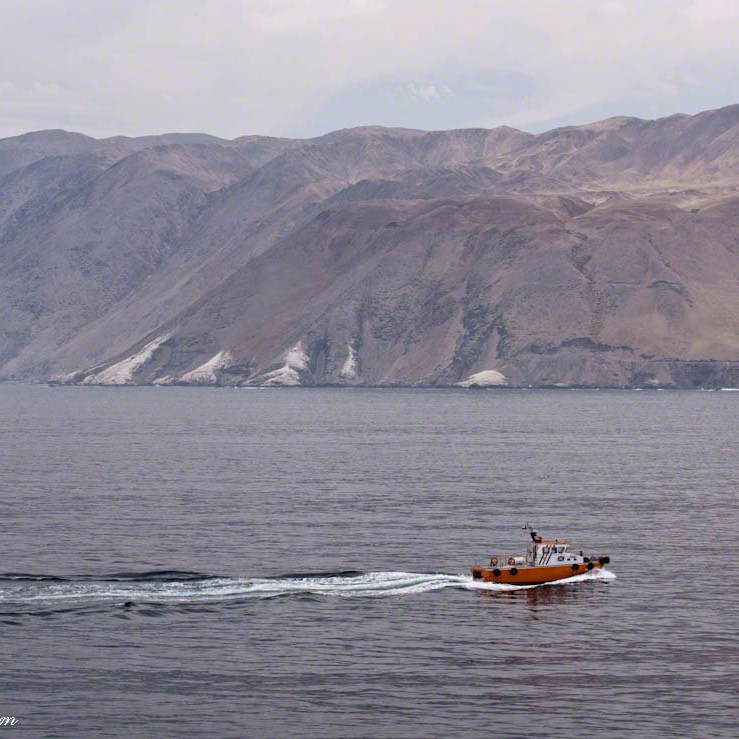
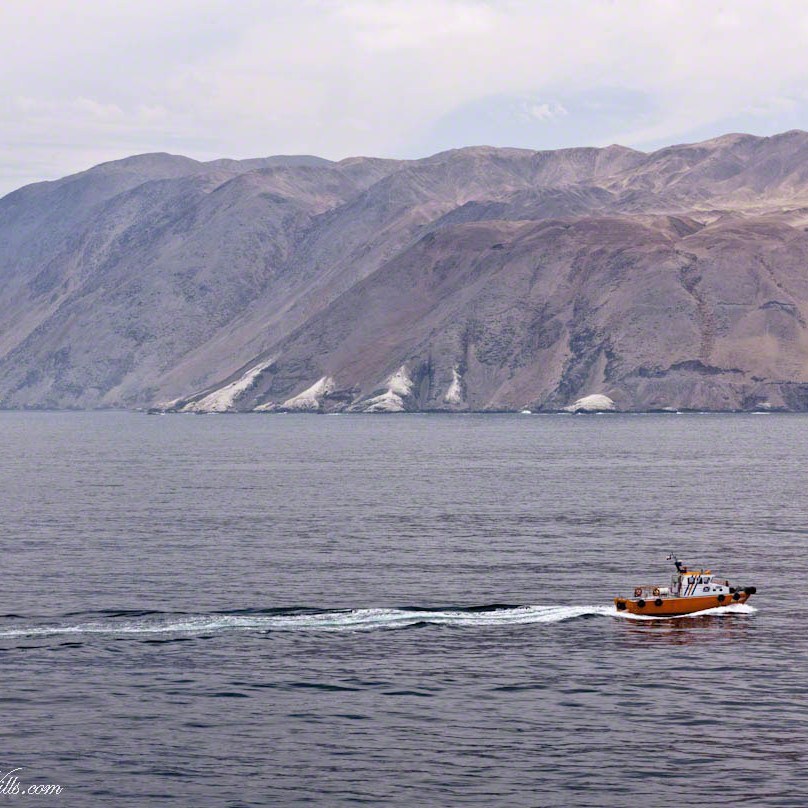
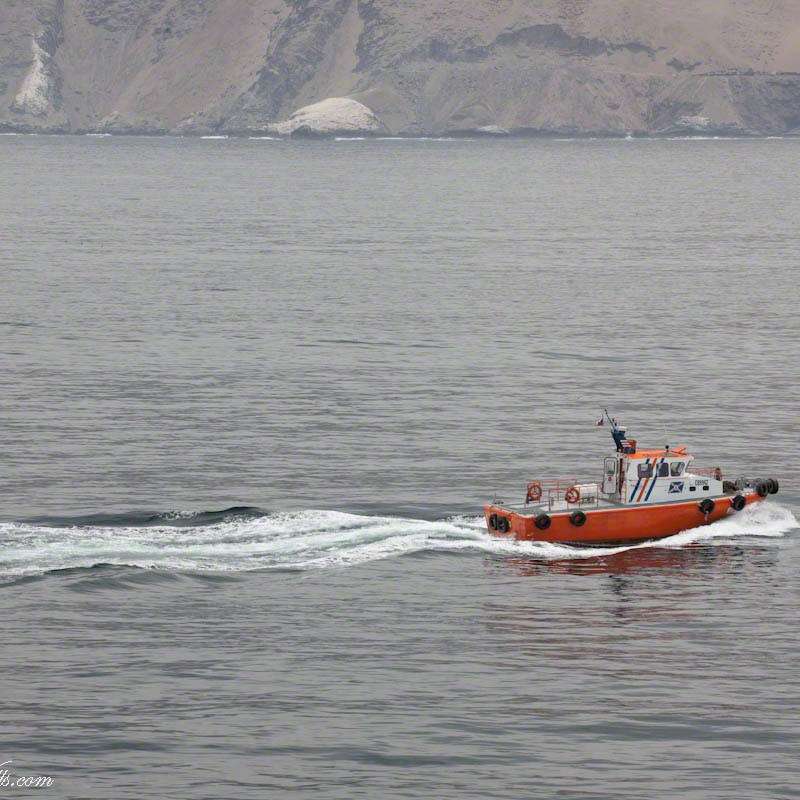
In modern times, the role of the maritime pilot remains critical, though the means and methods have evolved. The pilot is typically transported on a fast, specialized boat designed for agility and speed. As the pilot boat pulls alongside the larger vessel, the pilot climbs aboard using a ladder specifically designed for this purpose. This moment of transition, where the pilot steps from the small craft to the towering side of a large ship, is both symbolic and practical. It marks the transfer of navigational authority, a ritual that ensures the safe docking of the ship in unfamiliar or crowded waters.
Once aboard, the pilot takes over the navigation of the ship, using their extensive knowledge of local tides, currents, and port regulations to guide the vessel safely. Despite this, the ship’s Master, or captain, retains ultimate responsibility for the vessel and its crew. This shared responsibility underscores the collaborative nature of maritime navigation, where local expertise complements the captain’s command.
Our view from the balcony offered a unique perspective on this process. The small pilot boat, dwarfed by the Regatta, danced nimbly on the water, its role crucial yet often unnoticed by the casual observer. As the pilot boarded, we could sense a subtle shift in the ship’s motion, a testament to the delicate adjustments made by experienced hands.
As we watched the cityscape of Iquique come into sharper focus, the harbor around us bustled with activity. The port, a hive of commerce and industry, hummed with the sounds of cranes, forklifts, and the distant chatter of dockworkers. This vibrant scene contrasted sharply with the tranquil blue of the ocean and the arid, rugged backdrop of the escarpment.
Our journey to the nitrate mine would reveal another layer of Iquique’s history. These mines, once a source of immense wealth, played a pivotal role in the region’s economy. They were at the heart of the nitrate boom, a period marked by rapid growth and development, but also by social upheaval and environmental impact. The stories of the workers, the fortunes made and lost, and the technological advancements that emerged from this period, add a rich tapestry to the history of Iquique.
As we prepared to disembark for our excursion, the significance of the maritime pilot’s role was clear. Their expertise had ensured our safe passage into this historic port, a reminder of the timeless nature of seafaring and the enduring importance of local knowledge. Our experience in Iquique, framed by the juxtaposition of ancient practices and modern technology, offered a glimpse into a world where the past and present coexist, guiding us safely to new discoveries.


Awesome photos.
LikeLiked by 1 person
must be nice to be there
LikeLiked by 1 person
the best experience
LikeLiked by 1 person
Thanks for sharing this nice post ✍️
LikeLiked by 1 person
My pleasure, Satyam. Thanks for visiting.
LikeLike
Thank you Michael. I learn much from your descriptive narratives and photography.
LikeLiked by 1 person
It was an immense experience. Your visits and support are much appreciated. Thank You.
LikeLiked by 1 person
You took great pictures! Thank you for sharing the event.
LikeLiked by 1 person
Thanks for visiting and leaving kind words.
LikeLike
Your writing, along with your photography, combine not only a fascination with learning (the role of the maritime pilot has always intrigued me), but to feel like I’m there experiencing it as well. Great post.
LikeLiked by 1 person
Thank you, Dalo, for your thoughtful comment!
I’m glad the post resonated with you and that the role of the maritime pilot intrigued you too.
Your appreciation means a lot!
LikeLike