Iquique Street Art and History

from the tour bus

Aníbal Pinto is the street that passes the main square and theater, named for a President of Chile in the 19th Century during a time of crises, notably the War of the Pacific. Logging the Alerce tree was outlawed in 1976, even before then it was a luxury reserved for elite. Most buildings are of these masonry blocks, part of the Hotel Costa Norte, under construction at the corner of Manuel Bulnes. Mural art lined both corner surfaces. Some was apolitical, such as this colorful mandala surrounded by flowers, butterflies, bees on the east side of Aníbal Pinto.

Click any photograph for a larger view and use Ctrl-x to zoom in closer.

Simple Beauty with car for sale

Turning east onto Manuel Bulnes (a street name) the Atacama desert escarpment comes into view above low concrete block structures (no highrises in sight). Outside the bus window is this political statement. The red brick painted, “DERRIBA” is Spanish “knock it down.” The red brick fallen away reveals suppressed speech, on left. The profile of the Chilean poet and statesman Pablo Neruda, his stylized speech transforming the dead landscape.
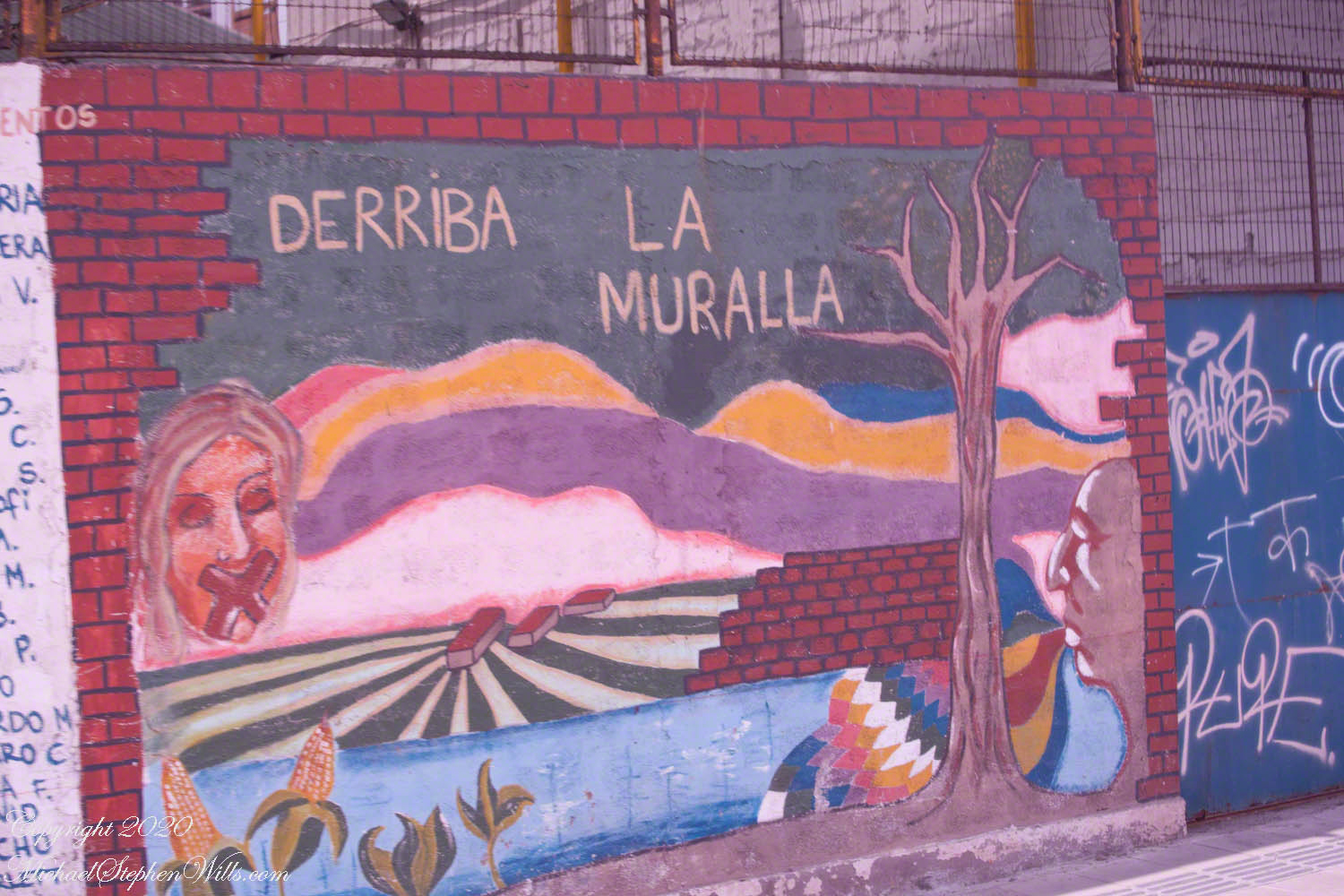
Knock Down the Wall, Let Poetry Flow

Manuel Bulnes, another 19th century Chilean president, was also a military officer who fought for Chilean independence from the Spanish.

A mural of unidentified pugilists, a solid left jab on a small street named for Oscar Bonilla, one of the main conspirators in the military coup against Salvador Allende. As Defense Minister, Bonilla went against Pinochet. Shortly after was killed in a mysterious helicopter crash.

Northeast corner of Manuel Bulnes and Oscar Bonilla

On a happier note…Santa Claus entering a chimney strung with lights.

Click me for the first post of this series.

References

Wikipedia – “Aníbal Pinto“, “Manuel Bulnes” , “Oscar Bonilla”, and “List of Presidents of Chile”

Copyright 2020 Michael Stephen Wills All Rights Reserved
19th Century Municipal Theater

Dinner and Theater

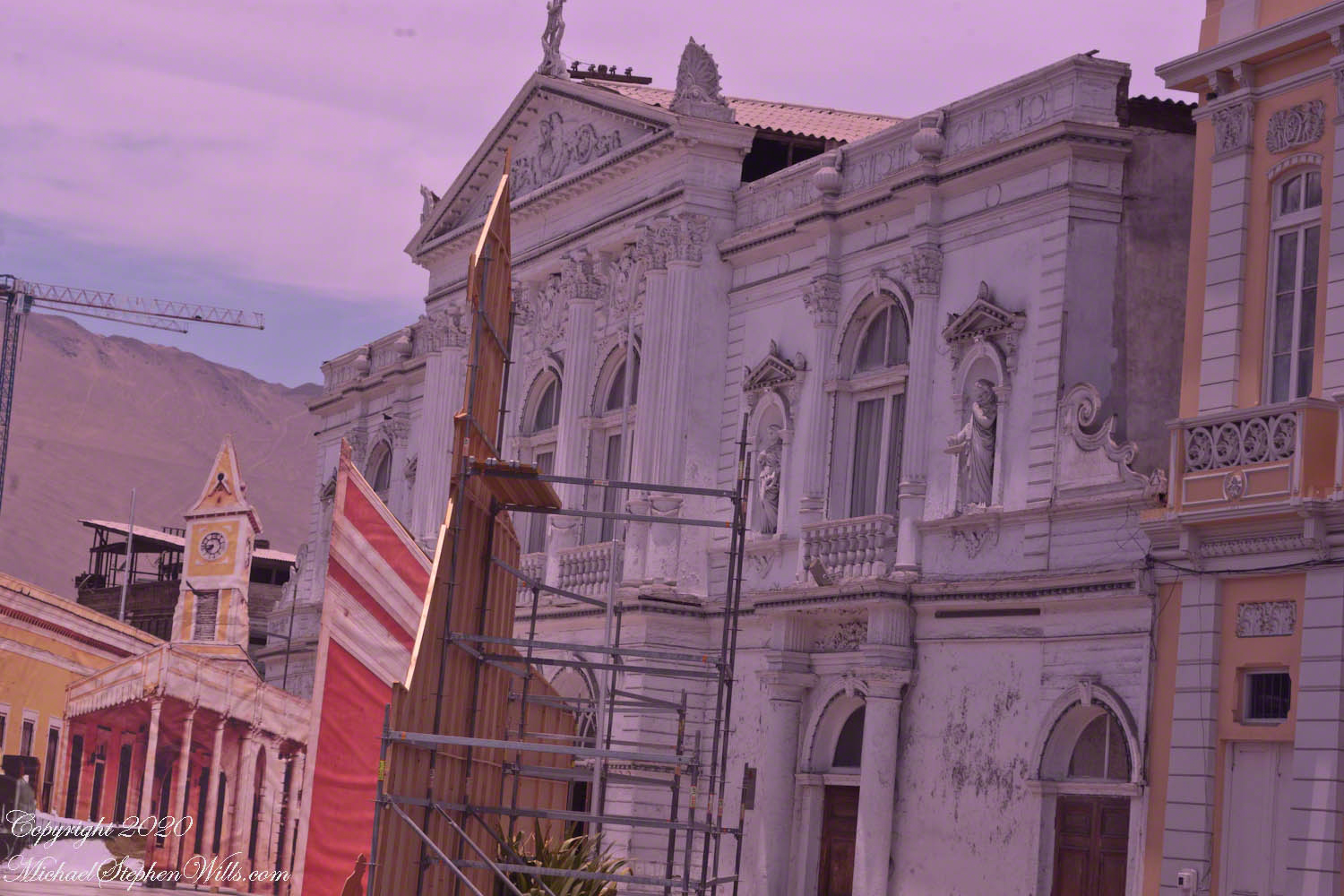
Fitzroya cupressoides is a tall, long lived evergreen tree. Also called Alerce, the forests covered large areas of the Chilean Andes. Alerce wood was the principle source of Colonial commerce between Chile and Peru and was heavily logged in the 19th and 20th Centuries. Alerce lumber was used to build, in 1889, the Municipal Theater on Auturo Prat plaza. Today the theater offers performances and hosts a School of Ballet.

Click any photograph for a larger view and use Ctrl-x to zoom in closer.

The legend of the theater includes the actress Sarah Bernhardt. After Iquique booked her performance Barnhardt’s uncharitable comments about the low quality of the venue (“It was a shed”) embarrassed the powers that be, who released their wealth to fund this late 19th century building from the height of saltpeter prosperity.

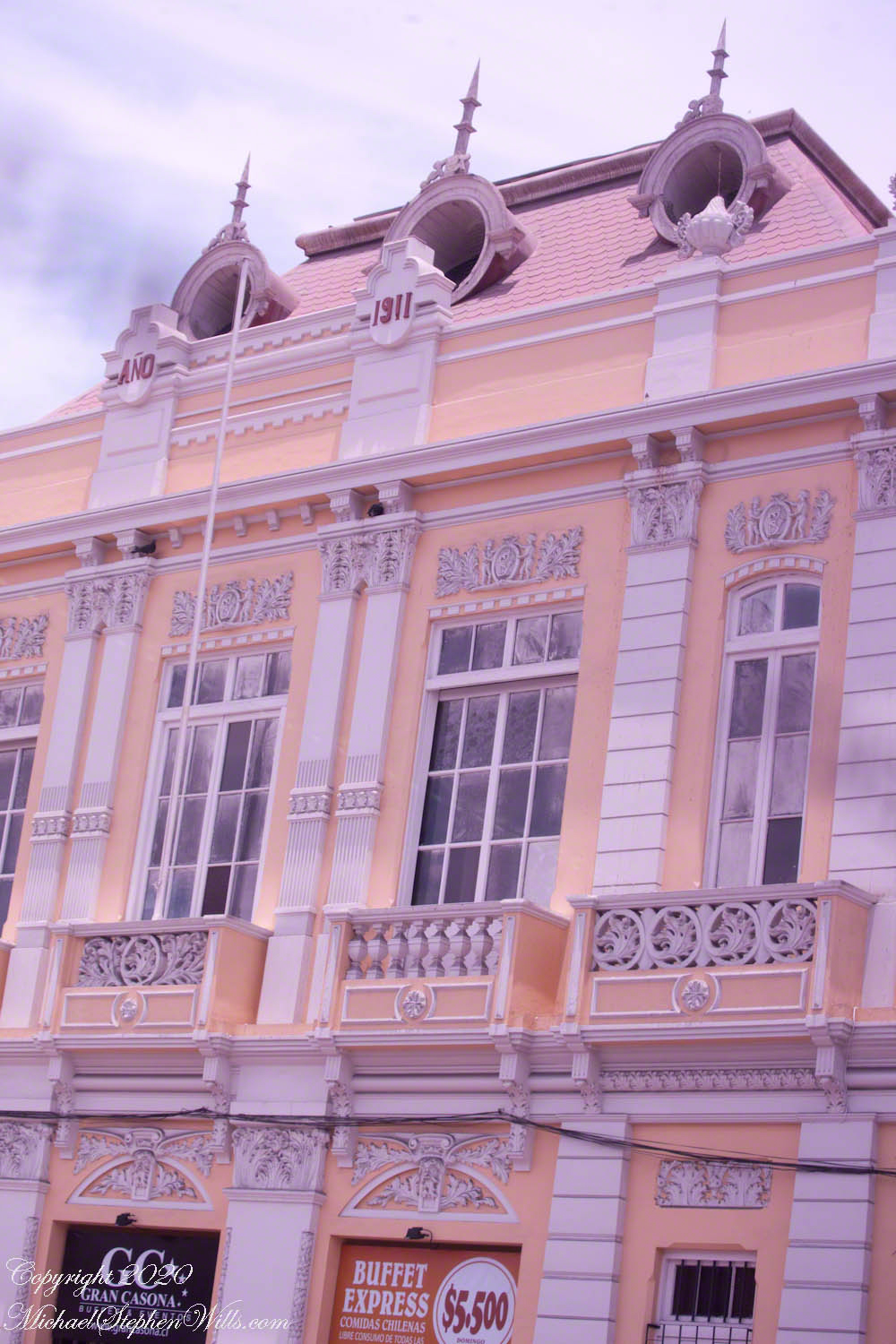
Another building of the theater complex with a great selection of dining choices

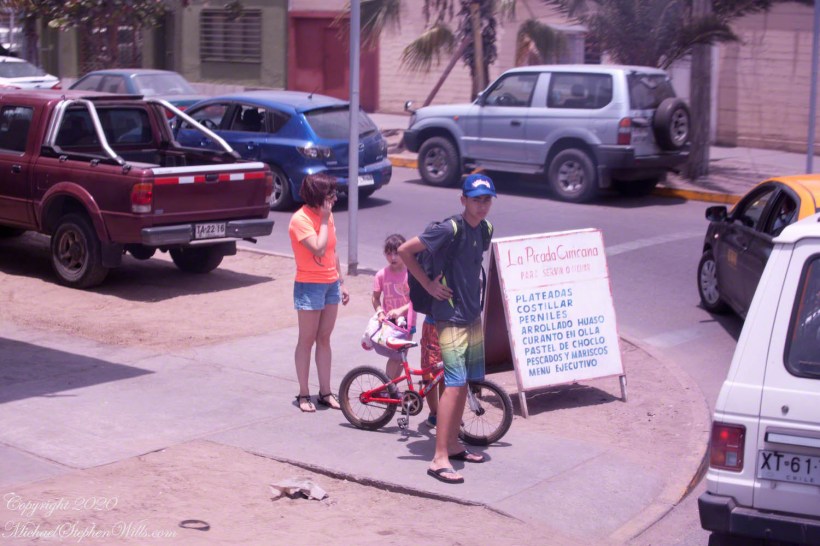
We turn east here, toward the desert escarpment. Here is a young family out for a bike ride. Interesting sign of local cuisine.

Vicente Zegers 204, Iquique, Tarapacá, Chile https://www.lapicadacuricana.cl/

Click me for the first post of this series.

Copyright 2020 Michael Stephen Wills All Rights Reserved
Arturo Prat Plaza

Another Hero

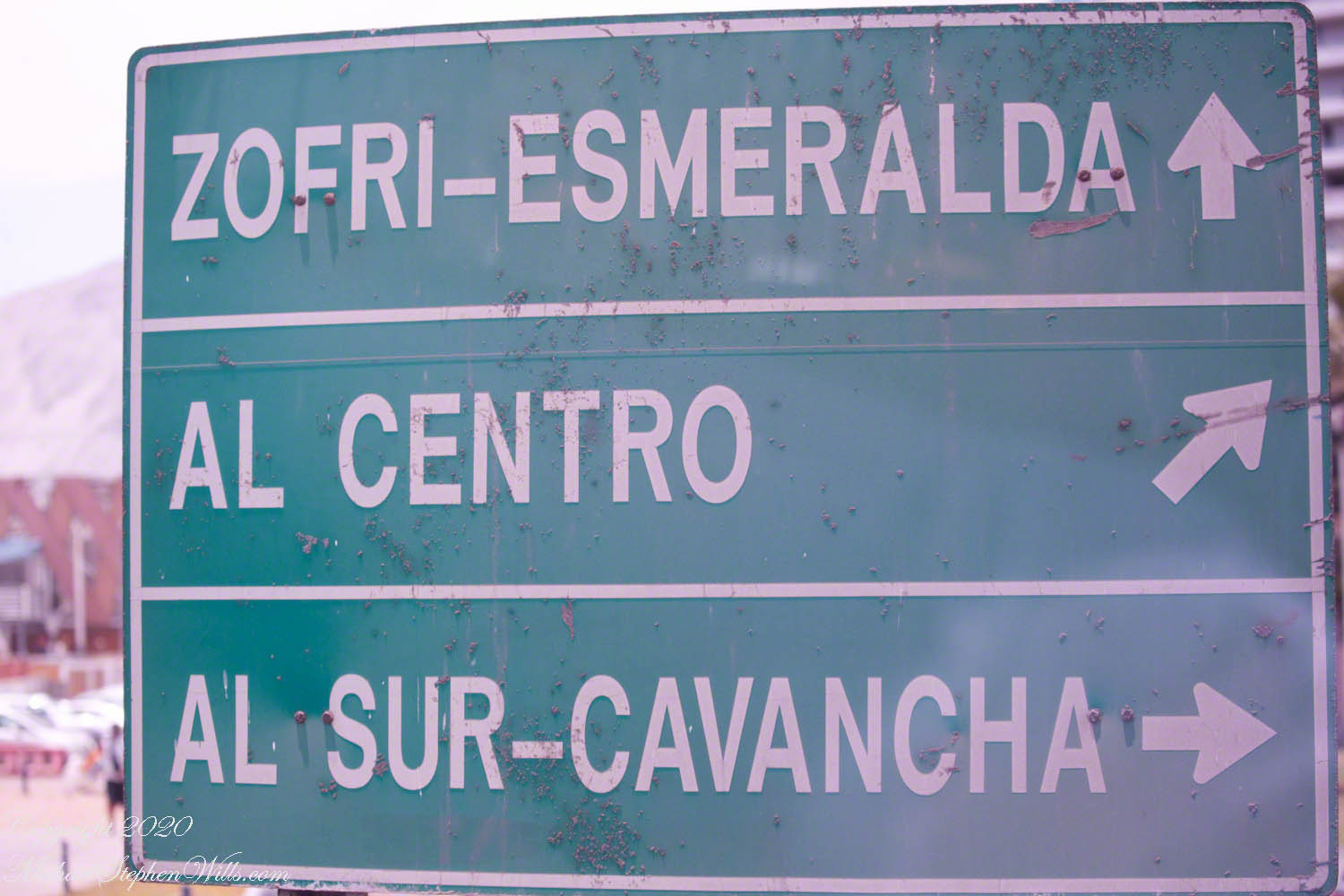
Shortly after the Maritime Government plaza is a crossroads with this interesting sign. The first line references two attractions. “ZOFRI” is the local abbreviation for the designation of Iquique as a port with tax advantages. The destination of this sign is a shopping mall. “Esmeralda” is the living museum I photographed from the tender. Our route to the Atacama desert took us through “Centro” with views of “Sur-Cavancha” on our ascension of the escarpment.

Click any photograph for a larger view and use Ctrl-x to zoom in closer.

Interesting destinations.

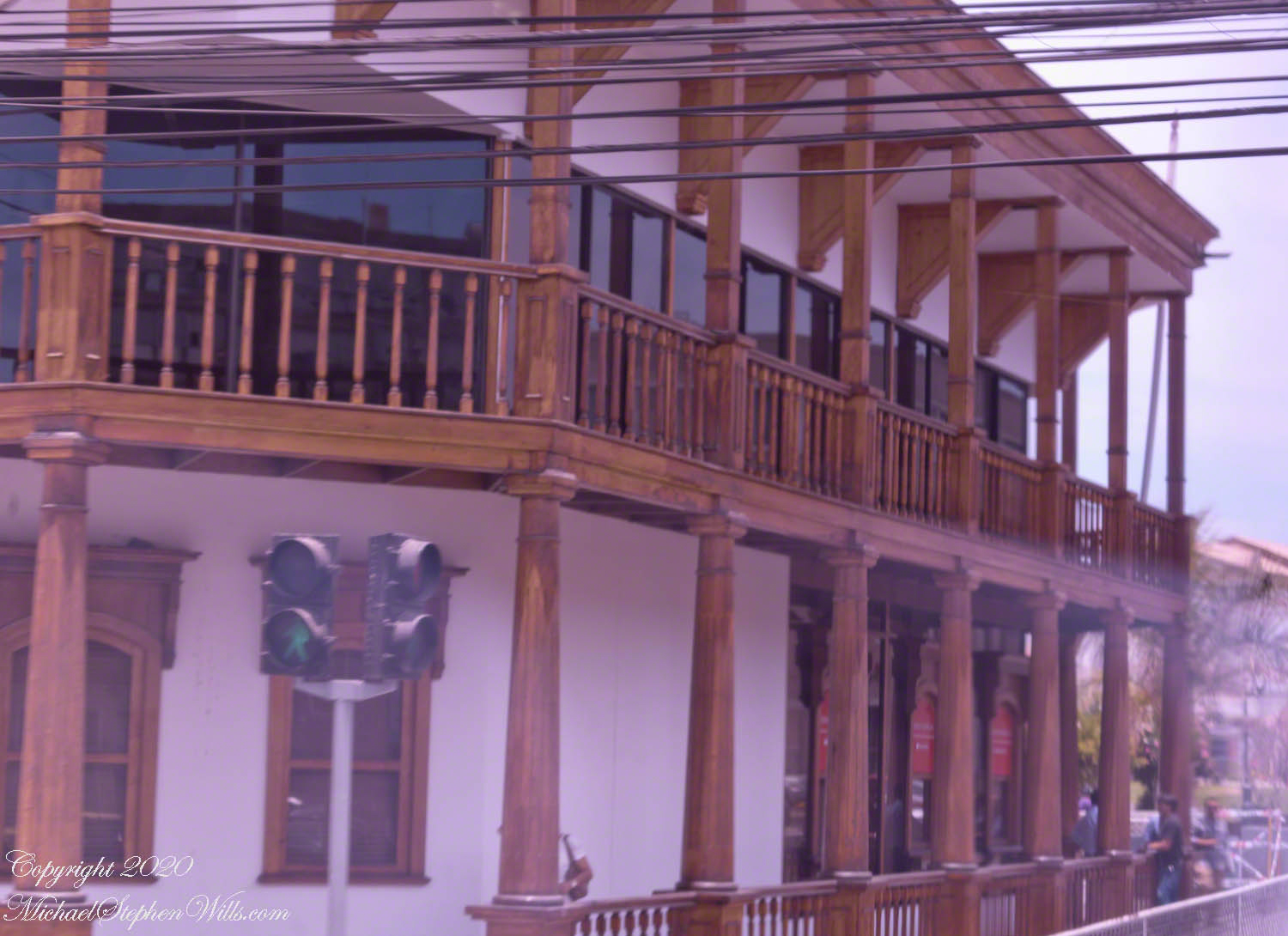
As we approach the central square, this local wonder is on the corner. Any wood must be acquired over long distances as little (close to nothing) grows locally.

A display of great wealth — a wood veranda.

Declared a National Historic Landmark on July 13, 1987 this Clock Tower, together with the buildings surrounding it in the plaza (the Municipal Theater of Iquique, the building of the Workers Welfare Society of Tarapacá, the Casino Español and the Club Croata) is one of the most representative urban expressions of the “Saltpeter Period”, a time which saw much foreign investment. Built 1878 when Iquique was Peru territory, the partition walls of Oregon pine wood, a clock mechanism from England. Saltpeter, a nitrogen rich deposit on the Atacama desert surface, brought thousands of poor workers to exploit the natural resource and to, in turn, be exploited.

I decided against straightening the tower, too much was lost in the process.

A pair of linear fountains run parallel to the road, framing the clock tower or theater depending on the point of view.

Click me for the first post of this series.

References

Wikipedia – “Zona Franca of Iquique” and “Clock Tower (Iquique).”

Copyright 2020 Michael Stephen Wills All Rights Reserved
Maritime Government

Another Hero

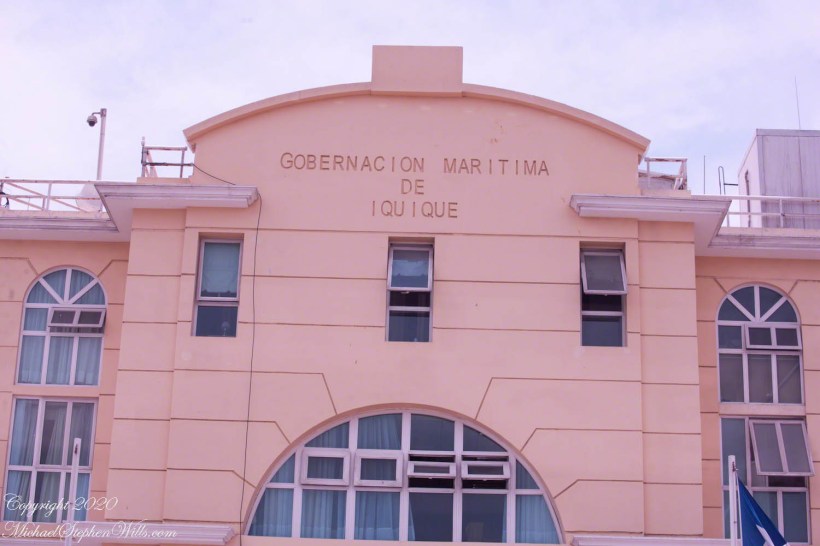
At the foot of the port island a Maritime Government building for the Iquique region. This and the other photographs of Iquique city were taken from the tour bus using a Canon dslr and the Canon EF 70 – 300 variable “zoom” lens.

Click any photograph for a larger view and use Ctrl-x to zoom in closer.

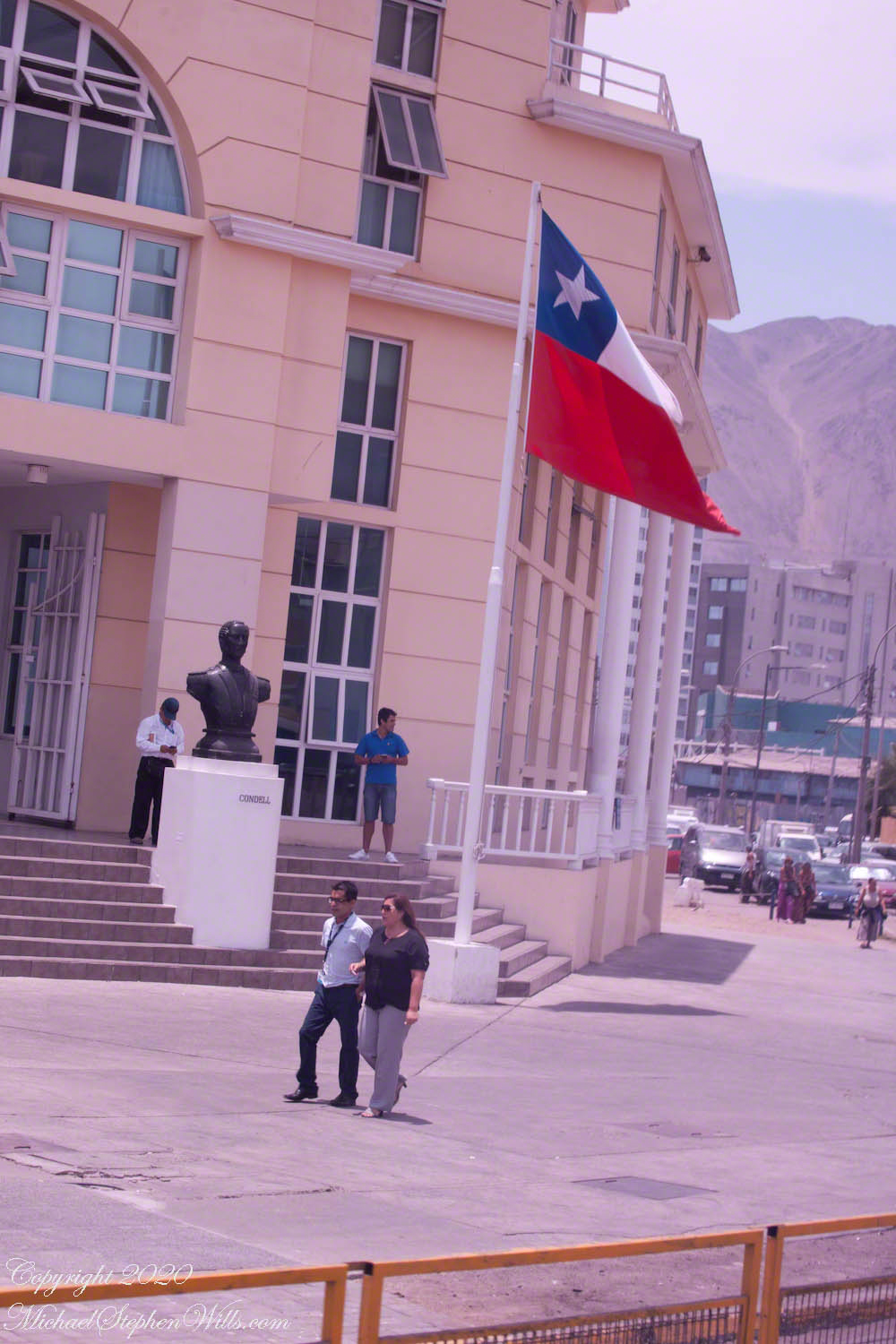
“Red, White and Blue” Note the brass ship’s bell on the left entrance column.

Shaped as it is, Chile needs an agency devoted to the coast. Littoral, the geographic term applied to this area of control. By definition of Chile it’s littoral begins “80 meters inland from the line of beach” to 200 miles from the point of low tide, a broad definition that works without too much conflict as, to the west, is the enormous Pacific Ocean. As with all countries there are interesting disagreements over maritime borders and rights at the borders. Chile and Argentina’s complex border in the far south among the islands and channels of Tierra del Fuego are legend.

“Flag of Chile” with two men on the steps clutching smart phones. Port security is apparent in the identification cards on lanyards.

Iquique is one of thirteen (13) Maritime Governorates. From north to south we can mention those of Arica, Iquique, Antofagasta, Coquimbo, Valparaíso, San Antonio, Talcahuano, Valdivia, Puerto Montt, Castro, Aysén, Punta Arenas and Navarino with the Chilean Antarctic Territory. Our cruise touches up, or passes through, all of them.

Facade

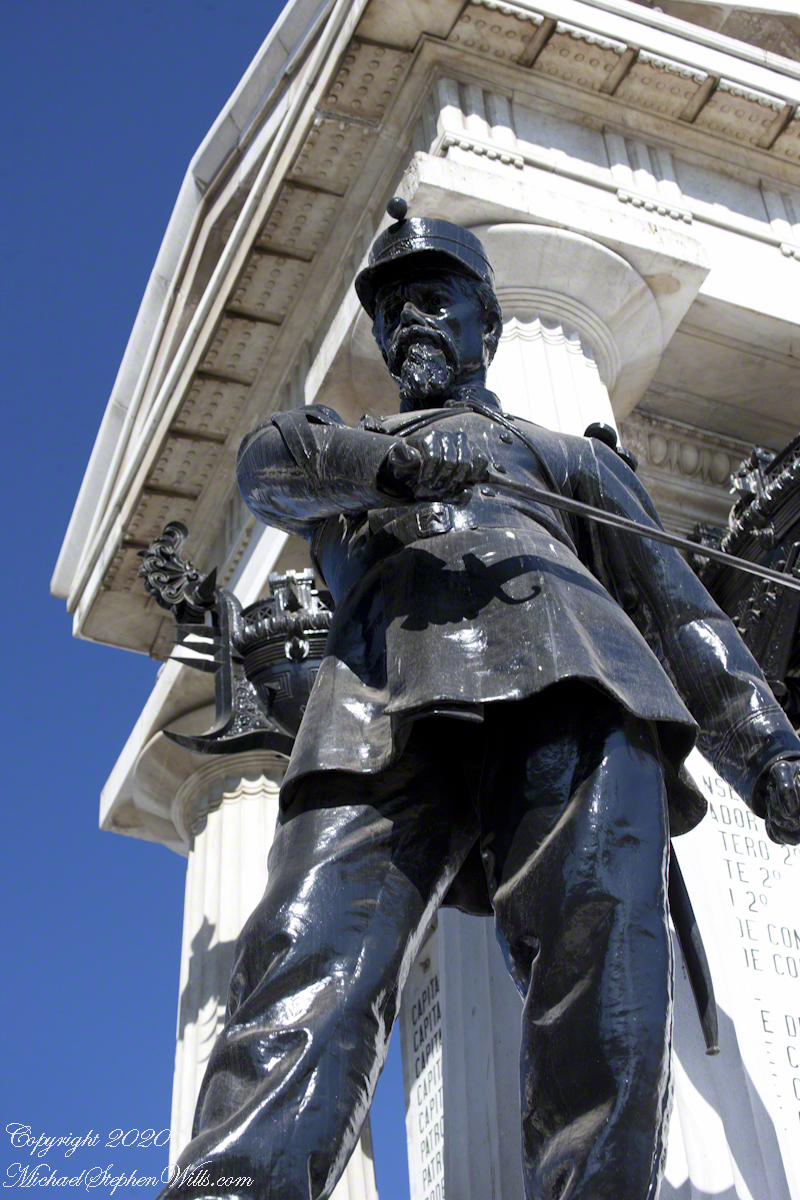
Larger than life busts of two Chilean heroes flank the entrance. We learned about Prat in an earlier post. While Captain Prat lost his life during the Battle of Iquique, Carlos Arnaldo Condell De La Haza, Captain of the schooner Virgen de Covadonga, escaped a larger and heavier gunned Peruvian ship, the armored frigate Independencia, sailing south.

Captain Condell, through tactics and seamanship, pinned the Independenia on a reef. The Covadonga blasted away until driven off by the monitor Huáscar. Condell went on to other naval successes and succumbed to illness at the young age of fourth four (44) years.

Click me for the first post of this series.

References

Wikipedia – “Carlos Arnaldo Condell De La Haza”

Click me for a spanish language pdf file on Chilean maritime governance.

Copyright 2020 Michael Stephen Wills All Rights Reserved
Iquique first steps

On Dry Land

Our tour tickets and bus designation ( “number 2” ) firmly in hand, Pam and I walked the gangplank from the tender (see yesterday’s post), into the Iquique International Cruise terminal, then out to the sunshine to find out bus, following the crowd.

Click any photograph for a larger view and use Ctrl-x to zoom in closer.

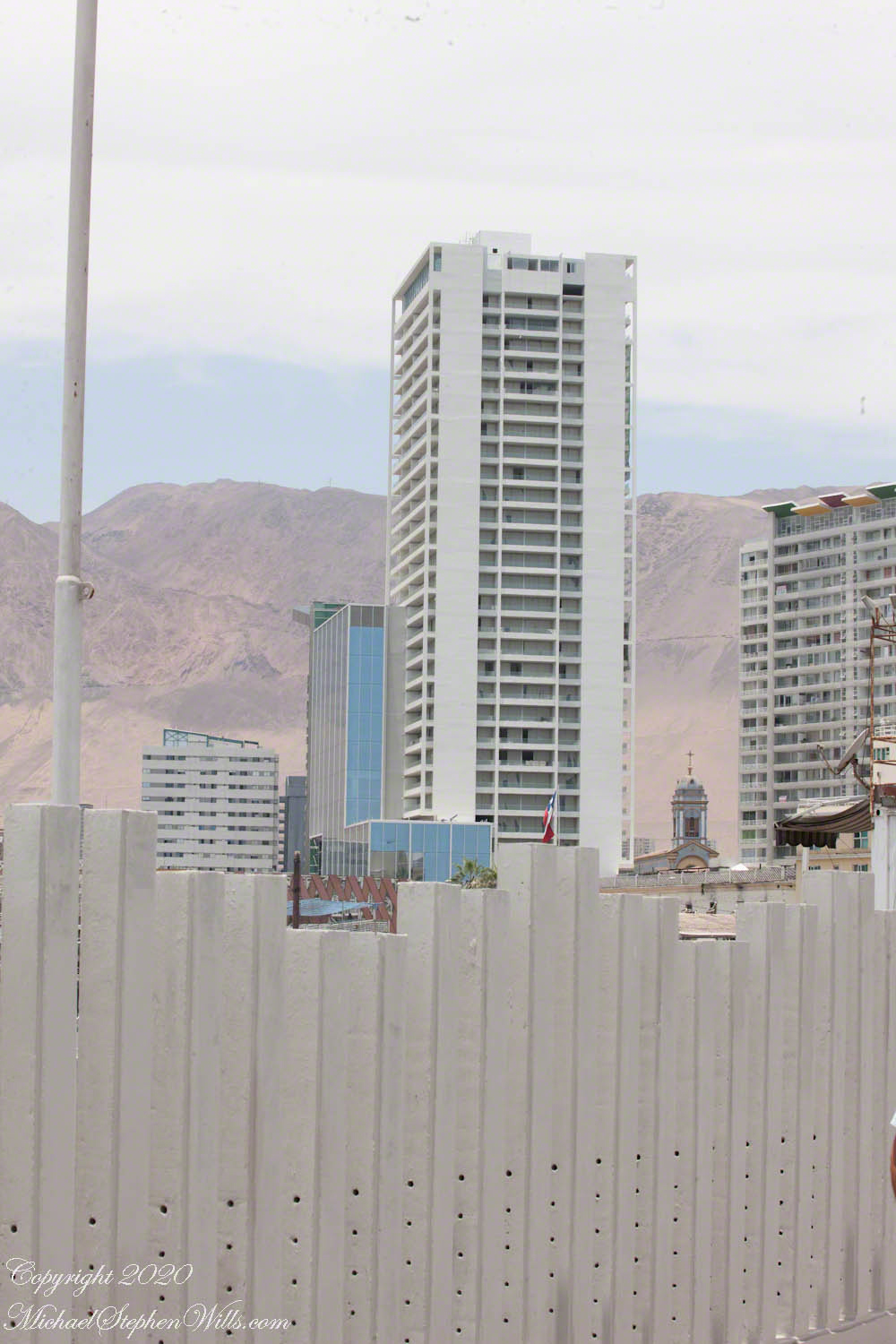
Downtown High rises soar above downtown

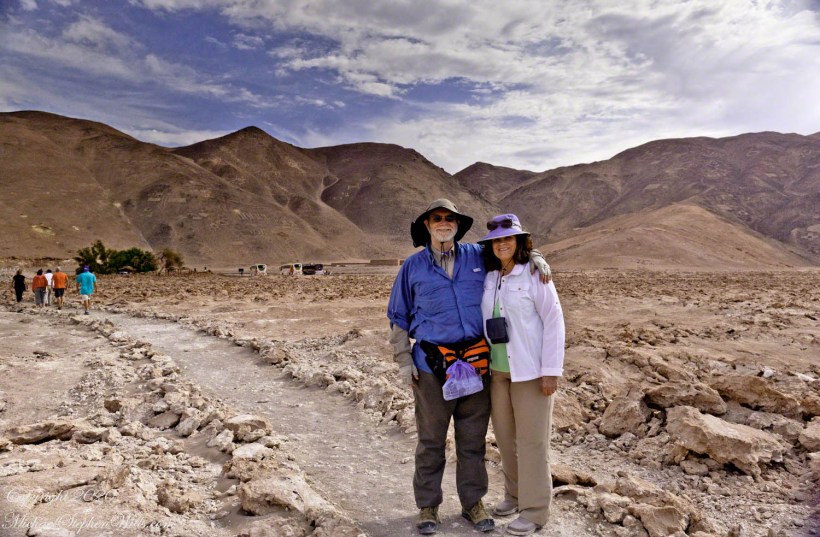
Touring this way can feel link a rodent maze, it was not our feeling at all. The groups maxed at 15, the guides friendly and knowledgeable, the tour buses luxurious. We enjoyed ourselves immensely. Here we are, later that day, dressed for adventure.

Mike and Pam Wills on tour at the Pintados Geoglyphs, Tarapacá, Chile within the Atacama desert.

Our itinerary for the day is to navigate through the city, across the desert to visit a World Heritage Site, Humberstone, and ancient geoglyph sites, touching on local ecology.

Another view of the Cathedral of the Immaculate Conception among the downtown high-rises of Iquique.

Here is our tour, time to hop on the bus, get going.

Click me for the first post of this series.

Here is a slide show of our day so far.

Copyright 2020 Michael Stephen Wills All Rights Reserved

Iquique Tender Views

From Ship to Shore

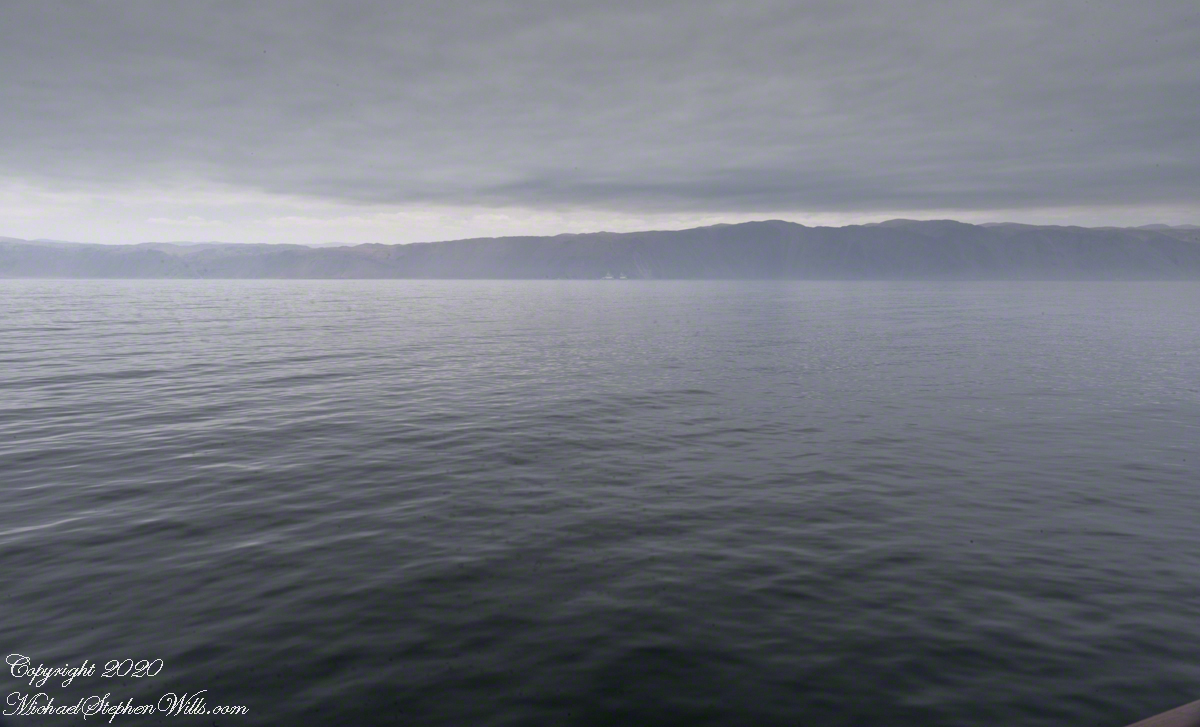
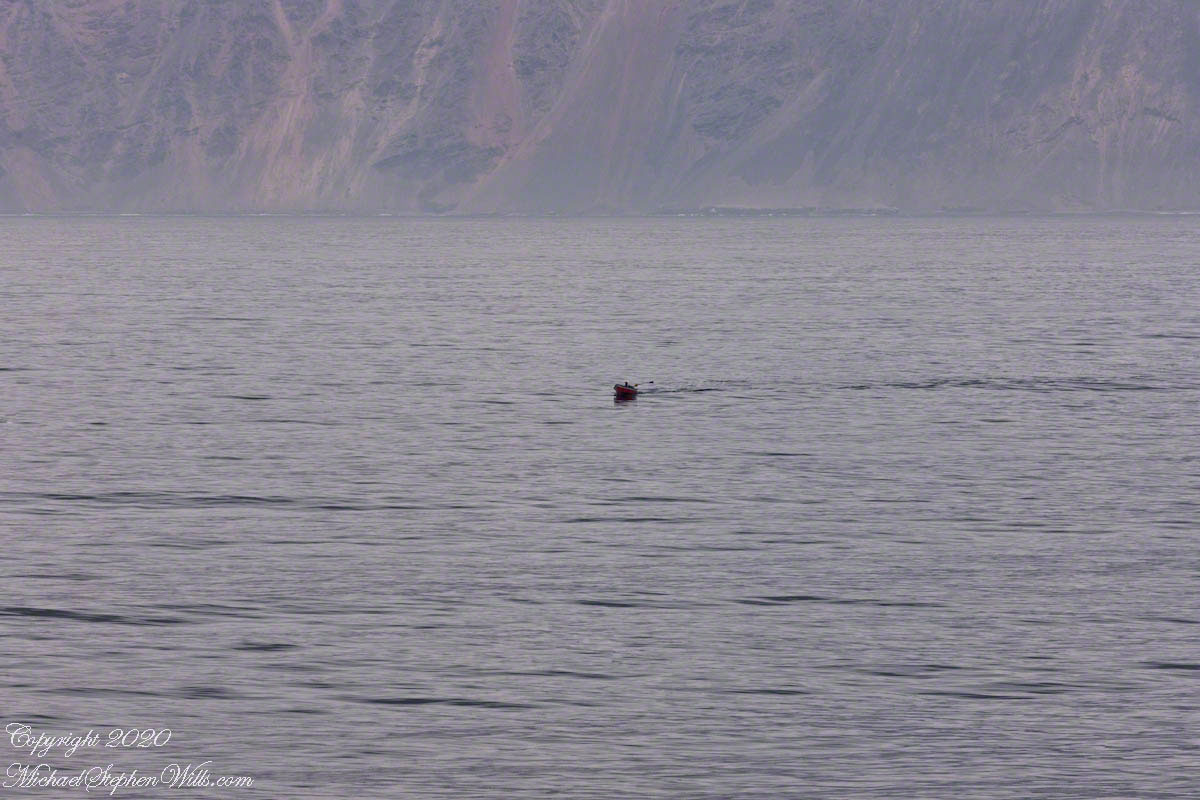
Ninety minutes after docking our assigned tender pulled away from the Regatta for a twenty minute trip to Iquique. A tender is a boat with an enclosed seating area designed to transport about twenty persons in quiet waters from an anchorage to port. I recall the morning announcement from the ship Captain advising use the winds were high (or the waves), and he negotiated a mooring with the port, instead of the planned docking, in order to save our visit to Iquique.
Click any photograph for a larger view and use Ctrl-x to zoom in closer.

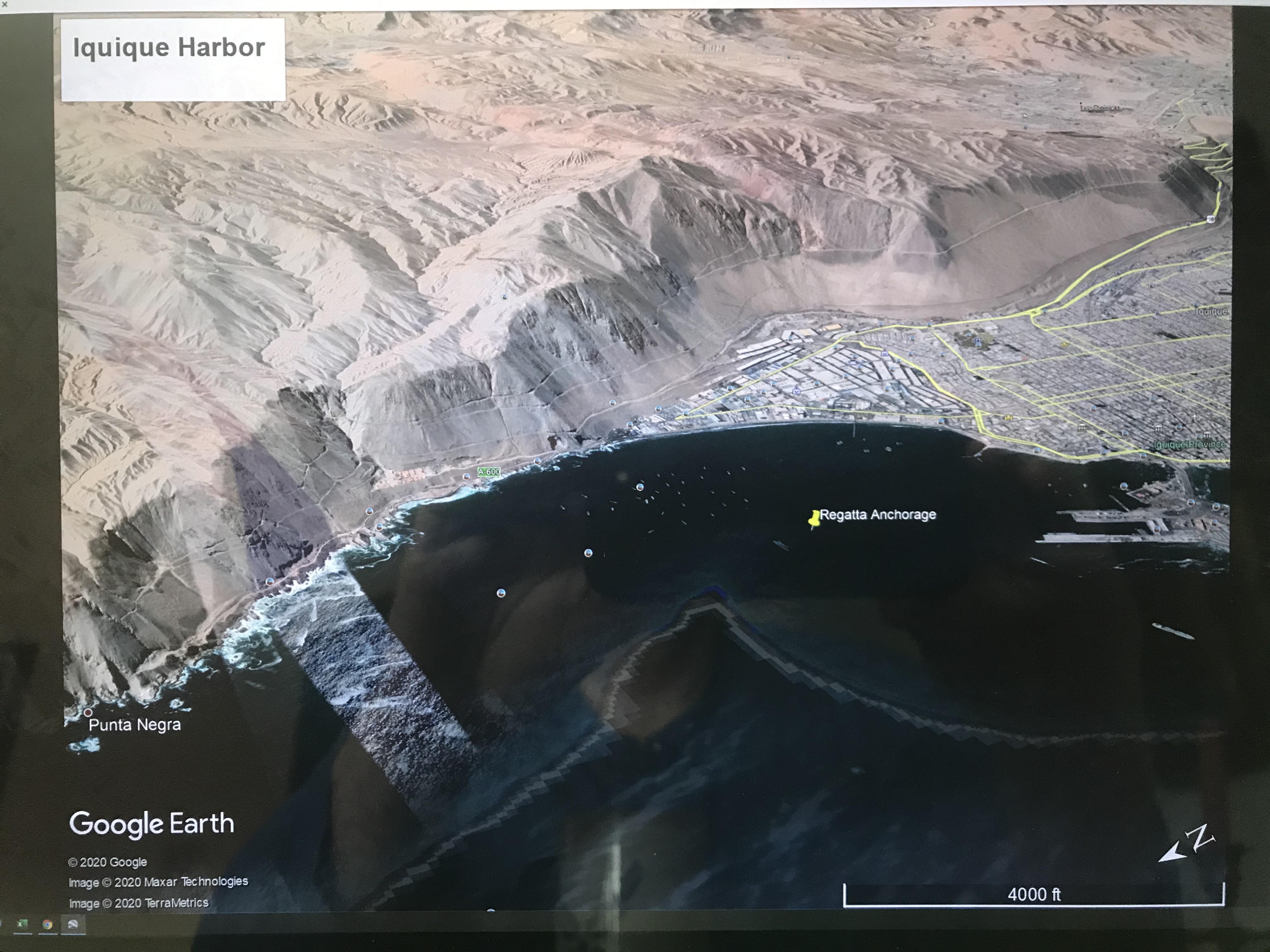
The approximate anchorage of the Regatta marked with a pushpin. The tender transported use from the Regatta to the base of the island port.

Above is a screen capture from Google Earth, the entire Iquique harbor is pictured from Punta Negra (see photo from yesterday) to the base of the island port connected to the mainland with a road. The tender port is at this base, on the shore side. If you wish, download the following PDF document with a clearer image. You will need a PDF viewer.

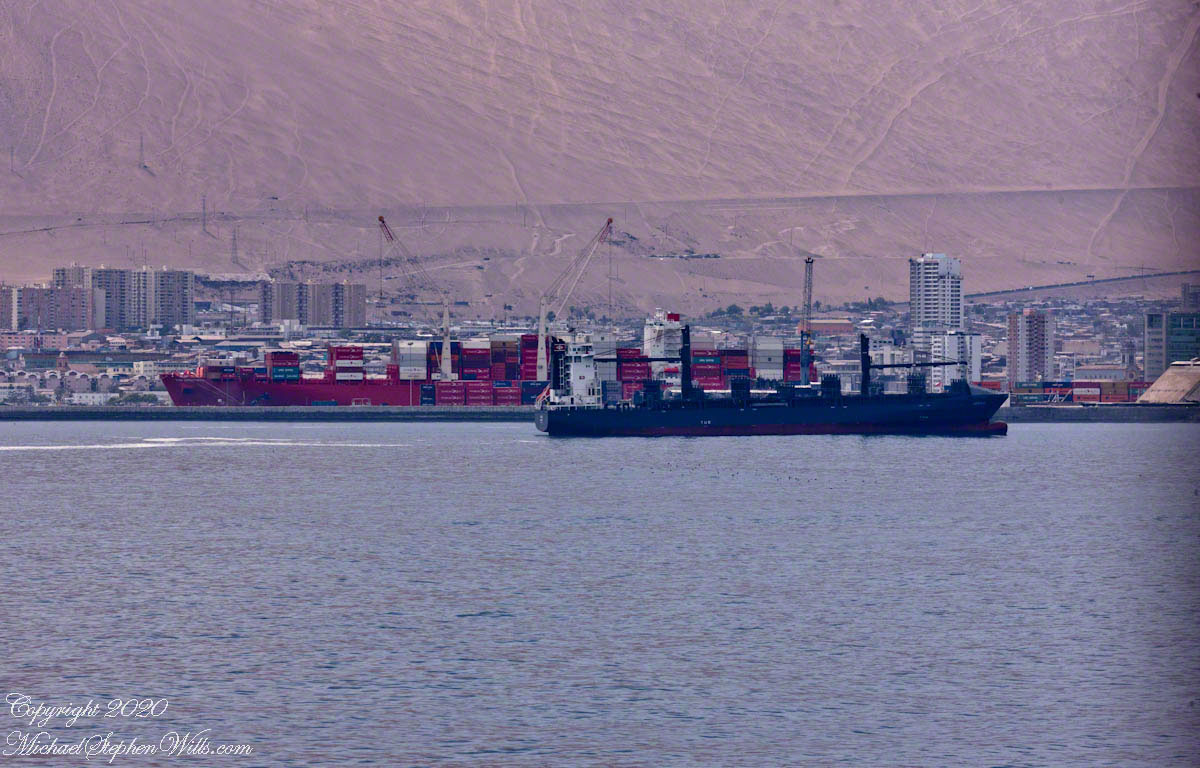
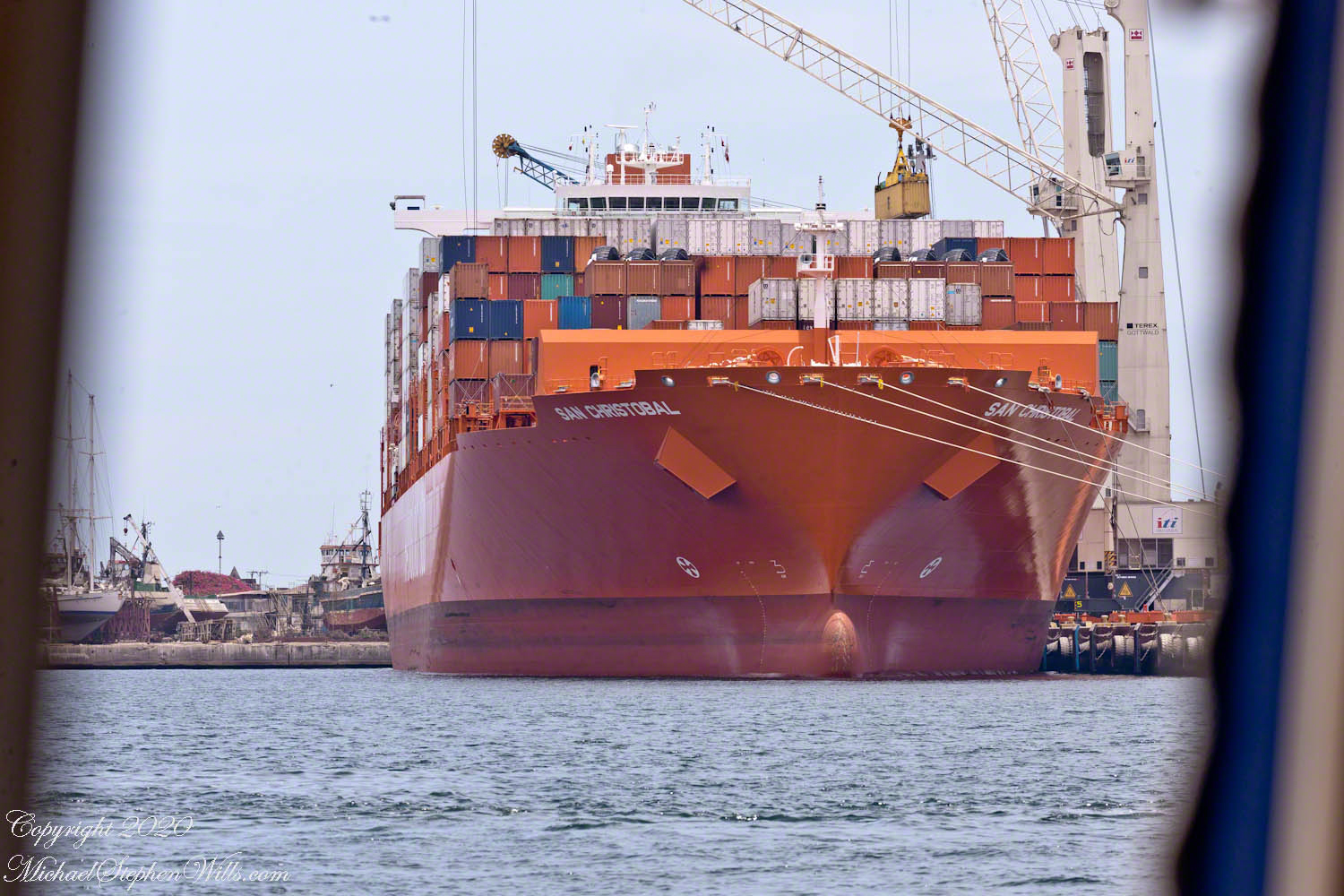
Shipping containers being unloaded from the container ship San Christobal.

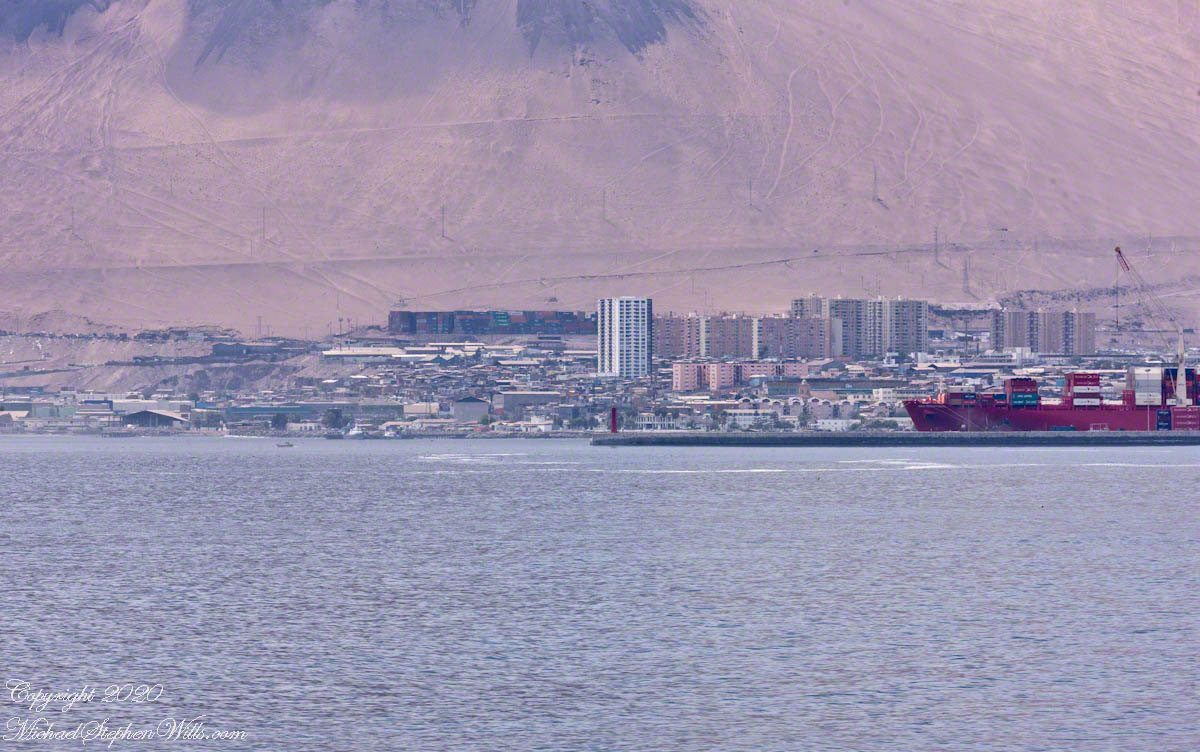
Here are some of the sights visible from the tender. I recall sitting next to the large rear window. Above is the large red container ship. From earlier posts, the San Christobal is docked at the outer berth. The ship is being unloaded, you can see a yellow shipping container on the crane.

Today, aneconomic reason for Iquque’s prosperity is the status as a duty free zone the government dubbed “ZOFRI.” Another is tourists flocking to this “Miami of South America” for duty free shopping (there is a mall), the shore lined with tall hotels and condominiums. Adventure-seekers love the surfing and hang gliding from the escarpment.

Notice the fishing nets in the stern with yellow floats

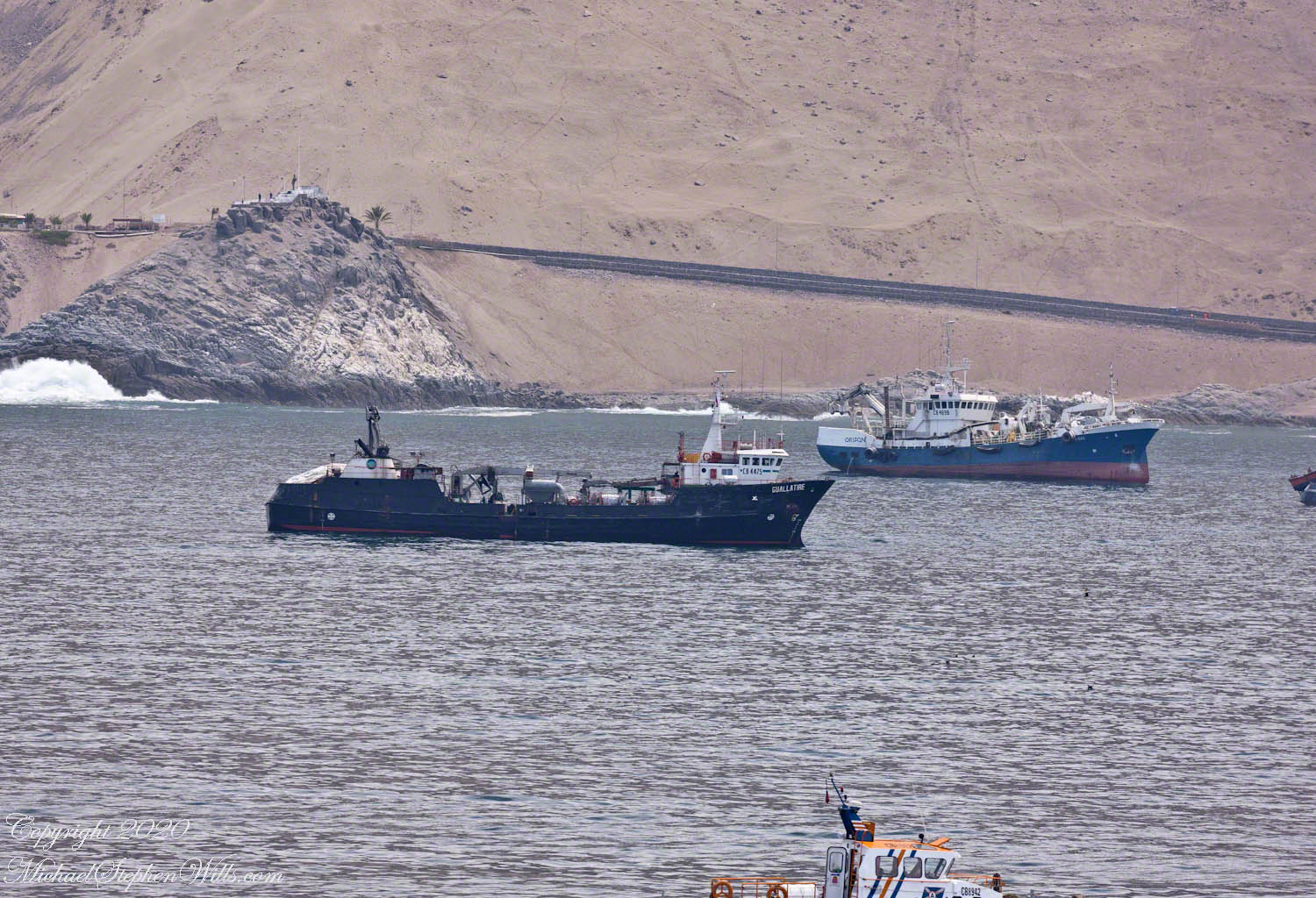
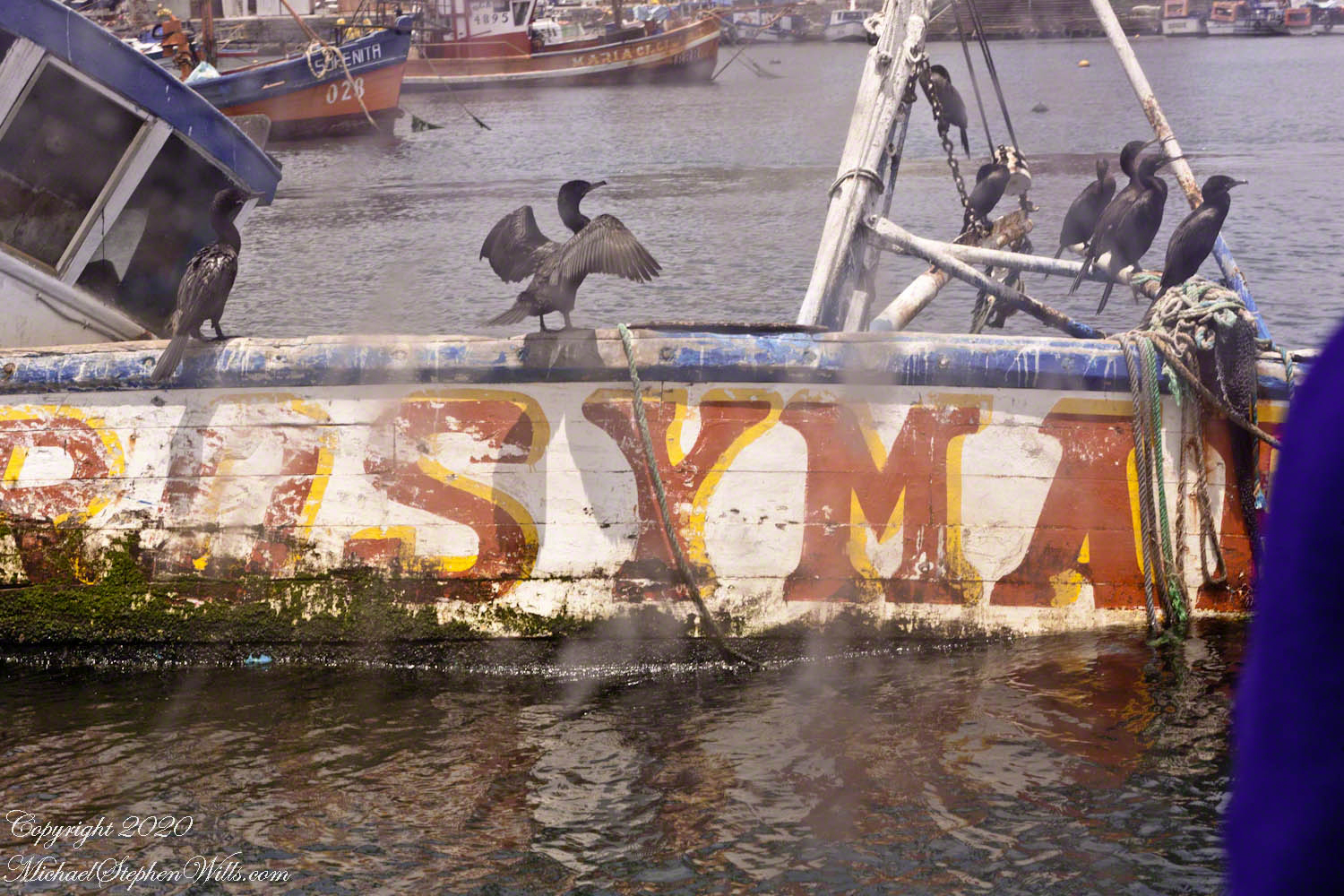
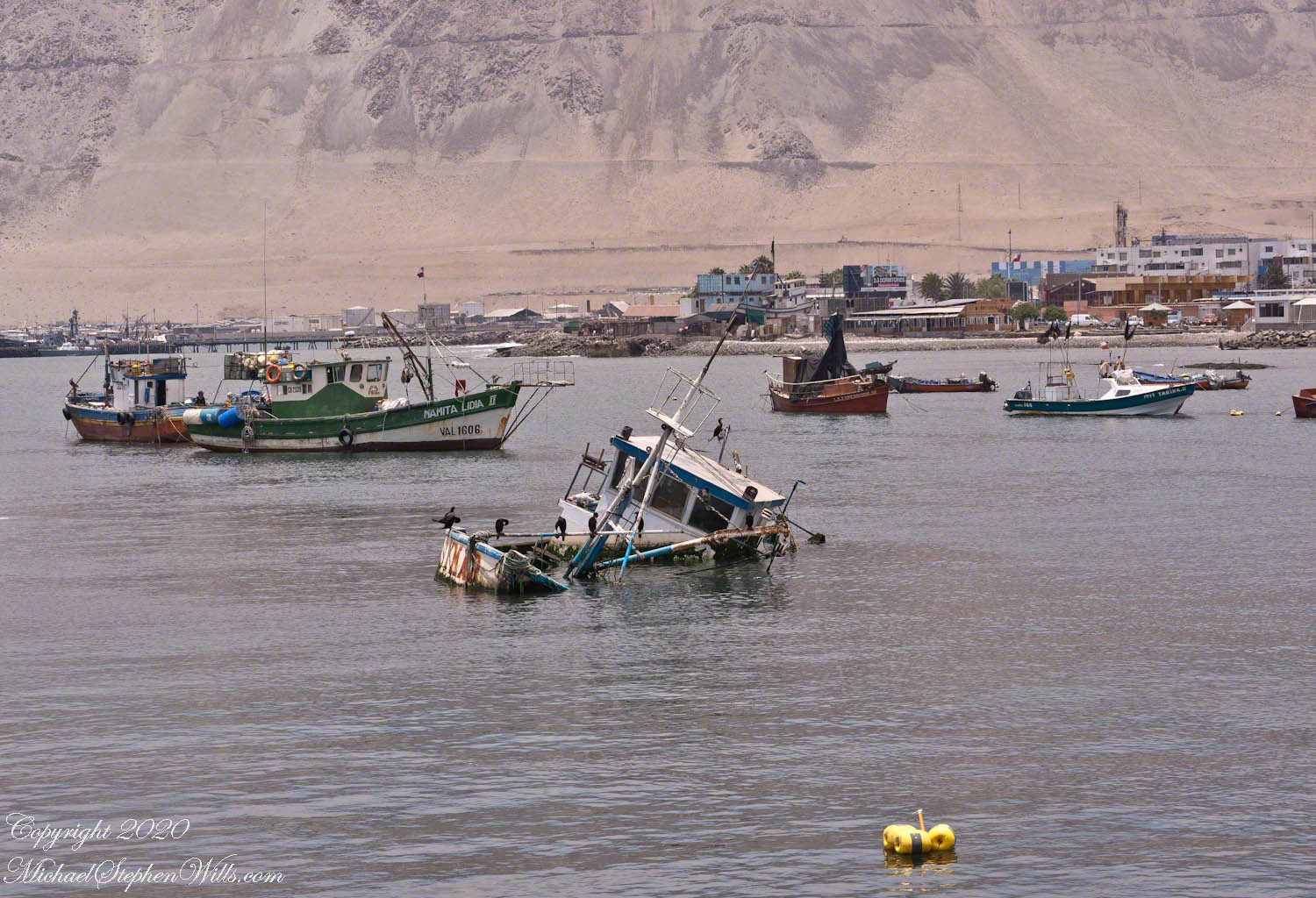
This is the scene close to the tender port, past mooring for smaller fishing and other boats.

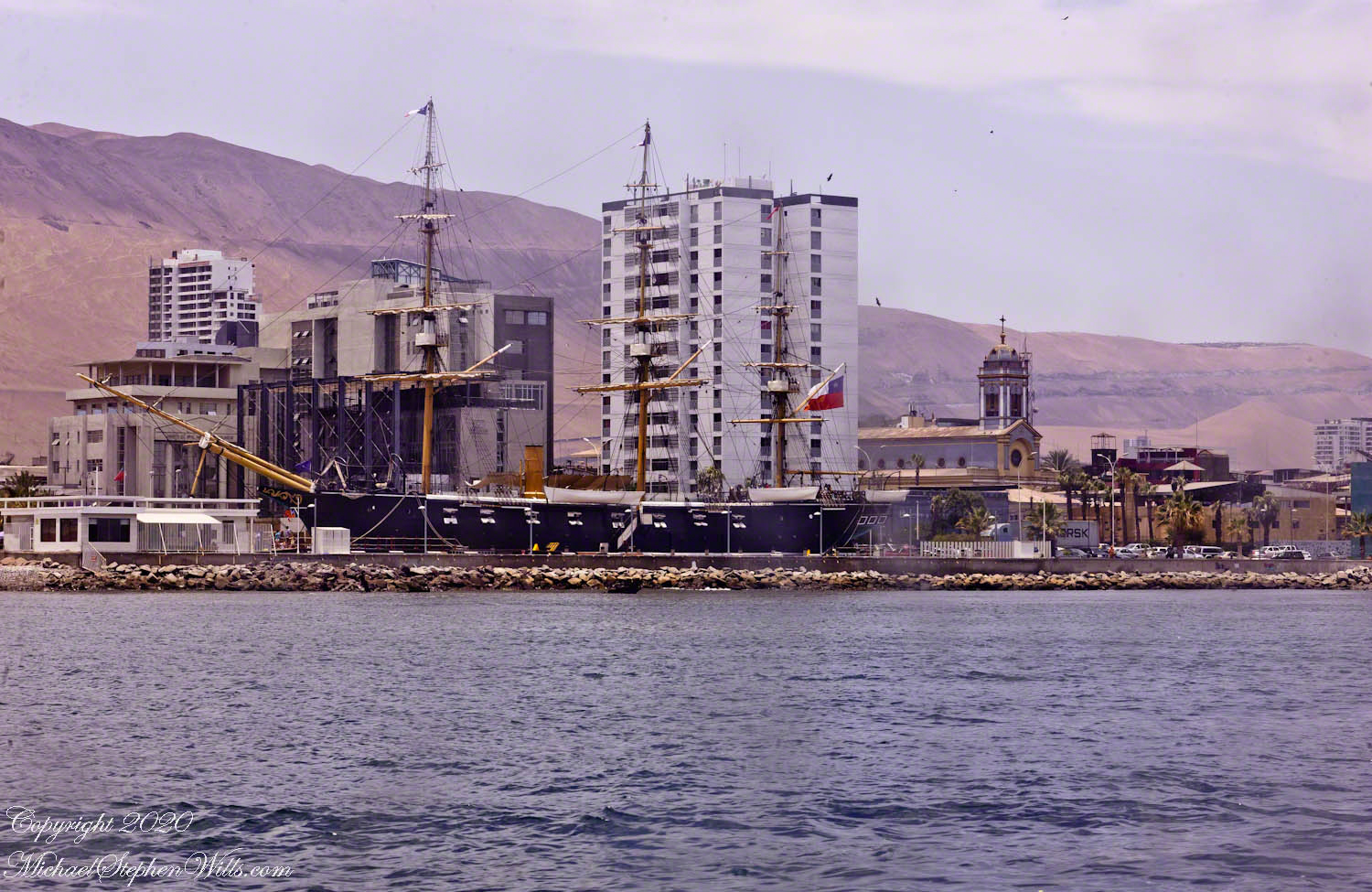
Replica of the Chilean navy ship Esmeralda sunk during the Battle of Iquique. It is a nautical “living museum.” From the website: “The museum script of the Museum ‘Emerald Corvette’ is represented by thirteen museum scenes that inspire the guided tour, where it was recreated what life was like on board on May 20, 1879, the day before the historic Pacific War day.” The Cathedral of the Immaculate Conception is to the right of the ship stern. Here is a previous post with more about the Esmeralda in historical context.

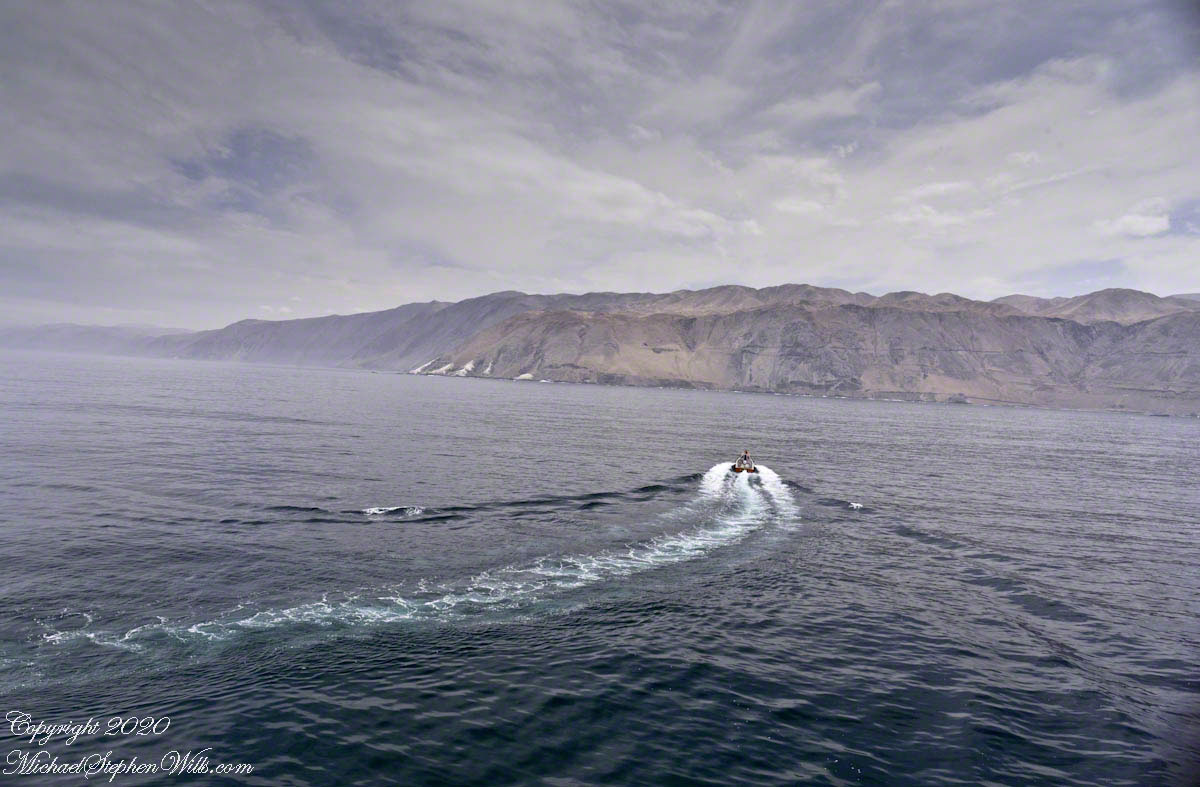
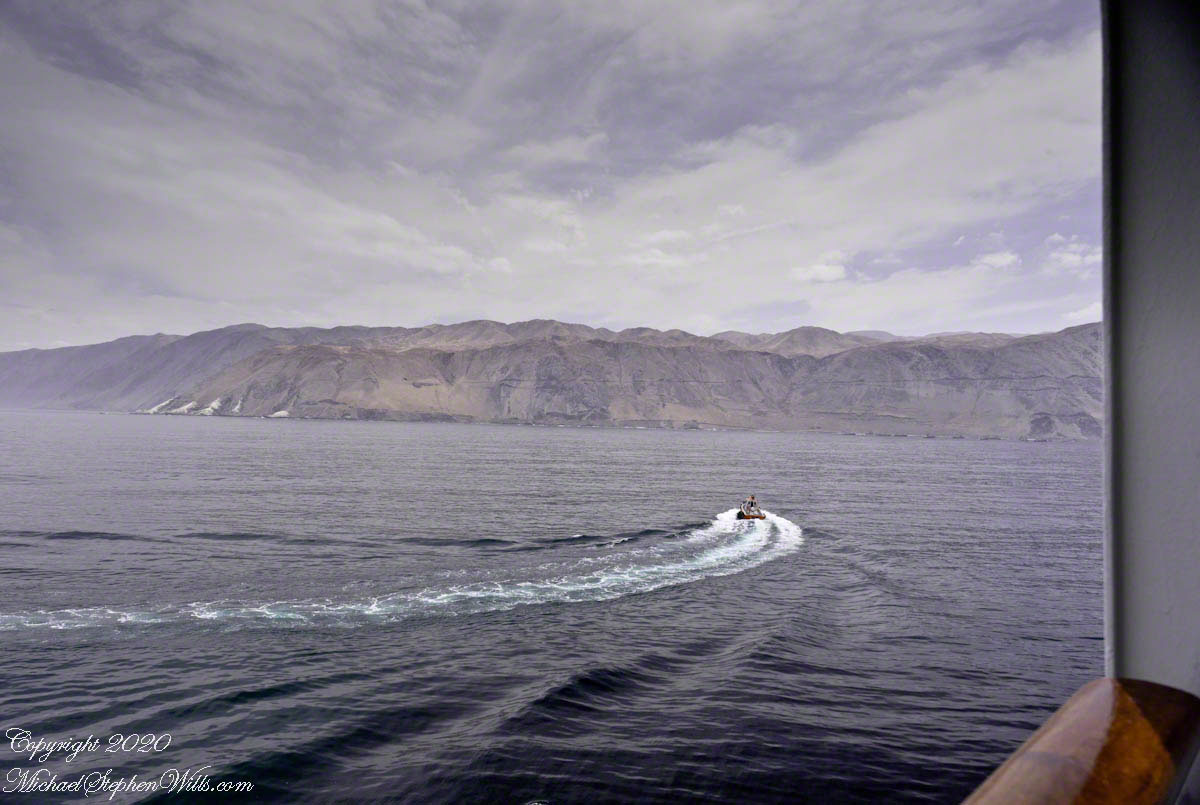
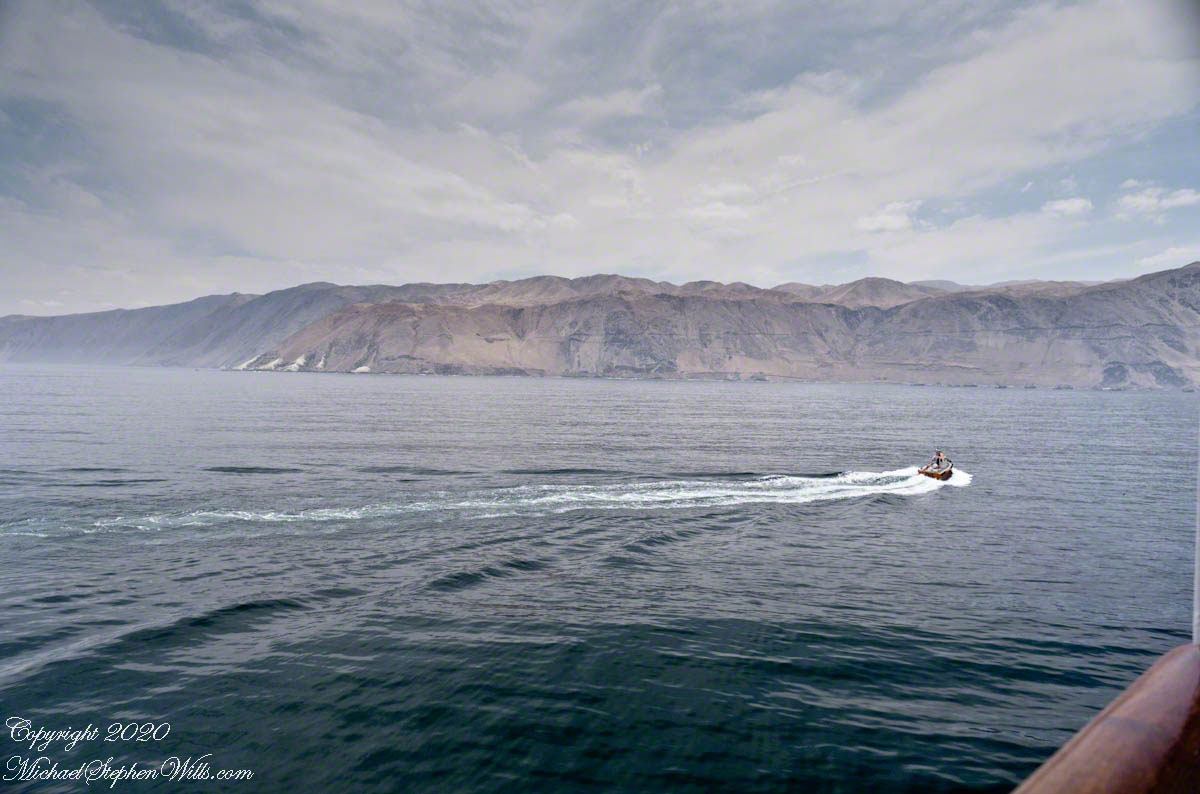
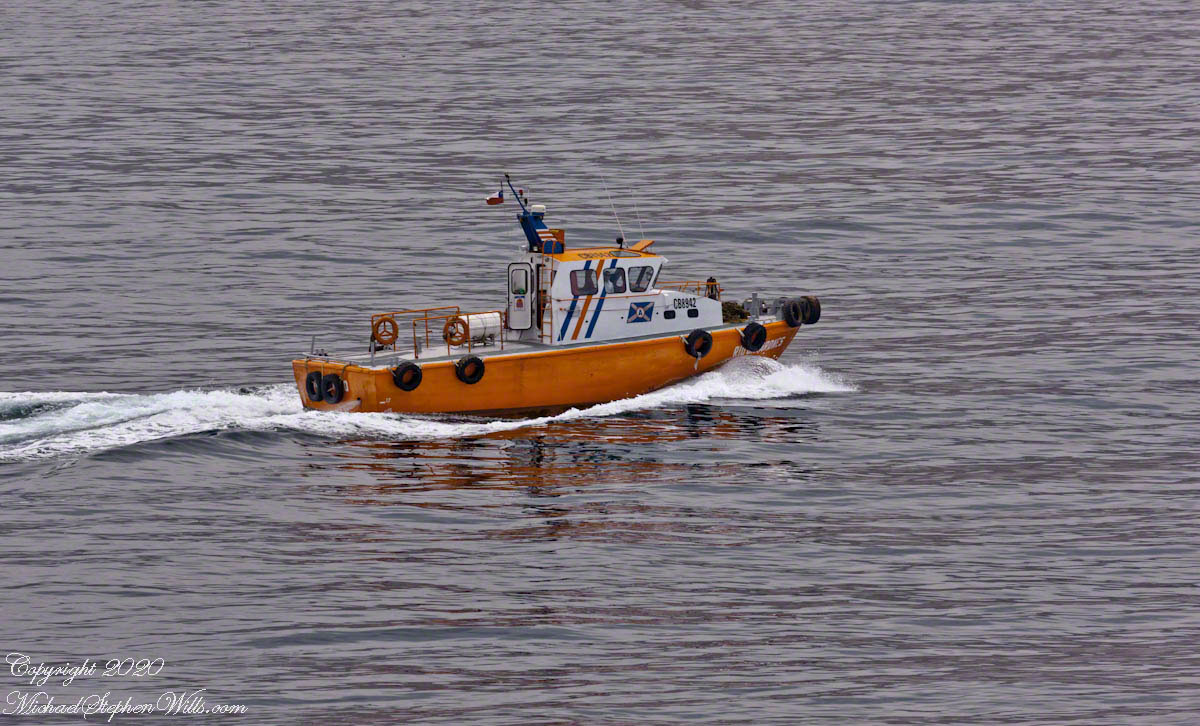
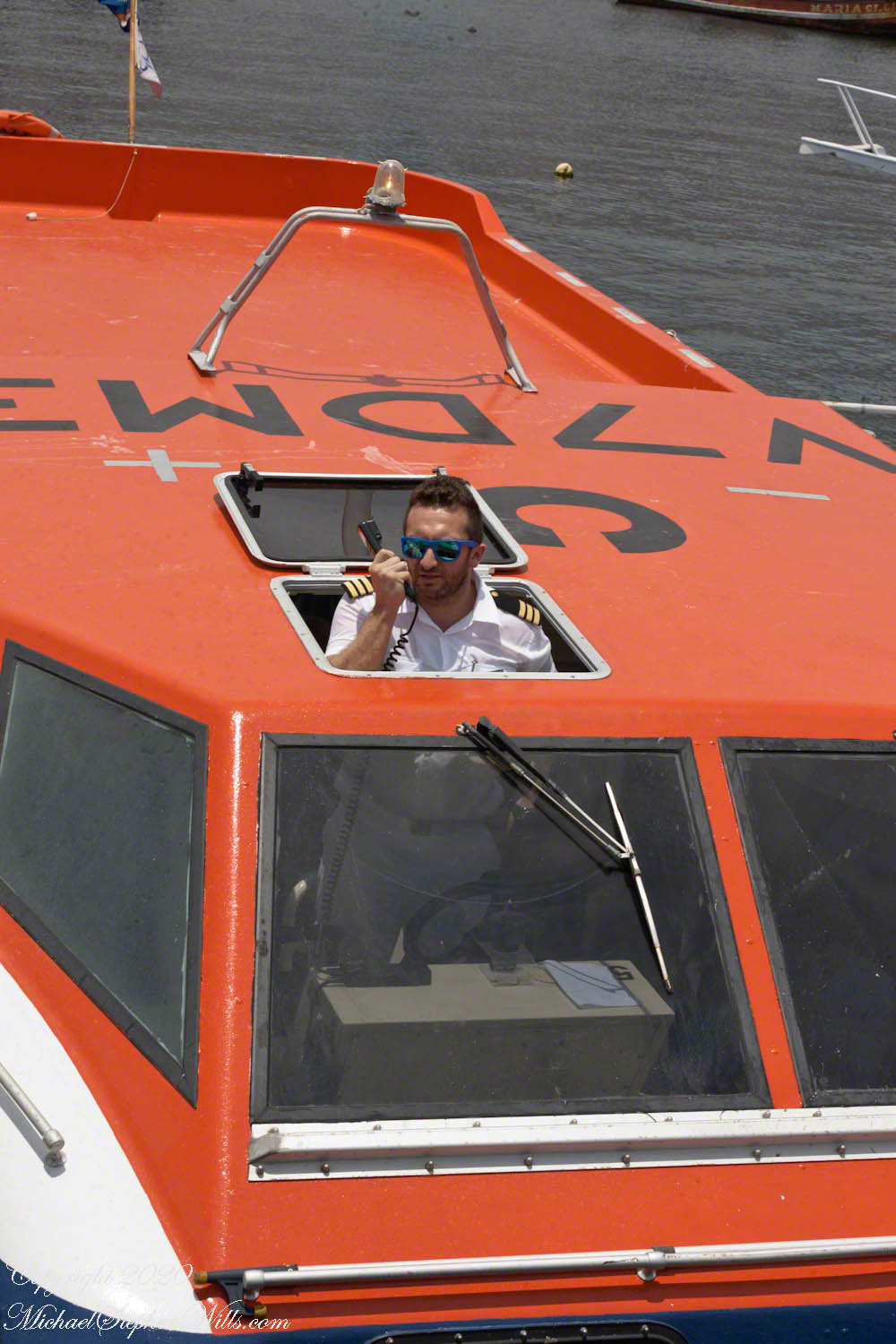
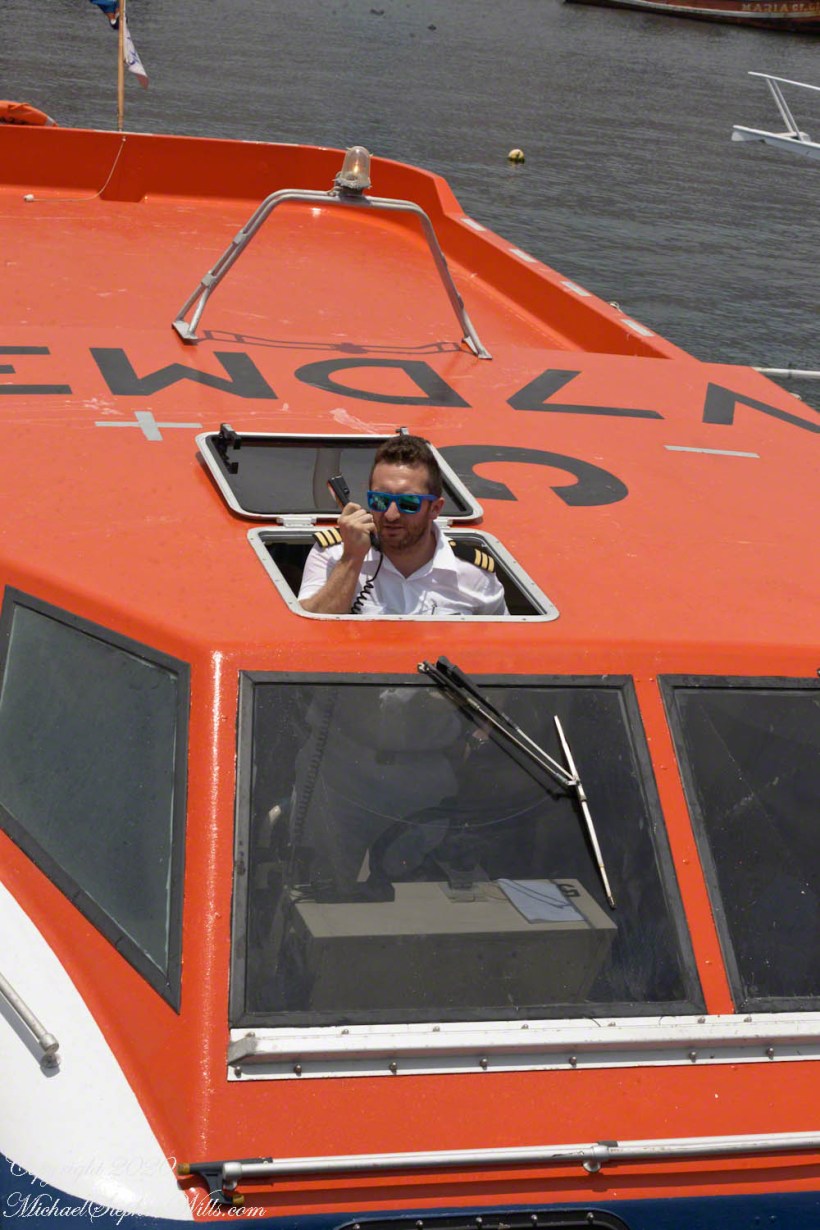
After disembarkation, I looked back for this shot of our tender pilot.

Click me for the first post of this series.

Copyright 2020 Michael Stephen Wills All Rights Reserved