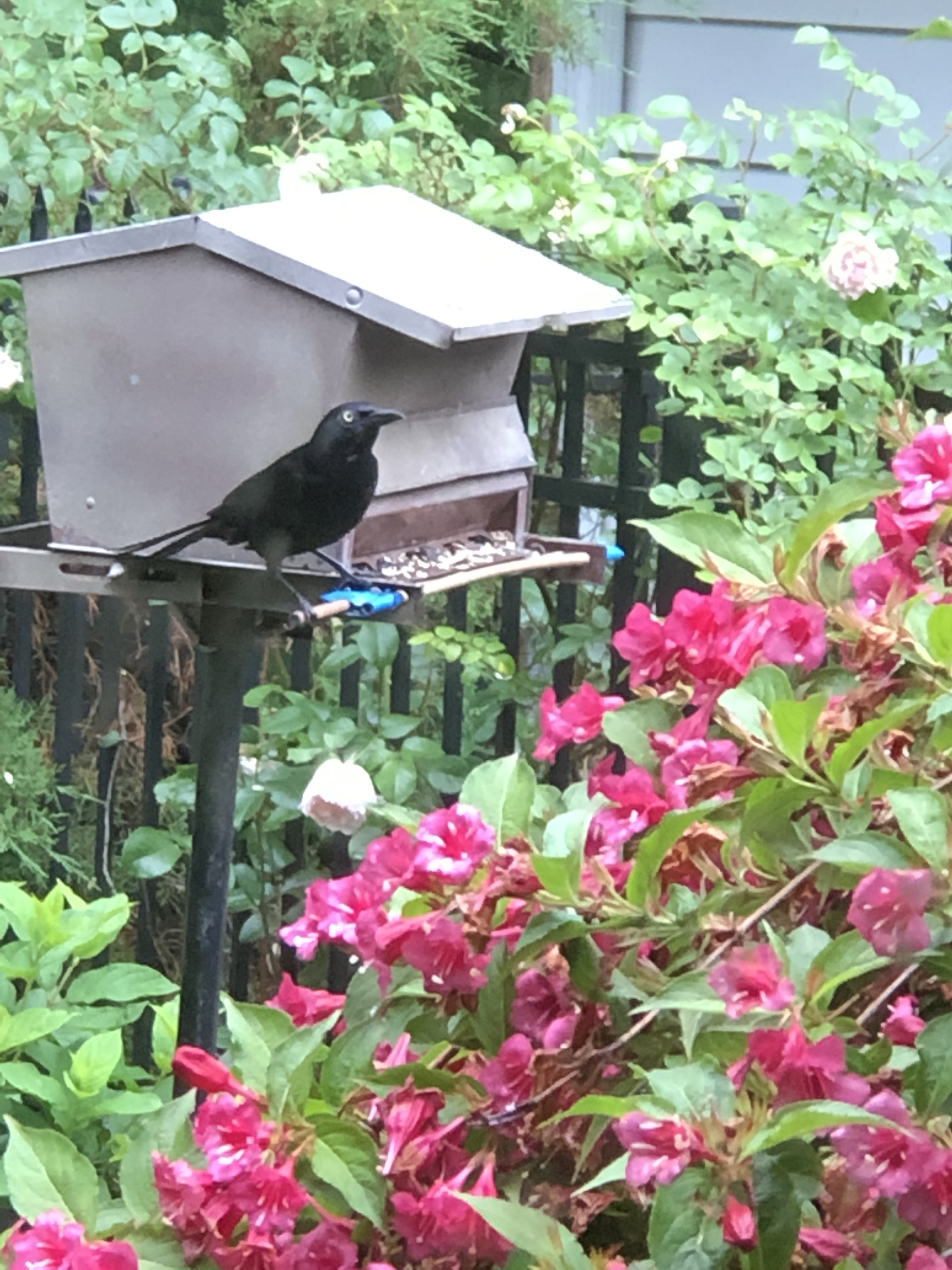
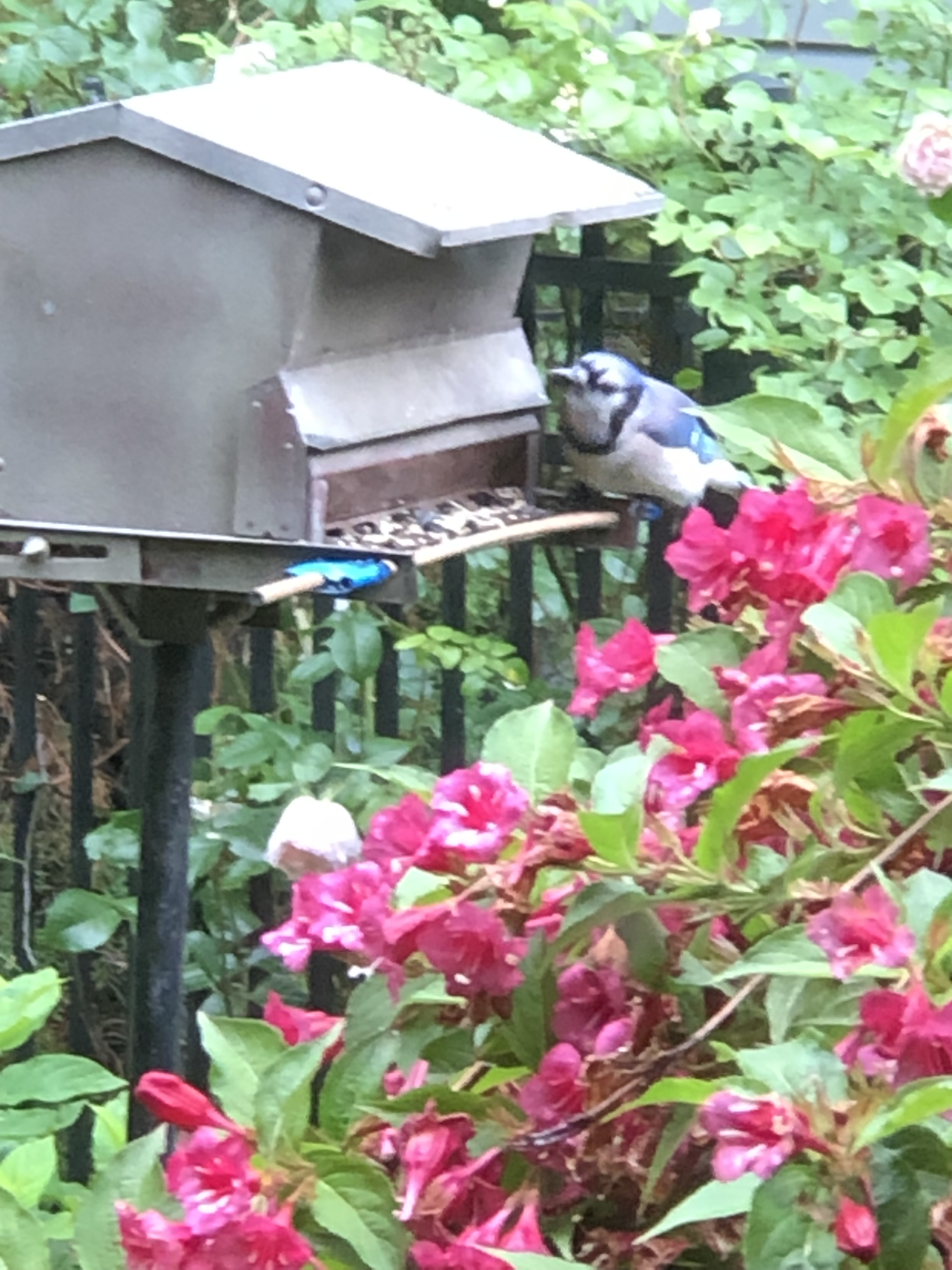
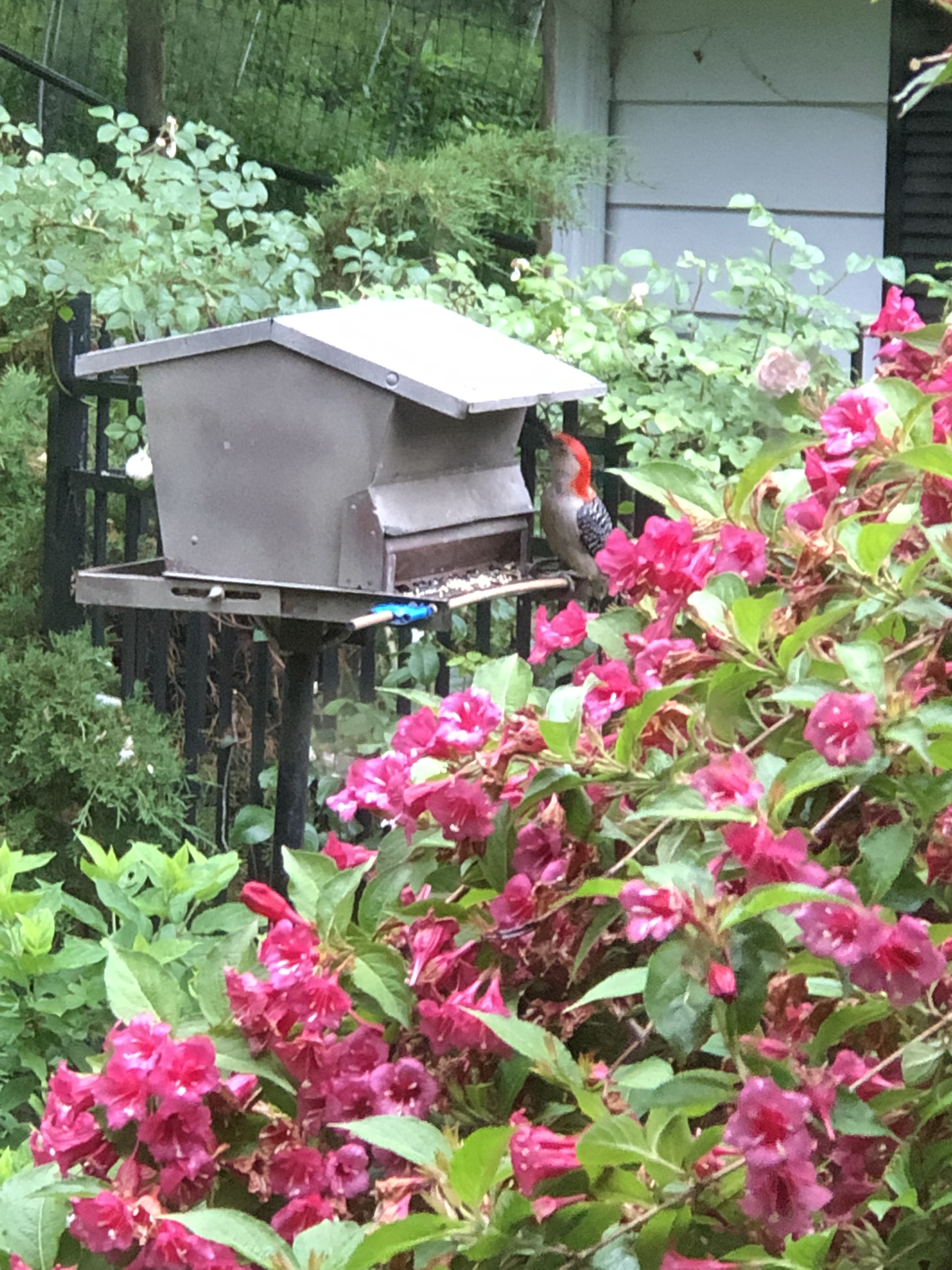
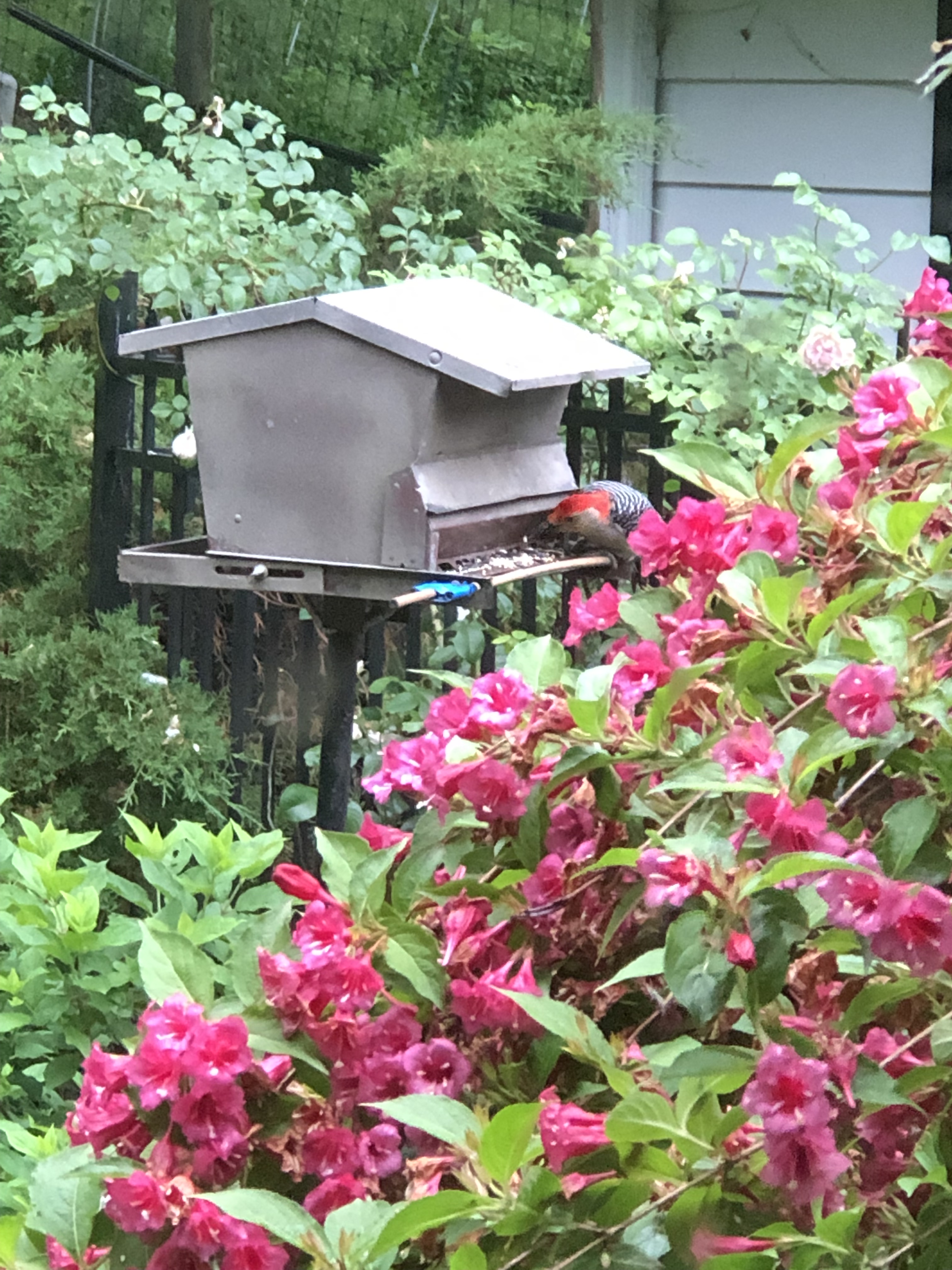
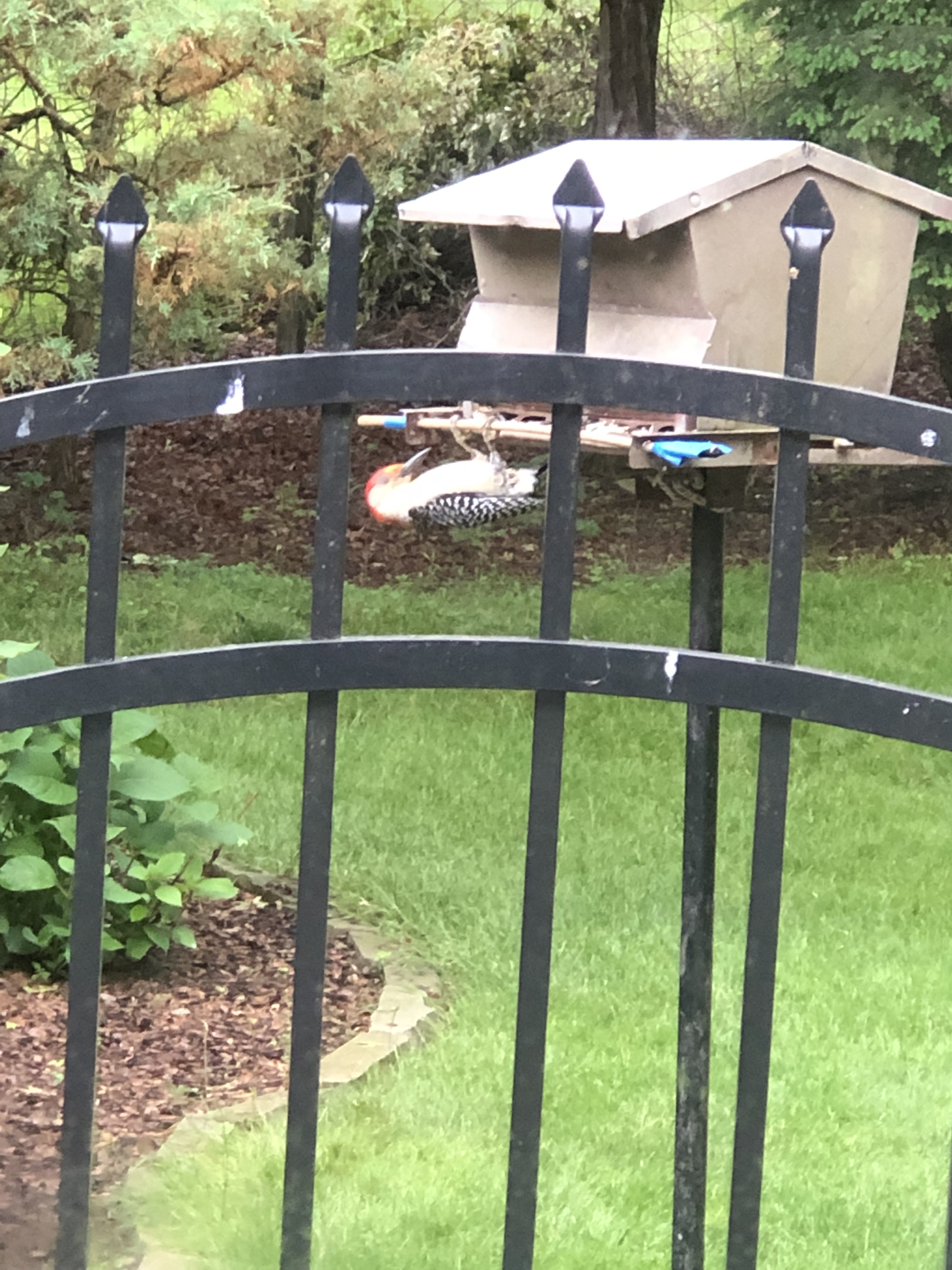
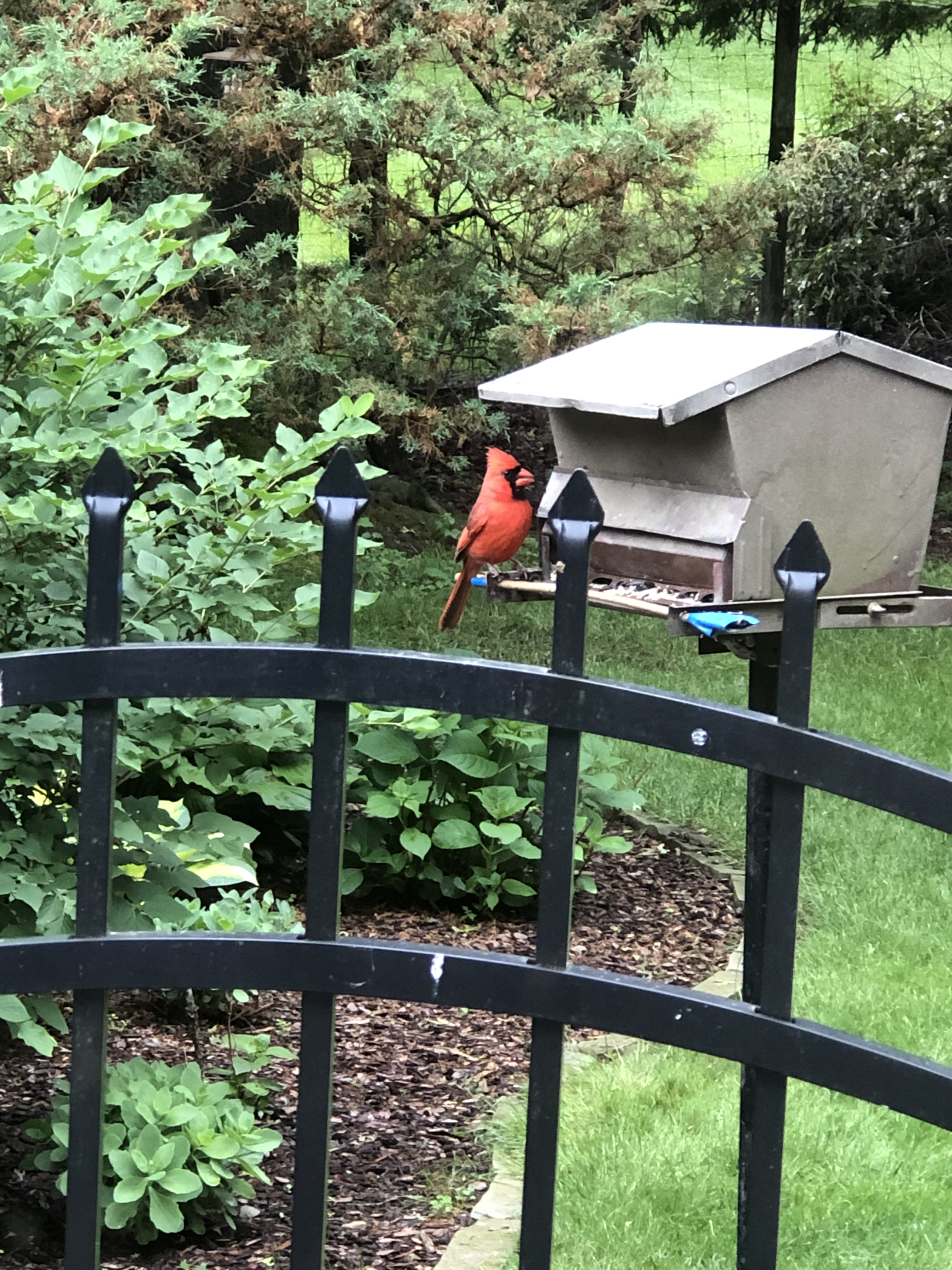
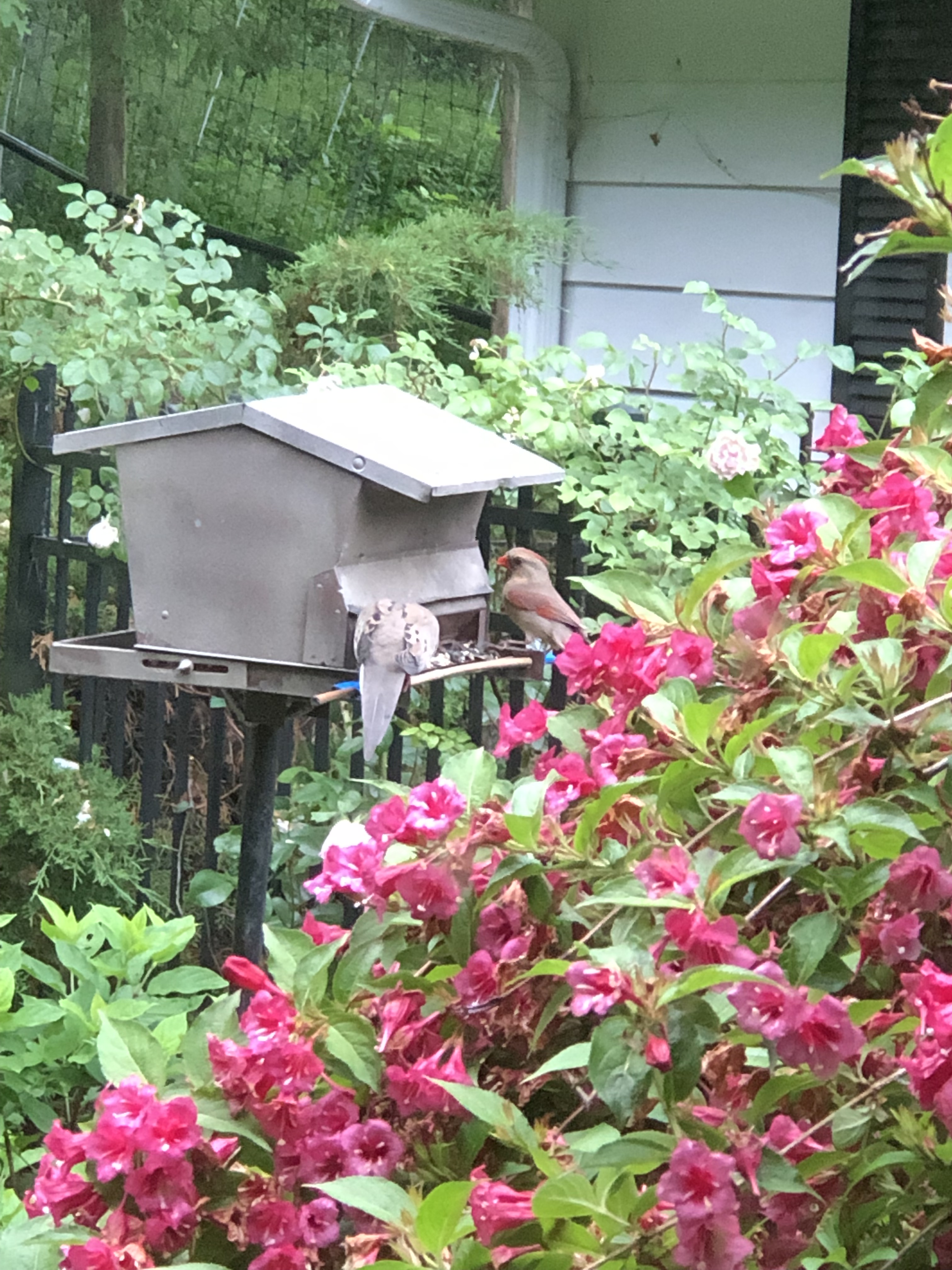
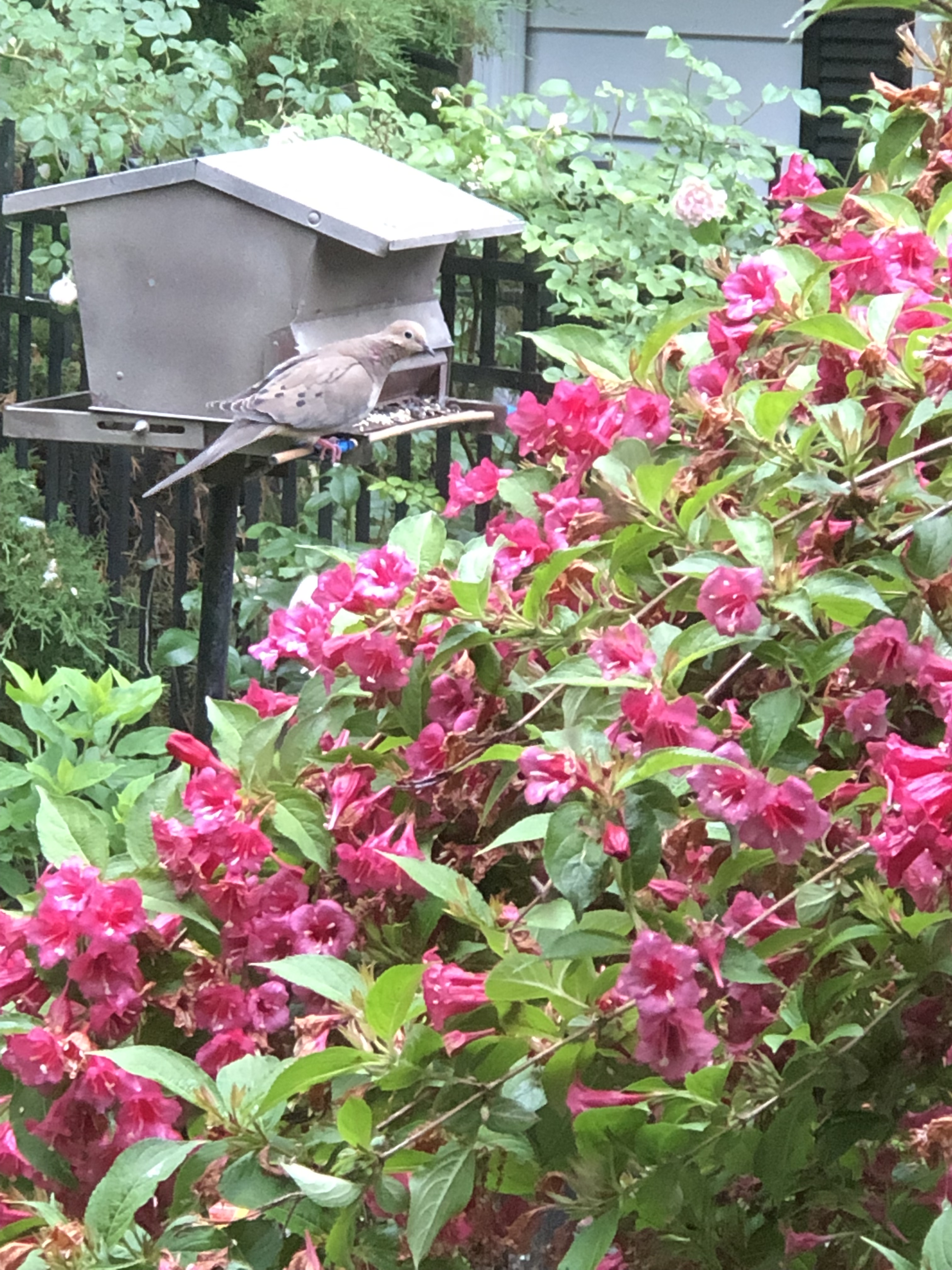
Sad to say, today, Sunday June 12th, the flowering bush is spent, the blooms withered and falling. Pam took time to document some visitors while the Weigela was in its glory. This is a sample of the species we enjoy while washing the dishes.
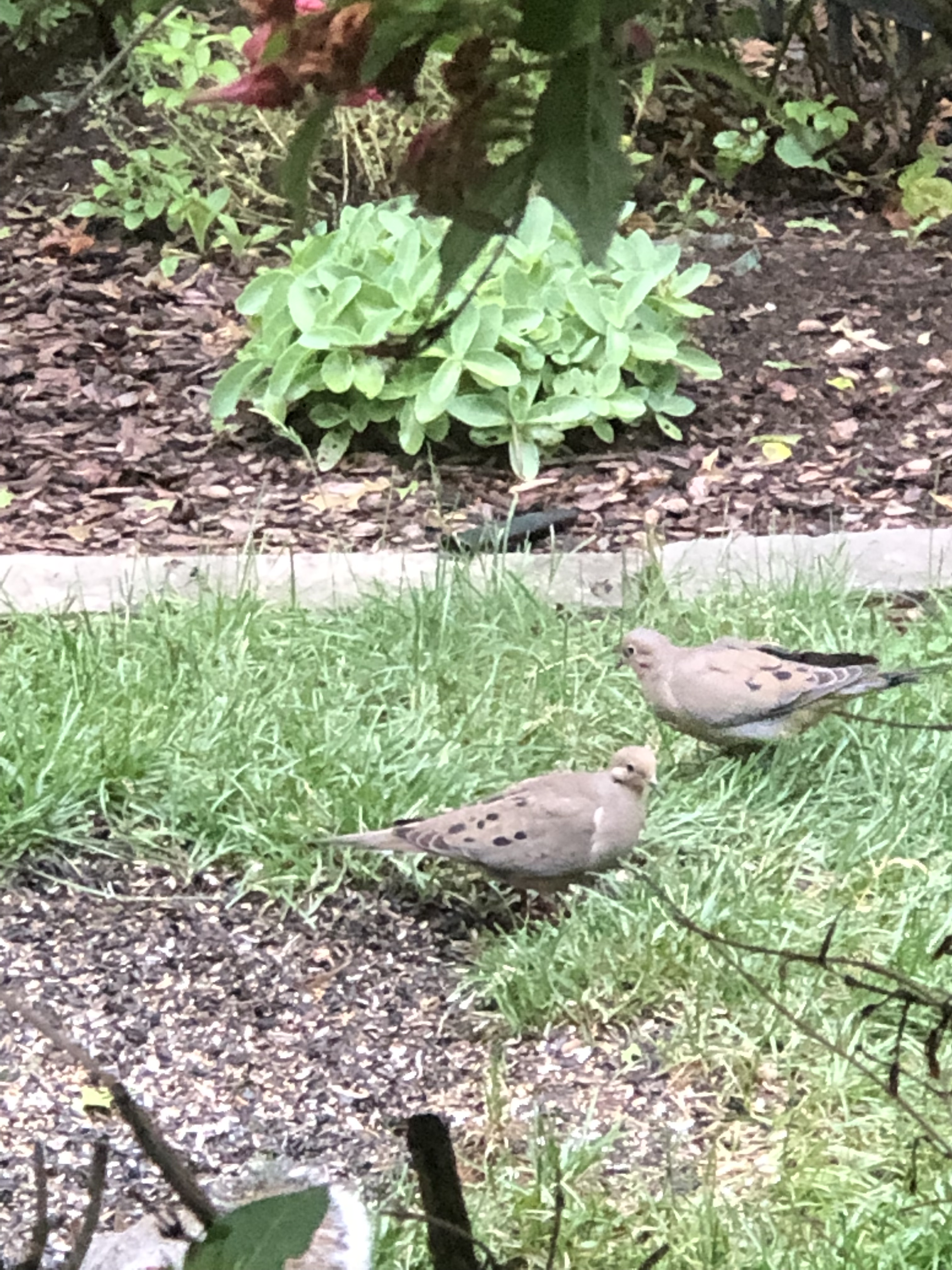
GrackleBlue JayRed Bellied WoodpeckerWe also have Downy, Hairy and Pileated WoodpeckersThe name “Red Bellied” is a mystery to me.Male CardinalDove and female CardinalMourning DoveWe have a huge dove population, supported by our feeder.
These photographs were taken by Pam through our windows with her Iphone 8 plus.
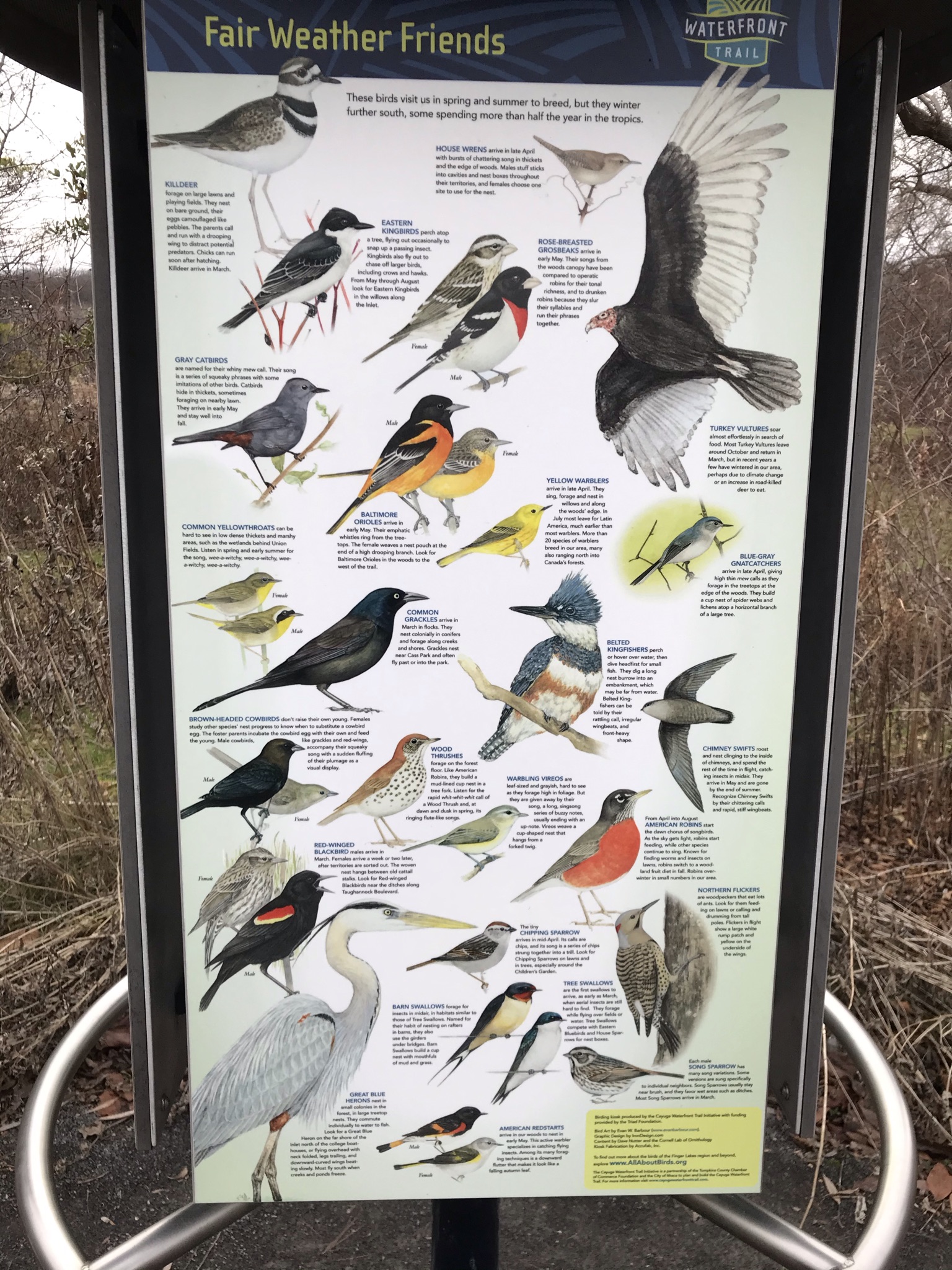
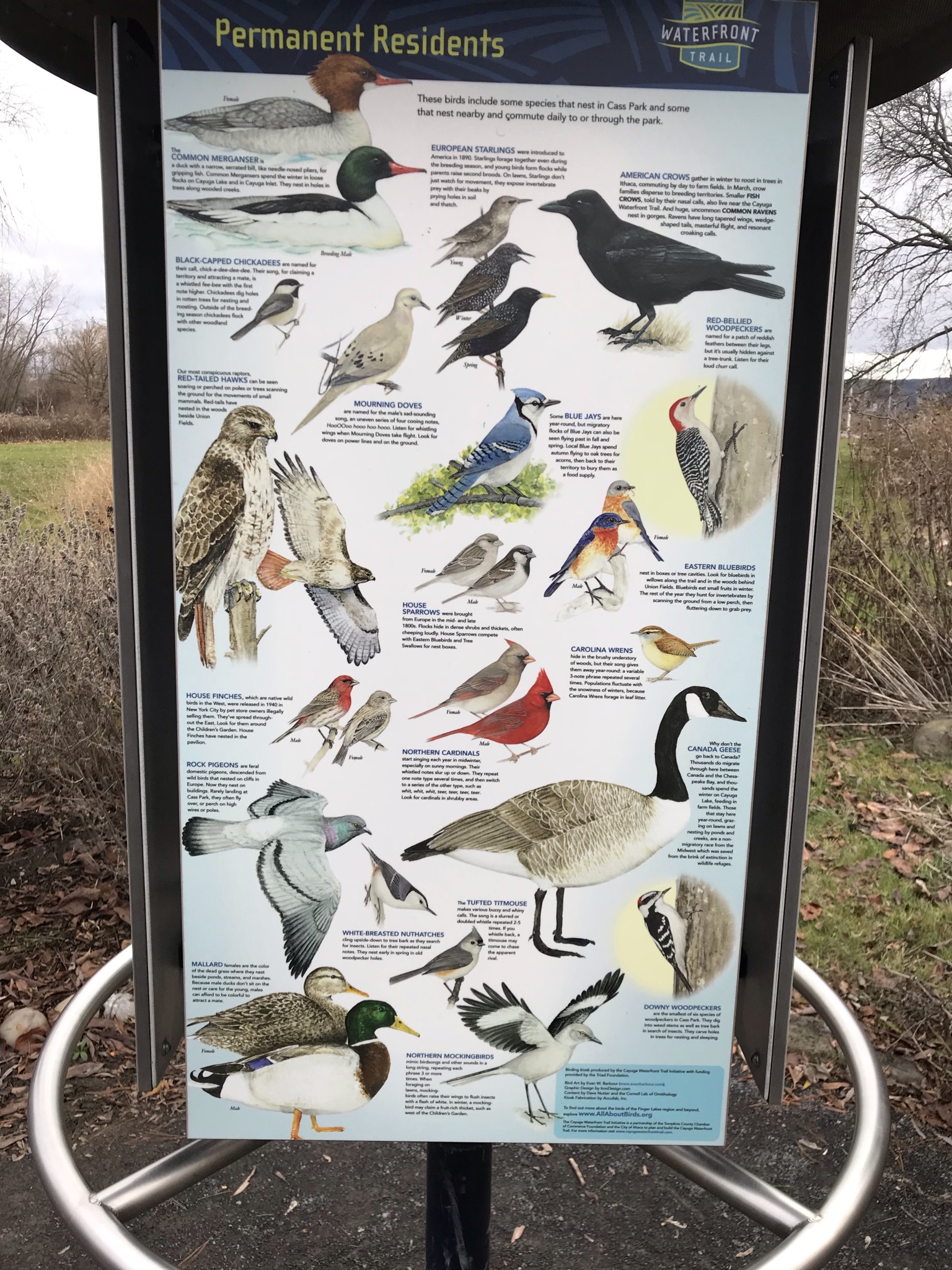
Here is a series of informative signs from Cass Park, just down the hill on the Cayuga Lake Inlet. Pictured are resident birds, most of them visited our backyard feeder.
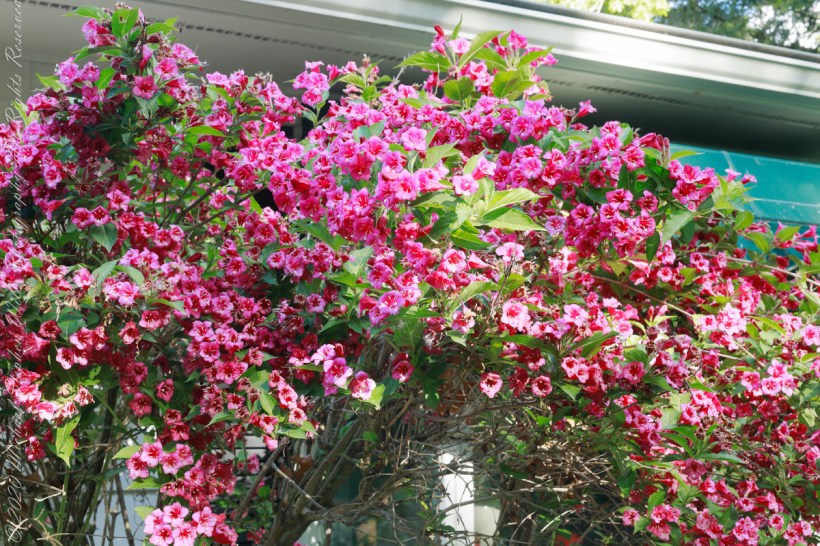
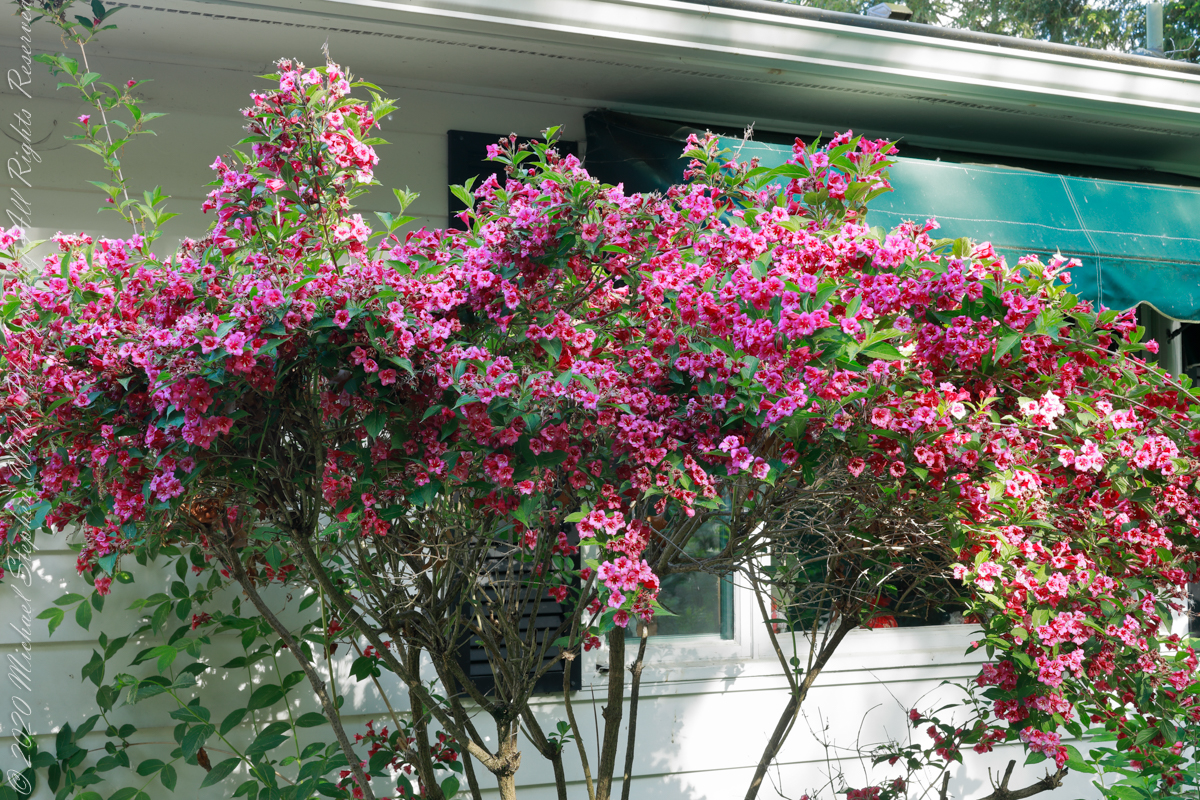
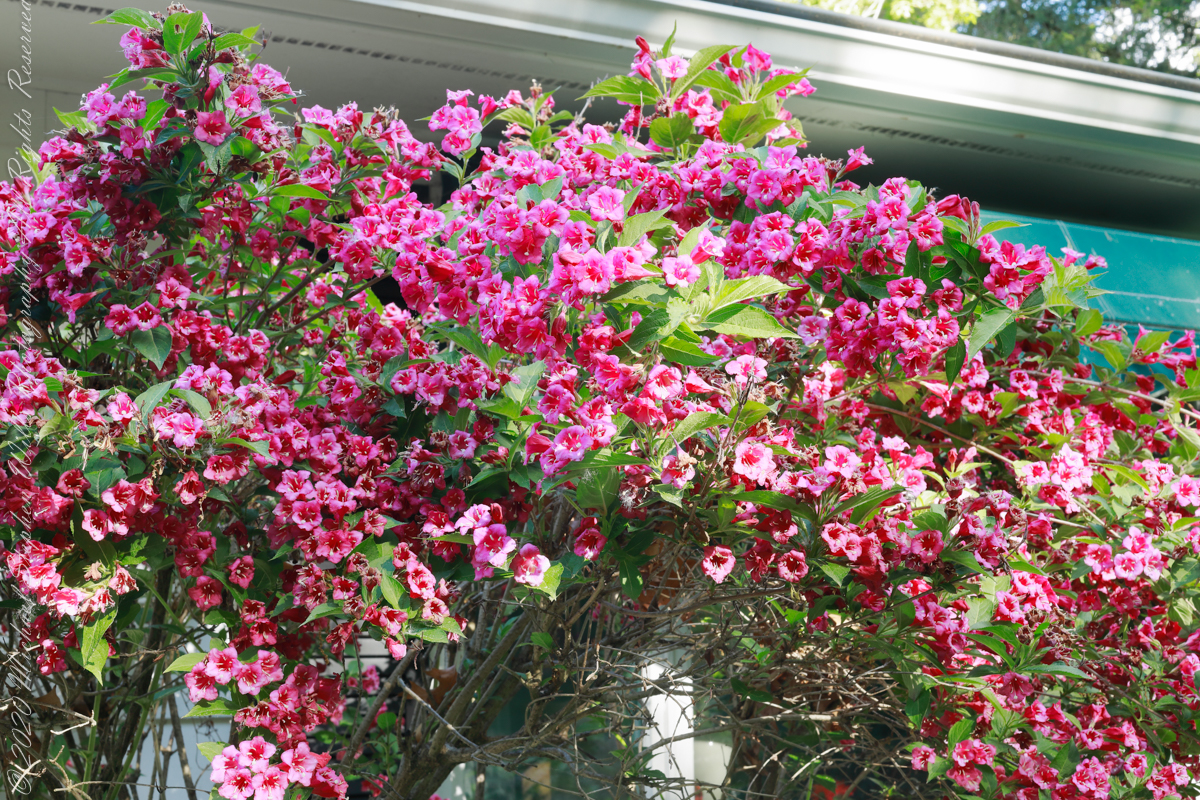
2022 is a breakout year for the Weigela bushes of our yard, each has bloomed literally for a month. The flowers are still fresh today.
Click either photograph to view a larger image on a new browser tab.
These photographs were taken with a Canon EOS 5D Mark IV dslr and the Canon EF 50mm f/1.2L USM lens with a “BeFree” Manfrotto tripod with ball head. f-stop was tamped down to the maximum, f16 for this lens. Exposures were taken in the evening with the sunlight filtered through our hemlock trees.
Copyright 2022 All Rights Reserved Michael Stephen Wills
Here is a repost of a popular and interesting article. The answer is in comments. Thanks, readers!!
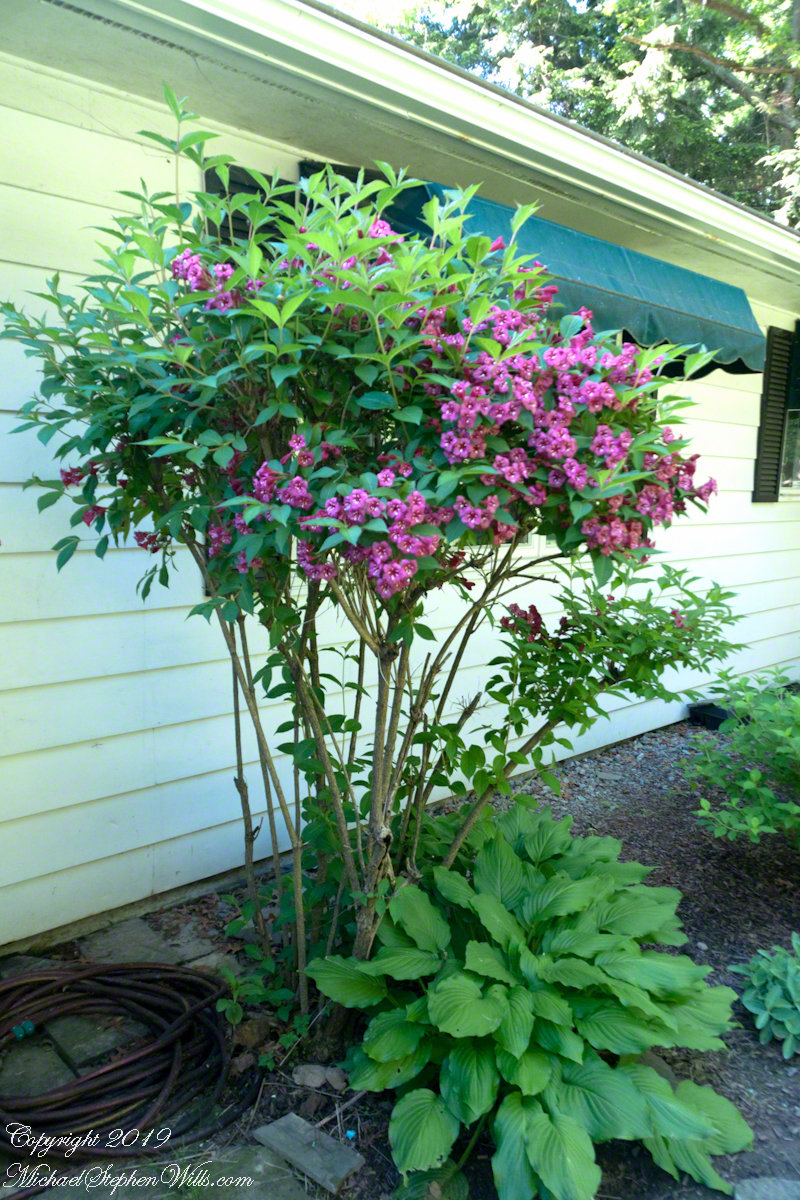
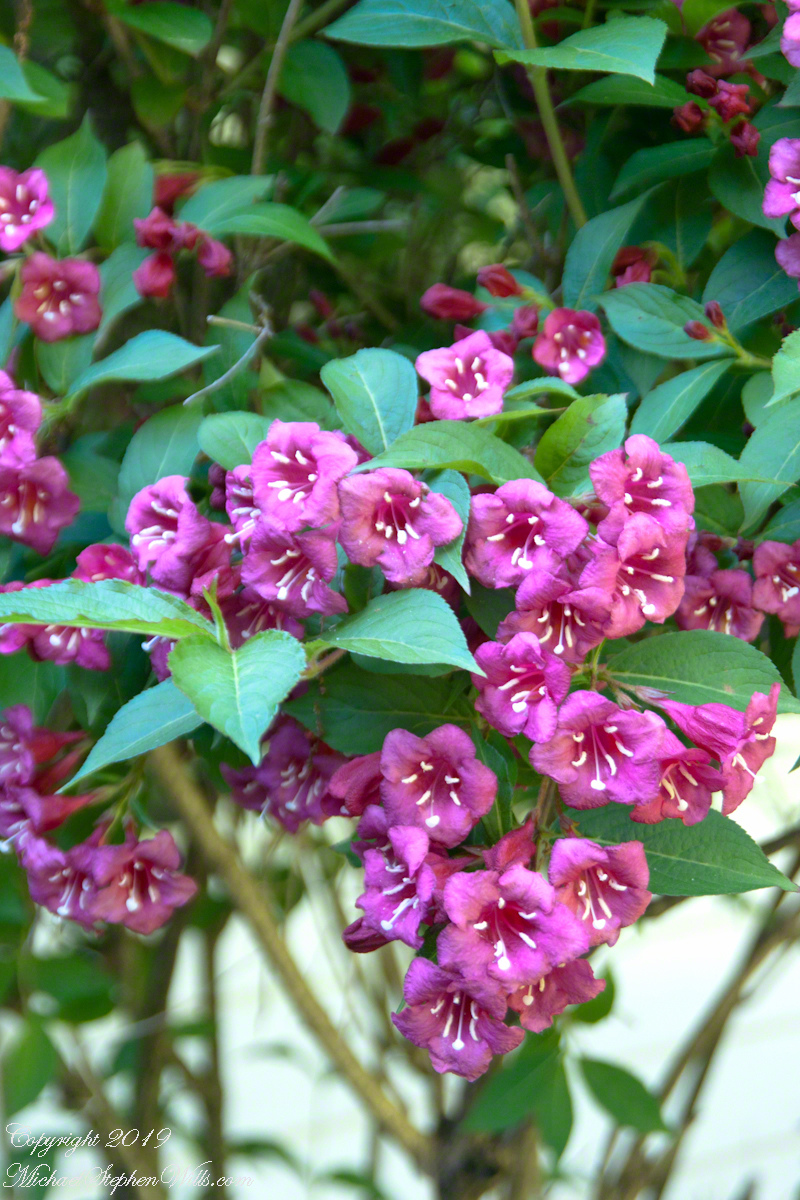
I need your help this morning. This year each of these bushes in front of our kitchen window has profuse blooms after Pam pruned and fertilized them early spring. I am coming up blank with identifying them.
The two bushes are over six feet tall and lose leaves each autumn (deciduous).
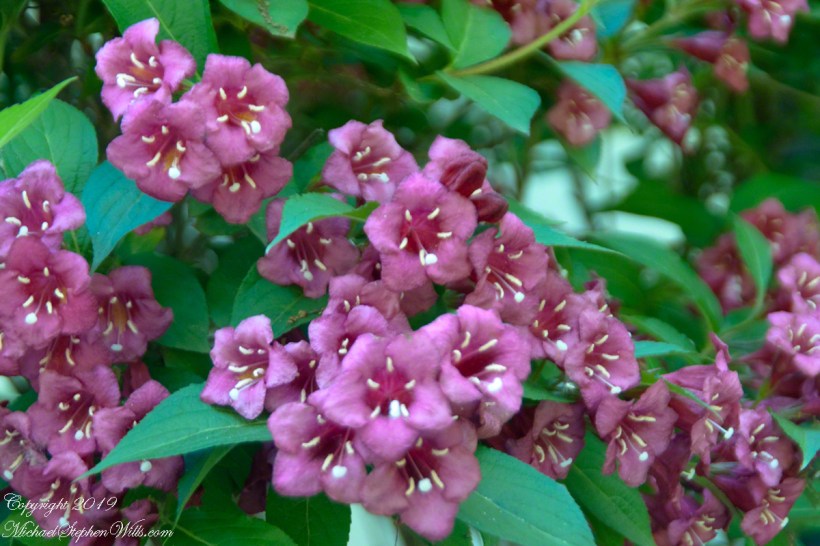
Here are some photographs. Can any readers identify these bushes? The common name or scientific will be much appreciated.
Thanks so much.
Copyright 2022 All Rights Reserved Michael Stephen Wills
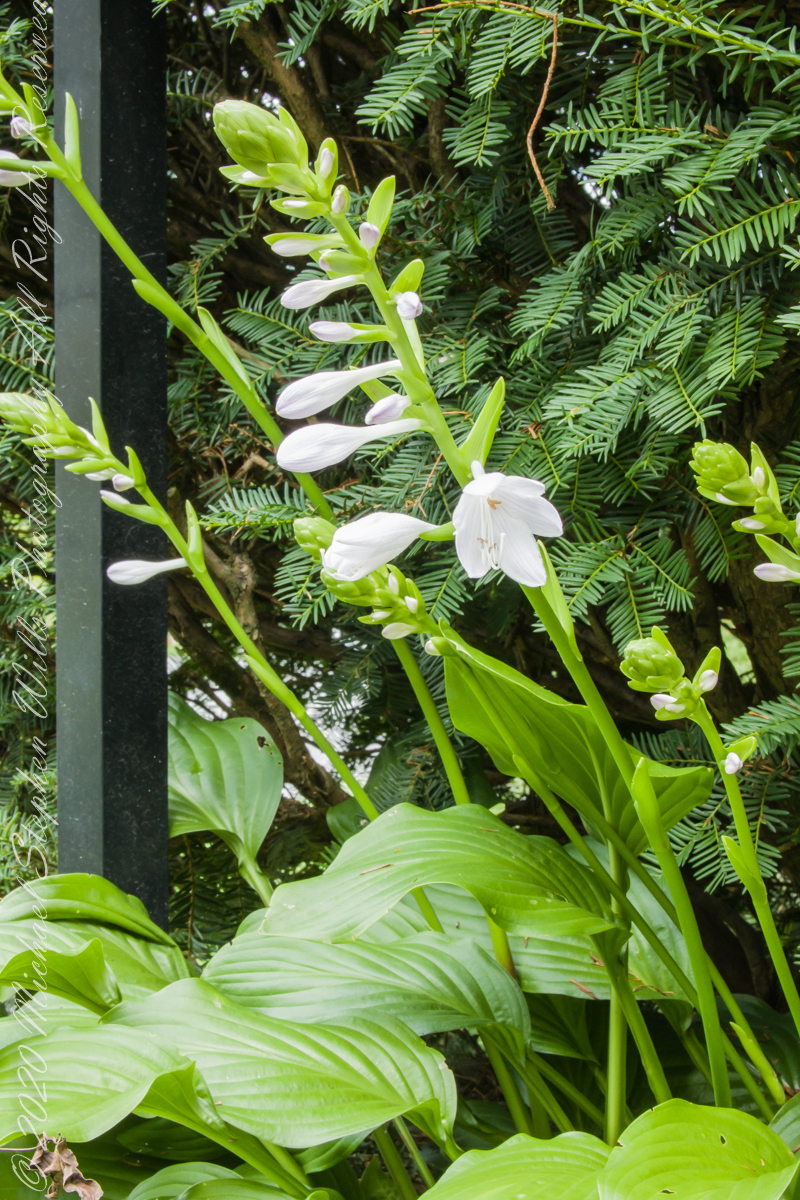
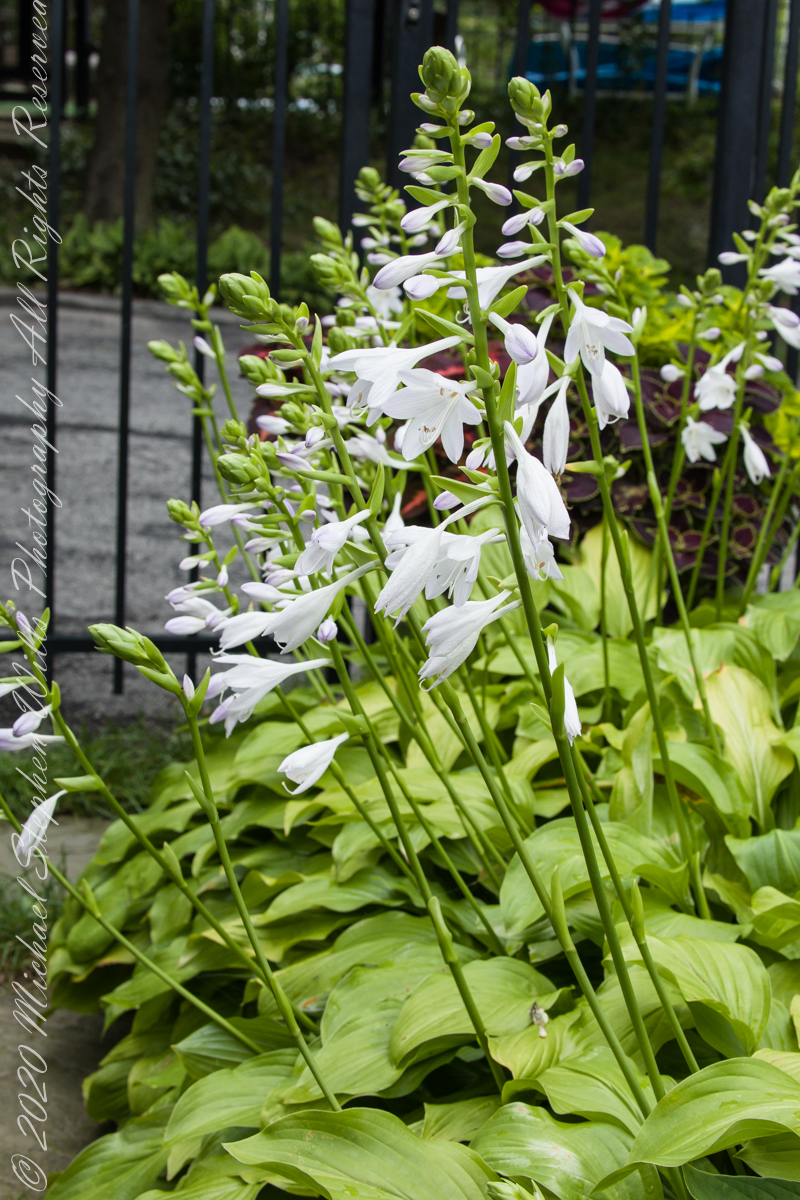
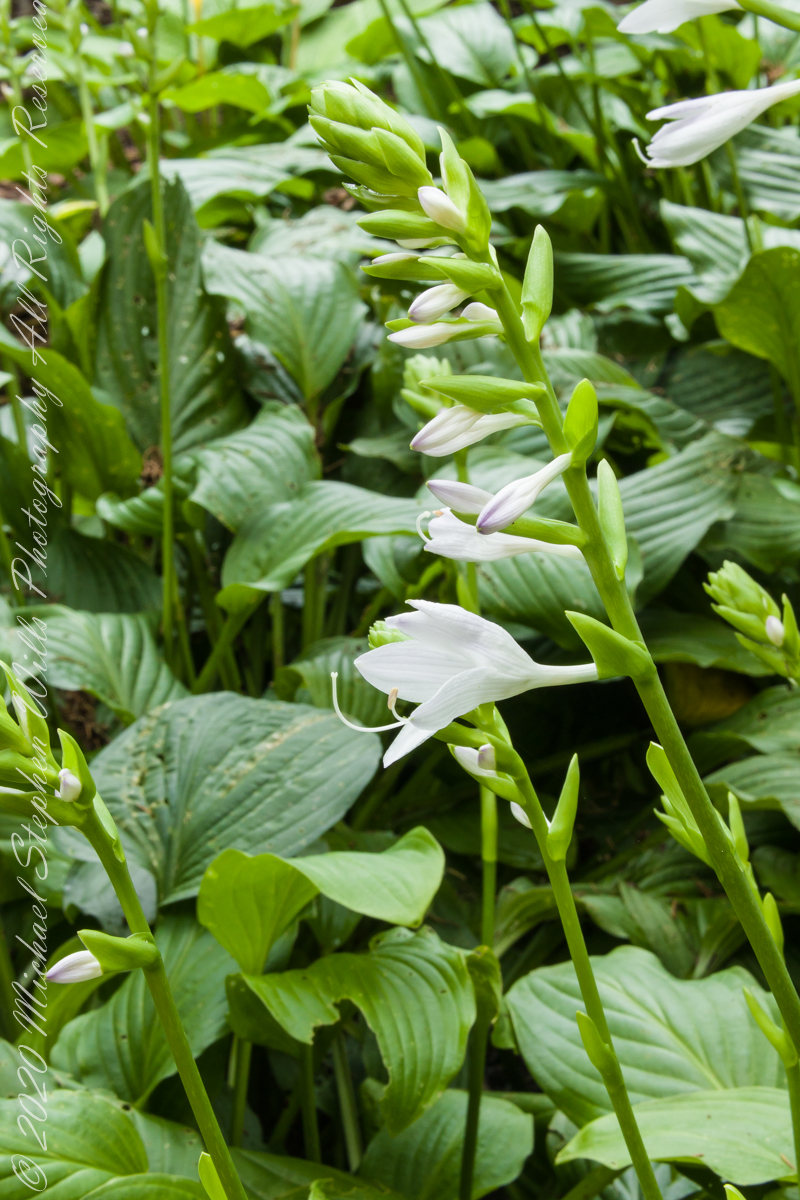
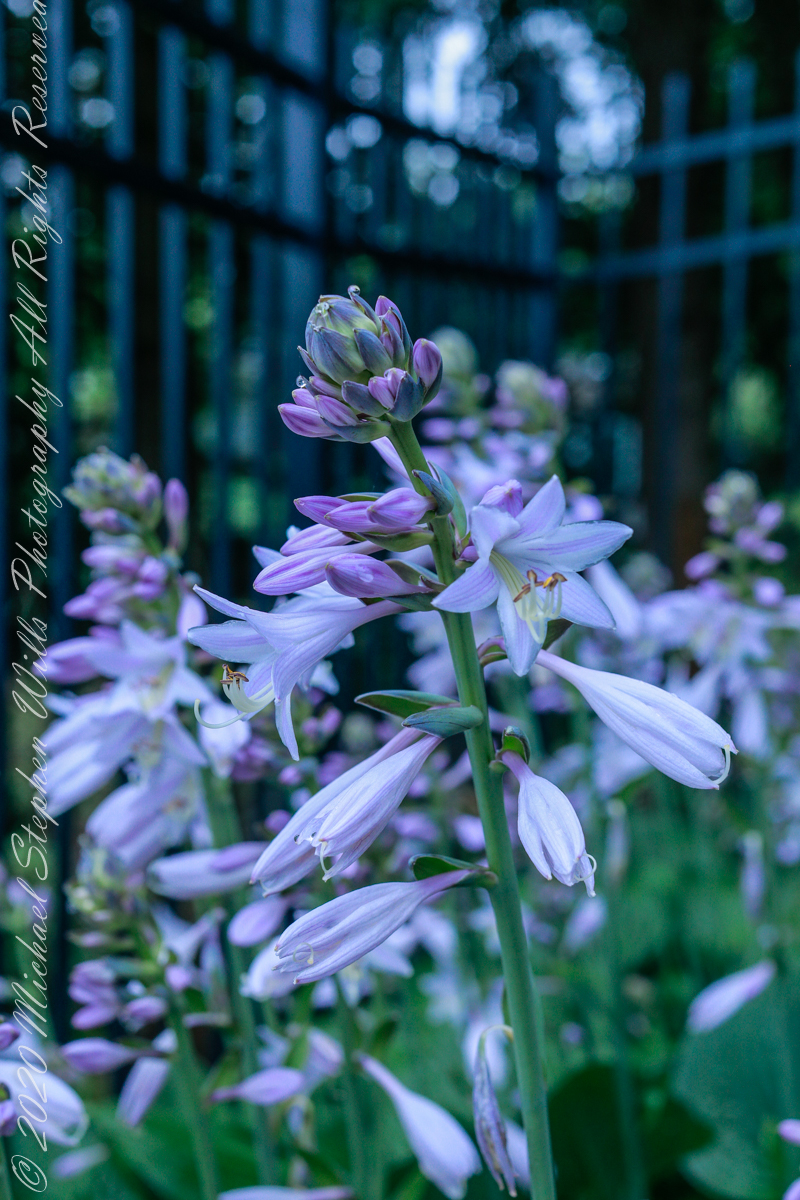
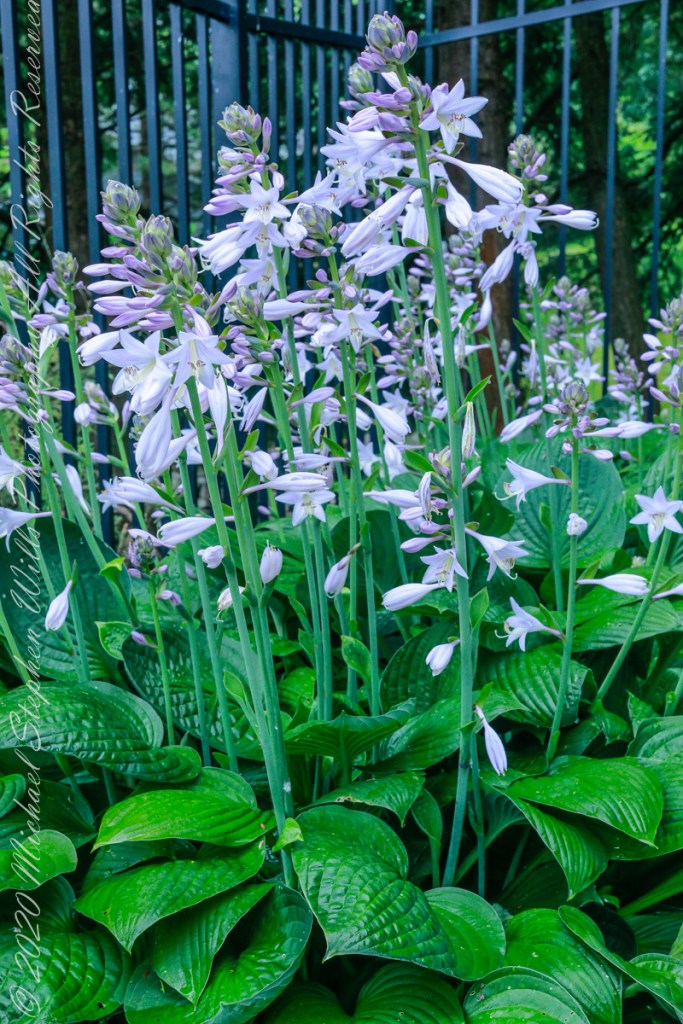
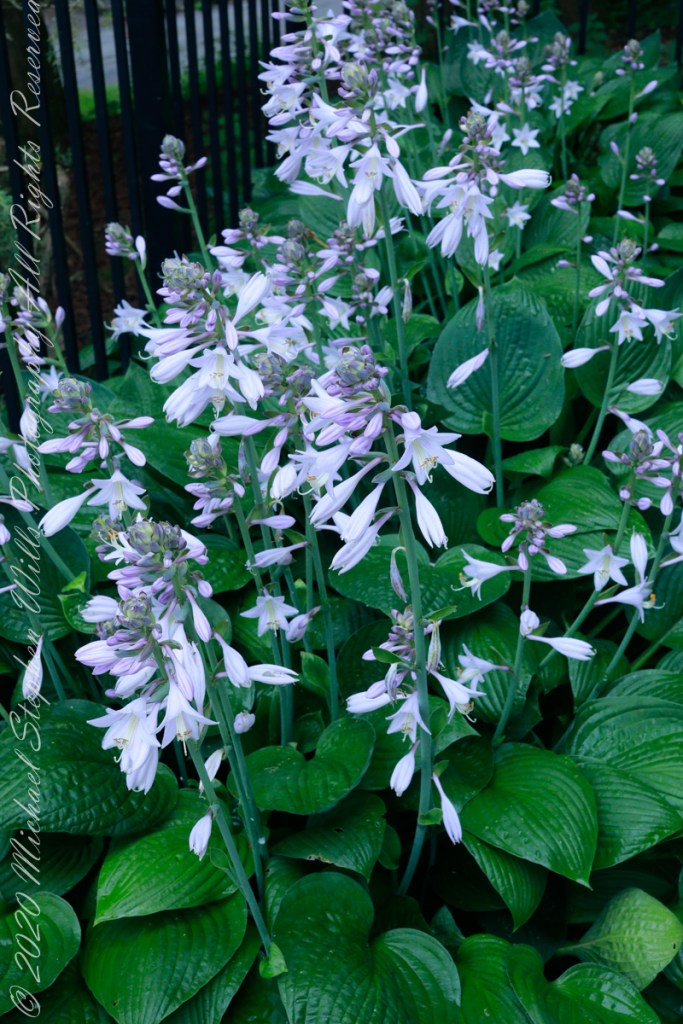
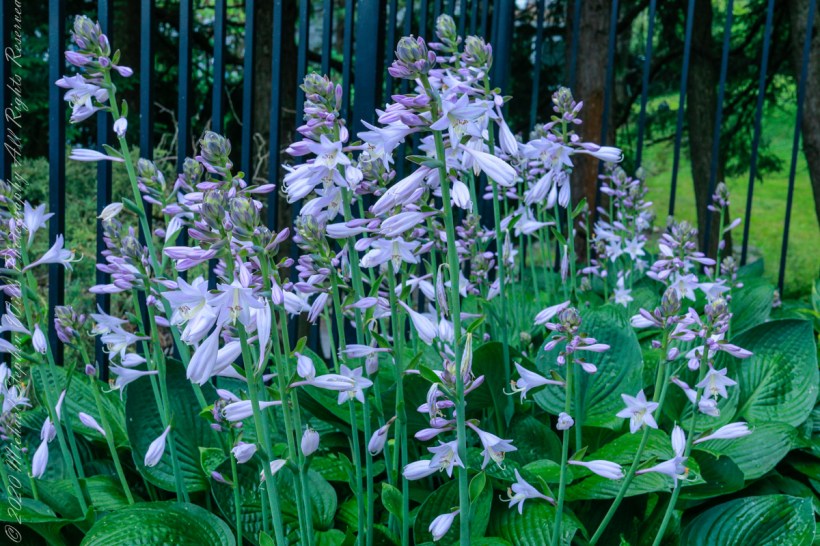
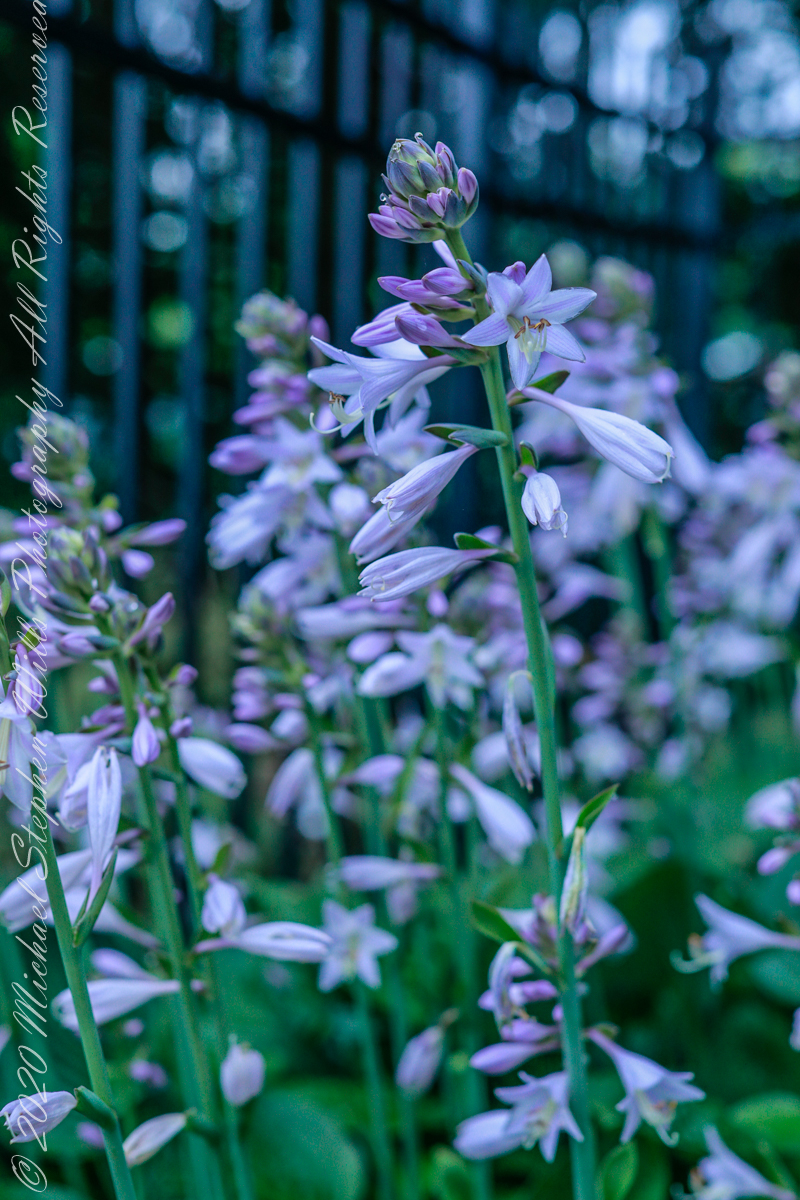
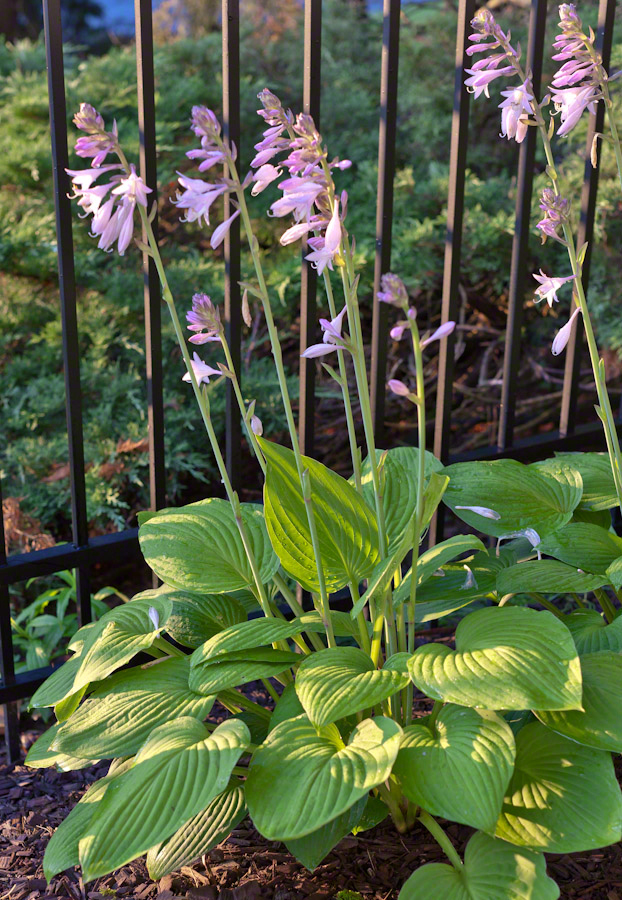
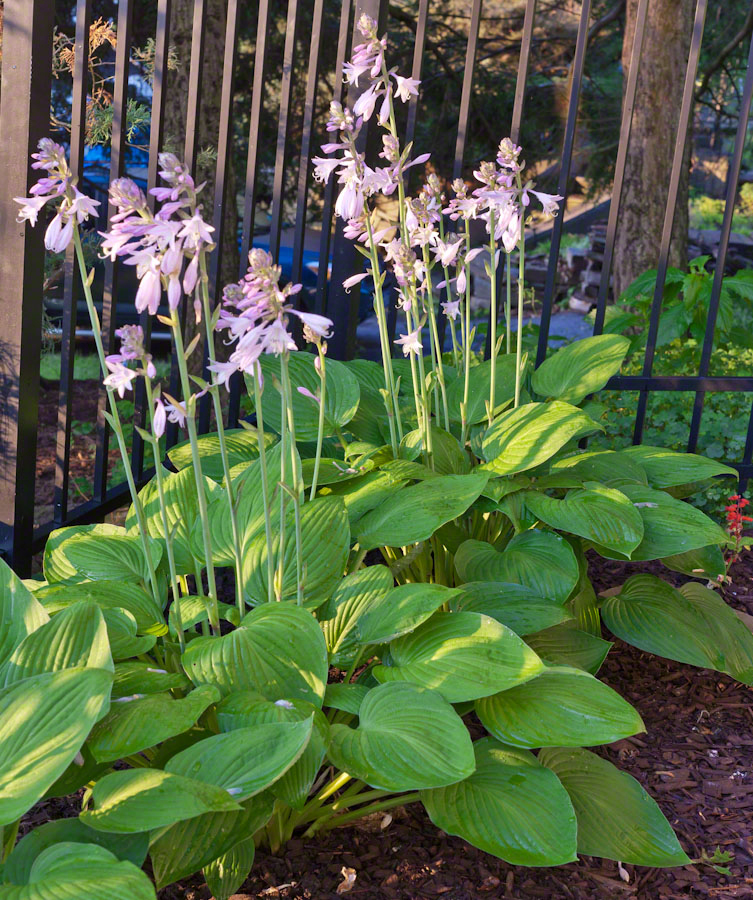
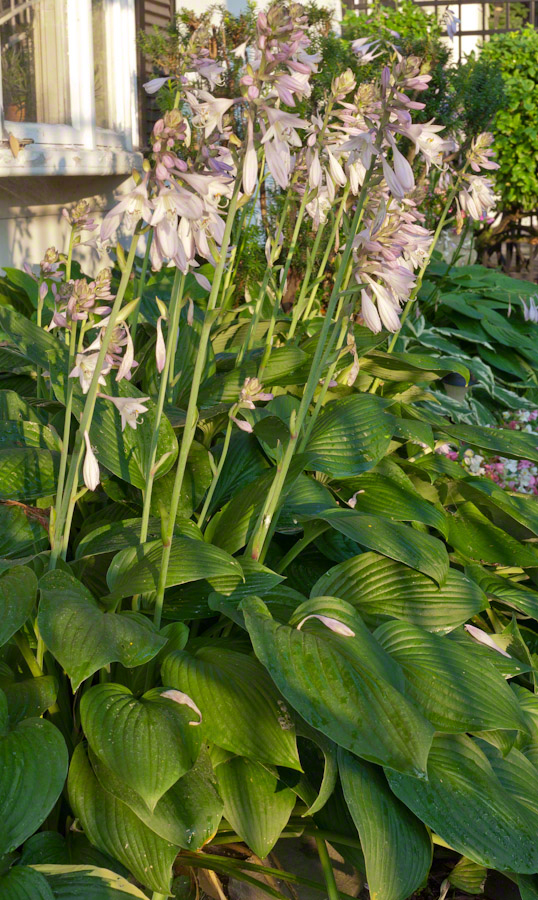
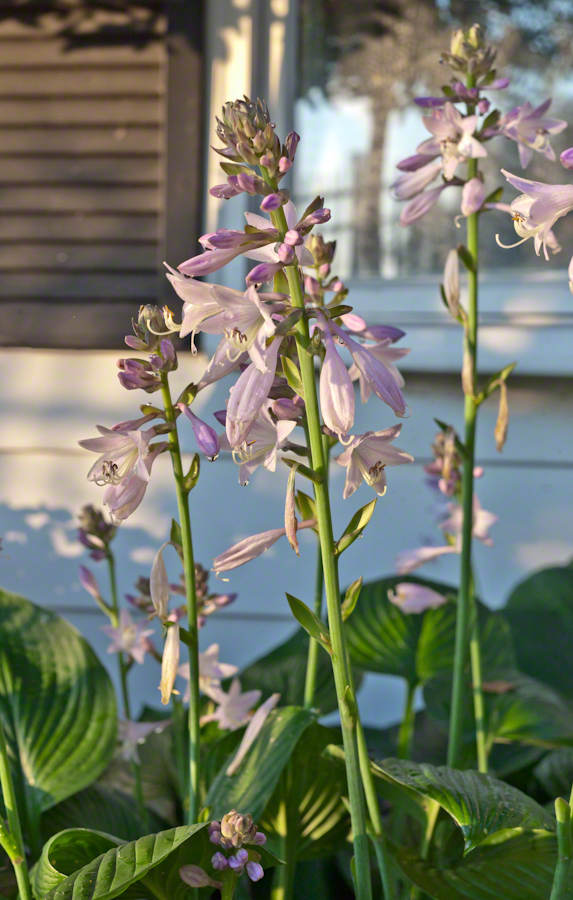
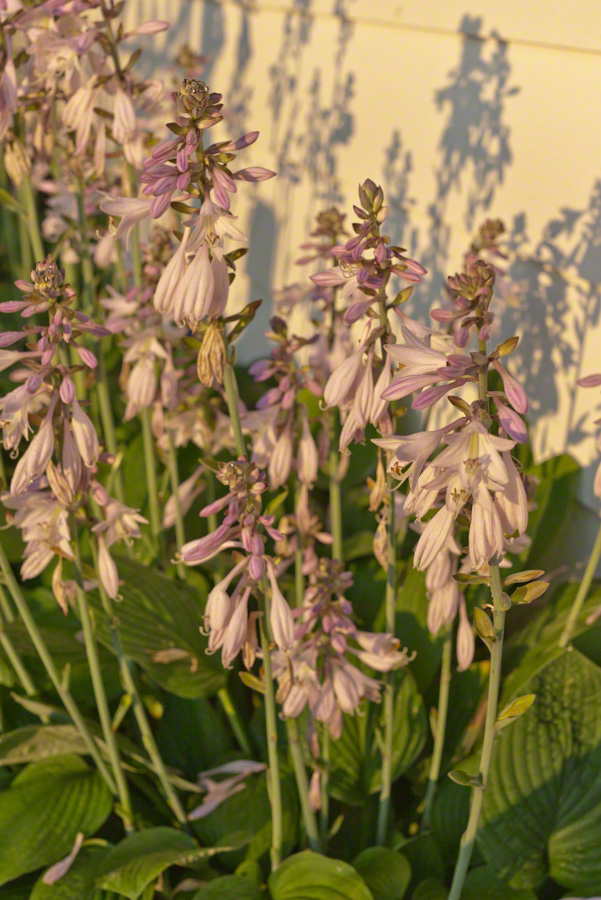
Pam requested photographs of hosta flower stalks with blooms and developing buds. I setup the Manfrotto tripod, the Canon dslr mounted with an Canon EF 70-300mm f/4.5-5.6L lens at ISO 1600 and these are the results.
Native to northeastern Asia, In 1812 the genera Hosta was named for the European botanist Nicholas Thomas Host. Also called plantain lily for the habit of the herbaceous stalks to grow radially from a center.
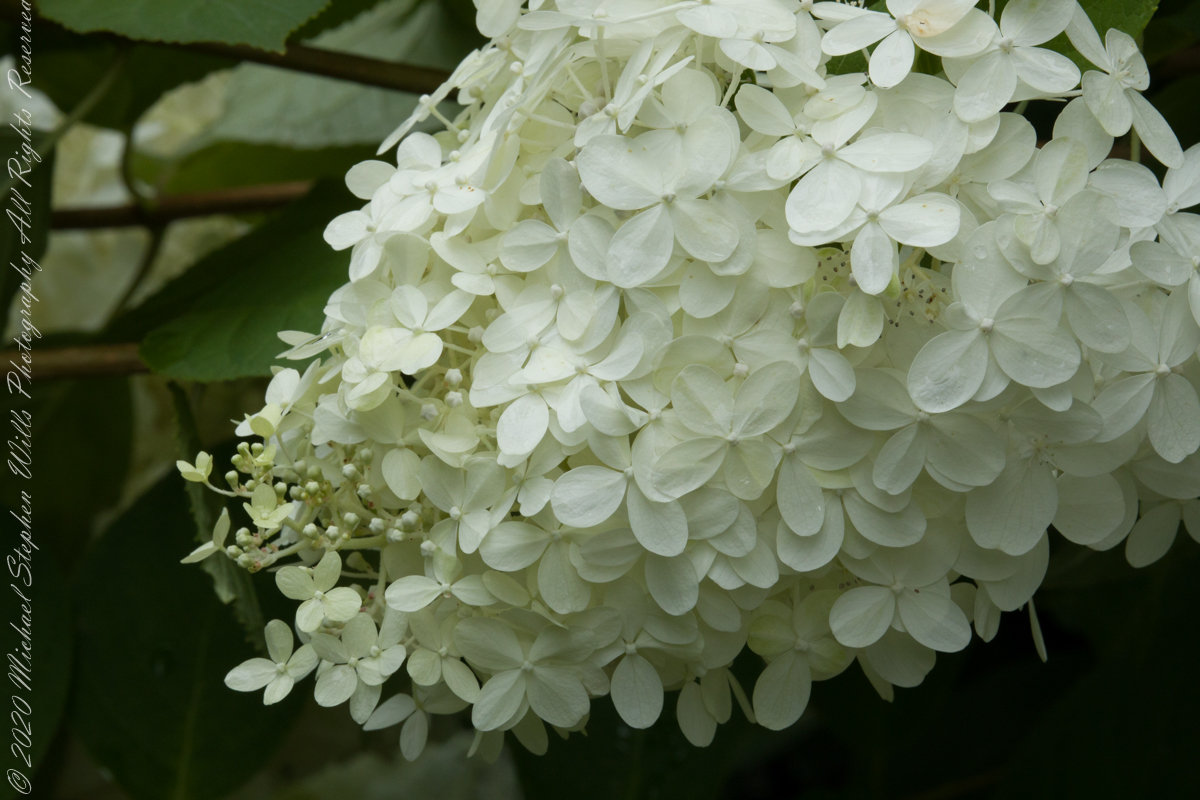
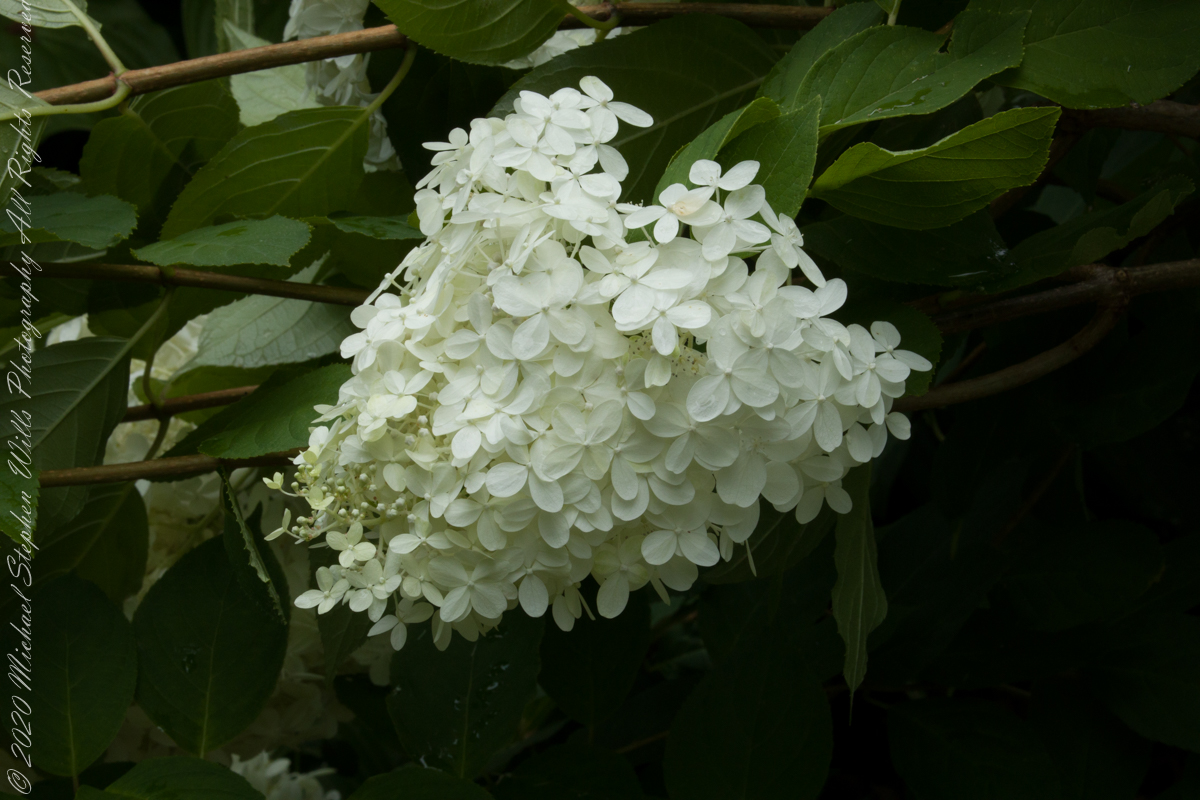
The name “Hydrangea is derived from Greek and means ‘water vessel’ (hydria), in reference to the shape of its seed capsules. The earlier name, Hortensia, is a Latinised version of the French given name Hortense, honoring French astronomer and mathematician Nicole-Reine Hortense Lepaute.” _wikipedia
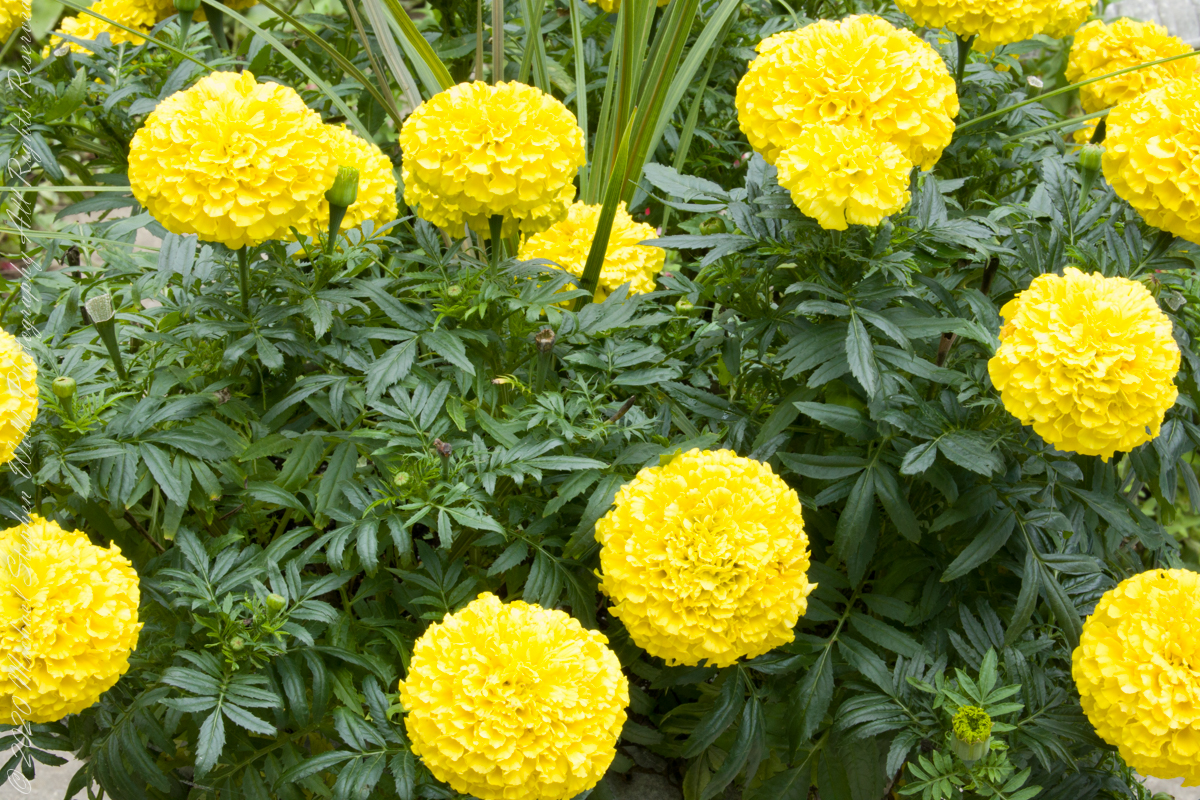
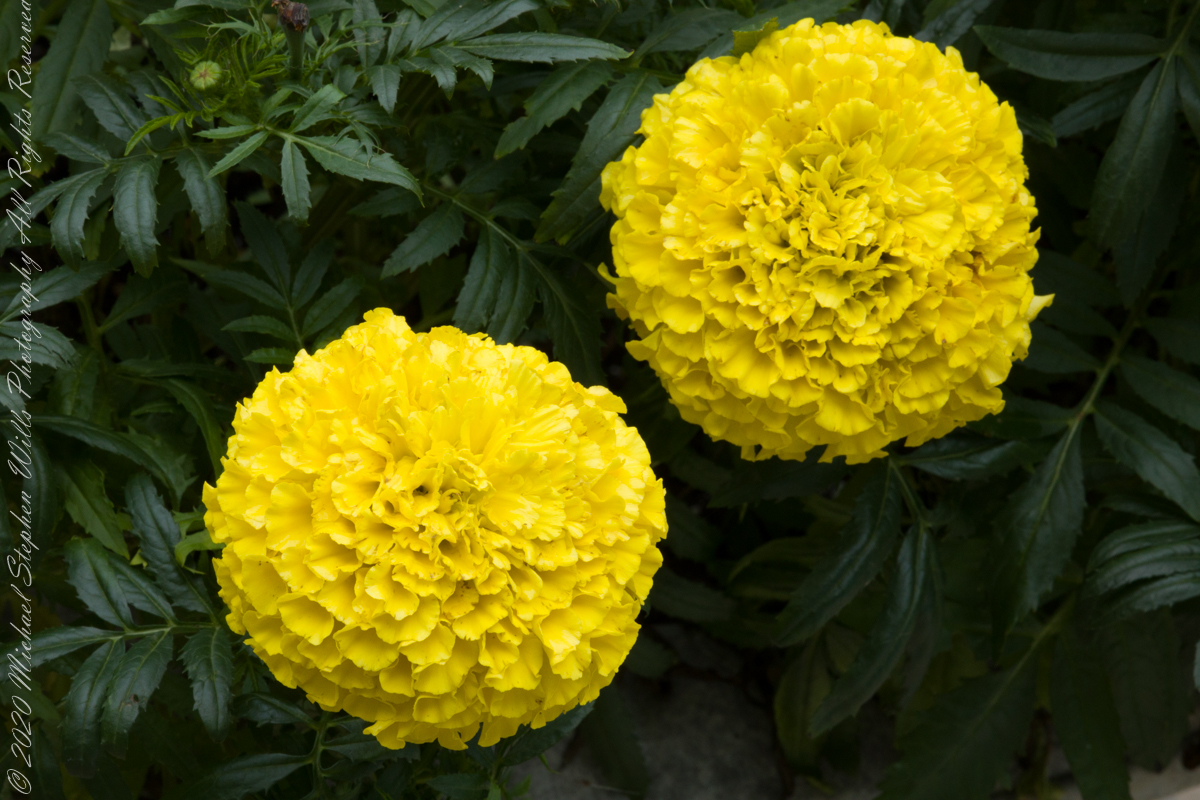
The common name “Marigold” refers to the Virgin Mary.
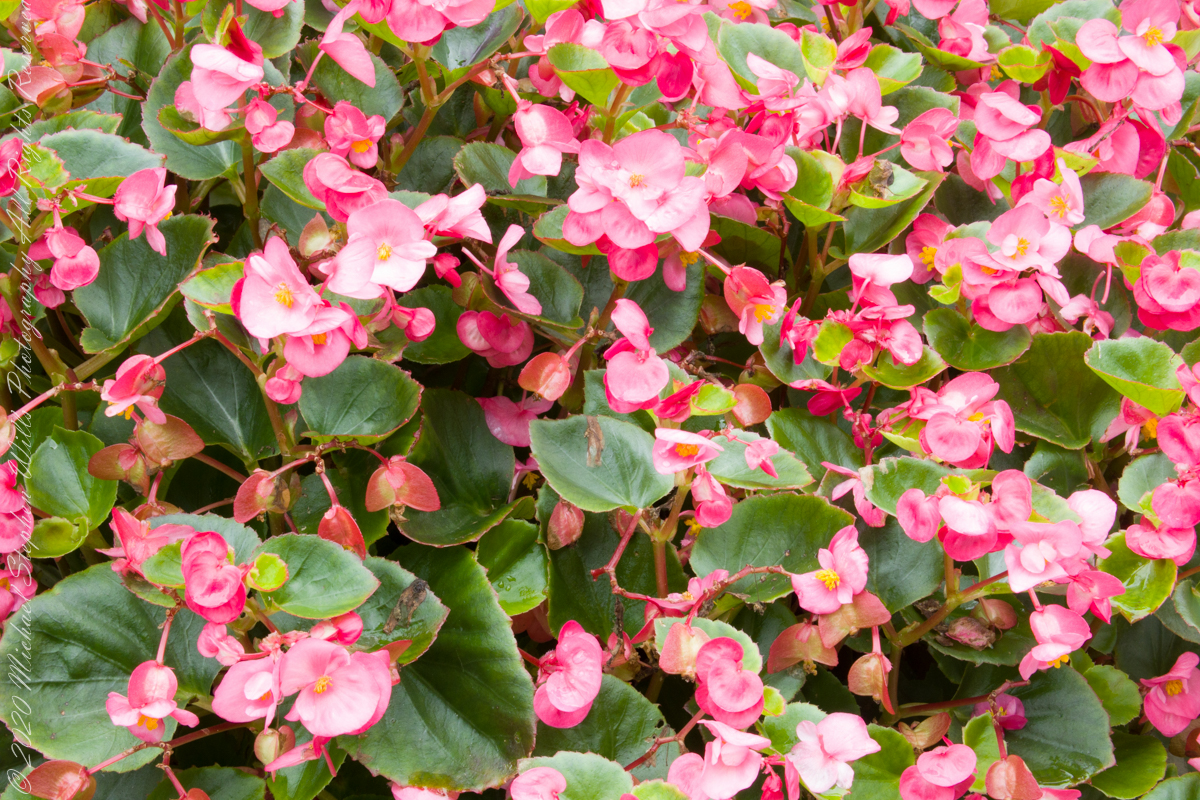
Begonias come in so many shapes and colors.
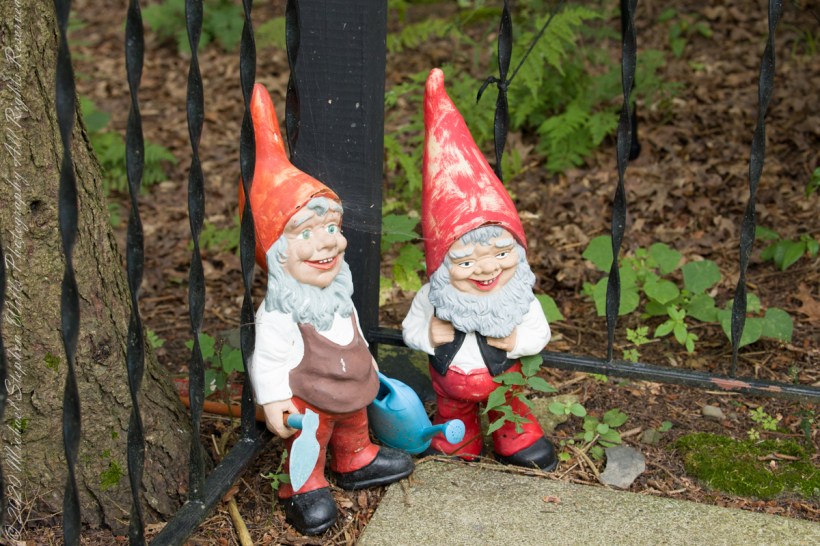
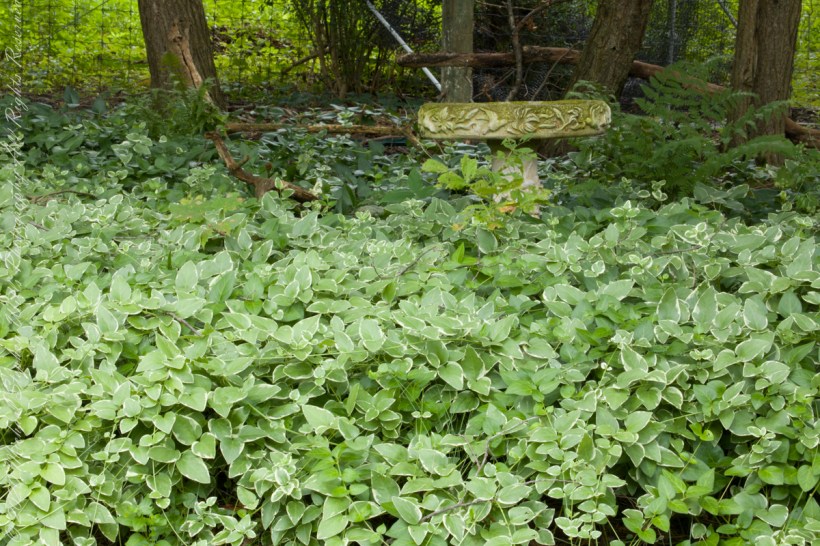
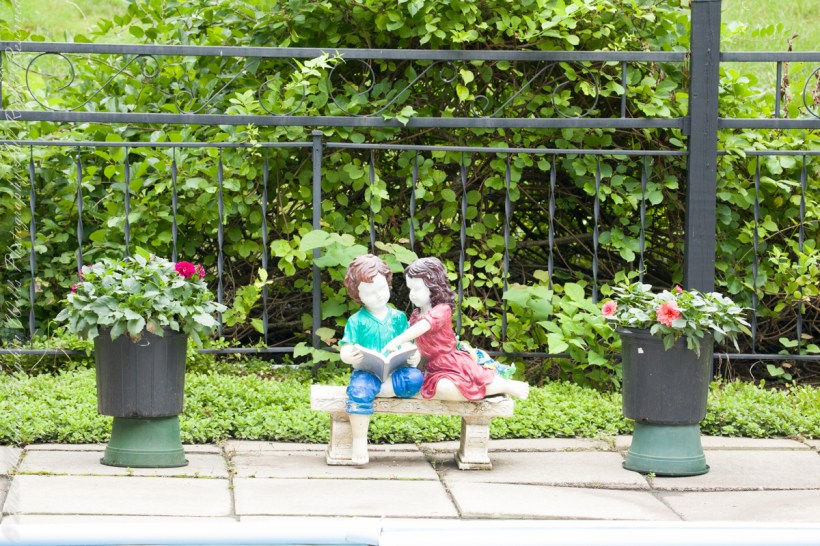
Garden Gnomes, Bird Bath and Sculpture
Copyright 2021 Michael Stephen Wills All Rights Reserved
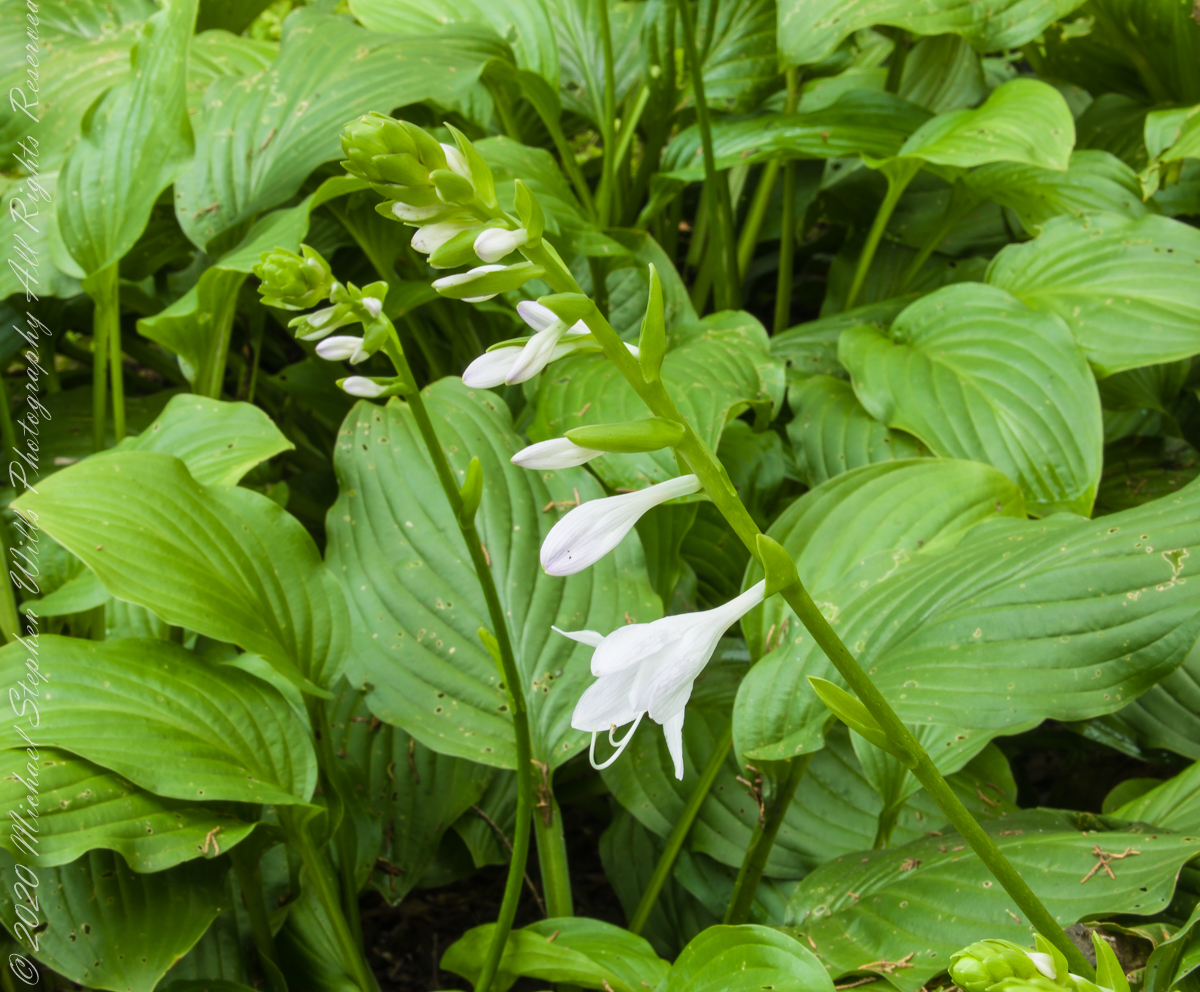
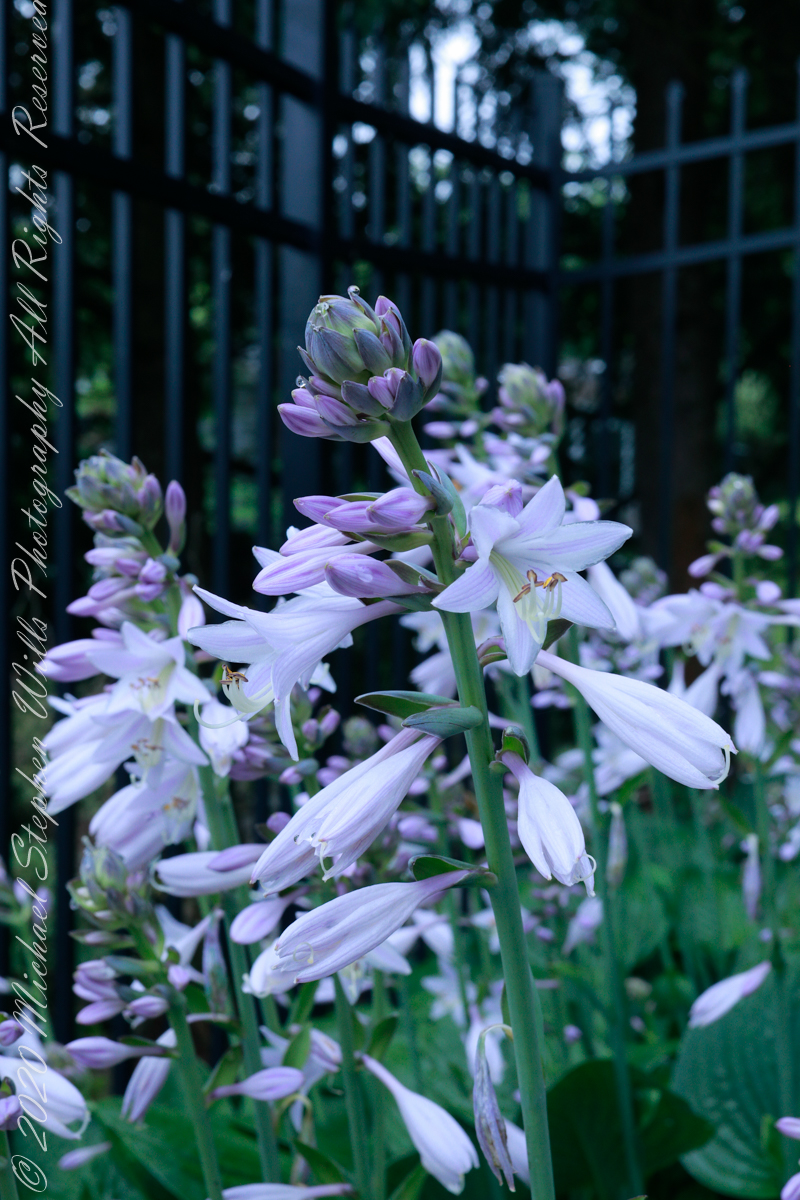
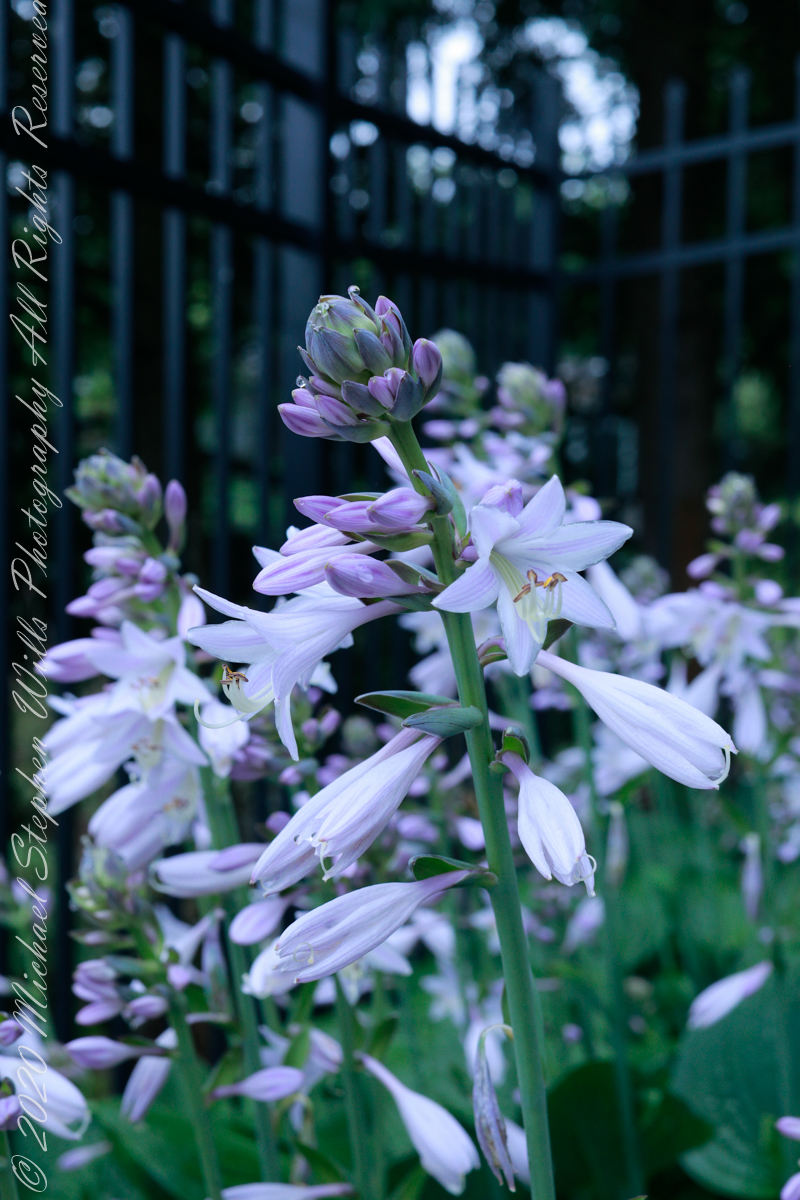
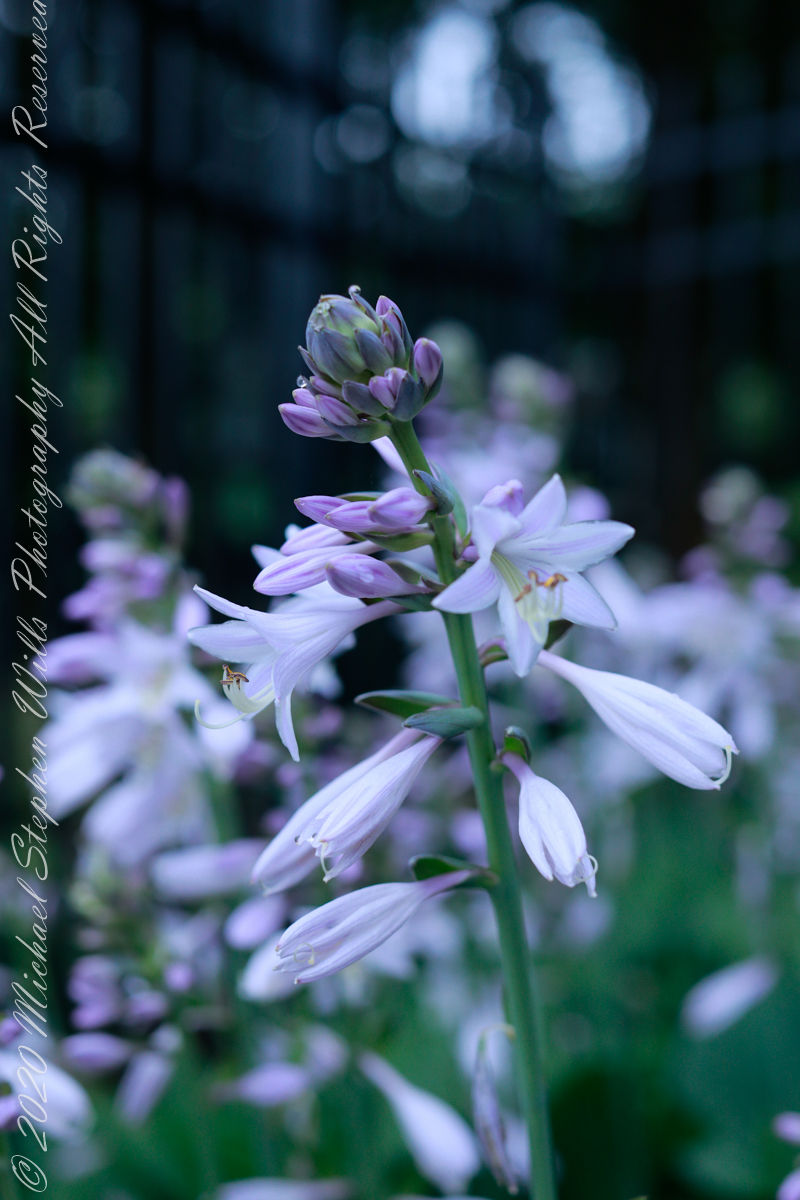
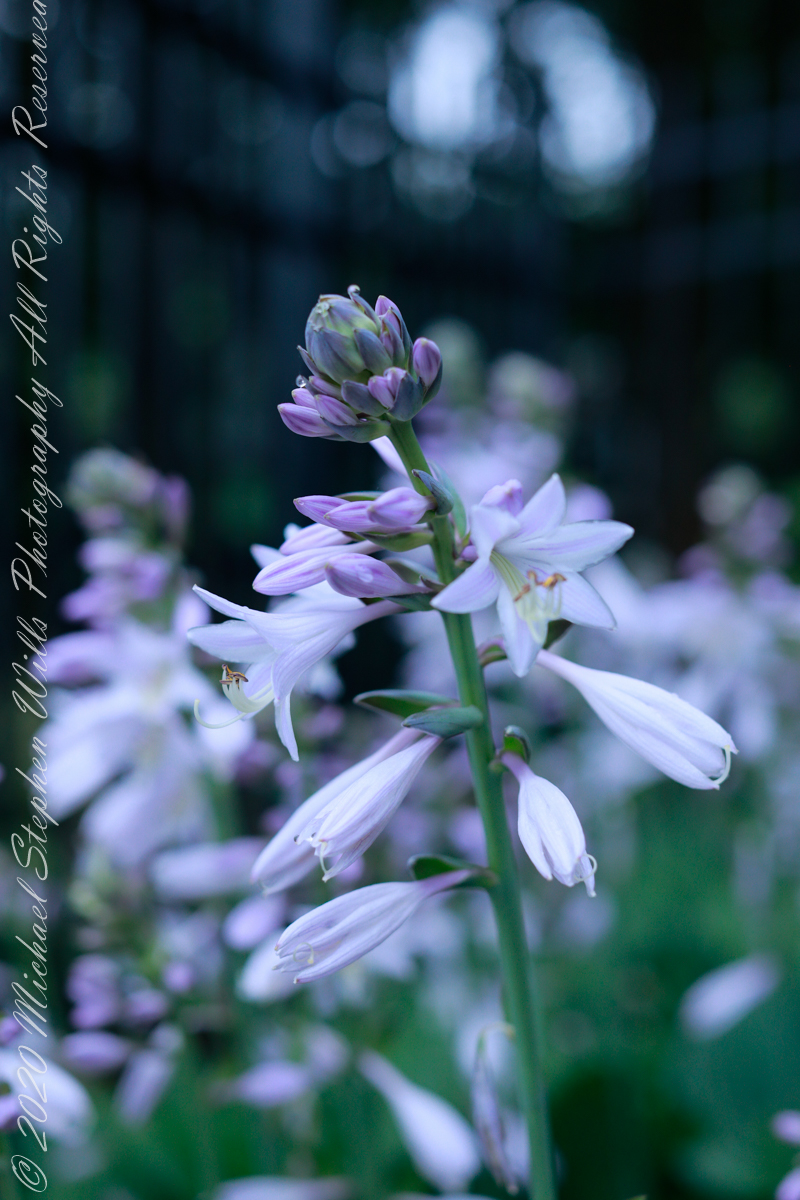
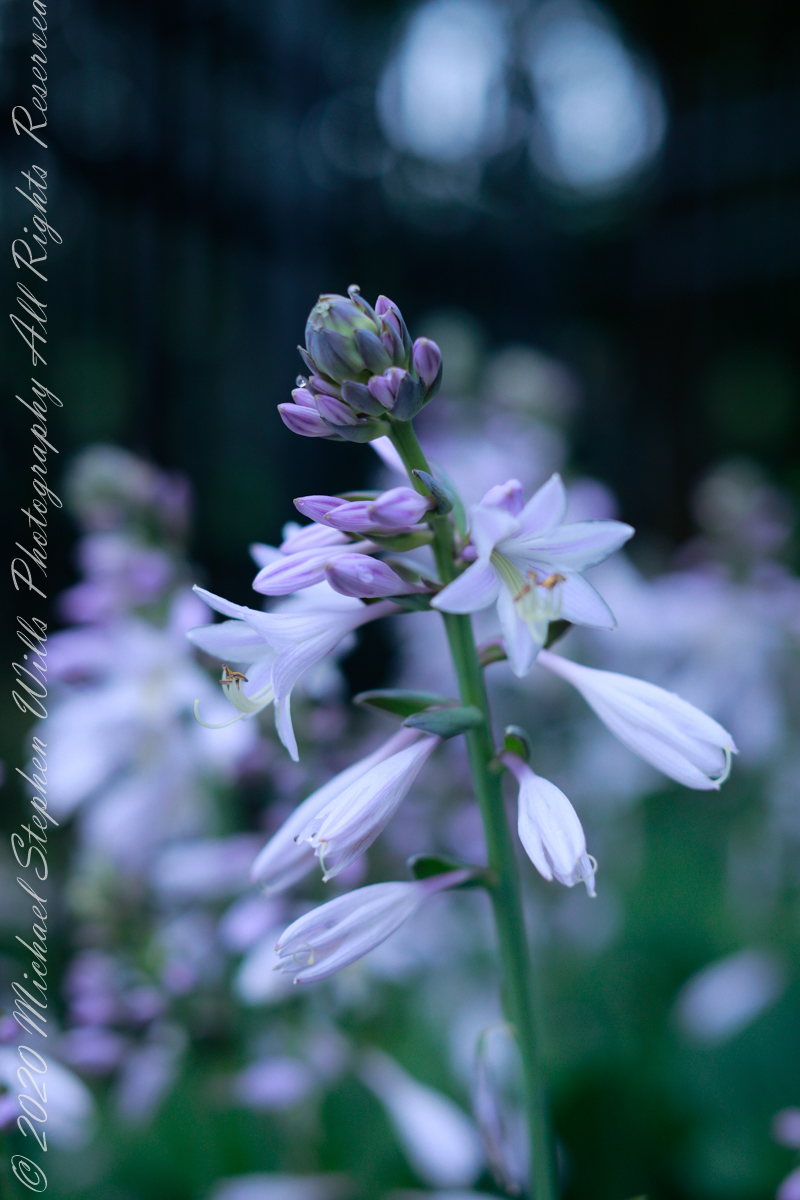
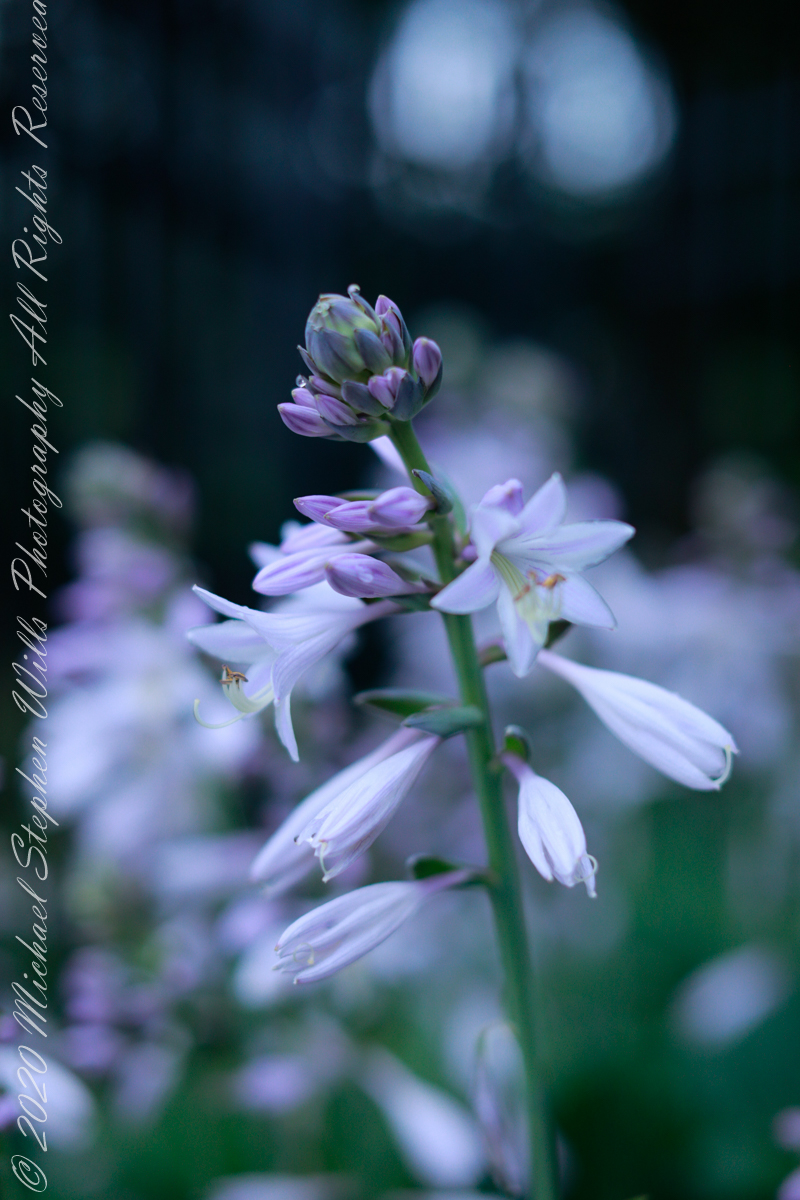
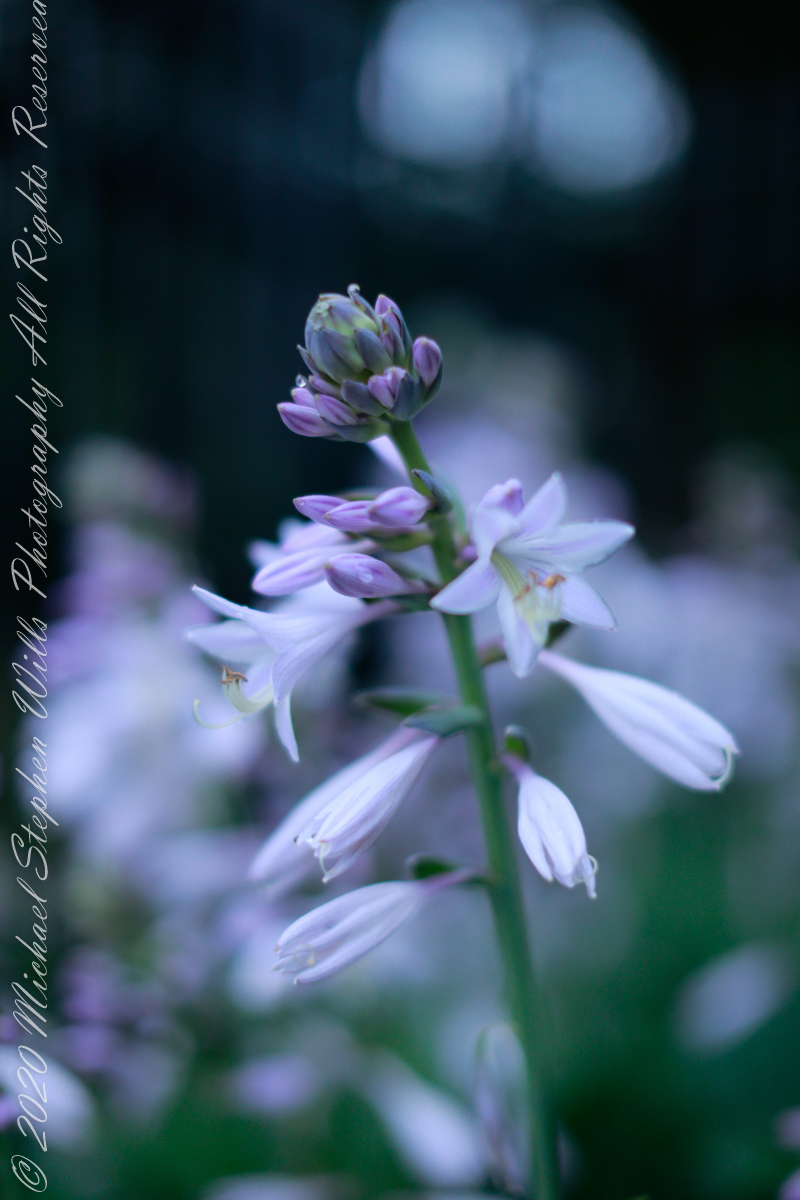
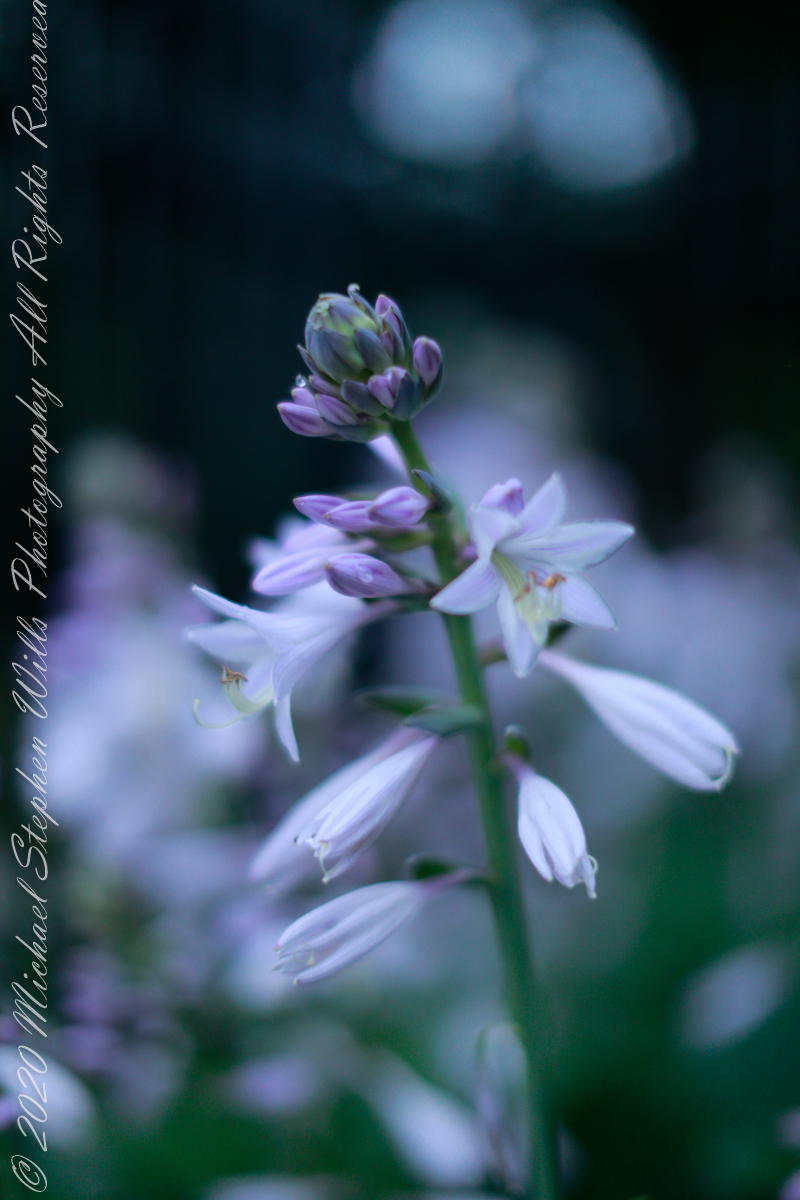
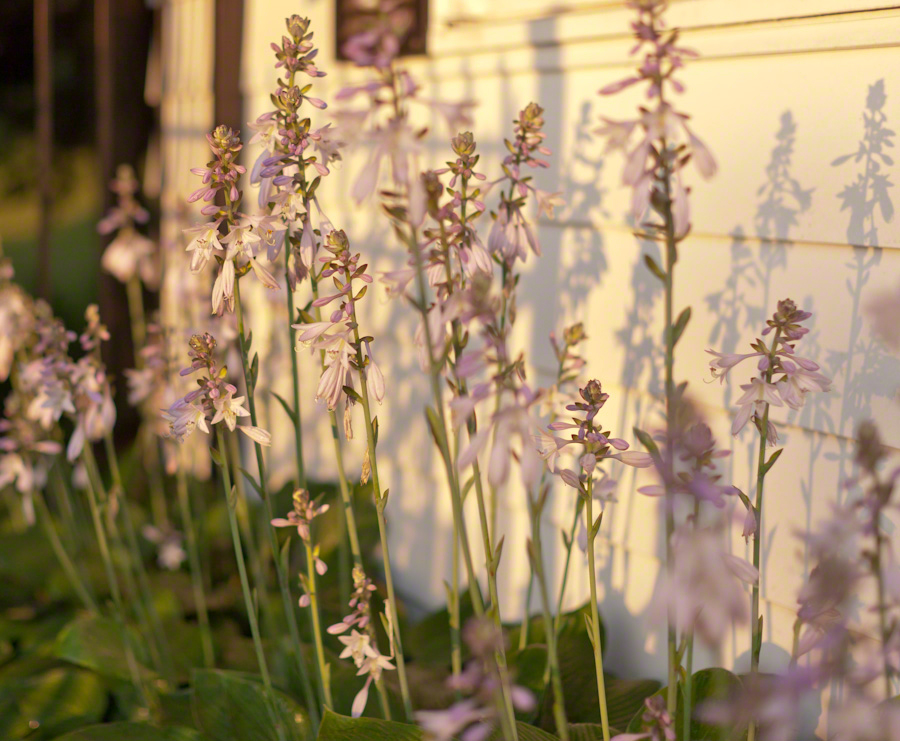
On July 17, 2021 Ithaca was socked in with heavy clouds obscuring sunrise, a perfect moment to capture Pam’s hostas flowering with the upper stalks still budding. I setup the Manfrotto tripod, the Canon dslr mounted with an EF 50 mm 1:1.2 L at ISO 800 and these are the results.
Native to northeastern Asia, In 1812 the genera Hosta was named for the European botanist Nicholas Thomas Host. Also called plantain lily for the habit of the herbaceous stalks to grow radially from a center.
0.5 sec at f / 16
1/4 sec at f / 16
1/5 sec at f / 16
1/6 sec at f / 16
Slide show overview of the hosta and blooms
1/100 sec at f / 4.0
I enjoy the balance of background bokeh, foreground sharpness
This series moves from the lens diaphragm starting at the smallest opening, greatest depth of field and longest exposure, to the widest, most shallow depth of field and shortest exposure. The air was very still this morning, allowing me to experiment.
1/5 sec at f / 16
1/10 sec at f / 11
1/20 sec at f / 8.0
1/100 sec at f / 4.0
1/100 sec at f / 3.5
1/250 sec at f / 2.5
1/400 sec at f / 2.0
1/1000 sec at f / 1.6
1/1000 sec at f / 1.2
Here is my favorite version from the above experiment. Do you have a favorite? Named it in comment and please explain your choice.
1/20 sec at f / 8.0
Copyright 2021 Michael Stephen Wills All Rights Reserved
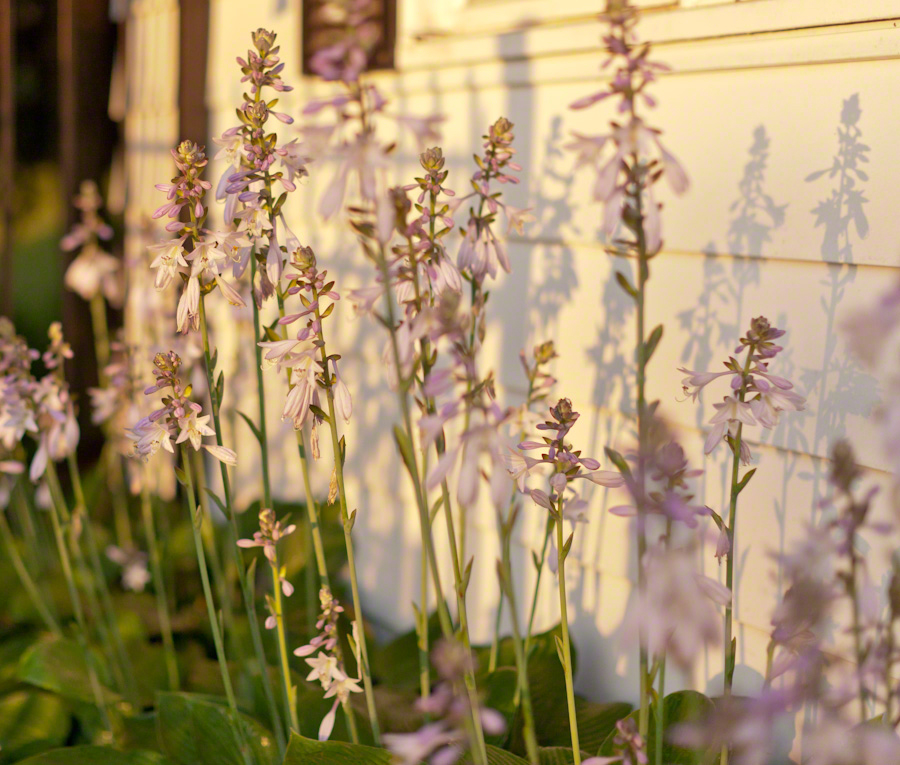
My wife, Pam, requested photographs of her hosta taken in the first sun of a summer day. Just after the sun broke the clouds this Summer 2017 morning I had the Manfrotto tripod set up, the Canon mounted with my new EF 50 mm 1:1.2 L, and this is the result.
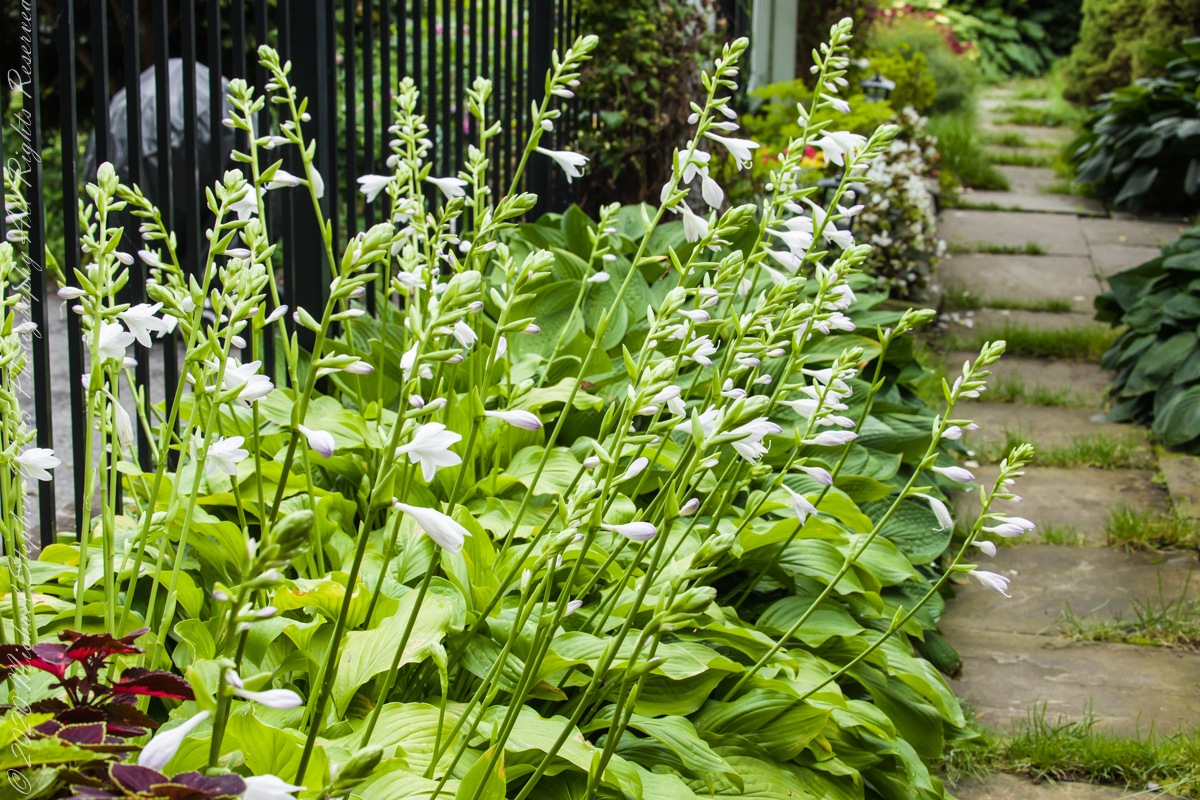
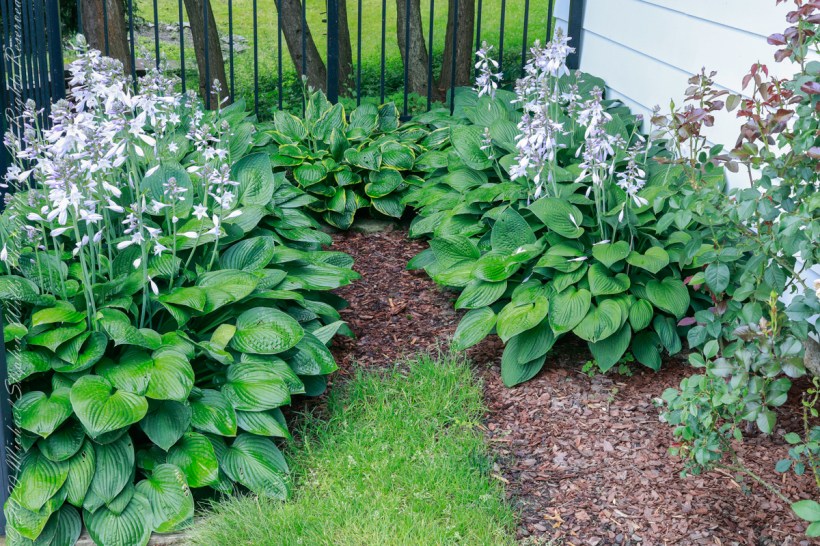
Overview of the hosta and blooms. These are also called Plaintain Lilies. Over the years, Pam has propagated three plants by splitting them and replanting. In 2016r we invested in a fence around the front yard to prevent the deer from browsing them to the ground. In pandemic year 2020, Summer, another fence was installed for the backyard. Pam plans more hosta propagation in celebration.
Study of hosta flowers.
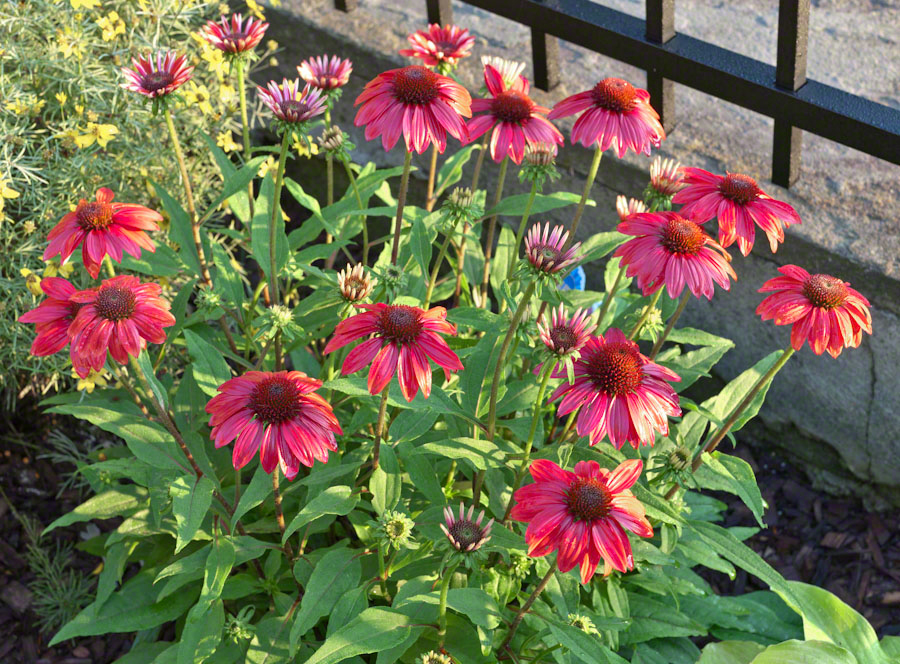
Purple cone flowers, aka Echinacea.
Copyright 2021 Michael Stephen Wills All Rights Reserved
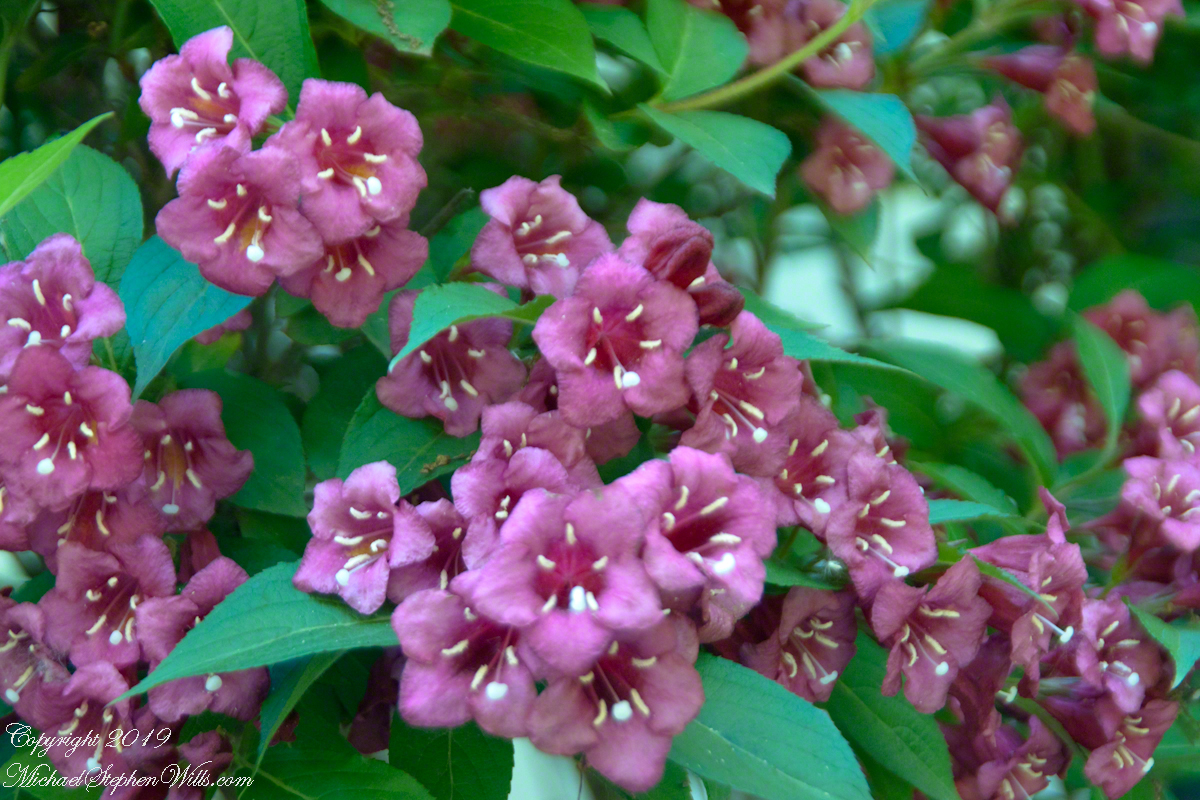
Thank you to the readers whose thoughtful responses appeared these past two days. Pam and I were caring for two grandchildren and, last evening after their Mom picked them up, I sat down with “The Botanical Garden” by Phillips and Rix, Volume I (2002, Firefly Books, Buffalo, New York and Willowdale, Ontario) and a sprig of the leaves and flowers and narrowed the choices to the genus Weigela of the family Caprifoliaceae.
Native to Asia (China, Korea, northeastern Siberia, and Japan), it was cultivated in France in the late 19th Century and is popular in cold climates, where it does well. These plants have been outside the kitchen window of our home for as long a Pam can remember (back to the 1960s).
I don’t know the exact species, it may be a hybrid of several. What identifies it is the overall growth pattern (tall, though we prune it down so the kitchen window view is not obstructed), the leaves (shape, come in pairs on opposite sides of the branch, tip is pointed and edges have teeth), the flower (tubular, 5 petals, 5 stamen shorter than the petals, 1 simple style with a capitate stigma). “Capitate” means it is round and on top of the style like a head. “Style” is an extension of the ovary though which fertilization by pollen happens. Ours is not fragrant, though some are.
SONY DSC
Weigela is the family name of a early professor of Botany (and Chemistry, Pharmacy, Mineralogy) for the university town of Greifswald on the Baltic Sea. There is a botanic garden and arboretum associated with the university and, I suppose, a specimen of the plant was collected for the garden where it is scientifically characterized by the professor.
Copyright 2019 All Rights Reserved Michael Stephen Wills
 Michael Stephen Wills Photography