On Being Thankful

A garden, migrating geese, an unexpected balloon and flowers opening after dark remind me that gratitude begins by noticing the extraordinary within ordinary life.

There are times when gratitude arrives not as a grand revelation but quietly, almost unnoticed. It can begin by looking out a window, walking through a garden, hearing the calls of birds overhead, or watching something unexpected drift across an otherwise familiar sky. My video is made of such moments. It is a collection of things close at hand, yet when gathered together and accompanied by music, they become something more: a reminder of how extraordinarily rich an ordinary life can be.

I have much to be thankful for.

I am thankful, first, for home, a place on Earth intimately known to me. The opening views of the garden convey that sense wonderfully. There are great white clusters of hydrangea against deep green foliage, scattered pink blossoms, lawn, trees and the familiar boundaries of a yard. None of it is monumental. That is exactly the point. These are not the Alps or some distant wilderness. They are the landscape of everyday life, made beautiful by familiarity, care and the changing seasons.

A garden teaches gratitude because nothing in it remains still. Flowers arrive, flourish and disappear. Leaves that emerge with the almost translucent green of spring deepen through summer and eventually blaze red before falling. Brilliant red foliage is particularly striking, it carries within it both beauty and departure. Autumn diminishes and completes summer.

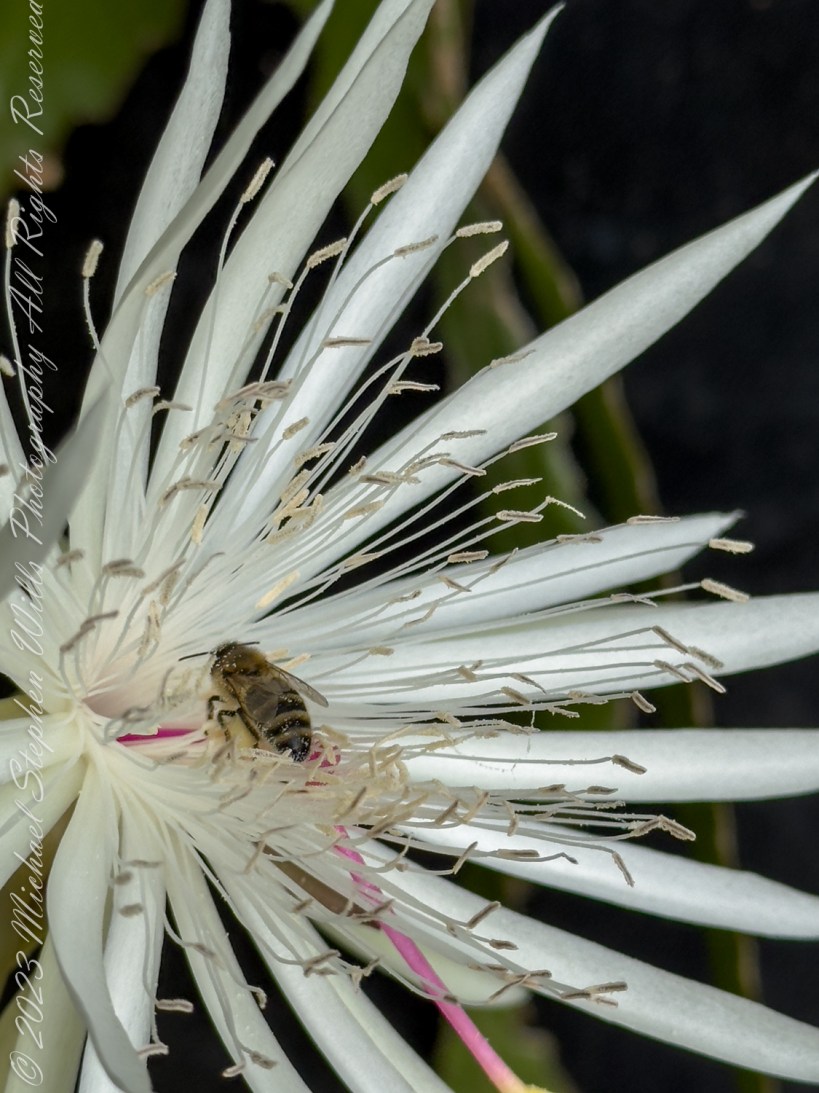
And then there are those remarkable white flowers opening in darkness—the extravagant, almost otherworldly blossoms of the night-blooming cactus. They seem fashioned from moonlight: long, narrow petals radiating from their centers, magnificent for such a brief interval. Their fleeting existence makes them more precious. To witness one requires being present at the right moment.

Perhaps that is true of much of life.

I am thankful that I have retained the impulse to notice.

There is a considerable difference between seeing something and noticing it. The world is filled with people who look at flowers, birds and skies every day without really seeing them. Curiosity changes that. It makes a flock of geese more than birds crossing the sky. they form their wavering lines beneath pale blue heavens shared with our moon. They are travelers following routes far older than our roads, houses or cities. Their passage reminds me that my home is part of a much larger landscape and that the seasons unfolding in my yard belong to rhythms extending across a continent.

I am thankful for the ability to look upward.

The balloon drifting above the neighborhood makes that thought almost literal. Suddenly an ordinary sky contains a great yellow, red and blue vessel, sometimes distant among the trees, sometimes passing wonderfully close overhead. We see the basket beneath it and the people aboard—human beings temporarily liberated from the ground, carried through the same air in which the geese travel.

There is something optimistic about a hot-air balloon. It accomplishes wonderfully nothing particularly urgent. It rises because people still want to know what the world looks like from somewhere else. Its presence in the video celebrates imagination, adventure and the persistence of wonder.

Yet gratitude also grows downward, into the earth.

The images of lush plants growing in raised beds and then harvested in abundance speak of another kind of wealth. Food does not simply appear. A seed becomes roots and leaves; sunlight is captured; water rises through stems; soil gives up minerals; human hands tend what is growing. Eventually the garden gives something back. To harvest food from plants one has watched develop is to participate, however modestly, in one of humanity’s oldest relationships with the living world.

I am thankful for that abundance—not abundance measured by possessions, but by experiences.

The sculpture of the young boy and girl quietly sharing a book adds a different note. Amid flowers, birds, harvests and skies is an image of companionship. Two figures sit close together, absorbed in the same story. It suggests affection, learning, intimacy and the pleasure of sharing something with another person. A life becomes immeasurably richer when its experiences are not ours alone.

That may be the deepest source of gratitude: the people with whom life has been shared. Family and friends give meaning to places and memories. A garden is more than plants when someone has walked through it with us. A meal is more than food when others sit at the table. A photograph becomes more valuable when it preserves something we want another person—or another generation—to see.

The music running through the video strengthens this sense of reflection. It does not demand attention so much as give the images emotional space. As the photographs succeed one another, the music turns observation into remembrance. The effect is almost like leafing through an album while realizing that the apparently unrelated pictures are chapters of the same story.

And perhaps that is why I find the video inspirational.

None of its subjects needs to be spectacular to matter. A flower opens. Geese cross the sky. Vegetables grow. Leaves turn red. Two children read together. A balloon unexpectedly floats over the neighborhood. Hydrangeas bloom beside a fence.

Meanwhile, time passes.

That last fact could make these images melancholy, but I do not think it does. Their transience is precisely what gives them value. Gratitude does not require pretending that beautiful things last forever. It comes from understanding that they do not—and loving them anyway.

I am thankful for the years behind me: for places visited, things learned, people loved, photographs made and memories accumulated. But I am equally thankful that the world still contains things capable of surprising me. There are still flowers I want to examine more closely, birds whose journeys I want to understand, stars I want to find through a telescope, landscapes I want to photograph, stories I want to tell, and mornings when I do not yet know what will appear outside my window.

That may be one of life’s greatest gifts: there is still something to look forward to.

The world does not owe us another summer, another migration overhead, another flower opening after dark, or another unexpected balloon sailing across a blue September sky. When such moments come, the proper response is not merely to record them.

It is to recognize them.

And to be thankful.
Click me to visit Michael Stephen Wills Online Finger Lakes Gallery.

Enter your email to receive notification of future postings. I will not sell or share your email address.

Juvenile Cooper’s Hawk at a Winter Feeder: A Backyard Predator in the Finger Lakes

On a frigid winter morning, a young Cooper’s Hawk claimed a backyard feeder roof, revealing how predators, snow, and survival intersect in an ordinary Finger Lakes yard.

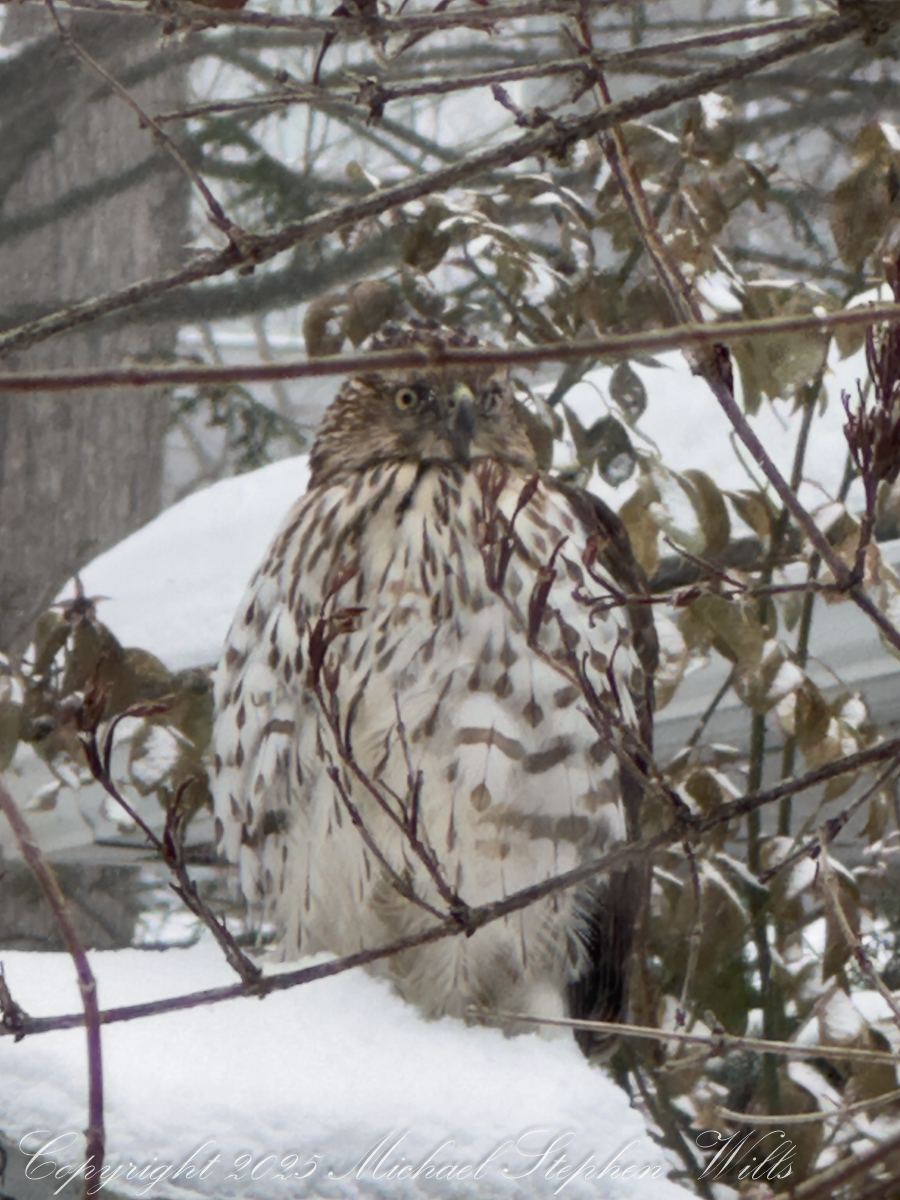
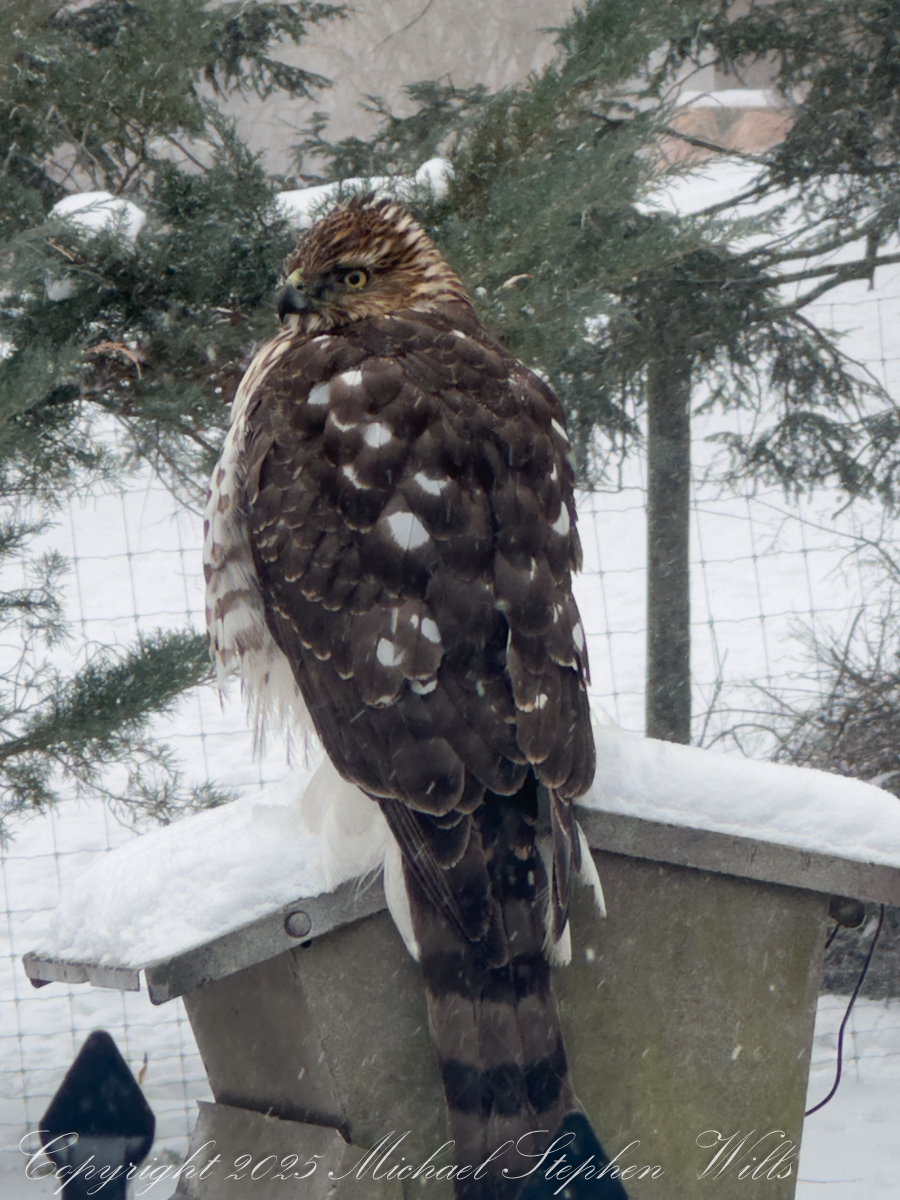
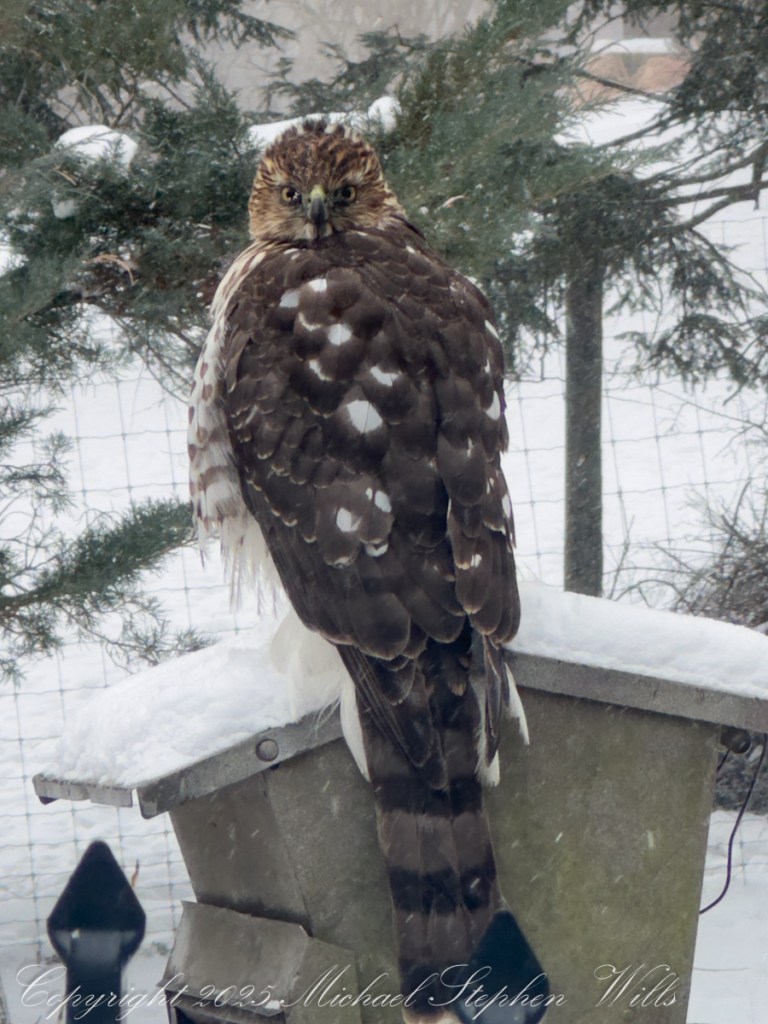
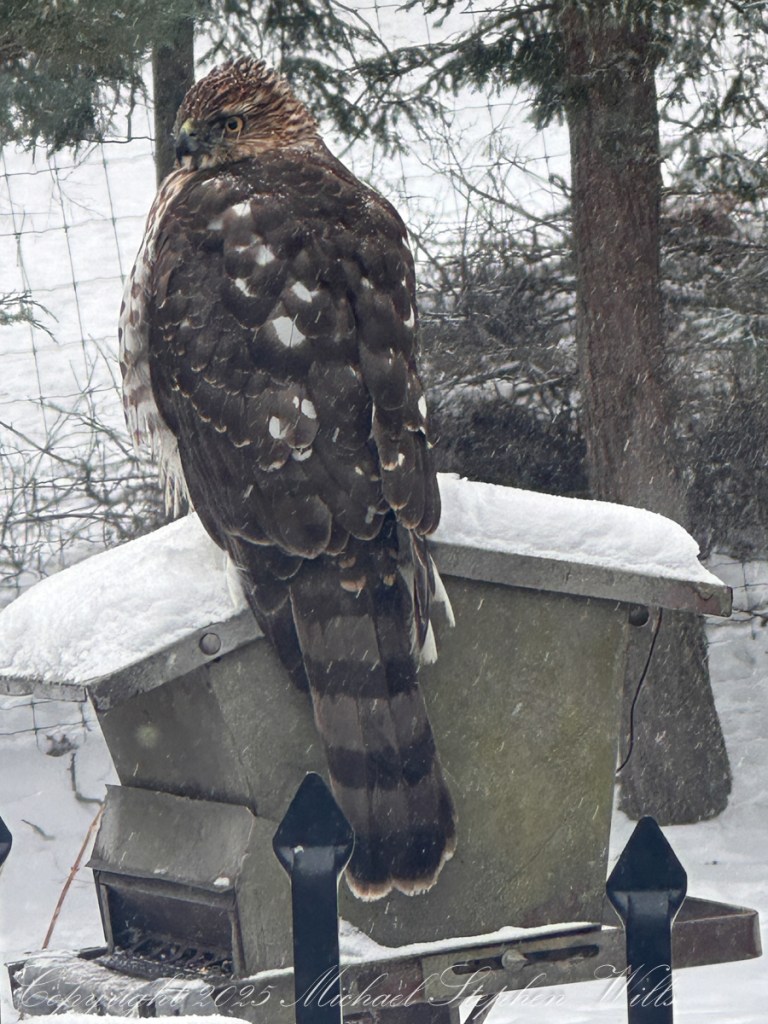
These four images and YouTube video document a winter visit by a juvenile Cooper’s Hawk (Accipiter cooperii) to our backyard feeder, captured on February 7, 2026, during a snowstorm in mid-morning light in sub-zero temperatures. The metadata places the sequence between 10:35 and 10:37 a.m., recorded on an iPhone 14 Pro Max with a 9 mm f/2.8 lens at low ISO (32) and fast shutter speeds—conditions that make sense for a bright, snowy day when reflected light is abundant and a moving subject demands short exposures. The bird itself, however, tells a longer story than the camera settings can.

Cooper’s Hawks are medium-sized accipiters, built for pursuit in cluttered spaces. Short, rounded wings and a long, banded tail allow them to thread through trees and shrubs with startling agility. In the Finger Lakes region in winter, they increasingly overlap with human habitats because bird feeders concentrate prey. The metal feeder roof in these images is mounded with snow, and the hawk has chosen it as a temporary perch—an elevated, stable platform that offers both a view of potential prey and a place to rest after a chase or to wait out a flurry of weather.

The bird’s plumage marks it as a juvenile, likely hatched the previous summer. Instead of the blue-gray back and fine rufous barring of an adult, this hawk wears brown upperparts patterned with pale, teardrop-shaped spots and a buffy, vertically streaked breast. In the first image, where the bird faces forward through a lattice of branches, those bold brown streaks on a whitish background are especially clear. The eye is yellow rather than the deep red of a mature adult—another reliable sign of youth. Over the next year or two, those eyes will darken and the plumage will transition to the cleaner, more uniform adult pattern.

In this first image, the hawk faces forward, squarely watching the yard.

The long tail, visible in the rear views, shows broad, dark bands and a pale tip. That tail is not just decorative; it is the rudder that lets the hawk brake, pivot, and surge forward in tight quarters. The posture here—upright, alert, feathers slightly fluffed against the cold—suggests a bird conserving heat while remaining ready to launch. In winter, energy balance is critical. Each failed chase costs calories, and each successful one must pay back the effort many times over.

In this second image, the hawk looks over its shoulder, scanning.

Cooper’s Hawks specialize in birds roughly the size of starlings, doves, and jays, though they will also take small mammals. Feeders unintentionally simplify the hunt by bringing many potential targets to a predictable spot. The hawk’s presence does not mean the feeder is “bad” for the ecosystem; rather, it shows the food web functioning in real time. Predators follow prey, and prey follow resources. In snowy conditions, when natural seed and cover are harder to find, that concentration effect is even stronger.

Click me for my Cooper’s Hawk photograph on Getty Istock.

The sequence of images reads like a brief behavioral study. In the first, it faces forward, squarely watching the yard. In the second and fourth, the hawk looks over its shoulder, scanning. In the third, it turns again, keeping its head in near-constant motion—classic raptor vigilance. Accipiters often hunt by surprise, bursting from cover rather than soaring and stooping like falcons or buteos.

In this third image the hawk turns, keeping its head in near-constant motion—classic raptor vigilance.

Winter also shapes the hawk’s relationship with humans. Juveniles, in particular, are more willing to explore unfamiliar structures and take calculated risks. A feeder roof is not a natural perch, but it offers height, stability, and a clear line of sight. Over time, many individuals learn the rhythms of a yard—when sparrows or doves are most active, where cover is thickest, where escape routes lie. Some succeed and stay; others move on.

In this fourth image, the hawk looks over its shoulder, scanning.

From a broader natural history perspective, this bird represents a conservation success story. Cooper’s Hawks suffered declines in the mid-20th century due to pesticide use, but populations rebounded after bans on DDT and related chemicals. Today they are again common across much of North America, including upstate New York, occupying forests, edges, and increasingly suburban landscapes.

Watch Cooper’s Hawk behaviors in this video.

The file metadata anchors this encounter in a precise moment—February light, a cold morning, a quiet pause between hunts. The images, however, capture something timeless: a young predator learning its craft, reading the winter landscape, and testing the boundaries between wild and human-made spaces. For the backyard observer, it is a reminder that even in the most familiar settings, the ancient choreography of predator and prey continues, written in feathers, snow, and a long, banded tail poised for flight.

Enter your email to receive notification of future postings. I will not sell or share your email address.

A Visit from Rose-Breasted Grosbeaks

On a serene May morning, a small flock of Rose-breasted Grosbeaks graced the author’s yard, showcasing their vibrant plumage and bringing beauty to the tranquil scene of nature.


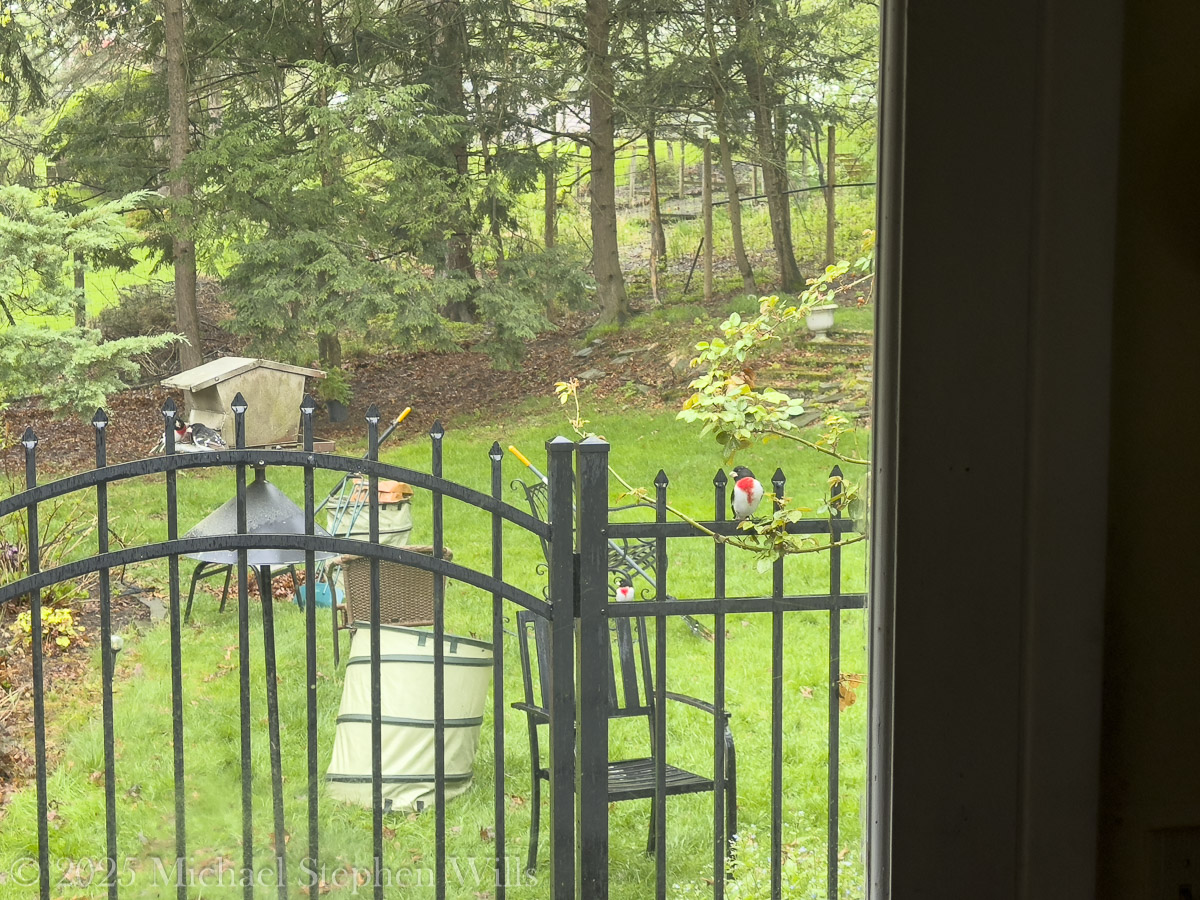
It was a gentle May morning, the kind that seems to hush even the wind, as though nature were holding its breath for something wonderful. Through the kitchen window, just past the black iron gate entwined with the fresh green of climbing rose, I spotted them—feathered heralds of spring’s deepening promise—perched like jeweled notes on a musical staff.


The Rose-breasted Grosbeaks had arrived.

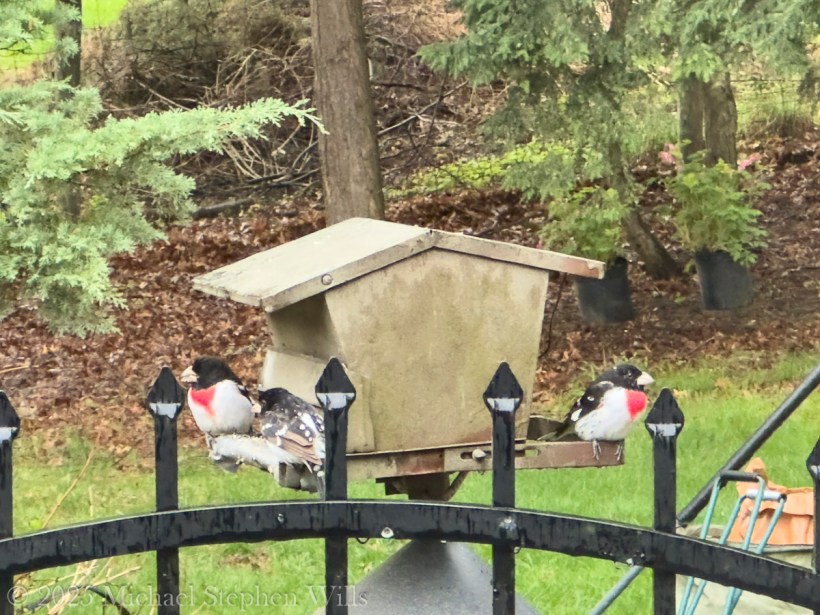
May 3, 2025 Four Male Rose Brested Grosbeaks visited our backyard bird feeder during spring cleanup.


Not one or two, but a small flock, draped in raindrops, feathered in contrast and charm. They gathered around our backyard feeder like guests invited to a familiar table. At 5:56 a.m., the camera captured the first image: two males on the feeder and one each on fence and chair, a bold bib of crimson splashed across snowy chests, huddled against the gray of the feeder, their plumage brilliant even in the diffused dawn light. I couldn’t help but smile. This was a scene of quiet splendor, a symphony for the eyes and soul.

The males, unmistakable in their attire, wore tuxedos of black and white, with the defining rose-red marking on the breast that gives the species its common name. Their scientific name, Pheucticus ludovicianus, is less poetic but equally telling. “Pheucticus” comes from the Greek pheuktikos, meaning “shy” or “avoiding,” reflecting their reclusive habits in forested nesting grounds. “Ludovicianus” refers to Louisiana, an early French colonial name for a vast region including their breeding range—a nod to their North American roots.


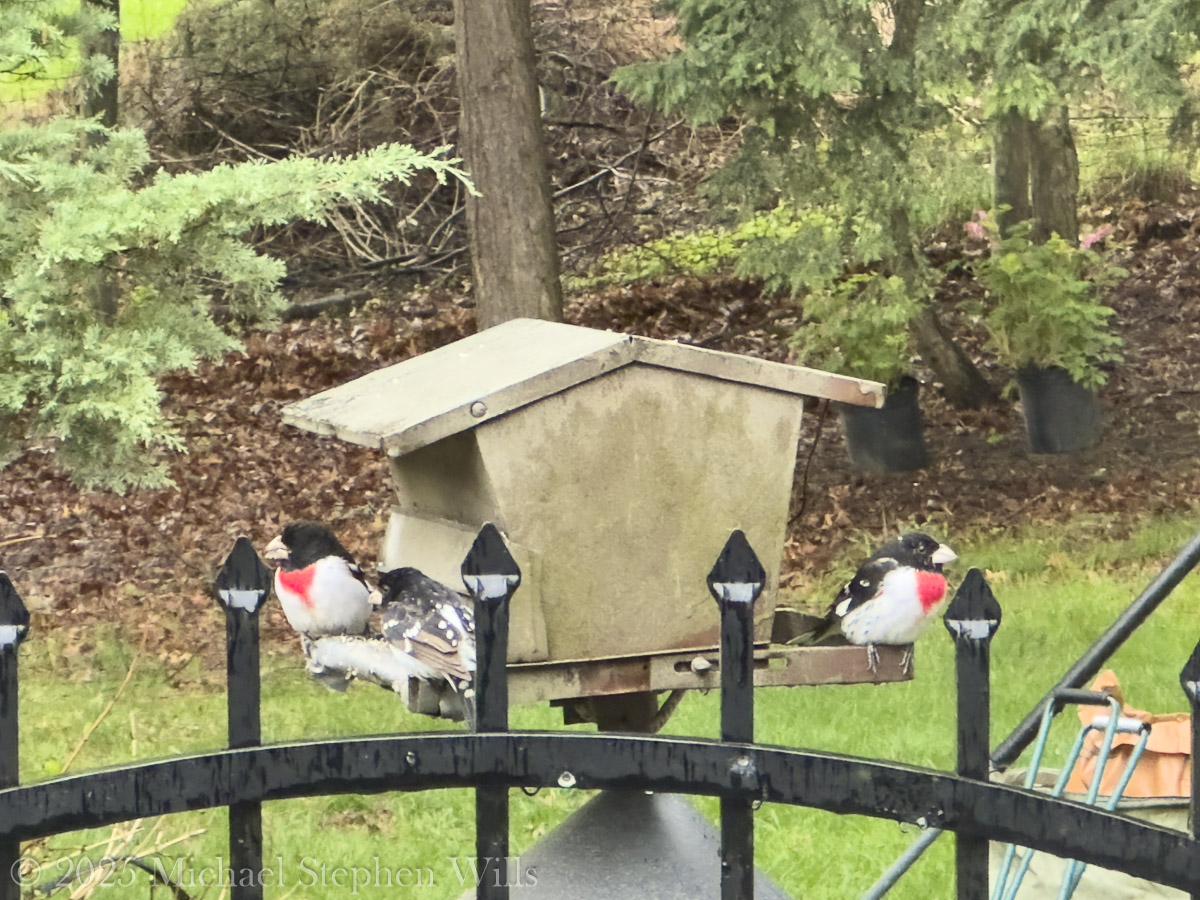
At 5:58 a.m., the lens captured more details: a male with slightly mottled wing feathers, suggesting he was a younger bird, still dressing up in adult finery. The trio clung to the feeder’s edge, their heavy, conical beaks—perfect for cracking seeds—clearly visible. That oversized bill gives them the name “grosbeak,” from the French gros bec, literally “large beak.” Functional beauty, you might say.

May 3, 2025 Three of the Four Male Rose Brested Grosbeaks visited our backyard bird feeder during spring cleanup.


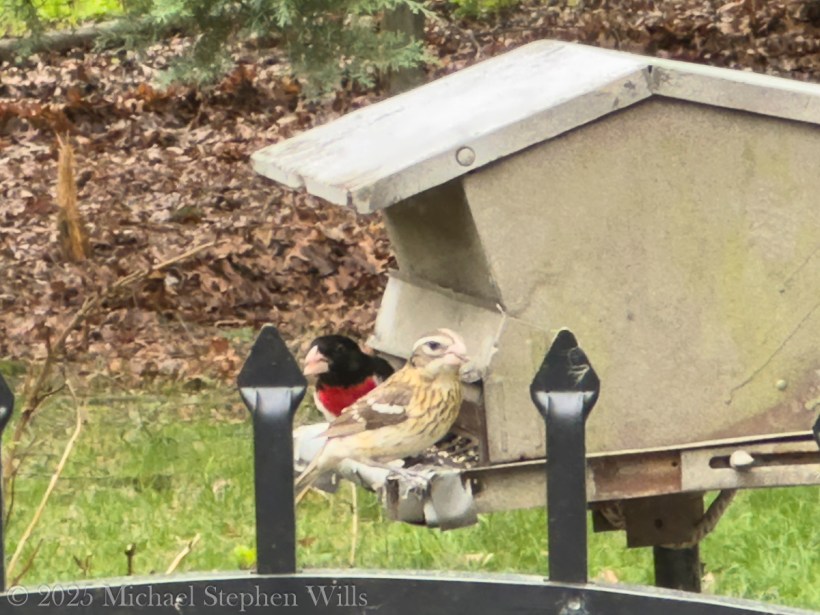
Then, at 6:08 a.m., came the contrast—the female. Subtly adorned in warm browns, with creamy streaks and a wash of yellow near the wings, she perched beside her flamboyant mate, as if to say: elegance need not shout. The two birds looked momentarily toward each other, and I was struck by their balance—his flair and her grace. Her eyebrow stripe, called a supercilium, lent her a composed, alert expression. While the male might catch the eye, the female commands attention in her own, quieter way.

May 3, 2025 Male and Female Rose Breasted Grosbeaks visited our backyard bird feeder during spring cleanup.


Rose-breasted Grosbeaks are migratory, long-distance travelers who winter in Central and South America and return each spring to North America’s deciduous and mixed woodlands to breed. Here in upstate New York, our yard is a brief rest stop on their northward journey—or, if I’m lucky, a summer home. They often nest in dense foliage, and their song, a melodic, whistled warble—like a robin who’s taken voice lessons—is often the first clue to their presence.


This morning, no song was needed. Their silent presence was enough.


Watching them, I felt time slow, the kind of moment when the ordinary yard becomes cathedral. Watching them, I felt time slow, the kind of moment when the ordinary yard becomes cathedral. The wet fence and chair under the feeder, even the crumpled leaf bag—everything was blessed by the company of these birds. Rain softened the world, and the birds brought color to its hush.



Later that day, reviewing the photos with metadata timestamps from my iPhone—each image like a verse in a poem—I marveled at what I had witnessed. These weren’t just birds. They were stories in flight, living punctuation marks in the sentence of my morning.


Nature gives us these moments, brief as birdsong and just as sweet. You only have to be still, and ready to receive them.

Enter your email to receive notification of future postings. I will not sell or share your email address.

References

  1. Pheucticus ludovicianus (Rose-breasted Grosbeak). Cornell Lab of Ornithology – All About Birds.
  2. Jobling, James A. The Helm Dictionary of Scientific Bird Names. London: Christopher Helm, 2010.
  3. Merriam-Webster Dictionary: Etymology of “Grosbeak.”
  4. iPhone 14 Pro Max image metadata (May 3, 2025; 5:56 a.m. to 6:08 a.m.; Ithaca, NY).

Tuxedos on Tour: Three Majestic Mergansers

Join the escapade as you witness three majestic Mergansers, donning nature’s finest tuxedos, in a graceful ballet on the springtime stage of Cayuga Lake.

As you gaze upon these three fine feathered fellows, all members of the exclusive Common Merganser men’s club, they seem to glide upon the watery stage of Cayuga Lake with all the confidence of Broadway stars on opening night. They are the aquatic equivalent of a sharply dressed barbershop quartet, minus one, in their matching tuxedos, ready to sing the springtime serenade of their species.

The chap at the forefront is Captain Black-Crest, sporting a glossy noggin that shimmers with an inner light, undoubtedly the envy of every duck on the pond. He’s streamlined and debonair, with a white body that’s as crisp as the first snowfall and a dark back that’s as sleek as a shadow in moonlight. If ducks had monocles and top hats, he’d be first in line.

In the middle, there’s Sir Dapper-Diver, a mirror image of his companion, with a neck as white as the driven snow and a dignified black back that gleams like polished onyx in the dappled sunlight. He’s the quiet achiever of the group, poised and ready to make the plunge into the depths below, proving that style need not be sacrificed for substance.

And to the right, meet Admiral Feather-Finesse. His poise on the water suggests a mastery of the waves, a commander of the current. He carries his elegant attire with an air of grace that only comes with a natural pedigree. In synchronized perfection, he and his brethren form a regatta of refinement, a display of nature’s own black-tie affair.

These are male Common Merganser (Mergus merganser) in breeding plumage, characterized the body white with a variable salmon-pink tinge, the head black with an iridescent green gloss, the rump and tail grey, and the wings largely white on the inner half, black on the outer half. Like the other mergansers, these piscivorous ducks have serrated edges to their bills to help them grip their prey, so they are often known as “sawbills”. In addition to fish, they take a wide range of other aquatic prey, such as molluscs, crustaceans, worms, insect larvae, and amphibians; more rarely, small mammals and birds may be taken. As in other birds with the character, the salmon-pink tinge shown variably by males is probably diet-related, obtained from the carotenoid pigments present in some crustaceans and fish. When not diving for food, they are usually seen swimming on the water surface, or resting on rocks in midstream or hidden among riverbank vegetation, or (in winter) on the edge of floating ice.

Together, these three Common Mergansers (Mergus merganser) in their prime are a trifecta of elegance, a testament to the timeless beauty found in nature’s simplicity. They paddle forth with purpose, their matching plumage a striking contrast to the rippling blues and grays of the water, a parade of poise and plumage that delights the observant eye.

So, dear reader, as you observe this photo, take a moment to appreciate the charming uniformity and the subtle quirks that make each bird, despite their shared wardrobe, uniquely magnificent. It’s a snapshot of life at its most graceful, a picture worth far more than a mere thousand words.

Copyright 2024 Michael Stephen Wills All Rights Reserved

Pelicans Skimming Waves

Wave Play

Brown Pelicans (Pelecanus occidentalis) fly as linear flocks of a few individuals, at altitude over the shore, and low over the surf line as seen here. Taken January 27, 2020 with the IPhone 8, there is a the insertion of the modern world as a cruise ship comes into view. The ship departs Cape Canaveral Cruise port for parts unknown.

Pelicans, when skimming the waves solo, fly even closer, and do wipe-out when a wingtip hits the water. This bird successfully negotiates a path through the surf.

Click this link to visit “Queen Victoria Arrival” on my blog.

Copyright 2024 All Right Reserved Michael Stephen Wills Photography

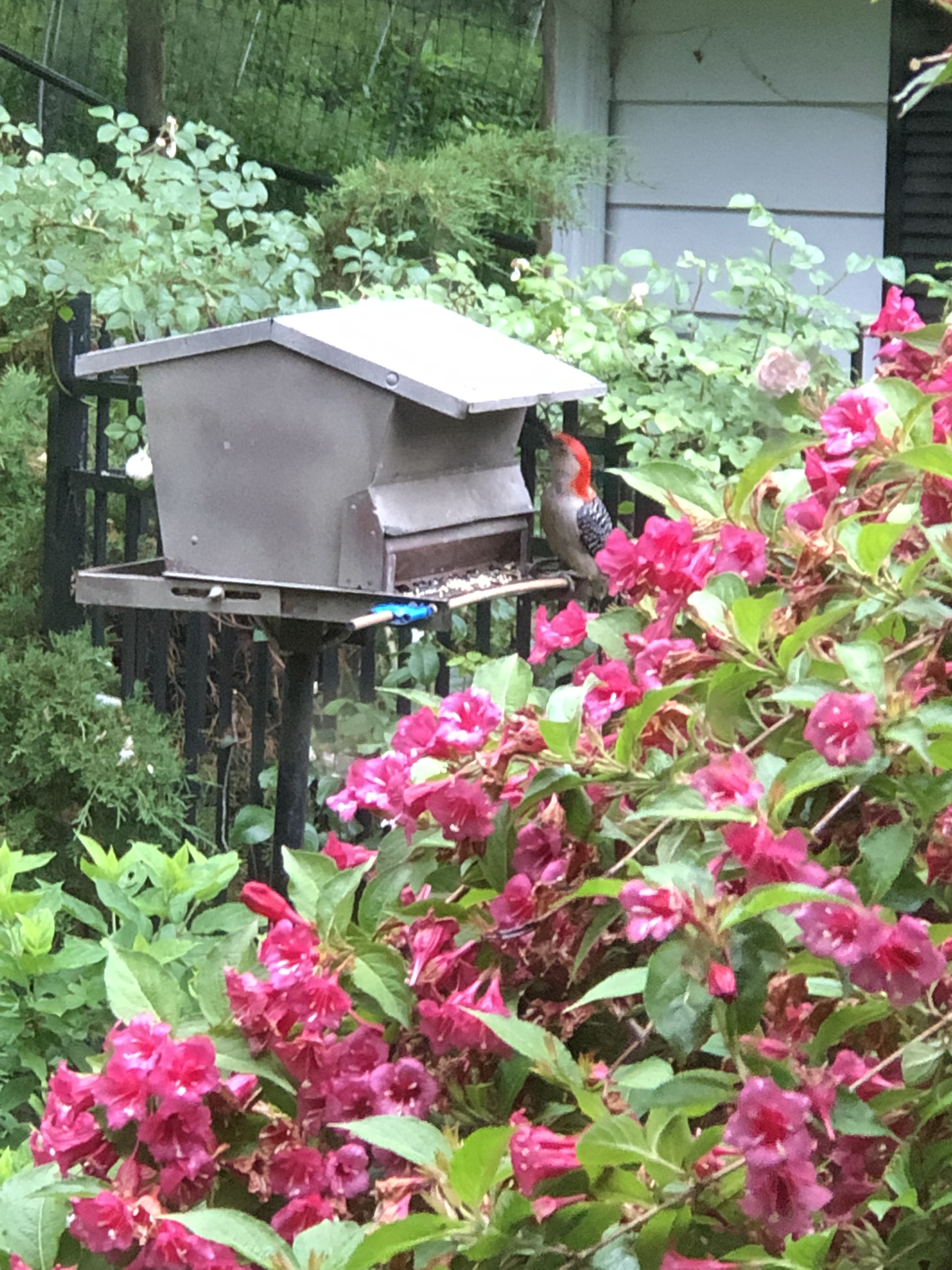
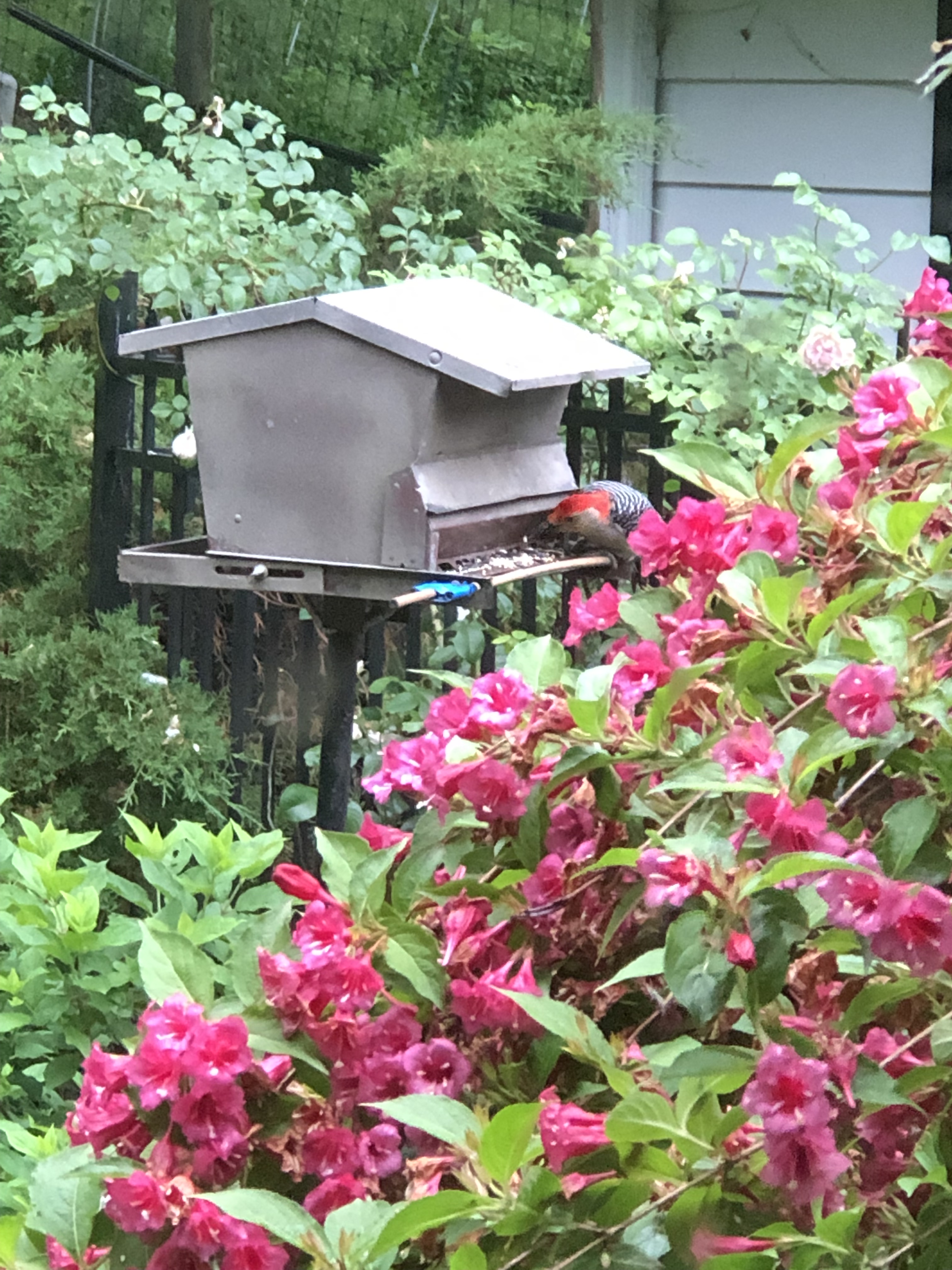
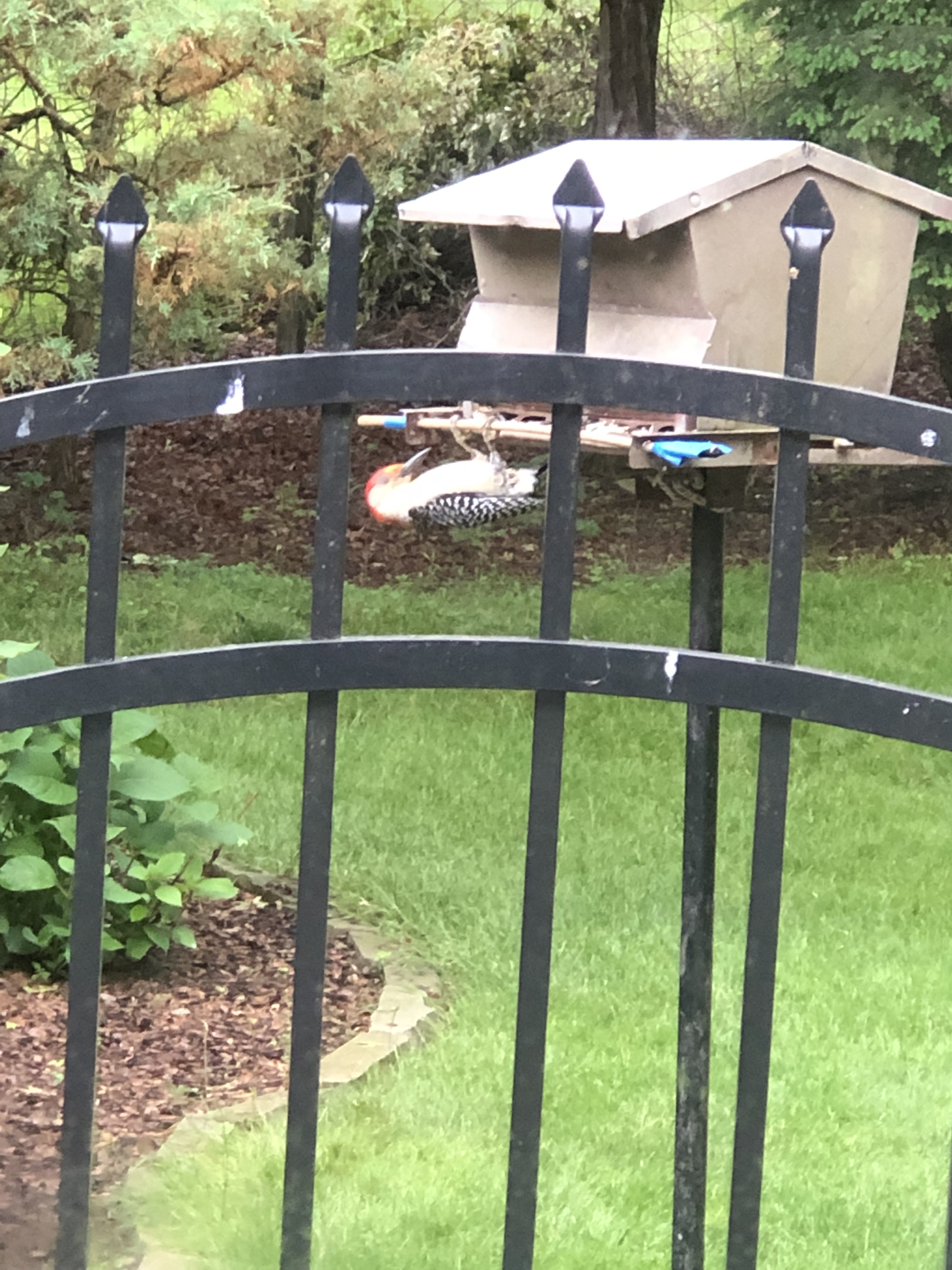
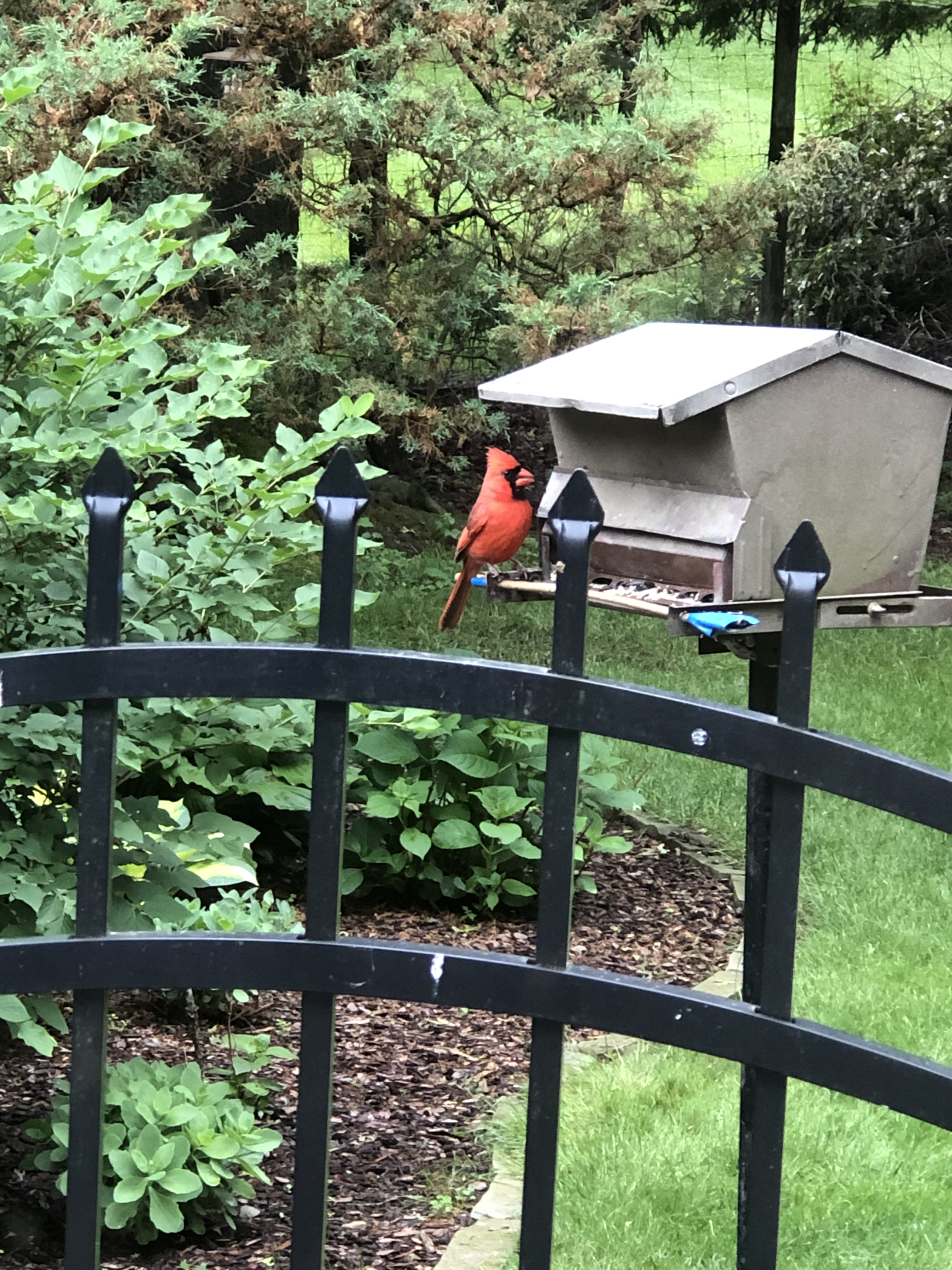
Birds Around the Weigela

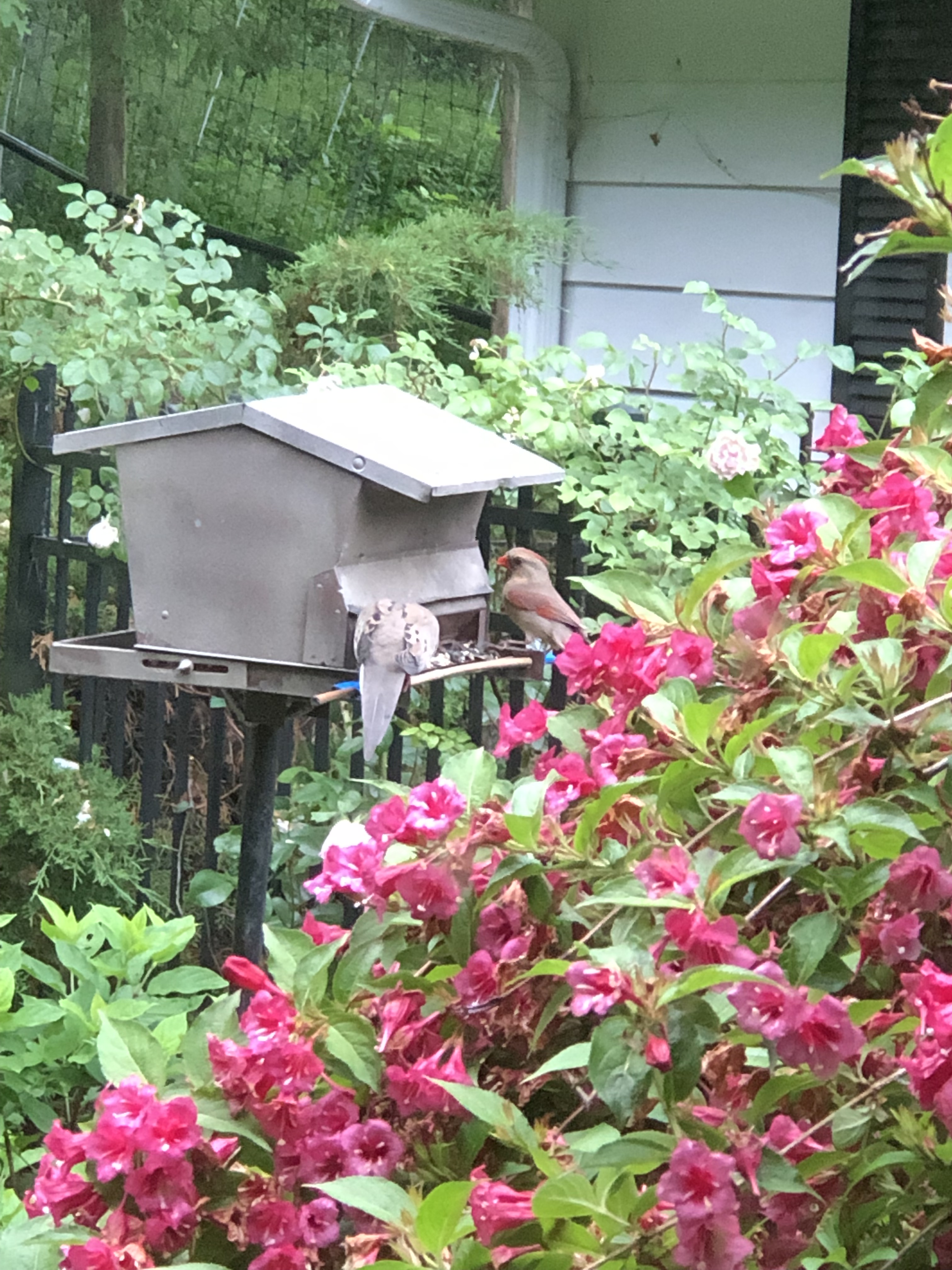
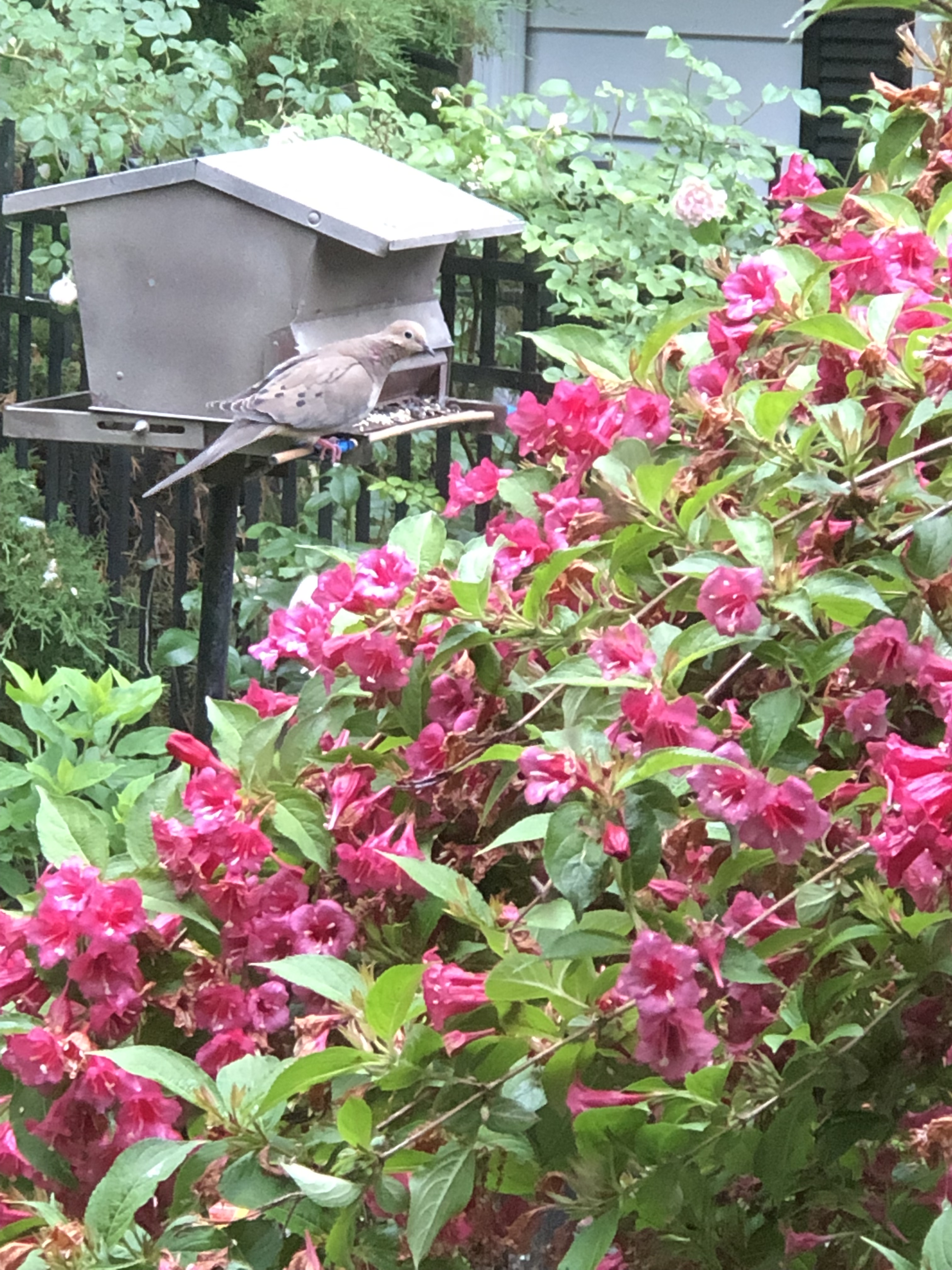
an exceptional bloom for our backyard wonder

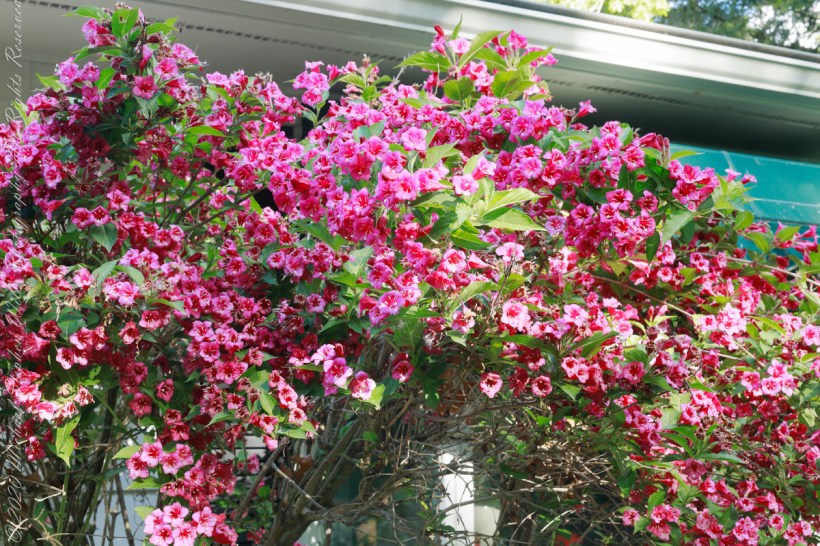
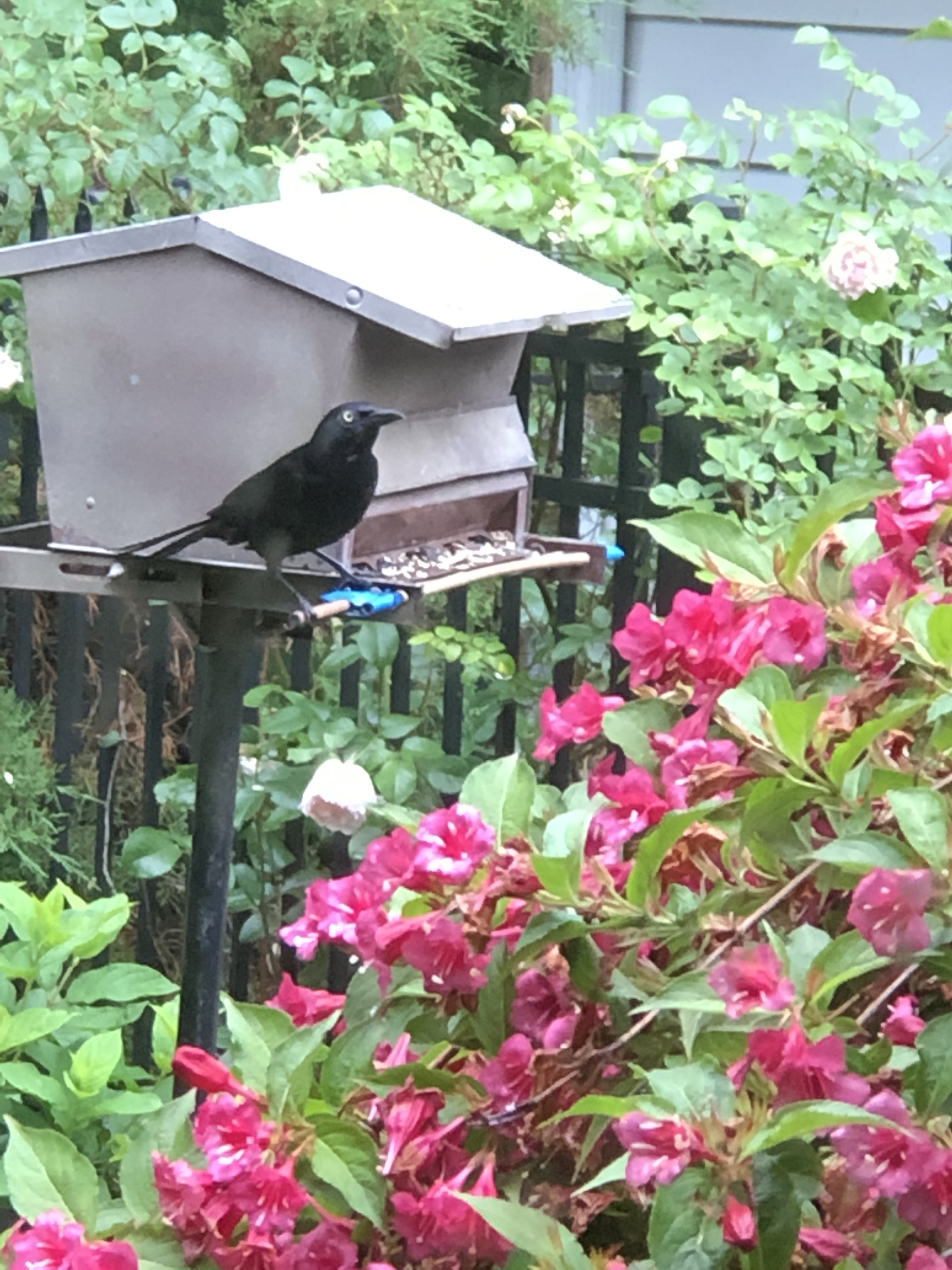
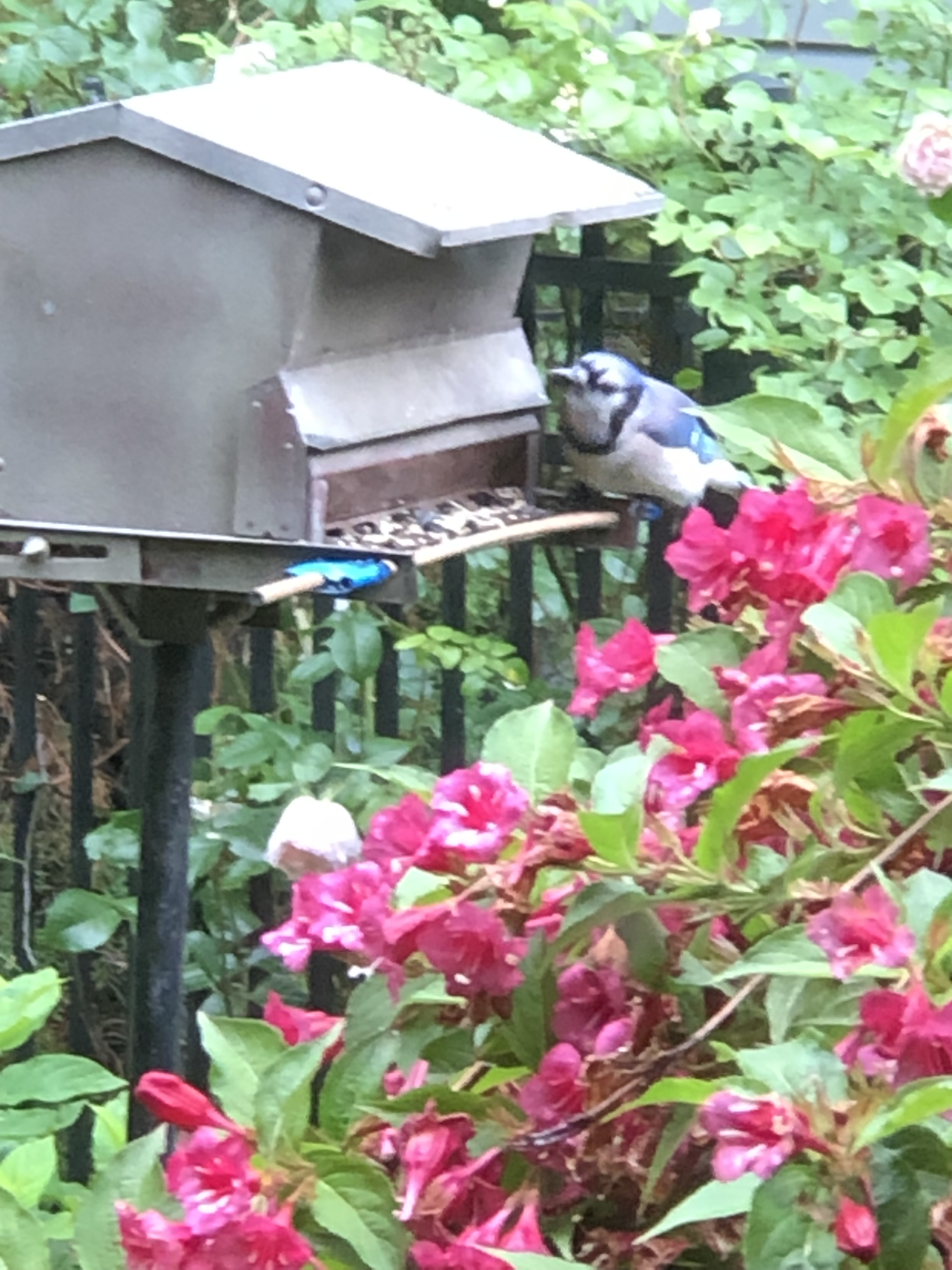
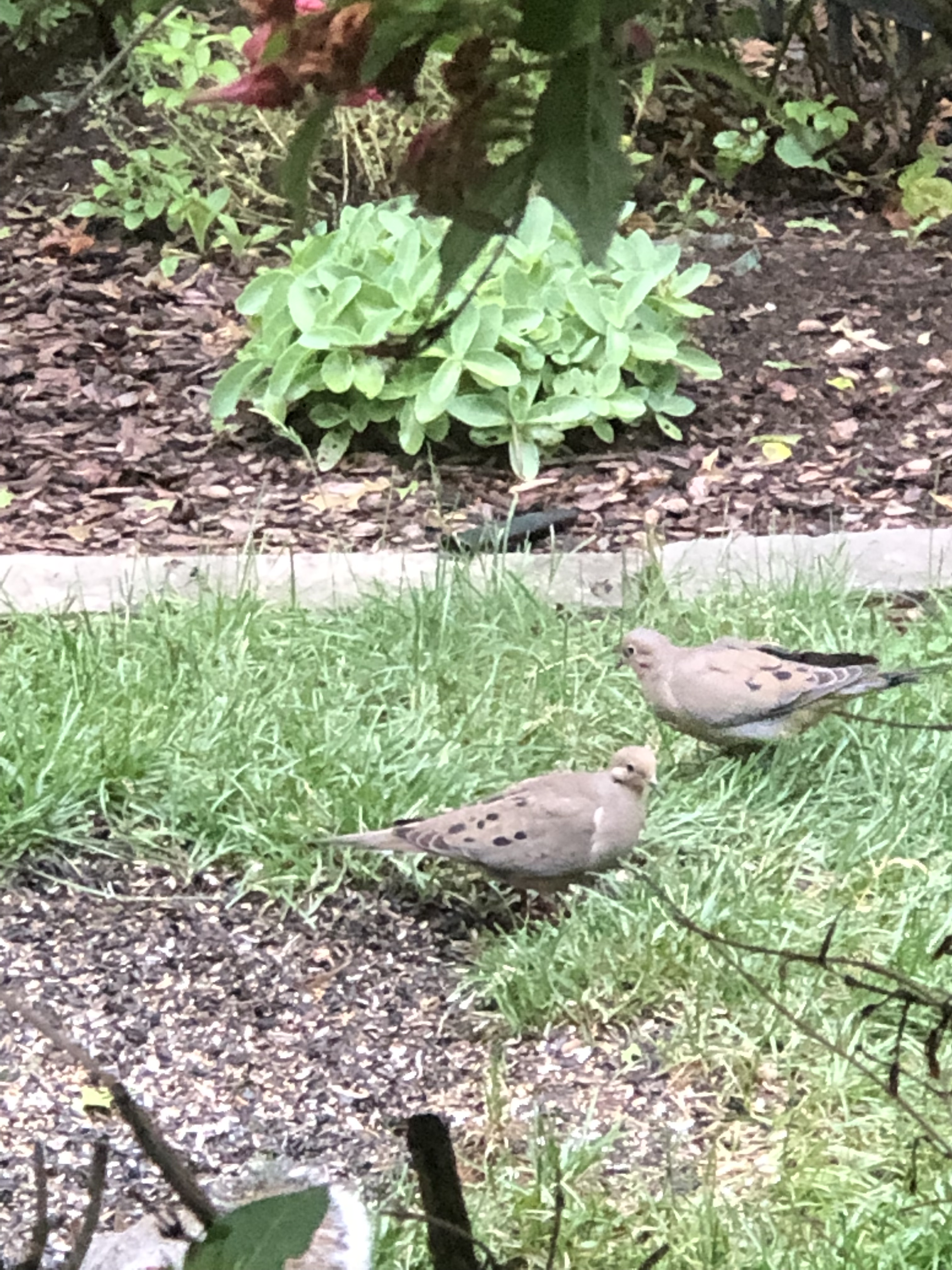
Sad to say, today, Sunday June 12th, the flowering bush is spent, the blooms withered and falling. Pam took time to document some visitors while the Weigela was in its glory. This is a sample of the species we enjoy while washing the dishes.

These photographs were taken by Pam through our windows with her Iphone 8 plus.

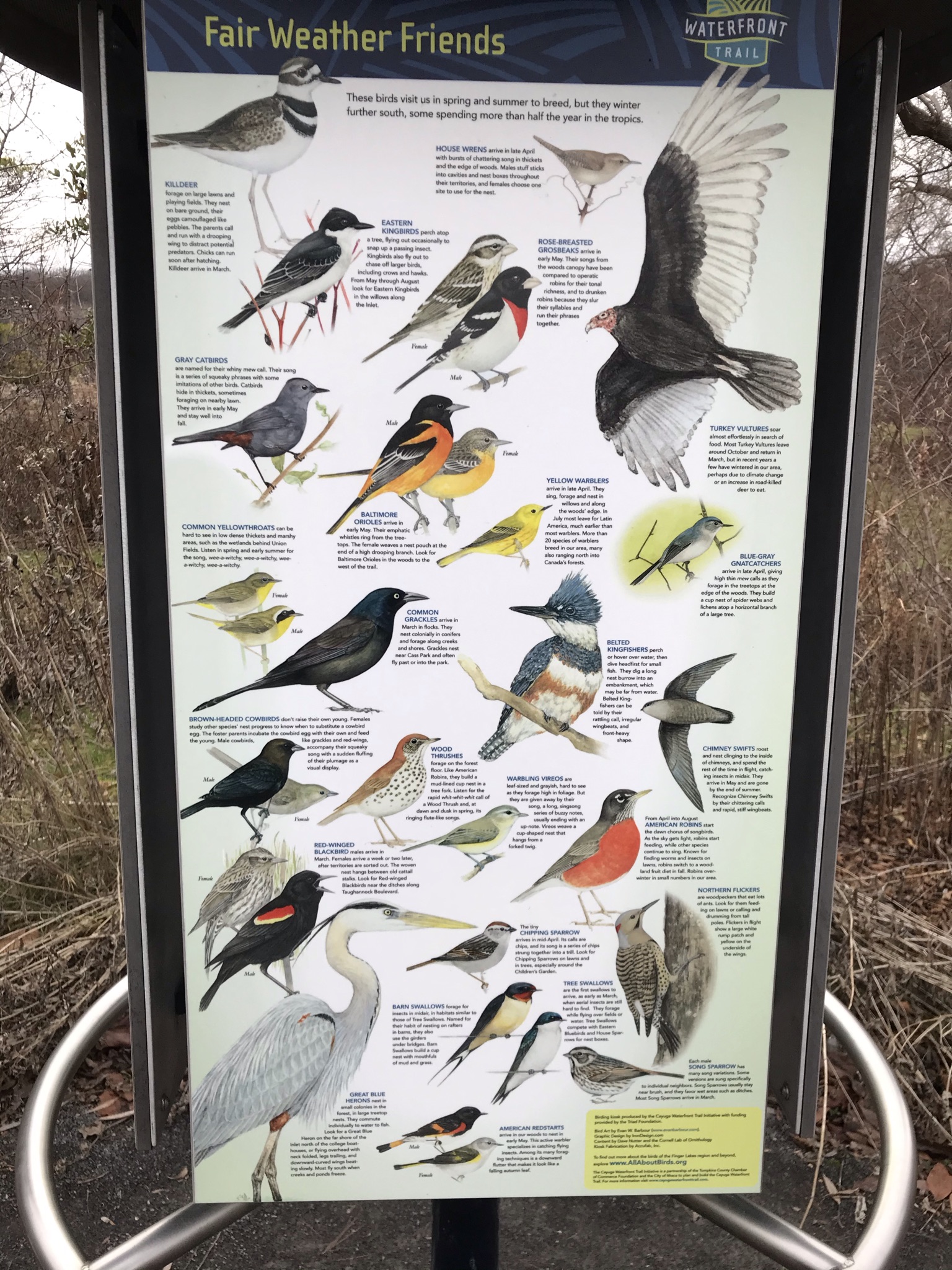
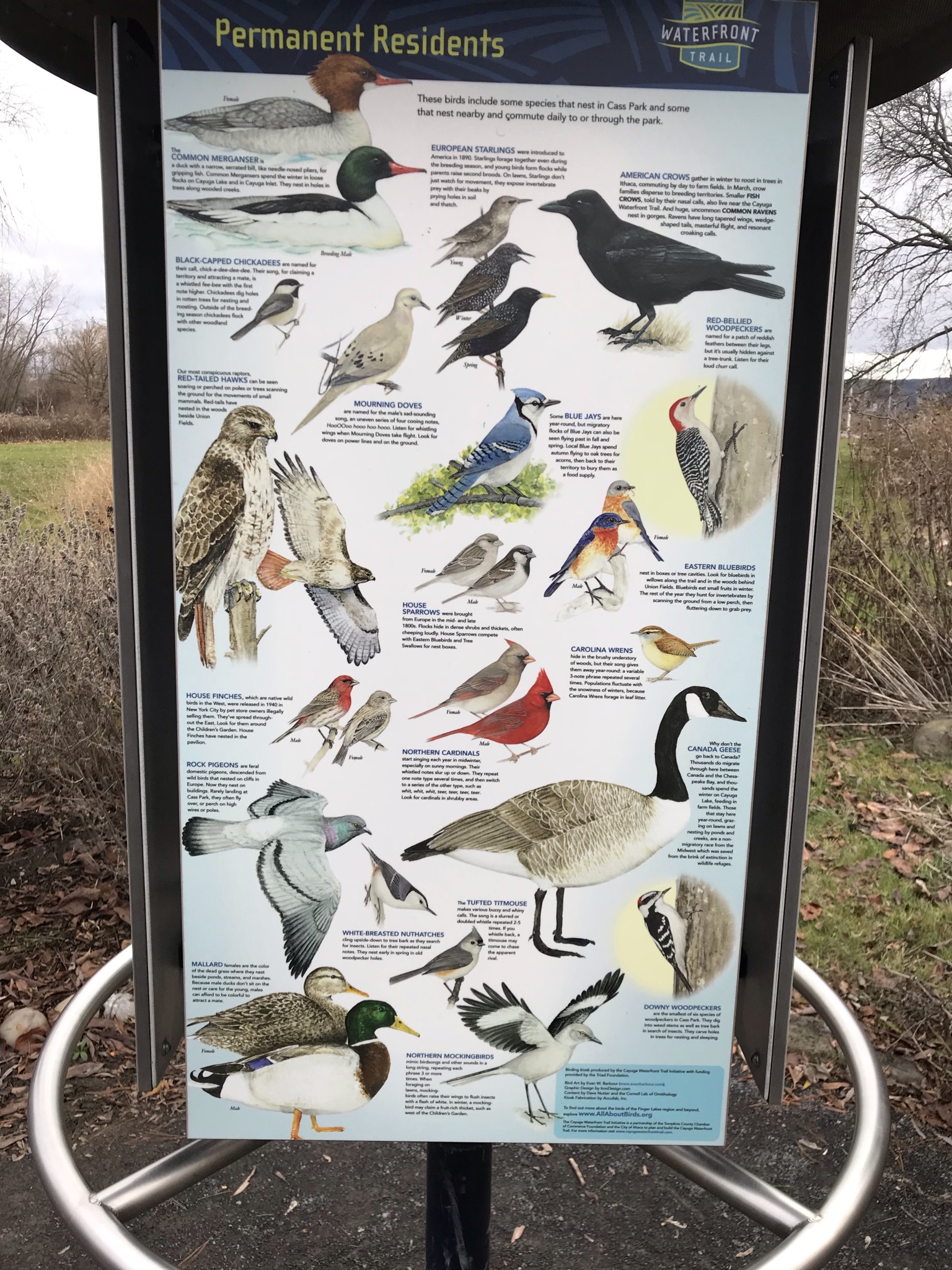
Here is a series of informative signs from Cass Park, just down the hill on the Cayuga Lake Inlet. Pictured are resident birds, most of them visited our backyard feeder.

Click me to find background information on our Weigela bush.

Copyright 2022 All Rights Reserved Michael Stephen Wills

Launch!

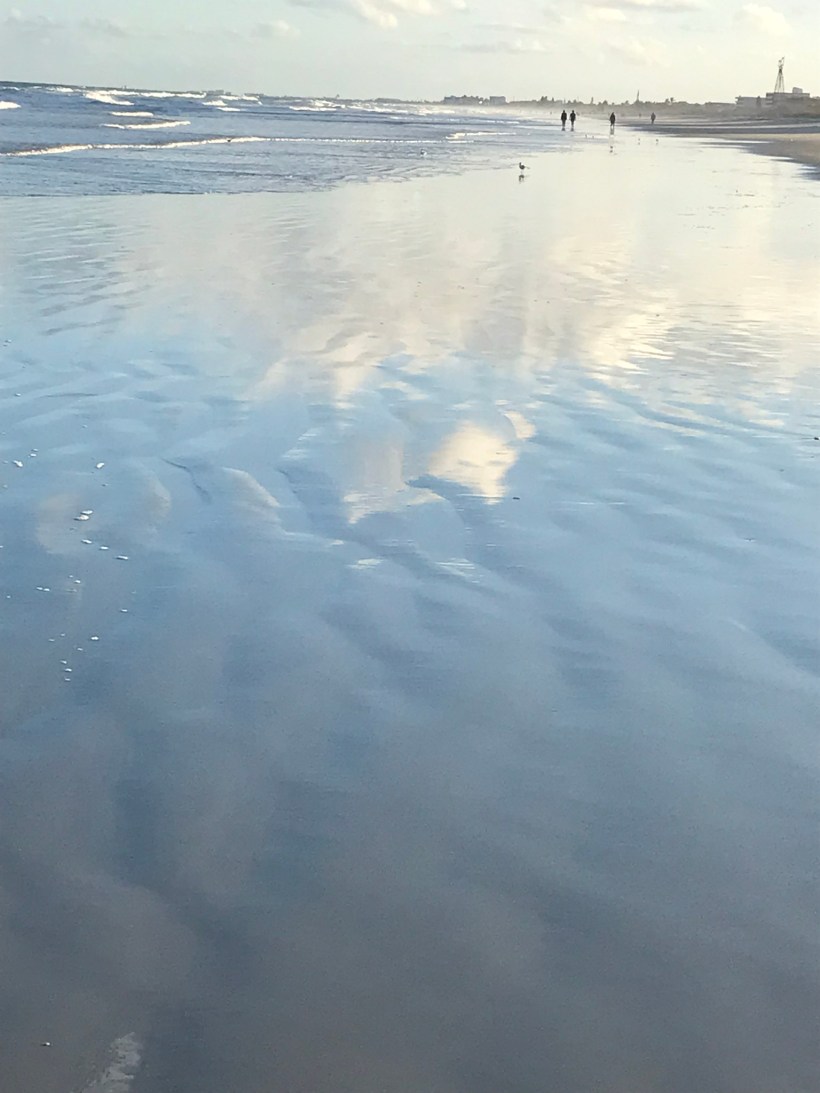
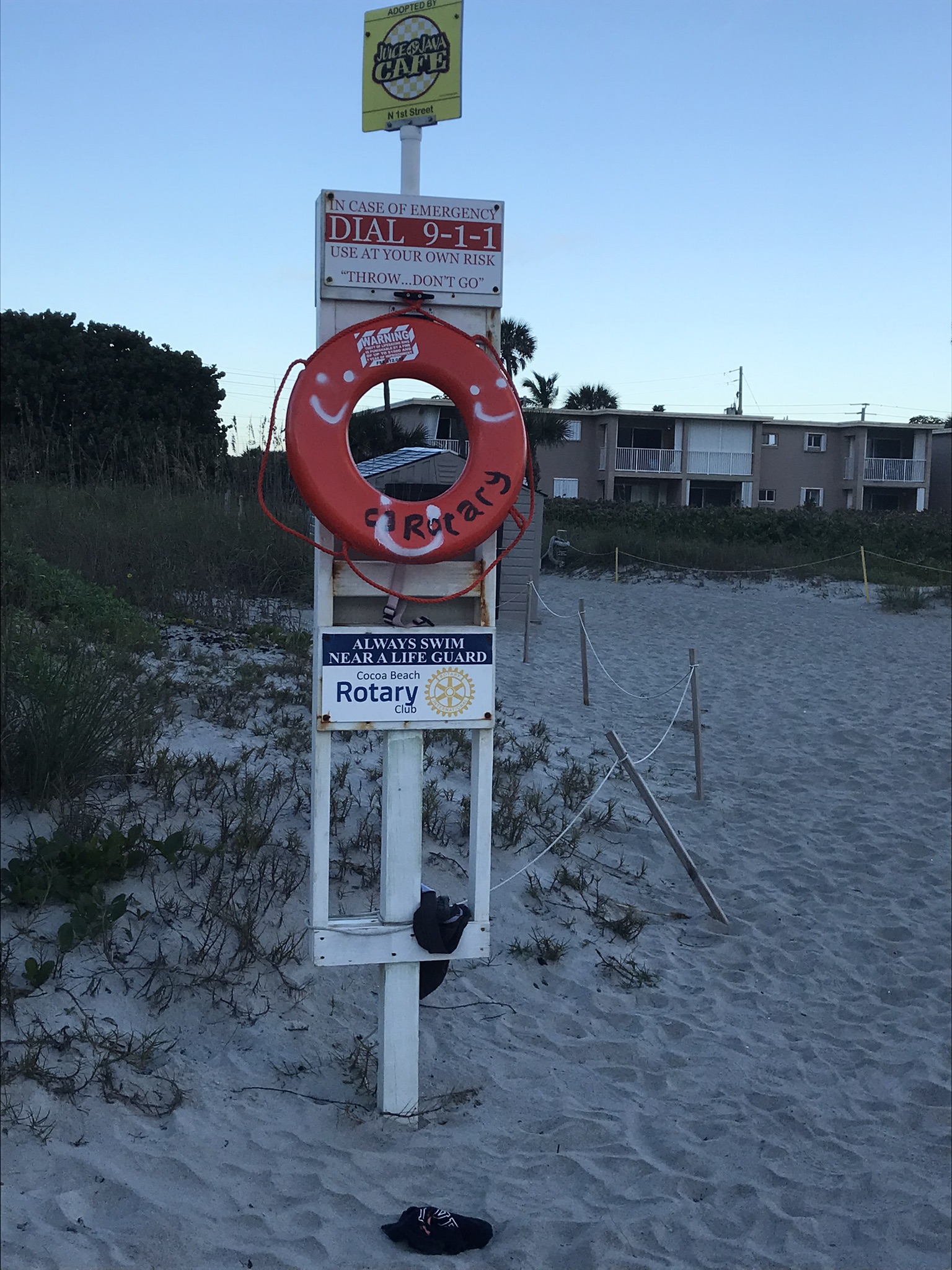
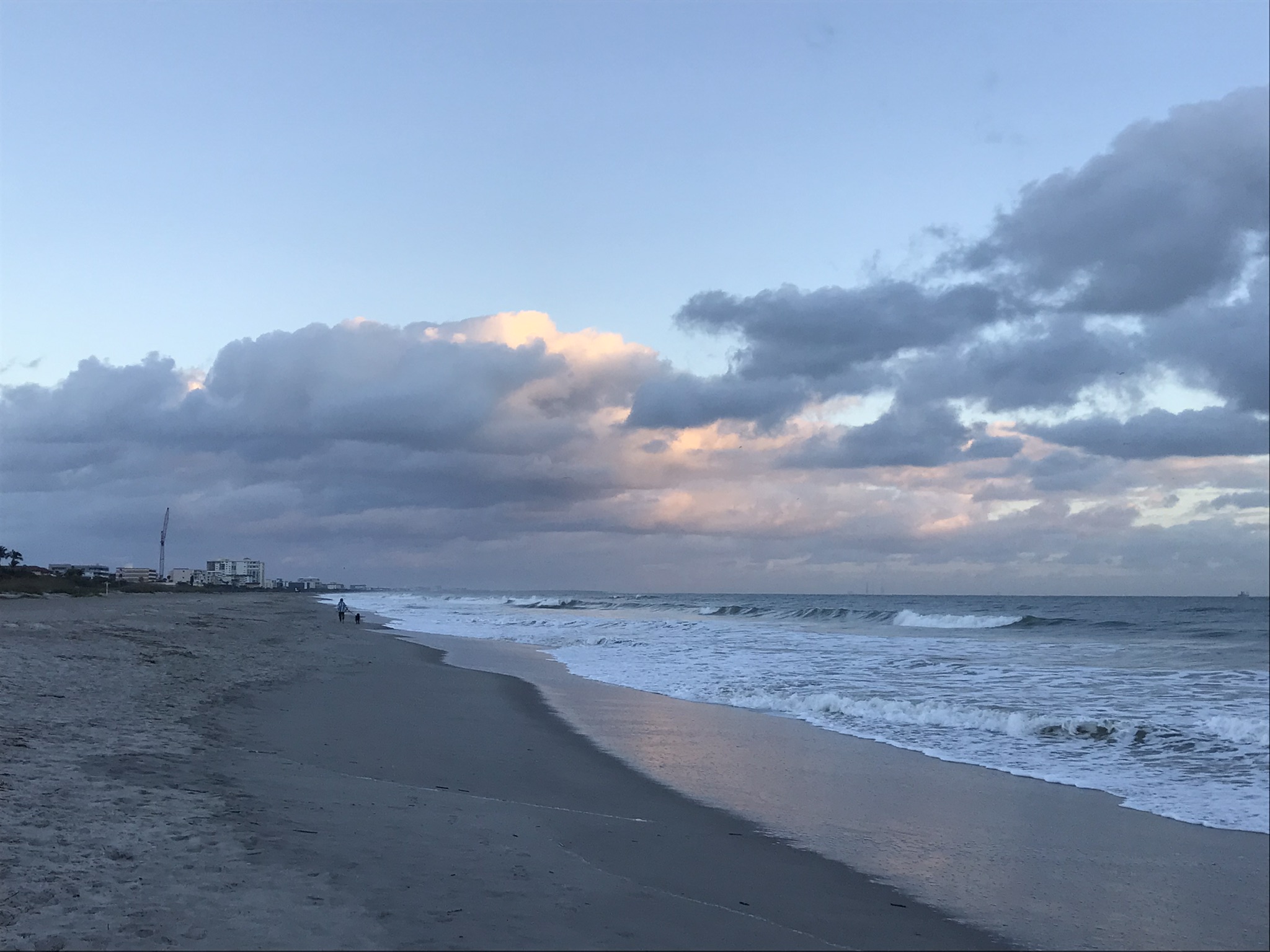
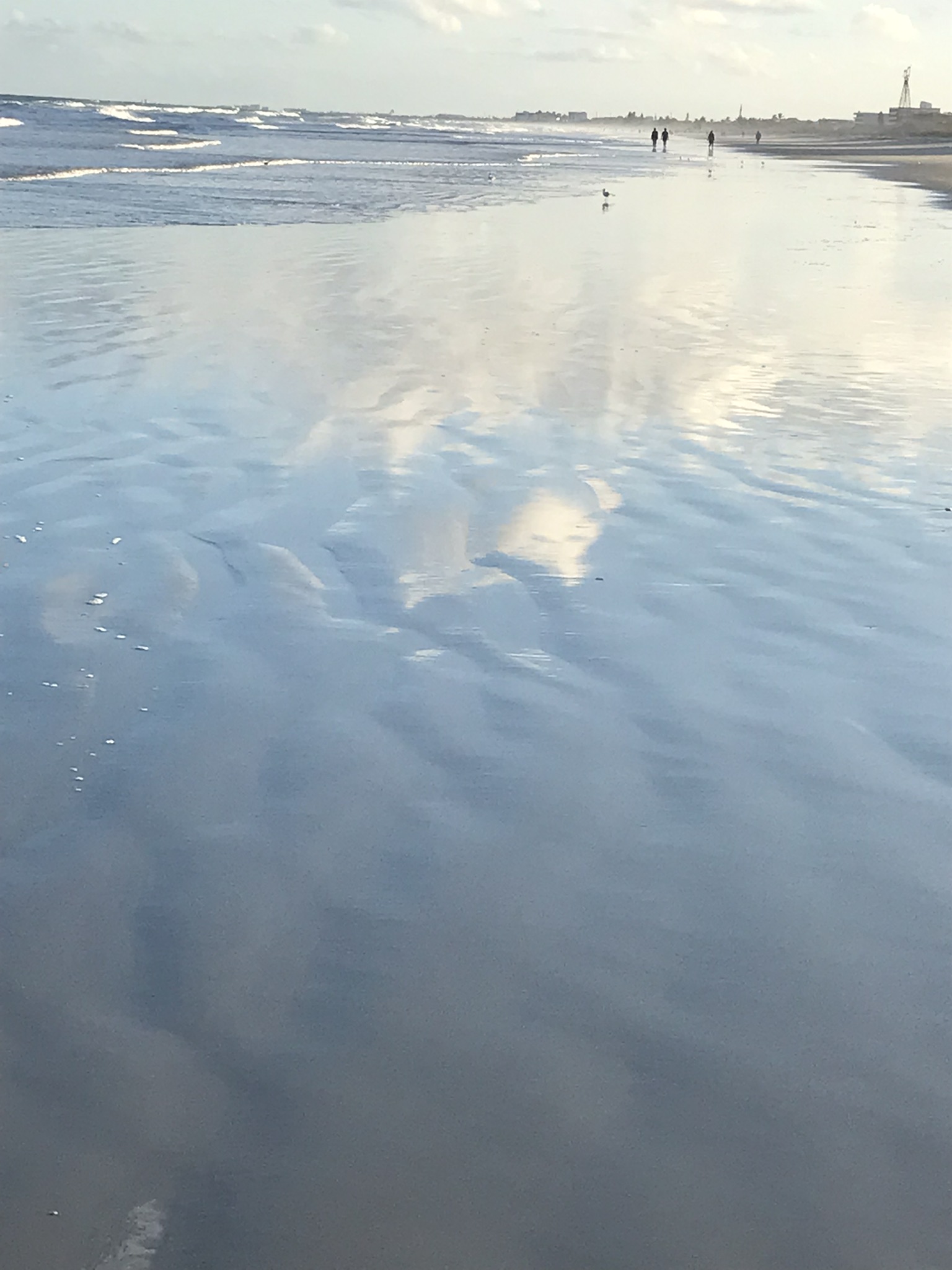
Another day, Cocoa Beach, Florida

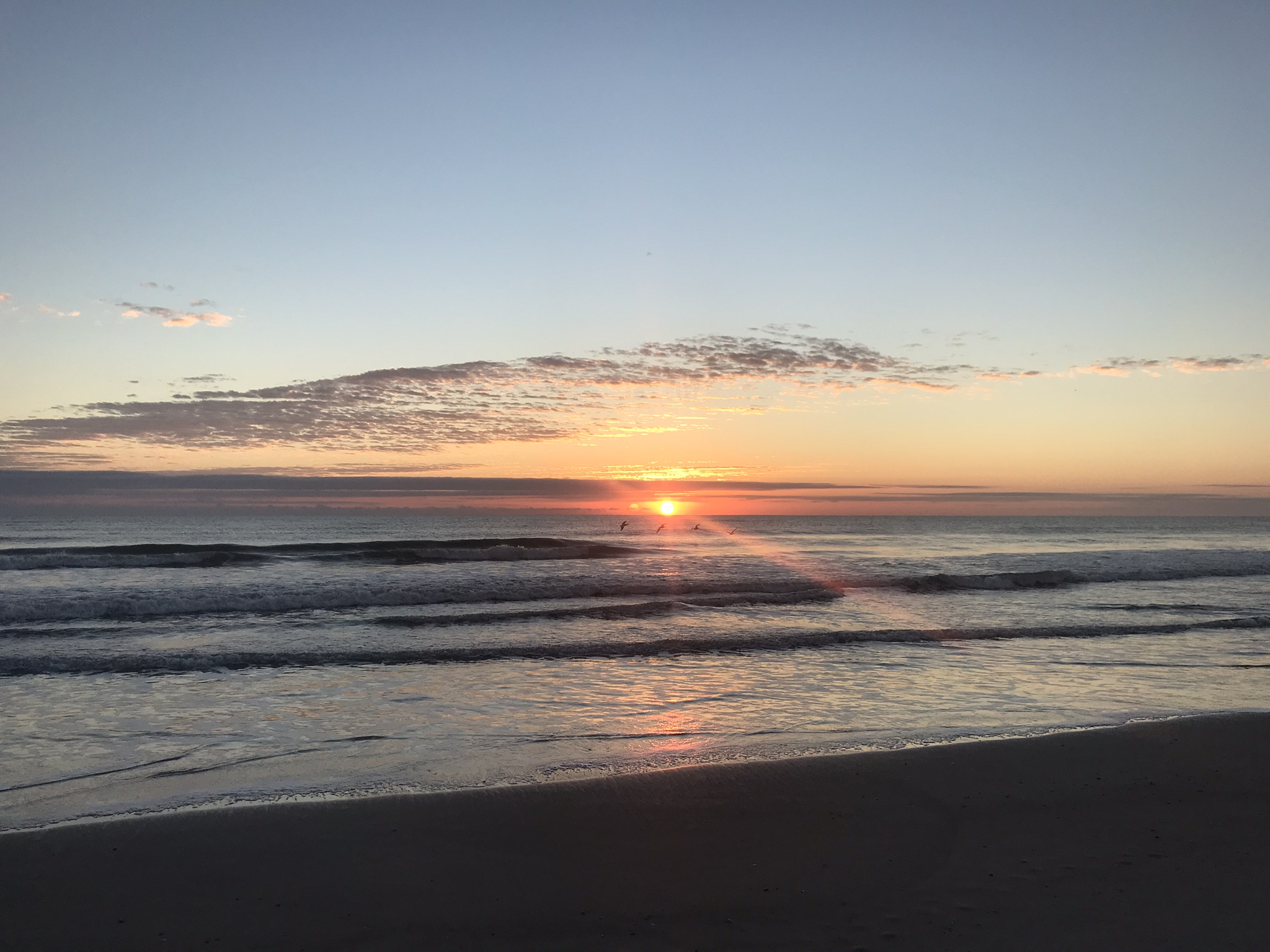
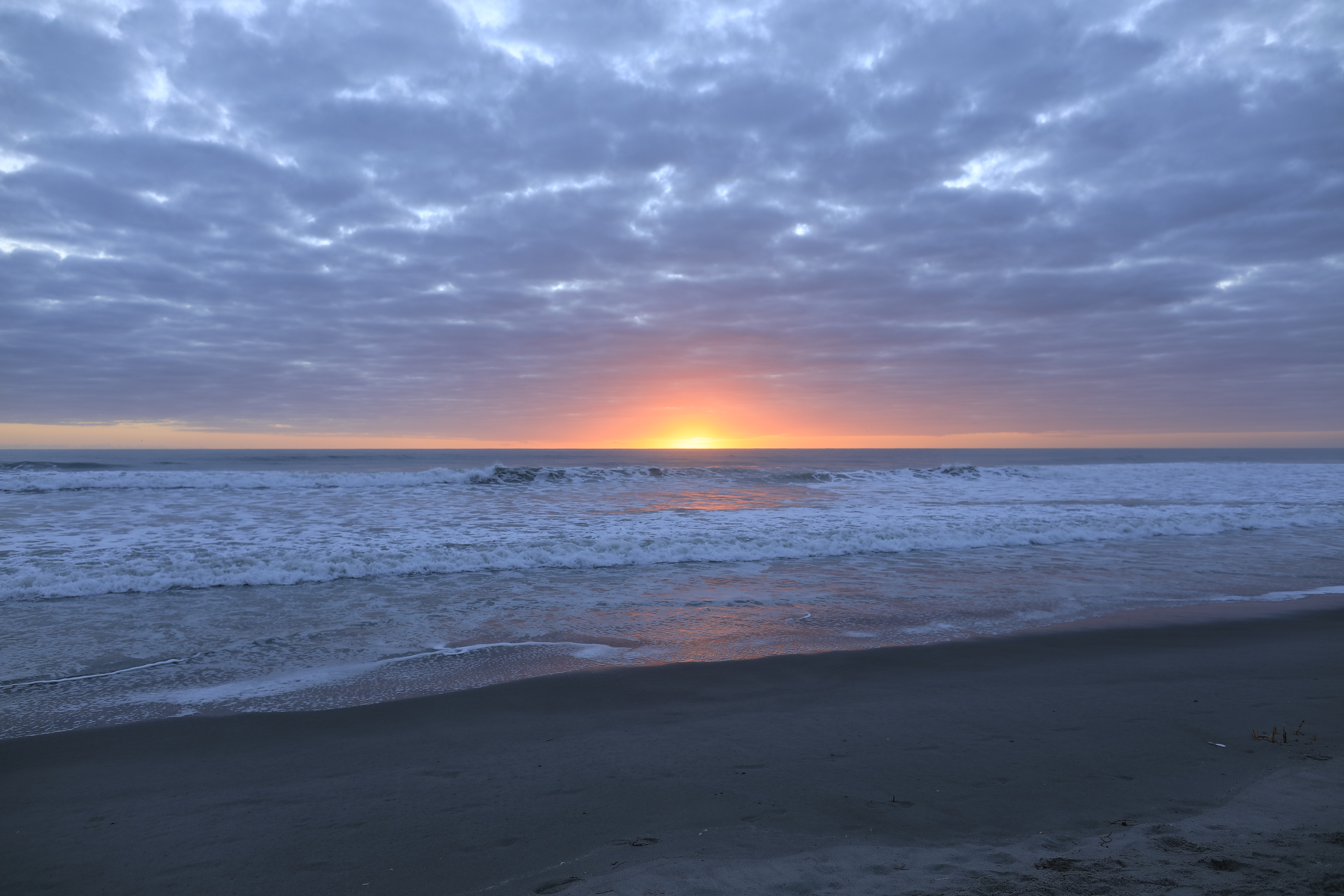
Pre-dawn sky
Just Before Dawn
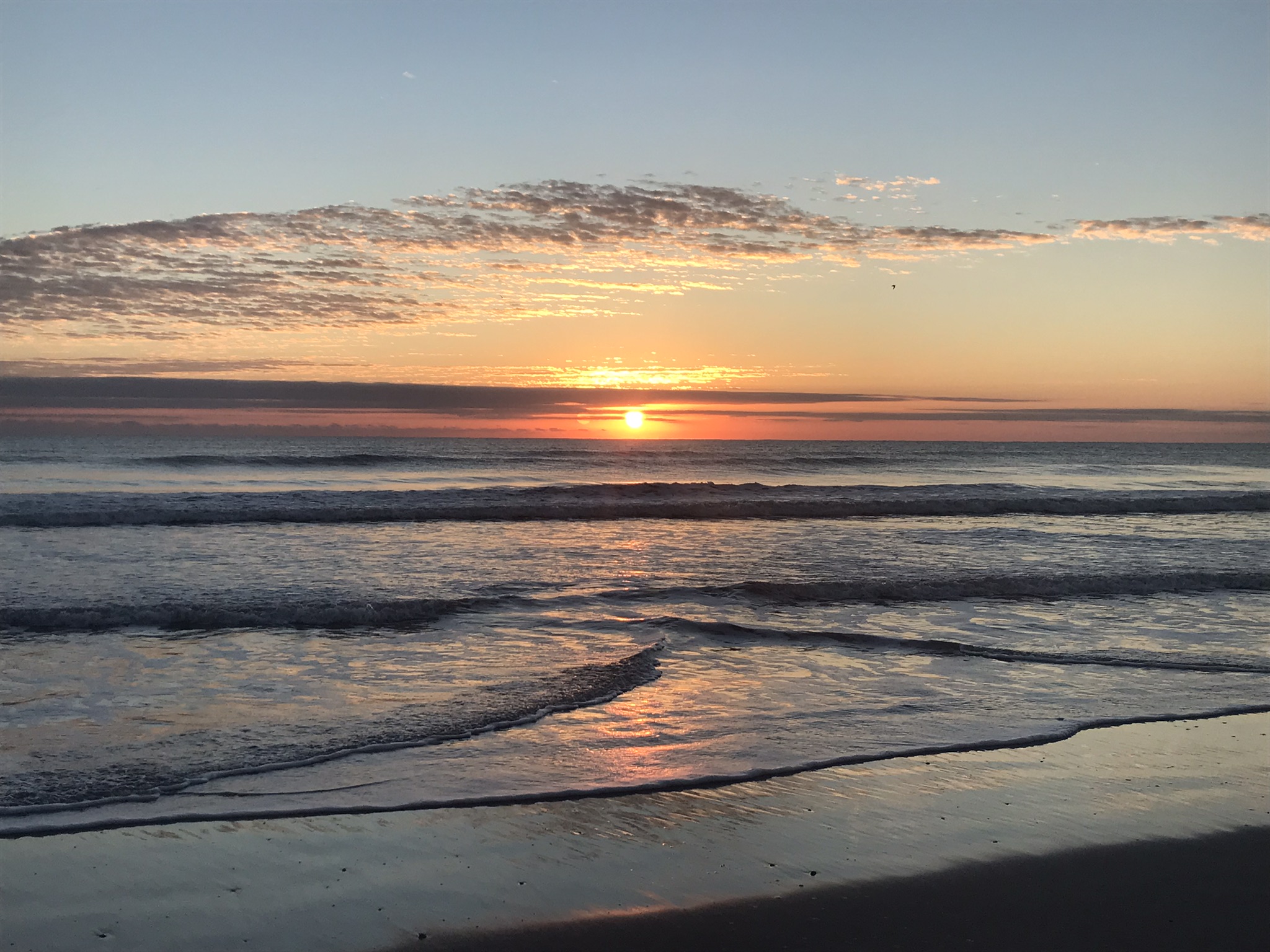
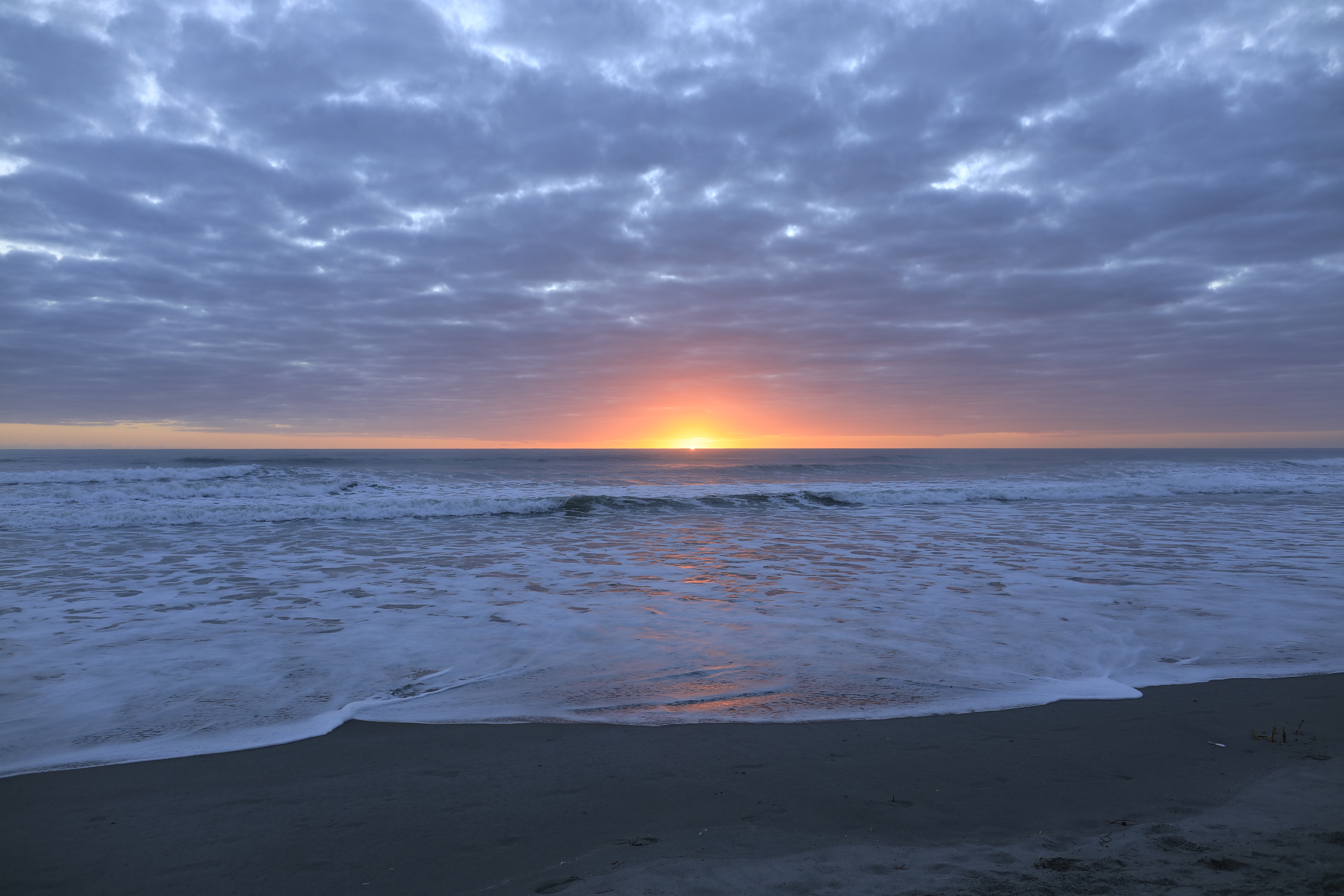
Rising Sun
Sunrise Surf
Motorized Boarder

beachcomber who told us of a rocket launch scheduled for just before sunset. Sure enough, here it is.

Rocket Launch

Sunrise and More

Another day, Cocoa Beach, Florida

Click this link for any photograph to visit my Florida Fine Art Photography Gallery.

Canon dslr photographs

First Day

Cocoa Beach, Florida

Click this link for any photograph to visit my Florida Fine Art Photography Gallery.

IPhone 7 photographs and videos

Sunrise
Sunrise Scan
Morning Surf
Willet Feeding
Kite Boarding
Rippling Surf Wash

Offering of Black Skimmer Photographs

Looking for the perfect photo for your web site and blog?

Looking for the perfect photo for your web site and blog?

Browse my reasonably priced stock photography.

License the photo, download and use it.

Click this link for my recently published Black Skimmers Feeding photographs. This link will open a new page to display my Black Skimmer photographs on Getty IStock.

These are different and higher quality images from my posting of earlier this week.

Or

Click this link to browse all my Getty IStock Photography offerings.

Copyright 2018 Michael Stephen Wills All Rights Reserved