Hatch, Birth, Good Luck!

If you ever feel like you’re struggling with independence, just remember these creatures who start life with the ultimate “figure it out yourself” kit.

Introducing the “Self-Service Buffet” of the animal kingdom, where the motto is “Hatch, Birth, Good Luck!” These creatures don’t stick around for cuddles or parenting classes:

Sea Turtles – The Ultimate Sand Sprinters: These little guys burst from their eggs and make a mad dash for the ocean, dodging seagulls and crabs. It’s like the world’s most stressful obstacle course, where the prize is simply survival.

Salmon – Swimmers on a Solo Mission: After hatching, young salmon are on their own, navigating the perilous waters without a GPS or even a pep talk. They’ve got more instinct in their little fins than most of us have in our entire body!

Praying Mantises – The Loner Ninjas: These insects hatch ready to rumble, with no parental guidance on how to be the ultimate predator. It’s a tough world where your siblings might just see you as their first meal. Talk about family drama!

Kangaroo Rats – Desert Hoppers Inc.: Born in the harsh desert, these tiny rodents are all about the solo journey from the get-go. No room service or guided tours here; just a lot of hopping and hoping.

Octopuses – The Brainy Solitaires: Octopus moms are the epitome of “do it yourself,” laying their eggs and then, well, signing off. The babies hatch fully equipped with all the smarts and skills they need, making them the envy of every overbooked parent.

Komodo Dragons – The Scaly Independents: These formidable lizards hatch ready to take on the world, with a fierce look in their eye that says, “I didn’t choose the dragon life, the dragon life chose me.”

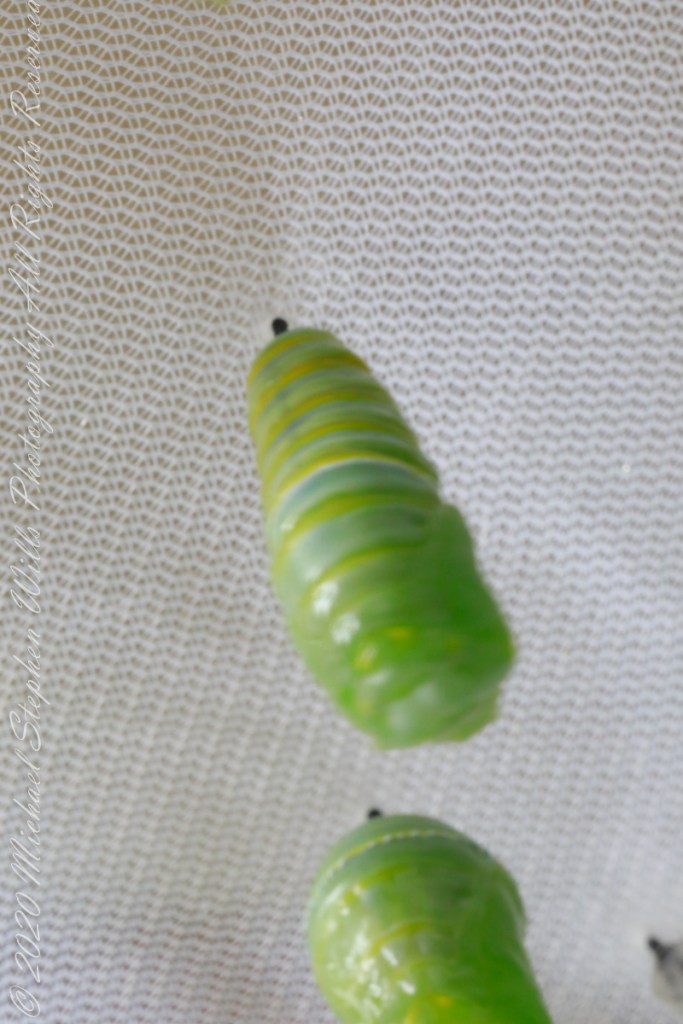
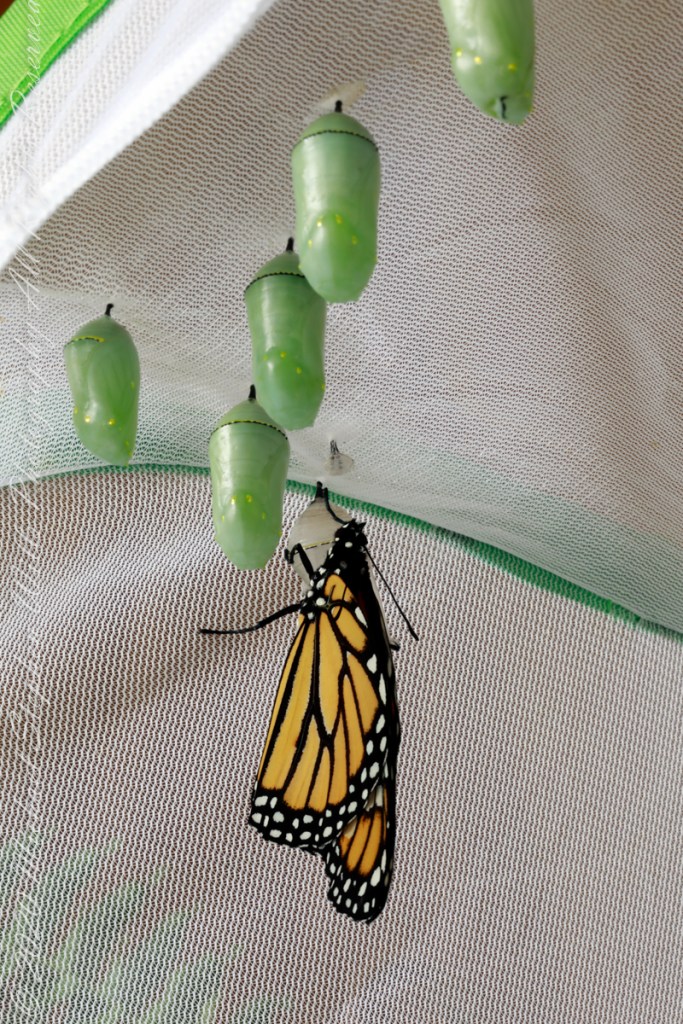
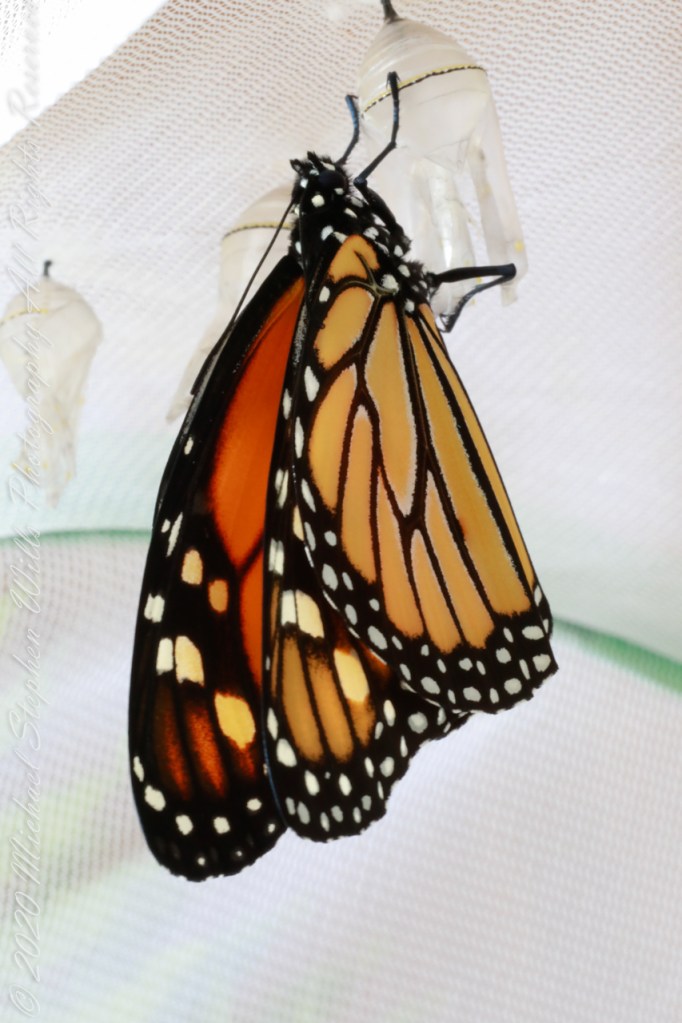
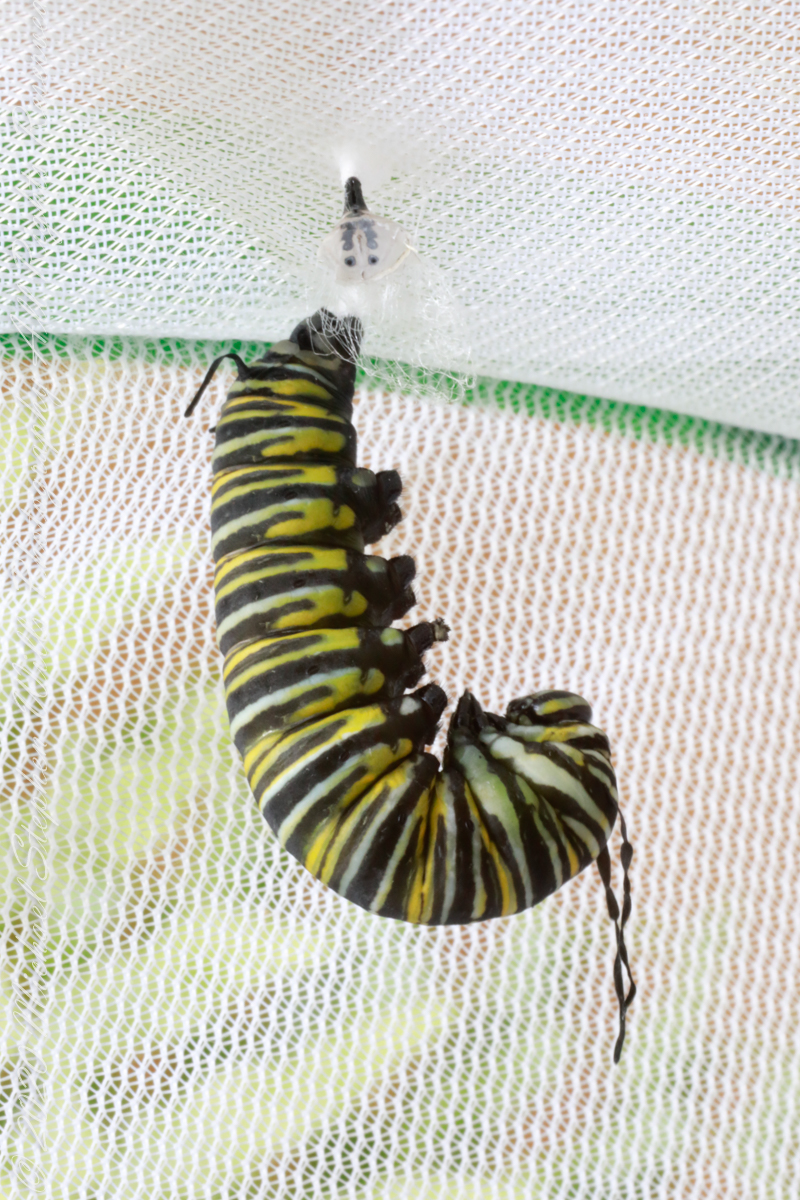
Butterflies – The Winged Wanderers: From caterpillar to chrysalis, and then to butterfly, these creatures do it all on their own. If butterflies had social media, their status would perpetually be “Just transformed. Who dis?”
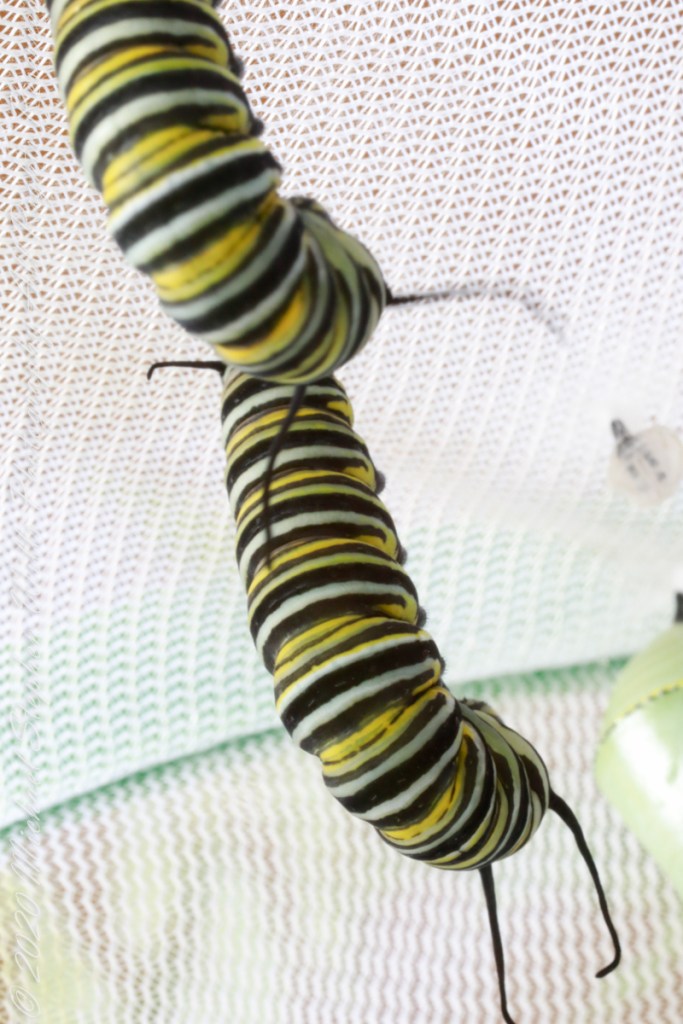
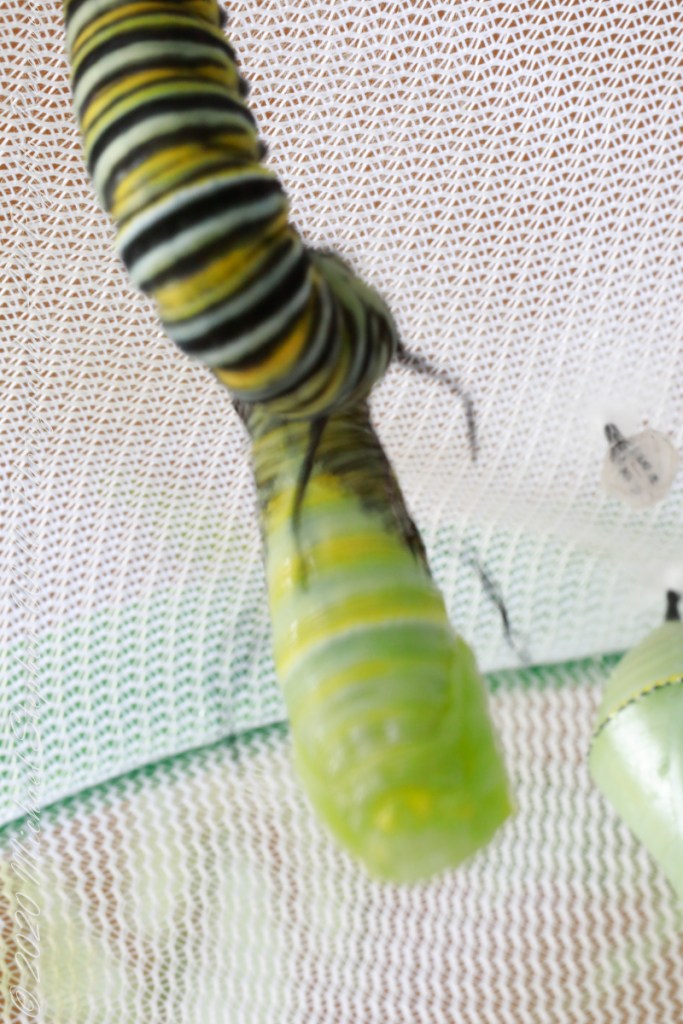
So, if you ever feel like you’re struggling with independence, just remember these creatures who start life with the ultimate “figure it out yourself” kit. They might just inspire you to tackle your own obstacles – though hopefully, with fewer predators involved.
Copyright 2024 Michael Stephen Wills All Rights Reserved

A January Encounter with a Moon Jellyfish

Walk with me through a narrative as translucent as the Moon Jellyfish itself, revealing the hidden connections between us and the vast ocean’s enigmatic creatures.

Initial Encounter


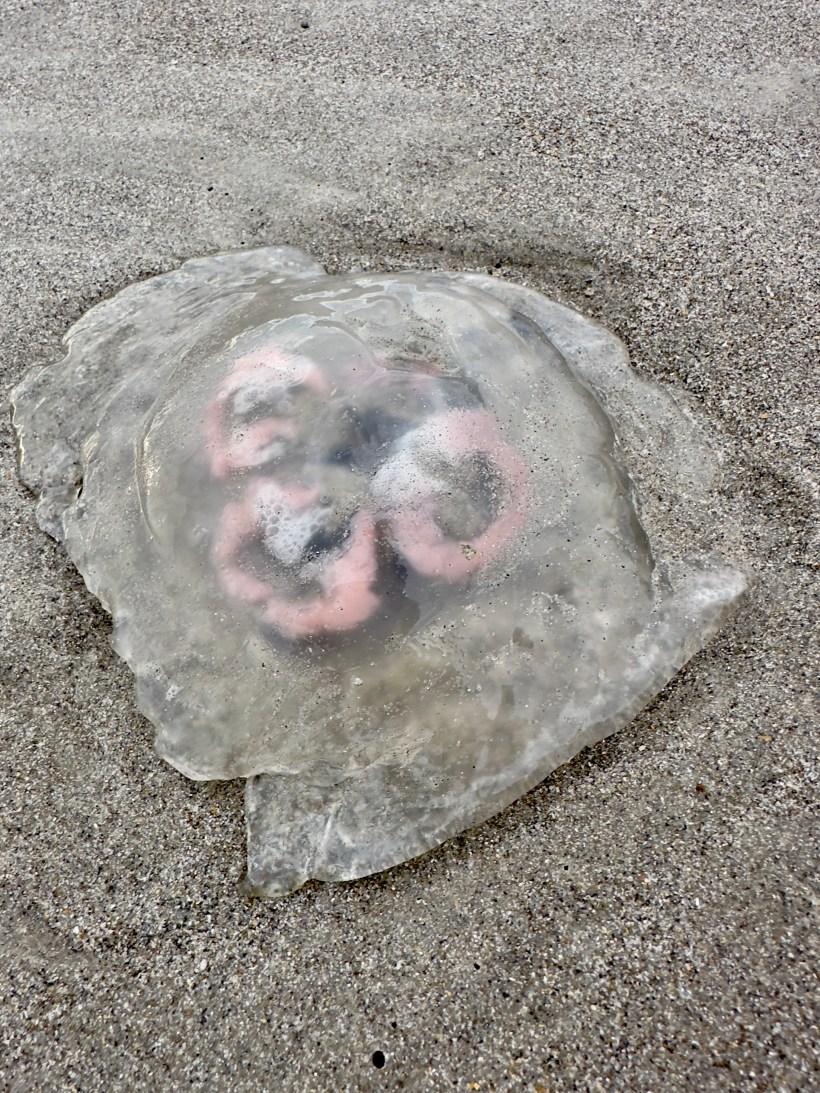
It was a cool January morning, and the southern winds were brisk as they tousled my sparse hair. I had made my way along Cocoa Beach, a place I often find solace in the rhythmic dance of the waves. Today, however, the ocean had a different story to tell. As I walked along the shore, my gaze fell upon a peculiar sight—a translucent, almost ethereal creature lay motionless on the sand. It was a Moon Jellyfish, or as scientists call it, Aurelia aurita.

The gelatinous being had been cast out by the unforgiving sea, its pinkish hue a stark contrast against the dull sands. This wasn’t an uncommon sight, as these creatures often end up on beaches due to wind patterns and water currents. But there was something about this particular Moon Jellyfish that captivated me. Perhaps it was the way it shimmered in the morning light, or how it seemed so peaceful, so out of place, yet exactly where it was meant to be.

Ecological Significance


I knew that the Moon Jellyfish played a crucial role in the marine ecosystem. These cnidarians are not just beautiful drifters; they are a vital part of the ocean’s food web. Small fish and other marine organisms often find shelter among the Moon Jellyfish’s tentacles, escaping predators and finding nourishment in the plankton caught by their host. In turn, the Moon Jellyfish themselves are prey to a variety of larger species, including sea turtles and certain birds.

Seeing the jellyfish on the shore, I contemplated the fragility of this balance. A change in wind direction, a shift in temperature, or human interference could easily disrupt this delicate ecological dance. It was a stark reminder of the interconnectedness of life and the responsibility we hold in preserving these intricate relationships.

Biological Wonders


The biology of the Moon Jellyfish is as fascinating as its role in the ecosystem. They are composed mainly of water, with a body that includes a bell-shaped top called the medusa, and short tentacles that hang below. These tentacles contain stinging cells known as cnidocytes, which they use to capture their prey—mainly tiny plankton.

As I observed the jellyfish before me, I couldn’t help but marvel at its simplicity and complexity. The Moon Jellyfish has a basic nervous system and lacks a traditional brain, heart, and blood. Yet, it thrives in the vast and challenging environment of the ocean. Its lifecycle, too, is a wonder, beginning as a polyp anchored to the seafloor, then transforming into the free-floating medusa I saw on the beach.

A Reflection on Nature and Humanity


The Moon Jellyfish’s unexpected presence on Cocoa Beach prompted a deeper reflection on nature’s course and our place within it. This creature, which had drifted with the currents and tides, led me to ponder the currents of our own lives. How often do we find ourselves washed ashore by the winds of change, feeling out of place, yet precisely where we’re meant to be?

In that moment, I understood that we, too, are like the Moon Jellyfish in many ways—adaptable, resilient, and part of a larger whole. We float through life, sometimes at the mercy of forces beyond our control, yet we possess the innate ability to navigate our environment and survive.

As I left the beach that day, the image of the Moon Jellyfish imprinted in my mind, I felt a newfound respect for these delicate yet durable denizens of the deep. The Moon Jellyfish, washed up by a southern wind onto Cocoa Beach, served as a silent teacher, reminding me of the beauty and fragility of life, the importance of our ecosystems, and the subtle threads that connect us all.

Copyright 2024 Michael Stephen Wills All Rights Reserved