Drombeg Stone Circle V

Seventeen Stones

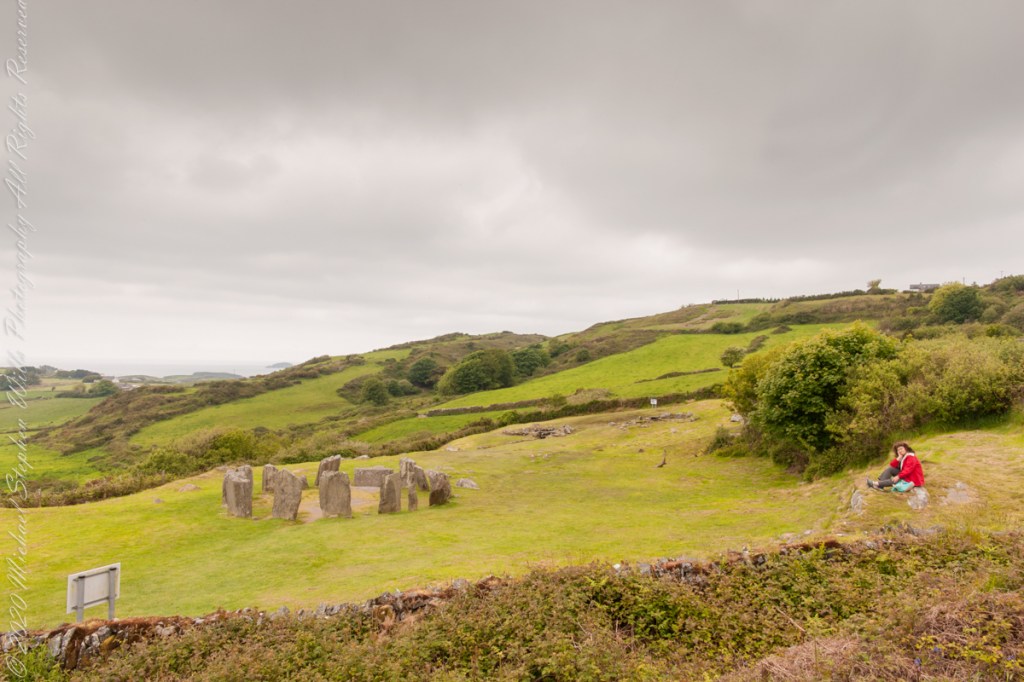
The Celtic Sea is close to this site, unoccupied since 800 BC, may be as old as 1100 BC according to radiocarbon dating from 1957 excavations.

Click any pic for a larger view, in a new tab, or a slide show. When using WordPress Reader, you need to open the post first.
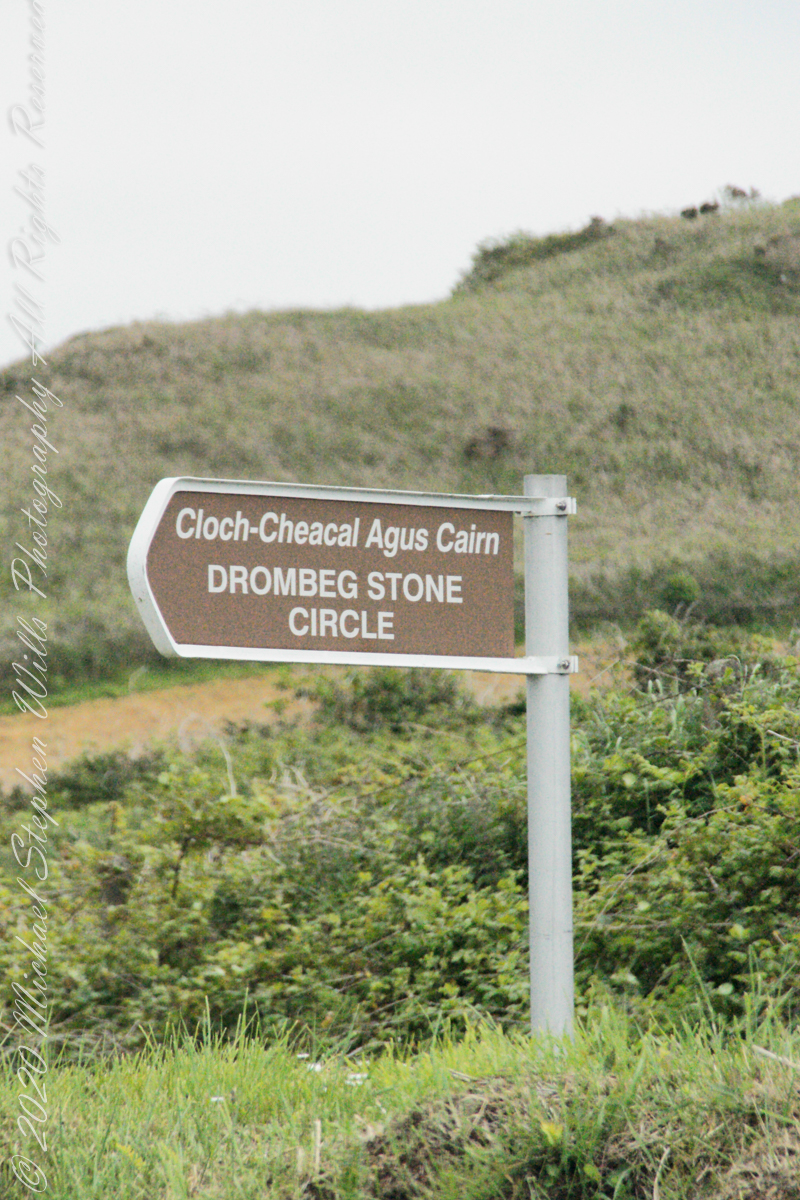
The Celtic Sea is close to this site, unoccupied since 800 BC, may be as old as 1100 BC according to radiocarbon dating from 1957 excavations. Thirteen of the original seventeen stones form a circle 31 feet across. Two portal stones face a recumbent stone, together forming a axis pointing to the sun position at sunrise on the winter solstice. One of the most visited Neolithic sites in Ireland, it required some patience to achieve an image without human figures.
Click Me for the next post in this series.
Copyright 2021 Michael Stephen Wills All Rights Reserved

Drombeg Stone Circle IV

Seventeen Stones

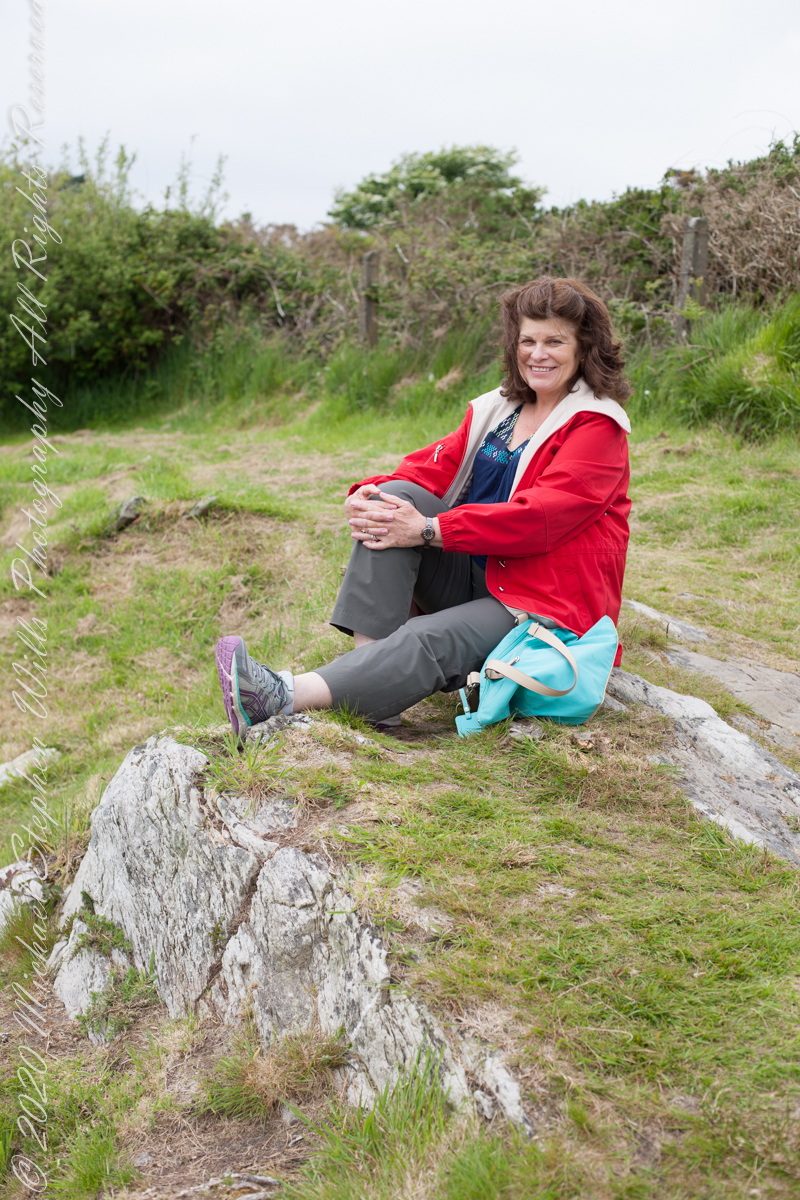
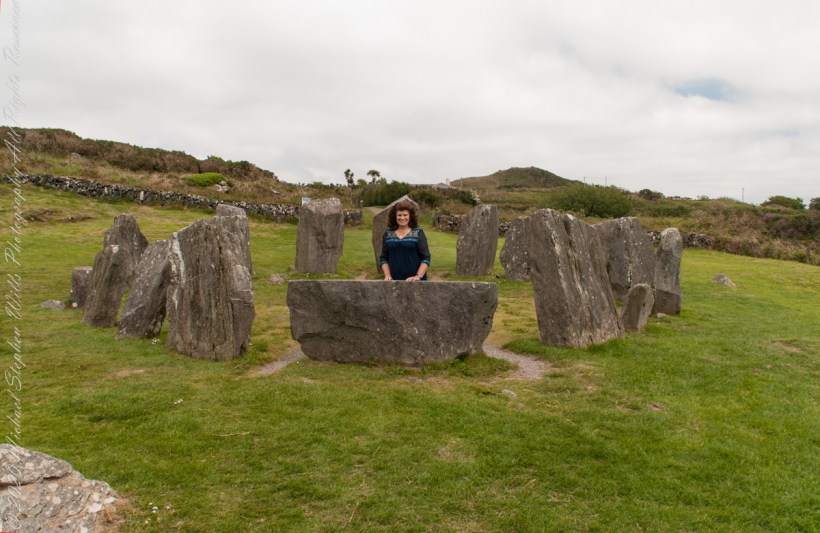
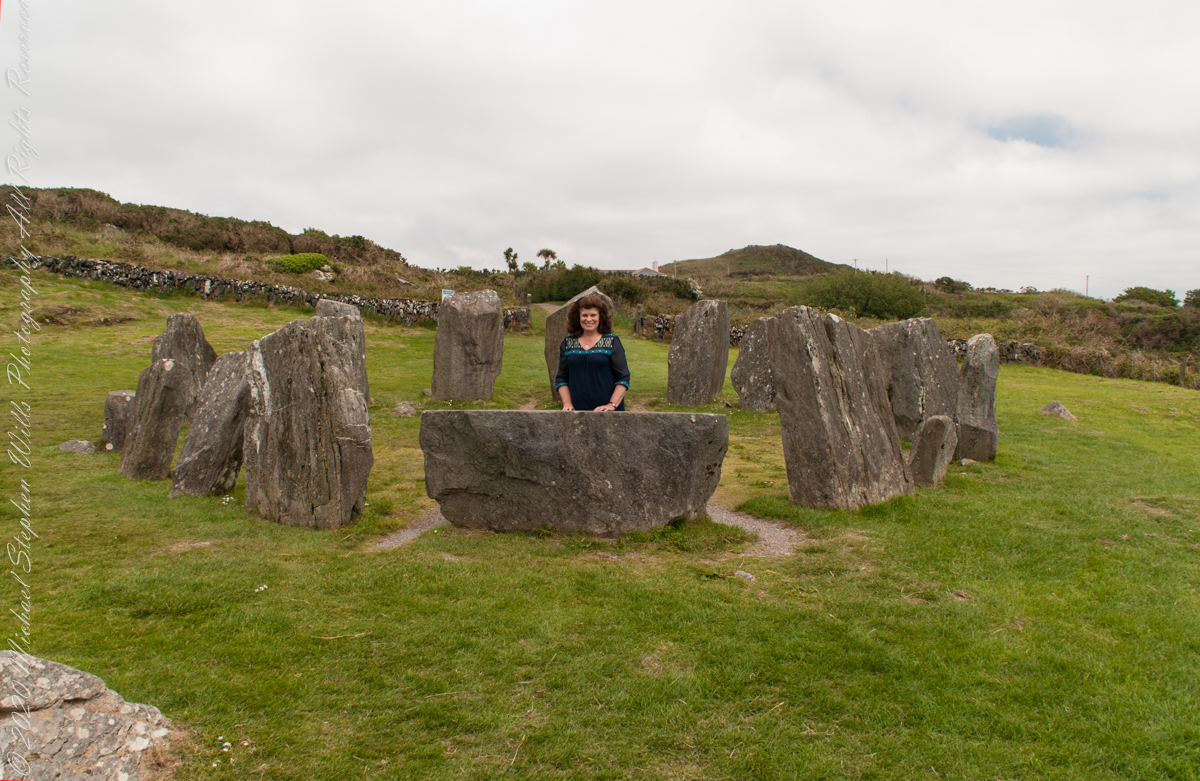
Seventeen closely placed stones with an axis pointing south-southwest toward the setting sun, formed by two “entrance” stones, one directly behind Pam, the second to the left. The recumbent in front of her forms the third axis element.

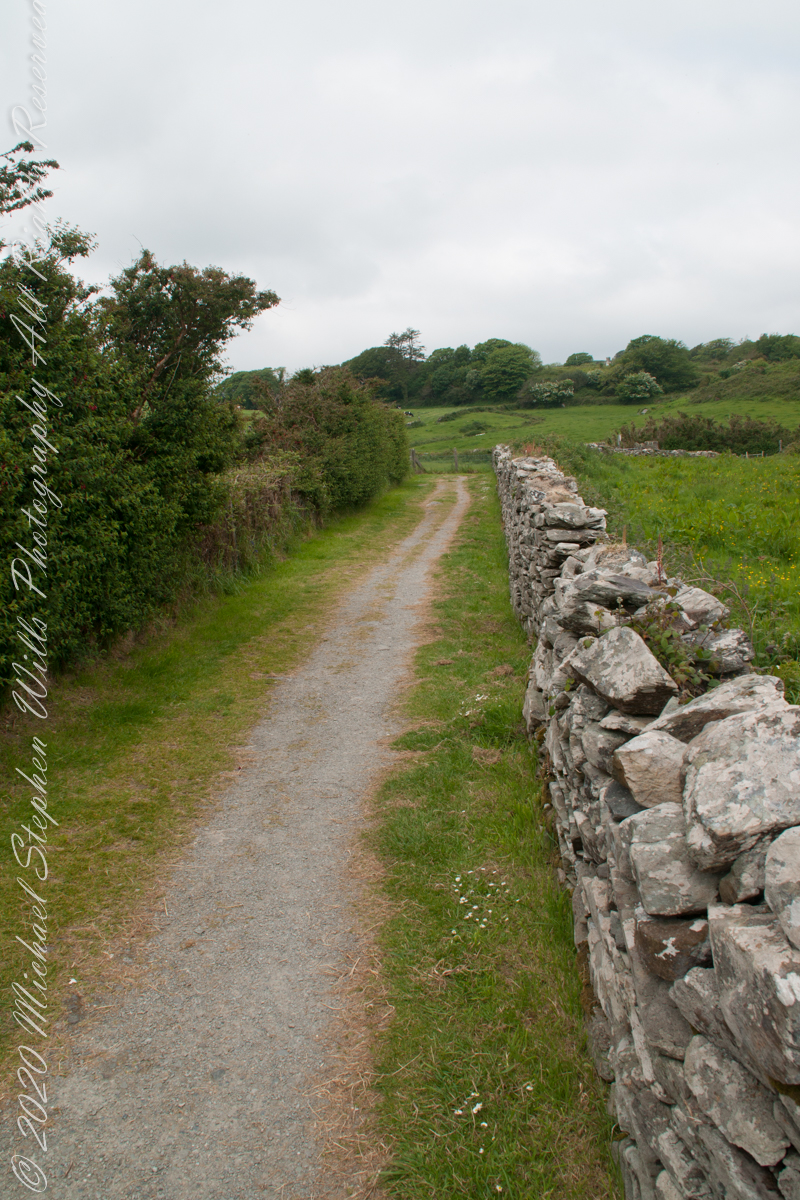
The path features in the past three posts is behind the entrance stones.

Click any pic for a larger view, in a new tab, or a slide show. When using WordPress Reader, you need to open the post first.

Click Me for the next post in this series

Copyright 2021 Michael Stephen Wills All Rights Reserved

Drombeg Stone Circle III

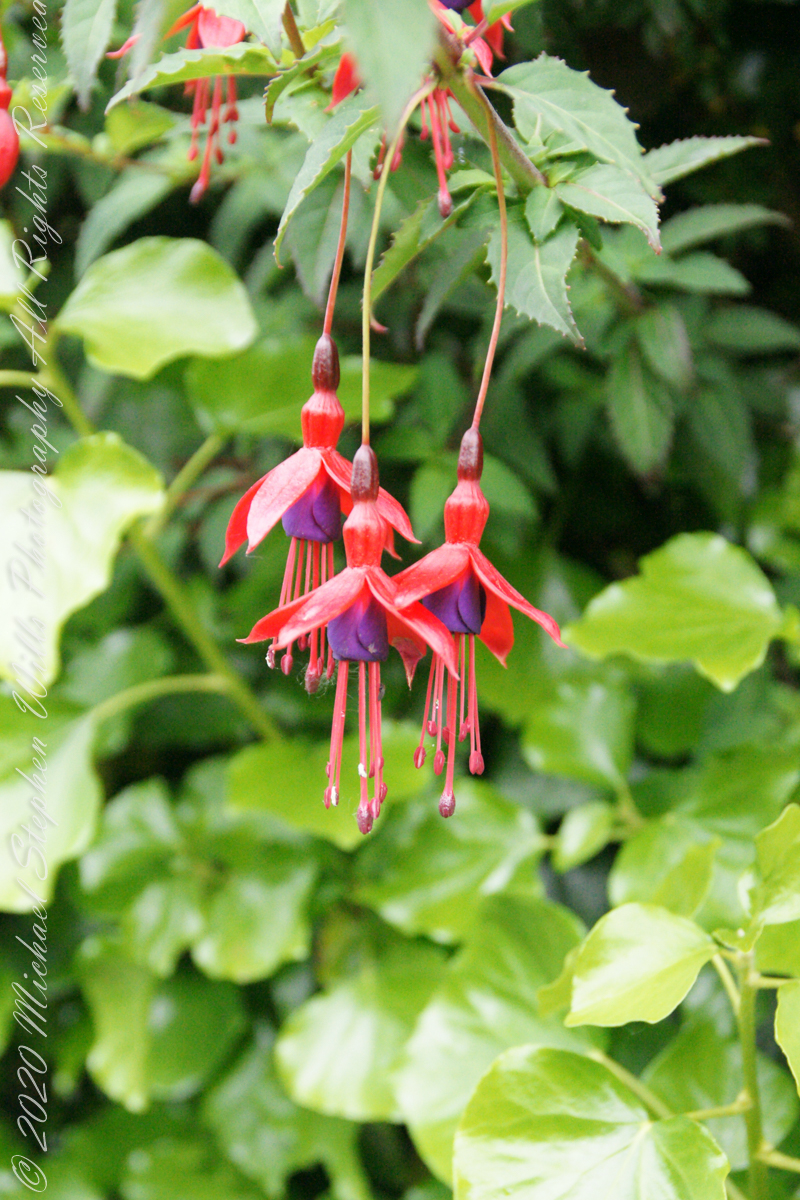
Exotic beauty

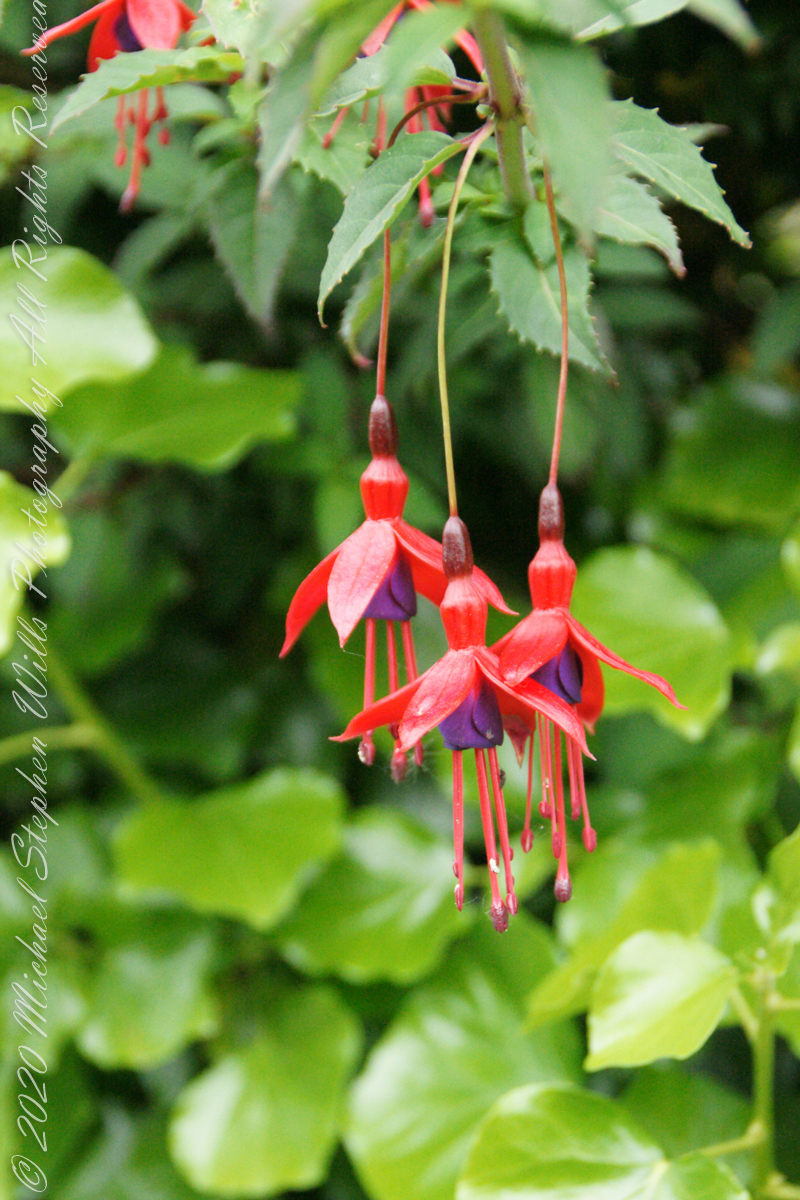
It is not surprising to find this non-native shrub growing along the path to Drombeg Stone Circle. English gardens featured fuchsia since the late 18th century. The ocean view is part of the charm of this place, the resulting milder climate suits the flourishing of exotic species of plants native to South America, the Caribbean and New Zealand.

Click any pic for a larger view, in a new tab, or a slide show. When using WordPress Reader, you need to open the post first.

Click Me for the next post in this series.
Copyright 2021 Michael Stephen Wills All Rights Reserved

Drombeg Stone Circle II

Rock Native

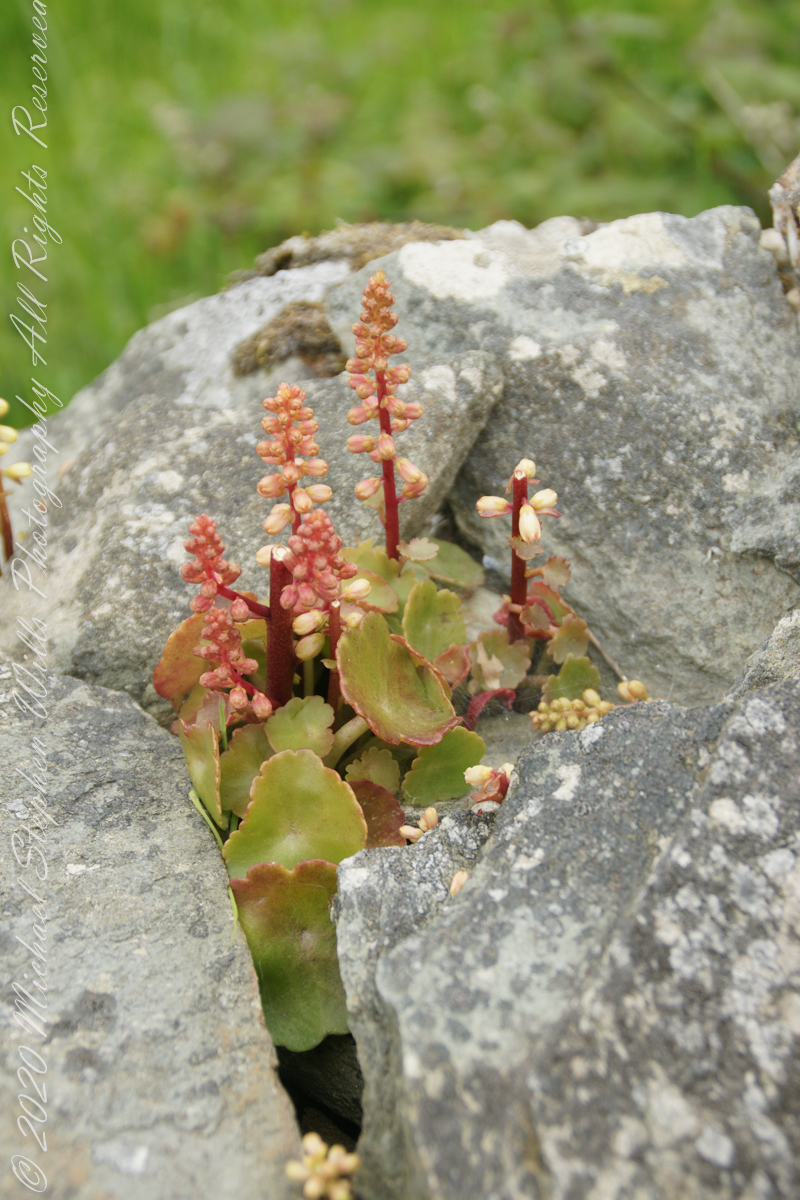
This unidentified spring of racemes, fleshy leaves and stalks, grew from the rock wall of the entry path to Drombeg Stone Circle. Here the climate is strongly influenced by the Celtic Sea, milder winters allow exotic plants to flourish.

My appraisal is this is in the Crassulaceae family, possibly the genus Kalanchoe or, more probably Umbilicus, from the fleshy, round, succulent leaves and form of the flowers. Species of Umbilicus are native to Western Europe and known to favor rock walls.

Click any pic for a larger view, in a new tab, or a slide show. When using WordPress Reader, you need to open the post first.

Click Me for the next post in this series.
Copyright 2021 Michael Stephen Wills All Rights Reserved

Drombeg Stone Circle I

Path to the late Bronze Age

Path well trodden through the centuries since.

Click any pic for a larger view, in a new tab, or a slide show. When using WordPress Reader, you need to open the post first.

Click Me for the next post in this series.
Copyright 2021 Michael Stephen Wills All Rights Reserved