Nature and Big Names

barns by other names

View of Imogene Powers Johnson Center for Birds and Biodiversity from an unnamed boardwalk on an unnamed path from the parking lot. Sapsucker Woods, Cornell Lab of Ornithology, Ithaca, Tompkins County, New York
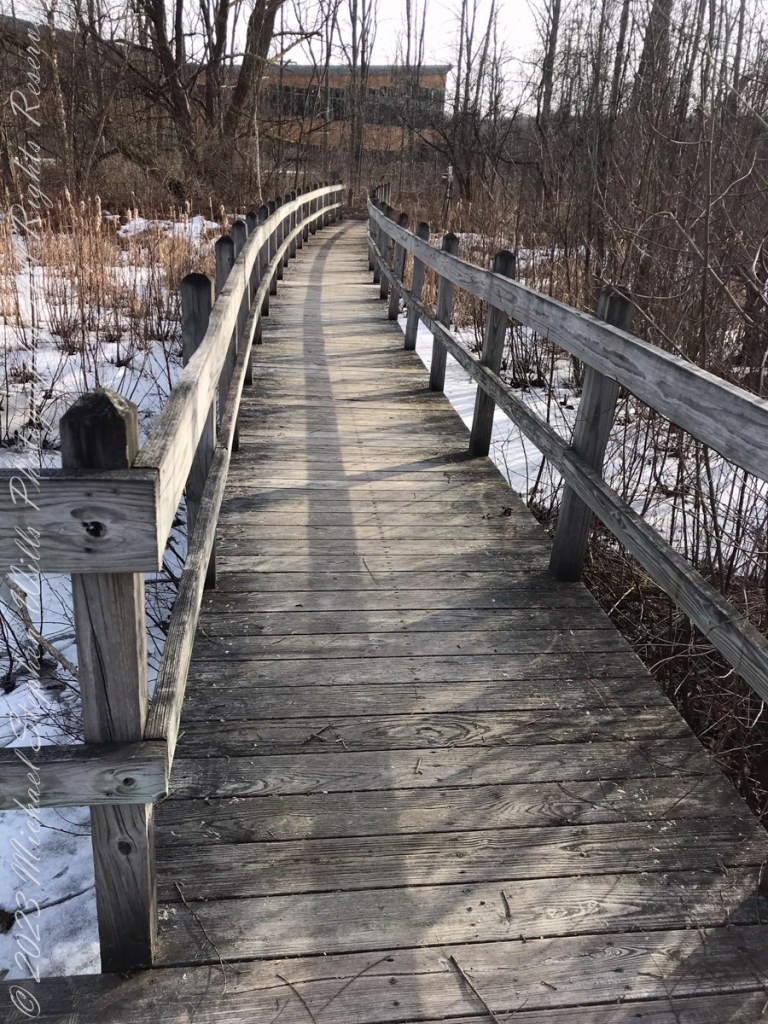
From an unnamed boardwalk on an unnamed path from the parking lot. Sapsucker Woods, Cornell Lab of Ornithology, Ithaca, Tompkins County, New York

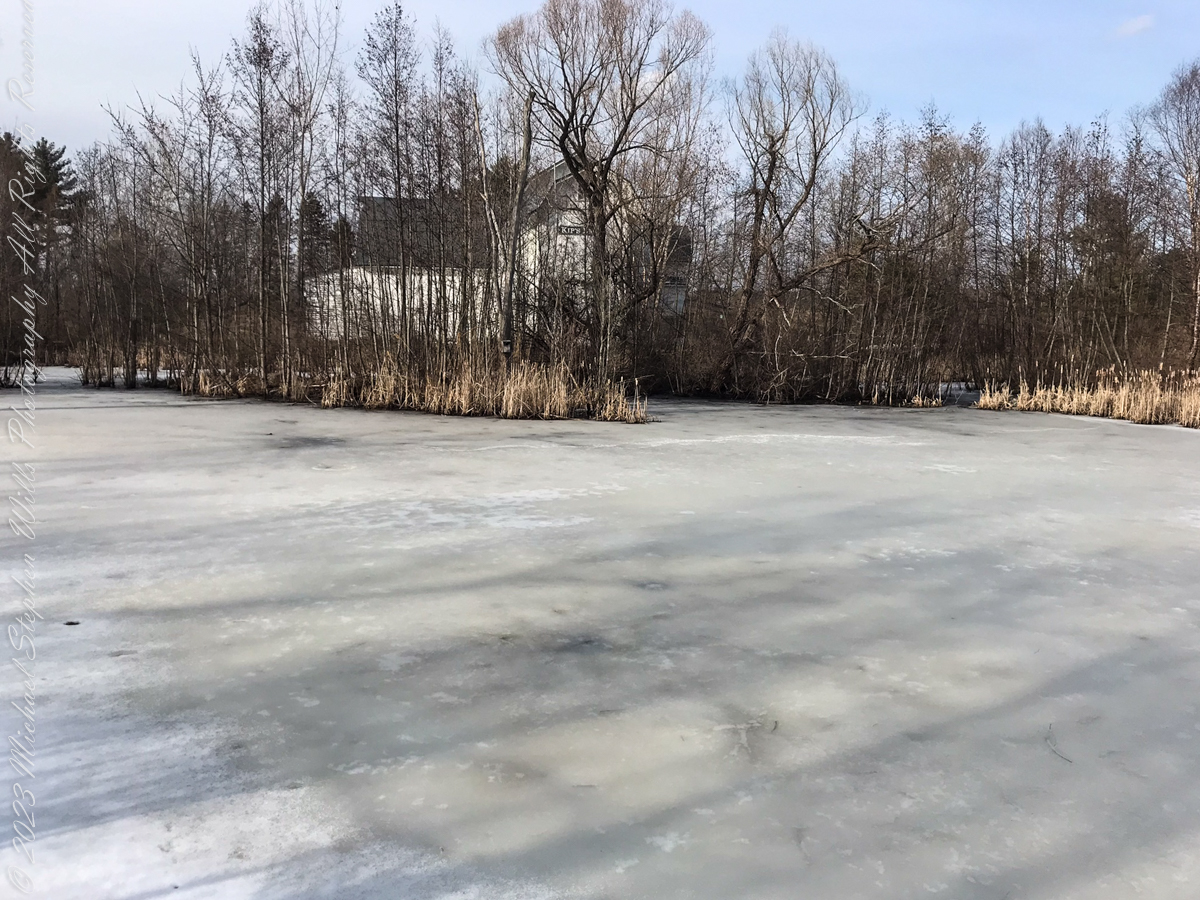
An iced over, thawing in the March sunshine, leads to a view of Kip’s Barn that, I believe, is named for Austin Kiplinger (Cornell Graduate of 1939) the longest serving trustee in Cornell history.

Click me for more information https://news.cornell.edu/stories/2015/11/legendary-cornellian-austin-kiplinger-39-dies-age-97
Click Me for “Finger Lakes Memories” my online gallery.
Copyright 2023 Michael Stephen Wills All Rights Reserved

Stippling

After the farm

All photographs are from the Apple IPhone 14 ProMax, raw format and perfected on the phone.

Click Me for more photographic art from my OnLine Gallery, “Finger Lakes Memories.”

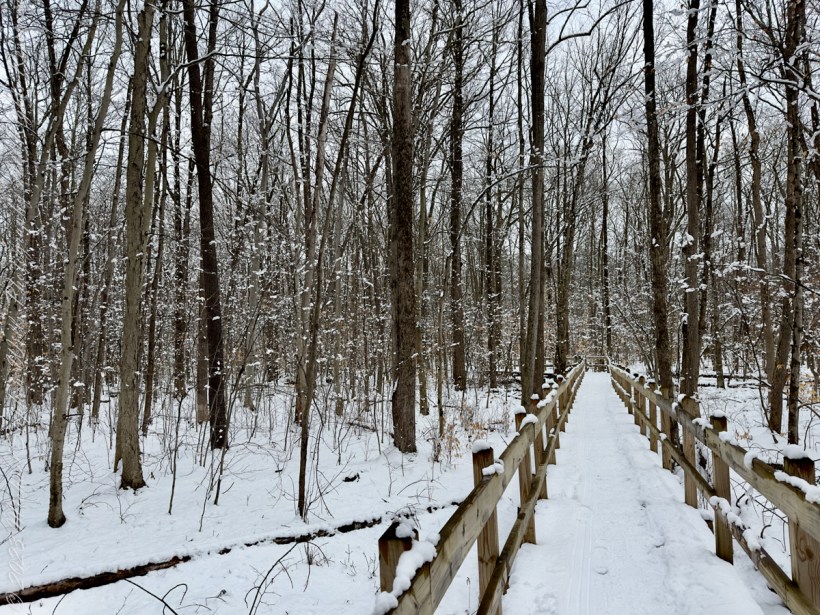
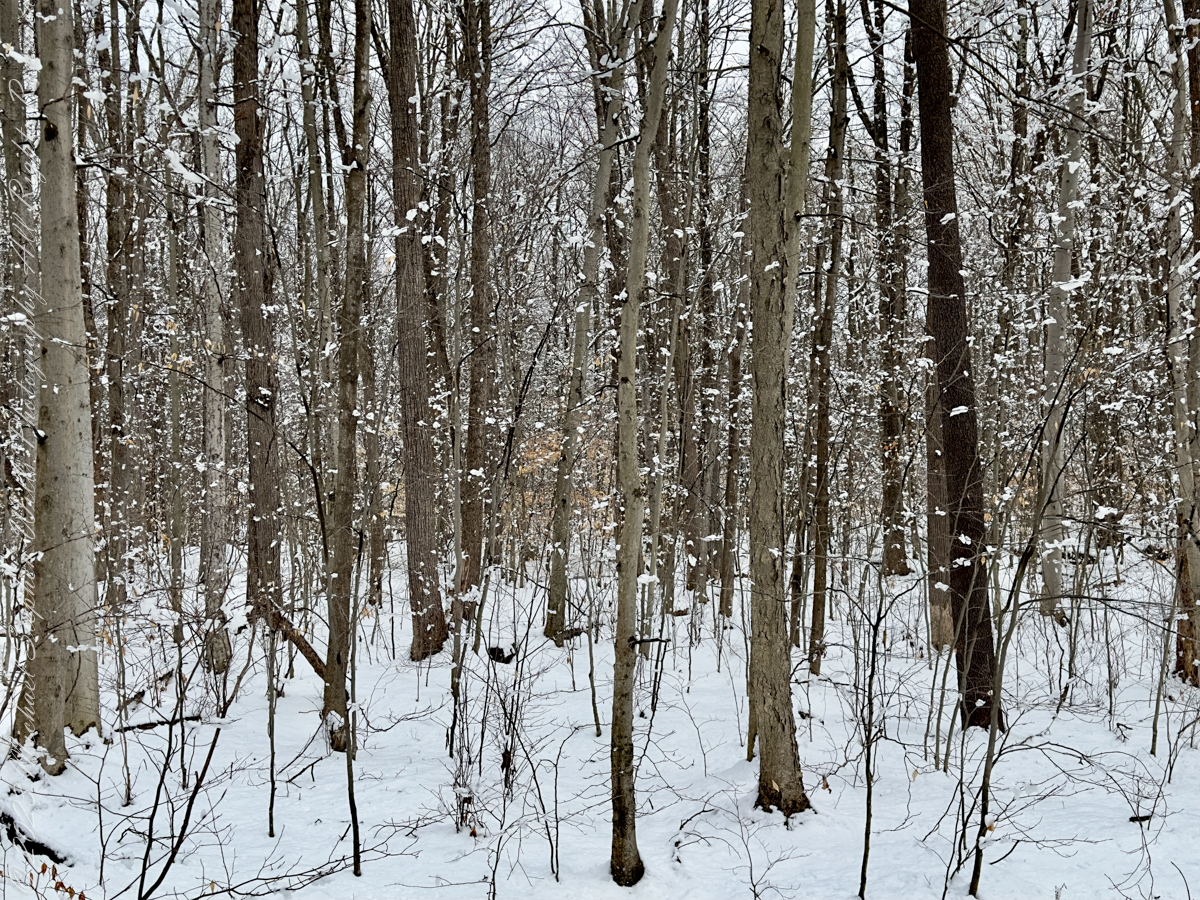
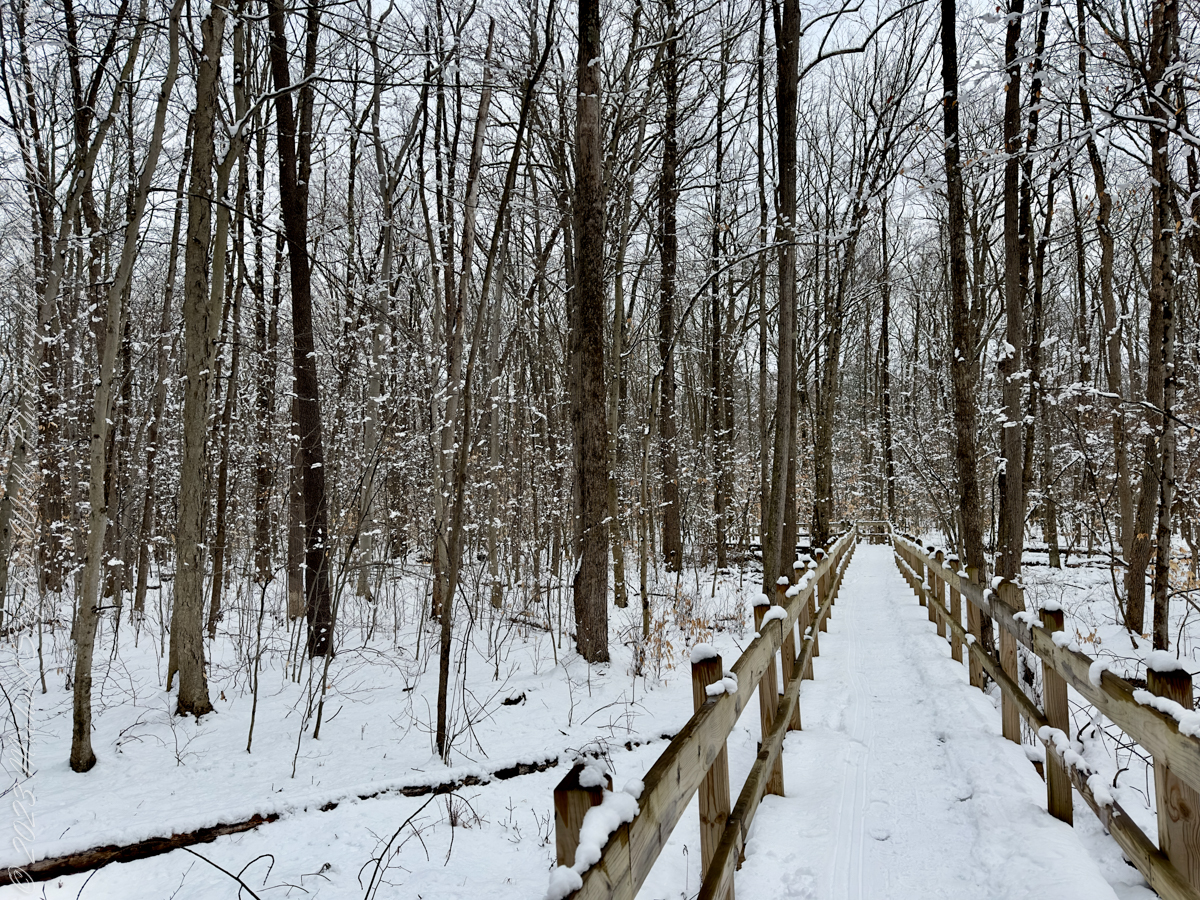
I wanted a shot of manifold vertical lines. I think the landscape orientation develops the texture of snow stippling. The elevated wooden walkway traverses wetland, these young trees established on slightly higher ground.

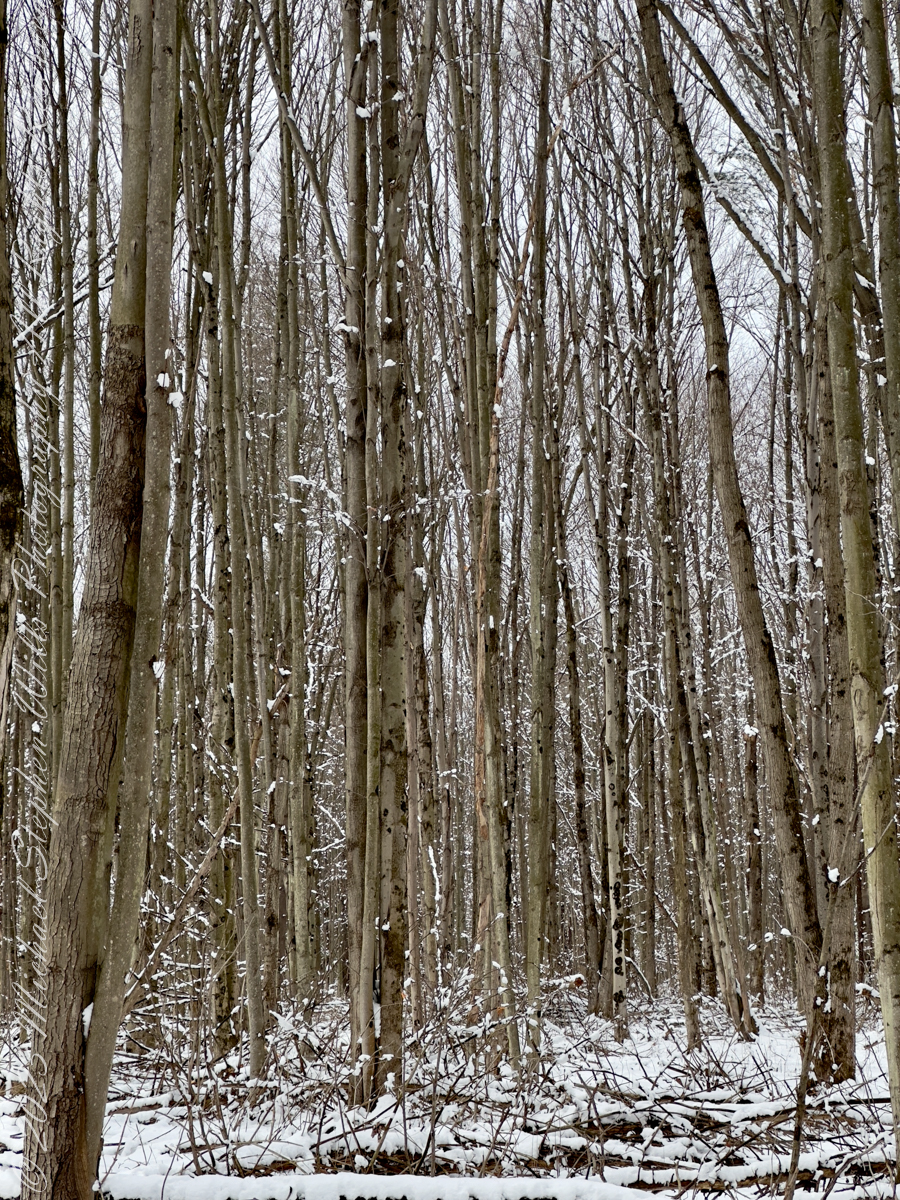
Portrait orientation emphasizes these young trees reach for the sun, rising from former farmland, off West Trail

Click Me for “Finger Lakes Memories” my online gallery.
Copyright 2023 Michael Stephen Wills All Rights Reserved

Holding On

Happy Saint Patrick’s Day

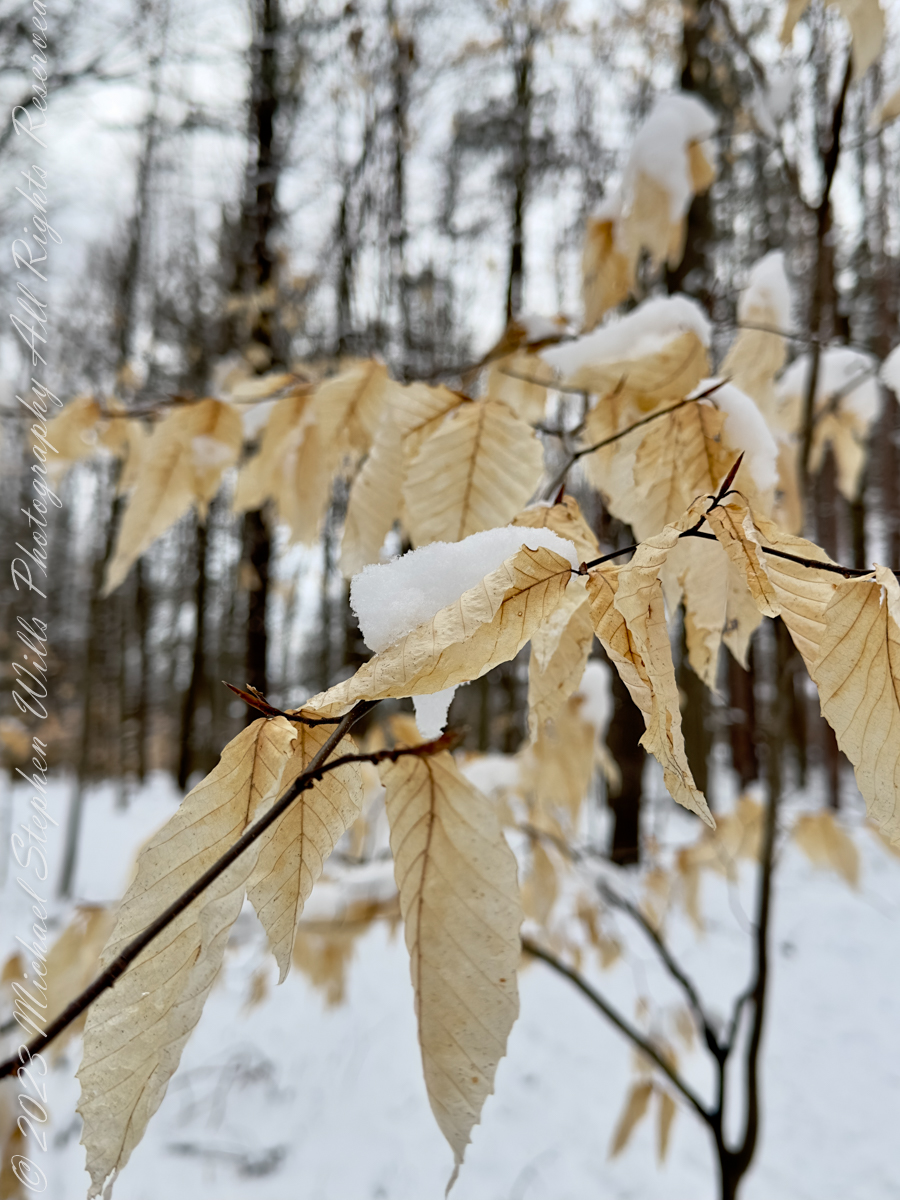
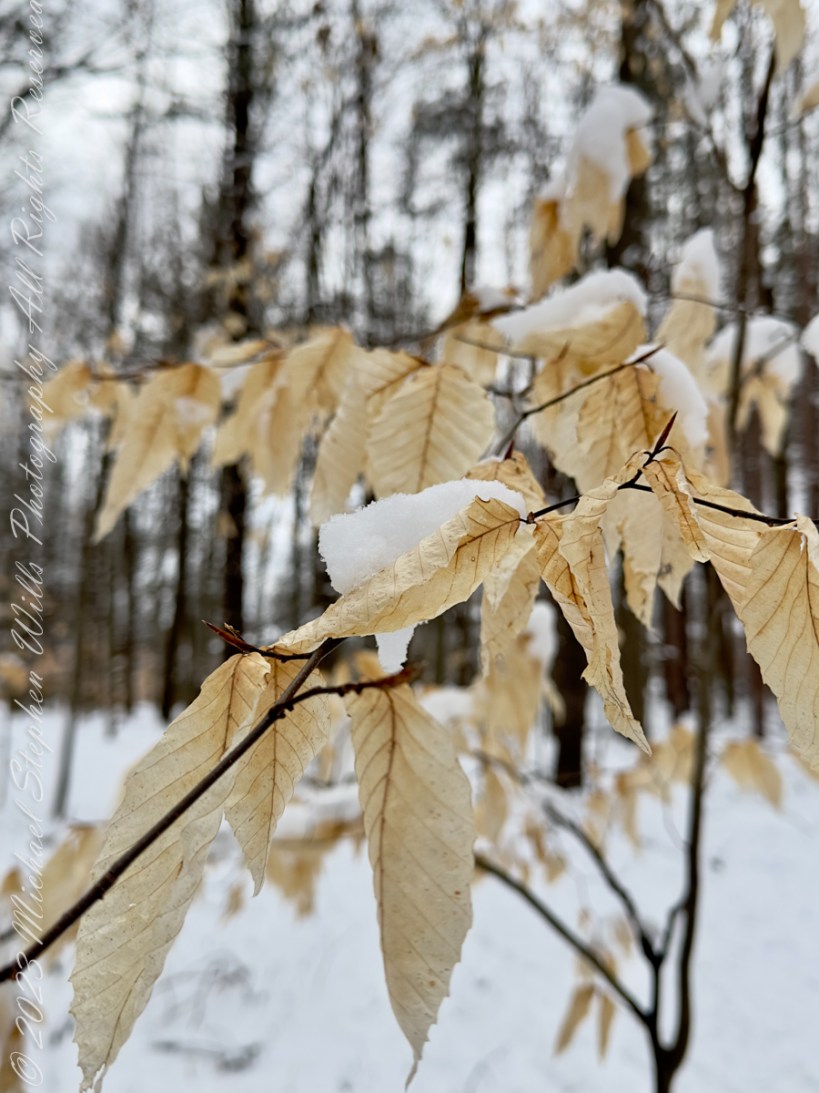
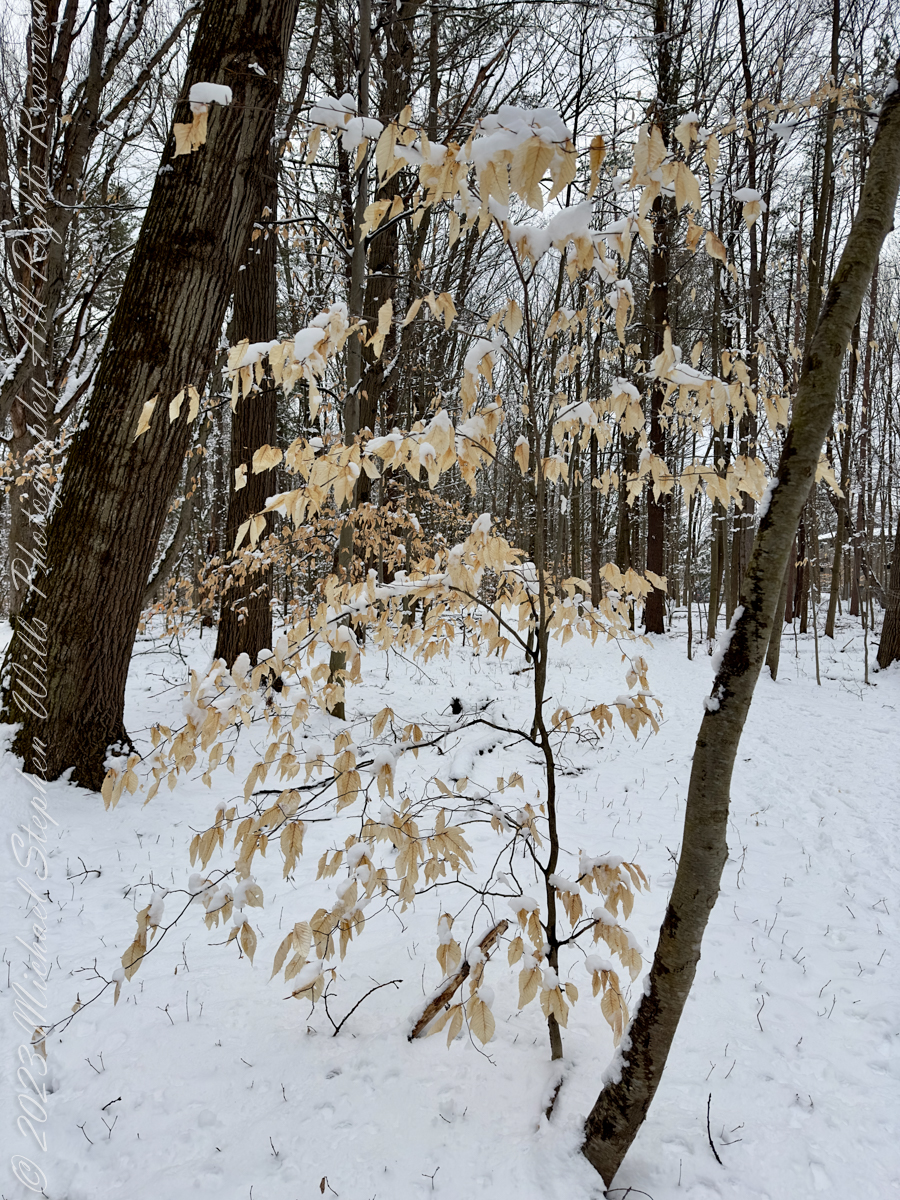
Elms throughout the understory of Sapsucker Woods provide late autumn golden color, here on the West Trail after snowfall, holding on until spring. Cornell University Lab of Ornithology Sapsucker Woods, Ithaca, Tompkins County, New York

Click Me for “Finger Lakes Memories” my online gallery.
Copyright 2023 Michael Stephen Wills All Rights Reserved

Habitat

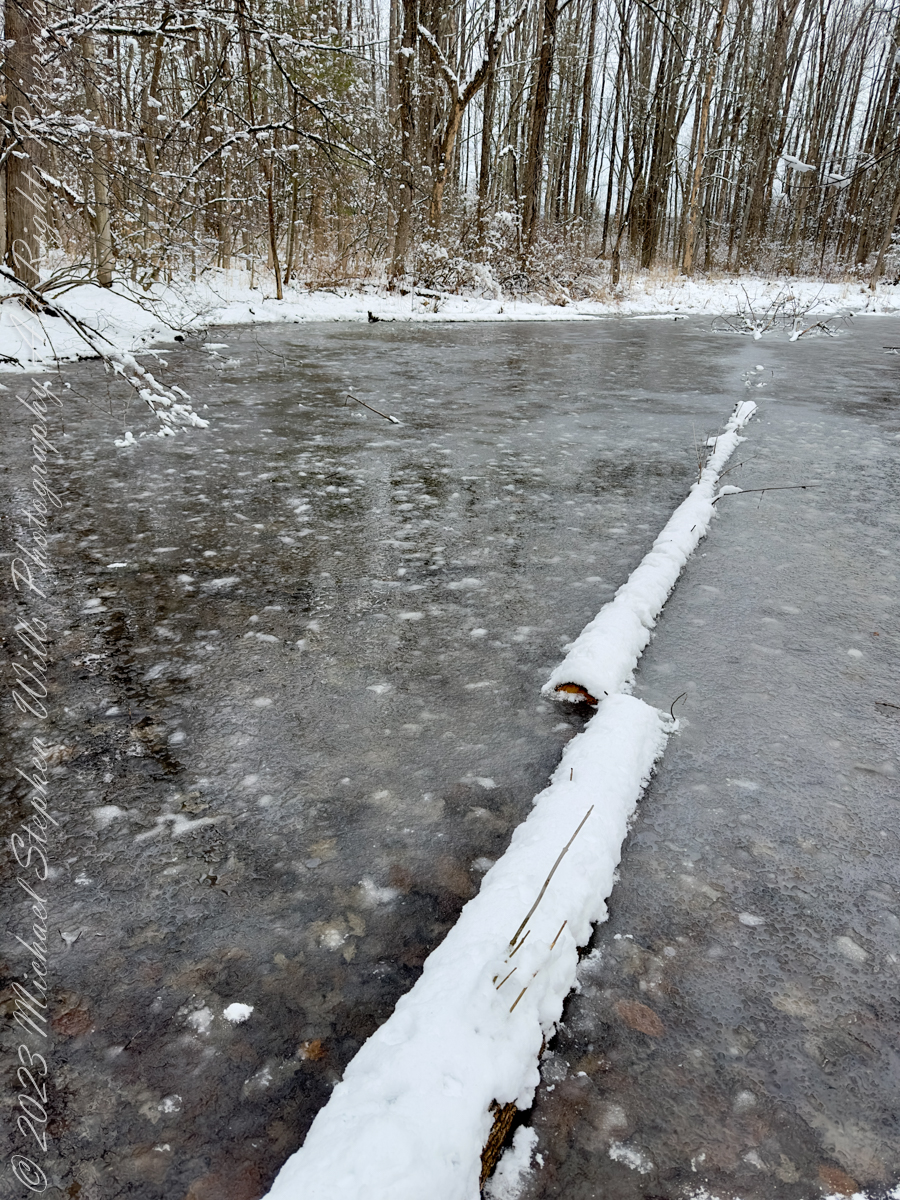
Home to frogs and turtles, this perennial pond is part of Sapsucker Woods of Cornell University Lab of Ornithology, Ithaca, Tompkins County, New York

Click Me for “Finger Lakes Memories” my online gallery.
Copyright 2023 Michael Stephen Wills All Rights Reserved

Thermogenic

Plant Identification

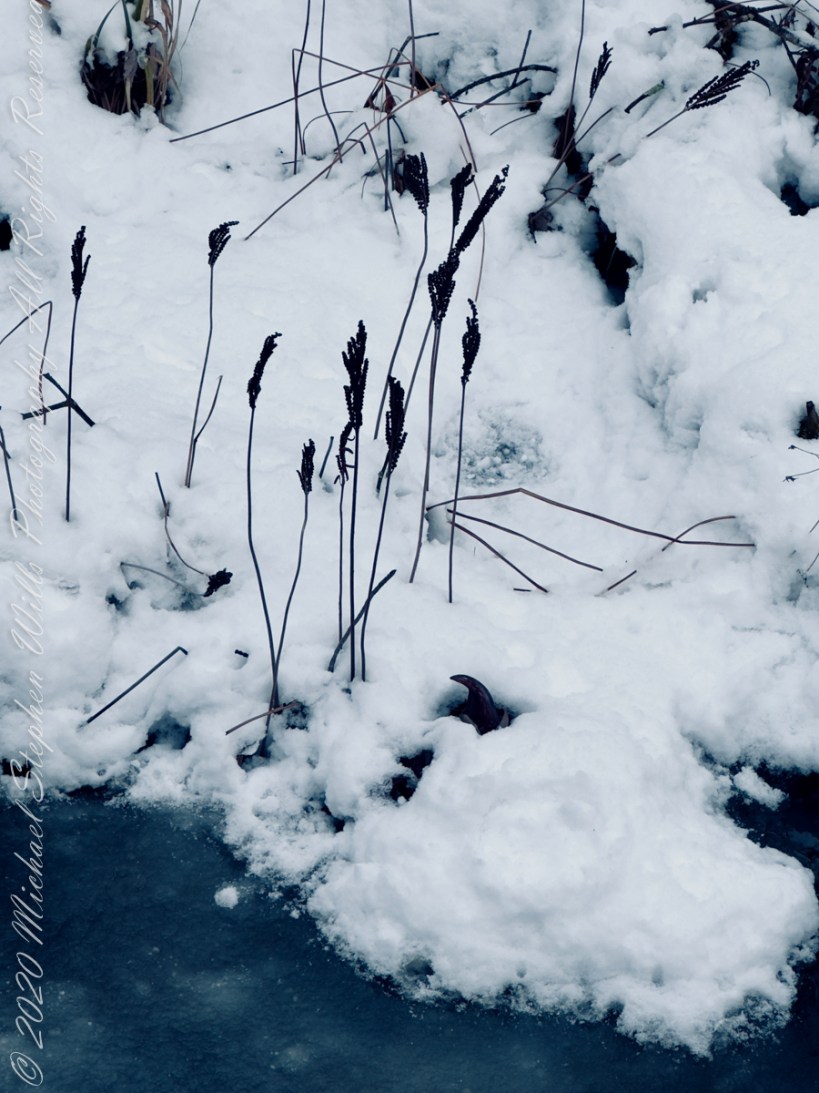
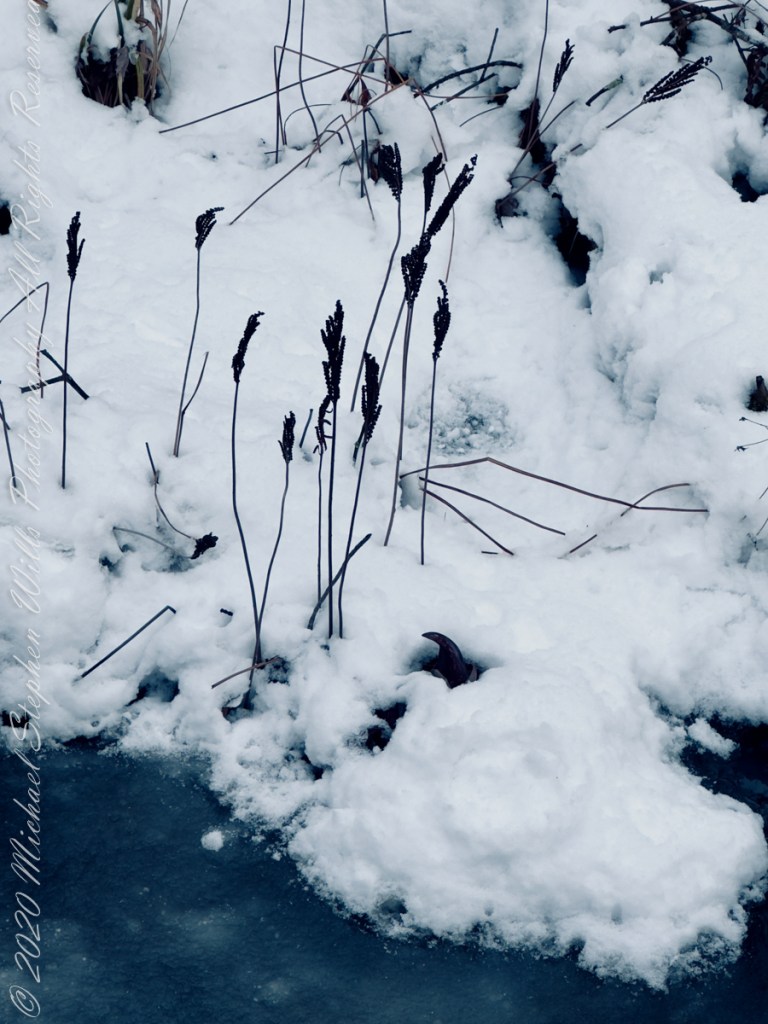
Can you spot the Skunk Cabbage (Symplocarpus foetidus)? Hint: the plant emits heat, melting surrounding snow.

I cannot remember, don’t recall (?), the identification of those long stalks. Dear readers: can you identify?

Eastern skunk cabbage belongs to a select group of thermogenic plants for its capacity to create temperatures of up to 15–35 °C (59–95 °F) above air temperature through cyanide–resistant cellular respiration (via alternative oxidase) in order to melt its way through frozen ground.

One mechanism behind maintaining heat around the plant is the thermogenic oscillation of the spadix: Independent of light, a precise thermal regulator is produced by an oscillatory temperature-sensing model in the spadix under dynamic external temperature variations. An equilibrium between heat production and loss, due to heat radiation, evaporation, conduction and convention is maintained in the spadix. Additionally, the airflow around the spathe effectively maintains heat generated by the spadix.

Click Me for “Finger Lakes Memories” my online gallery.
Reference on the thermogenic features: Wikipedia, “Skunk Cabbage.”

Copyright 2018 Michael Stephen Wills All Rights Reserved