The concept of an Earth-like planet orbiting a gas giant, which in turn orbits a sun-like star, has been explored in various science fiction novels and movies. Some notable examples include:
“Pandora’s Star” and “Judas Unchained” by Peter F. Hamilton: In this series, the planet MorningLightMountain orbits a gas giant and is home to a unique form of life.
“The Integral Trees” and “The Smoke Ring” by Larry Niven: These novels feature a gas giant with a habitable zone called the Smoke Ring, where life exists on giant tree-like structures.
“Blue Remembered Earth” by Alastair Reynolds: Part of the Poseidon’s Children trilogy, this novel includes a depiction of life on an exoplanet orbiting a gas giant.
“Avatar” (2009 film): The fictional moon Pandora, which orbits the gas giant Polyphemus in the Alpha Centauri star system, is a lush Earth-like world teeming with life.
These fictional works imaginatively explore the possibilities of life on Earth-like planets in unique solar systems, expanding our understanding and curiosity about the universe, but how far do these works stray from science, into fantasy?
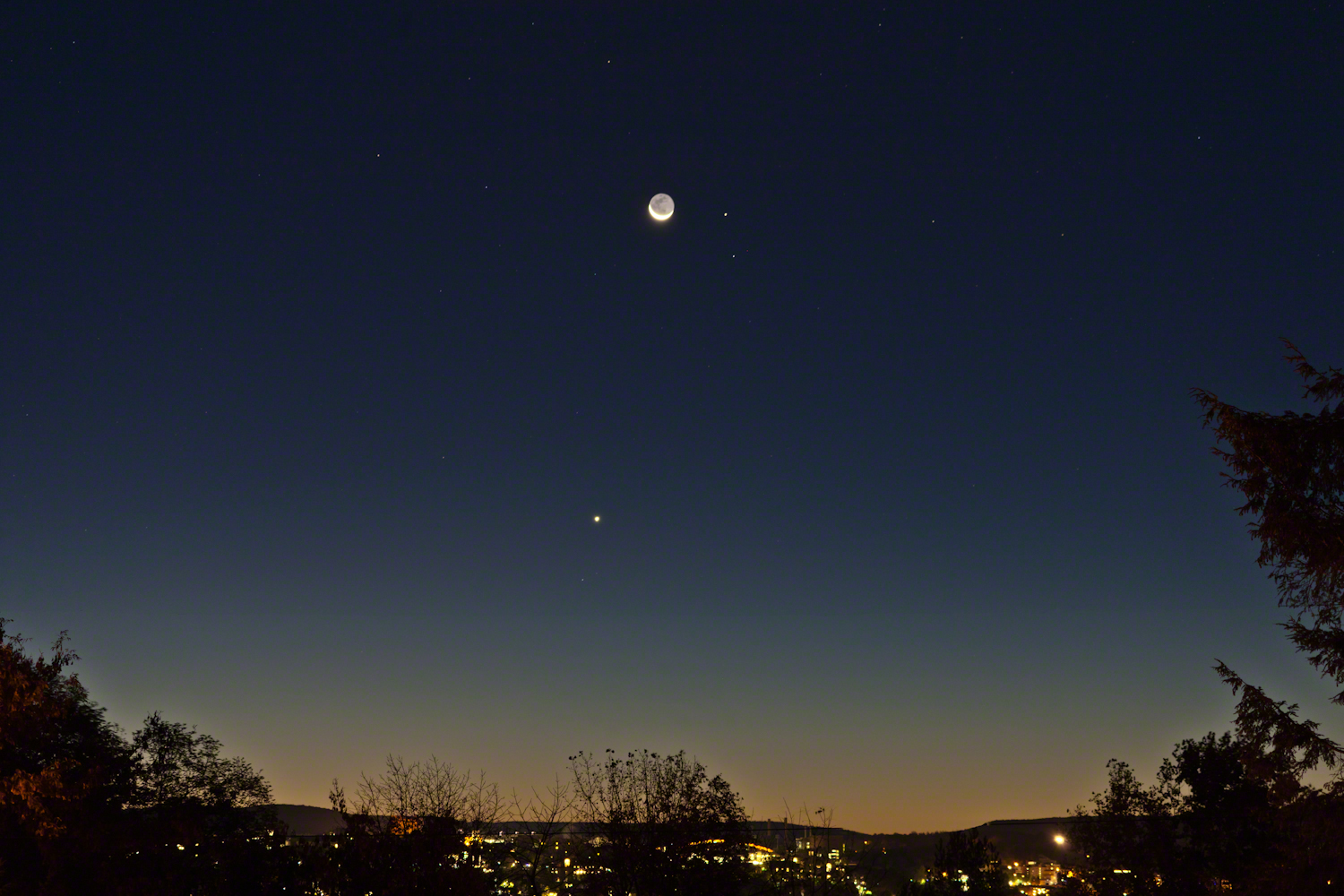
Let’s explore possibility of life on an Earth-sized planet orbiting a gas giant, which in turn orbits a sun-like star.
A sun-like star, often referred to as a “solar analog”, is a star that resembles our Sun in key characteristics, such as size, mass, luminosity, and temperature. Typically, these are main-sequence stars of spectral type G, with surface temperatures between 5,300 and 6,000 K. Like our Sun, they are often stable, not prone to dramatic fluctuations in brightness or activity, which makes their planetary systems good candidates in the search for life. Their lifespan also allows for the development of complex life, given that they can exist stably for billions of years. These stars can host planets within their habitable zones, where conditions might be right for liquid water and, consequently, life as we know it.
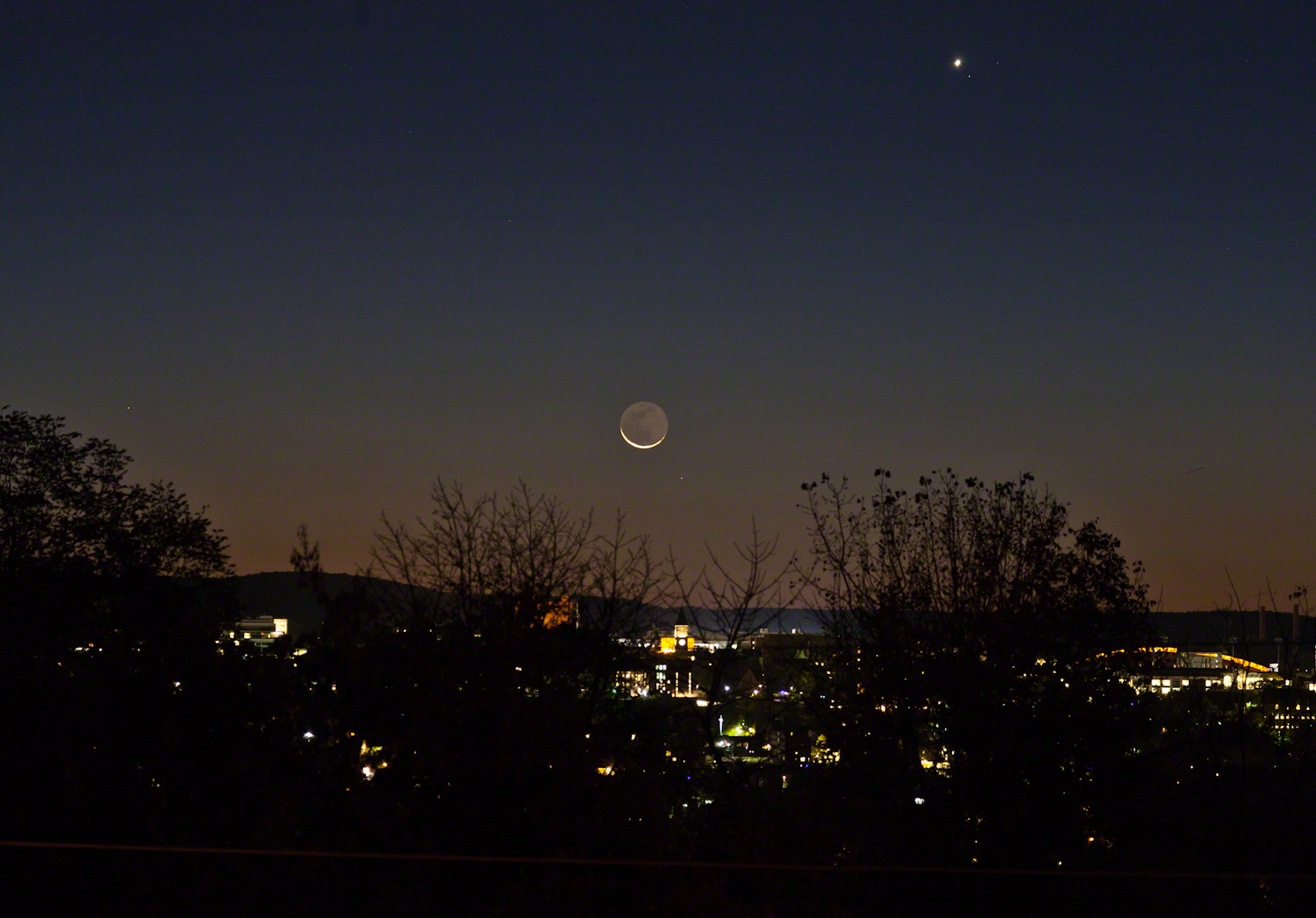
Determining an approximate number of solar analogs at a mid-point in their life cycle within the Milky Way is complex due to the vastness of our galaxy and the limitations of current observational technologies. However, using data from NASA’s Kepler Space Observatory and the W. M. Keck Observatory, scientists estimate that 22% of solar-type stars may have Earth-sized planets in their habitable zones. A separate study suggests that there could be roughly 95 to 180 billion habitable planets within the Milky Way, although only a small fraction of these planets have been discovered to date and, of these, zero were found to date orbiting a gas giant planet. This information gives us an idea of the potential abundance of solar analogs with Earth-sized planets at various stages of their life cycles.
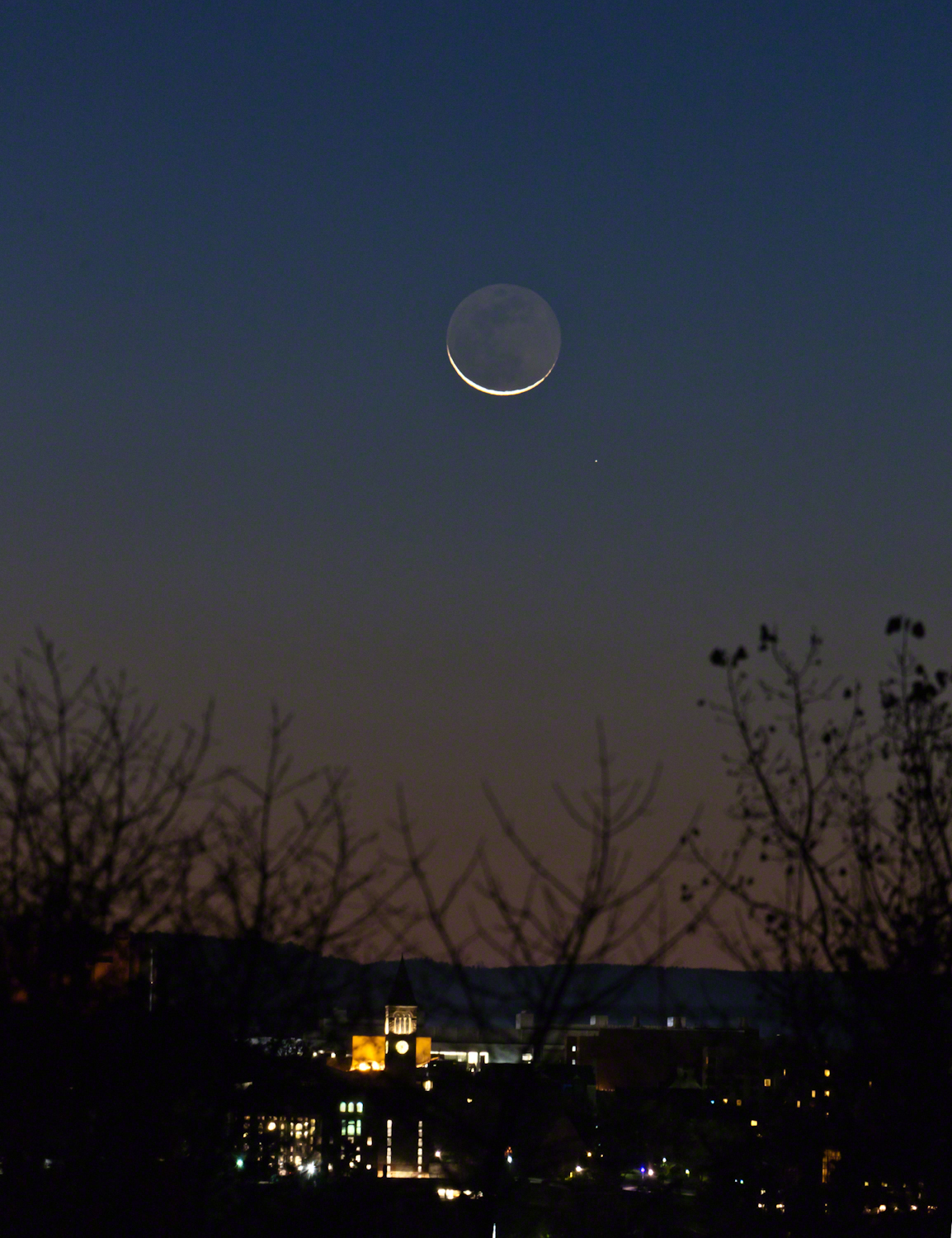
- Habitable Zone: The most crucial aspect is whether this Earth-sized planet is in the habitable zone (the right distance from the star for liquid water to exist). If the gas giant orbits within this zone, and the Earth-sized planet is not too far from it, there could be a chance for life-sustaining conditions.
- Stability of Orbit: The orbit of the Earth-sized planet around the gas giant needs to be stable. If the orbit is too erratic, it could lead to extreme variations in temperature and climate, making it difficult for life to develop or sustain.
- Radiation: Gas giants like Jupiter emit significant radiation, which could be harmful to life. The Earth-sized planet would need a strong magnetic field to deflect this radiation.
- Tidal Heating: The gravitational pull from the gas giant could cause tidal heating on the Earth-sized planet, leading to volcanic activity. This could be both beneficial (by providing heat and various chemicals necessary for life) and detrimental (by causing extreme geological instability).
- Day-Night Cycle: If the Earth-sized planet is tidally locked to the gas giant (always showing the same face to it), it would have a very different day-night cycle, which could affect the development of life.
- Atmospheric Conditions: The atmosphere of the Earth-sized planet is crucial. It needs to be thick enough to support a stable climate and protect from radiation, but not so thick as to cause a runaway greenhouse effect.
- Chemical Composition: The presence of water, organic molecules, and a variety of chemical elements would be necessary to support life as we know it.
In summary, while it’s theoretically possible for life to exist on an Earth-sized planet orbiting a gas giant in a sun-like star’s habitable zone, the specific conditions and factors would need to align perfectly. This scenario remains a fascinating area for astrobiological research and speculation.
Click Me to view my photographs on Getty.


Nice 👌
LikeLiked by 1 person
NICE post 💗💯
Good night FROM SPAIN
BLESINGS 💜
LikeLiked by 2 people