Standing in the cool autumn sunlight, I find myself pacing beneath the sturdy Doric columns of this medical campus in Northeast Ithaca, waiting as Pam undergoes another session of physical therapy. The simplicity of the columns strikes me—clean, white, and unadorned. They hold up the building with a kind of timeless grace, a quiet reflection of ancient design.
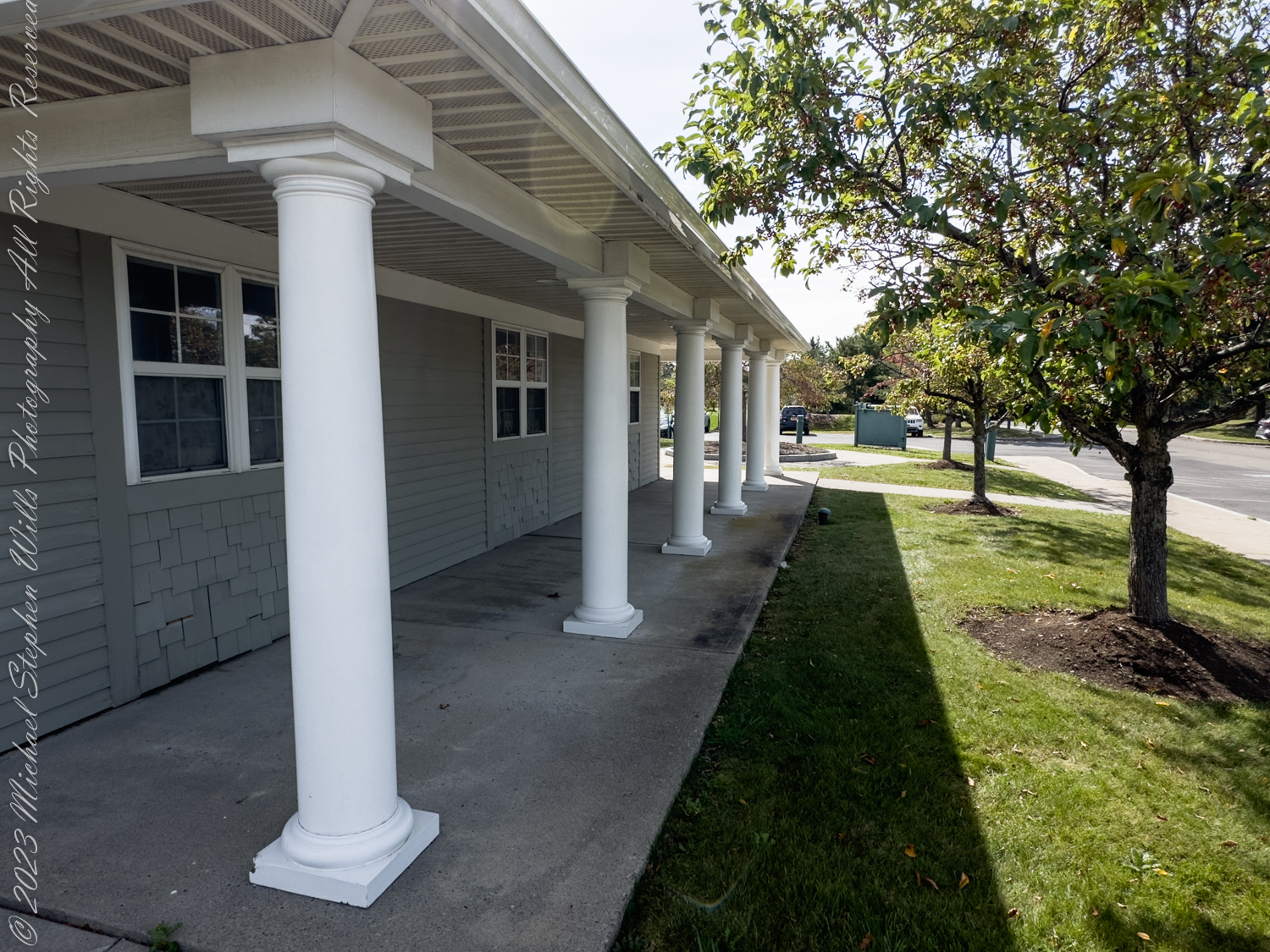
Doric columns are symbols of strength and stability. In this moment, they remind me of the quiet resilience I’ve seen in Pam throughout her recovery. Each column, solid and unwavering, reflects the foundational principles that underpin both architecture and the healing arts. Just as these columns have withstood the passage of centuries, modern medicine, too, stands tall on the legacy of ancient knowledge.
As I lean against one of these pillars, I think about the deep connections between ancient civilizations and the medicine we practice today. The origins of healing reach back to the Egyptians, who understood anatomy with remarkable precision. They would have been familiar with the use of medicinal plants. It’s remarkable to think that the surgeries performed back then, basic as they were, have evolved into the complex procedures of modern times, procedures like the one that replaced Pam’s hip with the efficiency of a machine through the care of skilled hands.
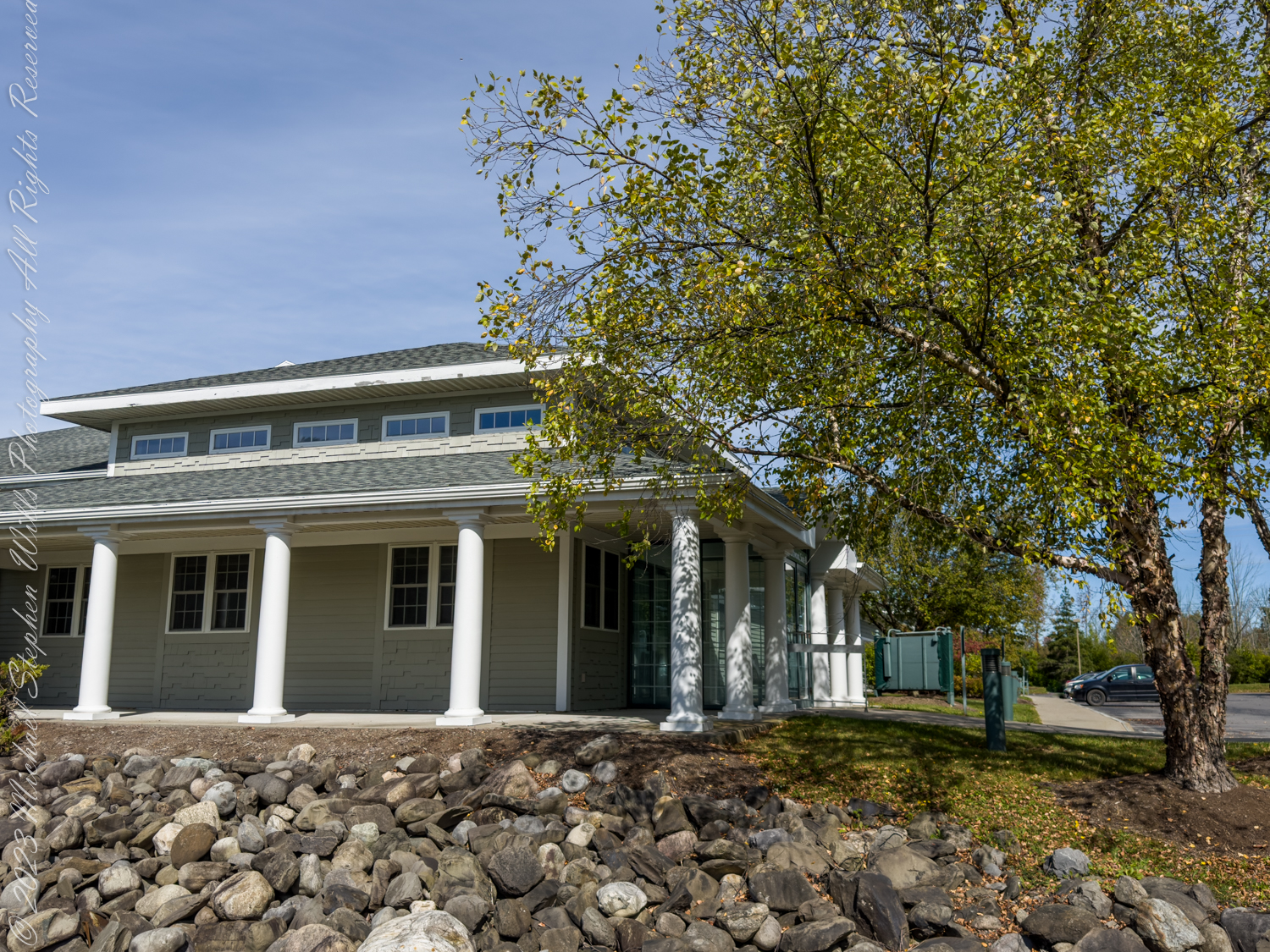
I look up at the sky, tracing the outline of the roof these columns support. The Greeks, with their reverence for observation, would have appreciated the rational design of this building. Hippocrates, the father of medicine, laid the groundwork for clinical observation, a method still used by the doctors caring for Pam. They probe, ask questions, and observe her movements, trying to decipher the hidden ailments within her body, much as the ancient physicians did centuries ago. It’s in this continuity that I find comfort—knowing that the doctors and physical therapists here are part of a long tradition, stretching back to Galen, who wrote about anatomy and physiology in ways that informed medical students for generations.
Modern medicine, like these columns, is a blend of the old and the new. Acupuncture, an ancient Chinese practice, is now commonly recommended for pain relief, a reminder that even today we rely on wisdom passed down through millennia. Pam’s therapists blend tradition with cutting-edge technology, using machines that track her progress and exercises that help her regain strength. Yet, at the heart of it, the human body heals the way it always has—with time, patience, and care.
As I walk the perimeter of the building, past patches of sunlight falling on the sidewalk, I’m struck by the parallels between the construction of this space and the body’s own repair. Both depend on a solid foundation. Roman innovations in public health, sanitation, and the idea of hospitals have shaped the spaces where we now seek healing. And here, in this modern medical facility, the connection to those roots feels tangible, much like the stones beneath my feet.
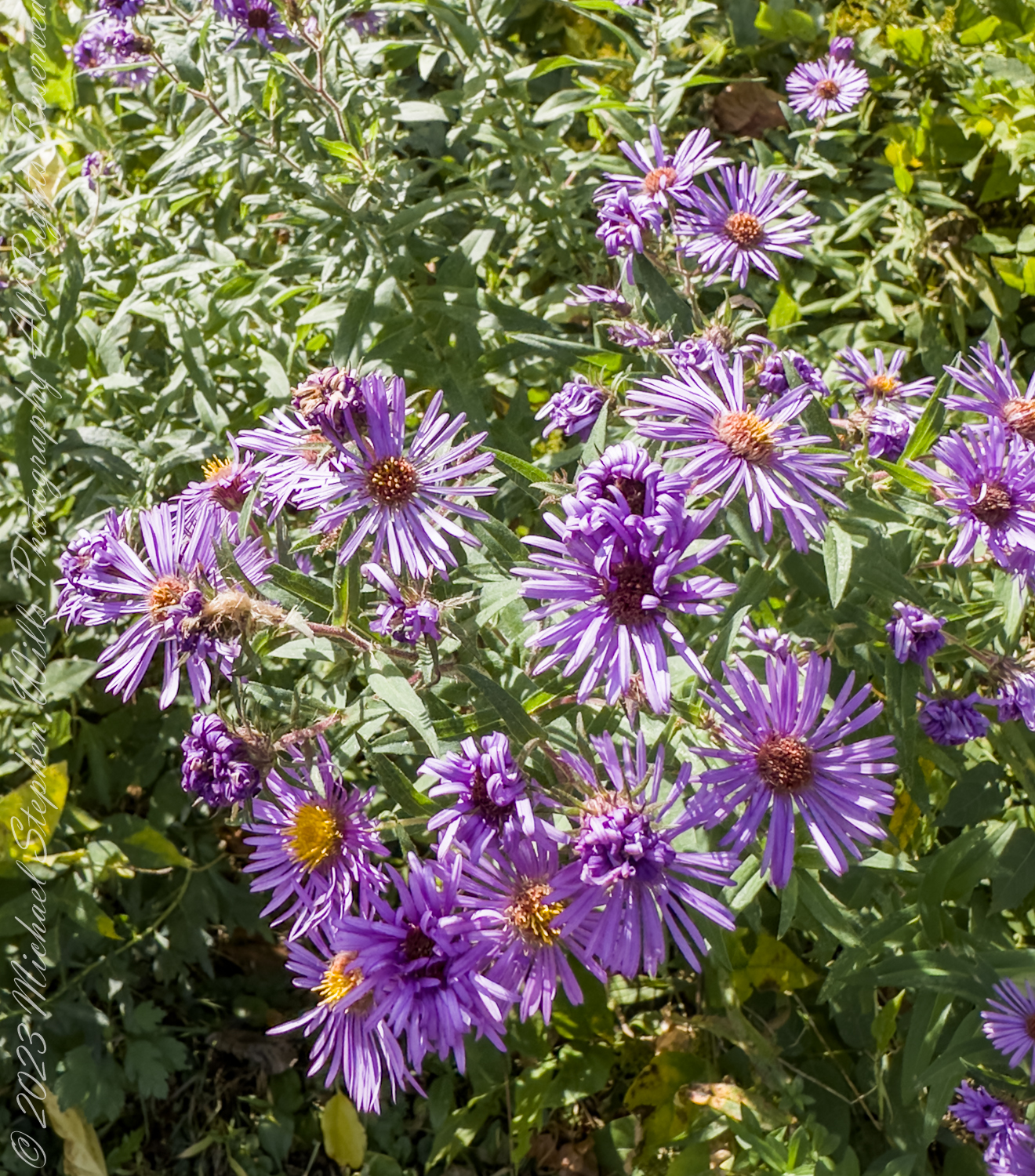
Asters, blooming nearby, sway gently in the breeze. They too are resilient, much like Pam. Their purple blossoms remind me of the hope that pervades our journey. The columns stand as sentinels of a kind of knowledge that is both ancient and ever-evolving—a blend of science, history, and faith in the power of the human spirit to endure.
 Michael Stephen Wills Photography
Glad to read that Pam’s recovery is progressing well.
LikeLiked by 2 people
Thank you so much, Sheree.
Your kind words mean a lot to both of us. Pam’s journey through recovery has been challenging, but we are grateful for the progress she’s made so far. Every small step forward feels like a victory, and knowing that we have the support and well wishes from friends like you truly lifts our spirits. It’s comforting to share this part of our lives and receive such warmth in return. Please take care and thank you again for your thoughtfulness. Best wishes, Mike
LikeLiked by 1 person
Having been through the process with my OH, I do appreciate your situation. Thank you Mike
LikeLiked by 1 person
I enjoyed this contemplative tribute to the past and present, Michael Stephen, and all the beauty that lies in between.
LikeLiked by 1 person
Thank you, Jet!
I’m glad you appreciated my short essayon ancient wisdom and its connection to modern healing practices. It’s always fascinating to explore how the wisdom of the past continues to influence and shape our present, particularly in ways that honor both the continuity and evolution of healing traditions. I look forward to hearing more of your thoughts!
Best Wishes, Mike
LikeLiked by 1 person
You described that beautifully. The building with all those pillars is beautiful and is indeed a strong symbol of support (for recovery). Nice to read that the recovery is going well for your wife Pam.
LikeLiked by 1 person
Thank you so much, Matroos.
I’m glad the symbolism of the pillars resonated with you—both in their strength and support, as well as in the broader sense of recovery.
It’s been a journey for Pam, but her progress is truly uplifting. Your kind words mean a lot to both of us as we continue moving forward with optimism and gratitude.
Cheers, Mike
LikeLiked by 1 person