Avian Exploration

Join us in the tranquility of Merritt Island National Wildlife Refuge as we observed avian life, reflecting on nature’s beauty and resilience.

As my wife, Pam, and I entered the breezy expanse of the Merritt Island National Wildlife Refuge, the world seemed to slow down, allowing us to savor every moment of my journey along Blackpoint Drive. The sky, a sprawling canvas of muted greys, reflected in the wind ruffled waters, enhancing the tranquility of this haven.

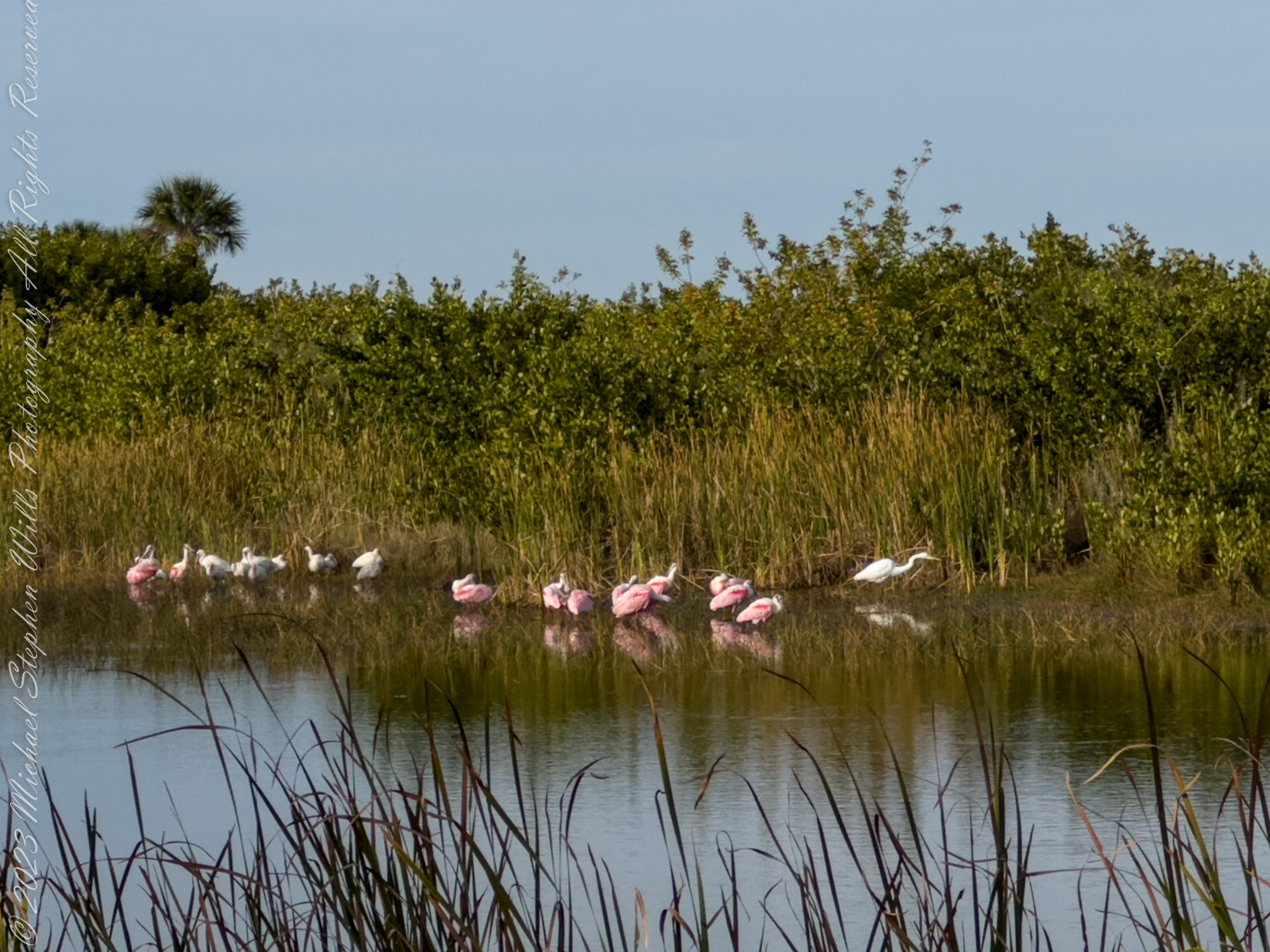
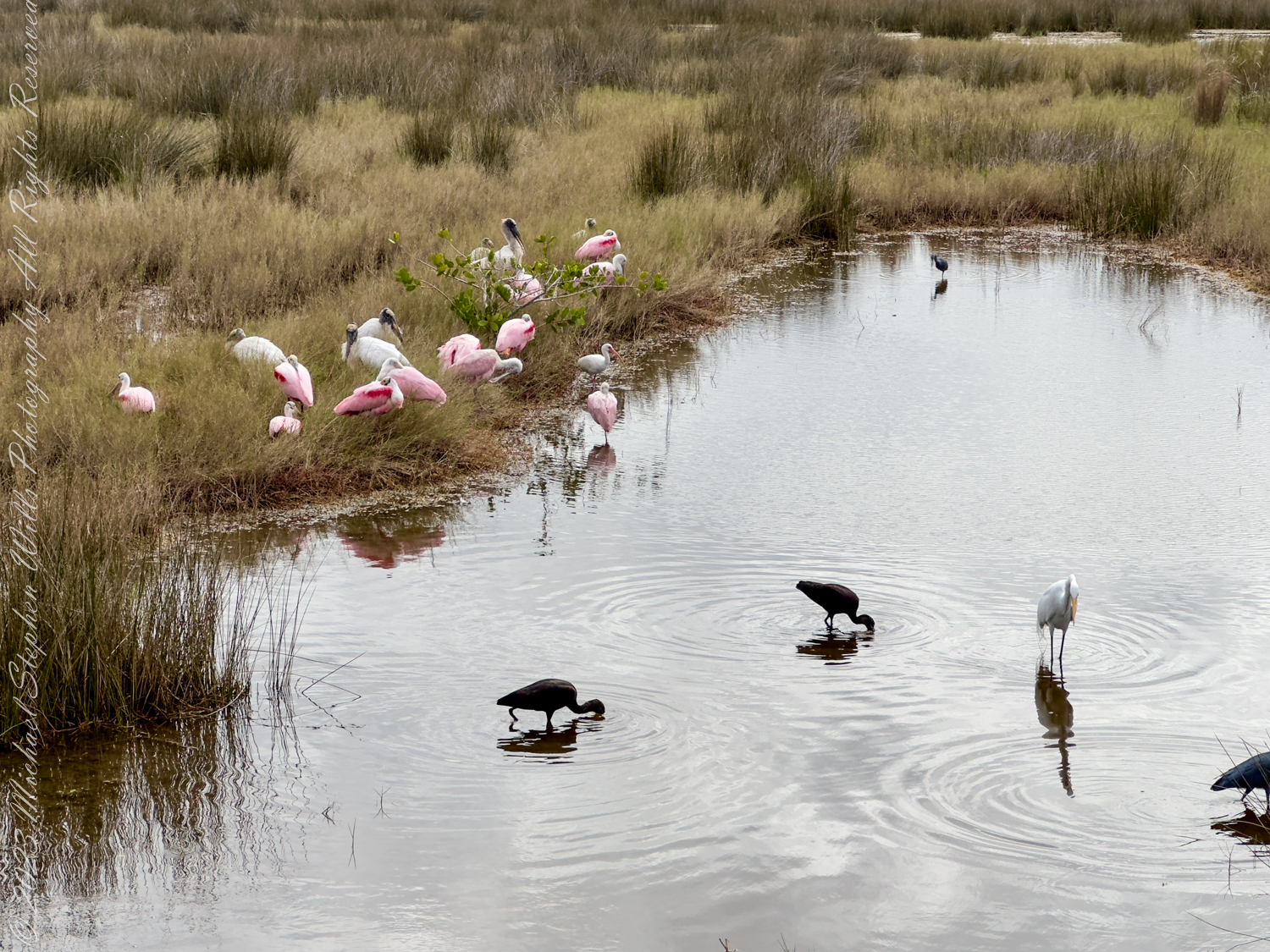
Our first encounter was with the elegant Roseate Spoonbills (Platalea ajaja), their vibrant pink feathers a stark contrast against the earthy tones of the marsh. They waded with purpose, their spoon-shaped bills sifting through the water, a dance of survival that was both methodical and beautiful.

In the company of the spoonbills were the stoic Great Egrets (Ardea alba), statuesque in their white plumage. They stood motionless, like sentinels guarding the water’s edge, only to strike with lightning speed when prey ventured too close.

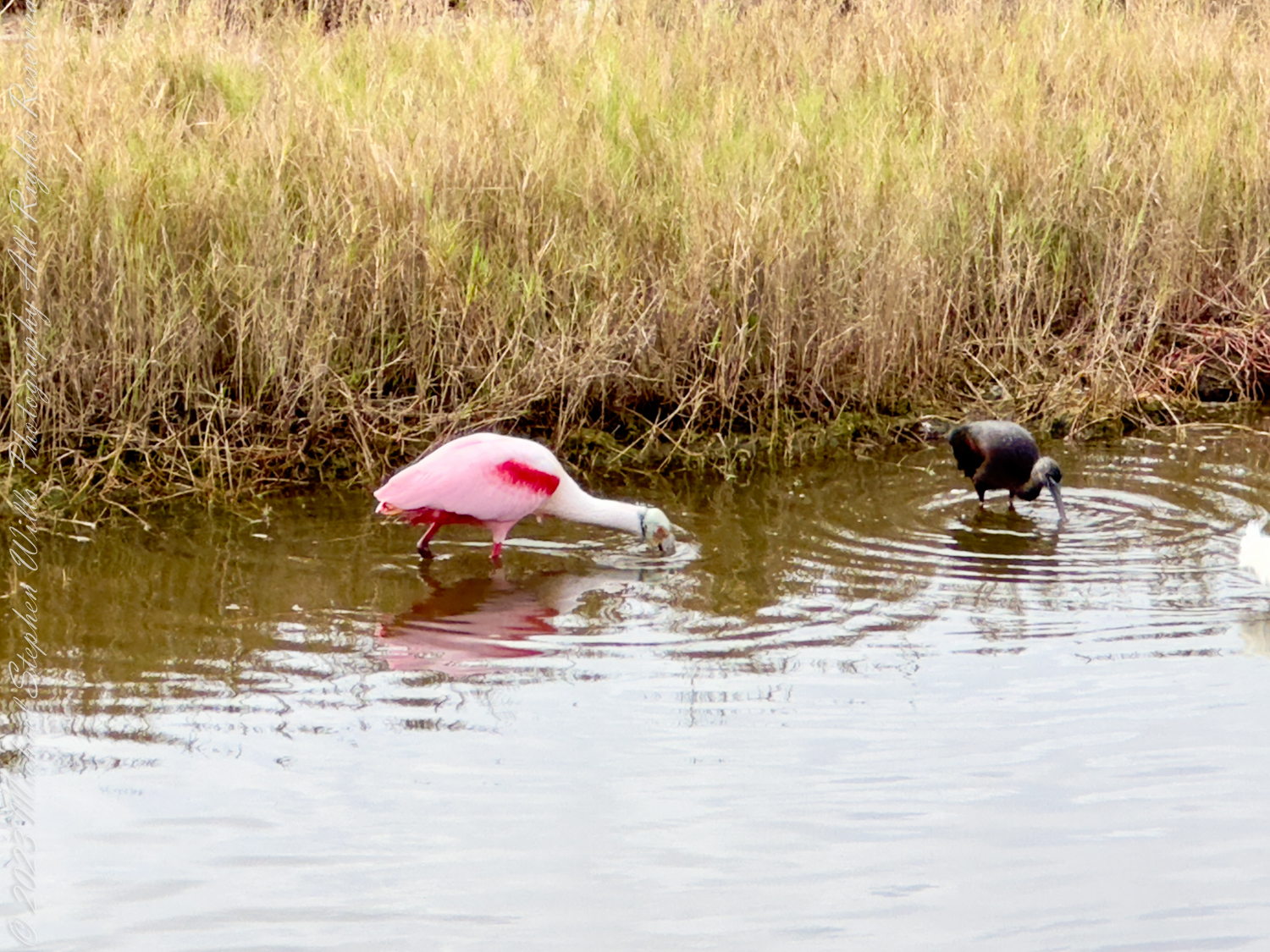
We watched as the Glossy Ibises (Plegadis falcinellus) dipped their curved bills into the water, each movement a study of precision, their dark feathers glistening with an iridescent sheen when caught by the light.

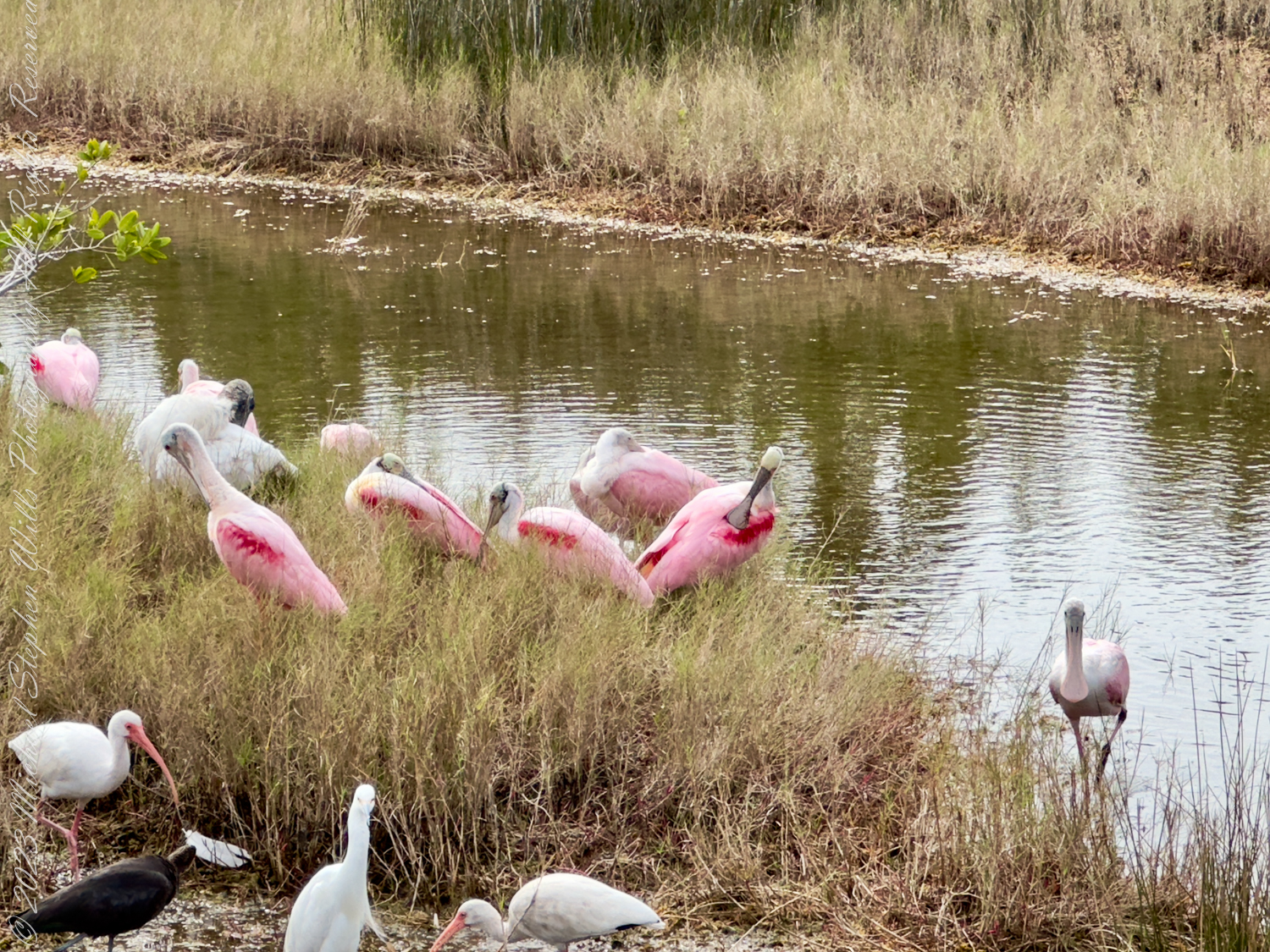
Amongst these avian aristocrats, the unassuming American White Ibises (Eudocimus albus) went about their business. Their red beaks probed the shallows, unperturbed by the presence of their more colorful neighbors or by my watchful eyes.

As we ventured further, the landscape shifted, the water opening up to reveal a gathering of Spoonbills and White Ibises, a community united by the need to feed and the safety of numbers. The occasional flap of wings and contented calls created a symphony that celebrated life in these wetlands.

Isolation took on a new meaning when I spotted a solitary Roseate Spoonbill, its reflection a perfect mirror image on the water’s surface. It was a moment of quiet introspection, the bird and I alone in our thoughts.
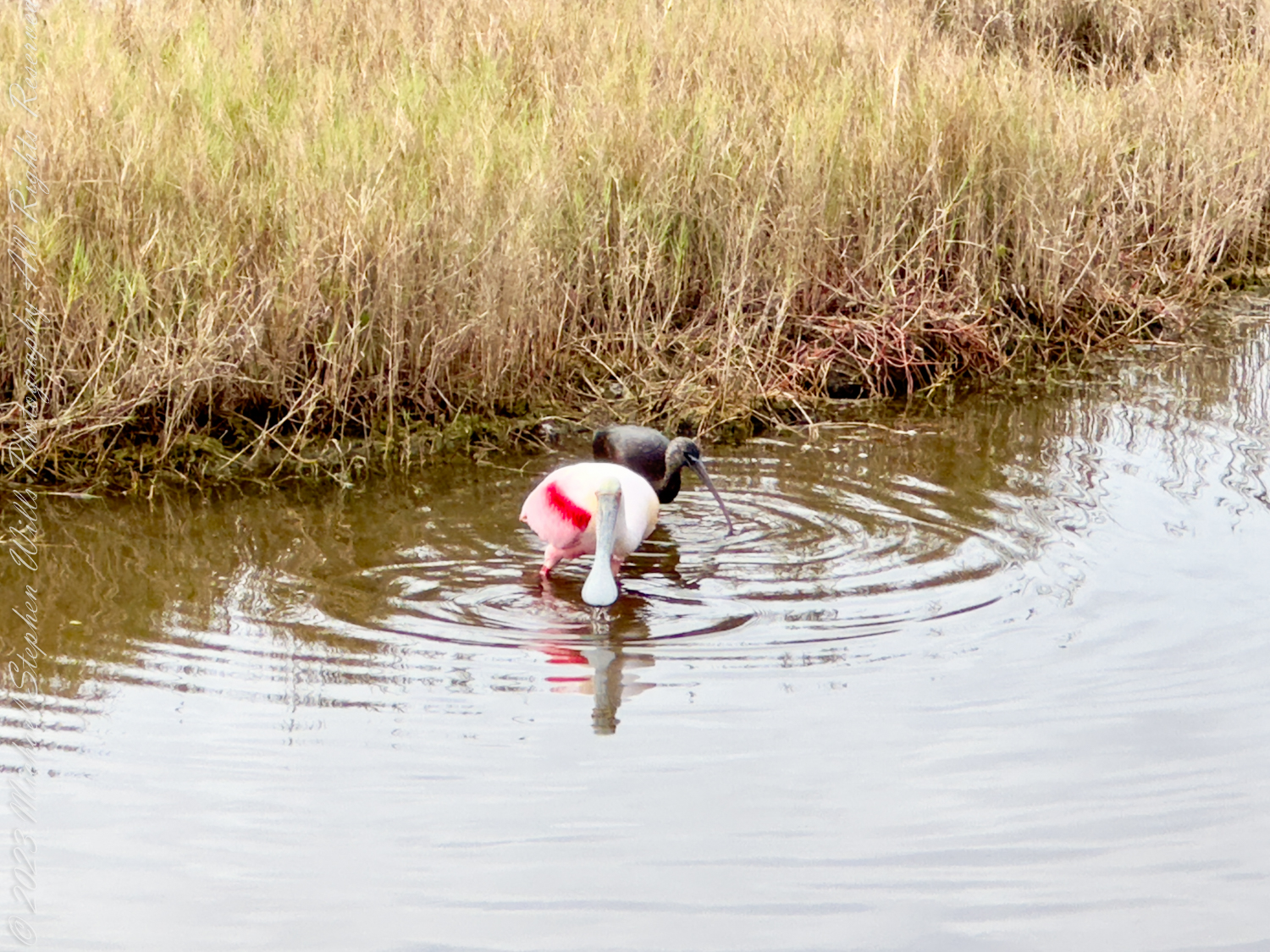
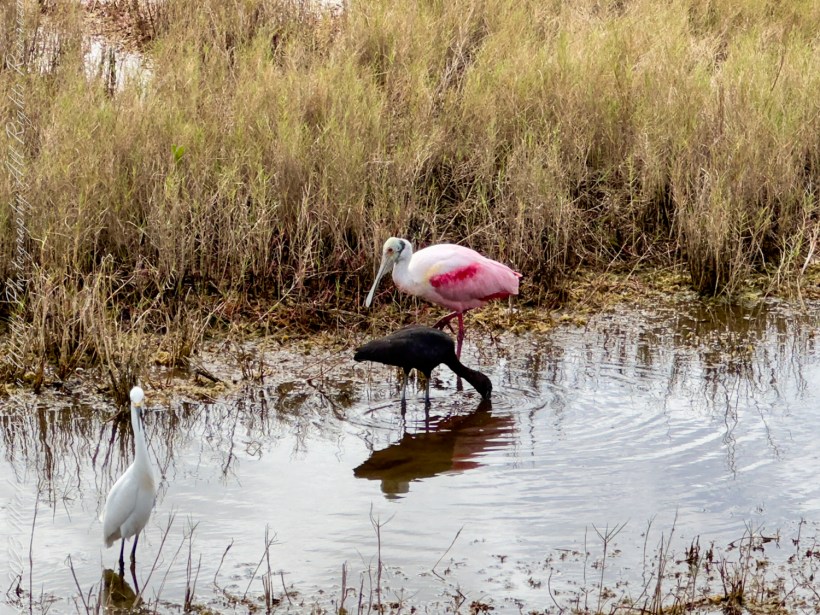
Another scene captured my attention as a single spoonbill foraged alongside a Glossy Ibis. The two species, different in appearance and yet similar in their quest for sustenance, shared the space in harmonious coexistence.

Further along, the vista opened up, and we were greeted by a panoramic view of spoonbills dotted along the distant shoreline, the greenery forming a lush backdrop to their pink hues. The expanse of the refuge unfolded before me, a reminder of the vastness and the wild beauty that had drawn us here.

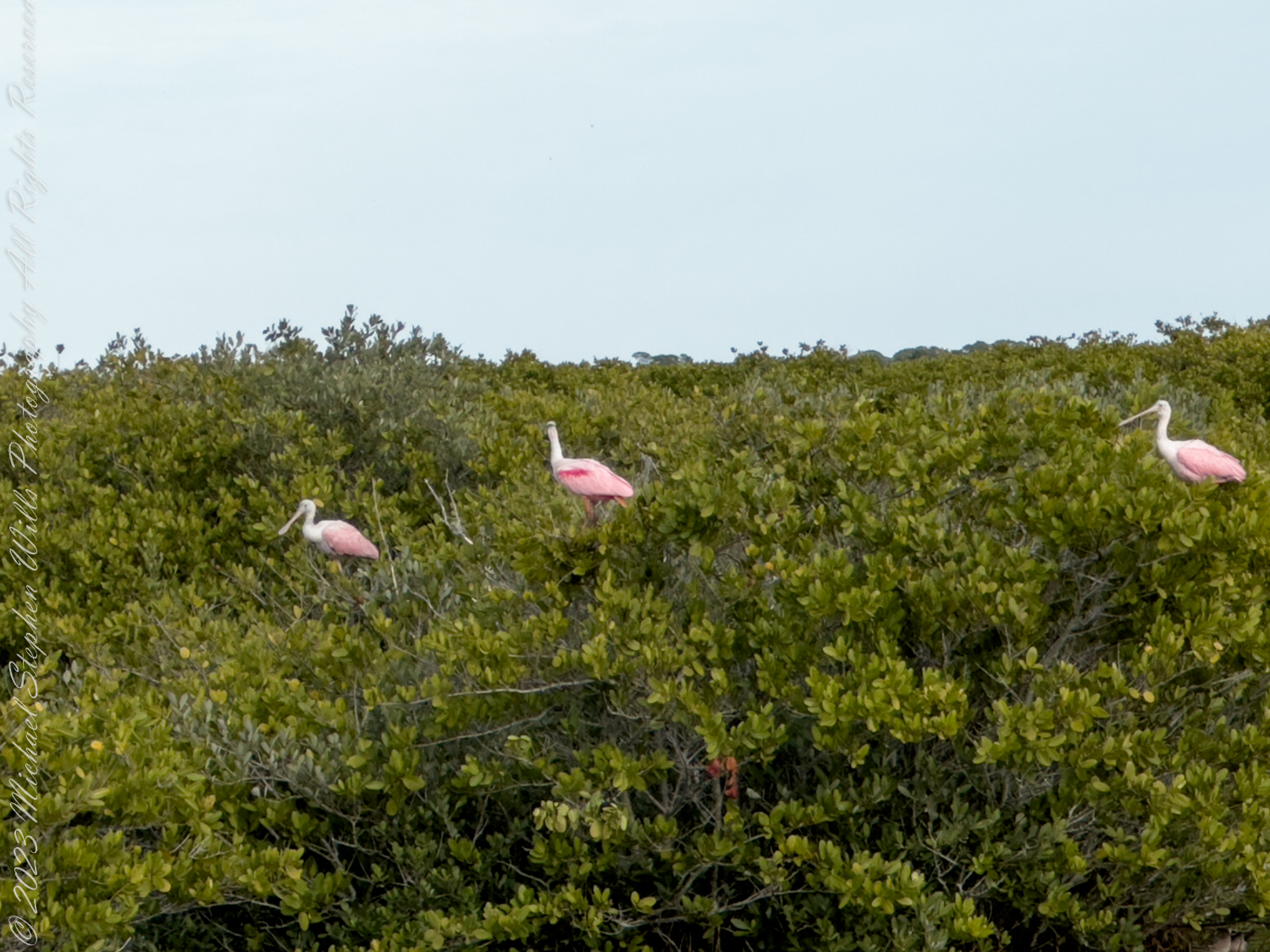
On another stretch, the spoonbills perched in the green embrace of the mangroves, their pink feathers a burst of color among the leaves. It was a scene of natural artistry, the birds blending yet standing out against their verdant stage.

In the final leg of our journey, I found spoonbills perched high in the shrubbery, a testament to the refuge’s diversity. Even in the dense foliage, life thrived, and these birds, usually seen wading, now adorned the treetops like living ornaments.

This drive along Blackpoint was more than a mere observation; it was a passage through a world where time held little sway, and nature was the sole architect. Each bird, each ripple on the water, and each whisper of the grass told a story of existence, resilience, and the intricate web of life. Here, in this secluded corner of the world, we found a connection to the earth and its inhabitants that would stay with us long after.

Copyright 2024 Michael Stephen Wills All Rights Reserved

Otherworldly Assembly?

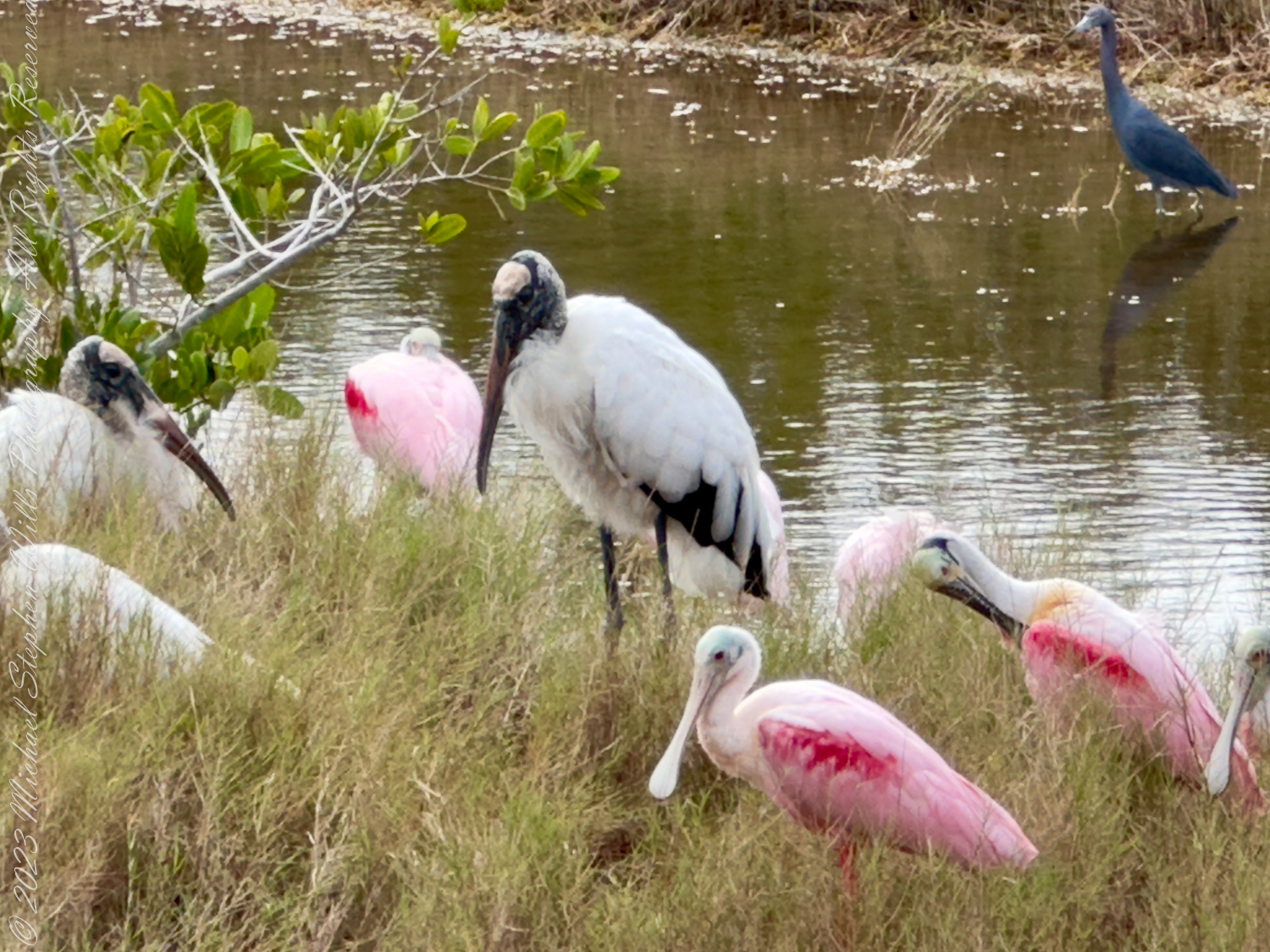
On the winding Blackpoint Wildlife Drive, Pam and I were spellbound by a ballet of Roseate Spoonbills and Wood Storks, a wild canvas coming alive, revealing the magic bestowed by our cherished Senior Passport

As Pam and I embarked on our journey along the Blackpoint Wildlife Drive we found ourselves privy to an otherworldly marshland assembly. Our eyes were drawn to the stately Wood Storks, or Mycteria americana, standing with a poise that belied their somewhat awkward appearance. Their towering figures were hunched in contemplation, their bald heads surveying the waters for a potential feast.

Beside them Roseate Spoonbills (Platalea ajaja) painted the landscape with strokes of vivid pink. Their spoon-shaped bills, an evolutionary masterpiece, skimmed the shallow waters. It was a delightful contrast, the elegant pink plumage among the grasses, like a splash of paint on a raw canvas.

Companion to these gentle giants, the diminutive Tricolored Heron, Egretta tricolor, stalked the shallows. Its slender form was a study in grace, and the blue-gray feathers shimmered with a hint of lavender as it moved with stealthy precision, a silent hunter amidst the reeds.

The discovery felt like stumbling upon a secret meeting, a council of the feathered kind, where each bird played its role in the delicate balance of the ecosystem. Pam and I shared a look of awe, our whispered words lost in the gentle rustling of the wind. There was a sense of unity, of different species coexisting in harmony, and we were the transient witnesses to their world.

Our journey within Merritt Island National Wildlife Refuge was not just a passage through land but through time. Each turn of the drive revealed another chapter of this living story, and our hearts raced with the excitement of what we might find next. The National Park Service Senior Passport, which we clutched like a treasure map, granted us the privilege to explore this bounty of nature. It was more than a pass; it was a key to worlds unseen and adventures untold.

As senior citizens, this passport to nature’s sanctuaries was a reminder that wonderment has no age. It afforded us the freedom to explore, to learn, and to lose ourselves in the beauty of our nation’s natural heritage. Each stamp in our passport was not just a mark of where we had been, but a memory etched into our lives, a story waiting to be told.

This drive, with Pam by my side, was more than birdwatching. We communicated with nature, laying testament to the beauty that lay in the simple things, the everyday miracles of life that often go unnoticed. We left the Blackpoint Wildlife Drive with a renewed sense of purpose and a reminder of our place in this vast, interconnected web of life.

We returned home with our spirits lifted and our minds filled with the colors of the birds—the Wood Storks, the Roseate Spoonbills, the Tricolored Heron—and the many unnamed creatures that had crossed our paths. It was a mosaic of life, each creature a piece that completed this intricate puzzle of existence. Our encounter with this unusual congregation was a gift, a moment of pure, unadulterated joy, a chapter in our ongoing adventure, one we would recount with smiles and a sparkle in our eyes for years to come.

Copyright 2024 Michael Stephen Wills All Rights Reserved

Between Dunes and Discovery: Embracing History at Kennedy Space Center

Explore Cape Canaveral National Seashore and Kennedy Space Center with us, where pristine beaches meet the legacy of human space exploration, and feel the awe of standing where history was made.

A Journey Through Time and Space: Our Visit to Cape Canaveral National Seashore and Kennedy Space Center

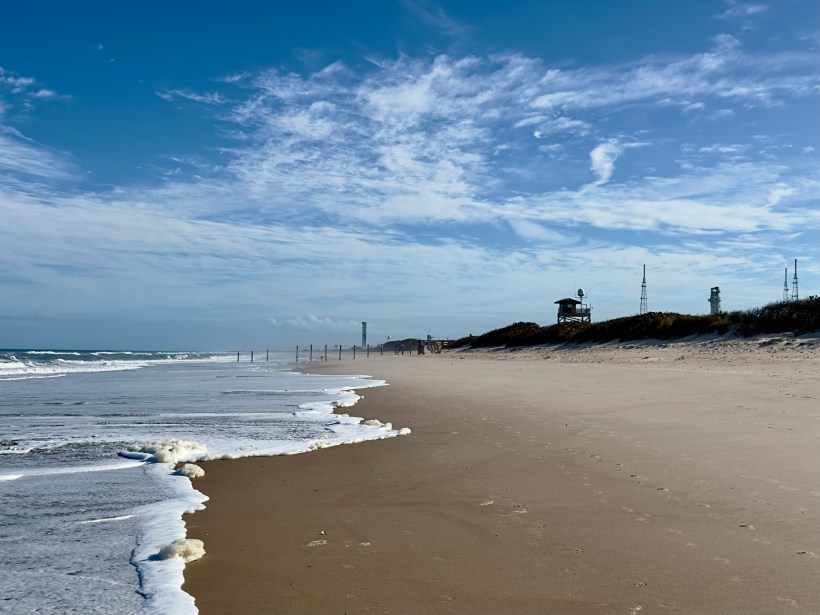
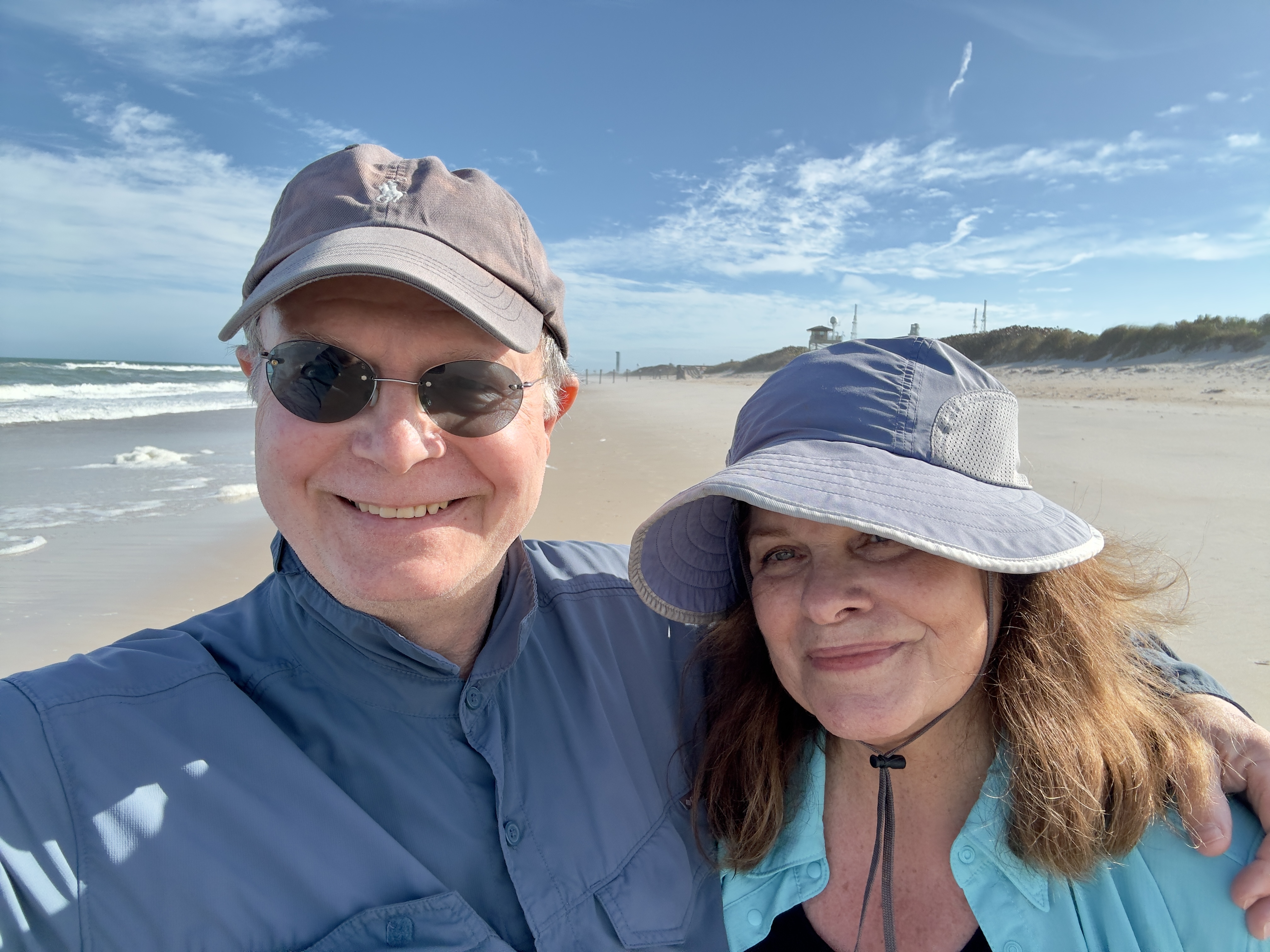
As we arrived at the pristine shores of Playalinda Beach within the Canaveral National Seashore, the gentle whisper of waves against the shoreline beckoned us. The sun kissed the horizon, casting a warm glow across the 24 miles of untouched, protected coastline that lay before us. Here, on the east coast of Florida, where crystal-blue waters embrace the shell-laden sands, we found ourselves at the intersection of natural beauty and human achievement.

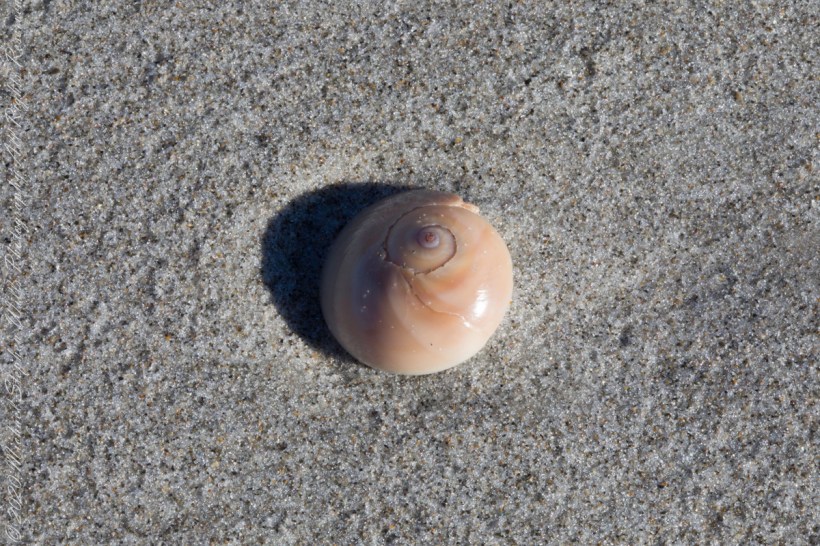
Shell of the Moon Snail (Naticidae) found in the surf wash.

The Serenity of Playalinda

We strode along the boardwalk, passing through dunes adorned with sea oats, to find our spot upon the soft sands of Playalinda. The beach, known for its tranquility and the chance to observe a vibrant array of wildlife, offered us a moment of peace. With no distractions—no concessions, no showers, just nature—we were able to disconnect from the world and reconnect with the earth. From our vantage point, the Merritt Island Wildlife Refuge across the water was a haven for migrating birds, dolphins, and, with some luck and the right season, sea turtles nest on the beach itself.

Witness to History: The Apollo 11 Legacy

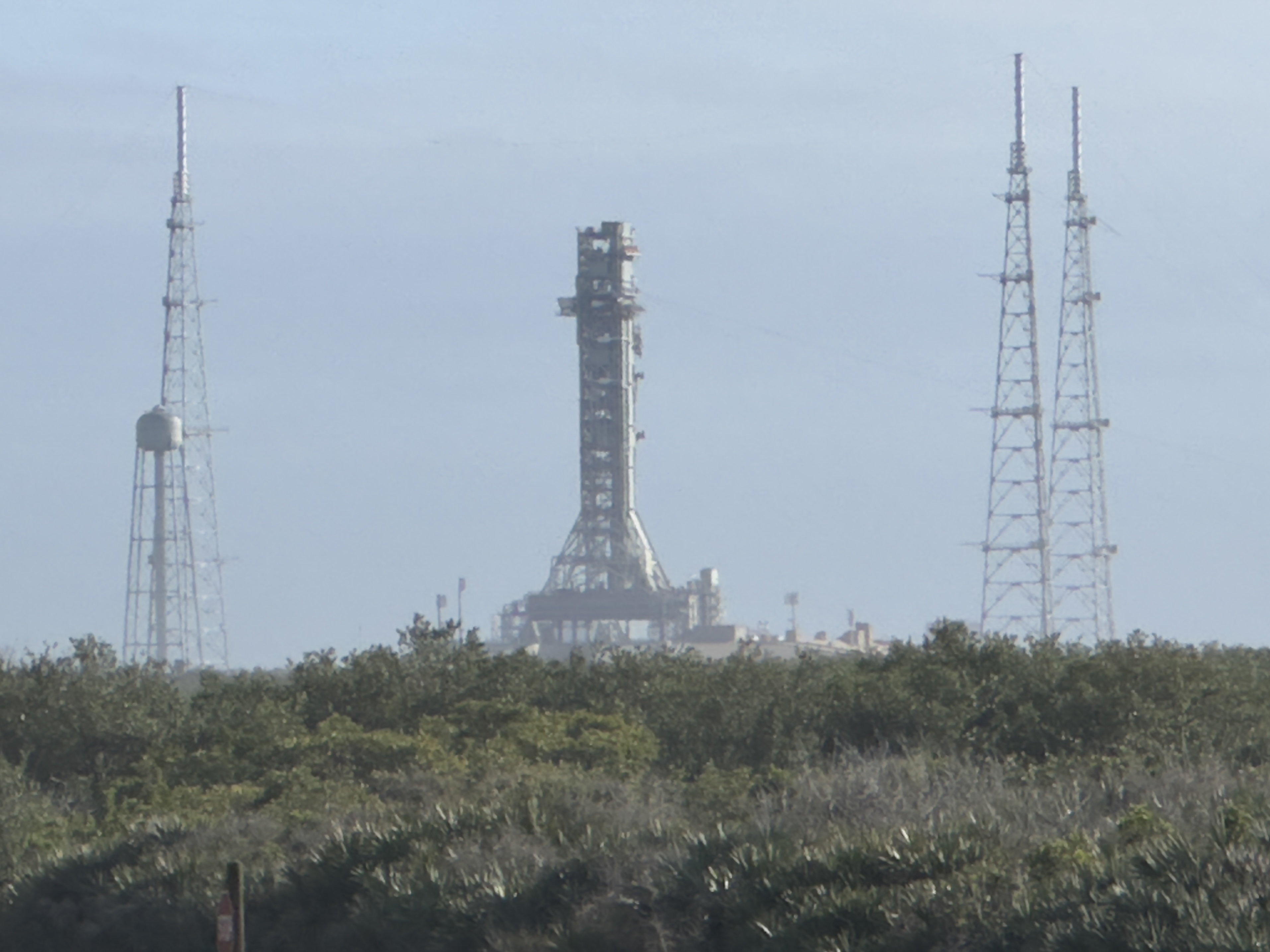
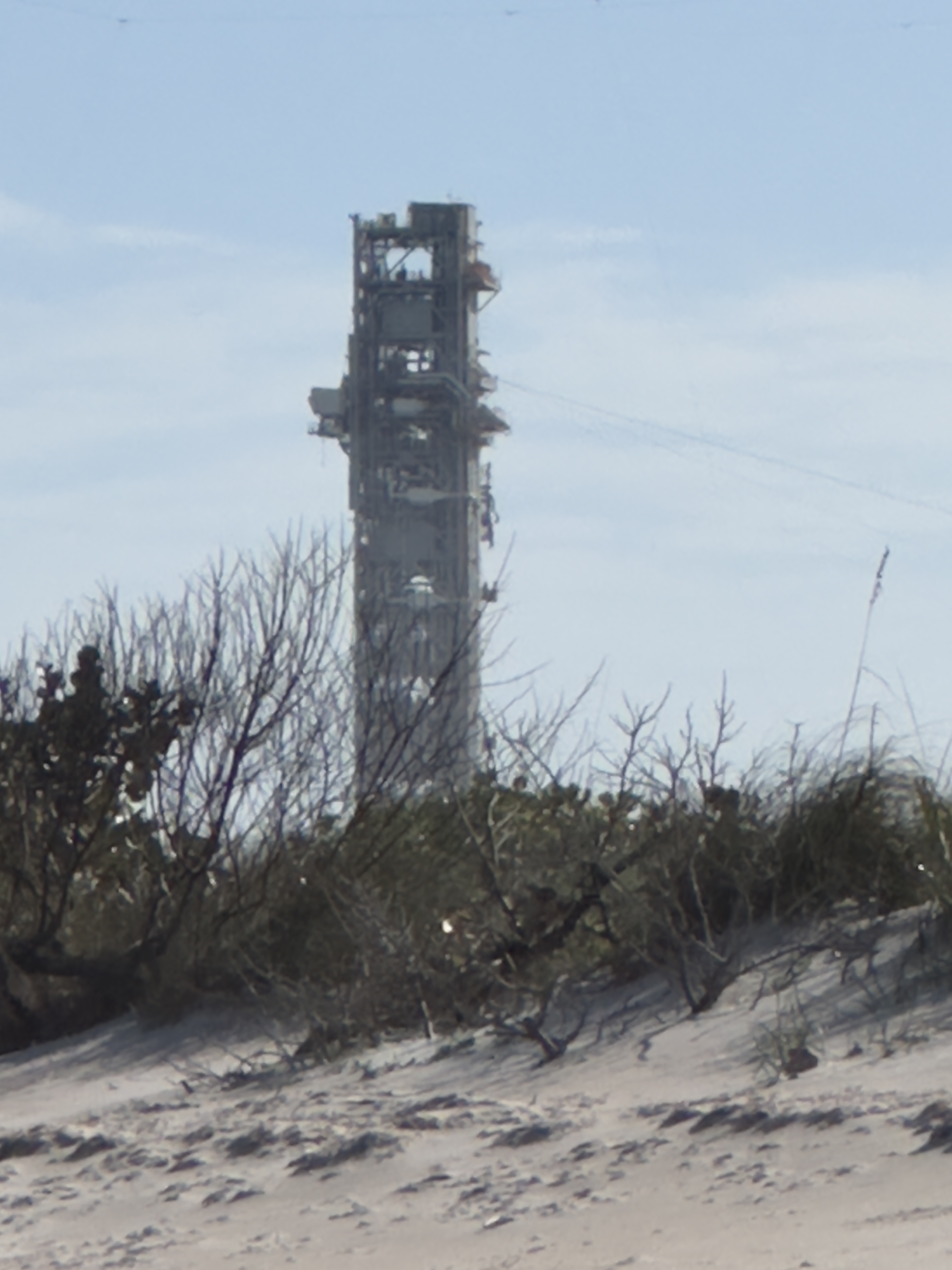
But it wasn’t just the natural allure that drew us here. Playalinda holds a unique position, offering an unobstructed view of the historic launch pads of Kennedy Space Center, where Apollo 11 began its monumental journey to the Moon. As we walked south towards the fence bordering the Space Center, the anticipation built within us. Here, we were tracing the footsteps of giants, those brave astronauts who dared to venture into the unknown.

The Vistas of Exploration

Each step brought us closer to the site where humanity took one of its most significant leaps. Gazing upon the launch complex from the fence, we were reminded of the powerful forces harnessed to break the bonds of gravity. Imagining the roar of the engines, the earth-shaking vibrations, and the fiery ascent of the Saturn V rocket, we felt a deep connection to the past and a sense of awe for the pioneering spirit that propelled us into a new era of exploration.

Reflections Amidst the Dunes

As we wandered back along the beach, the foam of the ocean’s edge lapping at our feet, we reflected on the duality of our surroundings. Here, in this place of quiet solitude, we also stood at the forefront of human innovation and ambition. The juxtaposition of the peaceful beach with the technological marvels just a stone’s throw away was not lost on us.

Our journey to the Cape Canaveral National Seashore and the Kennedy Space Center fence was more than just a visit to a beach or a historic site; it was a pilgrimage to a place where dreams materialize and reach for the stars. It was here that we came to understand the full spectrum of emotions that accompany great achievements—the hope, the fear, the triumph.

Conclusion

Our visit to the Cape Canaveral National Seashore and the Kennedy Space Center was an experience that will linger in our memories for years to come. It was a reminder of what we can achieve when we are united by a common goal, and it filled us with pride and optimism for the future. As we looked back one last time, the setting sun seemed to whisper a promise of the wonders yet to come, both here on the shores of Playalinda and in the vast expanse of space that awaits us.

Copyright 2024 Michael Stephen Wills All Rights Reserved