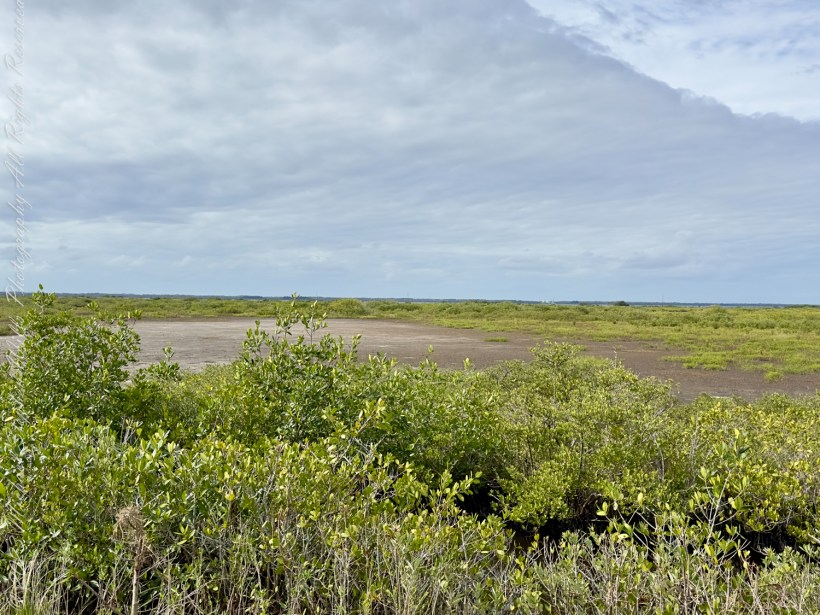
The exposed mudflats on tidal wetlands attract a variety of shorebirds. Shorebirds are seasonal residents that make long migratory journeys between their breeding grounds in the Arctic and their wintering areas in South America. Merritt Island NWR provides an important resting and feeding area for this group of birds. Some stay for the winter, and others use the refuge as a fuel stop before continuing on their journey.
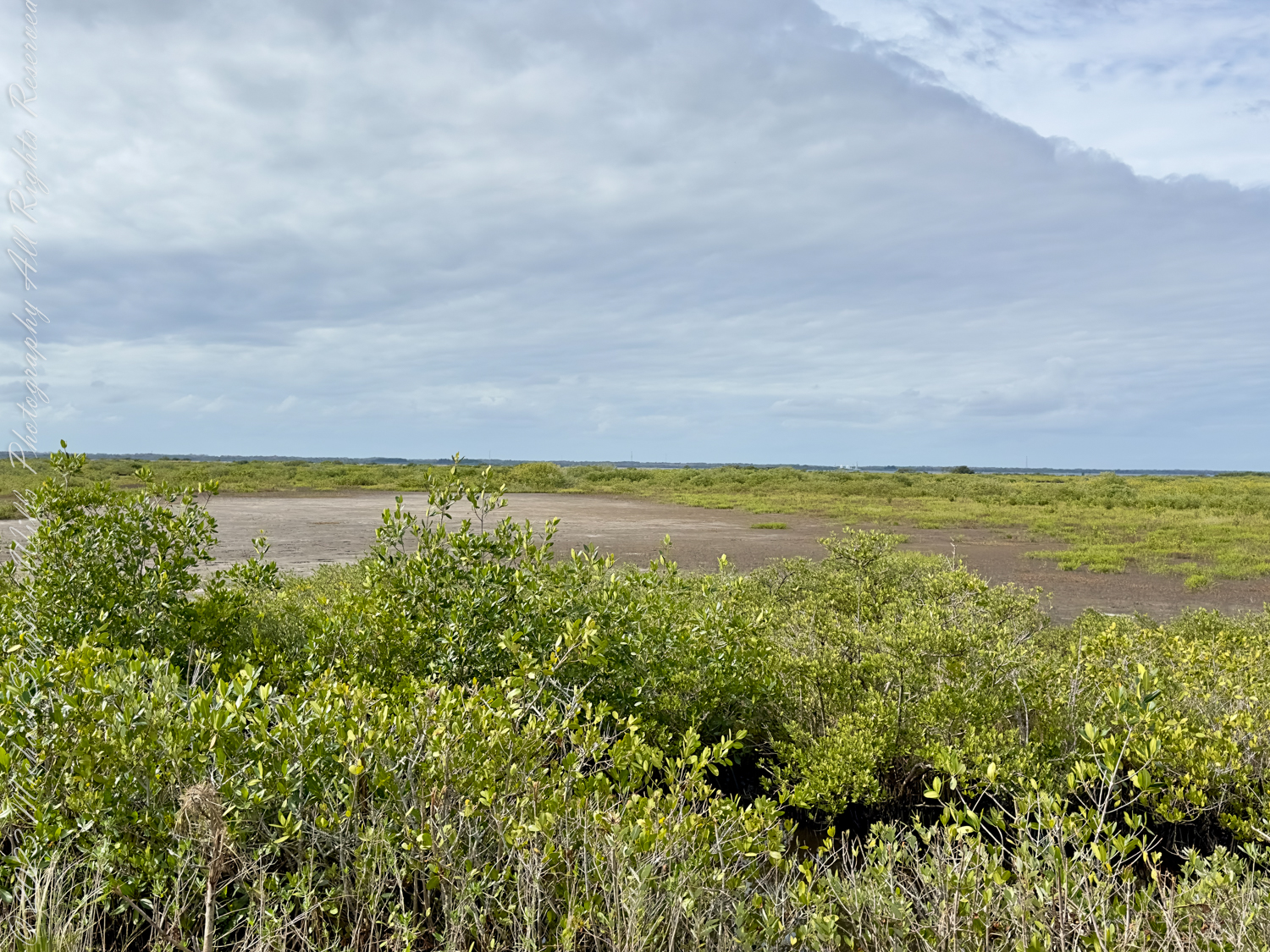
In tidal areas, shorebird feeding schedules are influenced by the cycle of the tides. Changes in tidal cycles expose foraging areas in mudflats for a period during the day. At other points during the cycle, the water in these same areas becomes too deep or the ground too dry for shorebirds to feed effectively.
Shorebirds of different species can and do forage together. Because bill length and shape varies from species to species, birds can pursue different prey in the same area at the same time without competing with each other. Because of varying bill lengths, the different bird species find their food at different depths in the substrate. Mixed species of shorebirds are a common sight.
Reference: the text of this blog was transcribed from signage along the Blackpoint Wildlife Drive of Merritt Island National Wildlife Refuge, Brevard County, Florida
 Michael Stephen Wills Photography