The Sego Lily, scientifically named Calochortus nuttallii, stands as a remarkable specimen among the flora of the western United States. This perennial bulb is renowned for its resilience and beauty, and it has played a significant role in the historical tapestry of the region. Indigenous peoples referred to the Calochortus plant as “sego” and utilized it in various aspects of their culture, including nutrition, ceremonial practices, and herbal remedies.
A Hiker’s Reflection: Journey to the Rincon Wilderness
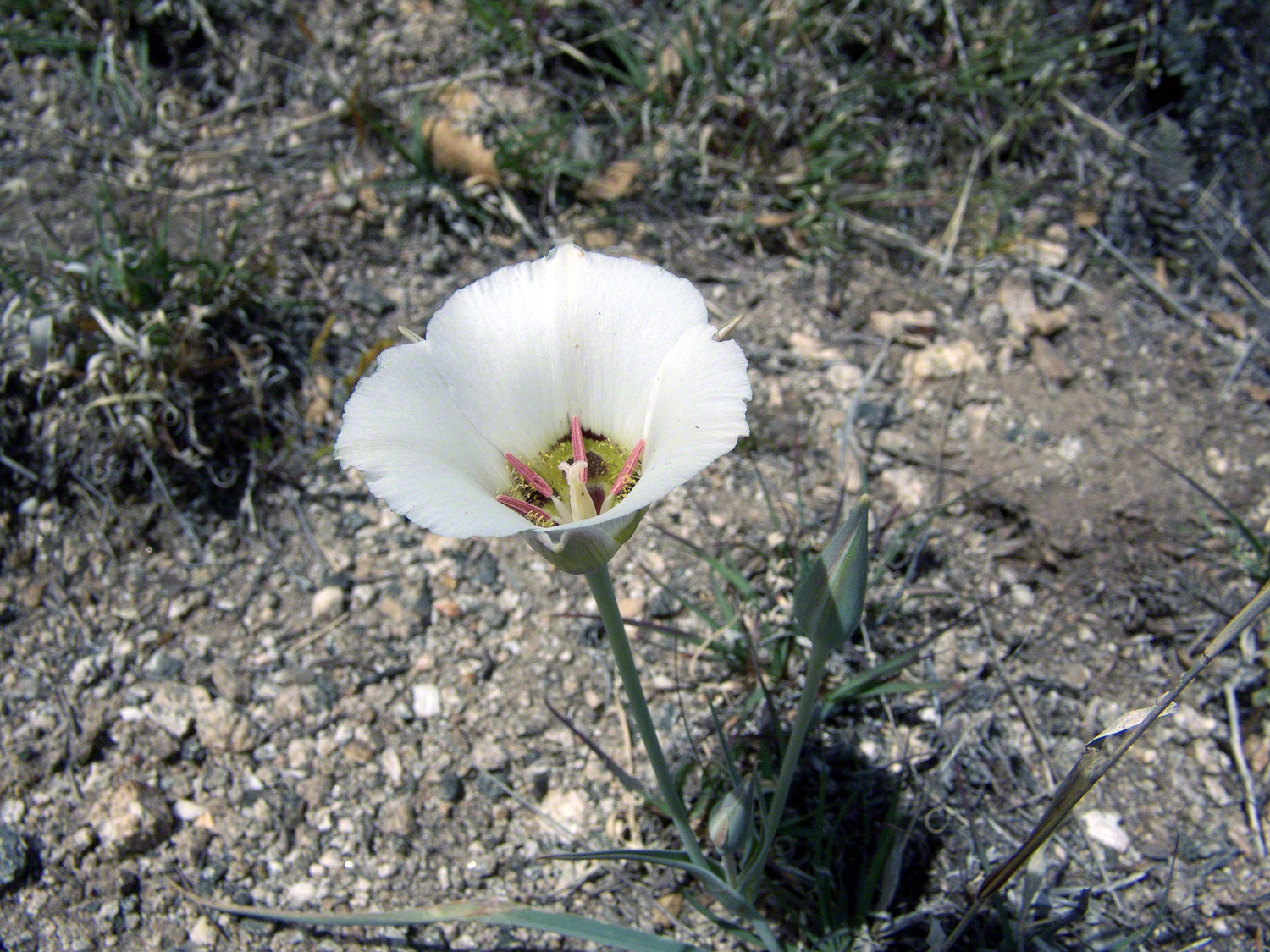
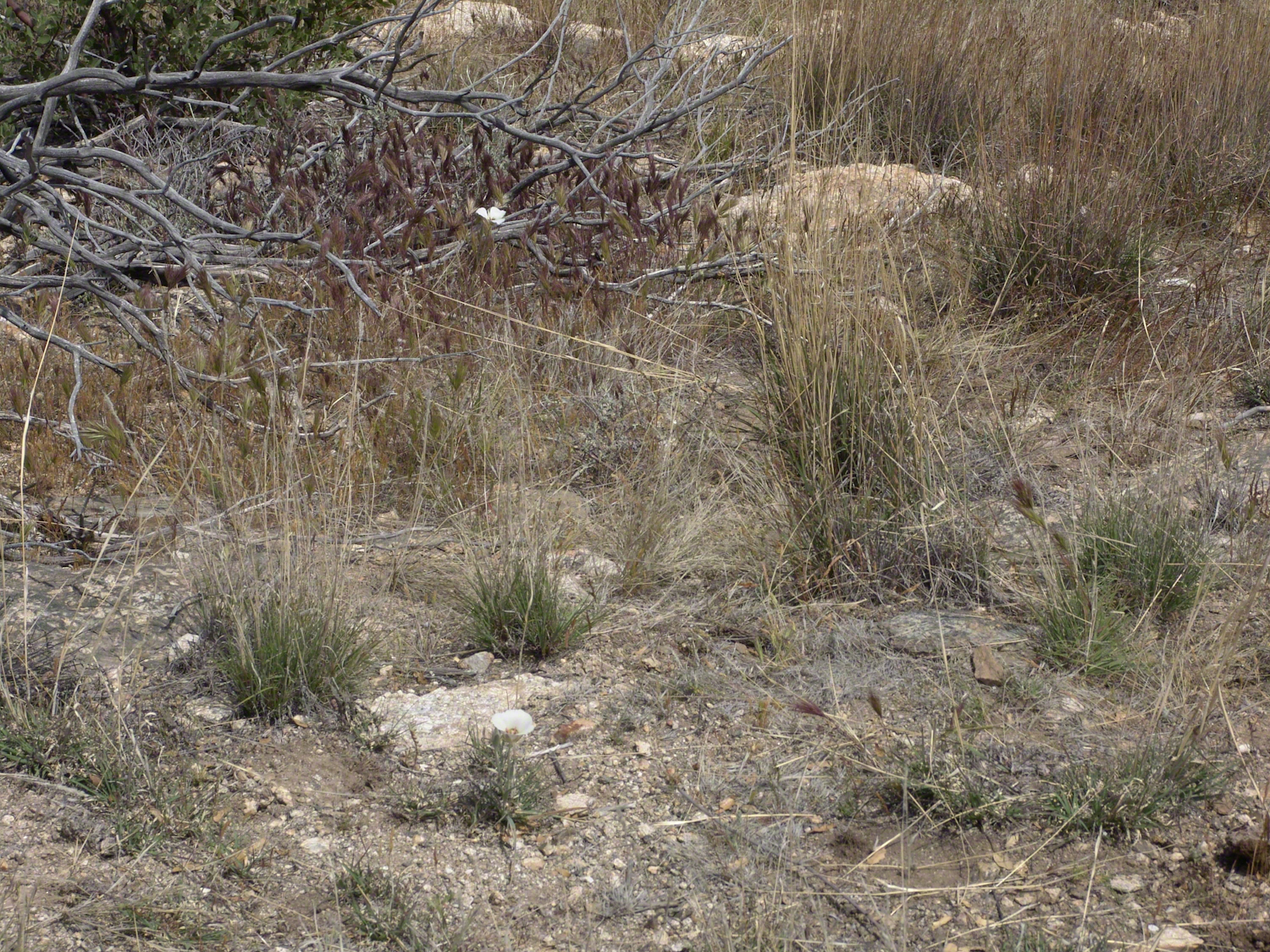
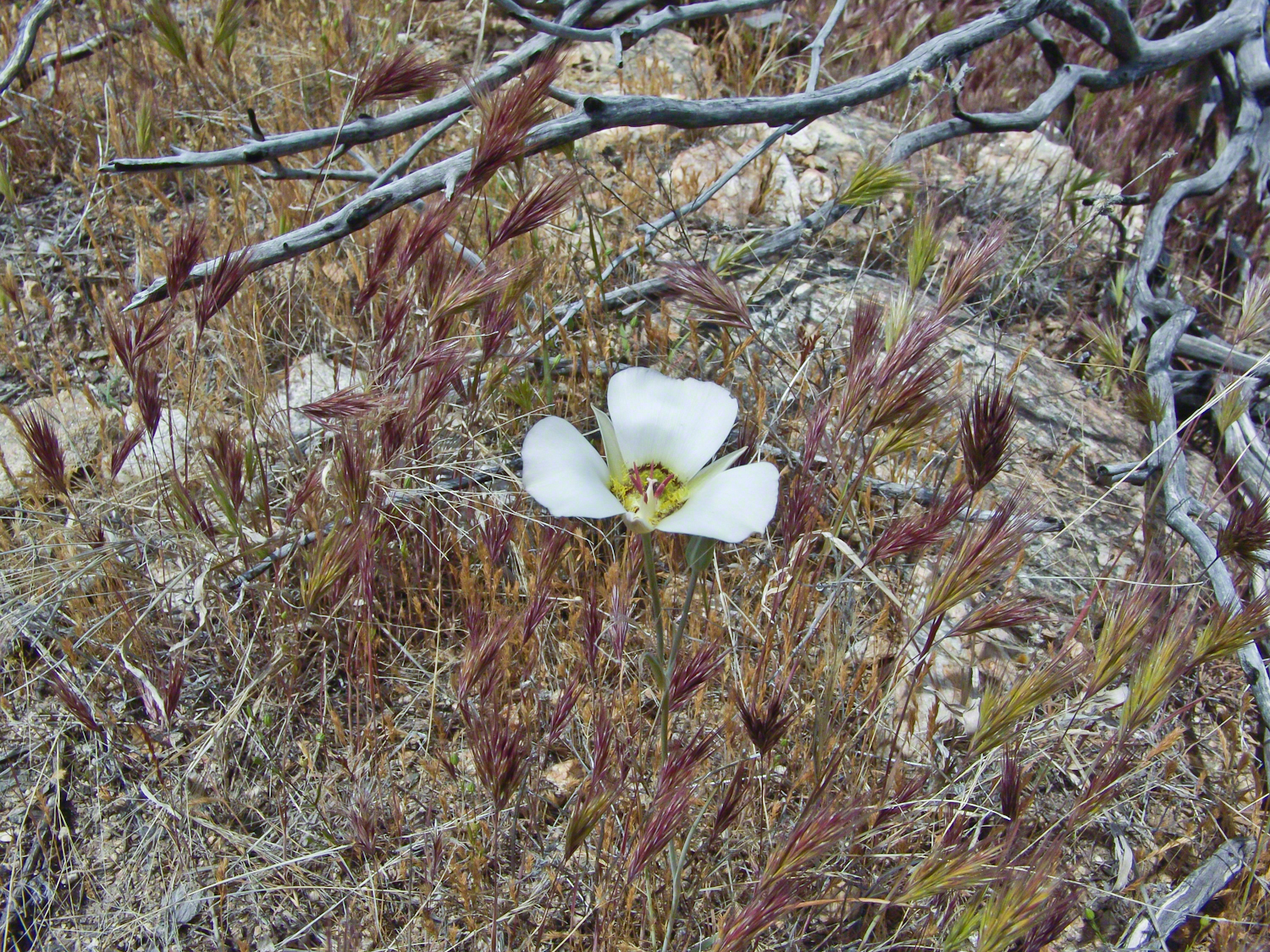
As I ventured along the Turkey Creek trail into the Rincon Wilderness one crisp April morning in 2004, the landscape unfurled like a canvas painted with nature’s most vivid hues. The air was tinged with the earthy scent of creosote, Sonoran desert awakening to the sun’s gentle caress. Amidst the grasses and thriving as well as desiccated cacti remnants, the Sego Lily stood serenely, its pristine petals glistening with dew—a delicate beacon of wild elegance.
Taxonomy and Morphology
Belonging to the family Liliaceae, Calochortus nuttallii is primarily recognized by its distinctive cup-shaped flowers. The blooms exhibit a trio of large, white to light yellow petals, often adorned with a unique pattern of purple and yellow at the base, which may act as nectar guides for pollinators. The leaves of the Sego Lily are narrow and grass-like, and the plant generally reaches a modest height of 15 to 45 centimeters.
Etymology
The scientific name “Calochortus nuttallii” is derived from Greek and honors a specific individual:
Calochortus: This genus name comes from the Greek words kalos meaning “beautiful” and chortos meaning “grass”. This is a reference to the attractive, grass-like leaves of the plants within this genus.
nuttallii: This specific epithet honors Thomas Nuttall, an English botanist and zoologist who worked extensively in North America. The use of “-ii” at the end of a specific epithet typically signifies that the species is named after a man.
In summary, the name “Calochortus nuttallii” essentially means “Nuttall’s beautiful grass”, combining Greek roots with a Latinized honorific to describe this particular species of the Sego Lily.
Habitat and Distribution
Endemic to the arid deserts and prairies of the Great Basin and surrounding regions, the Sego Lily is a testament to adaptability. It thrives in well-drained soils, often appearing on hillsides, open woodlands, and grasslands. The sighting of the Sego Lily in the Rincon Wilderness indicates its presence in a variety of microclimates within its range.
Ecological Significance
Calochortus nuttallii is an integral component of its native ecosystems. It serves as a source of food for various pollinators, including bees and butterflies. Furthermore, the Sego Lily’s adaptation to its environment contributes to soil stabilization and ecosystem diversity.
The Sego Lily and Mormon Pioneers
The connection between the Sego Lily and Mormon pioneers is etched deeply into the historical fabric of the American West.
During the period from 1853 to 1858, Mormon pioneers in the Great Salt Lake Valley resorted to consuming them as a response to the threat of starvation. This dire situation arose from failed crops, putting the newly arrived settlers at risk of famine. Sego lily bulbs, rich in nutrients, were roasted, boiled, or even ground into flour, providing sustenance in times of dire need. This humble plant’s role in aiding the survival of the pioneers has immortalized the Sego Lily as a symbol of peace and a testament to human perseverance in the face of adversity.
Cultivation of Calochortus, “Beautiful Grass”
Bulbs of the Calochortus genus are indeed available for cultivation, offering a unique opportunity for enthusiasts to include these eye-catching flowers in their gardens. However, achieving successful growth requires meeting the specific needs of these flowers. These requirements vary widely among the different species within the Calochortus genus, often reflecting the diverse habitats from which they originate. To cultivate these bulbs effectively, one must provide conditions that mimic their natural environments as closely as possible. This includes considerations for soil type, light exposure, moisture levels, and dormancy periods. Detailed knowledge of each species’ native habitat provides invaluable guidance in replicating the necessary growing conditions in a garden setting. By understanding and adhering to these specific requirements, gardeners can enjoy the unique beauty of Calochortus flowers, ranging from vibrant mariposa lilies to the elegant cat’s ears and globe tulips, each adding a distinct charm to botanical collections.
In conclusion, Calochortus nuttallii, the Sego Lily, is not only a botanical wonder but also a historical icon. Its resilience in the wild mirrors the spirit of those who once relied on it for survival, and its delicate beauty continues to inspire those who encounter it on trails like the one through the Rincon Wilderness. The Sego Lily stands as a living link to the past and a reminder of nature’s enduring grace.
 Michael Stephen Wills Photography
Magnificent gallery! And i found out now a new species of flowers! Beautiful. Thank you for sharing!
LikeLiked by 1 person
Mags, In followup to your response to this post I made improvements to the text after discovering this morning that the Calochortus genus, known for its striking beauty and diversity, was first proposed in 1814 by Frederick Pursh. This taxonomic classification was to accommodate a specimen named C. elegans, which was among the notable discoveries from the Lewis and Clark expedition. The genus encompasses a variety of species that have since captivated botanists and garden enthusiasts alike.
The bulbs of these plants are indeed available for cultivation, offering a unique opportunity for enthusiasts to include these eye-catching flowers in their gardens. However, achieving successful growth requires meeting the specific needs of these flowers. These requirements vary widely among the different species within the Calochortus genus, often reflecting the diverse habitats from which they originate. To cultivate these bulbs effectively, one must provide conditions that mimic their natural environments as closely as possible. This includes considerations for soil type, light exposure, moisture levels, and dormancy periods. Detailed knowledge of each species’ native habitat provides invaluable guidance in replicating the necessary growing conditions in a garden setting. By understanding and adhering to these specific requirements, gardeners can enjoy the unique beauty of Calochortus flowers, ranging from vibrant mariposa lilies to the elegant cat’s ears and globe tulips, each adding a distinct charm to botanical collections.
LikeLiked by 1 person
Michael thank you very much for the information. I just realised that my mother in law has a garden full of these flowers! But i never knew how they are called! Thank you again!
LikeLiked by 1 person