Waiting for a Ride

at the roundabout

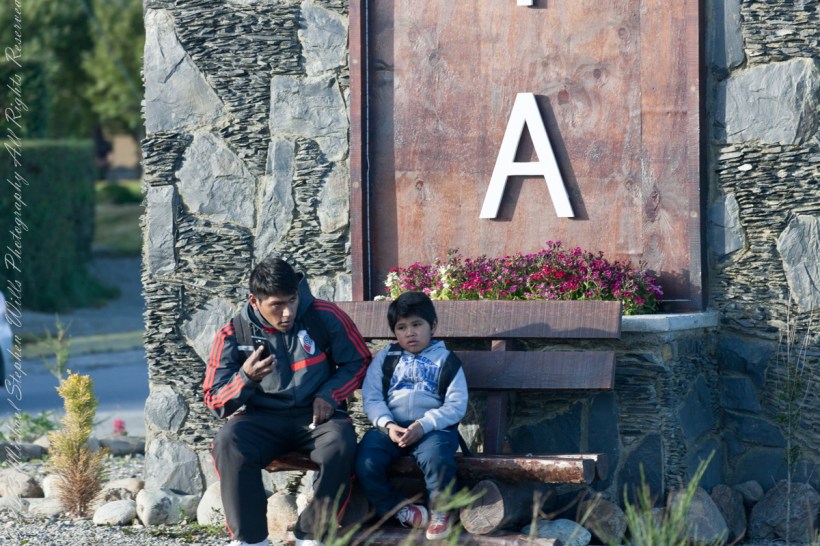
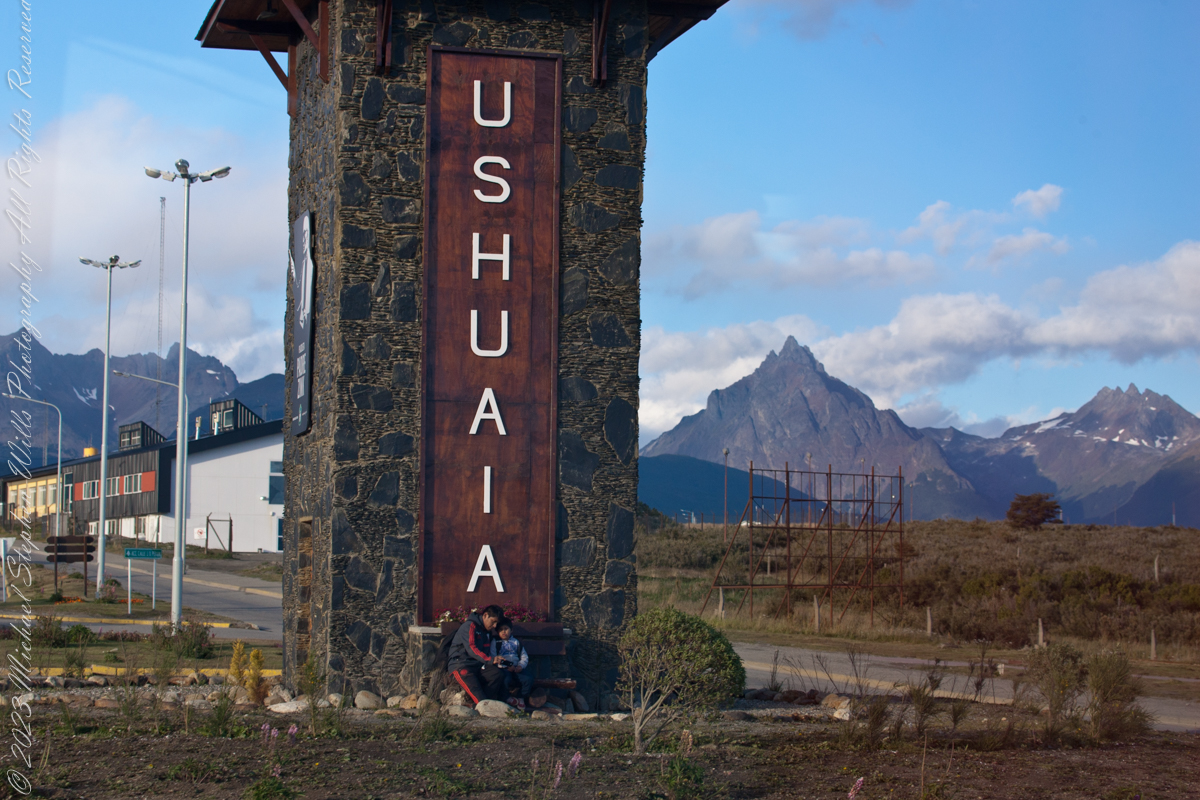
On our way back from “The Train at the End of the World” and sailing the Beagle Channel, these two young people came into view. Sitting at the foot of the a tower welcoming airport arrivals, who must transit this roundabout, is a pair of young people. In my imagination they were brothers waiting for a ride. In the first long wide shot the older is taking their selfie with the Ushuaia.

Here we at at the “center” of this city set spectacularly against the Fuegian Andes, the southern continuation of the Andes mountain range immediately south of the Strait of Magellan. with a West-East orientation. They occupy the mountainous and mountainous portion of the southern archipelago of Tierra del Fuego.
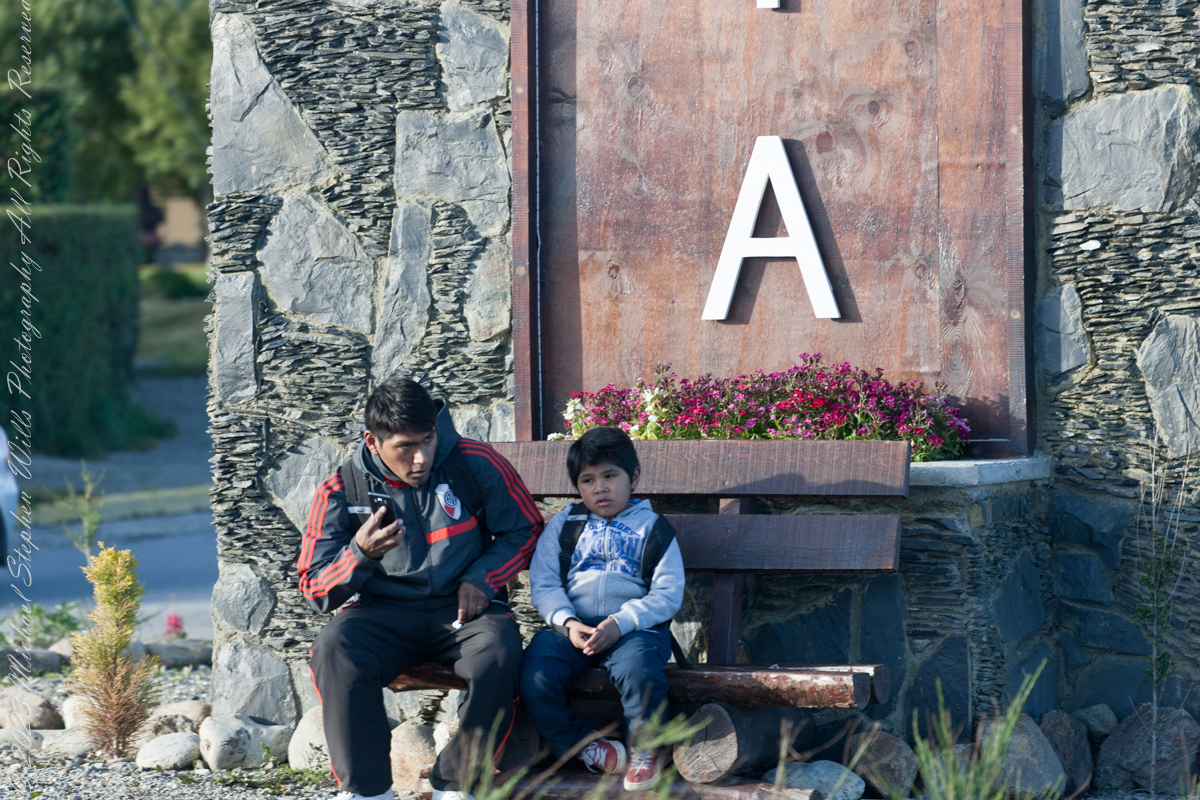
In this second, close photo, he is talking to the ride on his smart phone, after sending the selfie. The roundabout is named “Hipólito Yrigoyen” after an Argentine politician twice elected President.
Here is more information about the man:

Juan Hipólito del Sagrado Corazón de Jesús Yrigoyen (Spanish pronunciation: [iˈpolito iɾiˈɣoʝen]; 12 July 1852 – 3 July 1933) was an Argentine politician of the Radical Civic Union and two-time President of Argentina, who served his first term from 1916 to 1922 and his second term from 1928 to 1930. He was the first president elected democratically by means of the secret and mandatory male suffrage established by the Sáenz Peña Law of 1912. His activism was the prime impetus behind the passage of that law in Argentina.

Known as “the father of the poor”, Yrigoyen presided over a rise in the standard of living of Argentina’s working class together with the passage of a number of progressive social reforms, including improvements in factory conditions, regulation of working hours, compulsory pensions, and the introduction of a universally accessible public education system.

Yrigoyen was the first nationalist president, convinced that the country had to manage its own currency and, above all, it should have control of its transportation and its energy and oil exploitation networks.

Between the 1916 general election and the 1930 coup d’etat, political polarization was on the rise. Personalist radicalism was presented as the “authentic expression of the nation and the people” against the “oligarchic and conservative regime”. For the ruling party, the will of the majorities prevailed over the division of powers. The opposition, on the other hand, accused the Executive Branch of being arrogant and demanded greater participation from Congress, especially in matters such as the conflictive federal interventions.

Reference: Wikipedia “Andes fueguinos” and “Hipólito Yrigoyen.”
Copyright 2023 Michael Stephen Wills All Rights Reserved

Valparaiso Connections II

the Chilean difference

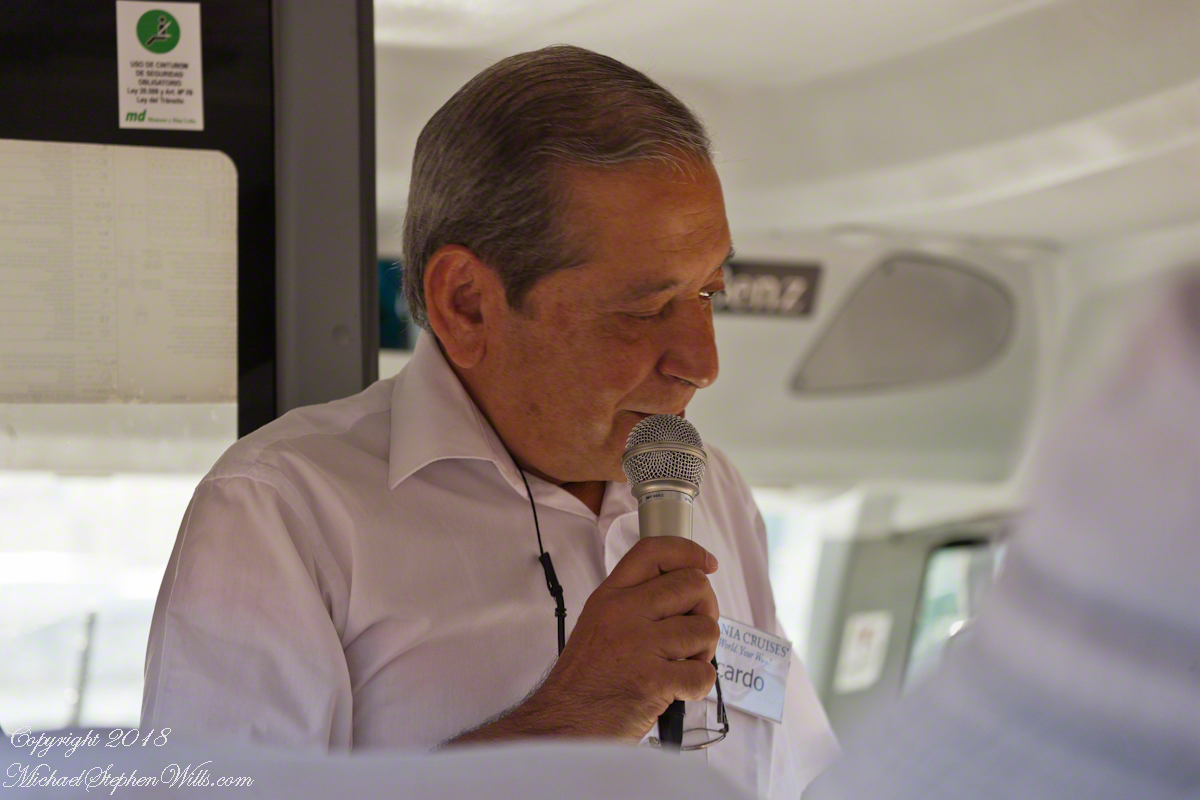
Ricaro’s name tag reads, “Oceania Cruises, your world, your way.”  I began my two previous blogs with Ricardo, “Valparaiso Separation” and “Valparaiso Connections I.” There’s a lot to be said for the Oceania tours.  Every one lead by a knowledgeable native of the host country, fluent in English, we became familiar, some more than others, with them personally, one non-representative example.  As were progressed down the coast from Iquique to Cape Horn we met a cross section of Chileans.  Unlike other countries, in Chile we met only unsmiling guards on the streets, no protest rallies.


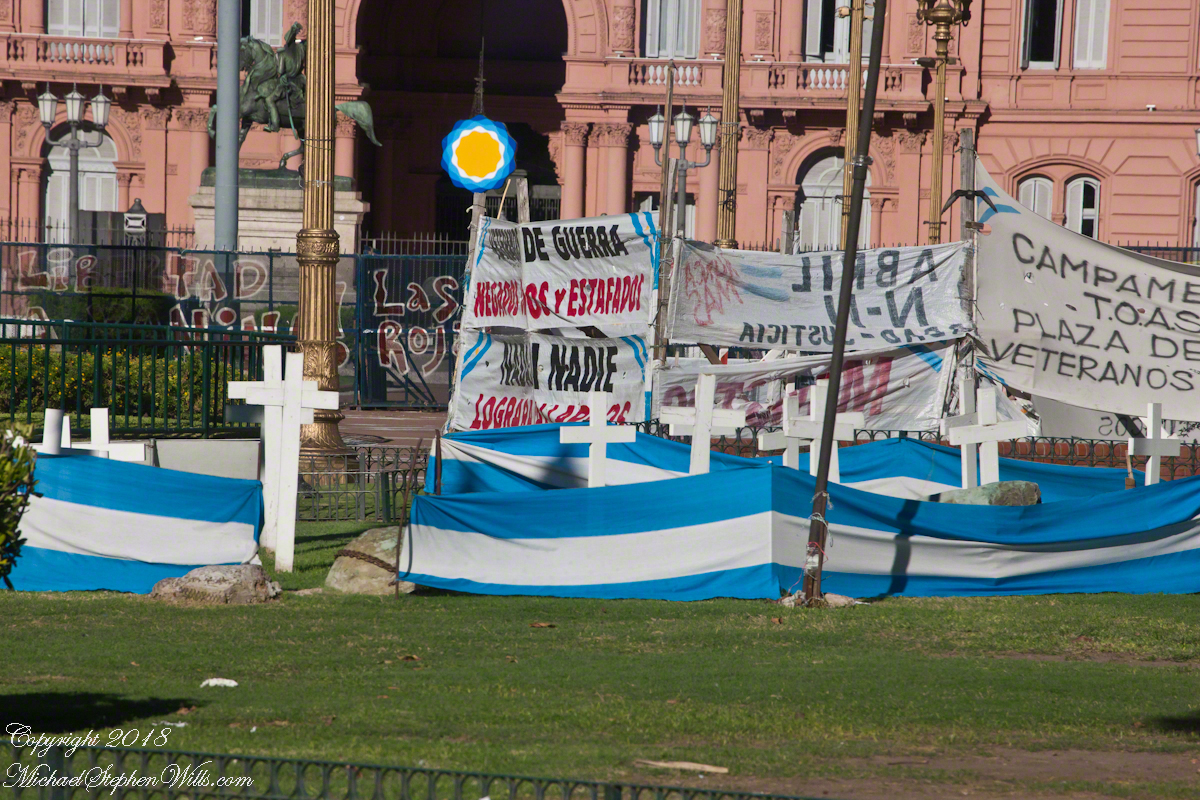
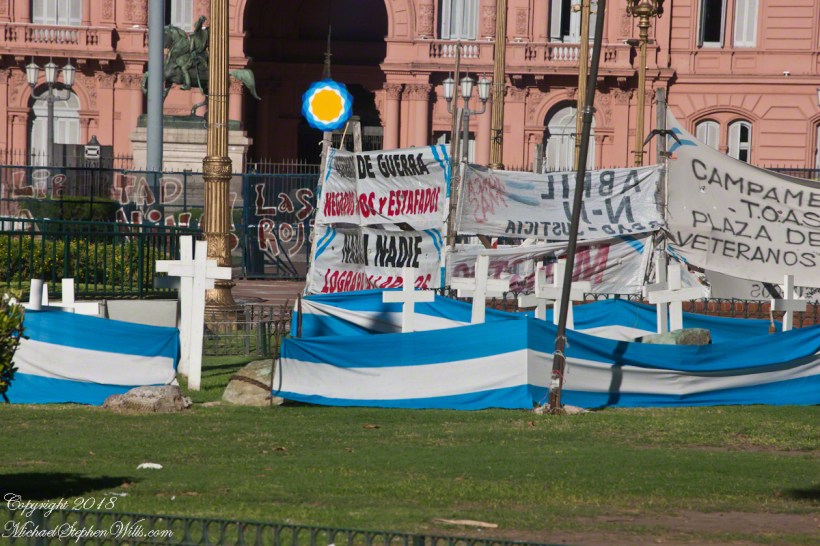
As the tour bus is about to turn down Varparaiso’s Argentina Avenue, here is a flash forward to an elaborate demonstration tableau in the Plaza de Mayo, the Casa Rosada as a backdrop, rose as in the color of bull’s blood used as pigment.  The protest was in support for veterans and causalities of the ill considered 1982 Falklands War.  We zoomed by the Parque De La Memoria, dedicated to the 30,000 people “disappeared” by the same military dictatorship of the Falklands War debacle.

http://bit.ly/MichaelsGalleries

Our entry to both Valparaiso and Buenos Aires was a cruise over the secret graves of thousands dropped, alive, into the ocean from military aircraft.

What is most chilling is the silence about this throughout our travels in Chile.  No memorials, no protests, silence, only stone faced military guards.

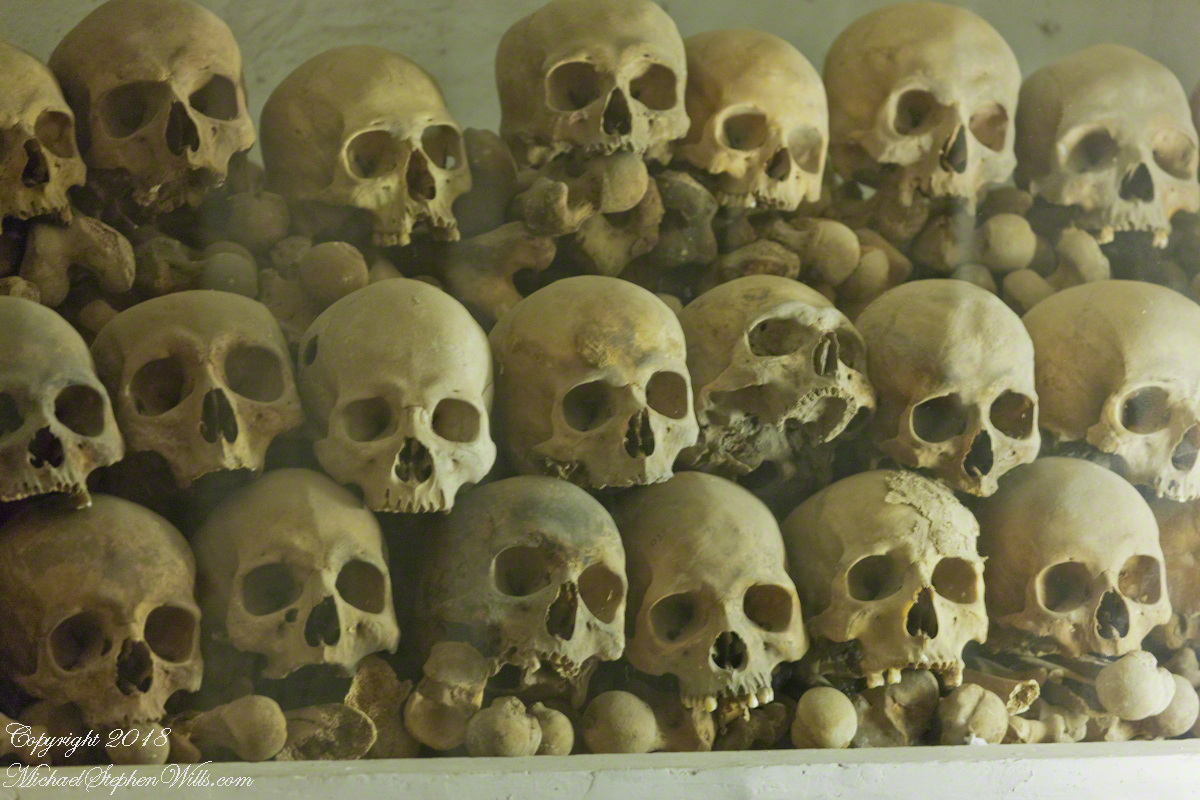
The following is from Basílica y Convento de San Francisco de Lima, beneath which are catacombs piled with disarticulated skeletons buried and cared for in the Catholic tradition .

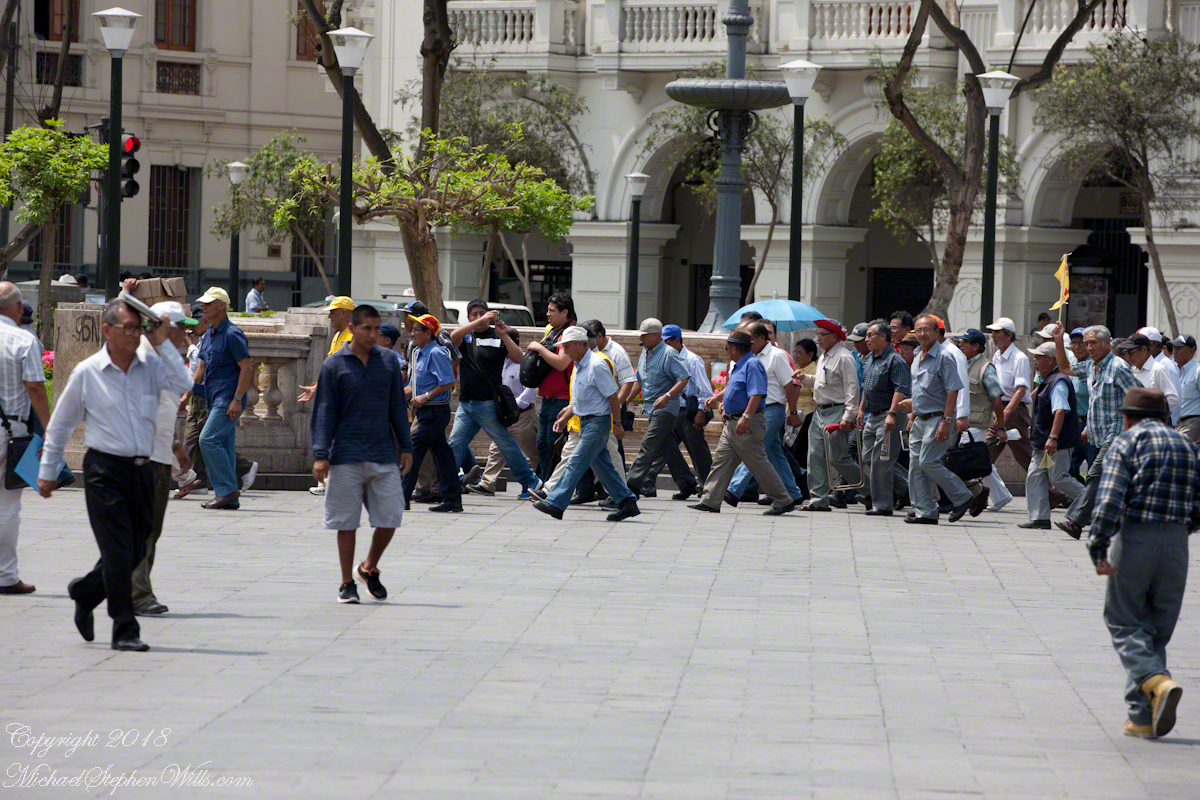
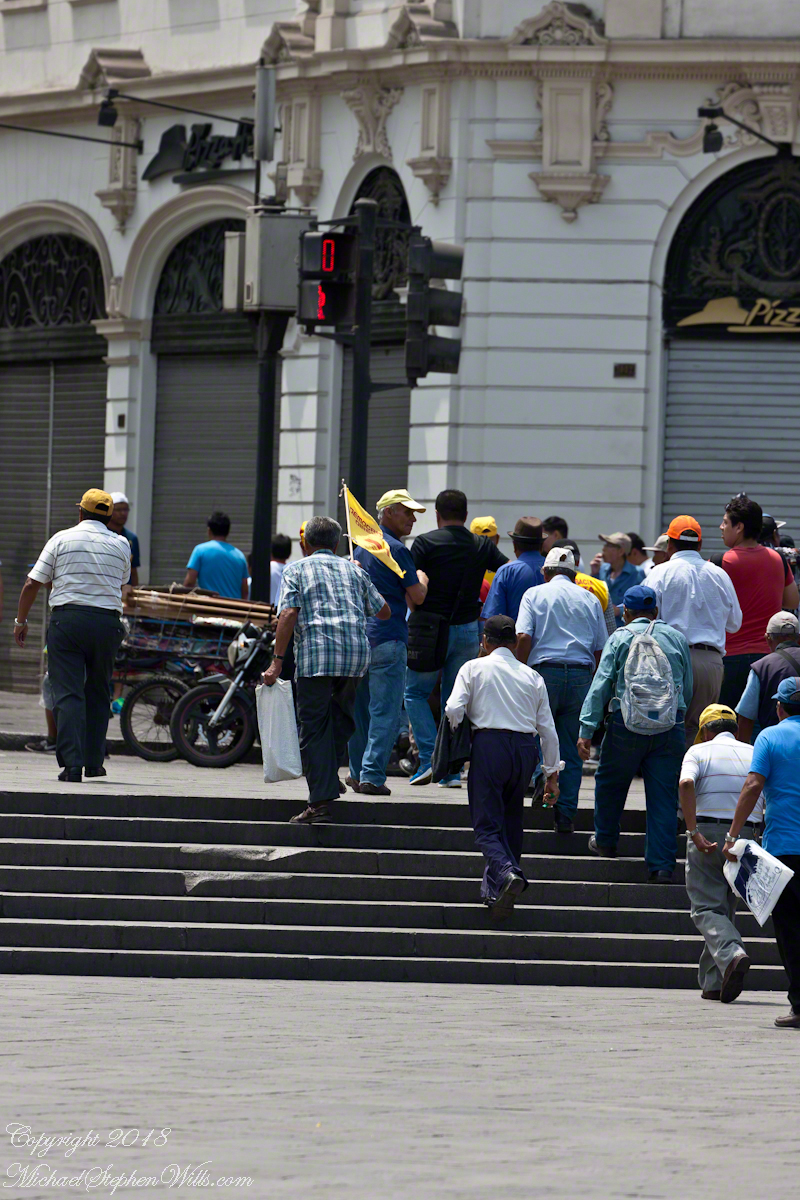
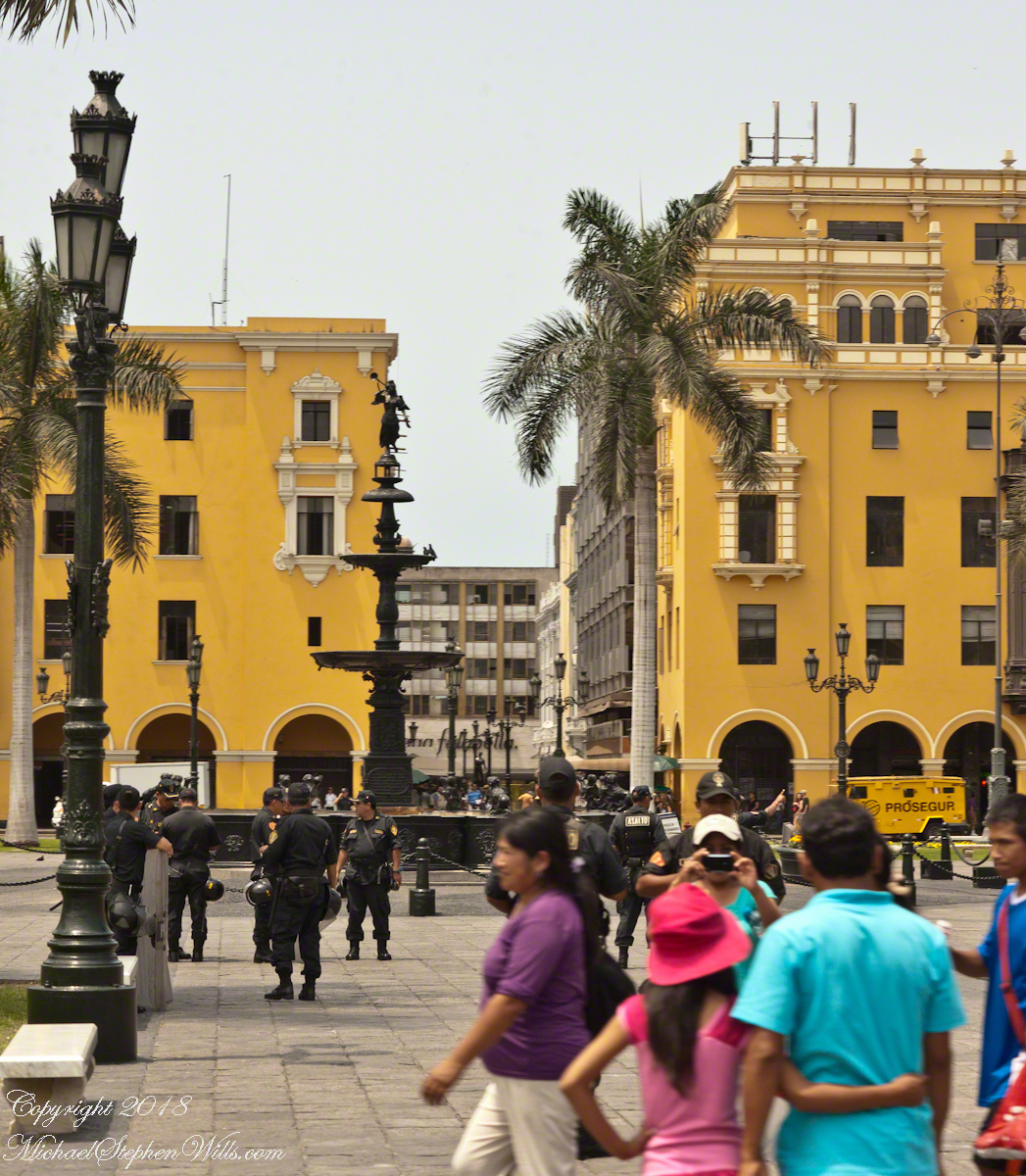
In Lima’s Plaza de Armas we witnessed this peaceful demonstration by pensioners protesting low payments.  To be honest, around this time, in Chile, there were huge demonstrations, hundreds of thousands in Santiago, about the same issue.

The Lima crowd was peaceful.

Watched by a heavy contingent of armed police supported by large “paddy wagons” to cart people away.  The vehicle marked “Prodegur” (i.e., prosecution) was one of them.  Given the history of government disappearances in the region, how brave the demonstrators must be.

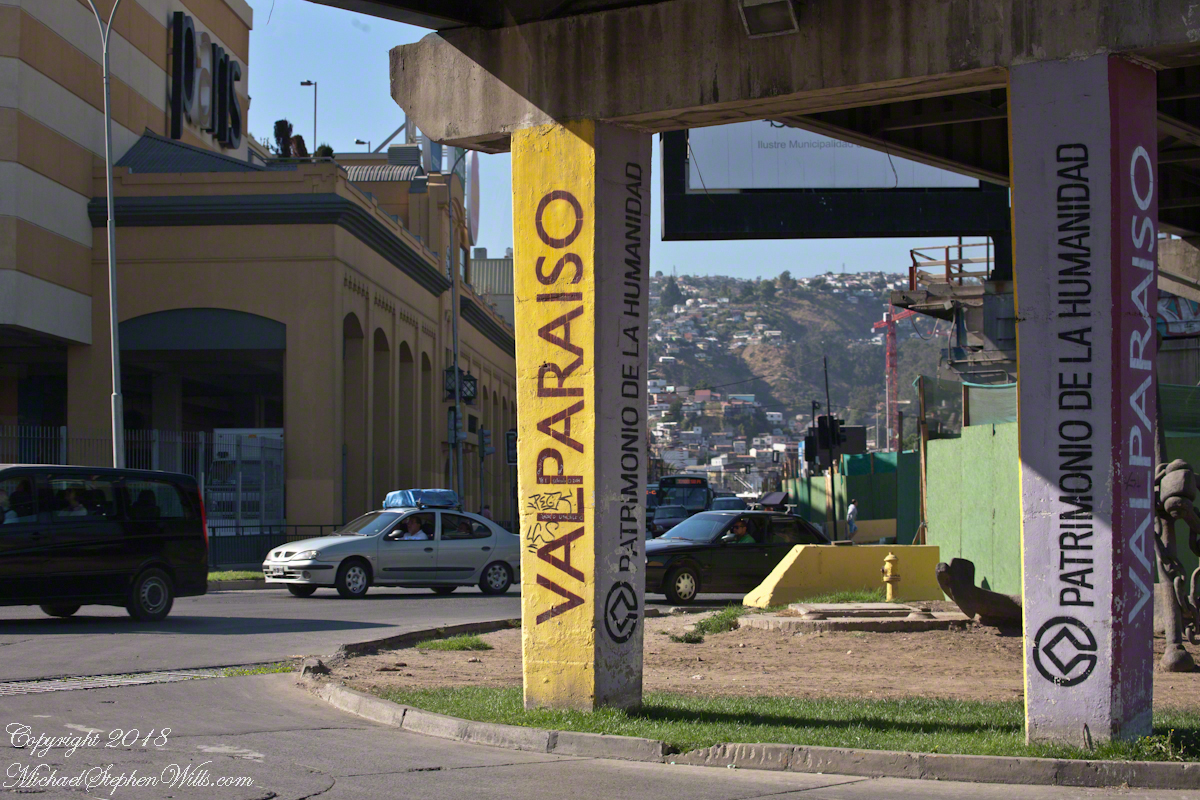
Our vehicle turns onto Argentina Avenue, passing under Spanish Avenue and these supports bruiting the “Patrimony of Humanity” status of Valparaiso.

Turning onto Argentina Avenue, the overpass support columns announce Valparaiso’s status as a World Heritage Site. It is the old city around the port which holds this designation.

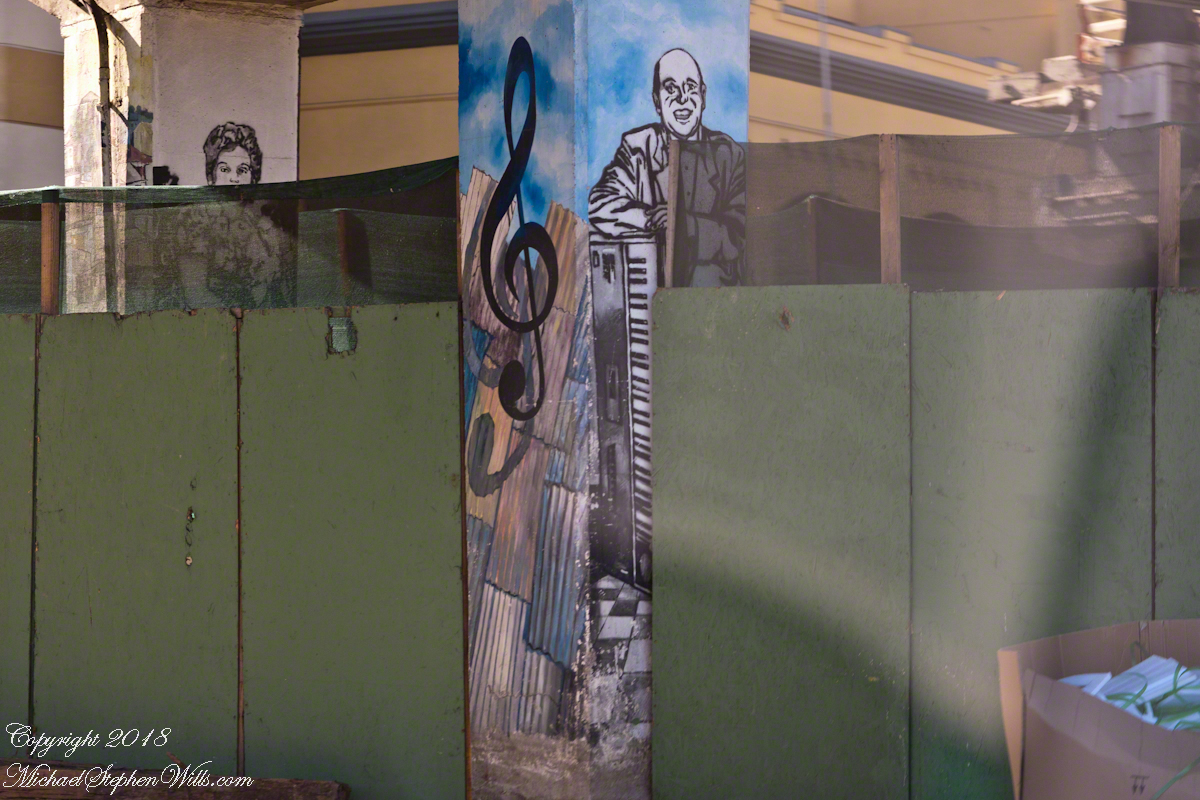
Other murals feature the zinc panels of the Old Town and cultural opportunities.  I noticed the pictured flooring is identical that of Hotel Brighton, see “Our Fifteen Minutes of Fame on Conception Hill.”

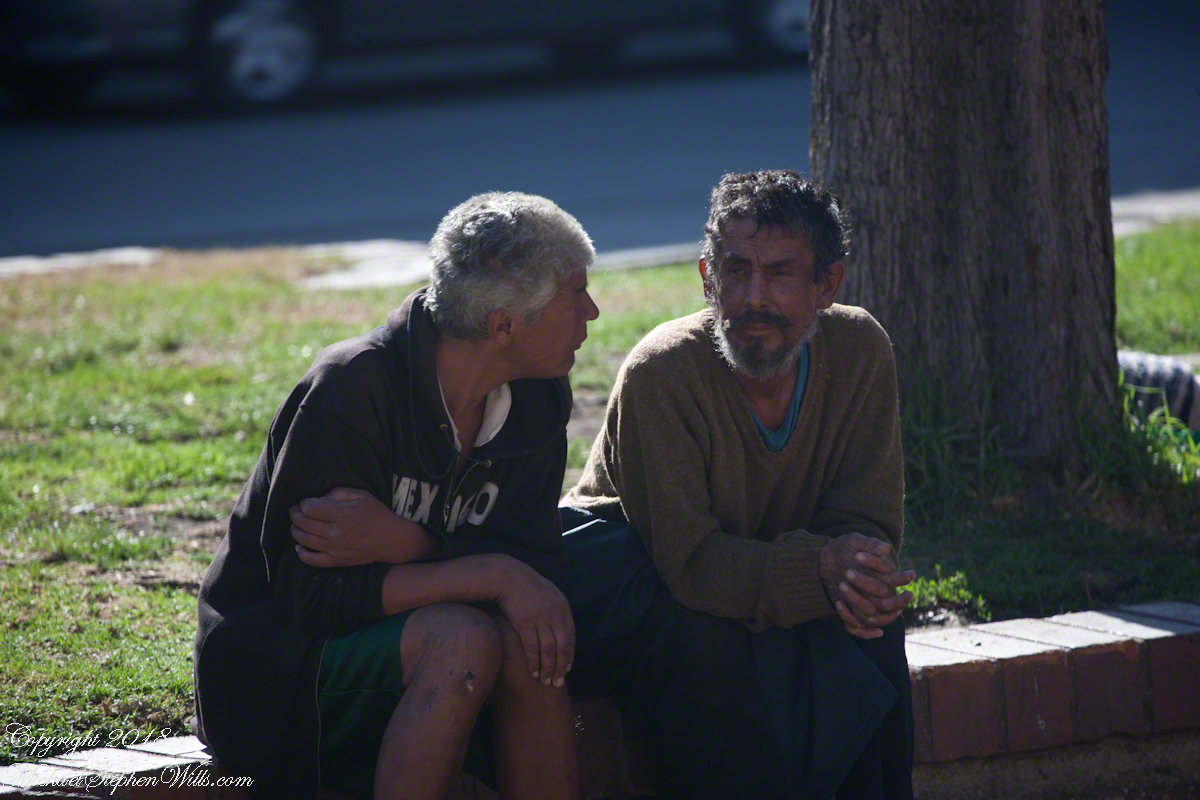
I wonder how a man of a certain ago scrapes his knees, these appear to be homeless people.

Two men carry on conversation on Avenue Argentina, Valparaiso during the weekend Avenue Argentina street fair.

They gives us big smiles and waves when they spotted me / us.  The people were open and friendly.