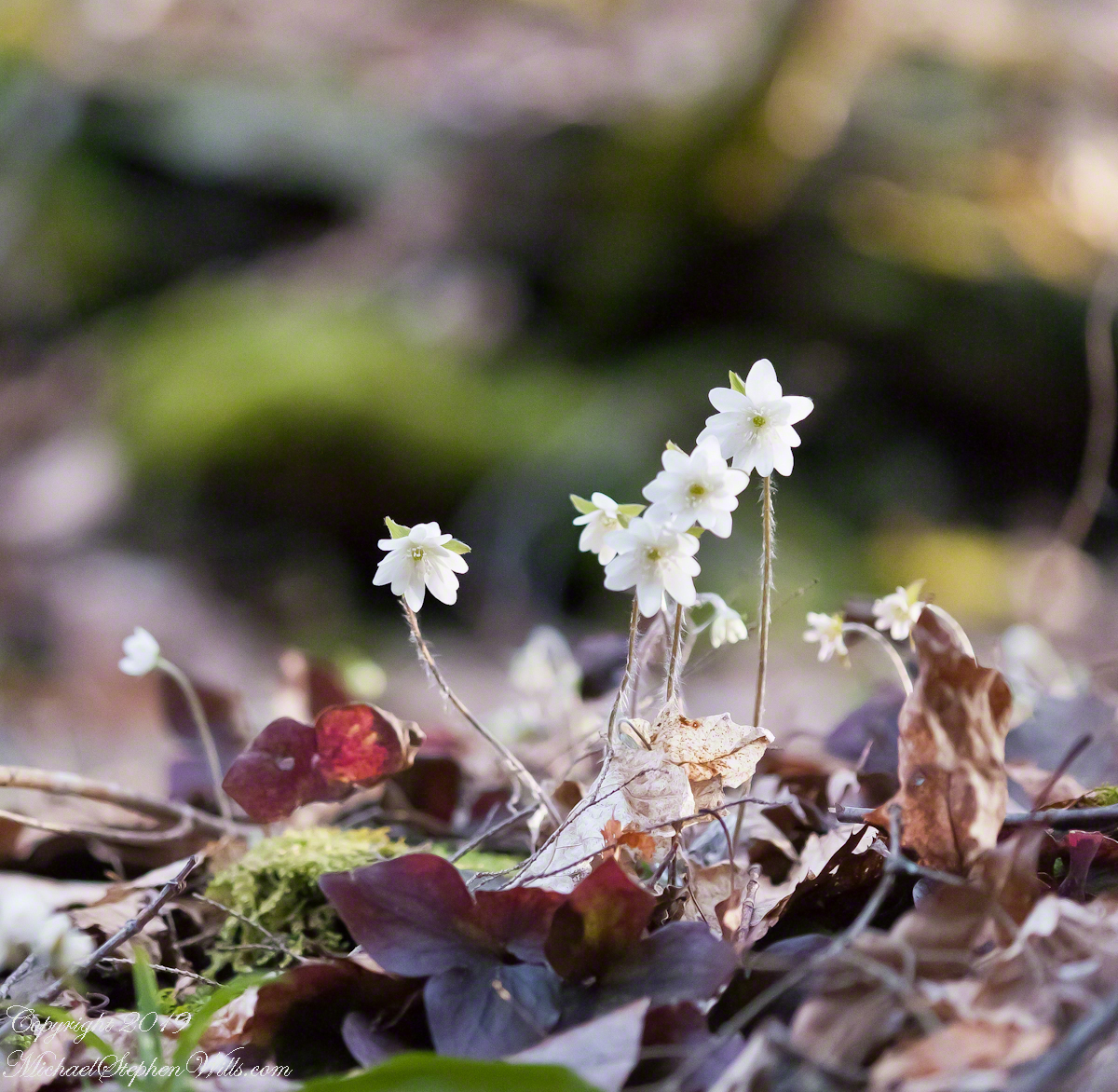
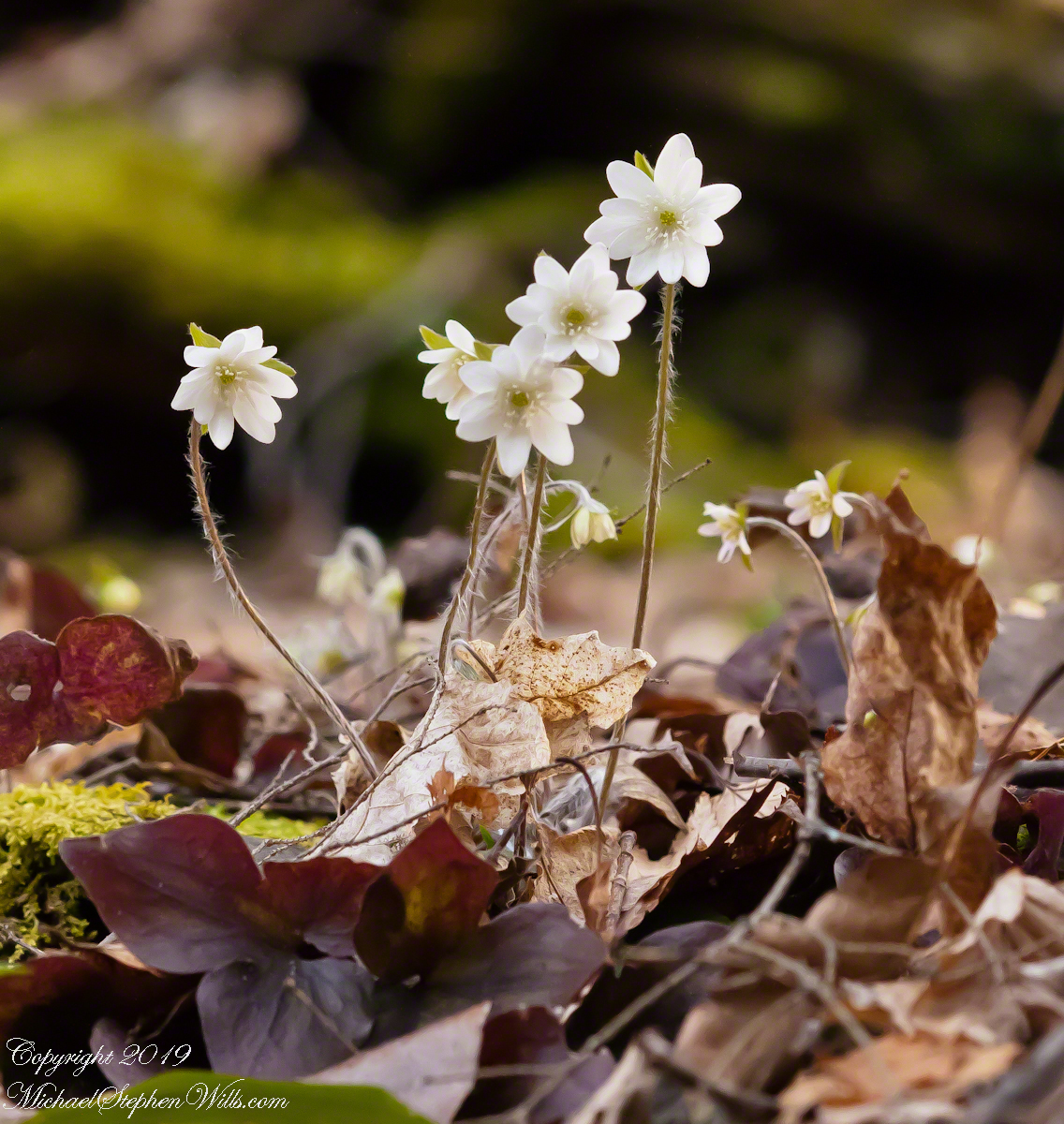
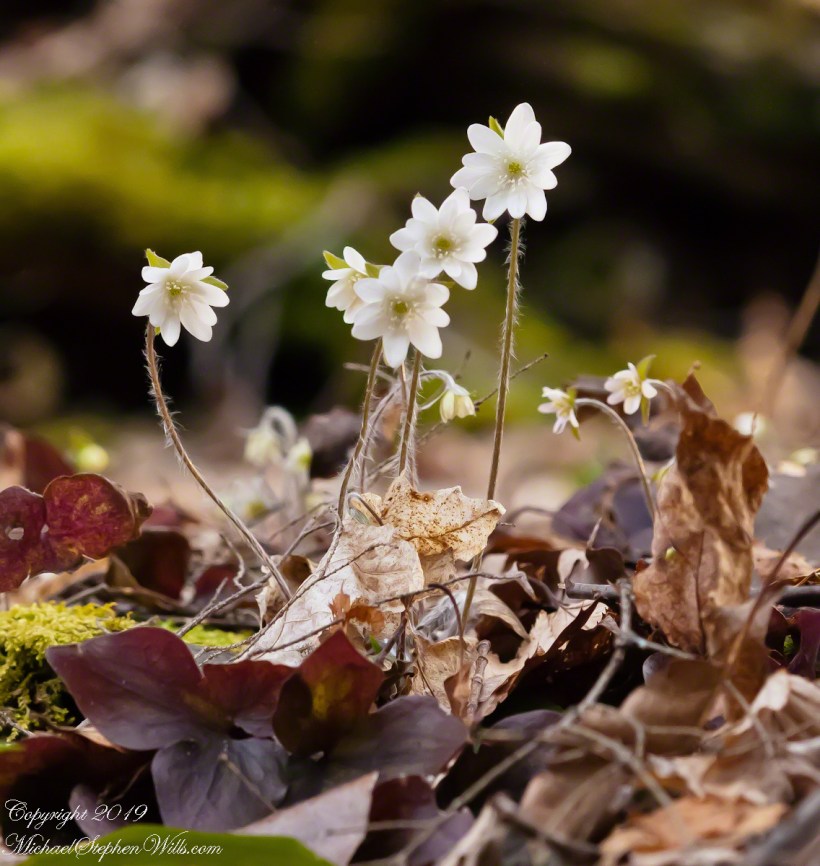
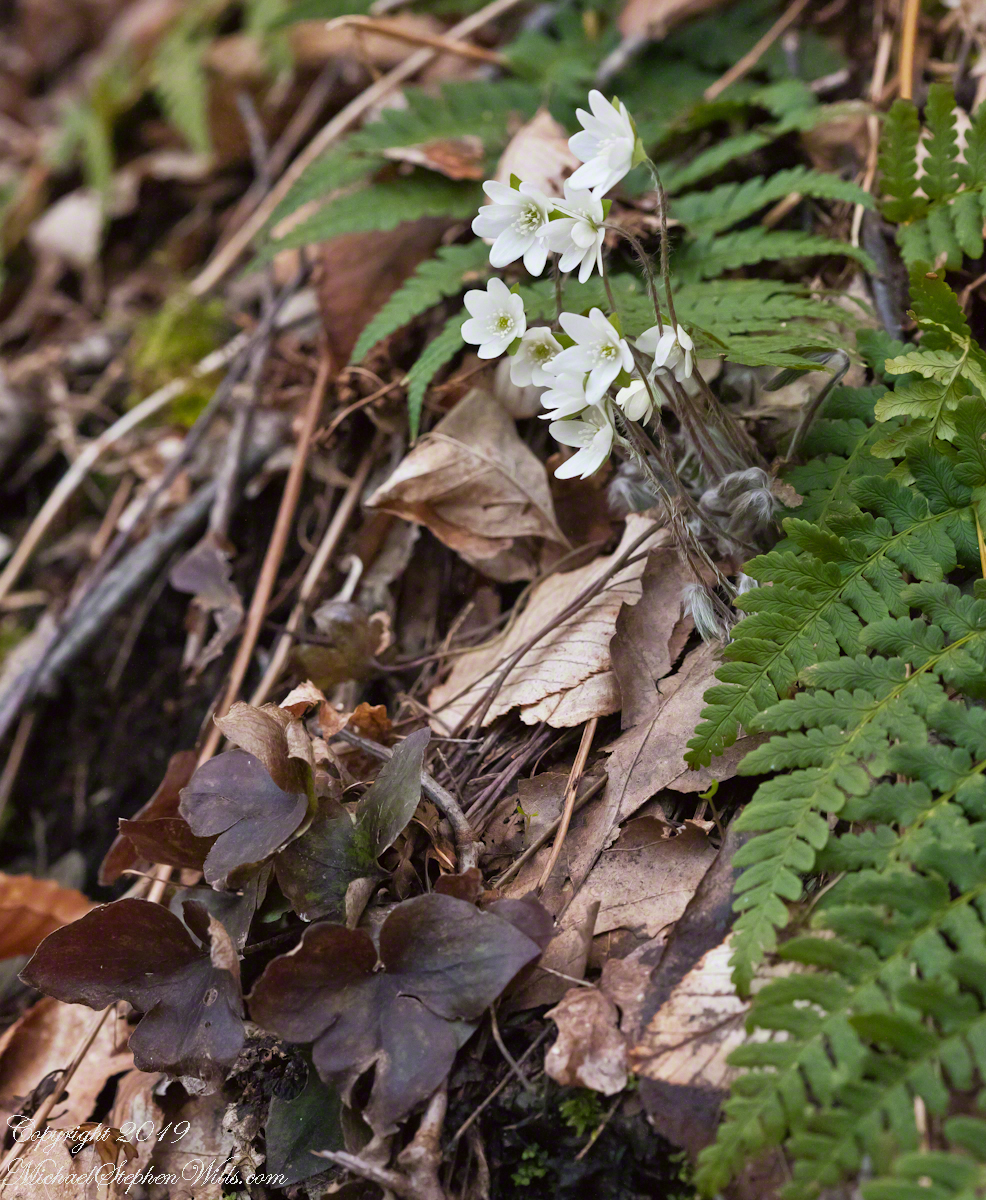
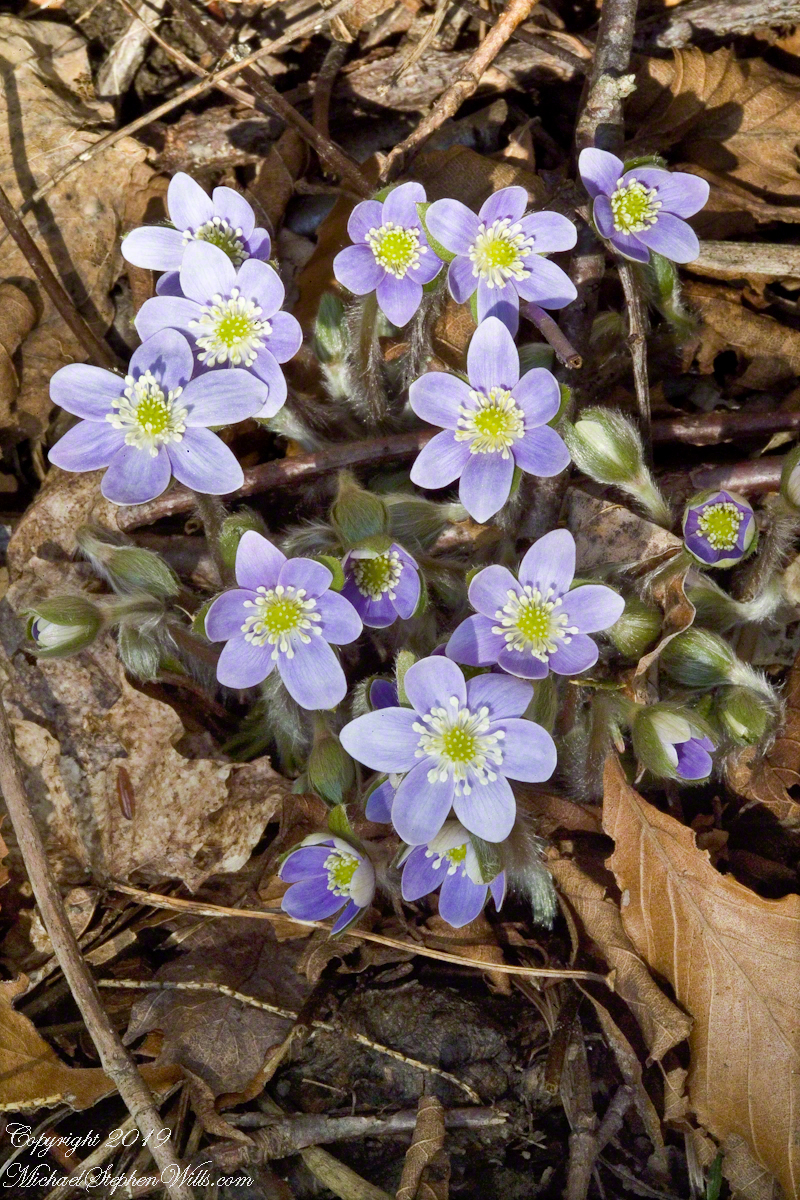
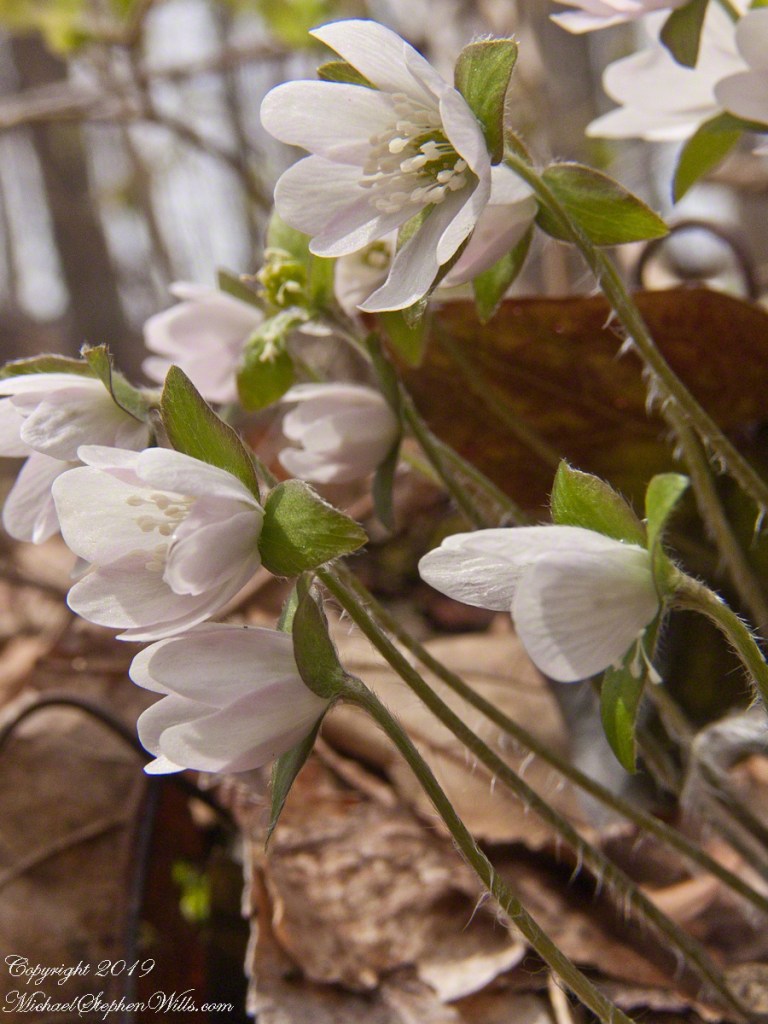
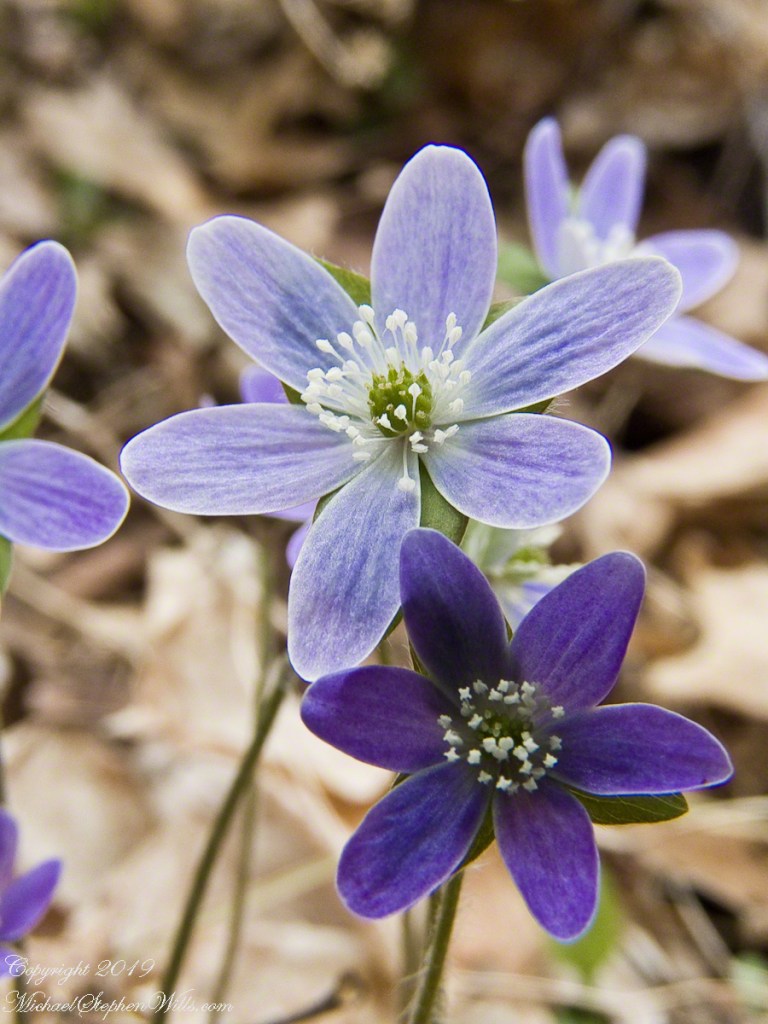
Late one April afternoon these backlit Hepatica on the gorge wall above the South Rim Trail of Treman Gorge posed for their portraits.
With wishes for a Blessed Easter 2021
Late one April afternoon these backlit Hepatica on the gorge wall above the South Rim Trail of Treman Gorge posed for their portraits.
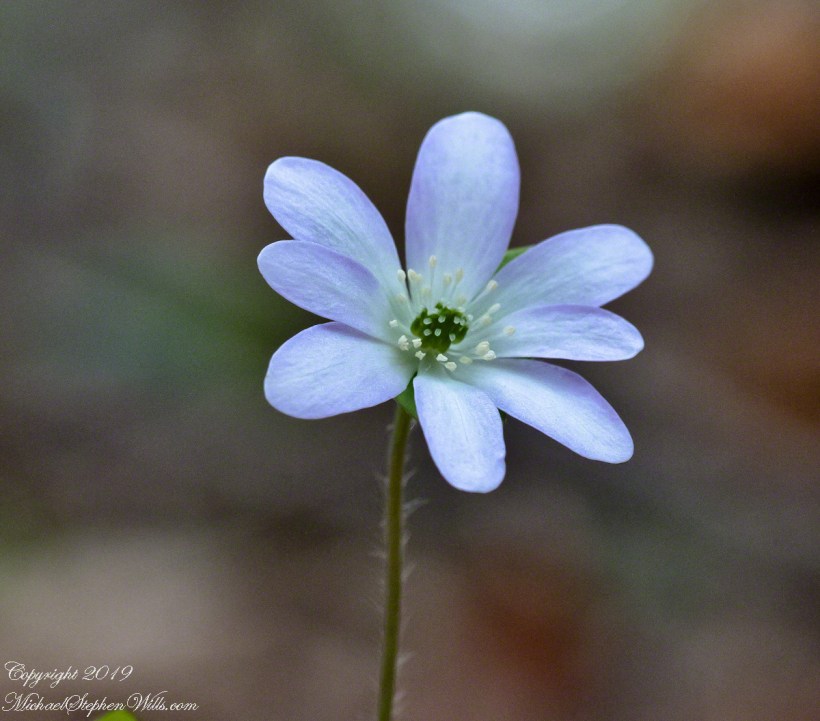
Early Spring Beauties
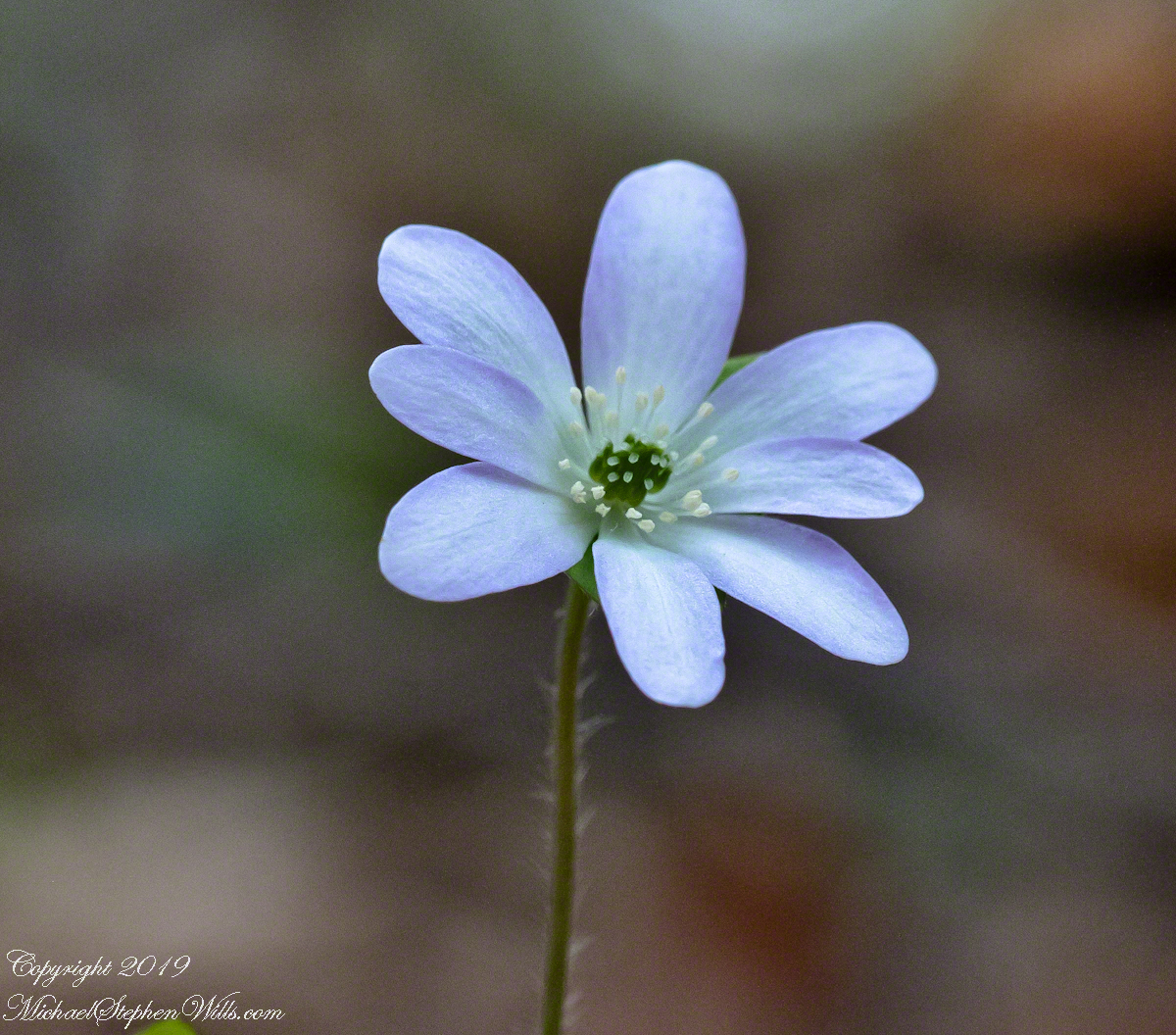
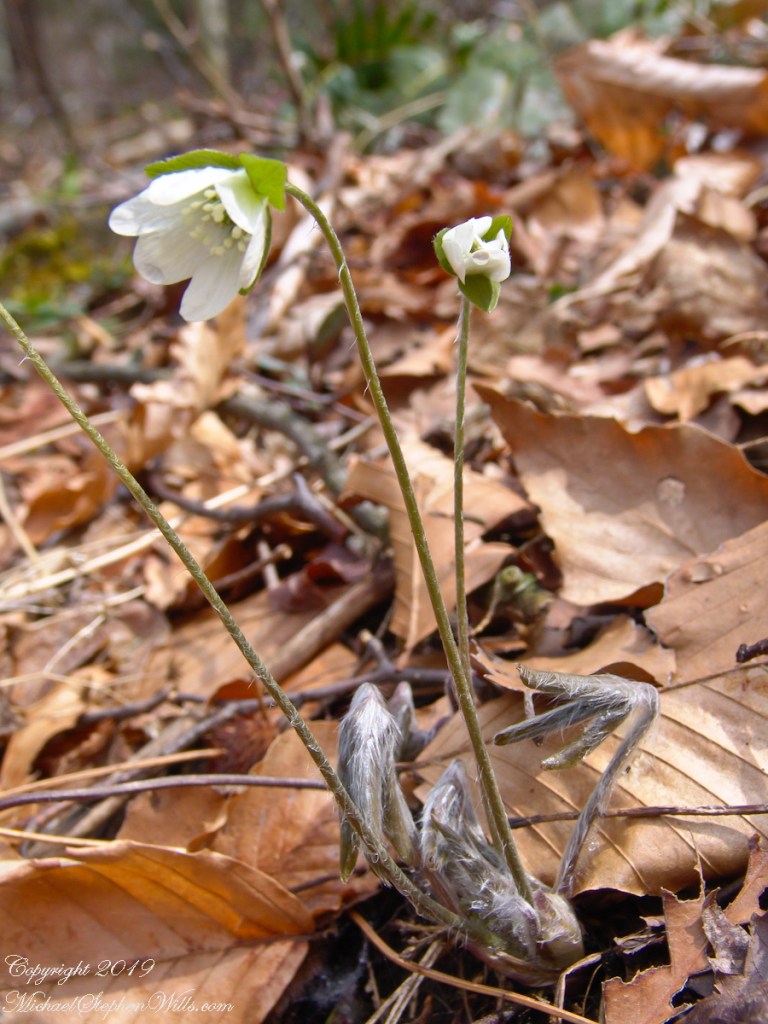
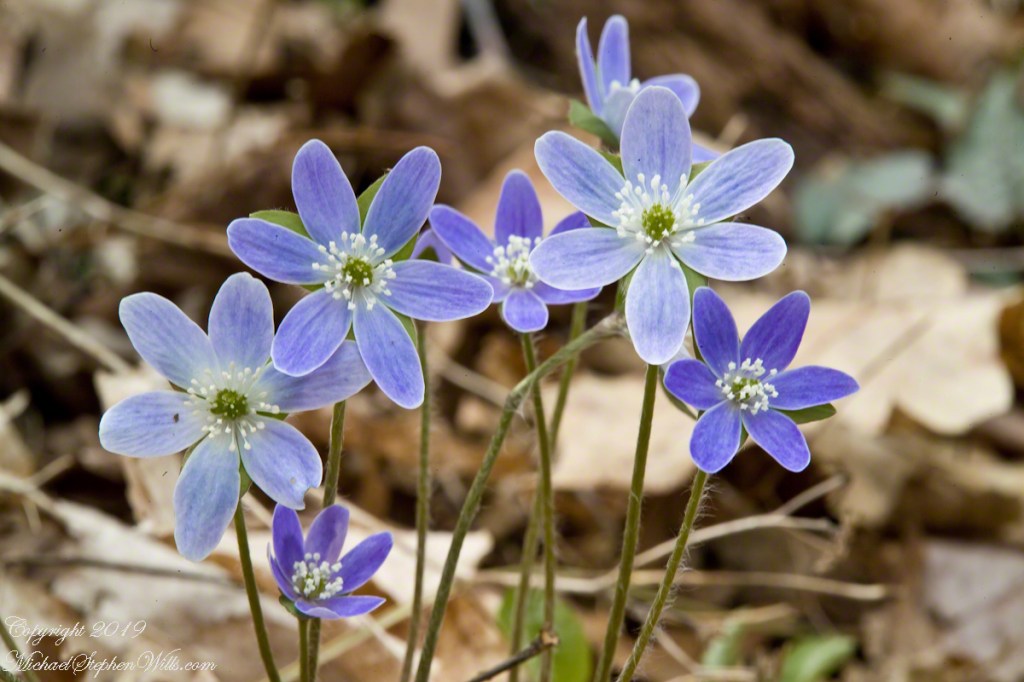
Most every year since 2002 I’ve photographed these personable beauties, the first wildflowers to bloom as early as late February through the snows.
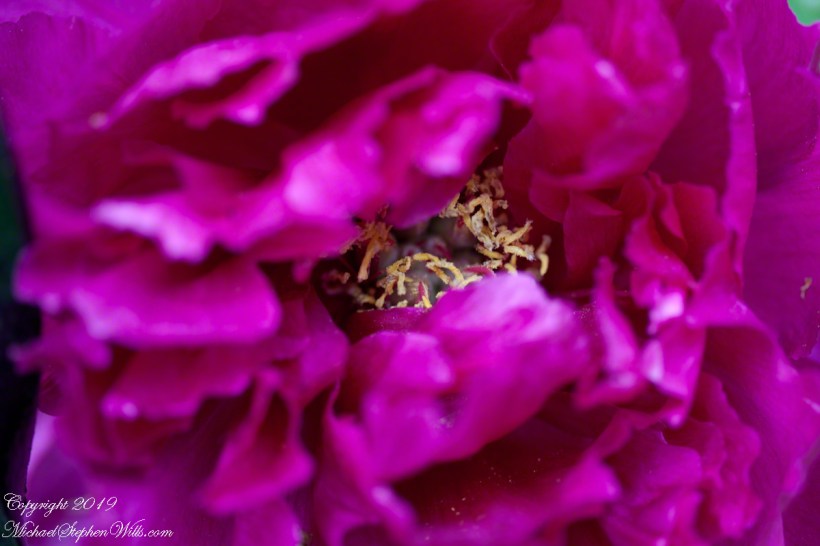
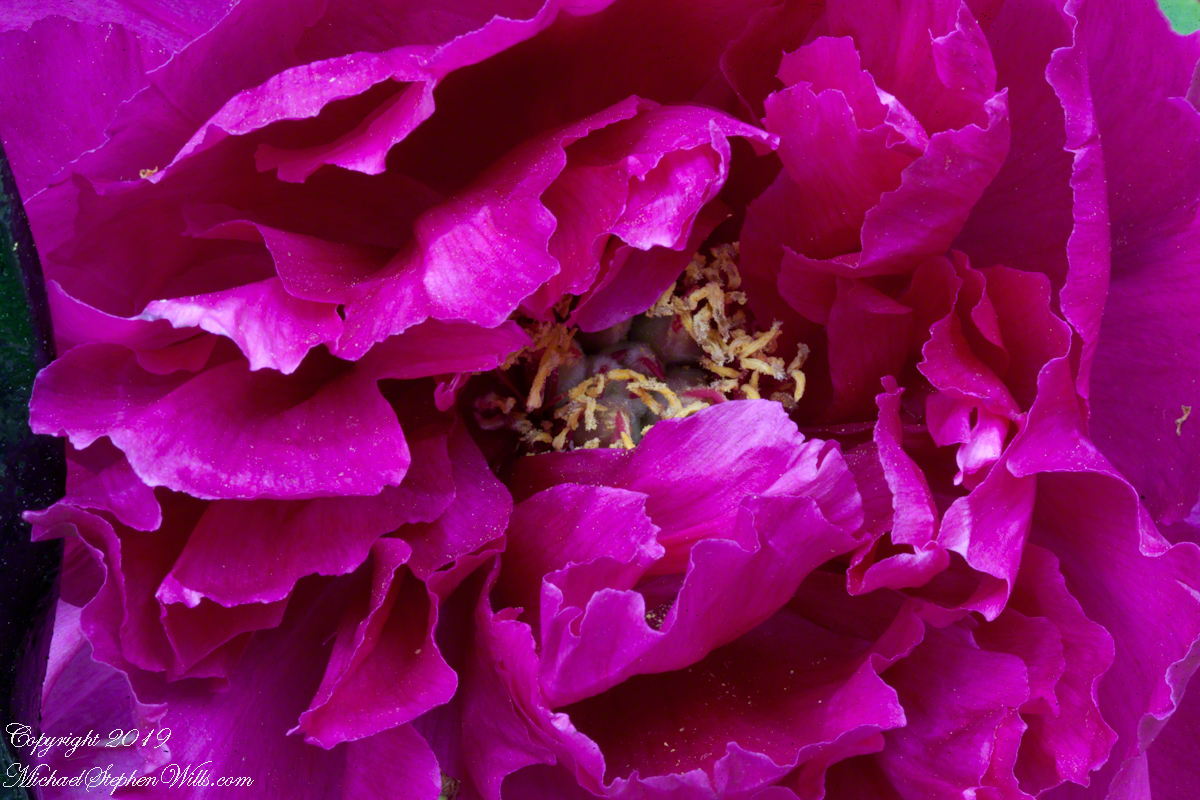
Effect of f-stop
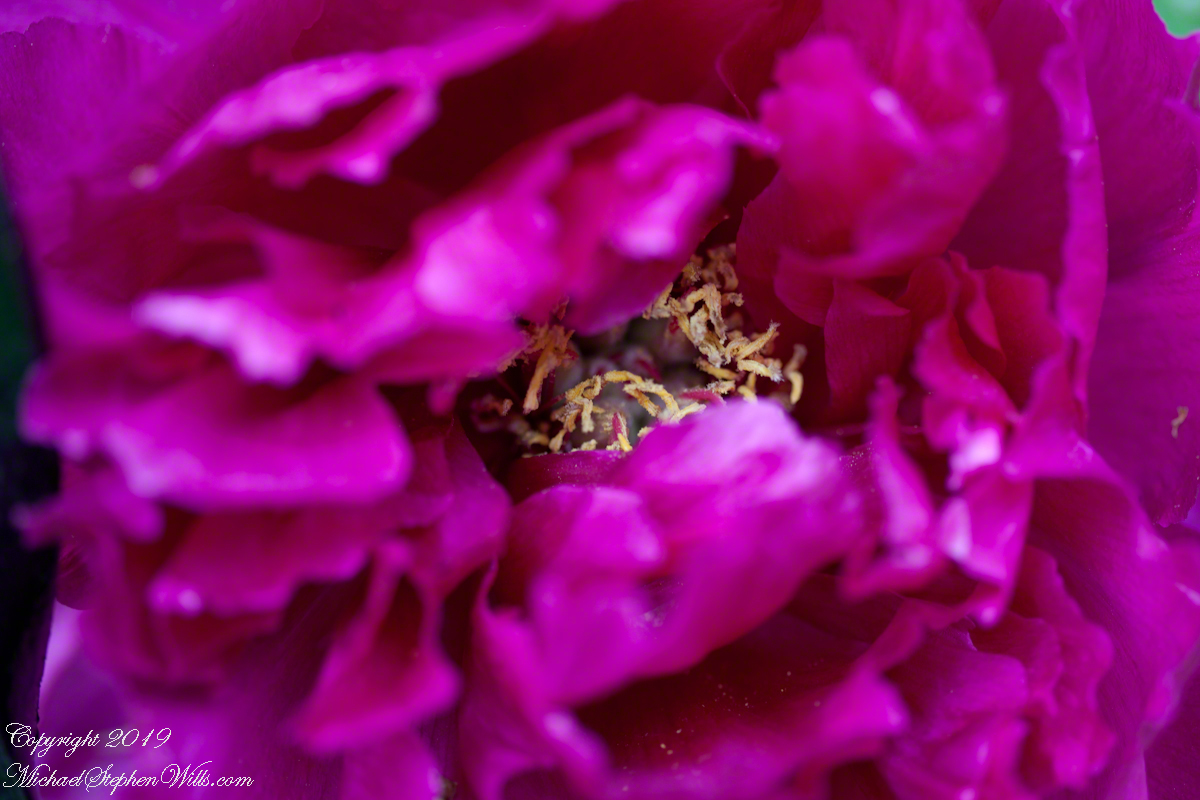
May 2019 Pam and I visited the New York State historical site of Olana, the former home of Fredrick Church of the Hudson River School of painting. Off the walk was a small planting of flowers, among them a type of “woody” peony in full bloom on Memorial Day weekend, well before the “herbaceous” type that is setting flower buds at that time. These were a striking reddish hue.
On returning home we were pleased to find our own “woody” peonies of the same hue in full bloom as well. On Memorial Day I used the Canon EF 100mm f/2.8 Macro USB lens and a tripod to capture the following two macros of the flower center with the lens aperture fully open (f 2.8) and at its smallest (f 32).
Hepatica from April 2007
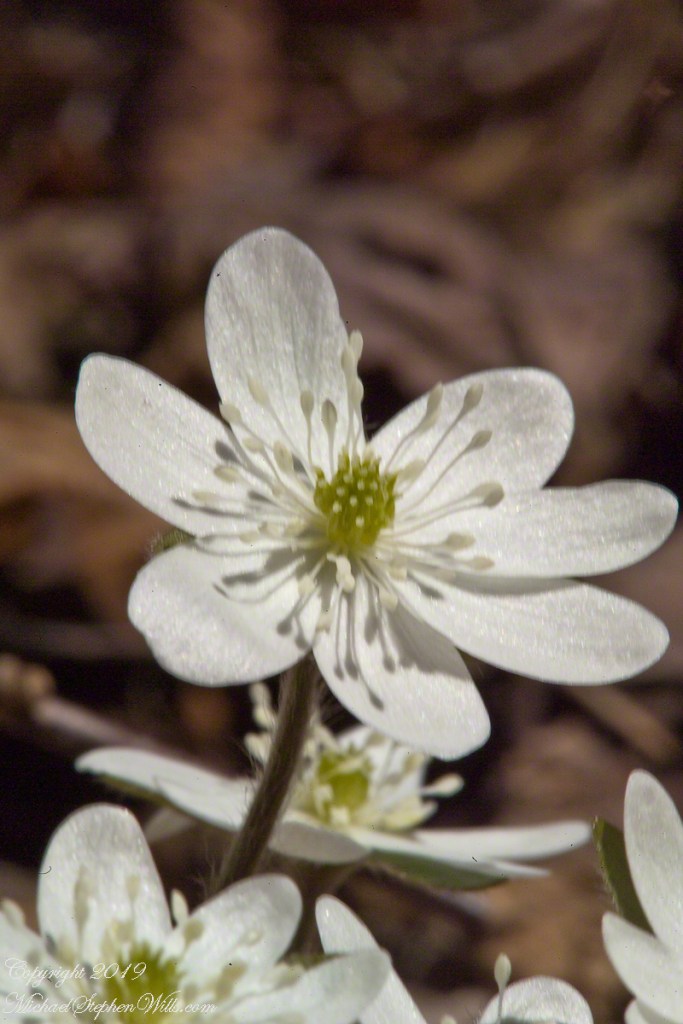
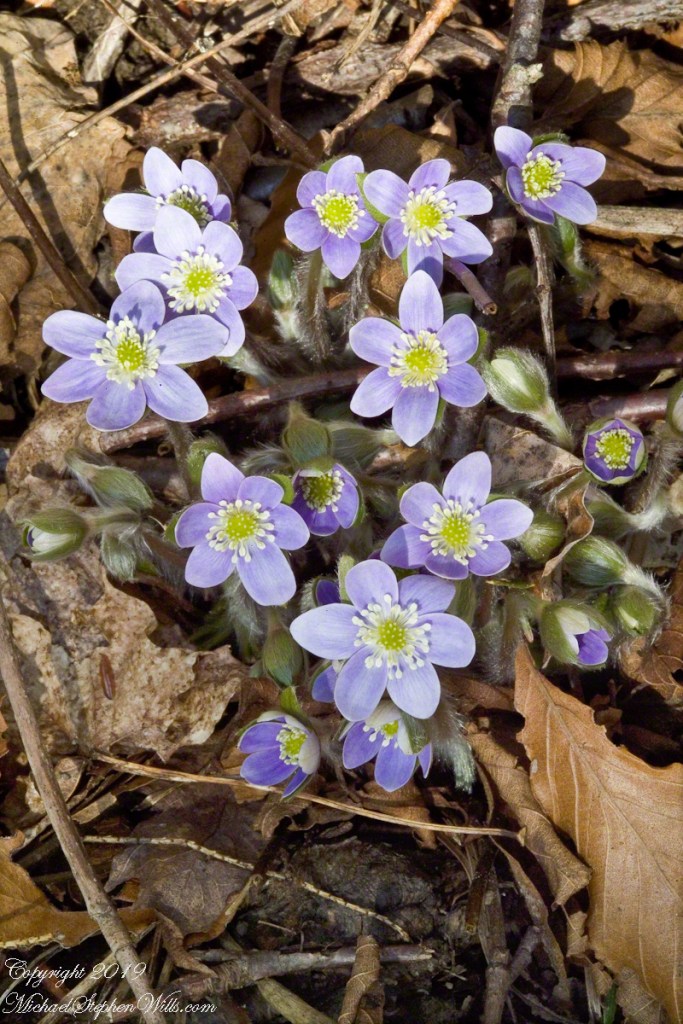
Back in 2007 I used a 100 mm Canon Macro lens on a Kodak slr along with a Sony DSC-F828 variable lens for this mix of macro and habitat captures presented as a gallery so you can flip back and forth among the larger images. Click any image to bring up a larger version.
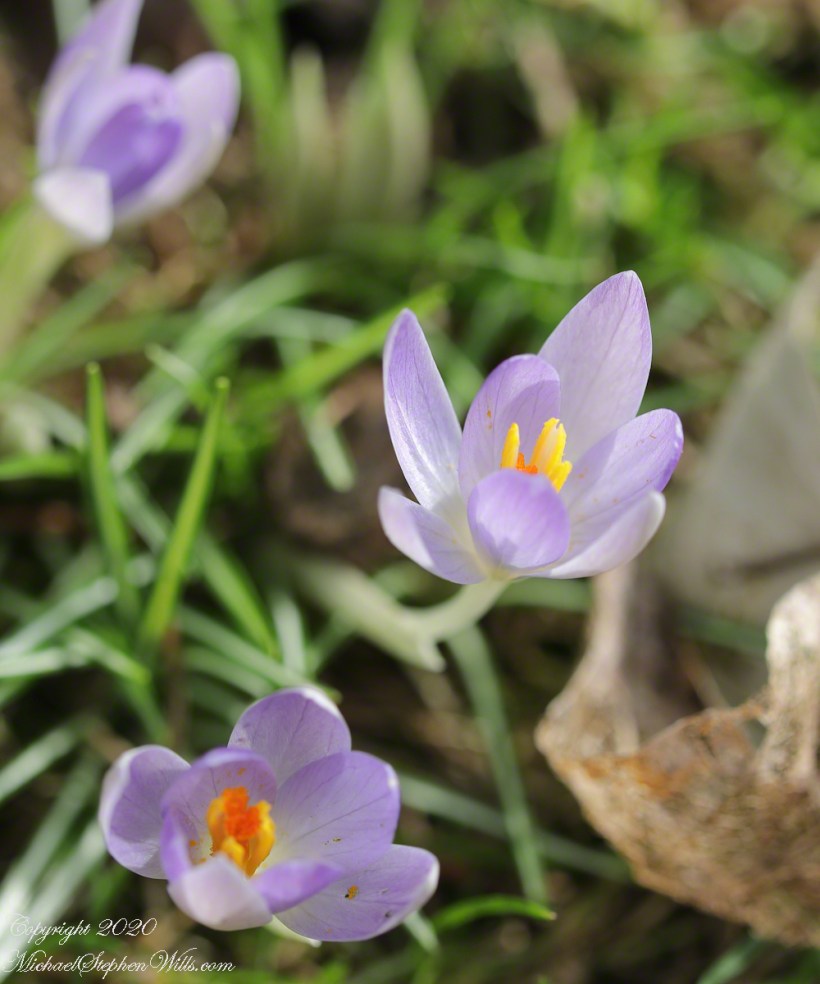
With the thermometer in the 40’s on March 12 these crocus were open, under the same magnolia tree as the buttercups from the 10th. The blooms close during cold snaps much as you see in the first post.
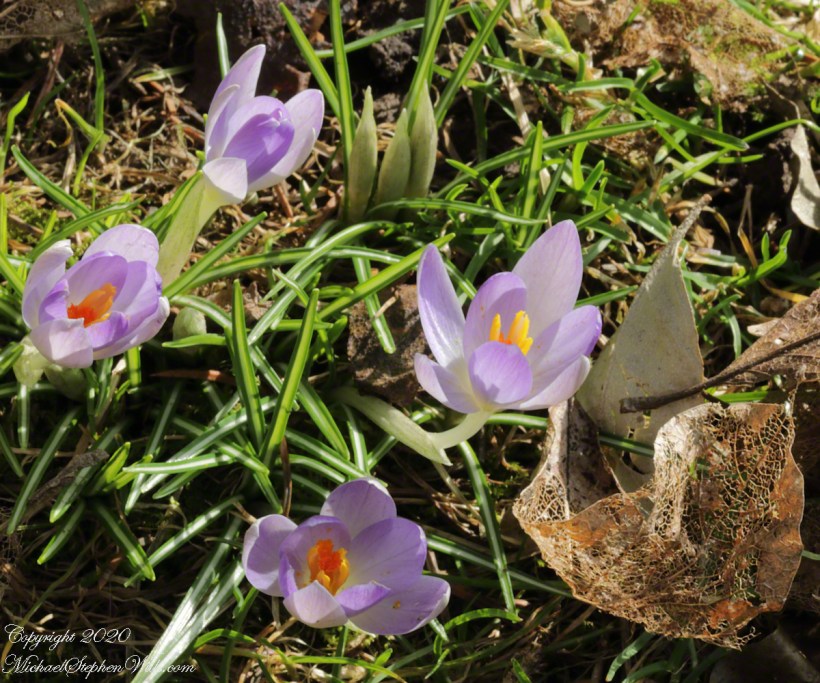
A tripod held the composition steady and the timer was set to 2 seconds for extra stability. With the leaf body worn away by time, the remaining veining turns the form lacy.
Here is a slideshow today’s and previous wildflowers.
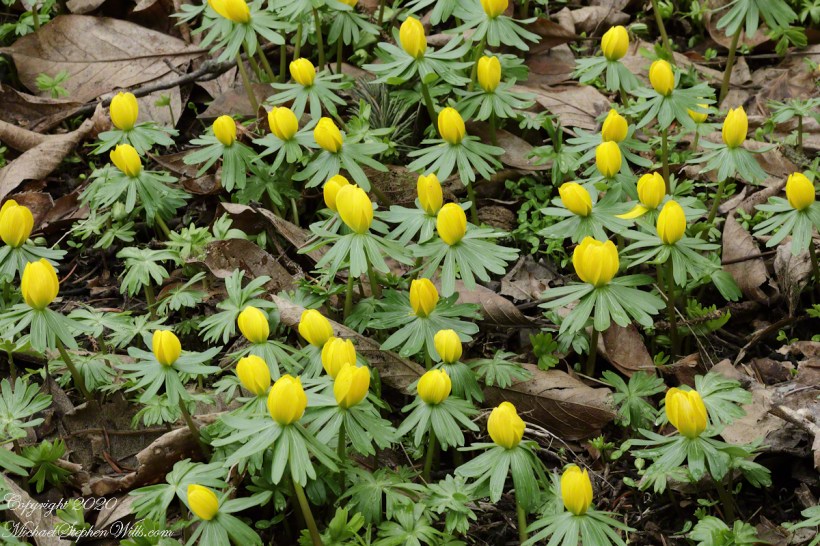
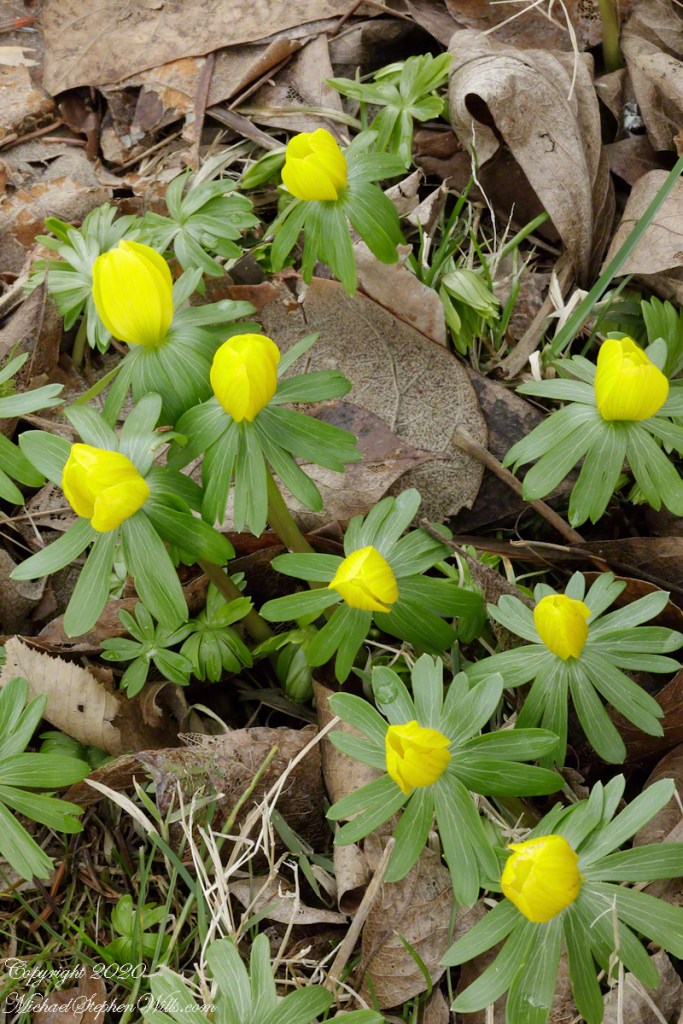
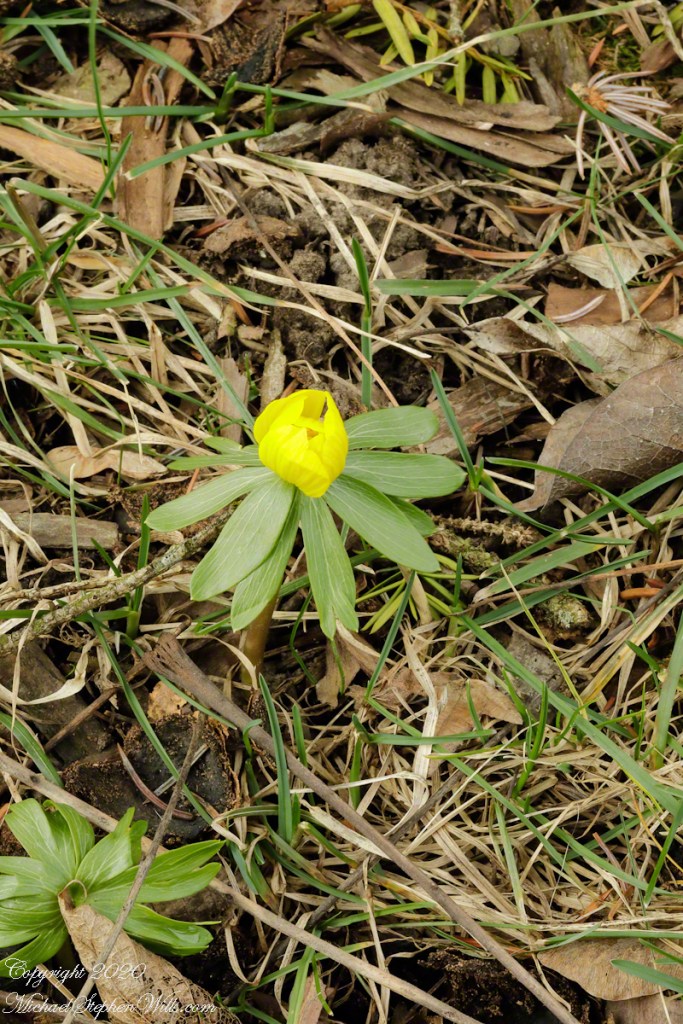
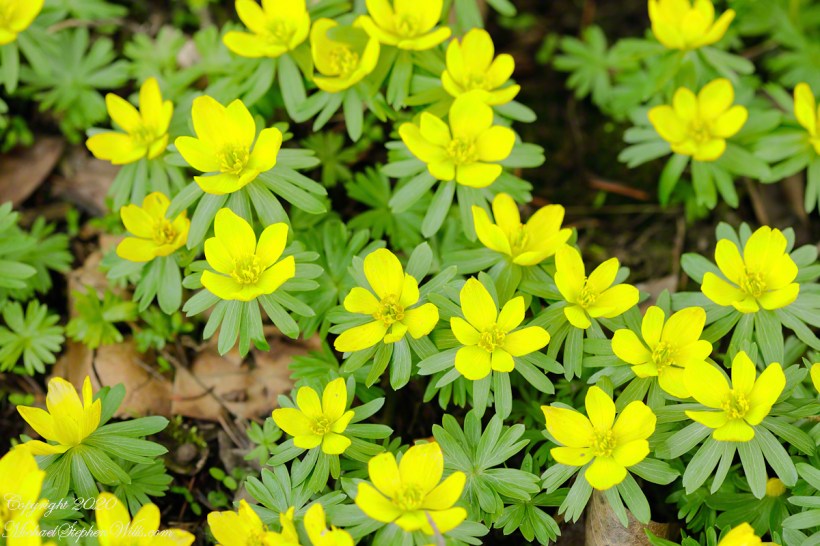
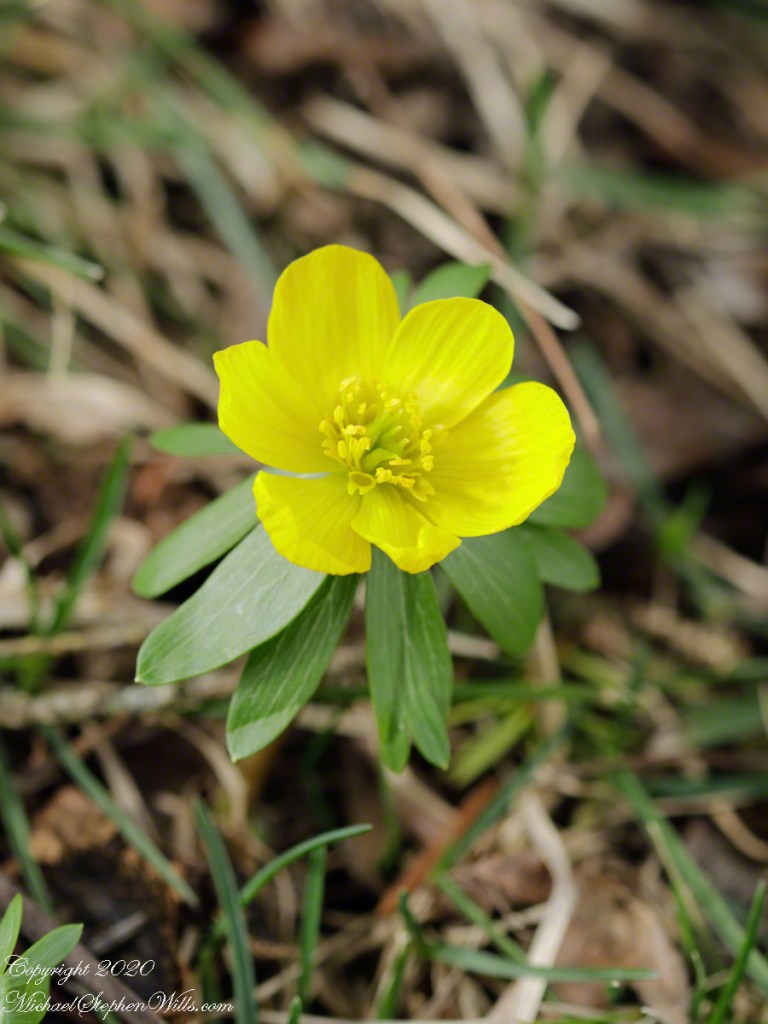

reaction to cold temperature
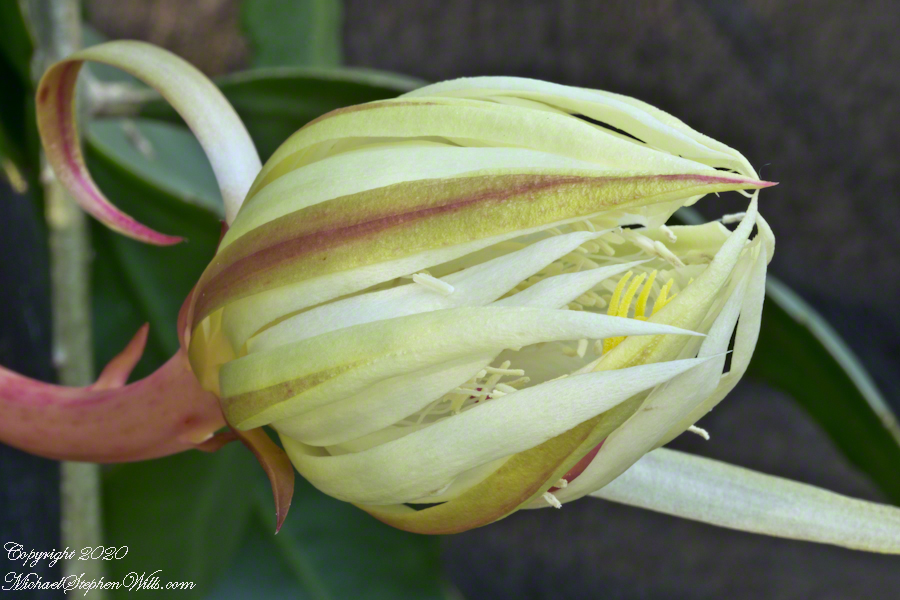
For the final post of this series on Cereus blooms, of the four buds two failed to fully open after the weather turned cold in late September/Early October. Here is the failed bloom from the same opening bud featured in the last Cereus posting.


References
Wikipedia, “Epiphyllum, “Epiphyllum oxypetalum,”epiphyte.”
Copyright 2020 Michael Stephen Wills All Rights Reserved

soon to open
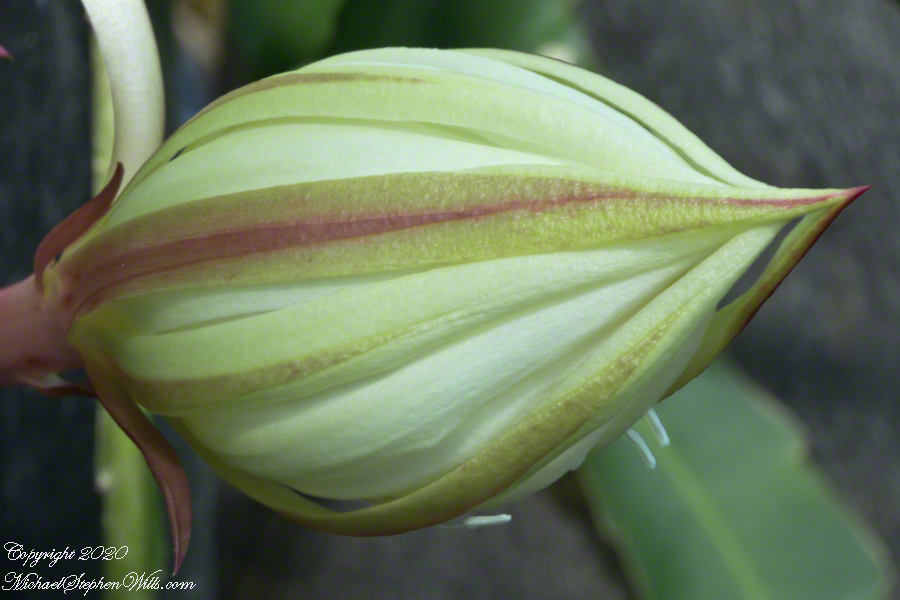
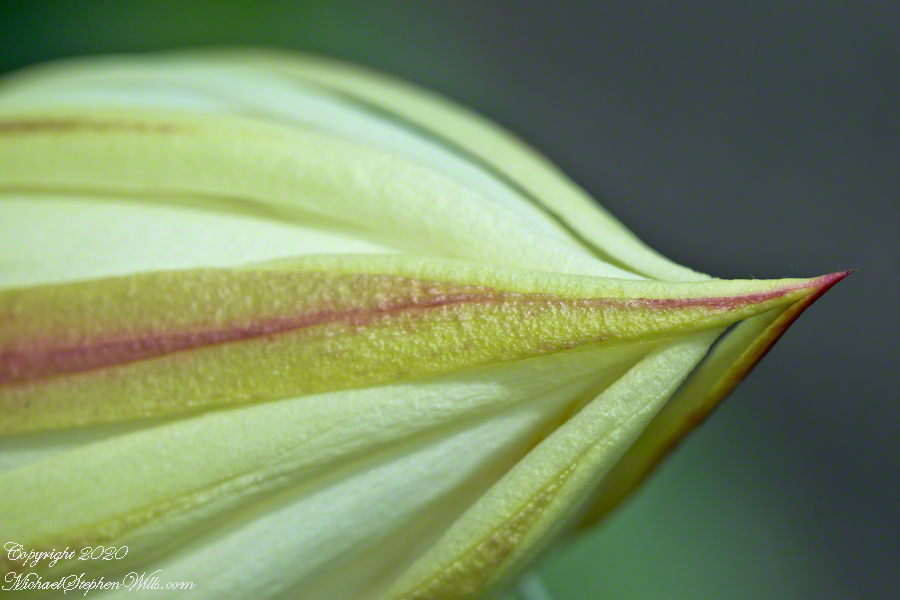
Here is a continuation of the previous Cereus posting, the ultimate macros of a bloom on the edge of opening.



References
Wikipedia, “Epiphyllum, “Epiphyllum oxypetalum,”epiphyte.”
Copyright 2020 Michael Stephen Wills All Rights Reserved
evening preparation
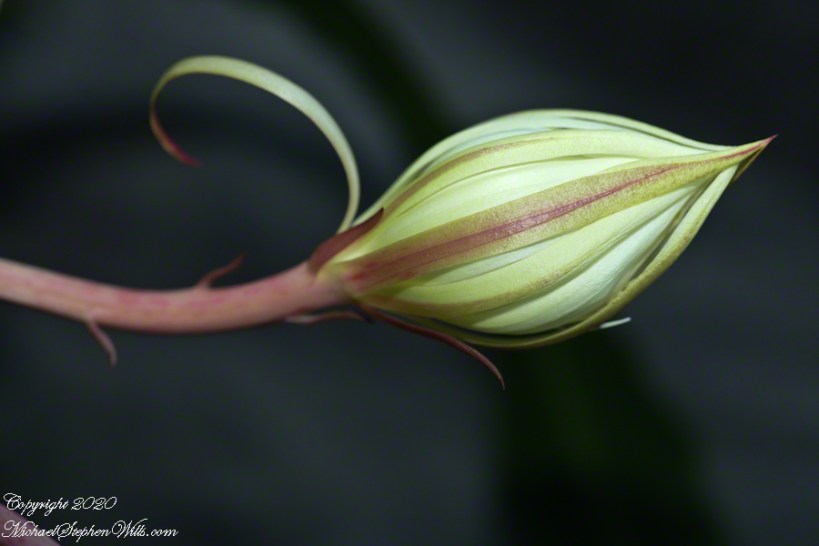
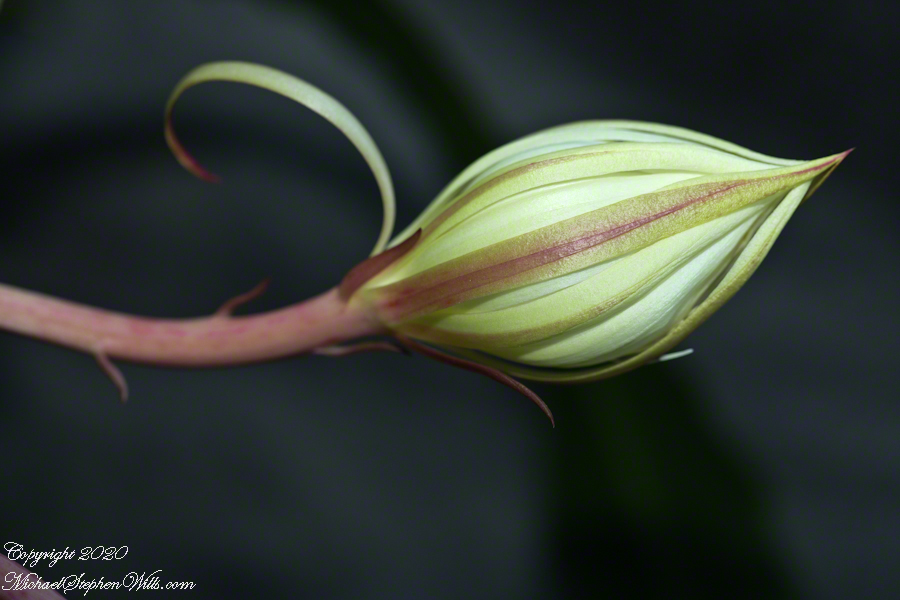
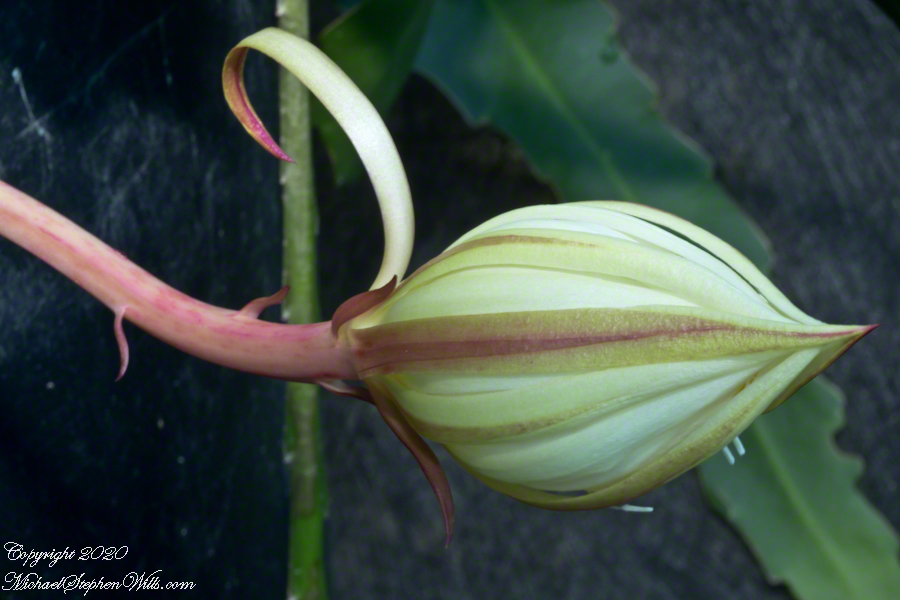
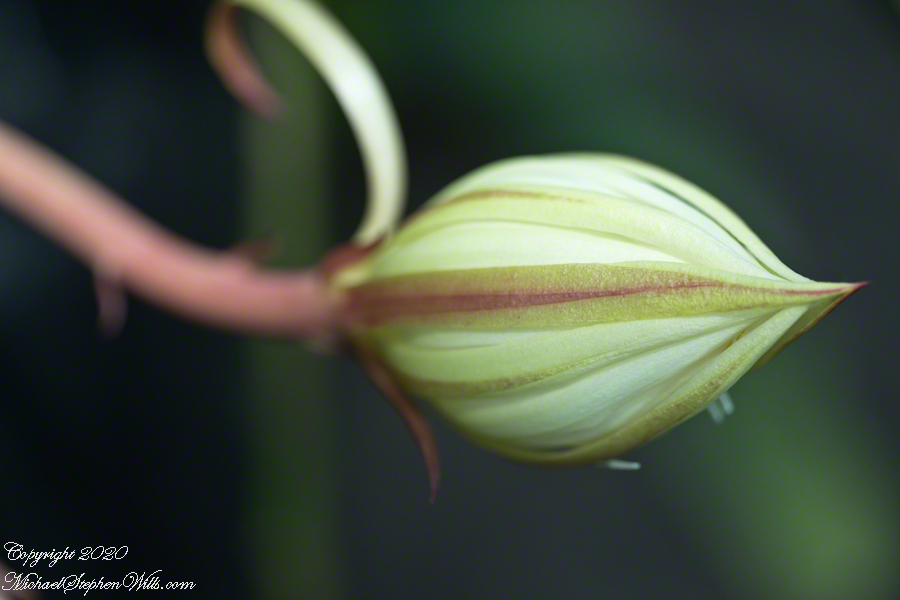
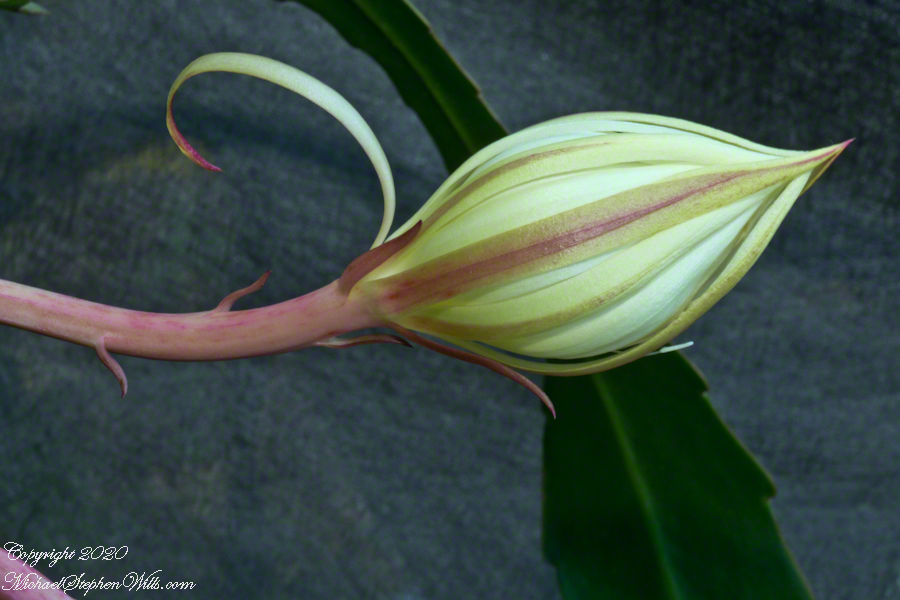
Almost bursting open, the third of four flower buds of our Night Blooming Cereus caught one October evening just before opening. The black background is repurposed anit-weed ground cover material.
Here is a series of flash photographs at varying apertures and angles. The white rods are emerging anthers, the pollen-containing tips of long stamens seen in my previous postings of the open flowers.
References
Wikipedia, “Epiphyllum, “Epiphyllum oxypetalum,”epiphyte.”
Copyright 2020 Michael Stephen Wills All Rights Reserved
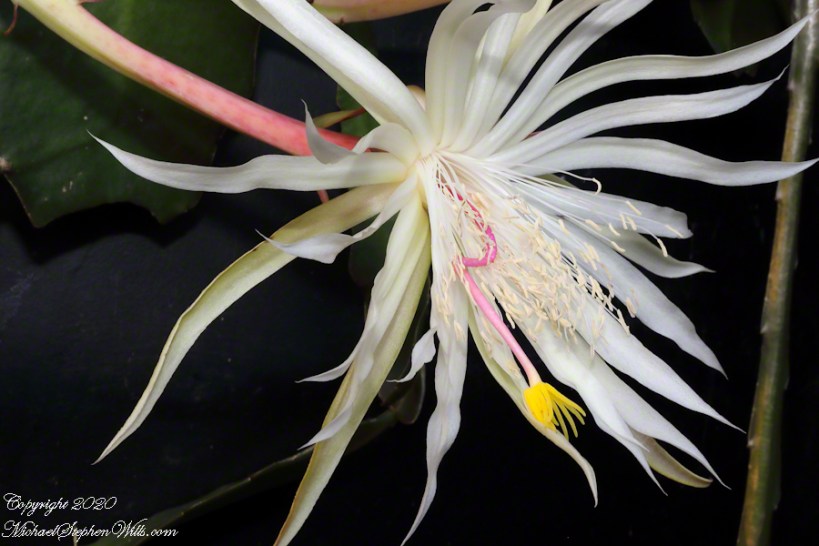
What is this plant?
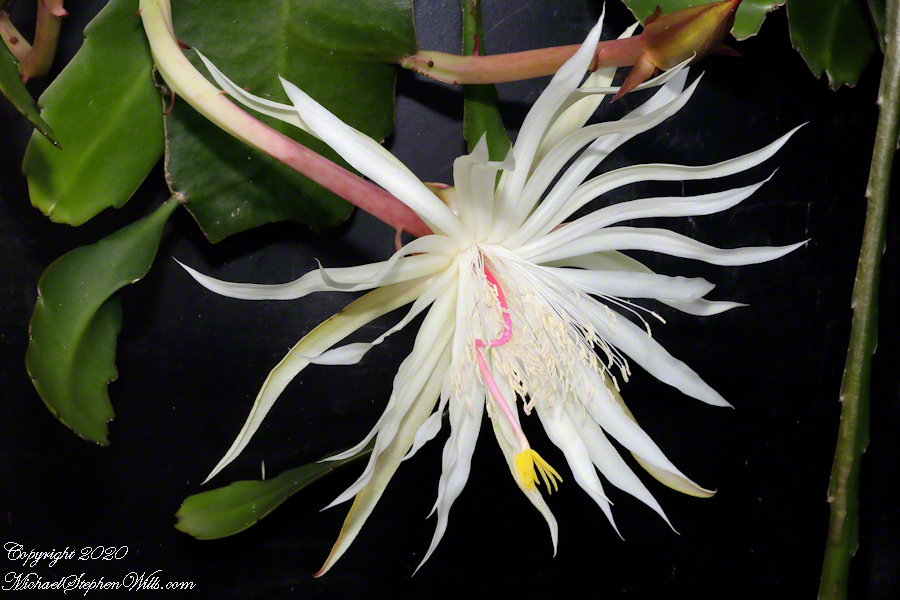
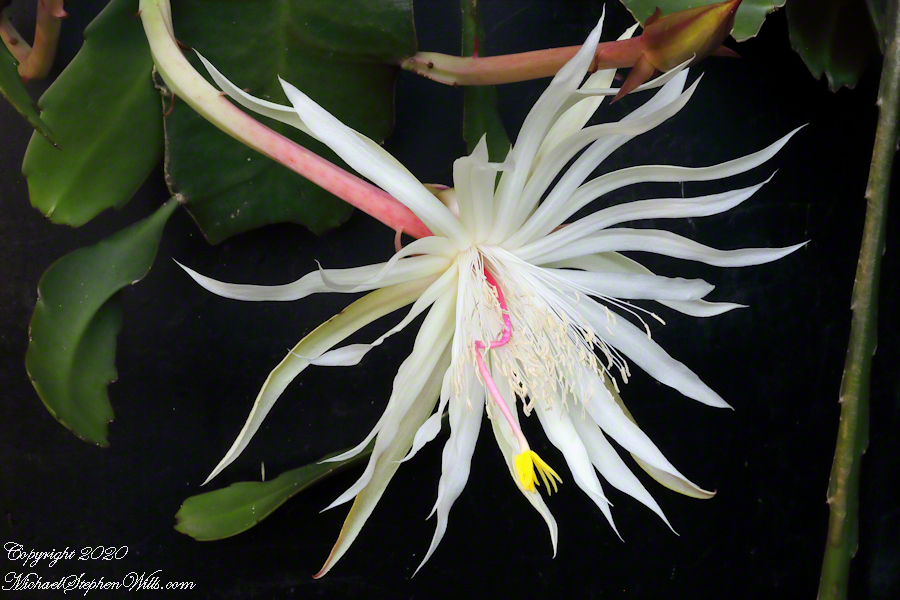
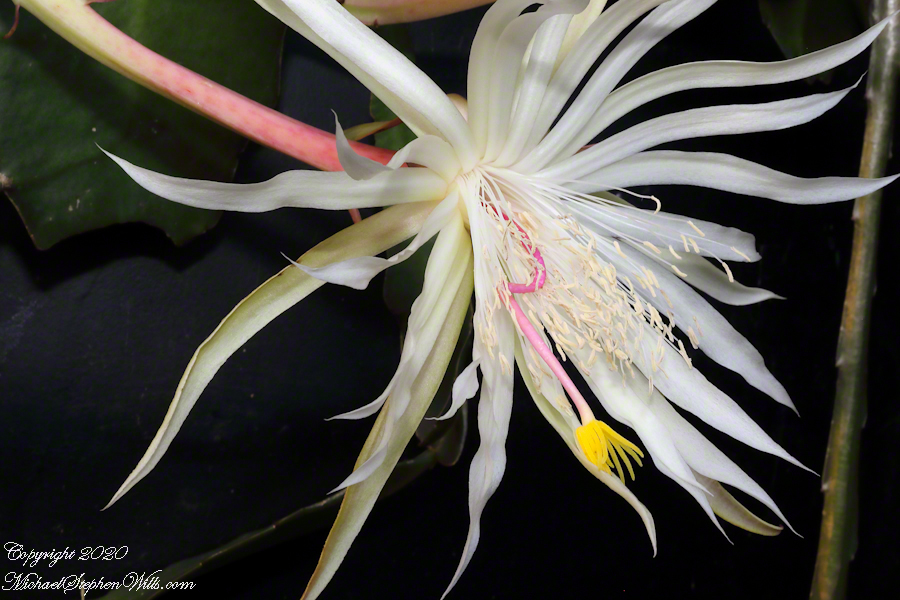
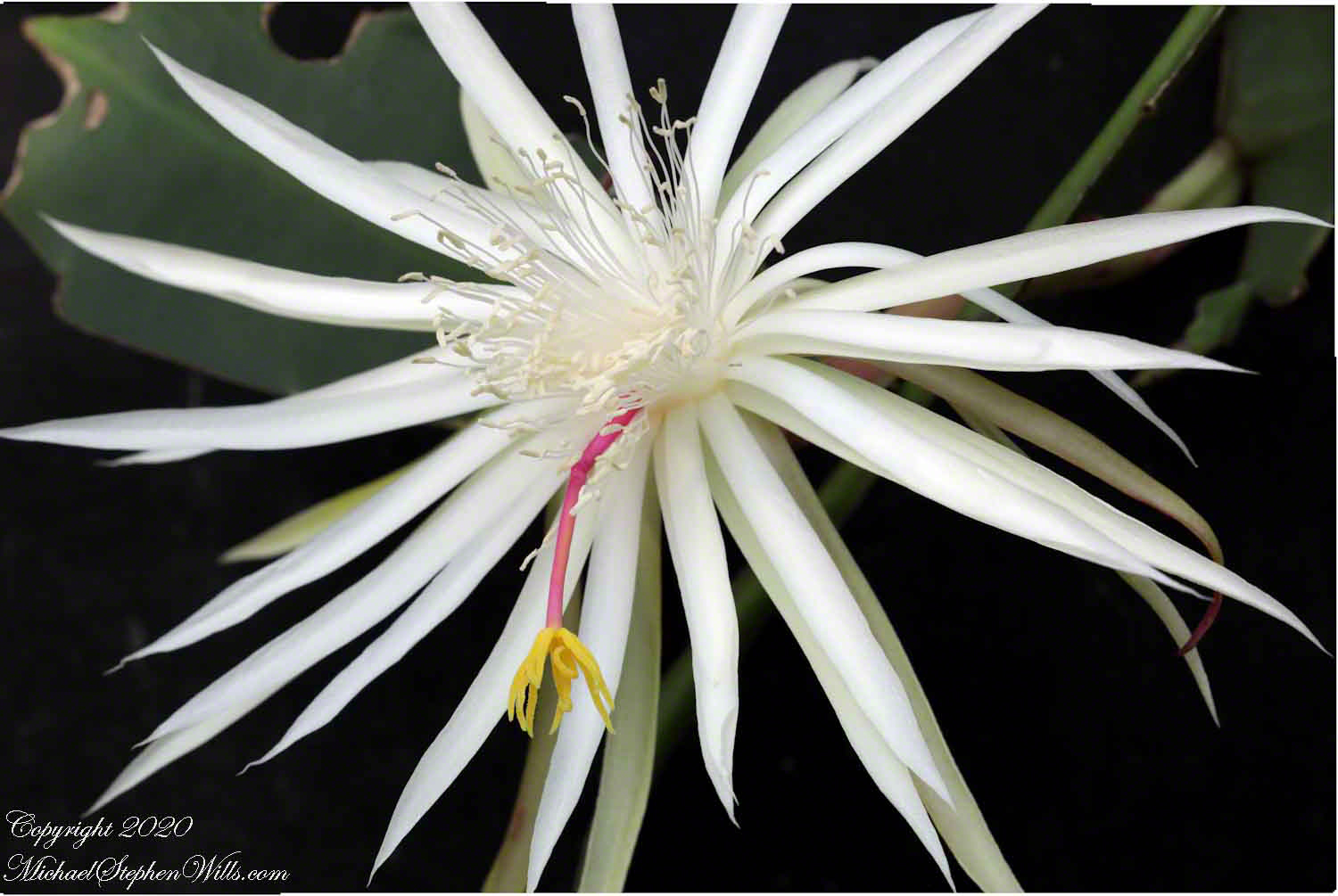
Bloom #2 of this season. Two more in the wings. I broke out the flash and the Canon 100 mm “macro” lens for this series taken an hour after sunrise before this one-night-only bloom wilted.
References
Wikipedia, “Epiphyllum, “Epiphyllum oxypetalum,”epiphyte.”
Copyright 2020 Michael Stephen Wills All Rights Reserved
Source of popular name?
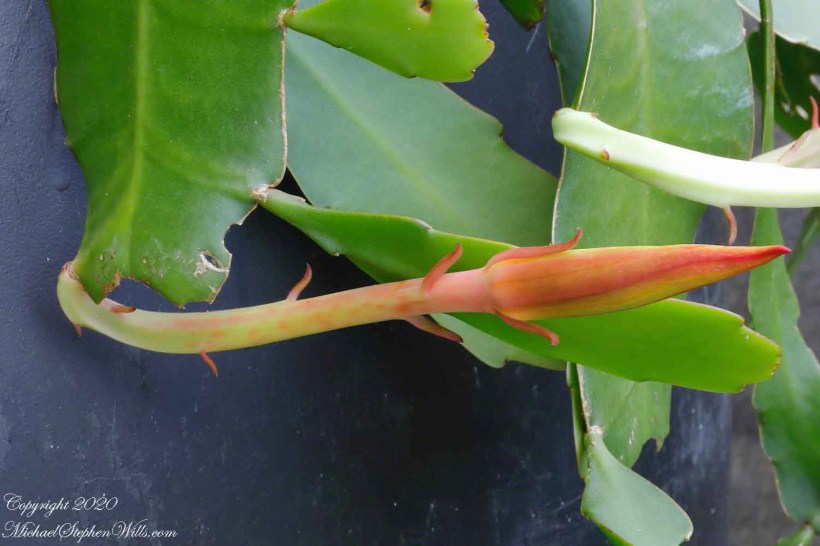
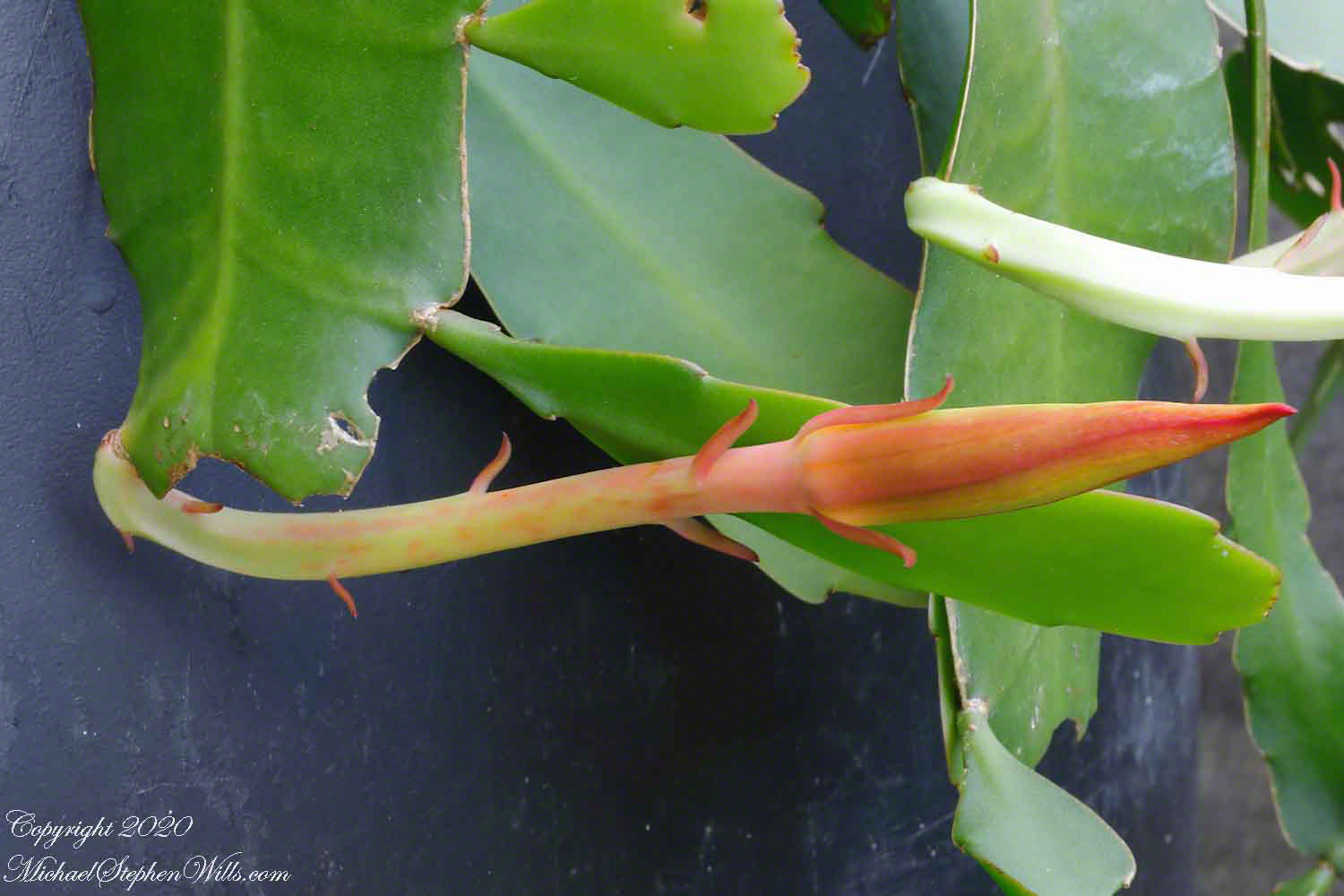
In an earlier posts the popular name of this plant, “Night Blooming Cereus” was introduced as incorrect, still there must be some truth in the name, I believe it is found in the developing flower stalk and bud.
“Cereus” is from the Greek word for candle. Don’t these developing flower stalks, resemble a candle and the bud a flame?
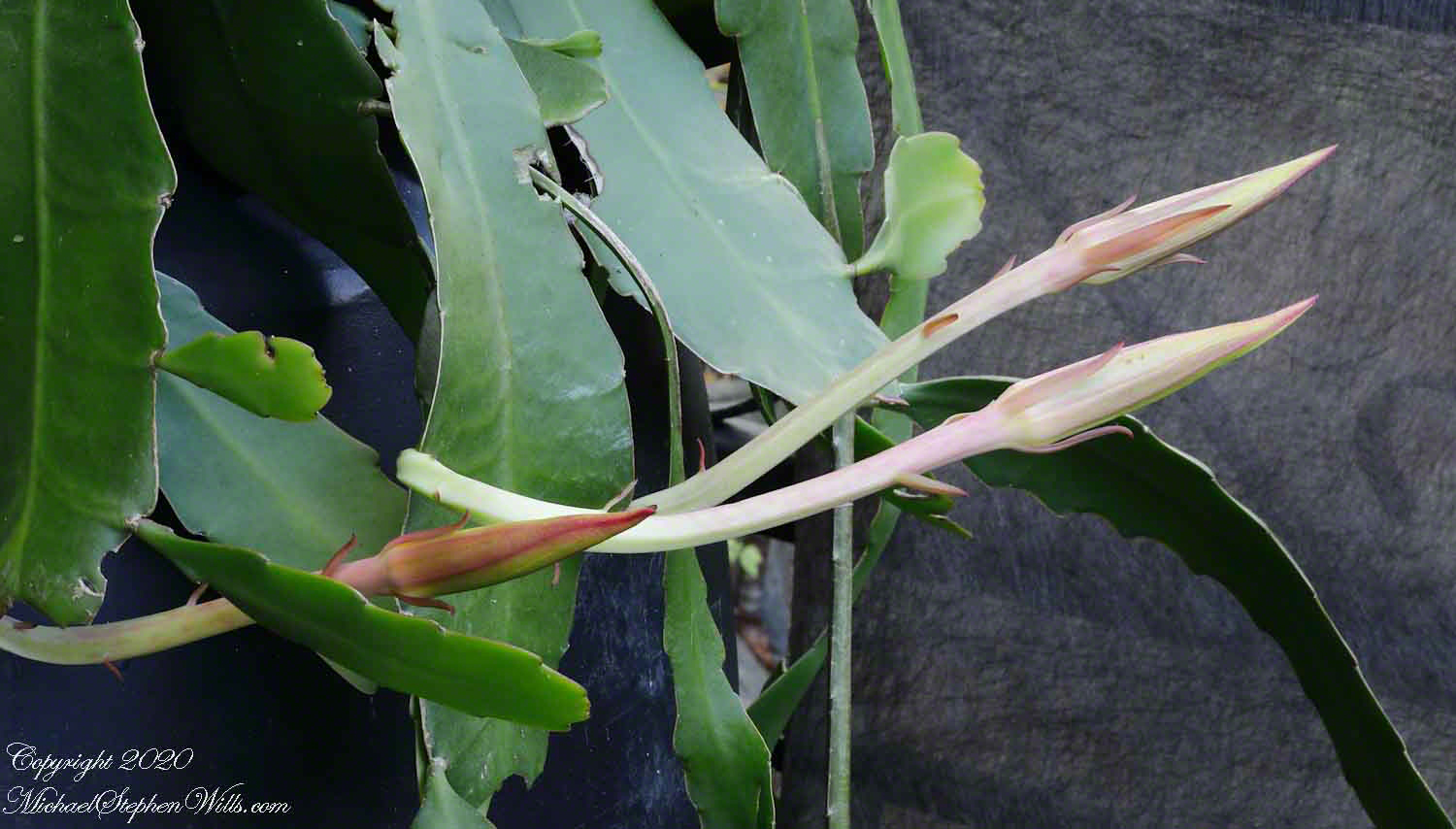
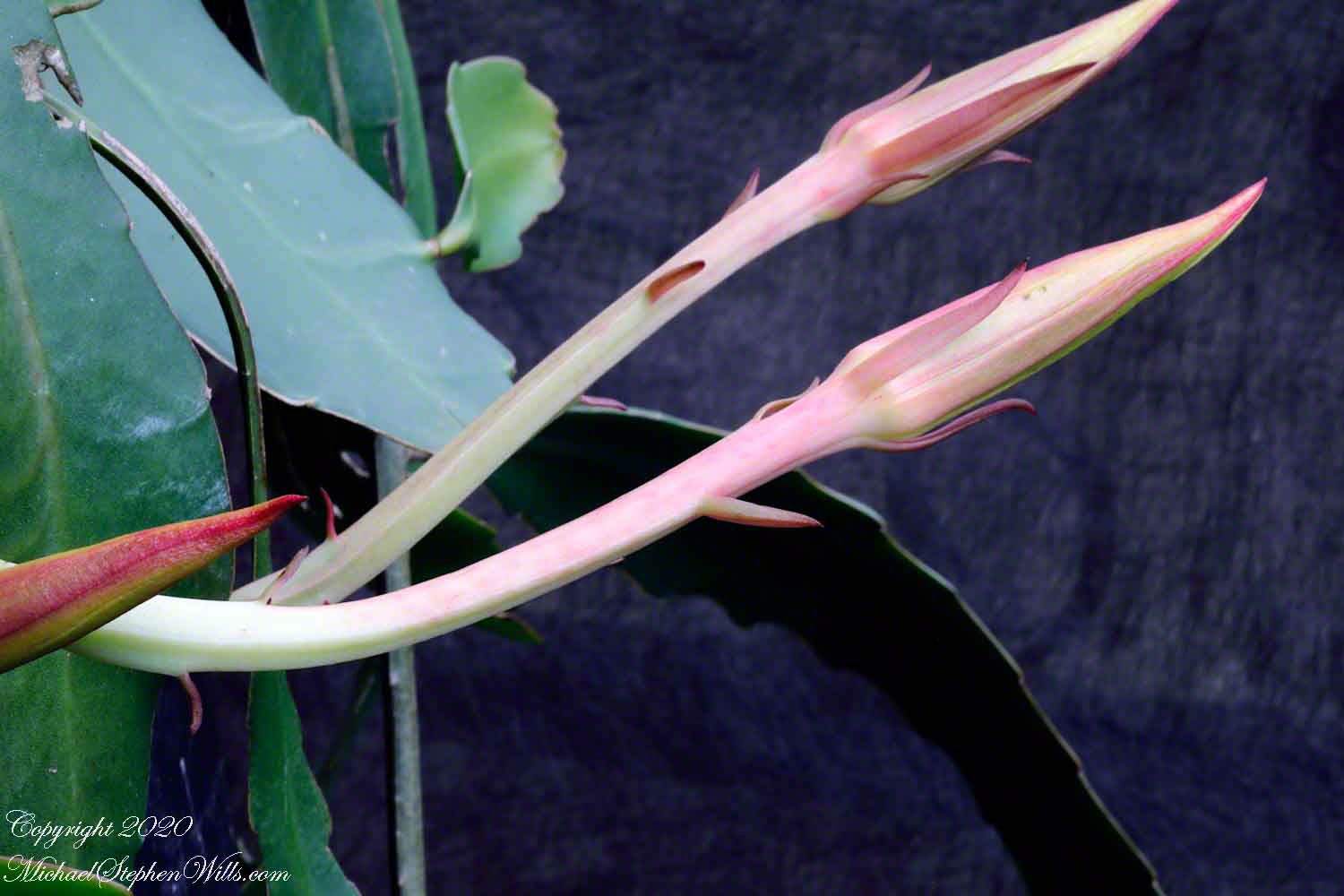
Here’s the flower from an earlier bloom this season.
References
Wikipedia, “Epiphyllum, “Epiphyllum oxypetalum,”epiphyte.”
Copyright 2020 Michael Stephen Wills All Rights Reserved
 Michael Stephen Wills Photography