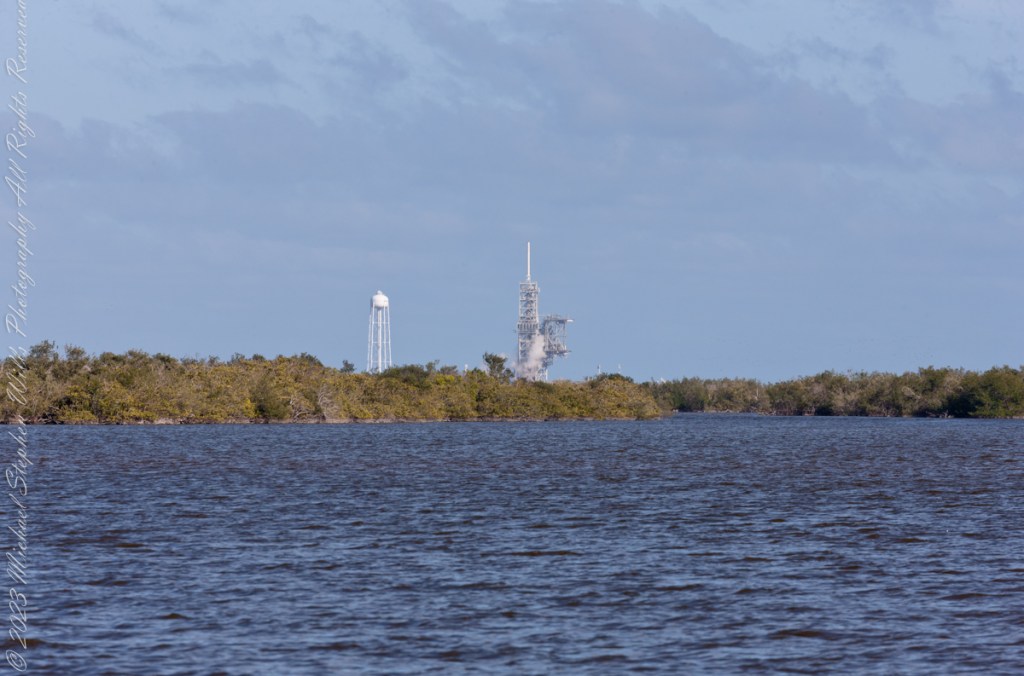
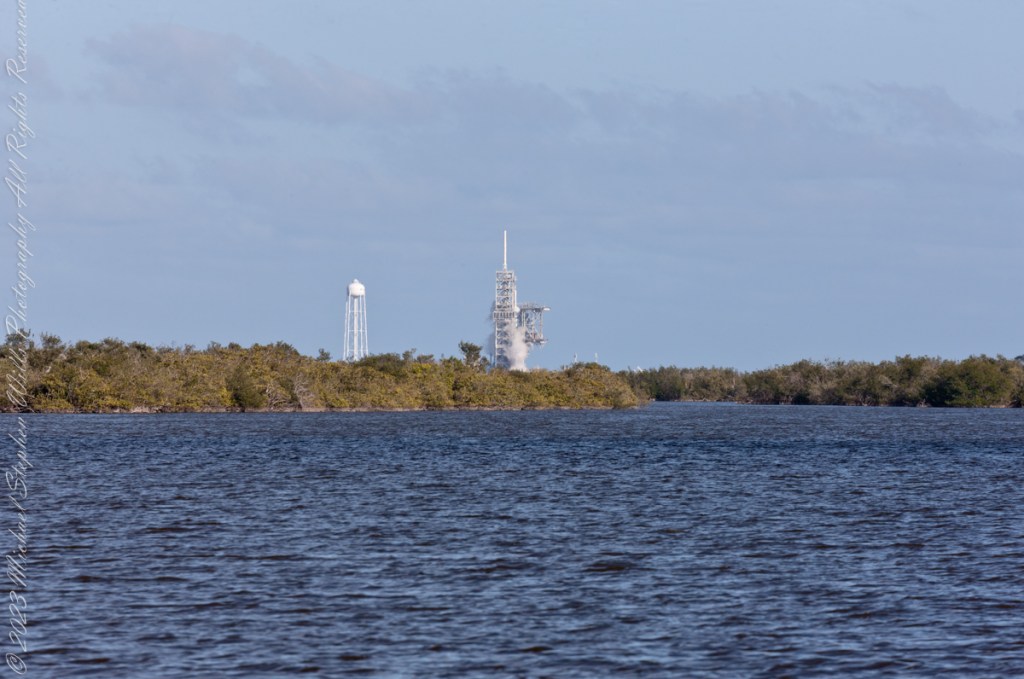
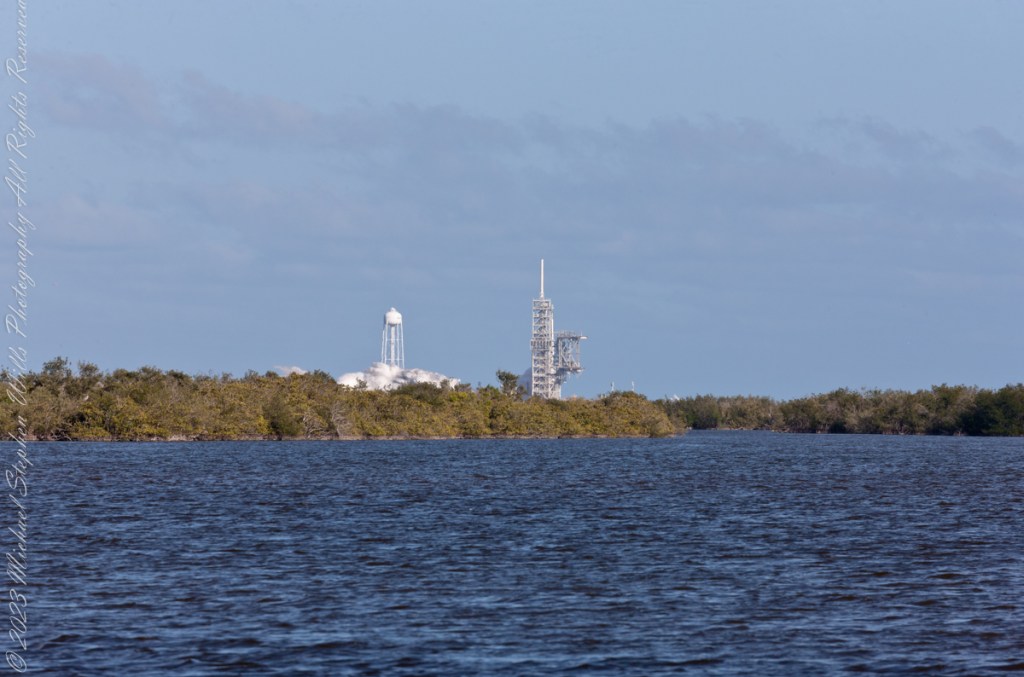
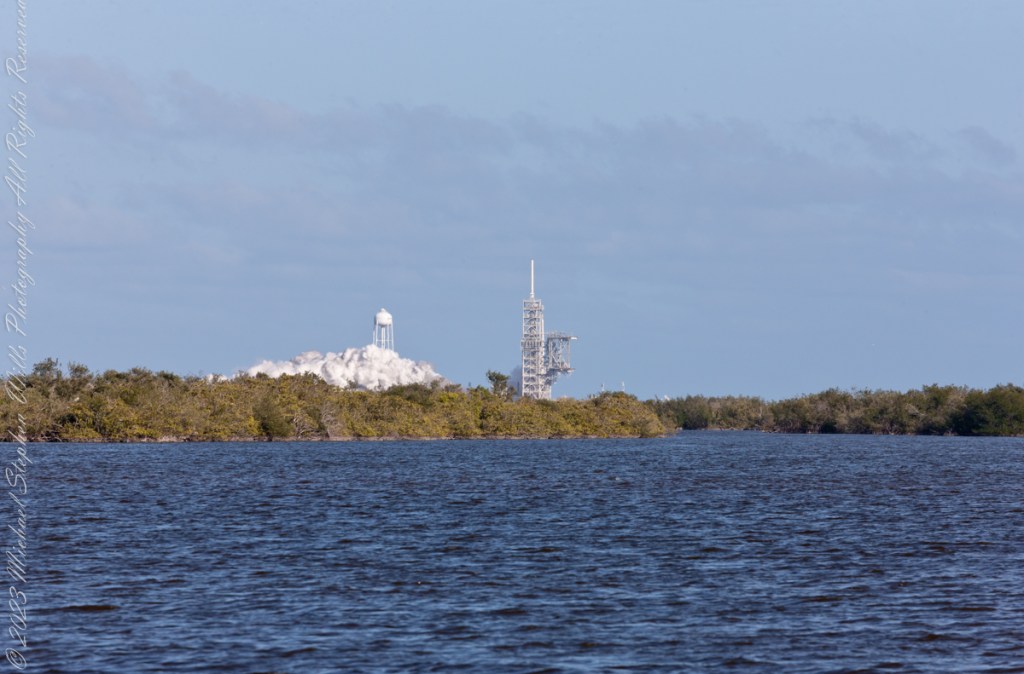
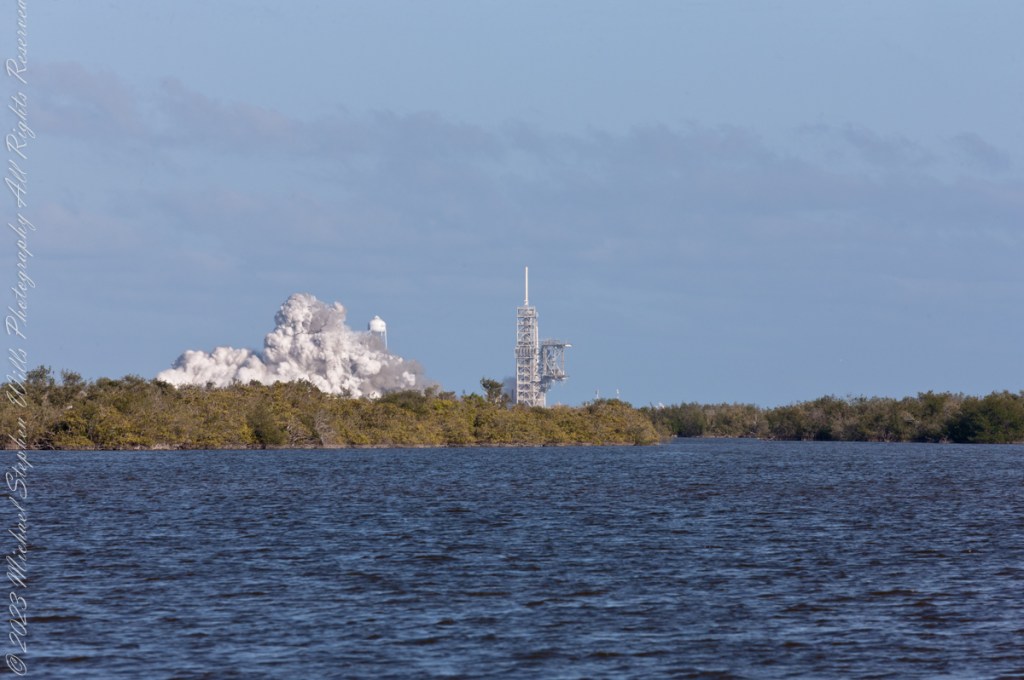
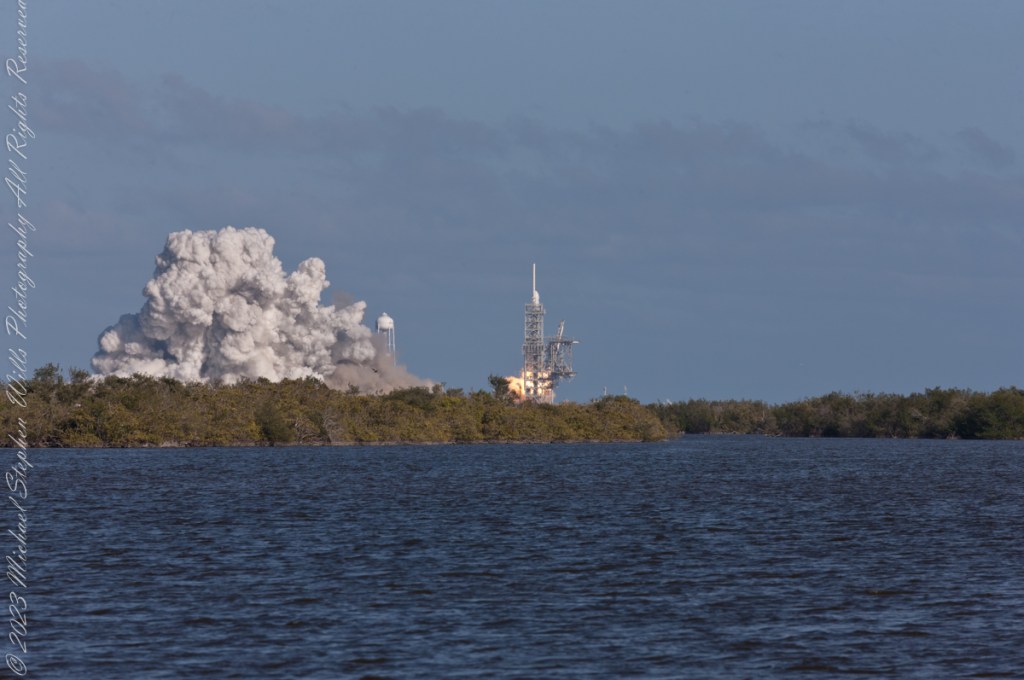
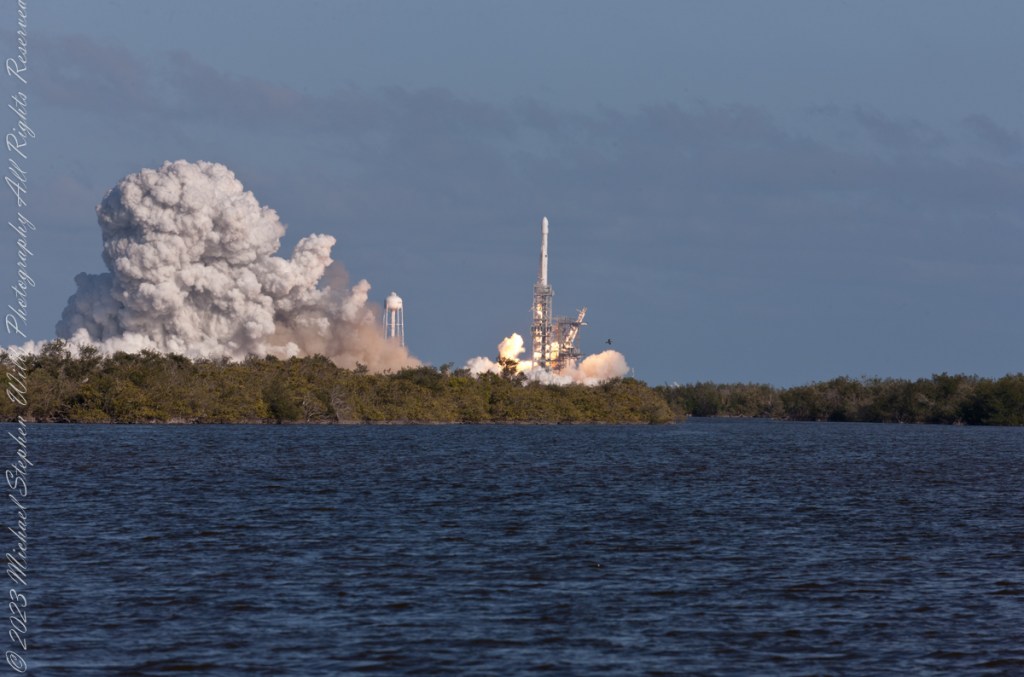
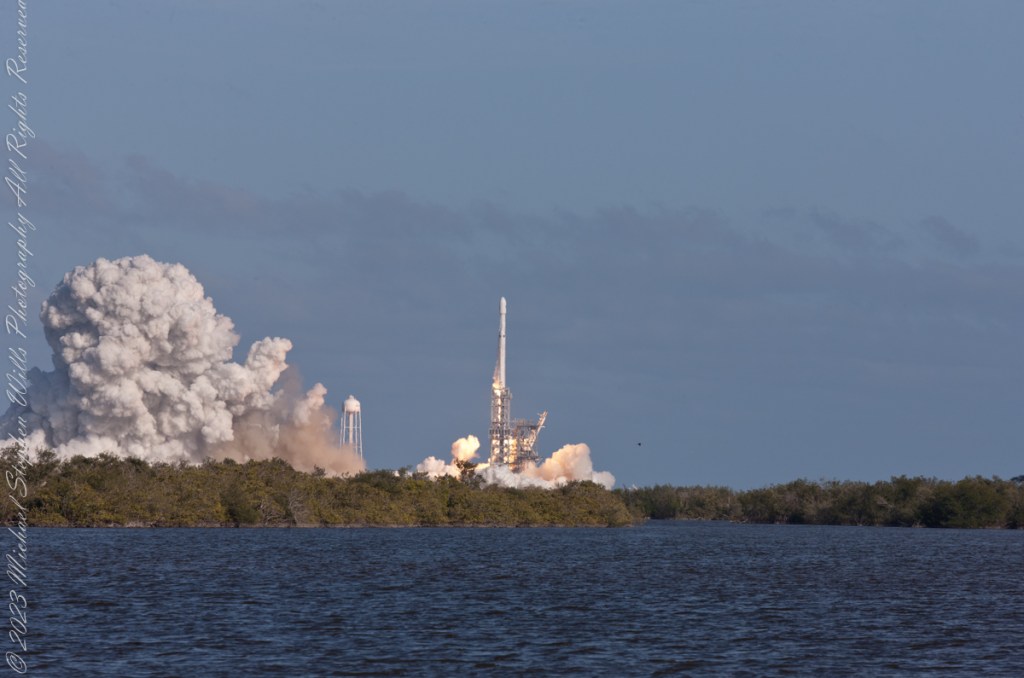
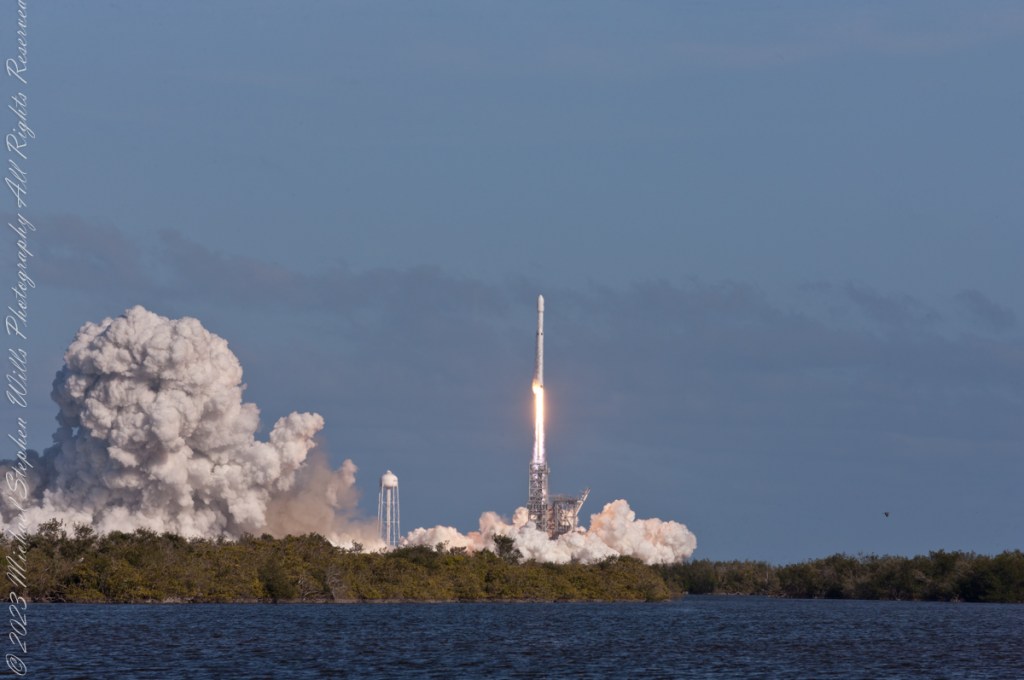
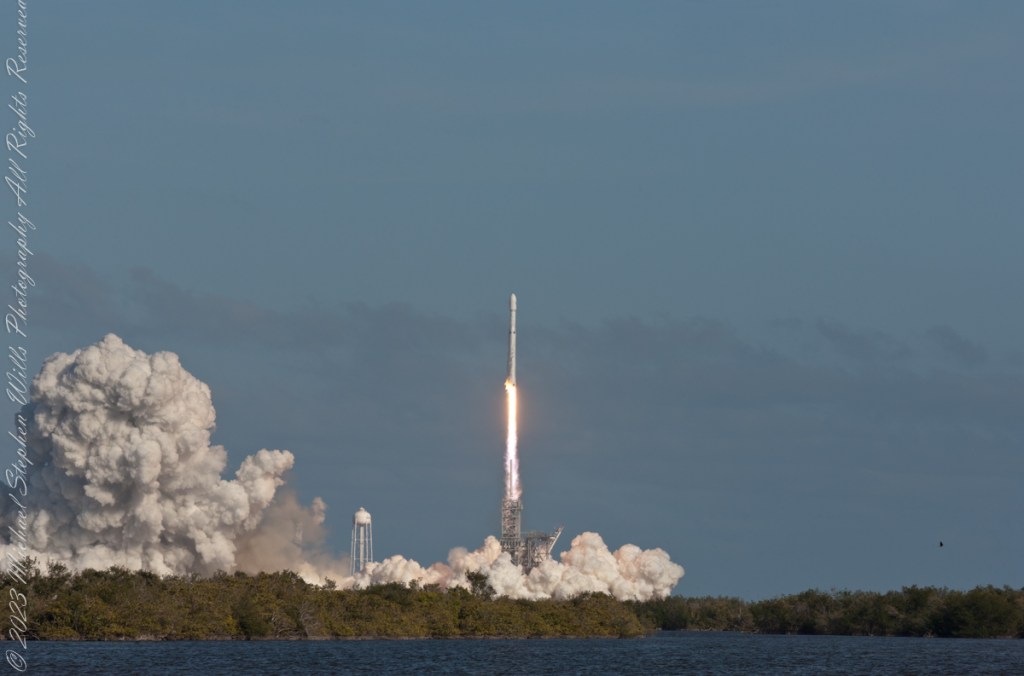
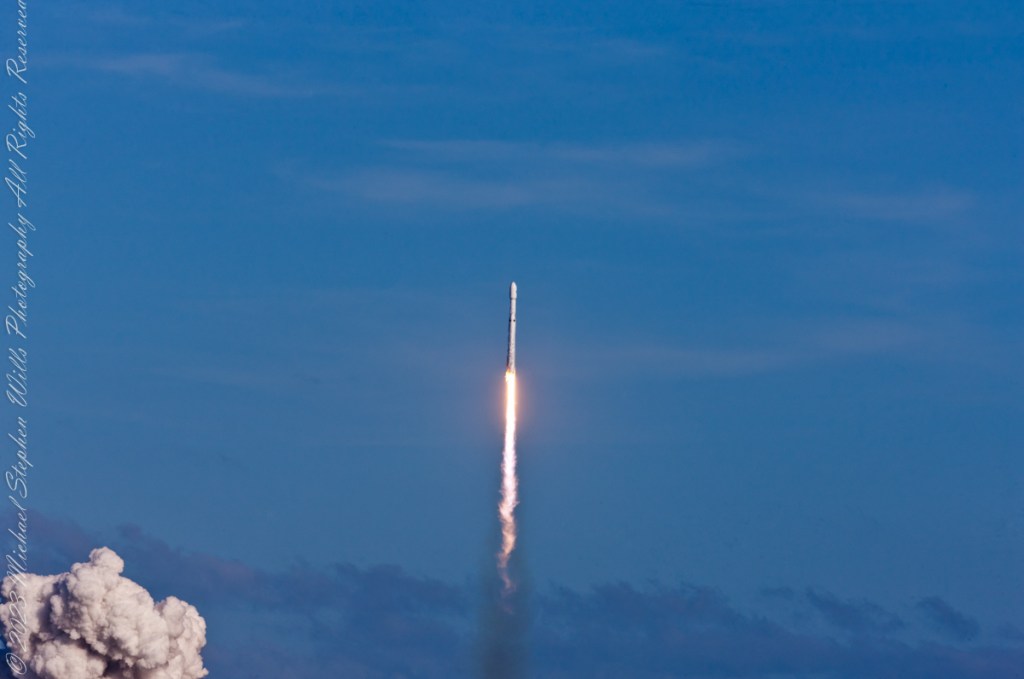
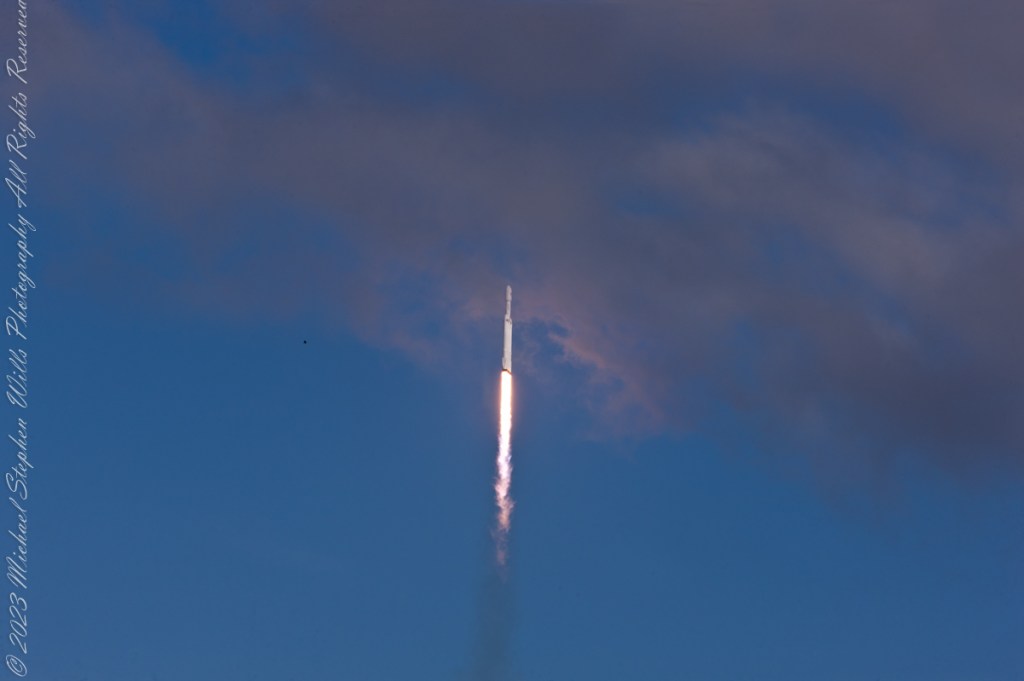
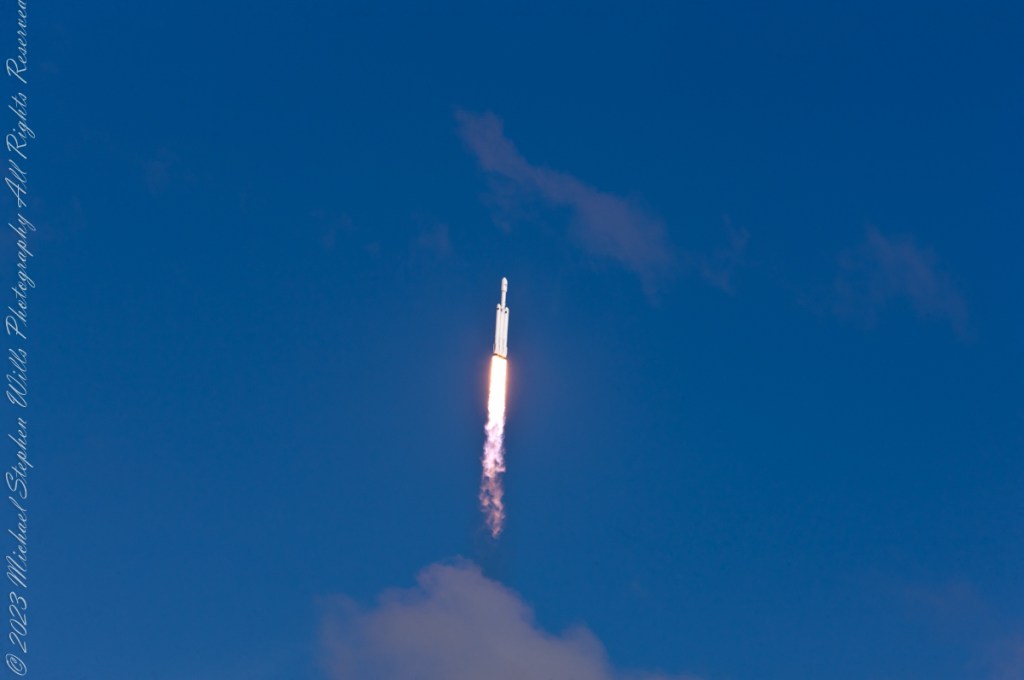
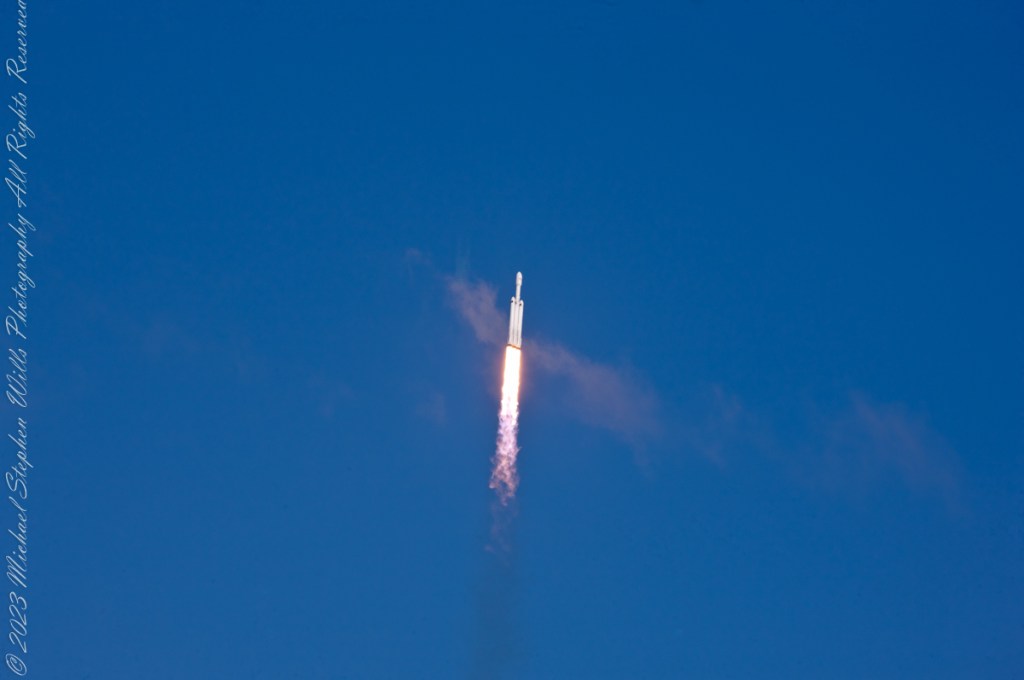
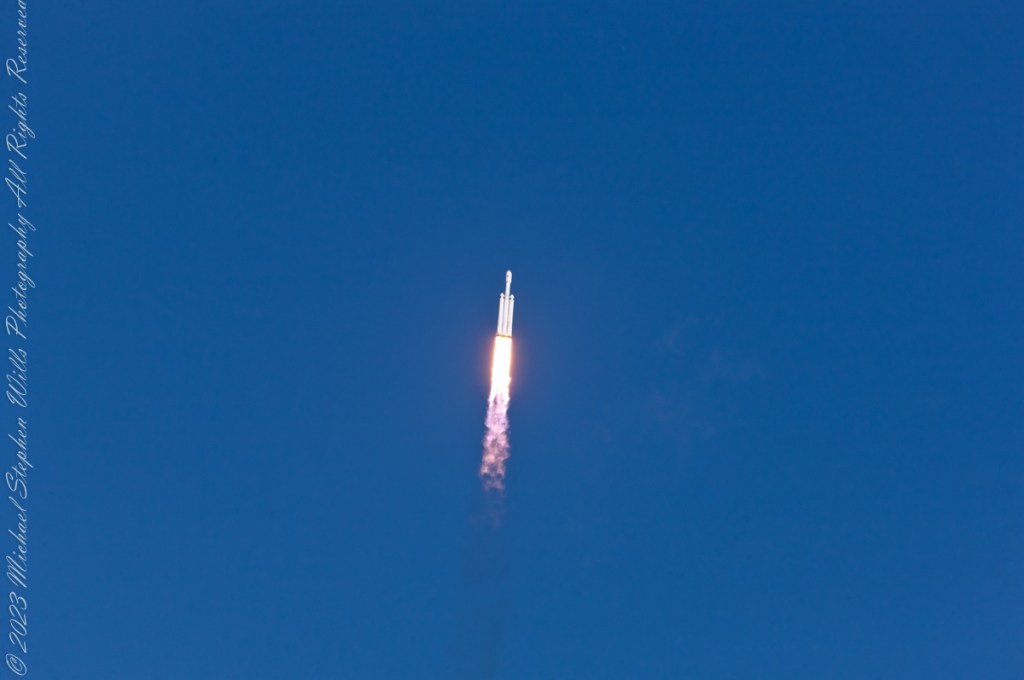
Falcon Heavy First Launch

February 6, 2018

Falcon Heavy is a partially reusable super heavy-lift launch vehicle[a] that can carry cargo into Earth orbit, and beyond. It is designed, manufactured and launched by American aerospace company SpaceX.

The rocket consists of a center core on which two Falcon 9 boosters are attached, and a second stage on top of the center core. Falcon Heavy has the second highest payload capacity of any currently operational launch vehicle behind NASA’s Space Launch System, and the fourth-highest capacity of any rocket to reach orbit, trailing behind the SLS, Energia and the Saturn V.

SpaceX conducted Falcon Heavy’s maiden launch on 6 February 2018, at 20:45 UTC. As a dummy payload, the rocket carried a Tesla Roadster belonging to SpaceX founder Elon Musk, with a mannequin dubbed “Starman” in the driver’s seat. The second Falcon Heavy launch occurred on 11 April 2019, and all three booster rockets successfully returned to Earth. The third Falcon Heavy launch successfully occurred on 25 June 2019. Since then, Falcon Heavy has been certified for the National Security Space Launch (NSSL) program.

Falcon Heavy was designed to be able to carry humans into space beyond low Earth orbit, although as of February 2018, SpaceX does not intend to transport people on Falcon Heavy, nor pursue the human-rating certification process to transport NASA astronauts. Both Falcon Heavy and Falcon 9 are expected to eventually be superseded by the Starship launch system, currently being developed.

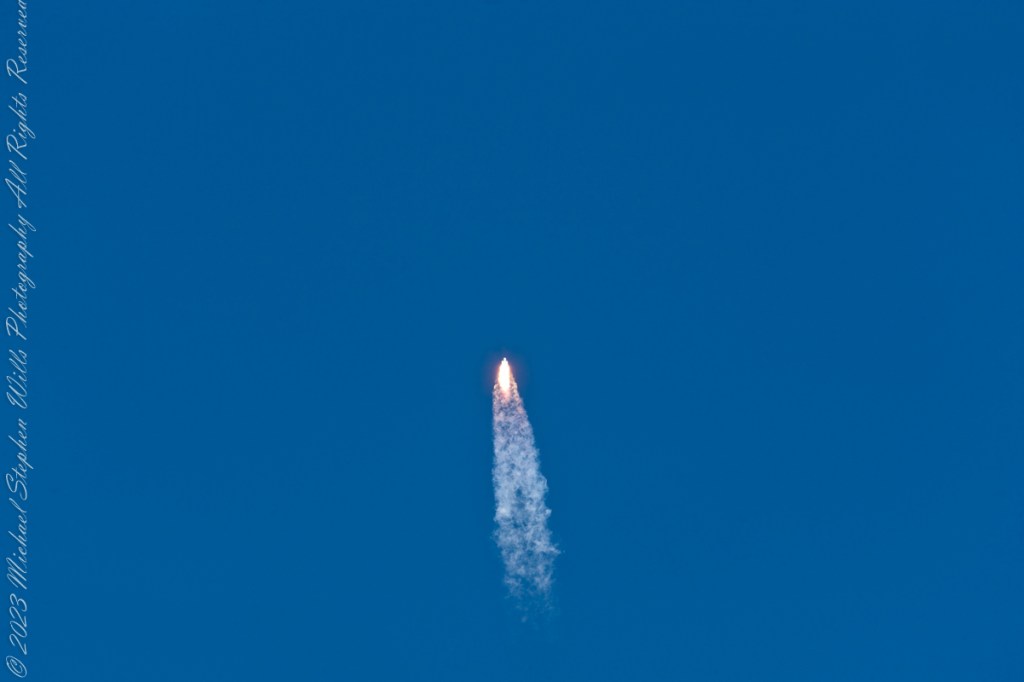
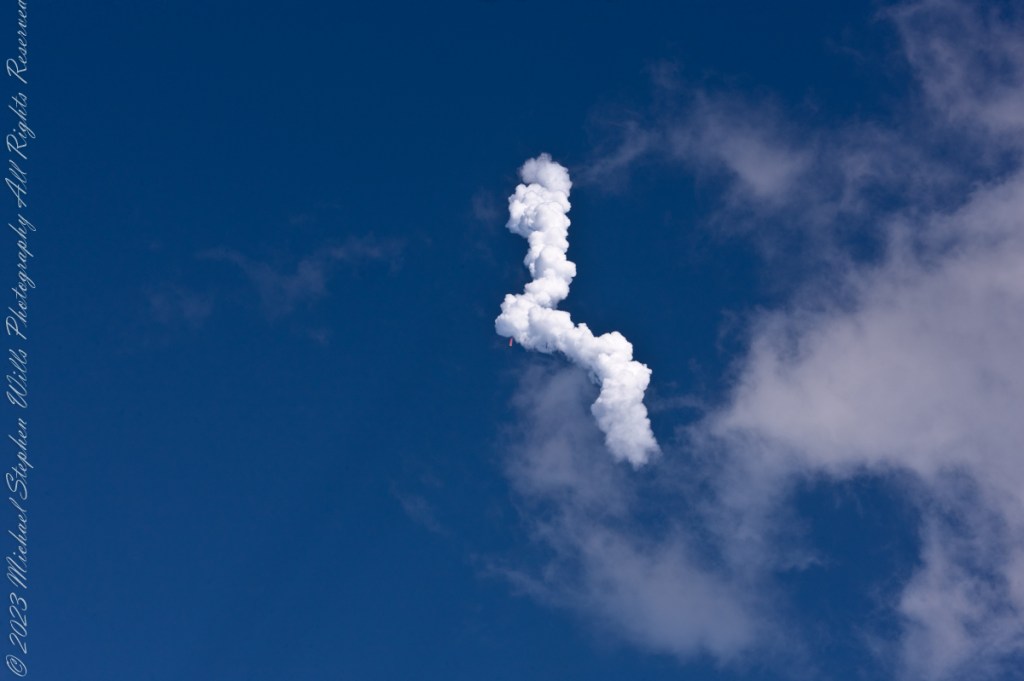
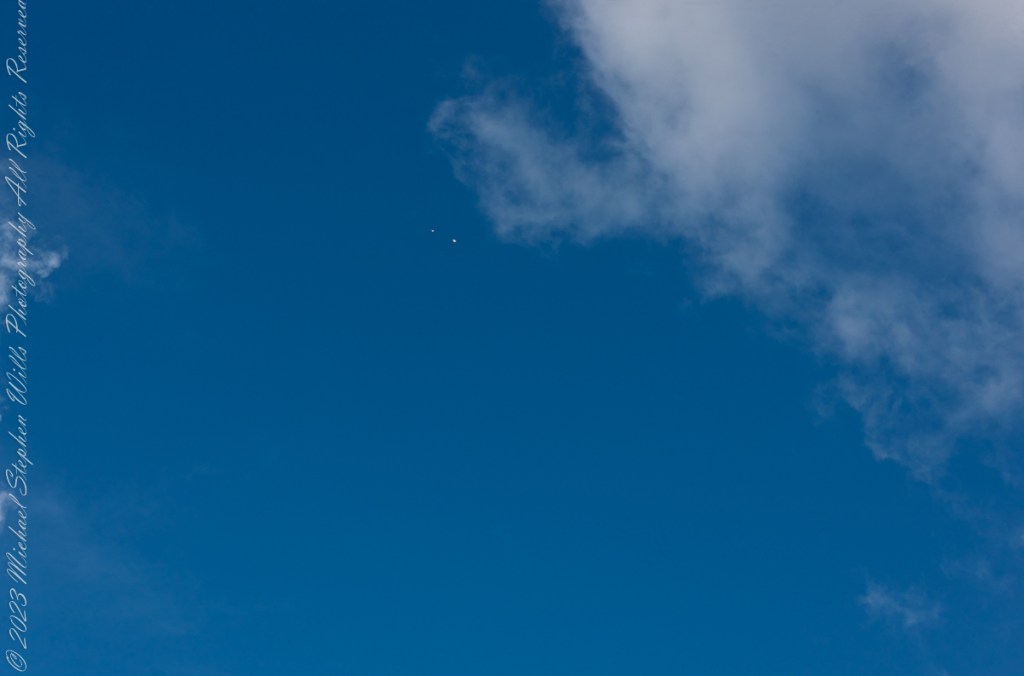
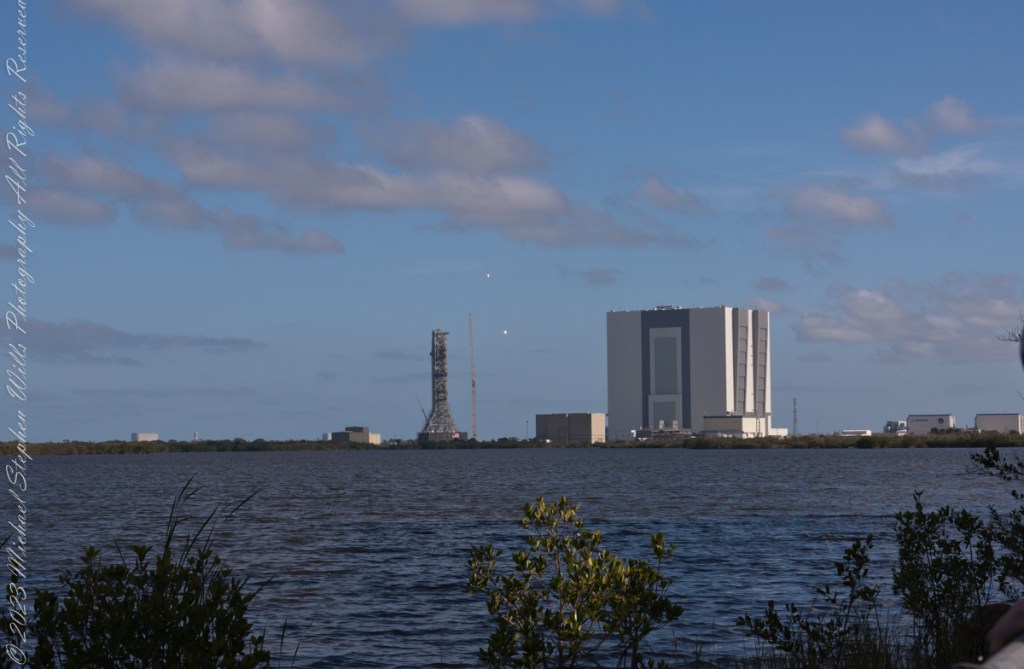
On 6 February 2018, after a delay of over two hours due to high winds, Falcon Heavy lifted off at 20:45 UTC. Its side boosters landed safely on Landing Zones 1 and 2 a few minutes later. However, only one of the three engines on the center booster that were intended to restart ignited during descent, causing the booster to be destroyed upon impacting the ocean at a speed of over 480 km/h (300 mph).

Initially, Elon Musk tweeted that the Roadster had overshot its planned heliocentric orbit, and would reach the asteroid belt. Later, observations by telescopes showed that the Roadster would only slightly exceed the orbit of Mars at aphelion.

Reference: Wikipedia, “Falcon Heavy

Copyright 2023 Michael Stephen Wills All Rights

A Secretive and Failed Zuma SpaceX Mission

Driving to Cocoa Beach from Ithaca, Pam and I missed a horrendous storm because we did a side trip to Louisville, Kentucky, avoiding I95 January 4th and 5th and a rare and treacherous ice storm.

We met people who were stranded overnight near Savannah, Georgia while, on the same days, we drove Kentucky Hill Country for an overnight at Macon, Georgia all in excellent, dry, cold weather.
The storm itself, was a stroke of luck.  The first Space X launch of 2018 was delayed by the weather until the evening of Sunday, January 7th.
I was in place, in the dark, on Cocoa Beach with my Canon DSLR on bulb mode, securely mounted on a travel tripod.  My choice of lens was the 24 mm “wide angle.”

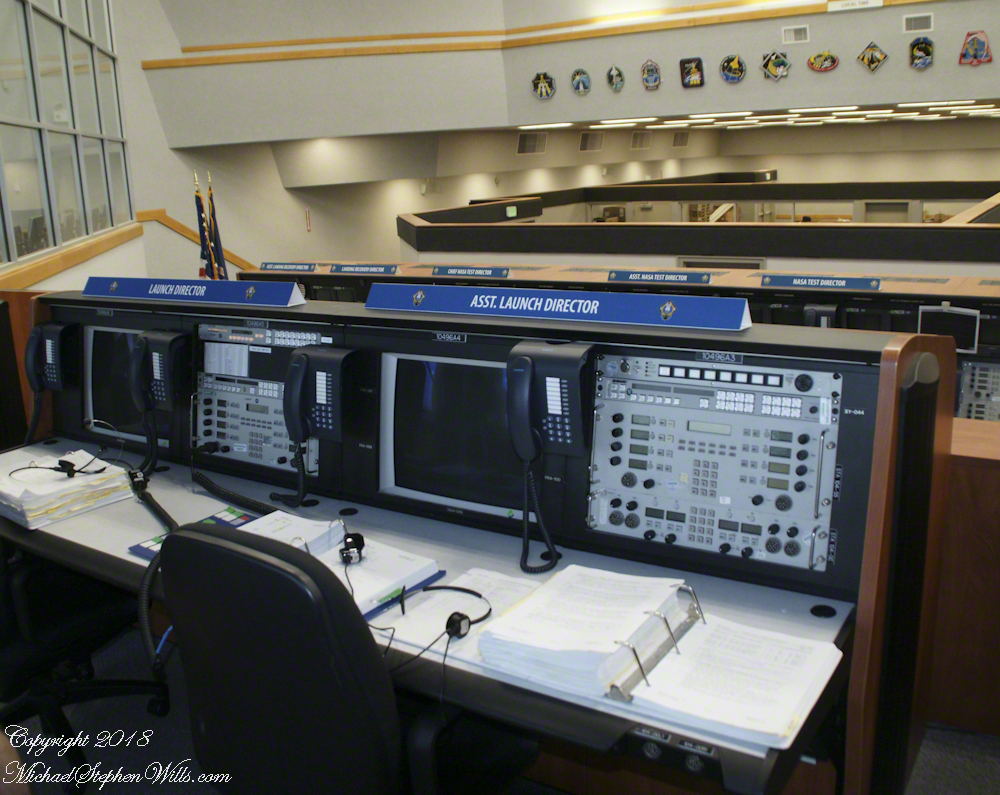
Proximity to the Kennedy Space Center is a reason we return to Cocoa Beach.  A year ago, March 2007, we did the “Launch Director Tour” offered once a month (if at all) and had a fantastic day. I’ll need to blog about it.

For now, here is a shot from the former Space Shuttle launch room.

Launch Control Center

I planned camera placement well for this night launch.  The view held the entire parabola of the trail. Camera placement was based on researching the launch complex, finding it on Google Earth, using the line feature to determine the orientation of the complex from my location on Cocoa Beach.

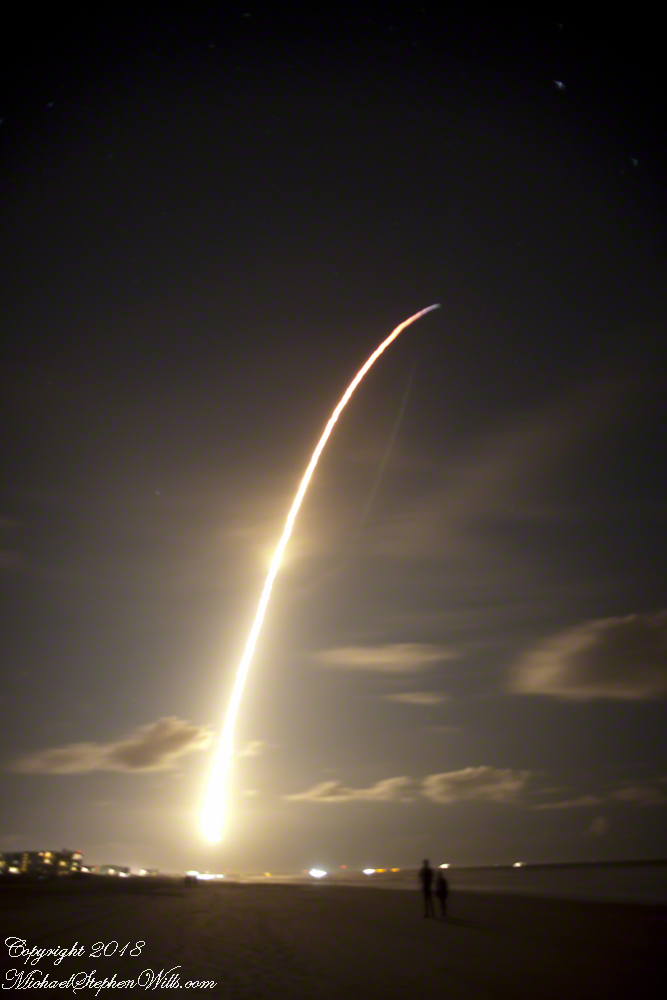
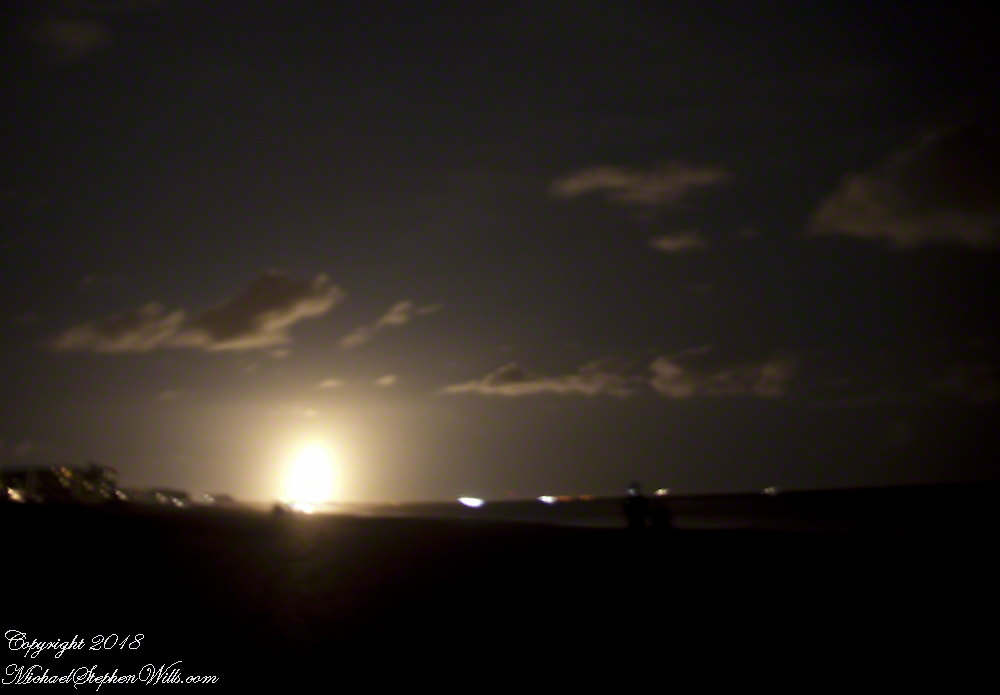
Live, the start of the launch is like a dawn in the northern sky.  I broke off the exposure to somewhat capture the effect.

Secretive and Failed Zuma Mission

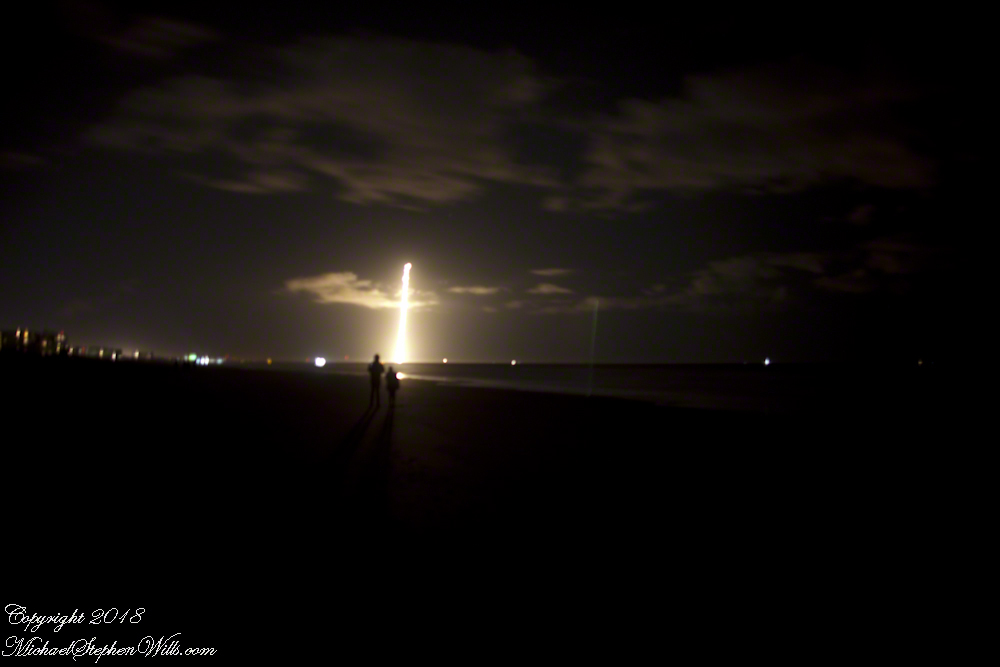
The human eye, only the Falcon 9 flame is visible, as a single point of bright light ever rising, lighting the beach and clouds in a soft glow.

Secretive and Failed Zuma Mission

The long exposure blends the flame into a bright parabola, at one point the rocket engines throttle back, eventually the color changed to reddish from bright white.  I held the exposure until the rocket flame, in the image, turned to blue and faded away.

We waited for six (6) or so minutes, the camera mount and orientation unchanged, and then the incredible returning booster briefly lit up to land at Cape Canaveral Air Force Station. I missed the beginning of the burn.  In retrospect, I should have timed the launch and opened the shuttle 5 minutes or so after “blast off.”

Secretive and Failed Zuma Mission

Followed by a TWO sonic boom finale. Kabooom….Kabooom.

We read in the news the secret military satellite, named “Zuma”, on top of the Falcon crashed into the Indian Ocean.  SpaceX claimed the launch was a success (??), that the protective fairing jettisoned successfully.  No mention was made of the secret payload. The failure was with the Northup Grumman built “Zuma” satellite?  Hmmmmm.

Copyright 2022 Michael Stephen Wills All Rights Reserved.