Our monarch butterfly sanctuary is a dense stand of milkweed, over the years the established plants grow rapidly late May through June, blooming in July. The flowers have an incredible scent, attracting numerous pollinating insects.
A colony of pesky sparrows nest nearby. In spite of a reputation for tasting bad, the sparrow actively feed on the hatched caterpillars. My strategy is to examine the plants early morning, placing rescued caterpillars in this old birdcage.
Click photograph for a larger view and use Ctrl-x to zoom in closer.
The caterpillars and milkweed leaf is placed on the cage floor. I pile up the dried leaves, replacing with fresh each morning.
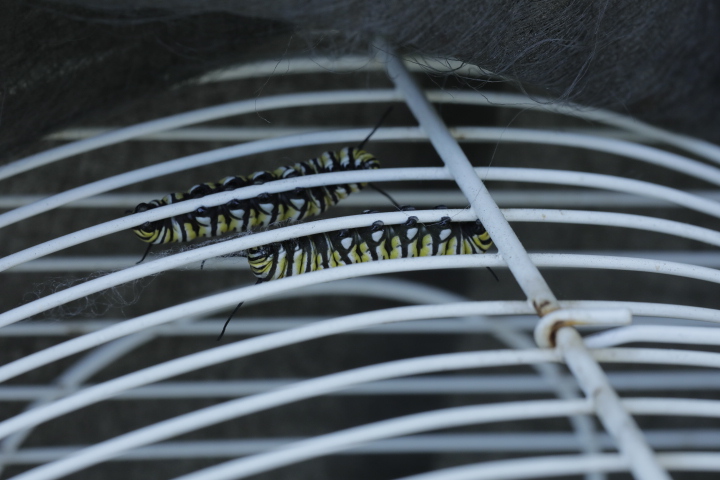
Sadly to report, the last, ravenous caterpillar stage is also carnivorous, cannibalistic. These two, below, were the only ones left except for one in the pile of dried leaves.
Here is a closer view of the two fifth stage instars searching for a safe location to pupate.
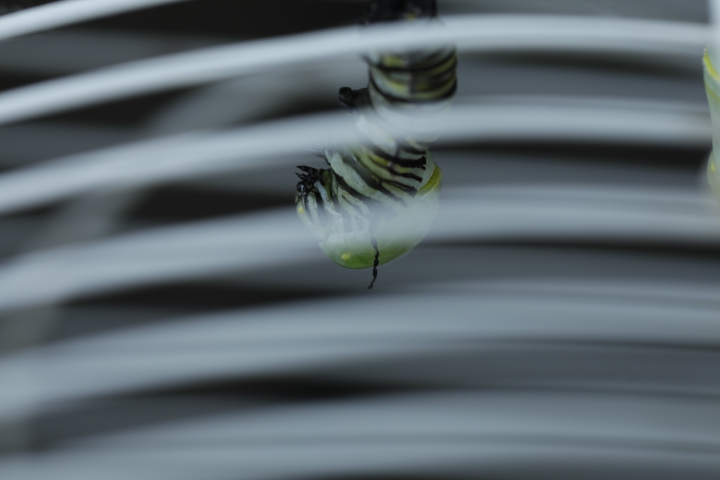
A few hours later one has successfully created a silk pad, attached itself and assumed the “J” shape. To the left a second caterpillar and silk pad.
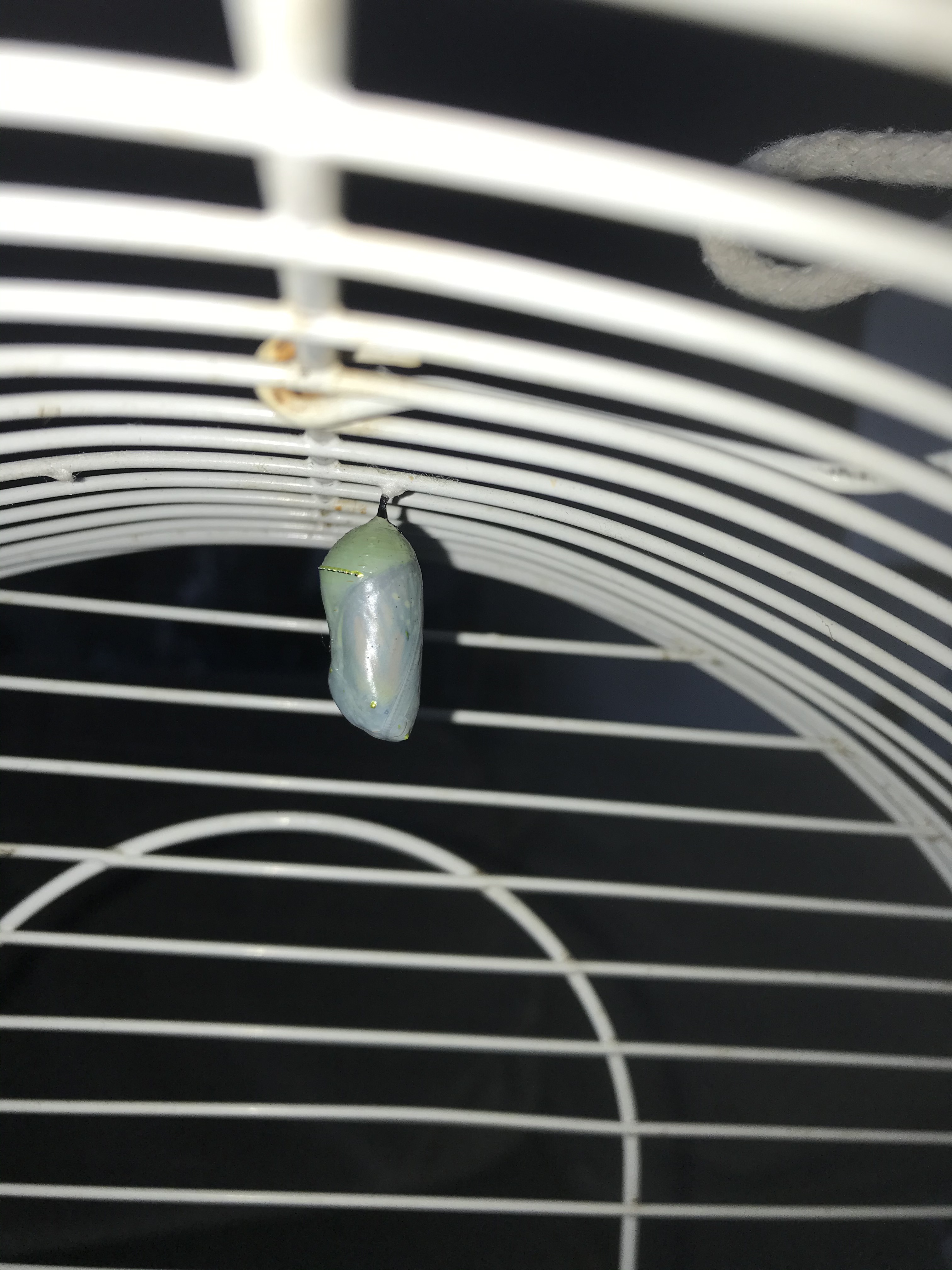
The next morning, the first has formed a chrysalis. The second, hung spent.
This unsuccessful individual never completed the chrysalis, dried up and fell. My sources write the pupa transforms to a chrysalis through shedding of skin, the following photograph tells a different story. The chrysalis appears to extrude from the skin; arising over, or from, the skin rather and beneath it. I have never recovered a shed skin underneath a successful chrysalis.
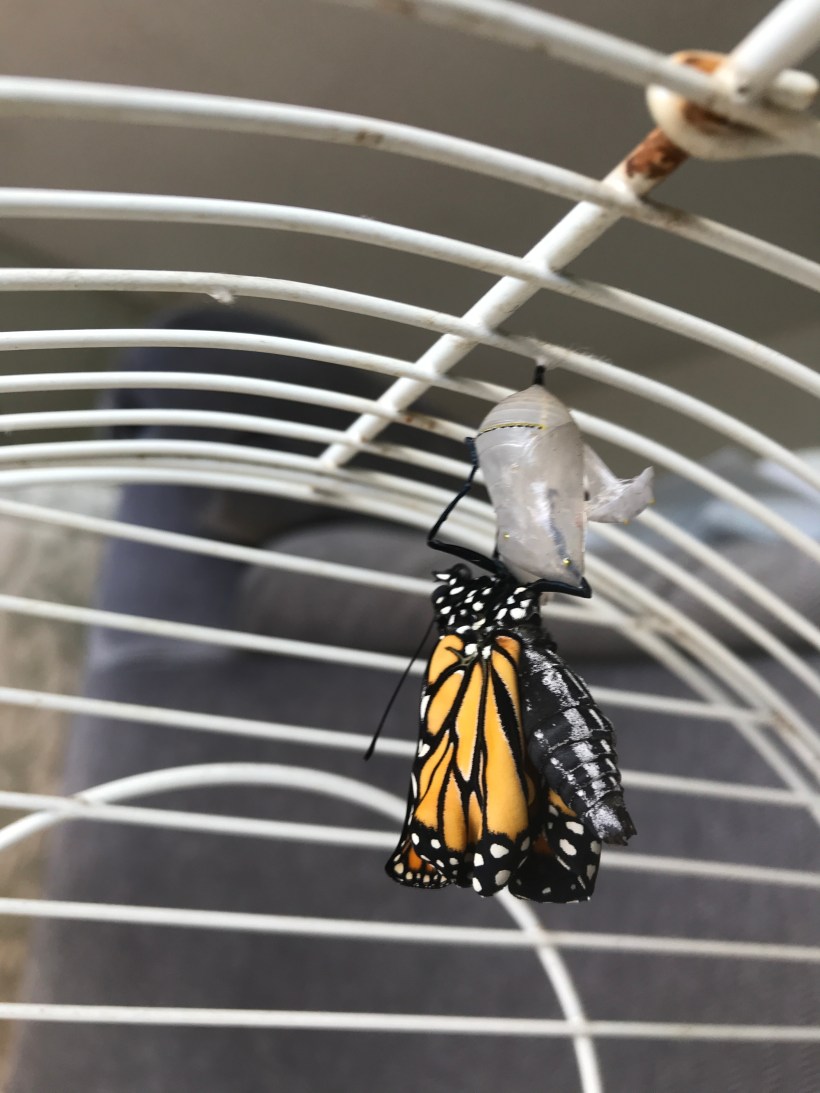
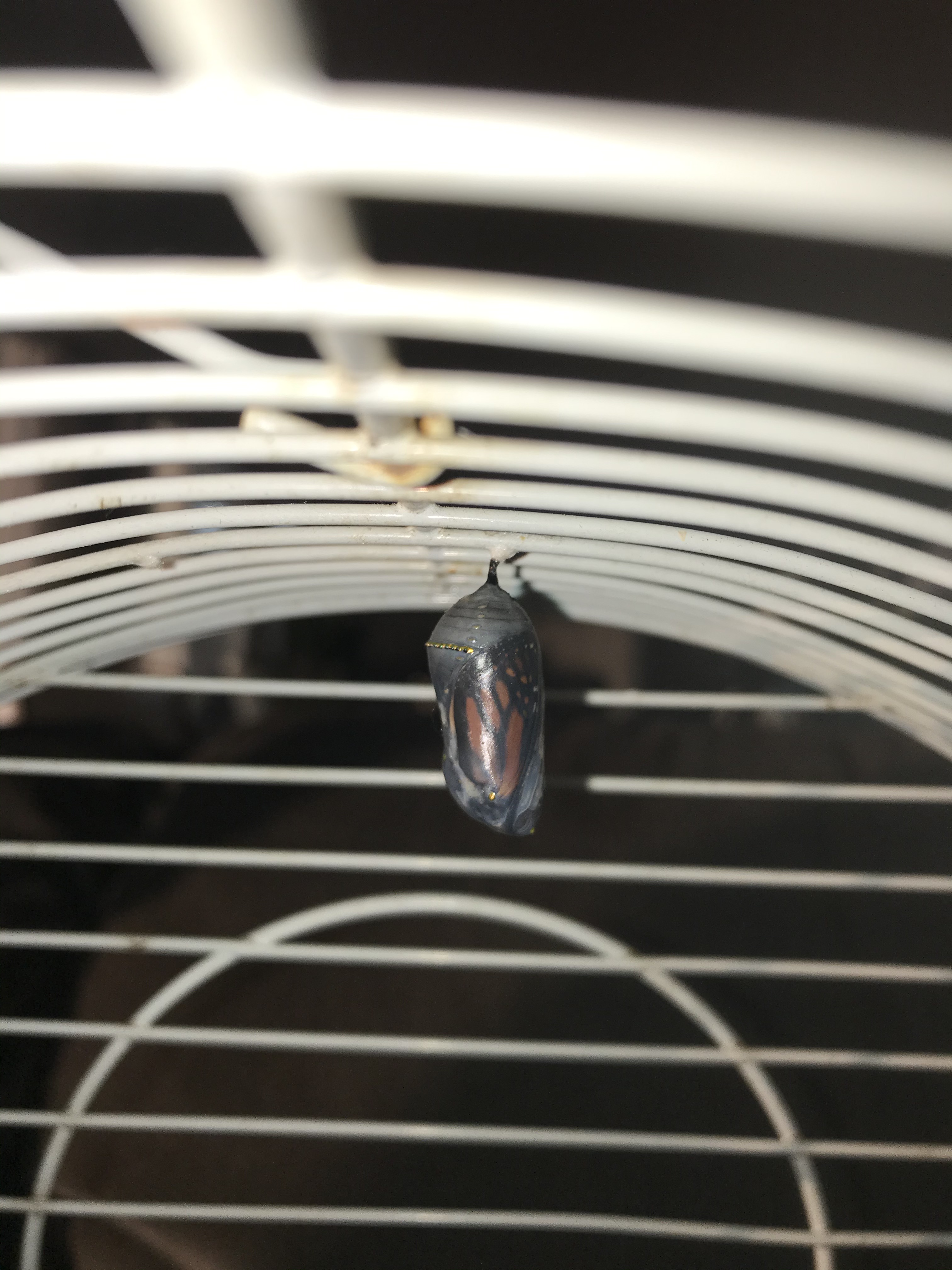
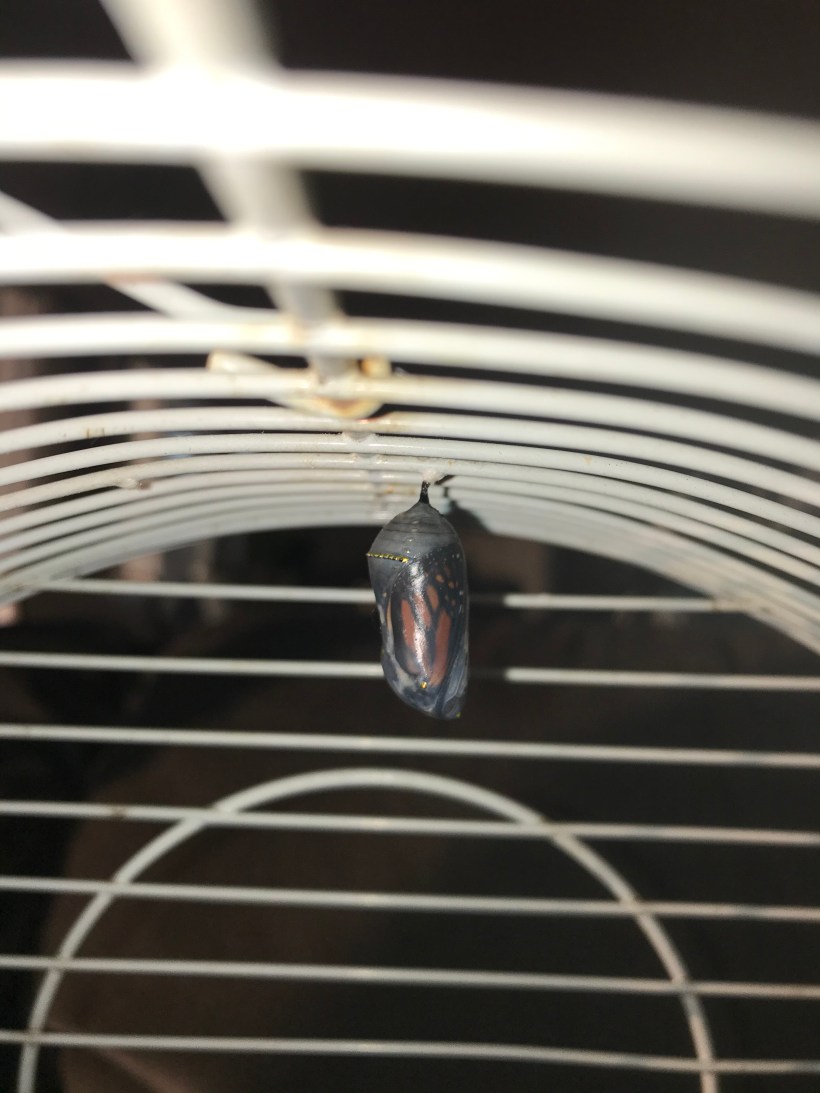
Nine days later, Tuesday, July 28, the chrysalis hangs. I check several times a day.
These photographs are from a 100mm “macro” lens, handheld. The birdcage works well for protecting the monarchs. Is a poor location for photography.
Thank You for visiting.
Copyright 2020 Michael Stephen Wills All Rights Reserved
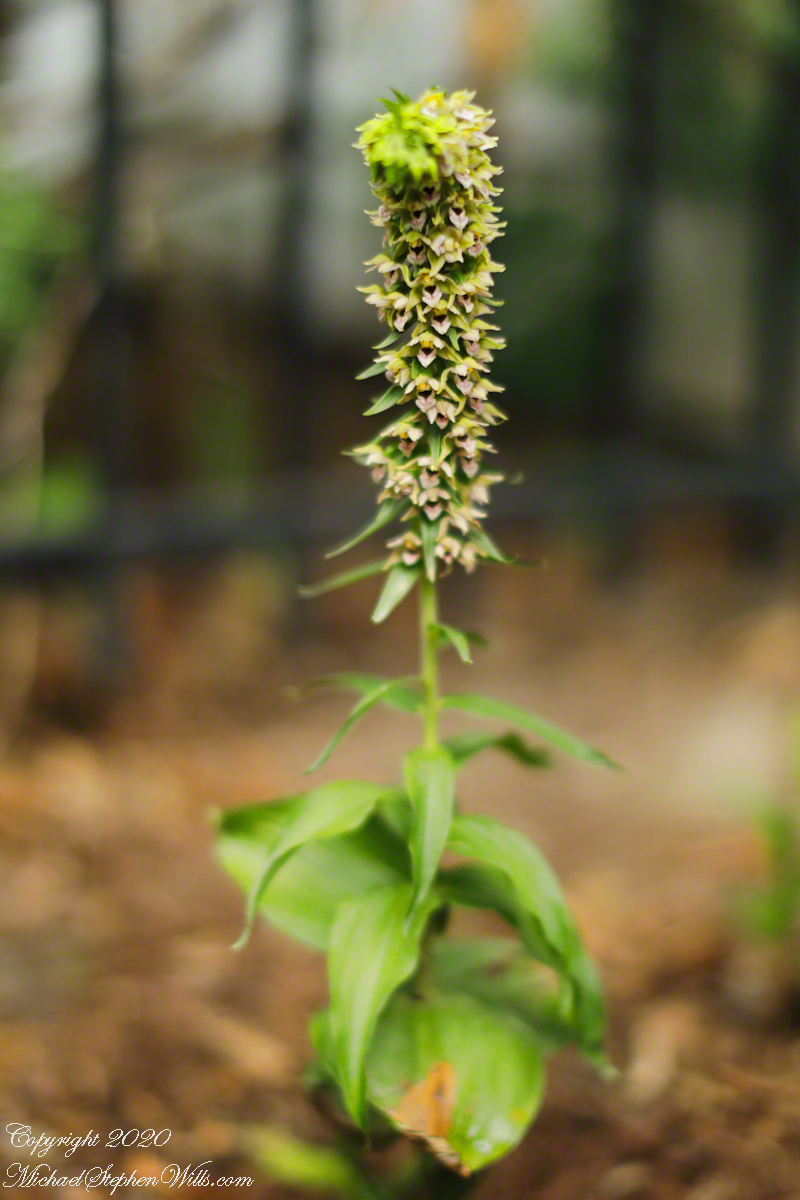
Broad-leaved Helleborine (Epipactis helleborine), a wild orchid, is a wide ranging, invasive, plant now found across North America. I suspect this success is based on a partnership with fungi. Commonly known as the “Weedy Orchid” it is not especially particular on the fungus partner, accepting a wide, curiously undefined for lack of research, variety.
In this the fourth of a five part series, the 50 mm lens f-stop is tamped down a bit, narrowing the diaphragm to f2.2, yielding the column of orchid faces in sharp focus. The nodding top, bent into the frame, unfocused, stem and leaves soft focus, still lots of detail discernible. Background far less distracting.
Click photograph for a larger view and use Ctrl-x to zoom in closer.
Today’s header image is from yesterday’s post, by way of comparison.
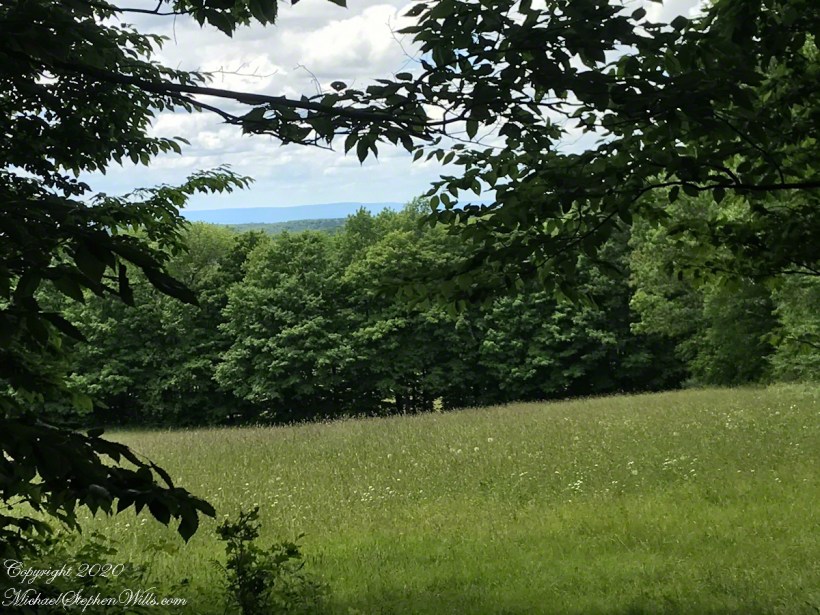
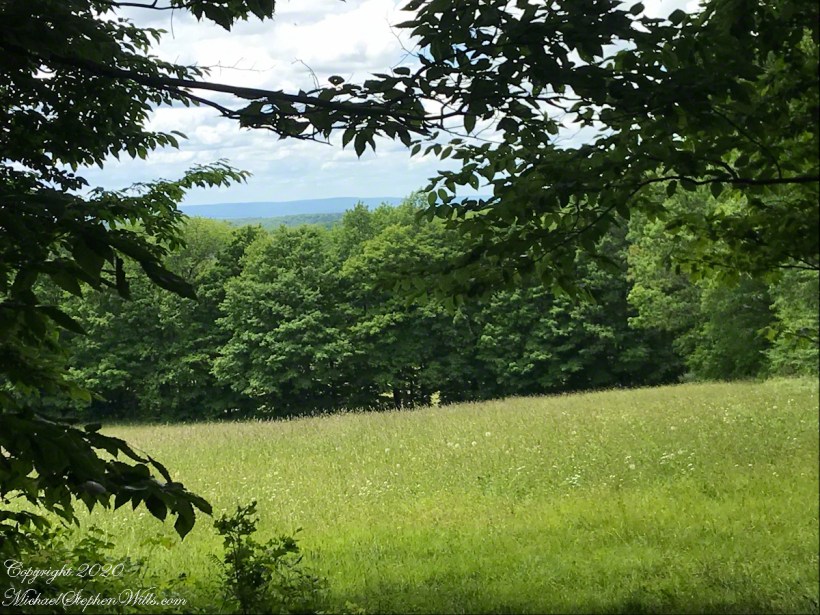
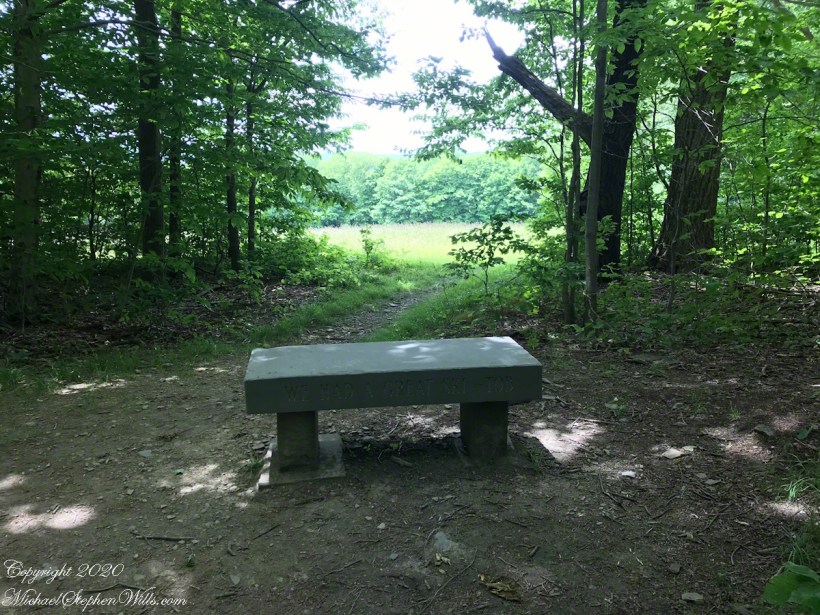
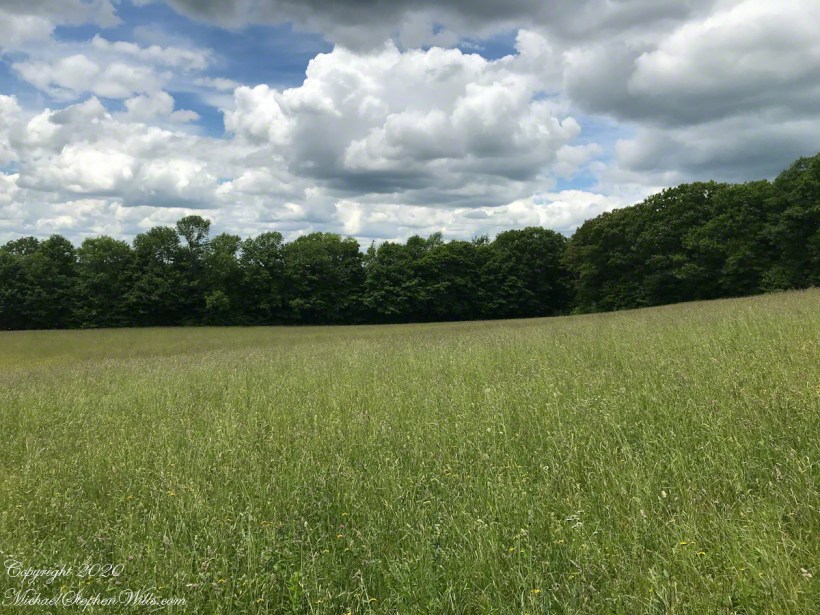
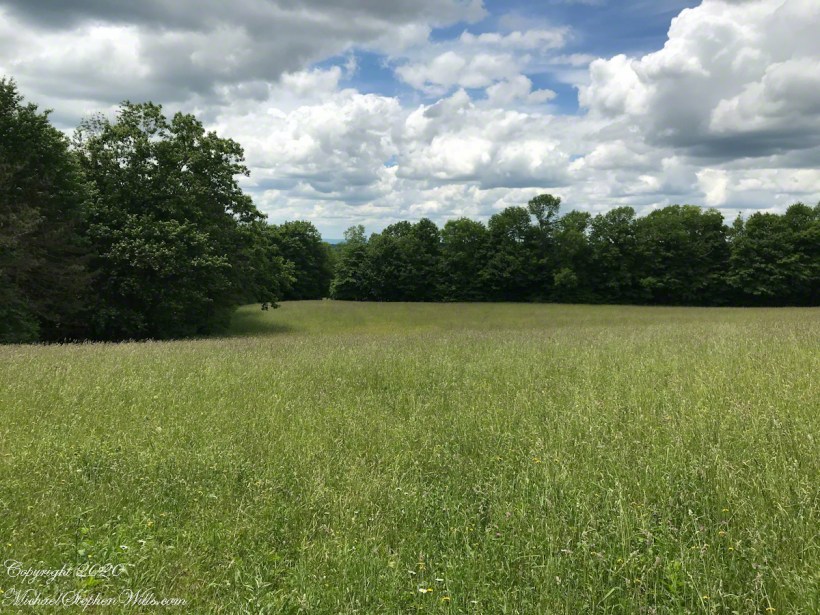
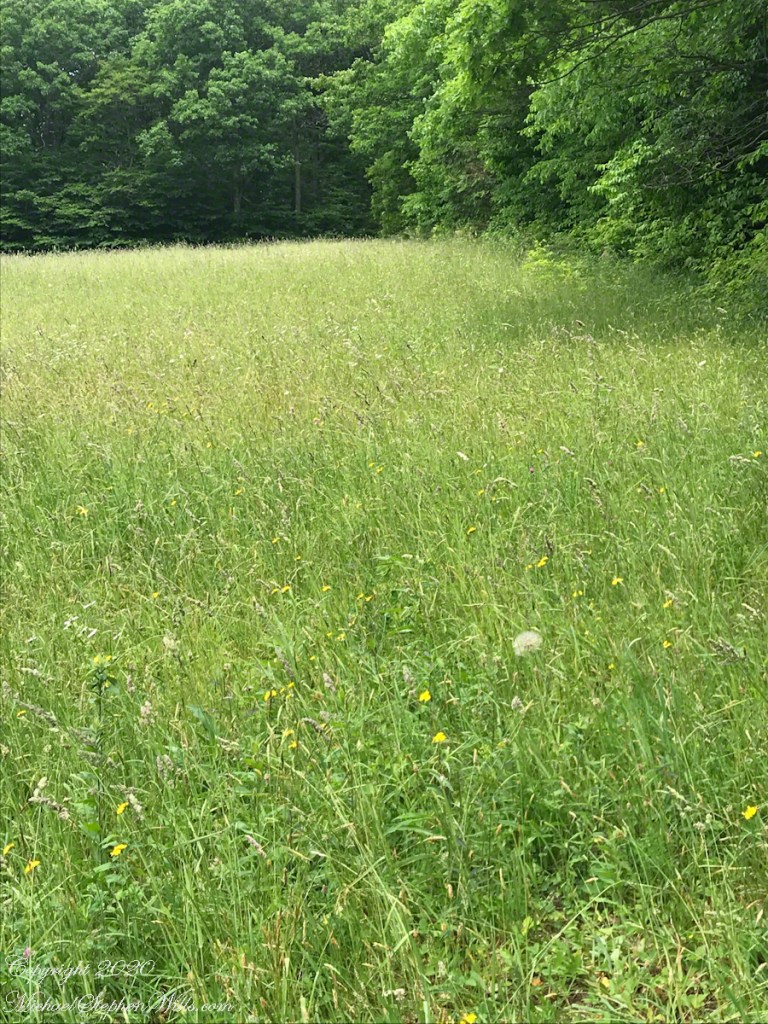
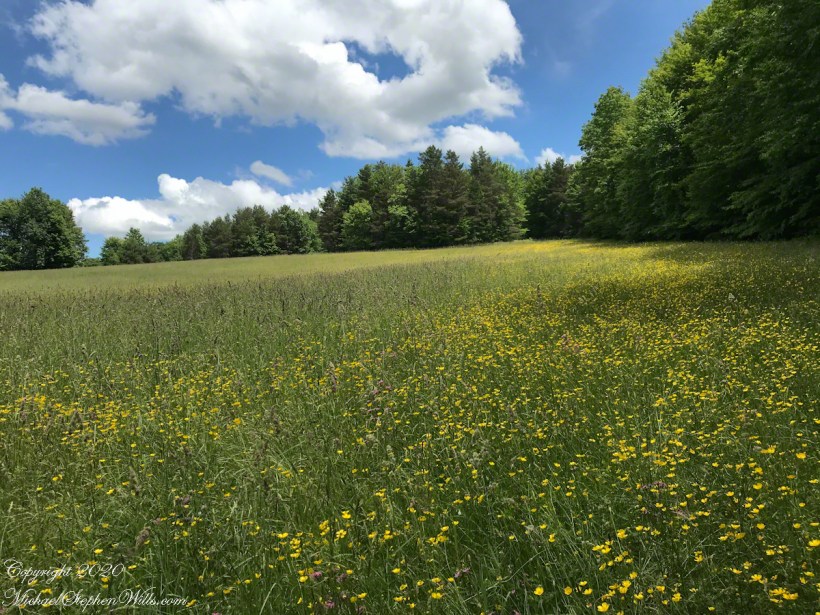
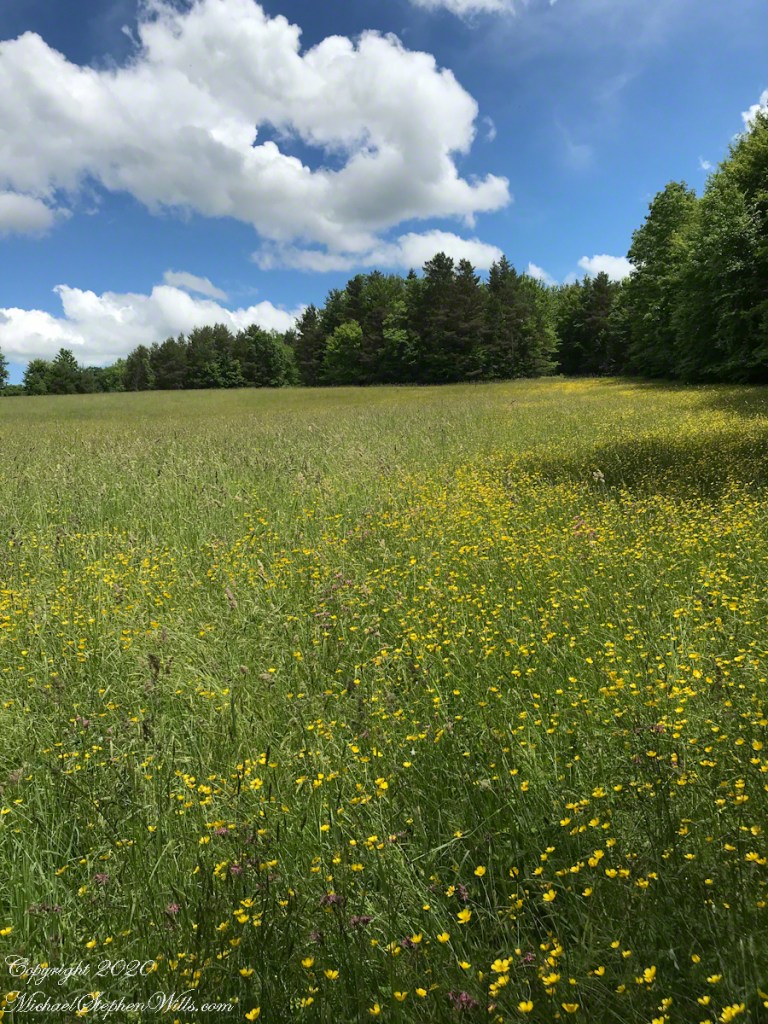
After birdsong, open spaces are an unexpected wonders of these walks. Nowhere listed on the map, and on private lands adjoining the forest, this meadow comes upon the hiker’s consciousness gradually as the trail approaches.
Click any photograph for a larger view. To do this from WordPress Reader, you need to first click the title of this post to open a new page.
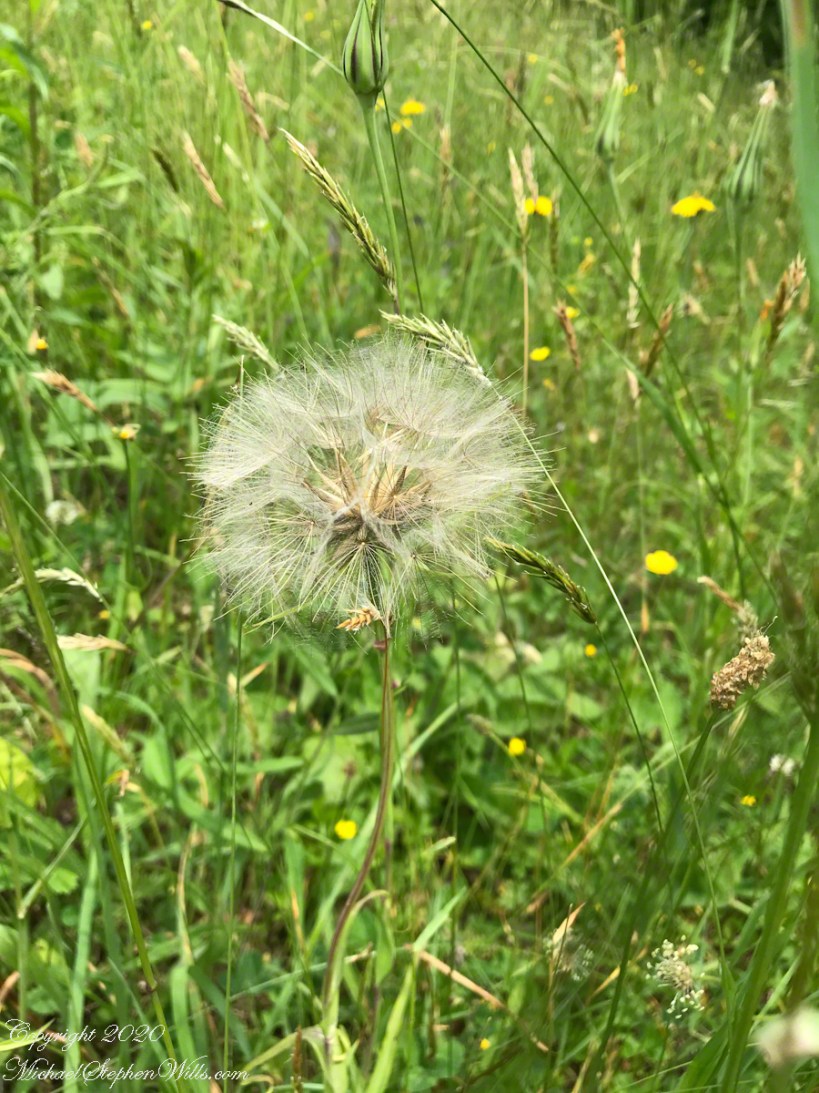
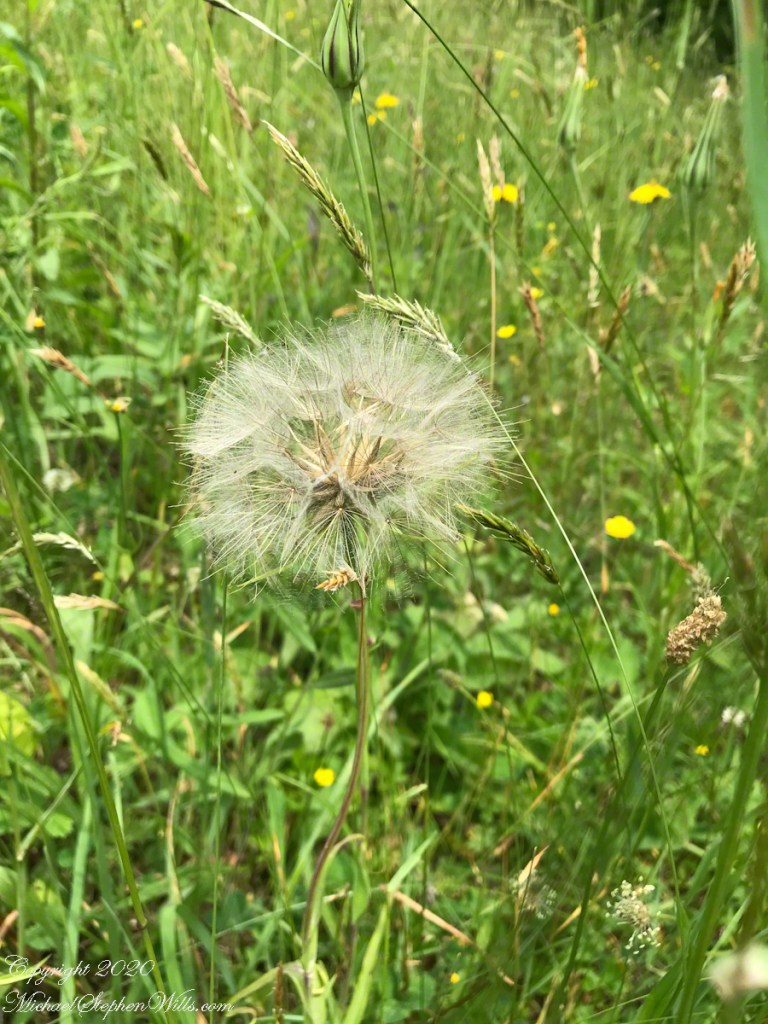
I have seen those gigantic seed heads here and there and never taken the time to research and identification. Do you recognize it?
Hammond Hills walks are a solo affair for me. Pam joined in days past, summer and winter, and fell out of love with the lack of flowing water and bugs. The pleasures of the place, for me, are the miles and miles of varied trails, the sounds among silences, unexpected vistas from hilltops.
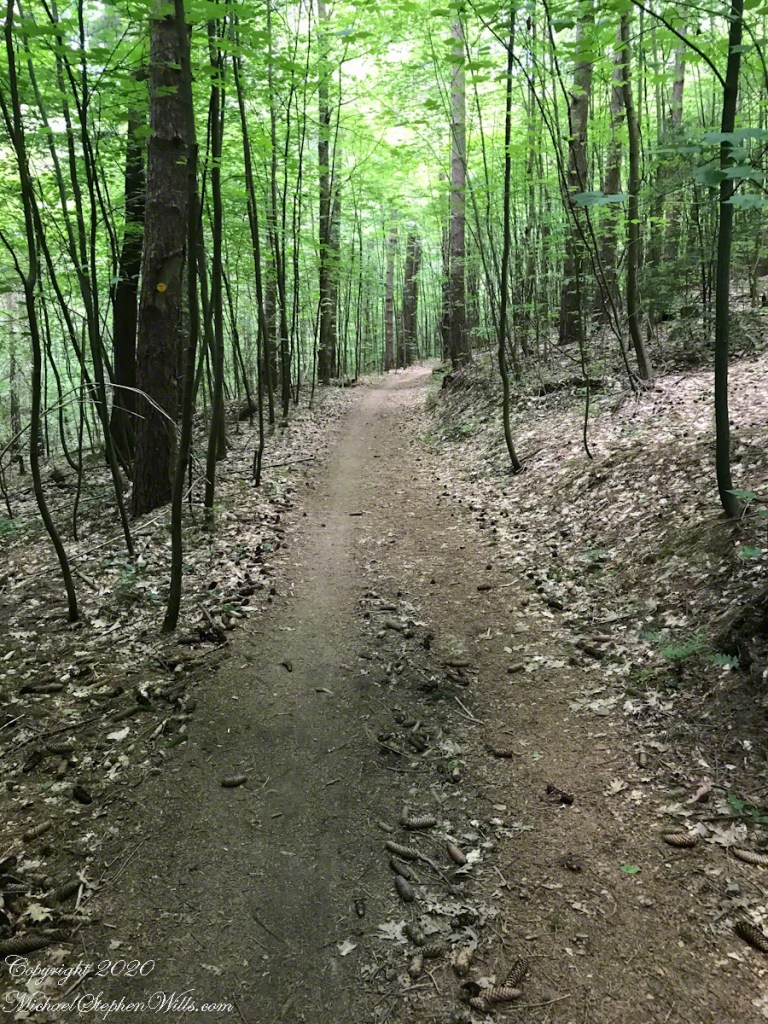
The trails themselves are unlovely, beaten down by mountain bike tires or grooved by skis. On the hills I am always on alert, listening for the sounds of bodies hurtling down. The bureaucrats called this “mixed use.” It could be worse, motors are excluded. Today there were two bikers.
Click any photograph for a larger view. To do this from WordPress Reader, you need to first click the title of this post to open a new page.
A sprinkling of wild rose.
The song of the Hermit Thrush, a sound of diamond strands, always stops me. Here are two 30 seconds clips.
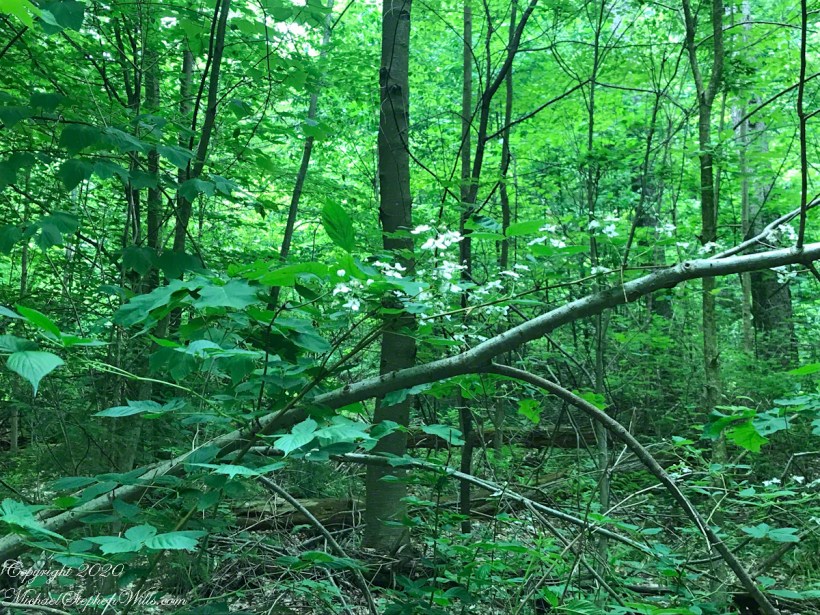
Hammond Hill New York State Forest is visible as an alluring height from many places of Tompkins and Cortland Counties. It is not on the list of tourist destinations, very popular for locals to mountain bike, and cross country ski at an advanced level for the steepness of some trails that wend over this high hill.
Click any photograph for a larger view. To do this from WordPress Reader, you need to first click the title of this post to open a new page.
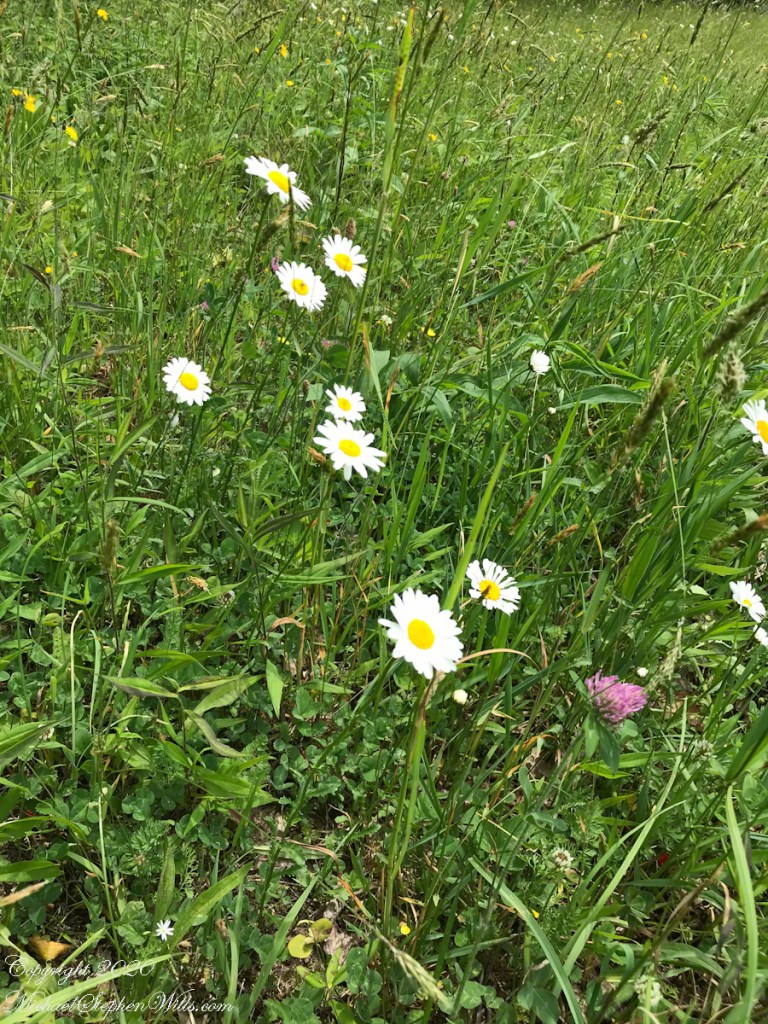
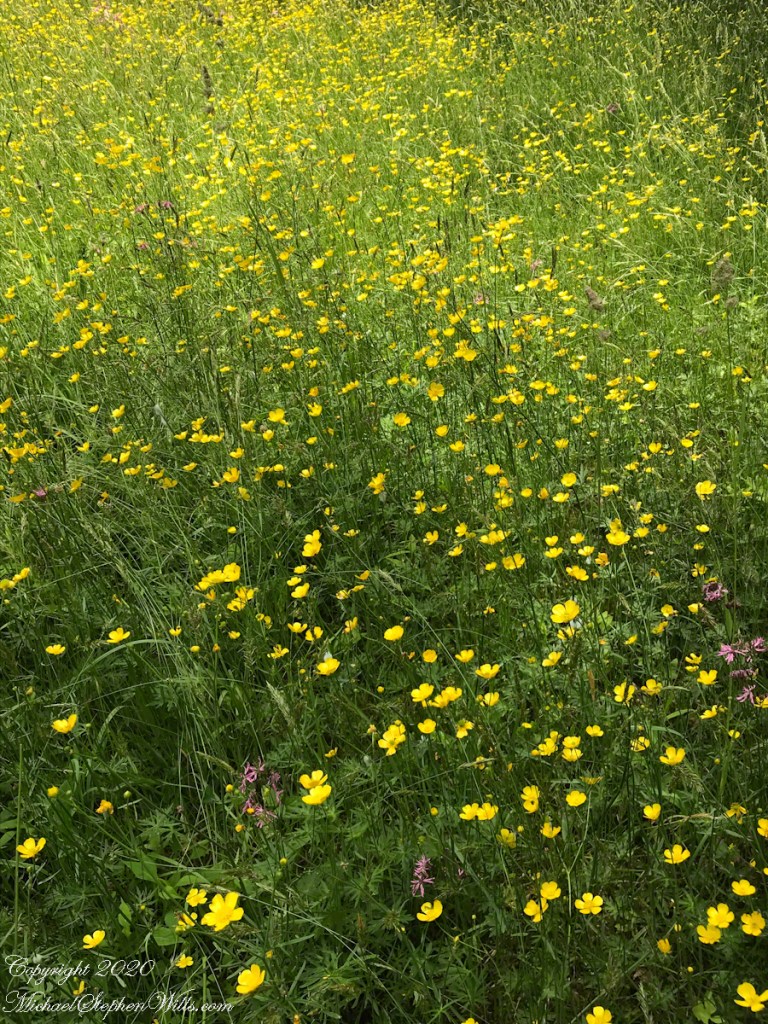
Buttercup Meadow
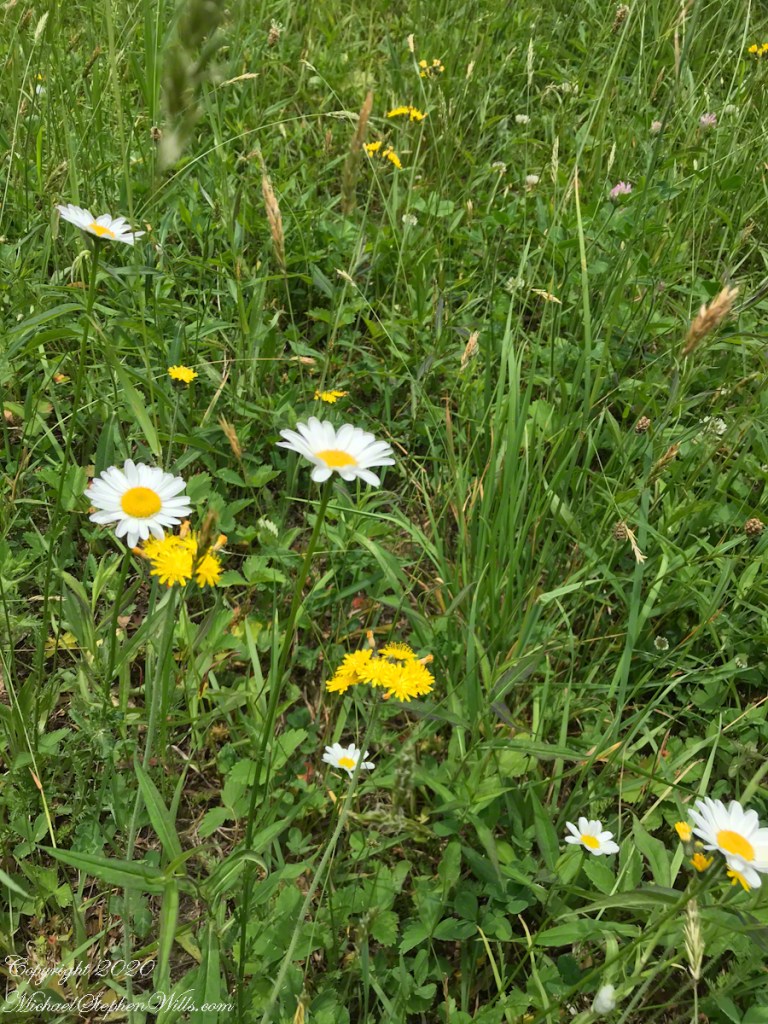
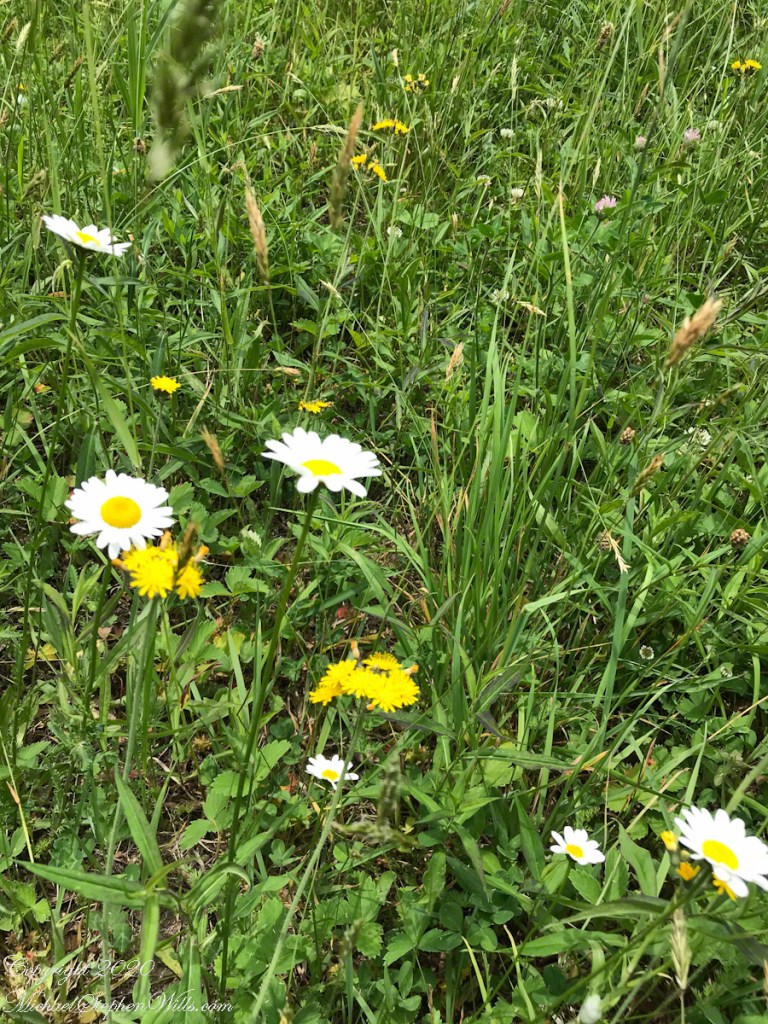
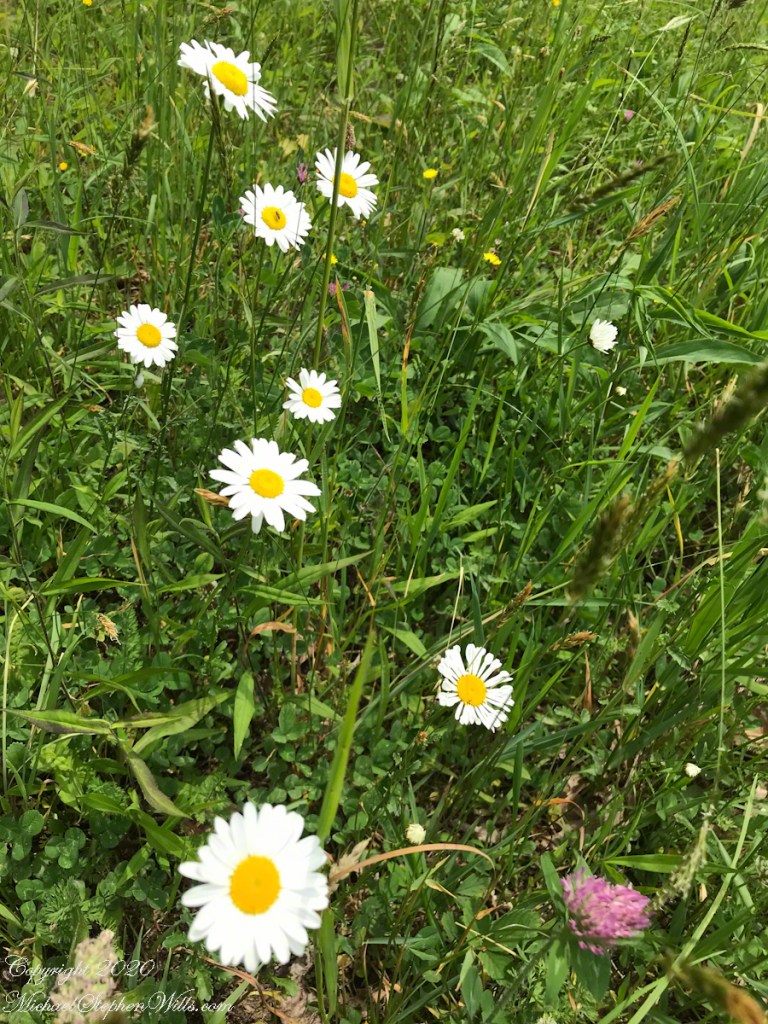
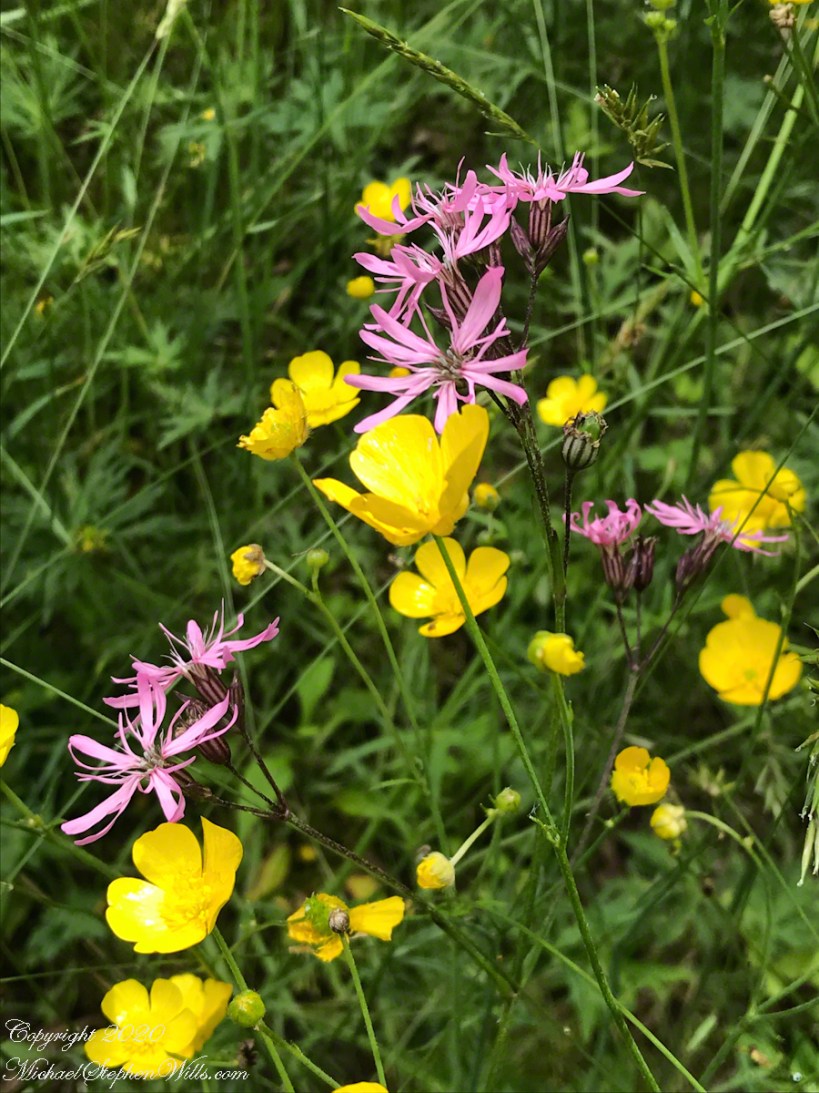
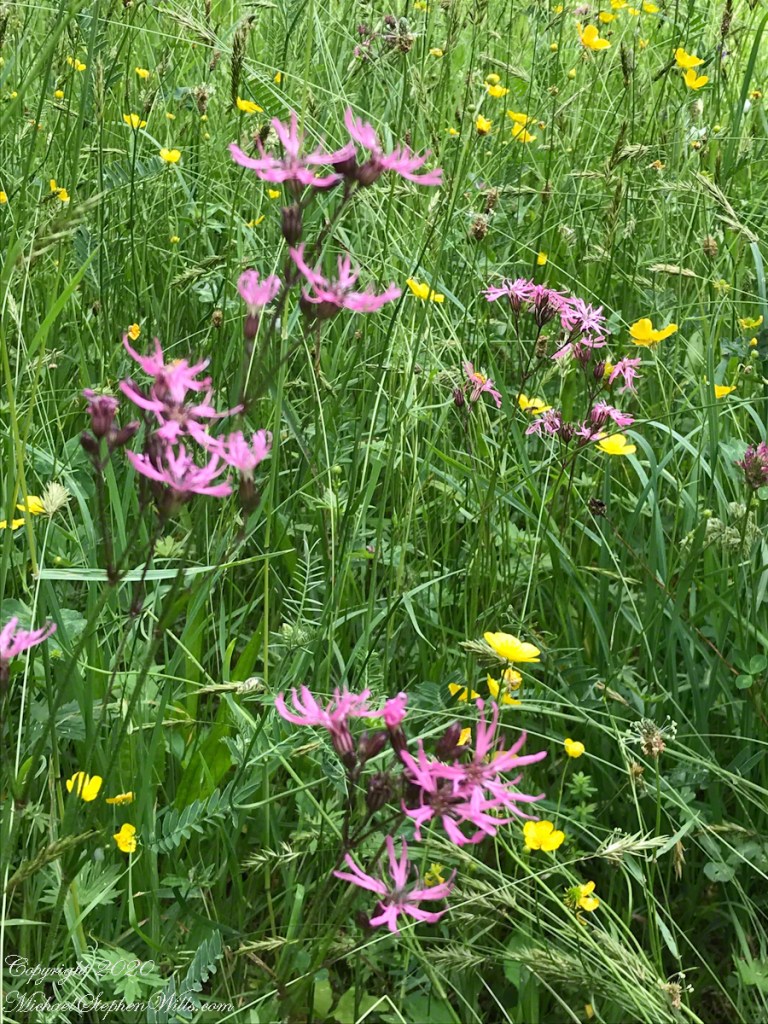
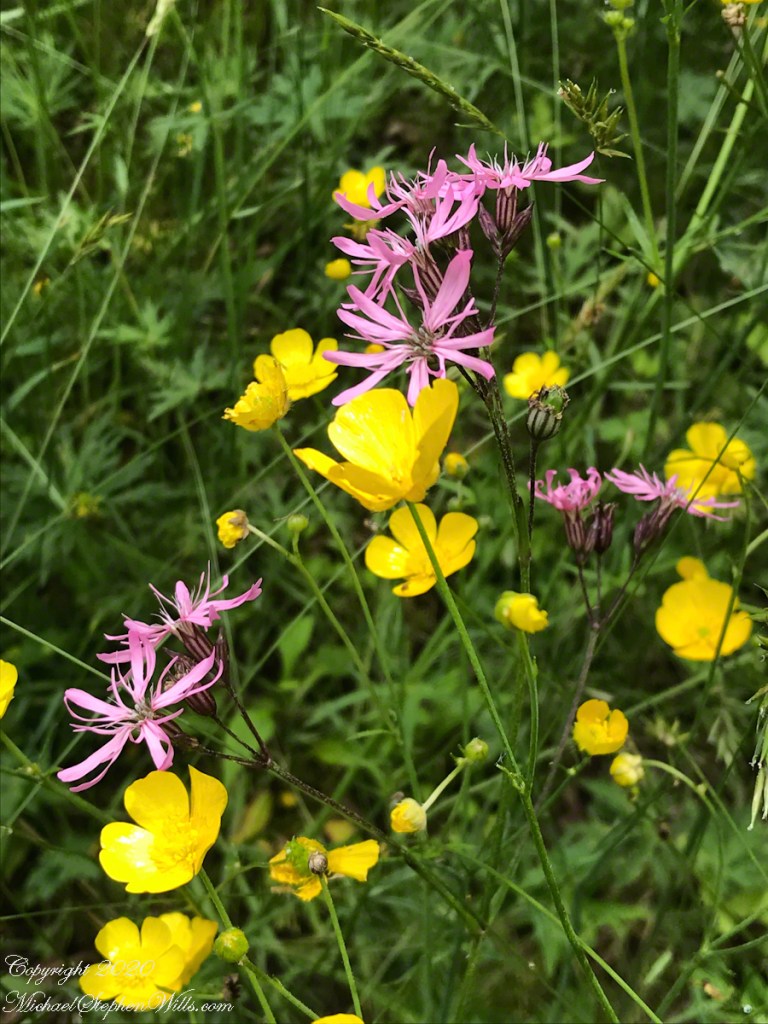
The beauty of this wildflower meadow took me by surprise. The pink flower is a Bouncing Bet, AKA Soapwart. Scientific name Saponaria officinalis. The genera name is from the latin root for soap, “sapo.” The juice of the plant mixed with water can whip up a lather. Thus, also its common name, Soapwart.







 Michael Stephen Wills Photography