Photographers can spend years on the Ireland north coast understanding the play of light on water.
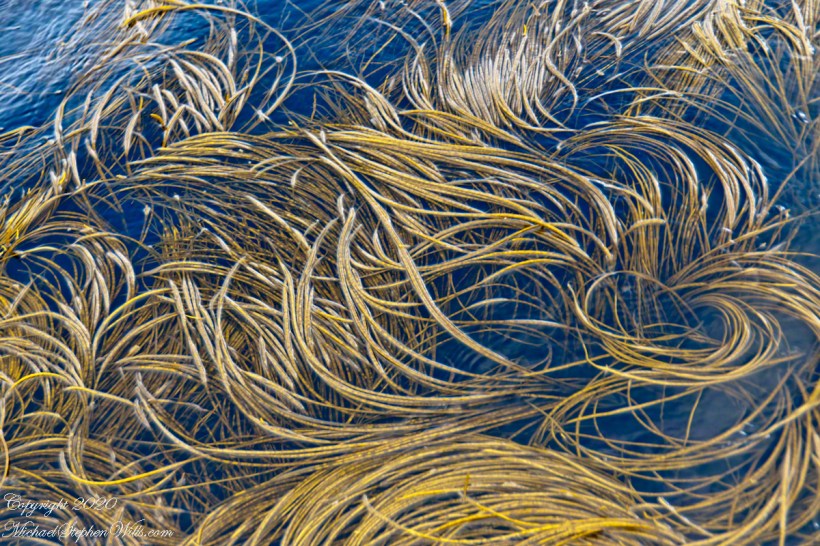
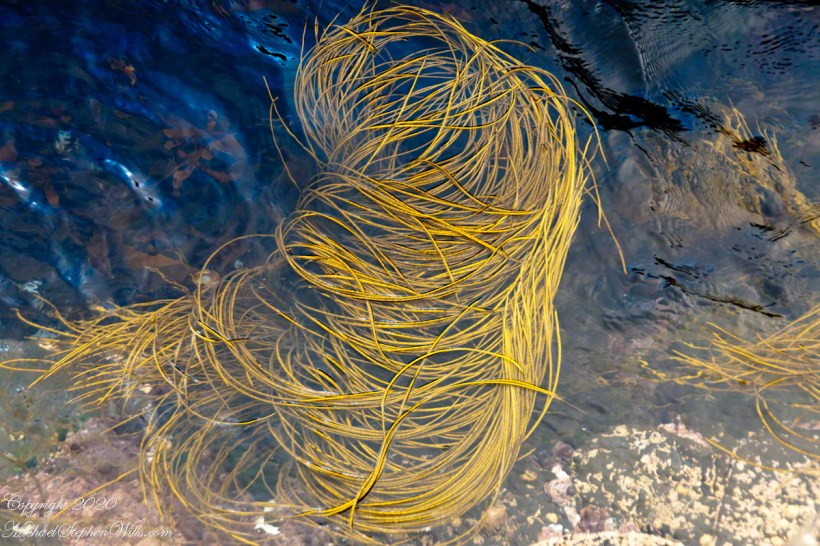
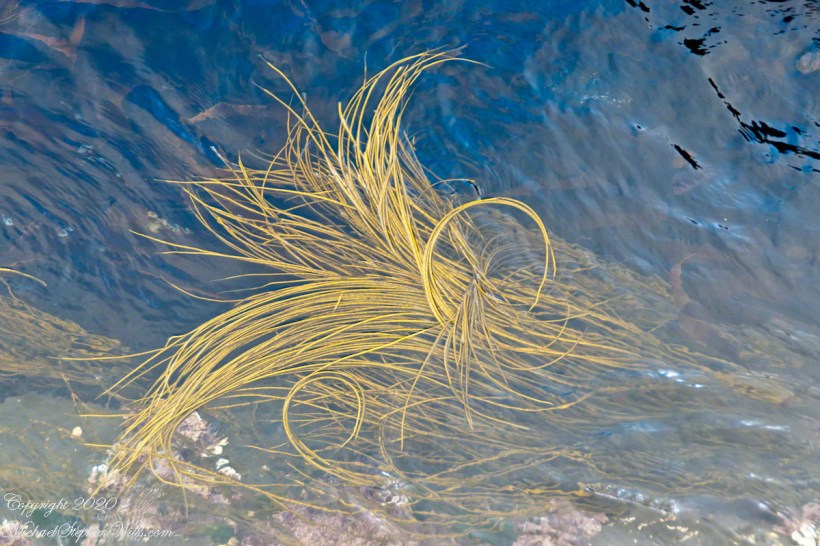
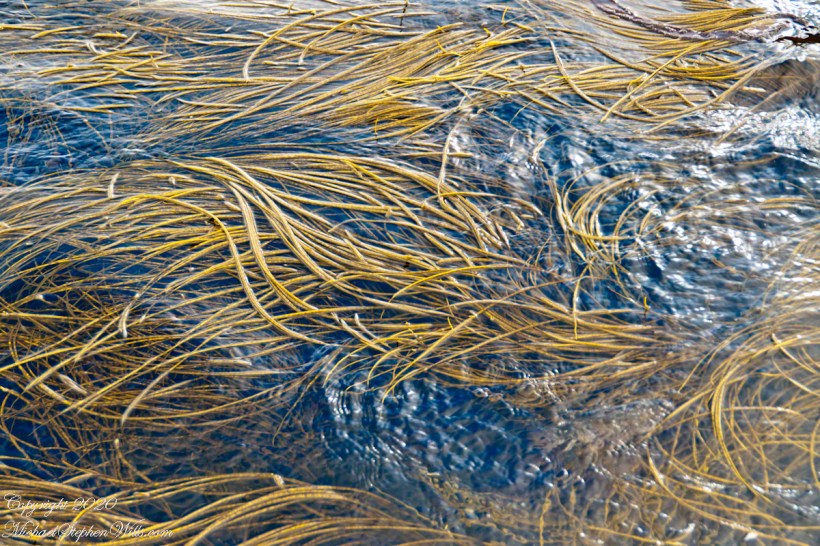
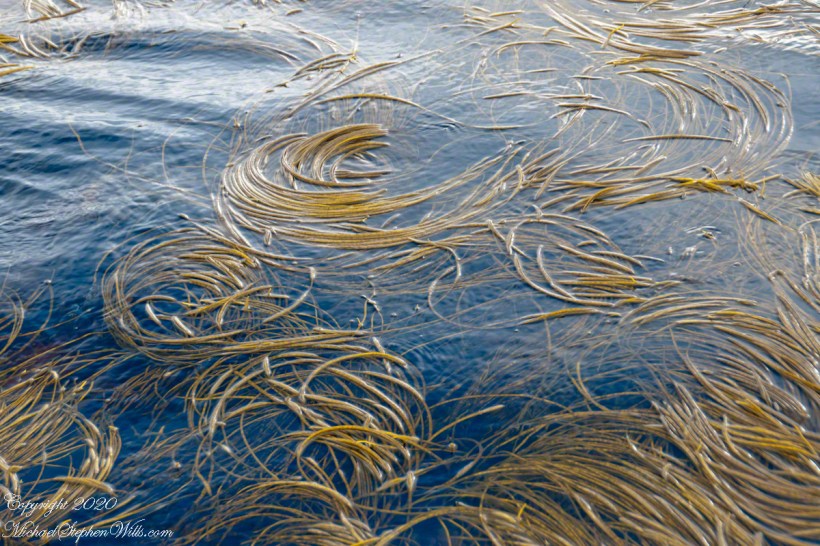
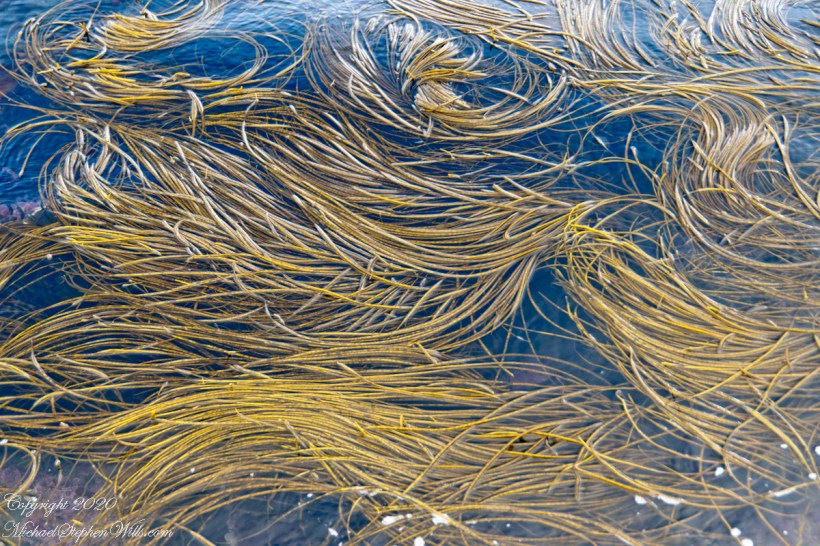
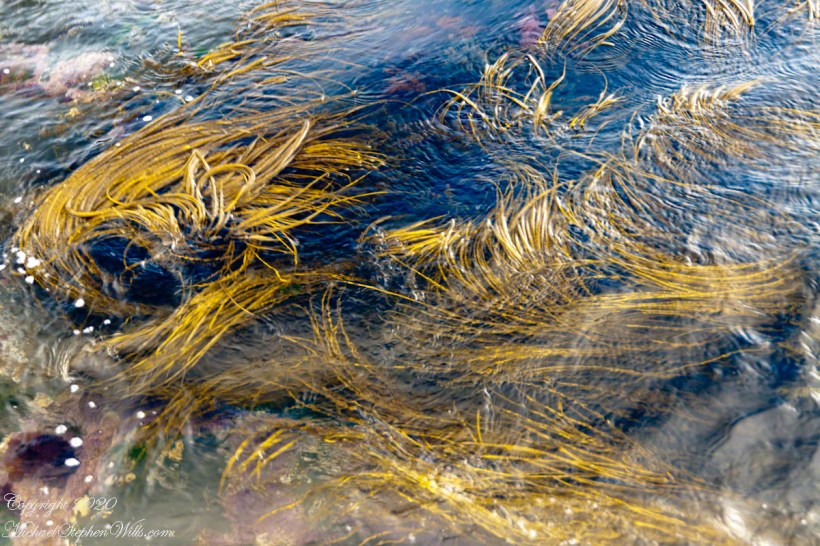
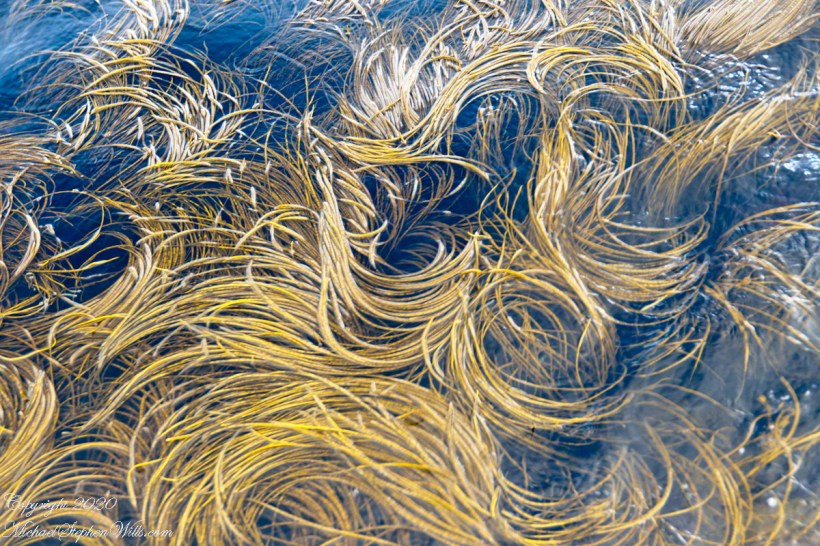
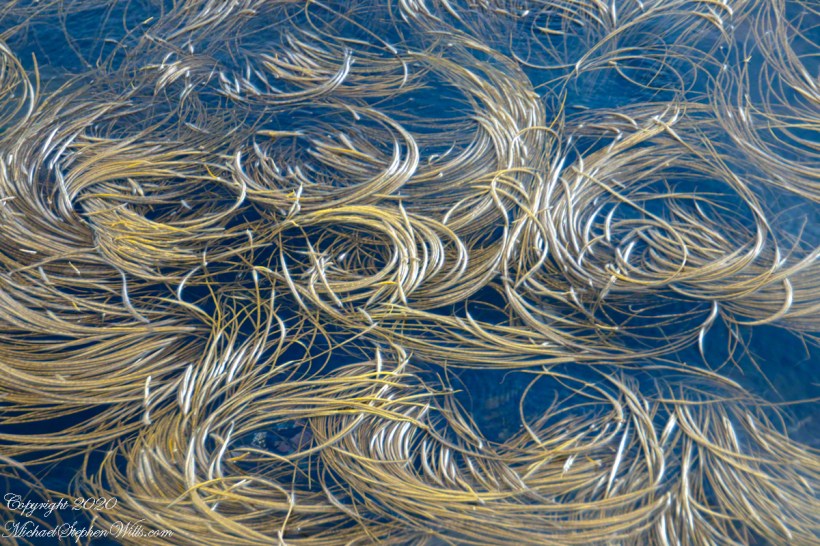
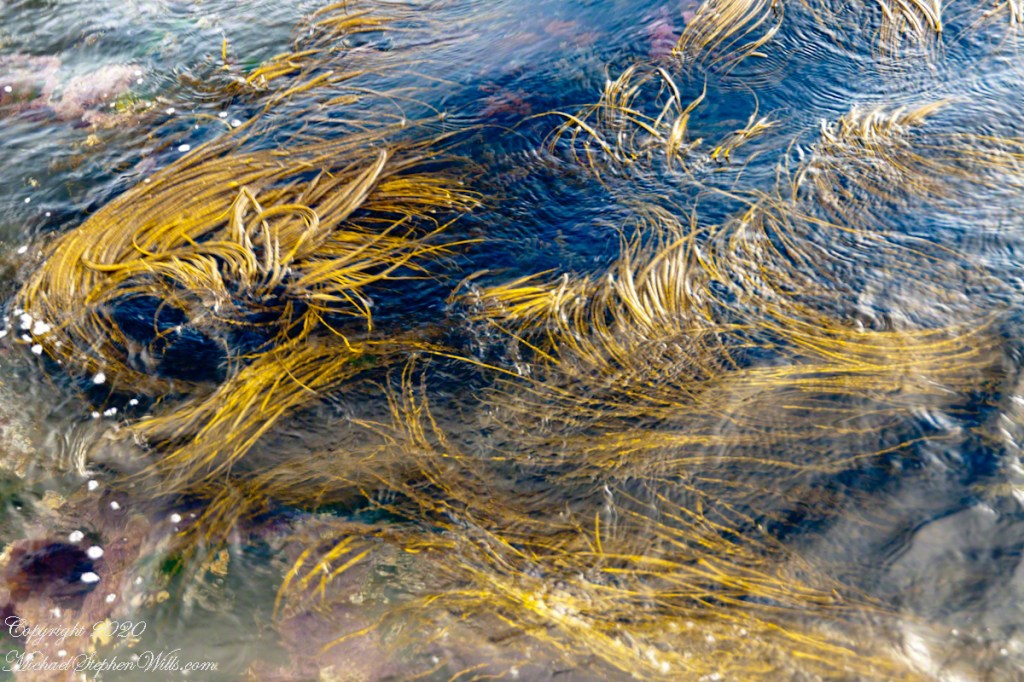
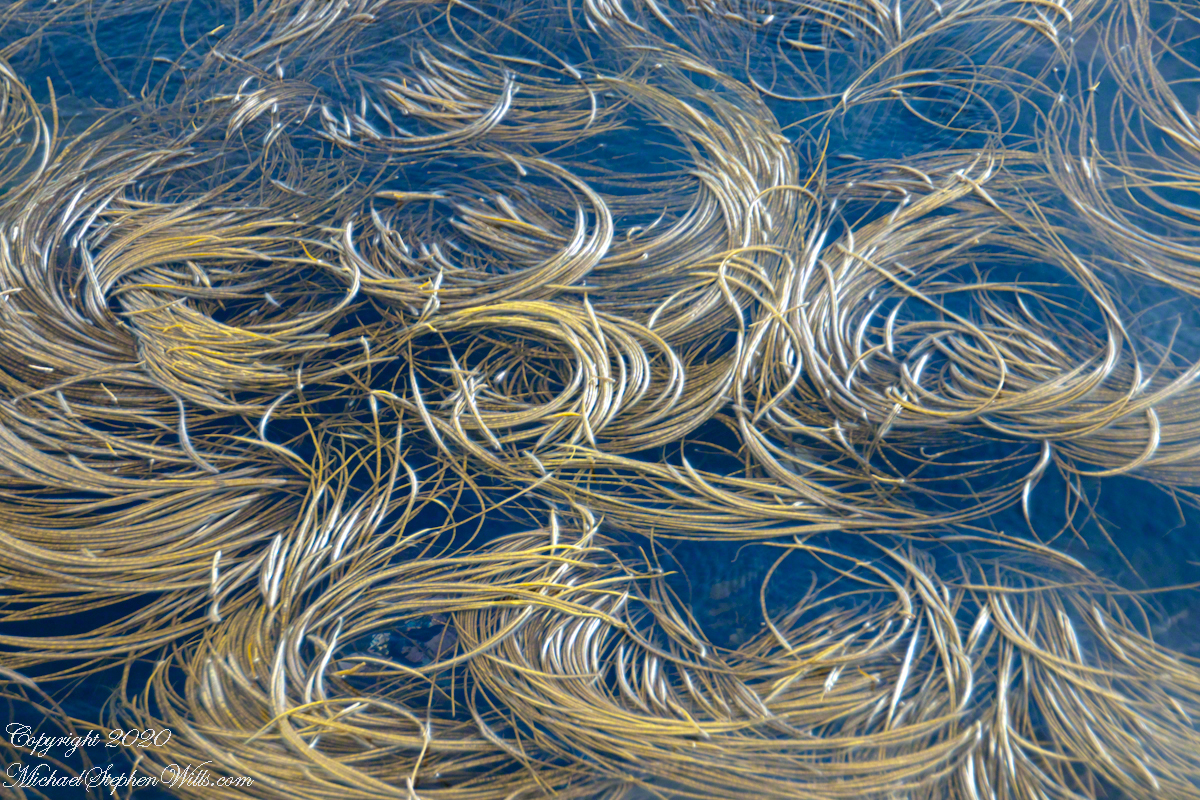
Our springtime evening, a few short hours, are here in this series. Today, a series of two photographs of kelp at low tide, moving with the waves. I see the possibility of a long exposure capturing the movement in one shot.
In which direction is the water/wave surge?
Click photograph for a larger view. To do this from WordPress Reader, you need to first click the title of this post to open a new page.
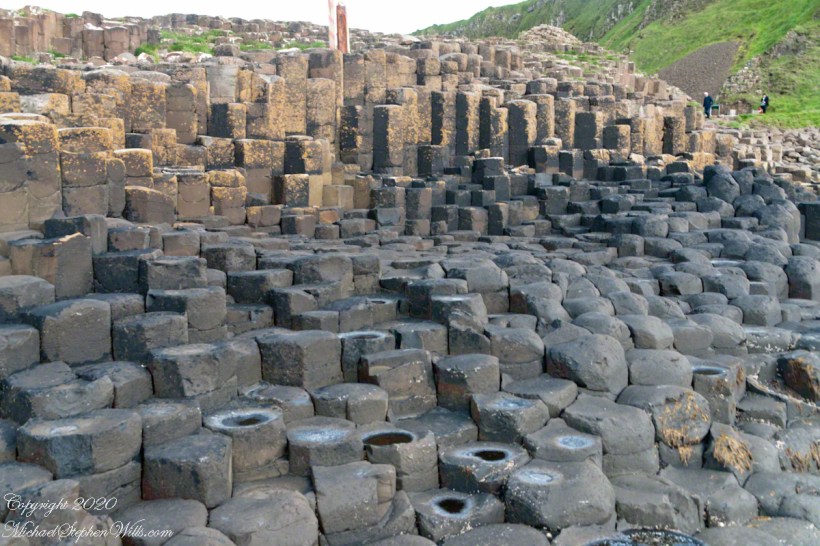
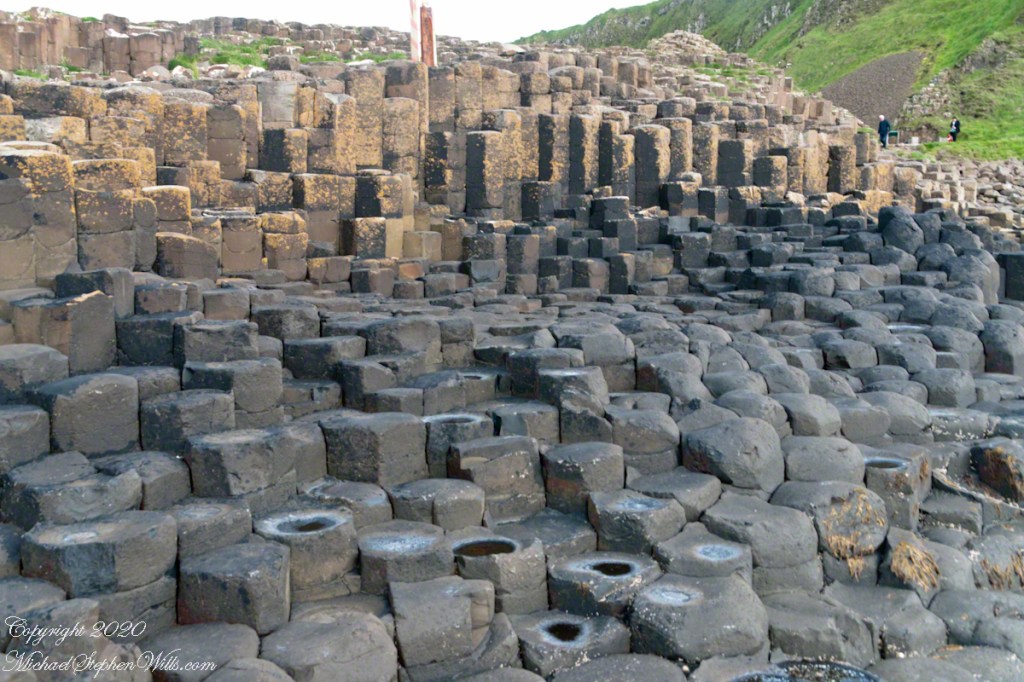
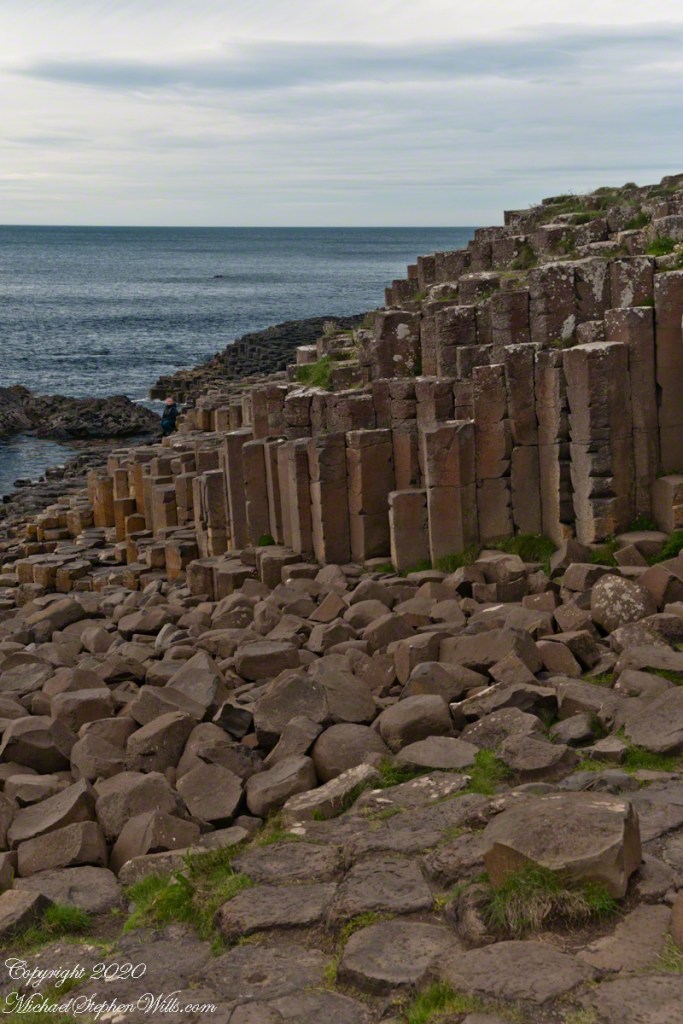
Arriving at low tide, long exposure shots of surf on the pavement was not to be. Here is a rising slope of Giant’s Causeway polygonal columns, dark color marking the usual tidal high point. Above is a measuring stick.
Click photograph for a larger view. To do this from WordPress Reader, you need to first click the title of this post to open a new page.
Behind where I stood for the above photo is a channel, perennially flooded at low tide evidenced by the thick growth of brown algae swaying back and forth with the waves.
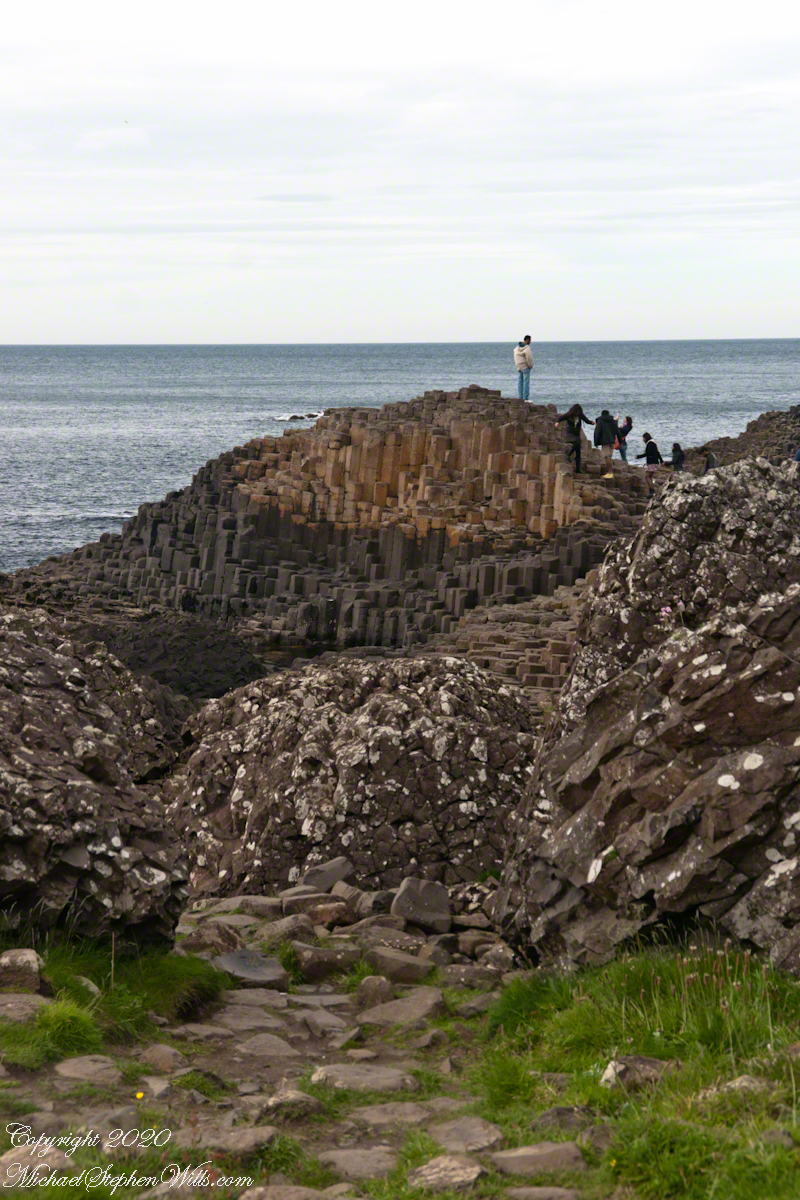
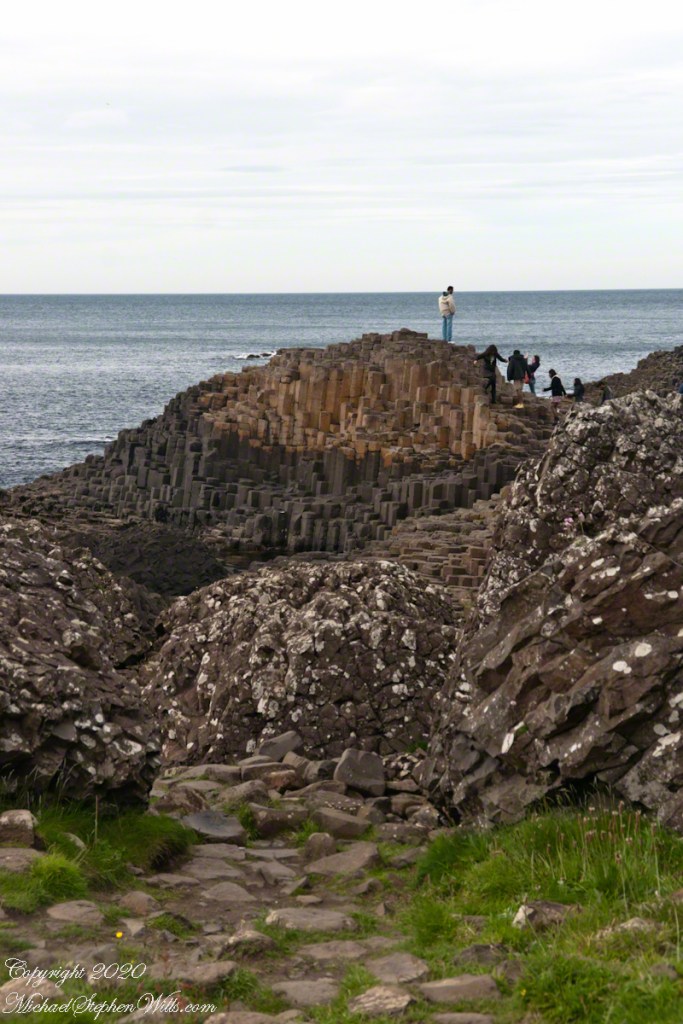
“List of places with columnar jointed volcanics” is a Wikipedia page, over a hundred sites across the globe and high resolution images of Mars, these columns of Giant’s Causeway are no less marvelous for being the most famous of a phenomenon well documented.
A pile of articulated blocks, ready for assembly, next to orderly placed columns forming a pavement into the sea. Across the way, on the Isle of Mull, Scotland, a matching pavement. “Jointed” means one surface of each block is convex, the other concave, two blocks fit together.
Click photograph for a larger view. To do this from WordPress Reader, you need to first click the title of this post to open a new page.
Click photograph for a larger view. To do this from WordPress Reader, you need to first click the title of this post to open a new page.
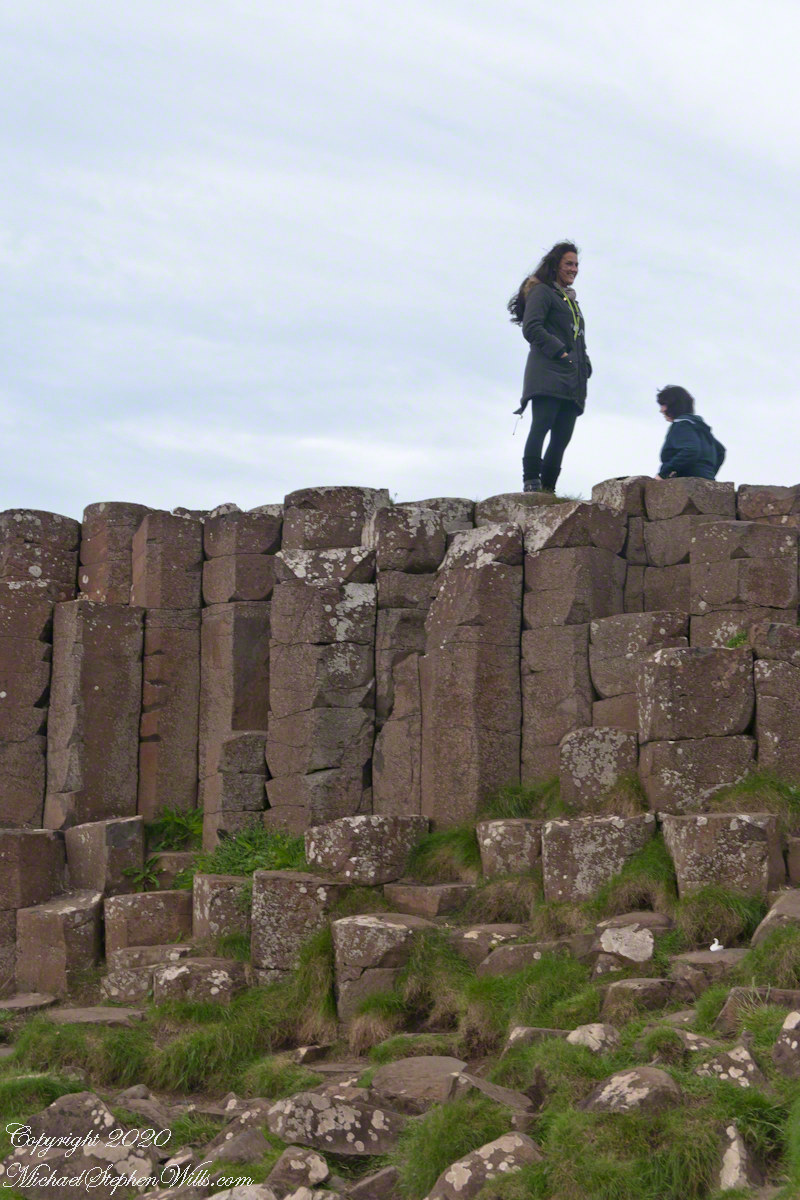
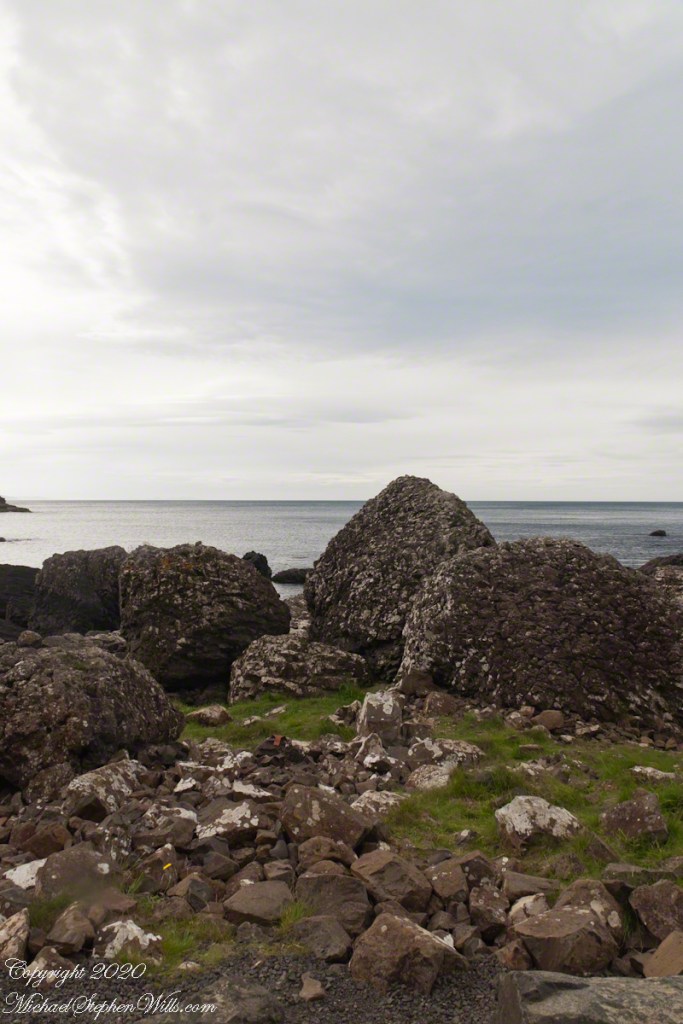
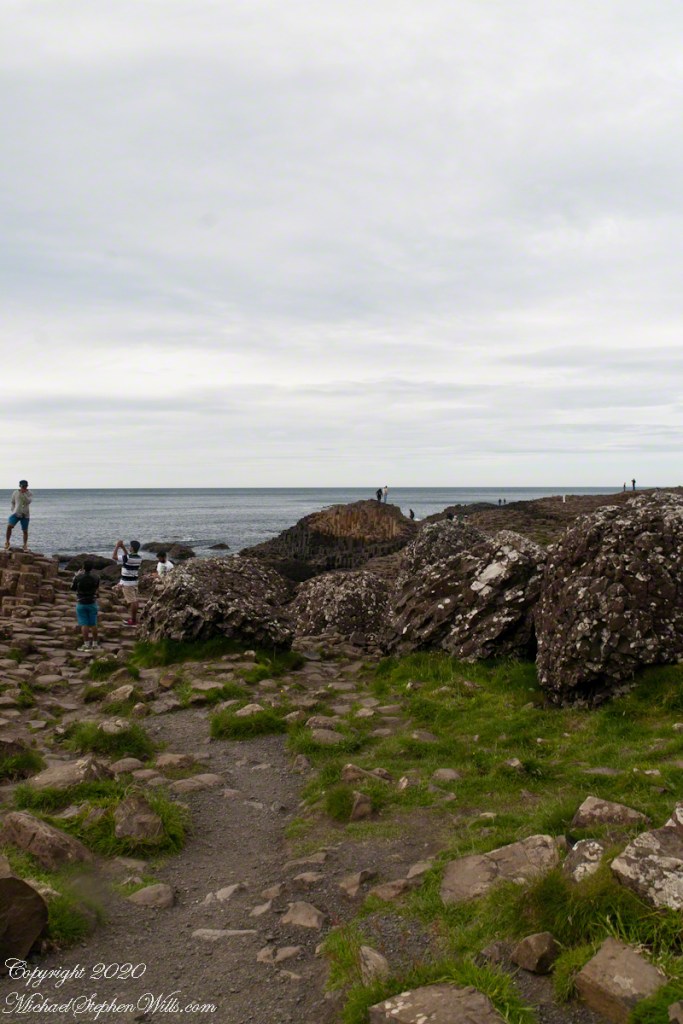
SONY DSCThe stars are the columnsSONY DSCAt the most popular tourist attraction in Northern Ireland, a photograph without people was the challenge of the day.
Copyright 2020 All Rights Reserved Michael Stephen Wills
More stunning views from the Causeway Walk on the way to the main attraction. We did not explore enough to discover the sand reported to exist along the water margin.
Click photograph for a larger view. To do this from WordPress Reader, you need to first click the title of this post to open a new page.
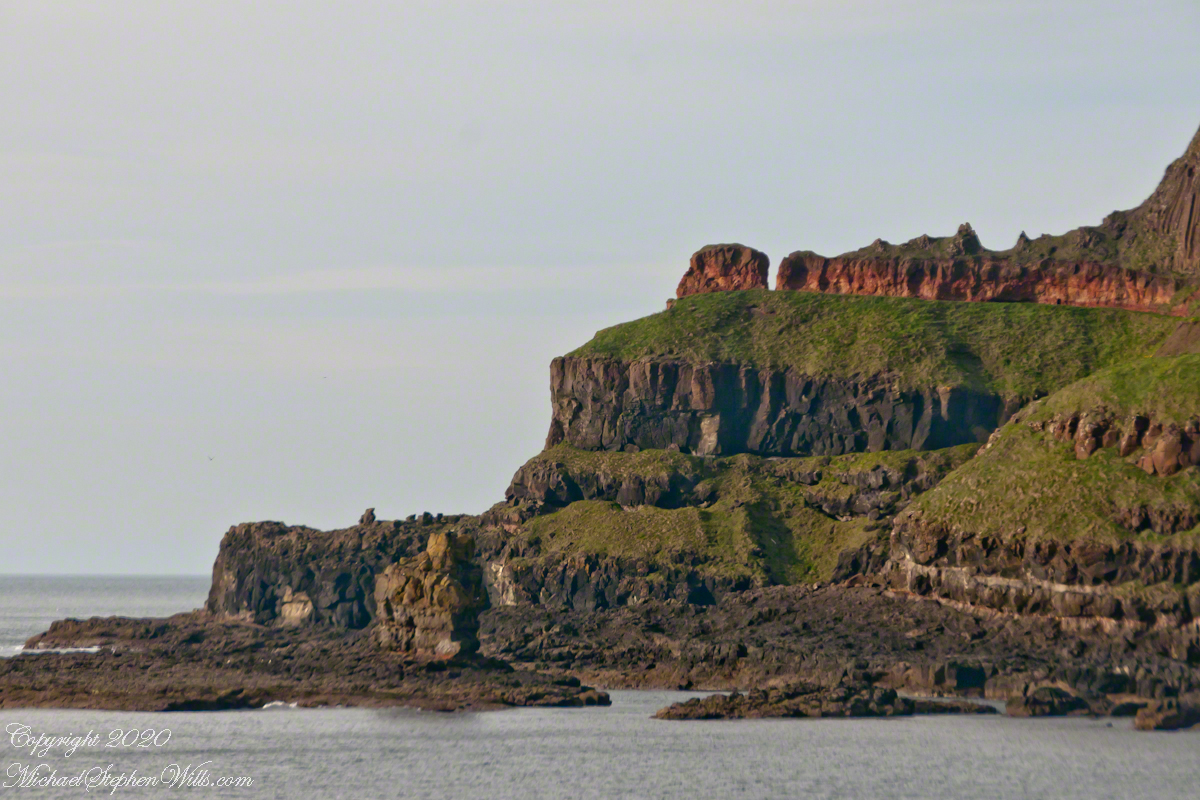
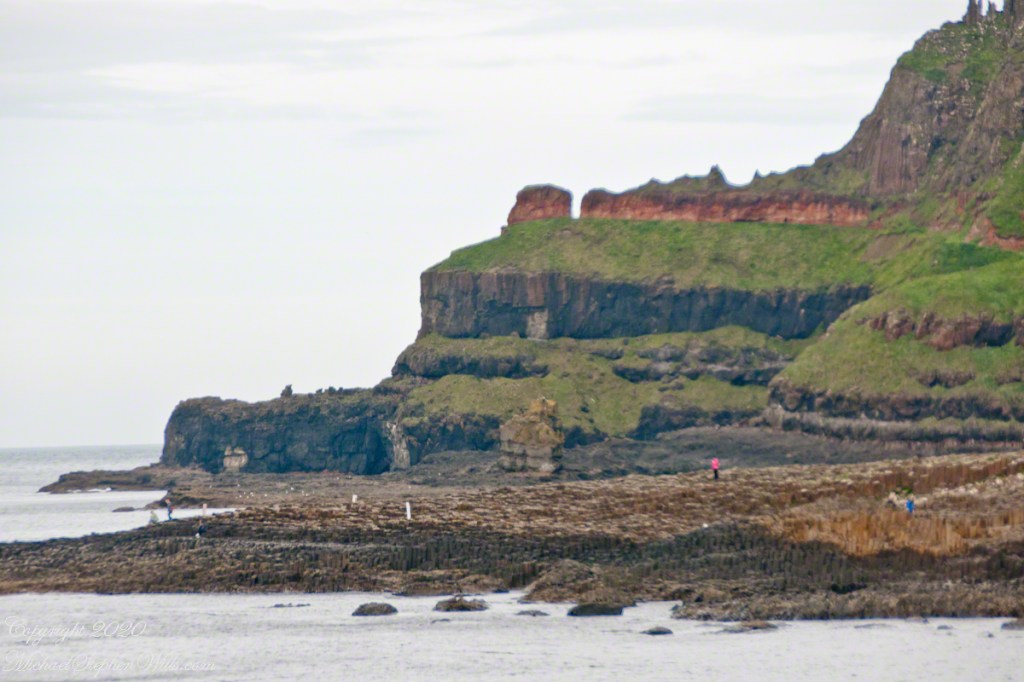
Layers of red rock, lit here by sunset on Giant’s Causeway, along the cliff trail, seen here from below, are called laterite from the Latin for brick (later). Here it is formed from iron rich basalt laid down well before the upper layers of the magma plateau. It takes eons to weather and oxidize the iron of basalt, transforming it to the brick red of laterite, yet the rocks above it are still dark. The process happens in warmer climates with alternating cycles of rain and drought, for Ireland this was when the land was much farther south than today. Giant’s Causeway, County Antrim, Northern Ireland.
Here it is formed from iron rich basalt laid down well before the upper layers of the magma plateau. It takes eons to weather and oxidize the iron of basalt, transforming it to the brick red of laterite, yet the rocks above it are still dark. The process happens in warmer climates with alternating cycles of rain and drought, for Ireland this was when the land was much farther south than today.
Click photograph for a larger view. To do this from WordPress Reader, you need to first click the title of this post to open a new page.
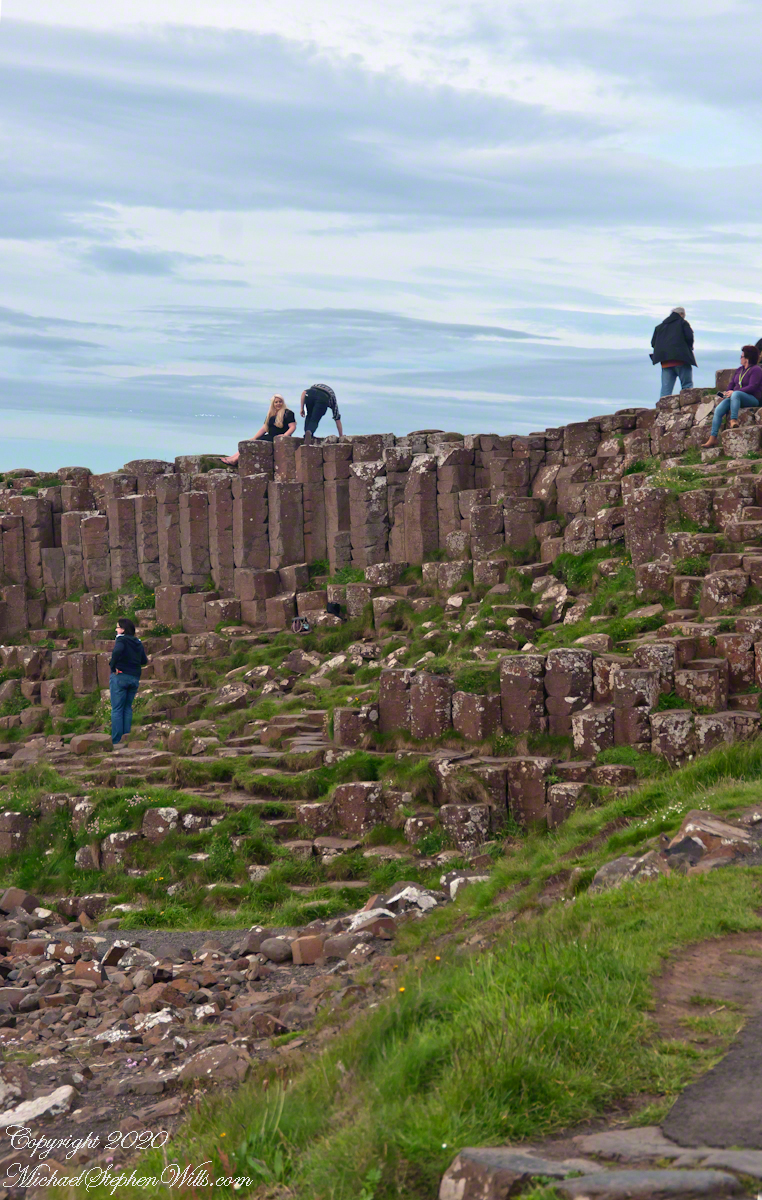
Lava dikes rise from the water below. Here is a wider view with the “causeway” elements with human figures in foreground.
Copyright 2020 All Rights Reserved Michael Stephen Wills



 Michael Stephen Wills Photography