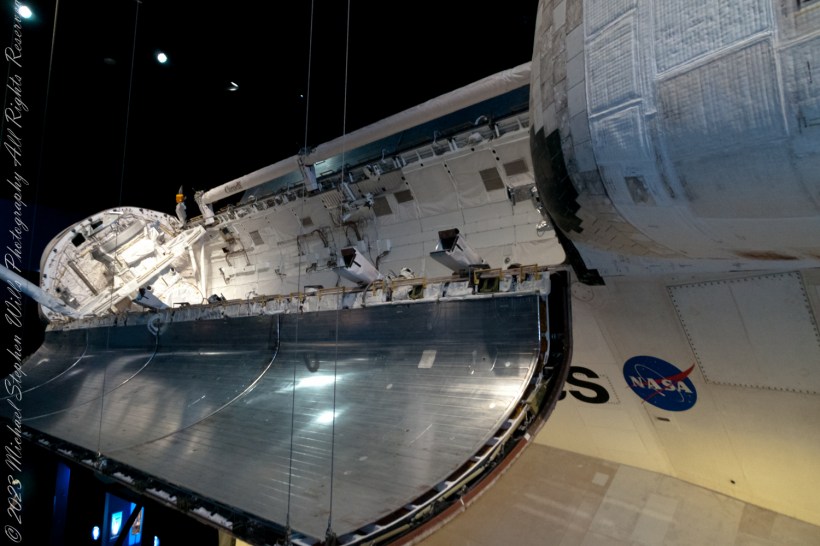
Atlantis Cargo Bay
The cargo bay of the Space Shuttle Atlantis was an extensive, empty compartment located at the shuttle’s aft end, acting as the main storage area for mission payloads. A significant portion of the cargo was housed within a sizable cylindrical module named Raffaello, which contained a year’s supply of necessities—food, clothing, water, replacement parts, and scientific gear.

The dimensions of the payload area were roughly 4.6 meters (15 feet) in width and 18 meters (60 feet) in length. This spacious area enabled the shuttle to transport a diverse array of payloads, ranging from satellites to complex scientific experiments.
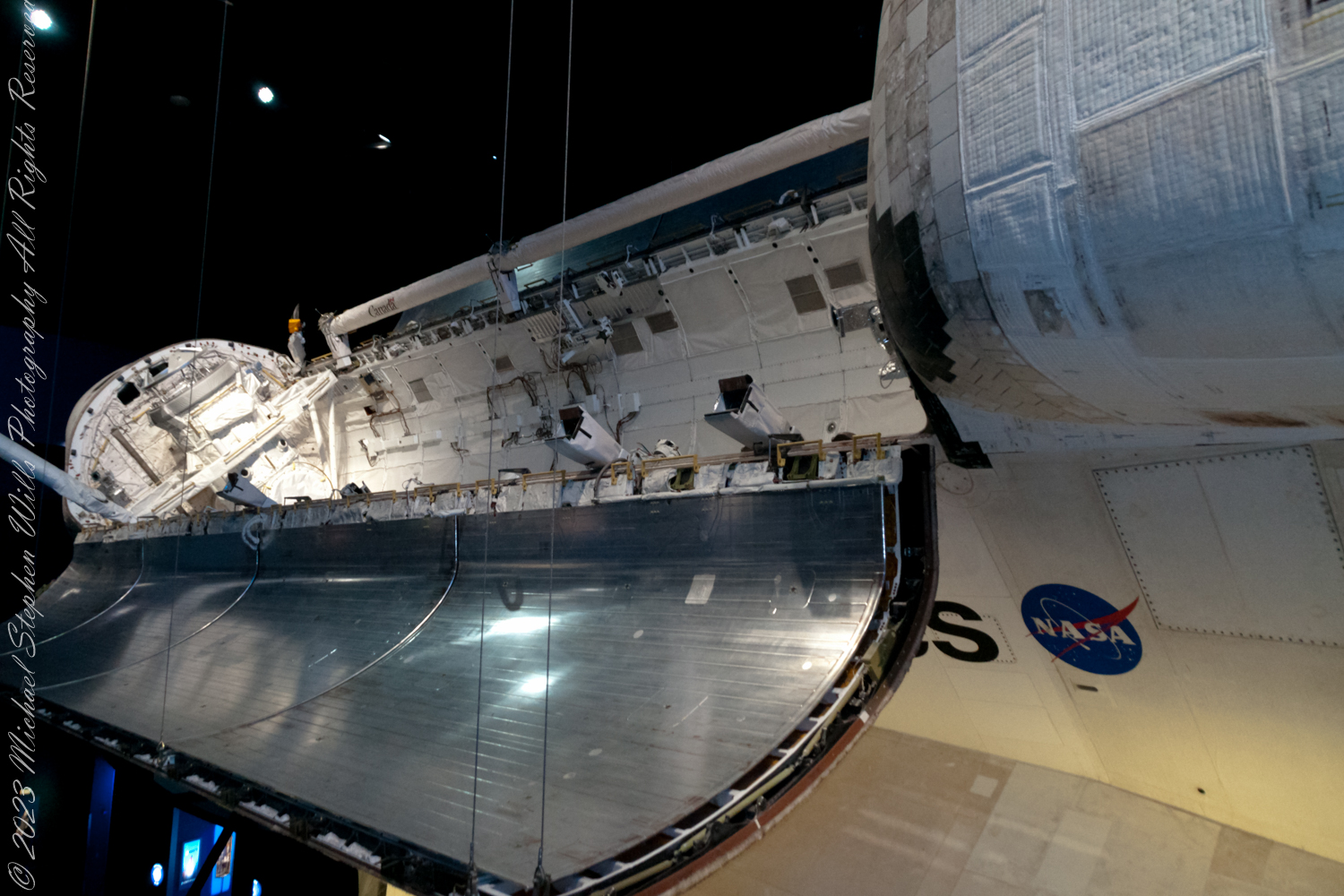
Exploring the Cargo Bay
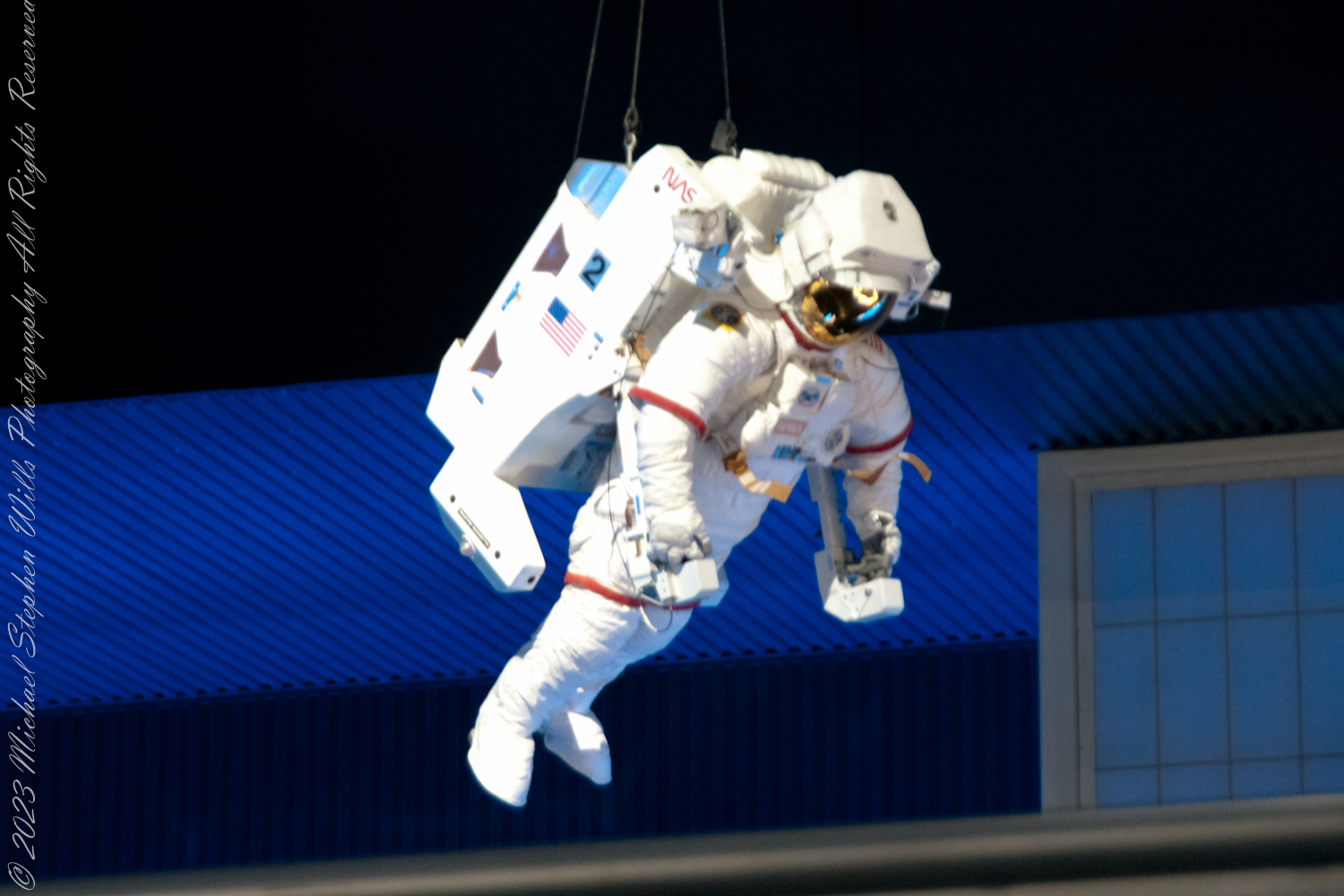
Envision yourself drifting through the cargo bay of Atlantis, encircled by a maze of wires, equipment, and neatly arranged payloads. Astronauts, tethered securely and clad in their voluminous space suits, would navigate this area, ensuring the payloads were fastened correctly for either launch or retrieval operations.
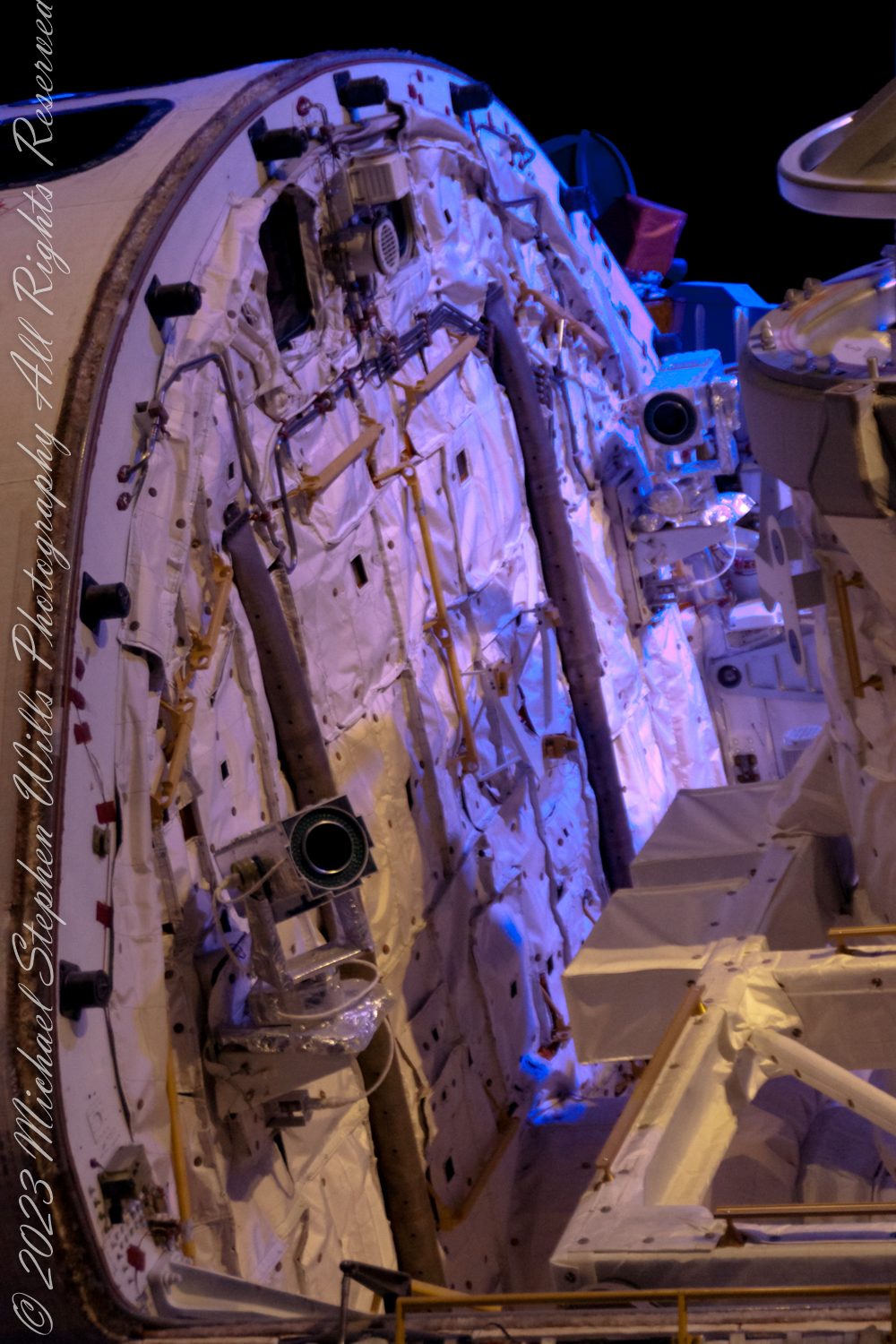
The cargo bay’s configuration was highly adaptable, tailored to meet the specific needs of each mission. It played a pivotal role in the deployment of satellites, execution of repairs, or the transportation of scientific apparatus, adapting its setup as necessary.
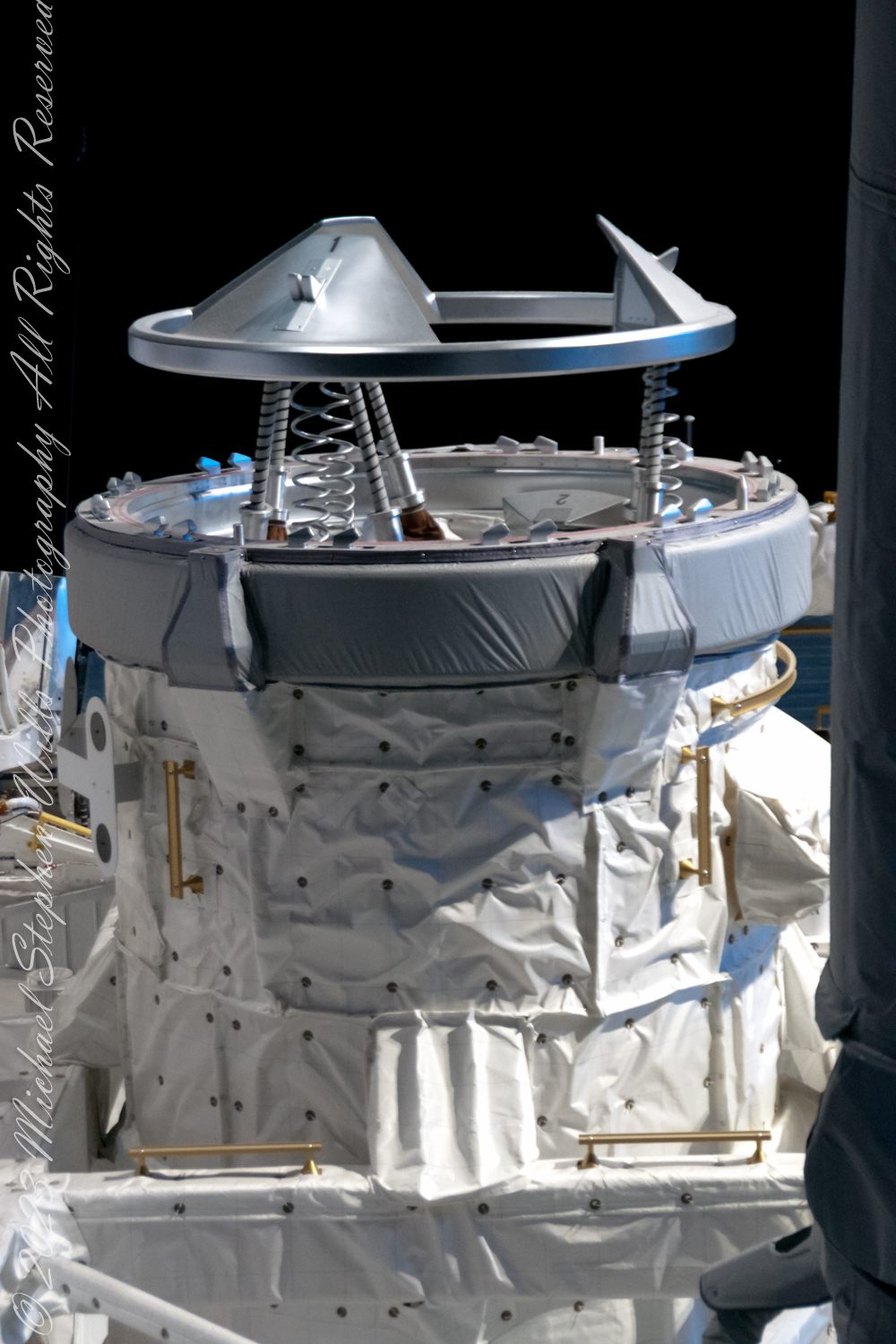
The Hubble Servicing Mission
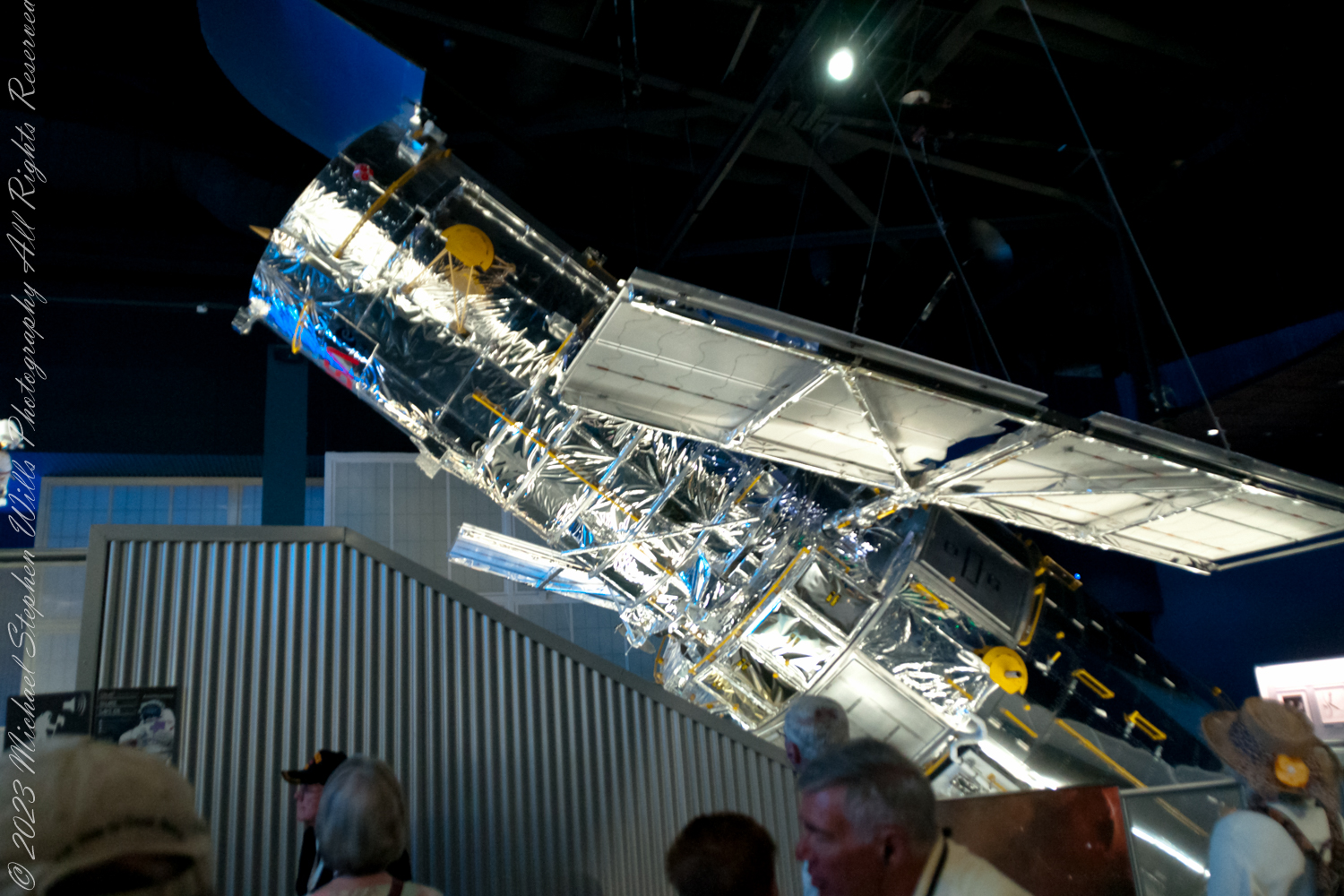
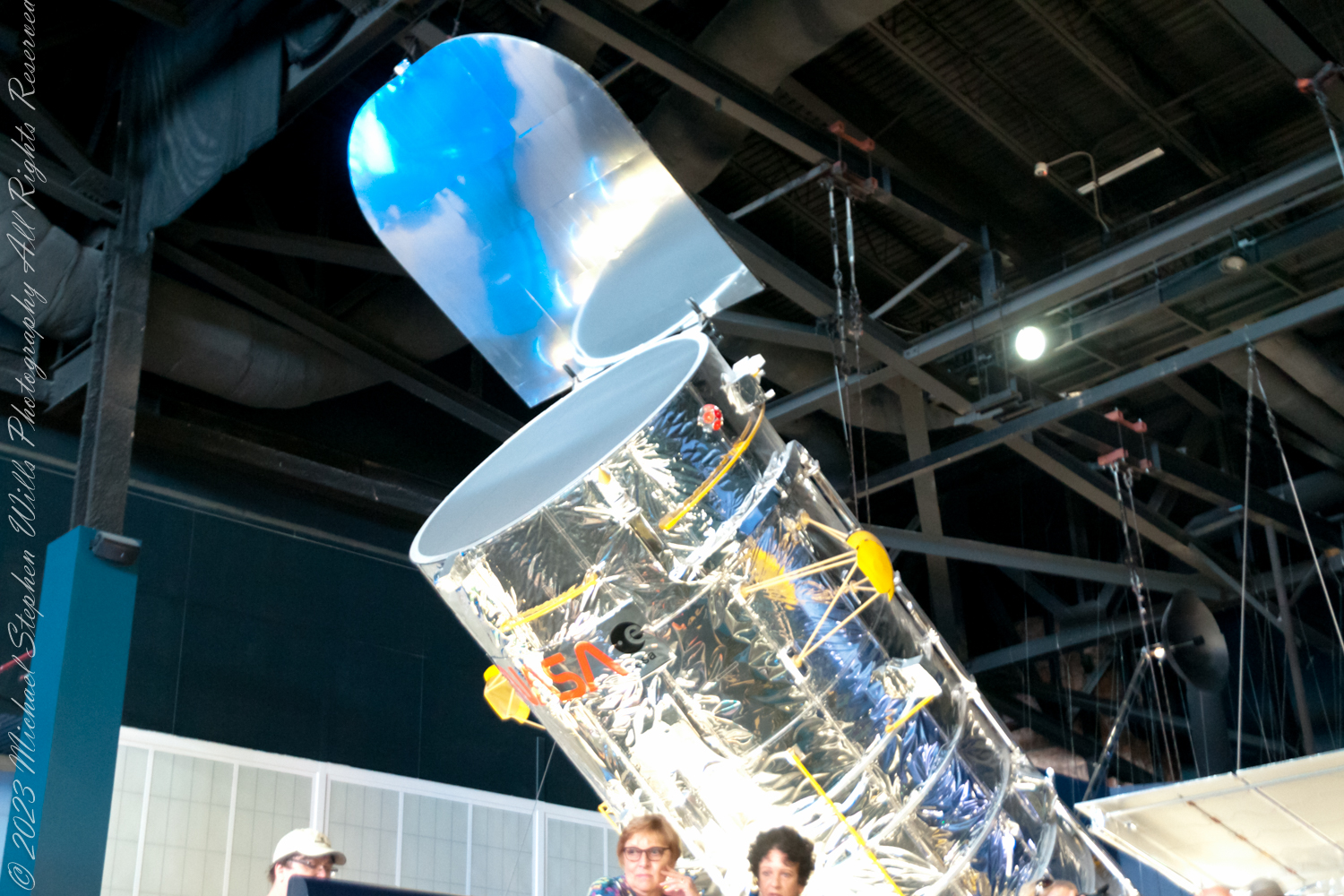
One of the most notable missions involving Atlantis was the Hubble Space Telescope Servicing Mission 4 (SM4). For this mission, Atlantis was loaded with essential items for the Hubble, including new instruments, batteries, and gyroscopes, all carefully organized within the cargo bay for safe transport to and into orbit.
Legacy
The cargo bay of Atlantis bore witness to a myriad of significant events: the release of satellites, the construction of the International Space Station, and numerous scientific investigations. Its design and flexibility were instrumental to the Space Shuttle program’s achievements.
 Michael Stephen Wills Photography