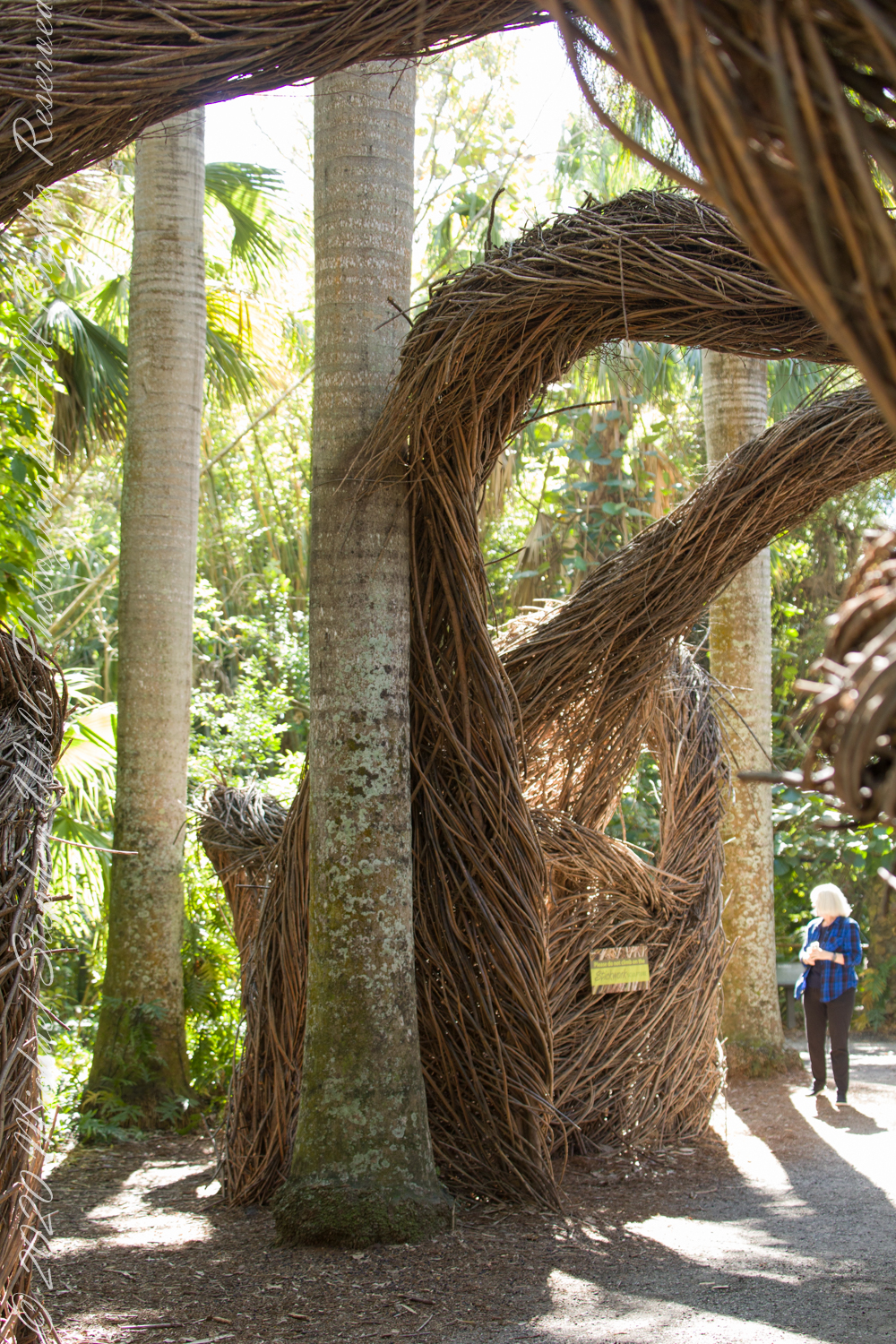
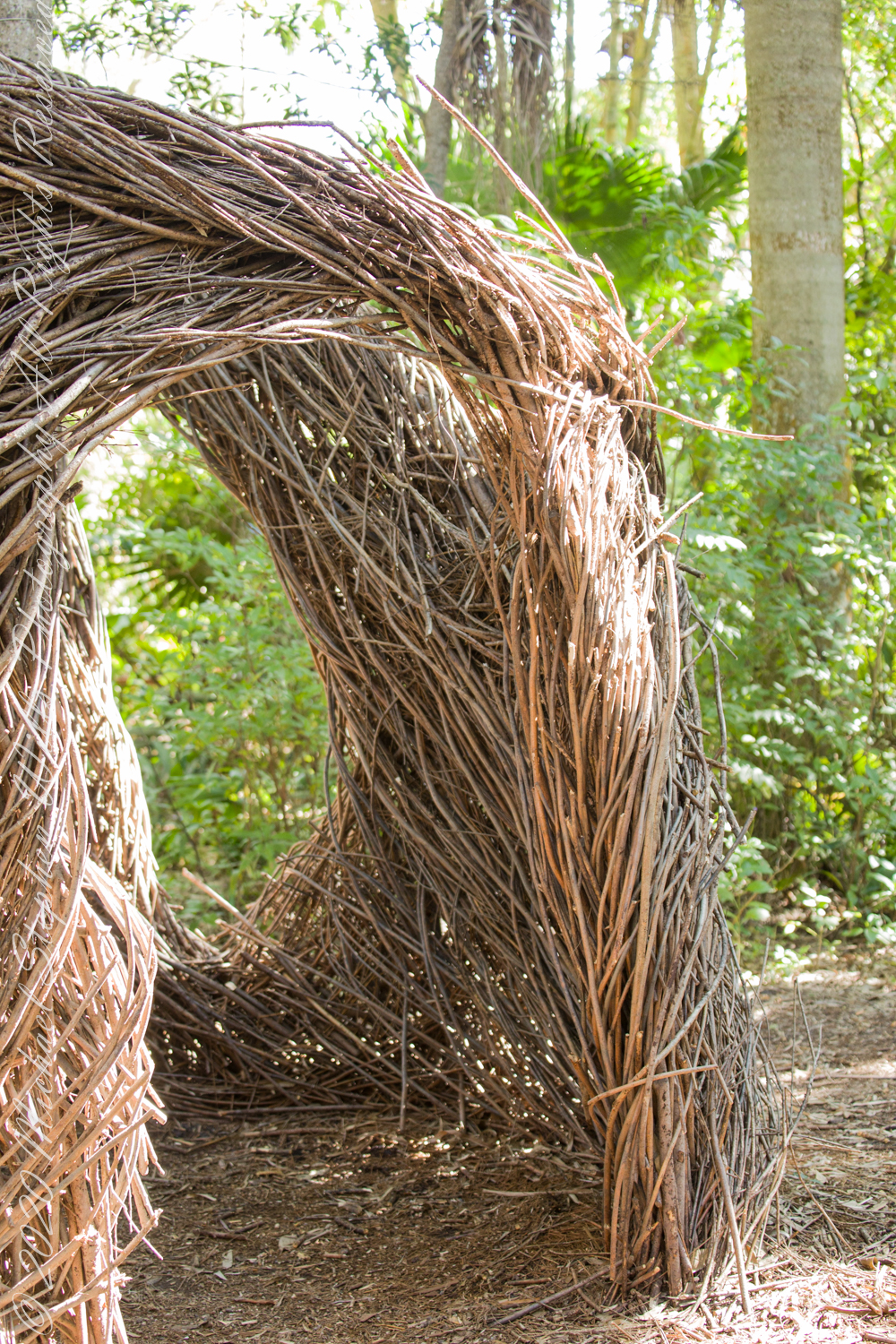
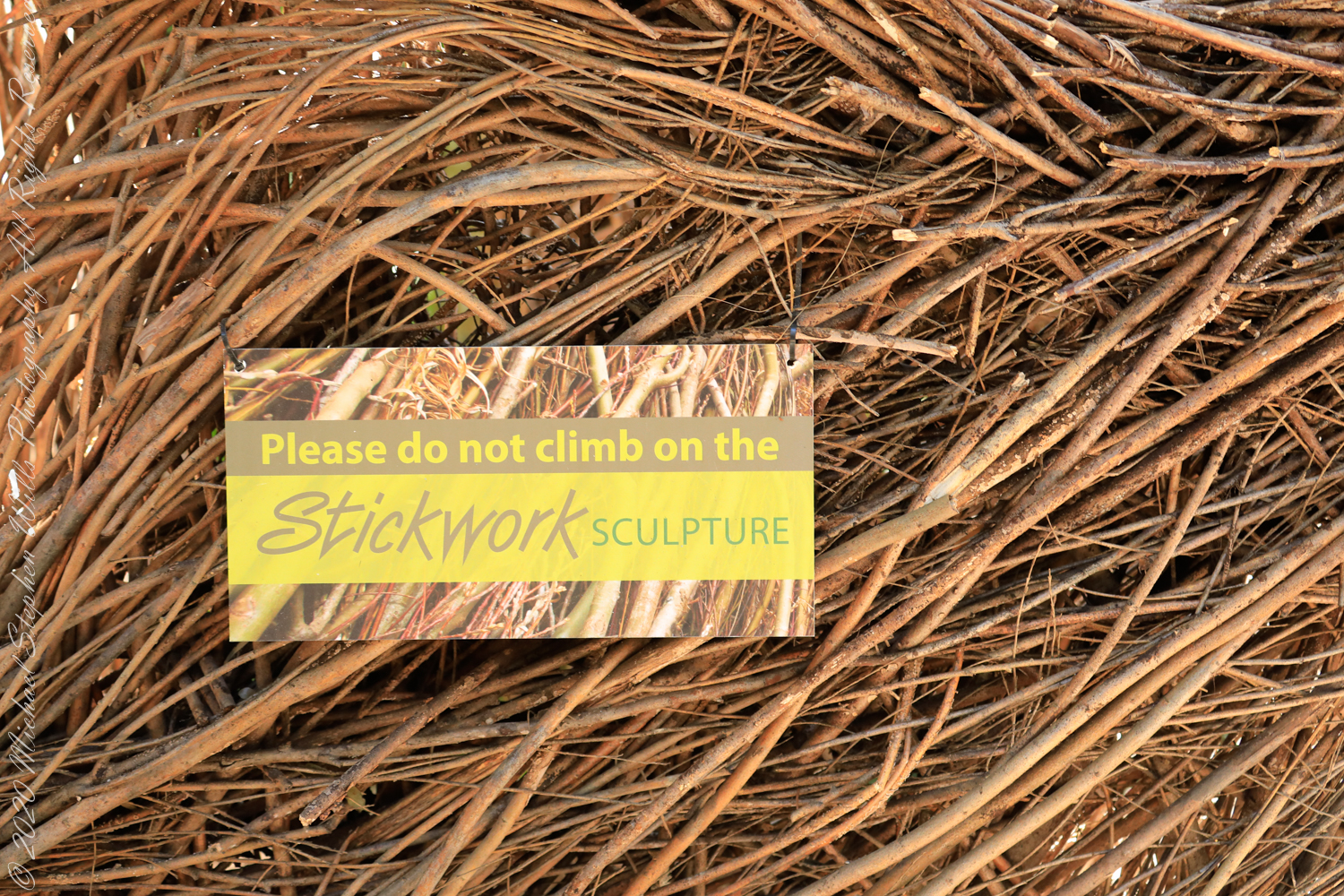
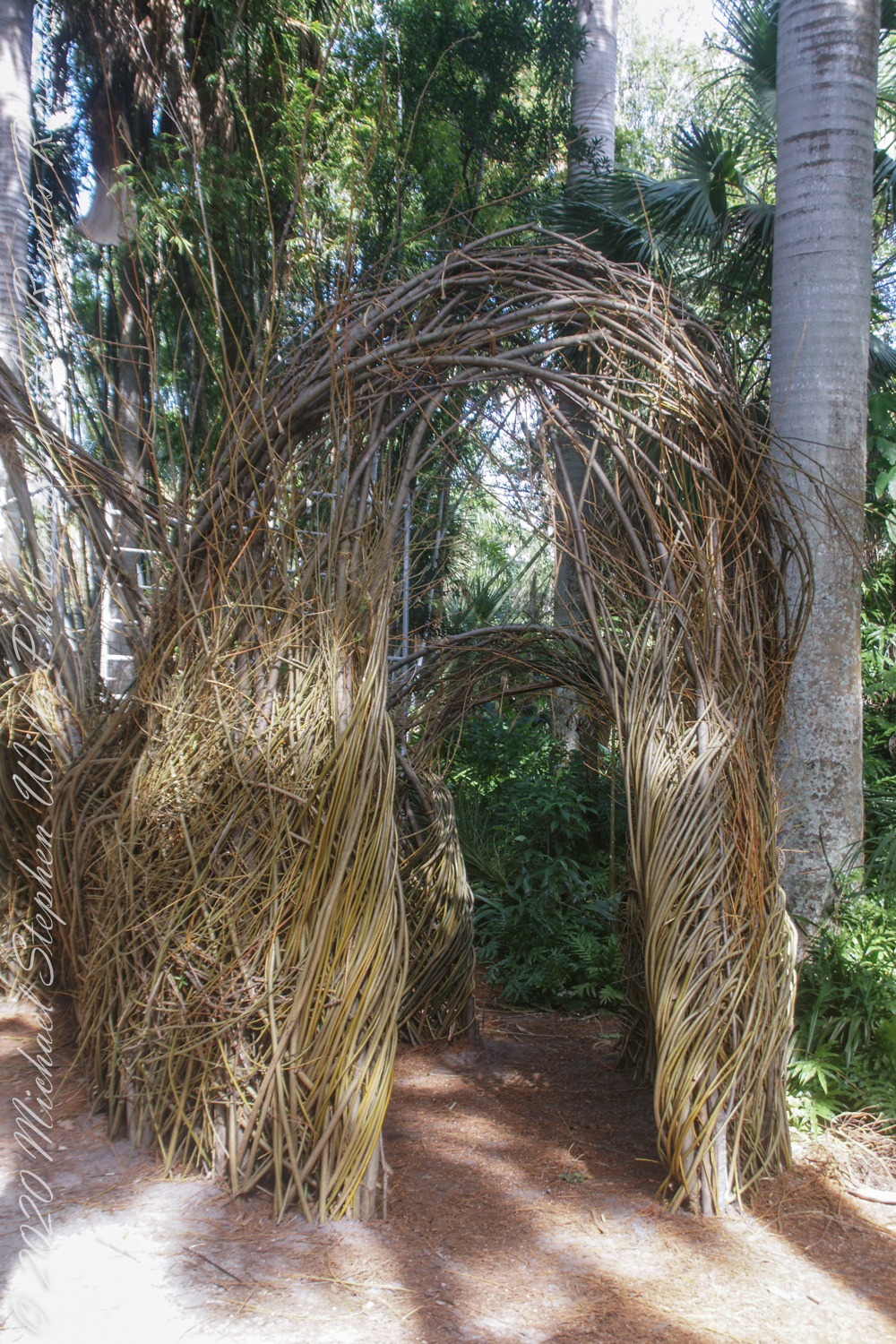
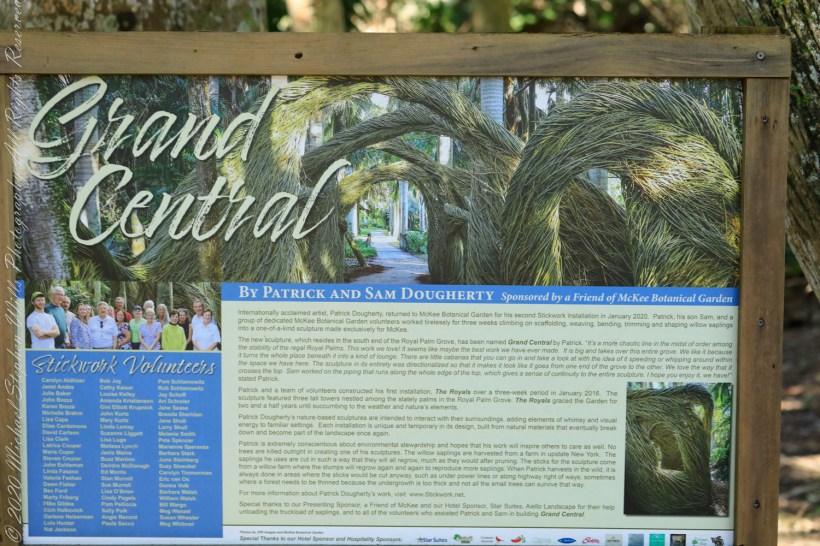
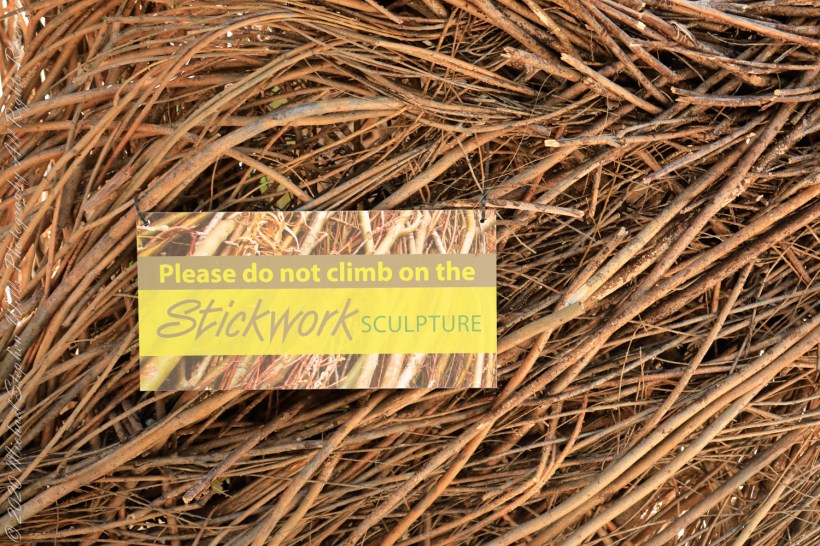
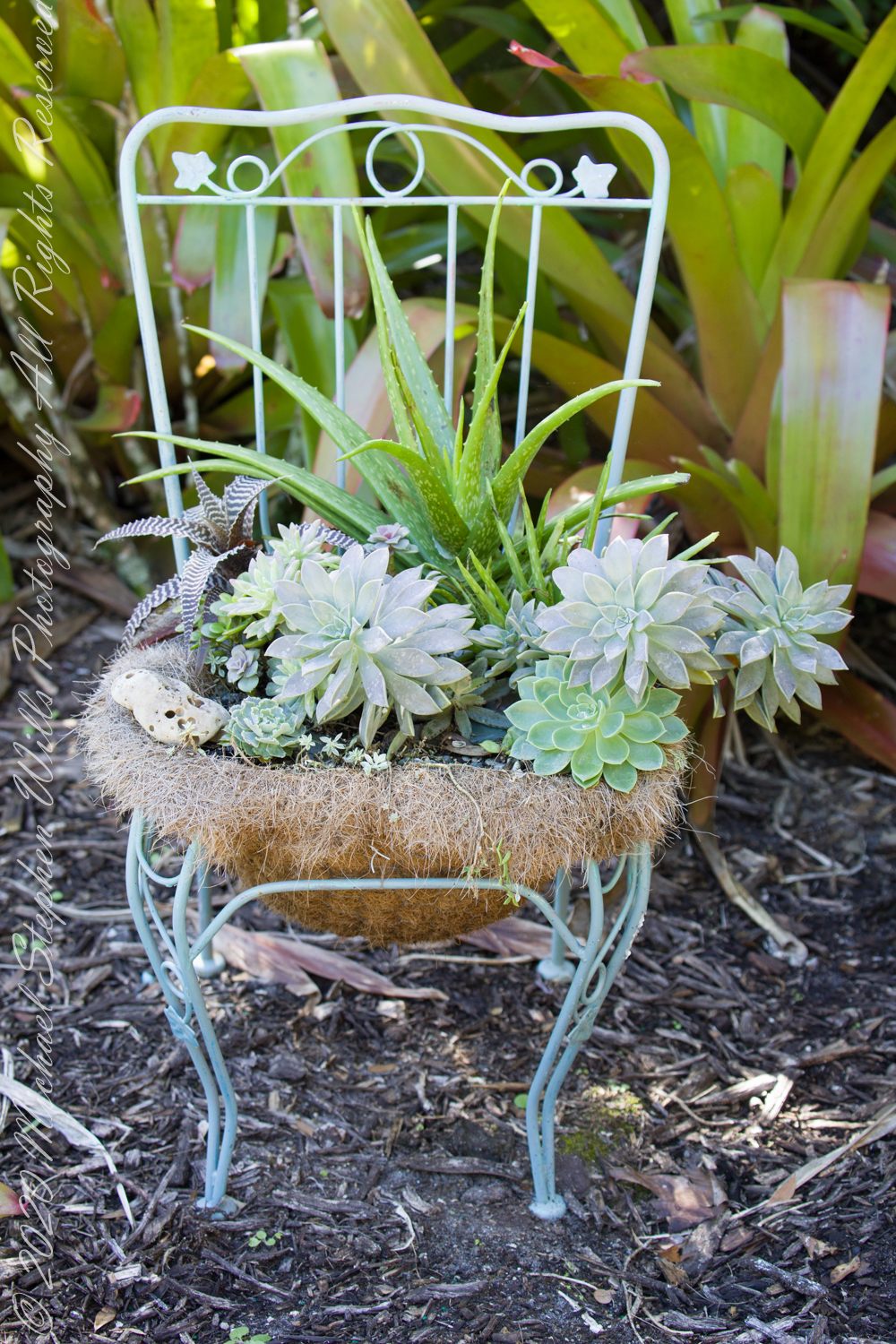
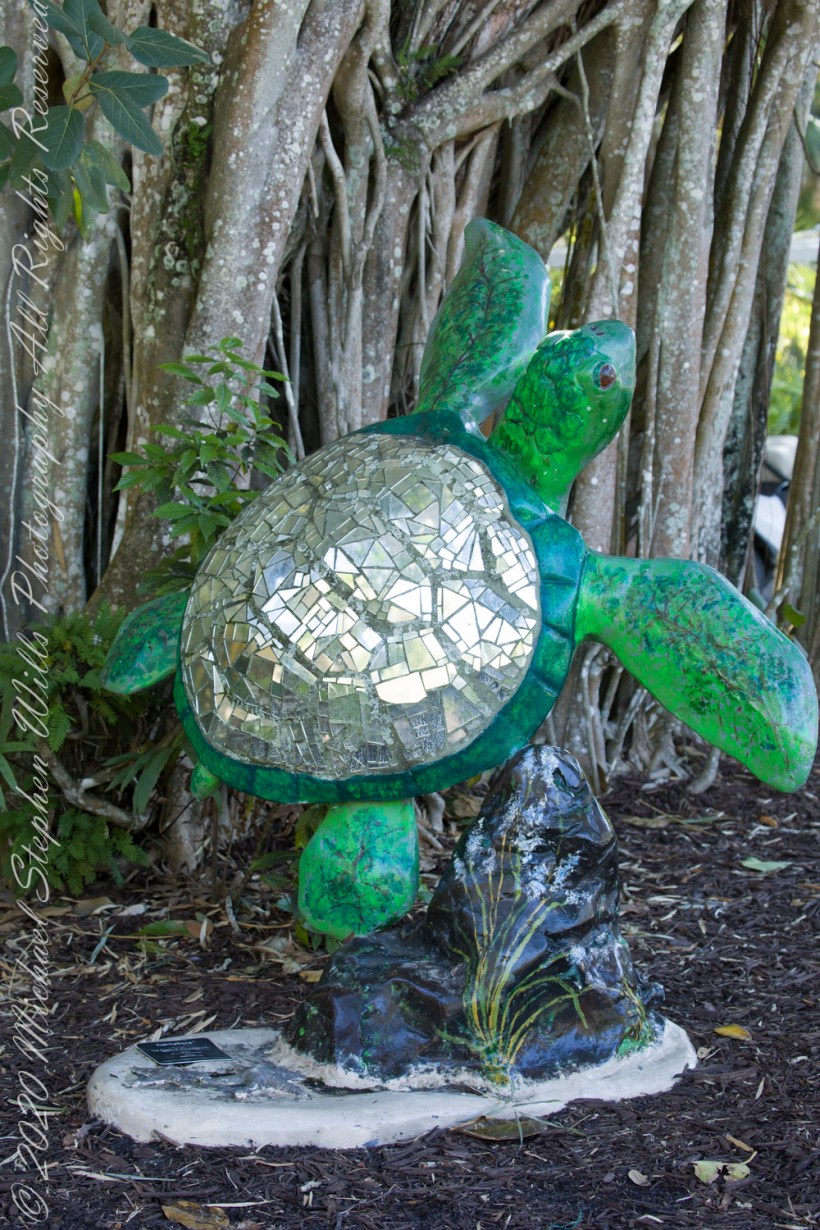
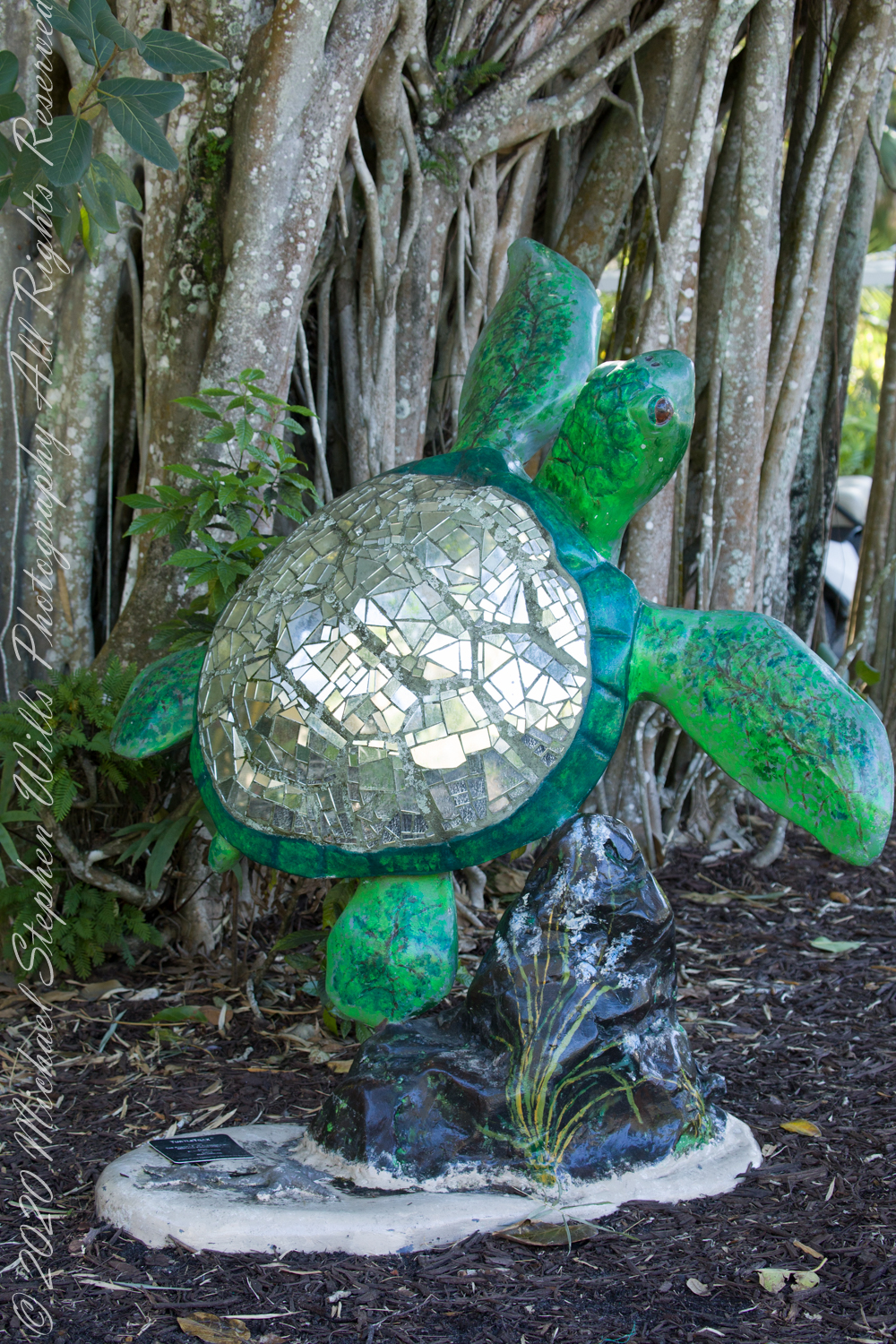
Grand Central is an artistic project adjacent to the Royal Palm avenue. Look at the photograph of the signage for more information about this project
Click me for a dinosaur at McKee Gardens, Neovenator, teeth like steak knives
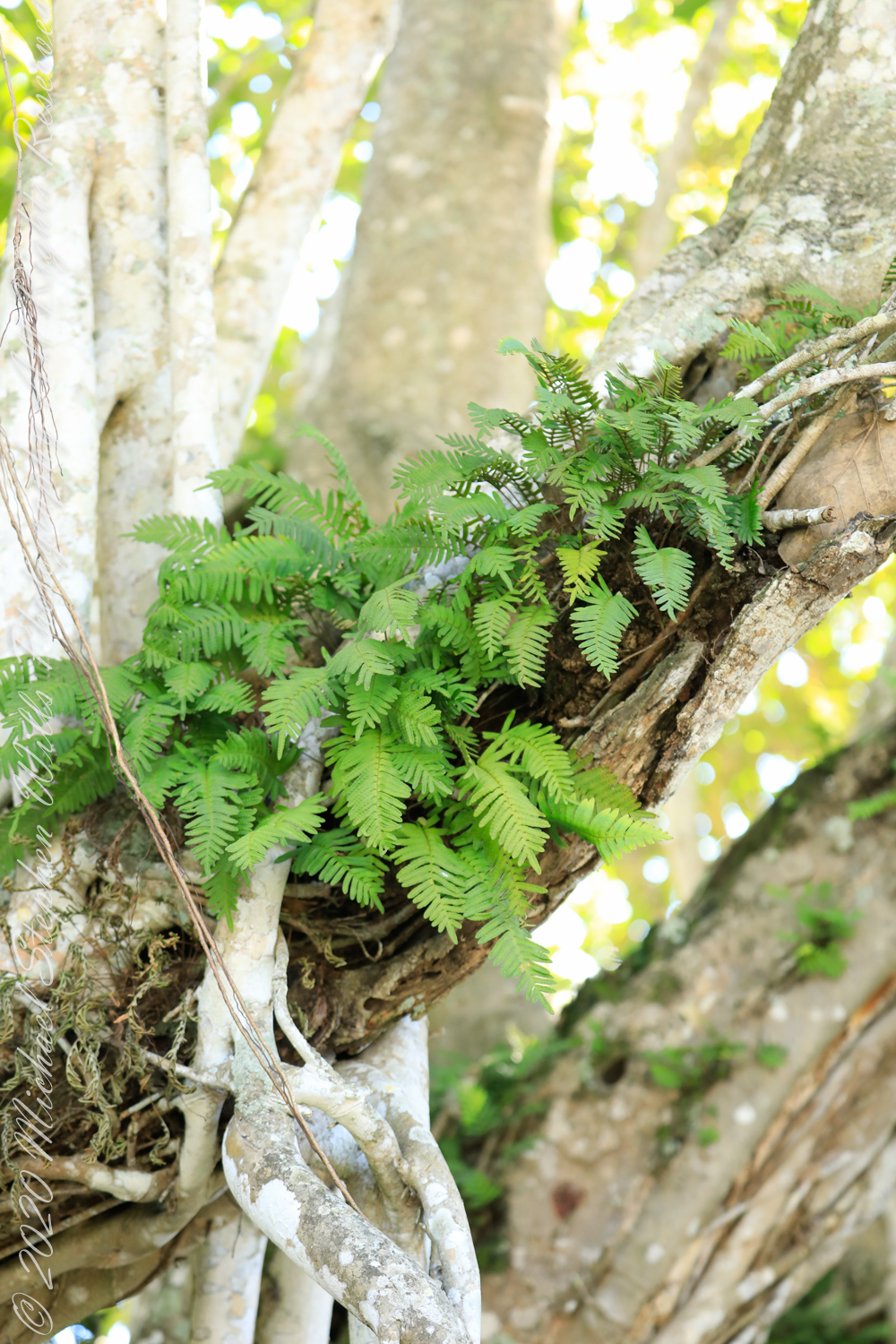
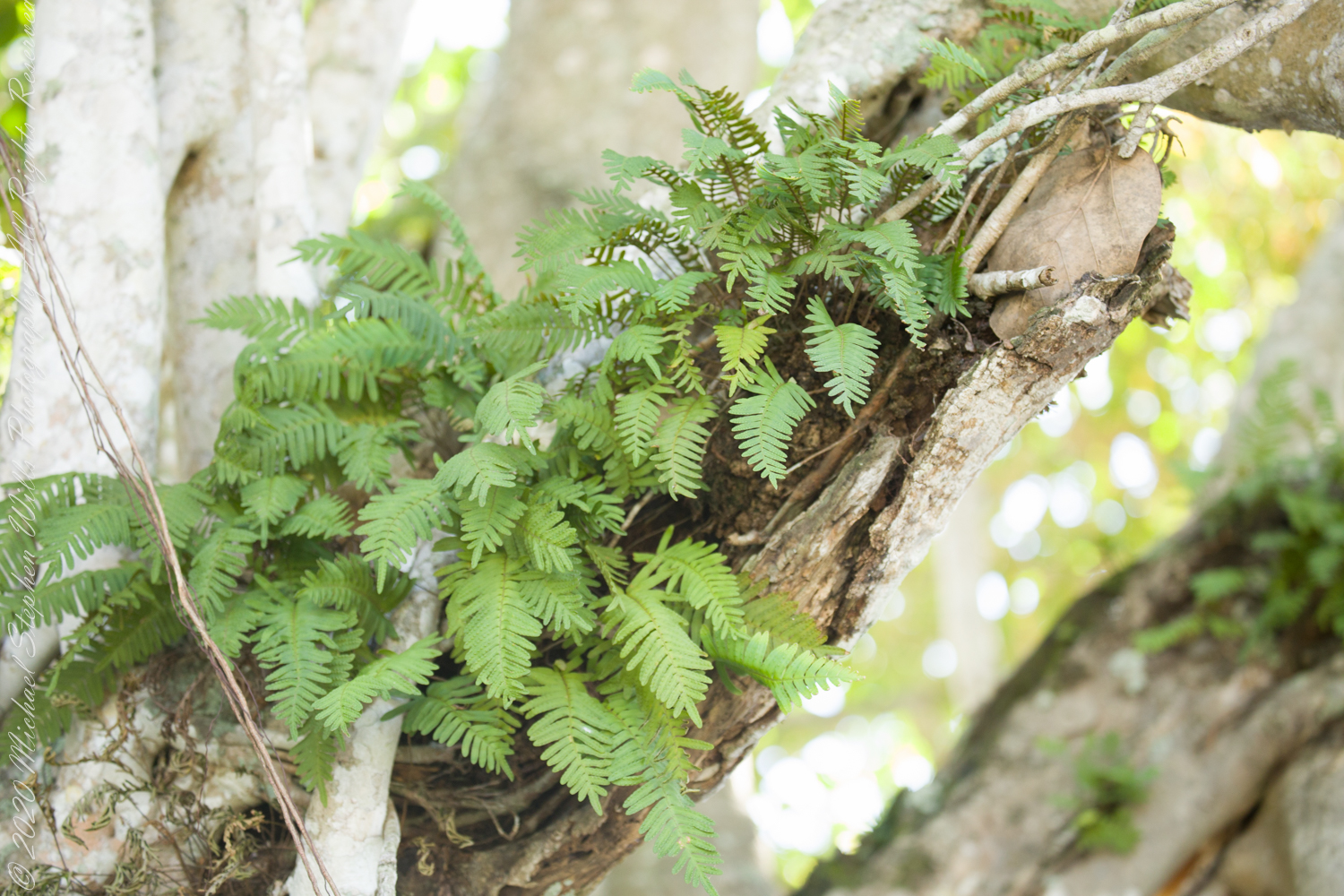
A selection of photographs from our February 2022 visit to McKee Botanical Gardens, Vero Beach, Indian River County, Florida
Grand Central is an artistic project adjacent to the Royal Palm avenue. Look at the photograph of the signage for more information about this project
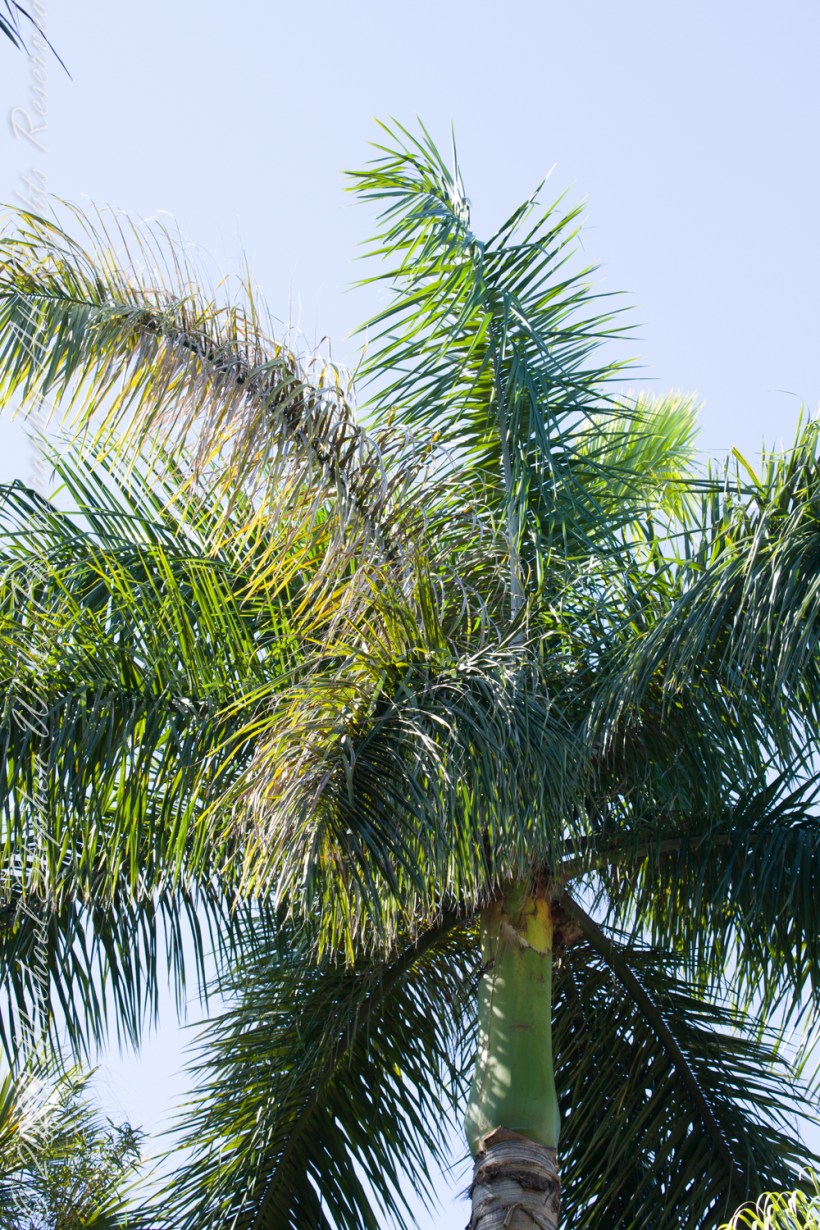
A selection of photographs from our February 2022 visit to McKee Botanical Gardens, Vero Beach, Indian River County, Florida
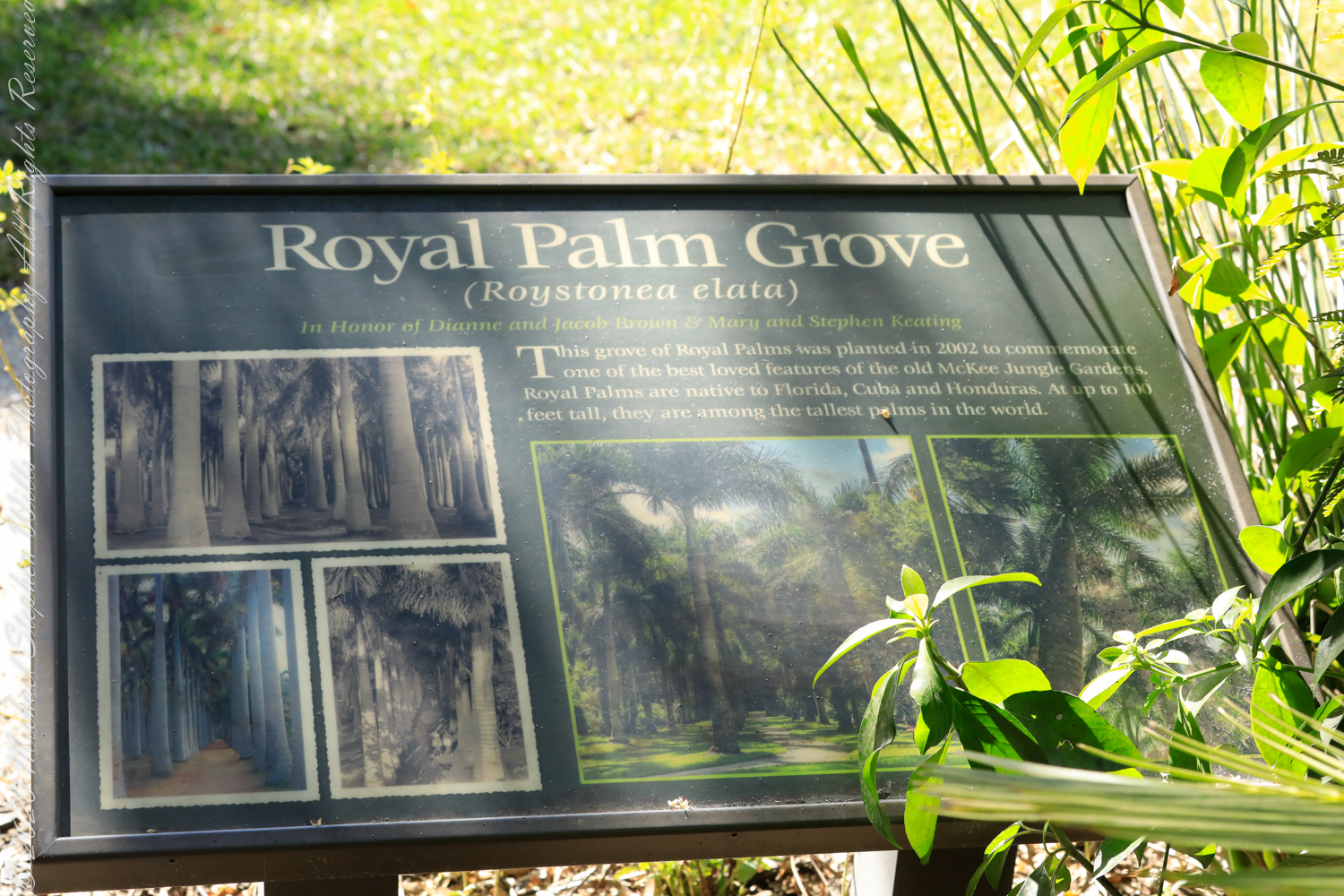
Royal Palm grove (Roystonea elata) in honor of Dianne and Jacob Brown and Mary and Stephen Keating. This grove of Roy Palms was planted in 2002 to commemorate one of the best loved features of the old McKee Jungle Garden. Royal Palms are native to Florida, Cuba and Honduras. They are among the tallest palms in the world.
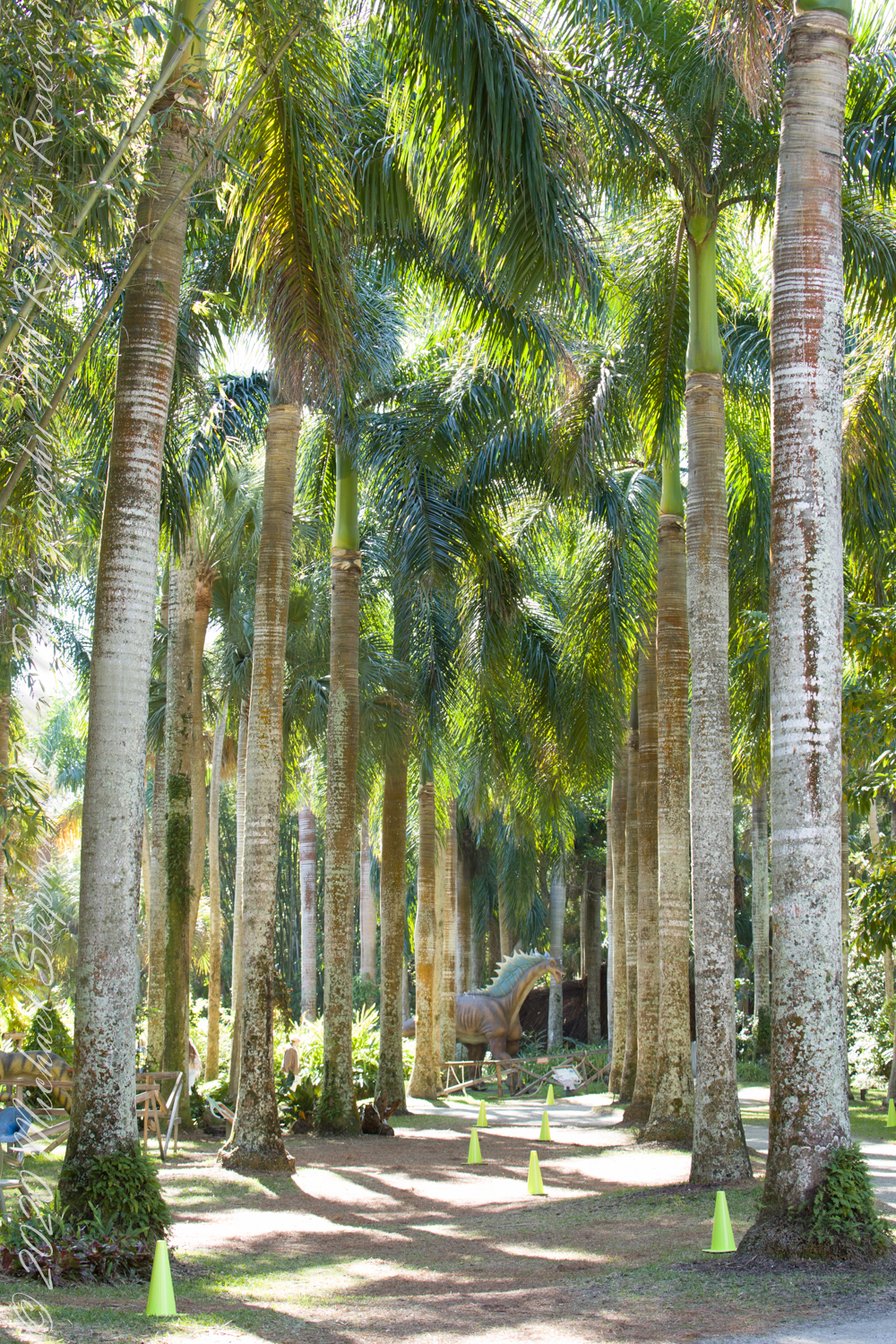
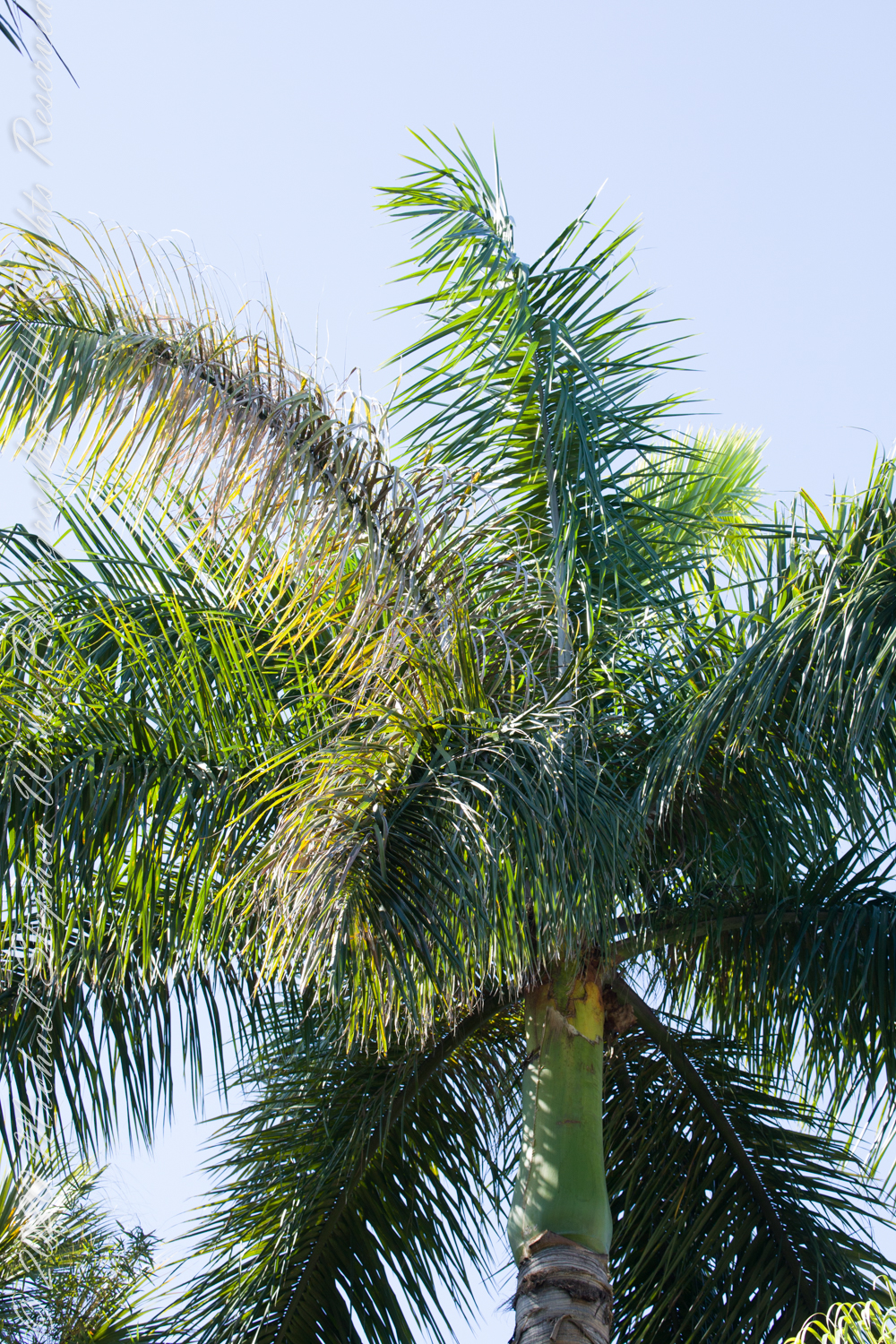
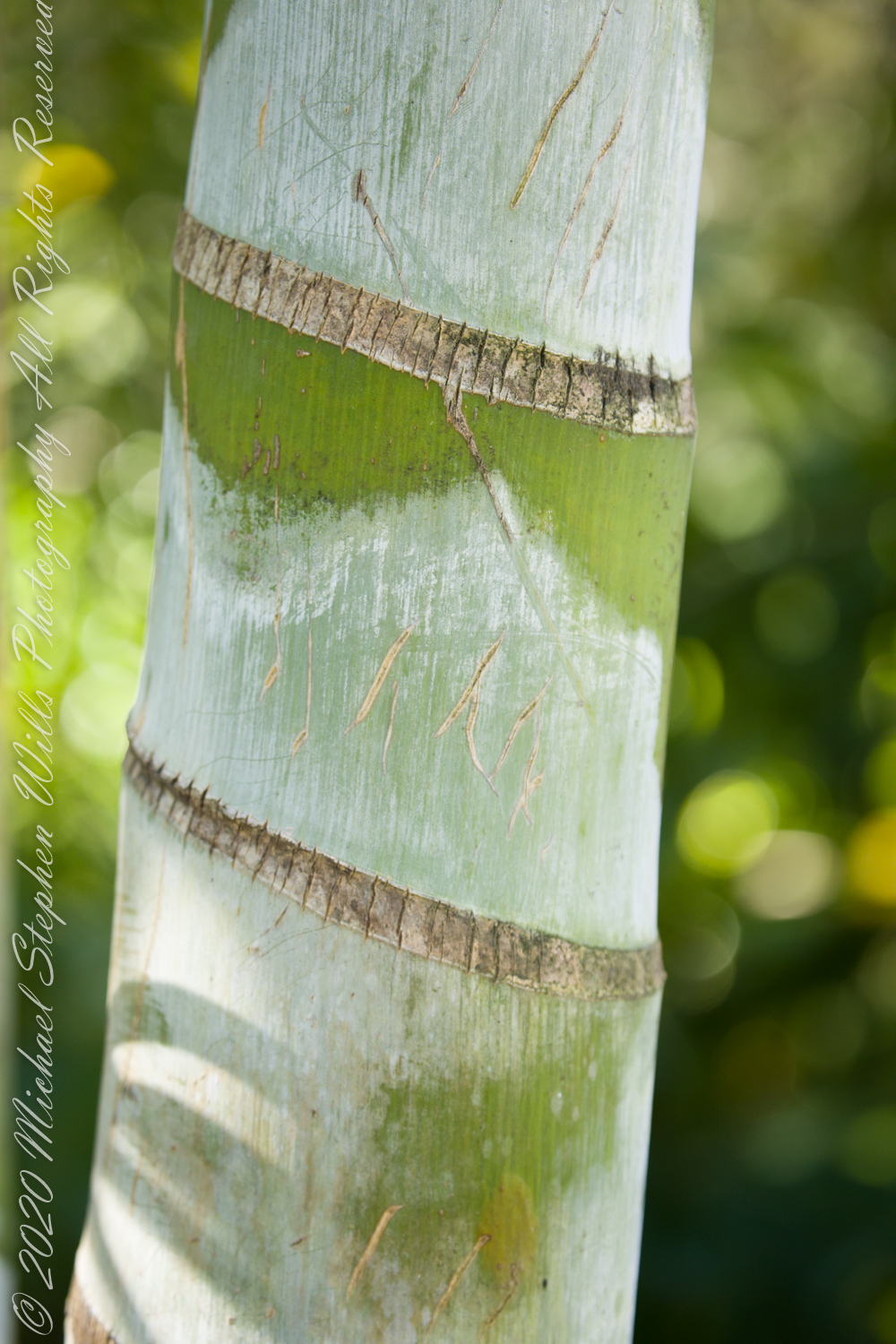
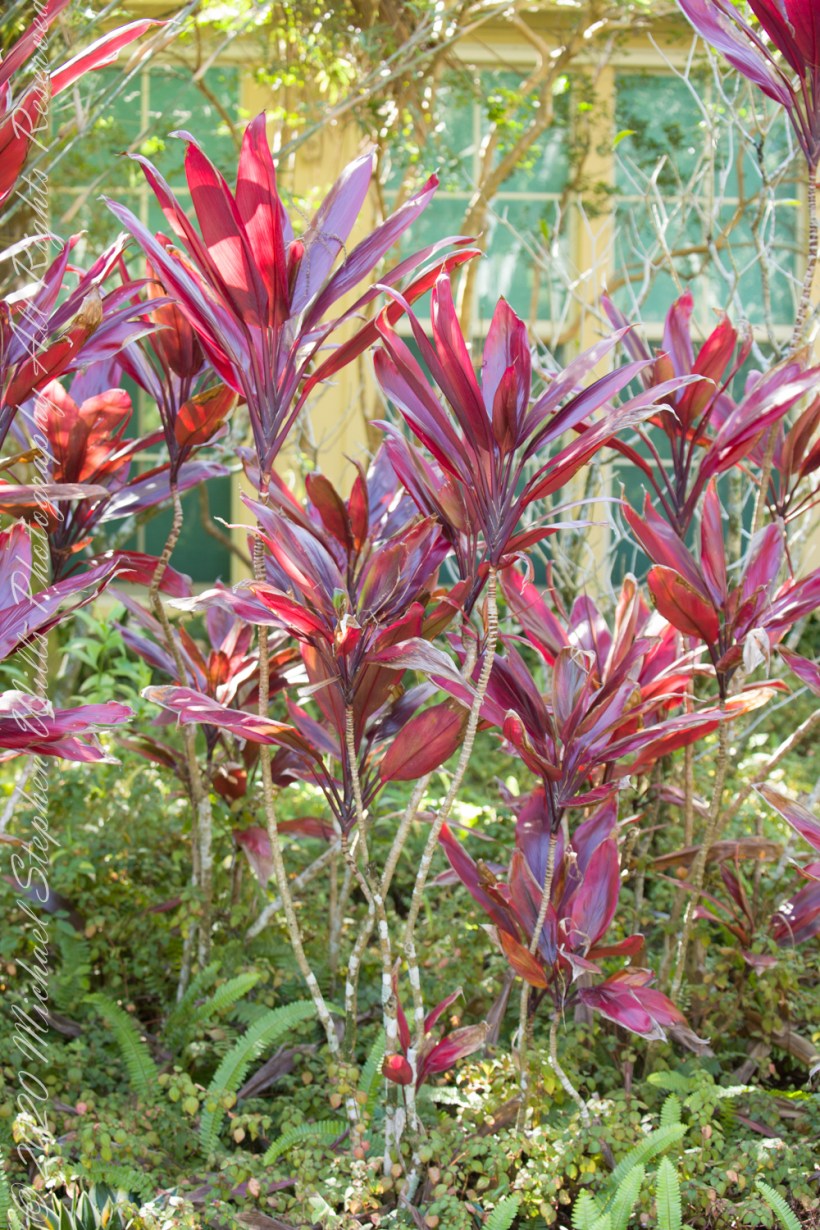
A selection of photographs from our February 2022 visit to McKee Botanical Gardens, Vero Beach, Indian River County, Florida
The holes are land crab burrow entrances. The burrows are often several feet deep. These crabs are often blue in color and they eat leaves, fruits and berries. They are very shy, but if you stand still they may make an appearance..
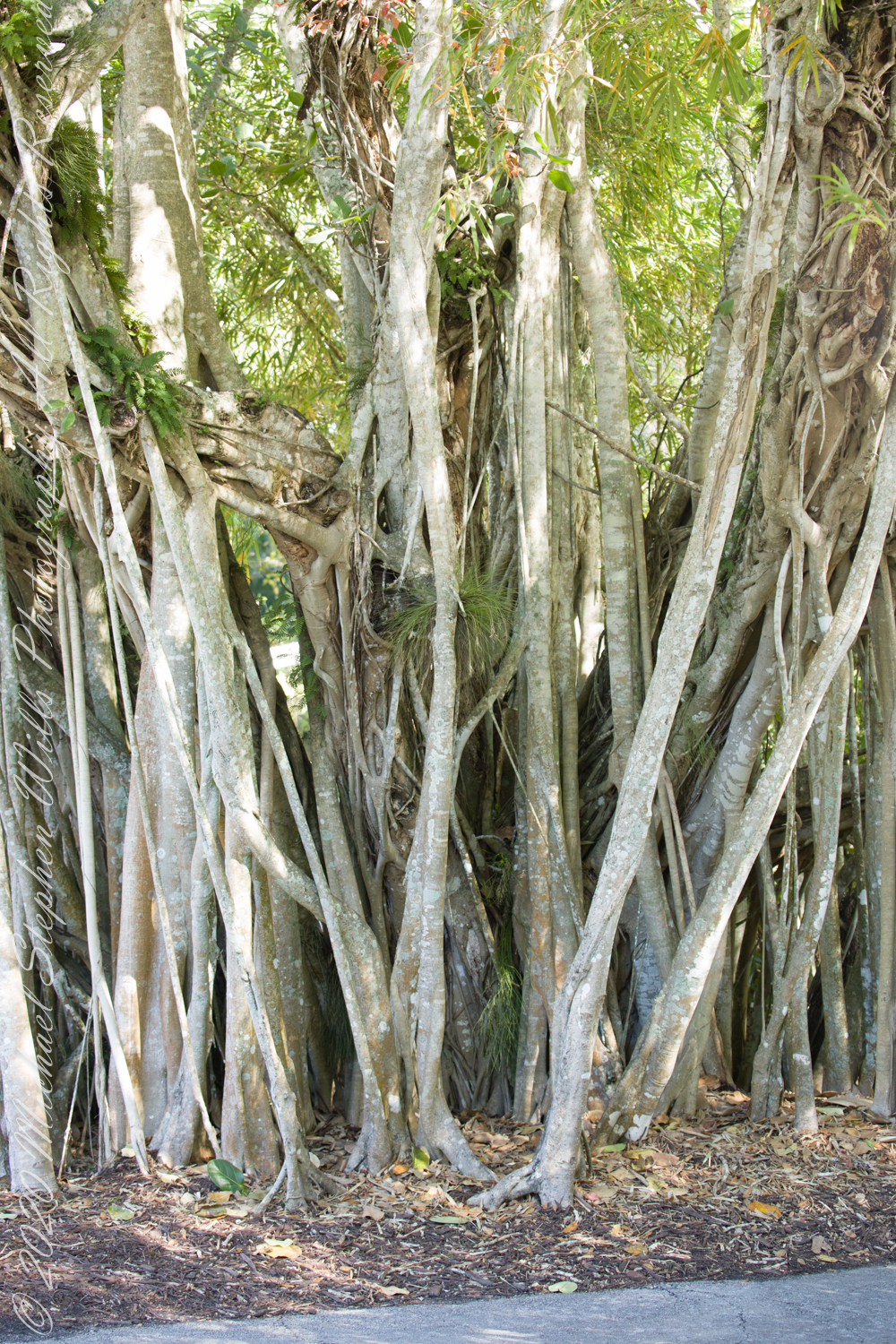
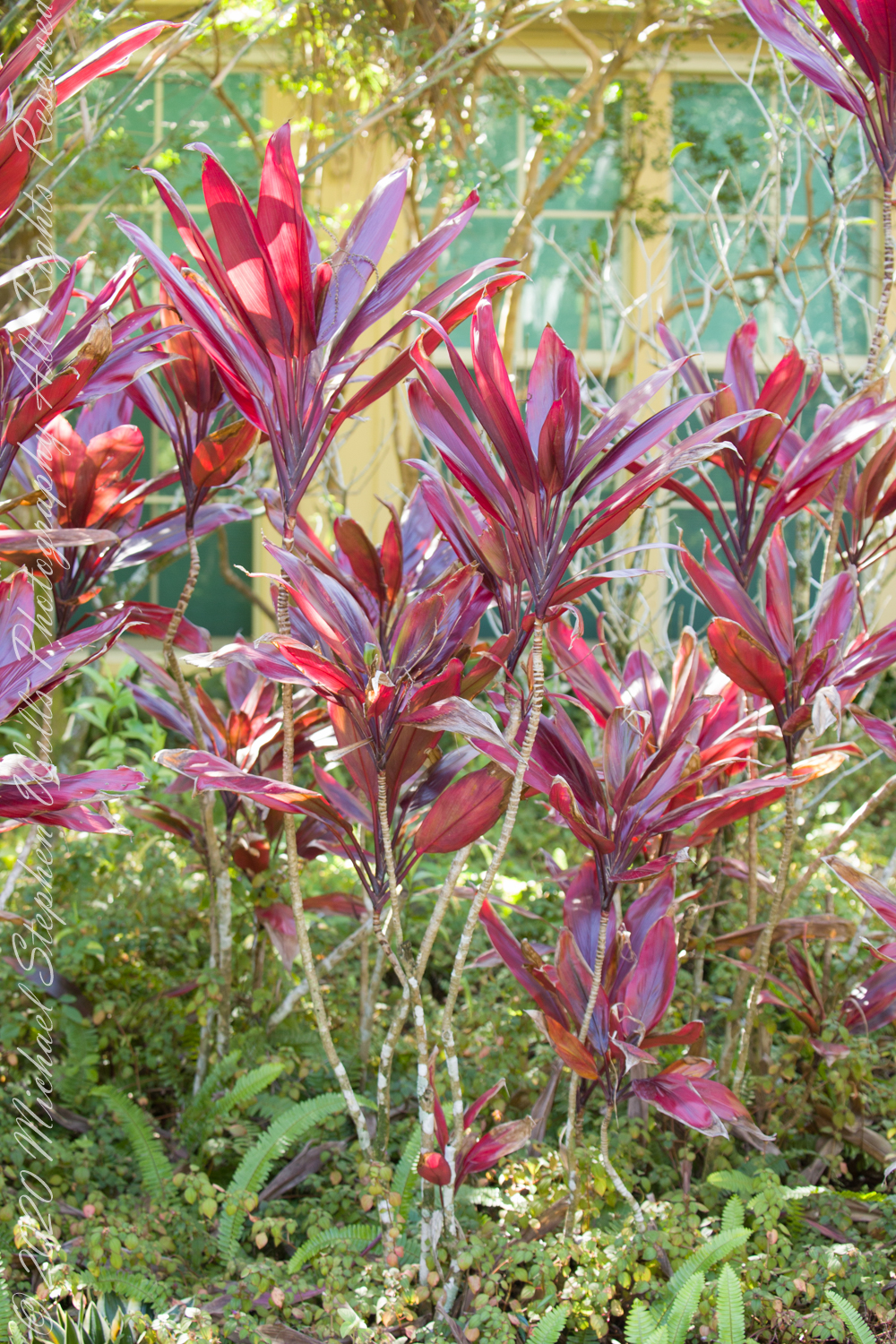
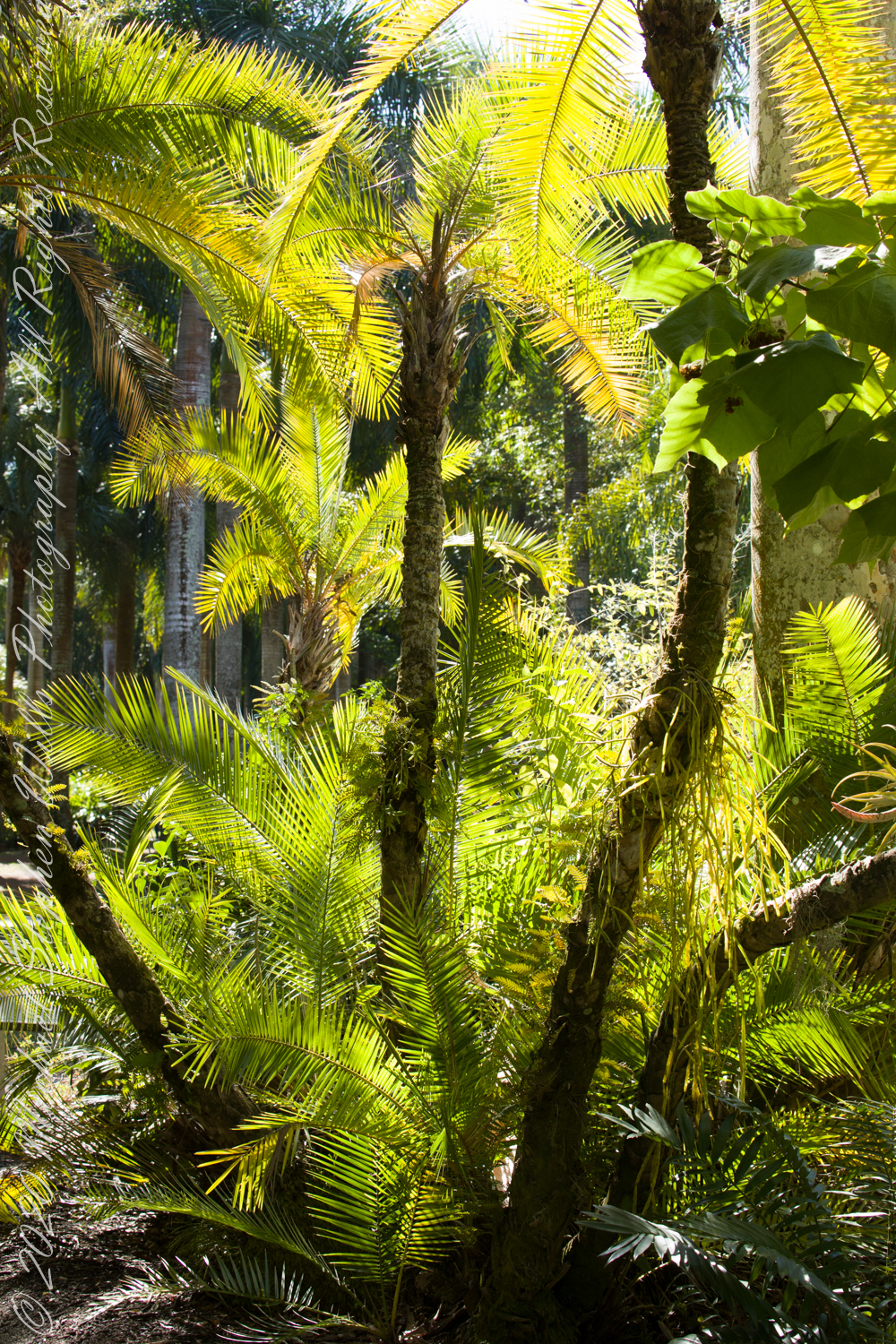
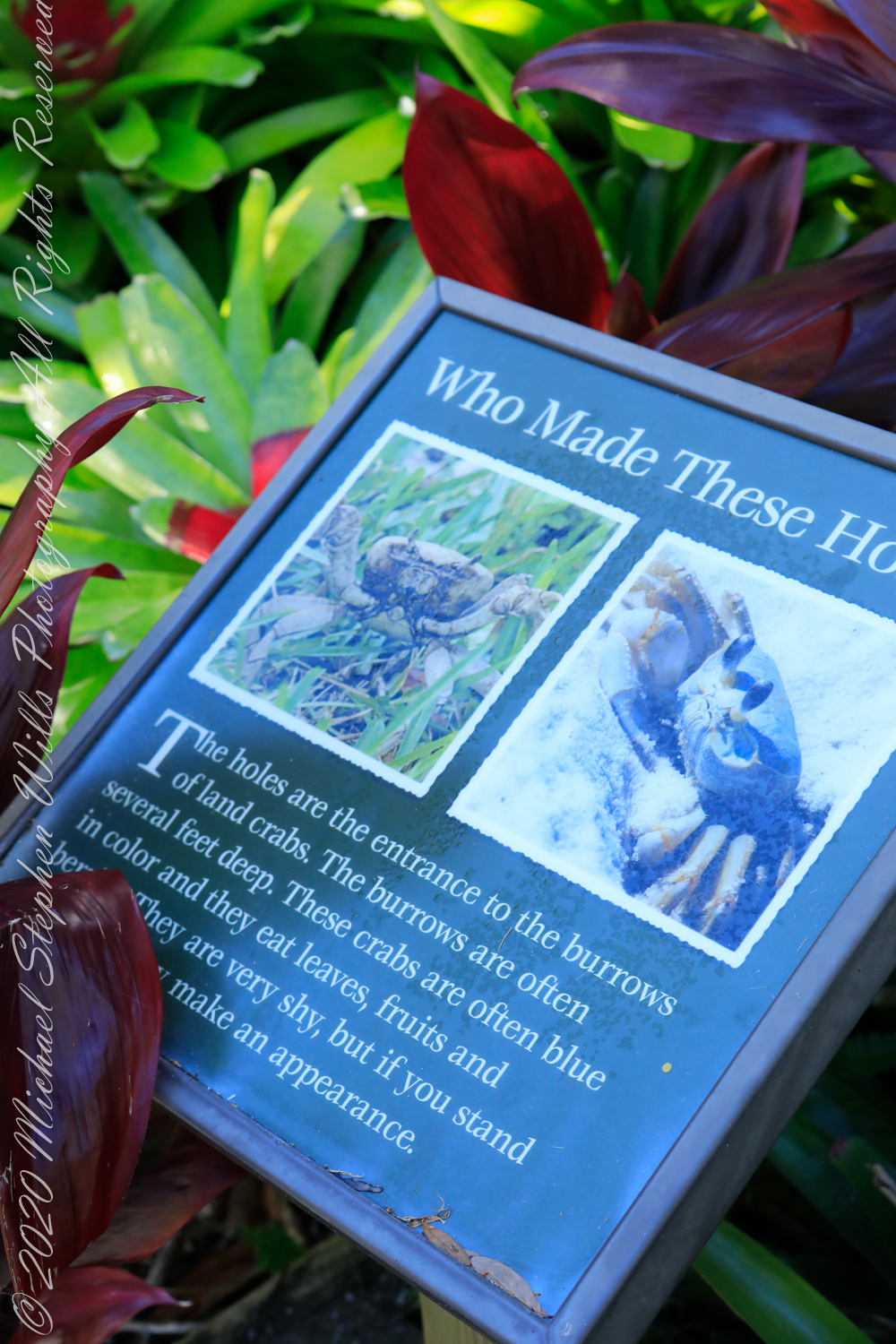
A selection of photographs from our February 2022 visit to McKee Botanical Gardens, Vero Beach, Indian River County, Florida
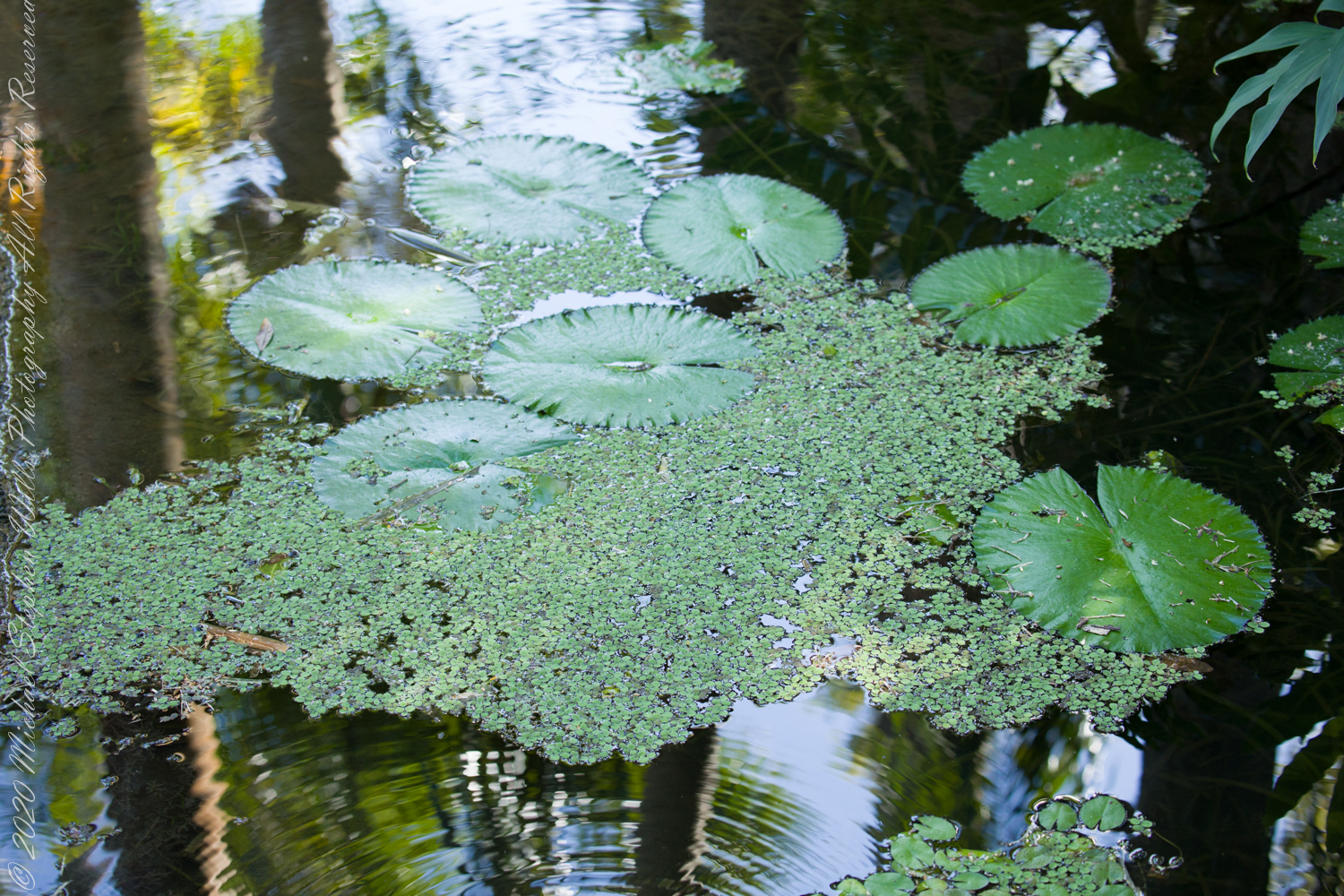
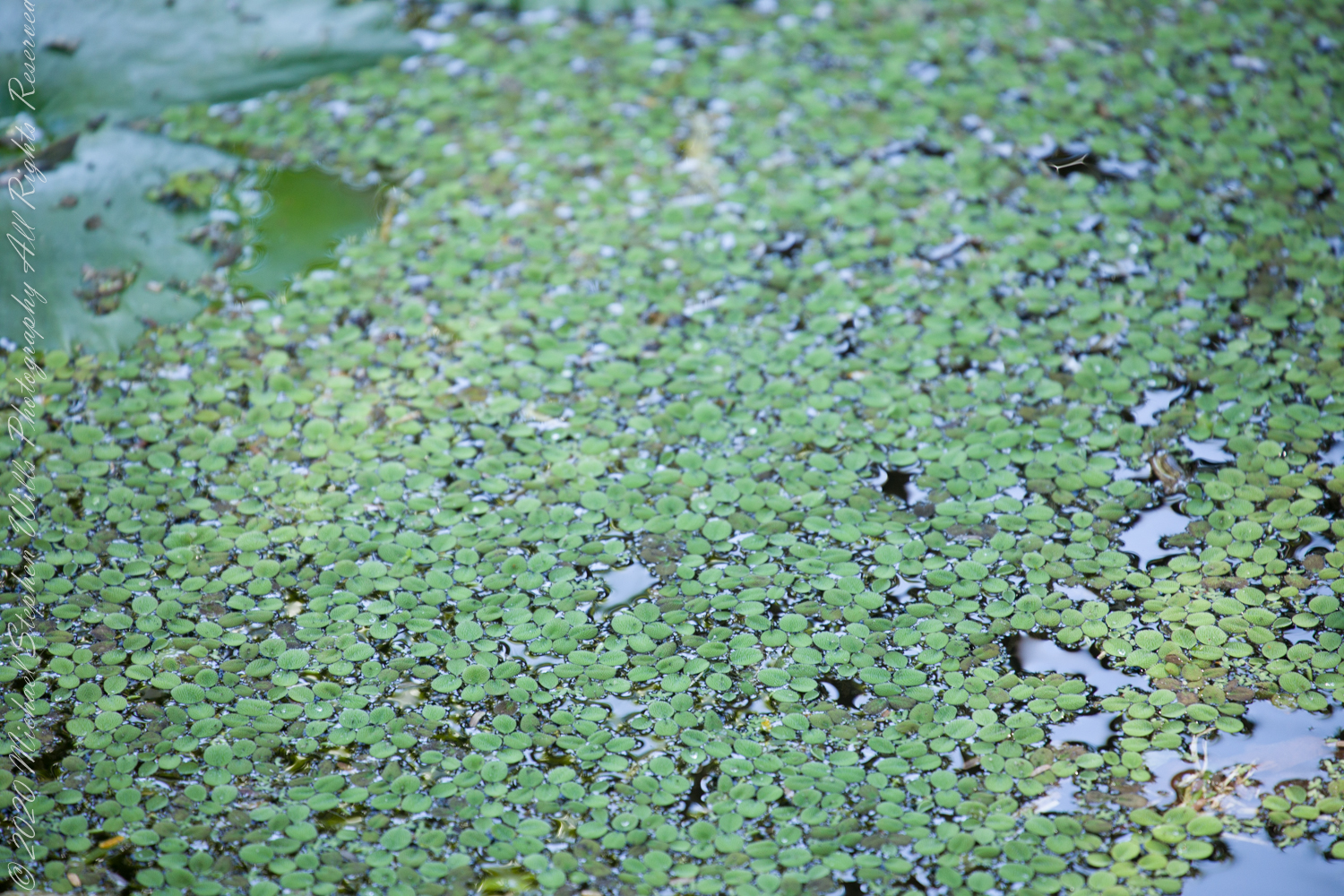
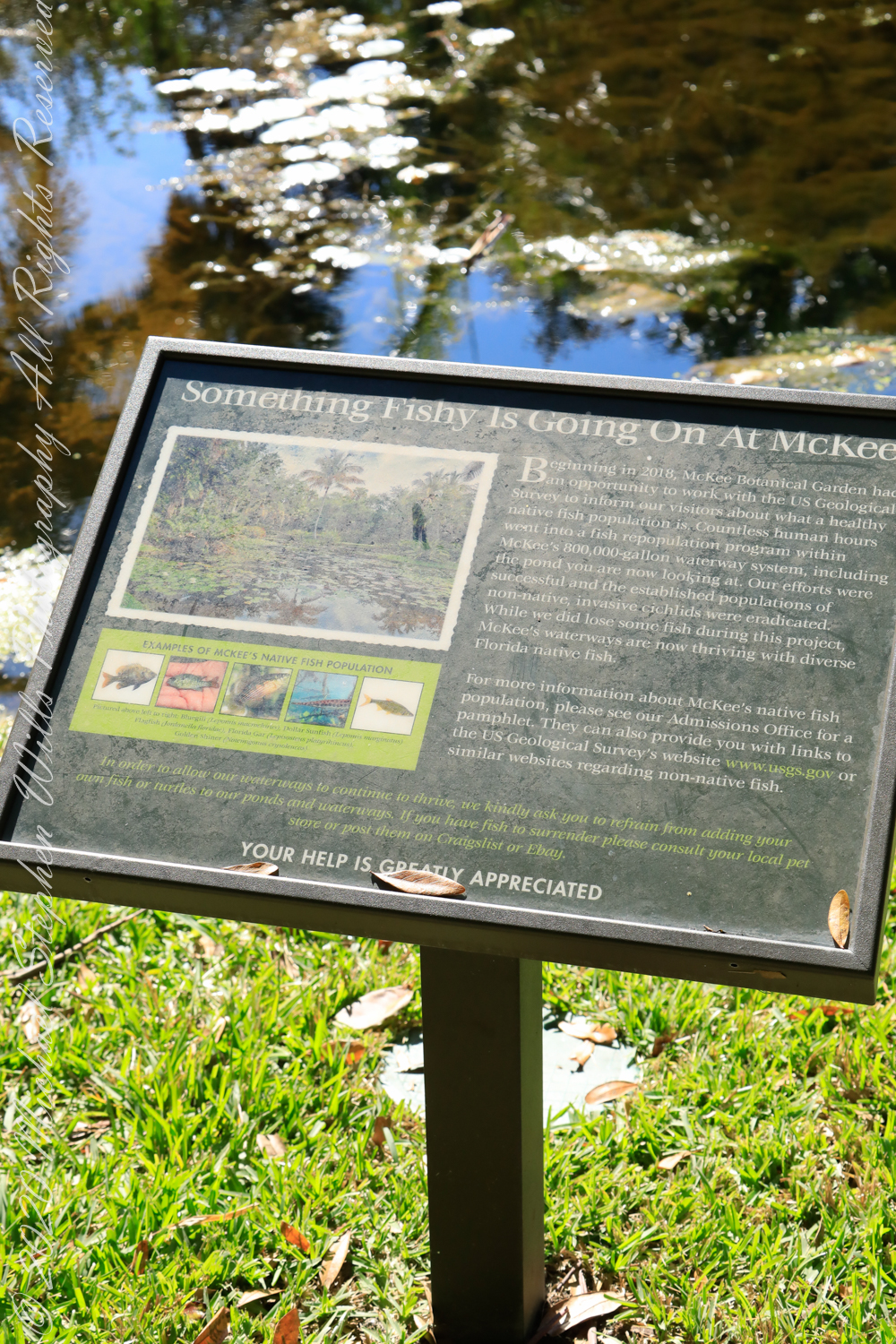
Beginning in 2018, McKee Botanical Garden had an opportunity to work with the US Geological survey to inform our visitors about what a healthy native fish population is. Countless human hours went into a fish population program within McKee’s 800,000-gallon waterway system, including the pond you are now looking at. Our efforts were successful and the established populations of non-native, invasive cichlids were eradicated. While we did lose some fish during the project, McKee’s waterways are now thriving with diverse Florida native fish.
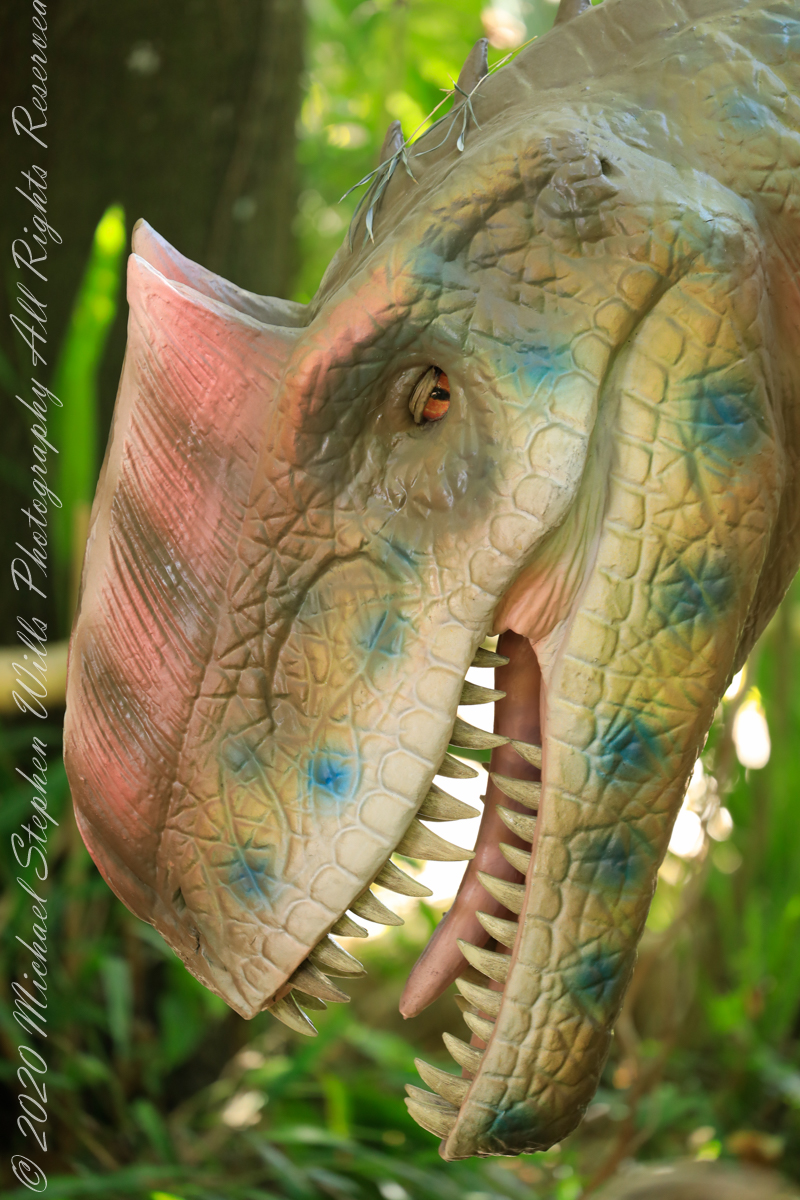
A selection from “Dinosaurs around the world,” McKee Botanical Gardens, Vero Beach, Indian River County, Florida
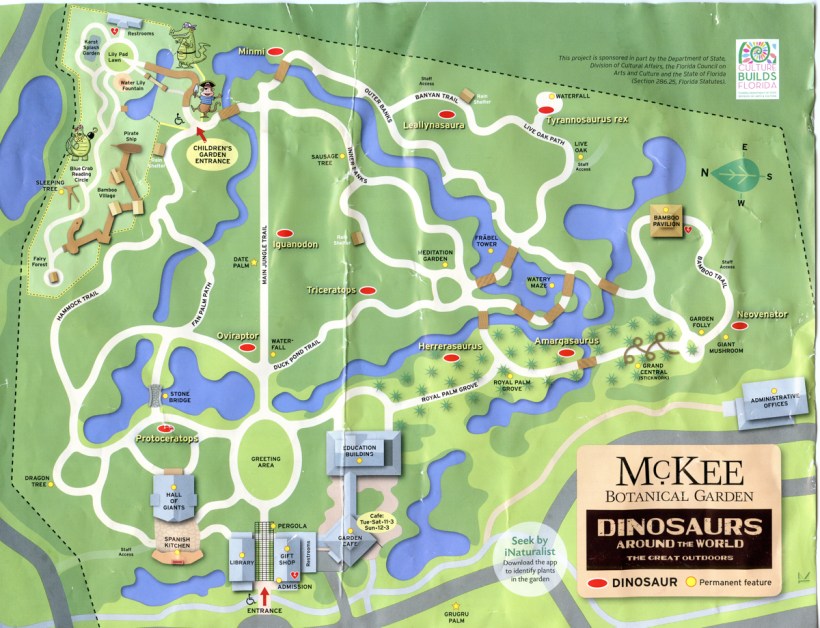
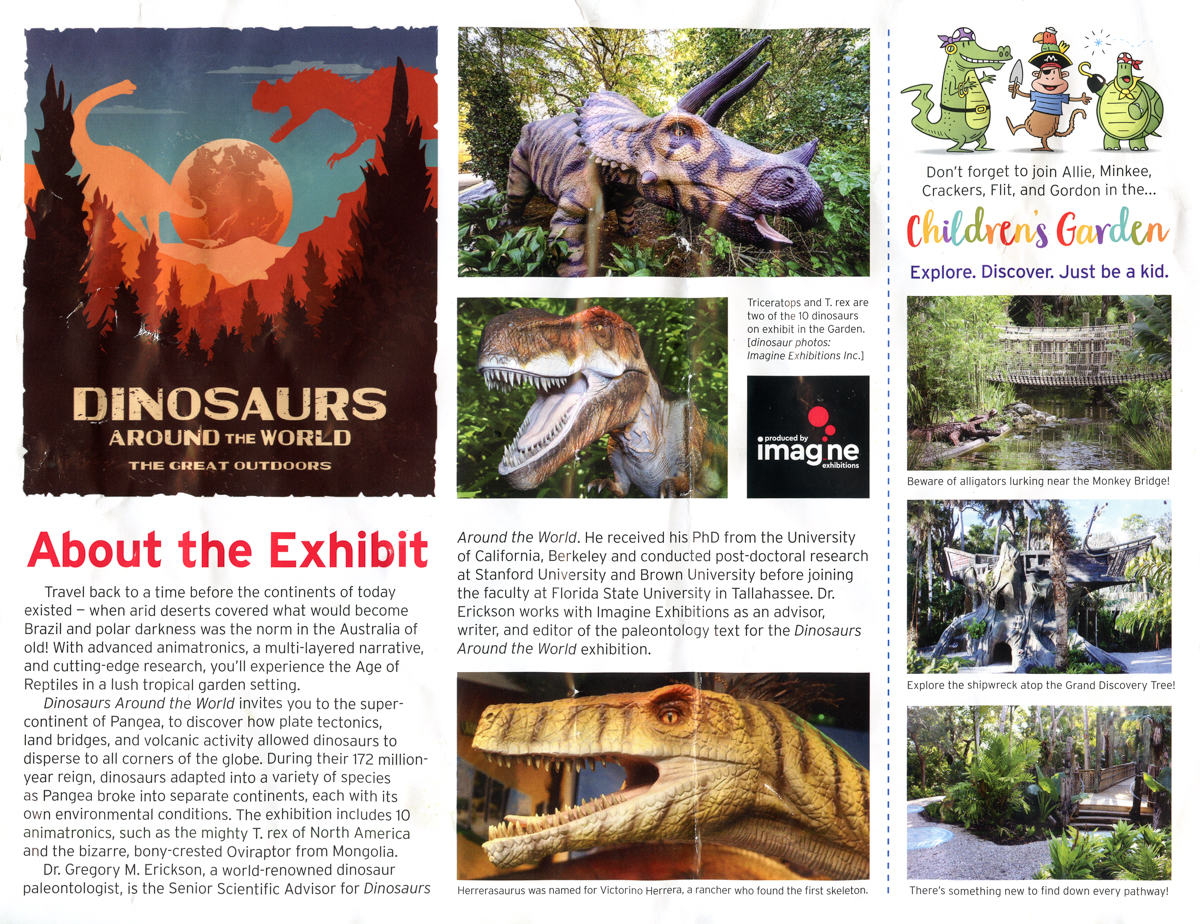
Tour of the ten (10) dinosaur exhibits, including movements and sounds, from Dinosaurs Around the World. I included scans of the brochure with map and details.
Use this map to follow dinosaurs around the park.
Background information on exhibit
Memories…..
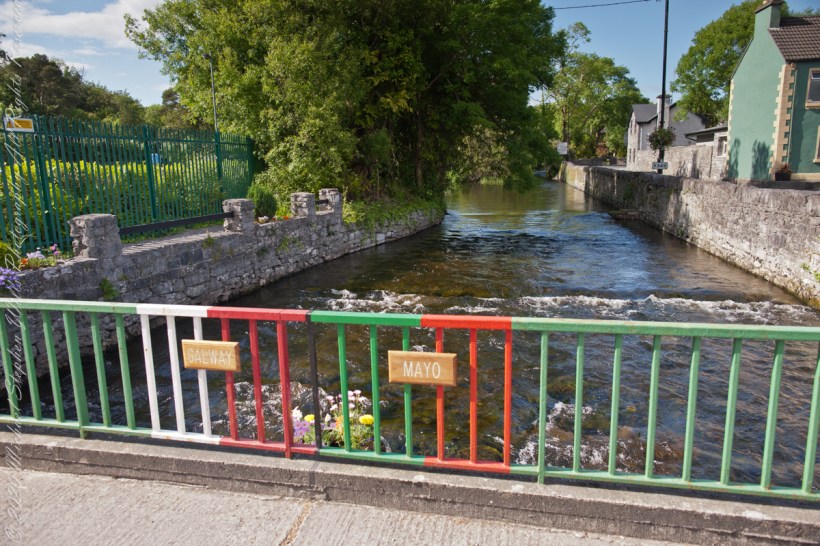
An enormous body of moving water emerges from underground passages
Colorful railings highlight the county border, the centerline of River Cong. To the left is the Cong Salmon Hatchery of County Galway to the right the bridge enters Abby Street of Cong Village, County Mayo. Ahead is where this river, this enormous body of moving water emerges from underground passages through limestone.
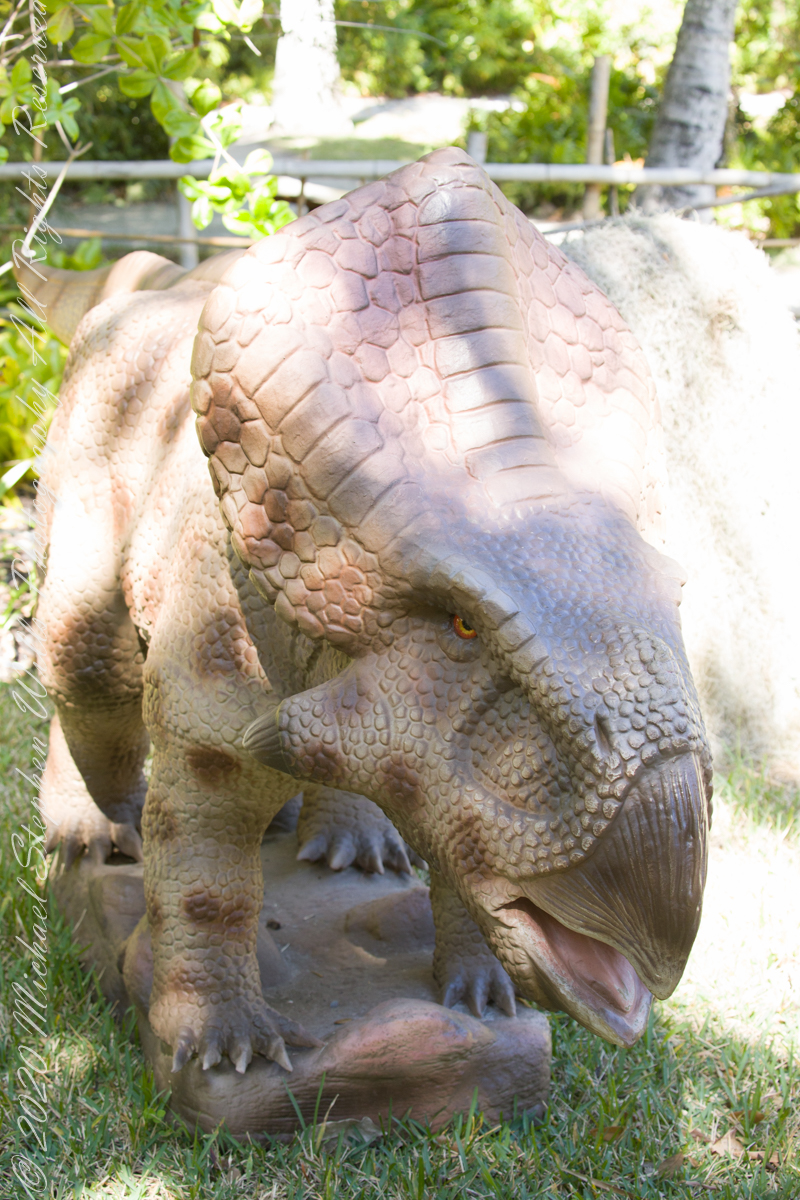
A selection from “Dinosaurs around the world,” McKee Botanical Gardens, Vero Beach, Indian River County, Florida
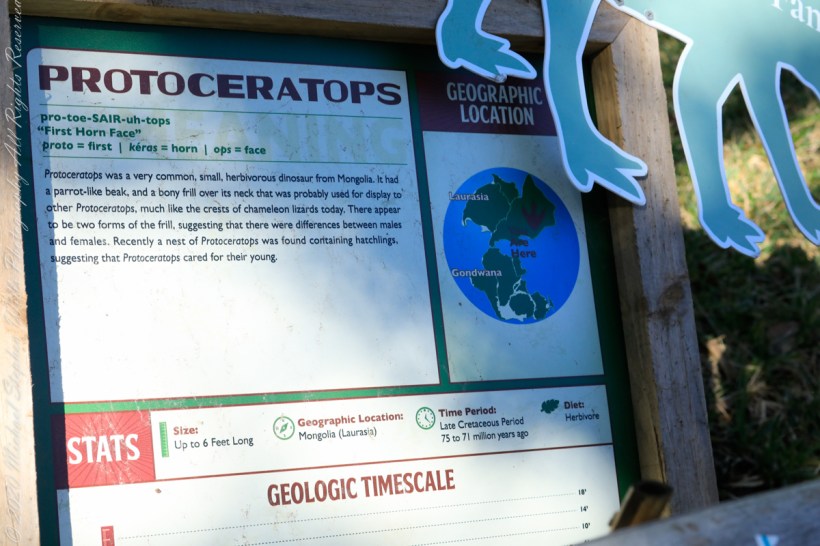
Protoceratops was a very common, small, herbivorous dinosaur first discovered in Mongolia.
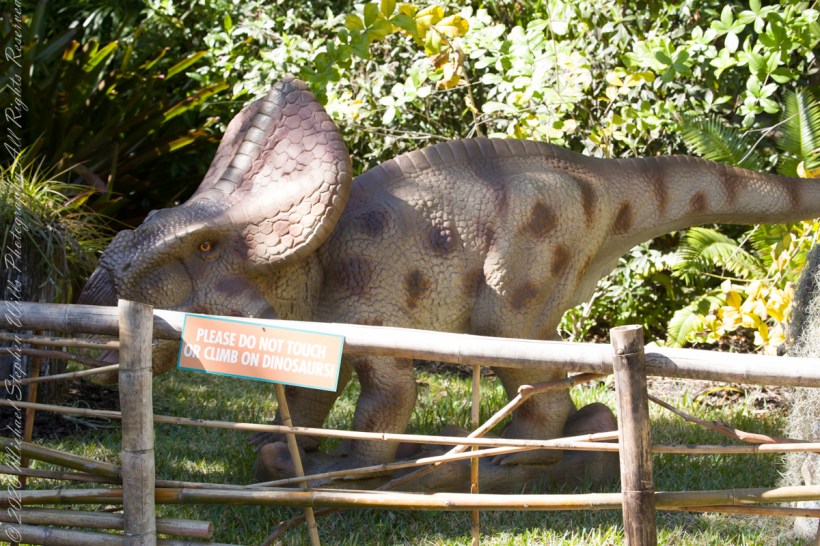
It had a parrot-like beak, and a bony frill over its neck that was probably used for display to other Protoceratops, much like the crests of chameleon lizards today.
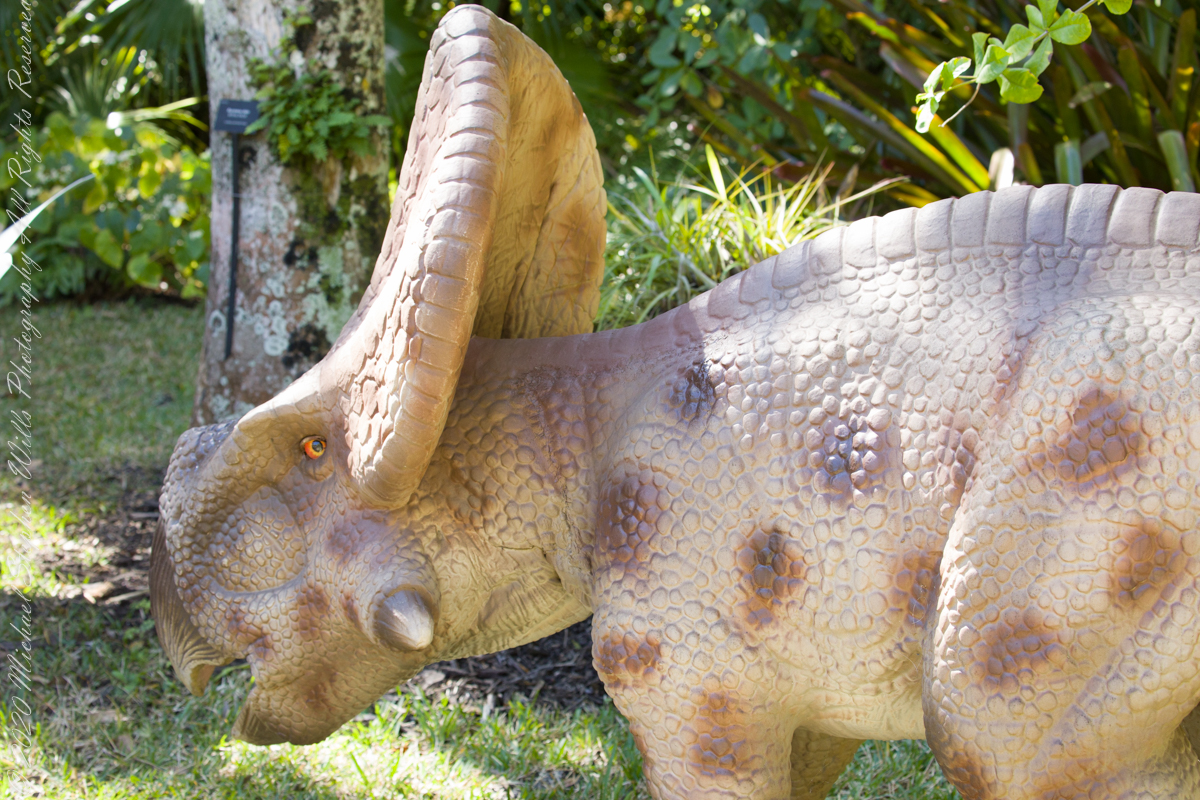
There appear to be two forms of the frill, suggesting there were differences between males and females.
Recently a Protoceratops nest was found containing hatchlings, leading some scientists to believe this successful species cared for its young.
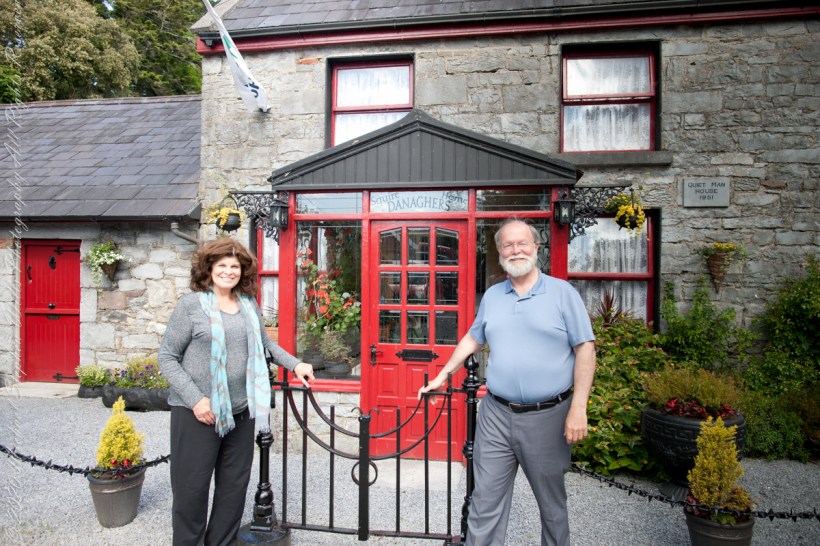
Head toward the Ashford Castle Old School House and you will come upon it.
A location from the 1952 film “The Quiet Man”. The house appears on no maps, located on the Ashford Castle grounds. Head toward the Ashford Castle Old School House and you will come upon it. County Mayo, near the Village Cong, Connemara, County Mayo, Republic of Ireland.
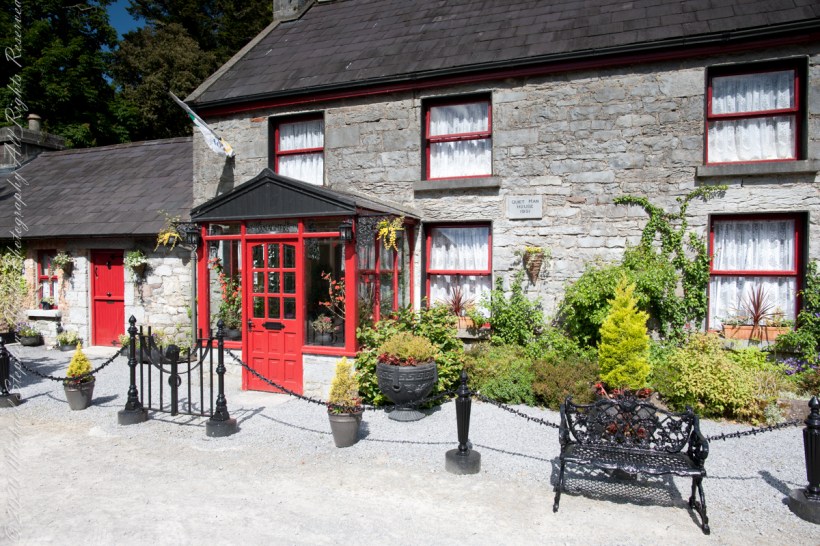
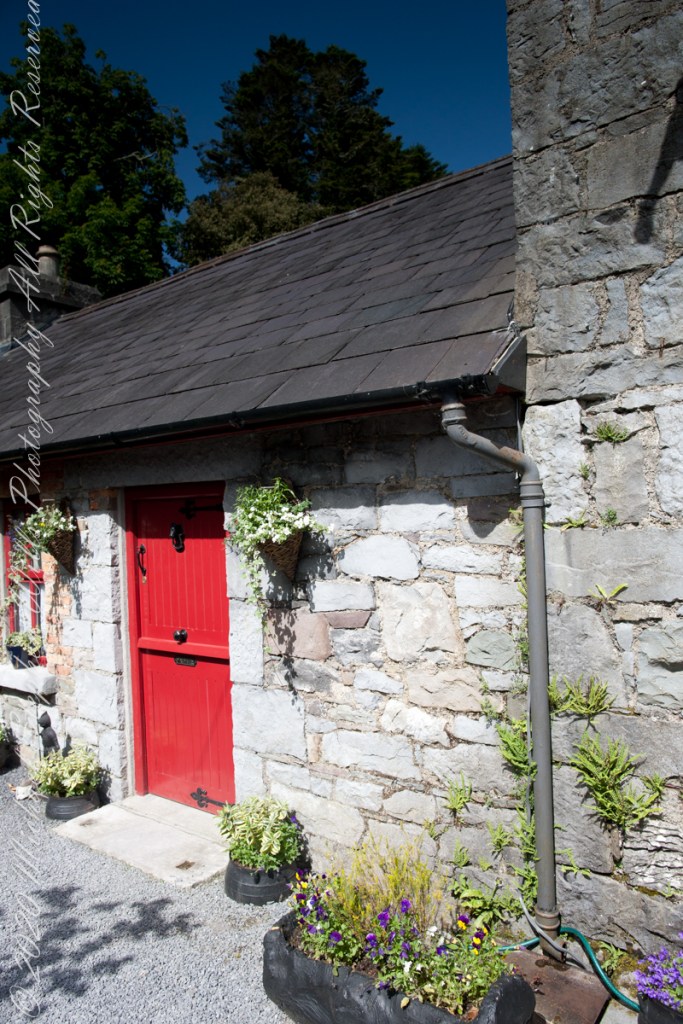
I recall there are scenes from “The Quiet Man” featuring characters using this Dutch door, seen to the left in the above photograph and below in a closer shot.
In this photograph the glass etching on entrance, identifying the home, is clearer. Also note the plaque: “Quiet Man House 1951.” Is the plaque wrong? No, while 1952 was the world-wide film release year, filming commenced on June 7, 1951.
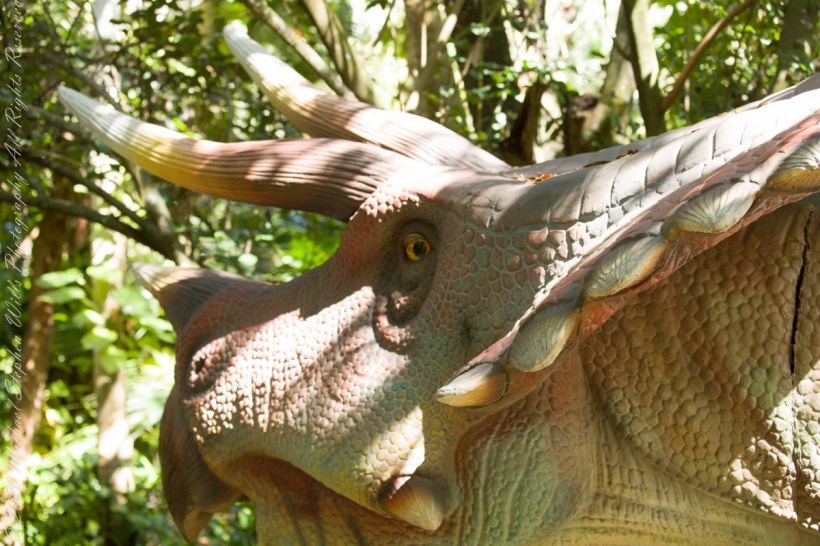
A selection from “Dinosaurs around the world,” McKee Botanical Gardens, Vero Beach, Indian River County, Florida
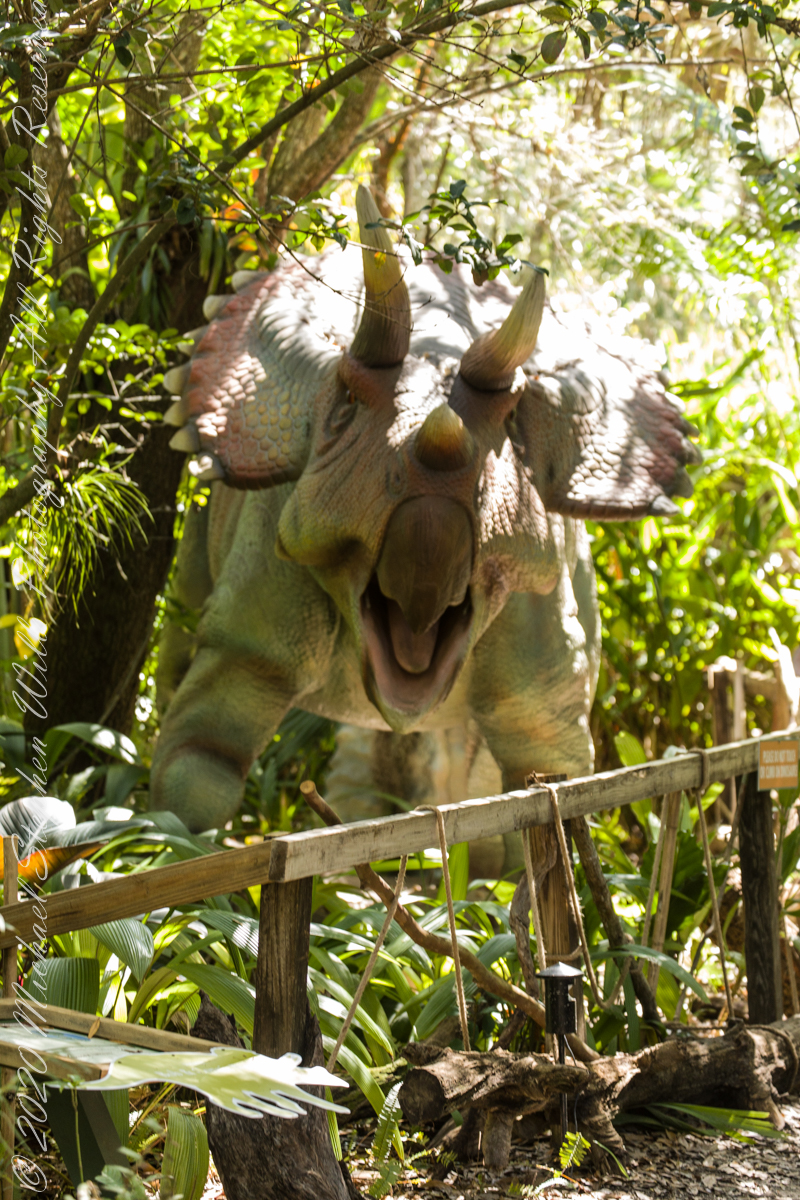
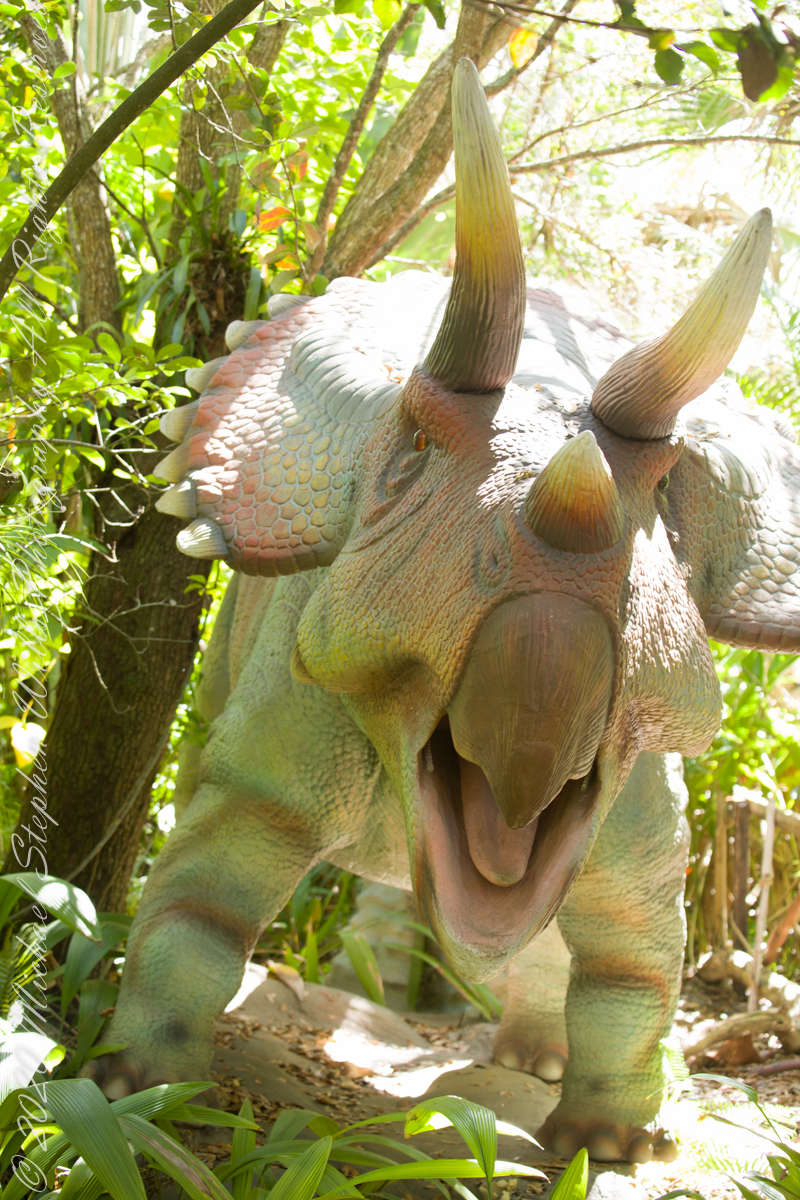
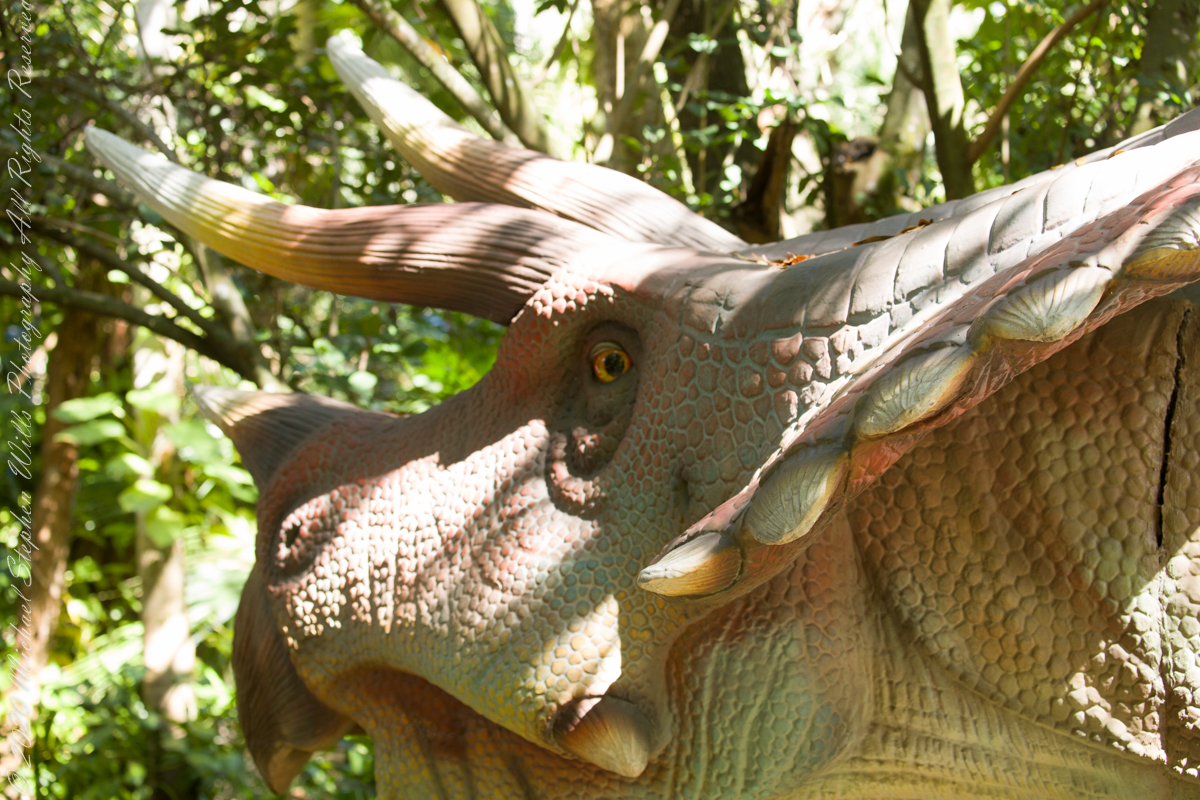
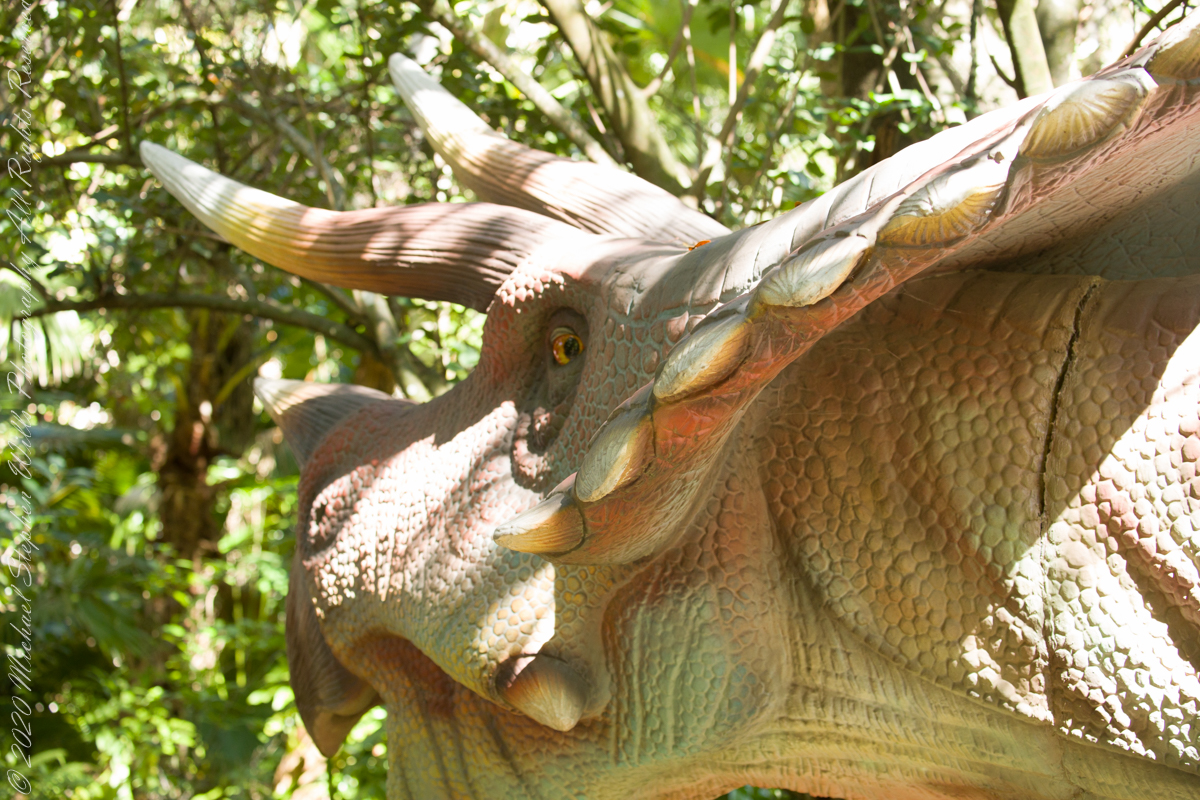
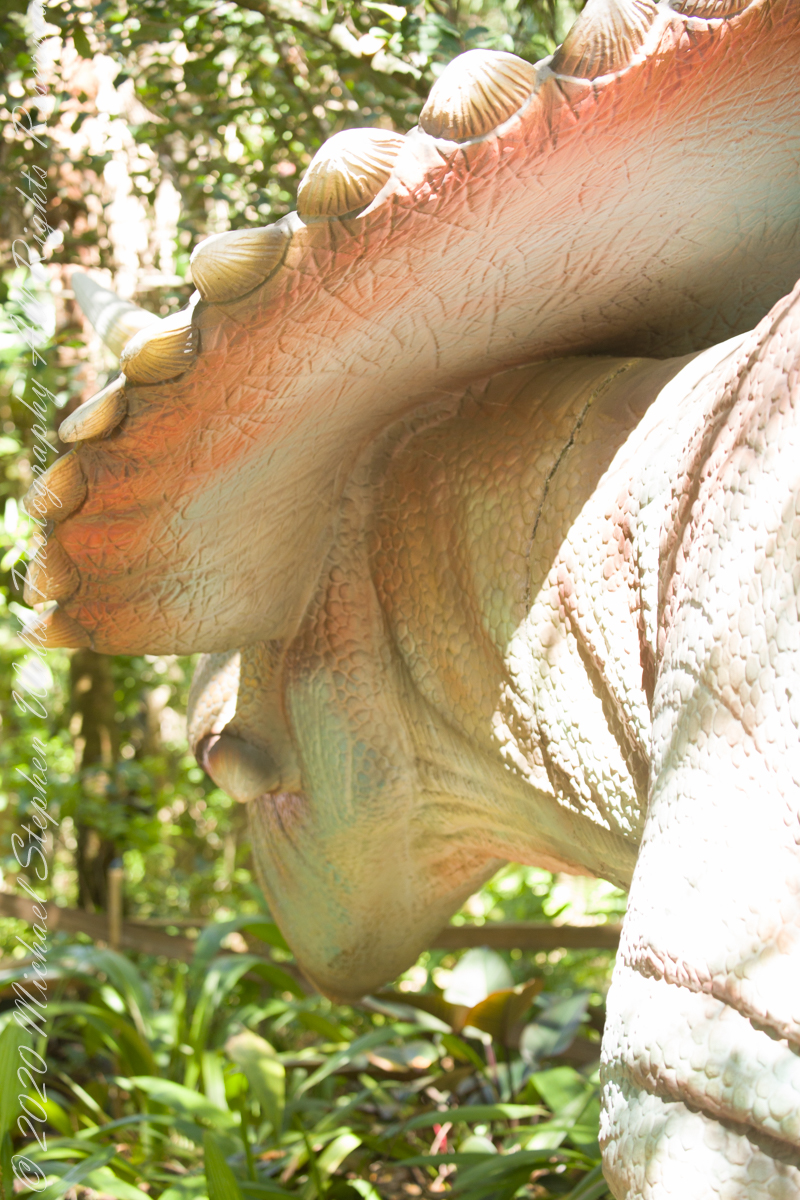
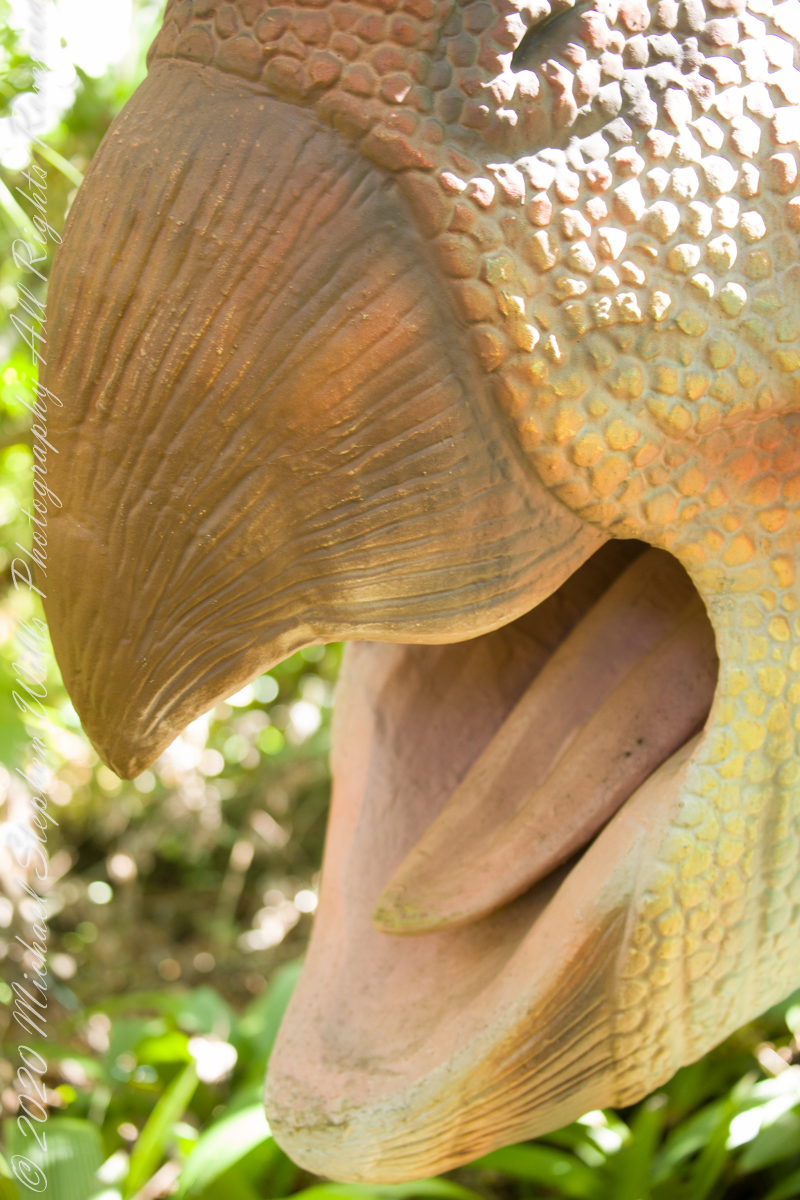
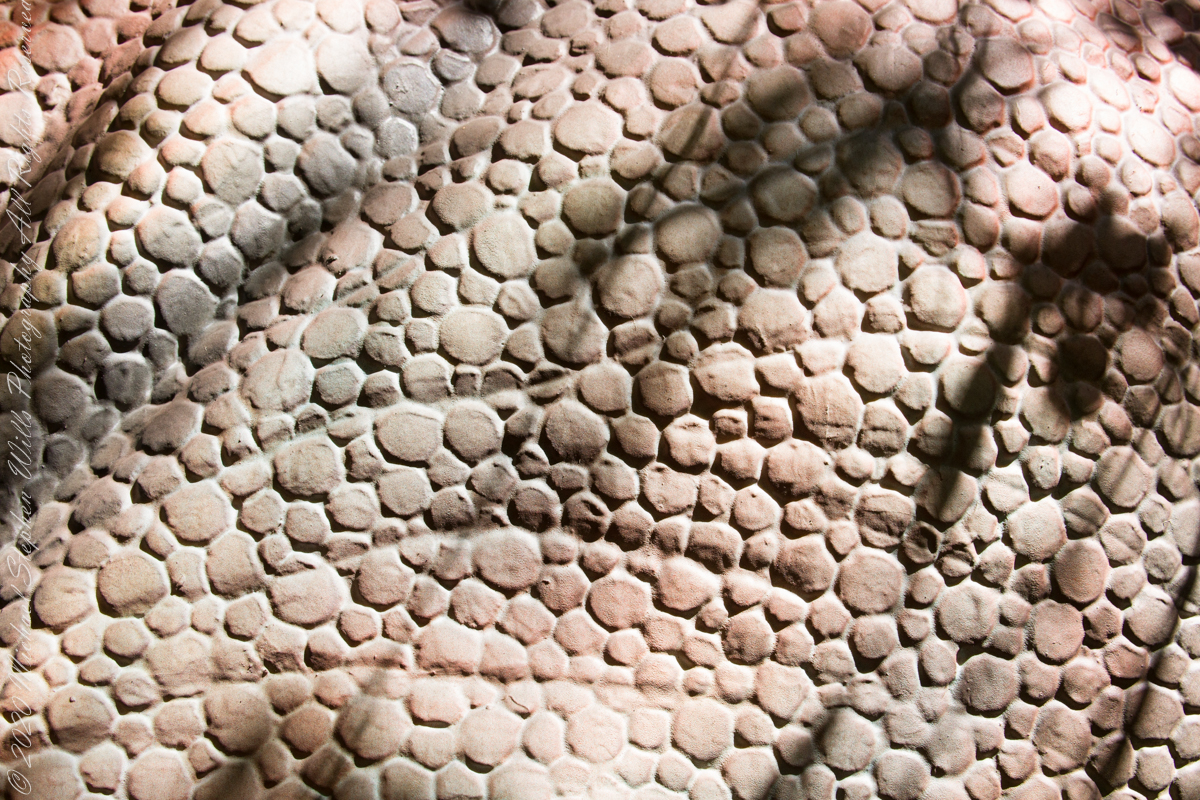
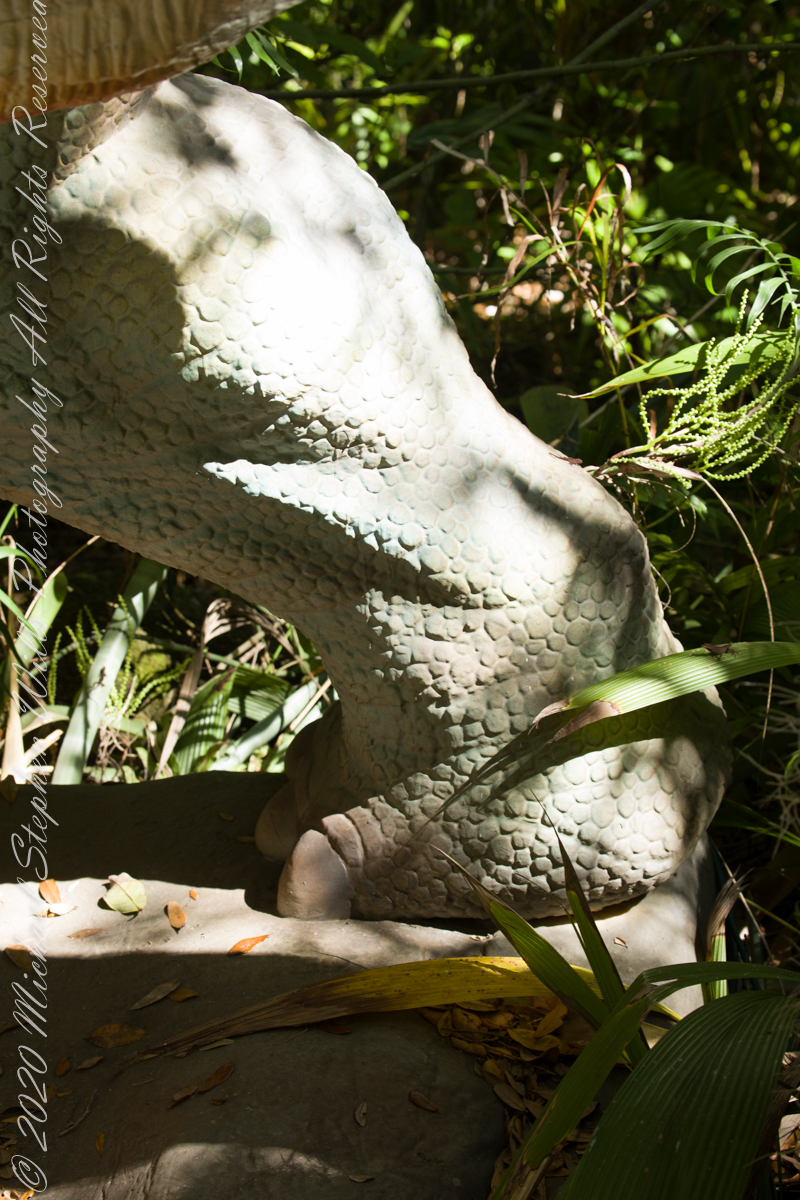
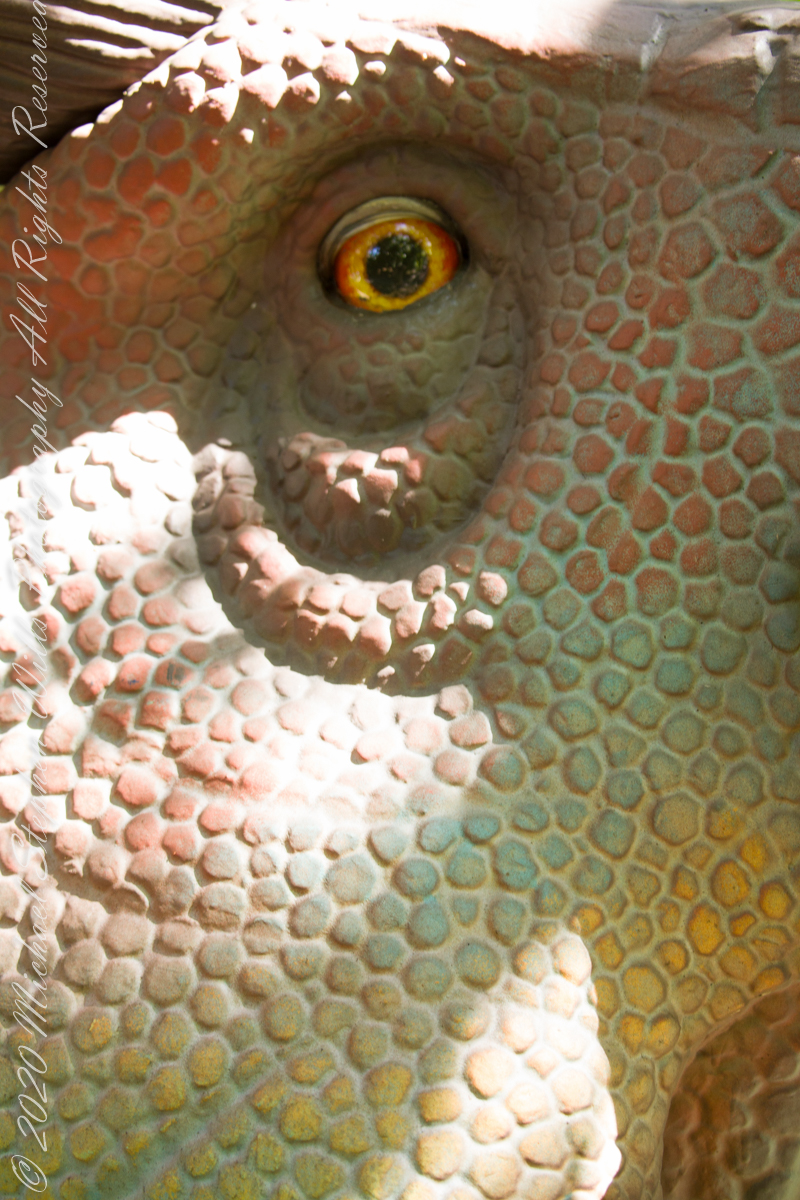
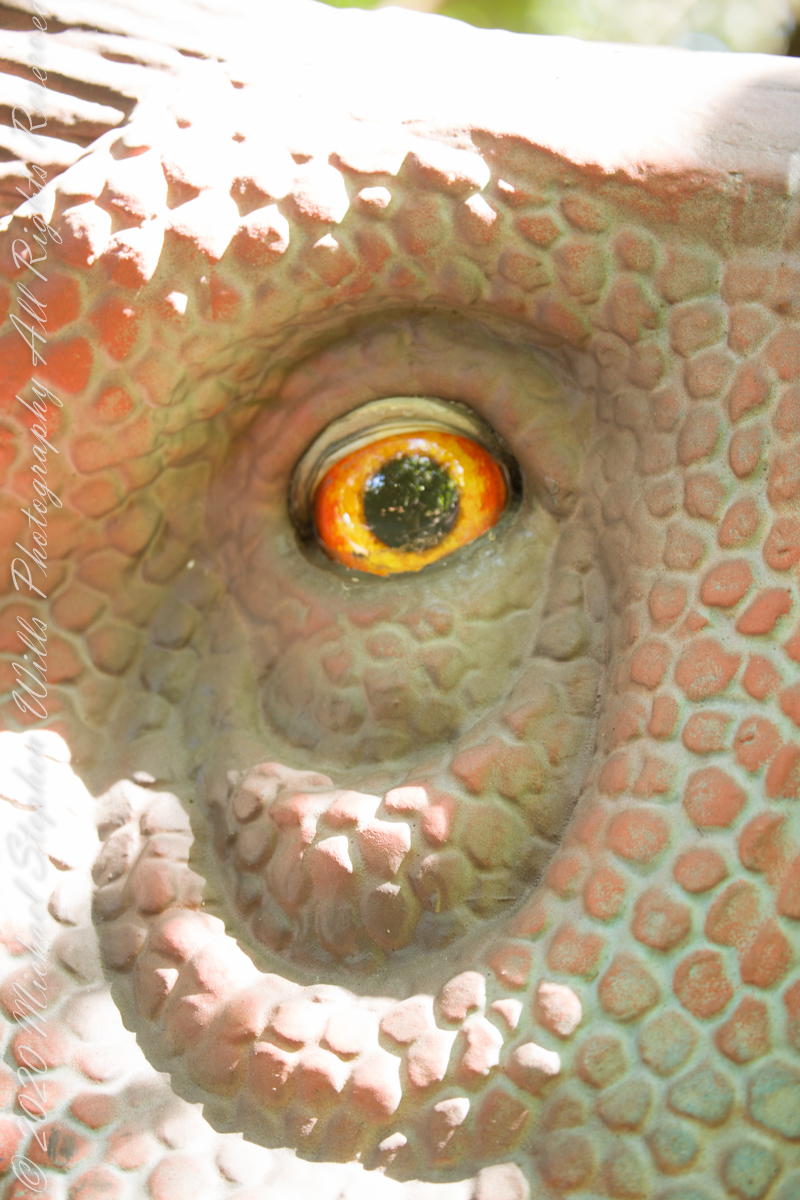
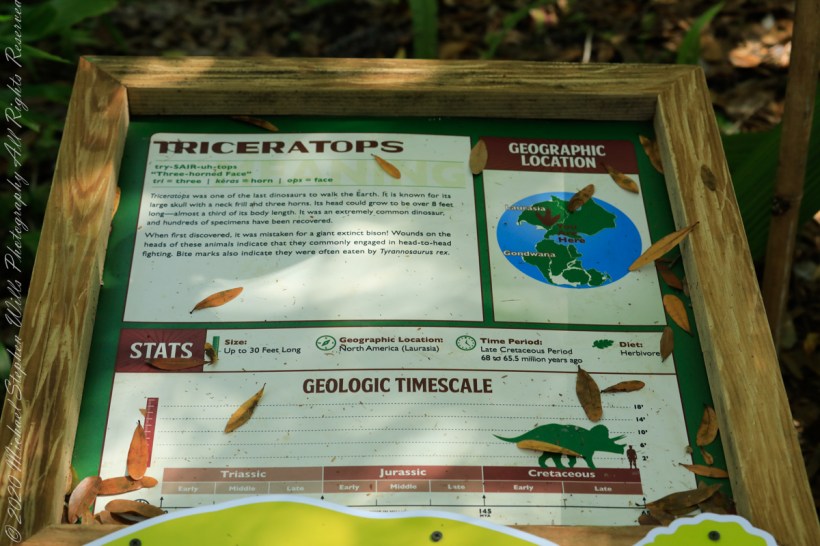
Triceratops was one of the last dinosaurs to walk the Earth. It is known for its large skull with a neck frill and three horns. Its head could grow to be over 8 feet long, almost a third of its body length. It was an extremely common dinosaur, and hundreds of specimens have been recovered. When first discovered, it was mistaken for a giant extinct bison. Wounds on the head of these animals indicated they commonly engaged in head-to-head fighting. Bite marks also indicate they were often eaten by Tyrannosaurus Rex.
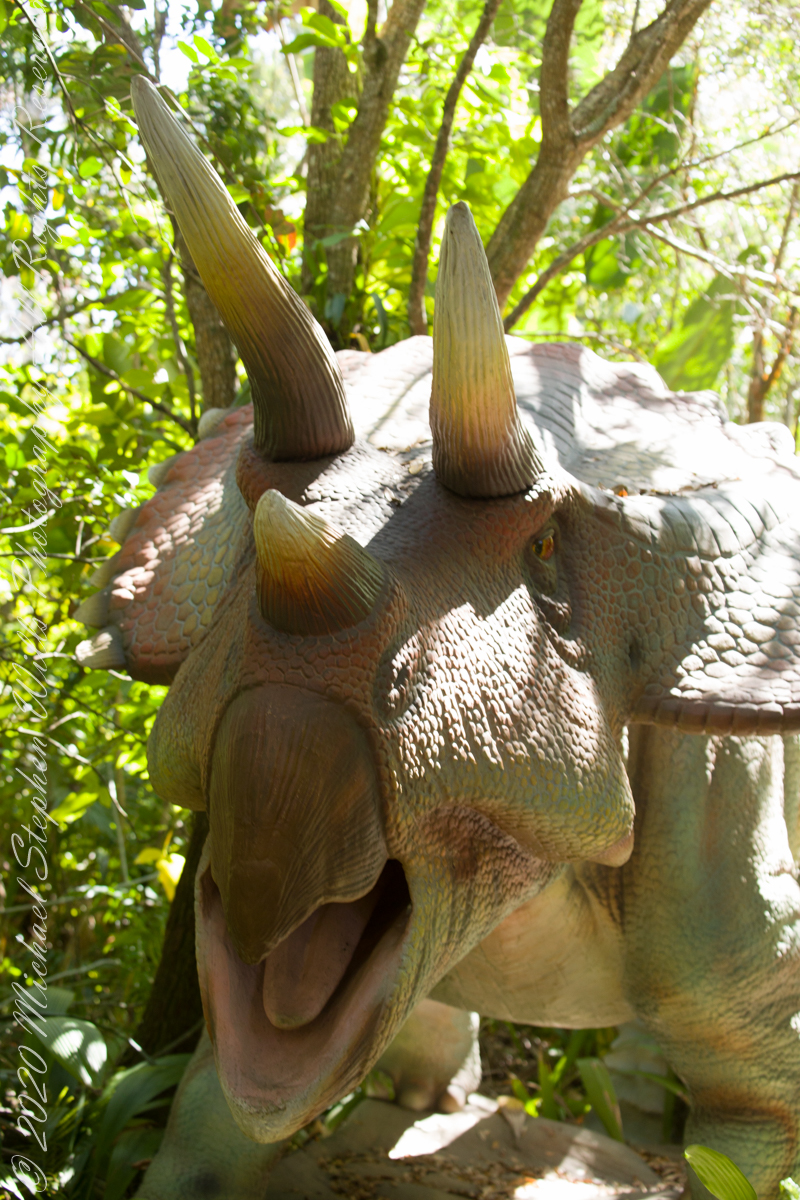
Triceratops emerges from the jungle
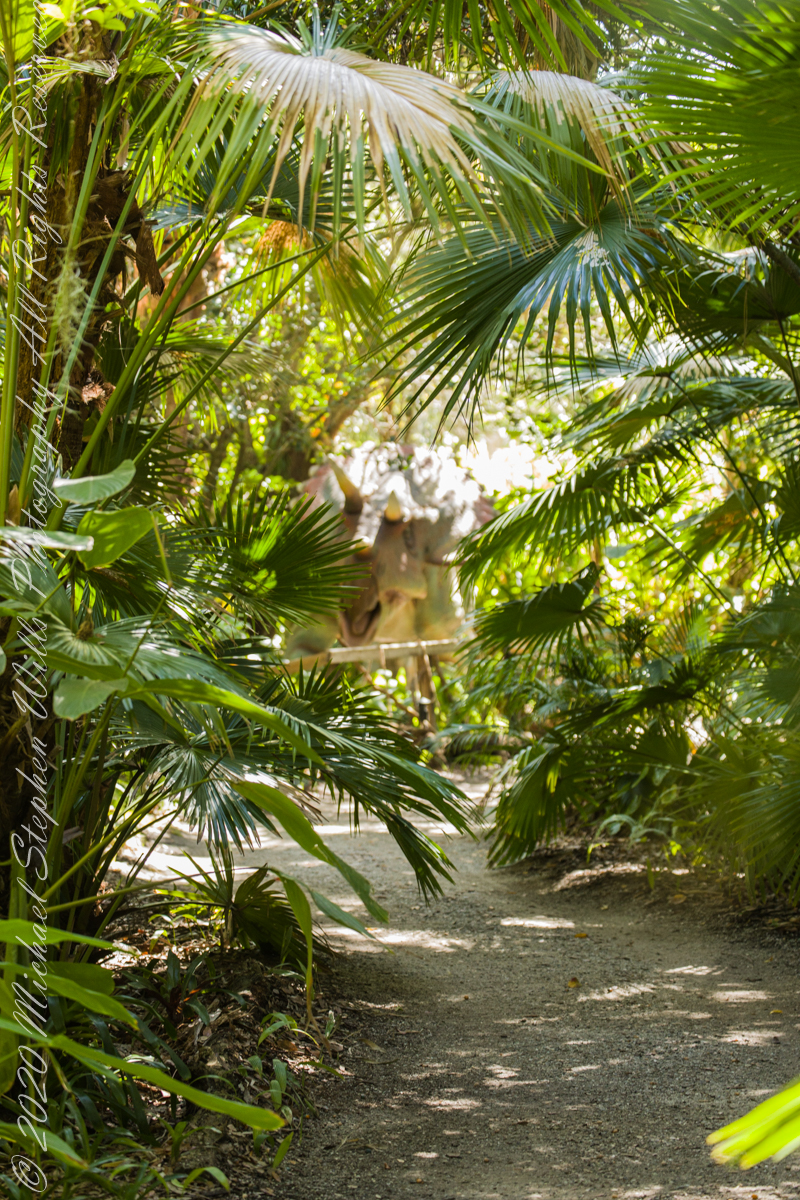
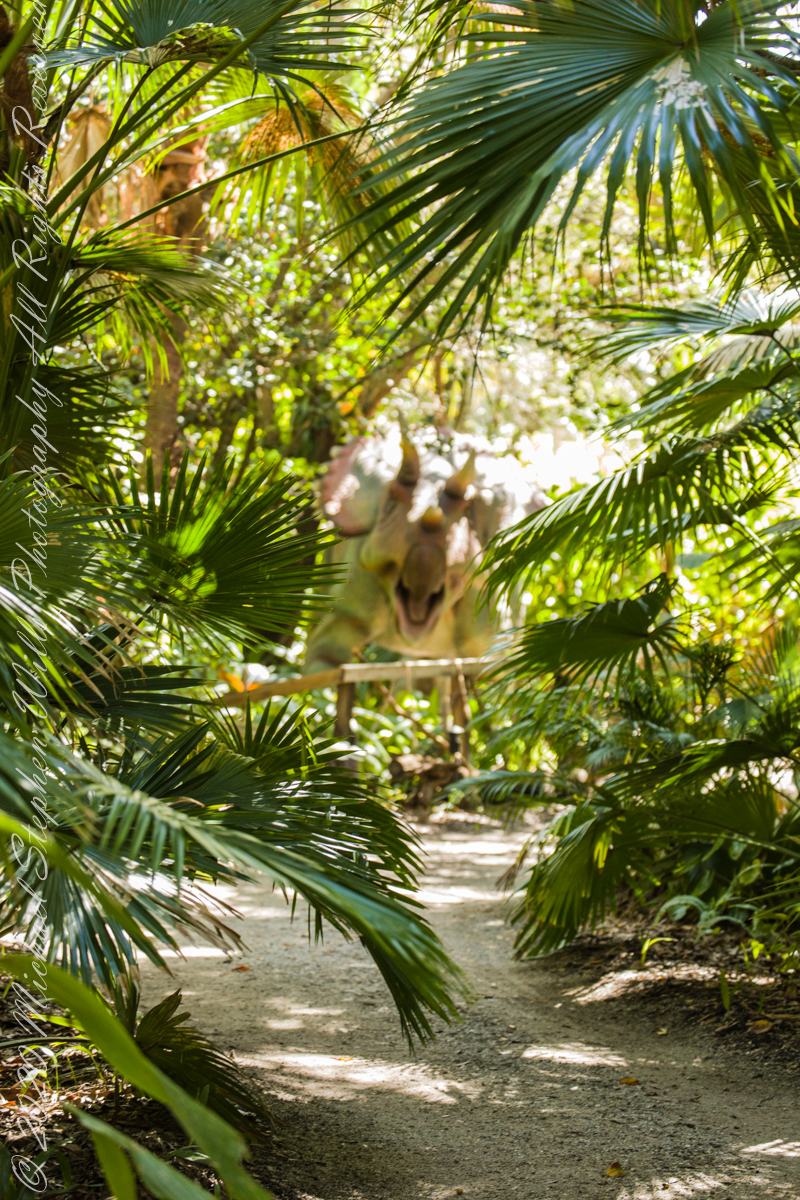
Head and neck
Discover the charm of Cong, Ireland, through a stunning sculpture celebrating The Quiet Man. Join me as I explore the town’s cinematic legacy and reflect on the enduring magic of film.
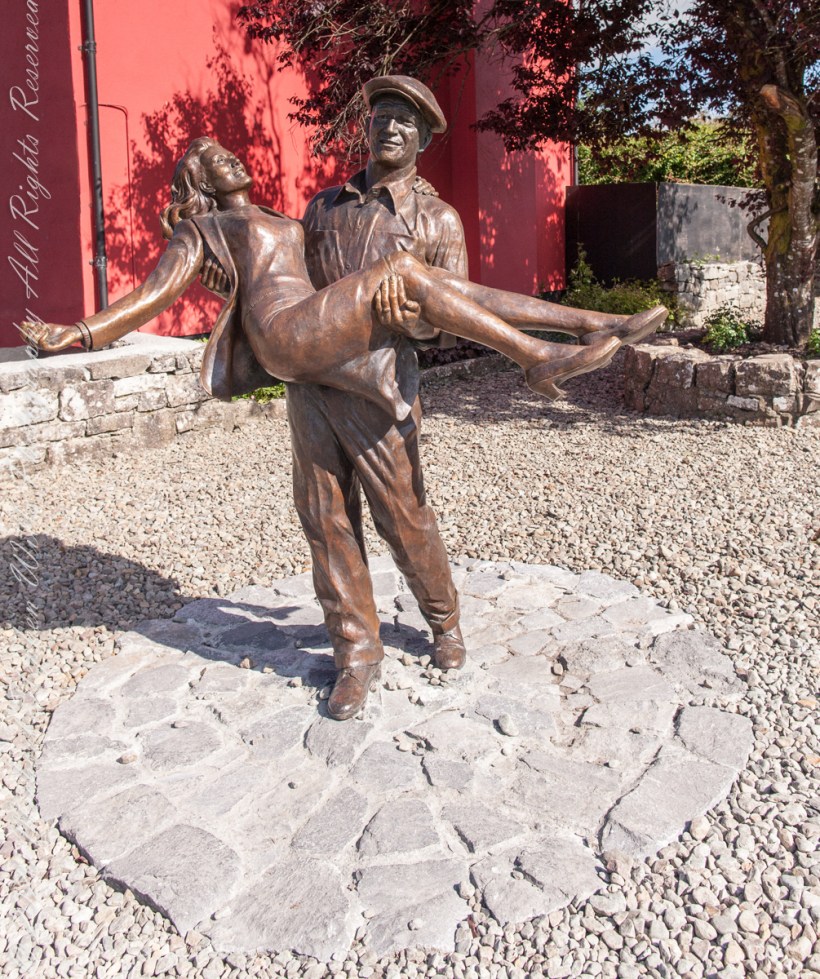
During a May 2014 exploration of the village Cong in County Mayo, Ireland, we encountered this remarkable sculpture that transported me back to one of my favorite classic films, “The Quiet Man.” The bronze statue, depicting John Wayne’s character, Sean Thornton, carrying Maureen O’Hara’s Mary Kate Danaher, stands against the backdrop of the town, a visual homage to the cinematic legacy that has become intertwined with Cong’s identity.
As I stood before the sculpture, memories of watching The Quiet Man flooded back. The Quiet Man, with its vibrant depiction of Irish culture and scenery, had always held a special place in my heart. It’s a story of love, cultural clashes, and the journey of a man returning to his roots, themes that resonate deeply within the lush landscapes of County Mayo. Cong served as the primary filming location, and the town has embraced this legacy wholeheartedly, turning the film into a cornerstone of its identity.
The sculpture, created by Mark Rode, who has a foundry an hour away in Swinford, was installed the year before, 2013, yet it felt as though it had always been there, seamlessly blending with the surroundings. Rode’s work captures the essence of the characters with remarkable detail. In The Quiet Man, the scene where Sean carries Mary Kate in his arms takes place after he retrieves her from the train station. This moment symbolizes their reconciliation and is a pivotal scene in the film, capturing their renewed bond and Sean’s determination to stand up for their relationship. The piece celebrates not just the film, but also the spirit of the town and its connection to cinematic history.
Mark Rode, known for his ability to bring characters to life through sculpture, has a unique talent for capturing the essence of his subjects. His works often reflect a deep understanding of human emotion and storytelling, qualities that shine through in this particular piece. The installation of the sculpture was met with excitement from both locals and visitors, further cementing Cong’s status as a beloved tourist destination.
Reflecting on our visit, I realized how much this small town had embraced its role in cinematic history. The streets of Cong are dotted with nods to The Quiet Man—from themed shops to plaques marking filming locations. Each element serves as a reminder of the film’s impact on the town and its people. The statue stands as a centerpiece, inviting fans of the film to relive its magic while introducing new generations to its charm.
I couldn’t help but meditate on the lasting impact of art and film on a community. The installation of this sculpture not only celebrates a beloved movie but also invigorates the town’s economy through tourism, drawing visitors eager to walk in the footsteps of their favorite characters. It’s a testament to the power of storytelling and its ability to transcend time, connecting people across generations and cultures.
The statue of Sean and Mary Kate in Cong is a symbol of the town’s vibrant history and its enduring connection to the film. Mark Rode’s creation captures this essence beautifully, inviting all who visit to pause, reminisce, and celebrate the intertwining of art and life in this picturesque Irish village.
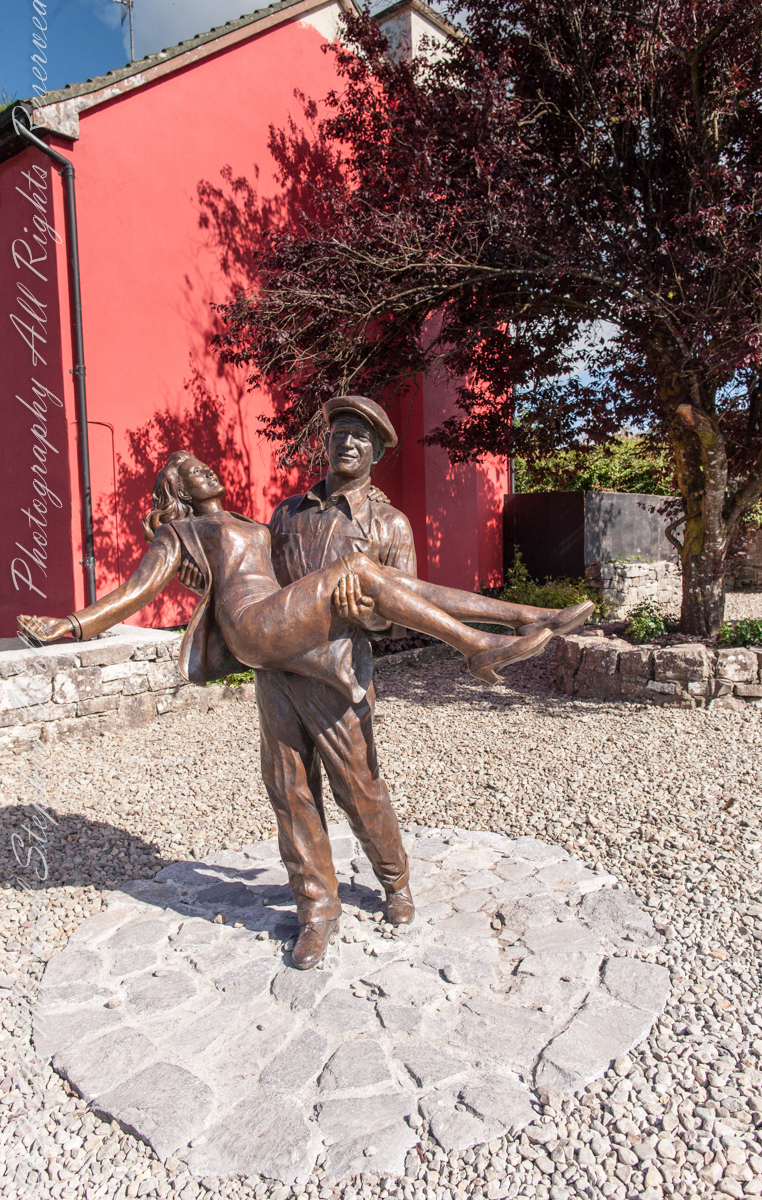
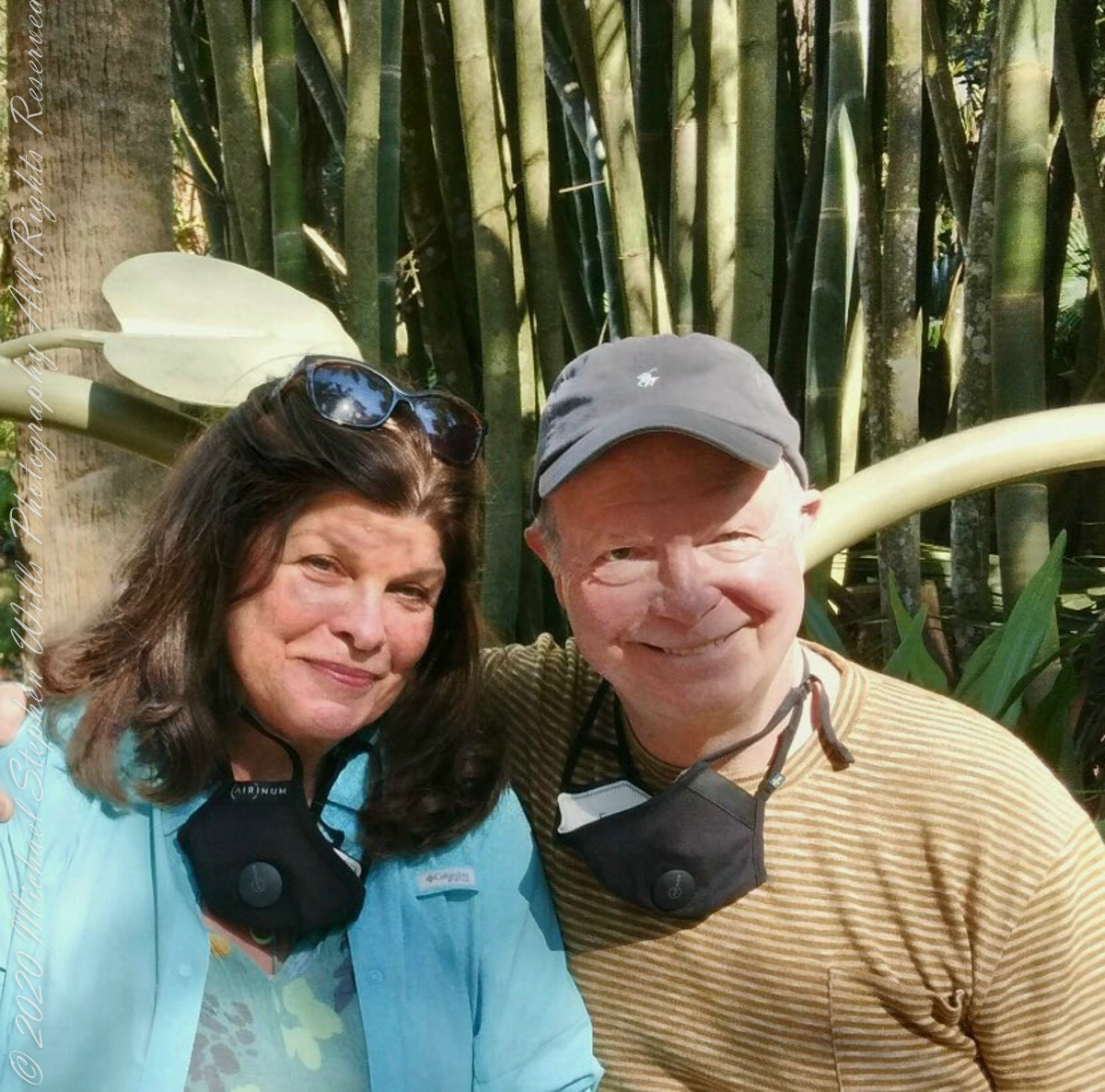
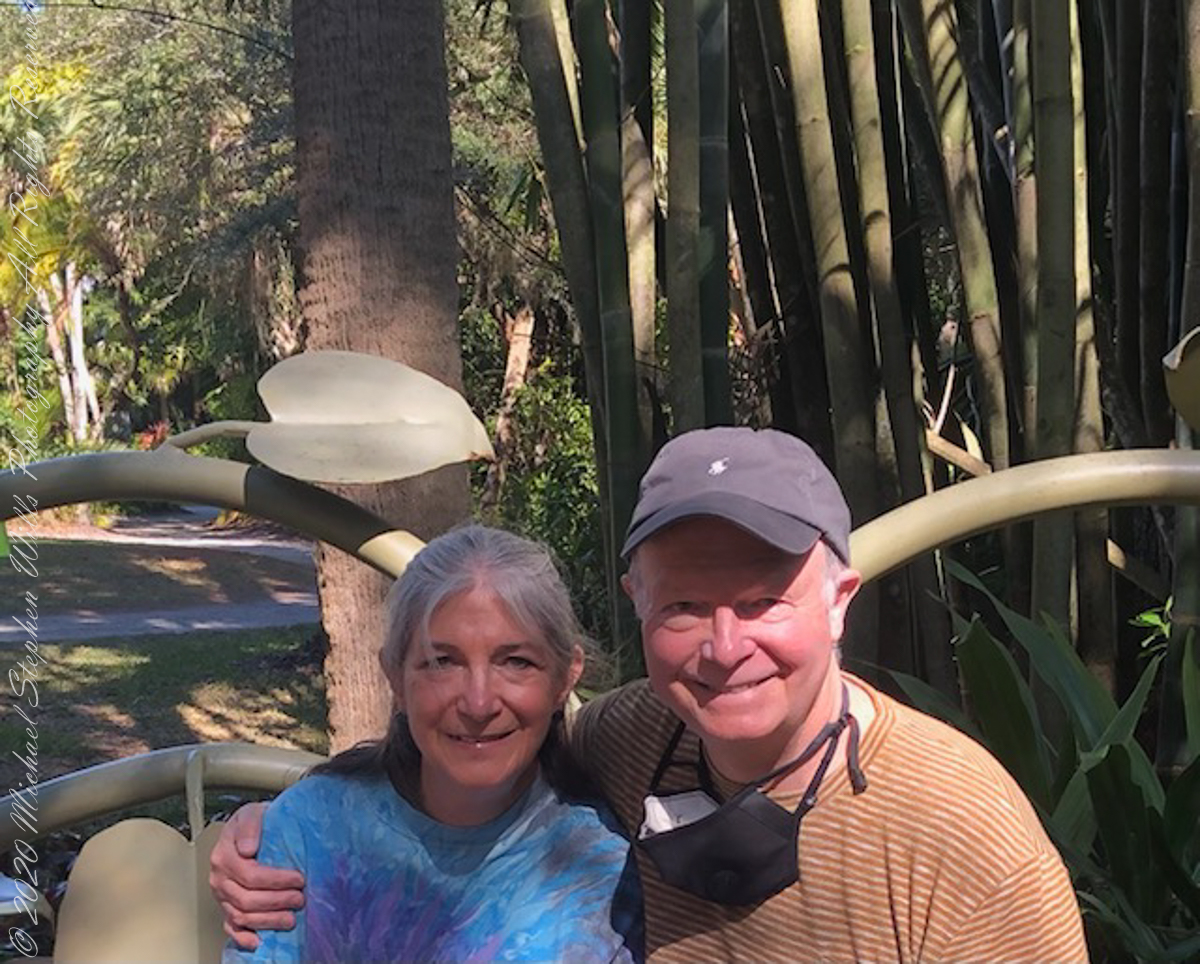
Here presented are two versions of the same image. One cropped. Please leave a comment stating which you prefer and why. Thank You
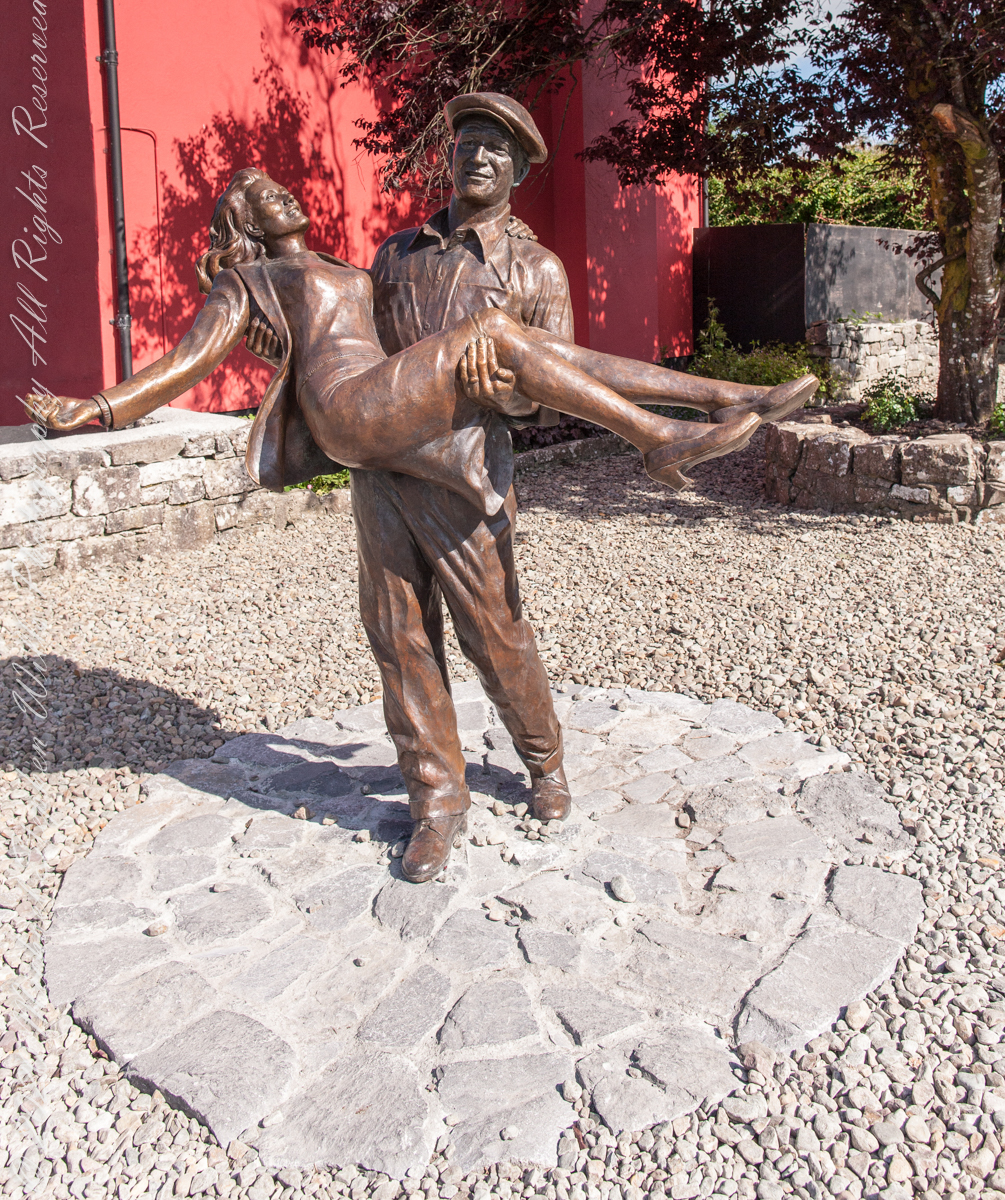
Use this slide show, flip back and forth to compare the images, reach a conclusion on which you prefer.
 Michael Stephen Wills Photography