The Space Station and the Waterfall

Potential danger abounds

Capturing photographs and videos on the fly, we visited
Fillmore Glen State Park, Moravia, New York with our granddaughter, Nia. This is Pam and my favorite park for the lack of crowds, variety of wildflowers and dramatic views.

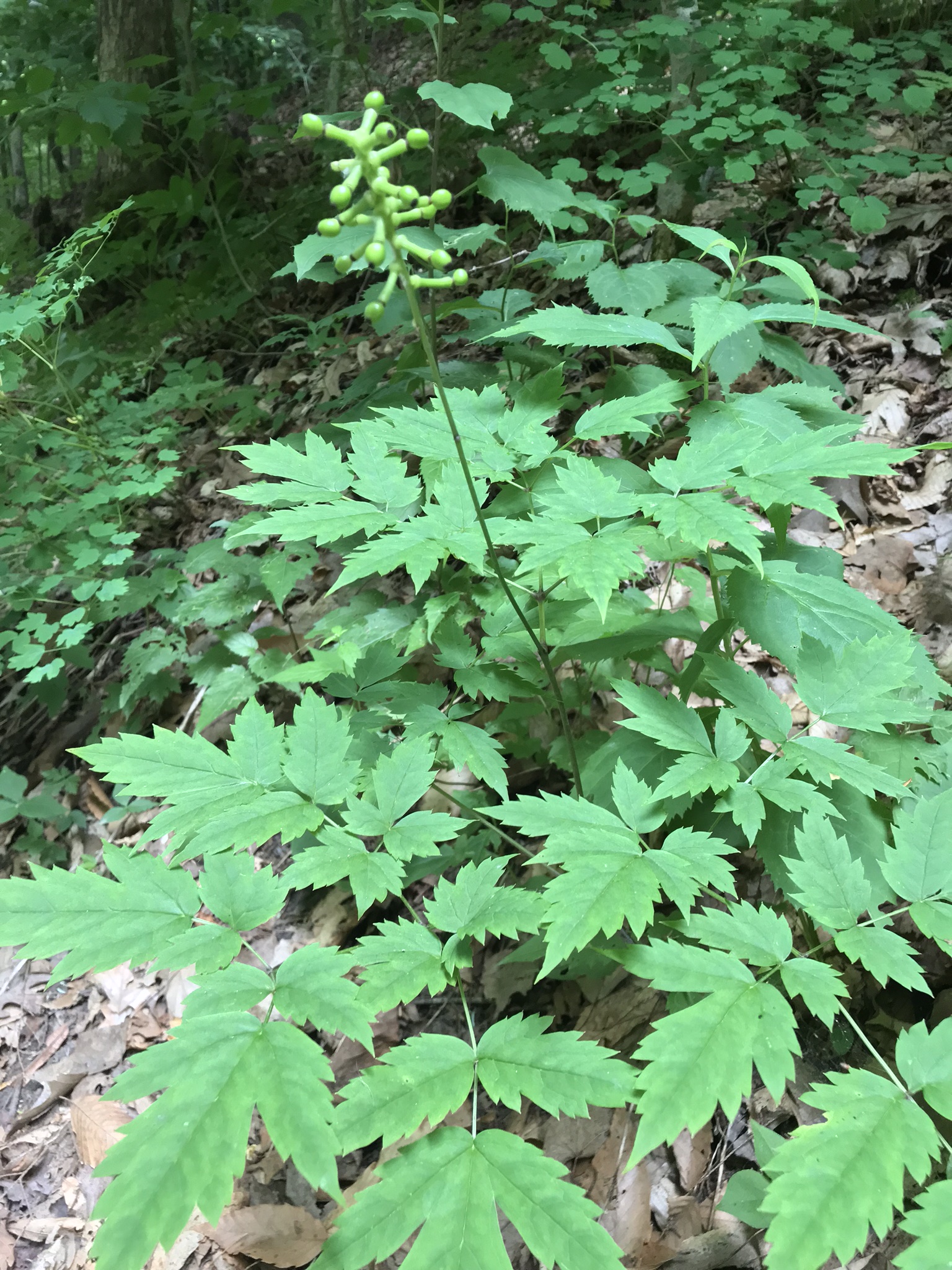
Growing near Cowsheds Waterfall, at the foot of Gorge Trail, was this
strange fruiting wildflower so like a modular space station. It is Baneberry.  There are white and red forms. This is white Baneberry (Actaea pachypoda).  These terminal round nodes resolve into white balls with black dots, like dolls eyes. The cylindrical connectors (as in space station) turn bright red. Red Baneberry (Actaea rubra) has bright red berries. The flower is a fluffy white mass that gives no hint of the seed form.

All parts of both forms are highly poisonous, the bane of Baneberry. The berries are deadly. Ingestion of as few as two berries by children will cause death from cardiac arrest. Six for an adult.

Click any photograph for a larger view.
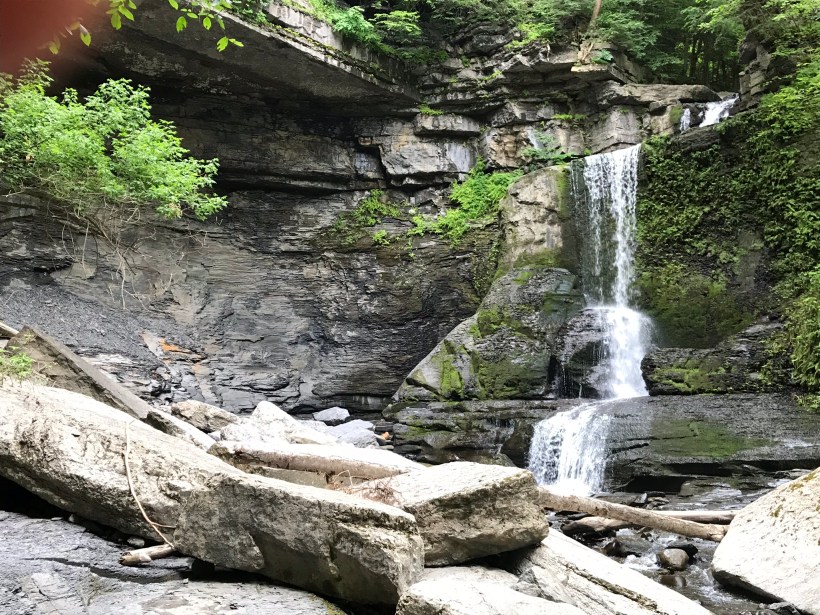
Cowsheds Waterfall is littered with enormous limestone blocks, remnants of a shelf. The rock under the limestone, a soft shale, is worn away first by running water forming a room (or Cowshed) under the limestone. Eventually, the limstone falls into the creek. The waterfall is at the end of a blind canyon with a sign at a trail end warning visitors to go no further. Careless visitors to Finger Lakes Gorges are killed, on occasion, by falling rock when they loiter beneath cliffs.
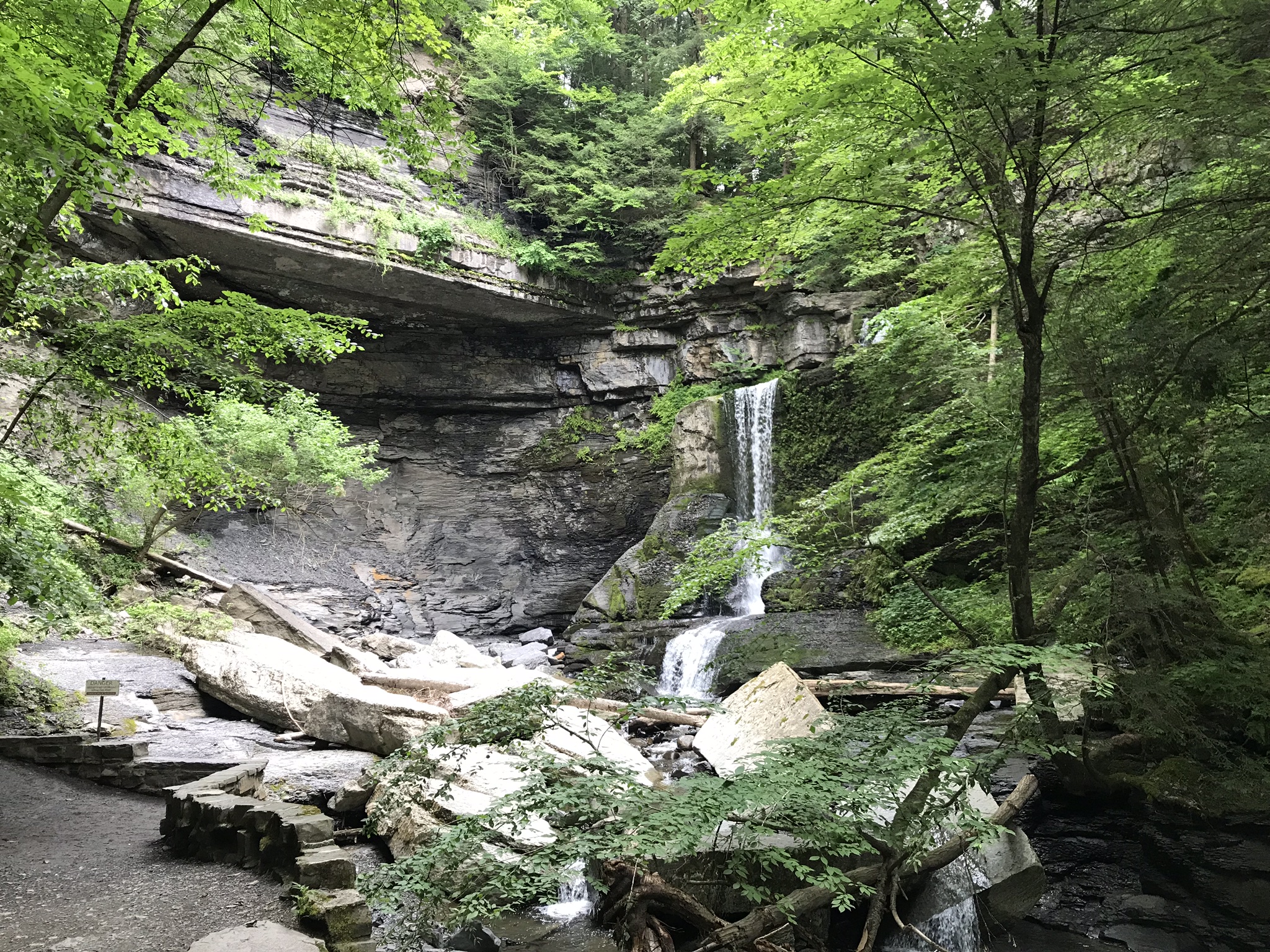
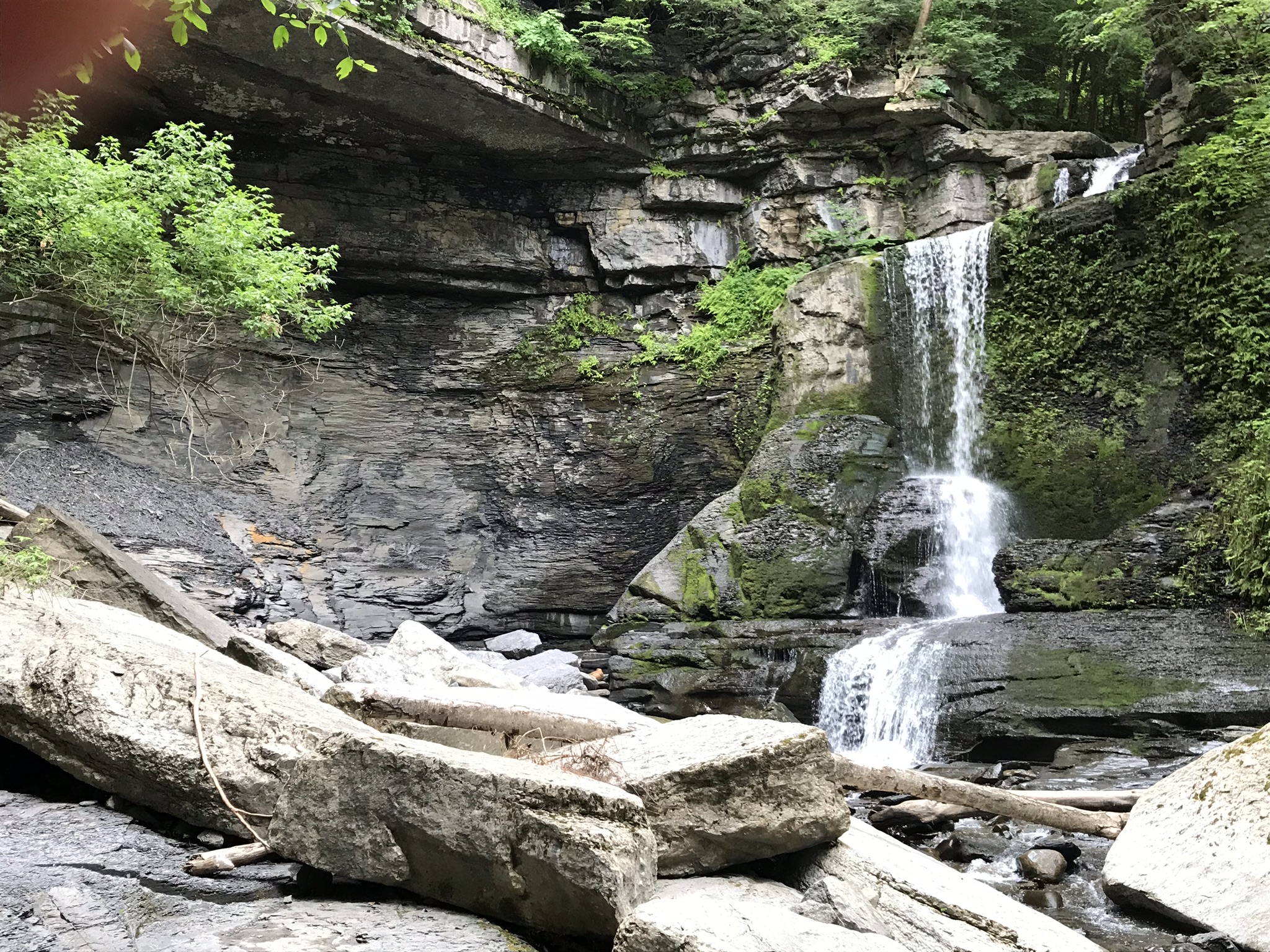
Overview of the site
Click me for my Fine Art Photography Gallery.
Copyright 2021 Michael Stephen Wills All Rights Reserved.

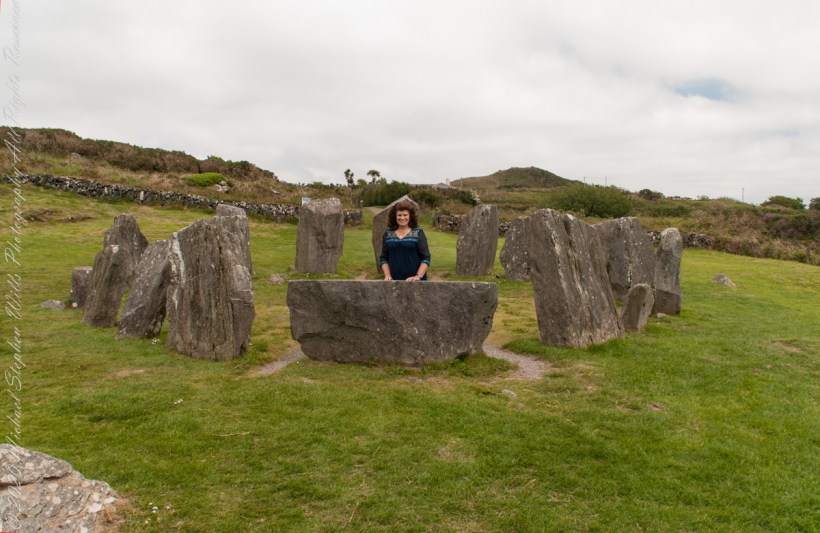
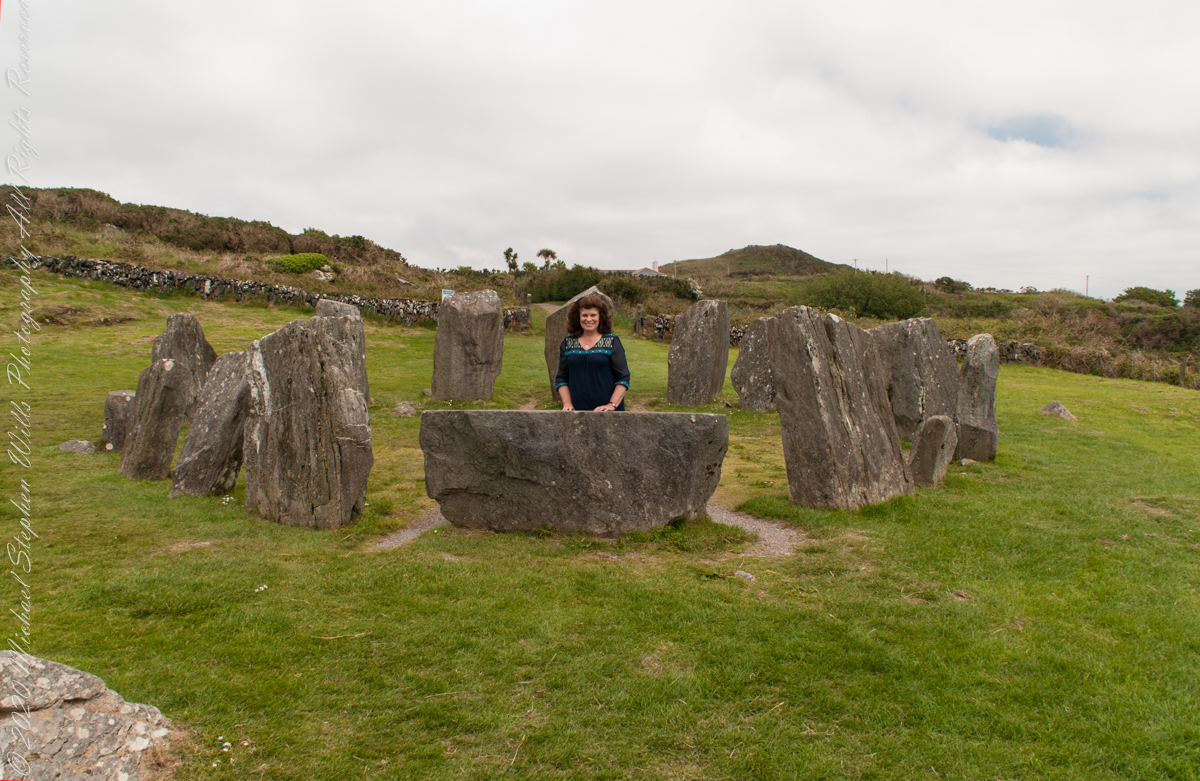
Drombeg Stone Circle IV

Seventeen Stones

Seventeen closely placed stones with an axis pointing south-southwest toward the setting sun, formed by two “entrance” stones, one directly behind Pam, the second to the left. The recumbent in front of her forms the third axis element.

The path features in the past three posts is behind the entrance stones.

Click any pic for a larger view, in a new tab, or a slide show. When using WordPress Reader, you need to open the post first.

Click Me for the next post in this series

Copyright 2021 Michael Stephen Wills All Rights Reserved

Night Blooming Cereus VIII

reaction to cold temperature

Our “Night Blooming Cereus” is blooming earlier in 2021, blooms opened twice during nights of early August. I put the name in quotes because during the course of writing the first seven posts ( I through VII ) I learned this is NOT a member of the genus Cereus, it is actually an epiphyte of the Epiphyllum genus.

For those familiar with the early history of New York City and Hudson Valley it is easy to see why a common name of the plant is “Dutchman’s Pipe Cactus.”

Click me for another Night Blooming Cereus Cereus flower post.

References

Wikipedia, “Epiphyllum”, “Epiphyllum oxypetalum,”epiphyte.”

Copyright 2020 Michael Stephen Wills All Rights Reserved

Drombeg Stone Circle III

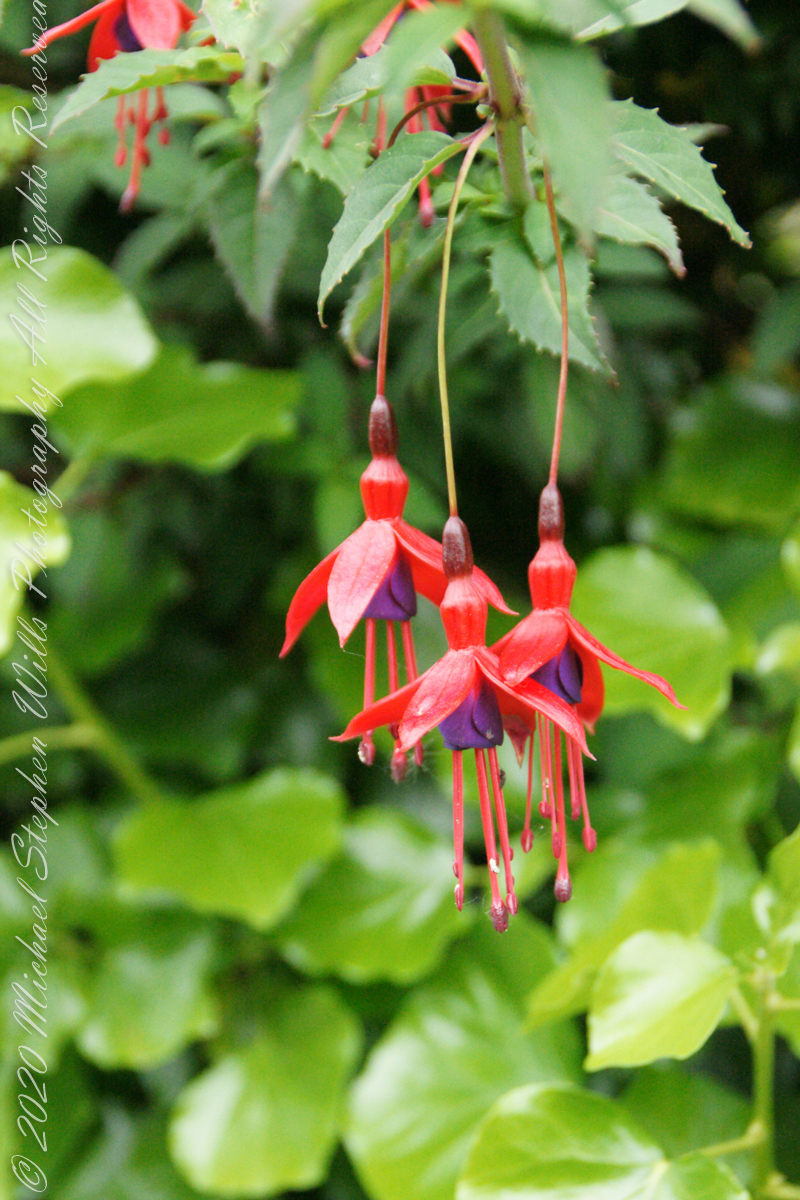
Exotic beauty

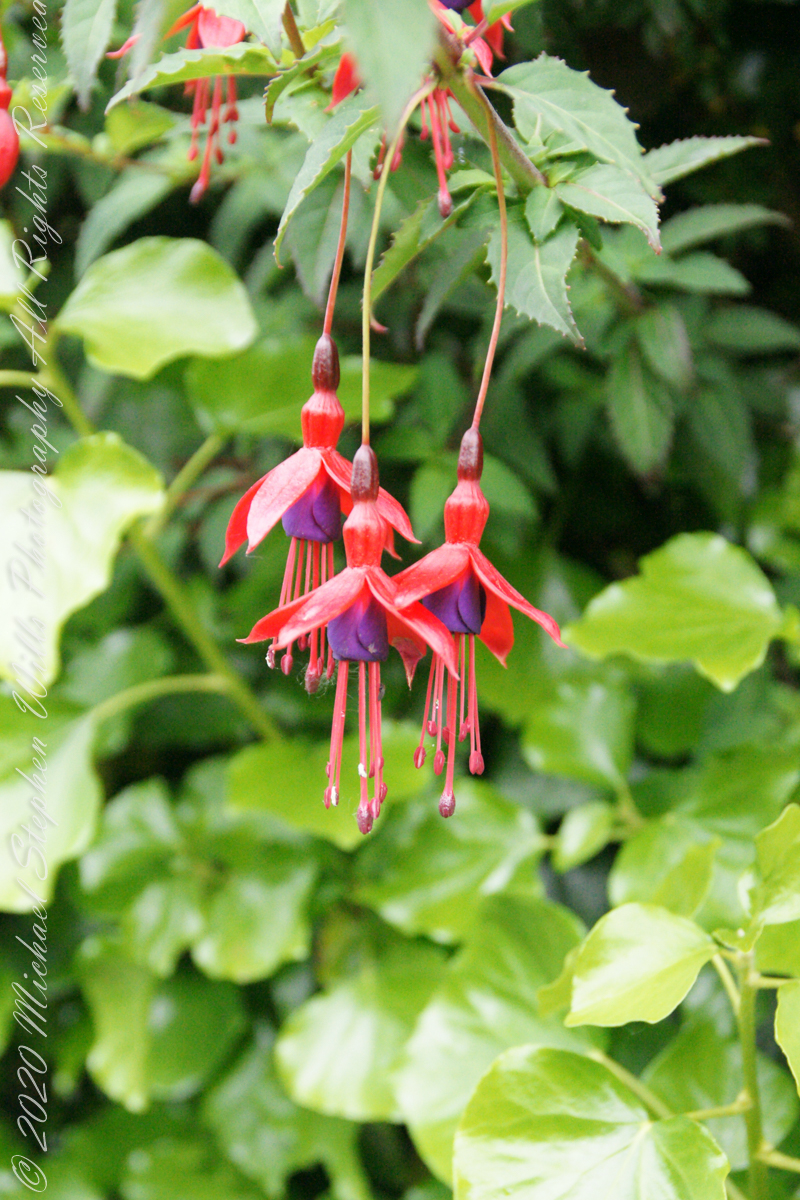
It is not surprising to find this non-native shrub growing along the path to Drombeg Stone Circle. English gardens featured fuchsia since the late 18th century. The ocean view is part of the charm of this place, the resulting milder climate suits the flourishing of exotic species of plants native to South America, the Caribbean and New Zealand.

Click any pic for a larger view, in a new tab, or a slide show. When using WordPress Reader, you need to open the post first.

Click Me for the next post in this series.

Copyright 2021 Michael Stephen Wills All Rights Reserved

Drombeg Stone Circle II

Rock Native

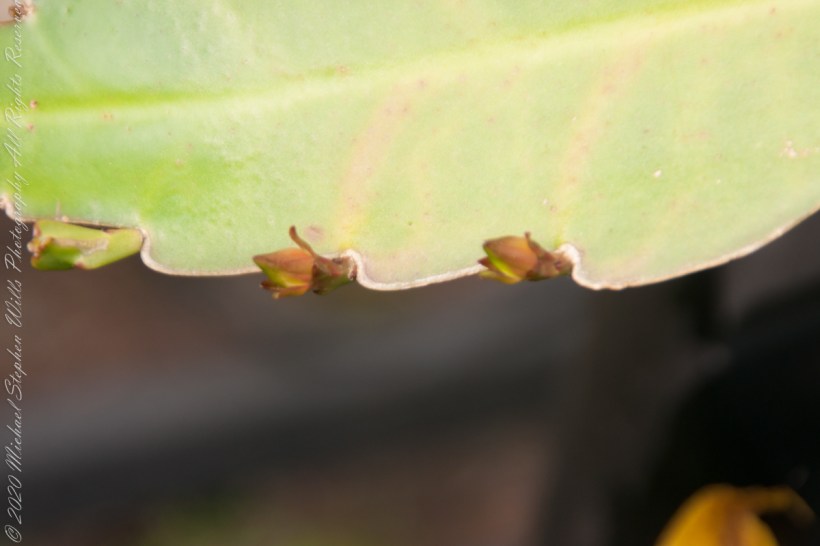
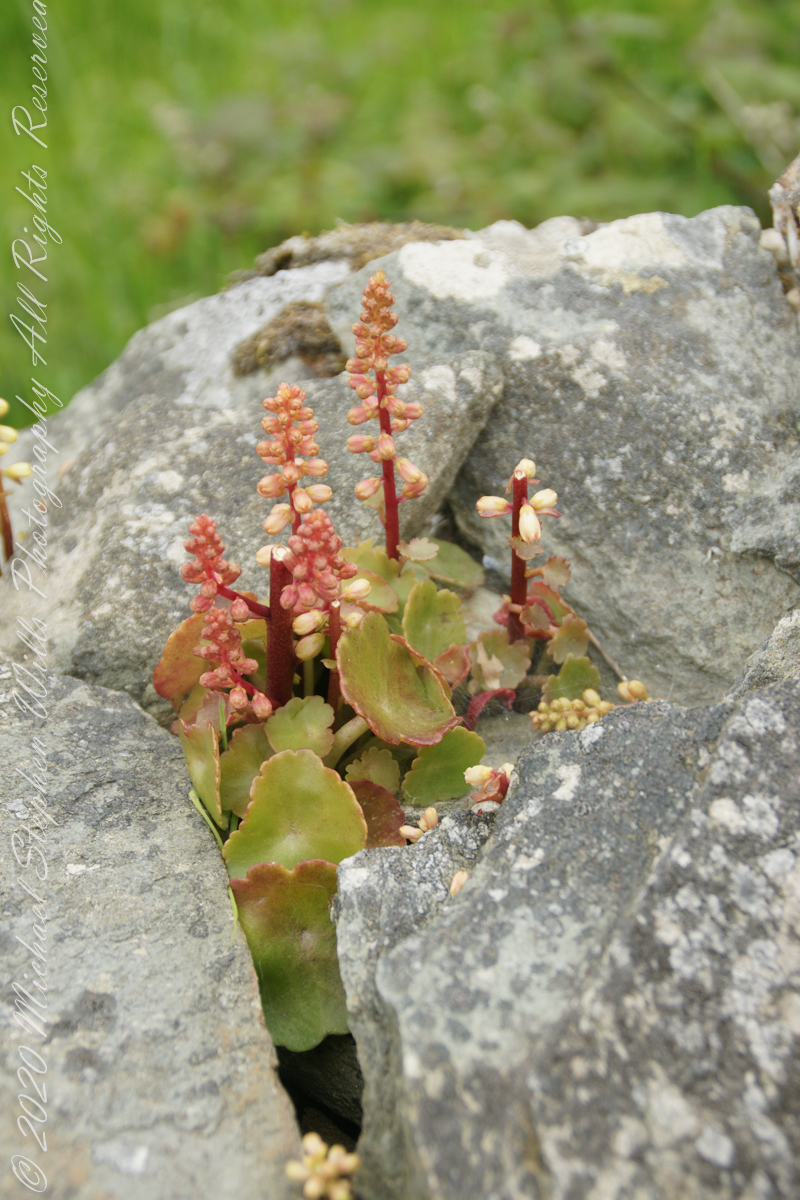
This unidentified spring of racemes, fleshy leaves and stalks, grew from the rock wall of the entry path to Drombeg Stone Circle. Here the climate is strongly influenced by the Celtic Sea, milder winters allow exotic plants to flourish.

My appraisal is this is in the Crassulaceae family, possibly the genus Kalanchoe or, more probably Umbilicus, from the fleshy, round, succulent leaves and form of the flowers. Species of Umbilicus are native to Western Europe and known to favor rock walls.

Click any pic for a larger view, in a new tab, or a slide show. When using WordPress Reader, you need to open the post first.

Click Me for the next post in this series.

Copyright 2021 Michael Stephen Wills All Rights Reserved

Weedy Orchid IV

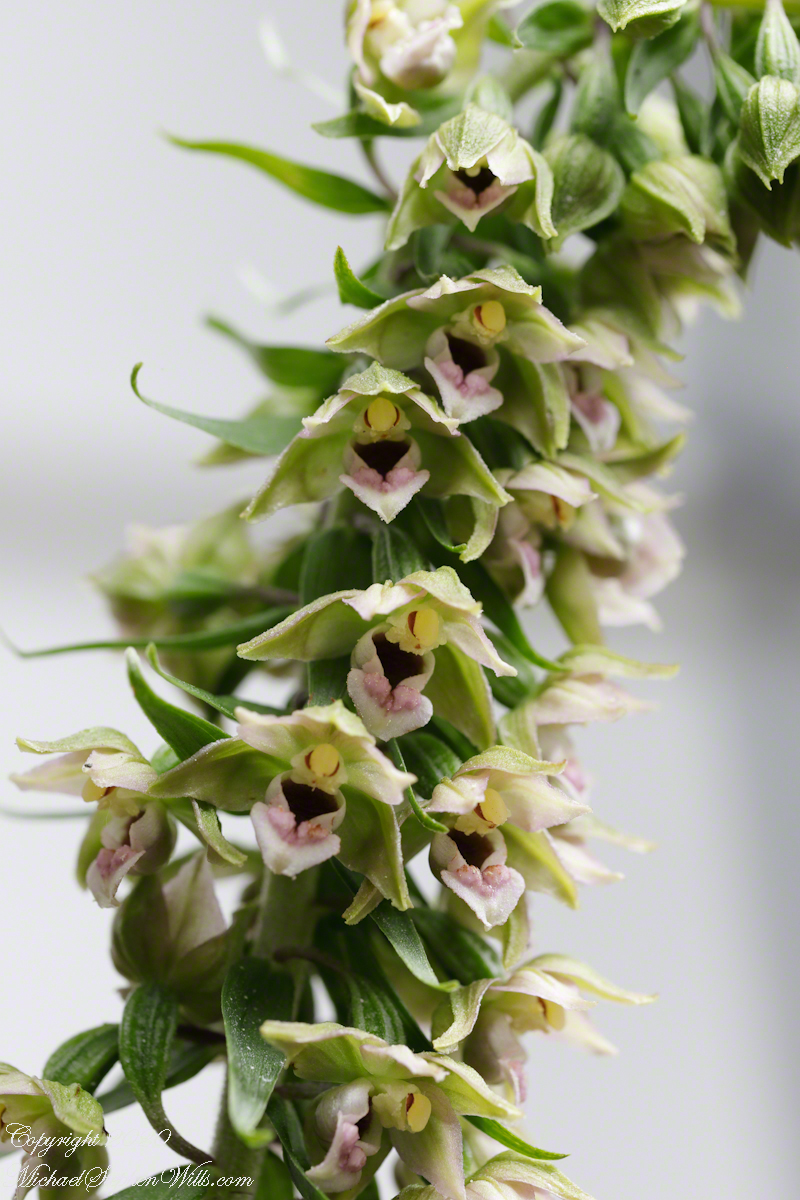
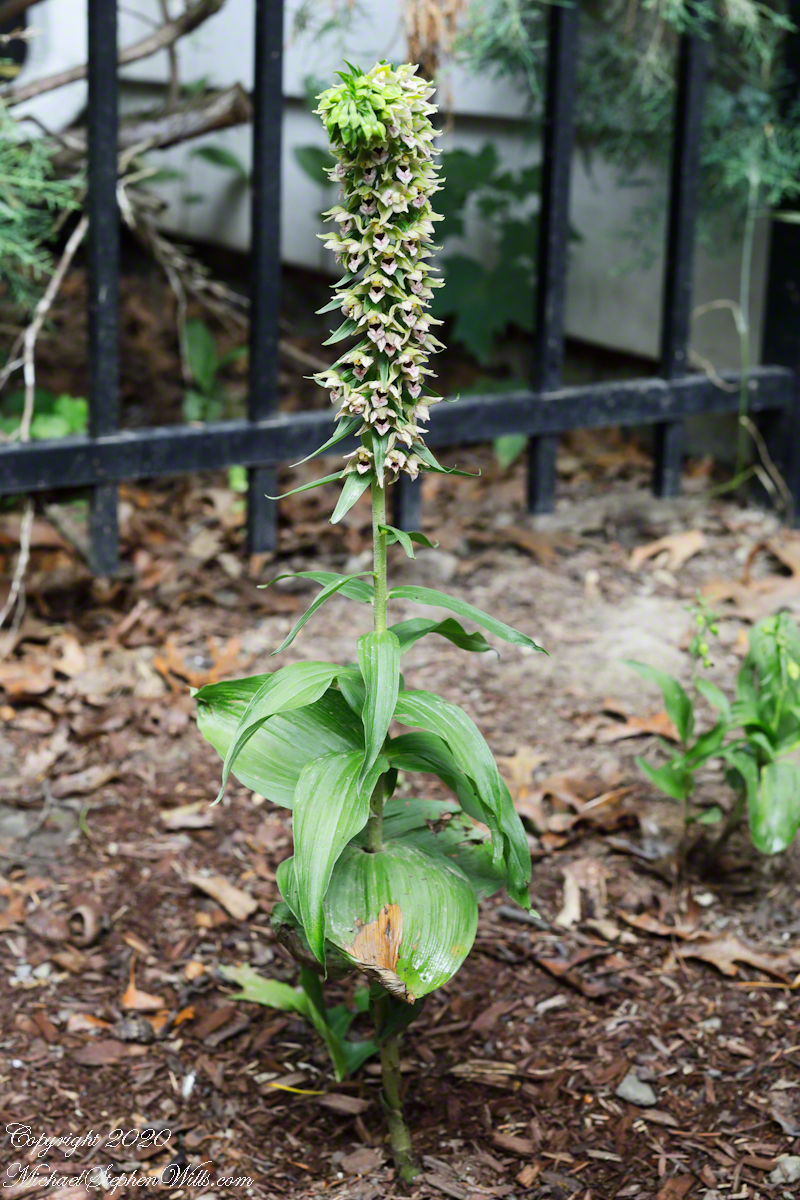
Presenting a macro of a Broad-leaved Helleborine (Epipactis helleborine) growing in our rose garden, in full bloom, a profusion of orchid flowers. This plant, an introduced species to North America, is found widely across our continent.

Helleborine, the scientific name species designation, means like a Hellebore, I assume referring to the calyx, outer part of the flower bud, these open to reveal the flower. In this macro, the unopened buds are upper right. Bottom center the calyx, fully open, with the flower ready to accept pollination, fertilization. After opening, the calyx seems to be part of the flower, a characteristic of hellebore (see Helleborus argutifolius).

The flowers attract a variety of Hymenoptera. I observed wasps, yellow-jackets visiting.

Click photograph for a larger view and use Ctrl-x to zoom in closer.

Photograph is from a 100mm “macro” lens, f6.3.

Thank You for visiting.

Copyright 2020 Michael Stephen Wills All Rights Reserved

Weedy Orchid III

This series reveals an an interesting plant I encountered July 2019. the Broad-leaved Helleborine (Epipactis helleborine), a wild orchid.

Each flower produces a seed capsule with an uncountable profusion of minuscule seeds. Germination is only possible if a fungus is present, mycorrhizal symbiosis the scientific term from the root words myco (fungus) and rhiz- as in rhízōma “mass of roots.”

Click photograph for a larger view and use Ctrl-x to zoom in closer.

This photograph minimizes the clutter of this rose garden site, lost in a beautiful bokeh, at a cost of much flower detail. Many of the numerous blooms are out of focus. F-stop is set to wide open, f1.2. The apparent image distortion, upper left hand quadrant, is the blurred arc of a juniper bush limb.

Today’s header image is from yesterday’s post, by way of comparison.

Click me for the first post of this series.

.to be continued.

Copyright 2019 Michael Stephen Wills All Rights Reserved

Weedy Orchid II

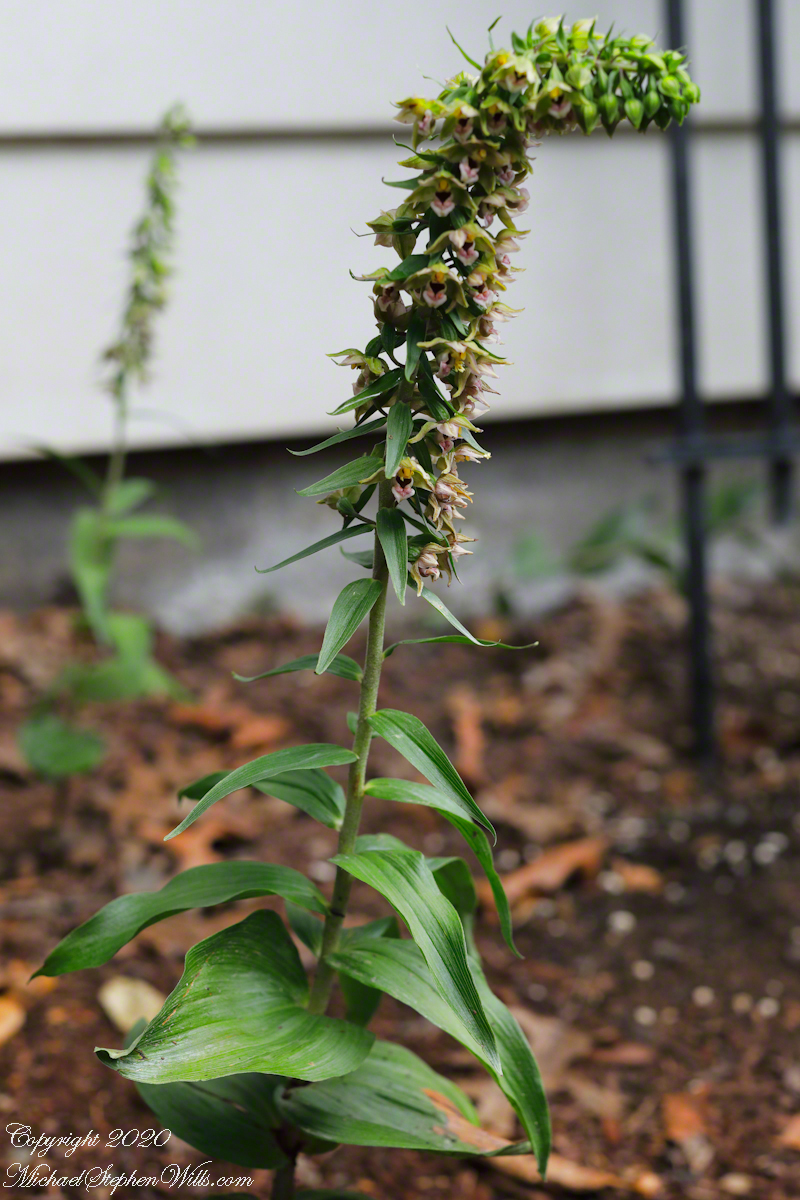
July 2019 I photographed an interesting plant growing in the wild. Motivated by curiosity I identified it as Broad-leaved Helleborine (Epipactis helleborine), a wild orchid.

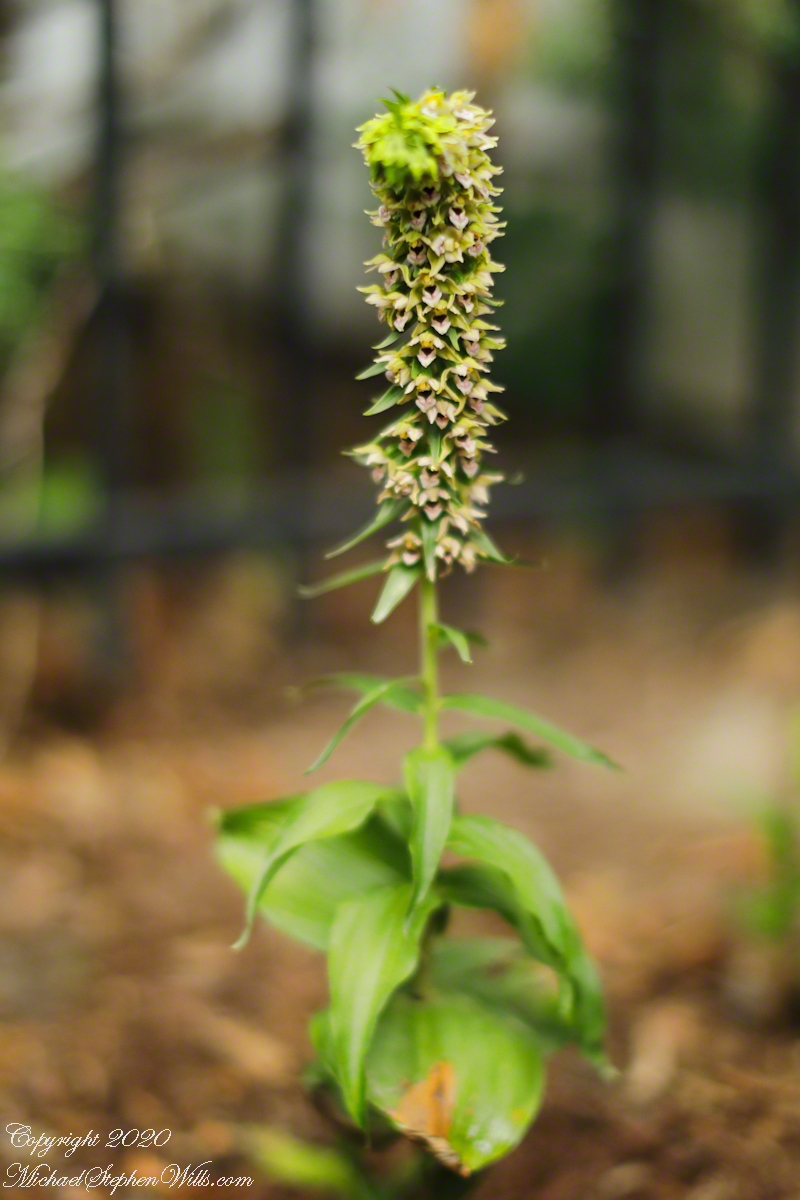
A few years back we fenced in the rose garden as protection against marauding deer. This orchid specimen thrived within the enclosure, possibly turbocharged by rose fertilization.

The number of tiny flowers on a single stalk give a freakish, monstrous impression.

Click photograph for a larger view and use Ctrl-x to zoom in closer.

Here, the tripod is moved to the fully illuminated side, at f9 the details of the interesting leaves, entire flower stalk including the top bent toward the view, are in focus. The background fencing is a distraction.

Click me for the first post of this series.

.to be continued.

Copyright 2019 Michael Stephen Wills All Rights Reserved

Weedy Orchid I

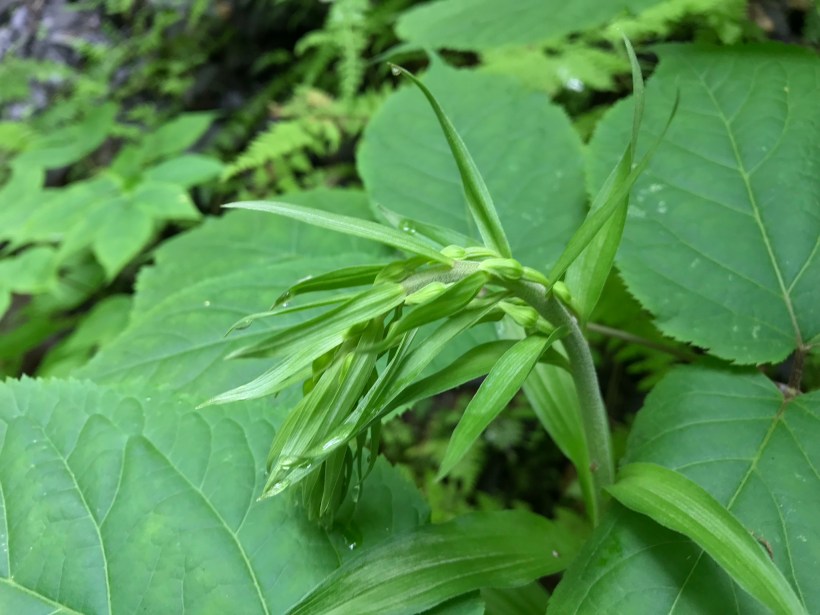
July 2019, while hiking Fillmore Glen I photographed an interesting, till then unknown to me, plant growing on shale till beneath the gorge wall. Motivated by curiosity I identified it as Broad-leaved Helleborine (Epipactis helleborine), a wild orchid.

Using this information, I found the plant growing in our yard as a persecuted weed, observed closely a specimen surviving in a neglected nook and discovered the tiny face of an orchid flower.

2020, on my request, germinating plants with the same leaf form were spared weeding, even allowed to grow among the roses were the specimen of today’s photographs thrived.

Click photograph for a larger view and use Ctrl-x to zoom in closer.

I captured this and all following (posts) photographs of this orchid in late afternoon light, after the sun was behind the hemlock hedge to the west, mounting on a portable tripod made the shot possible in this light.

This specimen benefited from the ample fertilizer applied to the surrounding roses. Compare with the specimen photographed in Fillmore Glen, in post header. I needed to fit into a tight space, so the smaller tripod was used. The lens is a 50 mm, f-stop 5.6. I could open up the diaphragm to 1.2, though the additional blur would not improve the background very much (over f 5.6) at a cost of much of the plant out of focus. Each orchid is smaller than a “pinky” fingernail.

..to be continued.

Copyright 2019 Michael Stephen Wills All Rights Reserved

June Nature Walk

A perfect afternoon, June 16, 2021

Here is a repost for those who missed the video. Please click on video, below and share your responses via comments. Thank You

The Finger Lakes Trail joins Robert H. Treman New York State Park, running along the south rim along the park border.

Today, I started from the stairs next to the Mill of the upper park, walking along Fish Kill Creek, a brief visit to the CCC plaque, over the new footbridge and a steep climb up to the ridge to a marvelous view over the way we just walked. That is a millipede resting on a wooden trail stake.

A word on the creek name. The Dutch word for creek is “Kill”, the anglicisation of the original name retained the Dutch making it, in effect, “Fish Creek Creek,” not a memorization of fish massacre.

There’s one shot of the damage done to tree leaves by hoards of caterpillars…I found chewed-up leaves at my feet throughout the hike.

Then, I re-join the State Park South Rim trail, down the Cliff Staircase to wander the gorge floor below Lucifer Falls.

Up the Gorge Trail with many shots of these wonders including Lucifer Falls, Devil’s Kitchen Waterfall, and the Gallery.

Close with a shot of early Tiger Lily blooms on the south facing bank of Enfield Creek.

I used a new format with this post, with all media in one You Tube video. Enjoy!!

Finger Lakes Trail and Treman Park June 16 2021 – YouTube

Copyright 2021 Michael Stephen Wills All Rights Reserved