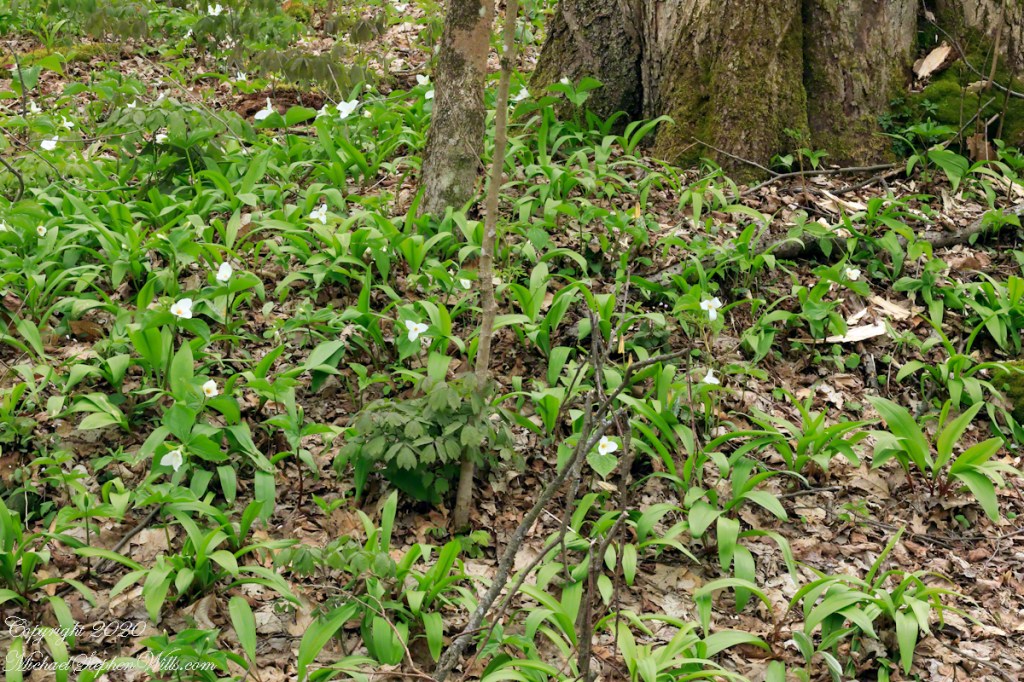
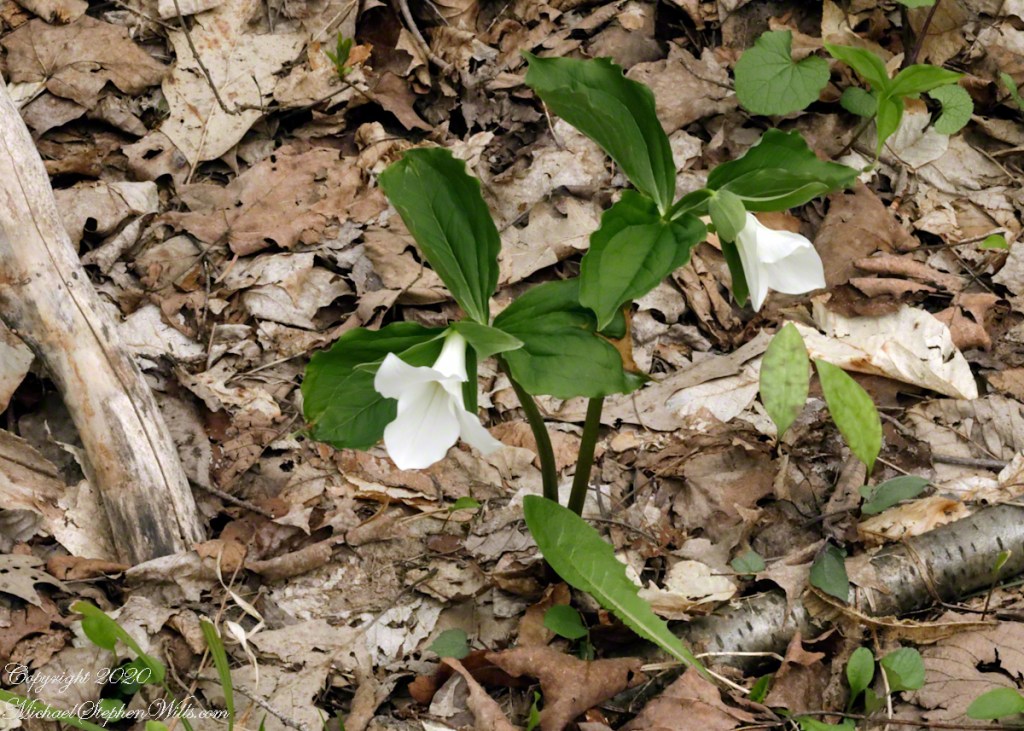
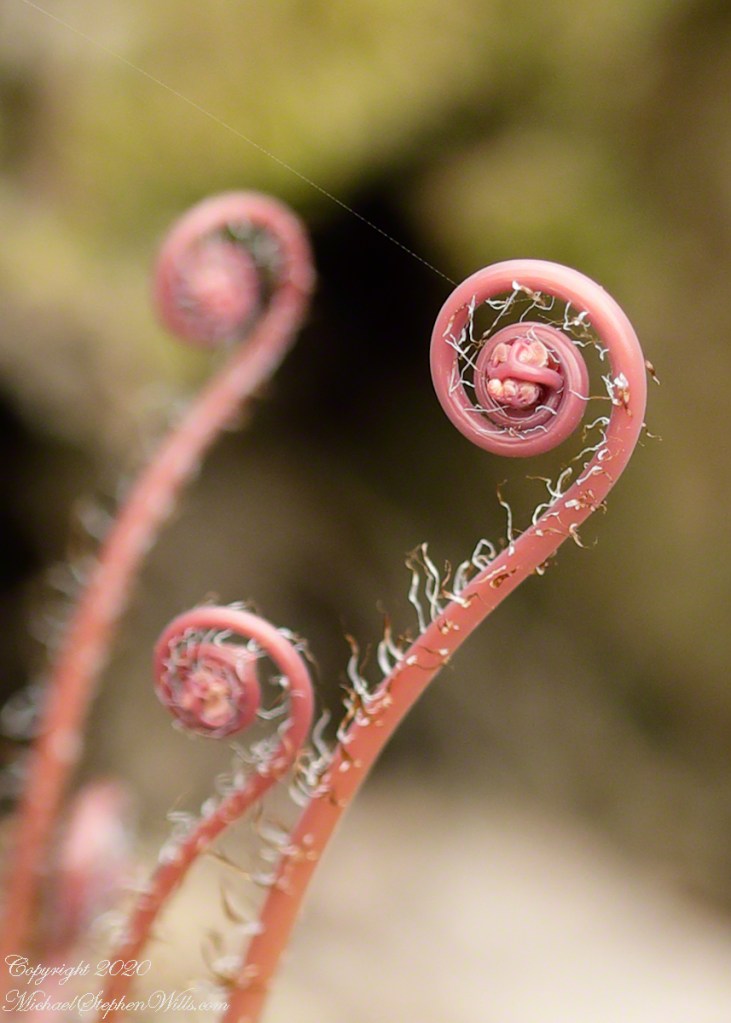
Glen Shadows

Among the chaos

Capturing photographs and videos on the fly using an Iphone, we visited Fillmore Glen State Park, Moravia, New York with our granddaughter, Nia. This is the fifth post of this series. Click me for the first post in this series, “The Space Station and the Waterfall,”.

Click any photograph for a larger view.

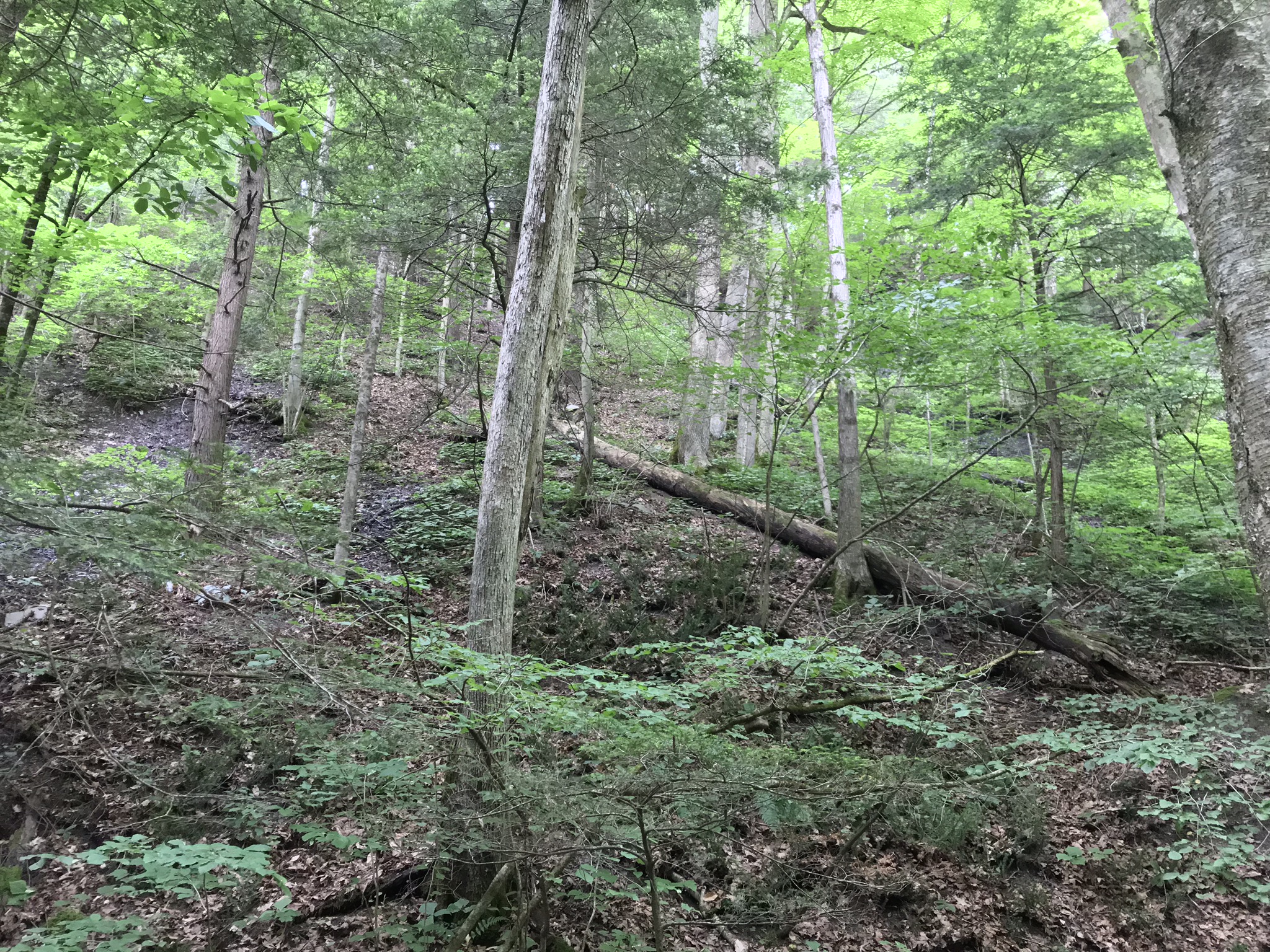
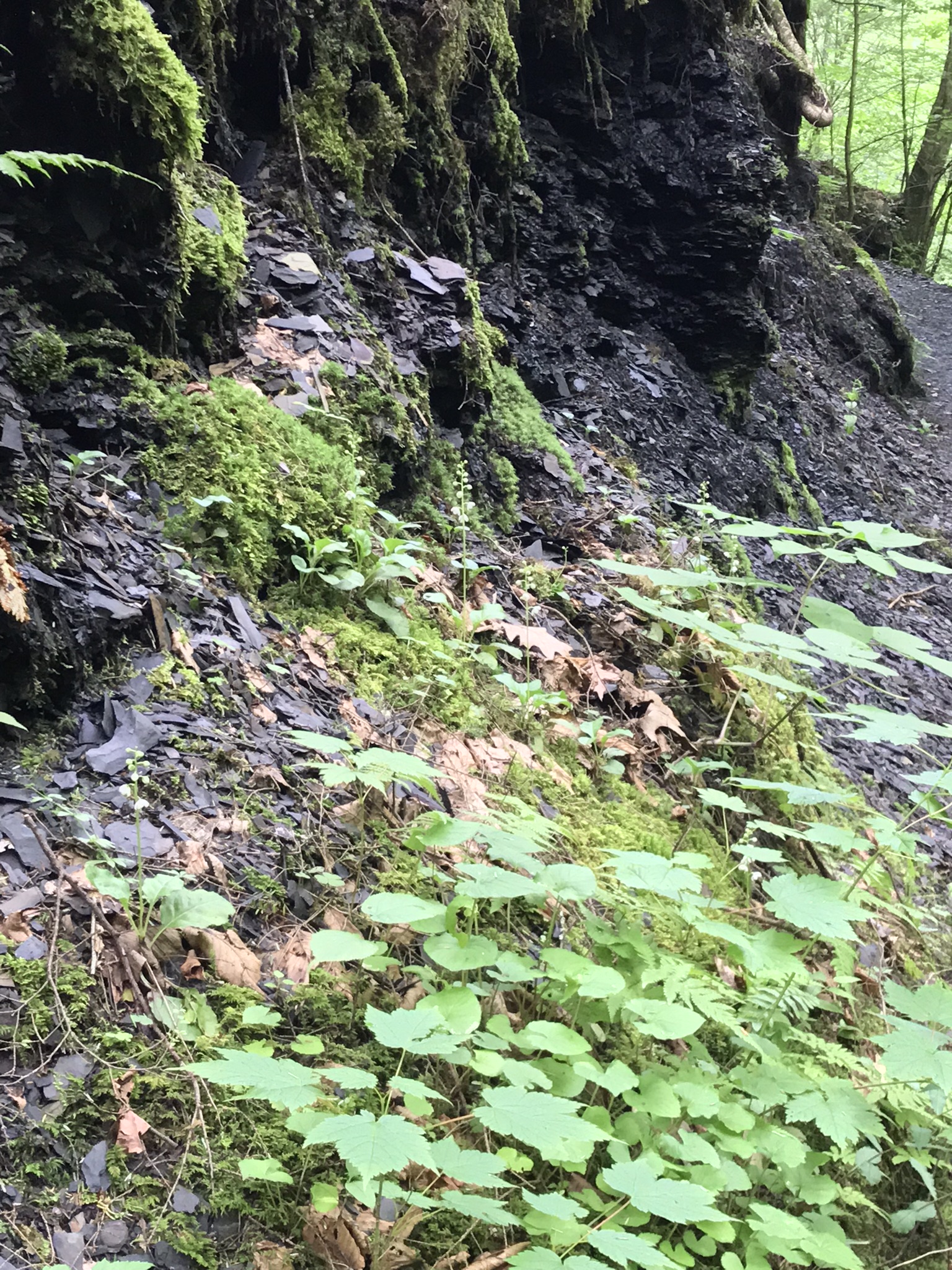
Moss and soil held in place by roots, it is unsettling to pass this place. This entire section is unsettled and unsettling to someone with an overactive imagination, who notices nothing growing below this place, in a gorge otherwise covered in greenery.

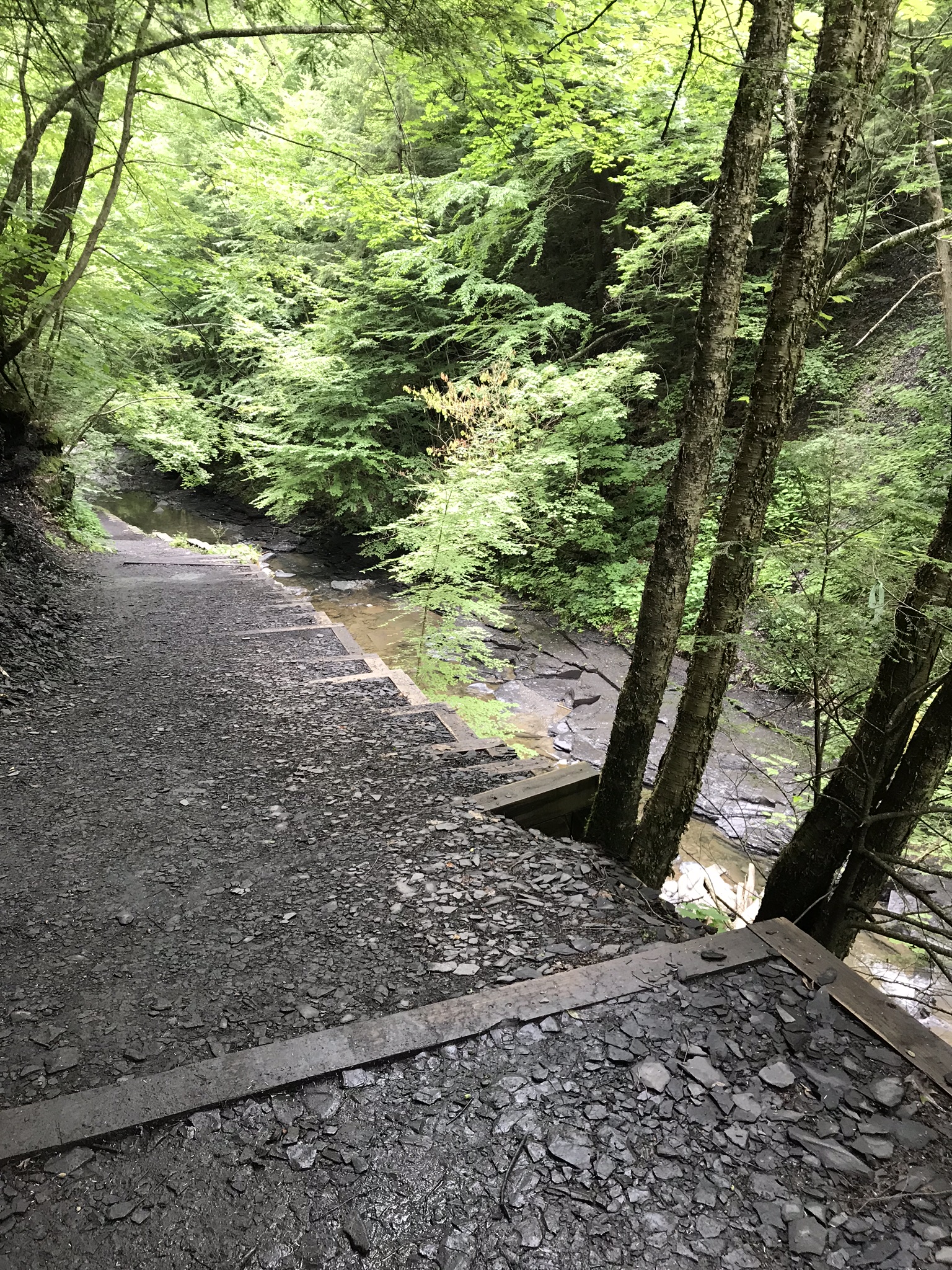
This decade some exceptional trail stabilization work was completed. Here is a portion of the trail, near the above photograph, the bank of loose soil held in place with a stepped retaining wall crafted from wood 8×8 posts. Higher in Fillmore Glen a portion of the trail is closed where the hillside gave way 14 years ago.
Fallen

Gravity working toward disaster is seen as a constant infall, a slow rain of trees, left in place to rot over the course of a century.
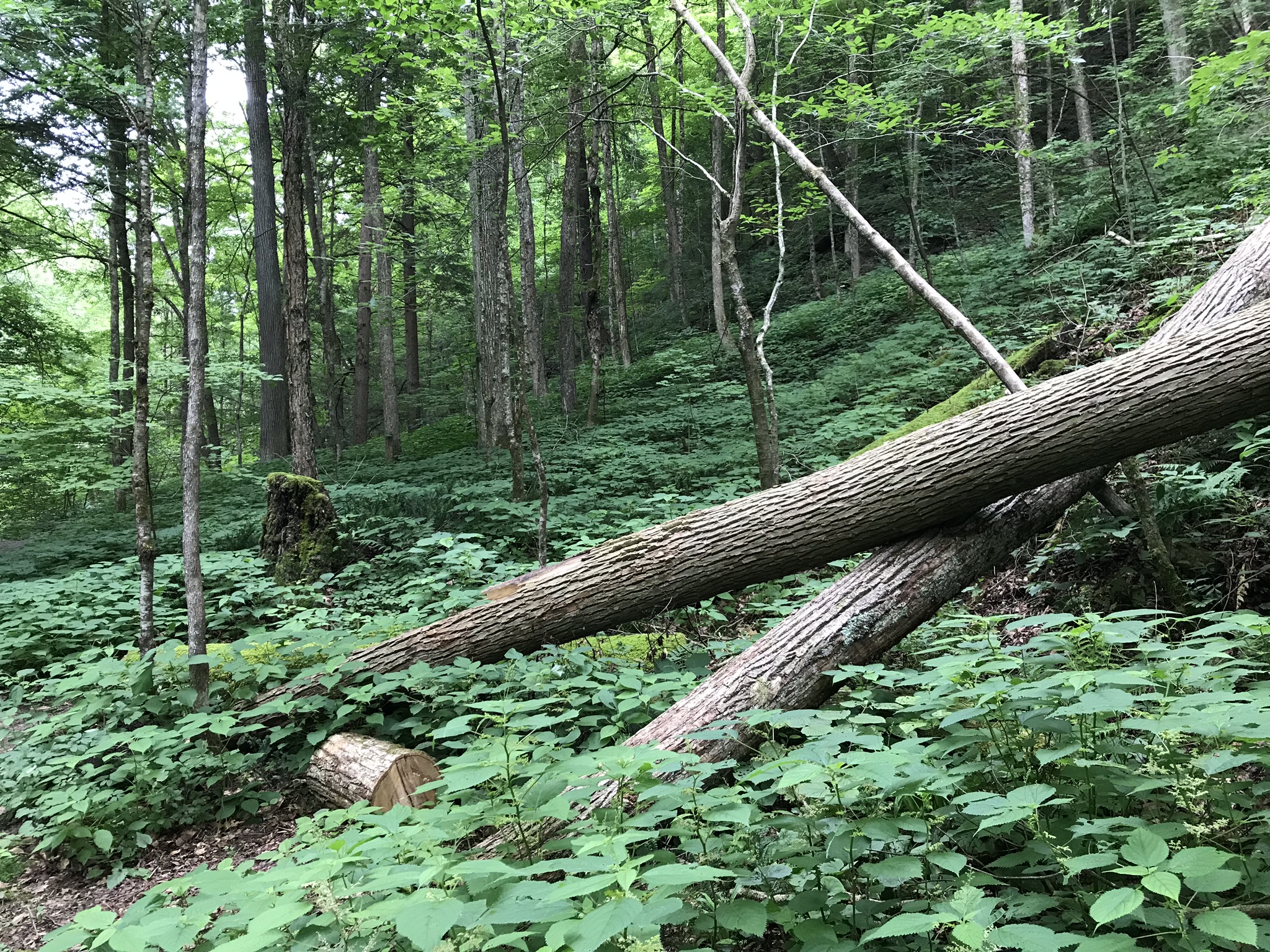
Dying trees on unstable creek bank are cut before falling.

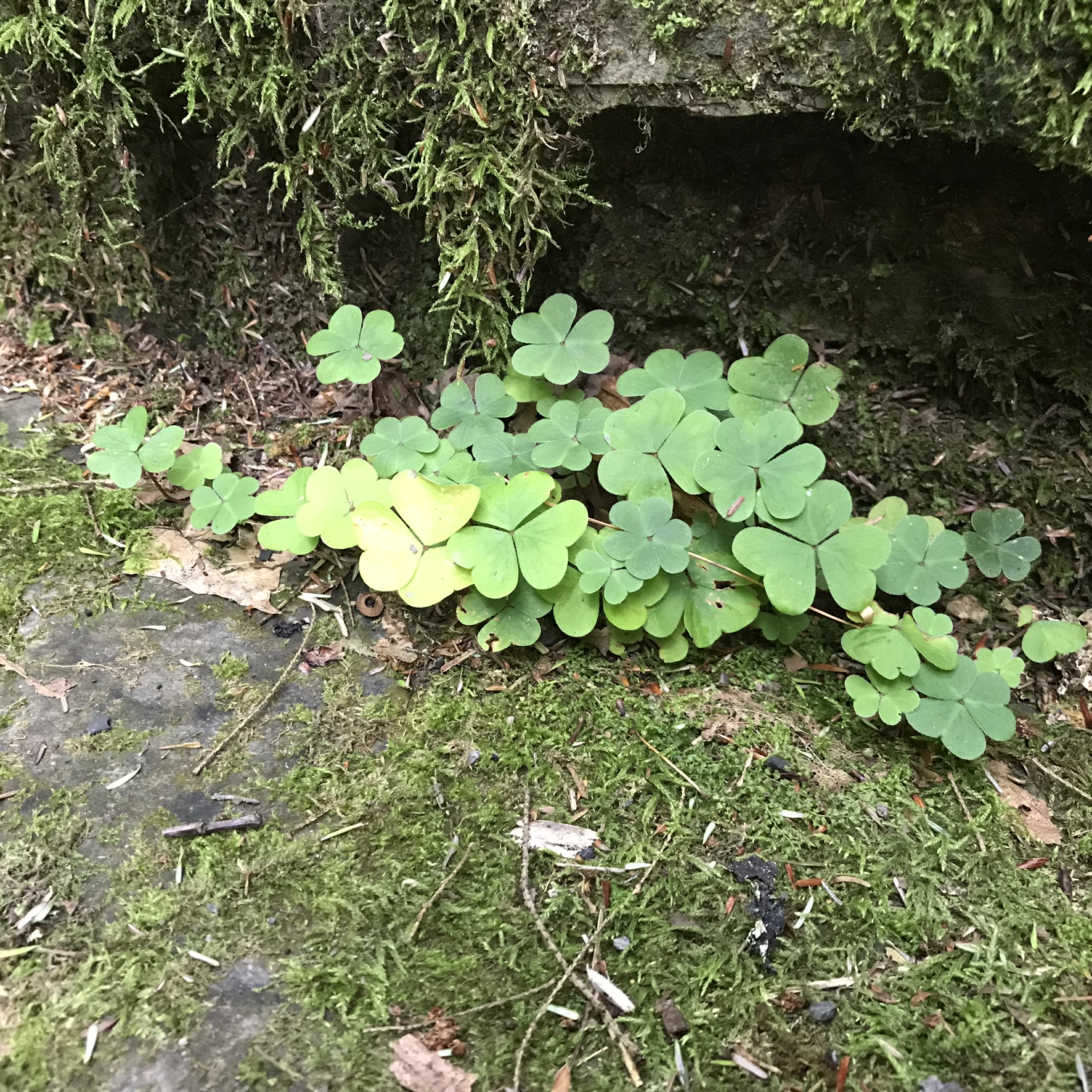
Beneath the infall, chaos, this wood sorrell took root on a shin high shale shelf among mosses. The taste of the plant is sour, leading to the name from the greek for “sour.” The family Oxalidaceae comprises 570 species. I till not venture to guess this one.

Also known as sourgrass and false shamrock, these grow on a thread of hope in a glimmer of sunlight.
Copyright 2022 Michael Stephen Wills All Rights Reserved

Bridge Views

Exploring Dry Creek Gorge

Capturing photographs and videos on the fly using an Iphone, we visited Fillmore Glen State Park, Moravia, New York with our granddaughter, Nia. This is the fourth post of this series. Click me for the first post in this series, “The Space Station and the Waterfall.”.

Click any photograph for a larger view.

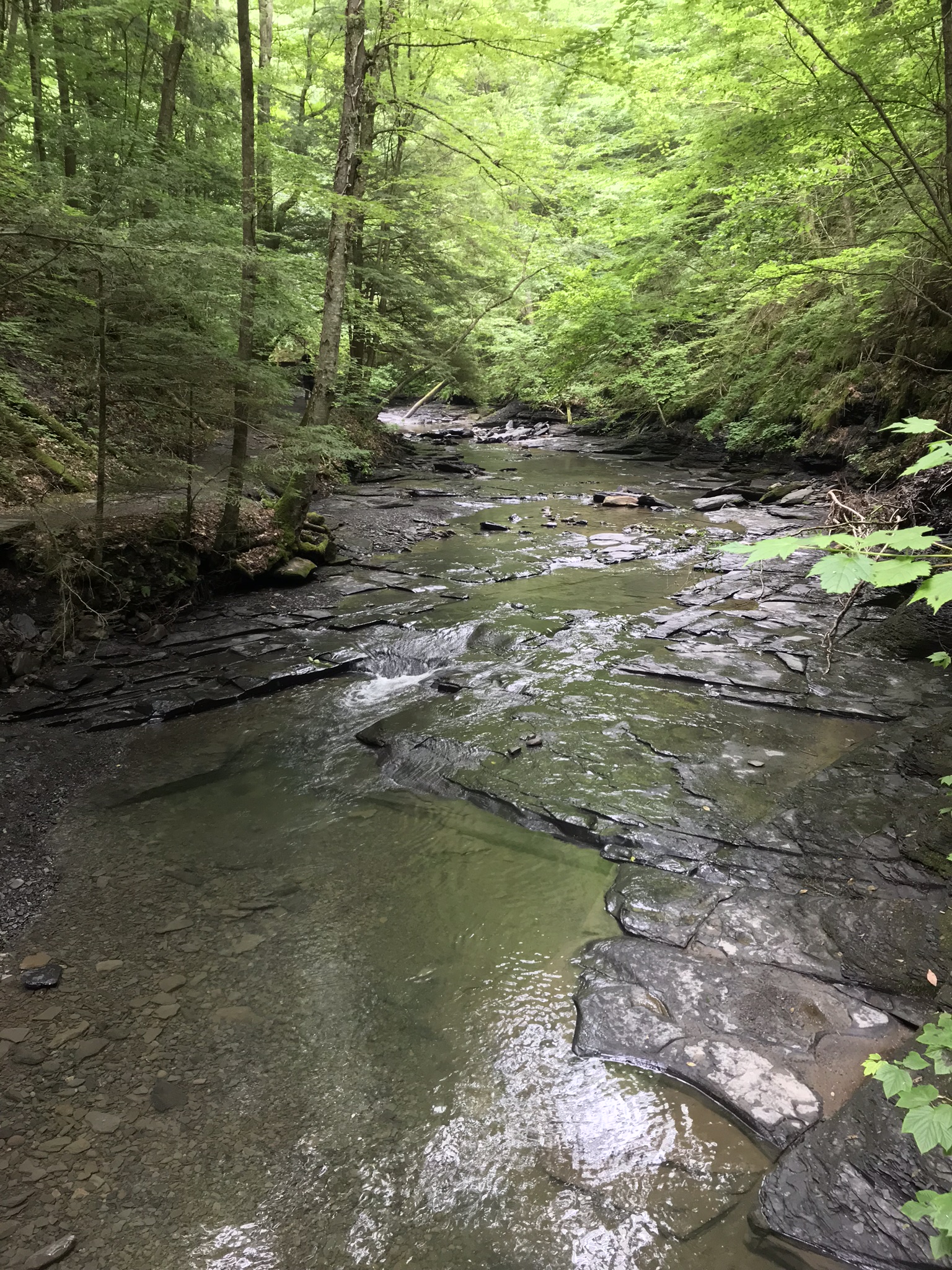
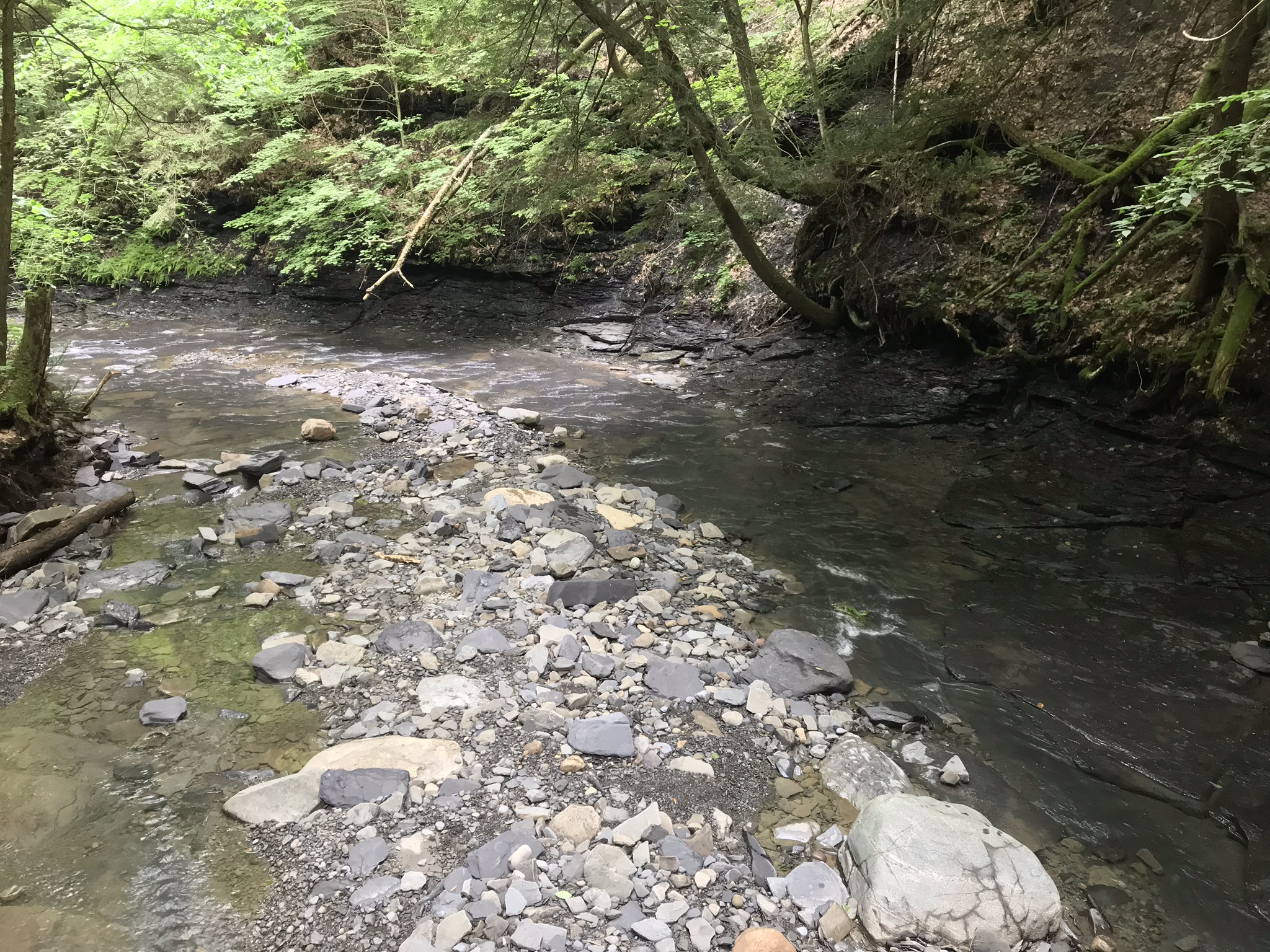
Gorge trails follows the path cut by Dry Creek through eons of multiple and various sedimentary rock. The work of the CCC crew (see “Presidents Millard Fillmore and F.D. Roosevelt”) makes it literally child’s play to negotiate a course otherwise impossible to do without getting soaking wet.

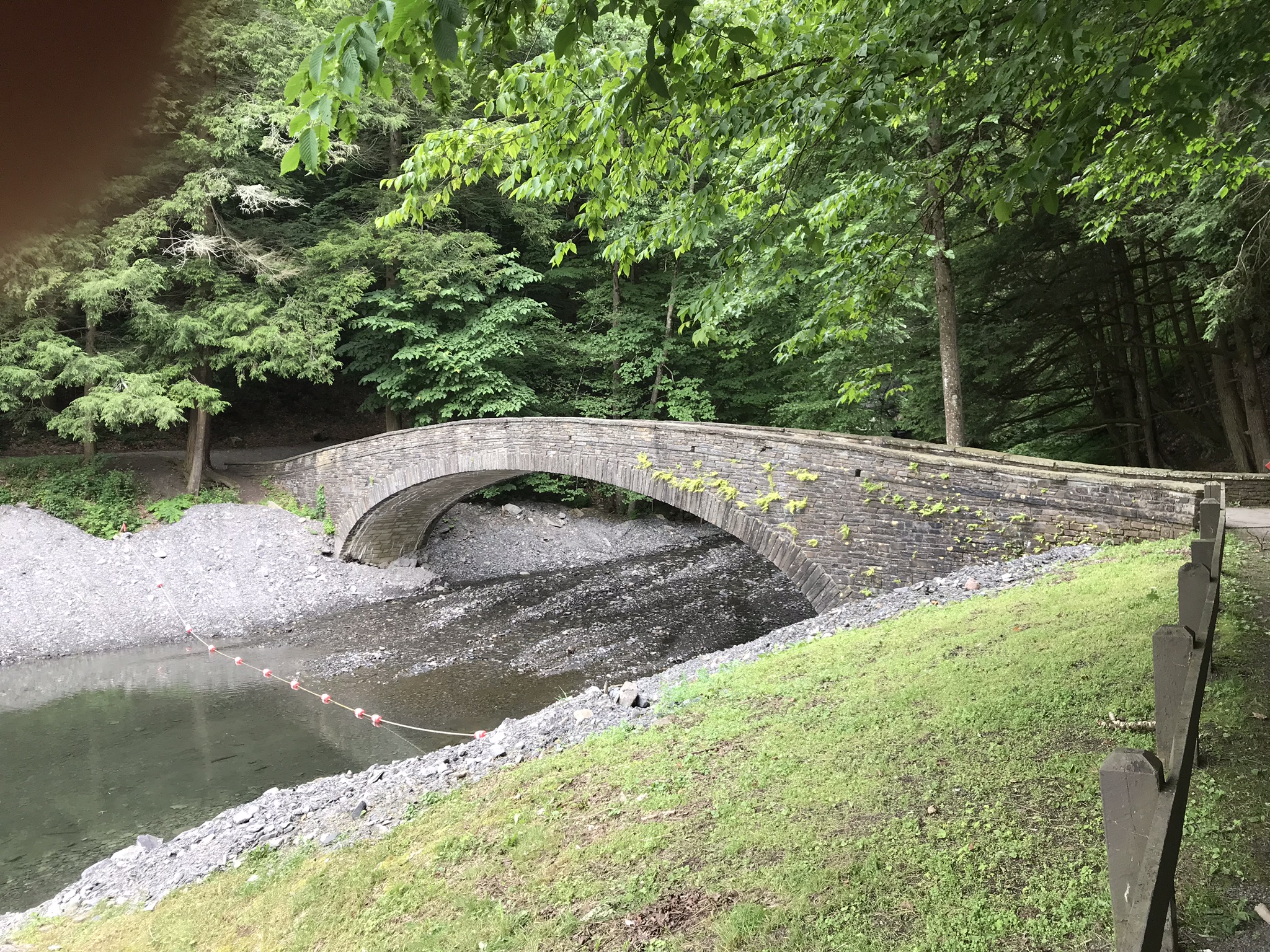
There were seven bridges, wooden over steel I-beams, we crossed today. The trail beyond bridge seven is closed due to hazardous conditions, don’t know what exactly. The gorge is plagued with landfalls. Much of the modern work is elaborate wooden supports of the land beneath the trail.

Delved Deep

Every step on the Gorge Trail is beneath 100+ foot walls, steep slopes held in place by the forest and every variety of native wildflower.

I took the following video from a zig-zag path over a difficult steam topography tamed by two bridges and limestone walls sourced from the stream bed.

Evidence of Plate Tectonics

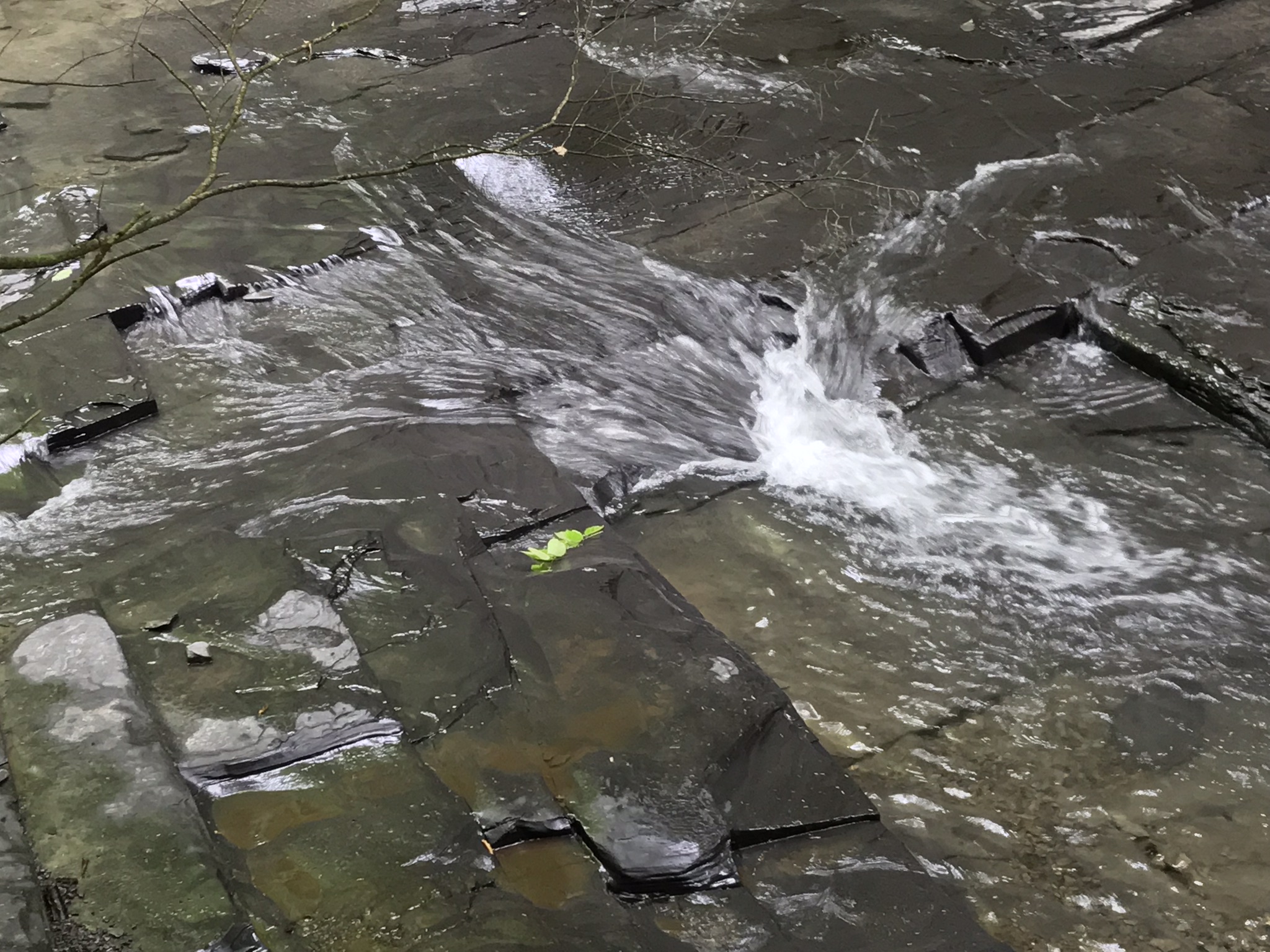
Above, is a view of the characteristic right angle faulting of the limestone base of Dry Creek, faulting produced when the North American plate pressed against the African plate, released, then after pivoting 90 degrees, pressed again against Africa before finally separating with the create of the Atlantic Ocean.

Copyright 2022 Michael Stephen Wills All Rights Reserved

Red

Eye catching color

Capturing photographs and videos on the fly using an Iphone, we visited Fillmore Glen State Park, Moravia, New York with our granddaughter, Nia. This is the sixth post of this series. Click me for the first post, “The Space Station and the Waterfall.”

Click any photograph for a larger view.

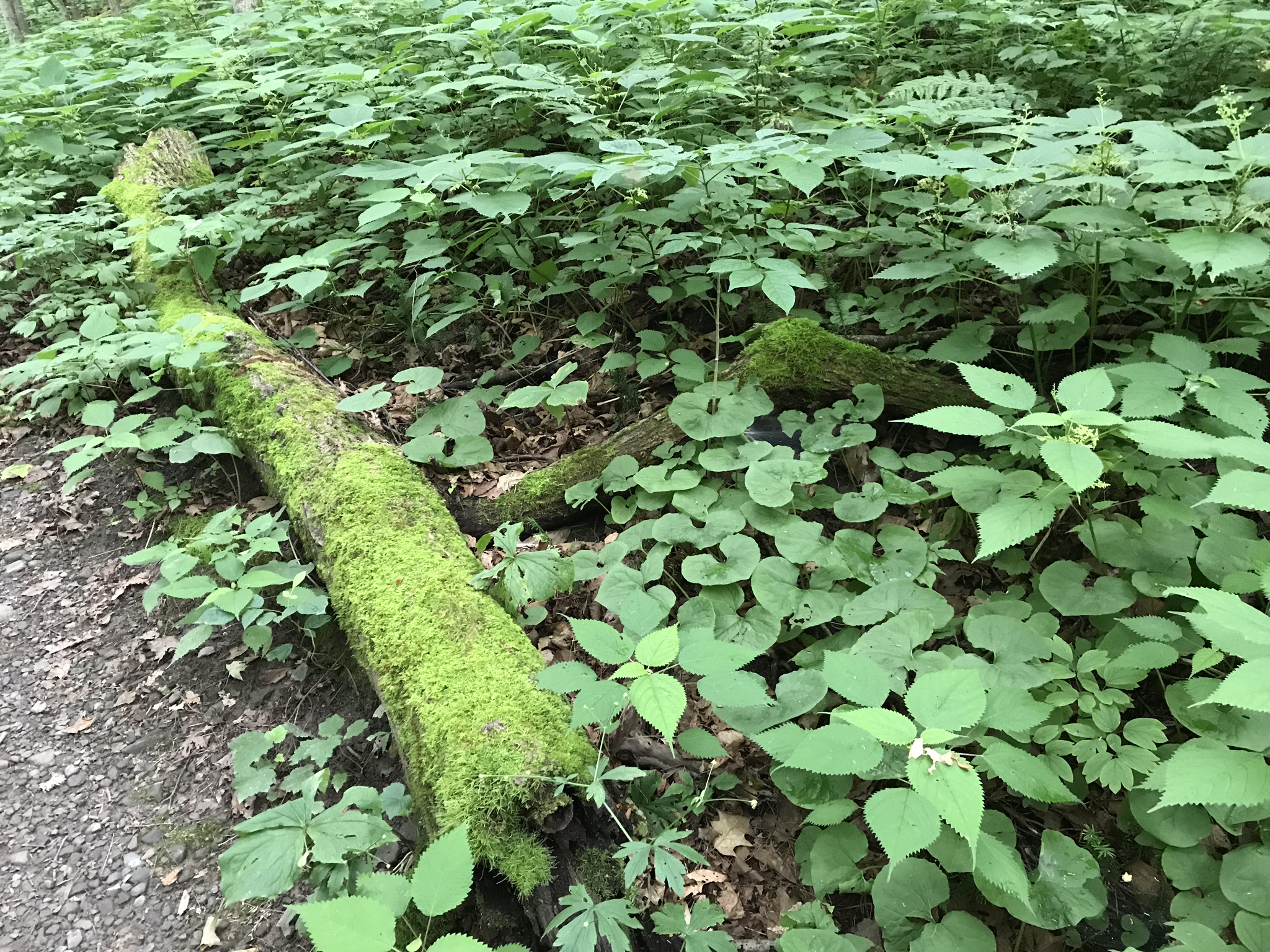
Green upon green upon green, a thousand shades of green grace the gorge of Dry Creek (“Fillmore Glen”) in summertime. Pictured above is another example of a fallen green left to return to earth. Yet the careful observer will notice spots of red.

Solomon Seal NOT

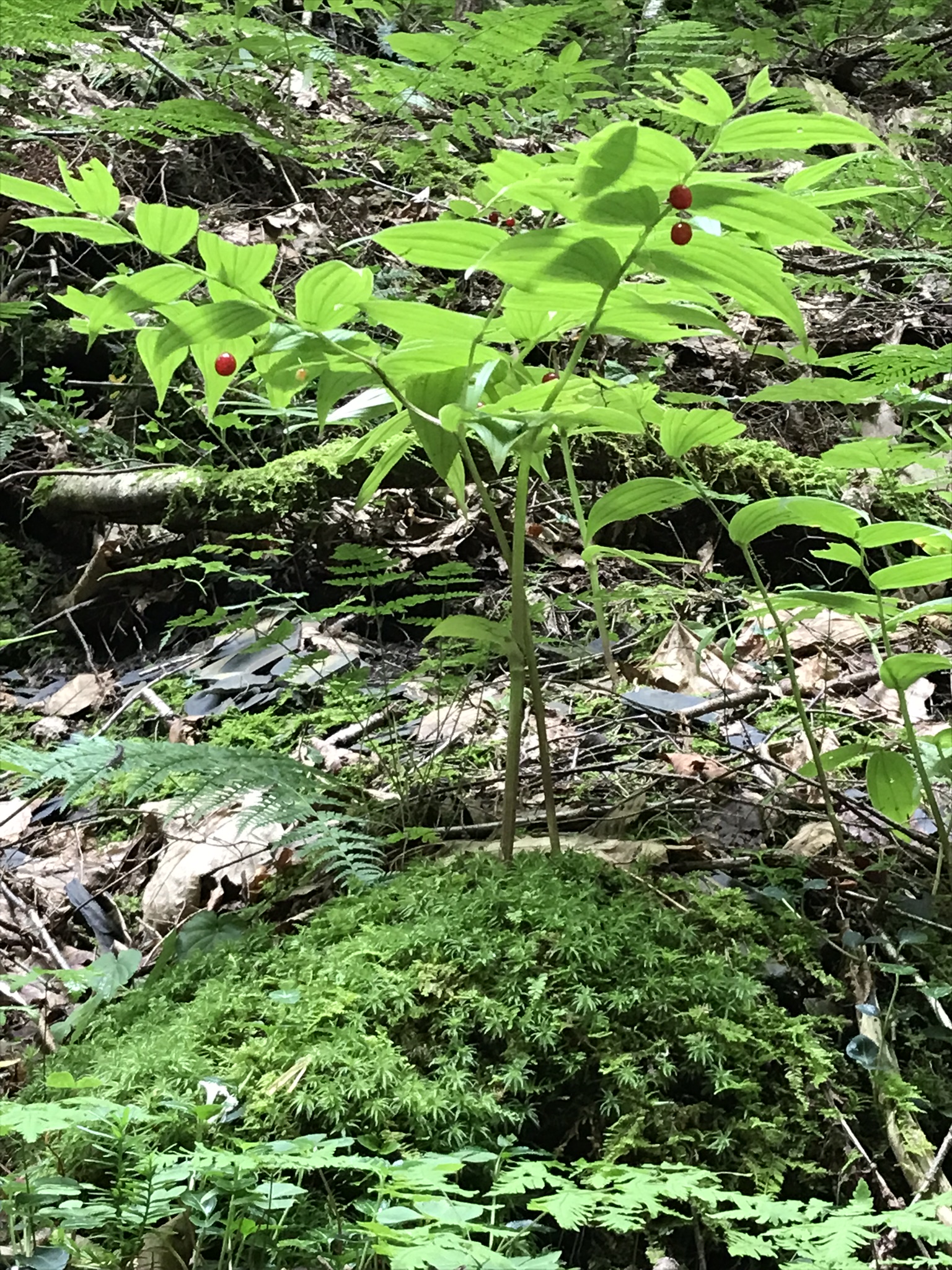
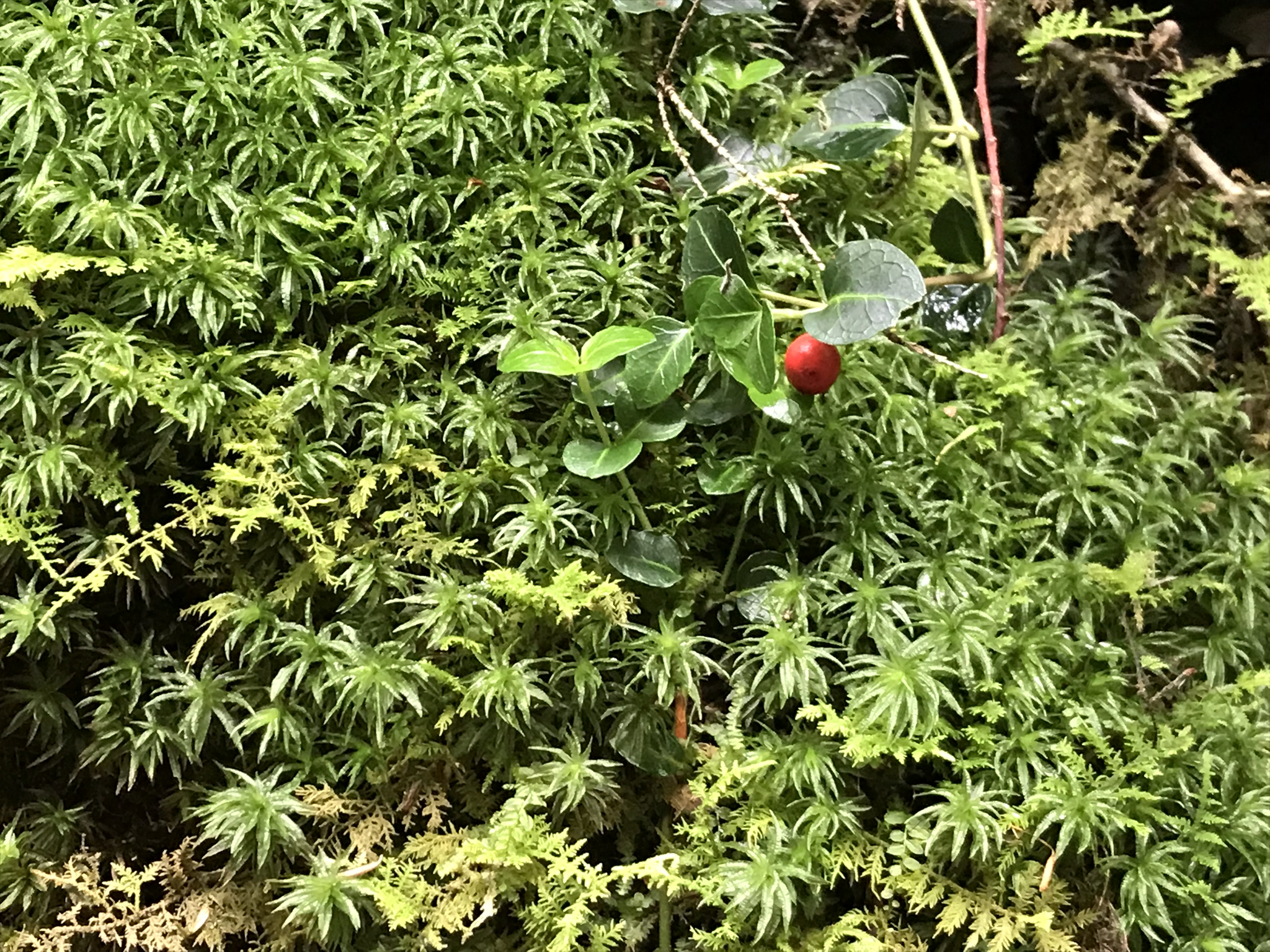
Walking the level the these red might be overlooked hanging sparsely under nodding branches. From the leaf shape you may wrongly identify this as Solomon’s Seal. This specimen, growing on a shale ledge of the glen, reveals sparse red fruit, not the plentiful dark blue of Solomon’s Seal. This is Rose Twisted-Stalk (Streptopus roseus), a member of the Lily family. The two are often found close together. I found no Solomon’s Seal this trip.

Cranberry?

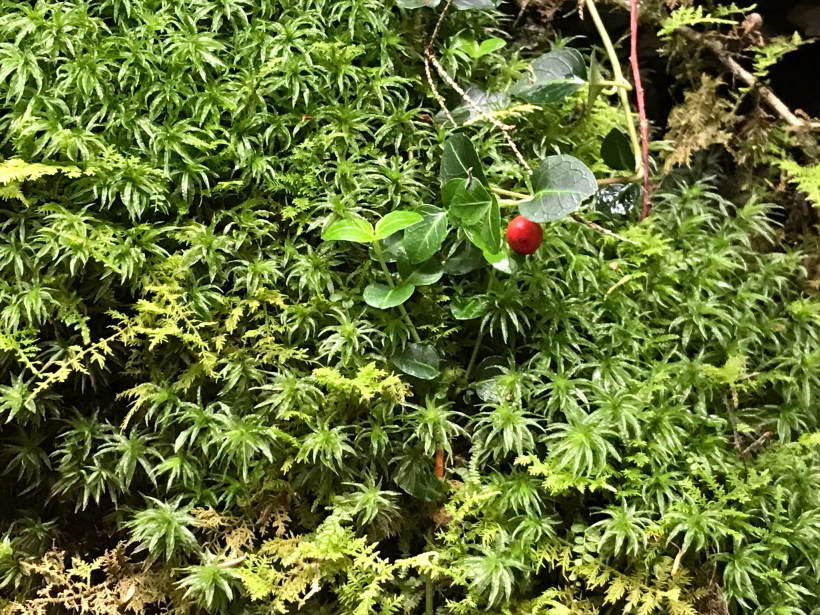
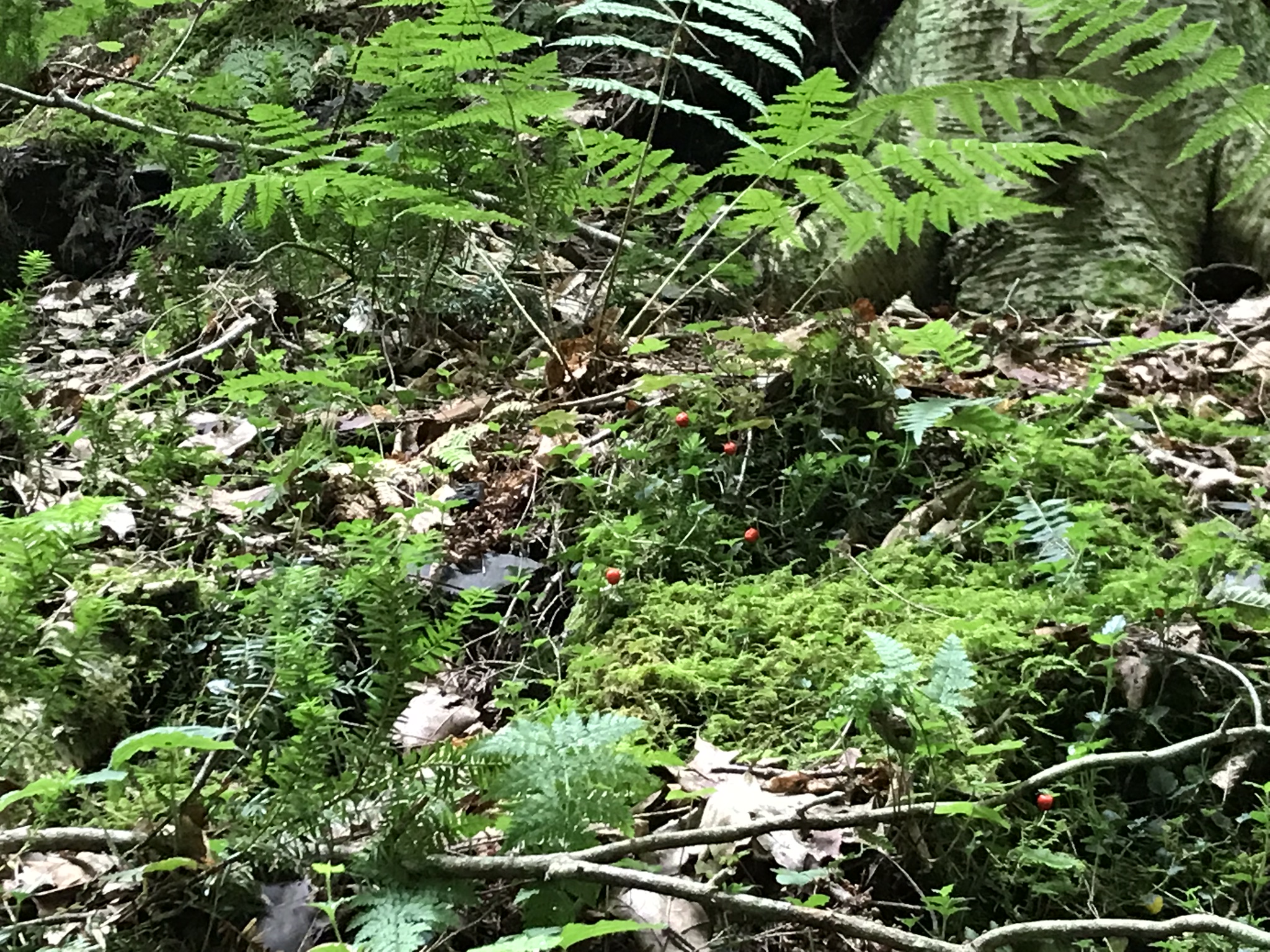
The moss beneath the Rose Twisted-Stalk is plentiful here beneath the constantly dripping porous shale glen wall, mini swamps. I am not confident enough to following identification to each the red fruit. From the damp location and leaf shape I am guessing this to be mountain- cranberry (Vaccinium vitis-idaea). The first photograph of this posting is an overview.

A shallow grotto

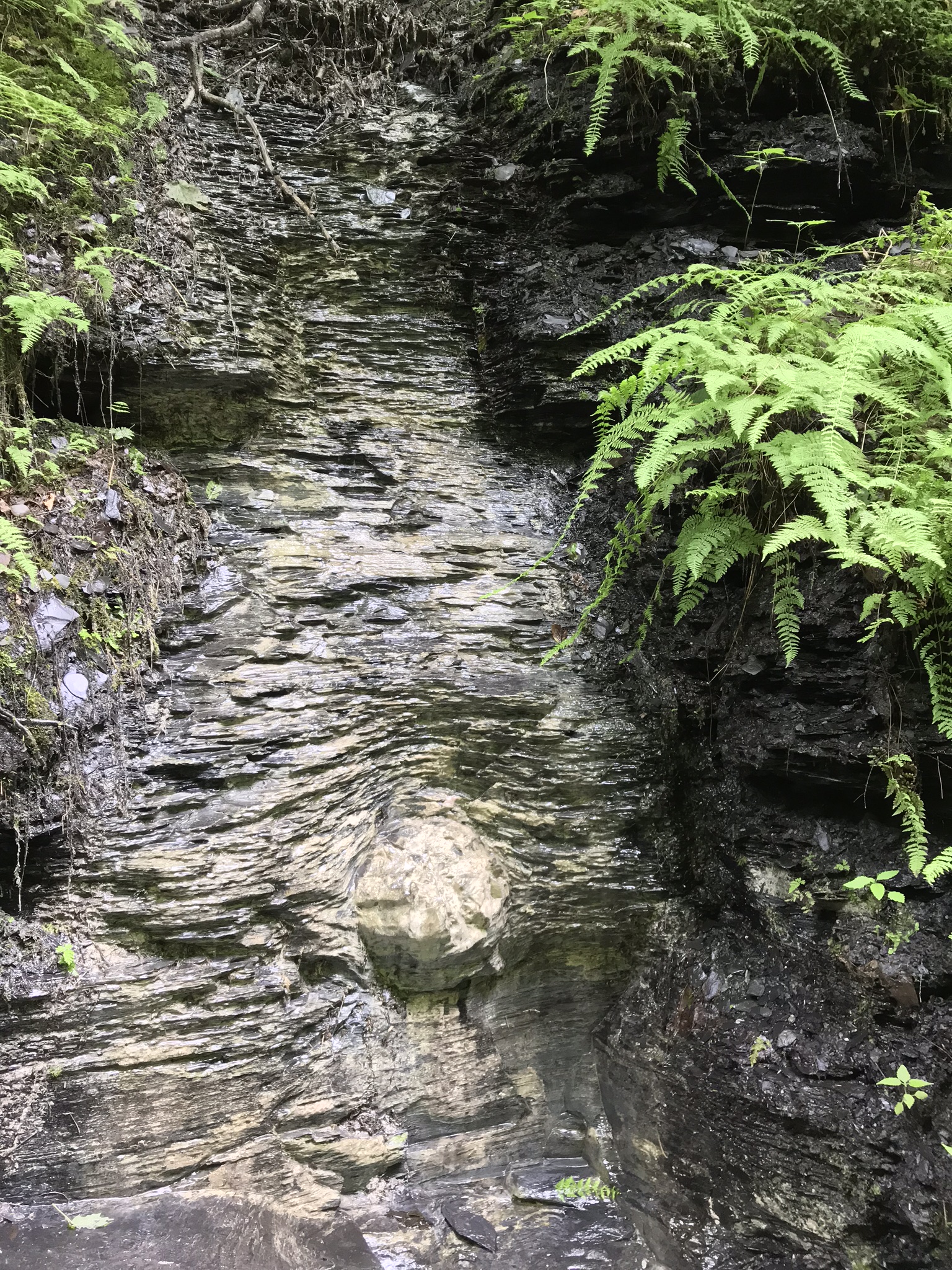
Finely layer shale in the following photograph is sediment eroded over 50 million years from the Arcadian Mountains, washed into the shallow inland sea of the Appalachian Basin. We see here a transition between fine, fragile shale and another, harder, durable sedimentary rock, limestone. There was a stone on the otherwise flat surface of the limestone around which the sediments forming the shale grew.

We see the detail because here is a persistent, sparse spring. The trail builds created a well here to carry the outflow, preventing trail erosion.

Copyright 2022 Michael Stephen Wills All Rights Reserved

Wintergreen?

aspirin-nations

Capturing photographs and videos on the fly using an Iphone, we visited Fillmore Glen State Park, Moravia, New York with our granddaughter, Nia. This is the seventh post of this series. Click me for another springtime post.

Click any photograph for a larger view.

Growing up on Long Island provided limited exposure to the great variety of animal and plant life on planet earth. I remember Canesteo, a town just off the western edge of the Finger Lakes in Steuben County, after moving there in the 1980’s, had a marvelous abundance of different plants in the lawn. It was a welcoming feeling to notice this before the term “monoculture” was circulated.

These days the exuberant variety of ferns and mosses in the Finger Lakes are still alien in the sense noticing the small differences between species is still beyond me; or, rather, I have yet to know well all the later arrivals on the scene, the flowering plants and these command my attention.

Close by the Sorrell of my post “Glen Shadows” is this inconspicuous flower, common name Shinleaf, seen here growing in spite of the the wet rip rap of shale at the base of the glen wall on the footpath. Much of the characterization of this plant is from the inconspicuous basal leaves from which the raceme of flowers springs.

Evergreen Pears

Moss and Shinleaf are associated in these groupings, I could conclude the moss provided a place for the tiny seeds of the plant to lodge and take root. The plant is a perennial and stays green throughout the winter, leading to another conclusion: there is a substance in the leaf cells that resists freezing. The latin meaning of the (scientific name) genus Pyrola means “Pear”, the shape of the leaf.

Look closely at the flowers to see the small flowers, the style extending beyond the petals like a bell clapper.

The common name, Shinleaf, is from England where the plant is credited with providing relief for minor injury. I am unclear on the grouping of this plant as a wintergreen. Shinleaf might be included as a wintergreen, and possibly attributed with healing properties, because “wintergreen” in the past was a synonym for “evergreen.”

There are species of wintergreens, in a different family, with leaves containing methyl salicilate that metabolizes (changed in our bodies) to a substance related to aspirin and more potent. I am reconsidering my identification of “cranberry” in the previous post “Red” to be a type of wintergreen high in methyl salicilate and growth close to the Shinleaf.

This abundance of life variety must be cherished and preserved, it can be a source of survival for the human species.

Copyright 2022 Michael Stephen Wills All Rights Reserved

Climb to Gorge Trail

Potential danger abounds

Capturing photographs and videos on the fly using an Iphone, we visited Fillmore Glen State Park, Moravia, New York with our granddaughter, Nia. This is the third post of this series. Click me for the first post in this series.

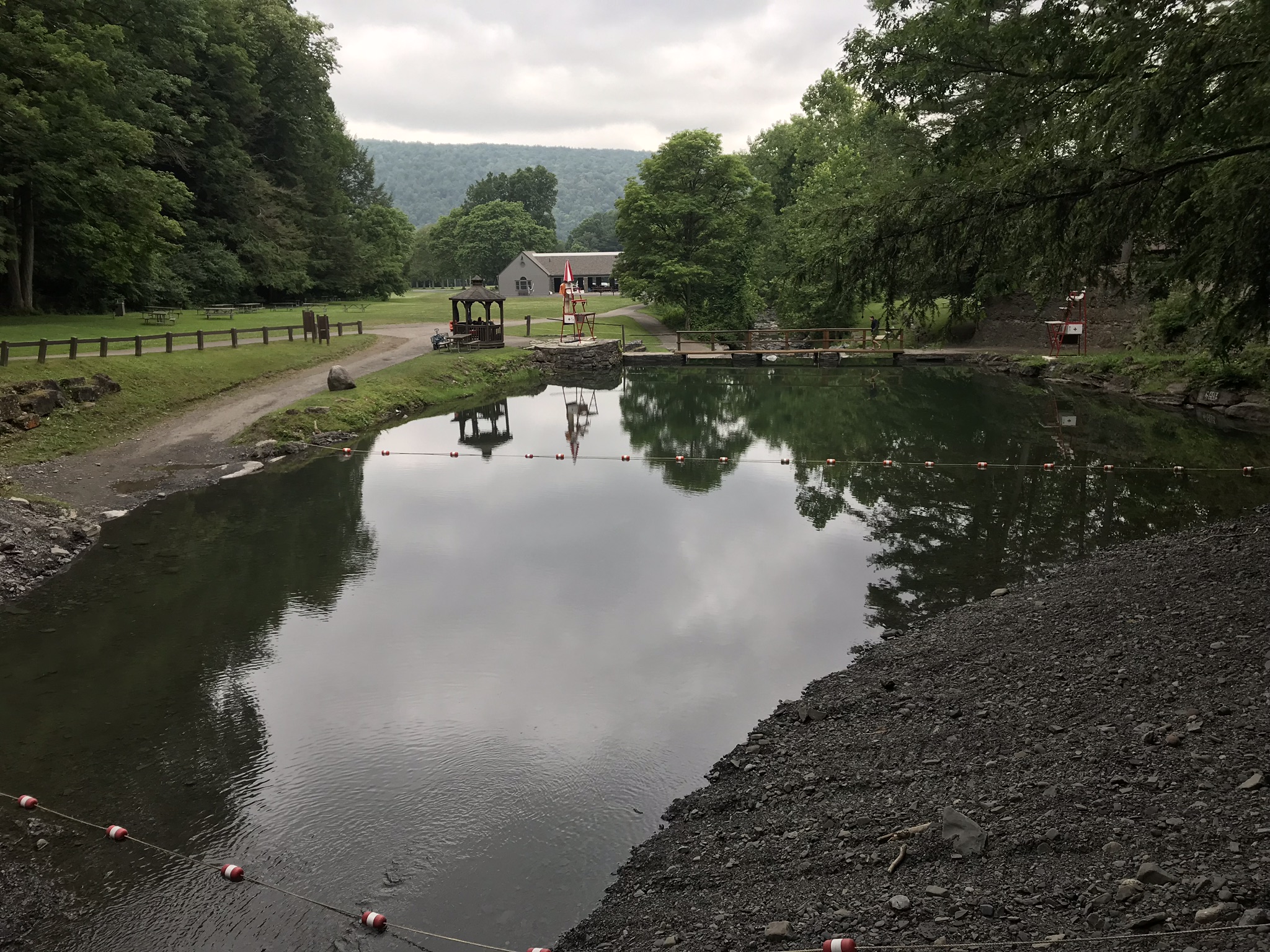
Emerging from the blind canyon of Cowsheds Waterfall, we are faced with this gorgeous pool fed by Dry Creek (yes, that is the name). Formed by a dam, the water is deep and very cold.

We were standing on this footbridge for the above photograph. The trail to Cowsheds is on the far side of Dry Creek and to the right.
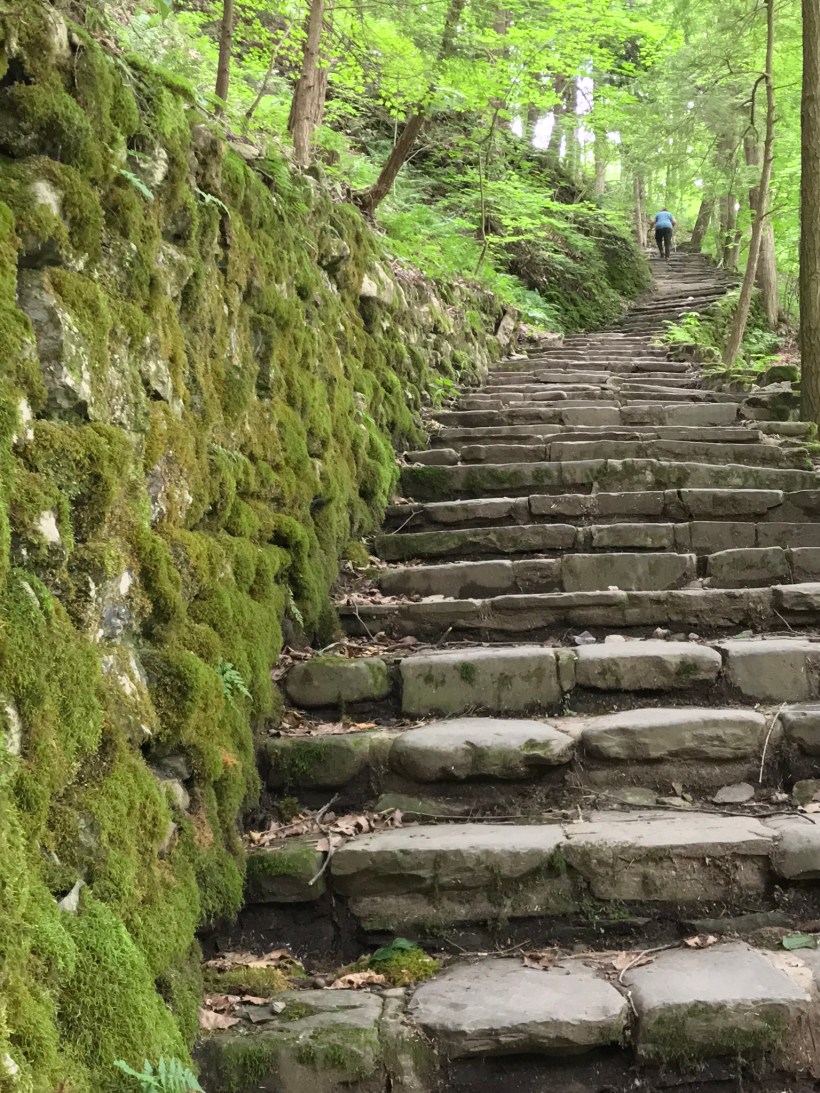
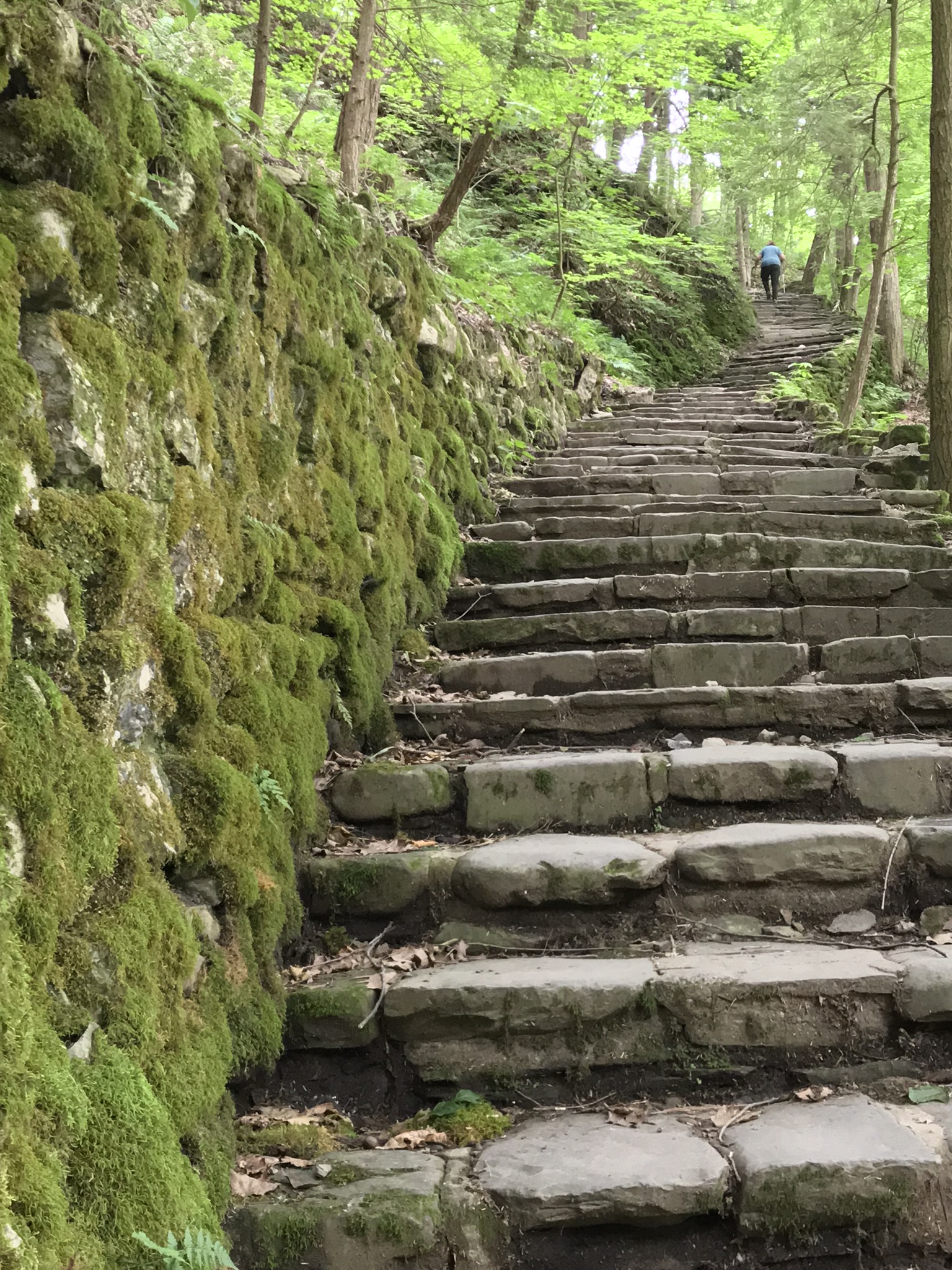
We have yet to count these steps, don’t know why. The limestone blocks were quarried locally from the same stone of the creek bed. The gorge trail begins at the top.

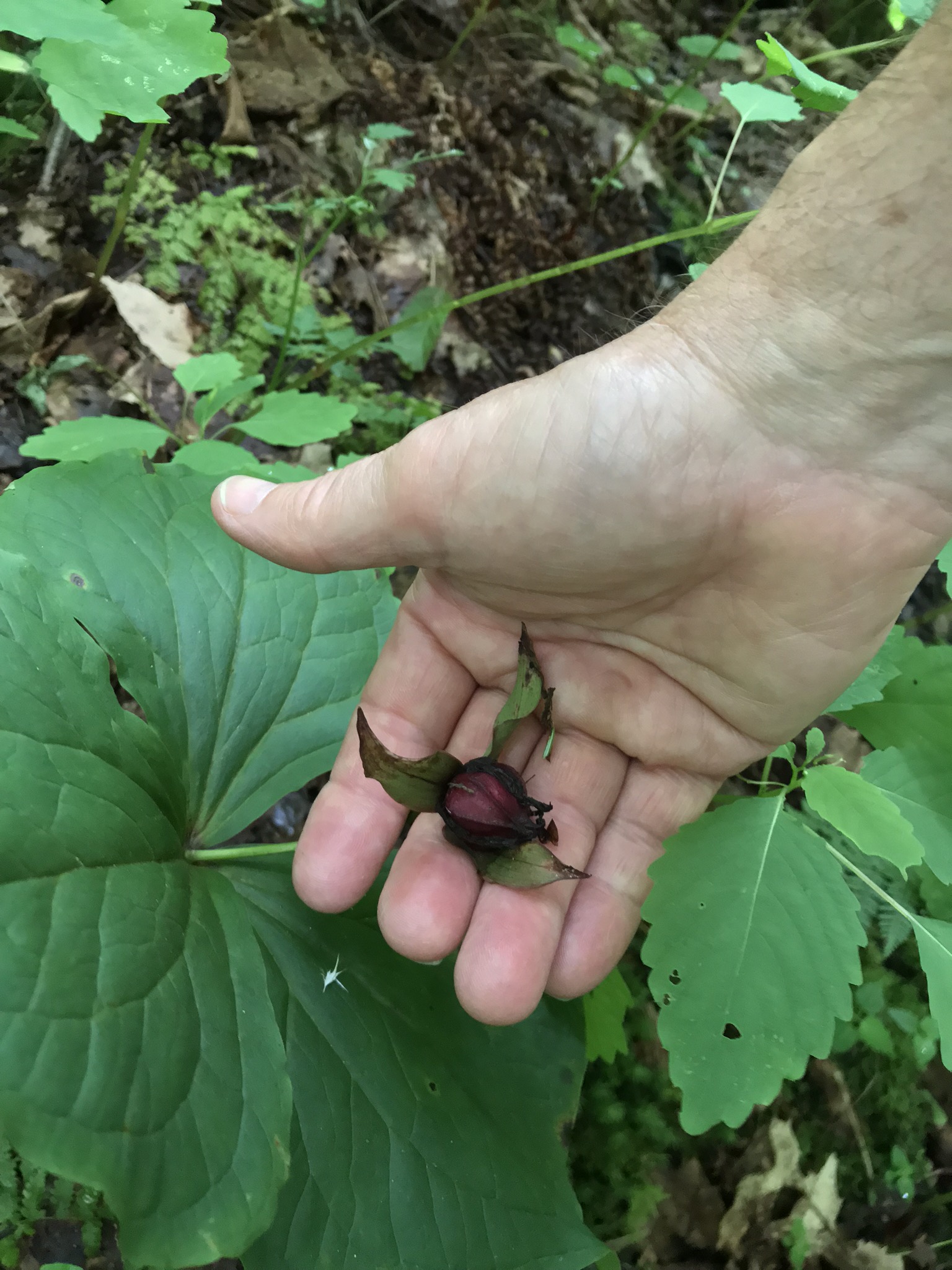
Trillium Seed Capsule

This is a Purple Trillium, I believe, formal name Trillium erectum. It is a large specimen judging form the width of the bracts, leaf like structures at the based of the flower stalk. When fertilized, the ovaries form this seed capsule containing up to 16 seeds, each with lipid with a high content of oleic acid. During summer, the capsule opens, seeds disperse. Ants encounter the seed elaiosome, the oleic acid content triggers “corpse carrying behavior.” The ants carry the seeds into their nests, consume the lipids leaving the seeds. After a year dormancy the seeds sprout and the additional depth in the ant nest provides a good start.
Trillium are a favorite food of deer, unfortunately. Some seeds are spread this way, passing through the digestive tract and out in fecal waste. I use the color of the seed capsule to identify it was Purple Trillium. In my experience the white variety (Trillium grandiflorum, and others) has a light colored seed capsule.
Copyright 2021 Michael Stephen Wills All Rights Reserved

Presidents Fillmore and F. D. Roosevelt

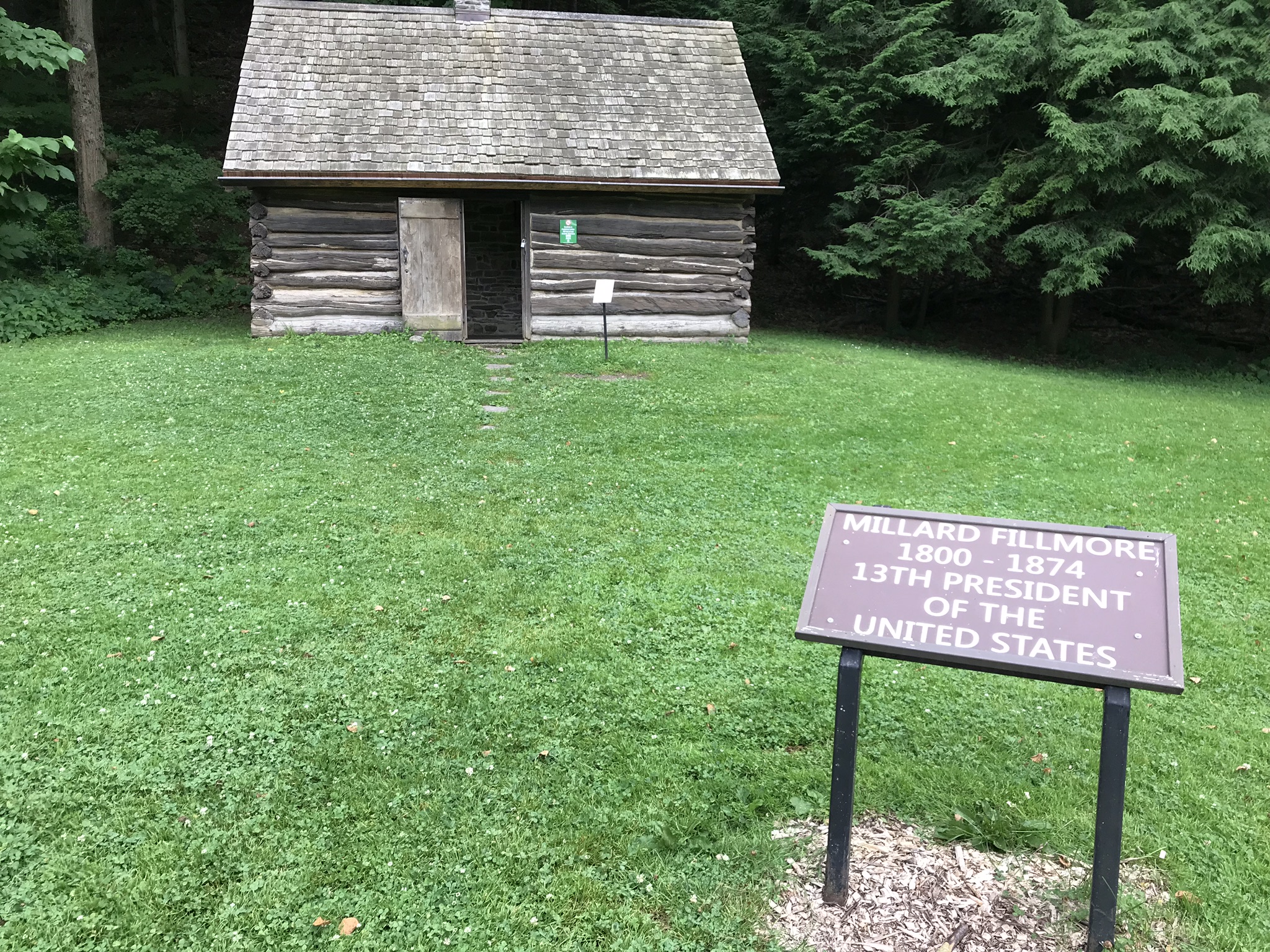
A U.S. President born in a log cabin, MiIllard Fillmore

Capturing photographs and videos on the fly, we visited
Fillmore Glen State Park, Moravia, New York with our granddaughter, Nia. This is Pam and my favorite park for the lack of crowds, variety of wildflowers and dramatic views.

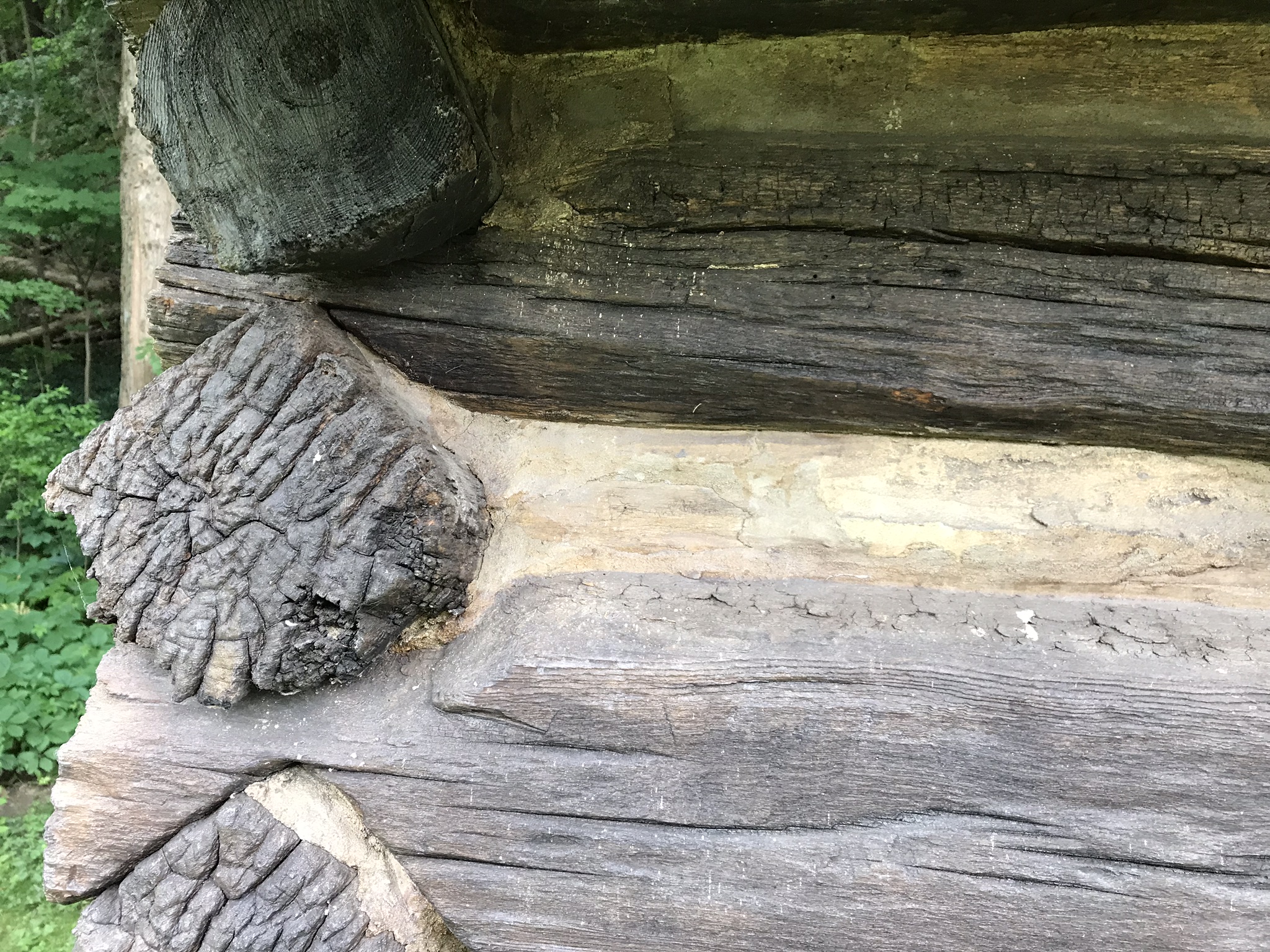
A the bottom of Gorge Trail, near the creek fed swimming pool, is a cabin moved to the park from a few miles away to commemorate an American President’s birthplace. Milllard Fillmore was born on the peneplain above the gorge of Dry Creek in a place called Locke, five miles from the modern park entrance. His birth cabin was destroyed in 1852, the land is dedicated to his memory with a monument. This cabin of a type identical was disassembled and reconstructed on this spot in 1965 by the Millard Fillmore Memorial Association.

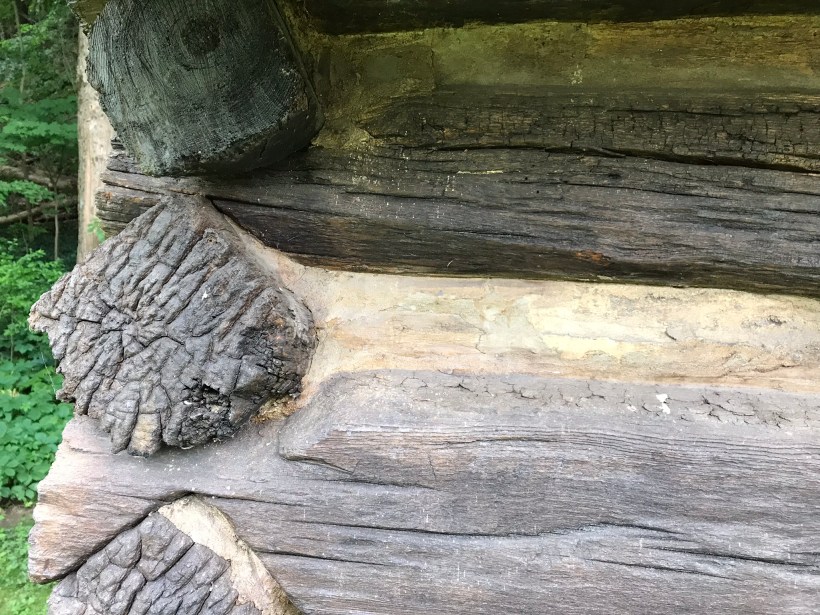
The 480 square foot (20 by 24 feet) original (the rebuild is a bit smaller) had a central fireplace and and will chinked logs, a ceiling of simple planks.

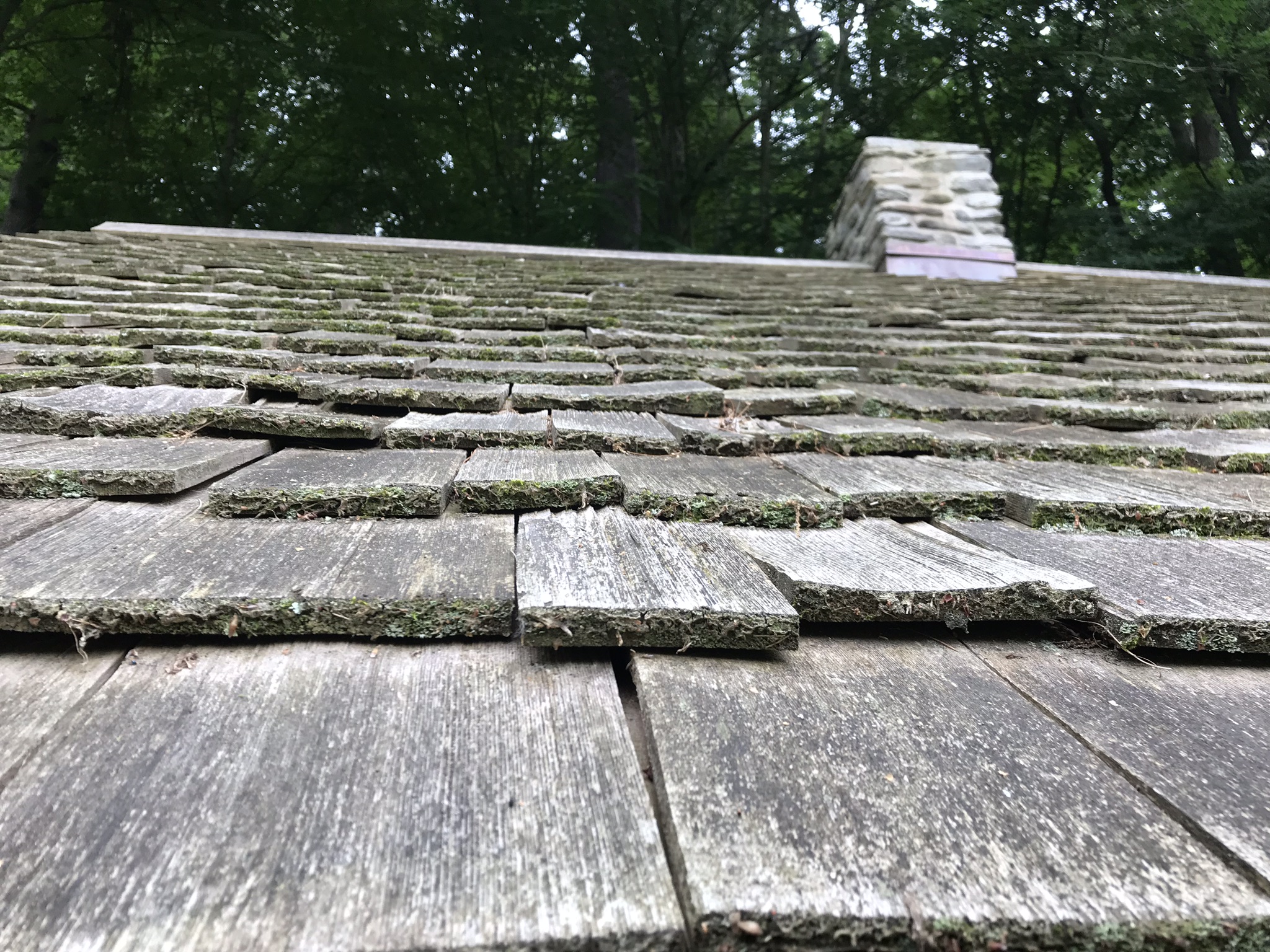
The cedar shingles were hand made, as were the nails.

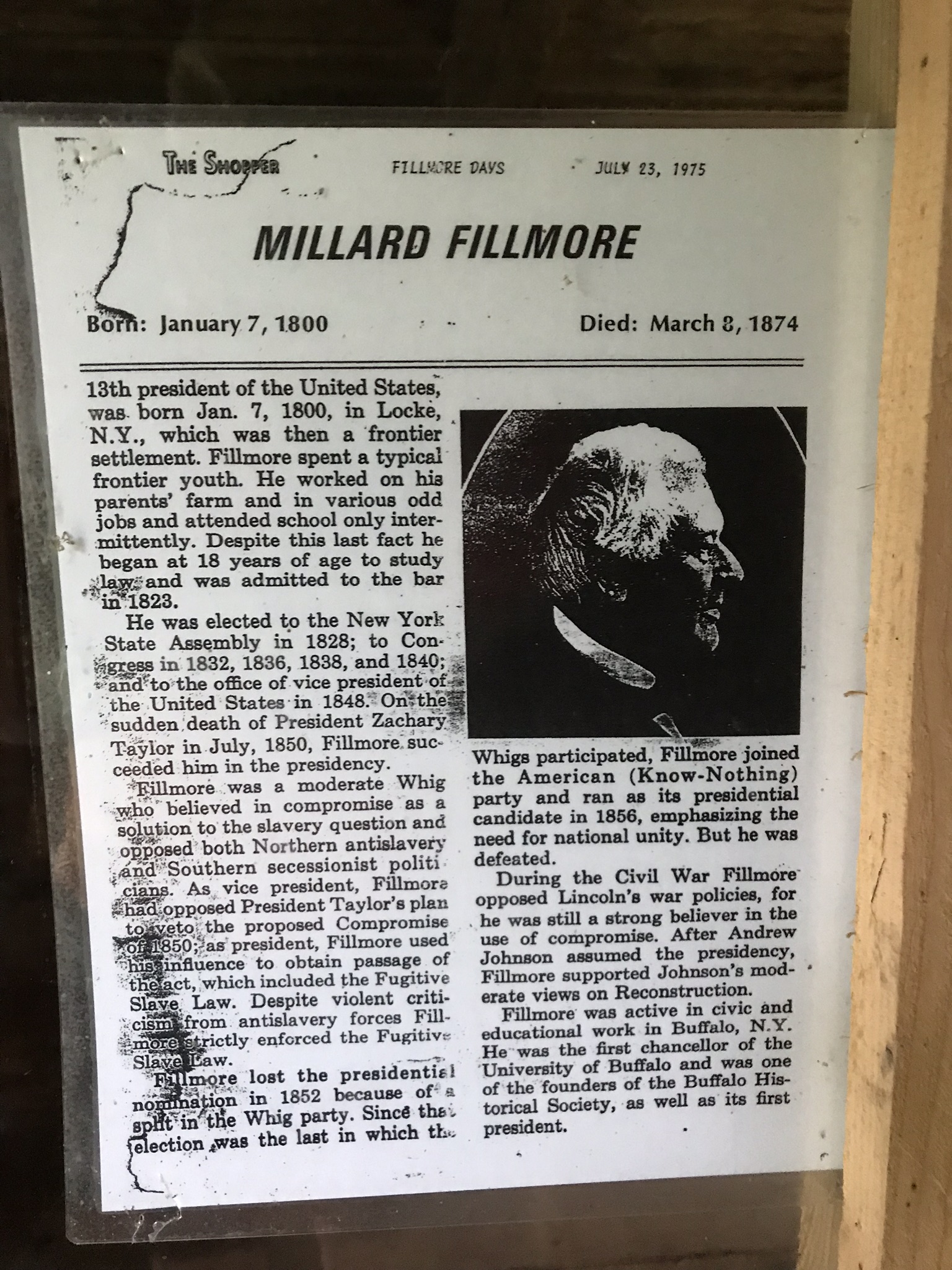
More information on a display inside the cabin.
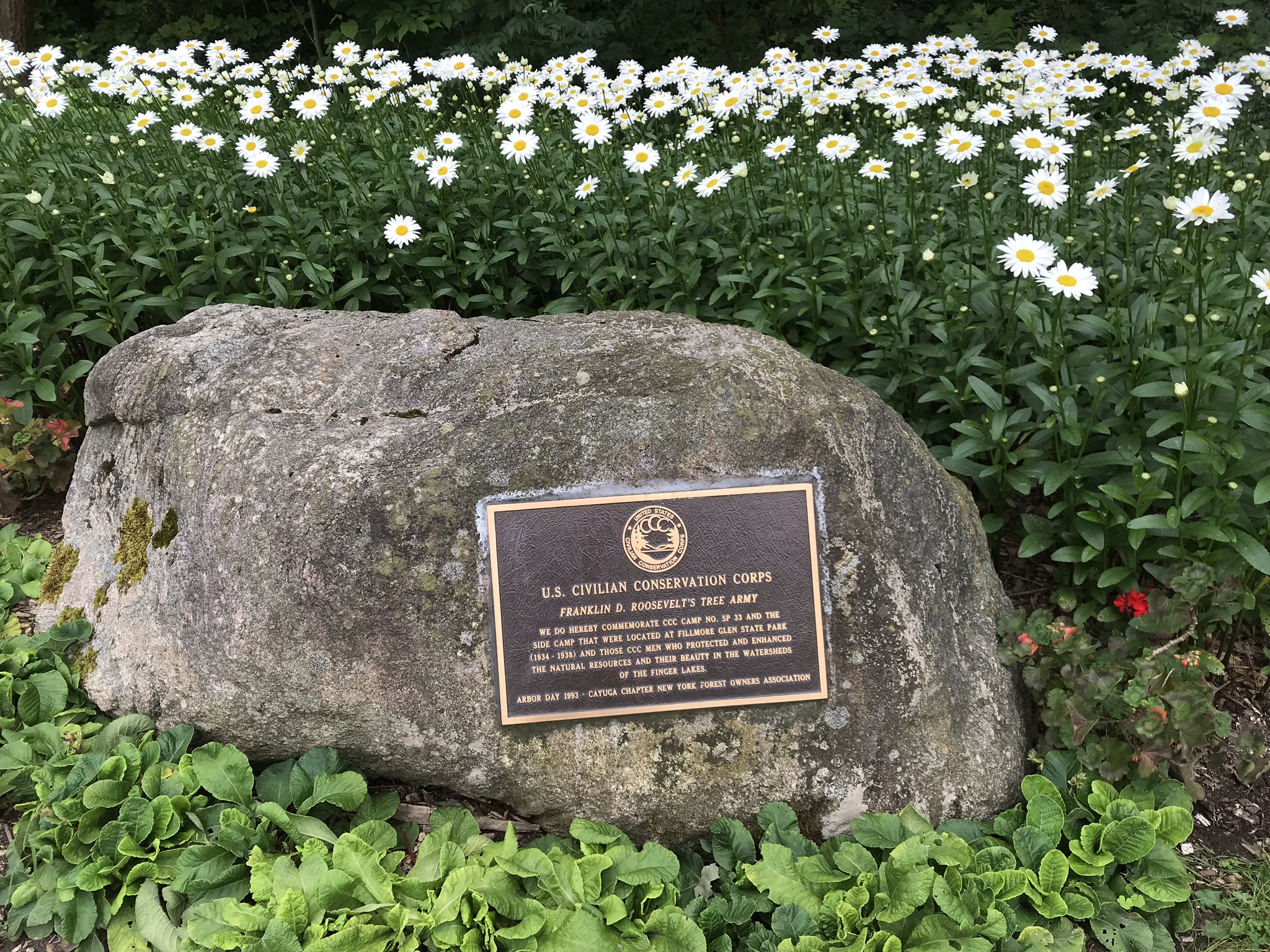
A few feet away is a memorial to Franklin D. Roosevelt’s Civilian Conservation Corps. We can thank them for building much of the park infrastructure we depend upon today.
Copyright 2021 Michael Stephen Wills All Rights Reserved.

The Space Station and the Waterfall

Potential danger abounds

Capturing photographs and videos on the fly, we visited
Fillmore Glen State Park, Moravia, New York with our granddaughter, Nia. This is Pam and my favorite park for the lack of crowds, variety of wildflowers and dramatic views.

Growing near Cowsheds Waterfall, at the foot of Gorge Trail, was this
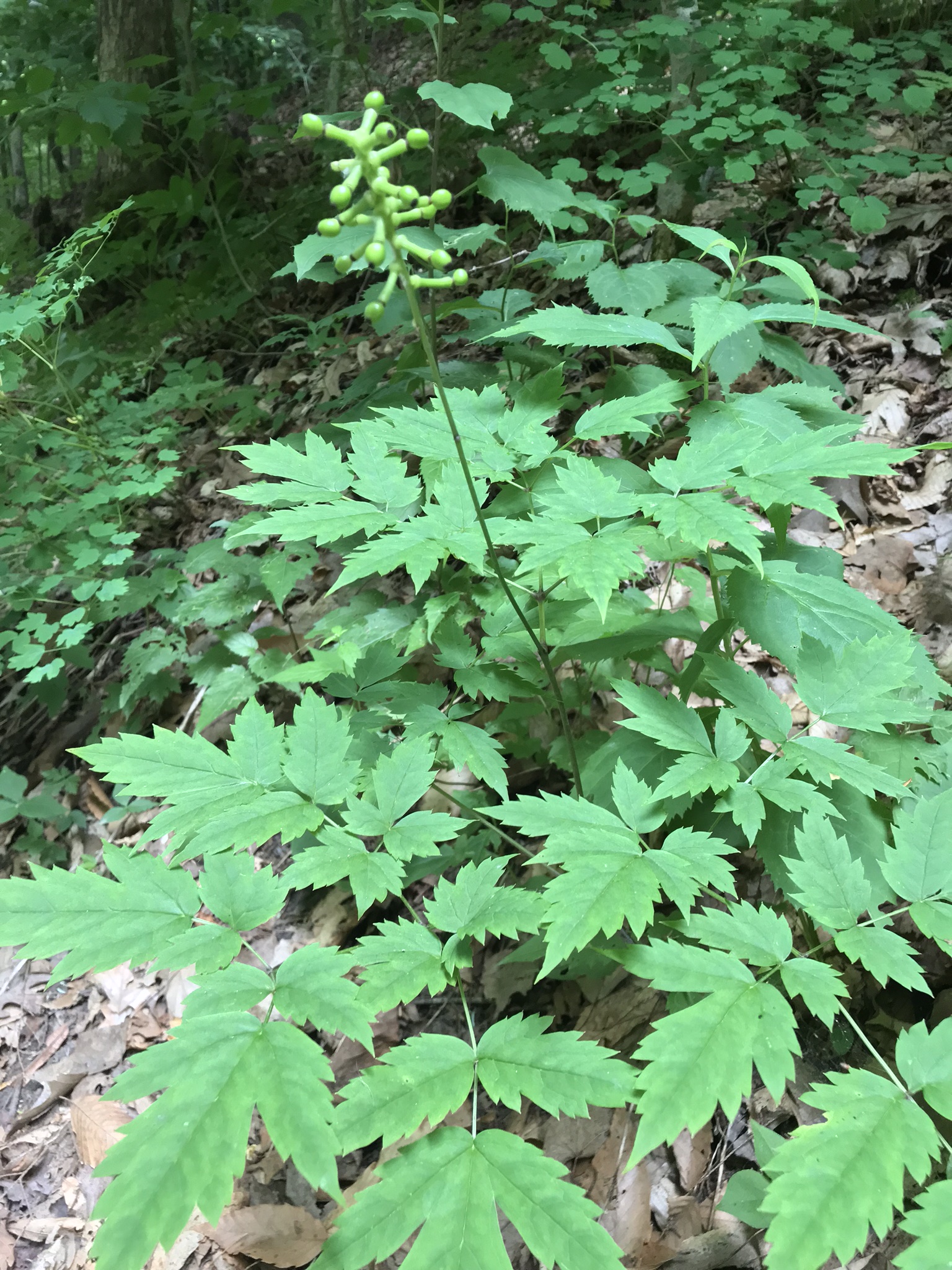
strange fruiting wildflower so like a modular space station. It is Baneberry.  There are white and red forms. This is white Baneberry (Actaea pachypoda).  These terminal round nodes resolve into white balls with black dots, like dolls eyes. The cylindrical connectors (as in space station) turn bright red. Red Baneberry (Actaea rubra) has bright red berries. The flower is a fluffy white mass that gives no hint of the seed form.

All parts of both forms are highly poisonous, the bane of Baneberry. The berries are deadly. Ingestion of as few as two berries by children will cause death from cardiac arrest. Six for an adult.

Click any photograph for a larger view.

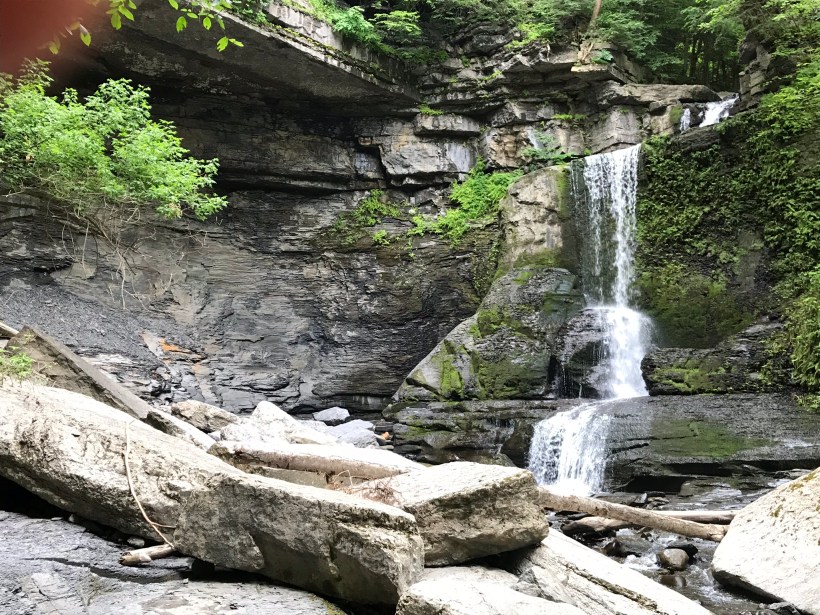
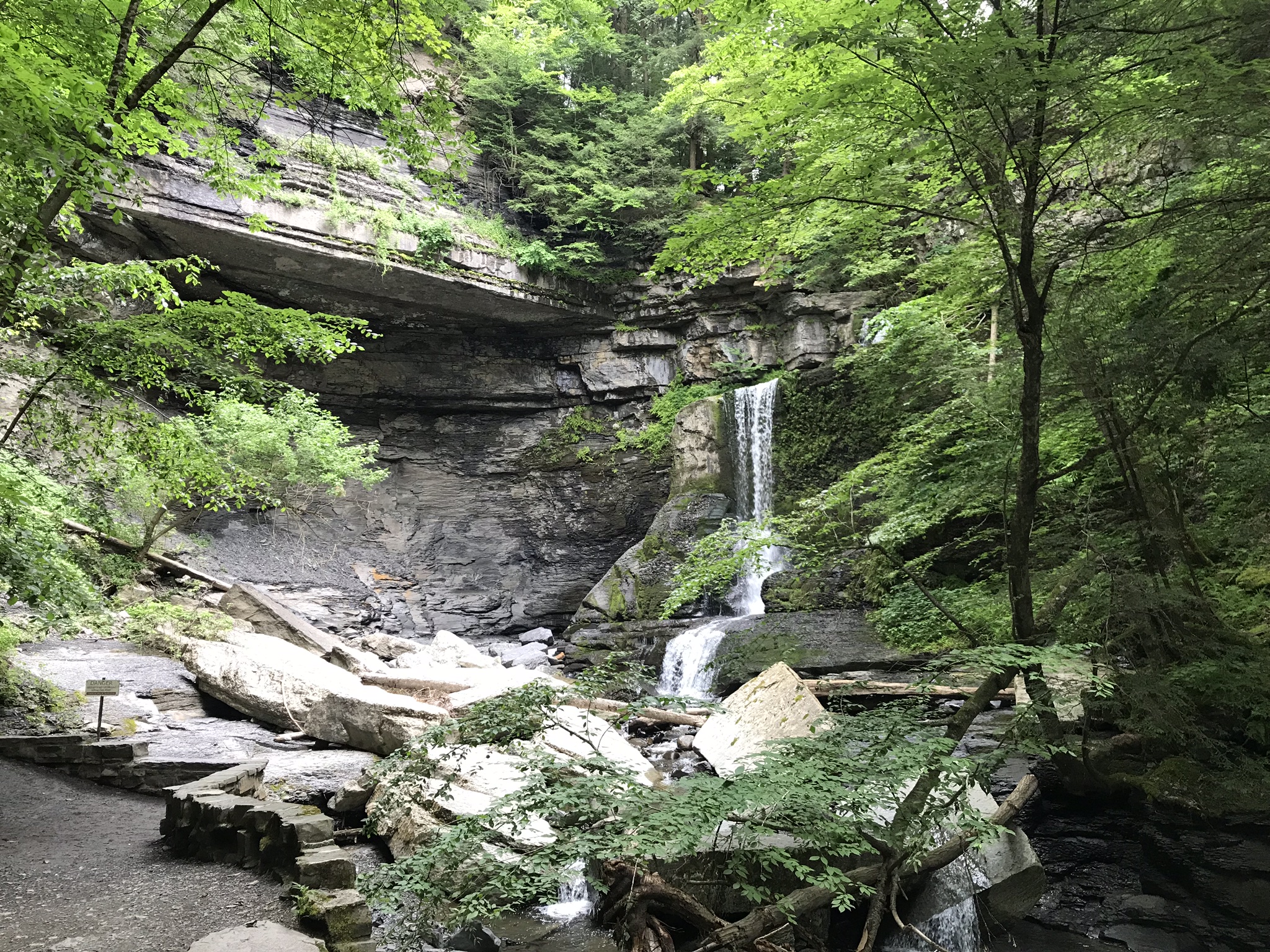
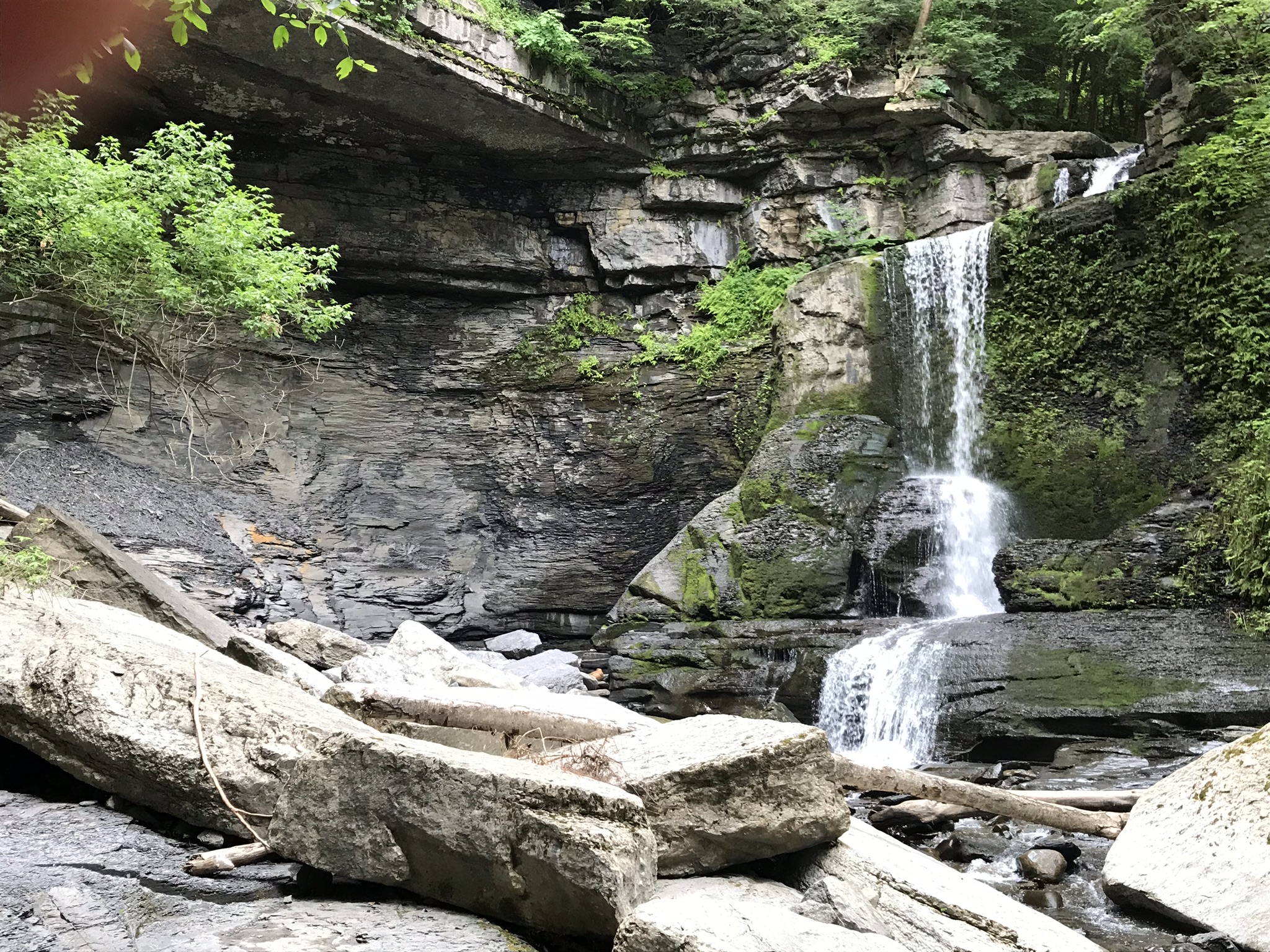
Cowsheds Waterfall is littered with enormous limestone blocks, remnants of a shelf. The rock under the limestone, a soft shale, is worn away first by running water forming a room (or Cowshed) under the limestone. Eventually, the limstone falls into the creek. The waterfall is at the end of a blind canyon with a sign at a trail end warning visitors to go no further. Careless visitors to Finger Lakes Gorges are killed, on occasion, by falling rock when they loiter beneath cliffs.

Overview of the site
Click me for my Fine Art Photography Gallery.
Copyright 2021 Michael Stephen Wills All Rights Reserved.

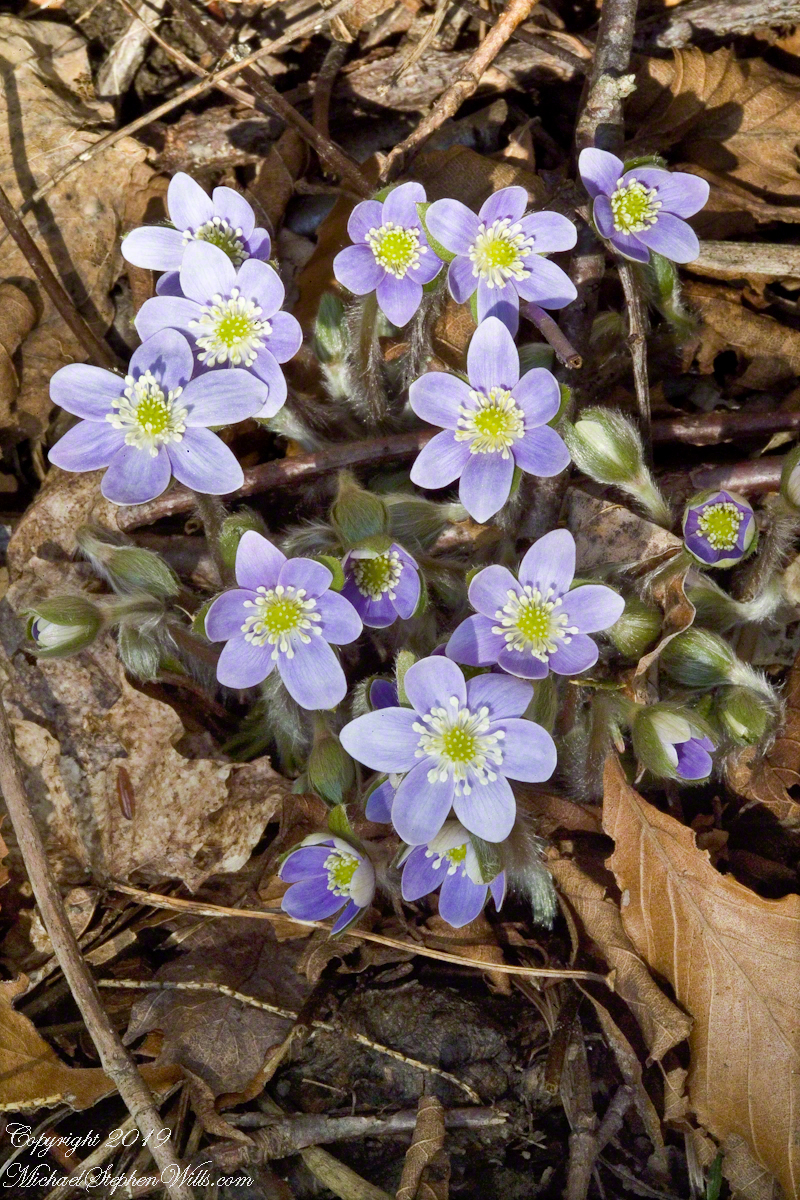
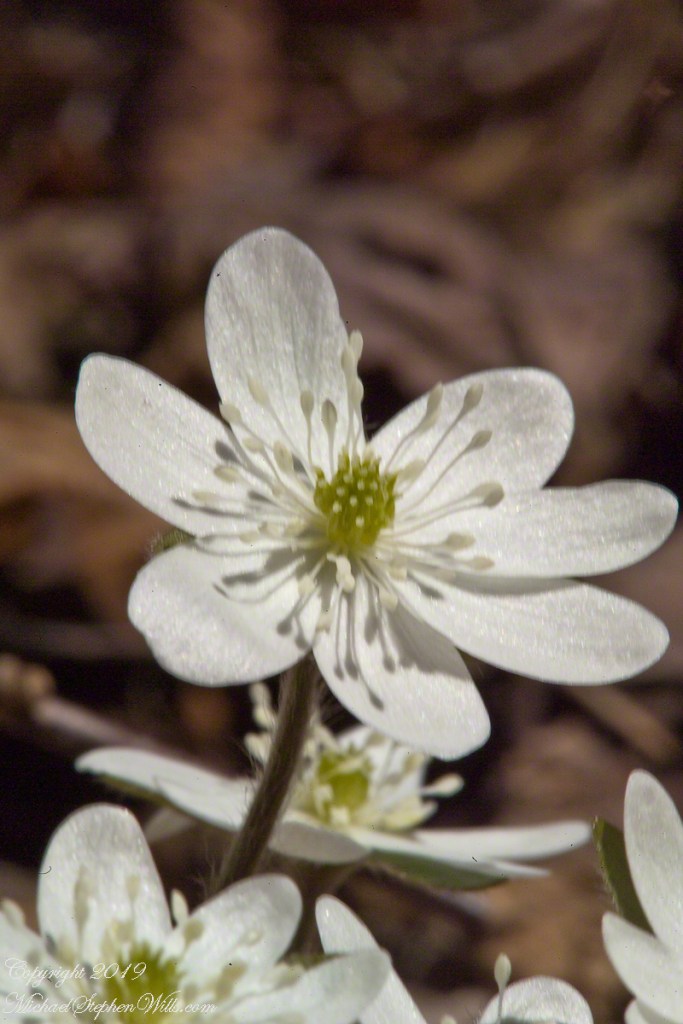
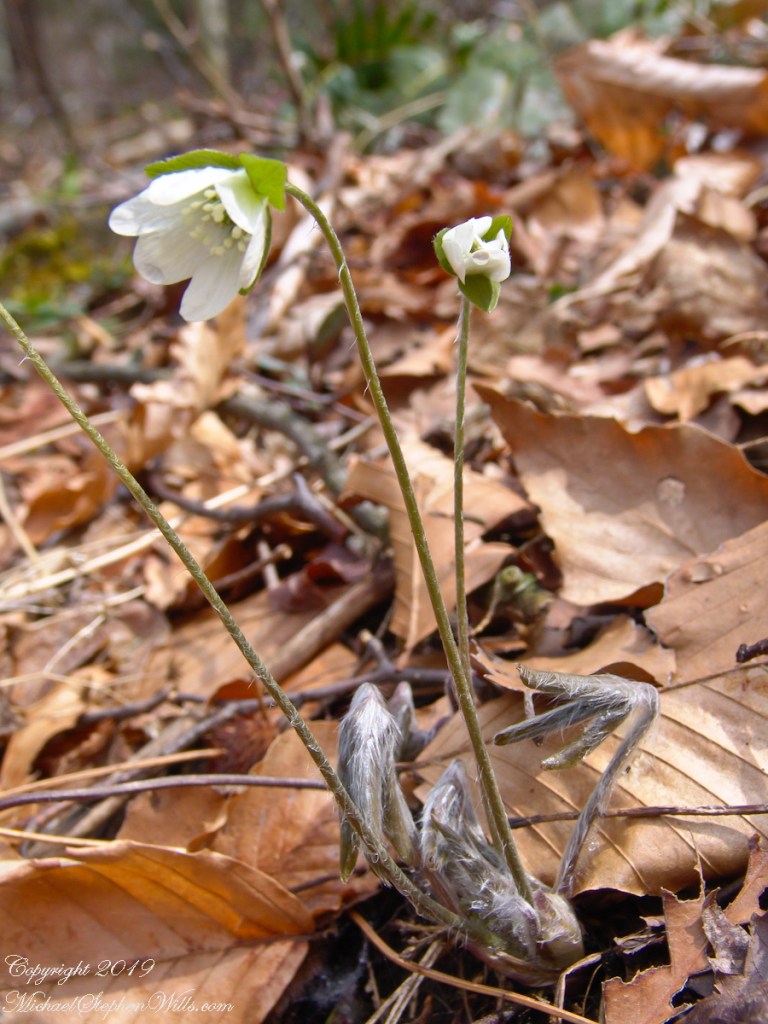
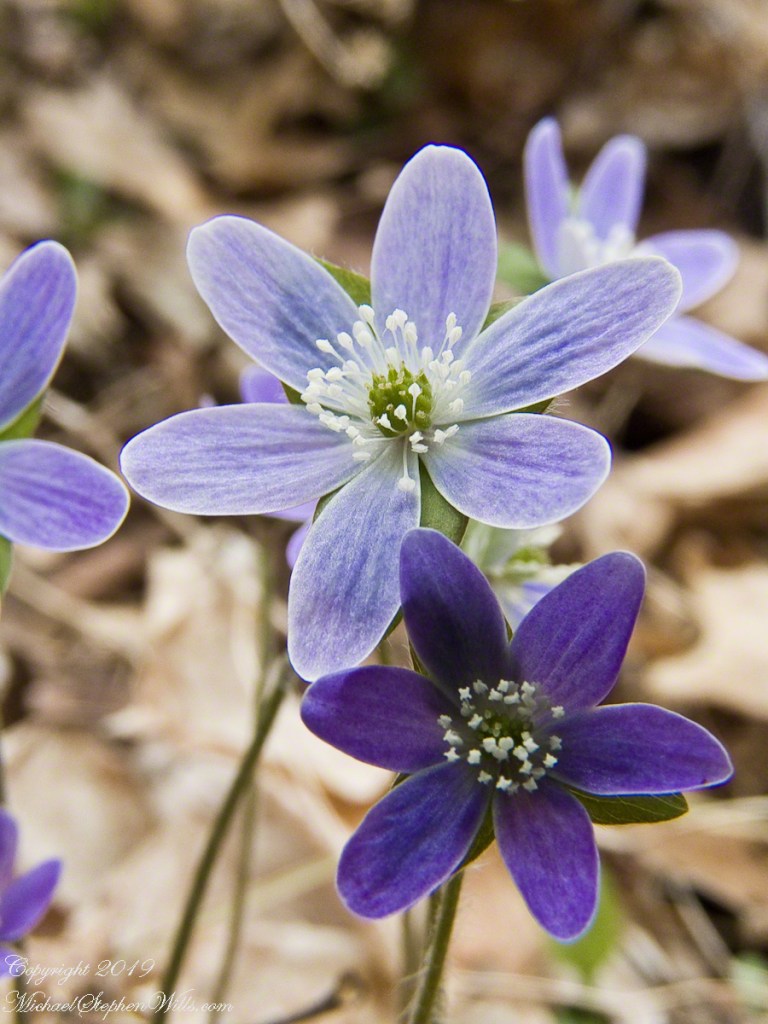
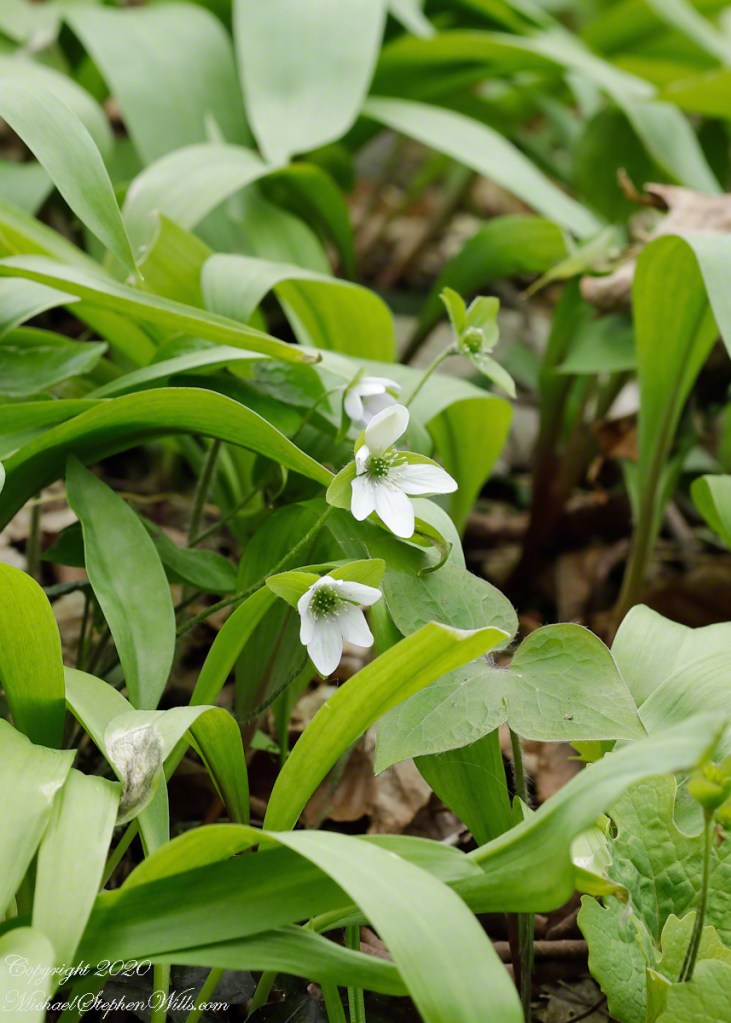
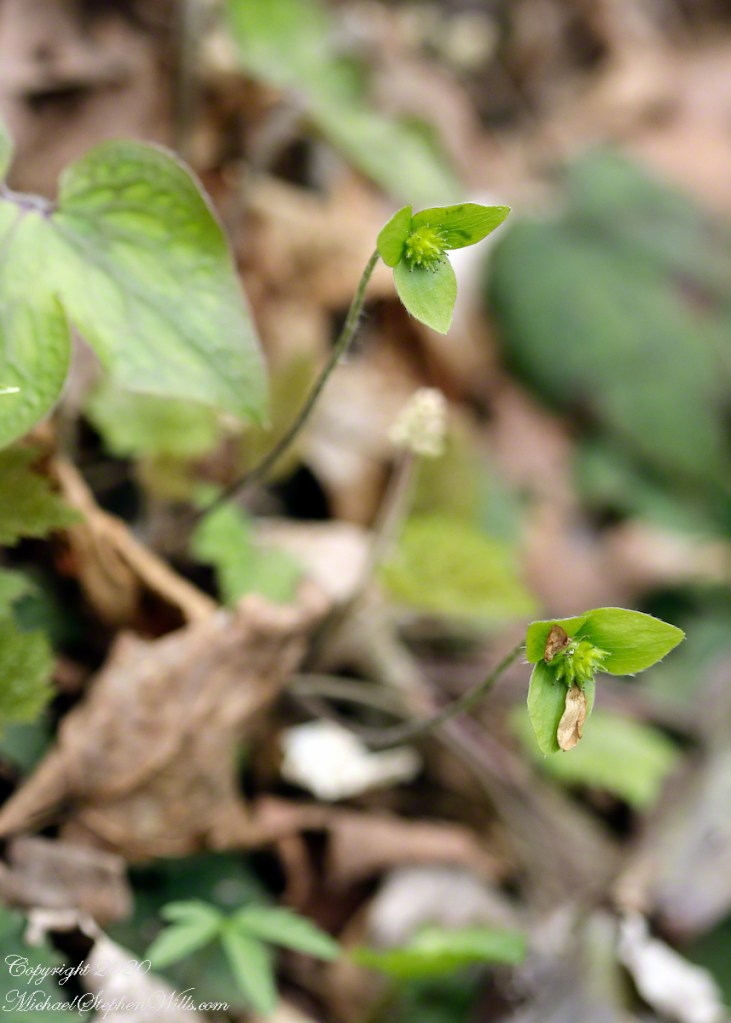
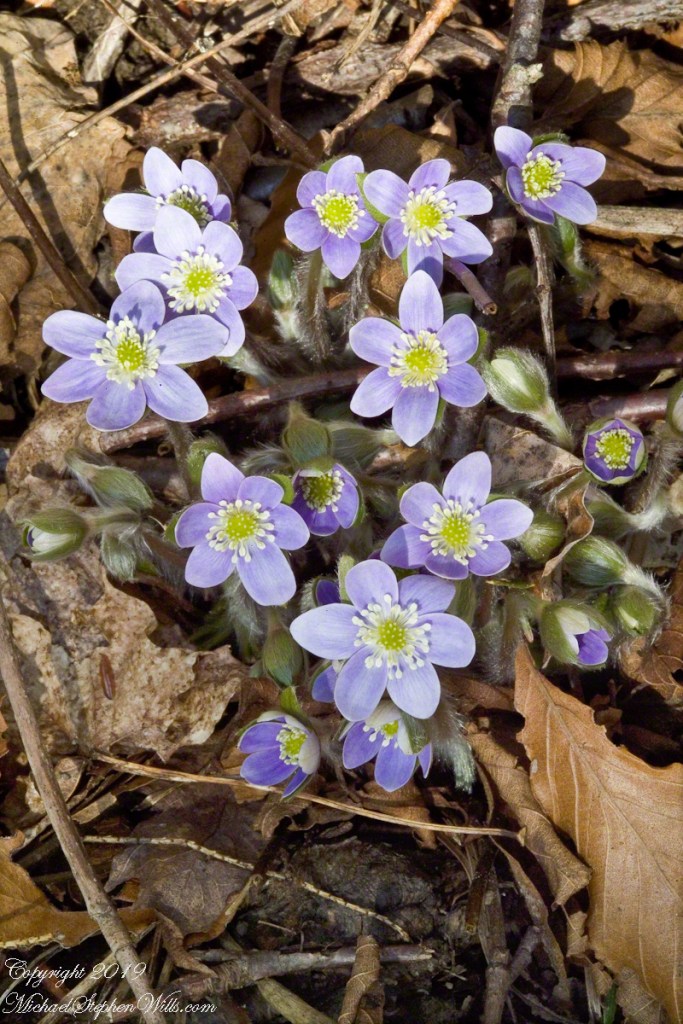
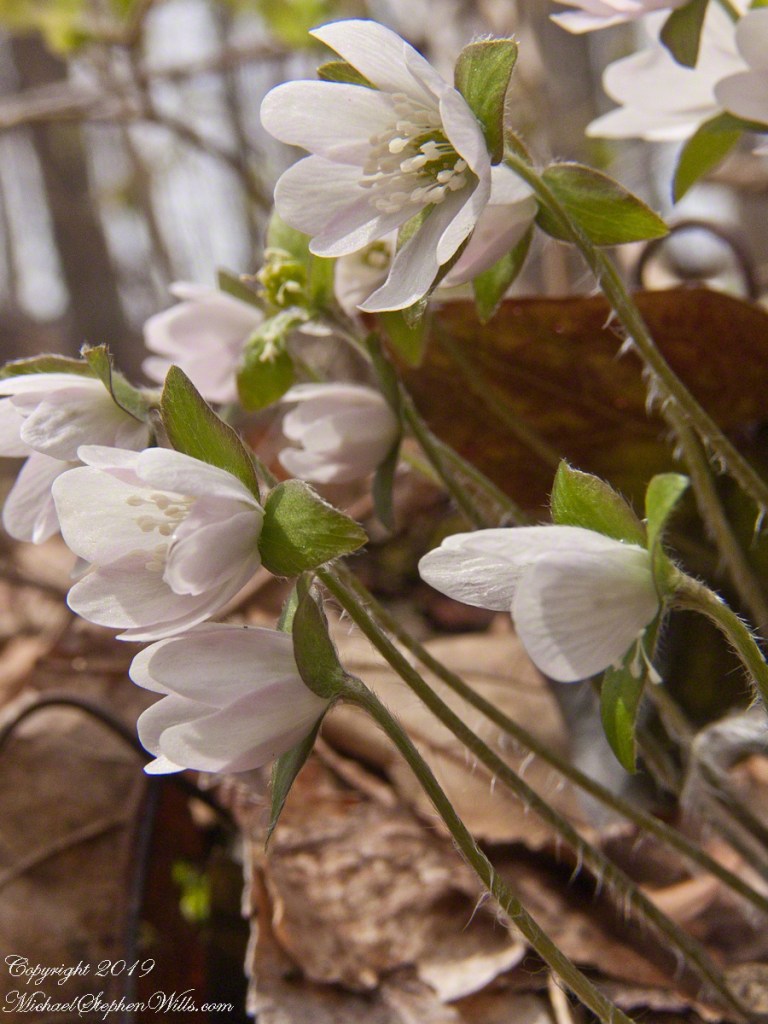
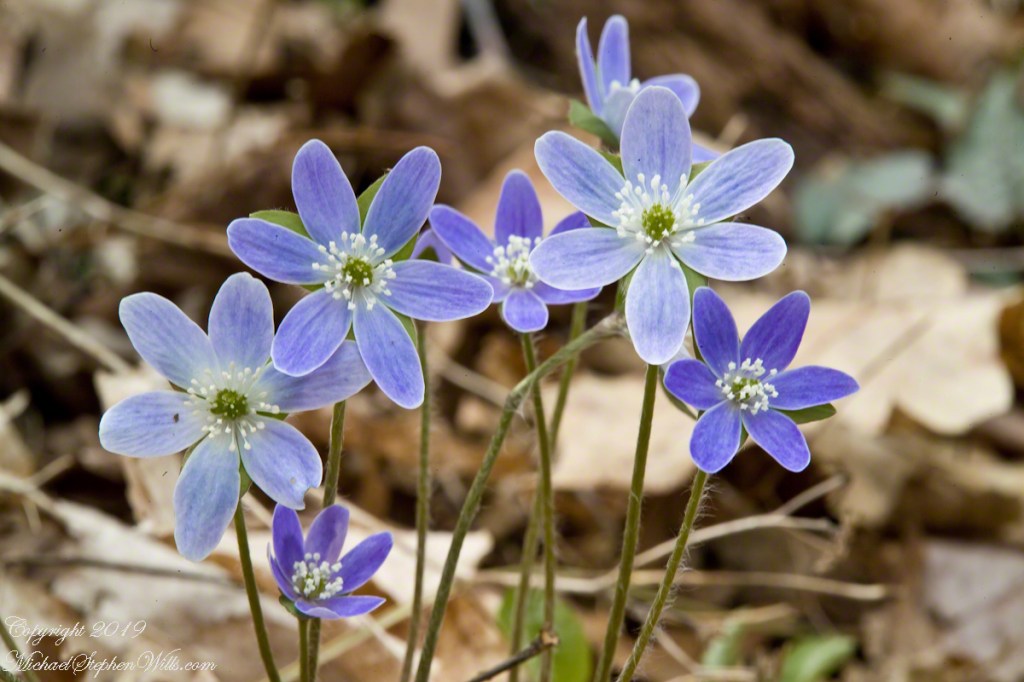
Hepatica, Fillmore Glen

Hepatica from April 2007

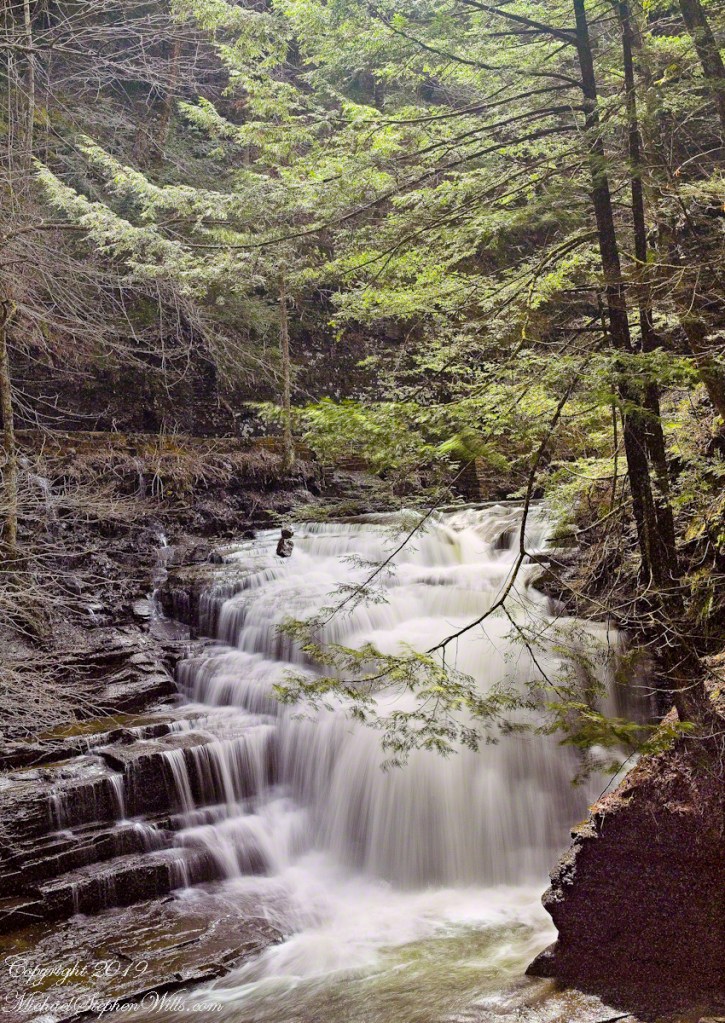
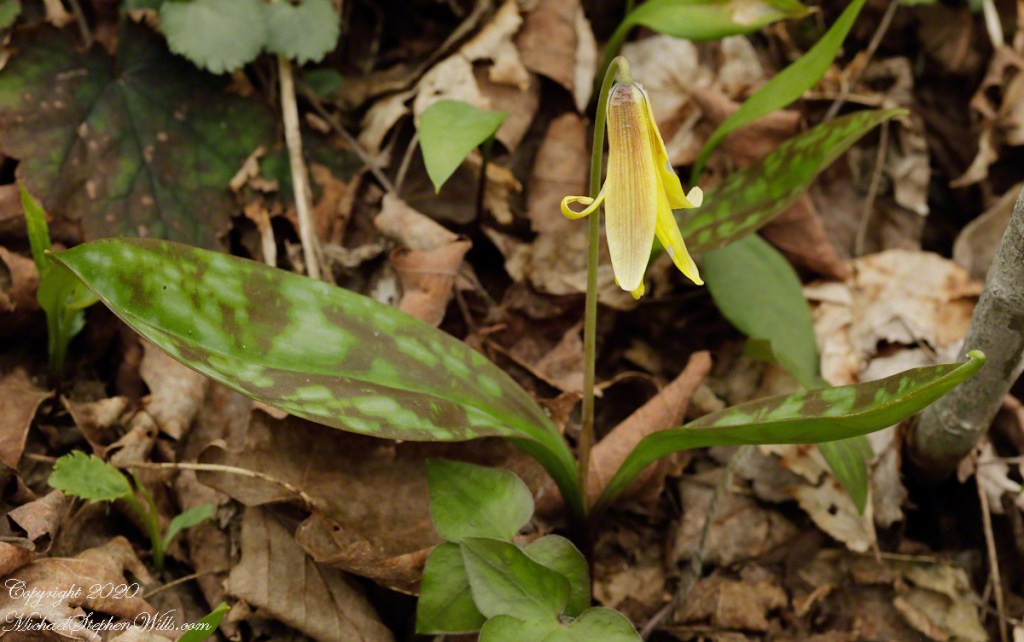
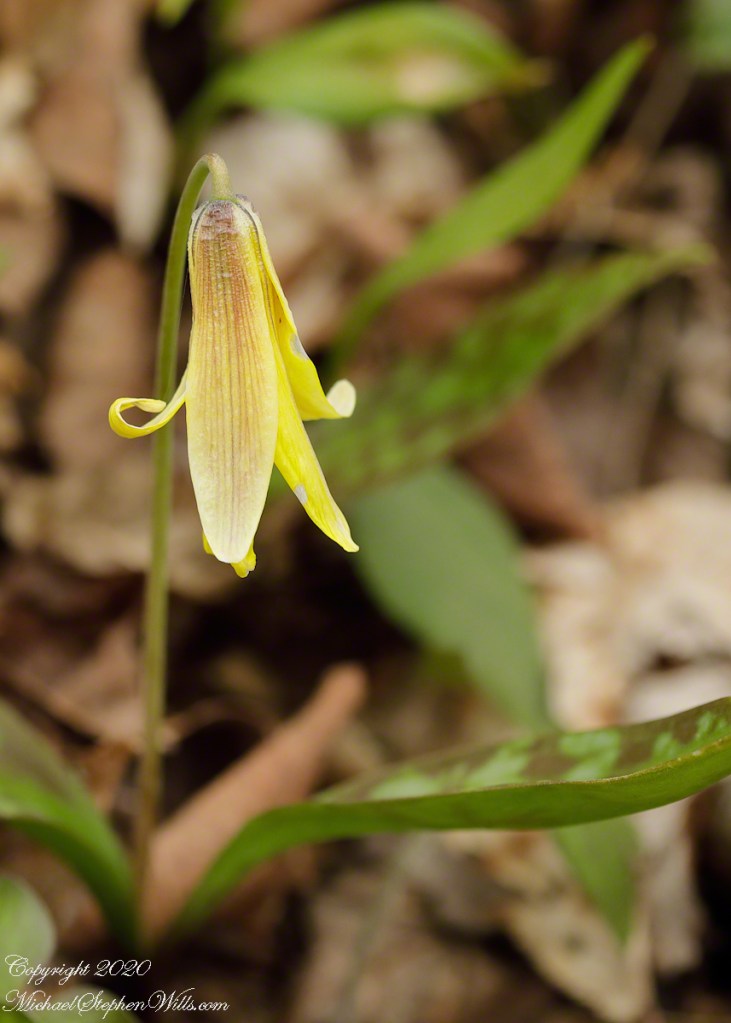
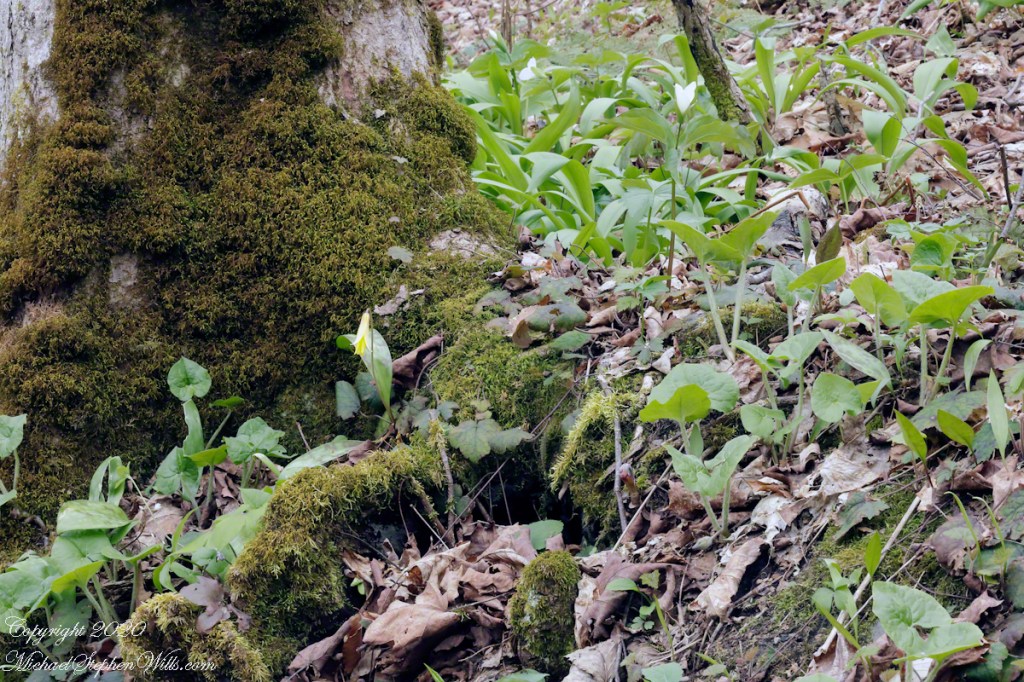
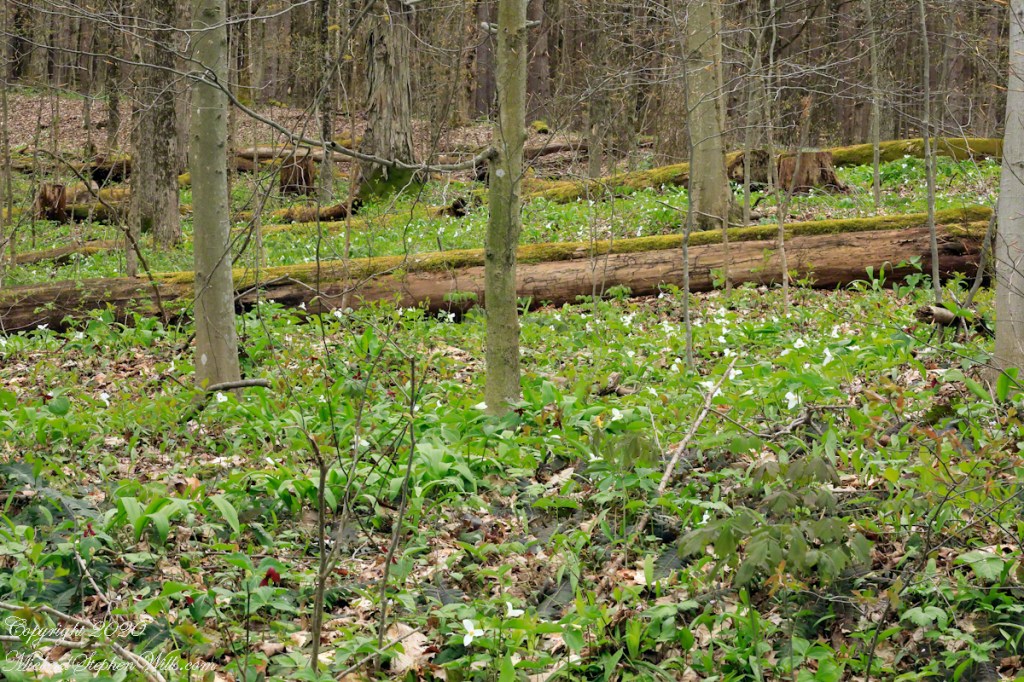
Back in 2007 I used a 100 mm Canon Macro lens on a Kodak slr along with a Sony DSC-F828 variable lens for this mix of macro and habitat captures presented as a gallery so you can flip back and forth among the larger images. Click any image to bring up a larger version.

Click for my “Finger Lakes Memories” Fine Art Photography Gallery.

Copyright 2019 All Rights Reserved Michael Stephen Wills

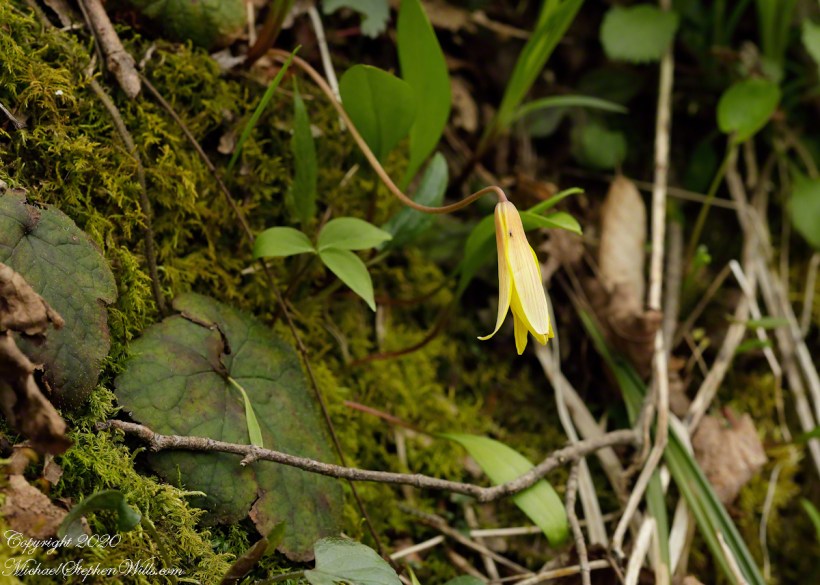
Mismatched Appetite

Bugged

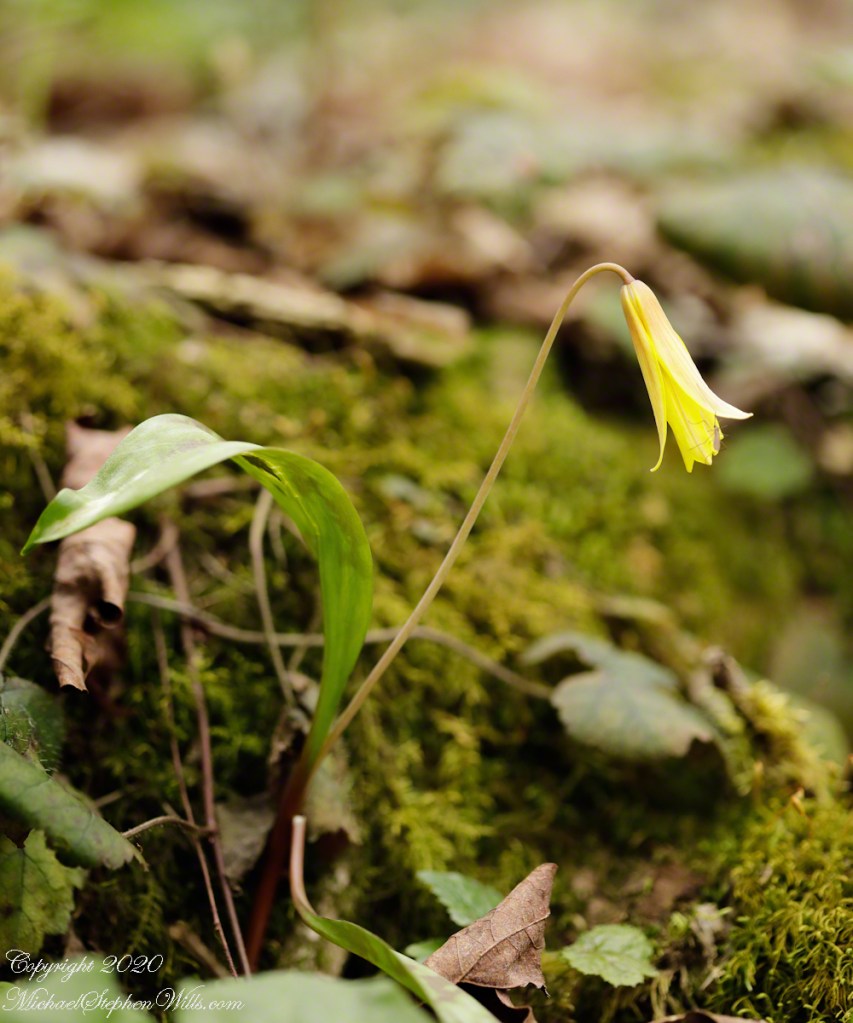
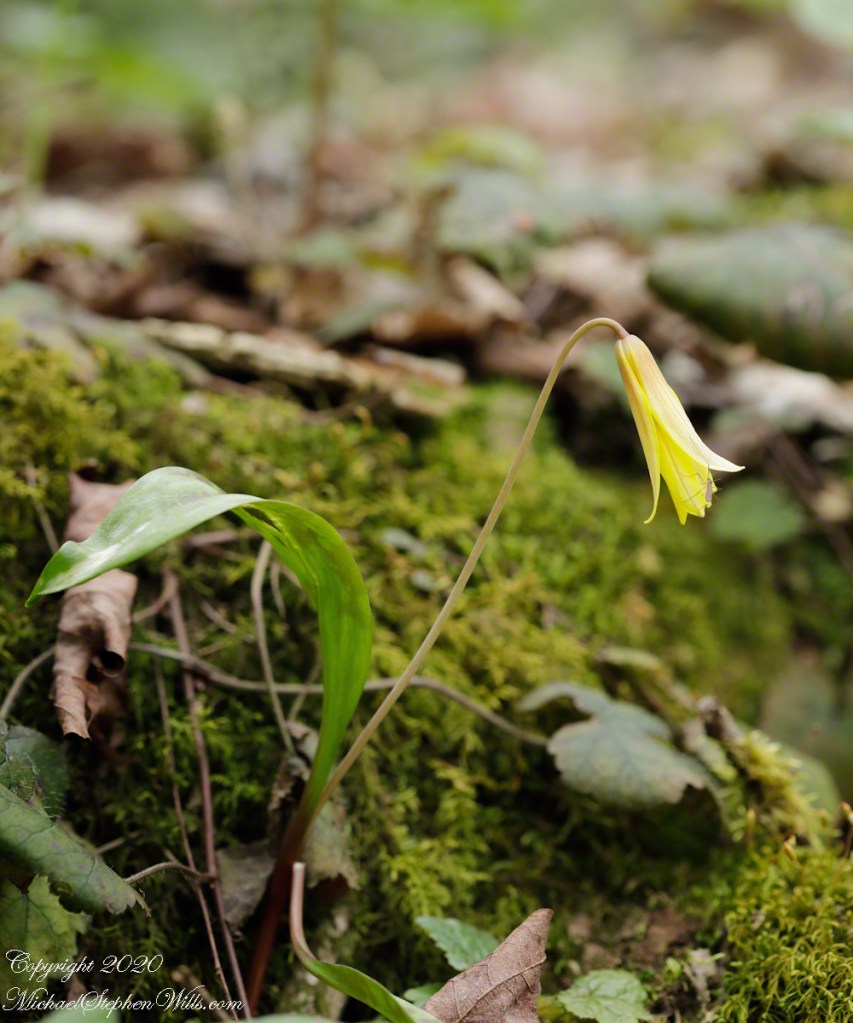
Nectar at the base of each flower petal may be the quixotic quest of this mosquito. Quixotic because the physical characteristics of benefit to human predation, a light body, makes it unsuited to delve into the petals.
Flowers are like people in emitting carbon dioxide, another mosquito attractant. If it is looking for blood here this mosquito is also at a loss.

Click photograph for larger image. To do this from WordPress Reader, you need to first click the title of this post to open a new page.

Another lily with a tiny fly (mosquito?) perched at the base.

Click for my “Finger Lakes Memories” Fine Art Photography Gallery.

Copyright 2020 All Rights Reserved Michael Stephen Wills

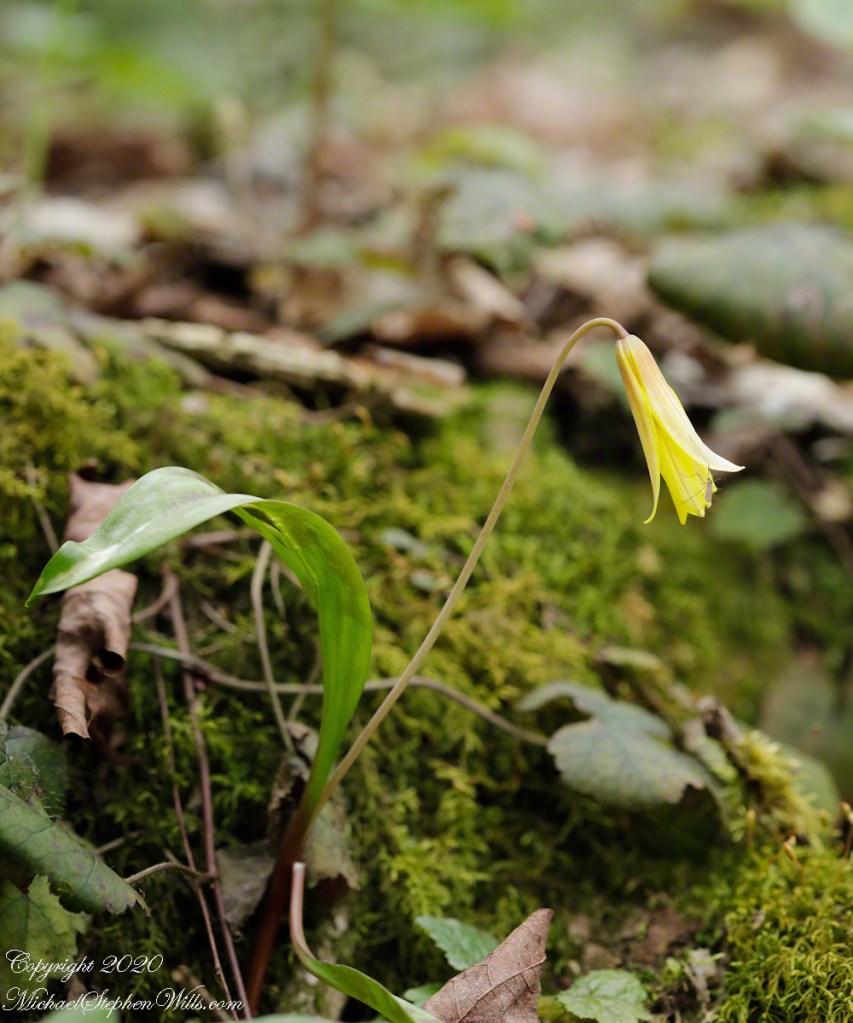
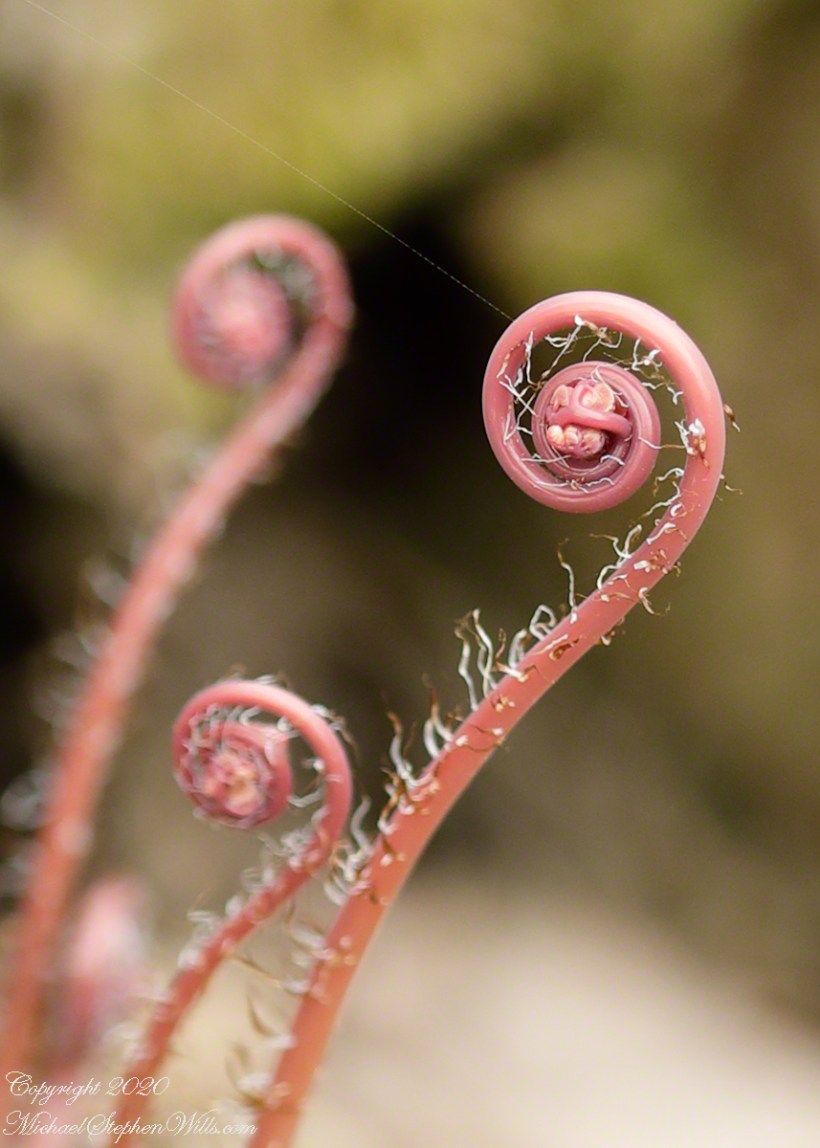
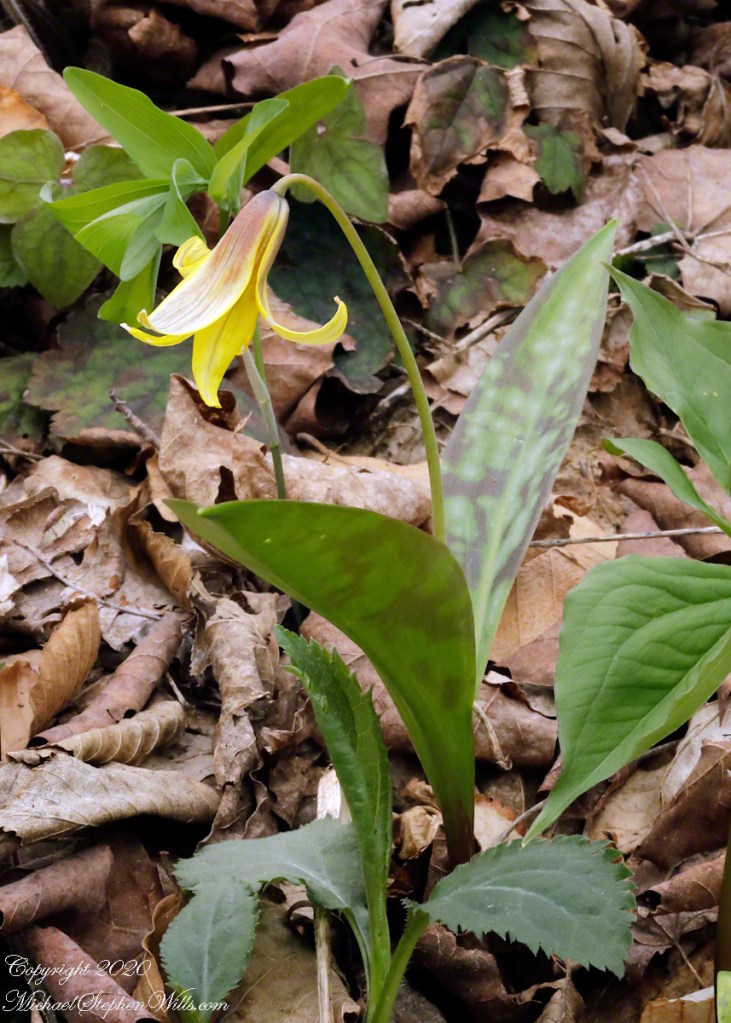
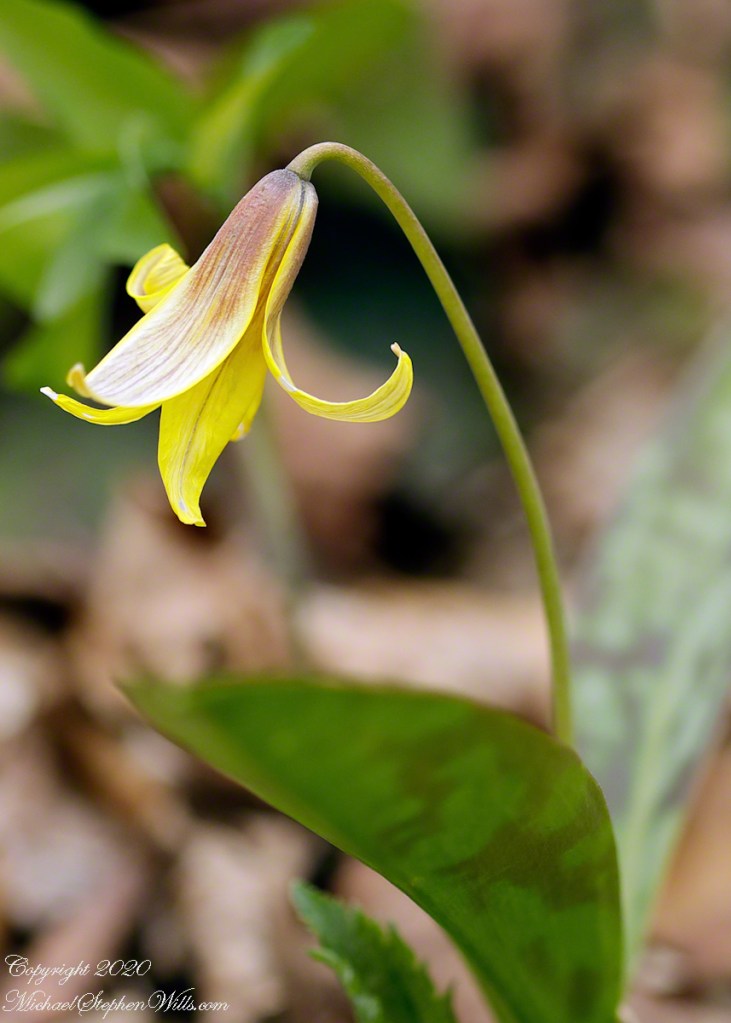
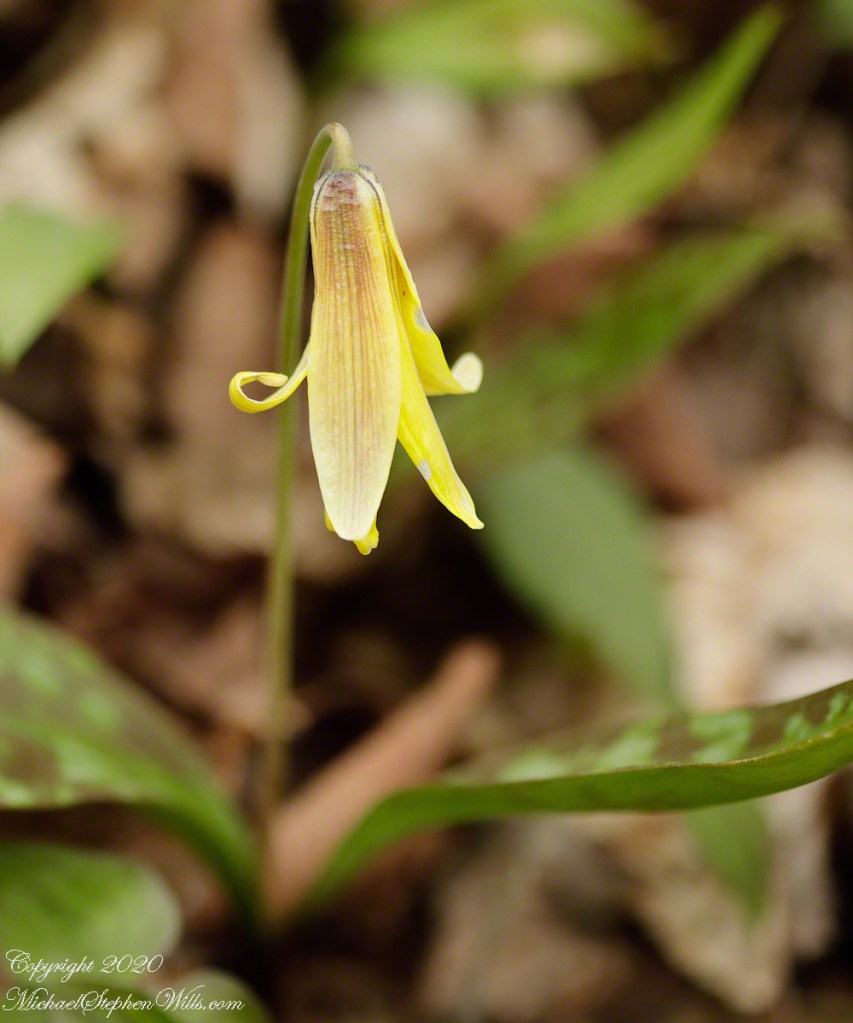
Fillmore Glen Gallery

A Successful Outing during COVID-19

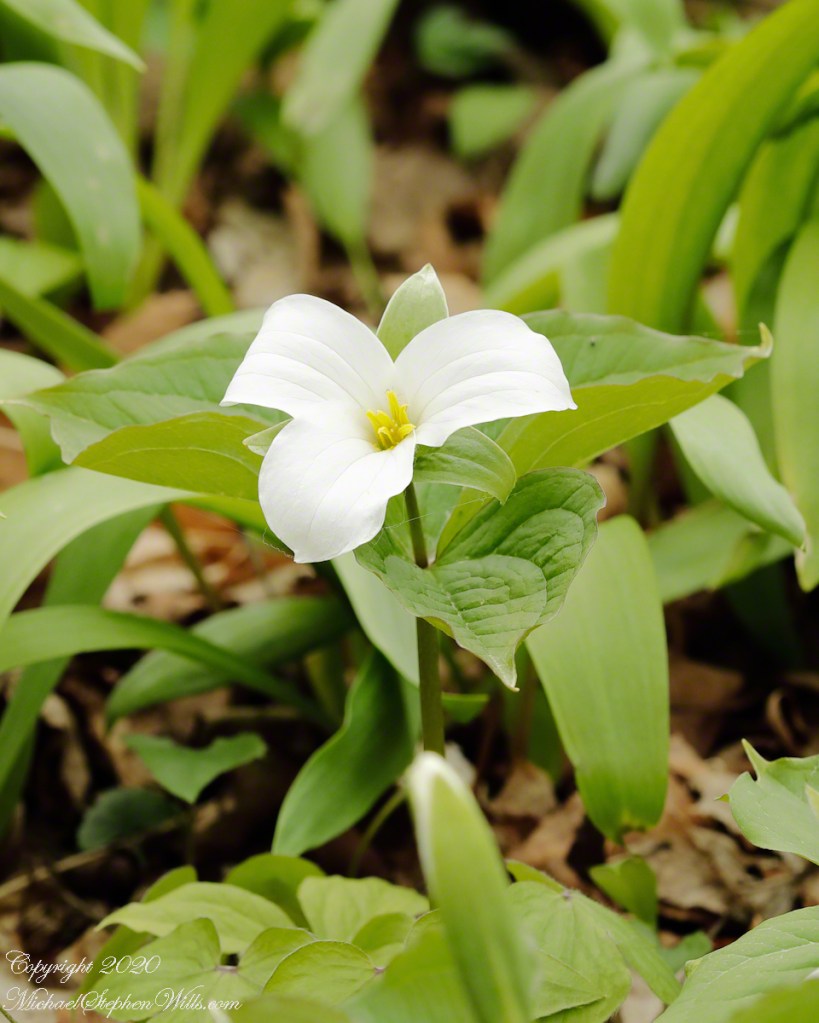
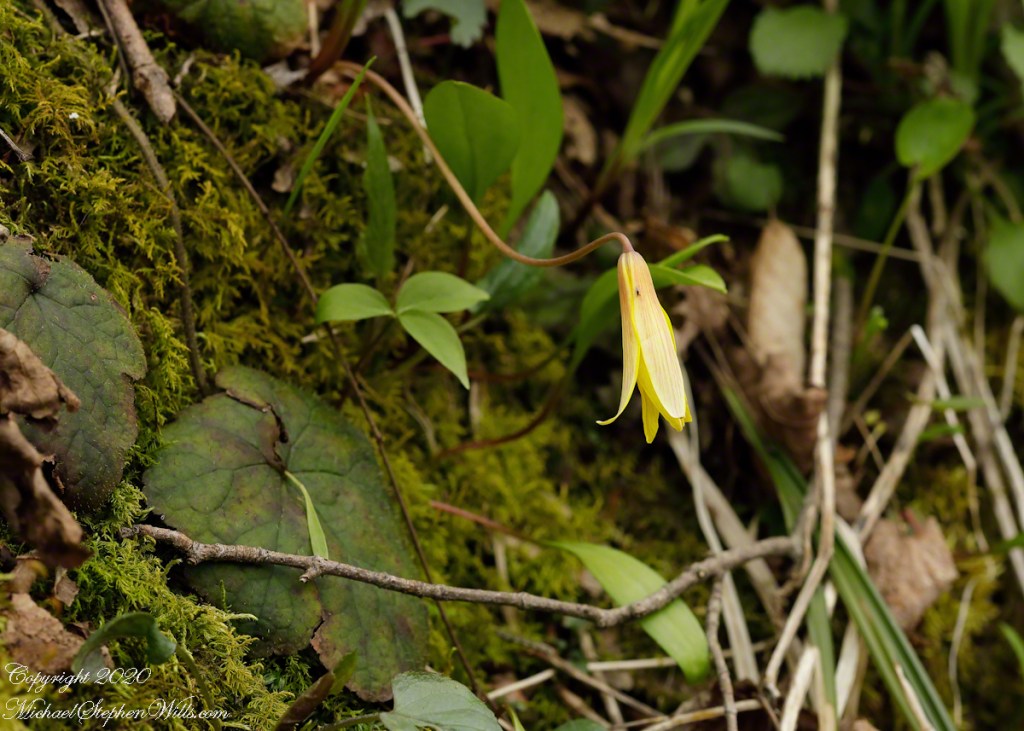
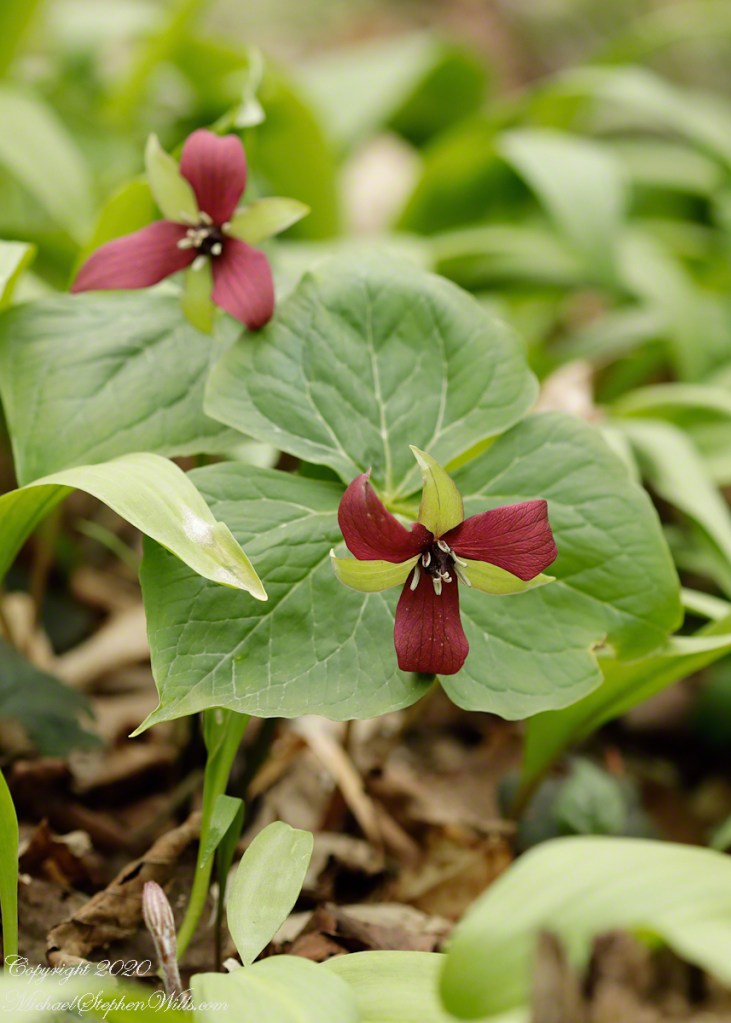
Here is a gallery recapping my afternoon among the wonders of Fillmore Glen, a New York State park, Moravia, New York. I visited there during the New York COVID-19 “PAUSE.” ENJOY!!

Copyright 2020 All Rights Reserved Michael Stephen Wills