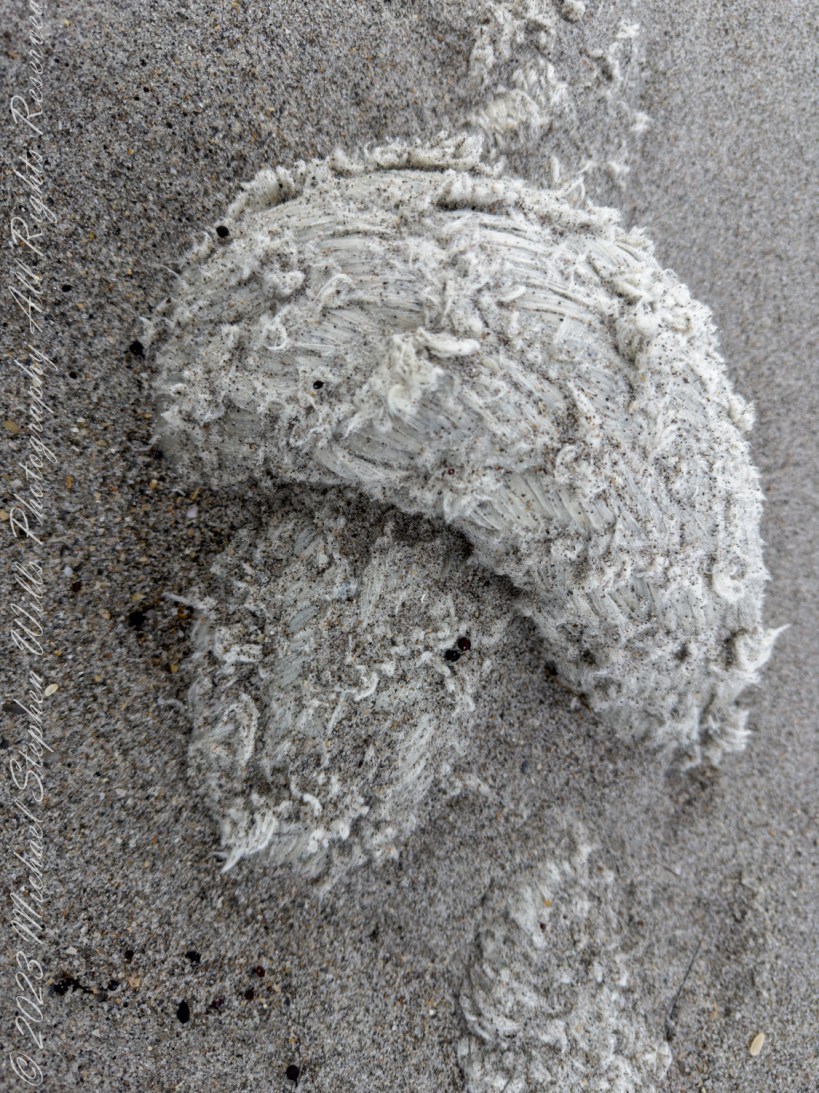
Tides of Discovery: A Hawser’s Journey to Cocoa Beach

Discover the mysterious journey of an ocean-worn hawser on Cocoa Beach. Join me in unraveling its sea-tossed tales and the profound messages the tides bring to our shores.

A Serendipitous Morning


As I strolled along the familiar expanse of Cocoa Beach, a silver mist hung over the horizon, blurring the line where the Atlantic whispered to the skies. My footsteps, a quiet percussion against the hush of dawn, were the only sound until the waves added their chorus. I was here to greet the sunrise, a ritual that never failed to ground me, but today, the ocean had laid out a surprise – a hawser, heavy and worn, beached like a leviathan of the deep.
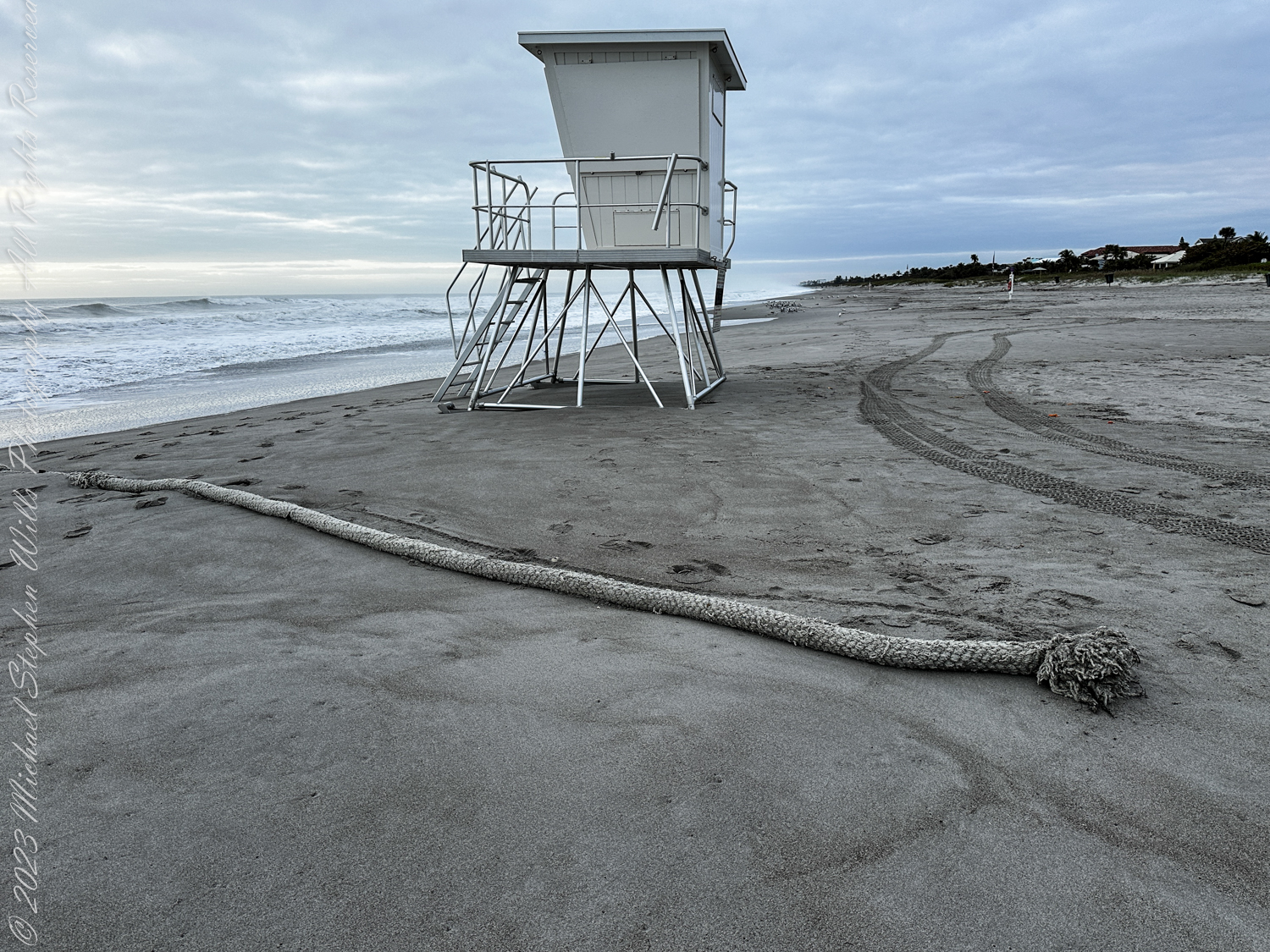
Cocoa Beach, Brevard County, Florida on the Space Coast

The Relic of the Sea


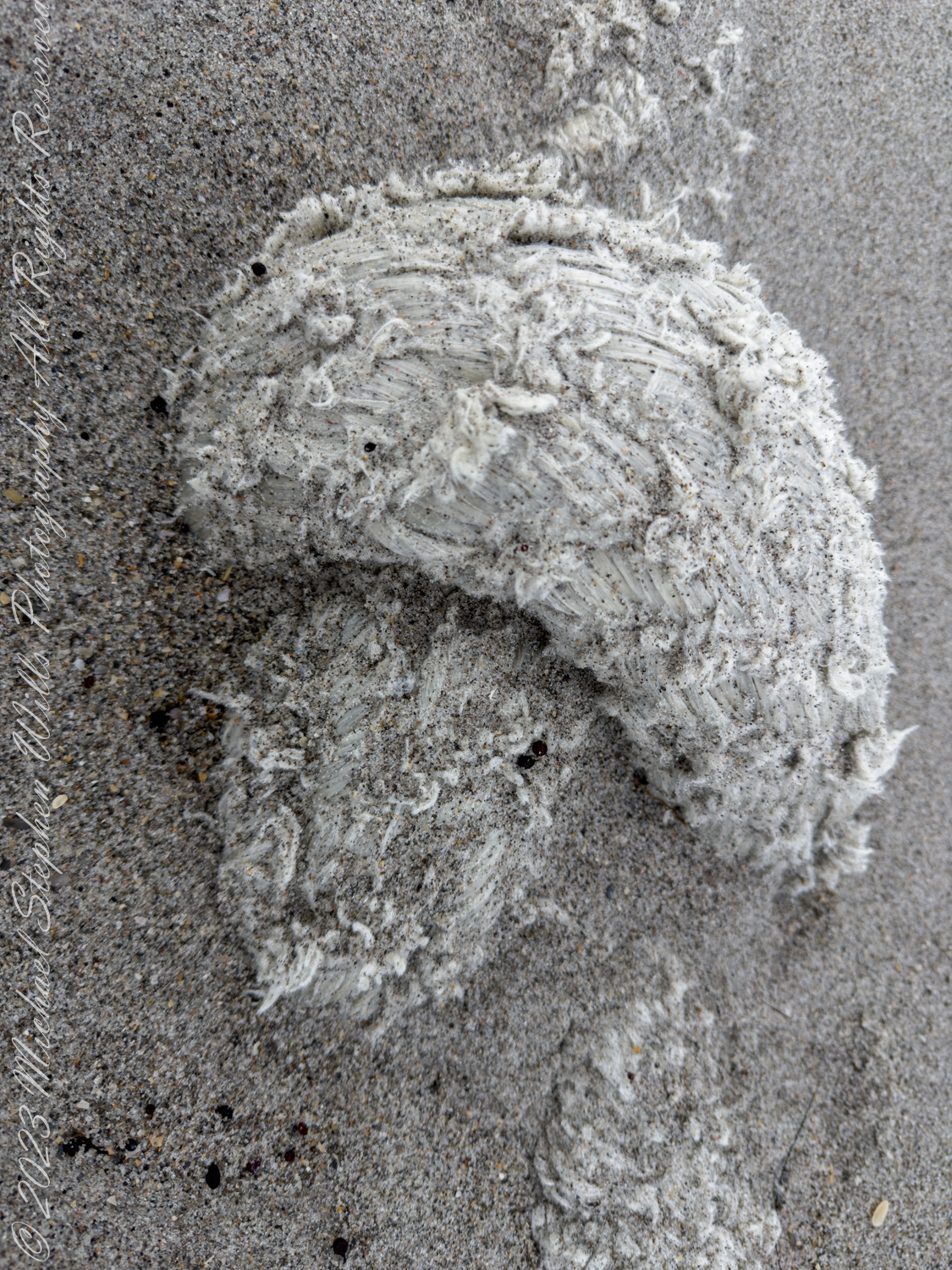
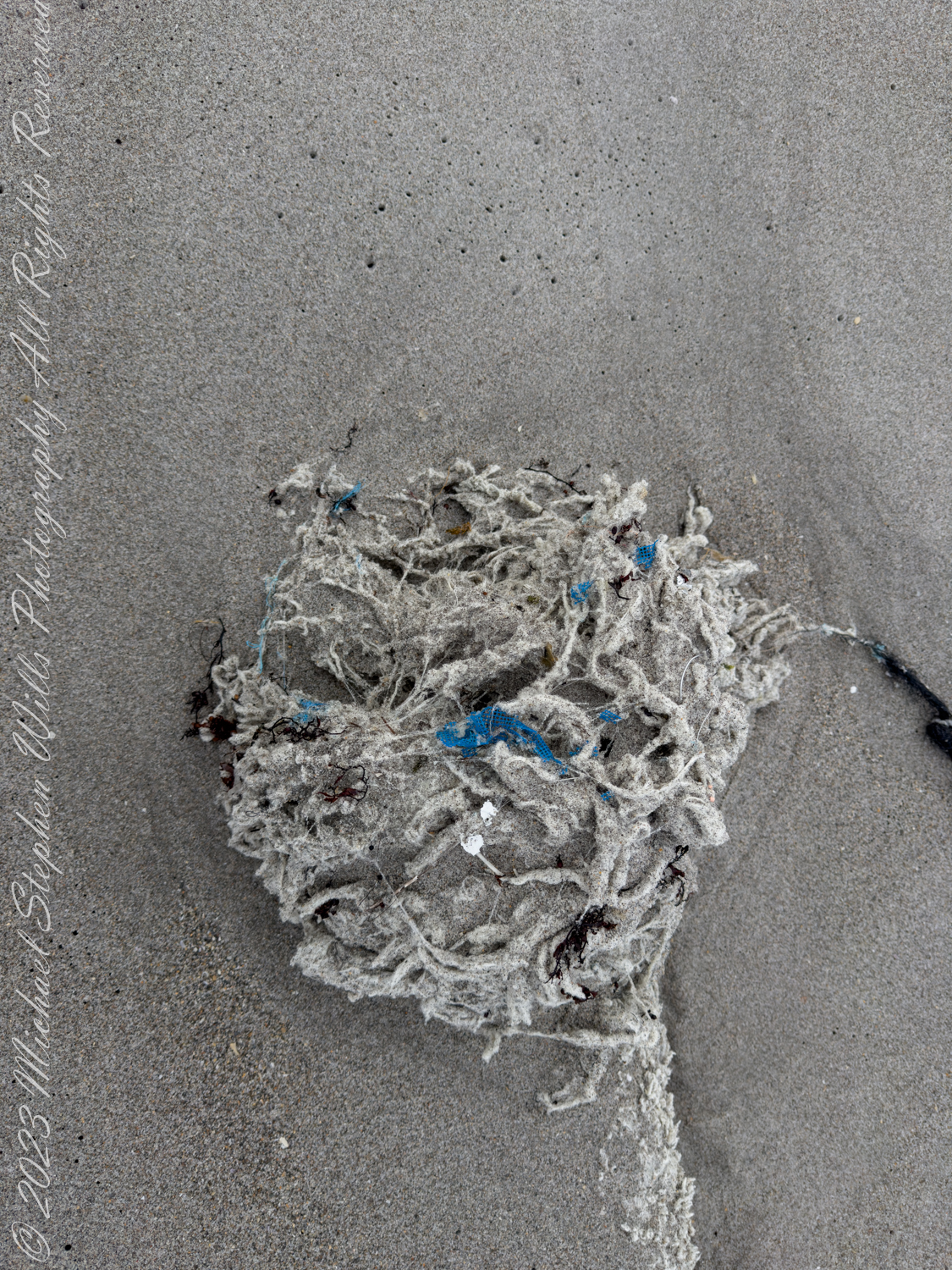
There it lay, a colossal rope, its many fibers frayed and clinging to sand, a testament to its battle with the ocean’s might. This hawser, a lifeline once to vessels that dared to navigate treacherous waters, was now at the mercy of the tides that once heeded its command. I approached, curious, reverence growing within me for this unexpected relic of human endeavor.
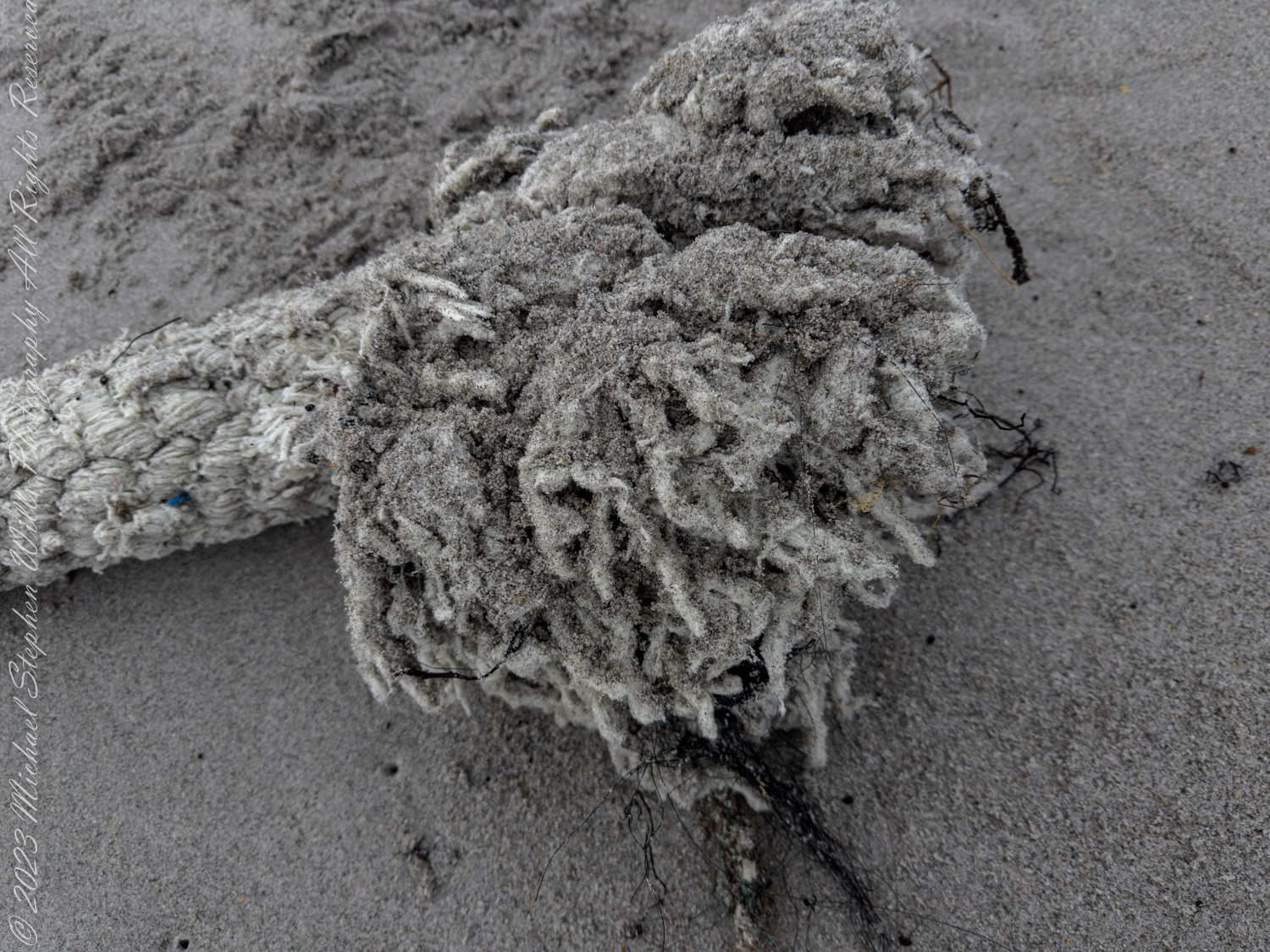
The High Tide’s Offering


The hawser’s journey to my path was a story written in the ebb and flow of the tides. The high tide, under the pull of the moon’s invisible hands, had surged with purpose, pushing this massive rope to the shore as its offering. High tides are nature’s way of reaching out, touching the land, and sometimes, they bring gifts from the depths, each with a tale to tell.

A Tapestry of Experiences


Touching the hawser, I felt connected to the lives it must have touched, the storms it weathered, and the unspoken histories it held. Each thread was a narrative, a voyage, a storm survived. The macro images of the hawser’s frayed ends resembled the intricate work of a natural tapestry – artful, chaotic, yet purposeful. It was a mosaic of experience, and now, it was a part of Cocoa Beach’s landscape.
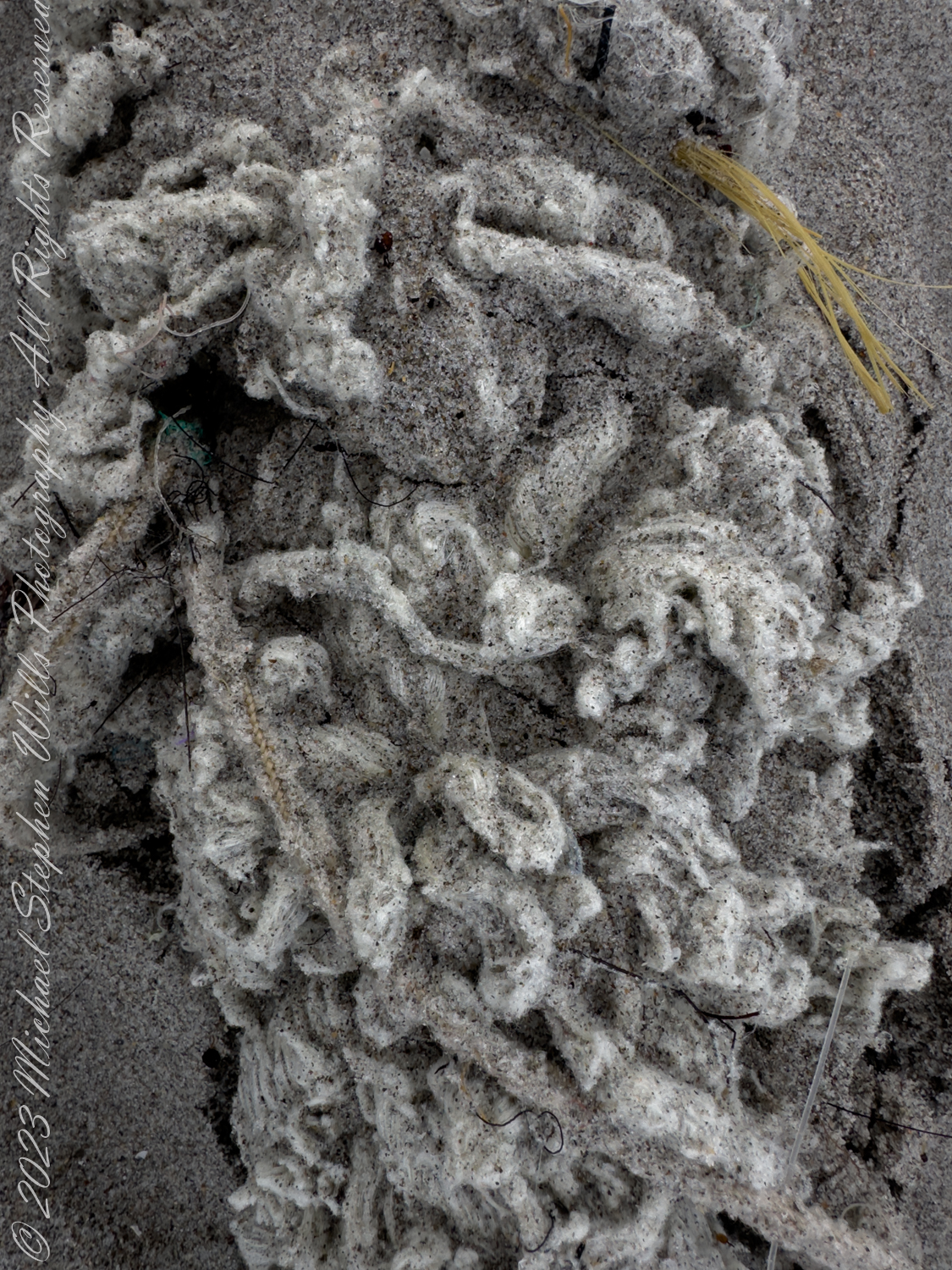
The Dance of Man and Nature


The hawser at the foot of the lifeguard station stood as a symbol of humanity’s interaction with the mighty sea. We build structures, craft vessels, and forge hawsers, asserting our presence. Yet, the tides remind us of our place within the grand tapestry of nature. Tides dance around our creations, sometimes reclaiming them, other times presenting them back to us, reshaped, redefined.
Reflecting on the Tides


As I sat by the hawser, the sun broke free from the horizon, casting golden hues over the beach. The tide was retreating, pulling back into the ocean’s embrace, leaving behind patterns on the sand, and the hawser – a silent sentinel of the shore. It was a moment of reflection on the power of the tides, the constant cycle of giving and taking, and the marks they leave upon both the earth and our lives.
Conclusion: The Tides of Life


The tides had brought the hawser to Cocoa Beach, and with it, a moment of connection to the vastness of the sea and the shared journeys of all who traverse it. As I walked away, the hawser remained – a fixture until the tide would rise again, perhaps to claim it back or offer another token of the ocean’s depths. The power of the tides is a powerful metaphor for life’s ebb and flow, each wave a new beginning, each retreat a chance to reflect on the imprints left behind.
Copyright 2024 Michael Stephen Wills All Rights Reserved

The Impermanence of Human Constructs and the Forces of Nature

Discover the fleeting artistry of sand castles and the mighty forces of tides sculpted by the moon’s dance. Explore the impermanent intersection of human endeavor and nature’s rhythm.

Introduction


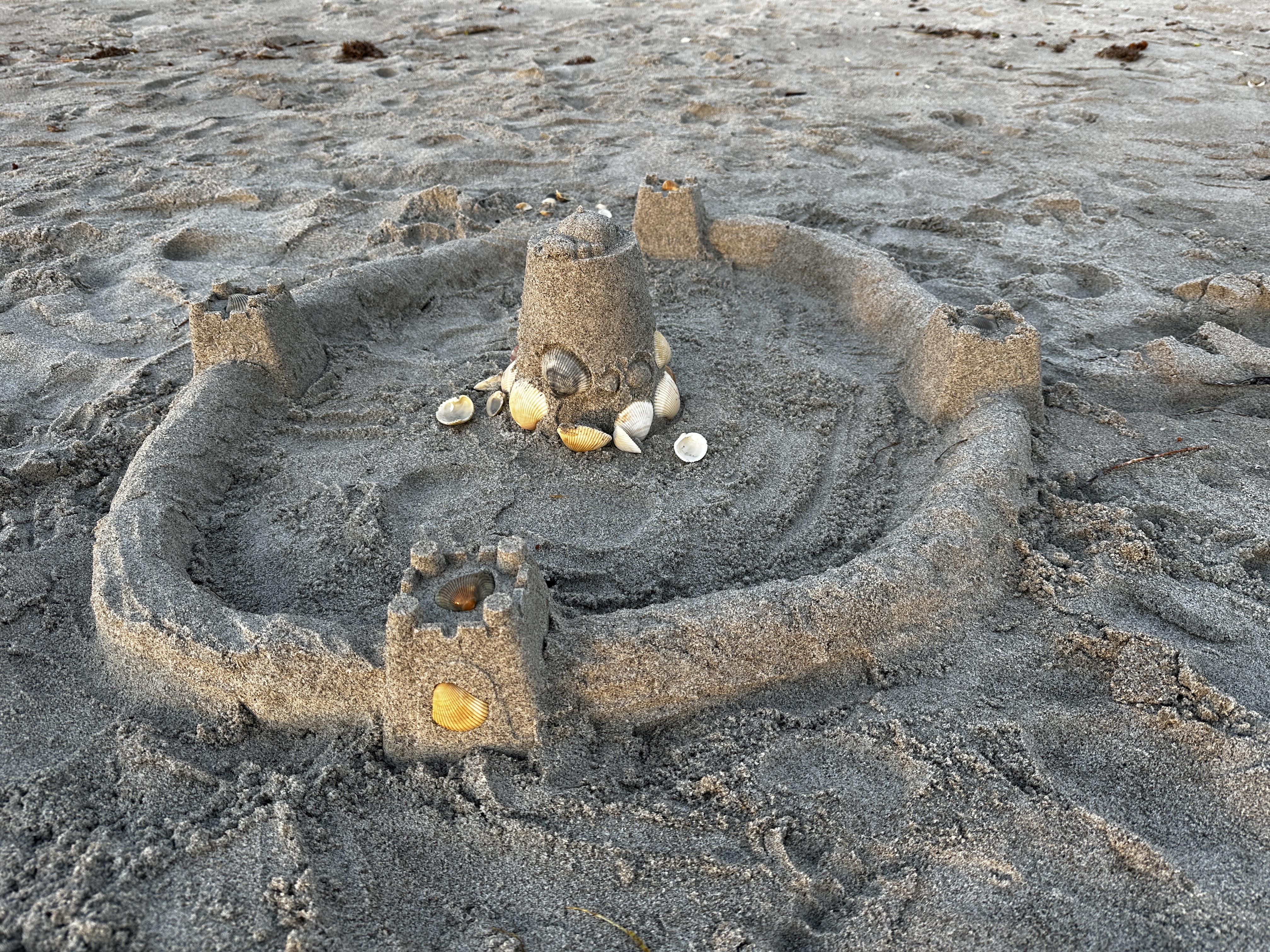
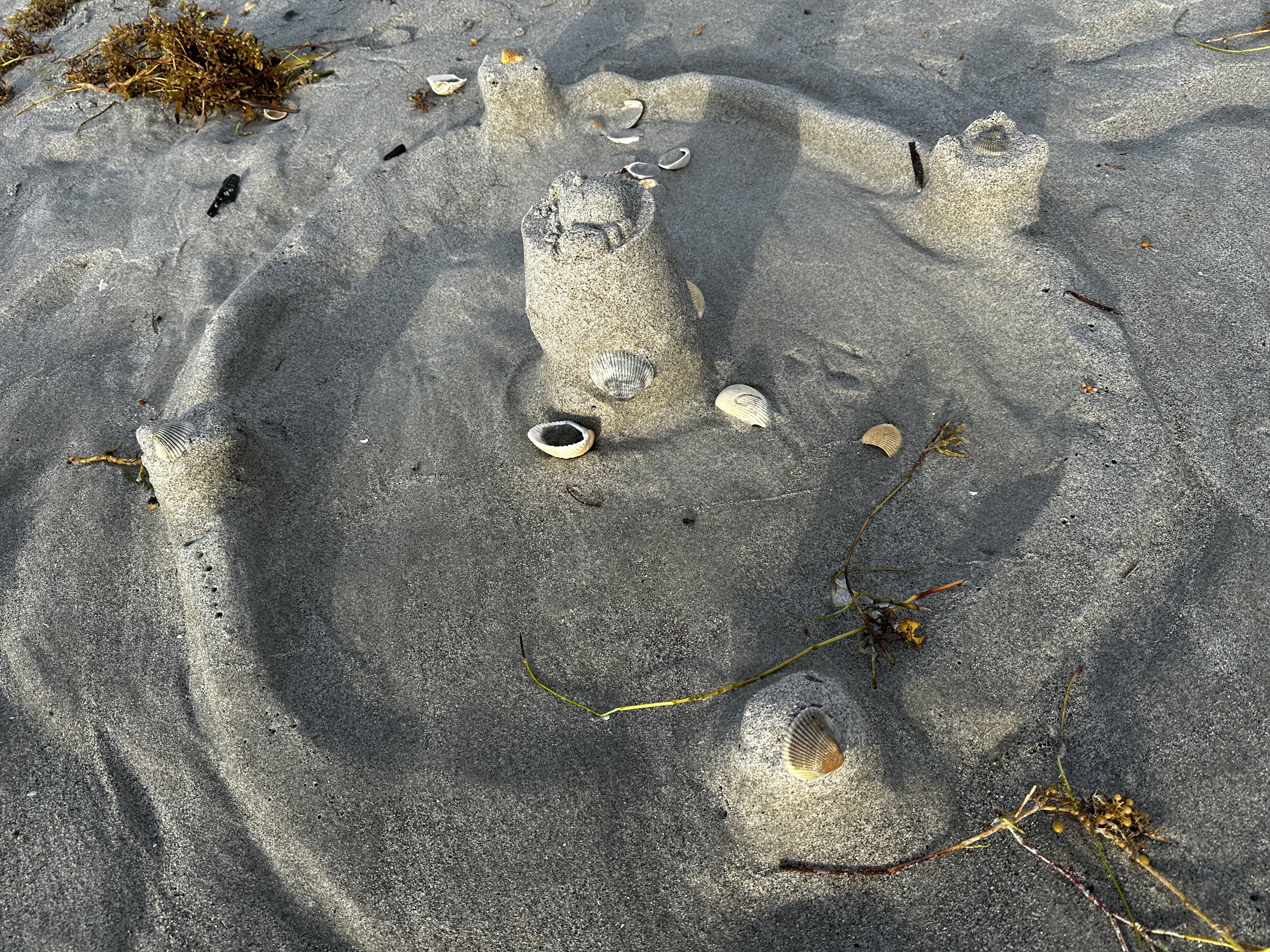
The photographs of a sand castle at Cocoa Beach, Florida, present a clear depiction of the transitory nature of human-made structures in the face of natural forces. This discourse will explore the before and after states of a sand castle through high tide, examining the interplay between human endeavors, the tides influenced by the moon’s phases, and the inevitable passage of time.

The Sand Castle: A Testament to Human Creativity


The initial photograph captures a sand castle in its pristine condition, with detailed turrets, walls, and the decorative placement of shells. This creation is a testament to human creativity, ingenuity, and the desire to imprint our presence on the natural world. Sand castles, often built by children or families, represent the joy of craftsmanship and temporary beauty.

Tides and the Moon: Celestial Influence on Earth’s Waters


Tides are long-period waves that move through the oceans in response to the gravitational pull exerted by the moon and sun. The gravitational forces of these celestial bodies generate tidal forces, which cause Earth—and its water—to bulge out on the side closest to the moon and the side directly opposite. This bulging of water results in high tides.

The moon’s phases, from new moon to full moon and back, play a crucial role in the magnitude of tides. During the full moon and new moon—times known as spring tides—the sun, moon, and Earth form a line, resulting in the combined gravitational pull of the moon and sun, causing higher than average tides. In contrast, during the first and third quarters of the moon, or neap tides, the sun and moon are at right angles to each other, which moderates the tidal effect.

The High Tide: Reclaiming and Reshaping


The second photograph shows the aftermath of a high tide on the sand castle. The rising water has eroded the structure, diminishing its form and washing away its distinct features. The tide does not discriminate in its impact; it is a natural, cyclic event that reshapes coastlines and affects human and ecological systems alike. The high tide symbolizes nature’s reclaiming of human-made imprints, demonstrating the impermanence of our works against the relentless forces of nature.

Passing Time: The Ultimate Sculptor


Time is the ultimate sculptor, working incessantly through agents like wind, water, and biological processes. The eroded sand castle in the second photograph is a reminder of the ephemeral nature of all things. The structures we build, no matter how strong or well-designed, are subject to decay and dissolution over time. The sand castle’s fleeting existence underscores the concept that time, coupled with natural forces, will eventually return human creations back to their elemental forms.

Conclusion


The before and after states of the sand castle serve as a poignant illustration of the dialogue between human endeavors and the immutable forces of nature. While the tides, governed by the moon’s gravitational pull, are predictable, their effects are a constant reminder of the transient nature of human constructs in the grand scheme of time and nature’s cycles. As we appreciate the beauty of temporary creations like sand castles, we also learn to respect the power of the natural world and the passage of time that shapes our existence.