The concept of the “Lightbox” in Neolithic monuments, exemplified by the renowned example at Newgrange in Ireland, is a testament to the remarkable astronomical knowledge and architectural ingenuity of ancient peoples. The Newgrange Lightbox, over 5,000 years old, is an architectural marvel aligned with the rising sun during the Winter Solstice, illuminating the monument’s inner chamber with a beam of sunlight, creating a profound effect that highlights the significance of this time of year in Neolithic culture.
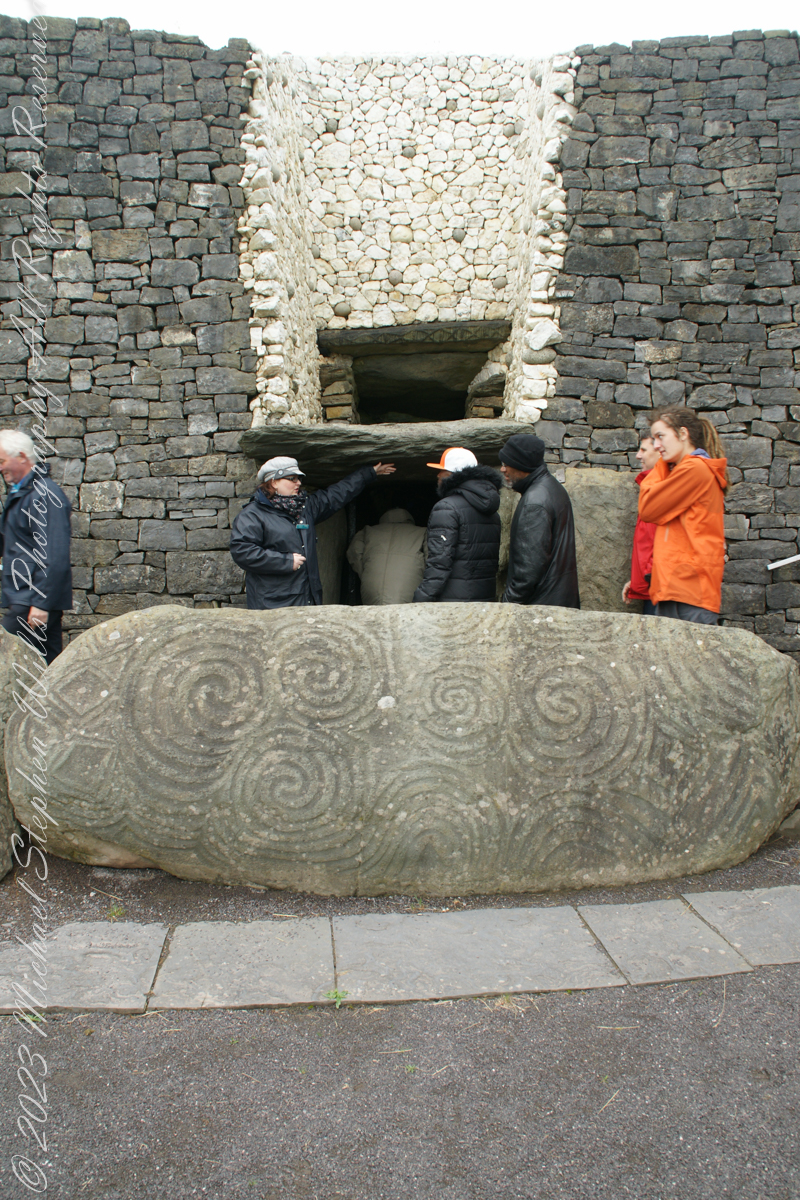
Astronomical alignment is not unique to Ireland. Although less pronounced than the Newgrange Lightbox, Welsh Neolithic monuments suggest a widespread understanding of solar movements across the region. The precise engineering required for such alignments underscores a sophisticated grasp of celestial patterns.
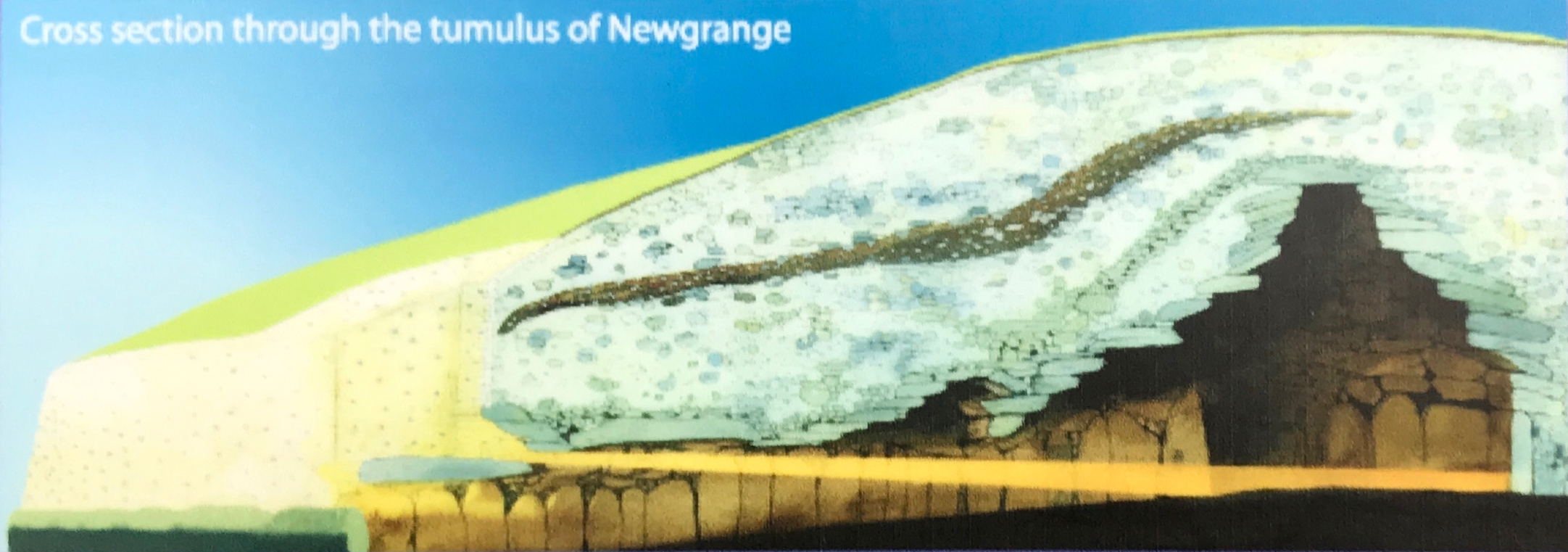
In Scotland, monuments like Maeshowe in Orkney also display this astronomical precision. Like Newgrange, Maeshowe’s entrance is aligned with the setting sun of the Winter Solstice, illuminating its chamber with the last rays of the year’s shortest day. This suggests a shared cultural or spiritual importance of the solstice across these regions.
Further afield, in France and Spain, megalithic sites like Gavrinis (in Brittany, France) and the many dolmens scattered across Spain, showcase similar traits. The Gavrinis tomb, famous for its intricate carvings, also aligns with celestial events, indicating a pan-European Neolithic concern with the movements of the sun and stars. In Spain, numerous dolmens and stone chambers bear alignments with solstices and equinoxes, revealing a broad geographical spread of this architectural practice.
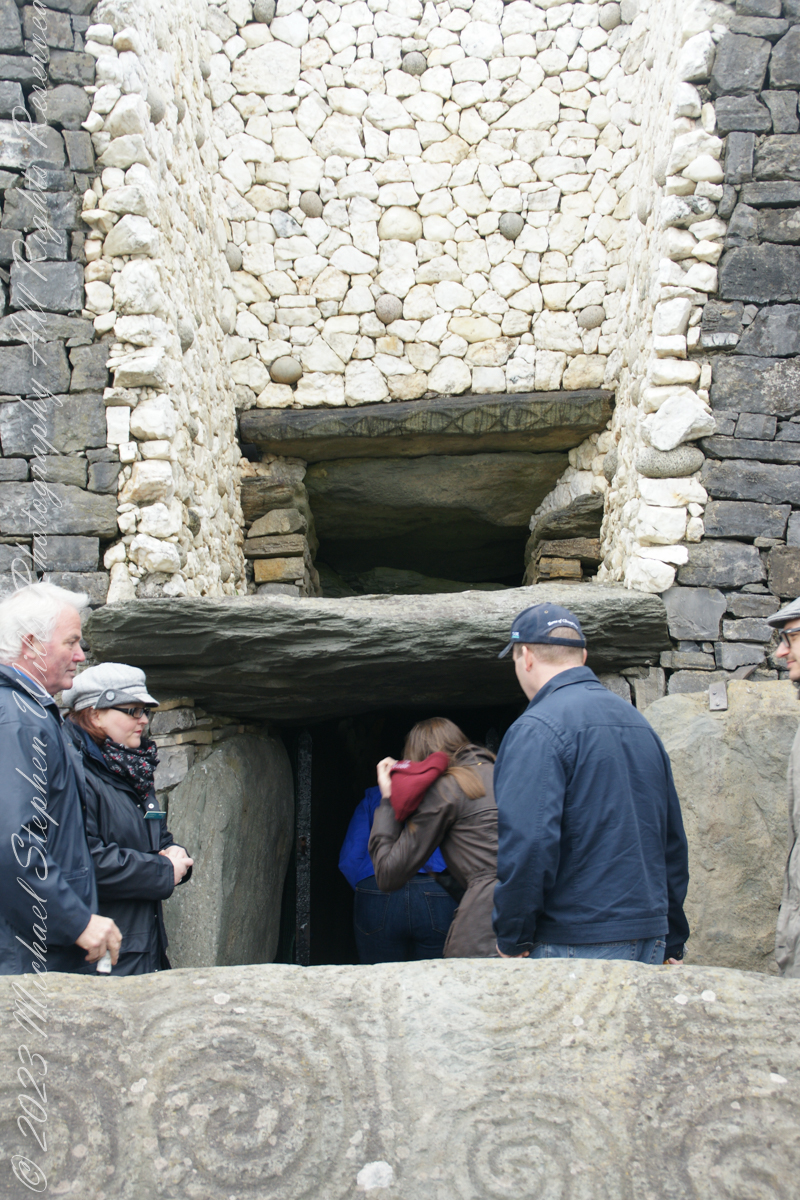
These alignments and constructions across different regions signify a deep reverence for the natural world and its cycles. The solstices, in particular, might have symbolized renewal, rebirth, or other significant cultural or spiritual themes for Neolithic societies. The lightboxes served not just as architectural features but as a medium for these ancient people to connect with and celebrate the cosmos.
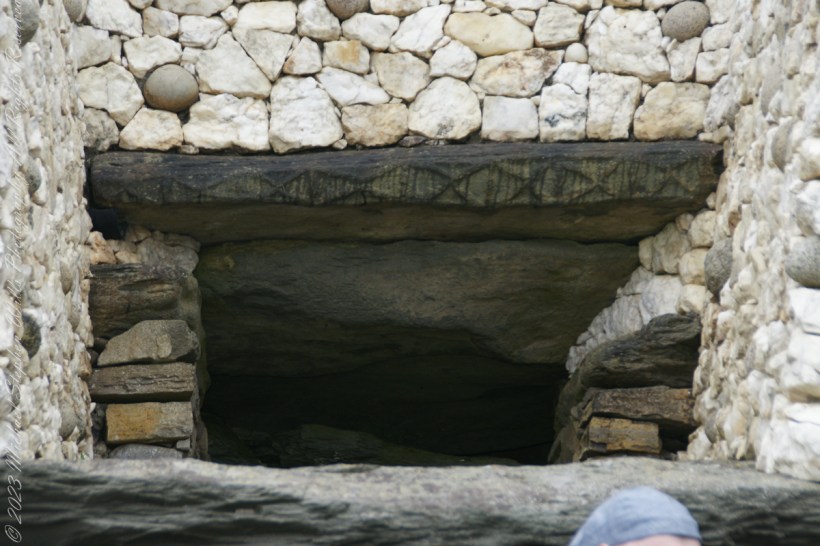
The continued fascination with these structures, especially during solstice events, highlights a timeless human curiosity about our place in the universe and a deep-seated appreciation for the ingenuity of our ancestors. These Neolithic lightboxes, spread across Europe, stand as enduring symbols of early human connection to the cosmos and mastery of their environment.
Click Me for the first post of this series.


uf
LikeLiked by 2 people
I also love these neolithic structures across the world. It’s fascinating that so many of these ancients civilizations developed similar ways to track and celebrate the sun, moon and stars. Maggie
LikeLiked by 2 people
We have yet to improve on carved stone for communicating lasting messages to the future.
LikeLiked by 1 person
A component of human nature—at least some people’s nature—is the desire to figure out how things are and the way they work. In short: what and how.
LikeLiked by 1 person
proven over time, by the evidence
LikeLike