Stewart Park, Cayuga Lake, Ithaca, New York
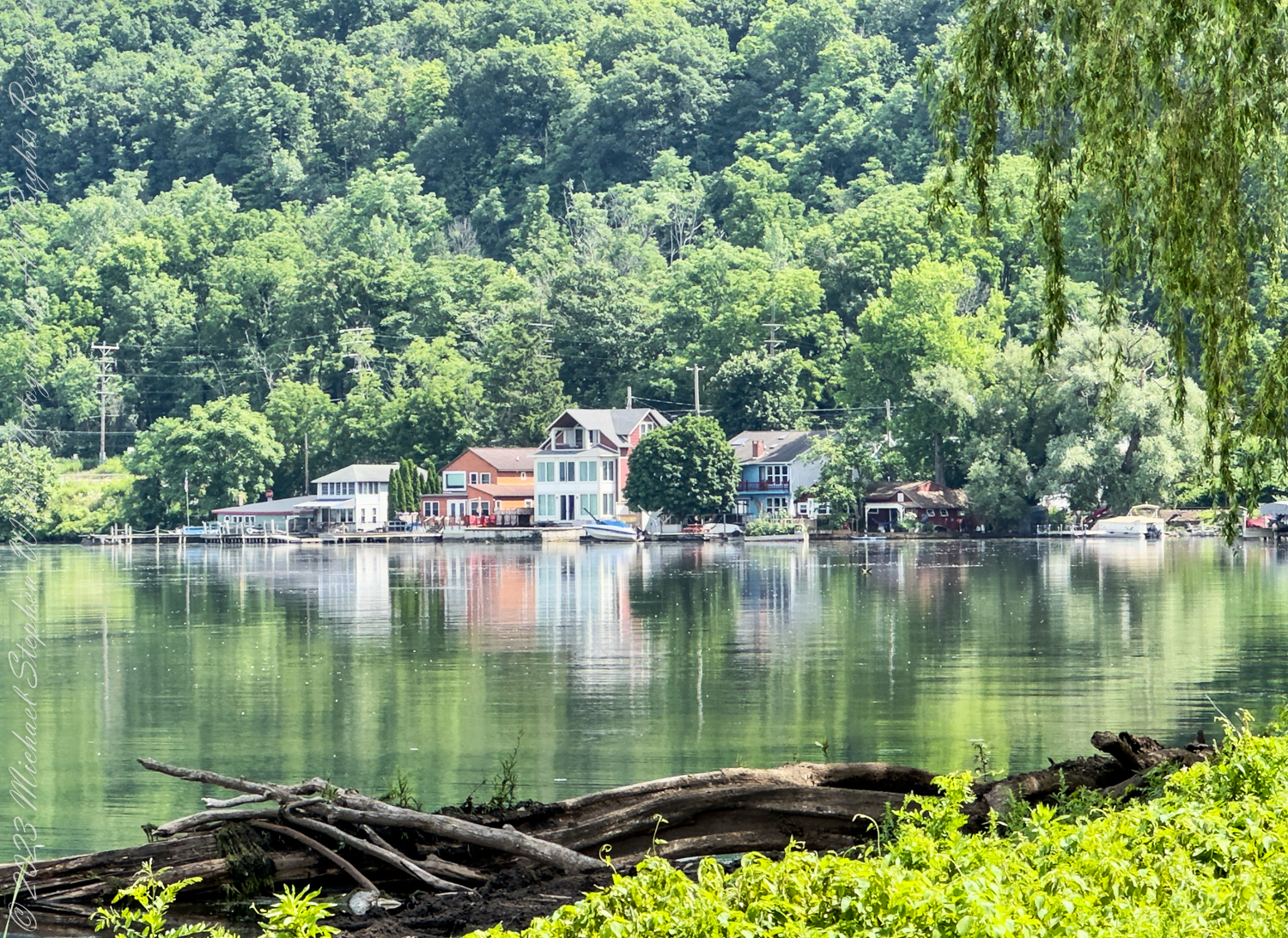
On a warm June morning, with the early summer sun casting a golden glow across the shores of Cayuga Lake, Pam and I set out for a walk around Stewart Park. The soft lapping of the water against the shore mixed with the calls of distant birds, and the familiar hum of life in the park settled into a rhythm that has long been a part of this place. As I strolled along a familiar path, a flash of orange caught my eye—the unmistakable brilliance of the Hemerocallis fulva, the Tawny Daylily, in full bloom.
A Glimpse of the Familiar
At first glance, the orange petals of the daylily seemed like small flames scattered across the green of the park, their brightness undimmed by the heat of the day. The sight was both familiar and captivating, for these daylilies are common in garden, parks and roadsides around Ithaca and much of New York State. Despite their prevalence, each encounter feels fresh, like meeting an old friend who always has something new to share.
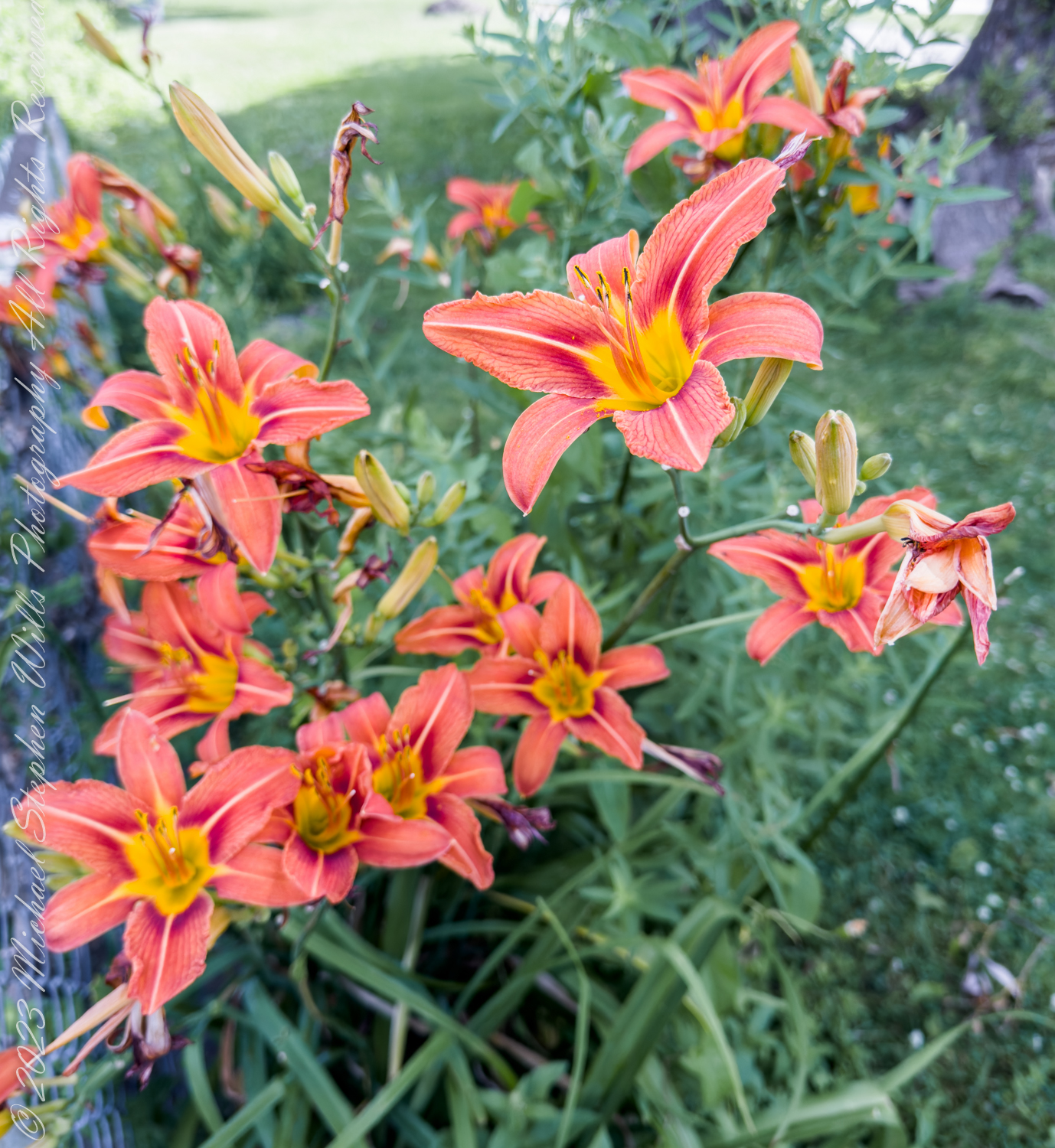
I knelt closer, letting my eyes follow the curve of the petals, which unfurled gracefully from a vibrant yellow throat. The delicate lines streaked down the petals like rays of sunlight. Though each flower lives only a day, I felt the quiet confidence of this plant, as though it knew its bloom was fleeting, yet still essential in the tapestry of summer.
The Resilience of a Traveler
The daylily’s ubiquity belies its status as a traveler from distant lands. Hemerocallis fulva is not native to New York, nor to any part of North America. It came to these shores from Asia, introduced by gardeners who admired its hardiness and vibrant color. Over time, the daylily escaped the bounds of cultivated gardens, spreading to roadsides, fields, and yes, even here, to the edges of Stewart Park.
I find myself reflecting on the journey of this plant, which began in the faraway lands of China, Korea, and Japan. In its homeland, daylilies have long been symbols of devotion and motherhood, their roots used in traditional medicine, their blooms celebrated in art. Now, as I stand in Stewart Park, I marvel at how far the Hemerocallis fulva has come, adapting to new lands and naturalizing in the wild corners of the American landscape.
The irony of its “wild” appearance does not escape me—this orange beauty, so deeply associated with our rural and parkland settings, is still very much an outsider. And yet, in the soft breeze of the morning, it feels as though this plant has always belonged here, as much a part of the park’s landscape as the willows by the lake or the ducks bobbing in the water.
Nature’s Balancing Act
As lovely as they are, daylilies are not without their complications. The very same traits that make Hemerocallis fulva such a beloved garden plant—its resilience, its ability to thrive in poor soil, and its spreading rhizomes—also make it an unintentional invader. Without careful tending, these plants can spread aggressively, pushing out native species and altering the ecological balance of the areas where they take root.
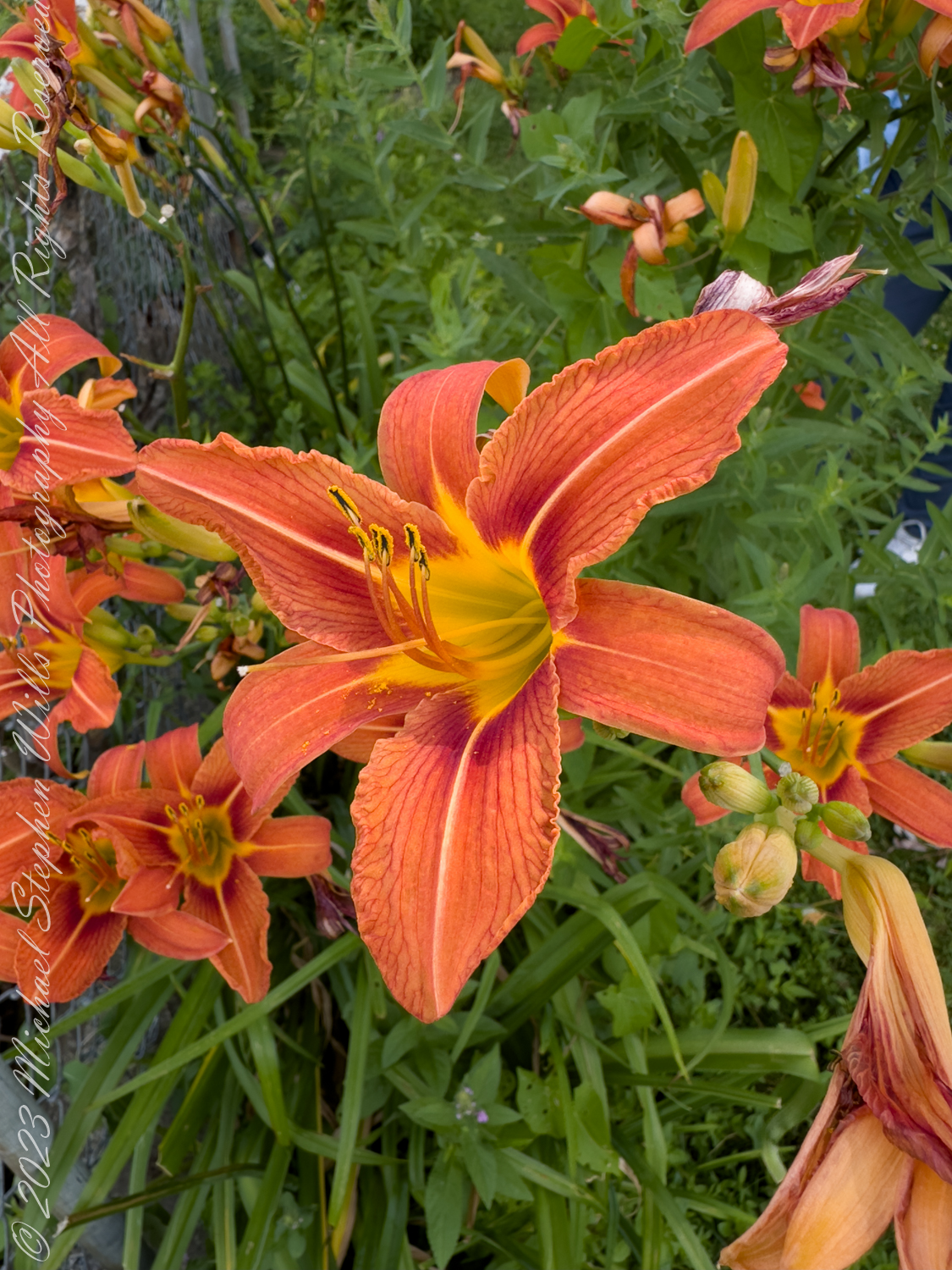
Here in Stewart Park, where cultivated gardens meet the untamed edges of the lake, the daylilies are a reminder of nature’s delicate balance. They offer nectar to bees and butterflies, providing sustenance to the creatures that flit through the morning air and also represent challenge to the native wildflowers that have long called this place home.
I wonder what plants might have once thrived in this very spot before the Hemerocallis fulva arrived. Perhaps native species, like the delicate Asclepias tuberosa—Butterfly Weed—or the sturdy Rudbeckia hirta, the Black-eyed Susan, held court here, their blooms attracting the same bees now drawn to the daylilies.
The Fleeting Bloom
Despite its role as a naturalized non-native, the daylily has a fleeting grace that draws me in. By tomorrow, these orange blooms will have withered and fallen, replaced by new blossoms that will unfurl in their place. Each bloom’s brief life is a reminder of the ephemerality of beauty, and I find myself appreciating the daylily all the more for its transient nature.
We continue our walk, leaving behind the patch of daylilies but taking with me a sense of quiet reflection. As invasive as they may be, these plants offer a meditation on the impermanence of life and the ways in which non-native species can become a part of the landscape’s fabric, for better or worse. The Hemerocallis fulva may not belong here by birthright, but it has made a place for itself, a symbol of survival and adaptation in the ever-changing world around it.
A Lesson from the Daylily
As I near the edge of the lake, watching the sunlight dance across the water’s surface, I think about the lessons that the daylily offers. Life is fleeting, yes, but also full of color and vibrancy, no matter how brief the bloom. And in that brief bloom, there is the possibility of resilience, growth, and belonging, even in a place far from home.
Much like the daylily, we too find ourselves in unfamiliar places at times, learning to adapt, to thrive, and to leave our mark on the world—if only for a day.
 Michael Stephen Wills Photography
Michael, what a beautiful tribute/ode to the beautiful Tawny Daylily. Your poetic prose drew me in and leaves me in deep thought about this stunning flower. It’s travelled so far yet found a welcome home here, admired by many and so important for the bees! In Sweden there is a new law to try and control the spread of lupins – they thrive in the wild, the roadsides were full of amazing blooms but now removed and one has to ensure they are not in one’s garden! Rather sad … luckily no such mandate in the U.K.!
LikeLiked by 1 person
Dear Annika,
Thank you so much for your heartfelt comment. I’m truly glad that the tribute to the Tawny Daylily resonated with you. It’s fascinating how this flower has journeyed across the world, finding a place in our hearts and ecosystems, all while playing a vital role for our bees.
The situation with lupins in Sweden is bittersweet. While I understand the need to manage invasive species to protect local flora, it’s always sad to see such beautiful blooms disappear from the landscapes we love. I’m relieved to hear that in the U.K., you can still enjoy their vibrant presence along the roadsides and in gardens.
Nature’s balance is delicate, and stories like these remind us of the importance of mindful stewardship. Thank you for sharing this insight—it adds a profound layer to the conversation about how we coexist with the plants around us.
Warmest regards,
Michael
LikeLiked by 1 person
I inherited some daylilies when I purchased my house 24 years ago. I hate to admit, they’re not my favorite flower, although your post may have nudged my feelings more toward the positive. I’m not sure why I don’t like them. I guess I’d prefer tiger lilies instead. Despite my best efforts to neglect them, my daylily plots are doing great! They seem to thrive on neglect.
LikeLiked by 1 person
Hi Marie,
Thank you for sharing your thoughts! I understand your ambivalence toward daylilies—gardening preferences can be so personal. It’s interesting how some flowers, like tiger lilies, resonate with us more than others. Daylilies certainly have a way of thriving, even when left to their own devices, which I find adds to their charm. Their resilience, in the face of neglect, almost demands a kind of respect, doesn’t it? I’m glad my post nudged your feelings, even a little. Who knows? Maybe your daylilies will win you over one day!
LikeLiked by 1 person
Lovely sentiments and beautiful daylilies. I love it when I happen upon daylilies growing by the side of the road and wonder who planted them and how many decades ago for there are often no houses in sight.
LikeLiked by 1 person
Hi Janet,
Thank you for your kind words! I share that same sense of wonder whenever I see daylilies growing along the roadside. It’s as if they hold stories from the past, standing as reminders of forgotten gardens or perhaps a gardener’s touch from decades ago. Their ability to survive and thrive without much care is one of the reasons I find them so fascinating—always present, yet quietly mysterious. I’m glad the post resonated with you!
LikeLike
Hi Michael, Just a note to let you know I tried to “like” your response to my comment, but it doesn’t seem to be working. It must be a problem with my WordPress and not yours because I see other comments on your post have been “liked” by others. I just didn’t want you to think I was ignoring your nice response. Yes, daylilies’ ability to thrive with no maintenance by the side of the road has always fascinated me.
LikeLiked by 1 person
a comment is even better, Janet. Thanks!!
LikeLiked by 1 person
Daylilies are such low maintenance flowers. They’re not my favourite though. I had a bunch in my backyard that were taking over everything. I ended up digging them up a couple of years ago, which was quite the process.
LikeLiked by 1 person
Dear Linda and all,
Sounds like your daylilies took “survival and adaptation” to a whole new level in your backyard!
They embraced the concept of resiliency.
Cheers,
Mike
LikeLiked by 1 person