Pinelands Connections V

Saint Mary’s of the Pines (St. Mary of the Assumption)

……continued from “Pinelands Connections I.

The Pinelands chemical reactions / iron furnaces of Part III are elements of the warp and weft of our family’s story. Saint Mary Assumption (“Saint Mary’s of the Pine”) Roman Catholic church was another. Family members comprise 60% (60 percent) of the burials, comprising these family names: Dellett (see Pinelands Connections I), Milley, Wills, McCambridge.
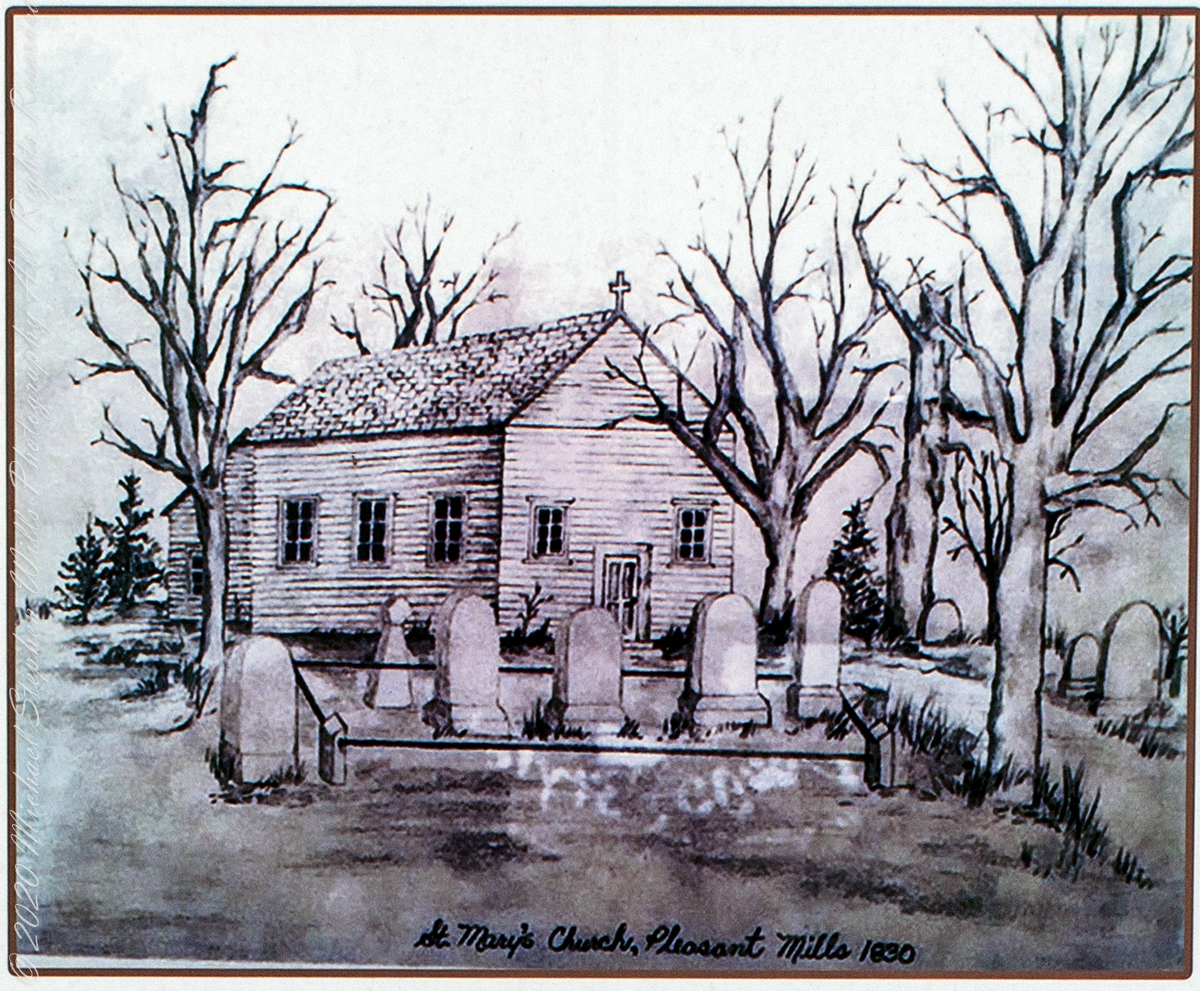
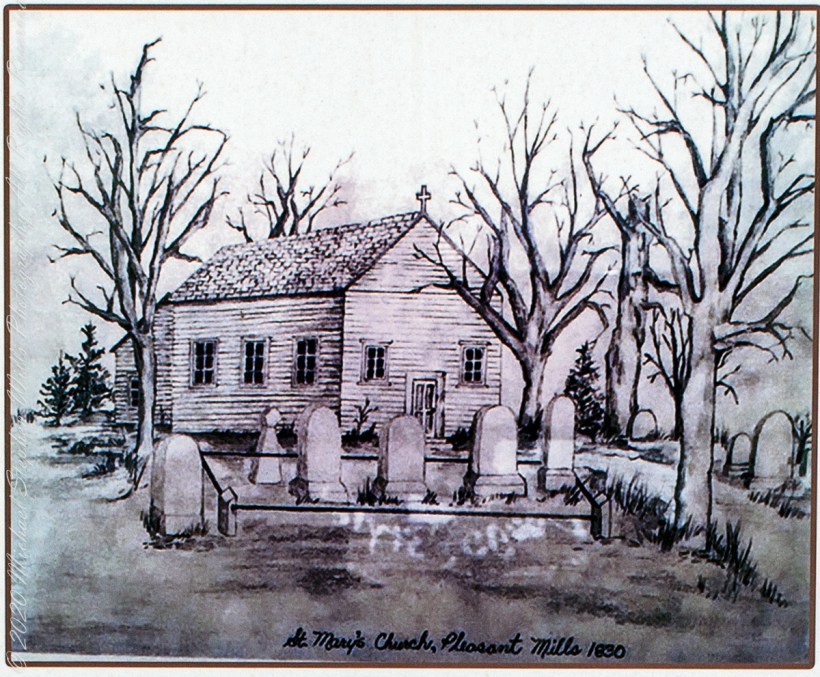
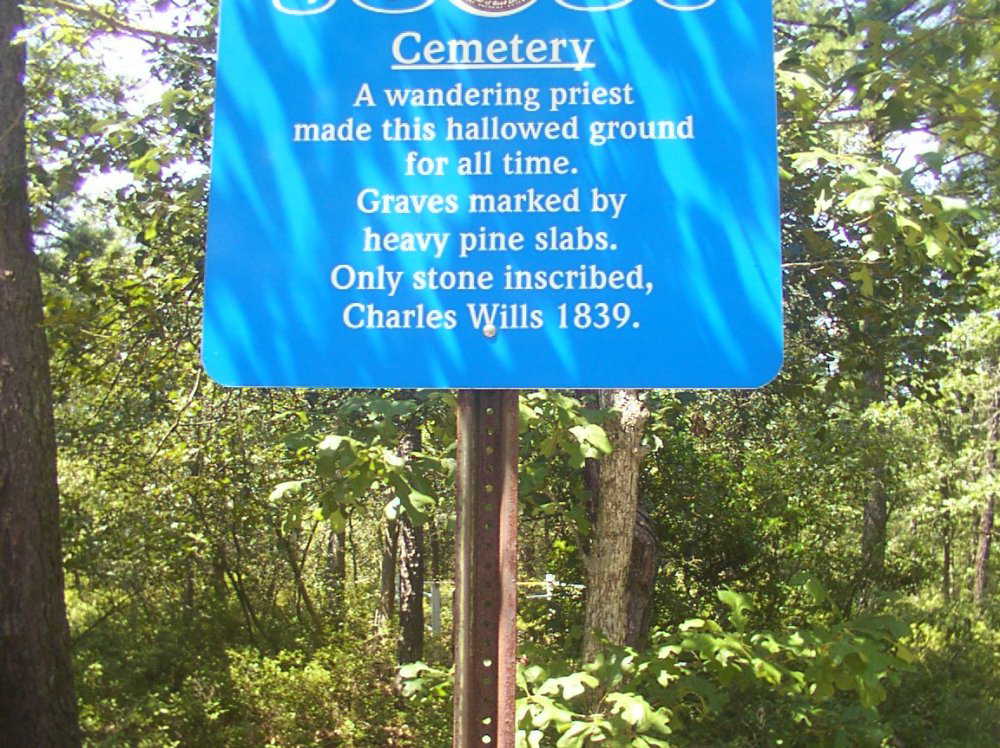
“Most of the settlers in the early 19th century were either Presbyterian or of a denomination that resulted from the Protestant Reformation. The Catholics that lived in this area, many of whom worked at Batsto, were at the time practicing their religion by gathering privately in their tiny homes. They had no money with which to buy land or build a church and were only able to have a mass in their homes if a priest from the Philadelphia area came to visit Pleasant Mills, which was not often. Set within the background of religious intolerance, the creation of St. Mary’s of the Assumption was due to one man’s compassion for his workers. That man was Jesse Richards of Batsto, a Protestant. In 1826 he donated a plot of land to his Catholic workers so that they could build their own church. It took a year for them to collect enough money to build St. Mary’s and supposedly Jesse Richards donated some money for the church, as well. The parishioners worked together with a young reverend, Edward R. Mayne, and erected St. Mary’s of the Assumption, which became known as St. Mary’s Roman Catholic Church in the Pines in Pleasant Mills and eventually St. Mary’s in the Pines. Father Mayne, a convert from Protestantism, became its original priest. The church was dedicated August 15, 1830. Bishop Francis Kendrick of Philadelphia performed the dedication. It was the first Catholic Church south of Trenton and probably the third in the state of New Jersey. Upon Jesse Richards’ death in 1854, Batsto’s industries, especially the glass factories, went into a decline. Many of the workers went elsewhere for employment which caused a decline in the number of St. Mary’s parishioners. The church closed from approximately 1860 through 1865 and after that only sporadic services were held because the area’s population was decreasing. Eventually, in 1867, the glass factories at Batsto were shut down permanently, which further affected St. Mary’s parishioners. In 1885, the Hammonton Parish was formed and St. Mary’s became part of that parish. St. Mary’s in the Pines remained empty until it was destroyed by forest fire around 1900.” From the sign “St. Mary’s Cemetery, St. Mary’s in the Pines”).
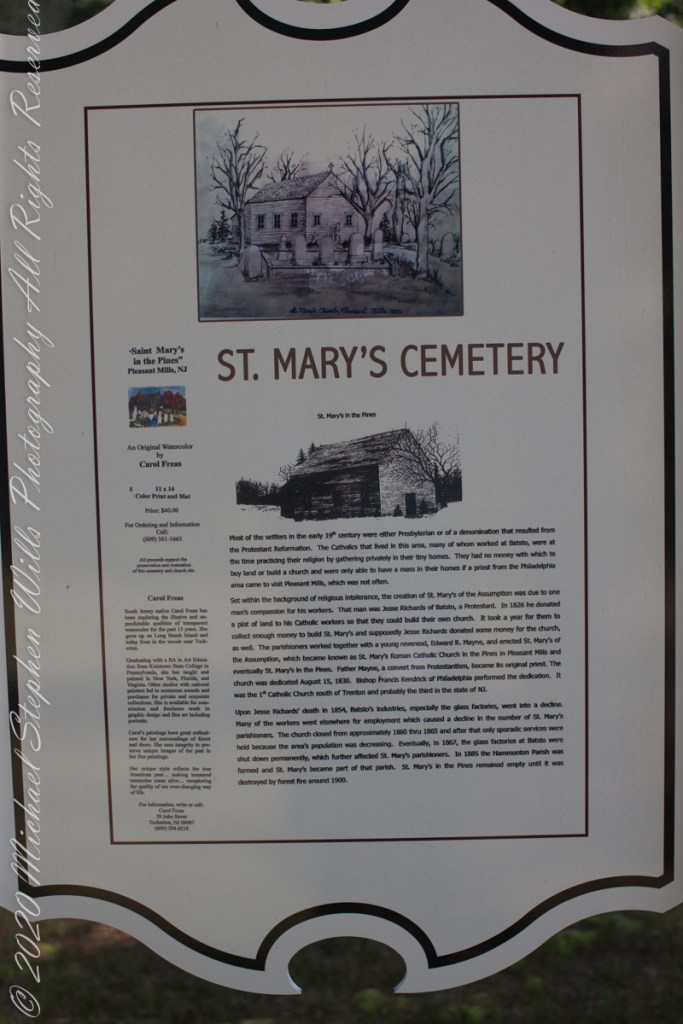
The historical sign includes an offer in support of the preservation and restoration of the cemetery and church site. An original water color (pictured above) by Carol Freas, 11×14 color print and mat, Price $40.00. For information, write or call Carol Freas, 39 John Street, Tuckerton, NJ 08087 (609) 294-0218

Pinelands Connections VI

Copyright 2021 Michael Stephen Wills All Rights Reserved
Pinelands Connections IV

Bog Iron

This series starts here “Pinelands Connections I.

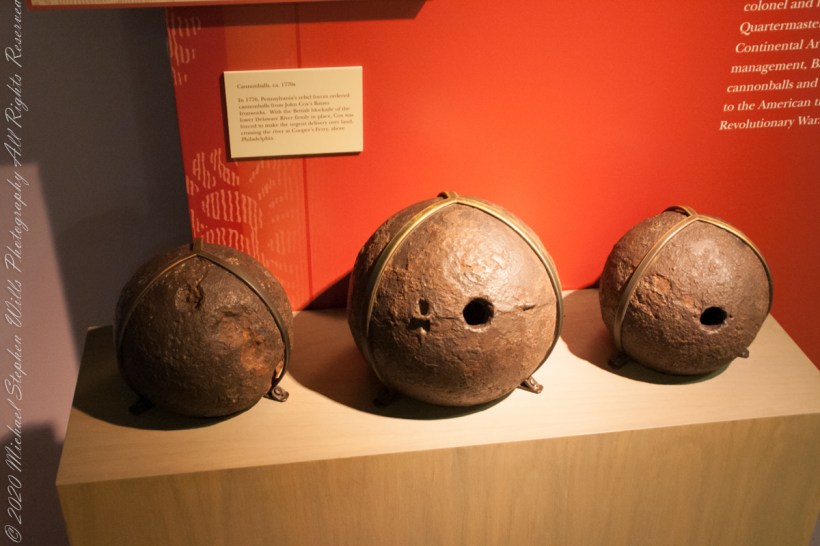
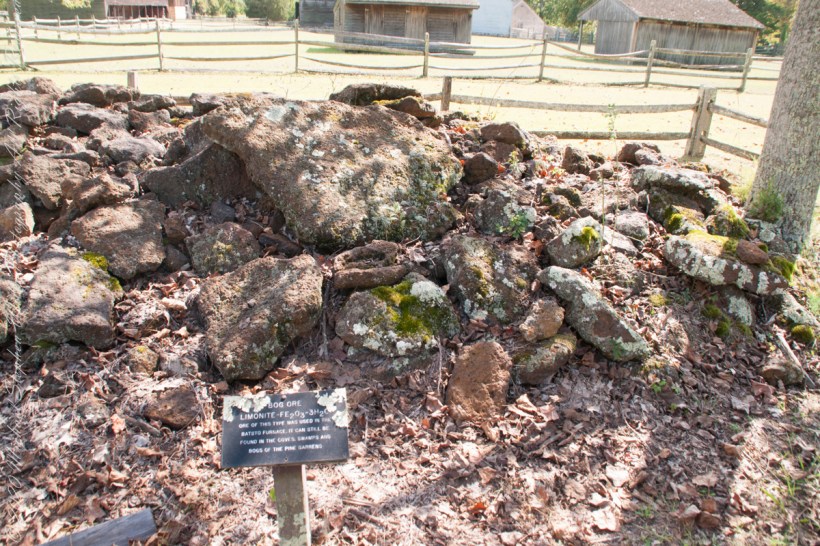
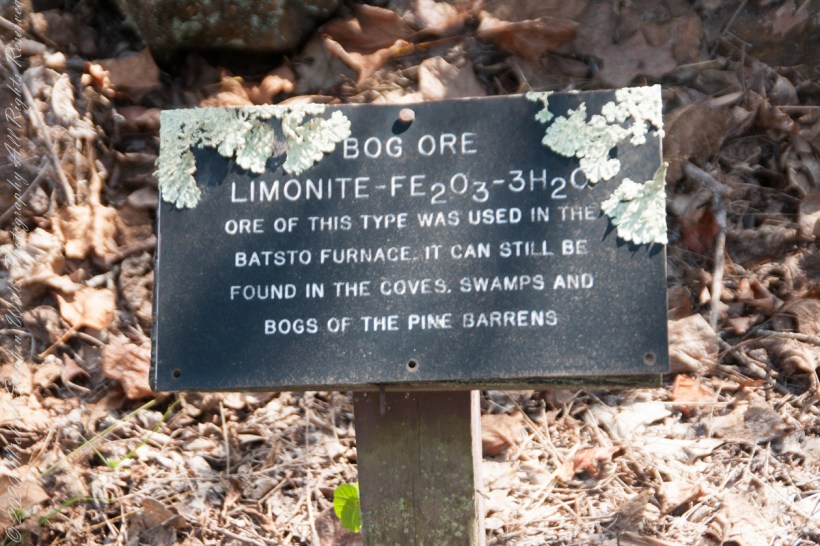
“There was also iron in the Pinelands. Most of the now vanished towns in the pines were iron towns — small, precursive Pittsburghs, in every part of the forest, where fine grade of pig and wrought iron were made. One of the geological curiosities of the Pine Barrens is that rainwater soaking down through fallen pine needles and other forest litter takes on enough acid to leach out iron from the sands below; the dissolved iron moves underground into the streams, where it oxidizes on contact with the air and forms a patch of scum on the surface that is partly rust brown and partly iridescent blue, and resembles an oil slick left by an outboard motor; drifting over to the edges of the streams, this iron-oxide film permeates the sands and gravels of the riverbanks and cements them together into a sandstone composite that has been known for centuries as bog iron. From it ironmasters of the Pine Barrens made cannonballs by the thousand and then them by wagon over the sand roads and on to the Continental Army at Valley Forge and elsewhere.” From The New Yorker magazine, November 26, 1967, “Profiles, The Pine Barrens I” creative non-fiction by the great John McPhee.

“In 1770, a Philadelphian named John Cox was a member of the first Committee of Correspondence and a member of the Council of Safety. With the coming of war, he became a lieutenant colonel and, eventually, assistant quartermaster general of the Continental Armies. His ironworks at Batsto flourished on war contracts from the Quartermaster Corps. In 1778, Cox sold Batsto for forth thousand pounds — a capital gain of about sixteen hundred per cent……Batsto was to reach its most developed stage in the eighteen-thirties and eighteen-forties, when the town had a population of eight hundred. Batsto is one of the few iron towns that remain in the Pine Barrens. …..The state has restored its water-powered sawmill, and sawyers cut white cedar there and make cedar shingles for use in restoration of Batsto buildings.” From The New Yorker magazine, November 26, 1967, “Profiles, The Pine Barrens I” by John McPhee.

Competition from more productive sources of iron and the coal-fired Pittsburg furnaces brought down the Pinelands iron works at their height. By 1848 the furnace at Batsto was cold.

Click me for Pinelands Connections V

Copyright 2021 Michael Stephen Wills All Rights Reserved
Pinelands Connections III

A presence today

“Driving along a sand road between the vanished town of Calico and the vanished town of Munion Field, we passed a house that was so many miles from any other house that Fred said, with evident admiration, “He got well in away from everybody, didn’t he?” Fred made a similar remark every time we passed a house or cabin that was particularly deep and alone in the weeds. Getting — or staying — way from everybody is a criterion that apparently continues to mean as much to many of the people in the pines as it did to some of their forebears who first settled there. Tories, for example, fled into the pines during the American Revolution. People with names like Britton and Brower, loyal to the King, and sometimes covered with feather and tar, left their homes in colonial cities and took refuge in the Pine Barrens. Also, during the eighteenth century, when the farmlands of western New Jersey were heavily populated with Quakers, the Pine Barrens served as a catch basin for Quakers who could not live up to the standards of the Quaker code….” From The New Yorker magazine, November 26, 1967, “Profiles, The Pine Barrens I” creative non-fiction by John McPhee.

……continued from “Pinelands Connections II.

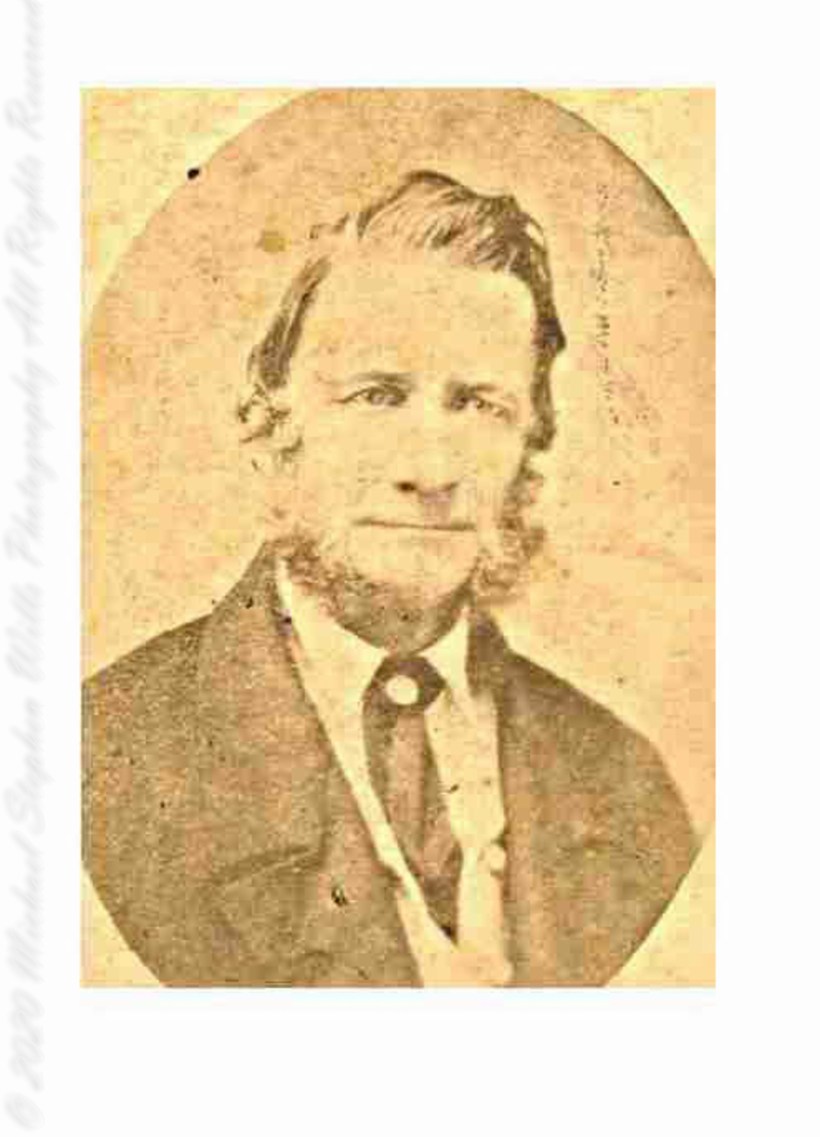
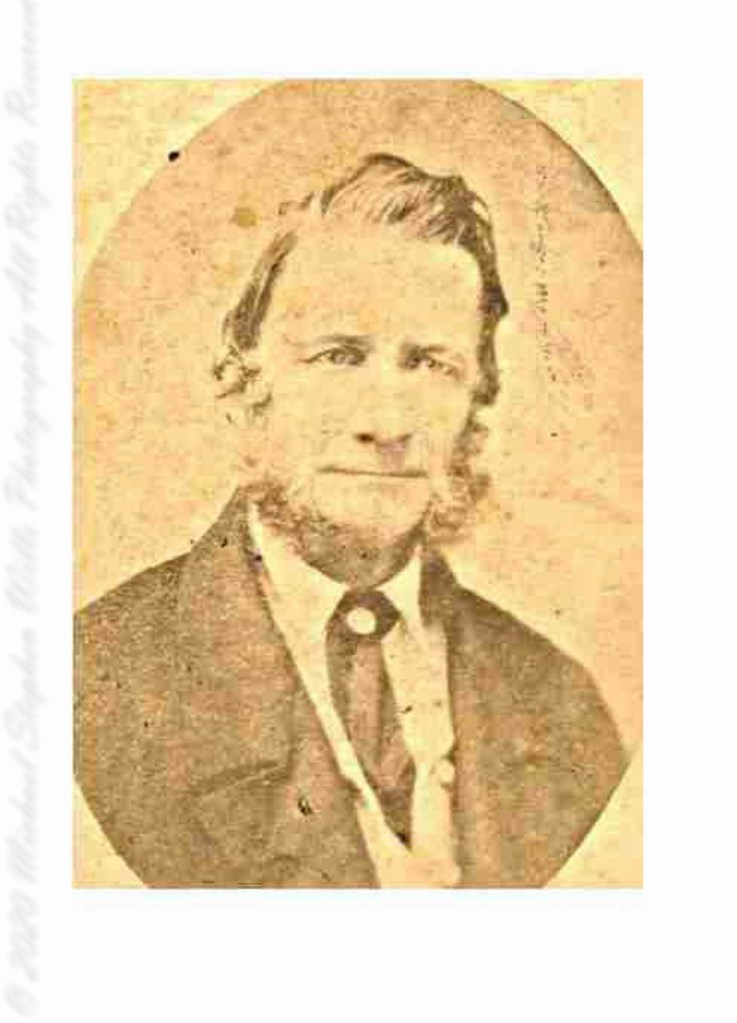
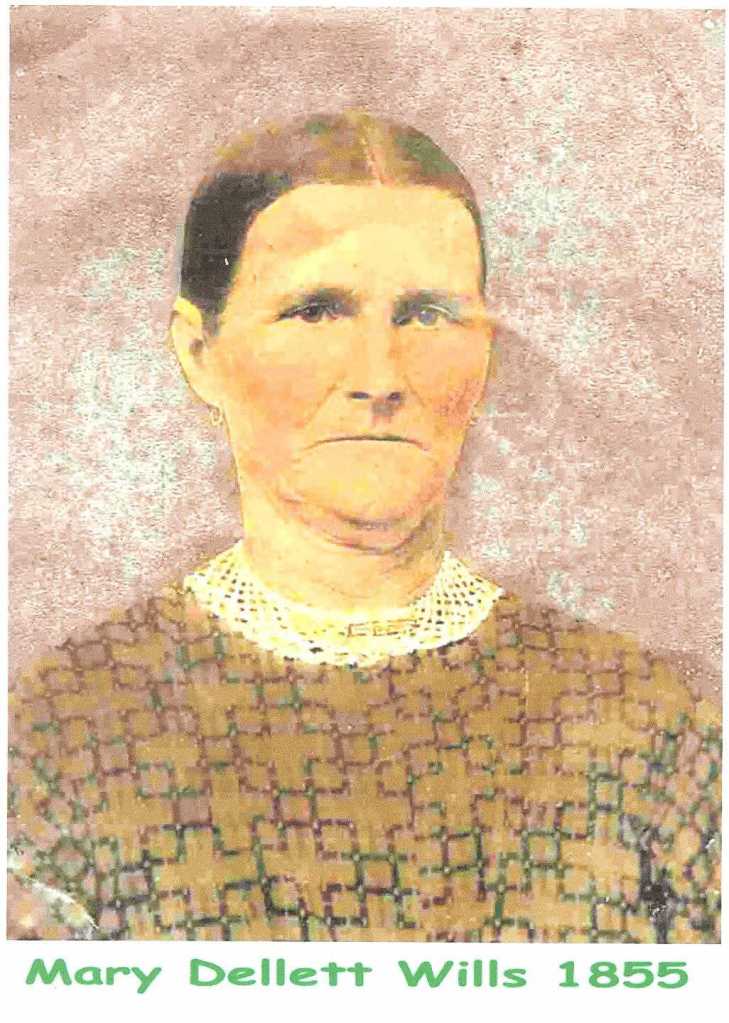
Vanished like the towns of Washington, Calico, Munion Field are the reasons that led to the union of the Quaker George Wills and Mary Dellett, daughter of James, emigrant from Northern Ireland. It is reasonable to surmise George, separated from the Quakers, sought refuge in the pines as a young man.

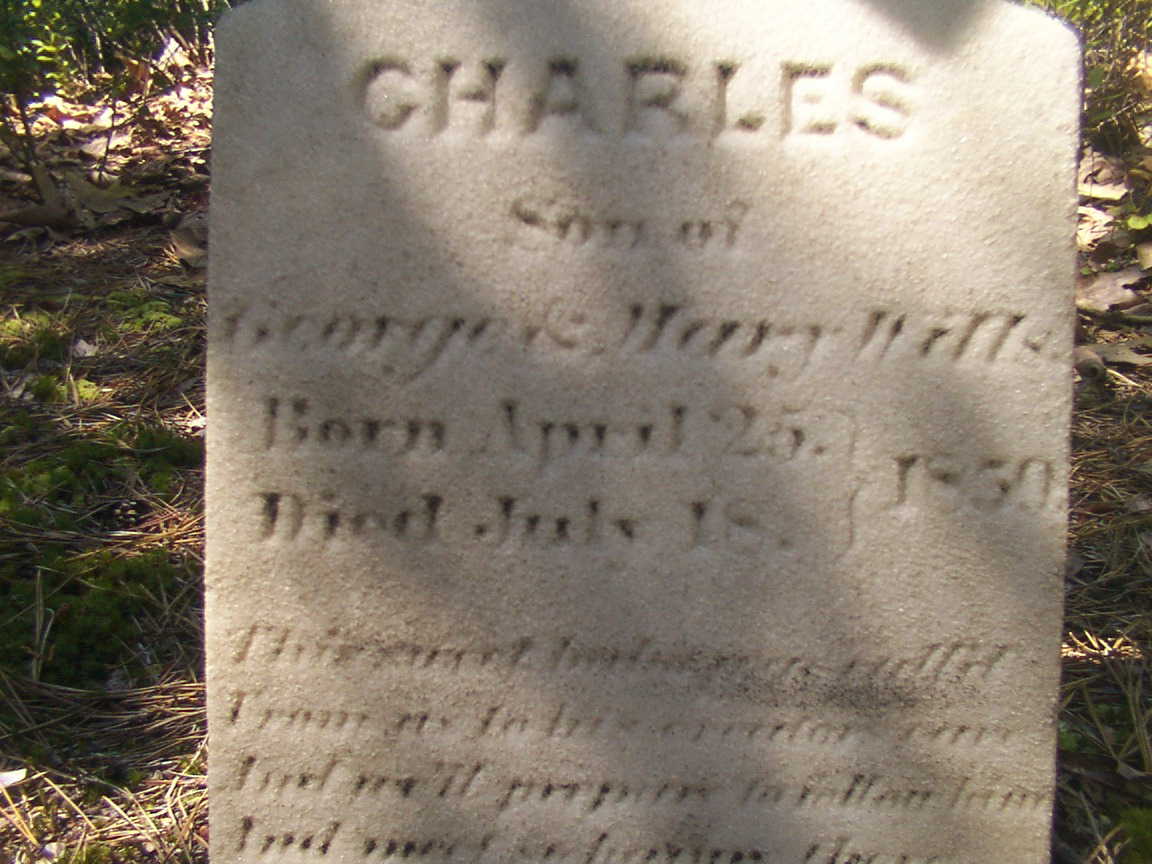
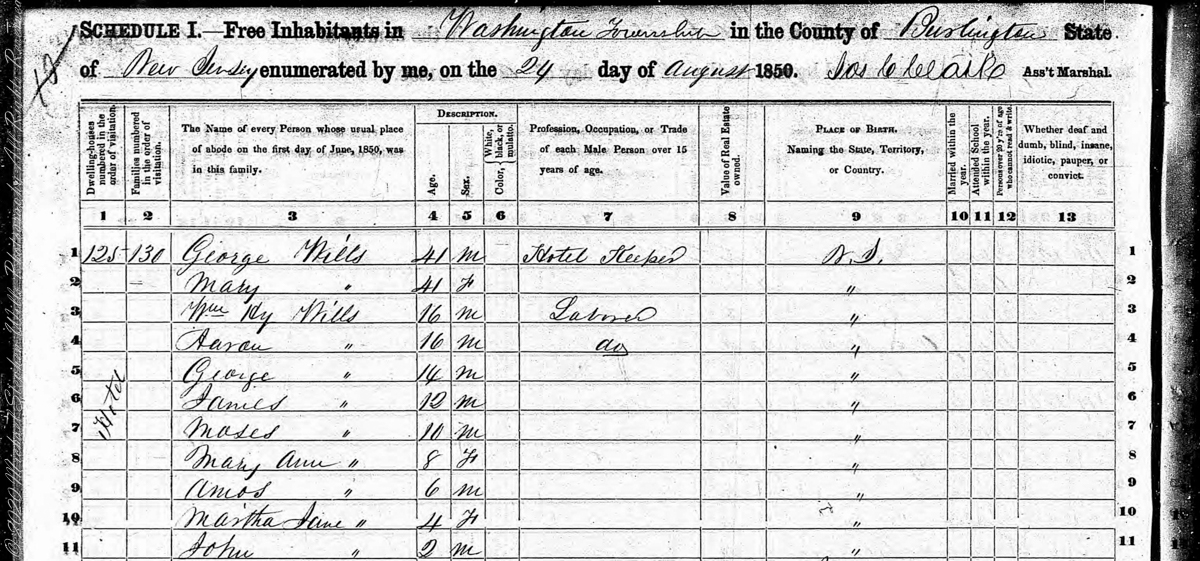
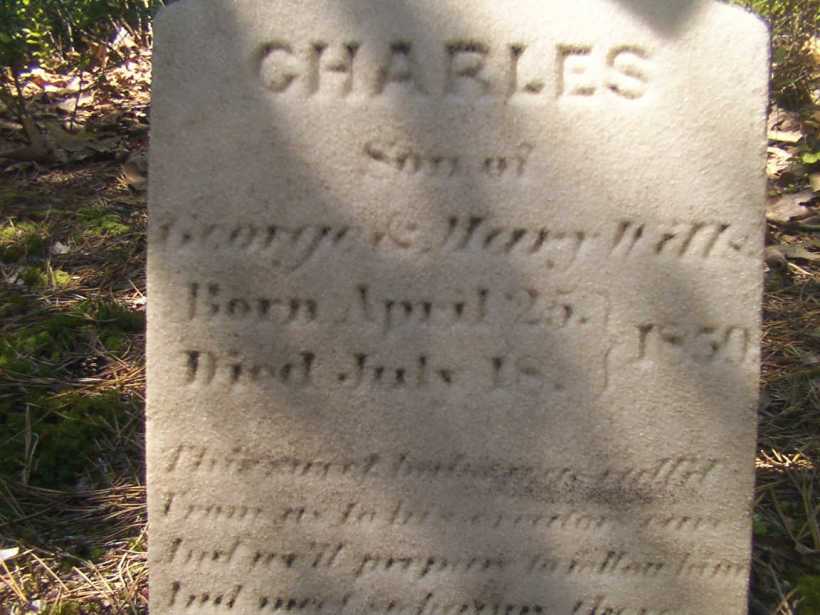
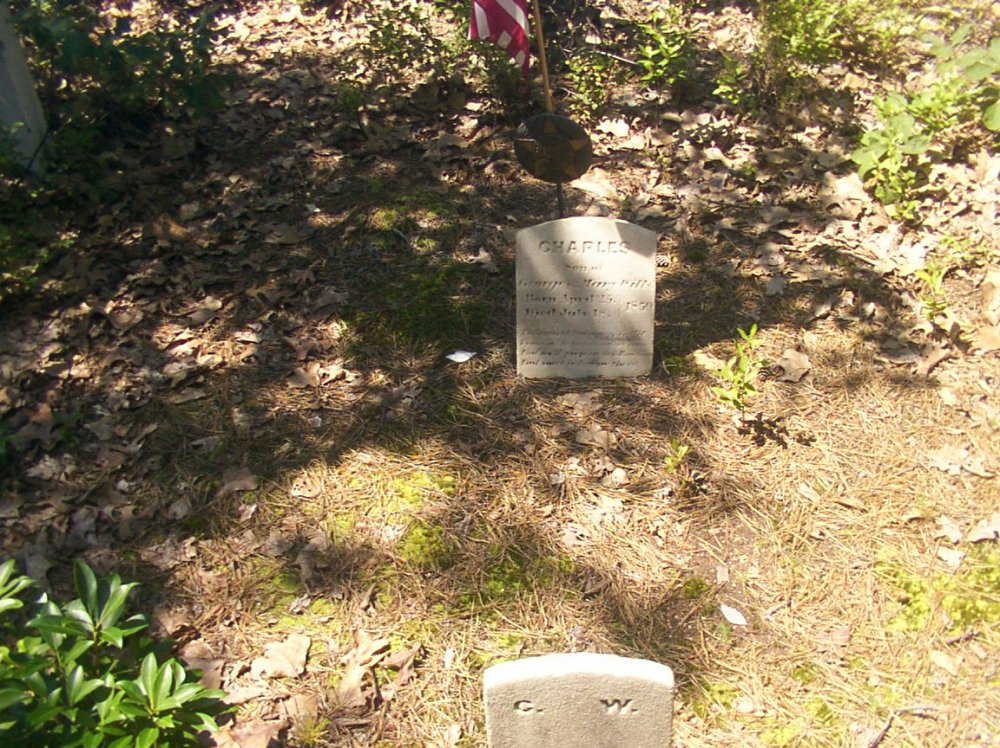
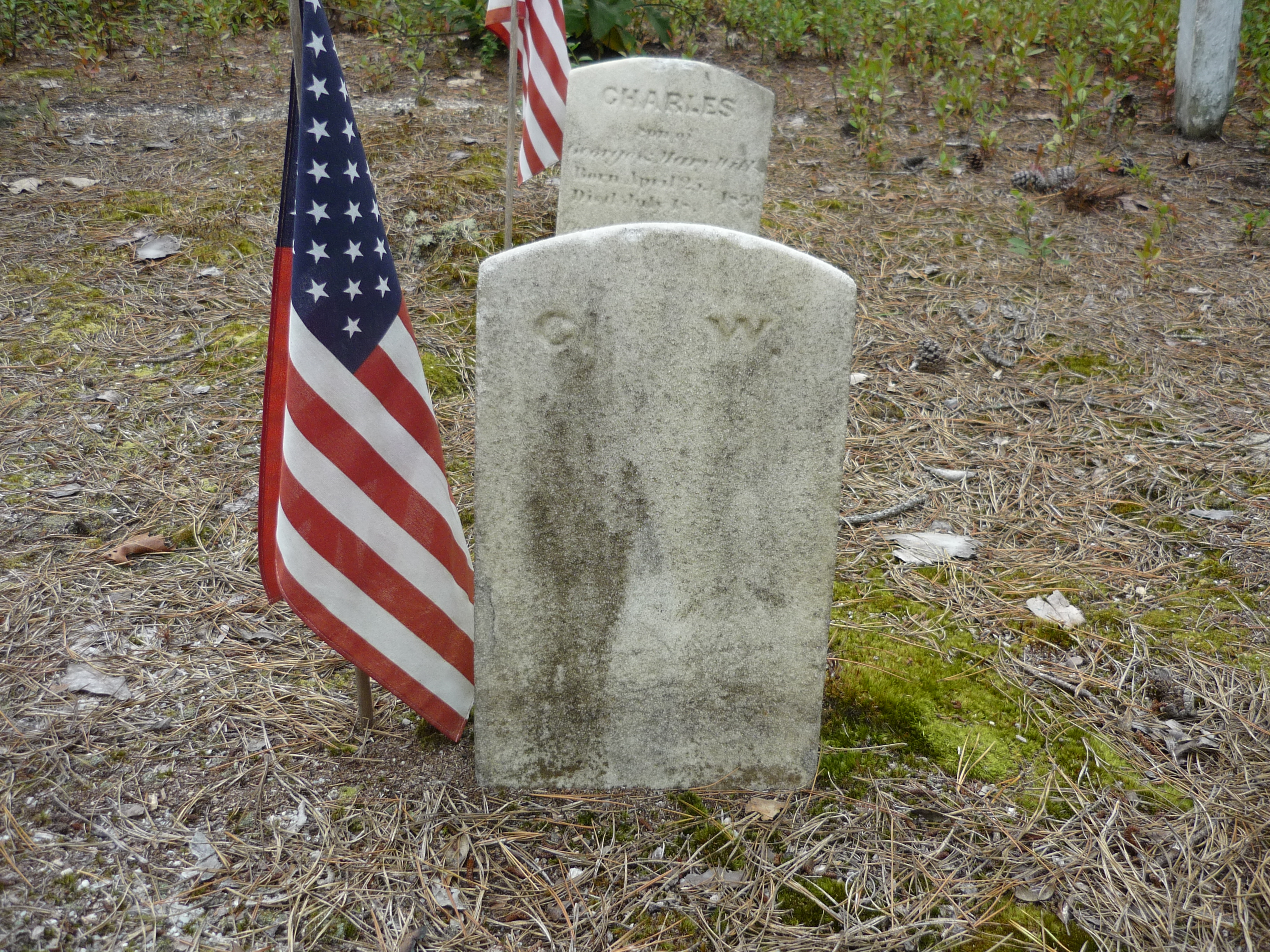
We can tease grief and loss from the records and landscape, When Joseph C. Clark visited George and Mary on August 24, 1850 to record the persons living there, if the U.S. Constitution prescribed the recording of the grief he experienced, the record would show Charles missing from the list. Follow the sand path, “Eagle Road” three miles north where he lays in the ground of the family cemetery, having passed just days before the 1850 census was taken.

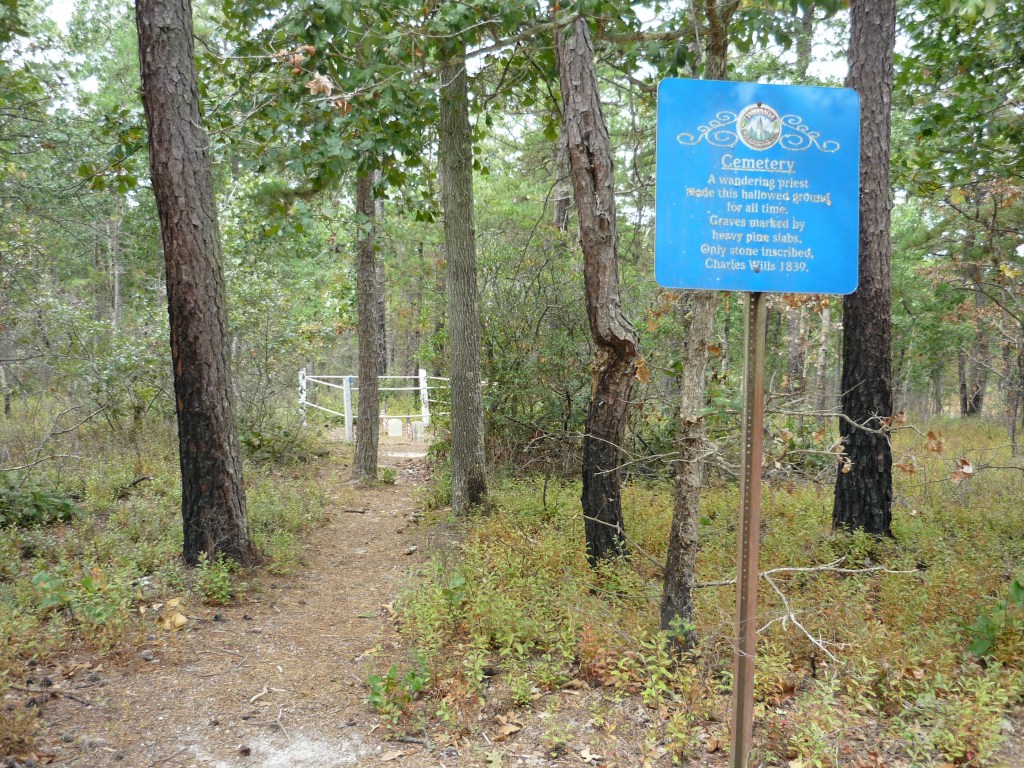
The loss of a cherished presence can be inferred from the use of precious marble to mark his resting place. The heavy pine slabs of his companions long since vanished.

As with the Wills Hotel, the Wills Family Cemetery is best found through global coordinates: 39°45’49.7″N 74°34’01.4″W

Click me for Pinelands Connections IV

Copyright 2021 Michael Stephen Wills All Rights Reserved
Pinelands Connections II

Hotel Keepers

“There are many hundreds of miles of unpaved roads through the pines–two tracks in the sand, with underbrush growing up between them. Hunters use them, and foresters, firefighters, and woodcutters A number of these sand roads have been there, and have remained unchanged, since before the American Revolution. They developed, for the most part, as Colonial stage routes, trails to charcoal pits, pulpwood-and-lumber roads, and connecting roads between communities that have disappeared from the world. In a place called Washington, five of these roads converge in the forest, as if from star points, and they suggest the former importance of Washington, but all that is left of the town is a single fragment of a stone structure..” From The New Yorker magazine, November 26, 1967, “Profiles, The Pine Barrens I” creative non-fiction by the great John McPhee.

……continued from “Pinelands Connections I.

That “single fragment of a stone structure” of 1967 may be all that’s left of the hotel run by Great-Great Grandparents George and Mary (Delette

U.S Census for Washington township, Burlington County, New Jersey, August 24, 1850 Nine (9) children living: William Henry and Aaron, both 16 though not twins. William Henry, born late in the year 1833, October 16, leaving Aaron with a birthday before the census date, making his birth year 1834. My great grandfather, George, 14 years. James (12), Moses (10), Mary Ann (8), Amos (6), Martha Jane (4), John Bishop (2).

After this post was originally published I had a breakthrough, the identification of the Buttonwood Hill Tavern, Crowleytown as the hotel run by George and Mary Wills on the 1850 census.

Reference
I found this information in the book “Heart of the Pines, ghostly voices of the Pine Barrens” by John E. Pearce, Batsto Citizens Committee, 4110 Nesco Road, Hammonton, N.J. 08037-3814.
Click me for Pinelands Connections III

Copyright 2021 Michael Stephen Wills All Rights Reserved
Grosse Isle Quarantine Station, Quebec

during the Great HUNGER, from the Cobh Heritage Center

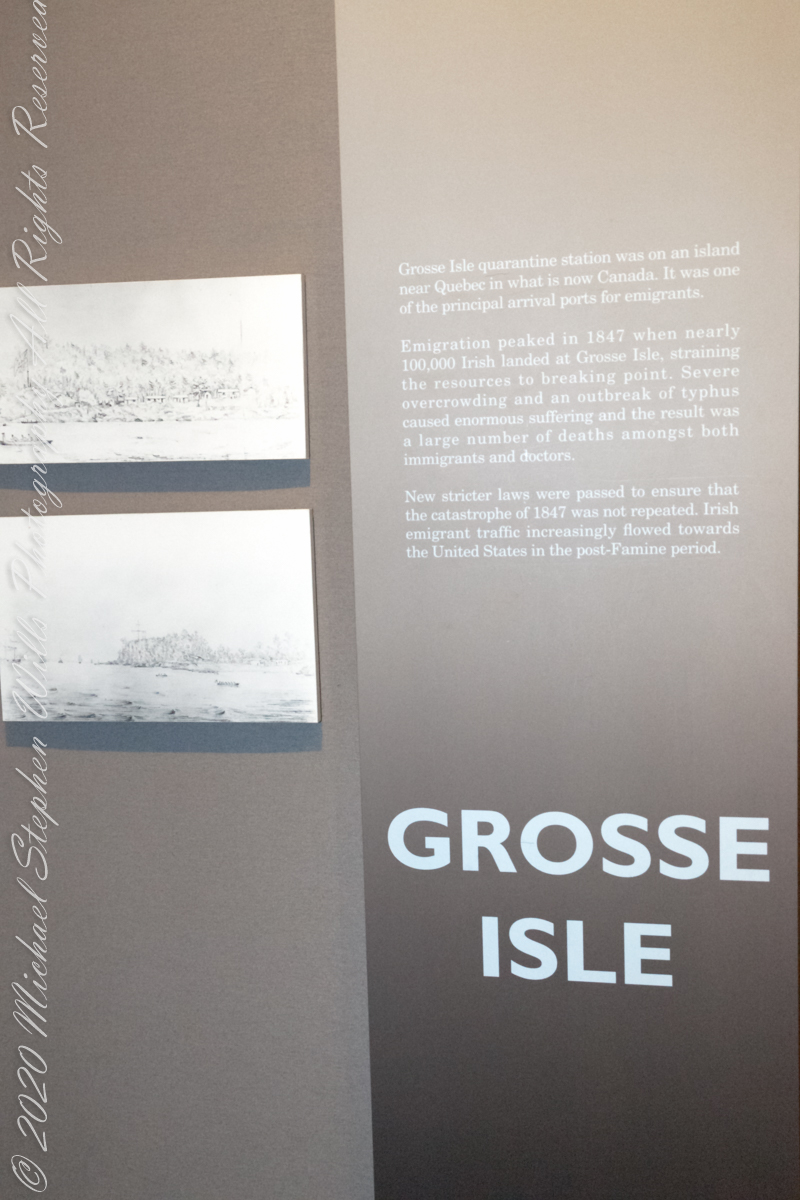
“Grosse Isle quarantine station was on an island near Quebec in what is now Canada. It was one of the principal arrival ports for emigrants.

Emigration peaked in 1847 when nearly 100,000 Irish landed at Grosse Isle, straining the resources to breaking poinit. Severe overcrowding and an outbreak of typhus caused enormous suffering the the result was a large number of deaths amongst both immigrants and doctors.

New stricter laws were passed to encure that the catastrophe of 1847 was not repeated. Irish emigrant traffic increasingly flowed towards the United State inthe post-Famine period”. From the exhibit (below), Cobh Heritage Center.

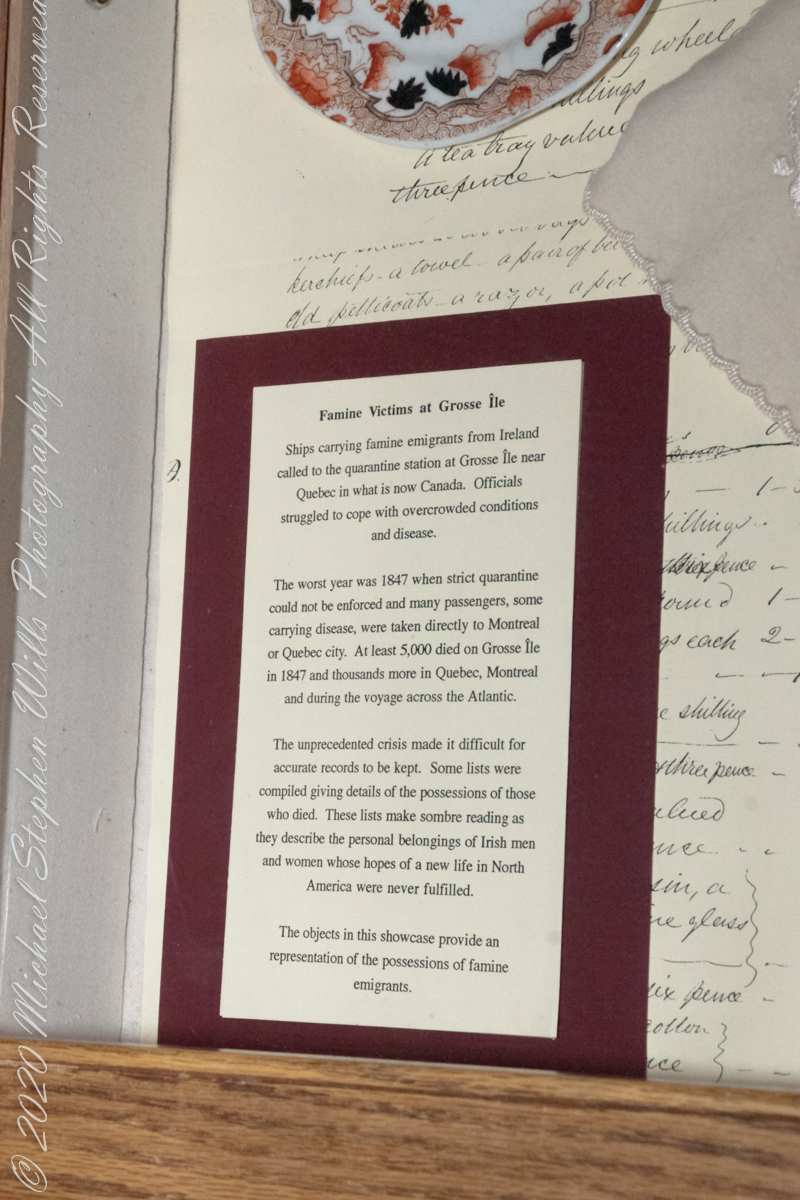
In that horrible year of 1847, strict quarantine could not be enforced and many passengers, some carrying disease, were taken directly to Montreal or Quebec city. At least 5,000 died on Grosse Isle in 1847 and thousands more in Quebec, Montreal and during the voyage across the Atlantic.

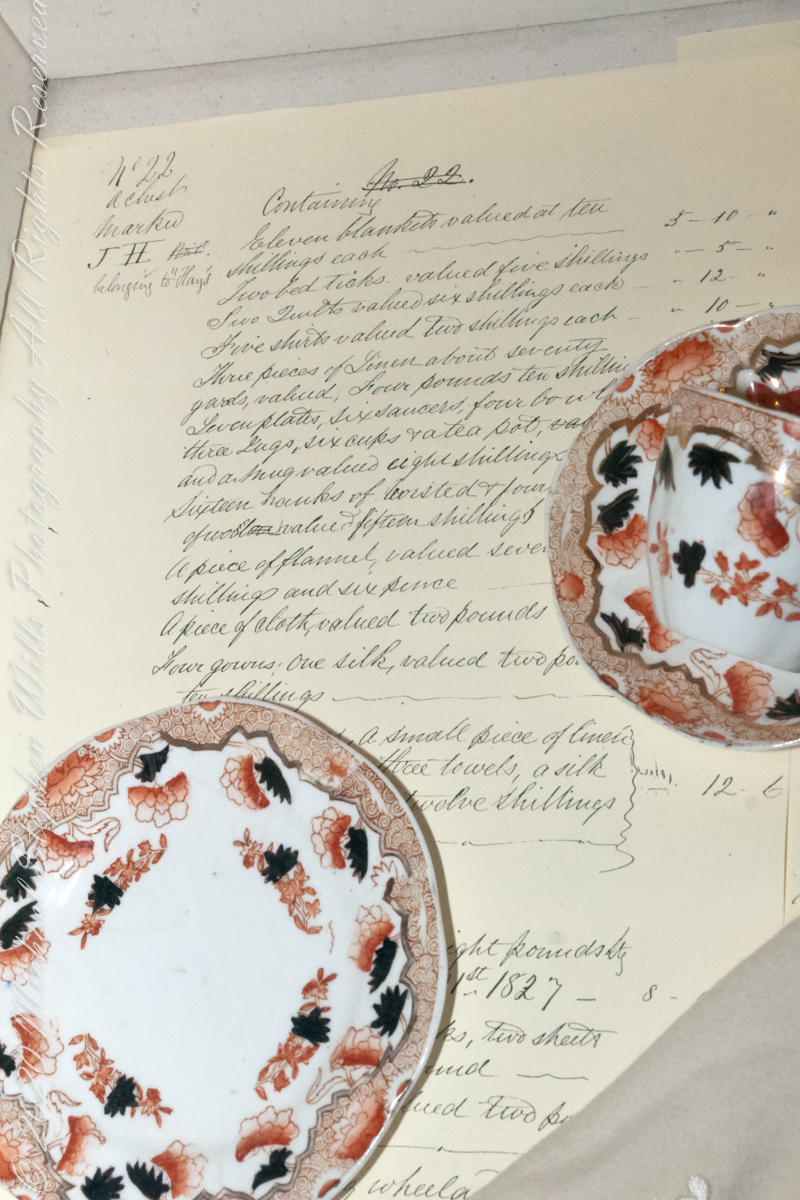
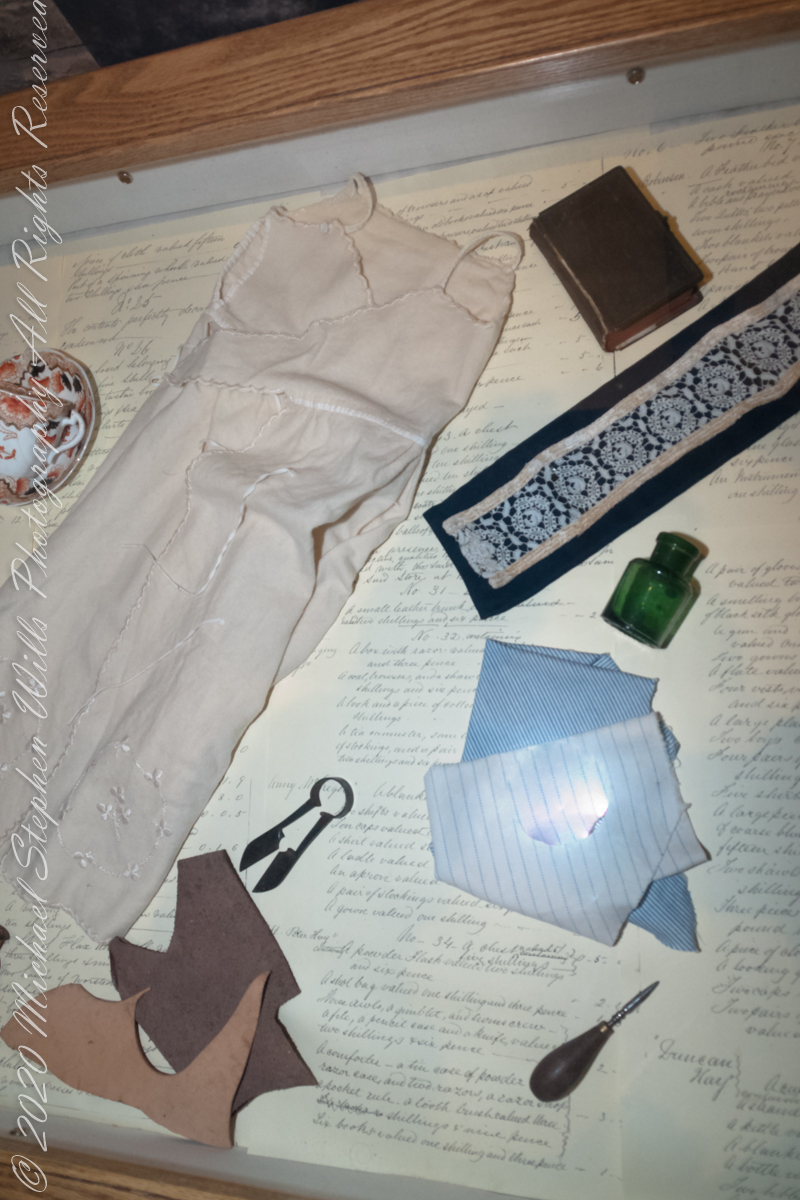
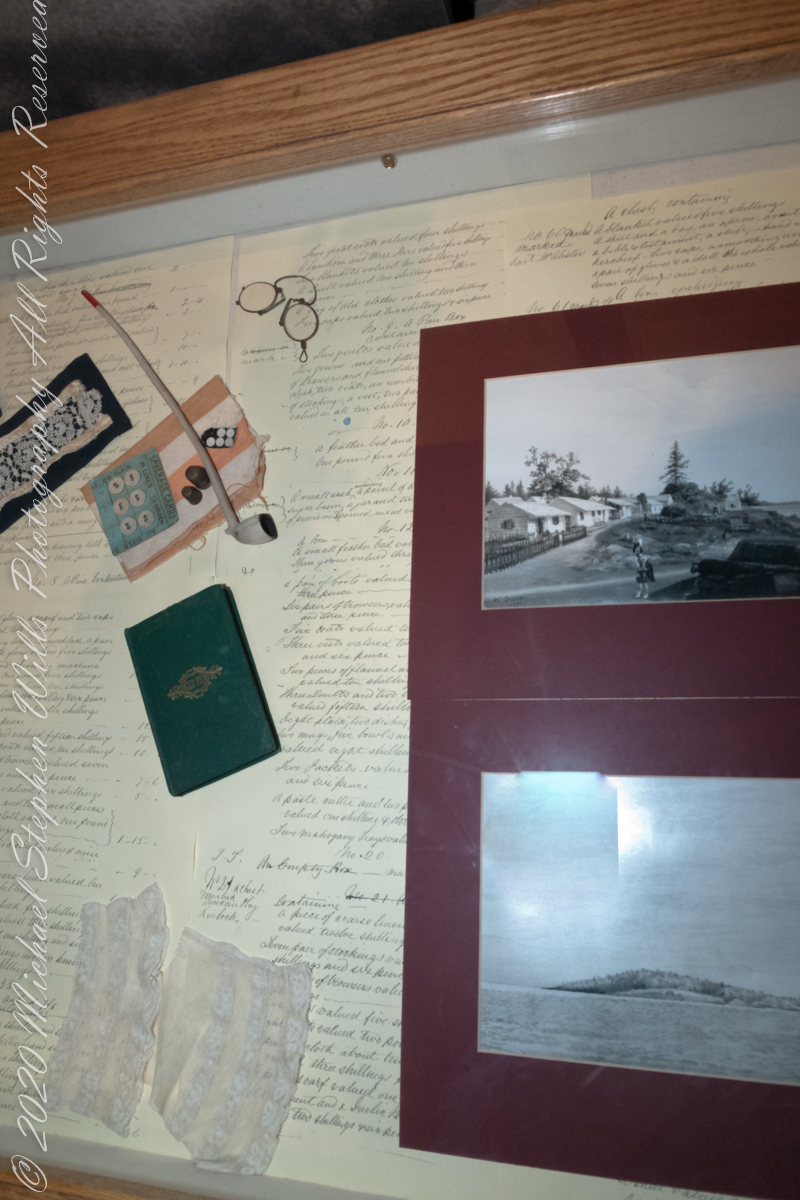
The unprecedented crisis made it difficult for accurate records to be kept. Some lists were compiled giving details of the possessions of those who died. These lists make sombre reading as they describe the personal belongings of Irish men and women whose hopes of a new life in North America were never fulfilled.

The objects in this showcase provide an representation of the possessions of famine emigrants. From the exhibit (below), Cobh Heritage Center.

Copyright 2021 Michael Stephen Wills All Rights Reserved
Assistance from America

during the Great HUNGER, from the Cobh Heritage Center

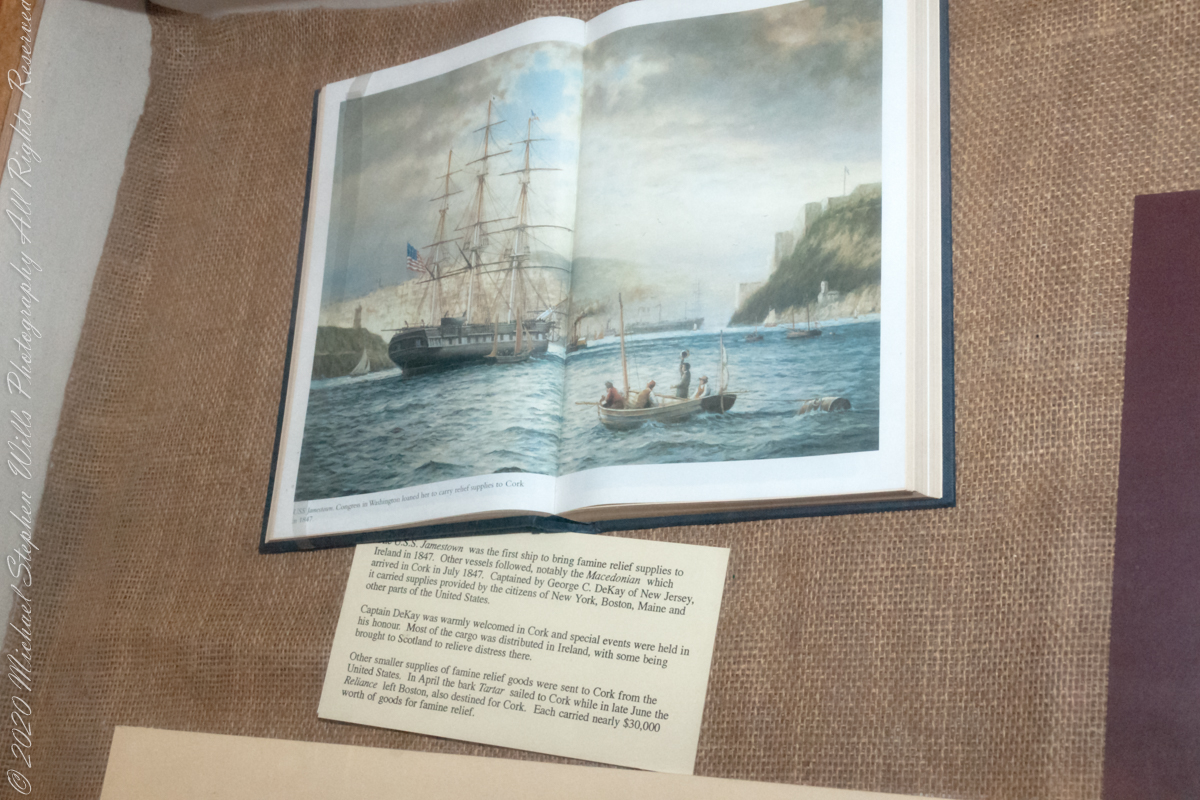
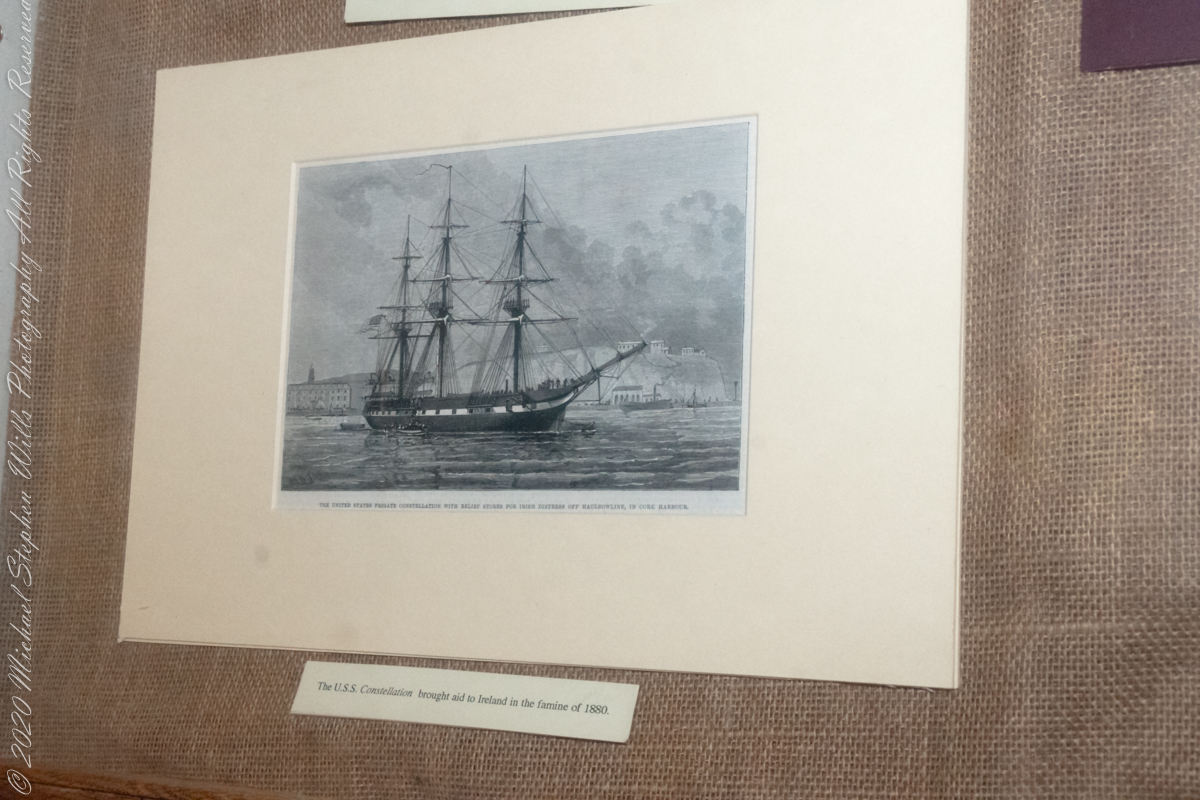
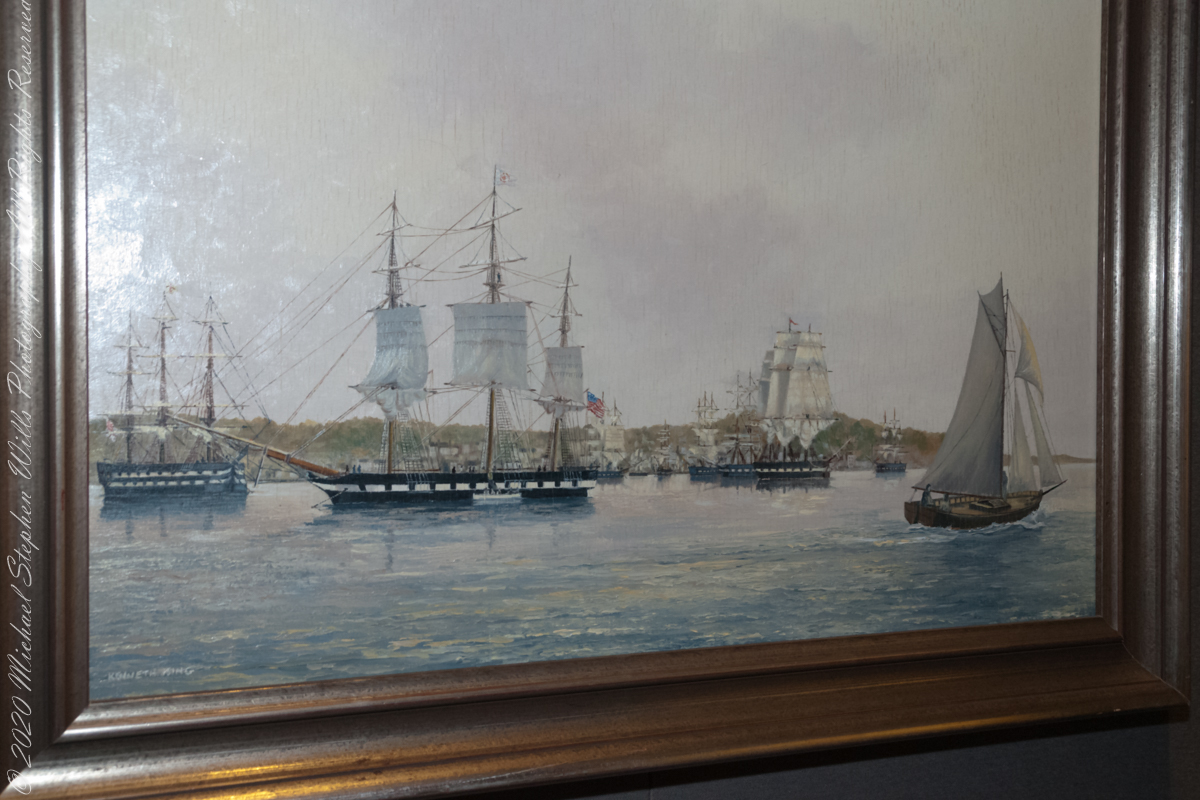
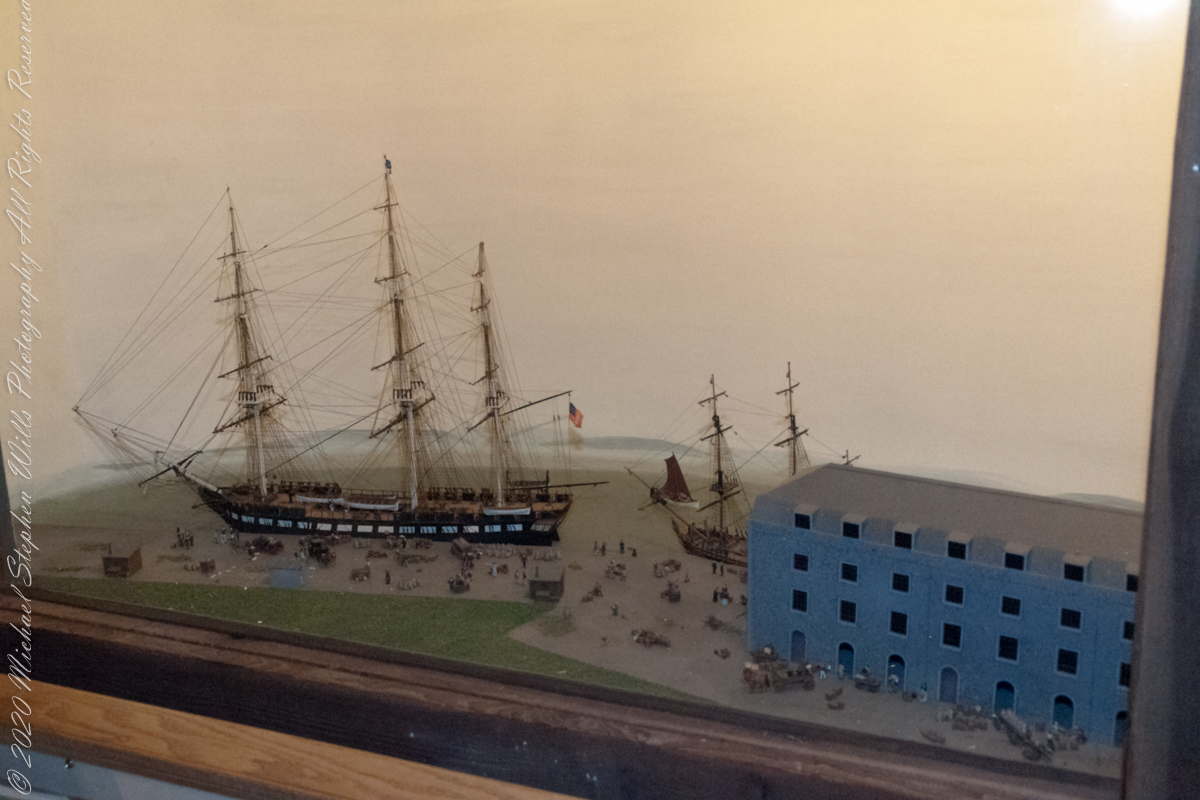
“The U.S.S Jamestown was the first ship to bring famine relief supplies to Ireland in 1847. Other vessels followed, notably the Macedonian which arrived in Cork July 1847. Captained by George C. DeKay of New Jersey, it carried supplies provided by the citizens of New York, Boston, Main and other parts of the United States. Captain DeKay was warmly welcomed in Cord and special events were held in his honor. Most of the cargo was distributed in Ireland, with some being brought to Scotland to relieve distress there. Other smaller supplies of famine relief goods were sent to Cork from the United States. In April the bark Tartar sailed to Cork with in late June the Reliance left Boston, also destined for Cork. Each carried nearly $30,000 worth of goods for famine relief. From the exhibit (below), Cobh Heritage Center.

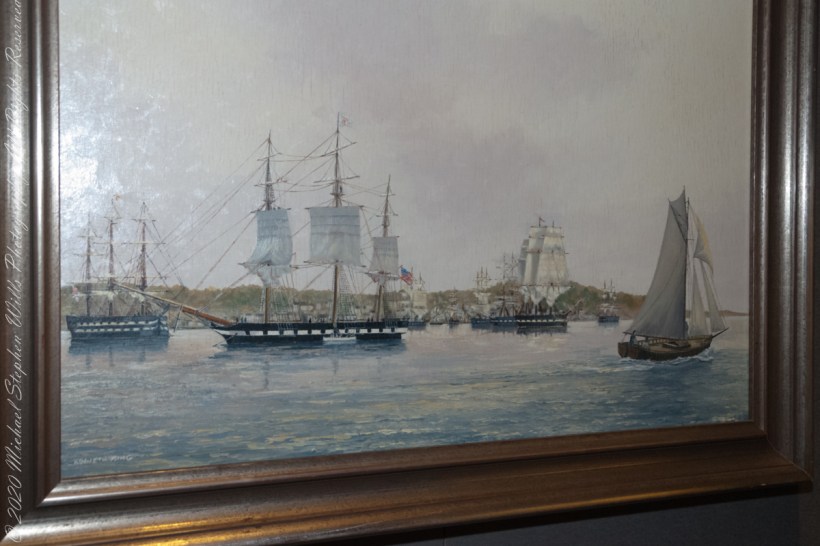
United States frigate Constellation with relief stores for Irish distress off Haulbownline in Cork Harbor.

Copyright 2021 Michael Stephen Wills All Rights Reserved
Peel’s Brimstone

during the Great HUNGER, from the Cobh Heritage Center

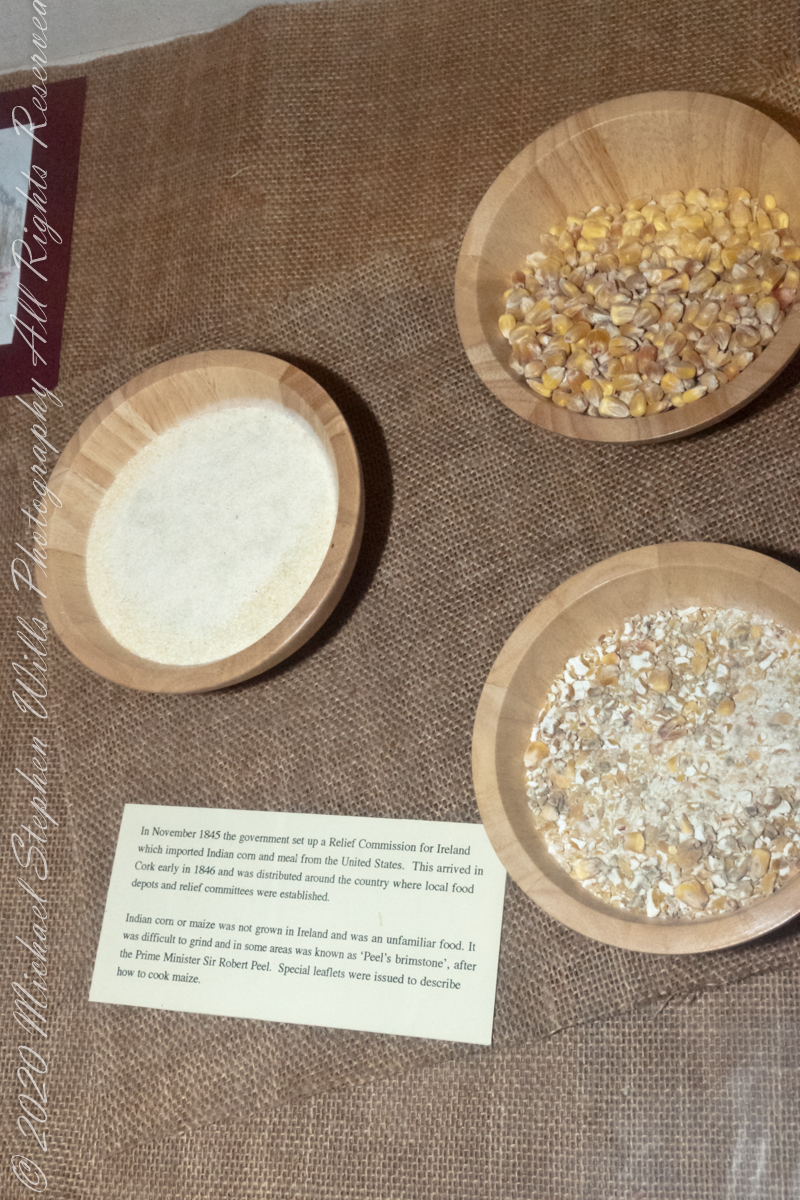
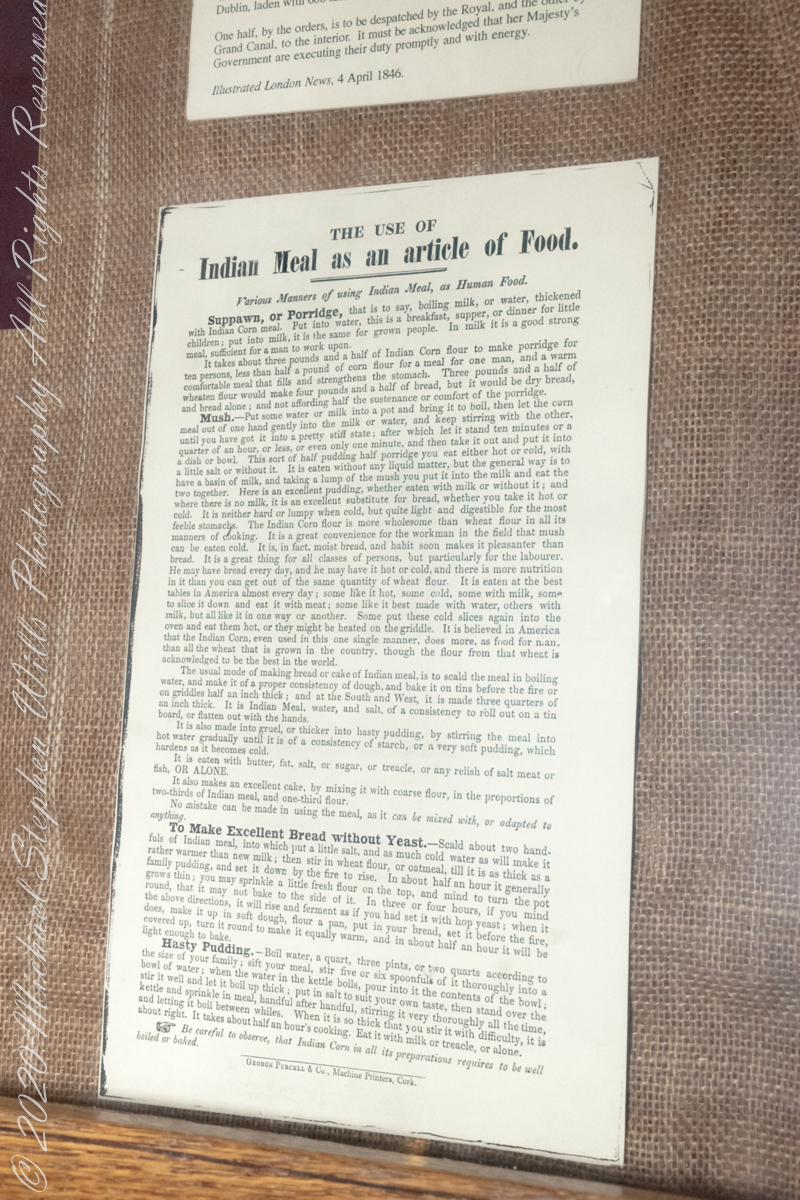
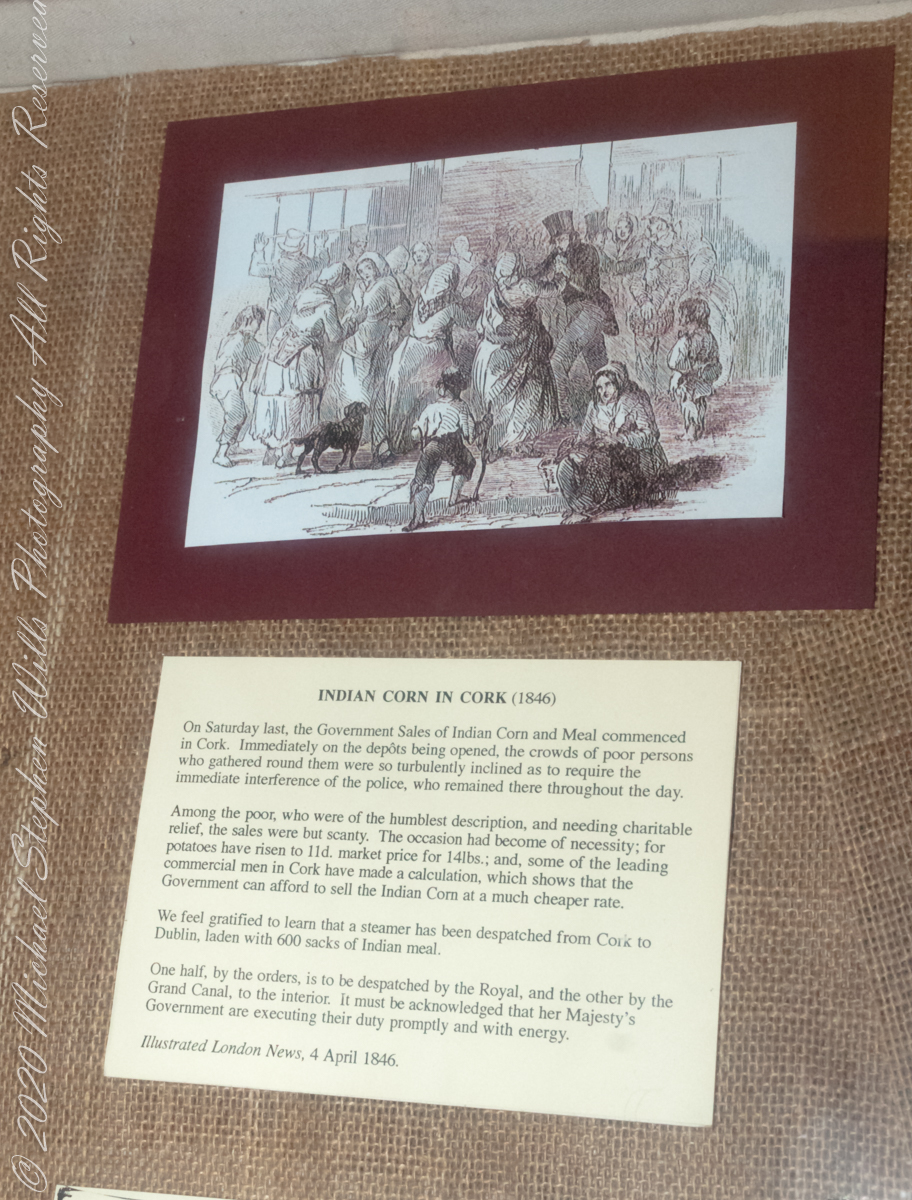
“In November 1845 the British government set up a Relief Commission for Ireland which imported Indian corn and meal from the United States. This arrived in Cork early in 1846 and was distributed around the country where local food depots and relief committees were established. Indian corn (maize) was not grown in Ireland and was an unfamiliar food. It was difficult to grind and in some areas was known as “Peel’s brimstone,” after the Prime Minister Sir Robert Peel. Special leaflets were issued to describe how to cook maize.” From the exhibit (below), Cobh Heritage Center.

Instructions for how to cook maize. In the west of Ireland many people spoke Irish.

“On Saturday last, the Government Sales of Indian Corn commenced in Cork. Immediately on the depoys being opened, the crowds of poor persons who gathered round them were so turbulently inclined as to require the immediate interference of the police, who remained throughout the day.

Among the poor, who were of the humblest description, and needing charitable relief, the sales were but scanty. The occasion had become of necessity; for potatoes had risen to 11d. the market price for 14 pounds; and, some of the leading commercial men in Cork have made a calculation, which show that the Government can afford to sell the Indian Corn at a much cheaper rate.

We feel gratified to learn that a steamer has been dispatched from Cork to Dublin, laden with 600 sacks of Indian meal.

One half, by the orders, is to be dispatched by the Royal, and the other by the Grand Canal, to the interior. It must be acknowledged that her Majesty’s Government are executing their dury promptly and with energy. from the Illustrated London News, April 4, 1846″. ~ from the exhibit, Cobh Heritage Center.

Copyright 2021 Michael Stephen Wills All Rights Reserved
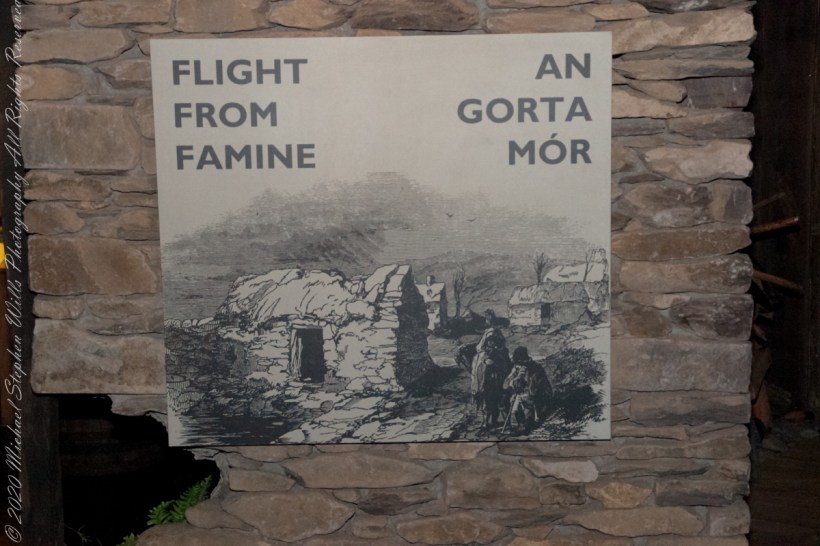
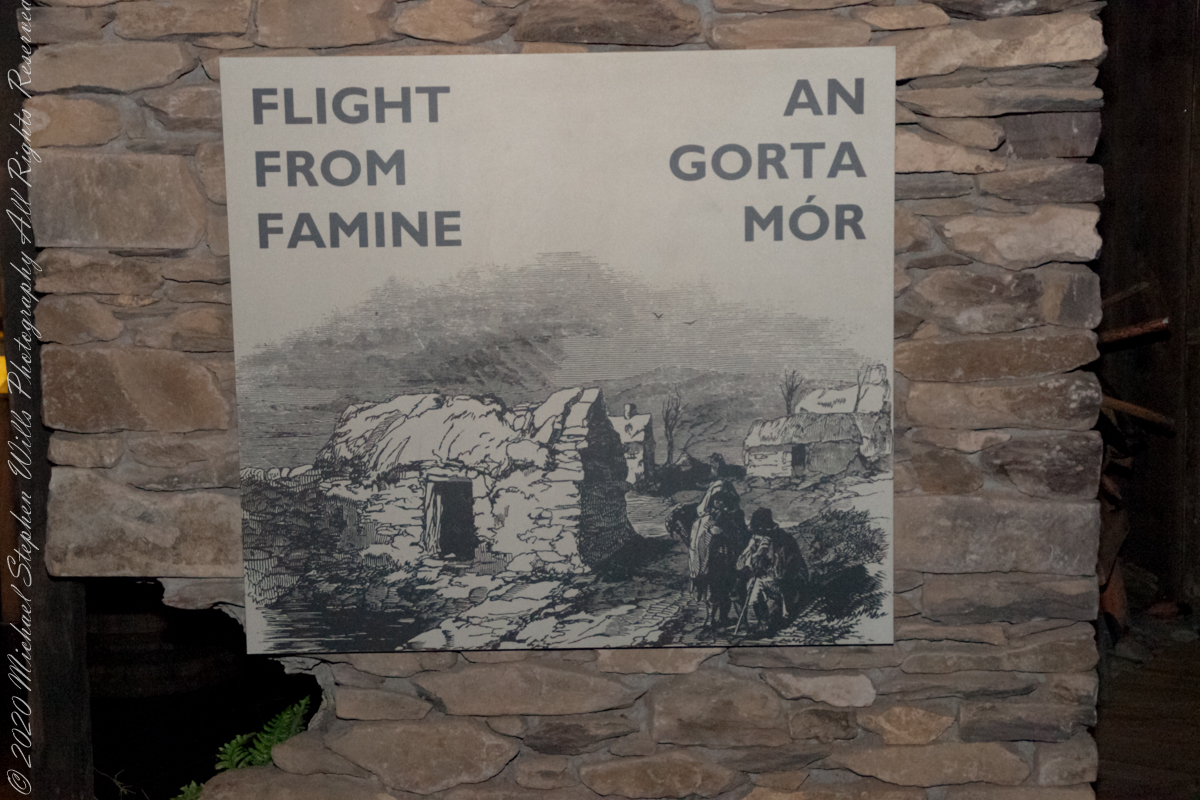
An Gorta Mor

The Great Famine had profound social, cultural, and political impacts on Ireland and its relationship with Britain. It led to a significant decline in the Irish population due to death and mass emigration and is remembered as one of the darkest periods in Irish history. The event also left deep scars on the collective memory of the Irish people and played a role in the growth of Irish nationalism and the push for Irish independence in the following decades

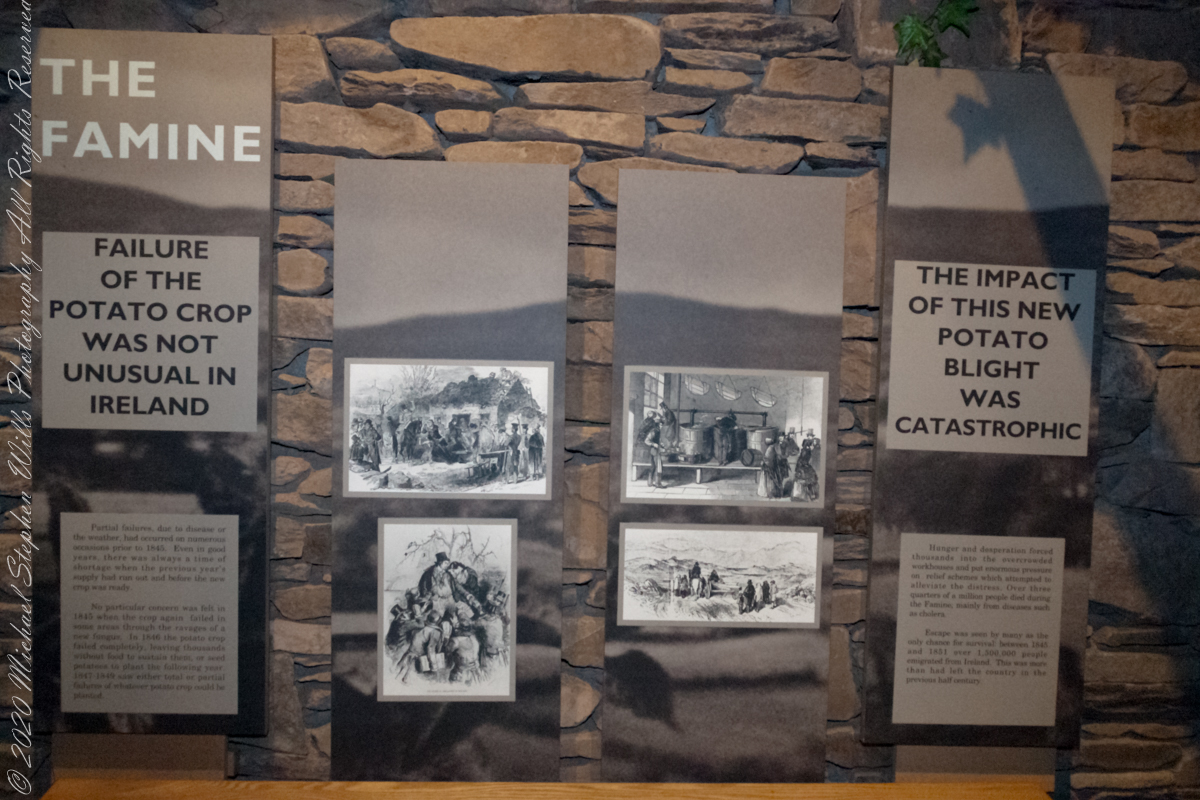
“Partial failures, due to disease or the weather, had occurred on numerous occasions prior to 1845. Even in good years, there was always a time of shortage when the previous year’s supply had run out and before the new crop was ready.”


“No particular concern was felt in 1845 when the crop again failed in some areas through the ravages of a new fungus. In 1846 the potato crop failed completely, leaving thousands without food to sustain them, or seed potatoes to plant the following year. 1847 – 1849 saw either total or partial failures of whatever potato crop could be planted.”

“Hunger and desperation forced thousands into the overcrowded workhouses and put enormous pressure on relief schemes which attempted to alleviate the distress. Over three quarters of a million people died during the Famine, mainly from diseases such as cholera. Escape was seen by many as the only change for survival: between 1845 and 1851 over 1.5 million people emigrated from Ireland. This was more than had left the country in the previous half century.”

The Great Famine of Ireland, often referred to as the “Irish Potato Famine,” occurred between 1845 and 1852, with the most acute suffering taking place between 1847 and 1849. The causes of this devastating period in Irish history are multifaceted and debated among historians, but the following are generally acknowledged as the primary factors:

Potato Blight (Phytophthora infestans): The immediate cause of the famine was a potato disease known as late blight. The potato was a staple crop in Ireland, and for many poor Irish, it was the primary source of nutrition. The blight destroyed the potato crop year after year, leading to widespread hunger.

Over-reliance on a Single Variety of Potato: The Irish mainly grew a type of potato called the “Lumper,” which was particularly susceptible to the blight. This lack of genetic diversity made the entire crop more vulnerable to disease.

Land Ownership and Tenancy: Most of the land in Ireland was owned by a small number of landlords, many of whom were absentee, living in England. The Irish Catholic majority often worked as tenant farmers, living on small plots of land and paying rent to these landlords. The land was subdivided among heirs, leading to plots becoming increasingly smaller and less productive over generations.

British Colonial Policies: The relationship between Ireland and Britain played a significant role in exacerbating the famine’s effects. Some British policies and economic theories at the time discouraged intervention. For instance:

Corn Laws: These tariffs protected British grain producers from cheaper foreign competition, making grain more expensive and less accessible for the starving Irish.


Economic Beliefs: The prevailing laissez-faire economic philosophy of the time held that markets should be allowed to self-regulate without government intervention.


Exports: Even as the famine raged, Ireland continued to export food (like grain, meat, and dairy) to Britain, which was a source of controversy. Many felt these exports should have been halted or reduced to feed the starving Irish population.
Inadequate Relief Efforts: While the British government did undertake some relief measures, such as opening public works projects and distributing maize (known as “peel’s brimstone”), these efforts were often insufficient, mismanaged, or too late. The public works projects sometimes did not lead to meaningful infrastructure improvements and instead focused on tasks like building roads that led nowhere.

Social and Cultural Factors: Discrimination against the Irish Catholics by the Protestant English elite, language barriers (many Irish spoke only Gaelic), and distrust between the local population and English officials further complicated relief efforts.

The Great Famine had profound social, cultural, and political impacts on Ireland and its relationship with Britain. It led to a significant decline in the Irish population due to death and mass emigration and is remembered as one of the darkest periods in Irish history. The event also left deep scars on the collective memory of the Irish people and played a role in the growth of Irish nationalism and the push for Irish independence in the following decades.

Reference: text in quotes is from “The Famine” poster. Cobh Heritage Center, May 2014.

Copyright 2023 Michael Stephen Wills All Rights Reserved
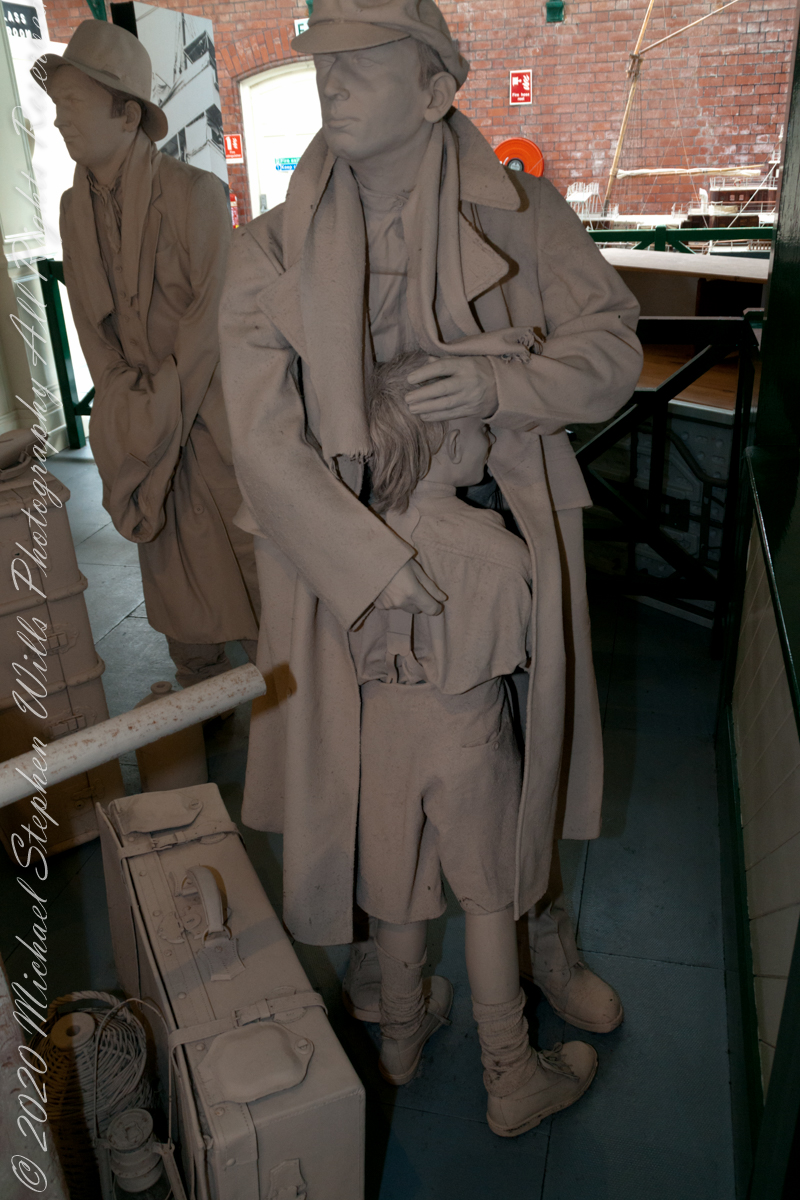
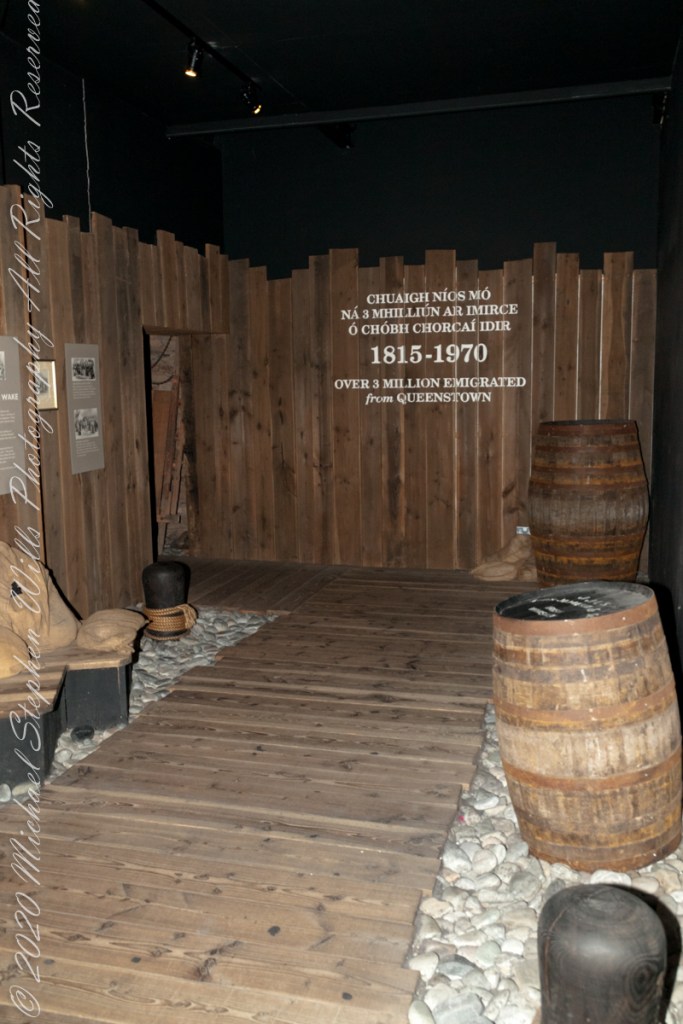
Irish Emigrant Experiences

Cobh Heritage Center

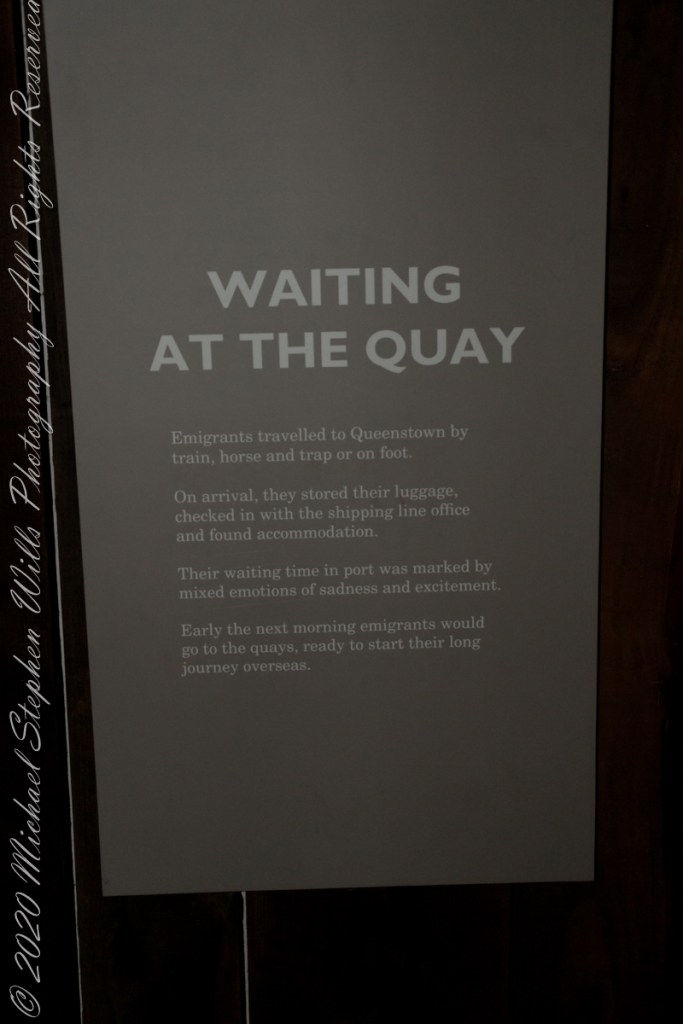
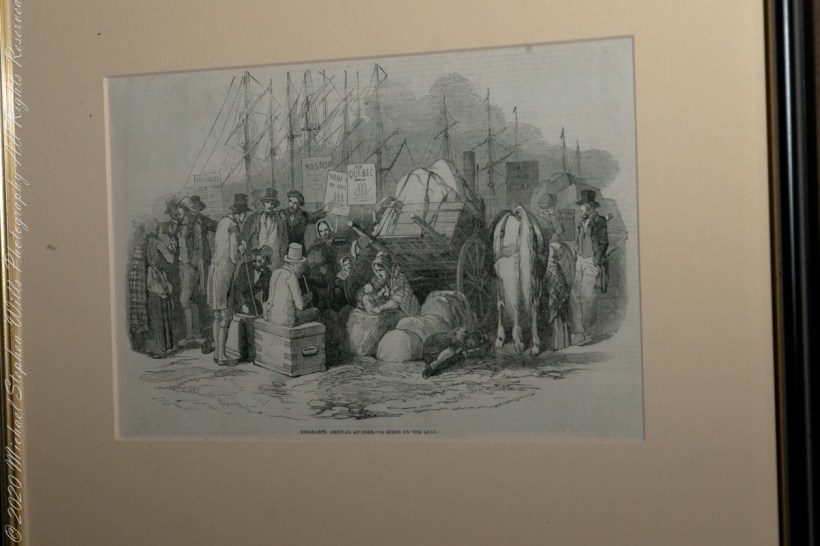
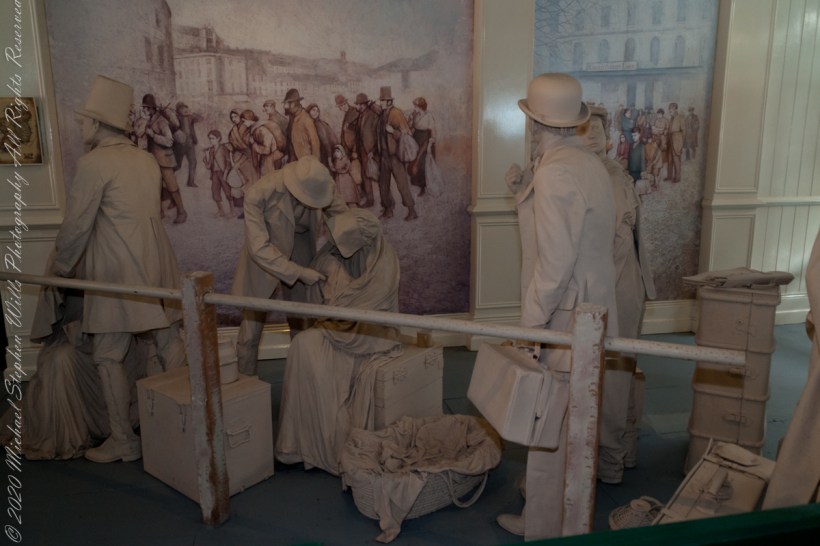
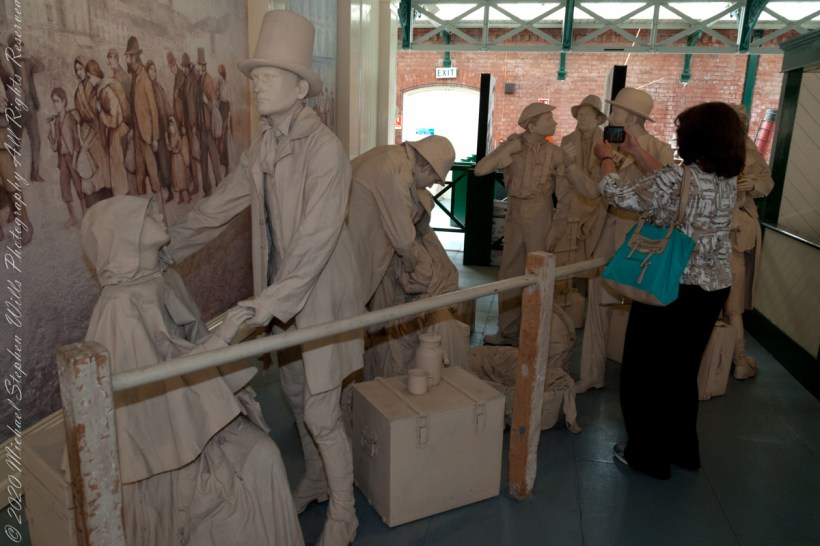
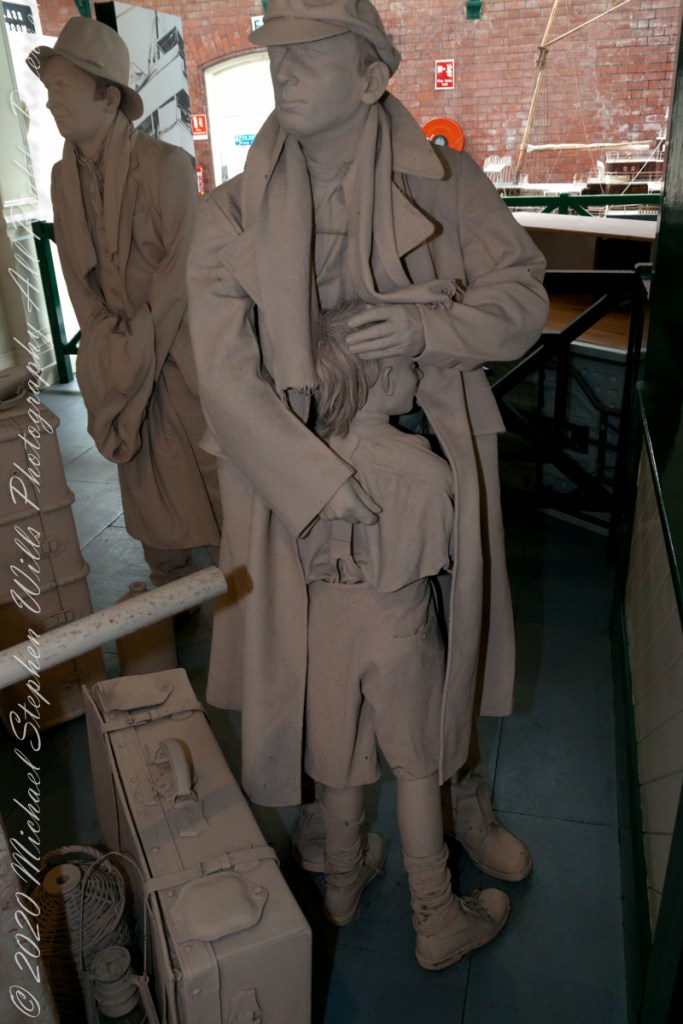
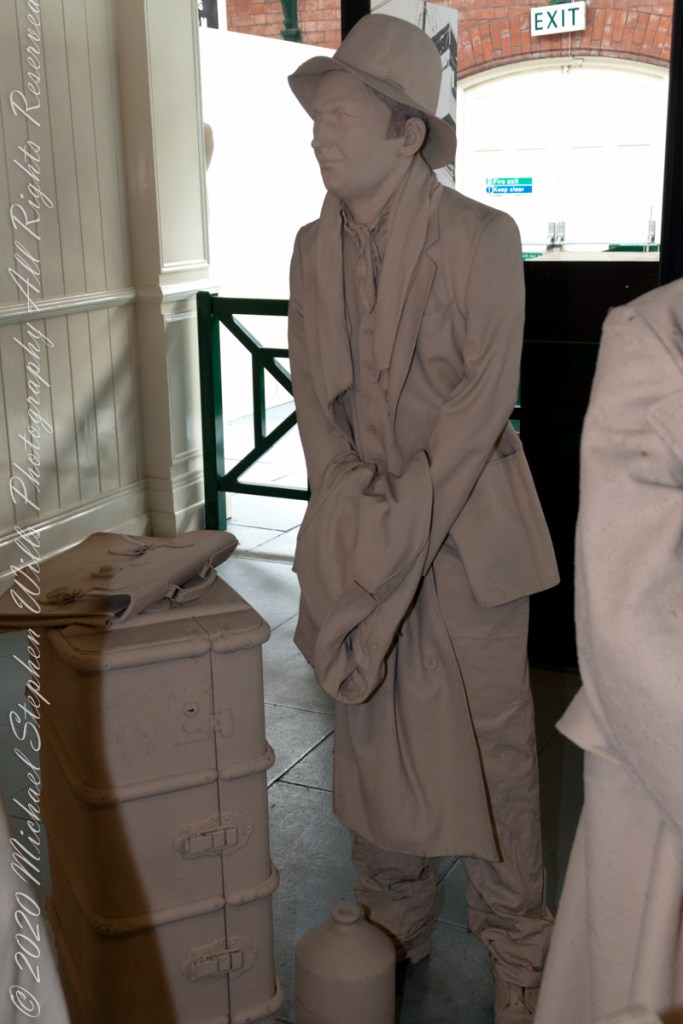
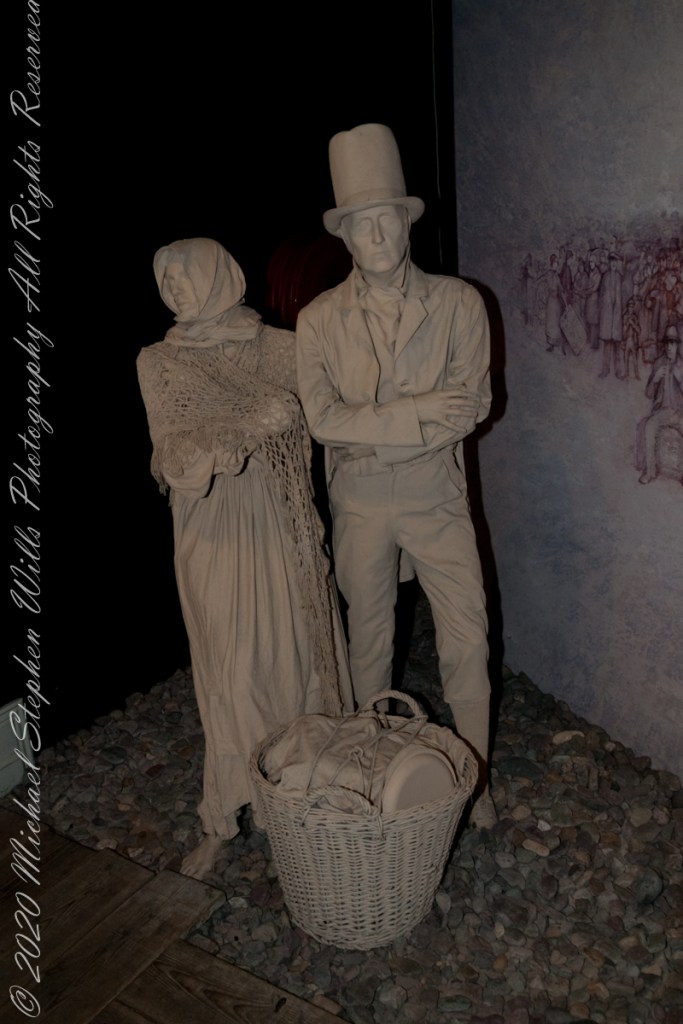
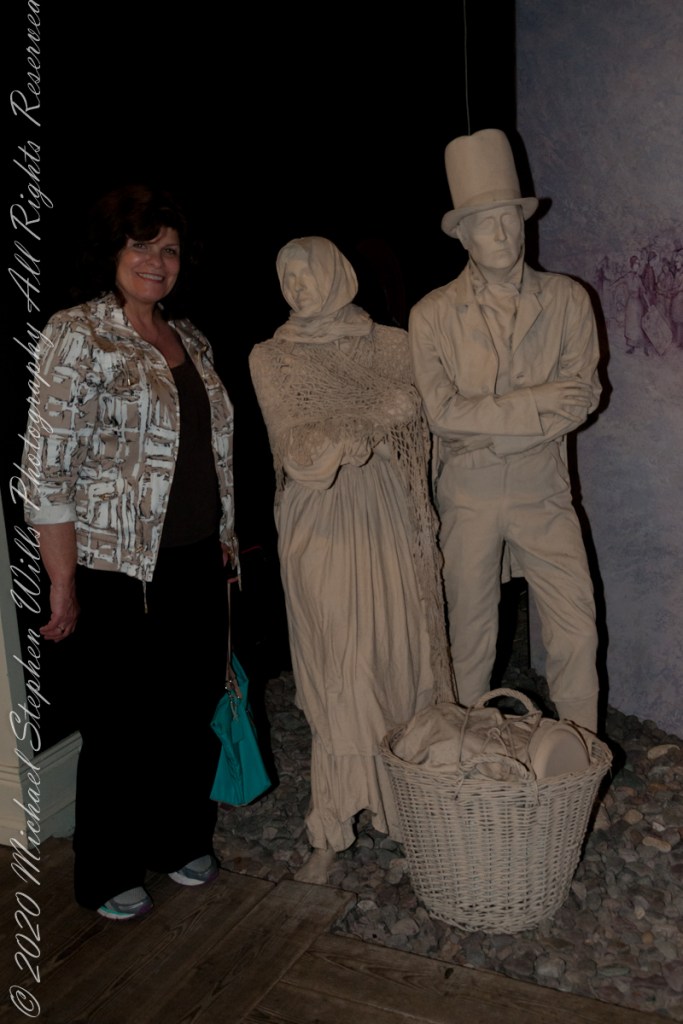
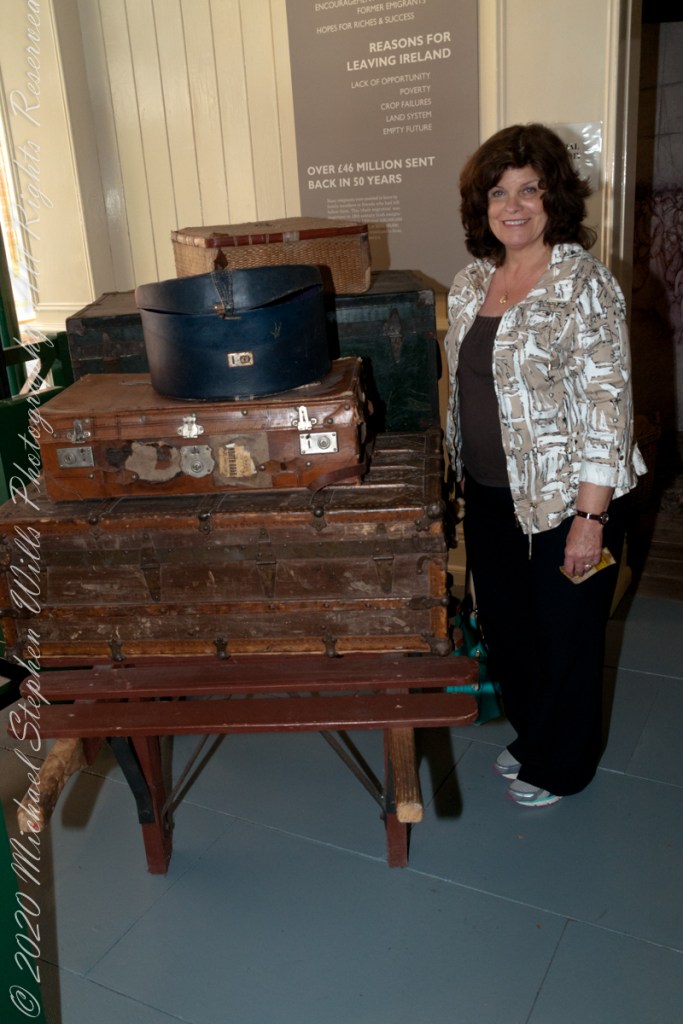
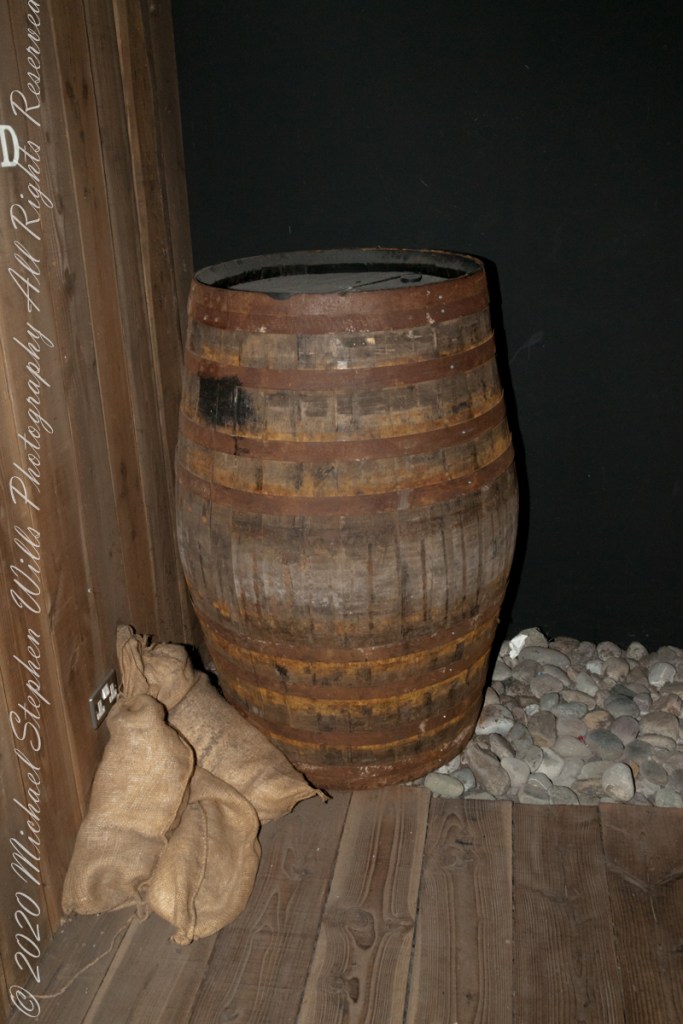
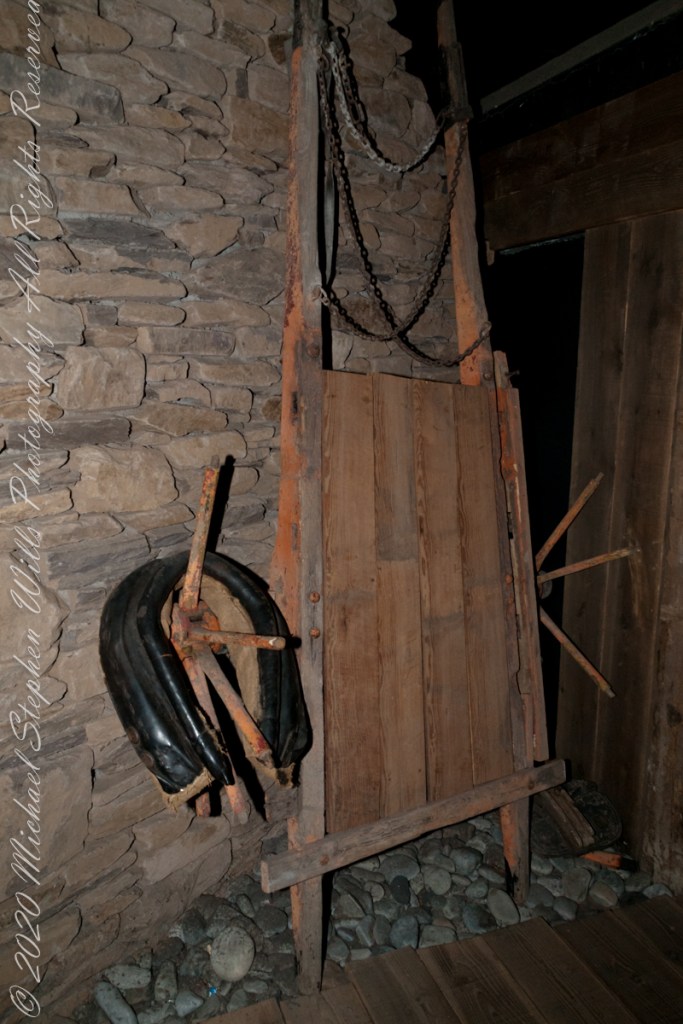
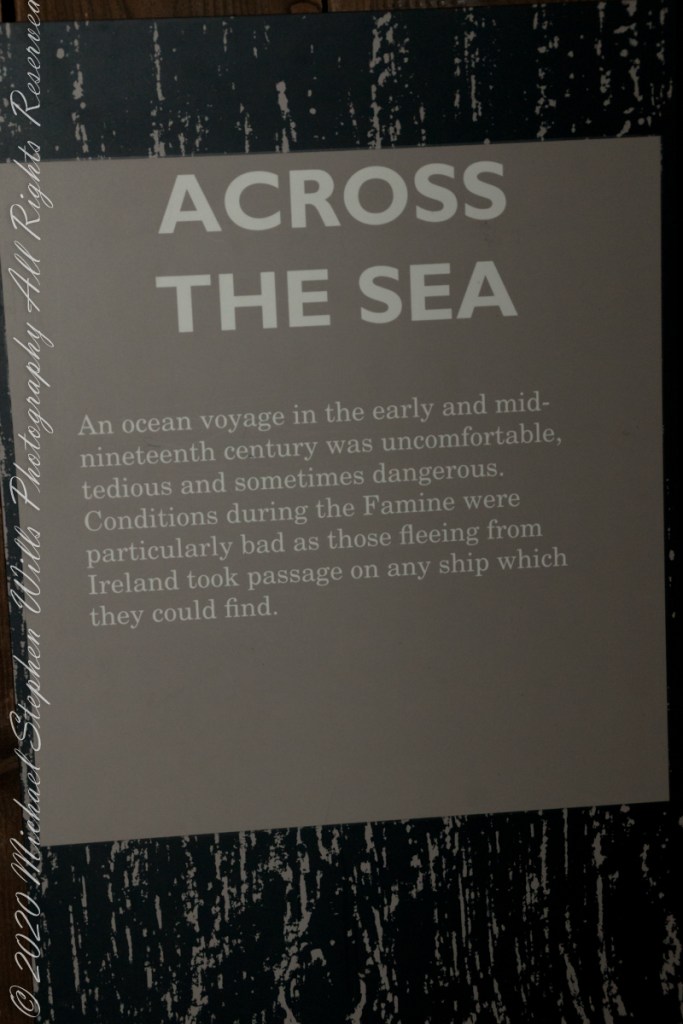
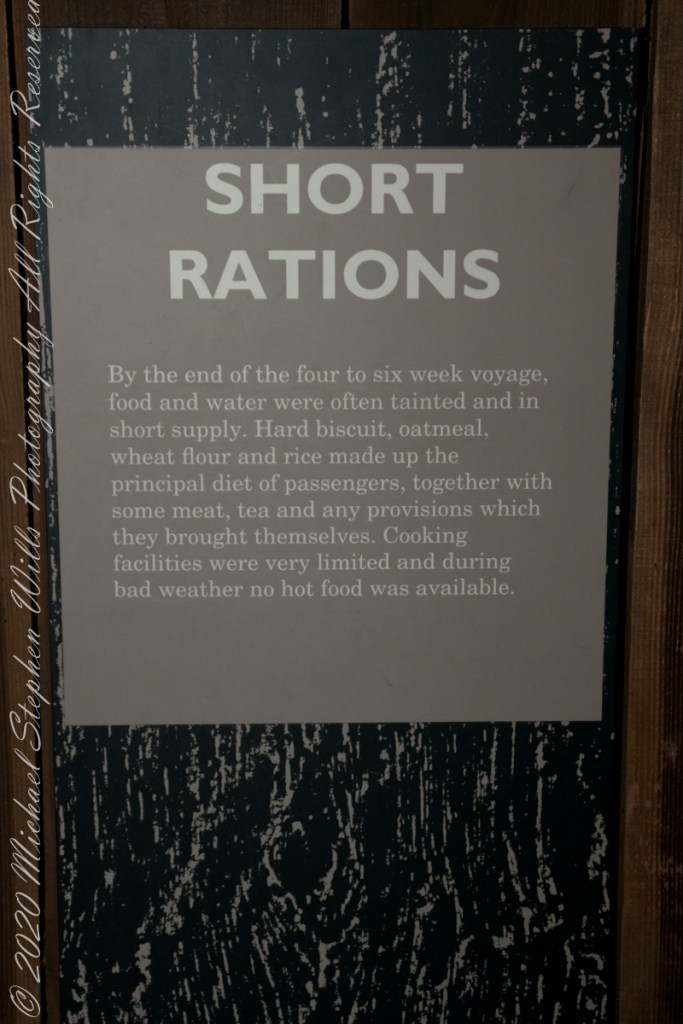
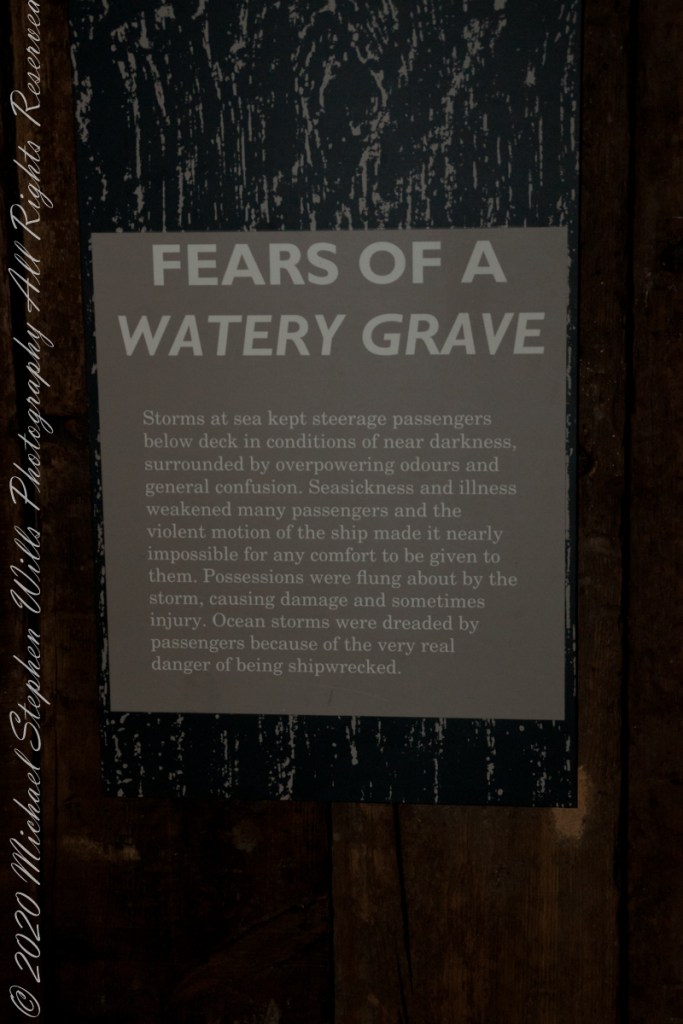
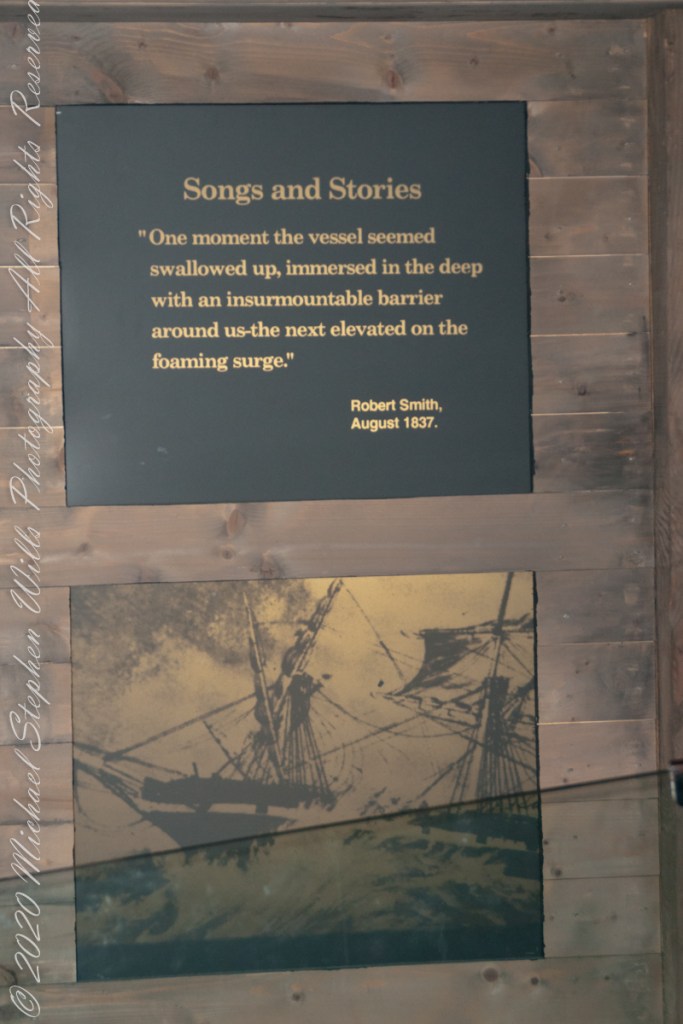
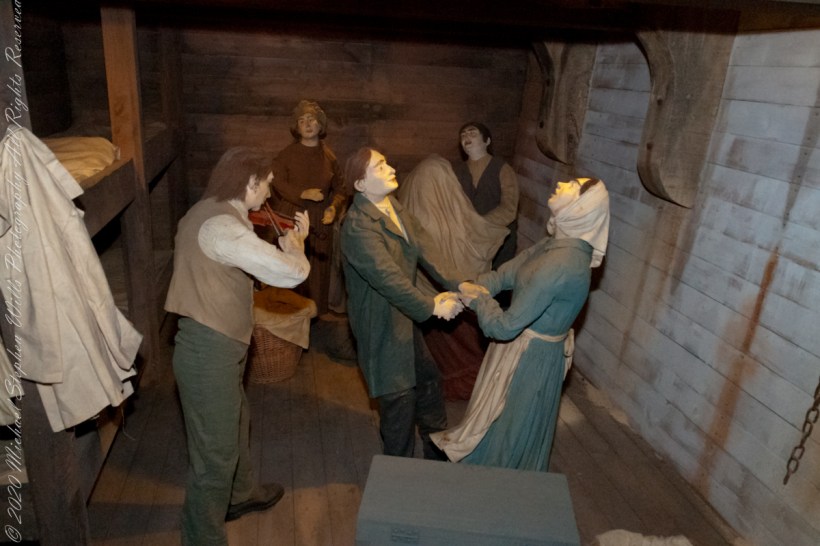
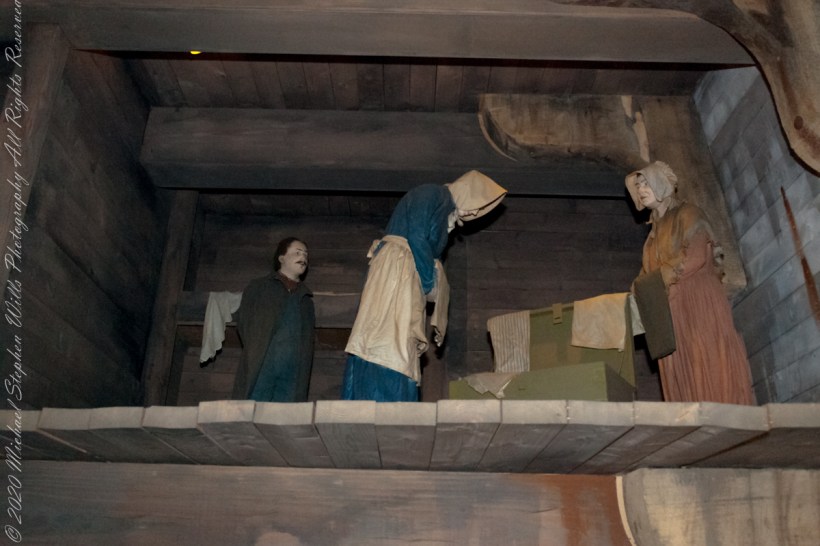
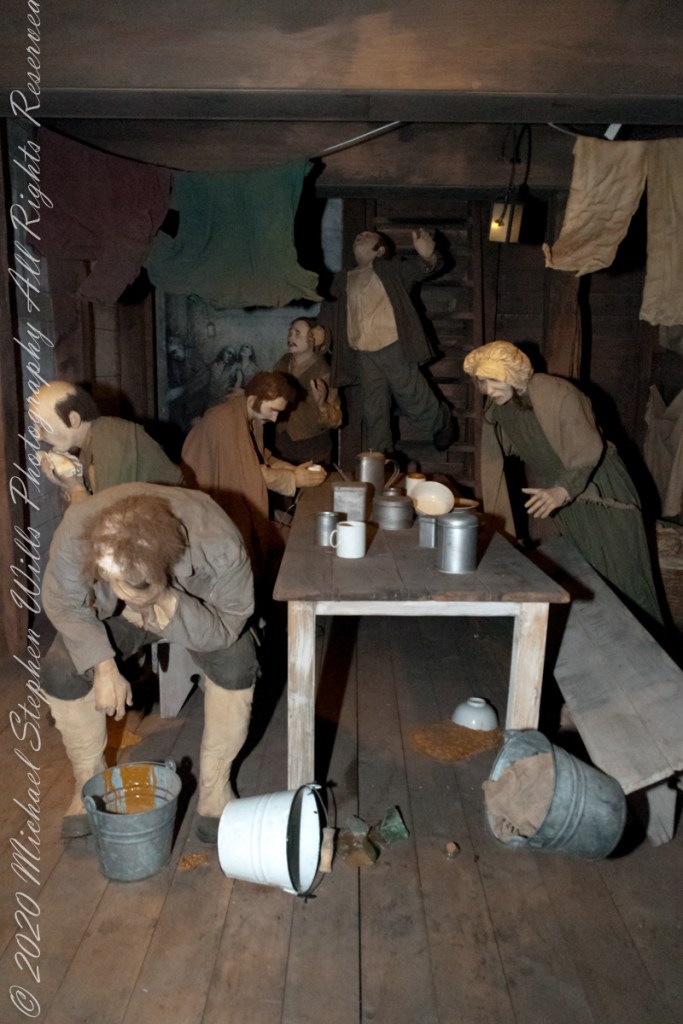
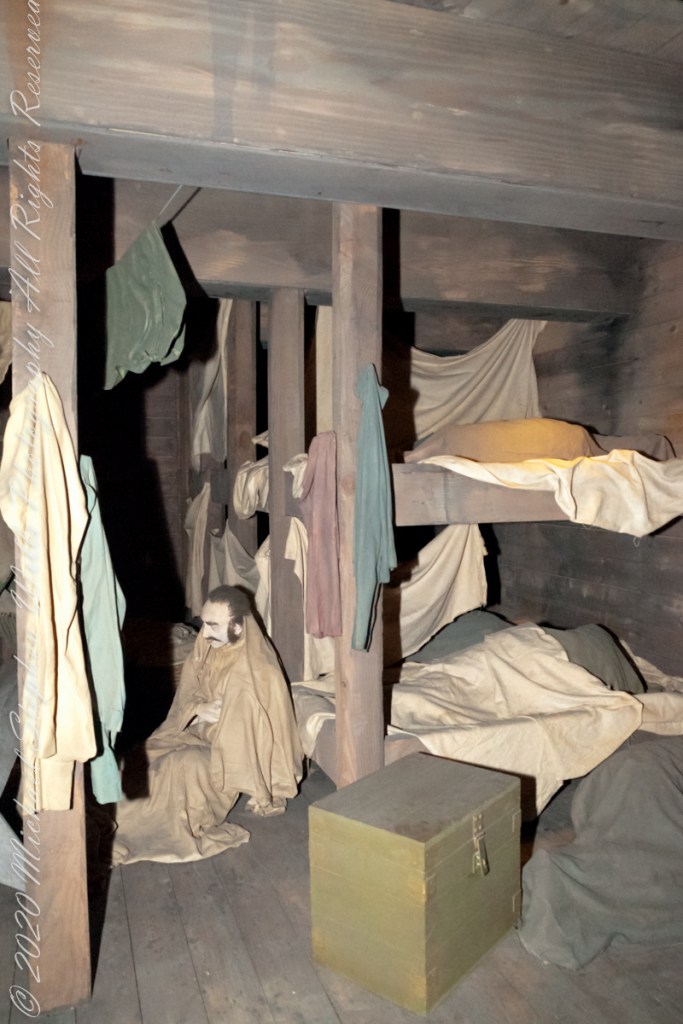
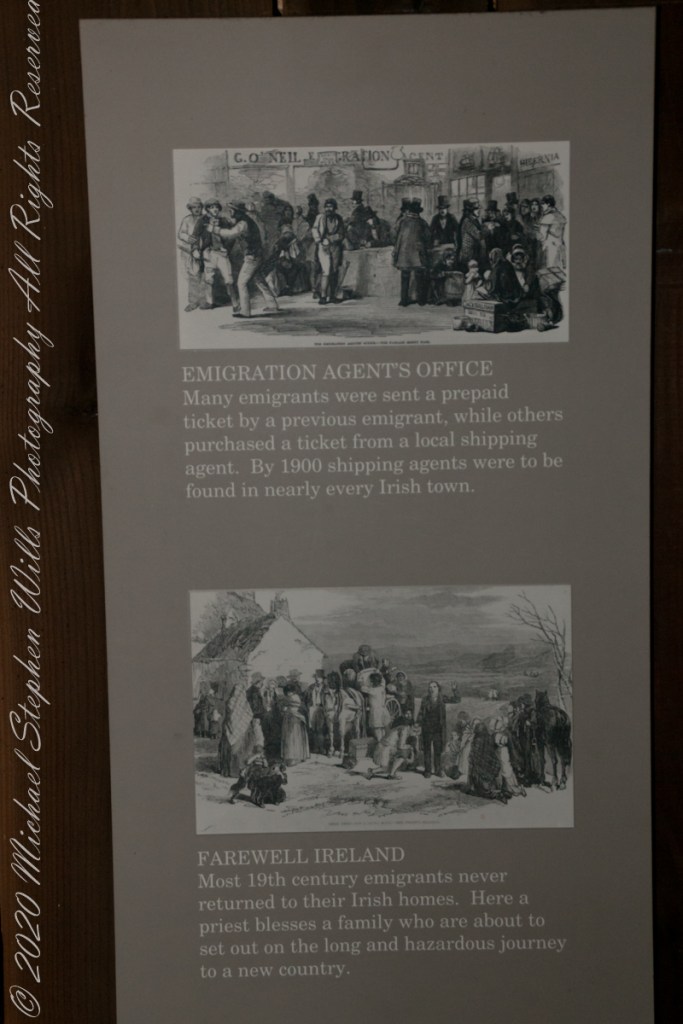
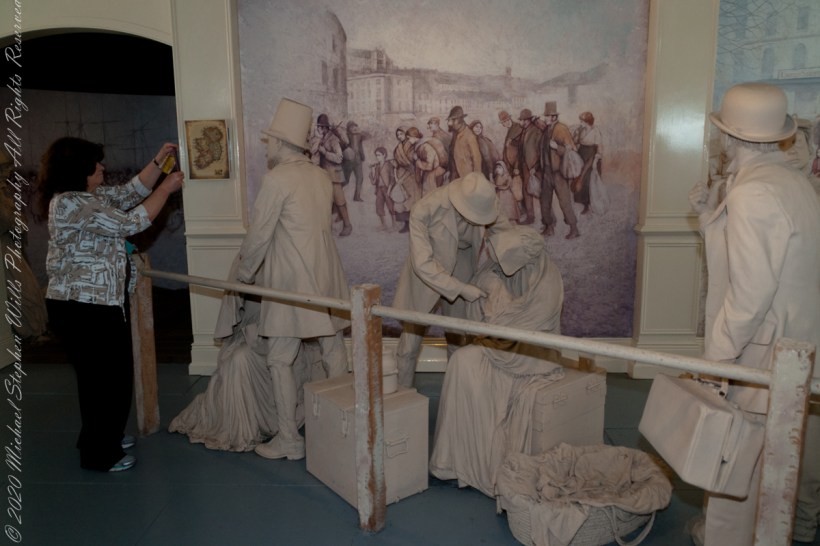
Continuing from the “Queenstown Glamor” of the SS Servia these are exhibits of what it was like to emigrate from Ireland in the 19th century.

Copyright 2021 Michael Stephen Wills All Rights Reserved
Queenstown Glamour

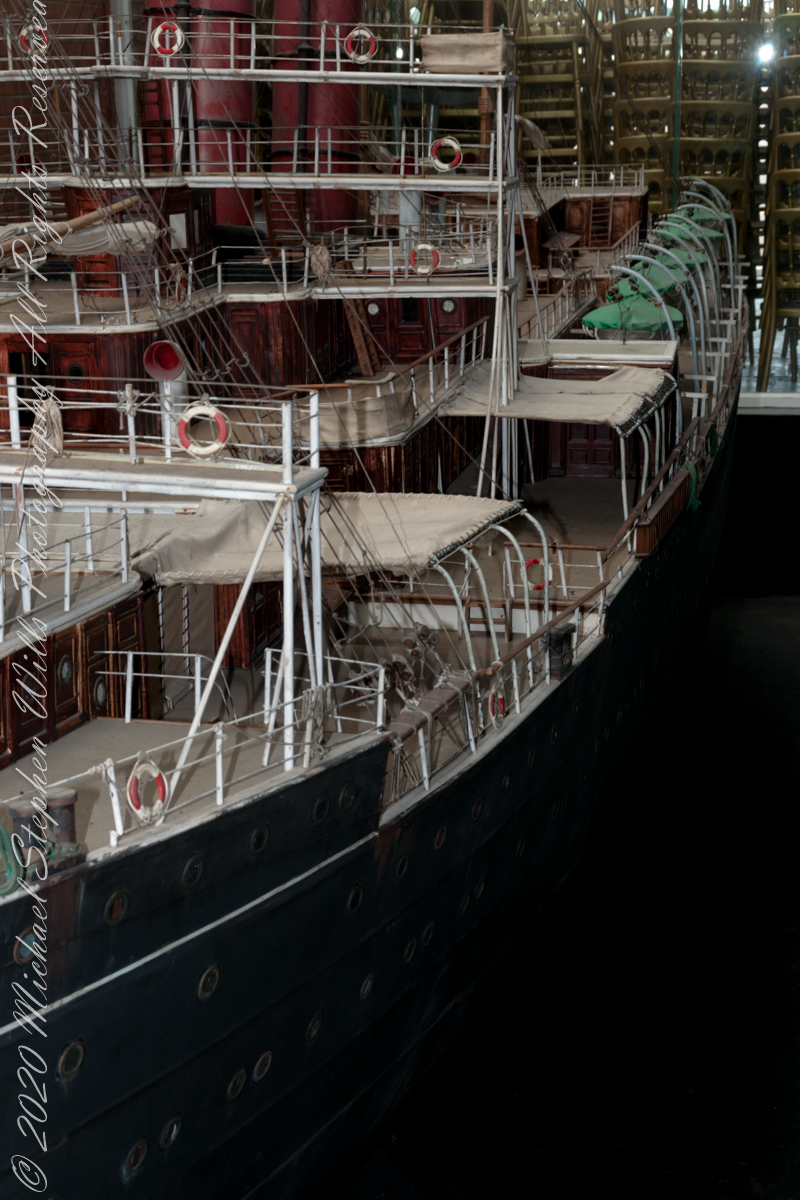
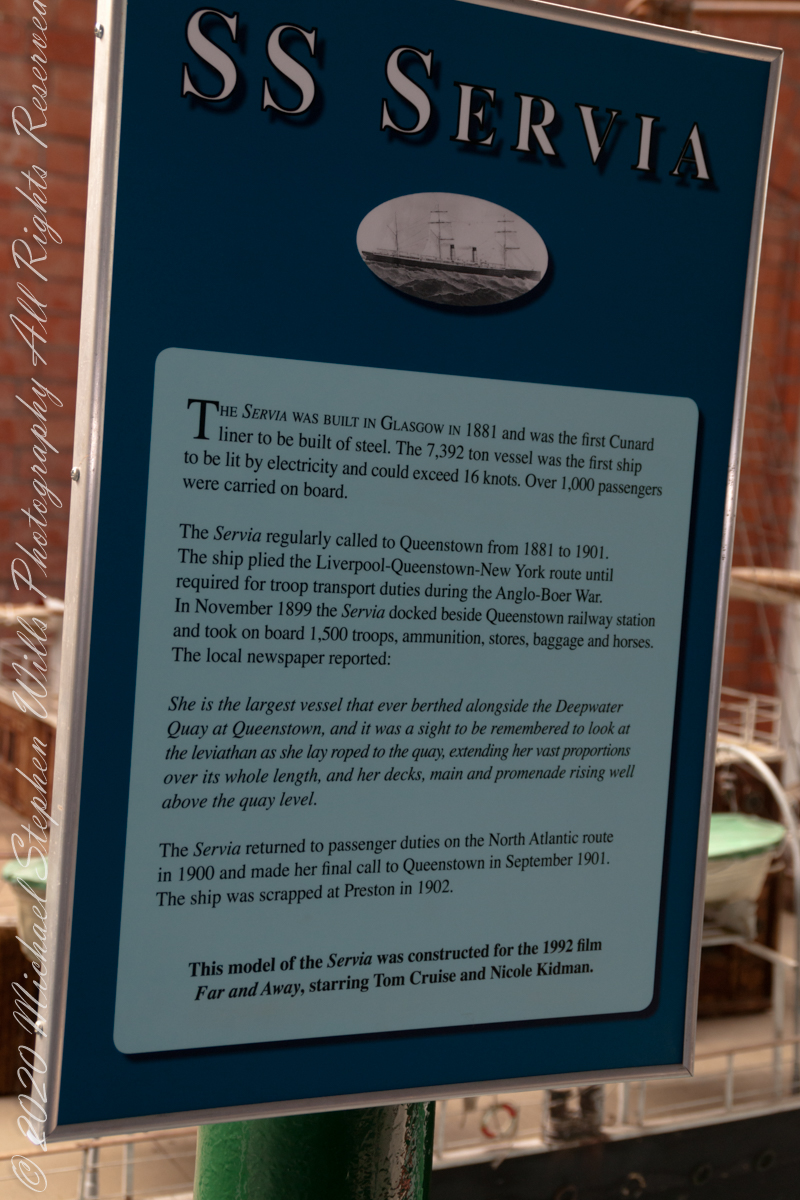
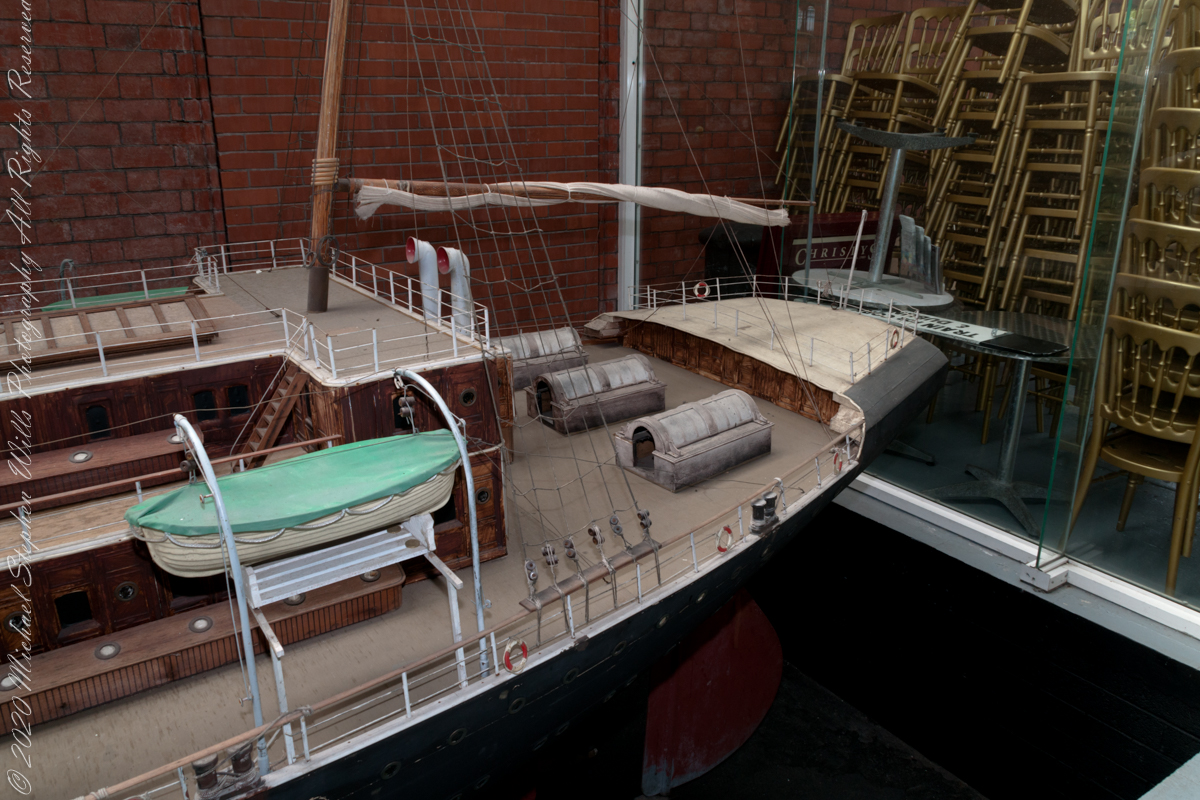
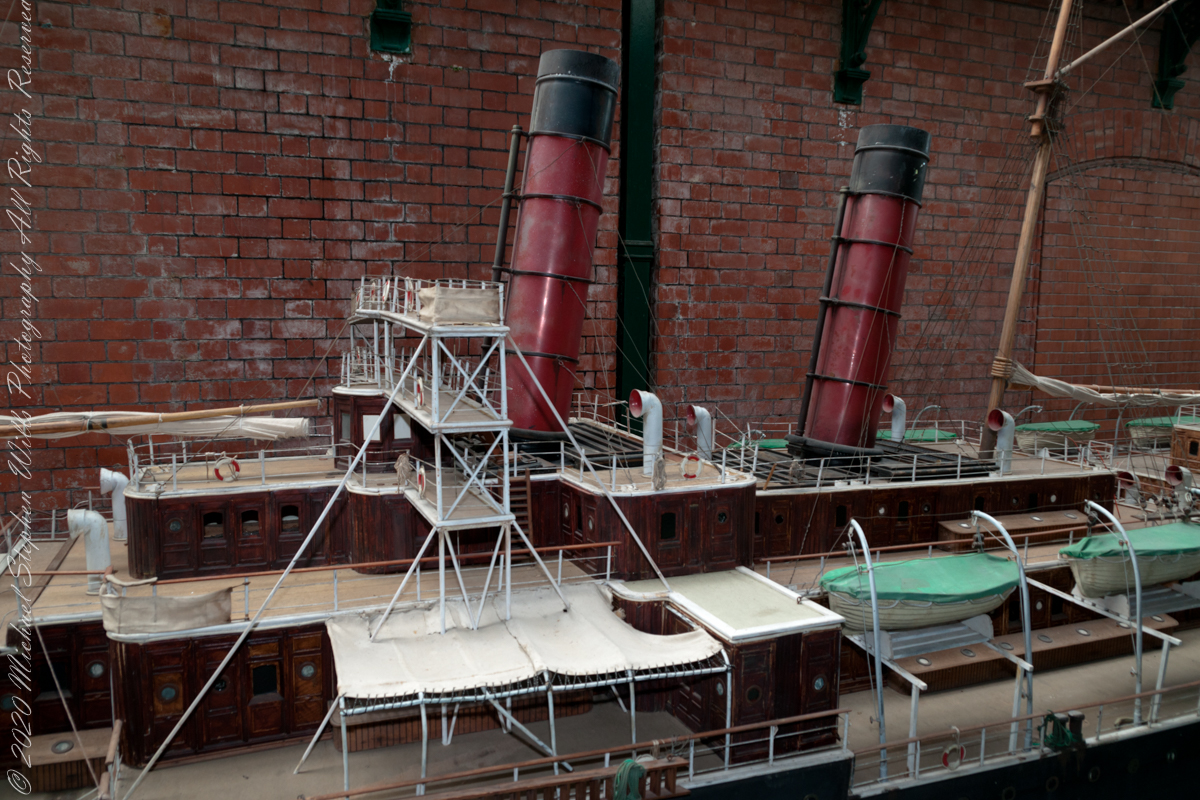
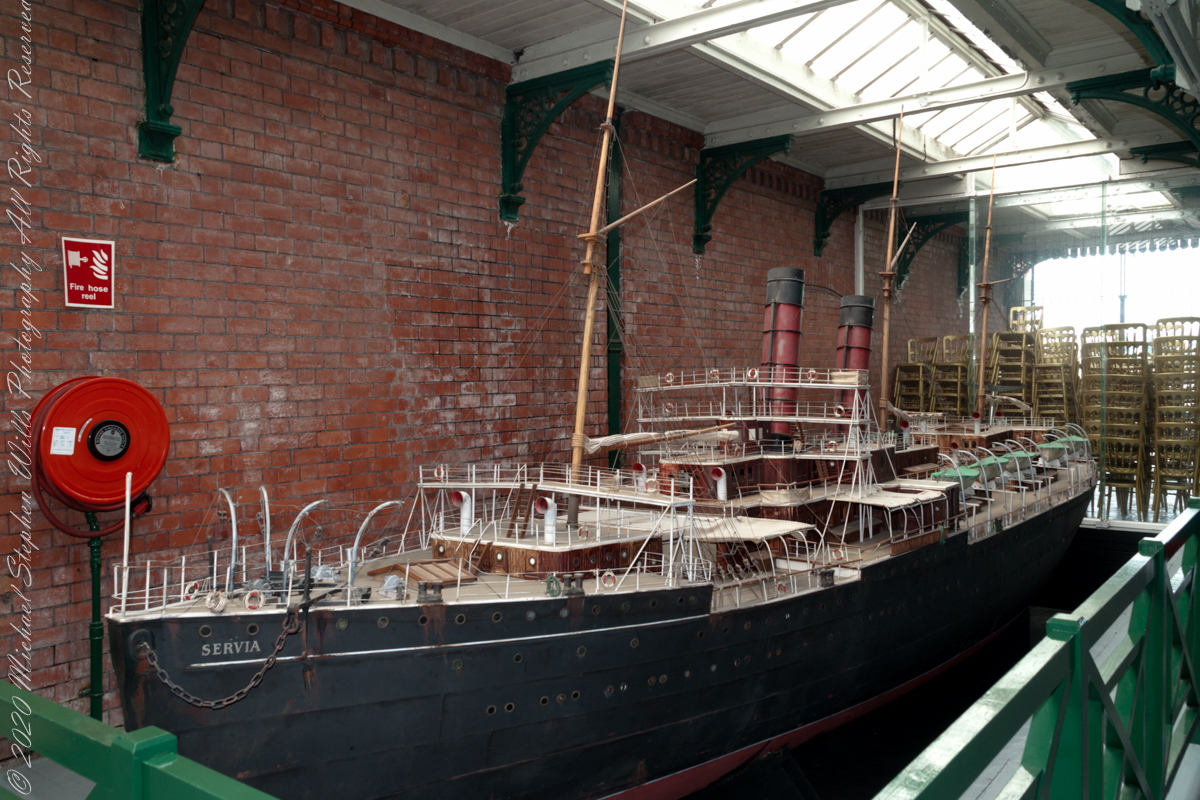
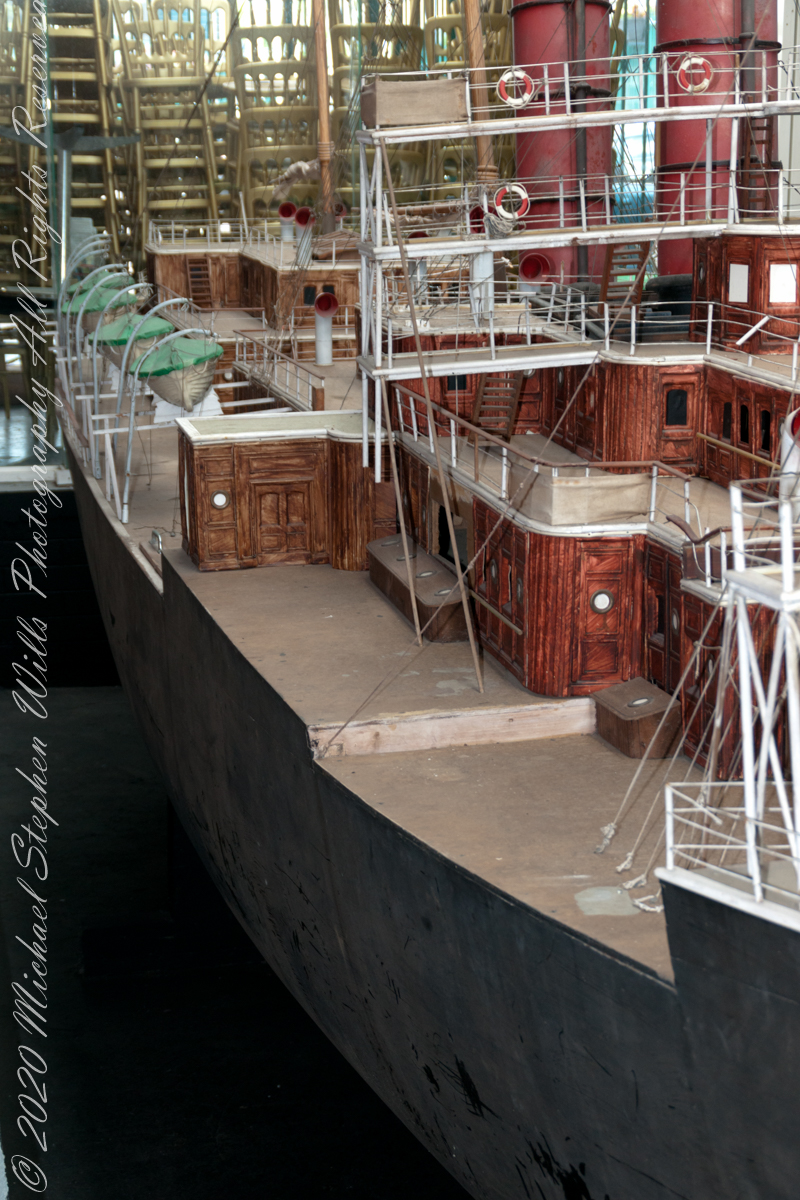
The SS Servia, a notable transatlantic ocean liner, features in the movie “Far and Away.”

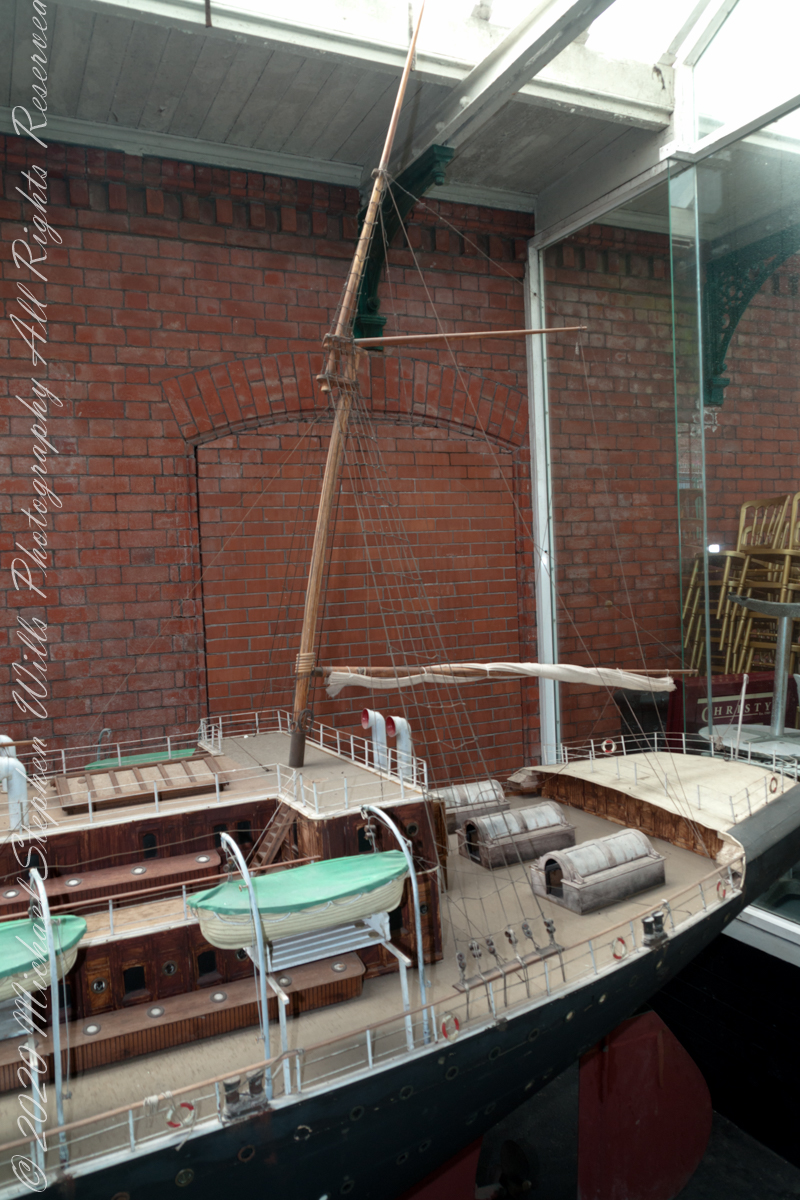
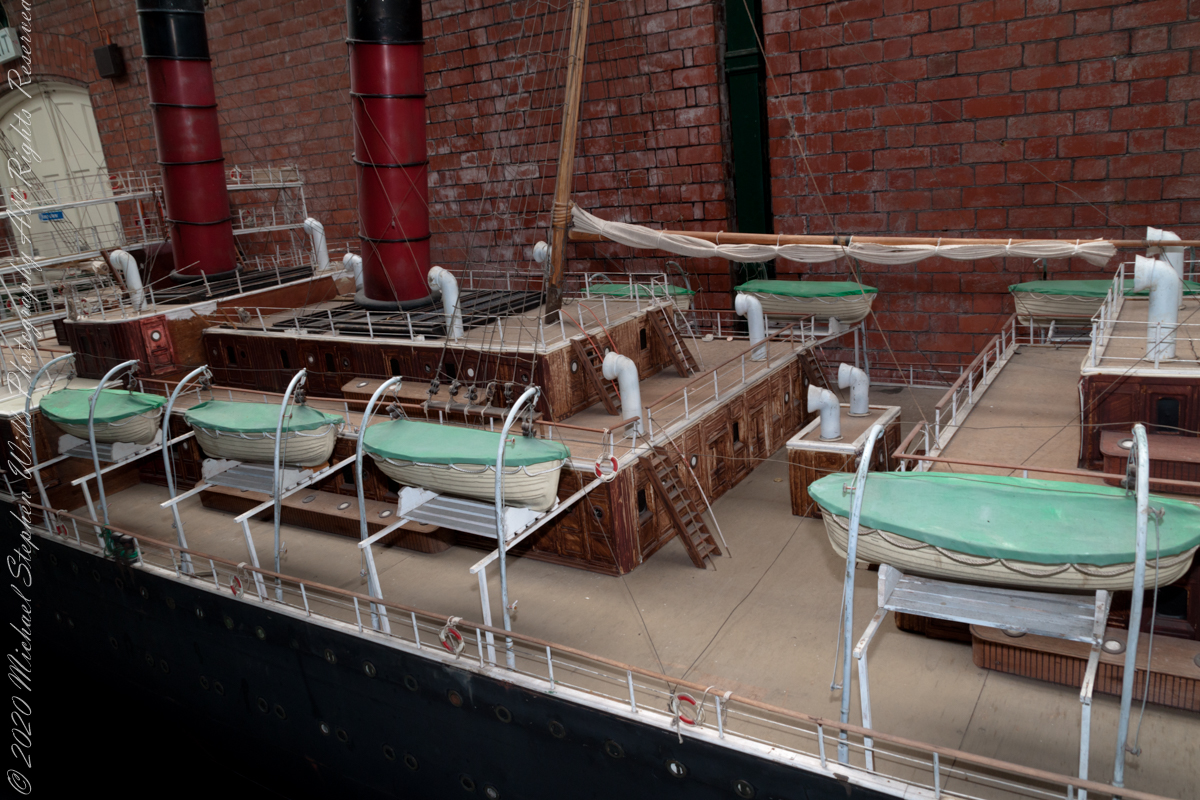
Nothing so grand as the SS (or HMS) Servia carried my ancestors from Ireland to America. This ship model, created for the 1992 film “Far and Away” is on display within Cobh Heritage Center. Said by some to be the first true transatlantic ocean liner. Launched in 1881 as luxury transportation by the Cunard Line of today’s Queen Mary. Last year, we enjoyed the arrival of Cunard’s Queen Victoria to Cape Canaveral. (Click the link for my blog of the event, one of the last cruise ships to sale during the pandemic of 2020).
It is notable the model played a small role in the film, yet is an incredible accomplishment. By the way, from 1849 to 1920 Cobh was known as “Queenstown” in honor of a visit by Queen Victoria. The Irish Free State returned the name to the original.

References

SS Servia – Wikipedia

Far and Away – Wikipedia

Copyright 2021 Michael Stephen Wills All Rights Reserved