Iquique by Sea II

Explore the rugged beauty of Chile’s Atacama Desert coast as we approach Iquique. Discover the historical significance of ghost towns and the stunning natural landscapes captured through a zoom lens from our cruise ship.

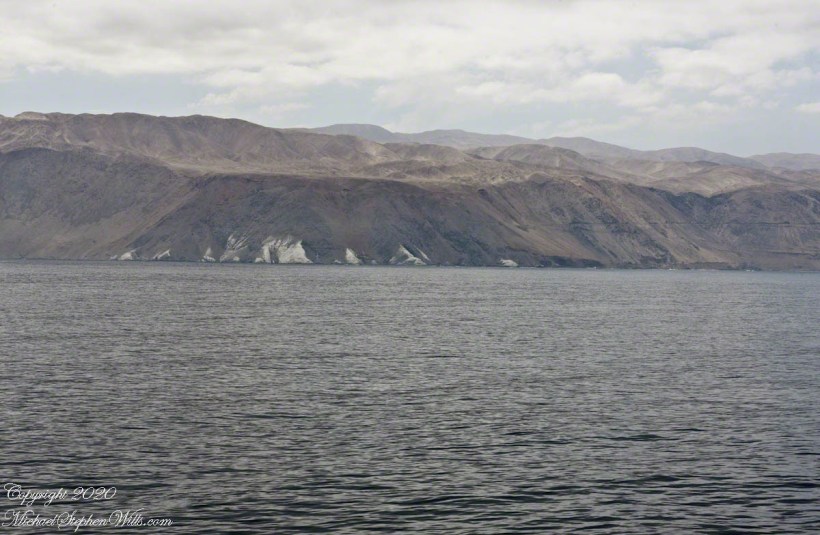
As we continue our approach to Iquique, the landscape unfolds with increasing clarity and detail after I swapped out the 24 mm lens with a variable “zoom”, 70 – 300mm. The ship’s slow progress offers ample time to observe and absorb the stark beauty of the coastline. The variable lens captures the rugged intricacies of the cliffs and the subtle hues of the arid landscape that rise abruptly from the Pacific Ocean.

Click any photograph for a larger view and use Ctrl-x to zoom in closer.
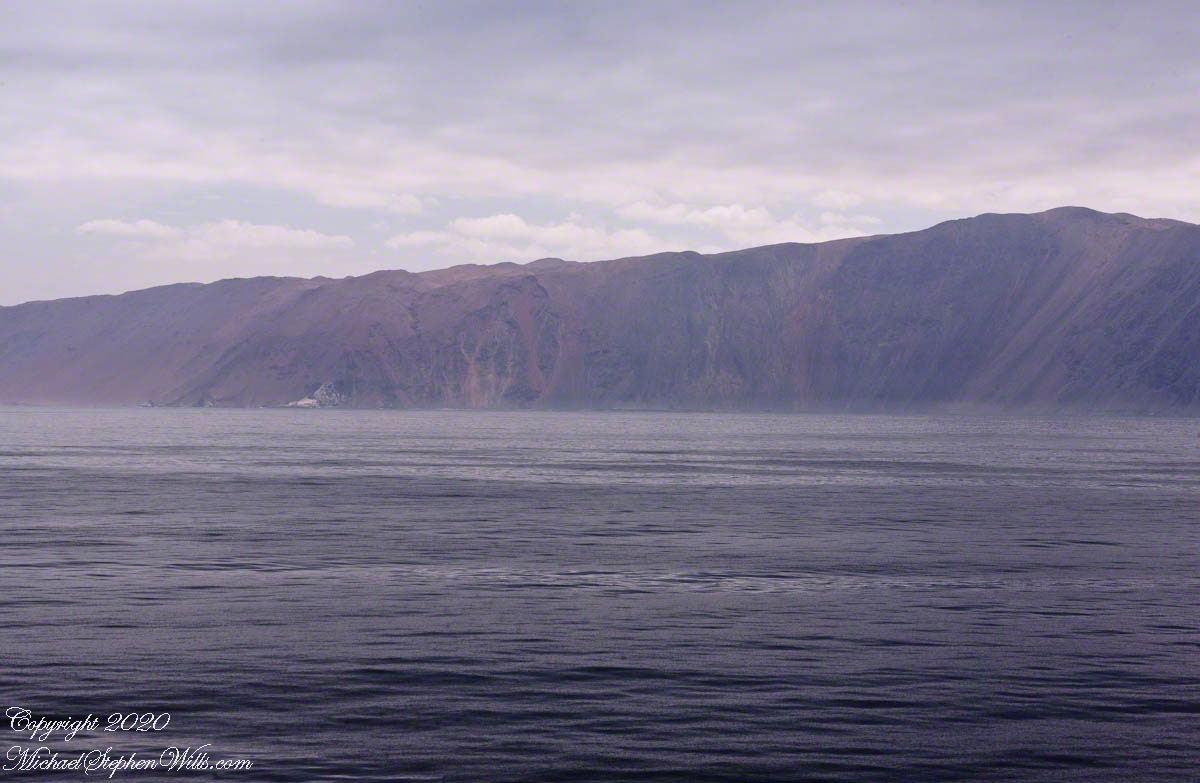
Caleta Buena, the ghost town perched at the foot of a 750-foot escarpment, is no longer in sight. This once-thriving nitrate shipping point is a haunting reminder of the region’s historical significance in the nitrate mining industry. The small bay, or “caleta,” provided just enough shelter to construct piers and docks, facilitating the transportation of this valuable mineral. The remnants of this enterprise are barely visible, blending seamlessly into the harsh terrain.
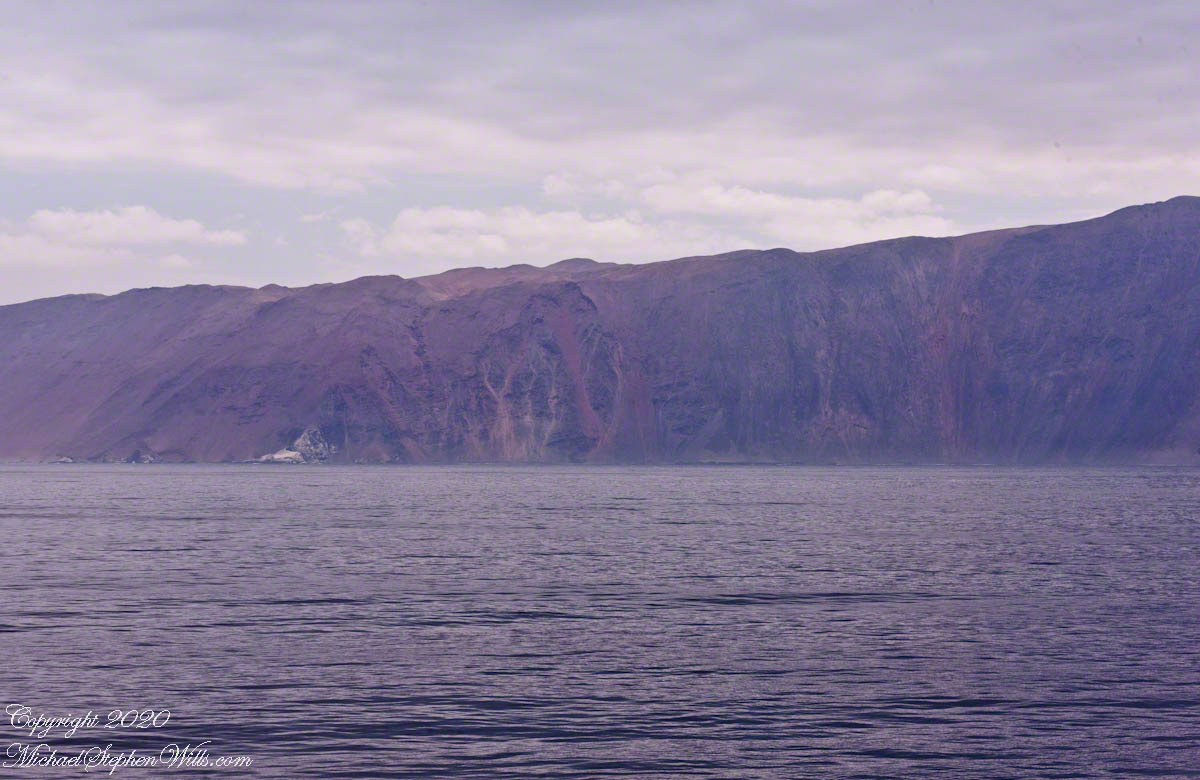
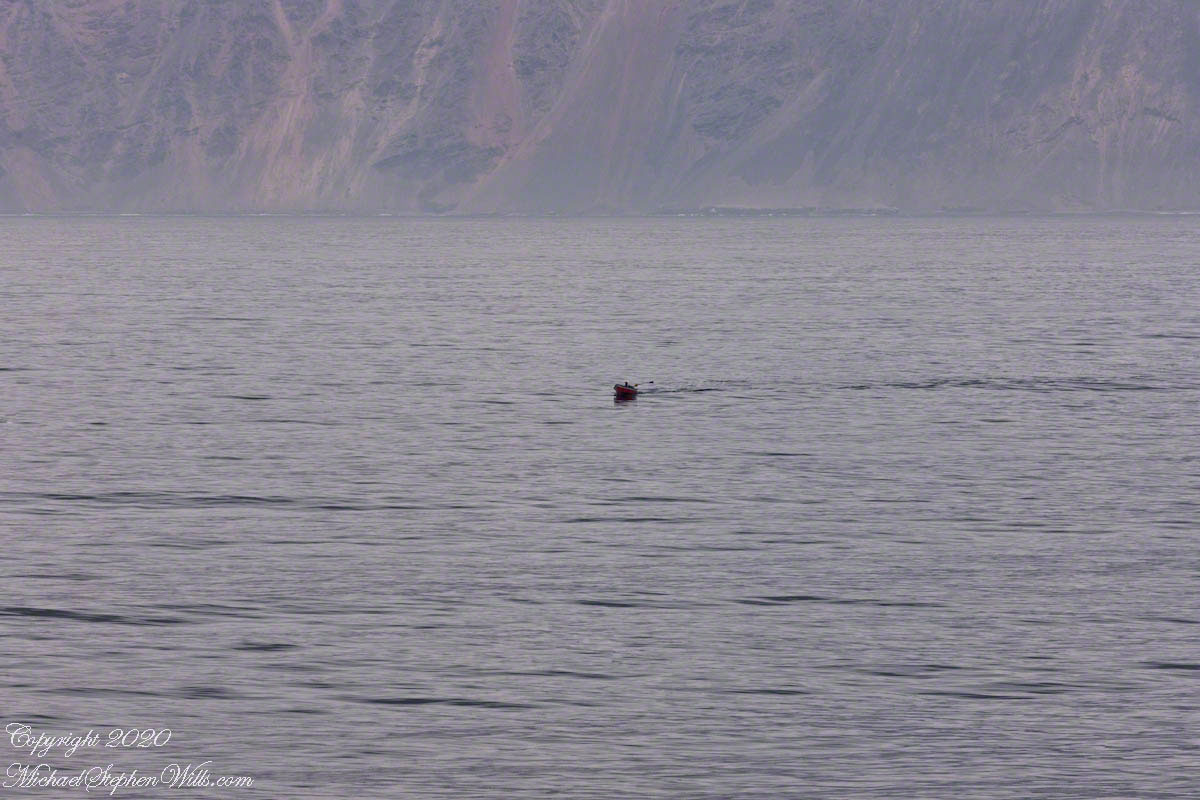
The juxtaposition of the nutrient-rich Humbolt Current against the barren cliffs is a sight to behold. The current, teeming with marine life, supports the local fishing industry. I manage to capture a small fishing boat setting out for the day, its solitary presence emphasizing the vastness and solitude of the surrounding ocean. The boat’s journey highlights the symbiotic relationship between the sea’s bounty and the livelihood of those who brave its waters.
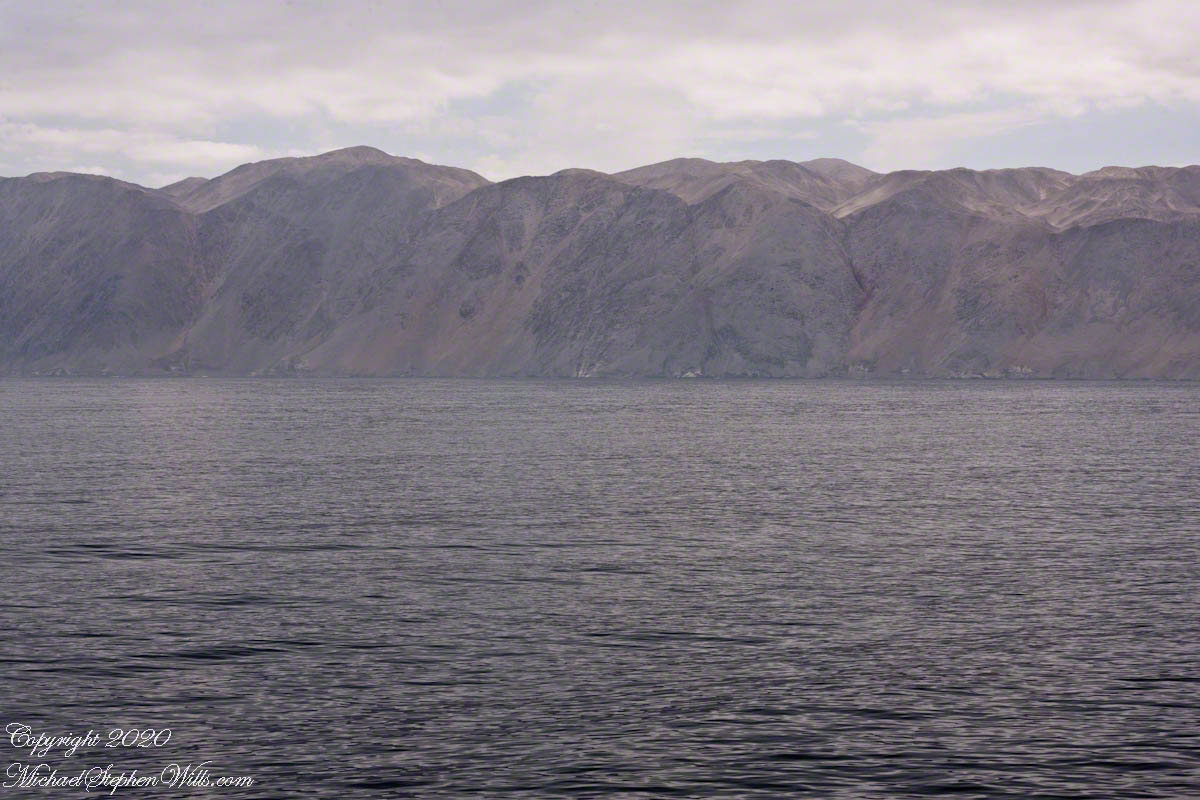
Moving southward, the cliffs give way to a formidable pediment, a broad, sloping surface that forms the base of the coastal mountains. This pediment, barren and uninviting, is a testament to the geological forces that have shaped this region. The harsh environment, with its minimal vegetation and arid conditions, stands in stark contrast to the vibrant marine ecosystem just offshore.
Our ship’s slow advance allows for contemplation of this unique landscape. The term “the imprint of God’s thumb on the land” resonates deeply as I witness the natural formations that seem almost intentional in their design. The cliffs and pediment, while imposing, serve as a prelude to the more hospitable terrain that lies ahead.
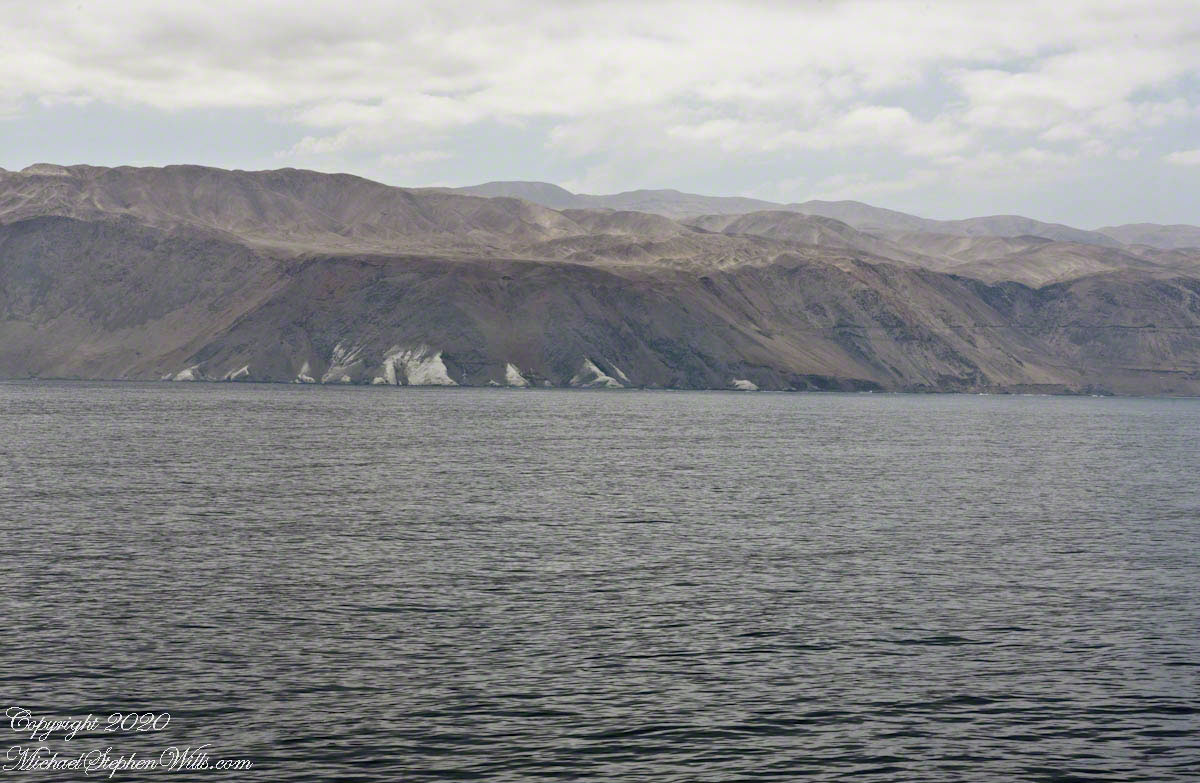
Approaching Punto Negro, the cliffs begin to recede, revealing a more accessible coastline. This geographical shift creates a natural harbor that has enabled the establishment and growth of Iquique. The city, with its deep-rooted history in the nitrate industry, emerges as a beacon of human resilience and adaptation in an otherwise unforgiving landscape.
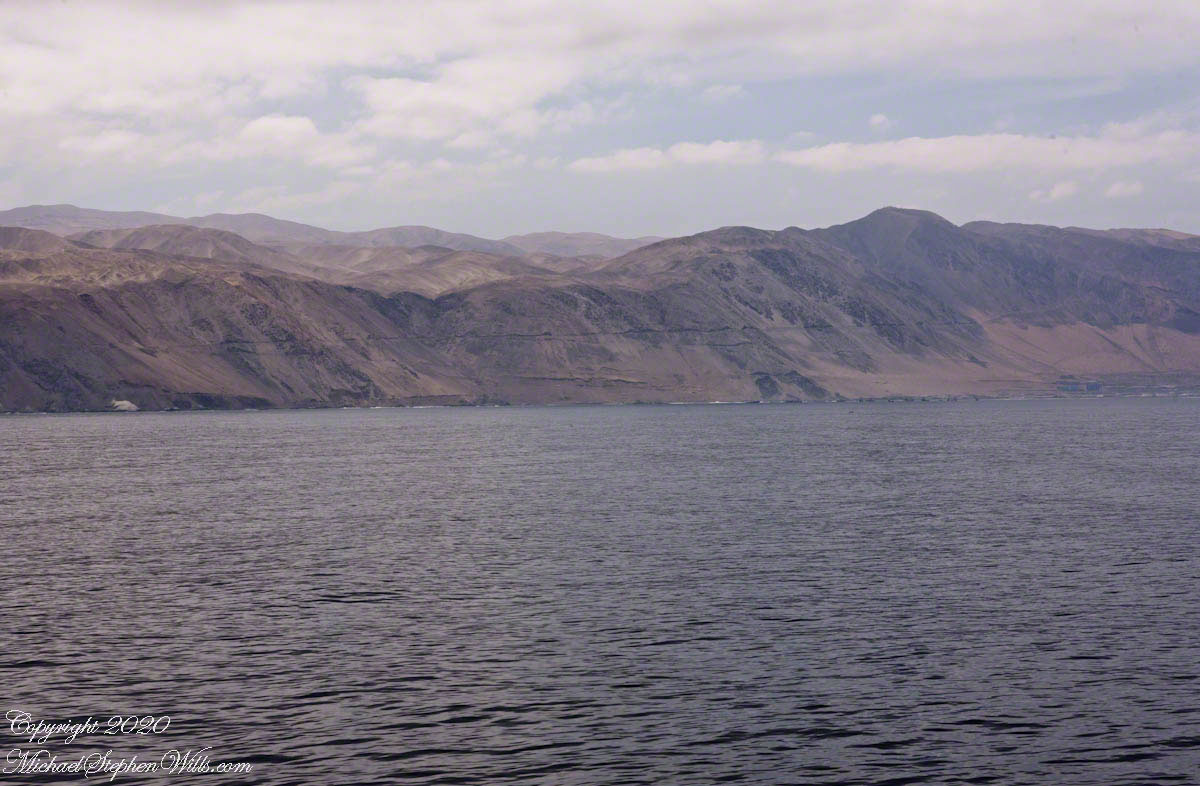
Iquique’s strategic location, nestled between the receding cliffs and the ocean, provides a unique blend of natural beauty and industrial significance. The city’s development is intricately linked to the geographical features that surround it, from the nutrient-rich waters of the Humbolt Current to the protective embrace of the coastal cliffs.

As the Regatta inches closer to port, the anticipation builds. The approach to Iquique is not merely a physical journey but a voyage through time and nature’s grandeur. Each photograph, each observation, adds a layer to the rich tapestry of this experience. The slow, deliberate pace of the ship allows for a deeper appreciation of the intricate interplay between land and sea, history and progress.

In these moments of quiet reflection, I feel a profound connection to the land and its stories. The approach to Iquique is a reminder of the delicate balance that sustains life in this harsh yet beautiful corner of the world. It is a journey that underscores the resilience of both nature and humanity, each adapting to and shaping the other in an ongoing dance of survival and growth.
Click me for the first post of this series.

Copyright 2024 Michael Stephen Wills All Rights Reserved

Iquique by Sea I

Join me on an early morning approach to Iquique, Chile, as we sail past the stark, mesmerizing Atacama Desert coastline. Experience the serene isolation and rugged beauty captured from the balcony of our cruise ship.

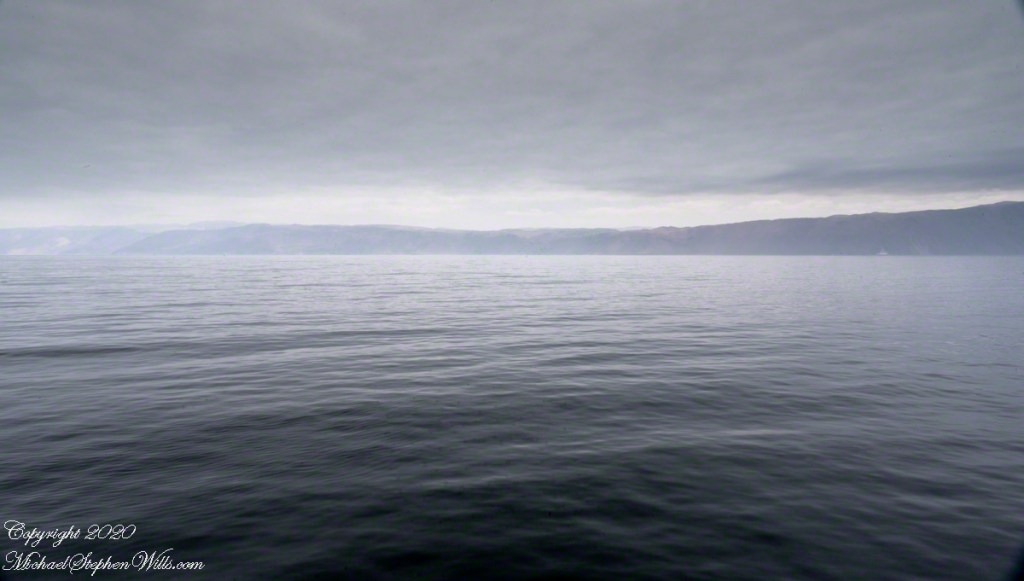
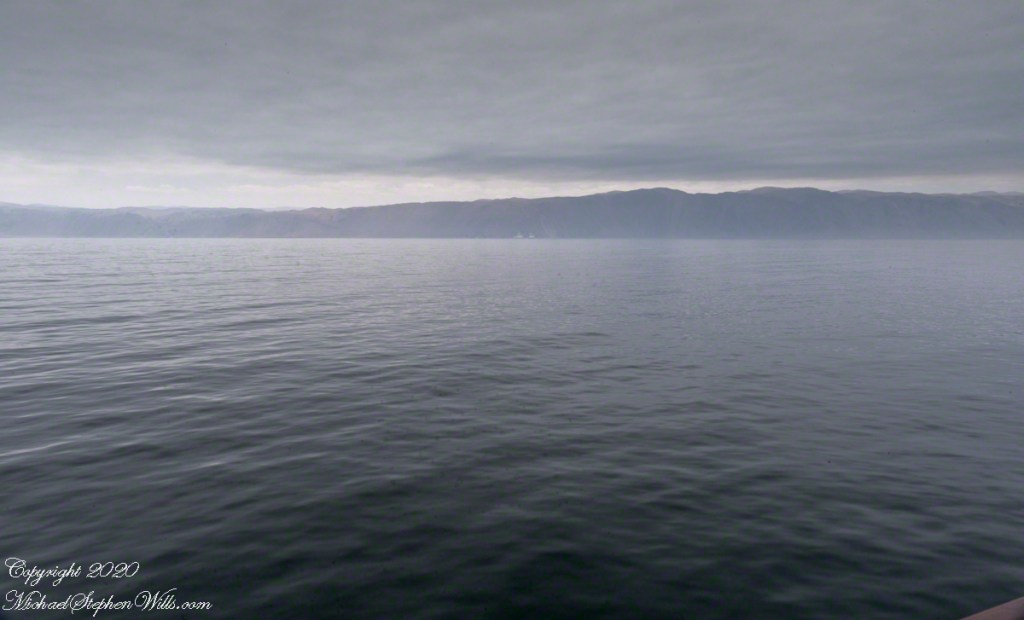
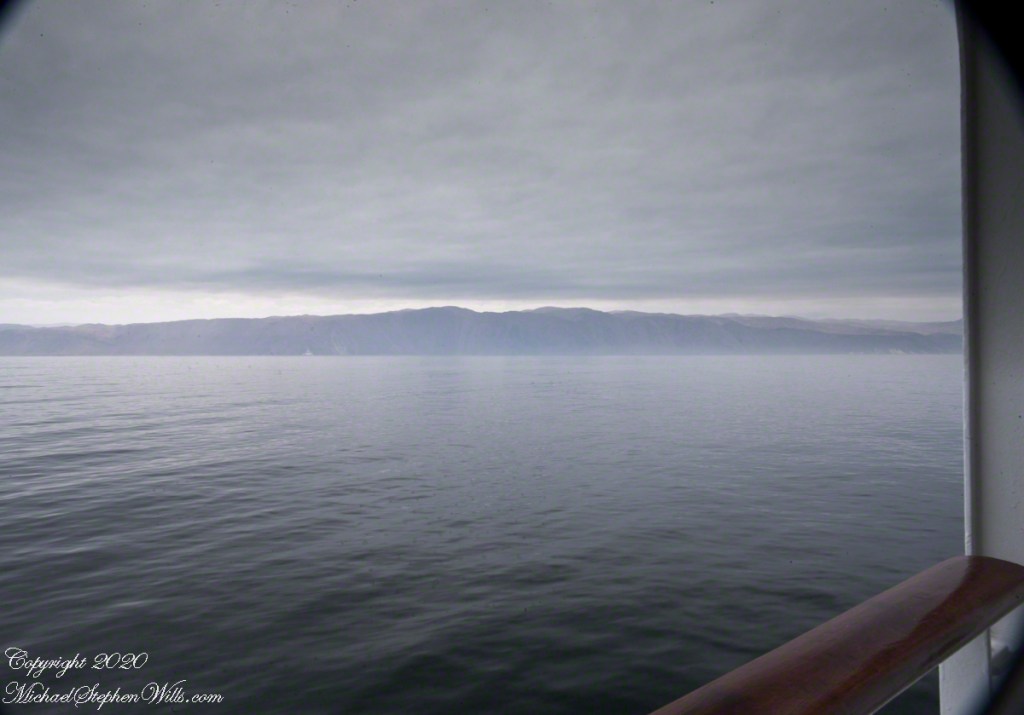
Standing on the balcony of our port side stateroom, the early morning light casts a subdued, almost ethereal glow over the vast expanse of the Pacific Ocean. The Oceania Regatta glides smoothly through the cold, dark waters, making its way toward Iquique, our first Chilean port of call. The sense of anticipation is palpable as we approach the coast of the Atacama Desert, a region renowned for being the driest place on Earth.

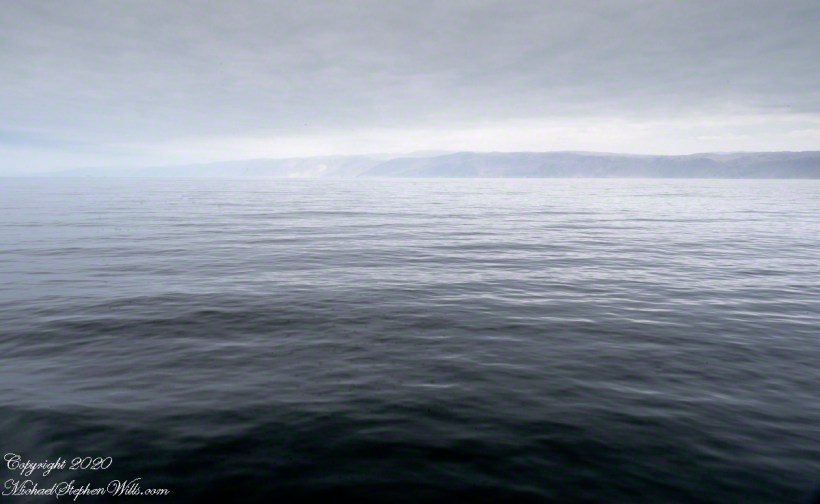
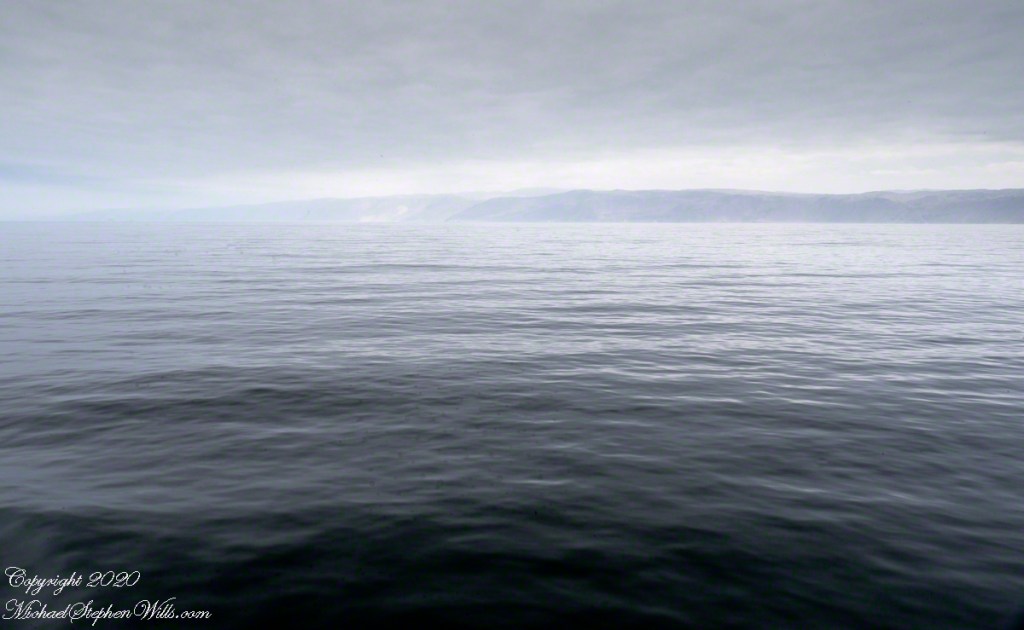
The view is both stark and mesmerizing. The coastline of the Atacama Desert rises sharply from the Pacific, a dramatic contrast to the vast, cold ocean that stretches out before us. The Humbolt current, a cold, nutrient-rich flow of water from southern Chile to northern Peru, swirls beneath the ship, adding a sense of dynamic movement to the scene. The chilly air, the muted colors of the sea and sky, and the barren, rugged landscape all combine to create an atmosphere of serene isolation.

In the distance, I imagine a dark point of land—the remnants of the abandoned town of Caleta Buena. Perched on a 750-foot escarpment, the town was once a bustling hub of nitrate mining, a vital industry that shaped the history of Iquique. The remains of piers jutting out into the ocean stand as silent witnesses to a bygone era, their weathered structures blending into the rugged coastline.

The sequence of photographs I’ve captured from this vantage point, working north to south, offers a panoramic view of this desolate yet captivating landscape. Using a 24 mm “wide angle” Canon lens mounted on a tripod, I’ve been able to frame the vastness of the ocean and the stark beauty of the Atacama coastline in a single, sweeping seascape.

Reflecting on our overnight journey from Matarani, Peru, I’m struck by the profound sense of isolation that accompanies travel along this desolate coast. During the 250-mile sail, the darkness was absolute, the inky blackness of the night broken only by the occasional glimmer of stars reflected in the ocean below. It was a journey through a void, a stark reminder of the sheer scale and remoteness of this part of the world.

As we draw closer to Iquique, the coastal mountains rise up, marking the transition from the Pacific to the arid plains of the Atacama Desert. The stark beauty of this landscape, with its rugged cliffs and barren expanses, is both humbling and awe-inspiring. It’s a reminder of the harsh conditions that have shaped this region, and of the resilience of the people who have carved out a living here over the centuries.

From the balcony of our stateroom, I feel a deep sense of connection to this place. The vastness of the ocean, the stark beauty of the desert coastline, and the rich history of the region all combine to create a profound sense of place. This is a land of extremes, a place where the forces of nature have sculpted a landscape of breathtaking beauty and unforgiving harshness.

As we approach Iquique, I feel a sense of gratitude for the opportunity to witness this unique corner of the world. The journey is a reminder of the incredible diversity and beauty of our planet, and of the importance of preserving these natural wonders for future generations. This approach to Iquique is a journey to a new port, a journey into the heart of one of the world’s most remarkable landscapes.

Copyright 2024 Michael Stephen Wills All Rights Reserved