Click Me for my Online Gallery
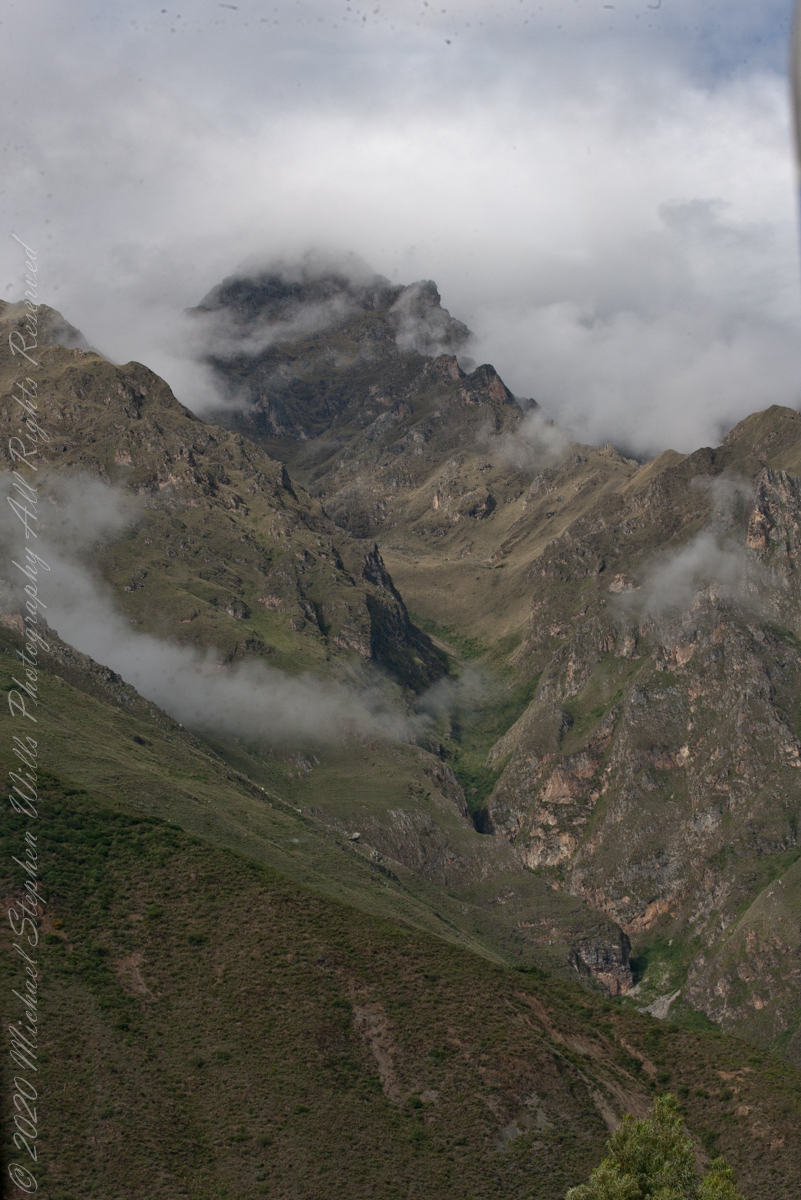
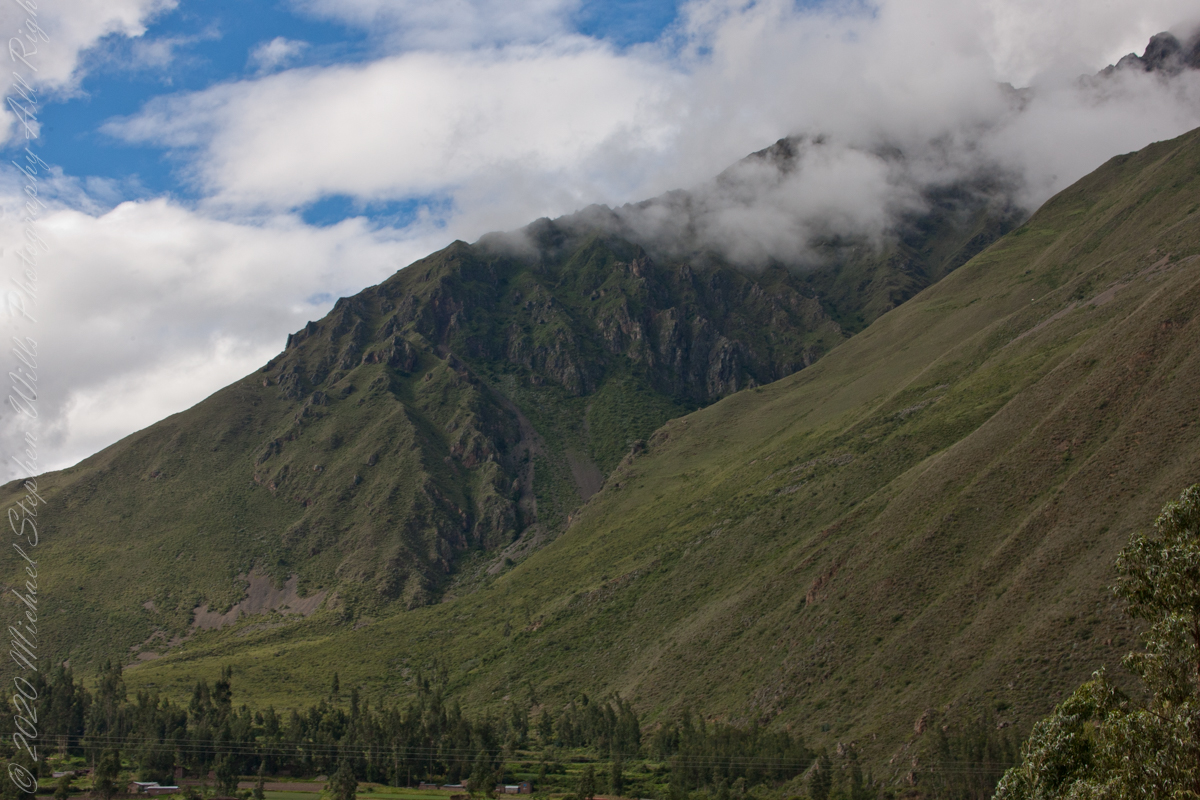
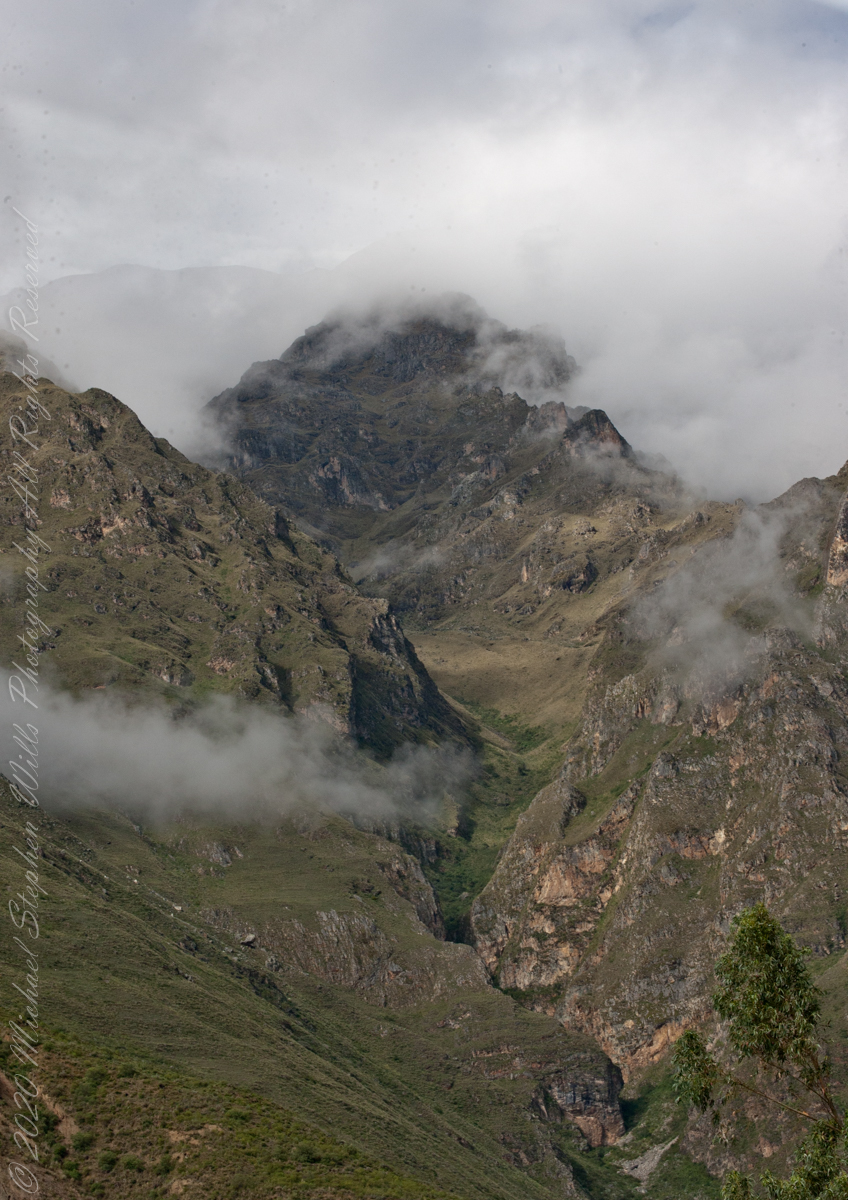
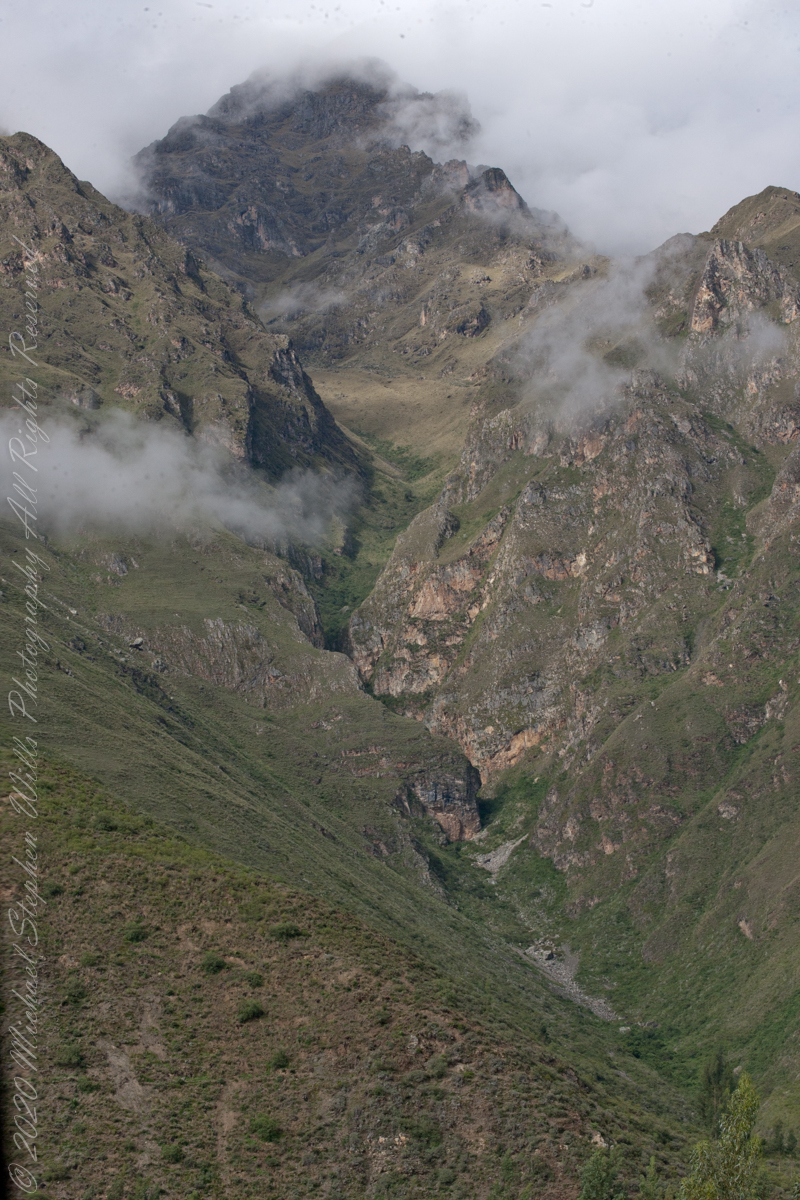
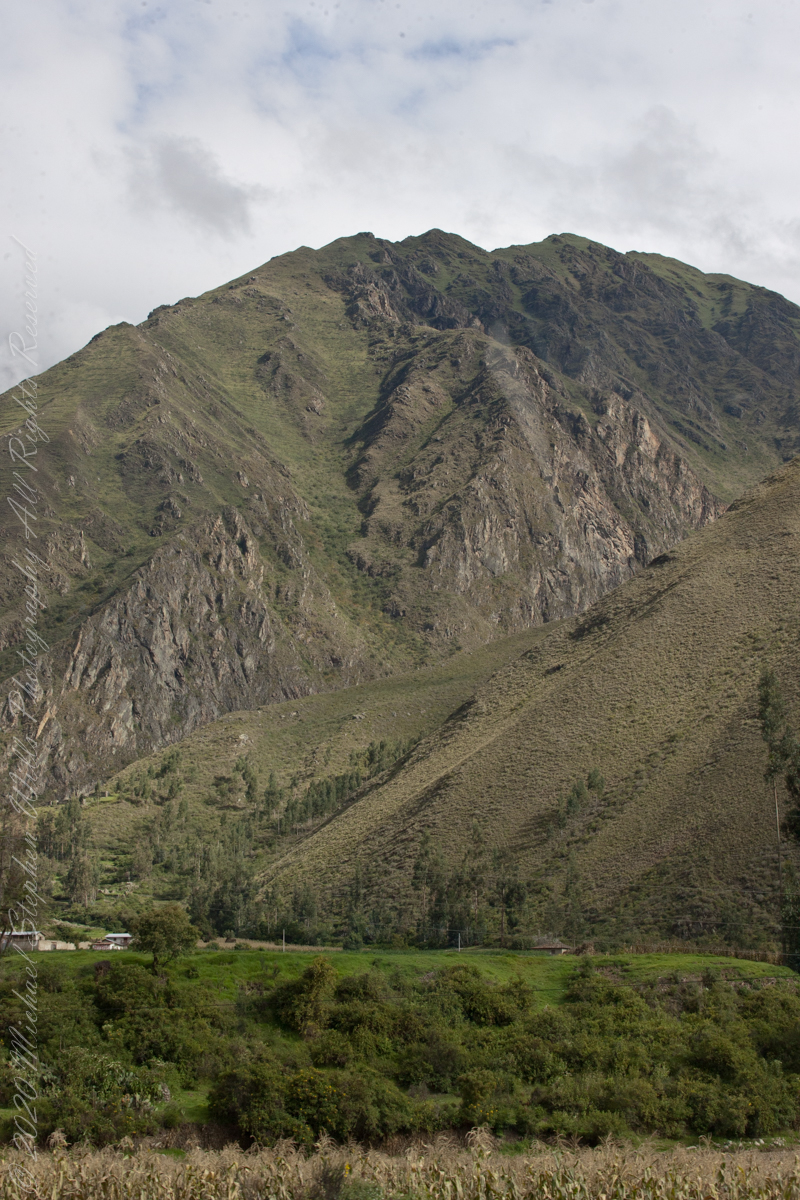
We boarded PeruRail at the Ollantaytambo station, destination Aguas Calientes and Machu Picchu
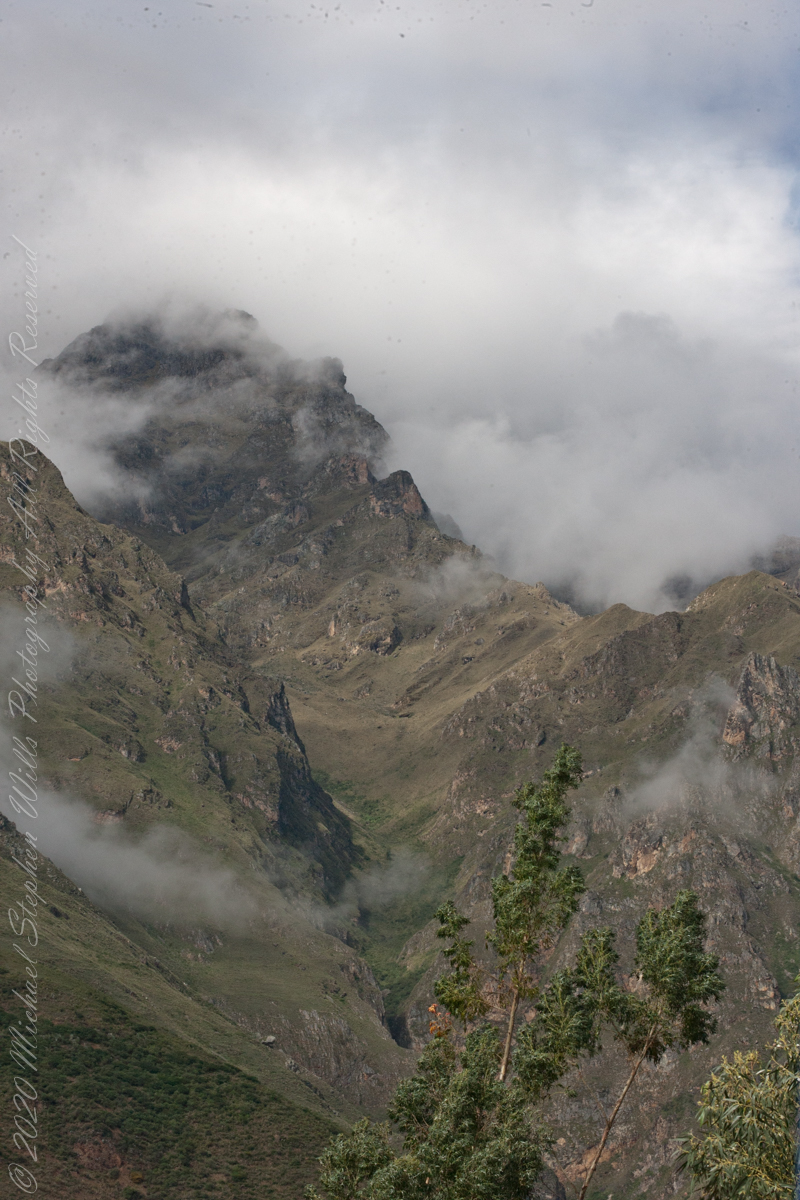
We boarded PeruRail at the Ollantaytambo station, destination Aguas Calientes and Machu Picchu
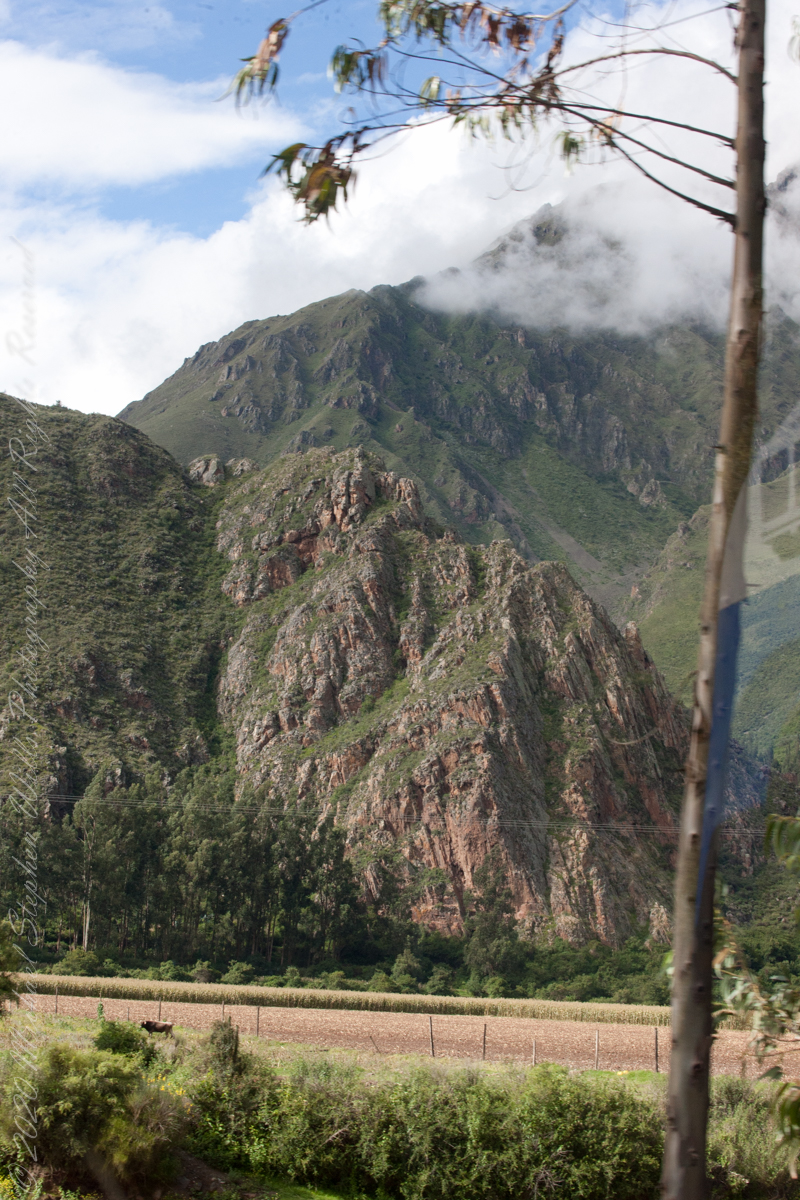
We boarded PeruRail at the Ollantaytambo station, destination Aguas Calientes and Machu Picchu
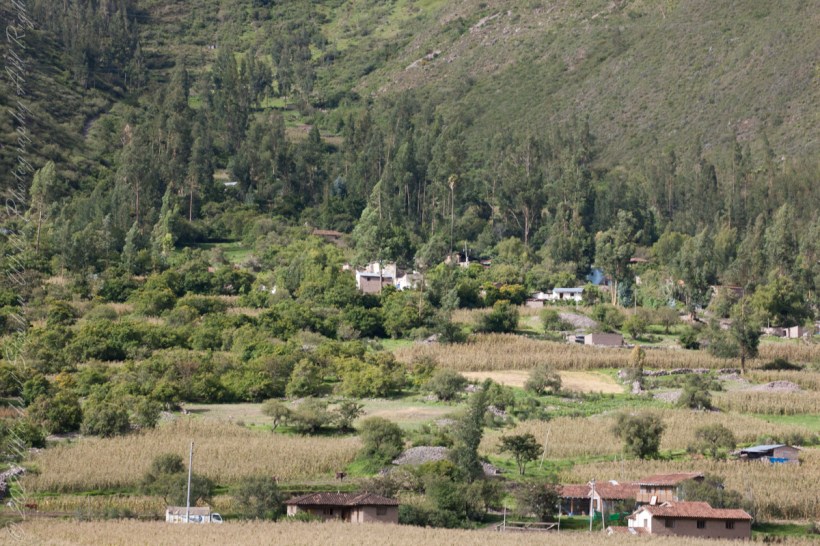
We boarded PeruRail at the Ollantaytambo station, destination Aguas Calientes and Machu Picchu
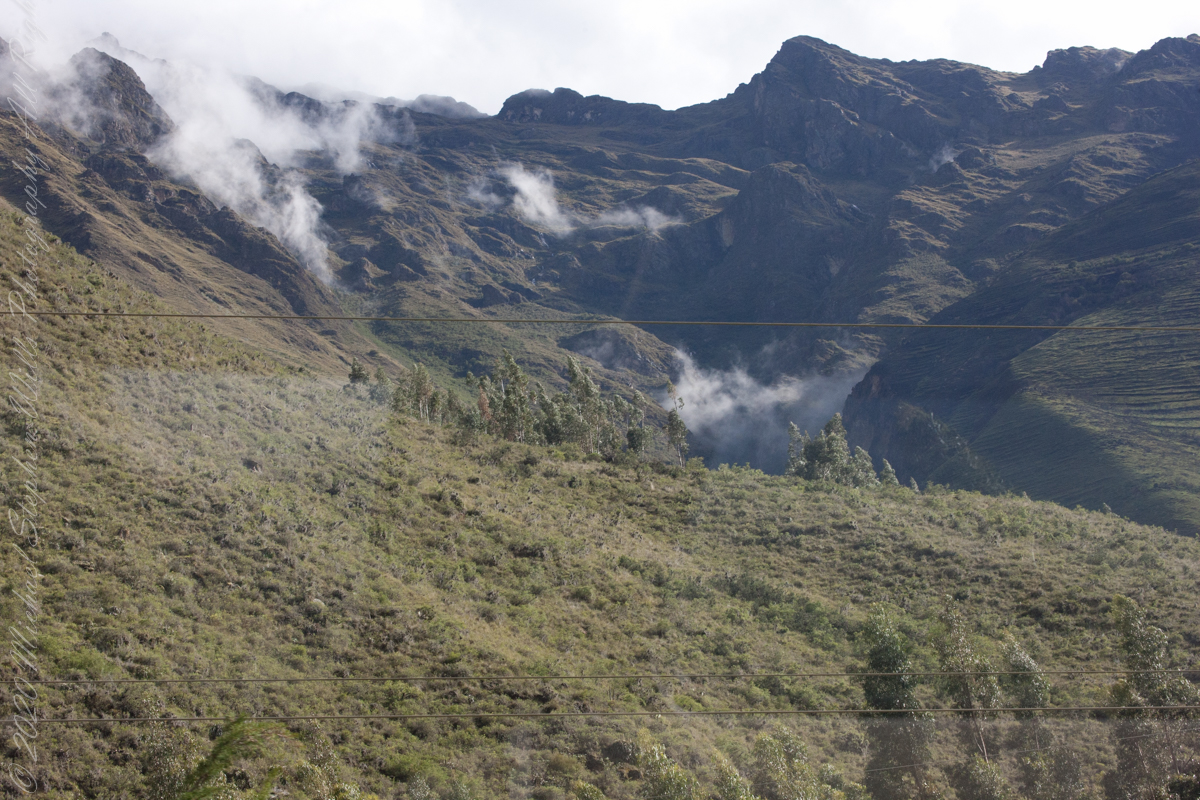
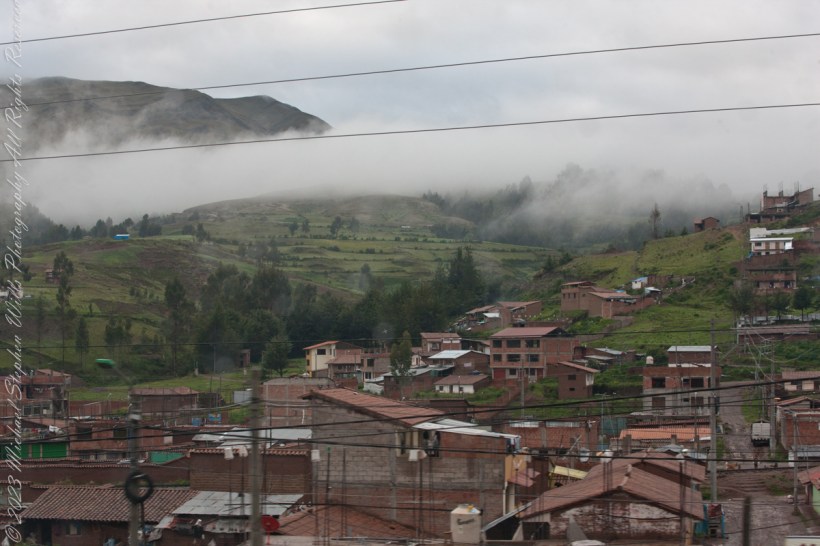
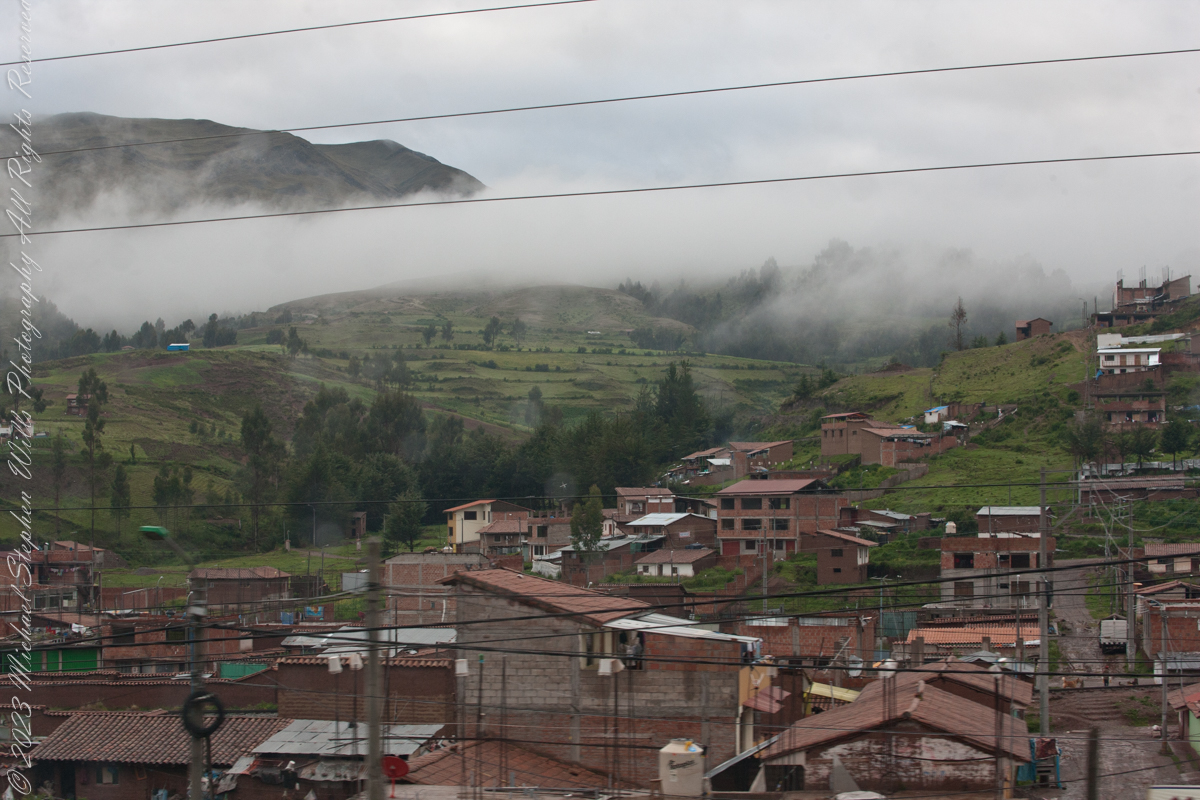
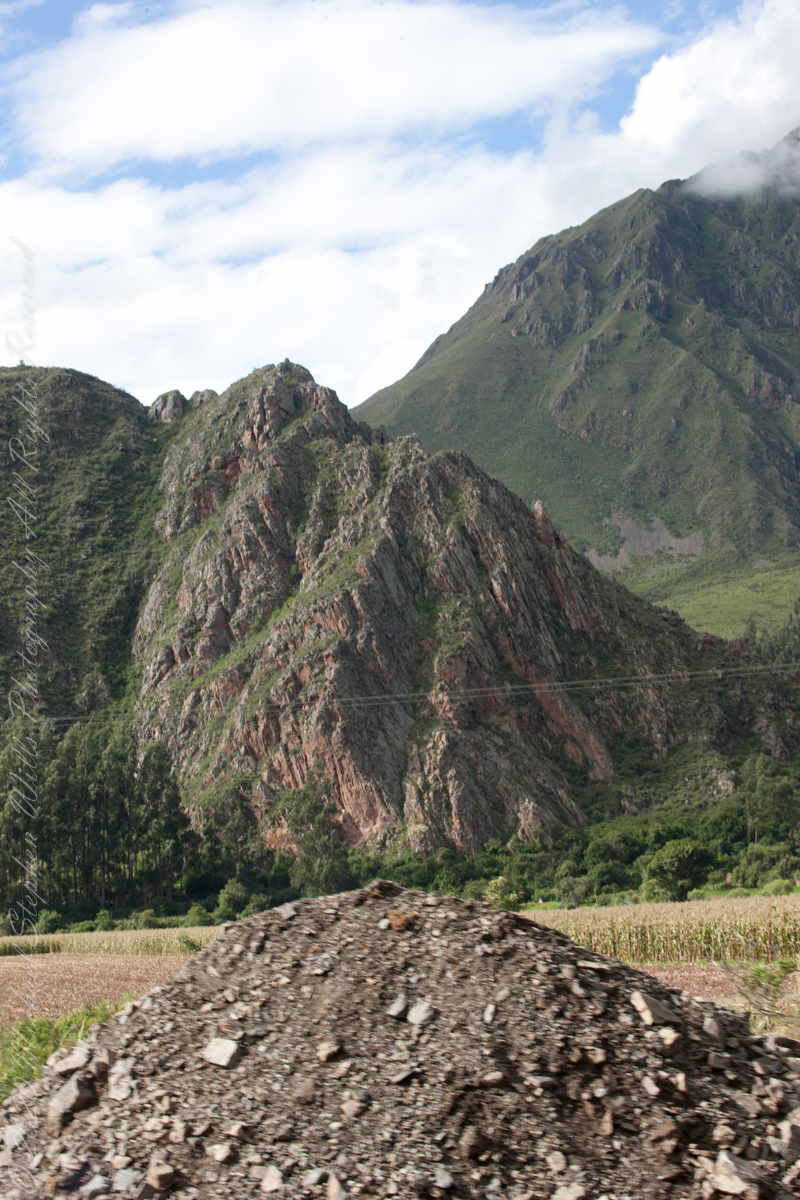
Chillca Village from PeruRail Train
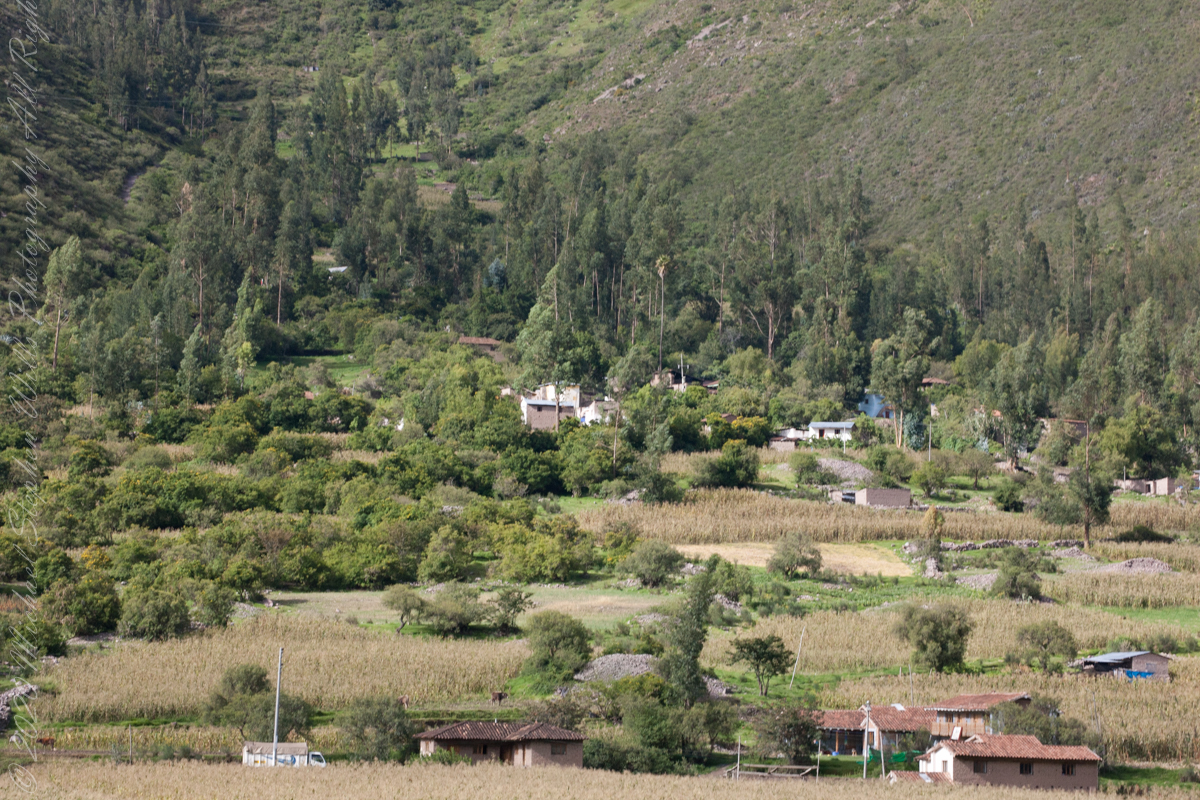
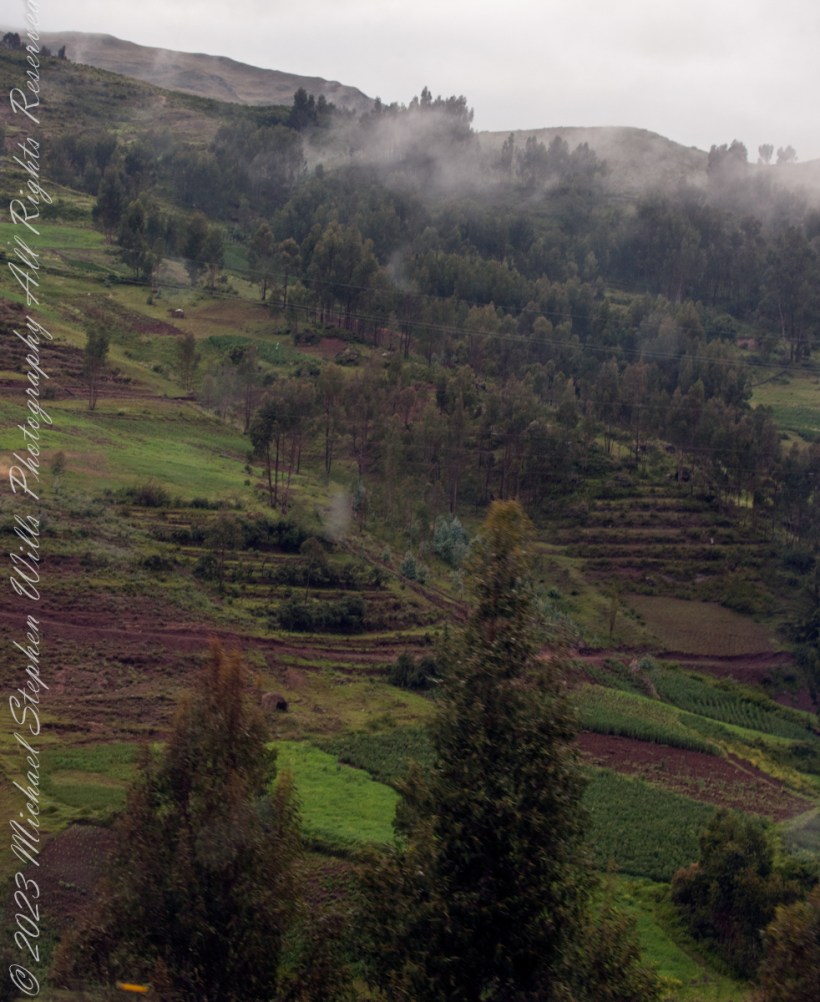
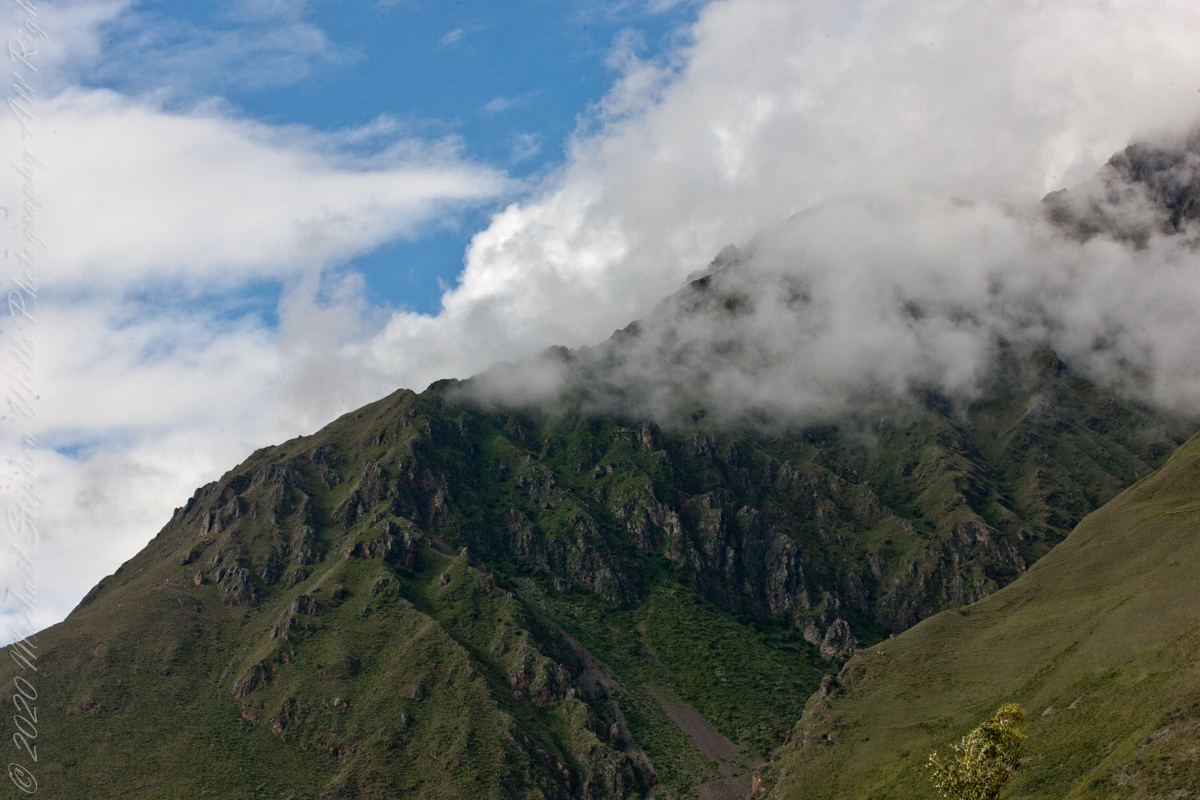
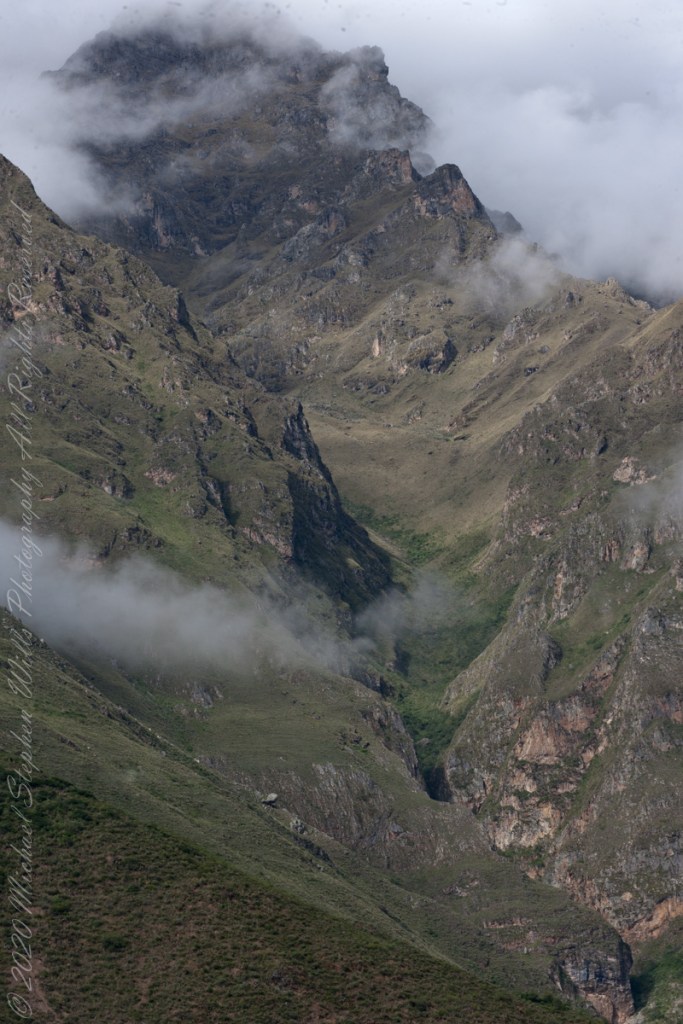
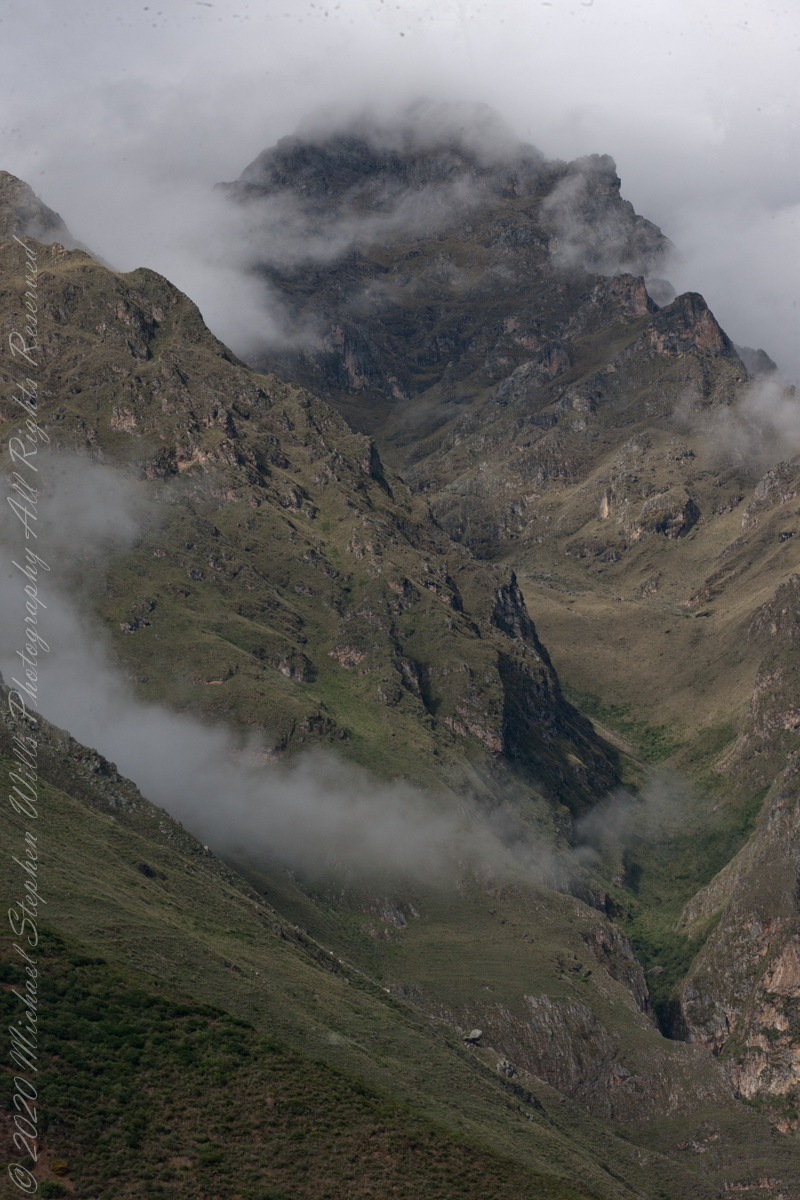
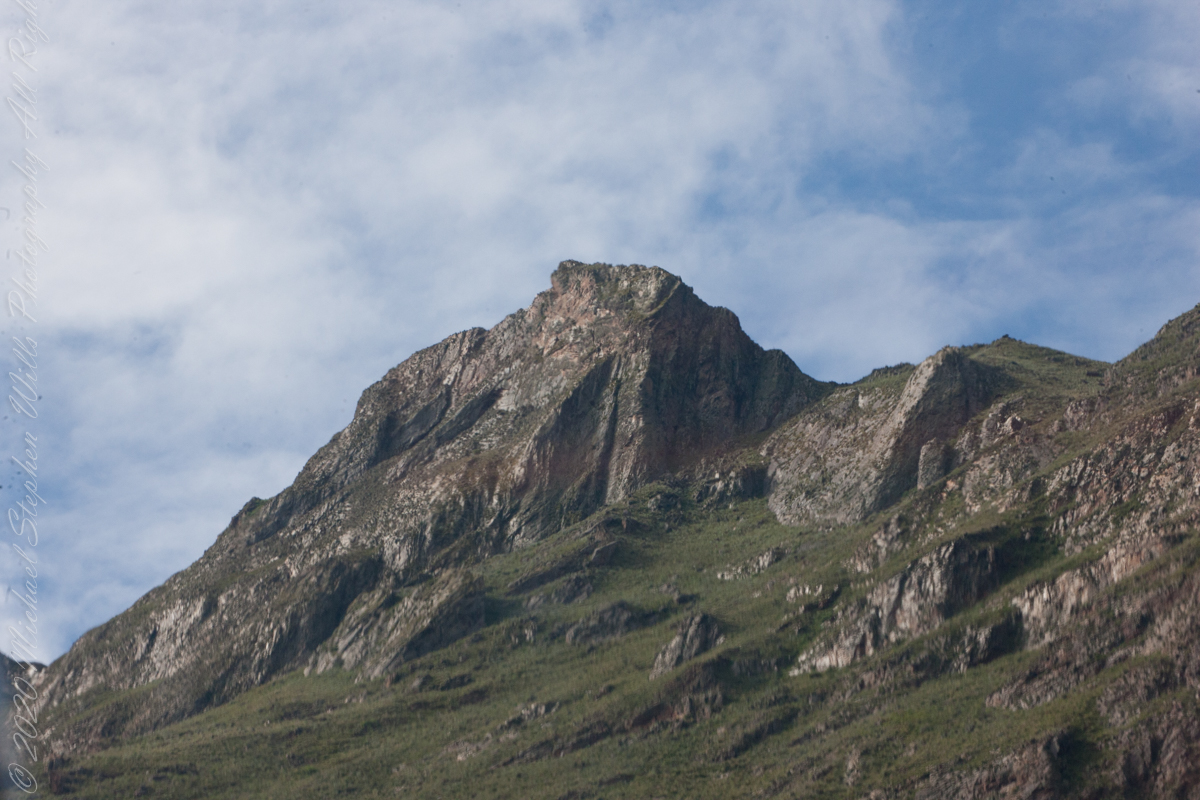
Andes above Chillca Village
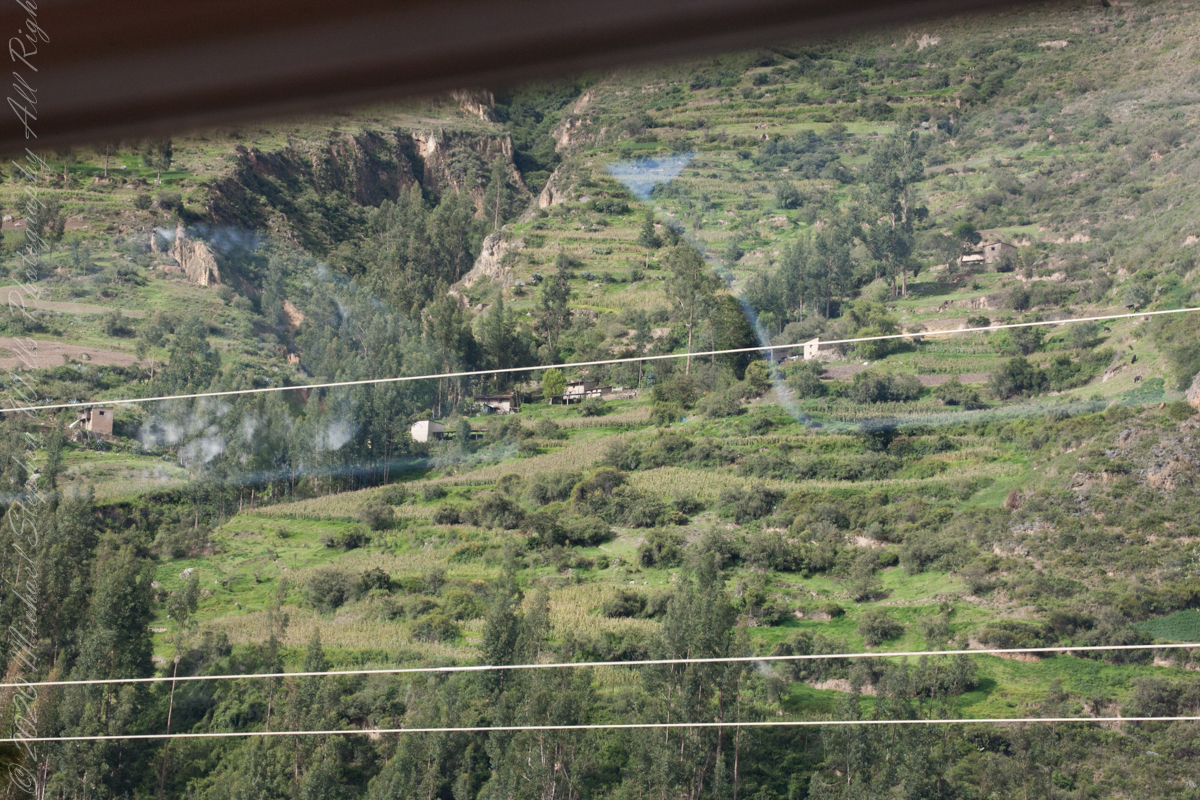
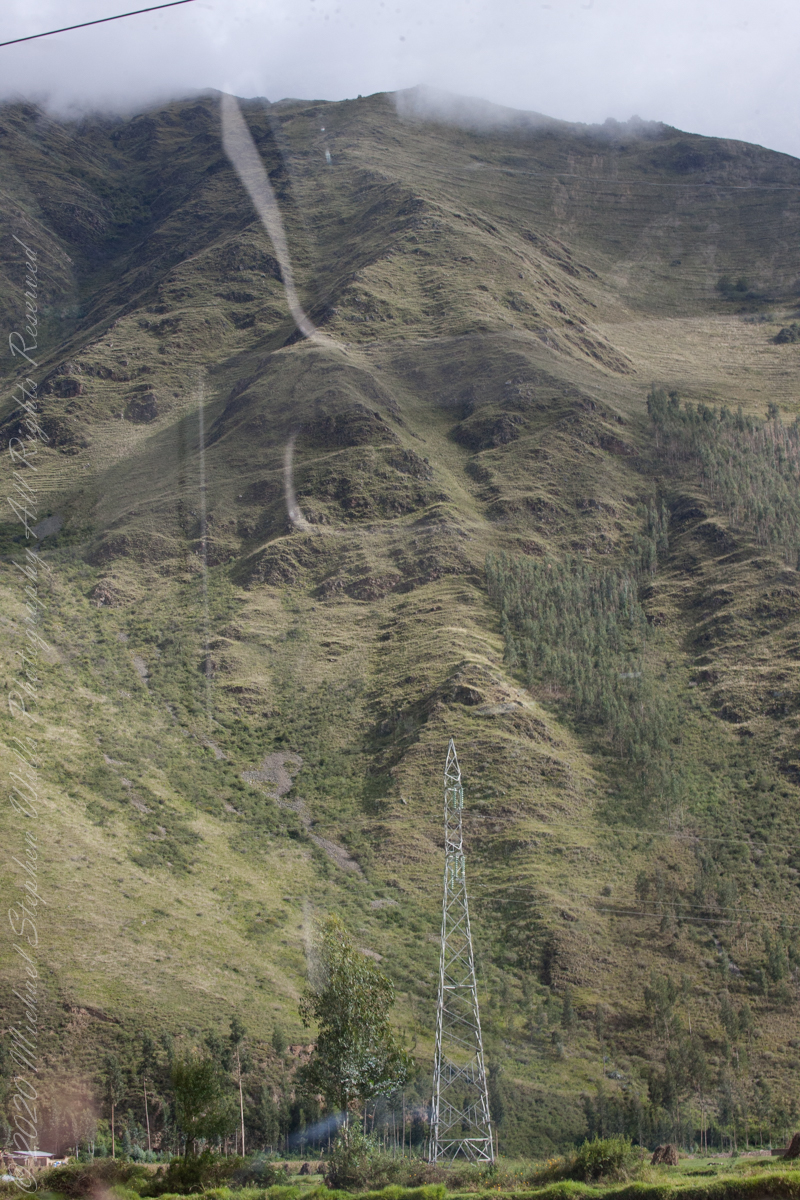
Mountainside homes, Chillca Village
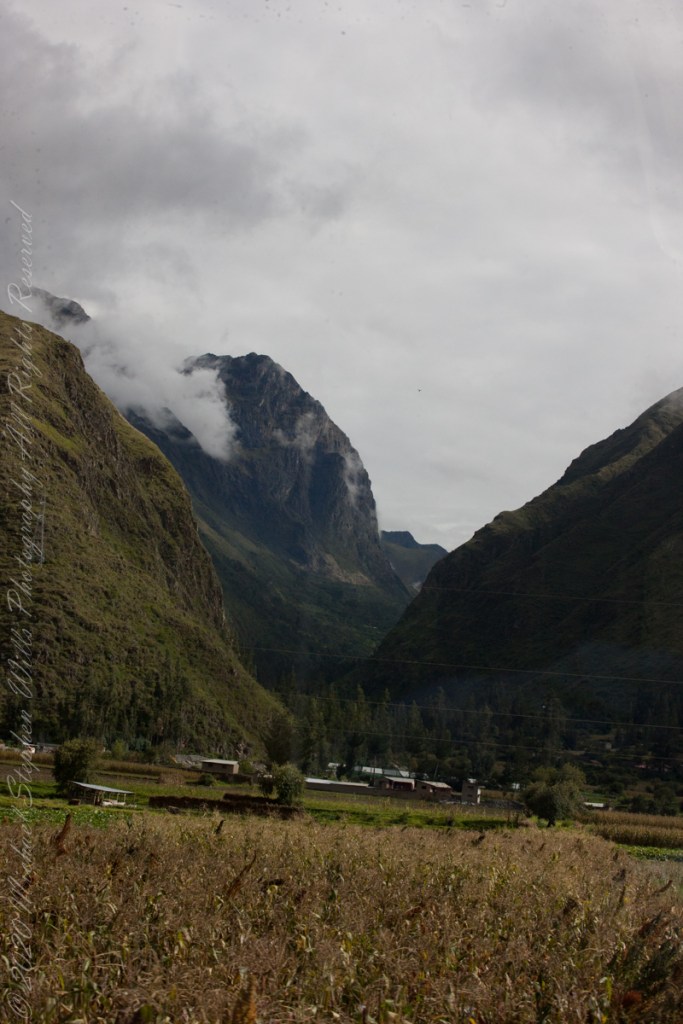
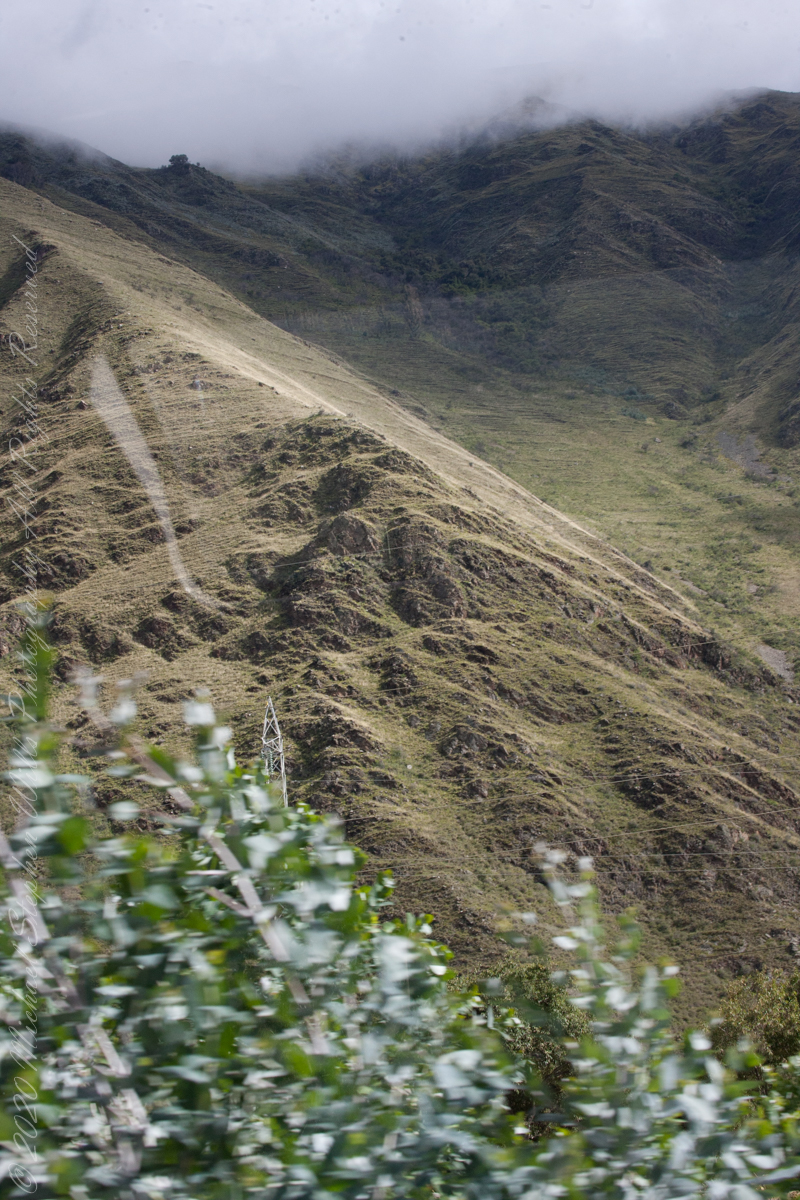
Leaving Chillca Village
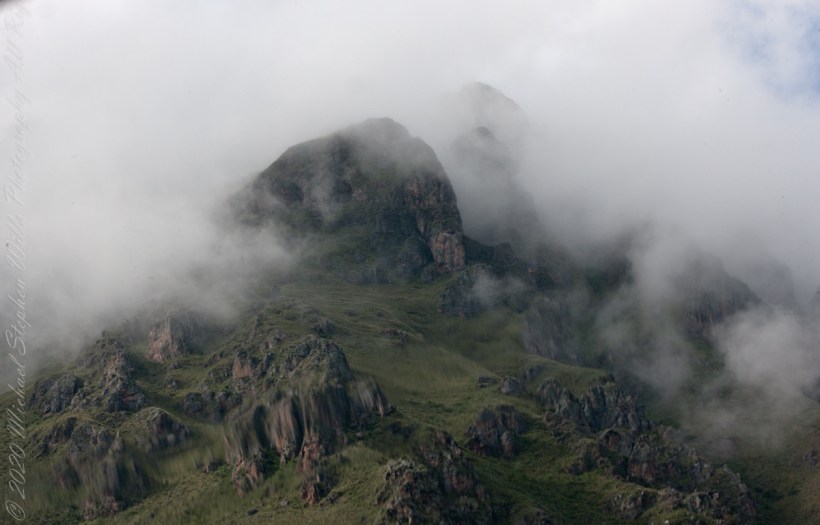
We boarded PeruRail at the Ollantaytambo station, destination Aguas Calientes and Machu Picchu
“The line between Cusco and Machu Picchu – Ferrocarril Santa Ana – is a 3 ft (914 mm) narrow gauge line, which boasts a series of five switchbacks called locally ‘El Zig-Zag’, which enable the train to climb up the steep incline out of Cusco, before it can begin its descent to the Sacred Valley of the Incas and then continue down to Machu Picchu. However, this section of the route (between Cusco San Pedro station and Poroy) – which had been suspended – resumed by Inca Rail from May 2019. This is why we took a chartered bus from Cusco to Ollantaytambo.“
“From Poroy, the narrow-gauge line goes northwest to Ollantaytambo, where the branch from Urubamba joins, then on to Machu Picchu station in Aguas Calientes. Tracks formerly continued into the jungle, but they were destroyed by recent flooding.“
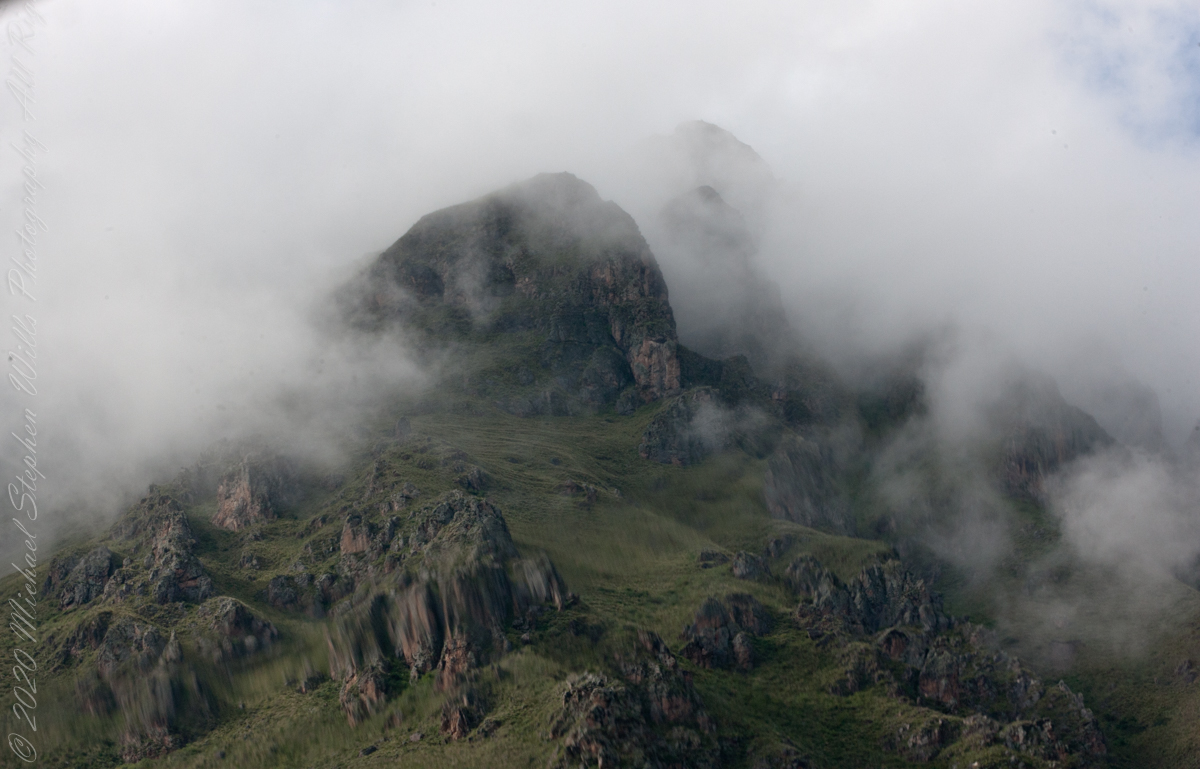
We boarded PeruRail at the Ollantaytambo station. These are my first photographs from the “VistaDome” carriage we enjoyed all the way to Aguas Calientes.
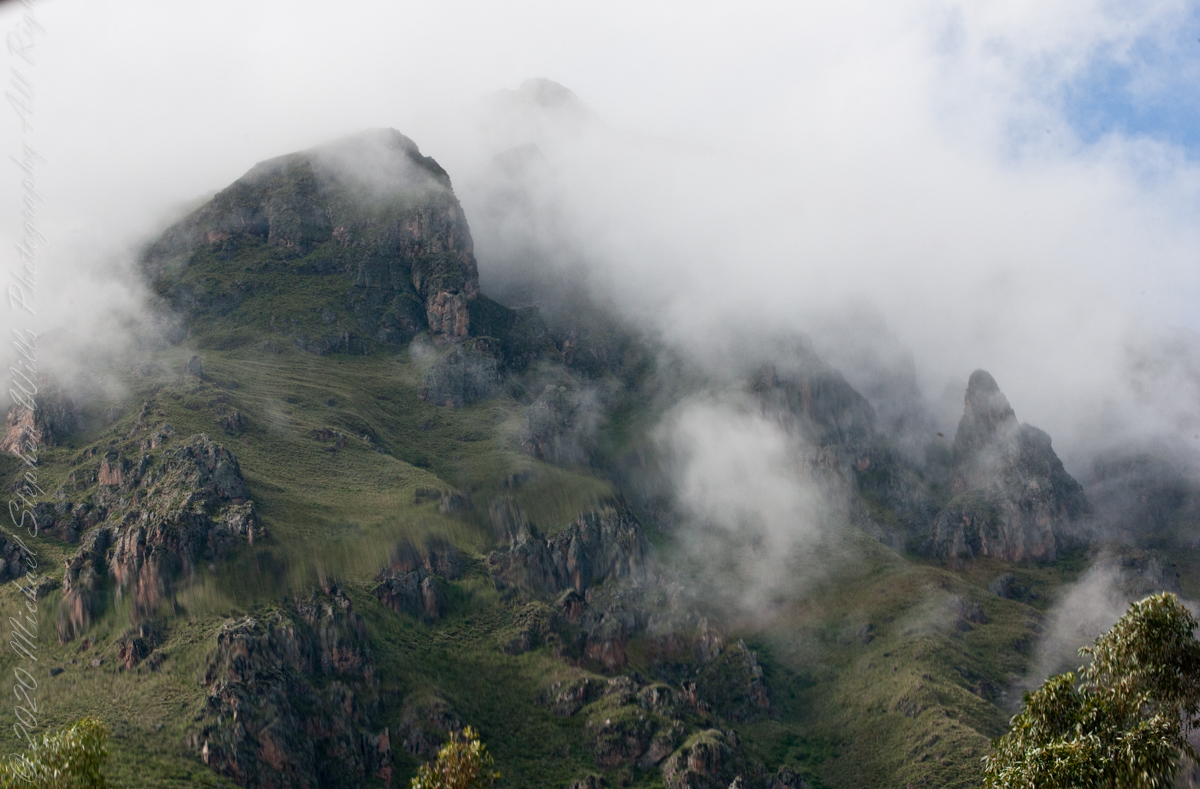
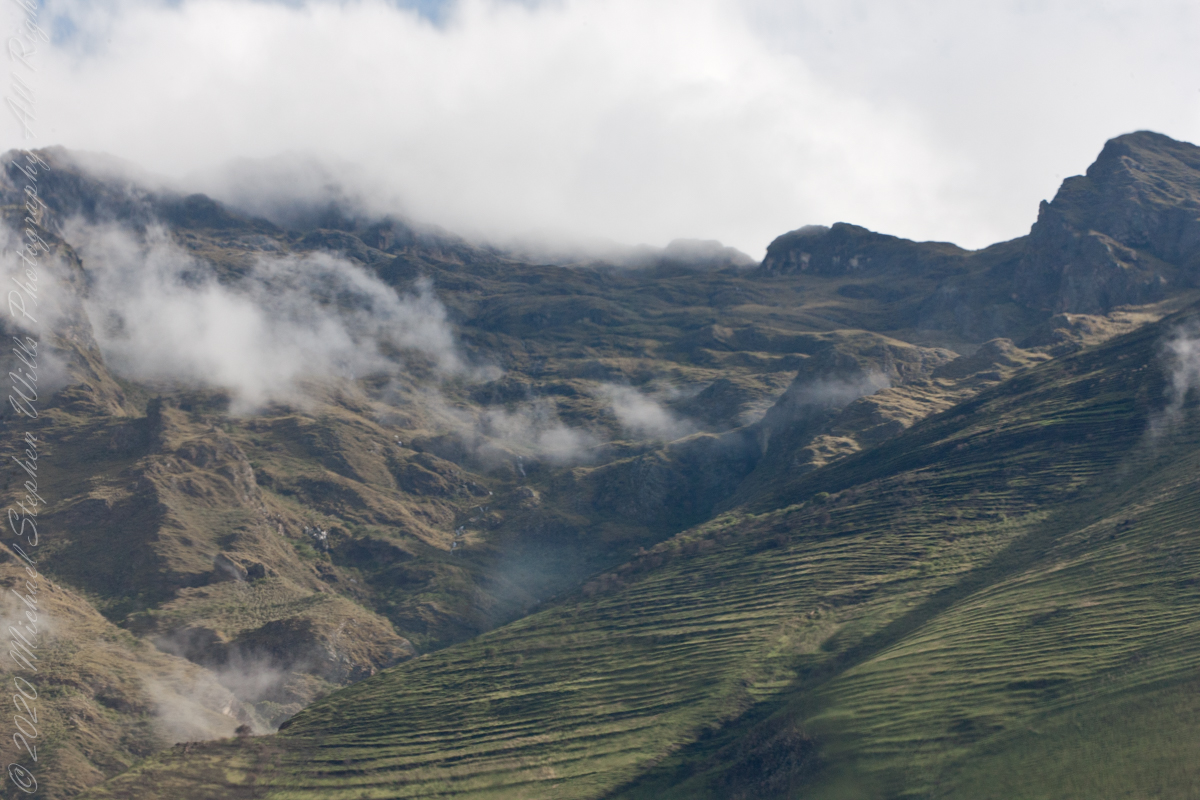

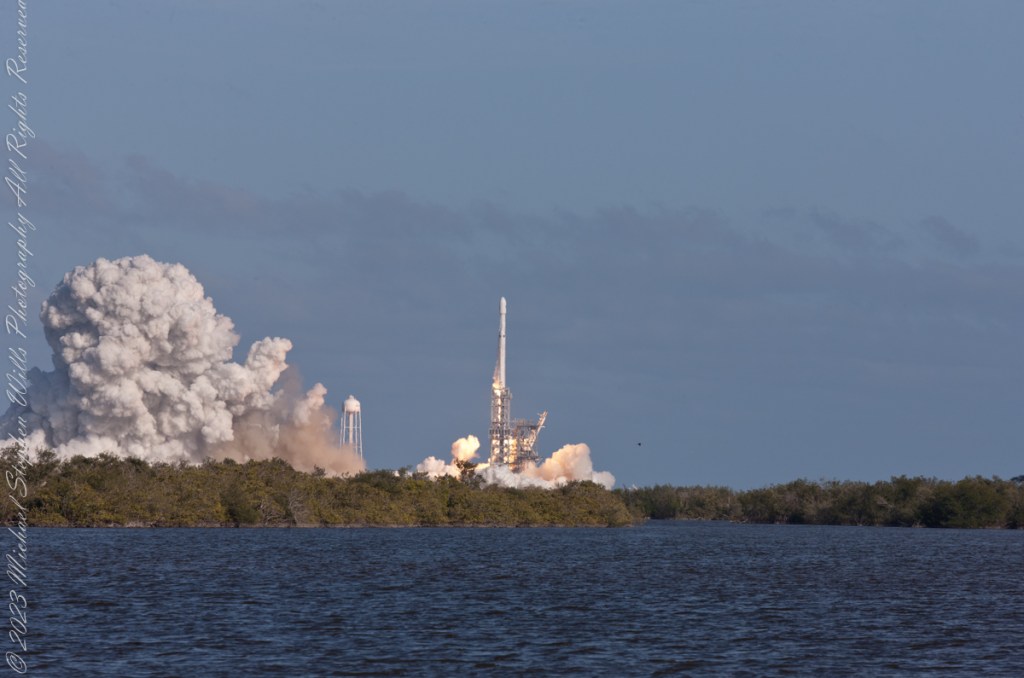
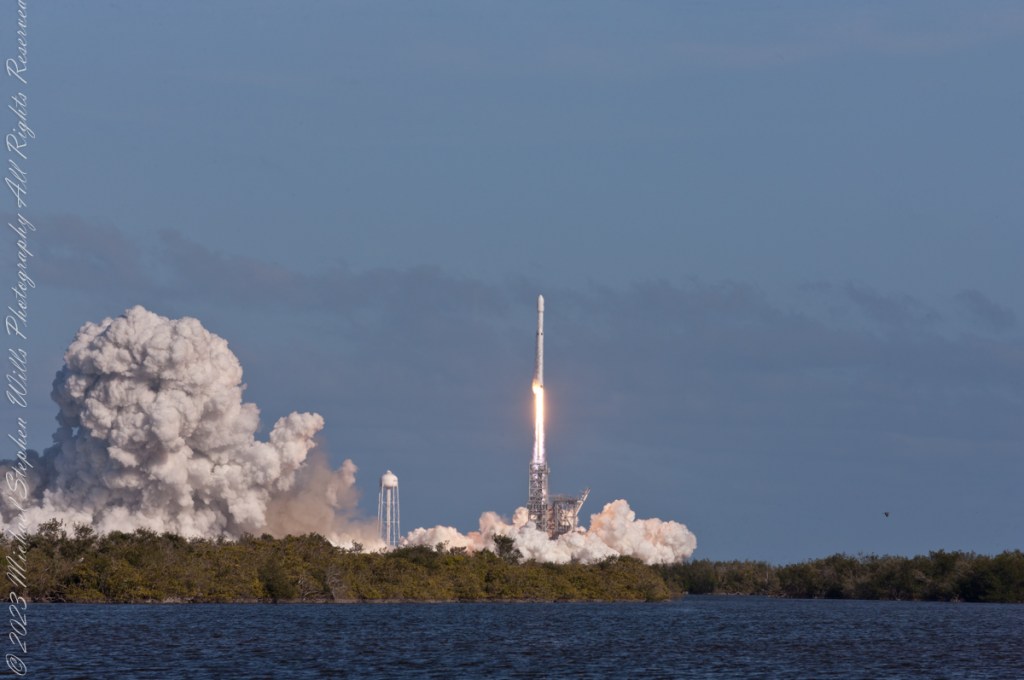
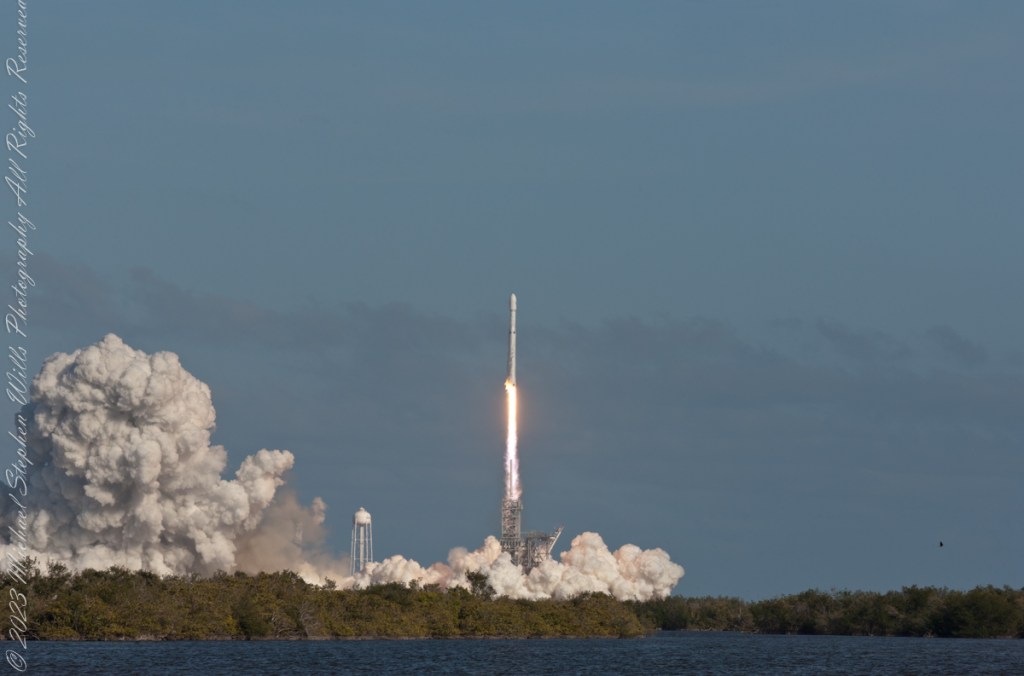
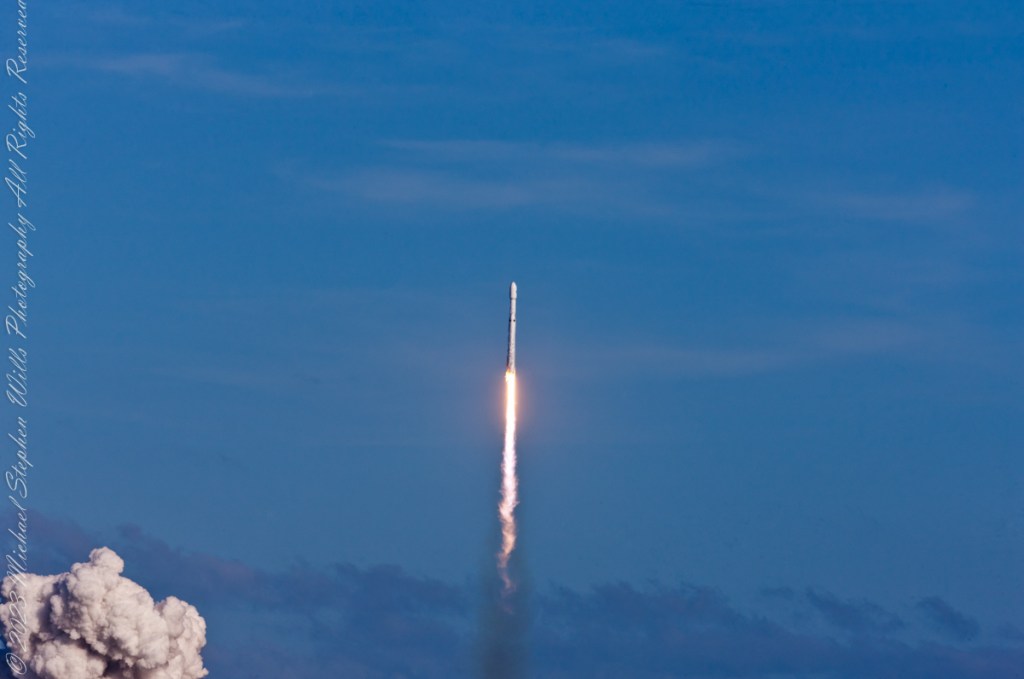
February 6, 2018
“Falcon Heavy is a partially reusable super heavy-lift launch vehicle[a] that can carry cargo into Earth orbit, and beyond. It is designed, manufactured and launched by American aerospace company SpaceX.“
“The rocket consists of a center core on which two Falcon 9 boosters are attached, and a second stage on top of the center core. Falcon Heavy has the second highest payload capacity of any currently operational launch vehicle behind NASA’s Space Launch System, and the fourth-highest capacity of any rocket to reach orbit, trailing behind the SLS, Energia and the Saturn V.“
“SpaceX conducted Falcon Heavy’s maiden launch on 6 February 2018, at 20:45 UTC. As a dummy payload, the rocket carried a Tesla Roadster belonging to SpaceX founder Elon Musk, with a mannequin dubbed “Starman” in the driver’s seat. The second Falcon Heavy launch occurred on 11 April 2019, and all three booster rockets successfully returned to Earth. The third Falcon Heavy launch successfully occurred on 25 June 2019. Since then, Falcon Heavy has been certified for the National Security Space Launch (NSSL) program.“
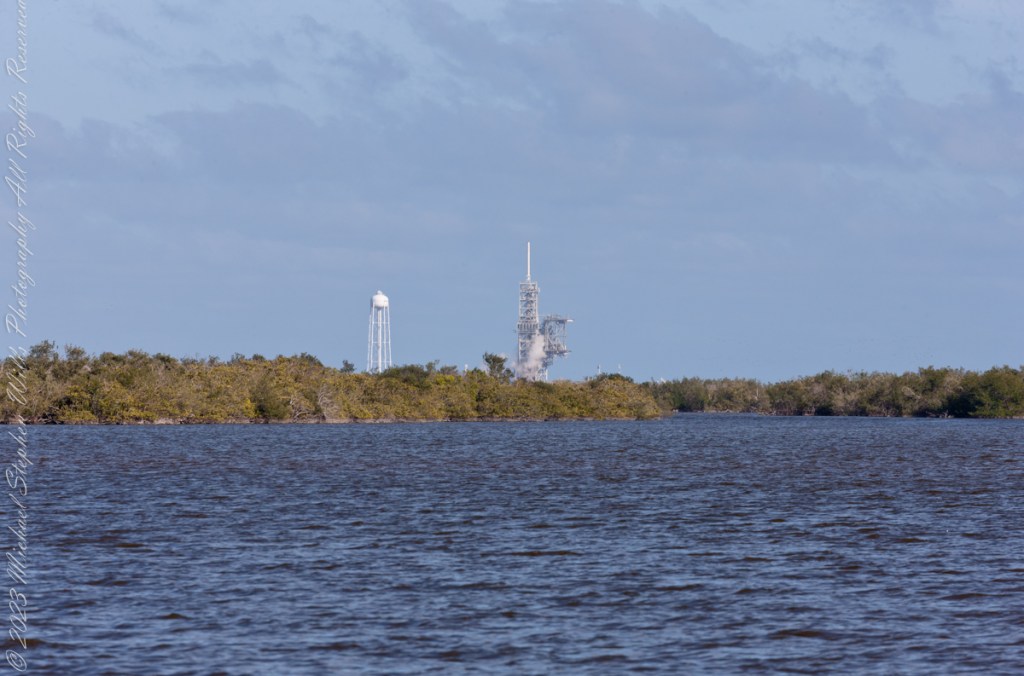
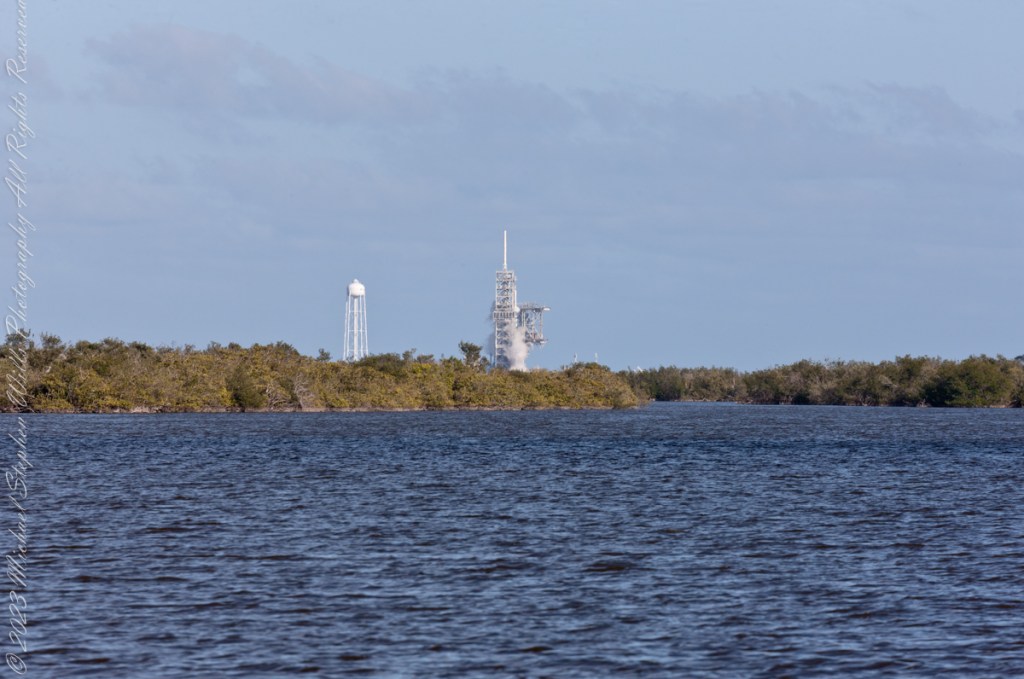
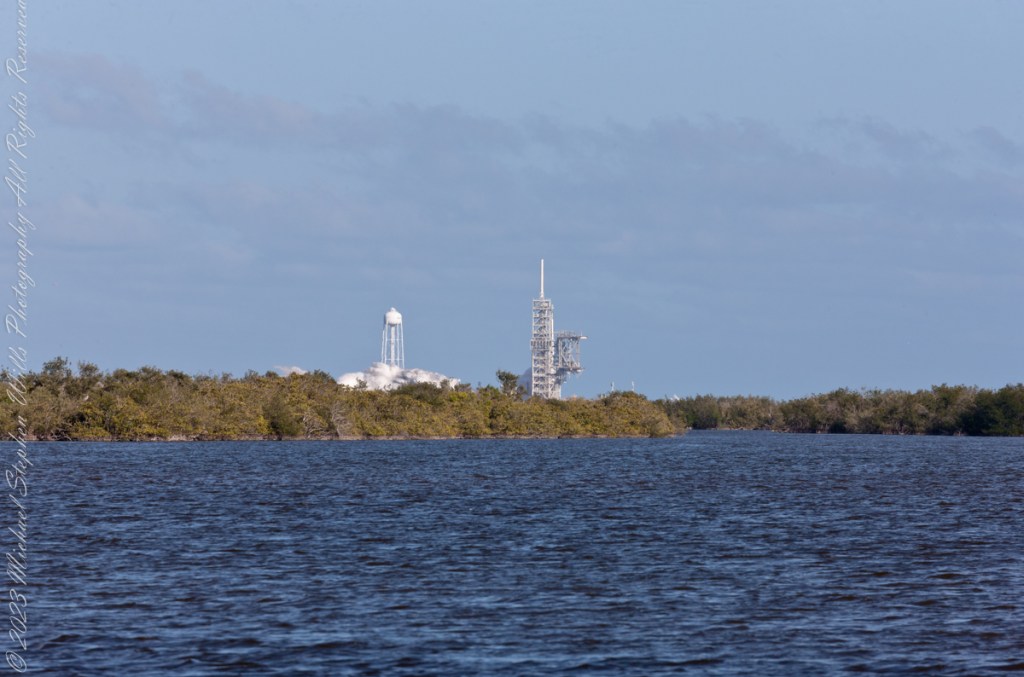
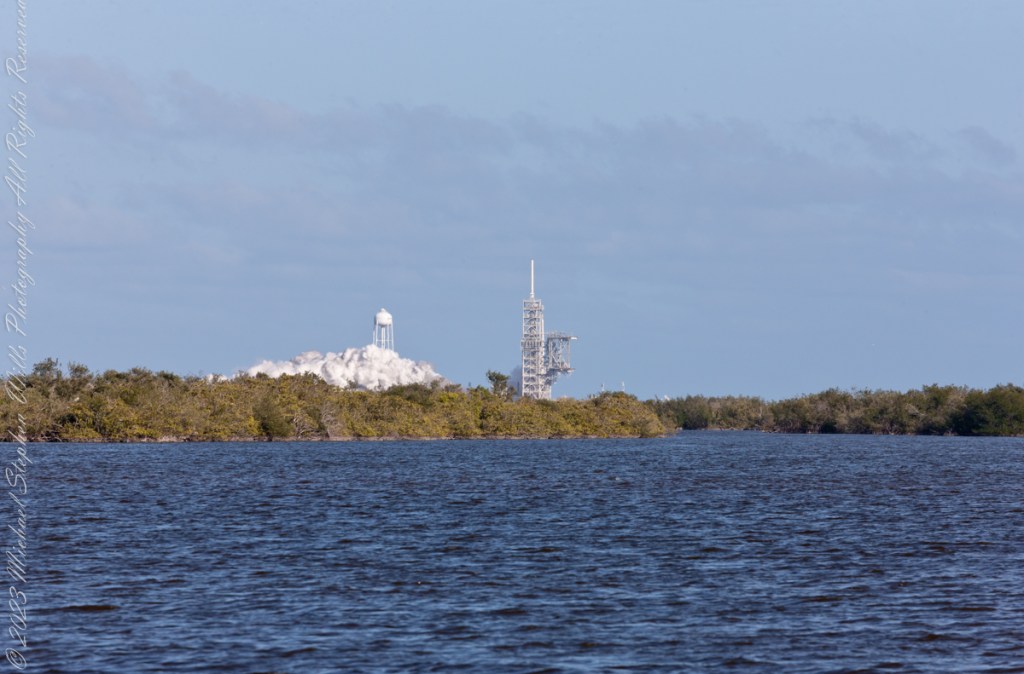
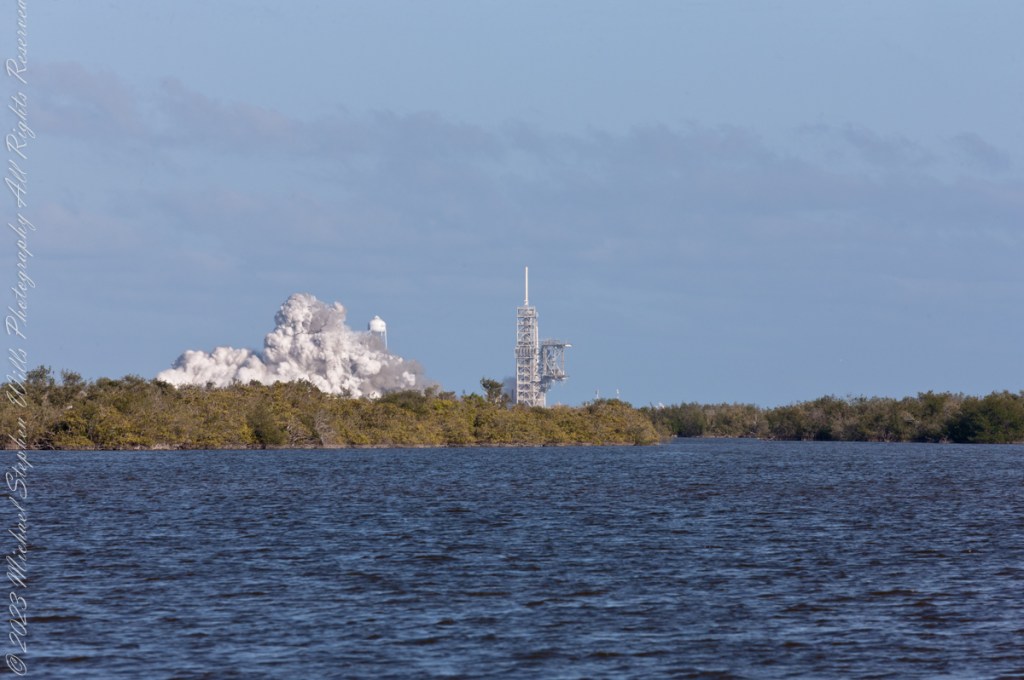

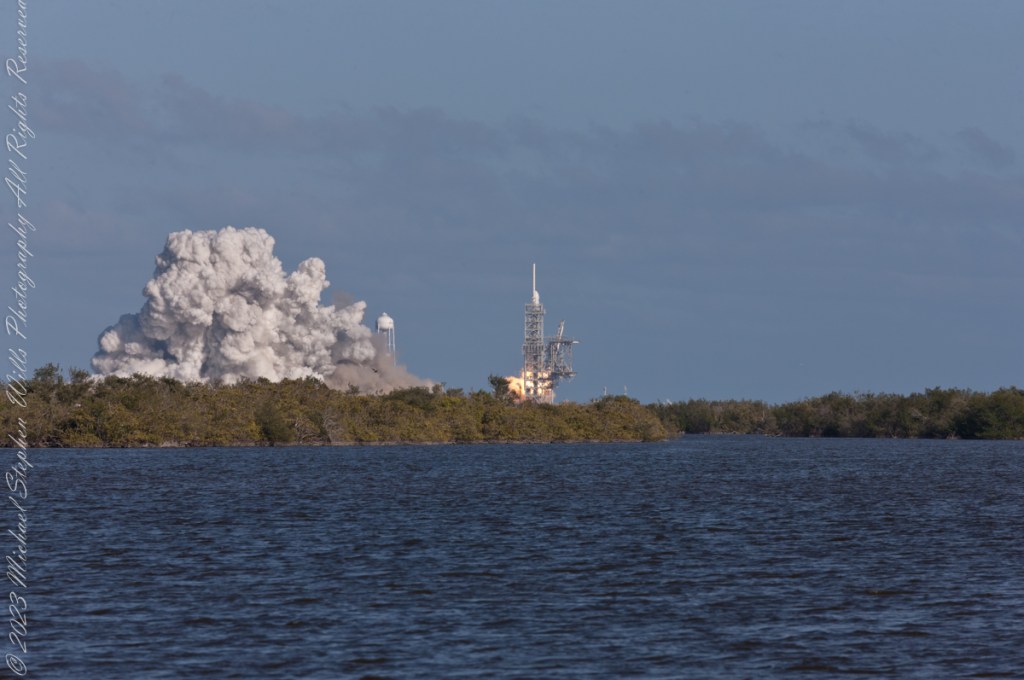

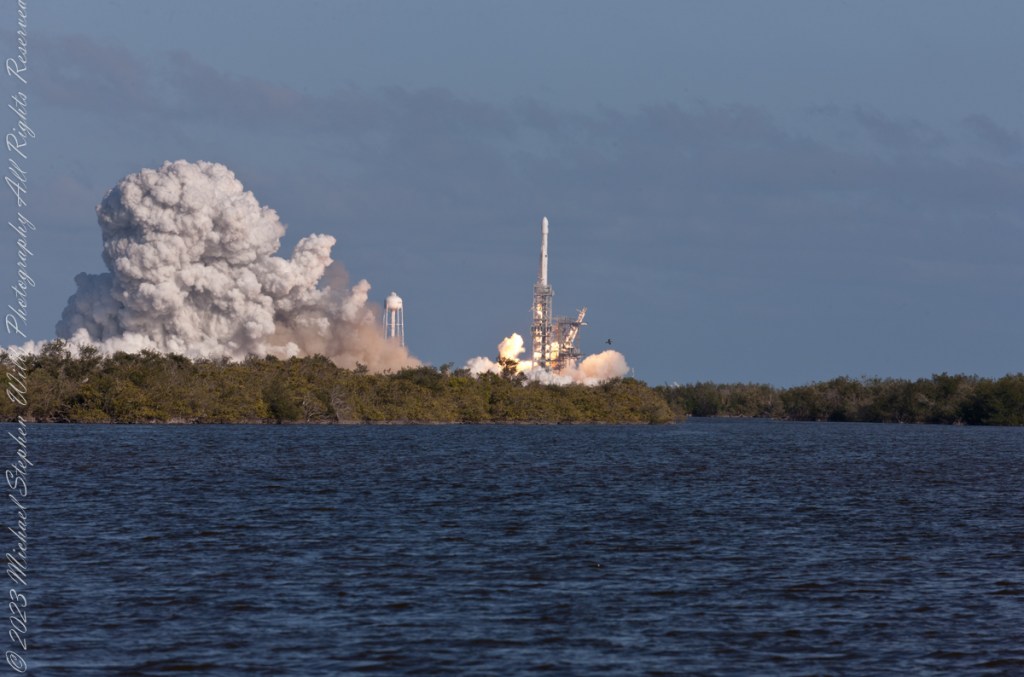


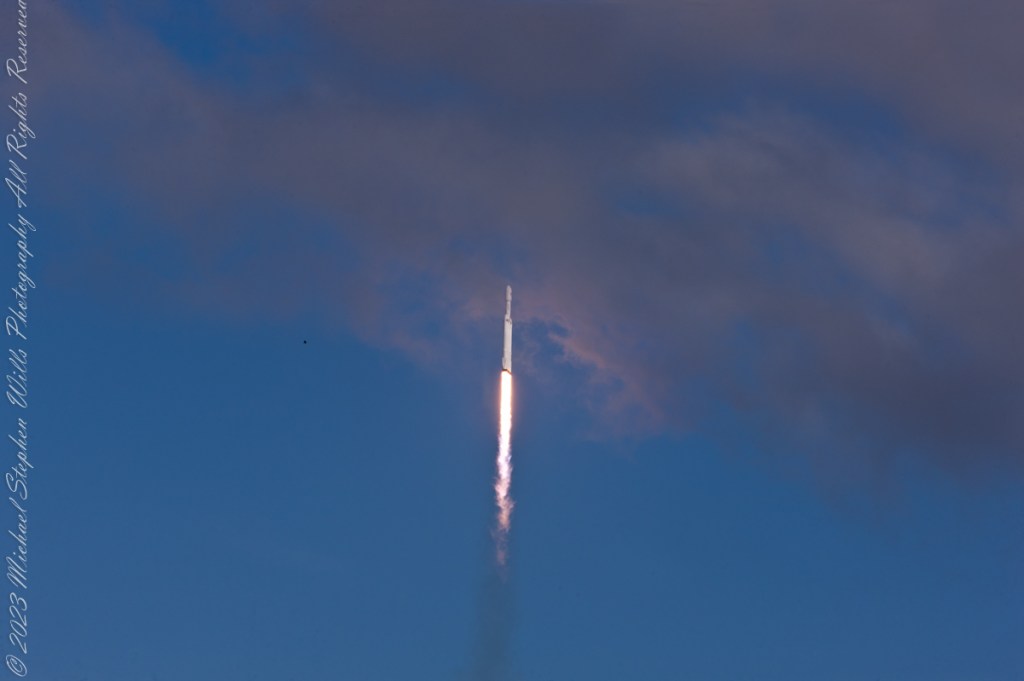
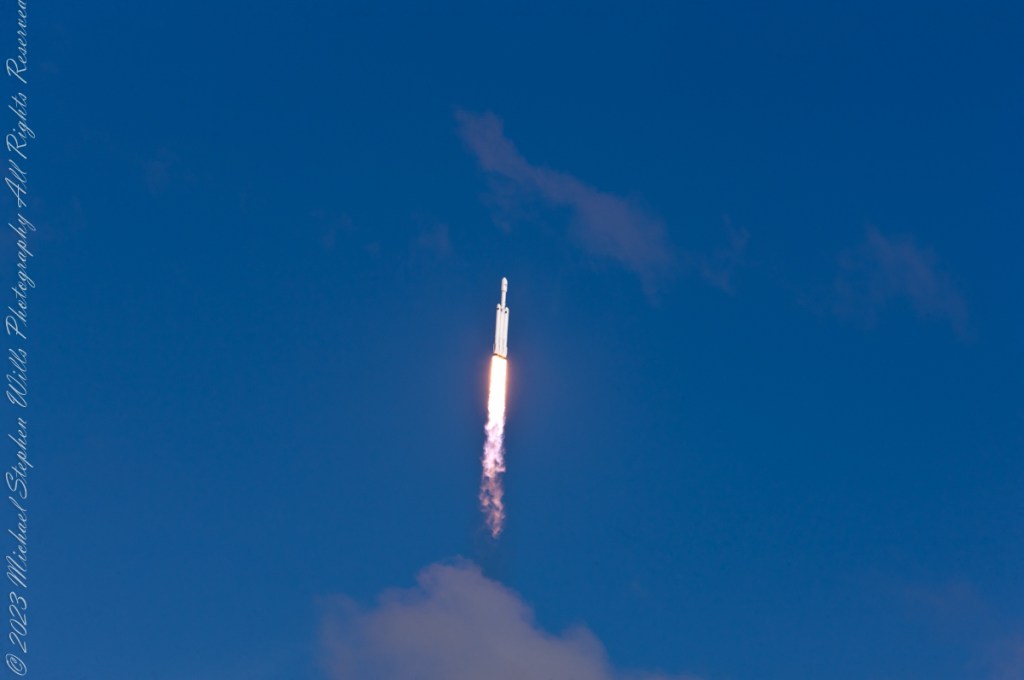
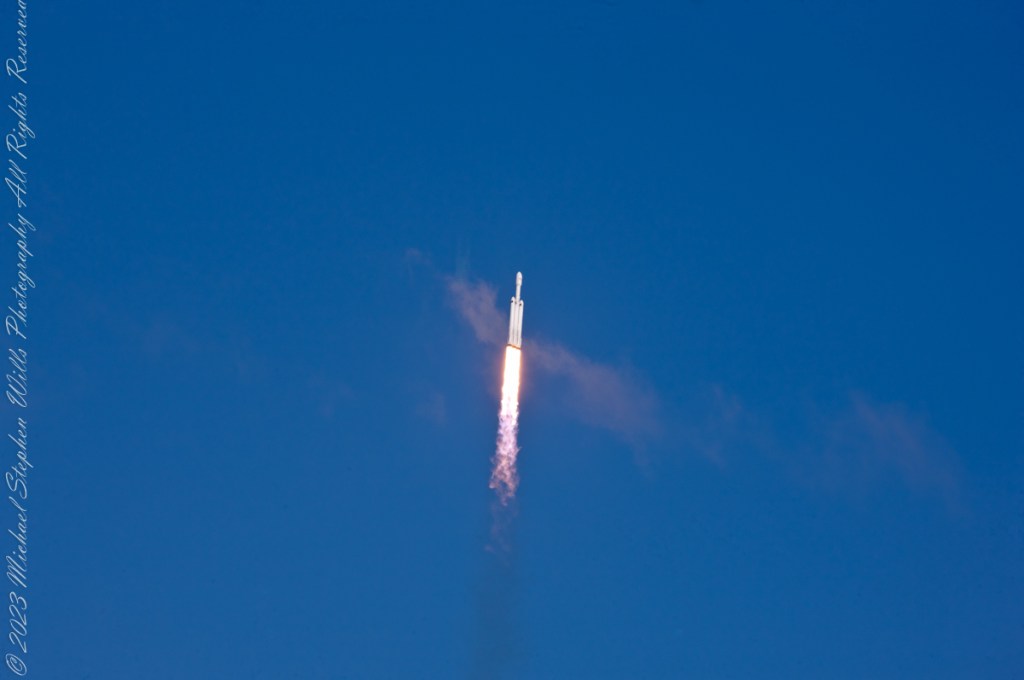
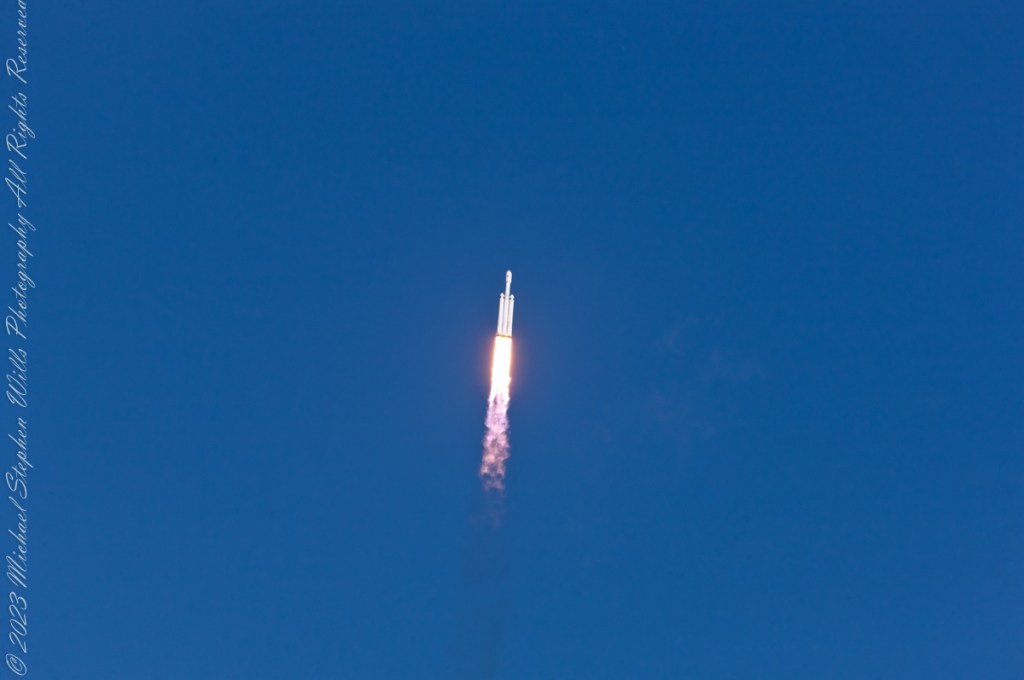
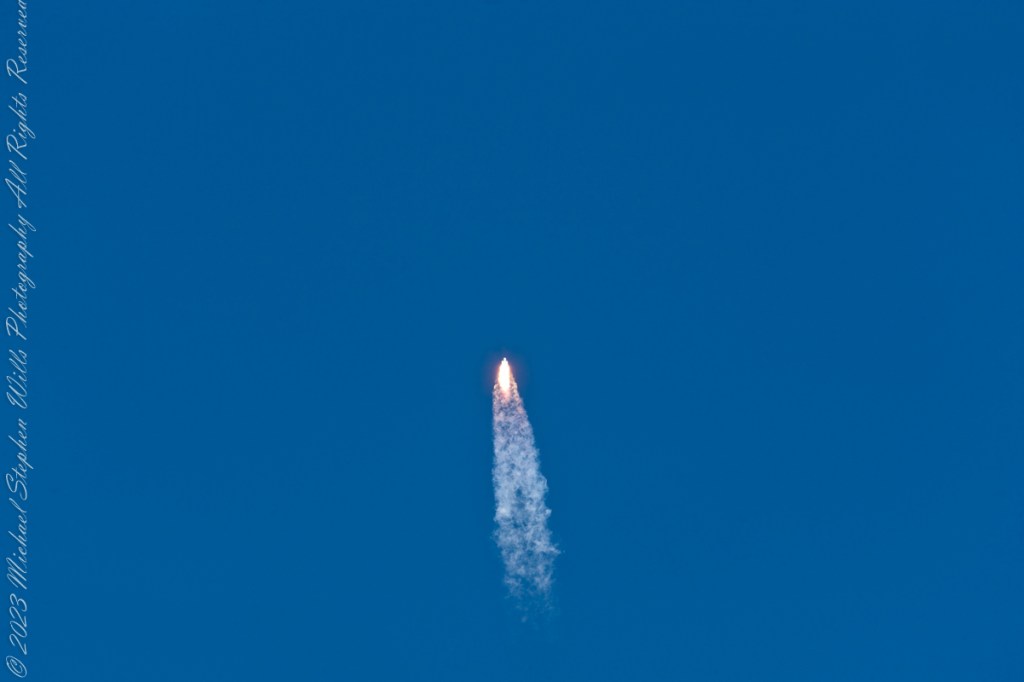
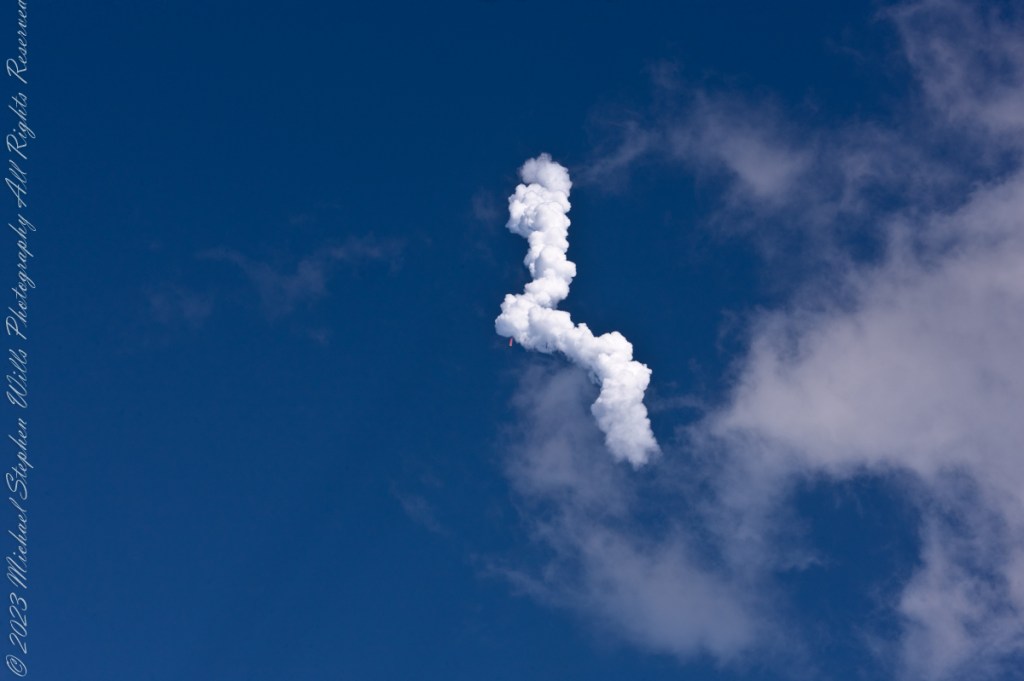
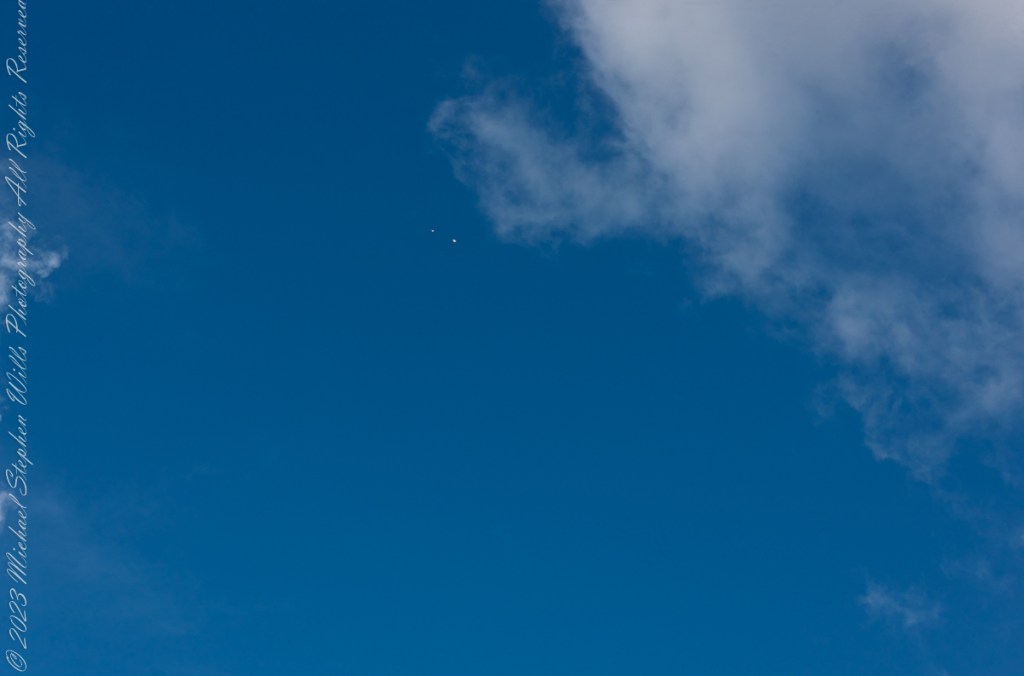
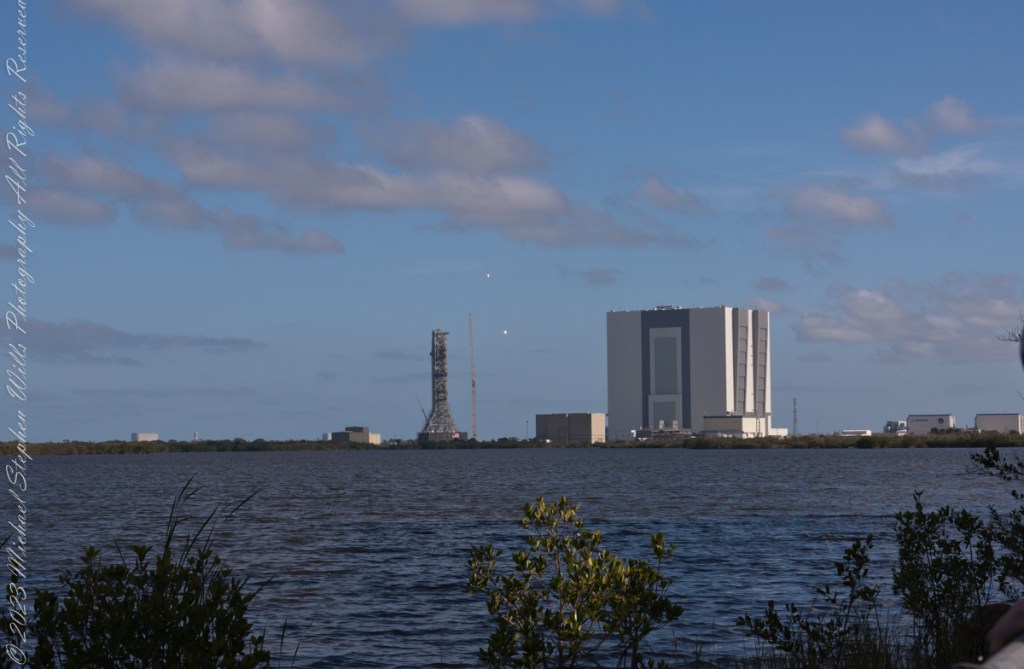
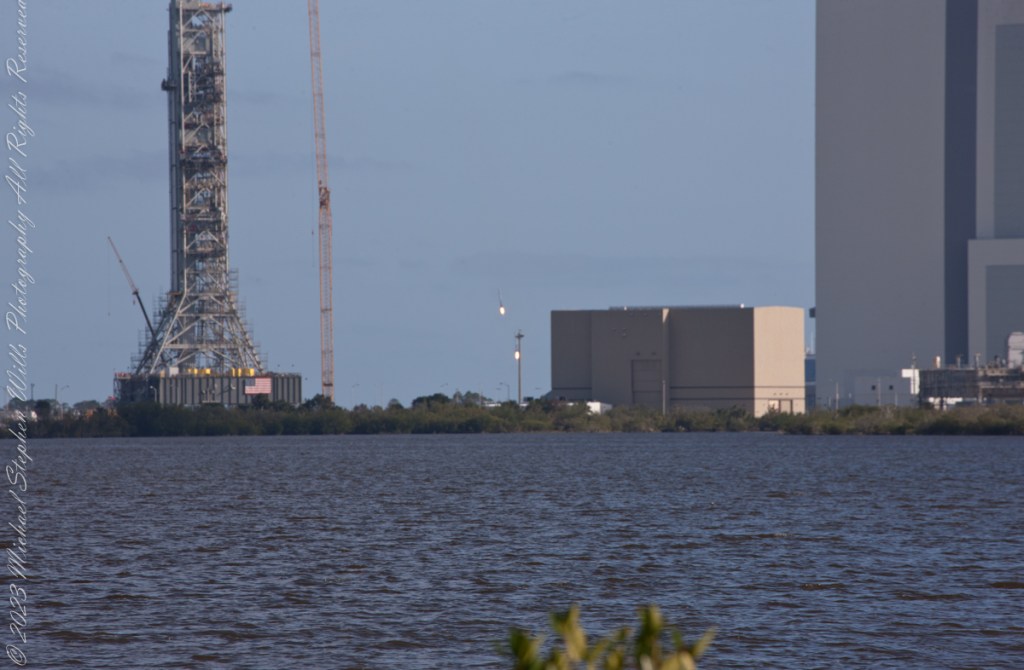
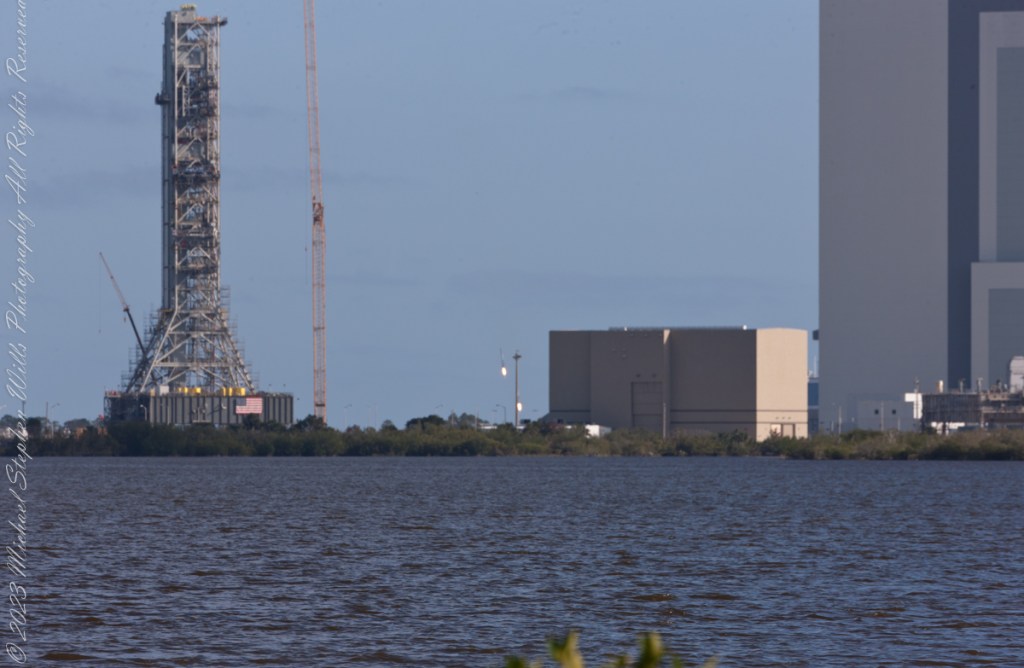
“Falcon Heavy was designed to be able to carry humans into space beyond low Earth orbit, although as of February 2018, SpaceX does not intend to transport people on Falcon Heavy, nor pursue the human-rating certification process to transport NASA astronauts. Both Falcon Heavy and Falcon 9 are expected to eventually be superseded by the Starship launch system, currently being developed.“
“On 6 February 2018, after a delay of over two hours due to high winds, Falcon Heavy lifted off at 20:45 UTC. Its side boosters landed safely on Landing Zones 1 and 2 a few minutes later. However, only one of the three engines on the center booster that were intended to restart ignited during descent, causing the booster to be destroyed upon impacting the ocean at a speed of over 480 km/h (300 mph).“
“Initially, Elon Musk tweeted that the Roadster had overshot its planned heliocentric orbit, and would reach the asteroid belt. Later, observations by telescopes showed that the Roadster would only slightly exceed the orbit of Mars at aphelion.“
he Incas chose this location to build Machu Colca
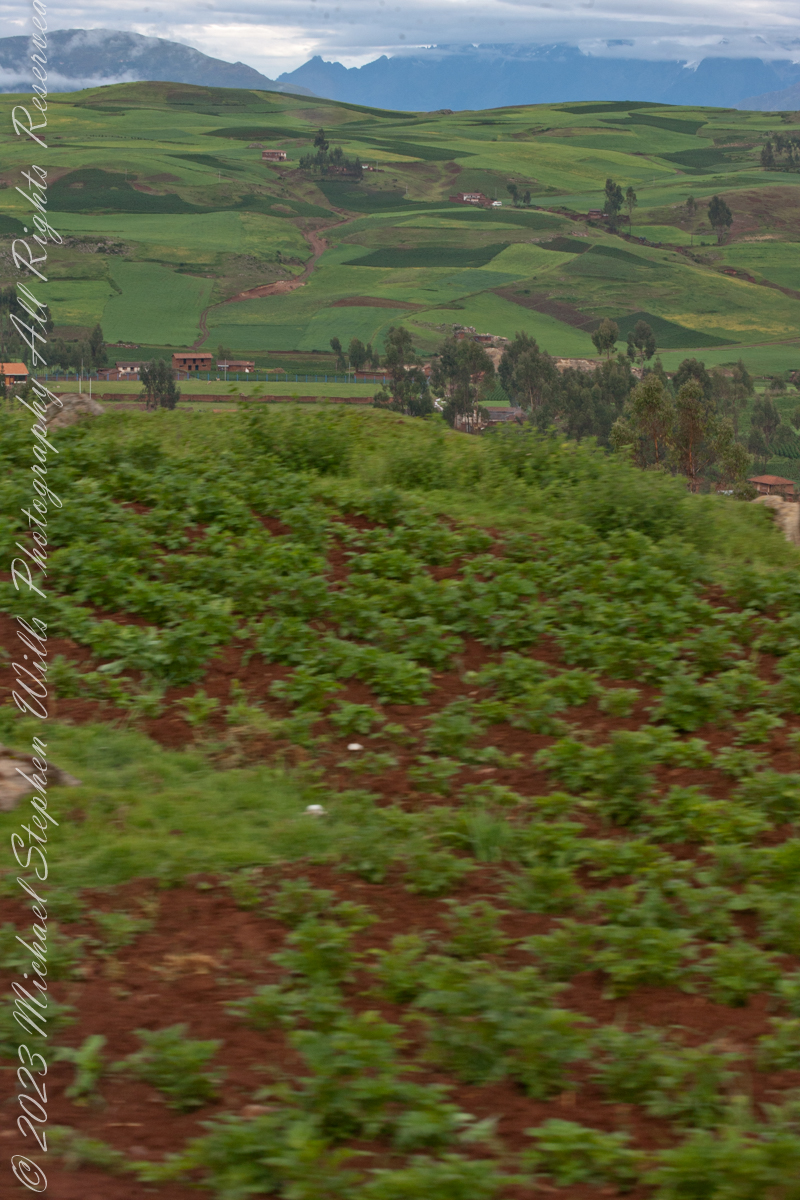
A few minutes past Chinchero the Avenue Mariscal Castilla bends dramatically to reveal this first view of the Sacred Valley of the Incas. The bend is the first of 14 switchbacks down to the river. The Andean peak Chicón is hidden in the clouds, at 18,140 feet is the 214th of the Andes.
The Incas chose this location to build Machu Colca, Machuqolqa or Machu Qollqa (from Quechua machu old, old person, qullqa, qulqa deposit, storehouse). Today it is an archaeological site situated at 12,631 feet elevation, above the left bank of the Urubamba River and composed of 14 terraces and partial buildings.
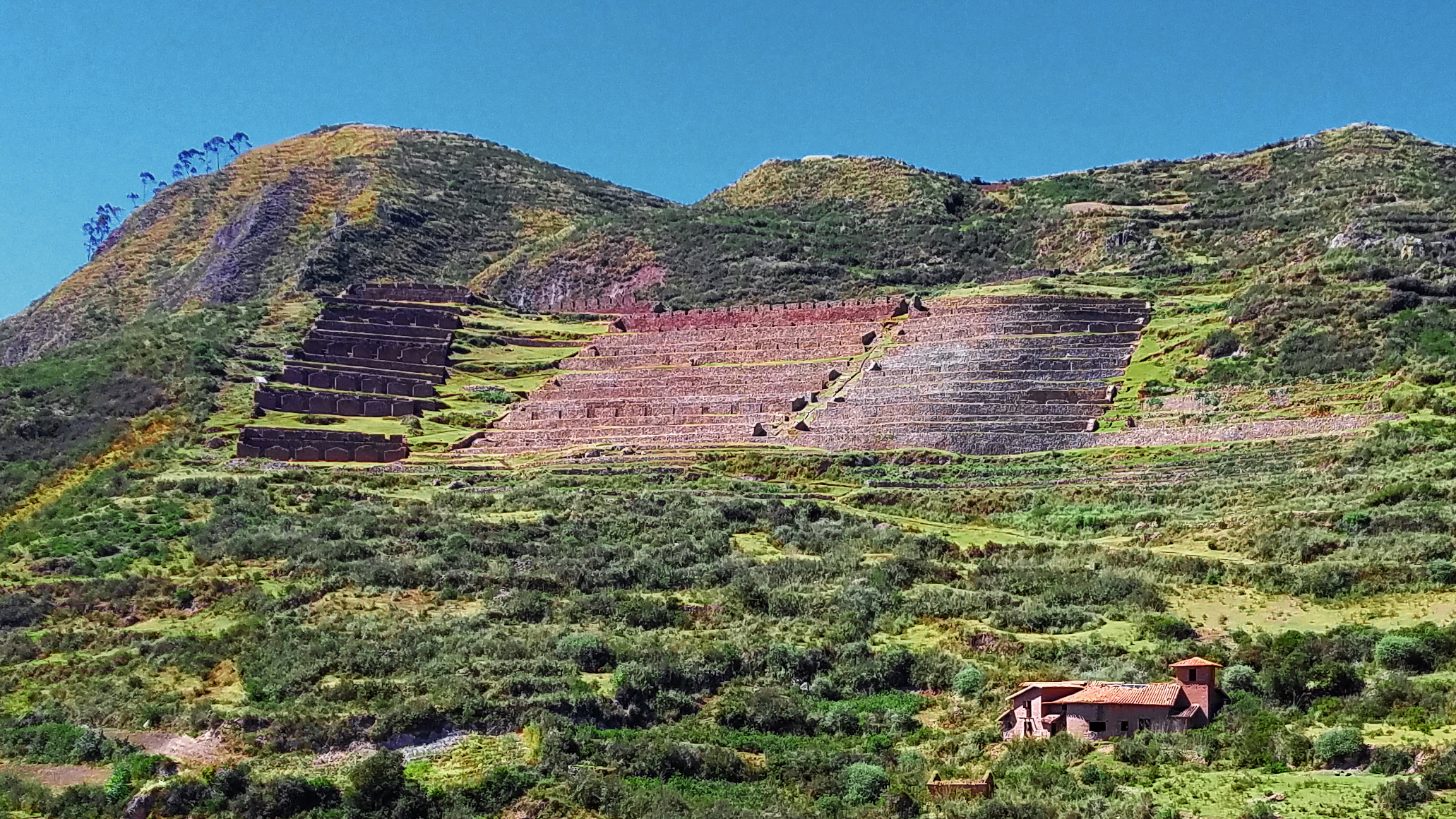
Cusco Region, Urubamba Province, Huayllabamba District
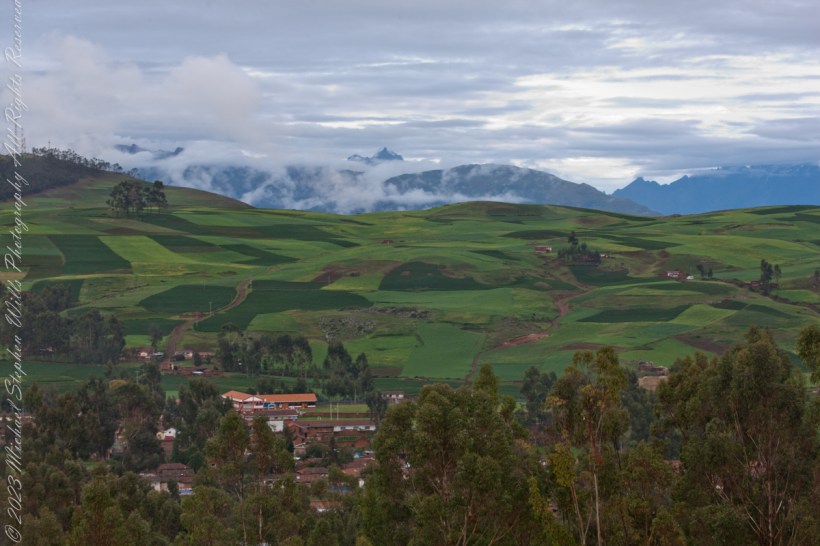
The prominent, sharp distant peak is Pumahuanca
A few minutes past Chinchero the Avenue Mariscal Castilla bends dramatically to reveal this first view of the Sacred Valley of the Incas.
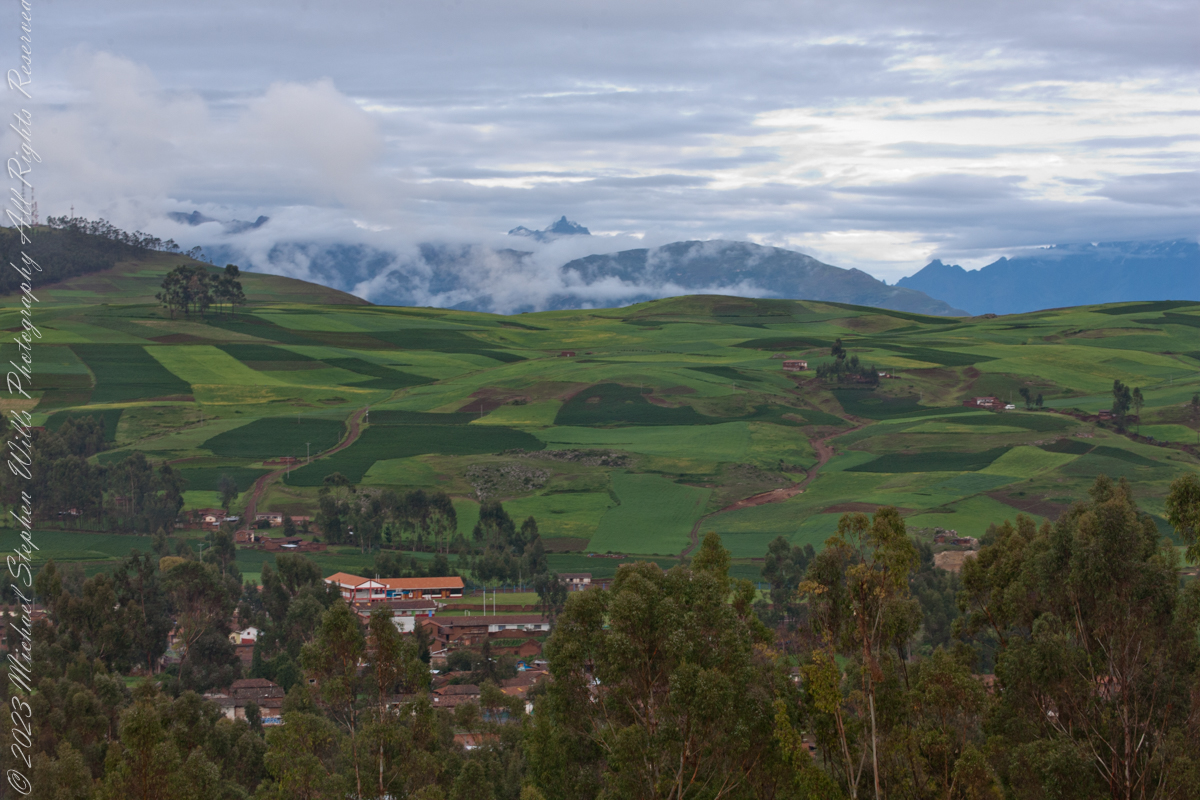
We overlook Raqch’i village and rich farmland to the distant Andean peaks, down below, out of view, is the Urubamba River that created the valley. The prominent, sharp distant peak is Pumahuanca of the Urubamba Mountain Range, at 17,448 feet (3.3 miles) altitude it is “only” the 179th highest of the Andes. Cusco Region, Urubamba Province, Huayllabamba District.
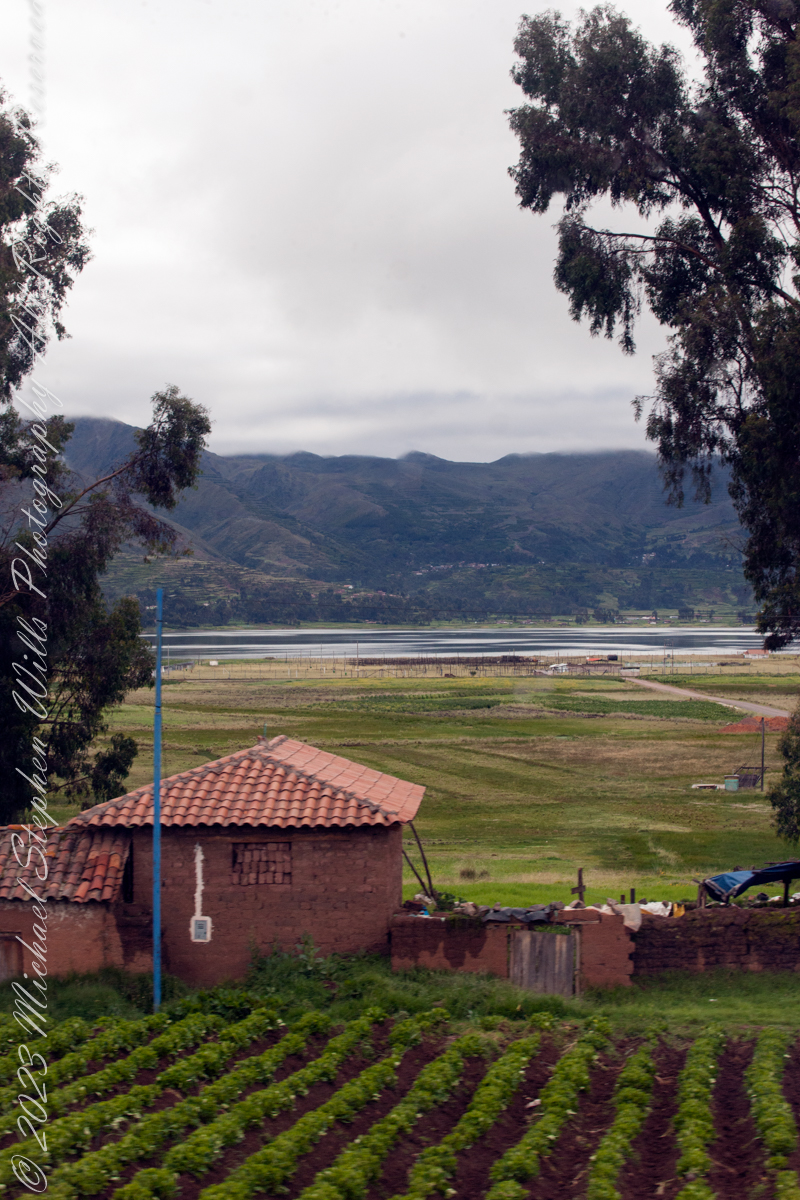
Here, water boils at 191 degrees Fahrenheit, not 212.
As seen from Avenue del EjércitoIts near Chinchero, Peru. Lagoon waters lap the distant, terraced andean foothills, look closely to see fish drying racks on the near shore, 11,270 feet altitude. Here, water boils at 191 degrees Fahrenheit, not 212.
Puray comes from an ancient legend narrated by the settlers, where, the Sun god asked Manco Capac that his twin sons accompany him in his sunset and when the time came, they discovered that the son who walked farther had become the Huaypo (Huaypo) Lagoon (9 miles west) and the daughter in the Piuray (Puray) Lagoon.
In this photograph, distant cattle graze against backdrop of the lagoon and andean foothills.
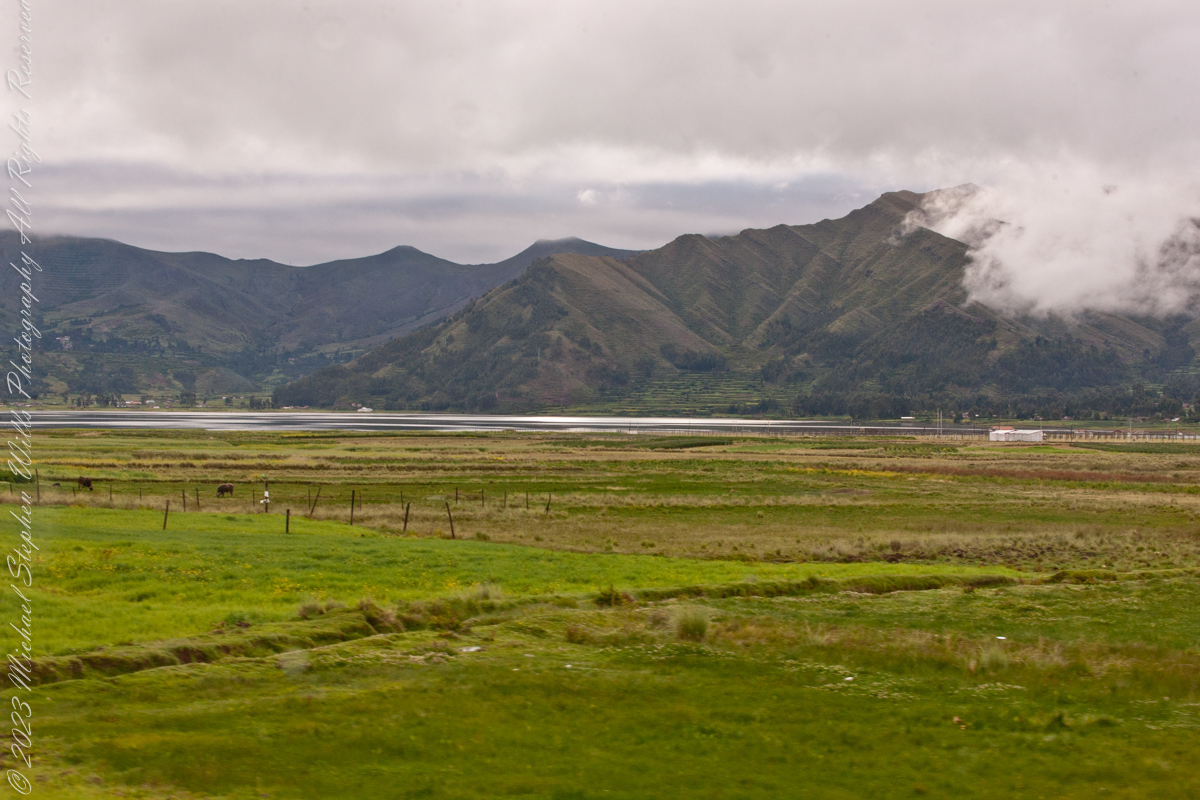
Puray lagoon is located in the upper part of the Sacred Valley of the Incas, southeast of Chinchero and 19 miles northwest of Cusco. The Piuray (Puray) Lagoon is a source of water of surface origin. It is one of the most important sources of the city of Cusco, as it supplies 42% of drinking water in the city as well as the Sacred Valley of the Incas and other provinces of the region. It was the Incas who carried Piuray (Puray) Lagoon water to the imperial city (Cusco) through underground aqueducts. Quechua natural region, Peru
Ancient Farming Technique
Here we are, passing the outskirts in the hills surrounding Cusco, Peru. Route 3S, going under various names. Highland Road (North) (Longitudinal de la Sierra Norte)Highway, climbs out of Cusco in broad switchbacks.
View of terraced fields from route 3S through the hills above Cusco, Peru. “In the South American Andes, farmers have used terraces, known as andenes, for over a thousand years to farm potatoes, maize, and other native crops.“
“Terraced farming was developed by the Wari culture and other peoples of the south-central Andes before 1000 AD, centuries before they were used by the Inca, who adopted them. The terraces were built to make the most efficient use of shallow soil and to enable irrigation of crops by allowing runoff to occur through the outlet. The Inca people built on these, developing a system of canals, aqueducts, and puquios to direct water through dry land and increase fertility levels and growth. These terraced farms are found wherever mountain villages have existed in the Andes. They provided the food necessary to support the populations of great Inca cities and religious centers such as Machu Picchu.“
 Michael Stephen Wills Photography