Frabel’s Tower of Babel: A Modern Artistic Interpretation

At McKee Botanical Garden, the glass sculpture Tower captivates with its beauty, symbolizing unity amidst nature, blending art and environment.

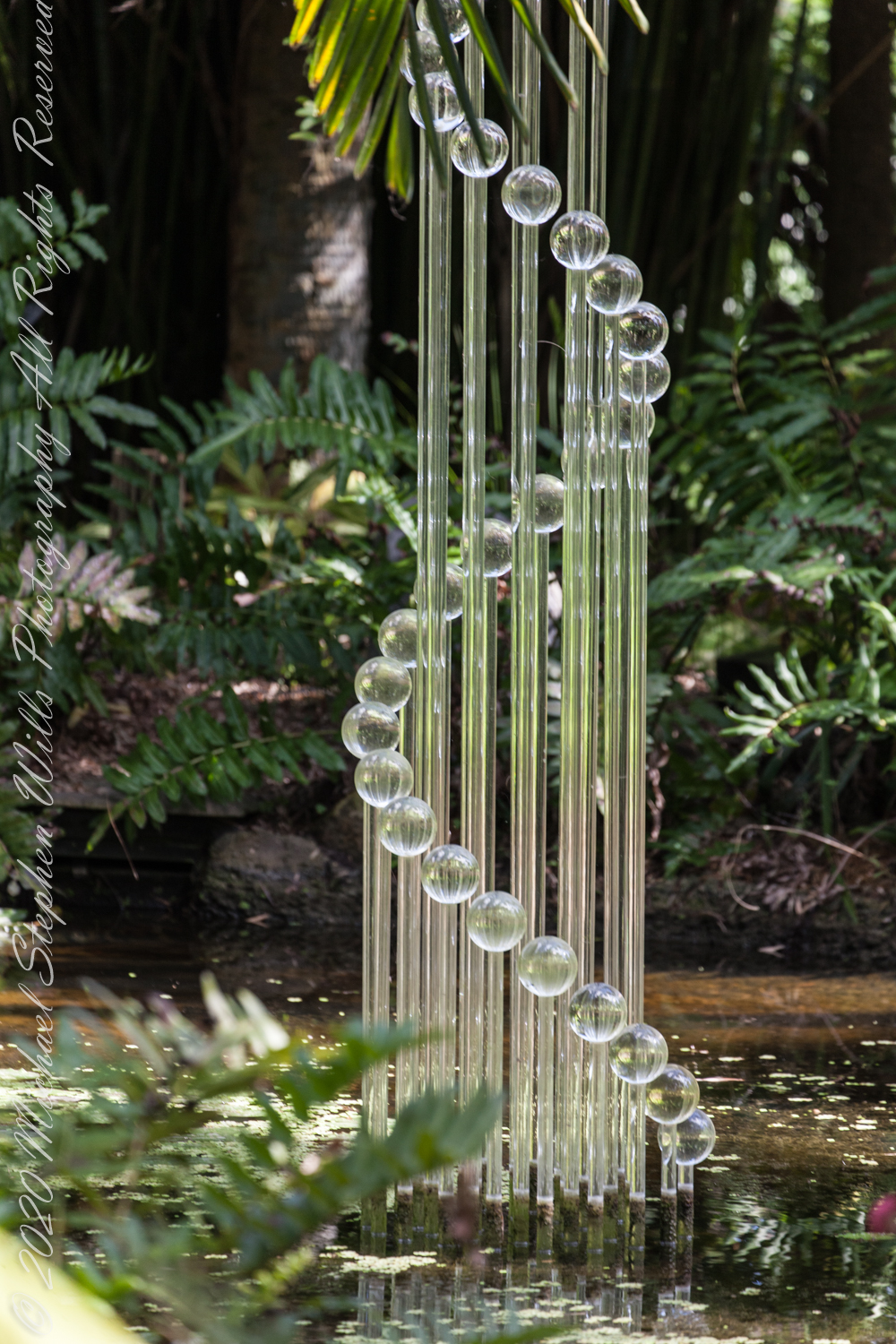
The air was crisp yet warmed by the steady rays of the January sun as I wandered through McKee Botanical Garden. The interplay of light and shadow danced across the palm fronds, creating an enchanting ambiance that whispered serenity. My pace slowed as I approached a reflective pond tucked away within this verdant sanctuary. There, shimmering like a fragment of the heavens brought to Earth, stood a glass sculpture titled Tower.

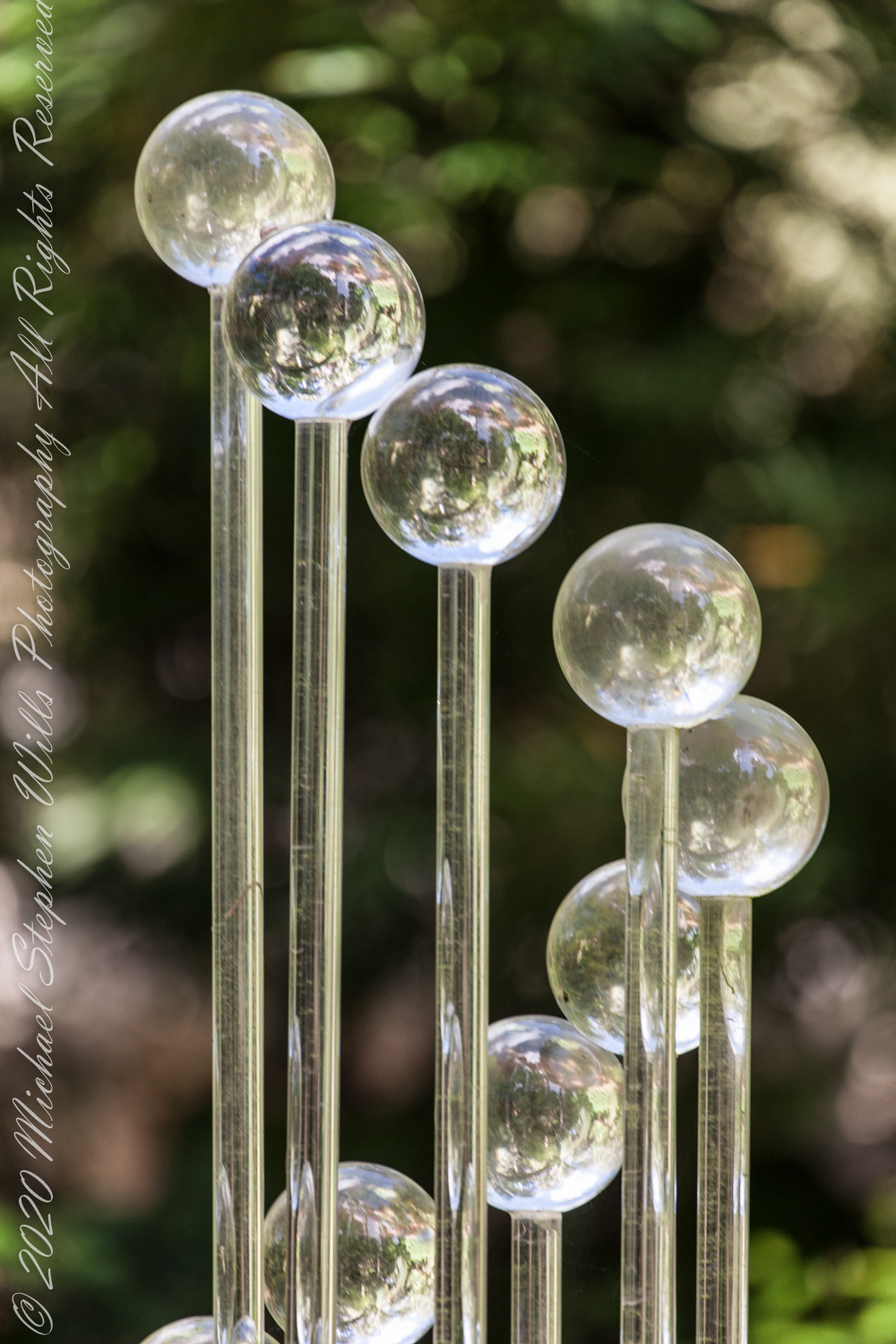
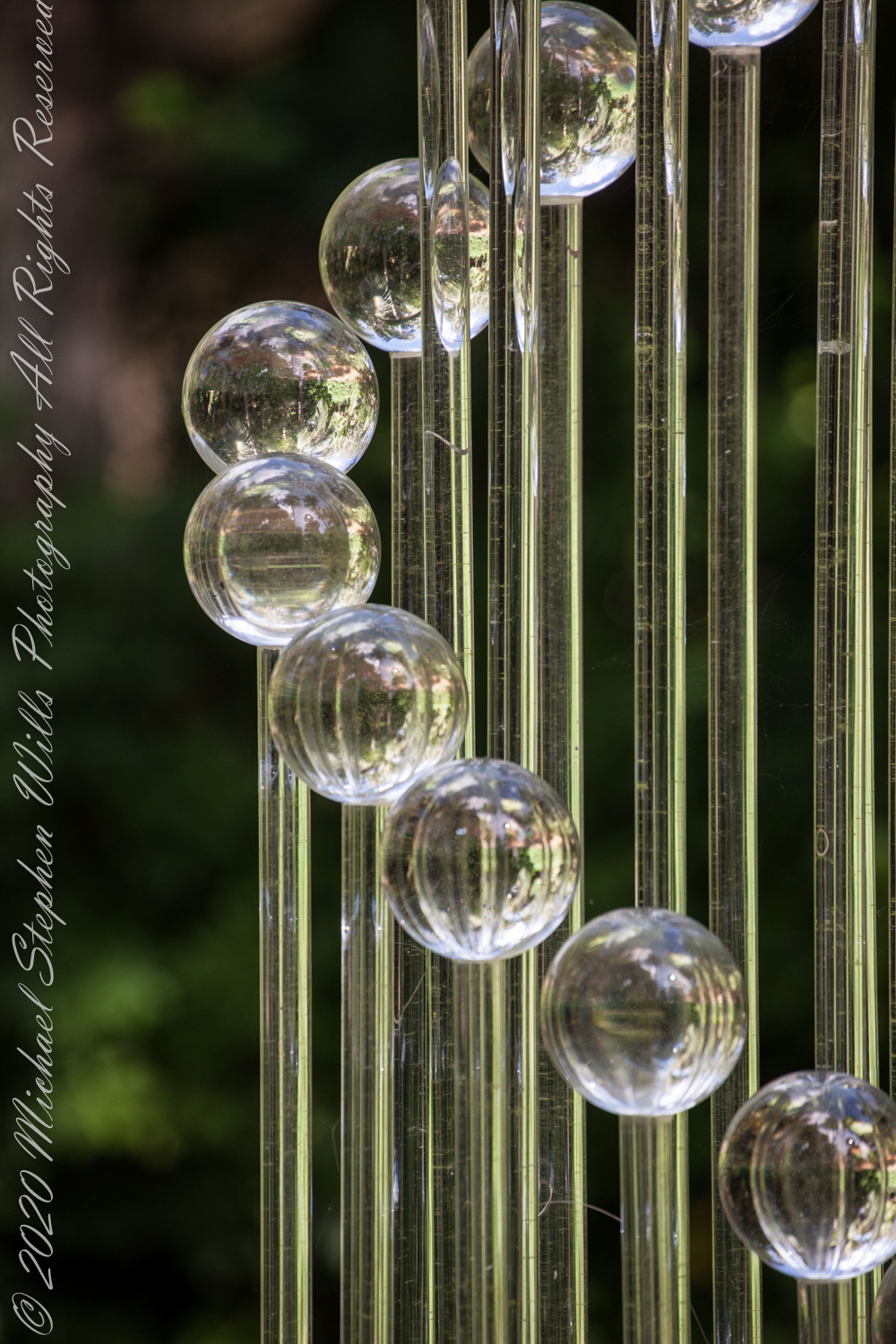
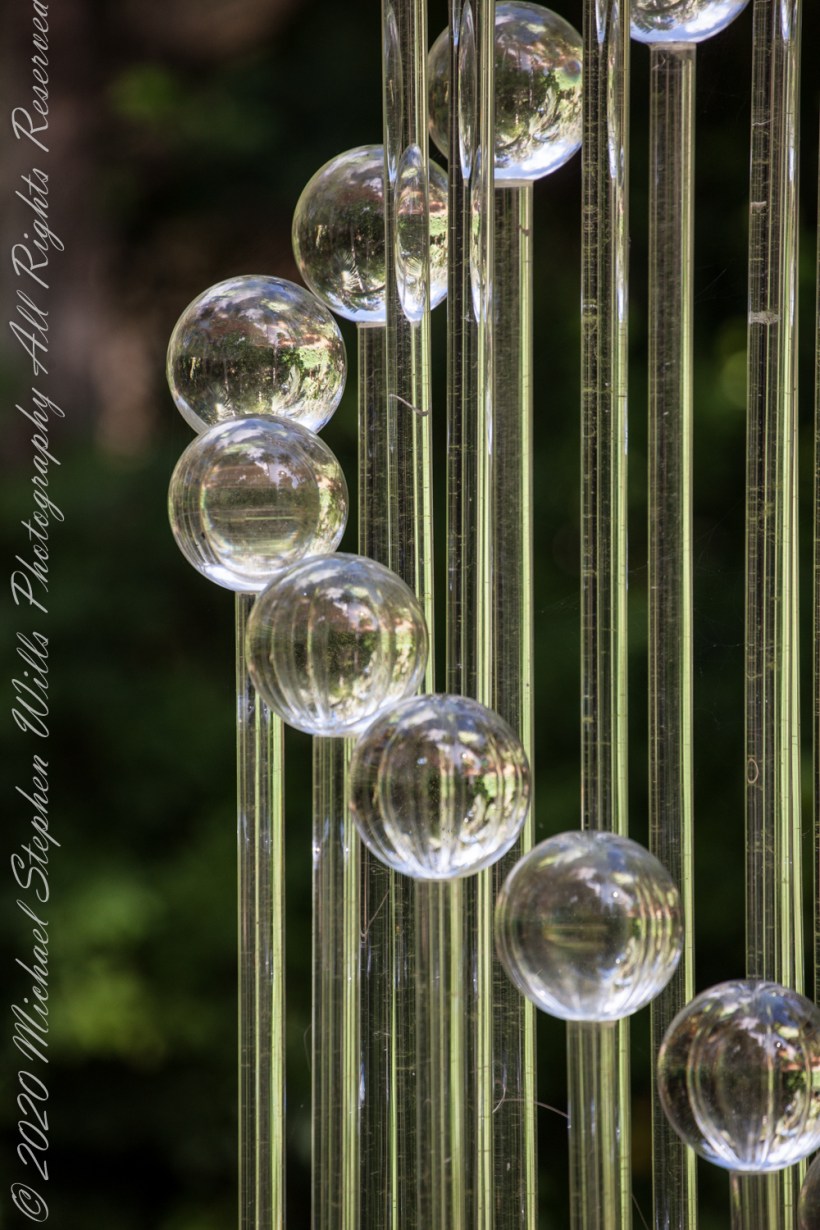
At first glance, the sculpture seemed ethereal, almost unreal—a spiral staircase to the skies crafted of crystalline spheres and slender rods. Its reflection on the water below doubled the dreamlike quality, as if the sculpture extended into an unseen realm. Upon closer inspection, I noticed the intricate craftsmanship of Hans Godo Fräbel, the sculptor whose genius birthed this luminous creation.
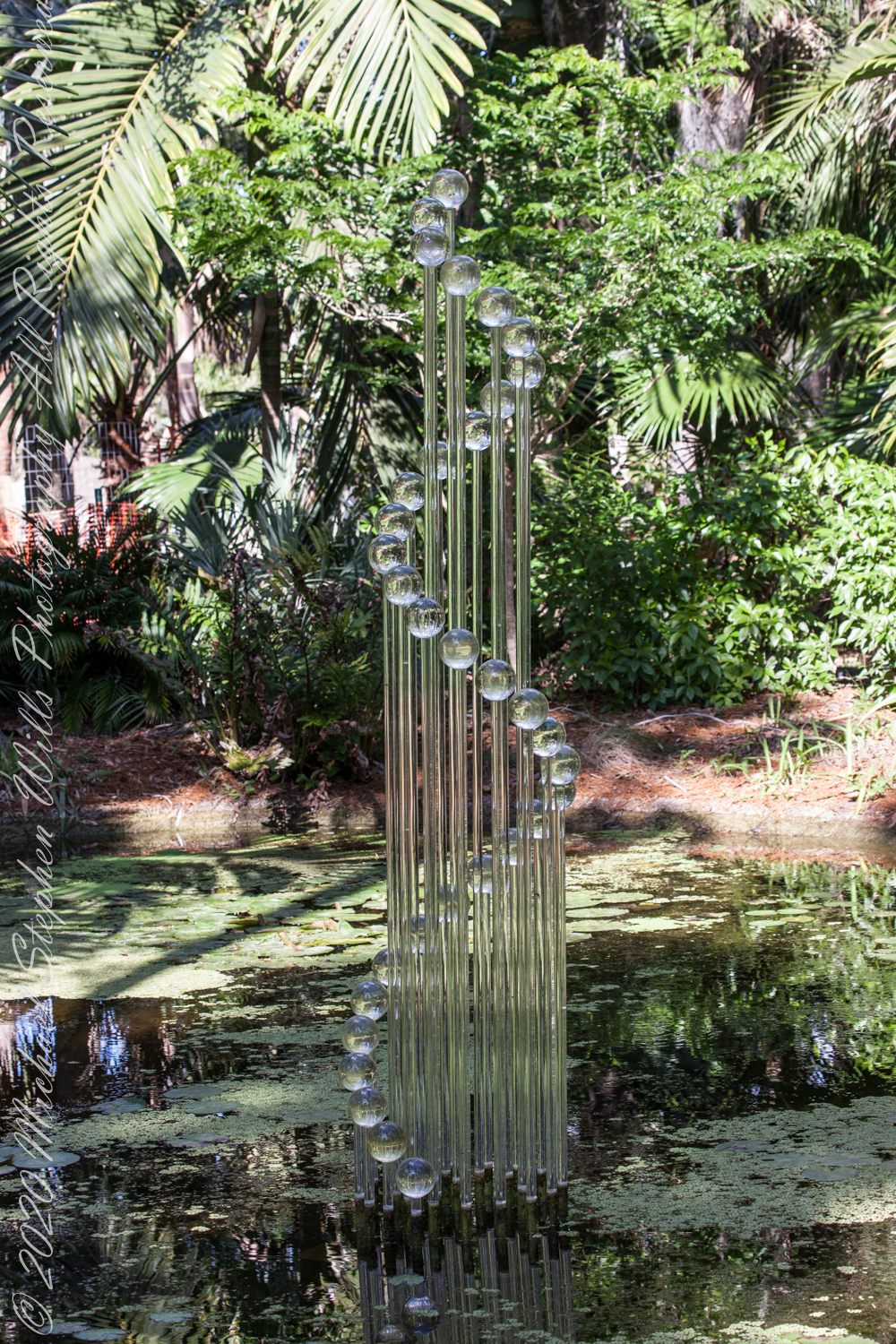
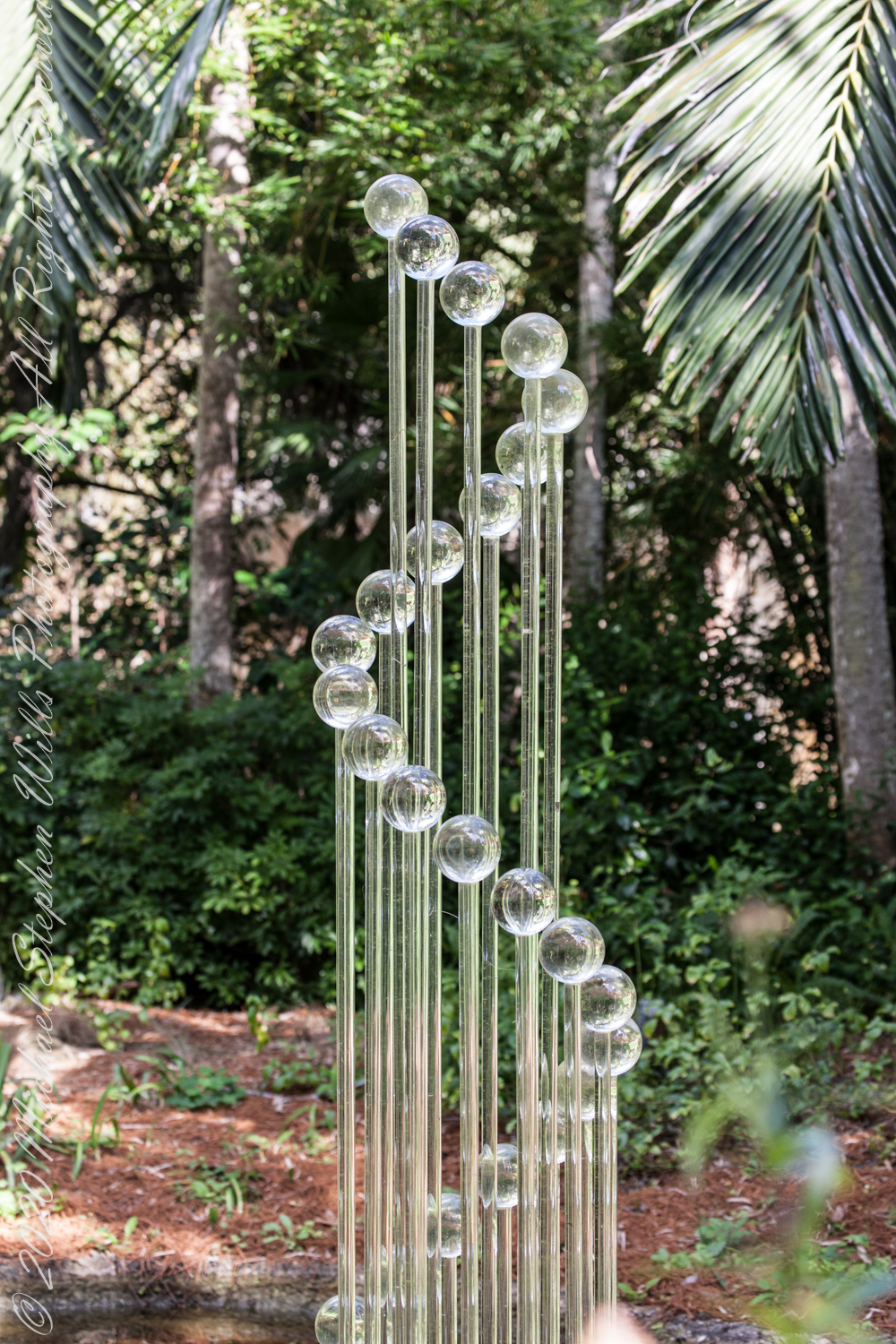
A nearby sign informed me that Tower is a larger version of Fräbel’s 1979 work Tower of Babel. It described how the sculpture’s glass rods and spheres were meticulously arranged to create abstract, clear shapes that play with light. Indeed, as the sun shifted overhead, the sculpture sparkled, refracting sunlight into tiny rainbows and revealing textures hidden within its transparent façade.

The setting amplified its majesty. Towering palm trees framed the sculpture, their dark green leaves offering a contrasting backdrop to the glass’s brilliance. Water lilies floated lazily on the pond’s surface, and an occasional ripple sent the reflection dancing. The combination of nature and art created an environment that felt both grounding and transcendent.

Standing before this masterpiece, I felt a profound connection to its narrative. The reference to the Tower of Babel resonated deeply. Here was a modern interpretation of an ancient story, one of human ambition and divine mystery, yet here it existed harmoniously in nature, not in defiance of it. The clear glass, fragile yet resilient, seemed to symbolize transparency and unity—a stark contrast to the biblical tale’s discord.
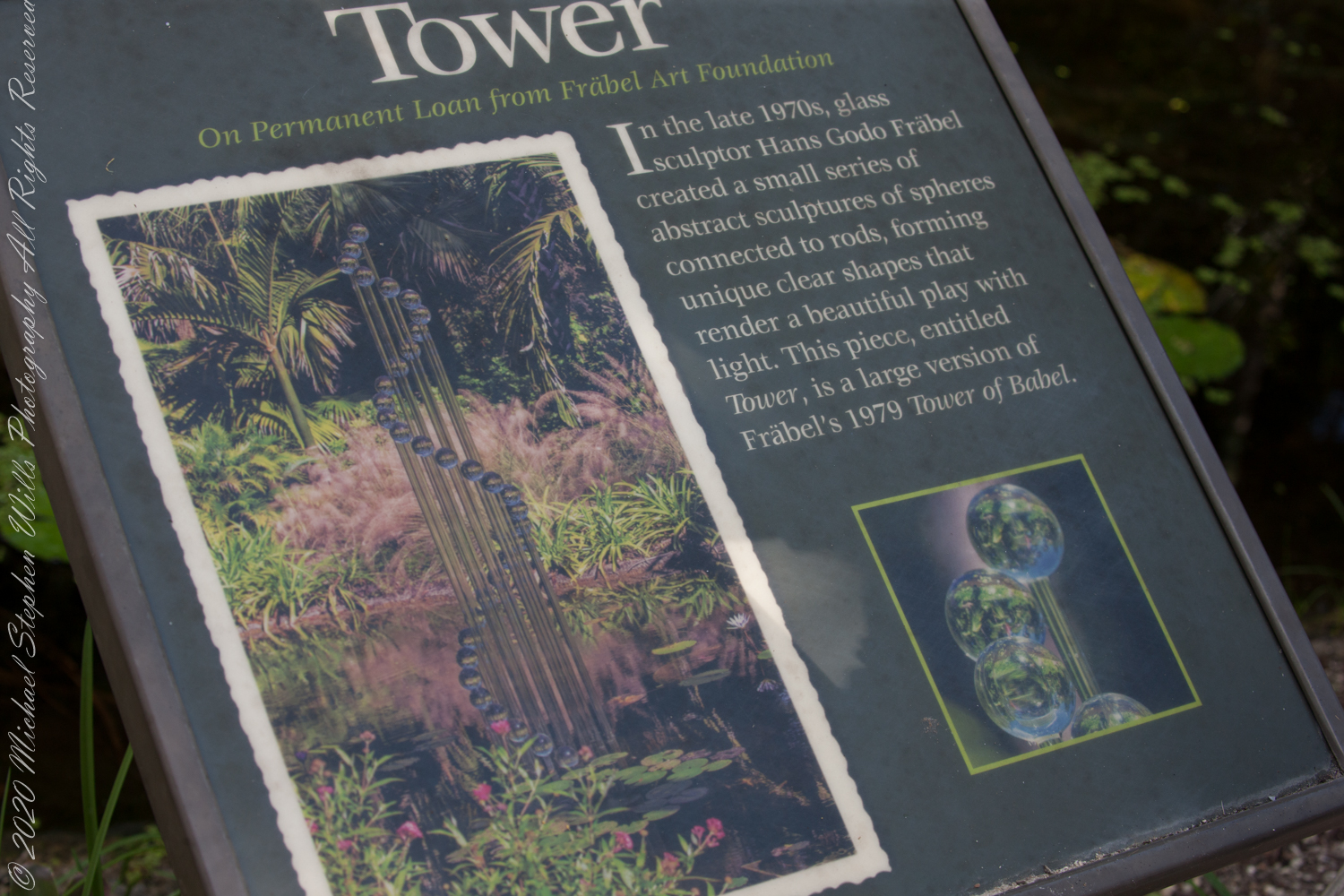
I lingered, watching how the sunlight flirted with the sculpture, how it cast prismatic shadows onto the surrounding foliage. Each sphere held reflections of the garden, tiny worlds encapsulated in glass, reminding me of the interconnectedness of all things. This moment, this meeting of human ingenuity and the natural world, felt timeless.

As I turned to leave, I glanced back one last time. The Tower stood resolute, a testament to creativity and a gentle reminder of the beauty that arises when humanity and nature coexist in harmony. It was an encounter that left me both inspired and at peace, grateful for the opportunity to witness such a sublime union of art and environment.
Click me for a dinosaur at McKee Gardens, Neovenator, teeth like steak knives

References: text is from the park placard with minor edits.

Enter your email to receive notification of future postings. I will not sell or share your email address.

Exploring Arcosanti: Paolo Soleri’s Vision in the Arizona Desert

Arcosanti embodies Paolo Soleri’s vision of sustainable living, merging architecture and ecology in harmony with the Arizona desert landscape.

Under a strong early spring desert sun I turned from Arcosanti Road, a ribbon of asphalt threading through the arid Arizona landscape. Ahead, the architectural vision of Paolo Soleri emerged like an oasis of ideas etched into the barren desert. My mind drifted back to the 1970s, to the University of Arizona lecture hall where Soleri, full of vigor, had introduced us to his concept of “Arcology.” That hour left an indelible mark—a vision of dense human habitation harmonizing with the environment, reducing our ecological footprint toward a sustainable whole.

Arcosanti detail
Arcosanti detail

That memory had stayed with me, a beacon of idealism. Over the years, Soleri’s Arcosanti had grown, not with the speed of cities, but with the deliberate rhythm of an organic organism. Today, after decades of curiosity and connection, I found myself at its gates.

Click any photograph to visit my “Arizona” online gallery.
Arcosanti detail
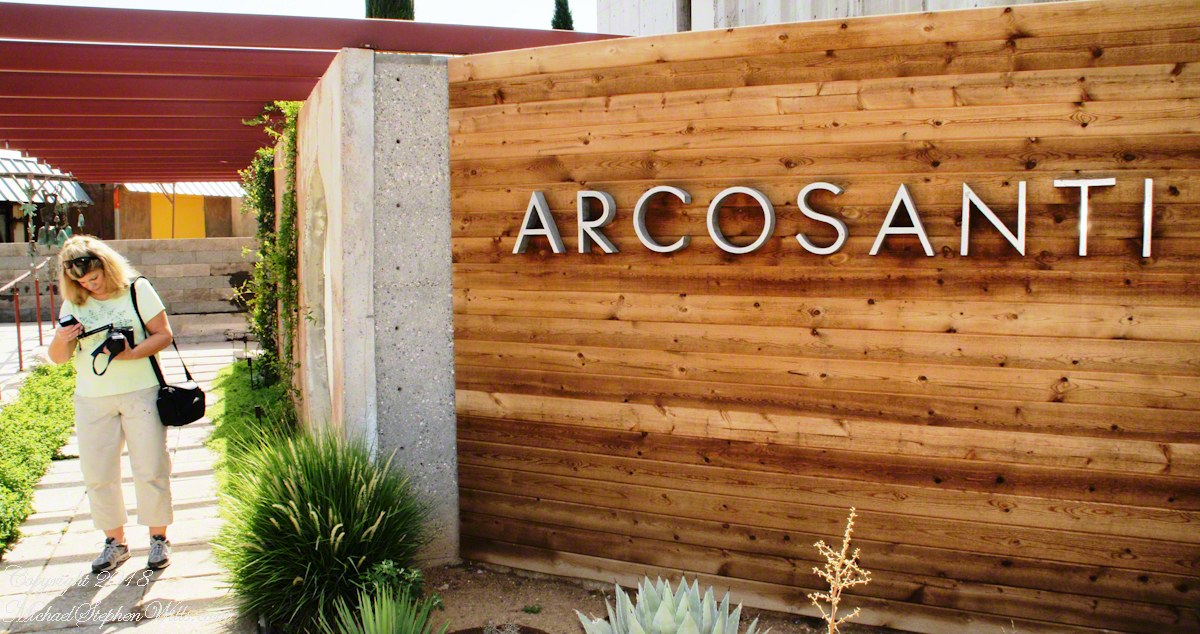
Pam checking her equipment before a Summer 2008 visit

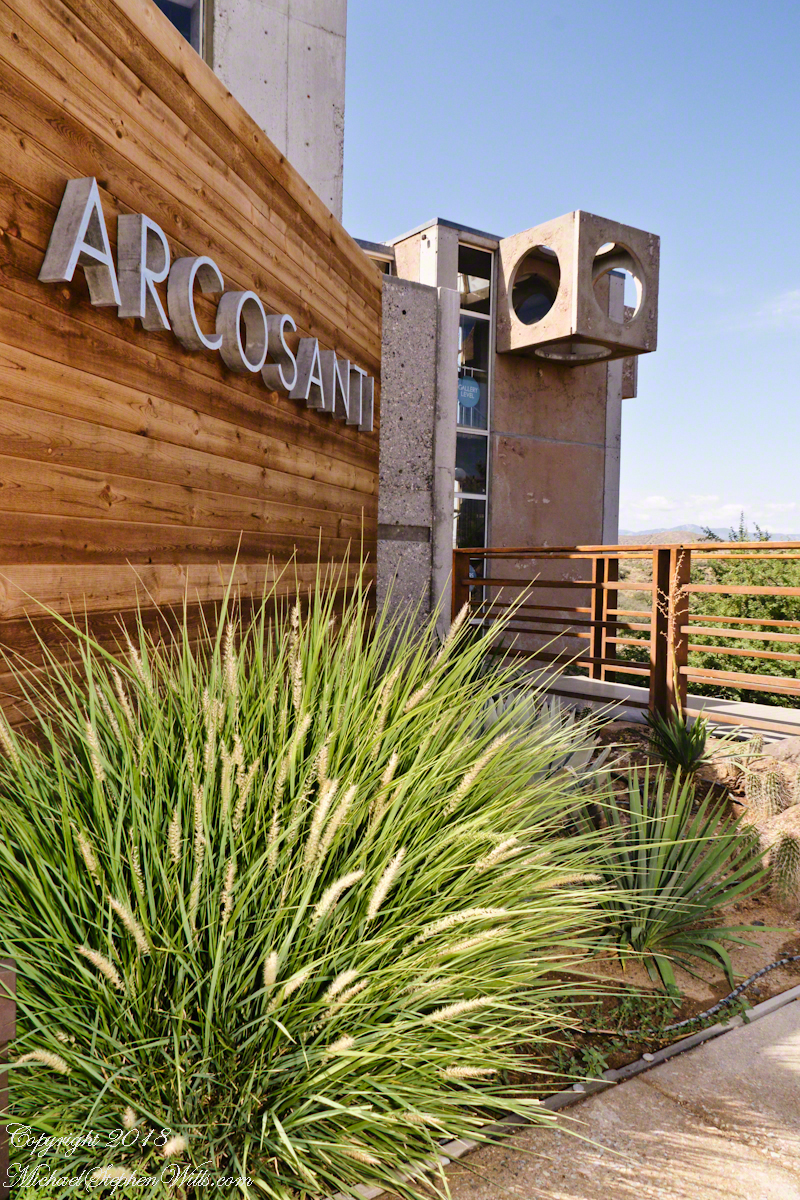
The first steps into Arcosanti struck me with a sense of balance. A sign, simple yet bold, announced the name: ARCOSANTI. It was embedded into a wooden facade, juxtaposed with the rugged modernity of concrete forms. Below, soft plumes of desert grass swayed, echoing the harmony Soleri envisioned—a human footprint gently integrated into the natural world. The sunlit entrance spoke of the potential for design to soothe rather than overpower.

Entrance and a Tower of the Crafts III building

Pam – CLICK ME for more Arizona Photography.

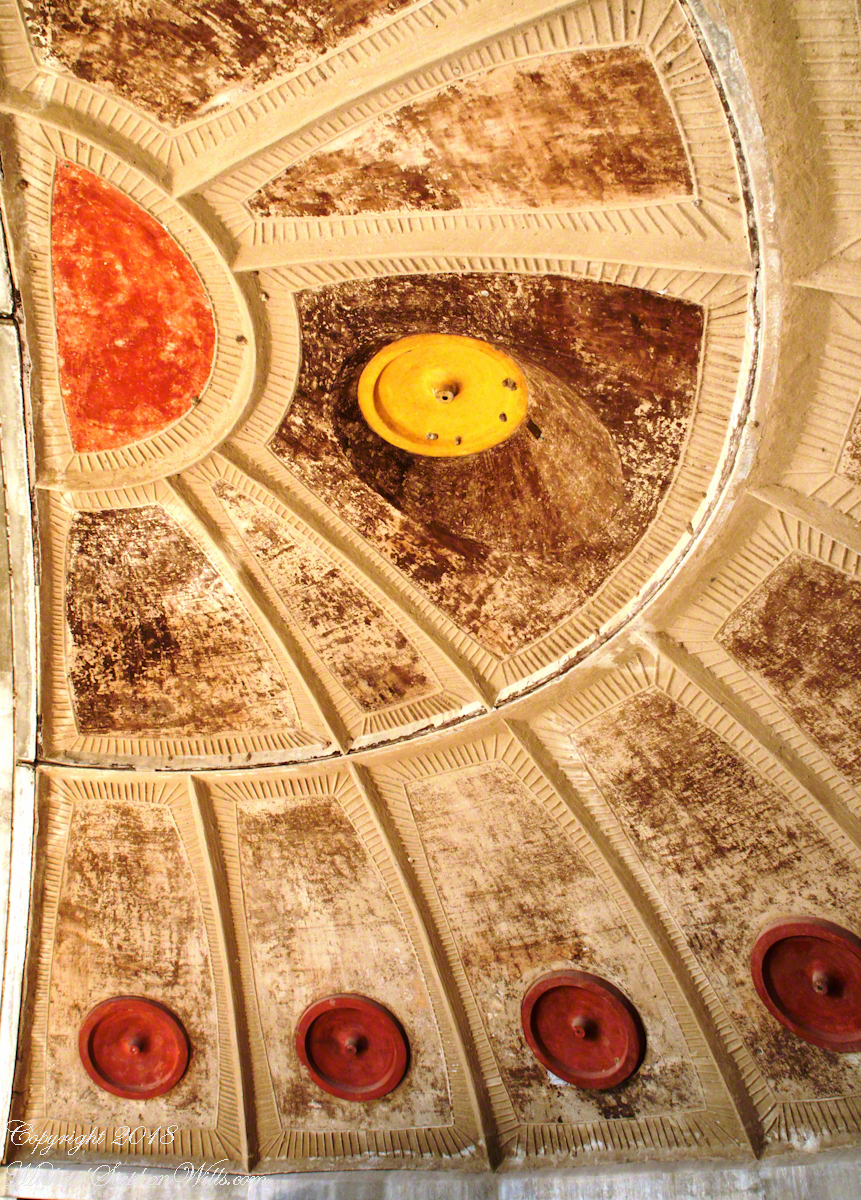
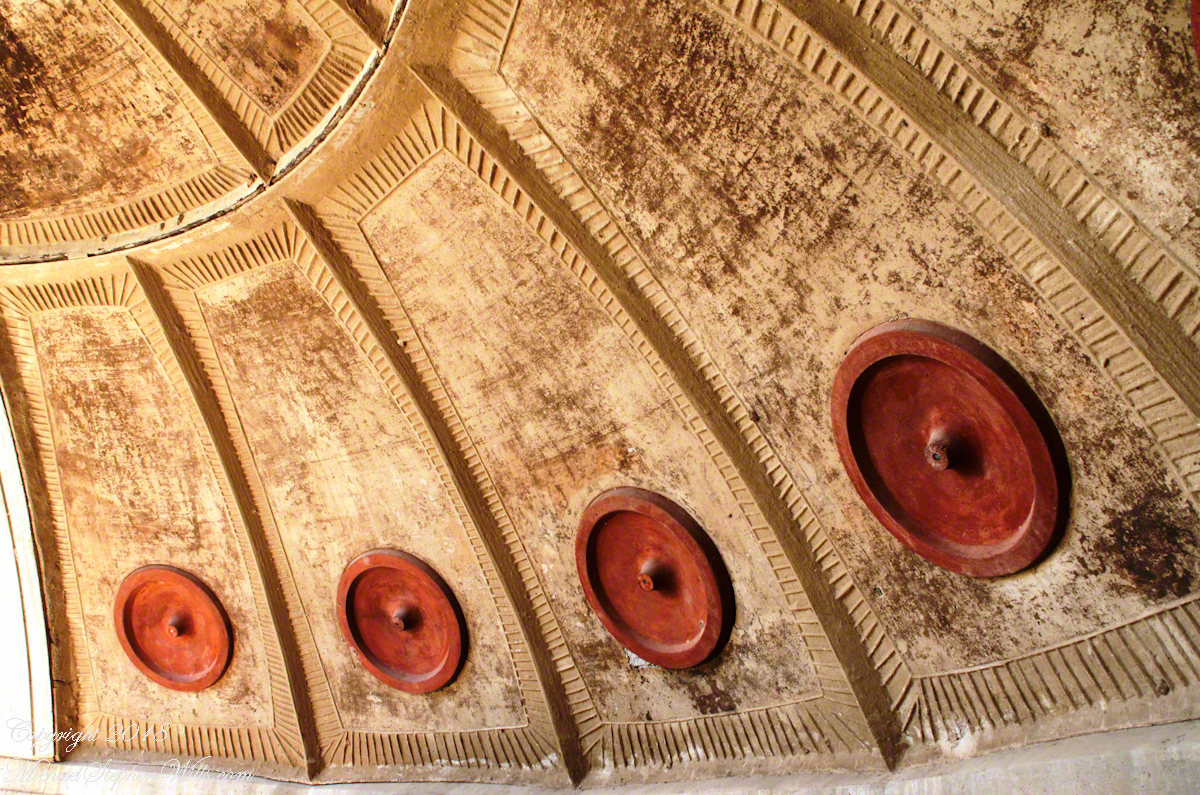
Inside, the bold lines and unique details captivated me. In one space, I craned my neck to admire a ceiling adorned with terracotta-colored circular forms, each embedded in angular panels radiating like the sun’s rays. These circular elements acted as focal points, their symmetry grounding the expansive, textured design. The play of light and shadow across the surface was mesmerizing, a reminder of Soleri’s mastery in turning the utilitarian into the poetic.

Ceramics Apse Sand Cast Panels I

Ceramics – CLICK ME for more Arizona Photography.

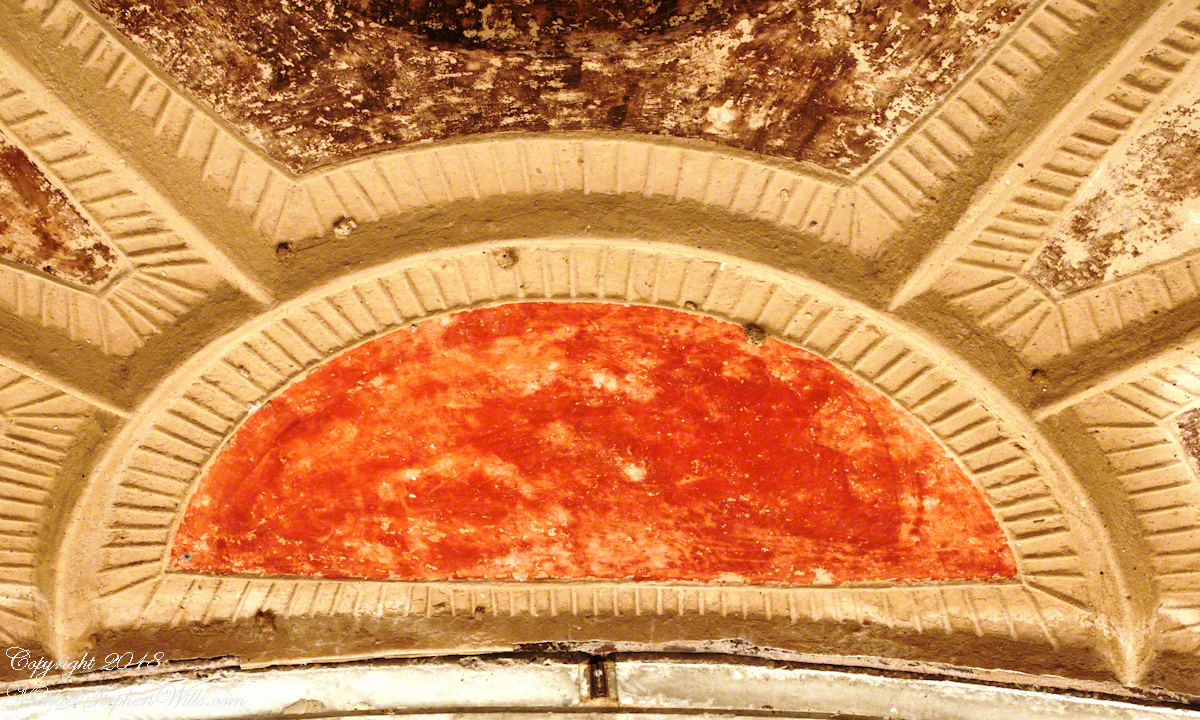
Each space in Arcosanti seemed crafted to evoke reflection. A splash of ochre-red pigment adorned another portion of the ceiling, forming a half-circle bordered by precise ridges. It was more than architectural detail—it was an abstract sun, warm and full of energy, radiating from its place above. The deliberate asymmetry, the interplay of form and texture, seemed to breathe with the desert itself.

Ceramics Apse Sand Cast Panels II

Ceramics – CLICK ME for more Arizona Photography.

Ceramics Apse Sand Cast Panels III

Ceramics – CLICK ME for more Arizona Photography.

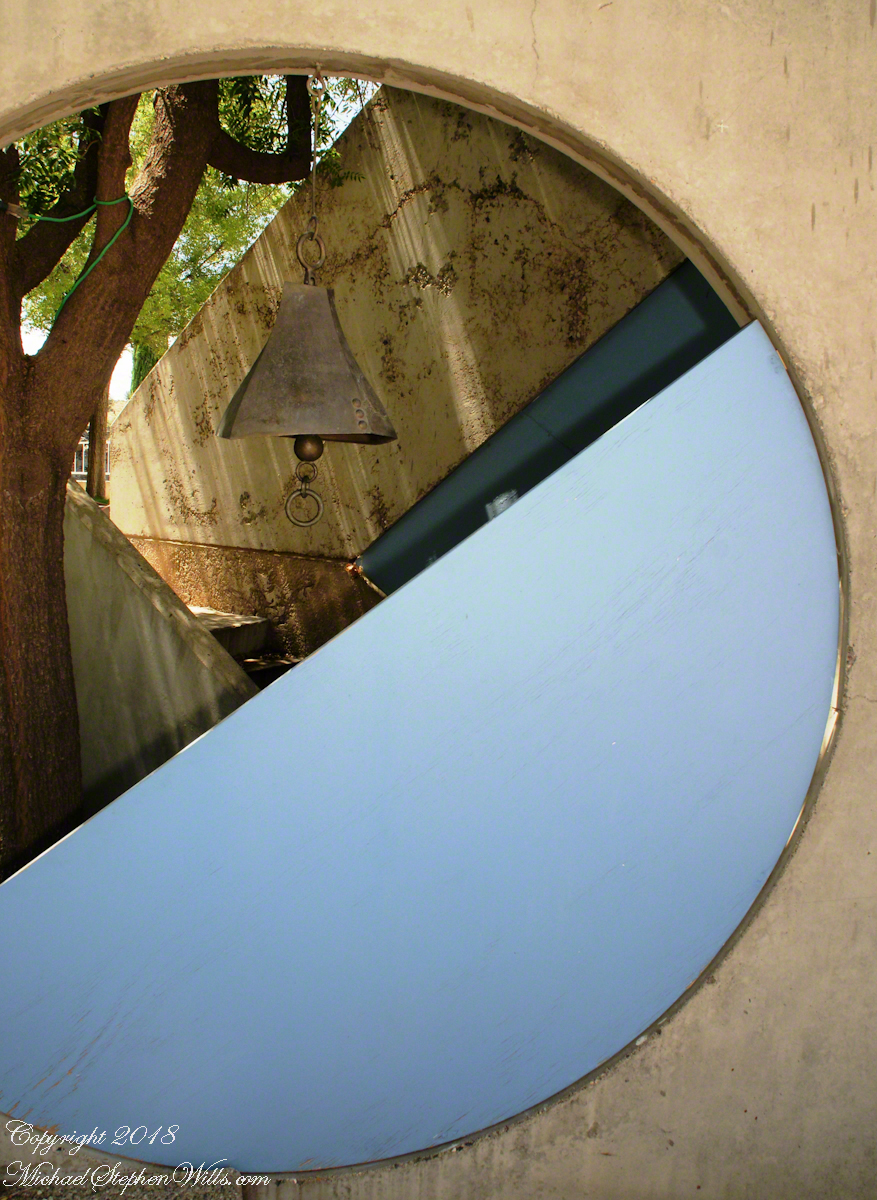
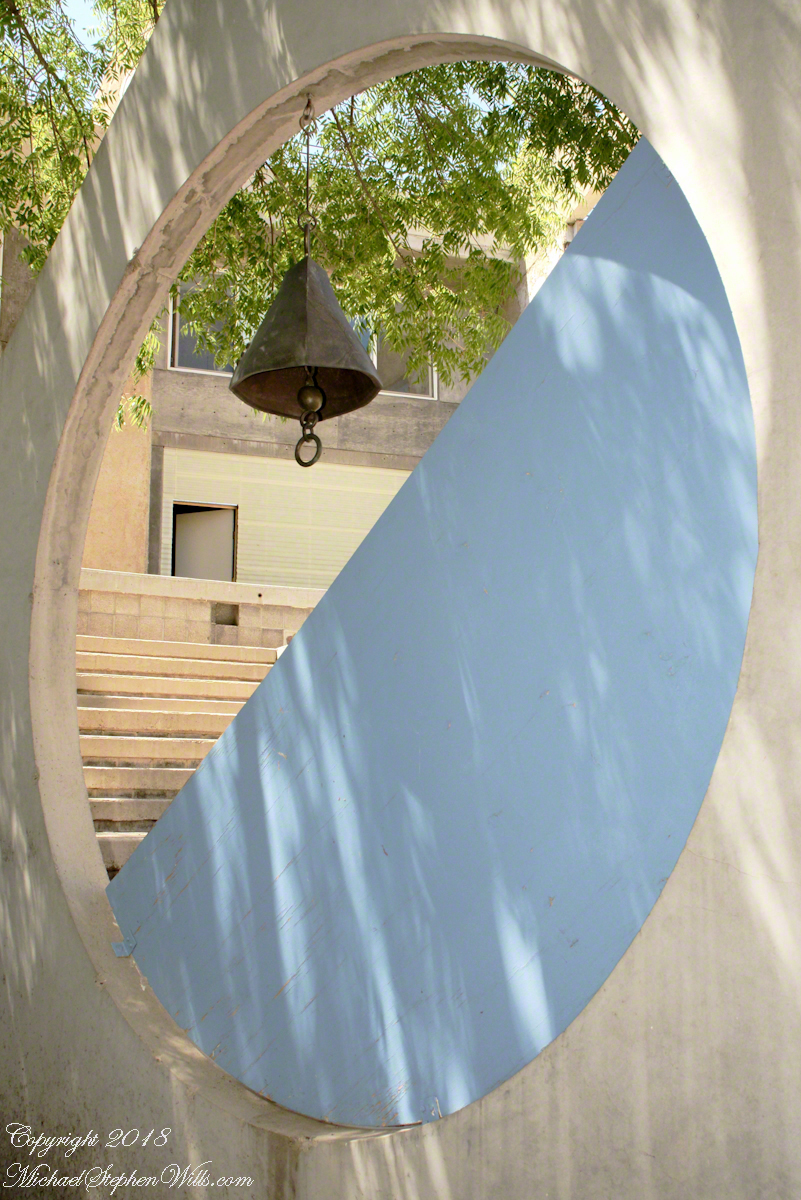
Walking further, I encountered an outdoor arch framing a bell, its heavy bronze form suspended against a panel of sky-blue. The simplicity was striking: a geometric dialogue between the natural and the constructed, a kind of meditative pause within the bustle of ideas. I lingered, allowing my thoughts to settle as the bell swayed gently in the wind.

Bell and Panel from the Colly Soleri Amphitheater

Bell Casting was and continues to be a major source of income.

Ceramics – CLICK ME for more Arizona Photography.

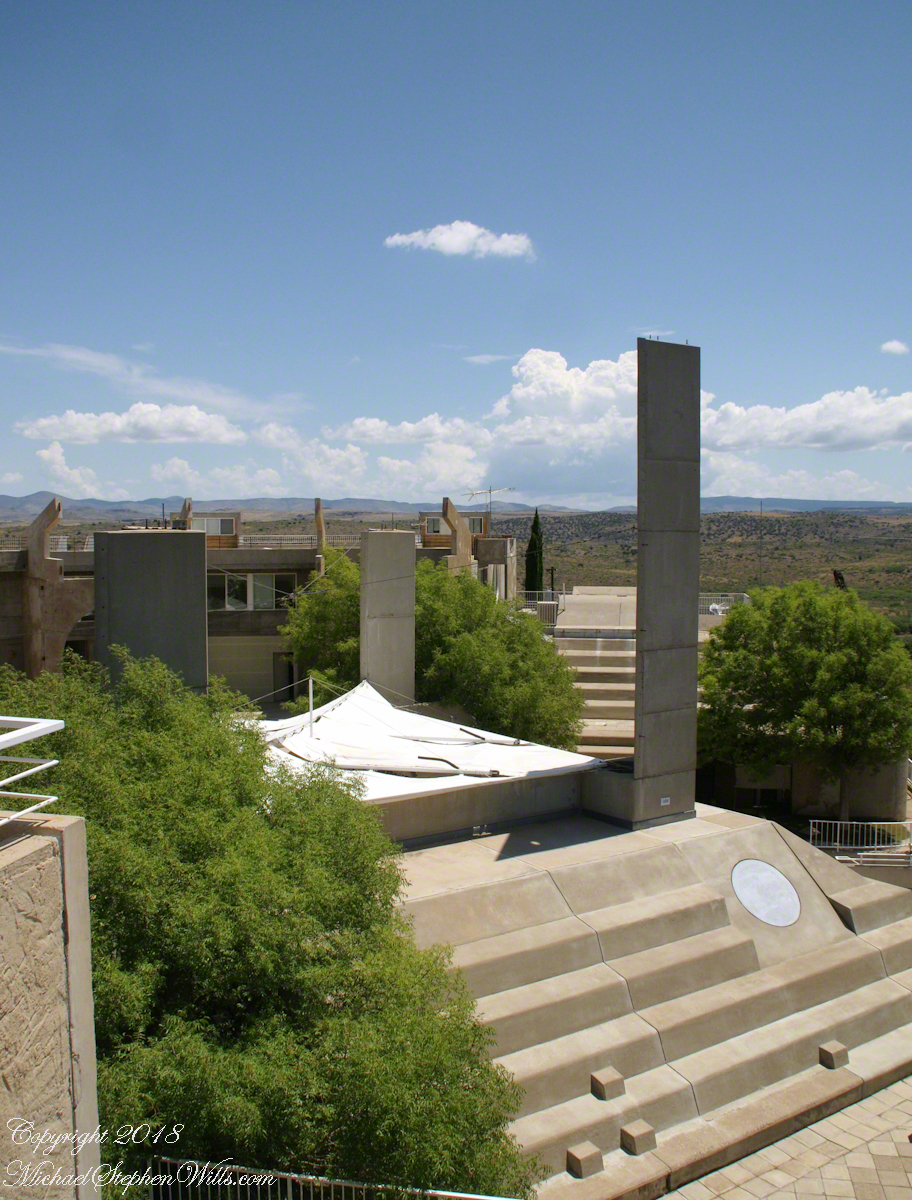
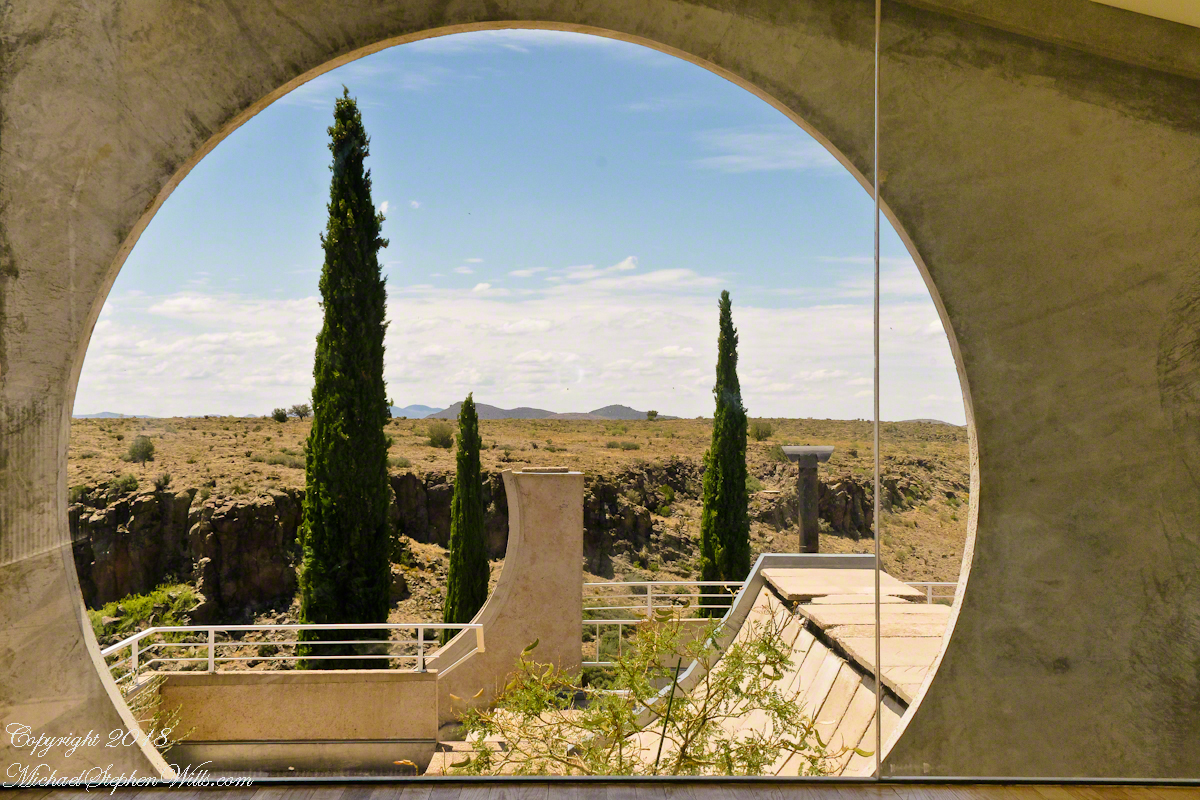
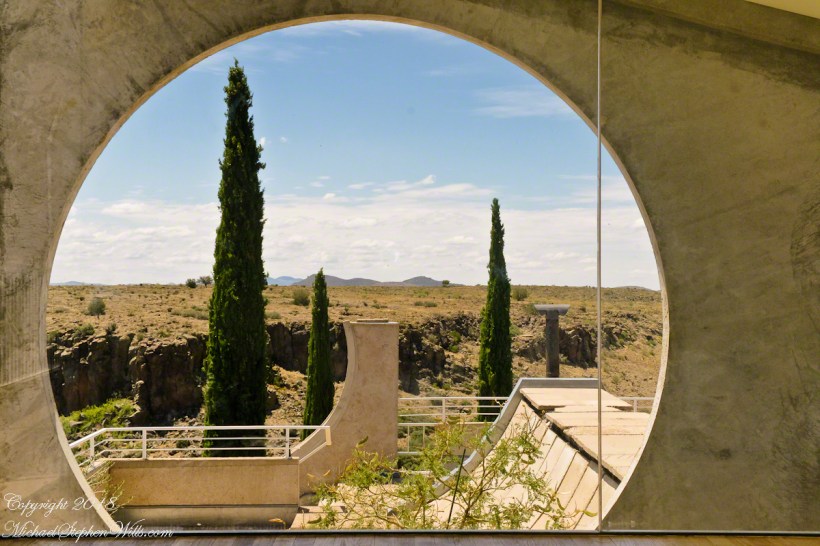
Each turn at Arcosanti revealed yet another viewpoint, another carefully composed alignment of architecture and nature. The sweeping views of the Arizona desert, framed by bold circular cutouts, were a reminder of our smallness in the grand scheme of things. The cypress trees standing tall against the rugged cliffs offered a contrast of textures—natural and man-made—that felt uniquely Solerian. His vision was alive in every corner: the terraces, the staircases, the unassuming balance between the earth’s rawness and humanity’s imagination.

View from the East Housing complex to the East Across Arcosanti

View Across Arcosanti – CLICK ME for more Arizona Photography.

As I stood gazing through one of the monumental circular frames at the horizon, I reflected on how Soleri’s ideas, abstract in the present, are also tangible, concrete, and inspiring—literally and figuratively. Despite his passing, the project he began decades ago continues to evolve, a living experiment in how we might reimagine our relationship with the planet.

View to the South with Cypress Trees from a Portal of the Crafts III Building

Portal View – CLICK ME for more Arizona Photography.

The journey to Arcosanti is a physical one and a rediscovery of ideals. Soleri’s Arcology—a fusion of architecture and ecology—reminded me of our potential to create something not only functional but also deeply meaningful. Here, amidst the Arizona desert, was proof of a life’s work that still speaks to humanity’s potential for coexistence and creativity.

As I prepared to leave, the weight of Soleri’s vision stayed with me, much like that lecture hall memory from all those years ago. The sun was setting, casting long shadows across the concrete forms. Arcosanti stood resolute, a tribute to one man’s dream and a reminder to all of us: change is not instantaneous, but with patience, vision, and humanity, it is possible.

Enter your email to receive notification of future postings. I will not sell or share your email address.