Historical Wonders of Ashford Castle and Its Natural Surroundings

At Ashford Castle, swans glide on the Cong River’s glassy waters, weaving together myth, history, and cinema in a timeless reflection of Ireland’s enduring spirit.

Headed south from Cong Village, past the venerable Cong Abbey then Saint Mary’s Church of Ireland, the road bends into the Ashford Castle estate. Time seems to shift here. The stonework of the abbey lingers in memory, only to give way to manicured parkland, ancient trees, and the shimmer of water. The road itself, aptly named Ashford Castle, carries the traveler to a place where history, nature, and imagination meet.
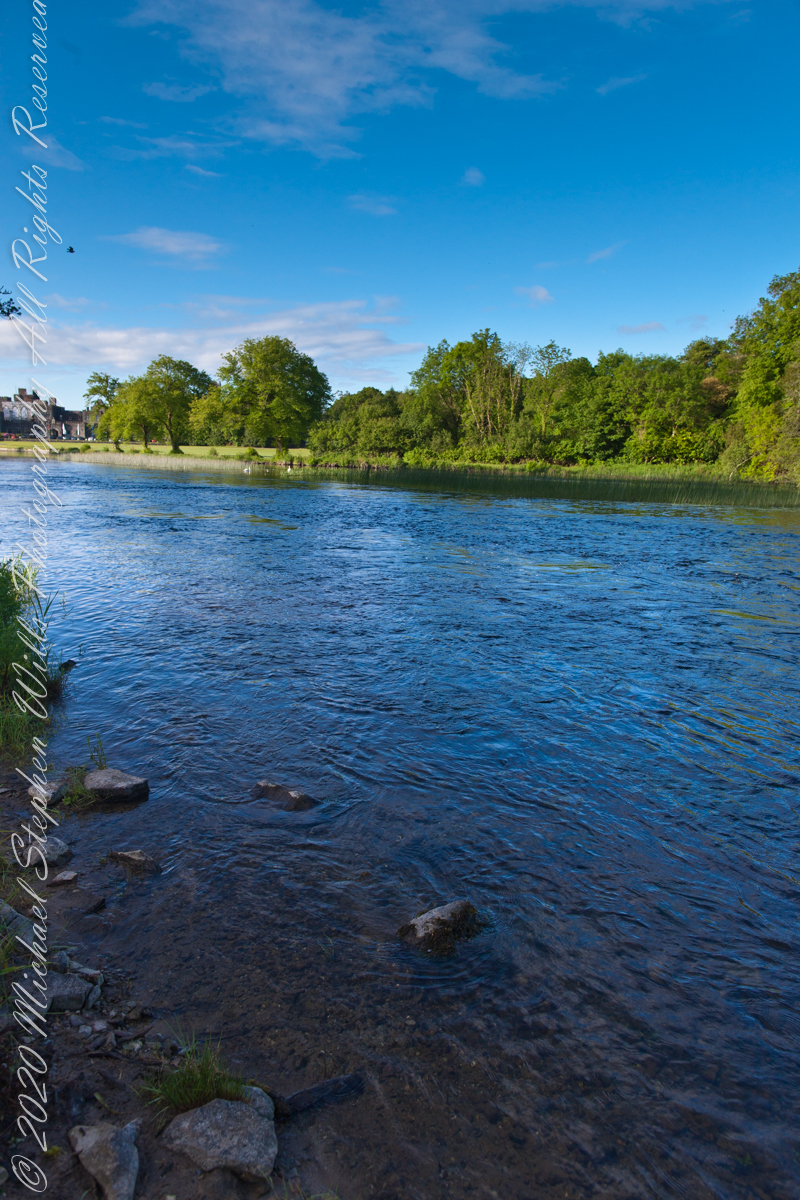
I do not recall passing a guard box on my first visit, though one now stands firmly on the roadside, manned and proper, as though the estate were never meant to be entered without ceremony. In truth, Ashford Castle has always carried the air of a threshold—between village and wild, past and present, myth and reality.
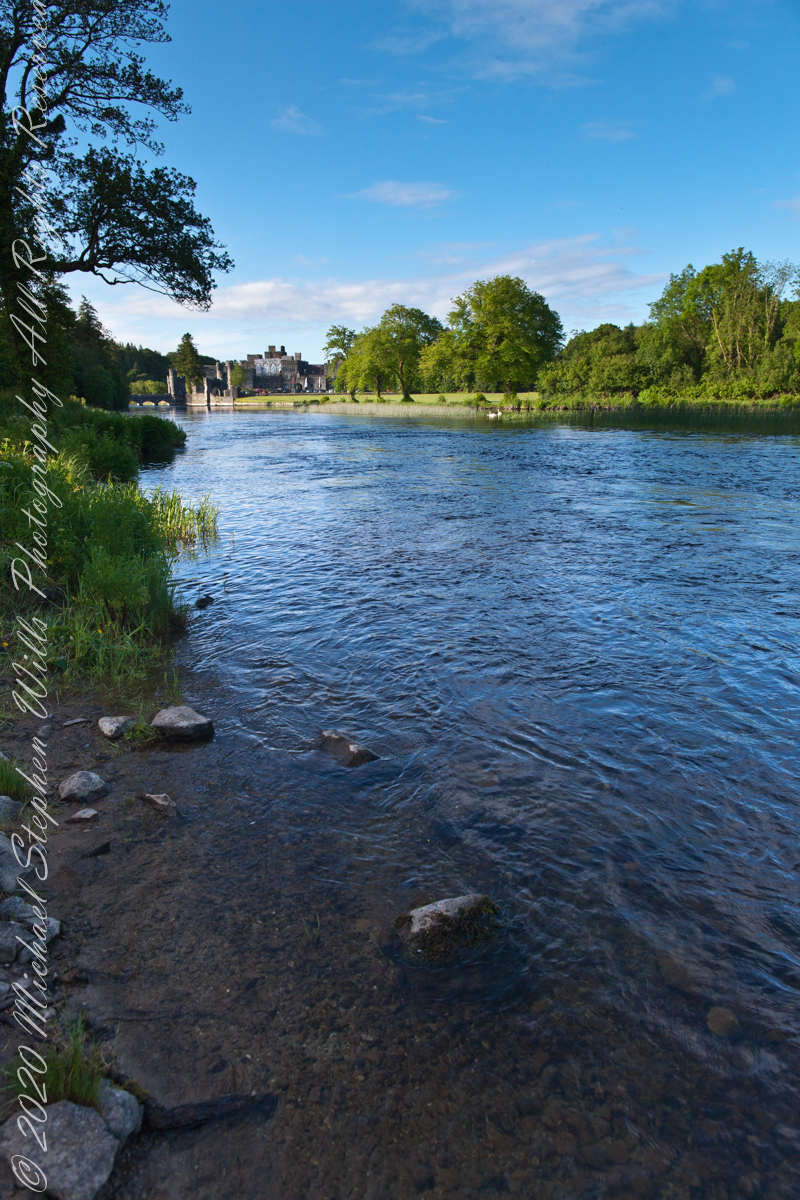
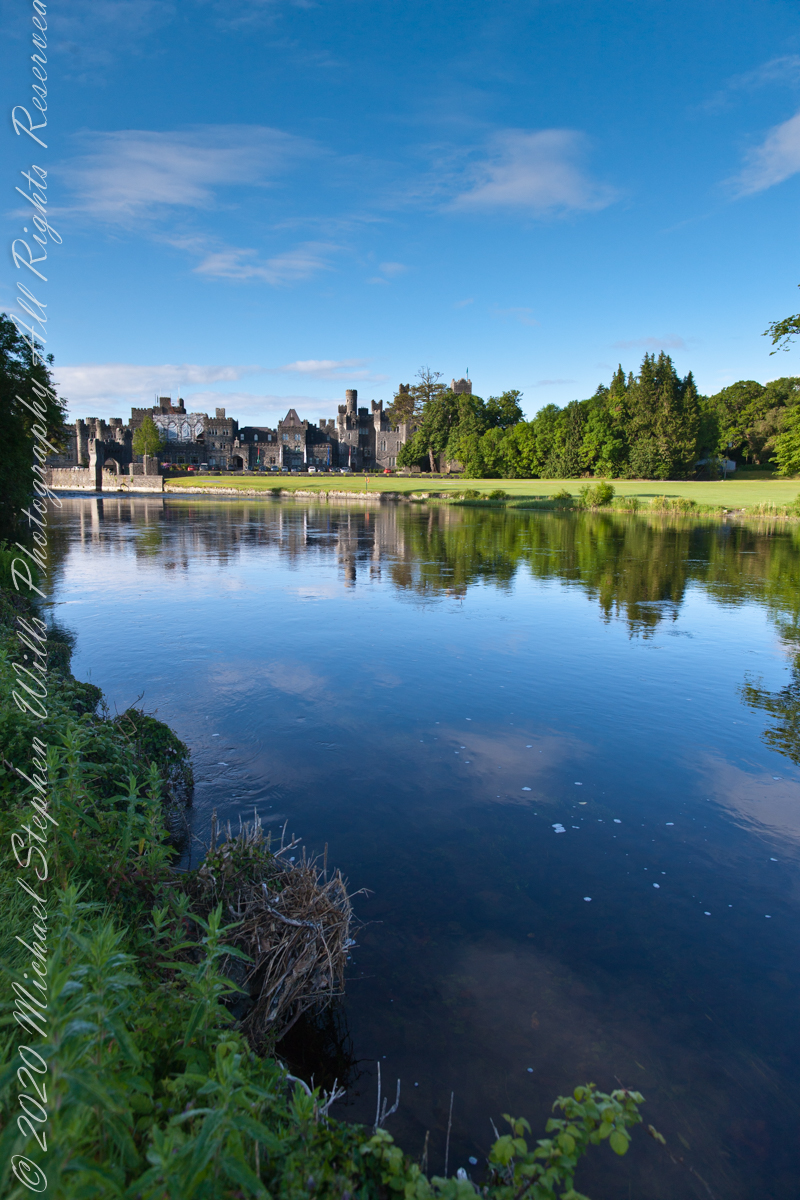
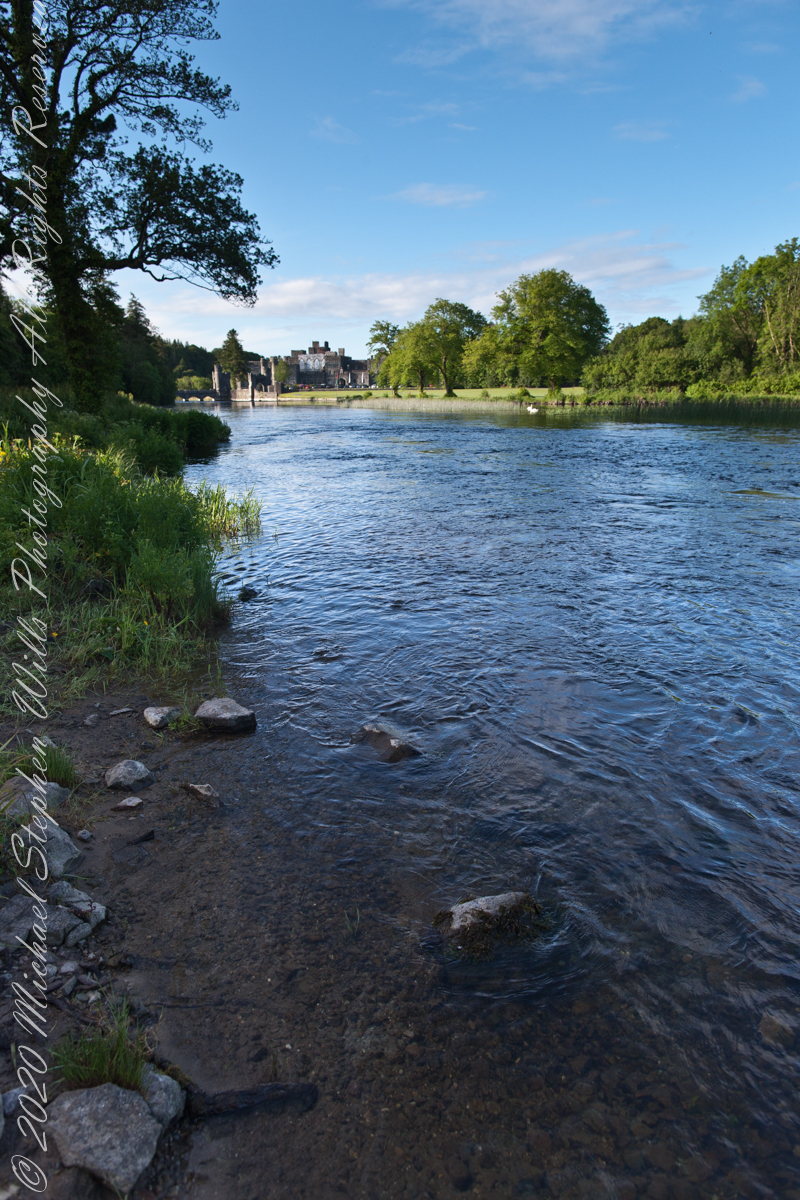
Soon the road brings one to the banks of the Cong River. Here the water widens, flowing calm and sure, and across it rises the battlemented silhouette of Ashford Castle itself. Its towers, turrets, and stony walls seem to grow from the riverbank like something inevitable, a fortress transformed into elegance. The castle’s mirrored reflection on the water doubles the grandeur, as though the real and imagined castle exist side by side.
It is no wonder filmmakers found inspiration here. Scenes from the classic 1952 film The Quiet Man—the tale of Sean Thornton, played by John Wayne, and the fiery Mary Kate Danaher, embodied by Maureen O’Hara—were shot on the far bank of this very river. To watch them walking by these waters is to see Ashford Castle woven into Hollywood’s Irish dreamscape, a backdrop both romantic and enduring.

Yet long before cinema, the river was already a stage. The Cong River is a natural marvel. It emerges from the same Carboniferous limestone that shapes the Burren of County Clare—an austere landscape of limestone pavements etched with fossils and caves, where rare alpine and Mediterranean plants thrive among ancient tombs. Through fissures in this ancient bedrock, the waters of Lough Mask find their way underground before rising again at Cong. This subterranean journey, through stone filters laid down some 350 million years ago, leaves the water clarified, luminous, and cold. By the time it slides past Ashford Castle, it has the purity of glass.
It is in this clarity while walking the opposite bank on a different morning I found a parent swan and its cygnet feeding. The adult glided, immaculate, its long neck bowed as drops of river fell from its beak. At its side, the cygnet paddled with earnest strokes, gray down still clinging, a fragile shadow of what it would one day become. Together they traced a quiet path across the water, ripples fanning behind them.
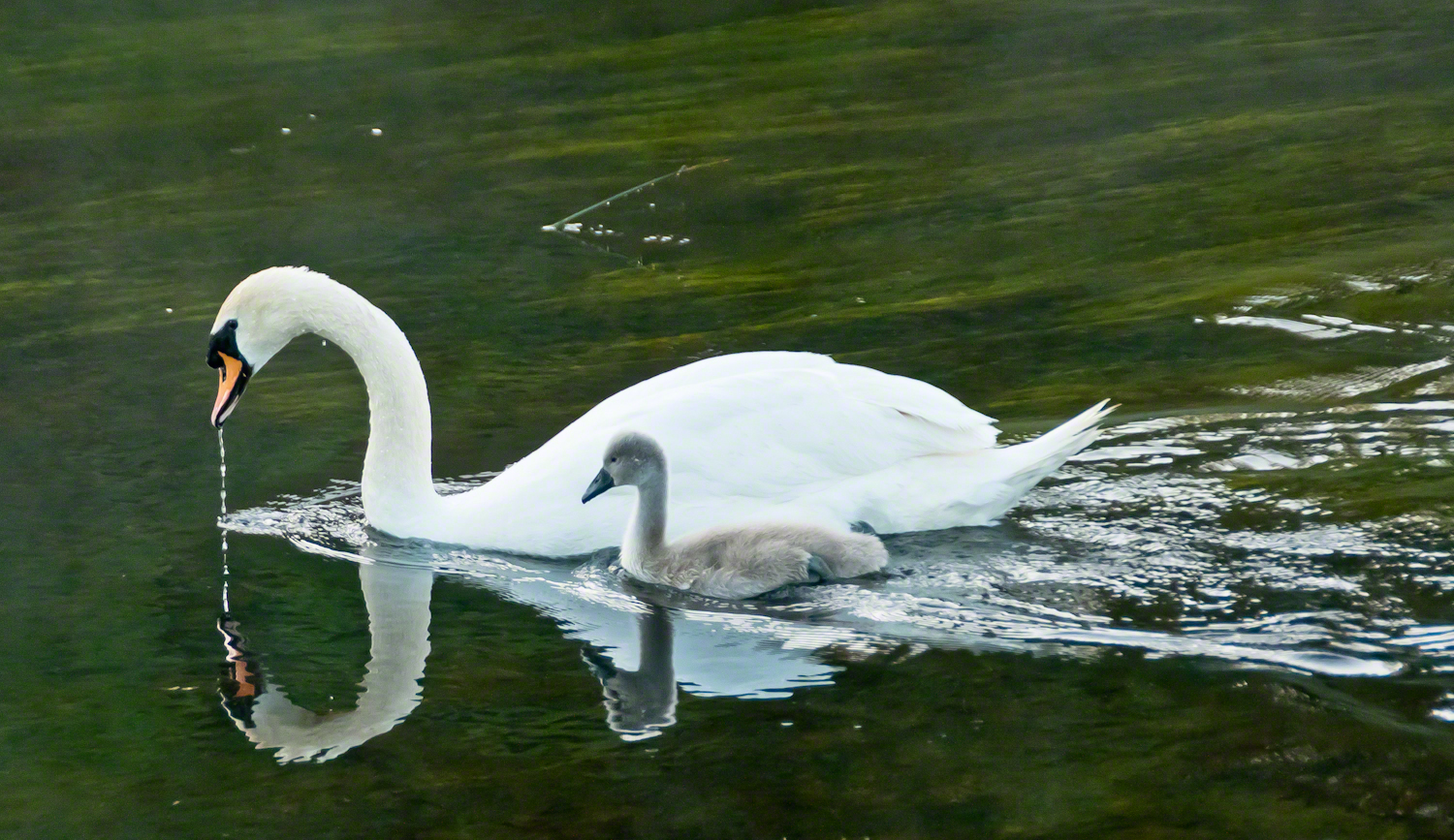
Few images so perfectly match their setting: a medieval castle, guardian of centuries, reflected in the same waters where these swans carried on their timeless rhythm of nurture and growth. It was as if the river itself composed the scene—a blending of stone, water, bird, and sky that belonged nowhere else but here.

The swan has long been a symbol in Irish lore. The Children of Lir, cursed to live as swans for nine hundred years, are among the most haunting figures of Celtic mythology. To see the white bird with its offspring before Ashford Castle was to glimpse that myth breathing still, alive on the Cong River.

Photographers know the difficulty of capturing water and stone without losing the life between them. On that morning, however, the river gave freely—its surface alternately smooth as glass and dappled with breeze. Stones at the water’s edge appeared like stepping-stones into history. Each frame revealed another face of the estate: the wide reach of the Cong, the castle framed by trees, the play of cloud shadows across the current.

The castle itself, though reshaped as a luxury retreat, still speaks of older times. Founded in the 13th century by the Anglo-Normans, Ashford passed through centuries of conquest and change before becoming, in the 19th century, a romantic Victorian pile. Today its battlements remain picturesque rather than defensive, but the sense of continuity—of lives unfolding along these banks—has not faded.
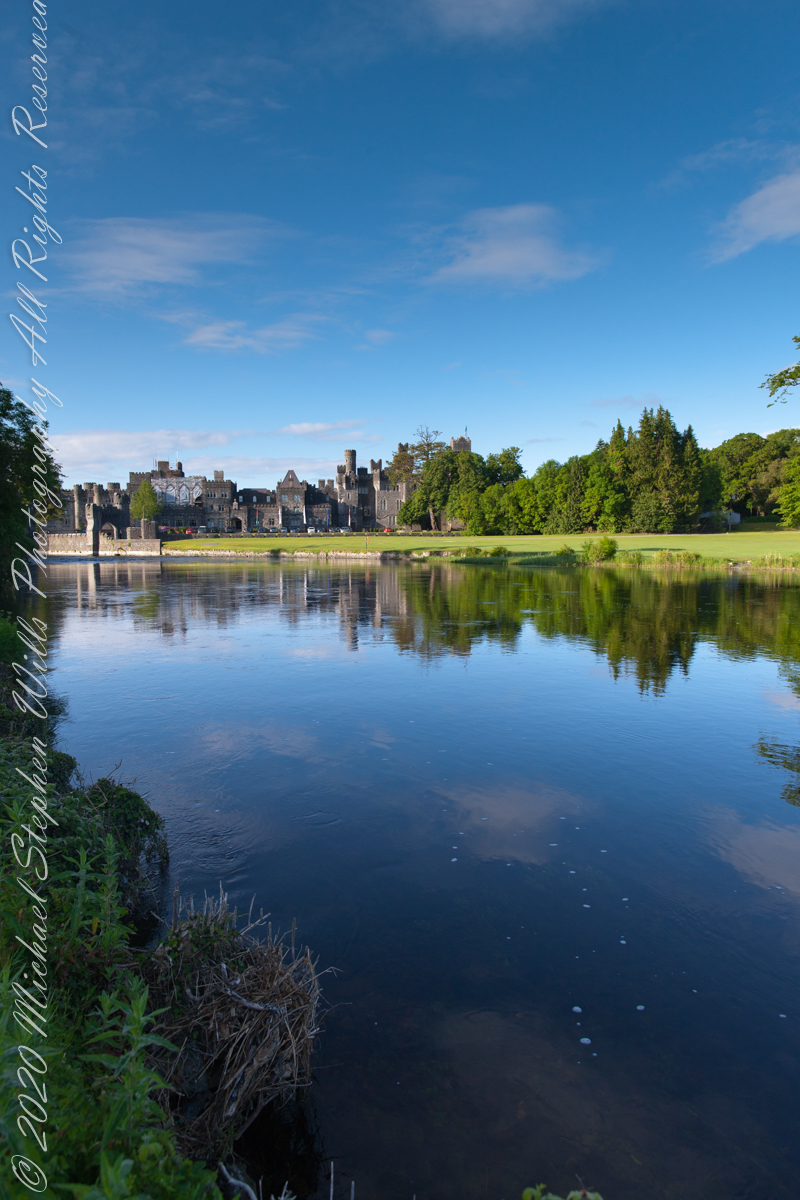
Standing there, camera in hand, I was struck by the layered meaning of this place. The Cong River flows from unseen caverns, purified by limestone older than memory. It nourishes swans, reeds, and trout alike. It reflects both a castle and a sky. Along its opposite bank, legends of cinema and Celtic lore alike find footing.

As the swan and cygnet drifted slowly downstream, I thought of them as part of the same enduring thread. Parent and child mirrored castle and village, past and future, permanence and change. The ripples they left widened until they touched both banks, an unbroken gesture across centuries.

Click this link to read another Ireland story “The Cloigtheach of Glendalough.”

Click this link to read another Ireland story “Killeany Bouy.”
Enter your email to receive notification of future postings. I will not sell or share your email address.

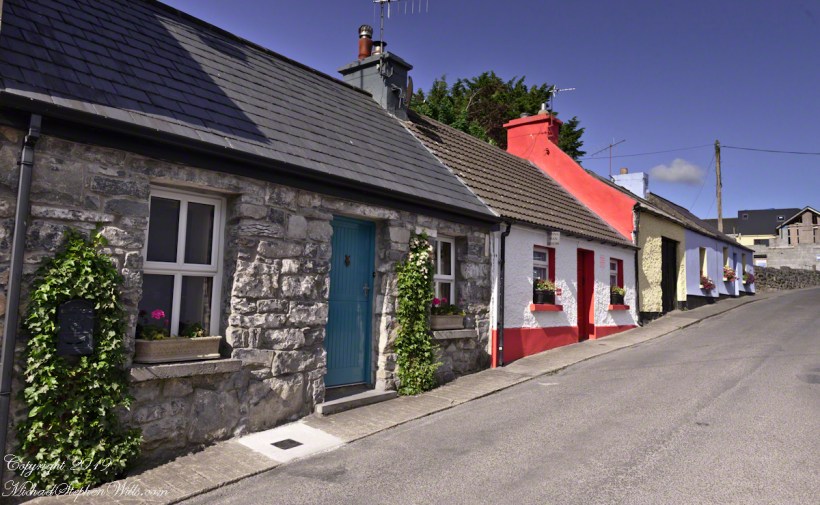
Dying Man House

In Cong Village, County Mayo, Ireland, the Dying Man House on Riverview Street from “The Quiet Man” attracts visitors who share behind-the-scenes facts. The village remains quaint despite commercialization, with visitors enjoying film locations and historic buildings.

Cong Village, County Mayo Ireland. A scene from “The Quiet Man” has a man, on hearing a fist fight underway, jump from his death bed to run from this house on Riverview Street. This is the view heading east with the Cong River behind.

Dying Man House on Riverview Street is a popular photograph on my Facebook Photography page, to this day visitors leave comments with occasionally inside information about “The Quiet Man.”  Here are some examples:

Edward James Soul The dying man in the film was actually, John Ford’s (the director) brother in real life. And the actor who played the young priest was, in real life, Maureen O’ Hara’s brother. The movie is definitely a classic.

Diane Benson Morrow And 2 other brothers were in the film. The older priest and the man who met John Wayne at the railway station at the beginning of the movie were brothers.

Edward James Soul,you are in the right church but the wrong pew. The older priest was Ward Bond. The man who met John Wayne was Barry Fitzgerald. In real life he was the brother to Arthur Shields, the actor who played the Protestant Minister, ” Rev. Playfare”.  If you look at the two, you can see the family resemblance.

Diane Benson Morrow yes. I meant Arthur Shields

Edward James Soul, also remember the scene at the lnishfree race, where there were children sitting on a railing next to Maureen O’Hara? They were John Waynes children.

Kerry Keegan Mulhern  what was the name of Barry Fitzgerald’s horse?

Pauline Ryan Grew up and around the village of Cong lovely wee place its swarming with visitors most of the time but it’s nice and quiet for a few months of winter. It’s getting very commercialized but thank God there is very little room for it to grow.

Eileen Fitzgerald Uber So wonderful to maintain the precious buildings of the past.

John Feeley The guided tour of Cong includes the tourists playing a scene from the movie. I got to play the part of Barry Fitzgerald. I had one line…”Where’s me pint?” Type-casting?

Jackie Smith Just watched that movie this weekend.

Greg Thompson Will never forget our singing tour guide and the most glorious artisan shop ever there in Cong…….

Ethel Beth Gallagher That was John Ford’s brother. He’s the man who referred to Seaneen as “tall man” in the Pub and got the coat thrown over his head.

Kolokea Kakiki I didn’t realize that film was made in 1950! I watched it in the 70’s and loved it!

Diane Eiden Been there, it was great to see after watching the movie all my life. I believe Maureen O’ Hara grew up close to Cong, and spent her final years there.

Marnie Rosé This is on my bucket list of places I want to go and I only live up north .. my favorite movie 🎥 ❤️

Robin Axler Kupfer We really enjoyed our visit to Cong. Got some great poses of my husband and me on the Stone Bridge.
Enjoyed seeing where they filmed the race on the beach….charming town.

MichaelStephenWills Photography If you walk by the Abbey over the River Cong and forest path, you will recognize another shot from the film where Mary Kate and Sean walked along the river. 2

Ann McNamara Visited Cong a few MONTHS ago.Love taking photographs- so between Cong,the grounds of Ashford Castle,Ashford Lodge and Ballinahinch castle I was in 7th heaven.Lots of wonderful photos to use for my calligraphy + card making class in the Library over Halloween- if I can arrange it!!!!

Julie Dance I bet it is, my family are from co Clare, a little place called Kilkee, and I visit Killarney a lot got friends there.

Click me to view more photography from Ireland .

Click me to read another Ireland story “The Cloigtheach of Glendalough.”

Copyright 2022 All Rights Reserved Michael Stephen Wills

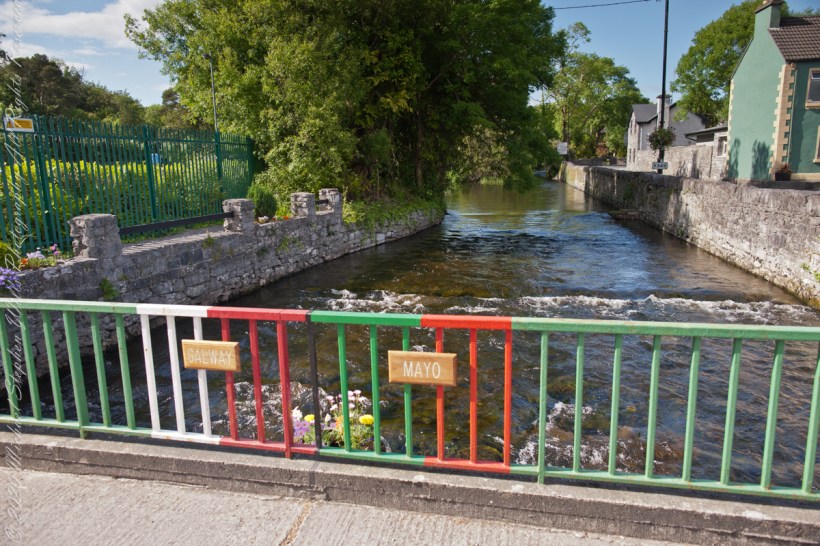
Bridge over Cong River

An enormous body of moving water emerges from underground passages

Colorful railings highlight the county border, the centerline of River Cong. To the left is the Cong Salmon Hatchery of County Galway to the right the bridge enters Abby Street of Cong Village, County Mayo. Ahead is where this river, this enormous body of moving water emerges from underground passages through limestone.

Click me for Ireland story “Dying Man House.”

Copyright 2022 All Rights Reserved Michael Stephen Wills

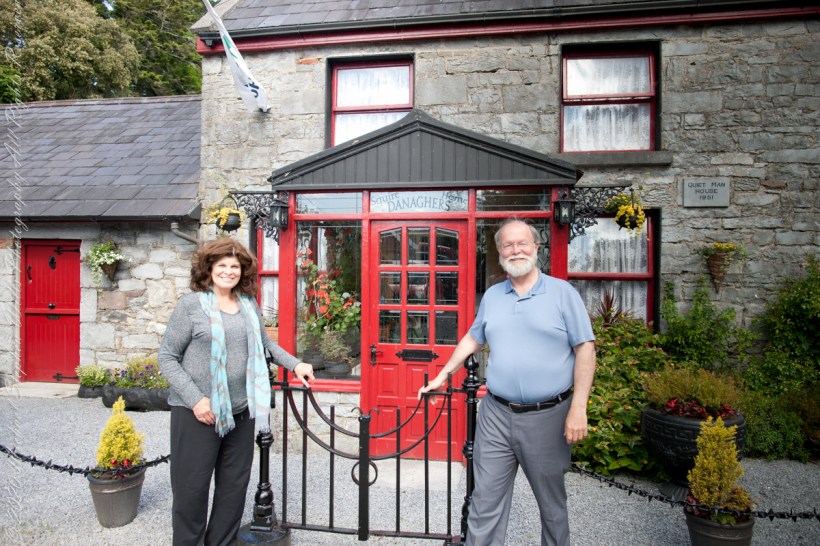
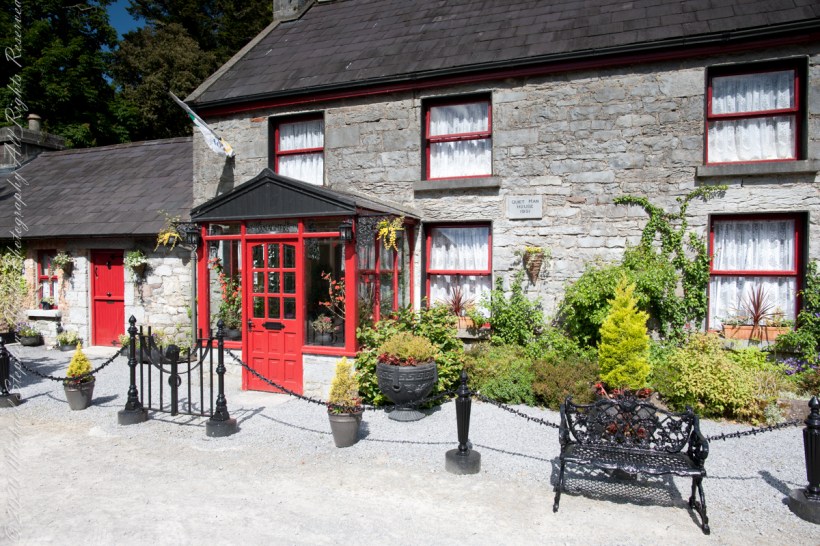
Squire Danagher’s Home

Head toward the Ashford Castle Old School House and you will come upon it.

A location from the 1952 film “The Quiet Man”. The house appears on no maps, located on the Ashford Castle grounds. Head toward the Ashford Castle Old School House and you will come upon it. County Mayo, near the Village Cong, Connemara, County Mayo, Republic of Ireland.

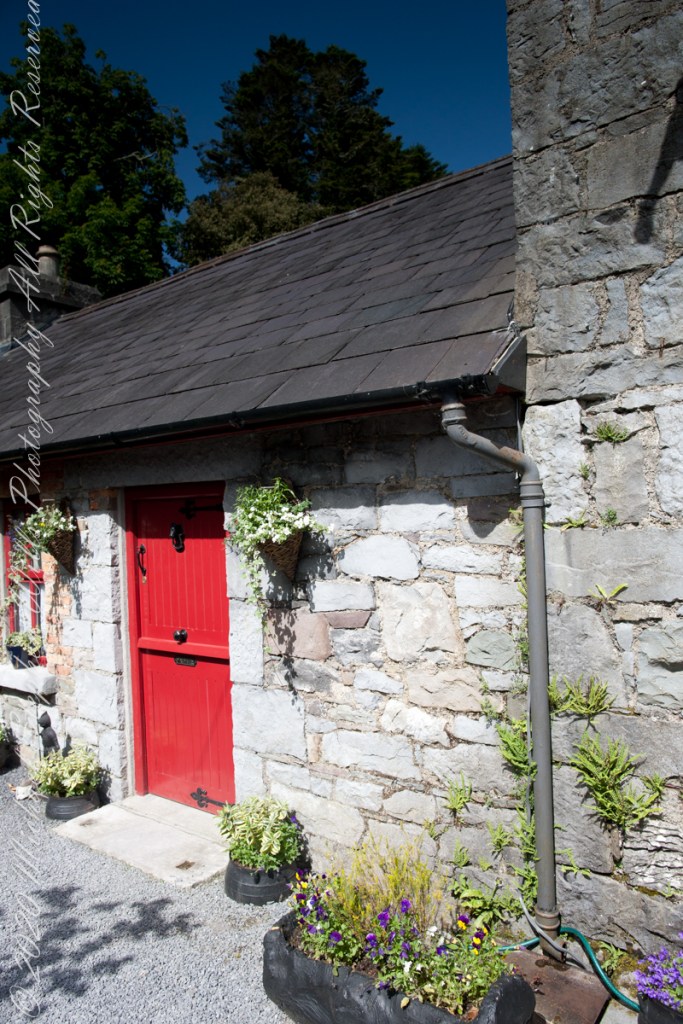
I recall there are scenes from “The Quiet Man” featuring characters using this Dutch door, seen to the left in the above photograph and below in a closer shot.

In this photograph the glass etching on entrance, identifying the home, is clearer. Also note the plaque: “Quiet Man House 1951.” Is the plaque wrong? No, while 1952 was the world-wide film release year, filming commenced on June 7, 1951.

Click me for Ireland story “The Cloigtheach of Glendalough.”

Copyright 2022 All Rights Reserved Michael Stephen Wills

Sean Thornton and Mary Kate Danaher

Discover the charm of Cong, Ireland, through a stunning sculpture celebrating The Quiet Man. Join me as I explore the town’s cinematic legacy and reflect on the enduring magic of film.

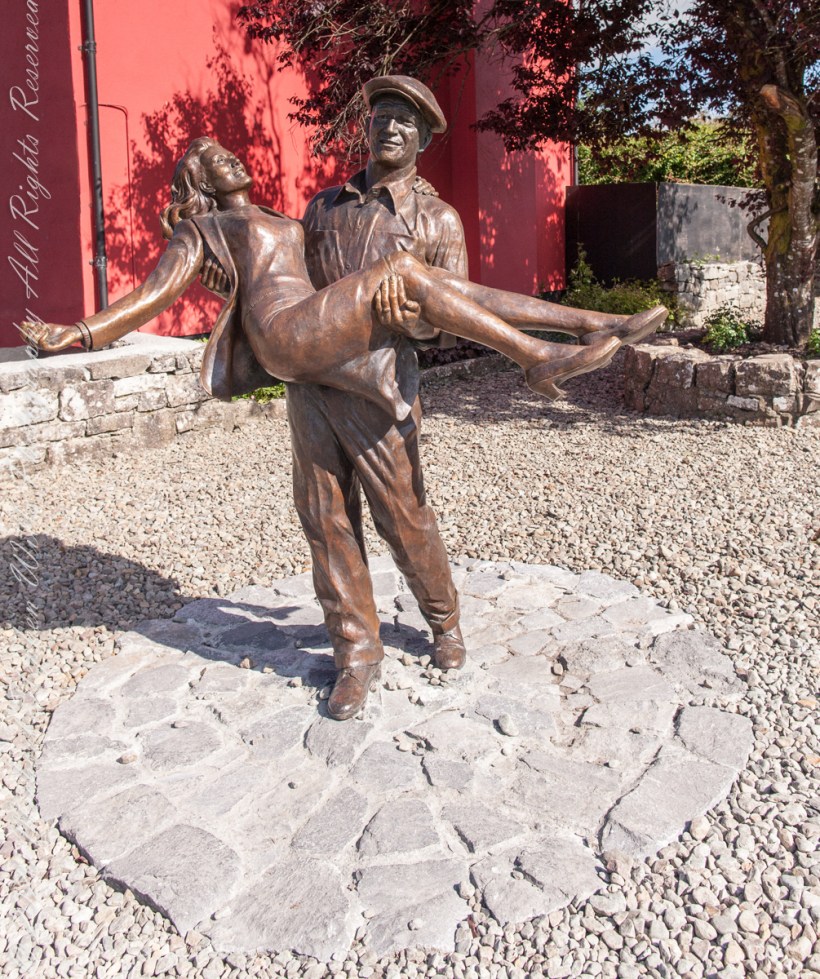
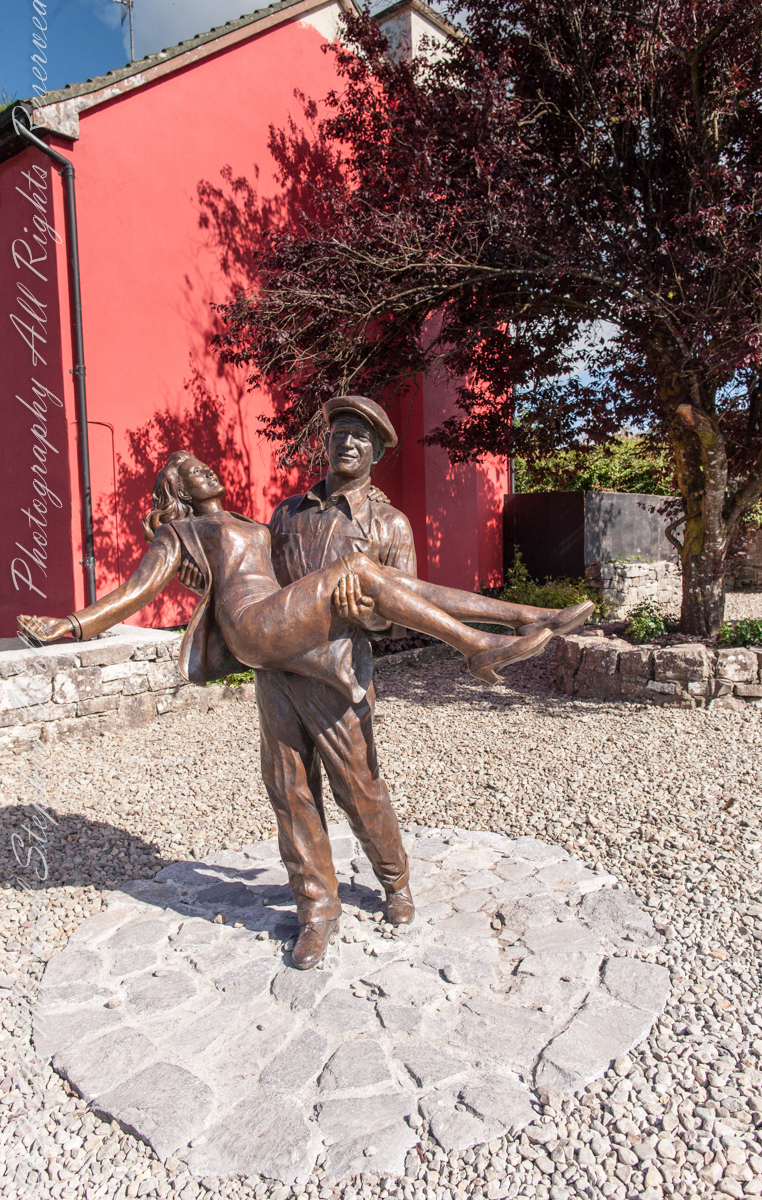
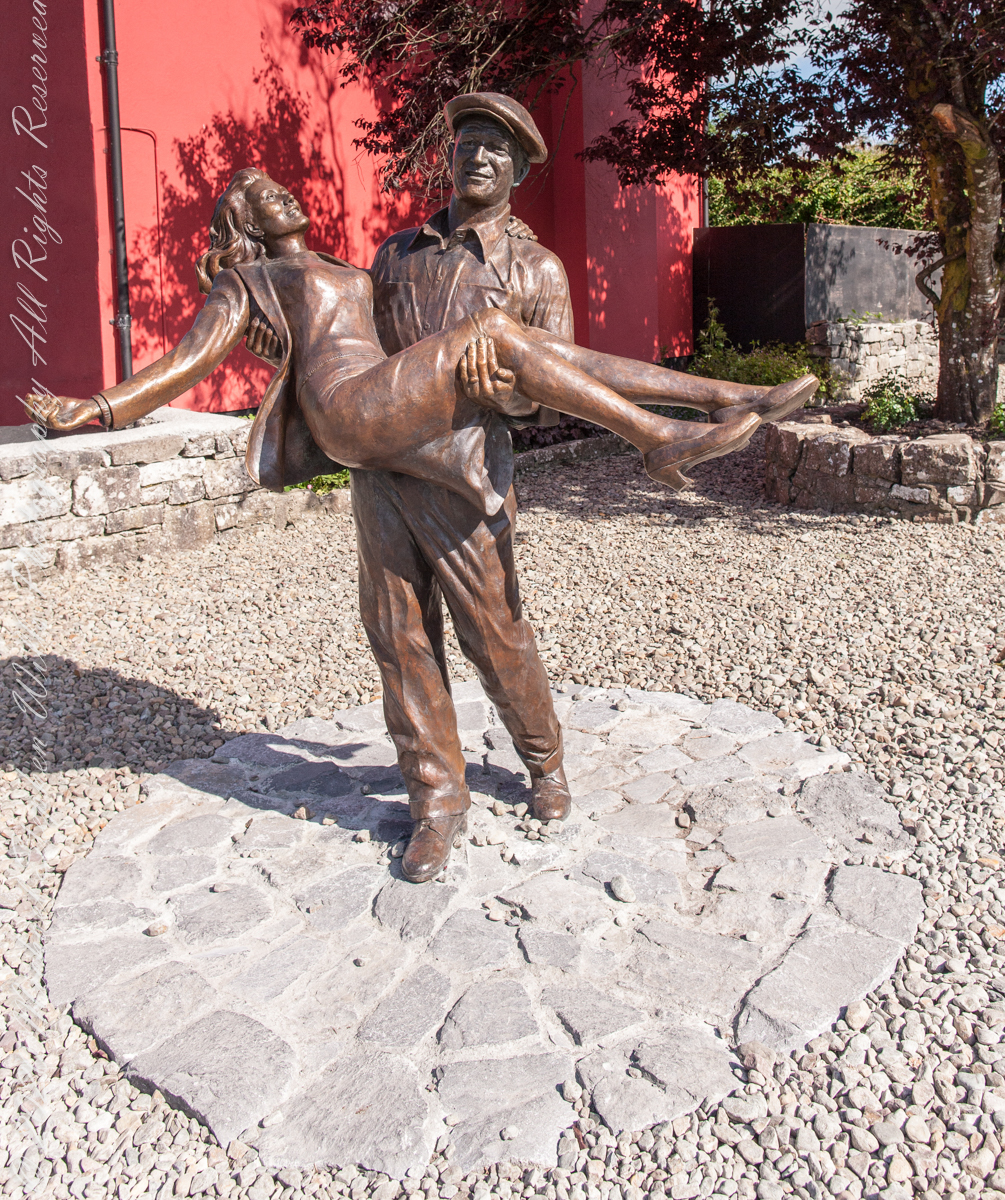
During a May 2014 exploration of the village Cong in County Mayo, Ireland, we encountered this remarkable sculpture that transported me back to one of my favorite classic films, “The Quiet Man.” The bronze statue, depicting John Wayne’s character, Sean Thornton, carrying Maureen O’Hara’s Mary Kate Danaher, stands against the backdrop of the town, a visual homage to the cinematic legacy that has become intertwined with Cong’s identity.

As I stood before the sculpture, memories of watching The Quiet Man flooded back. The Quiet Man, with its vibrant depiction of Irish culture and scenery, had always held a special place in my heart. It’s a story of love, cultural clashes, and the journey of a man returning to his roots, themes that resonate deeply within the lush landscapes of County Mayo. Cong served as the primary filming location, and the town has embraced this legacy wholeheartedly, turning the film into a cornerstone of its identity.

The sculpture, created by Mark Rode, who has a foundry an hour away in Swinford, was installed the year before, 2013, yet it felt as though it had always been there, seamlessly blending with the surroundings. Rode’s work captures the essence of the characters with remarkable detail. In The Quiet Man, the scene where Sean carries Mary Kate in his arms takes place after he retrieves her from the train station. This moment symbolizes their reconciliation and is a pivotal scene in the film, capturing their renewed bond and Sean’s determination to stand up for their relationship. The piece celebrates not just the film, but also the spirit of the town and its connection to cinematic history.

Mark Rode, known for his ability to bring characters to life through sculpture, has a unique talent for capturing the essence of his subjects. His works often reflect a deep understanding of human emotion and storytelling, qualities that shine through in this particular piece. The installation of the sculpture was met with excitement from both locals and visitors, further cementing Cong’s status as a beloved tourist destination.

Reflecting on our visit, I realized how much this small town had embraced its role in cinematic history. The streets of Cong are dotted with nods to The Quiet Man—from themed shops to plaques marking filming locations. Each element serves as a reminder of the film’s impact on the town and its people. The statue stands as a centerpiece, inviting fans of the film to relive its magic while introducing new generations to its charm.

I couldn’t help but meditate on the lasting impact of art and film on a community. The installation of this sculpture not only celebrates a beloved movie but also invigorates the town’s economy through tourism, drawing visitors eager to walk in the footsteps of their favorite characters. It’s a testament to the power of storytelling and its ability to transcend time, connecting people across generations and cultures.

The statue of Sean and Mary Kate in Cong is a symbol of the town’s vibrant history and its enduring connection to the film. Mark Rode’s creation captures this essence beautifully, inviting all who visit to pause, reminisce, and celebrate the intertwining of art and life in this picturesque Irish village.

Here presented are two versions of the same image. One cropped. Please leave a comment stating which you prefer and why. Thank You

Use this slide show, flip back and forth to compare the images, reach a conclusion on which you prefer.

Click me for Ireland story “The Cloigtheach of Glendalough.”

Copyright 2024 All Rights Reserved Michael Stephen Wills