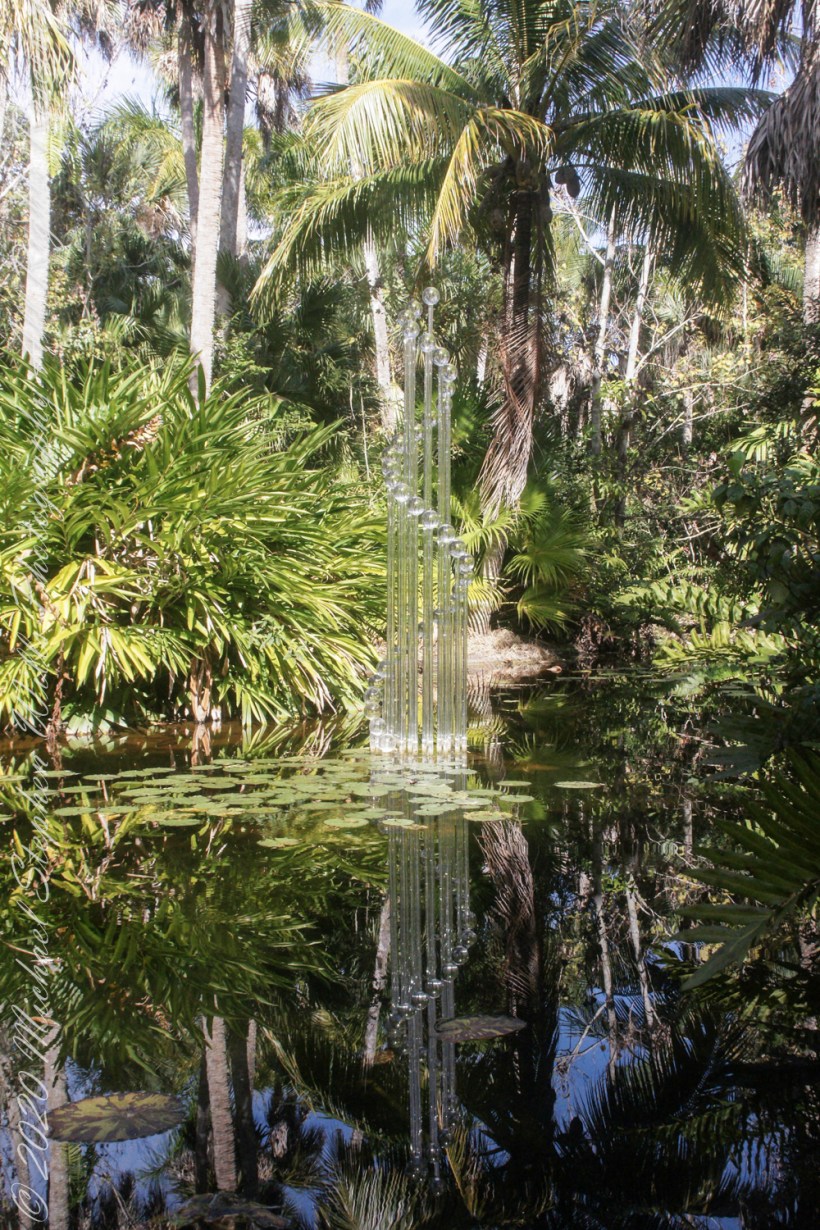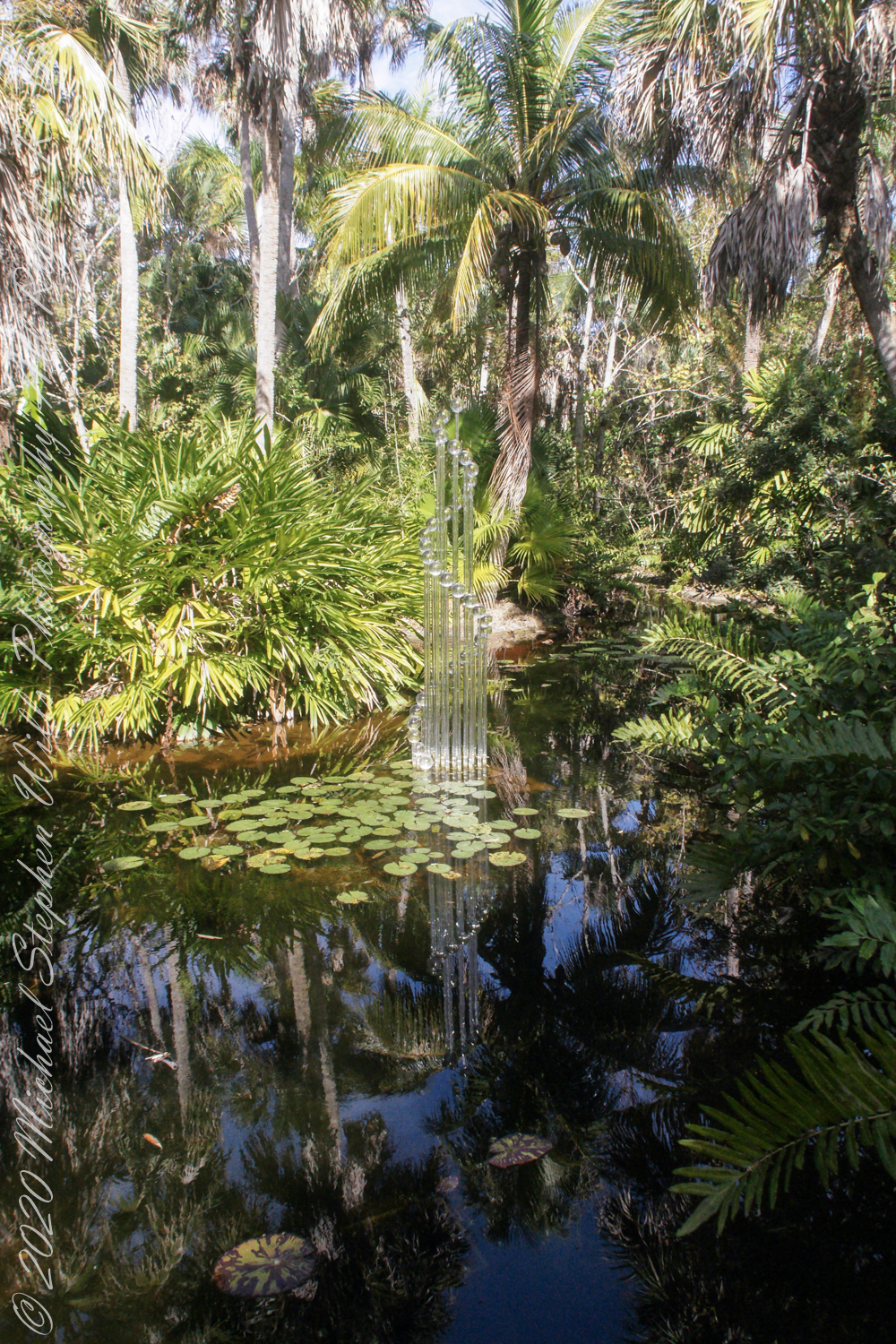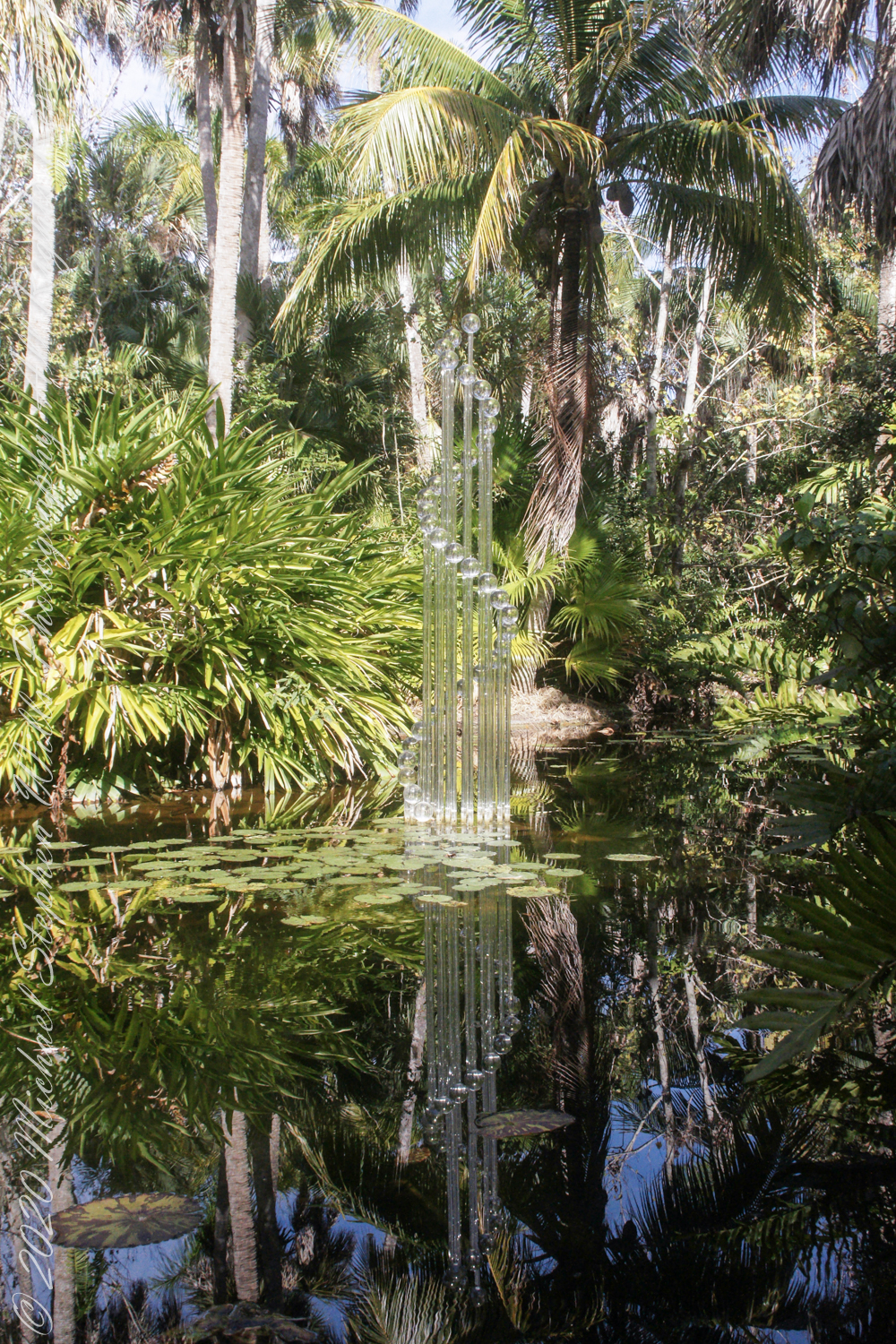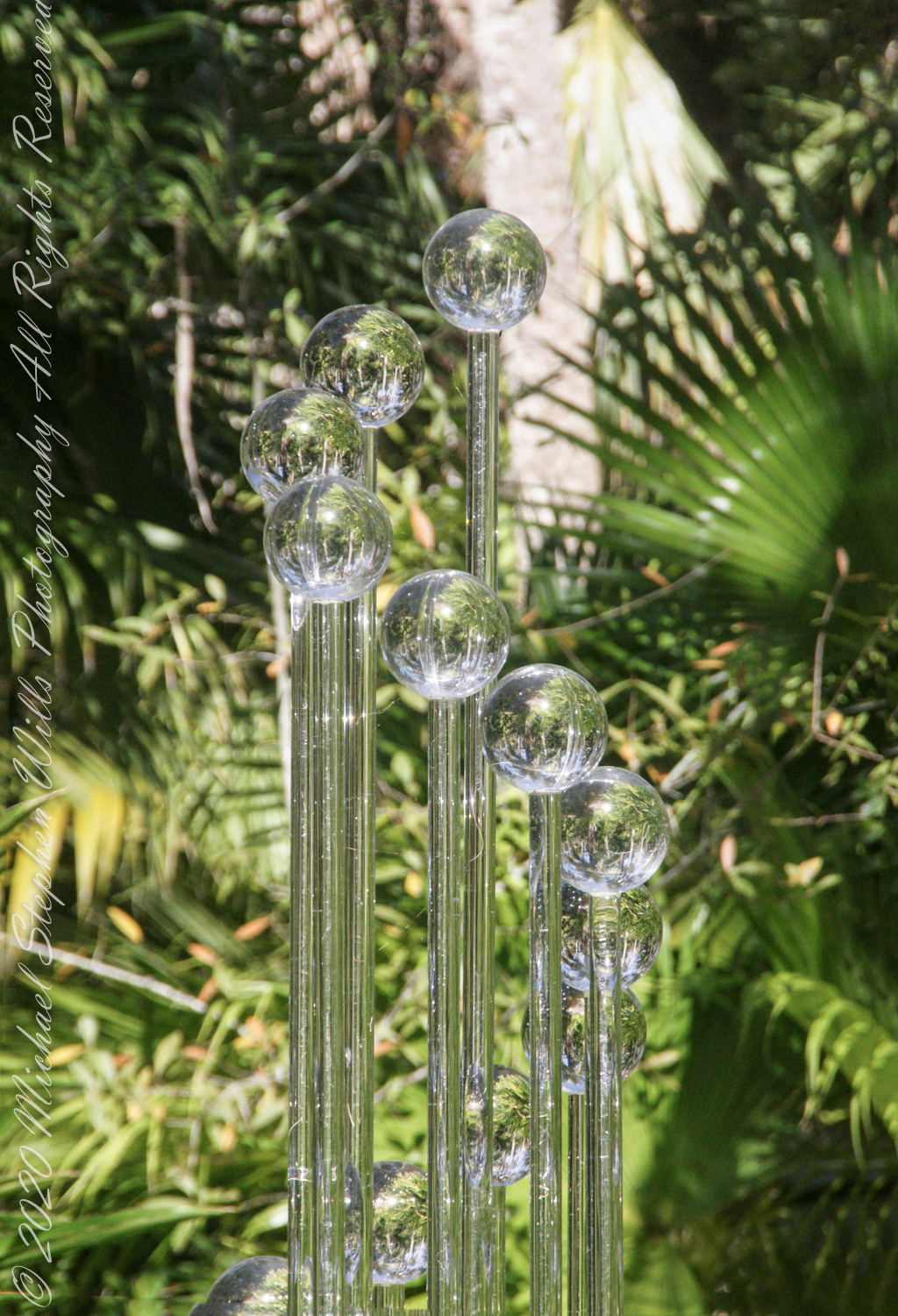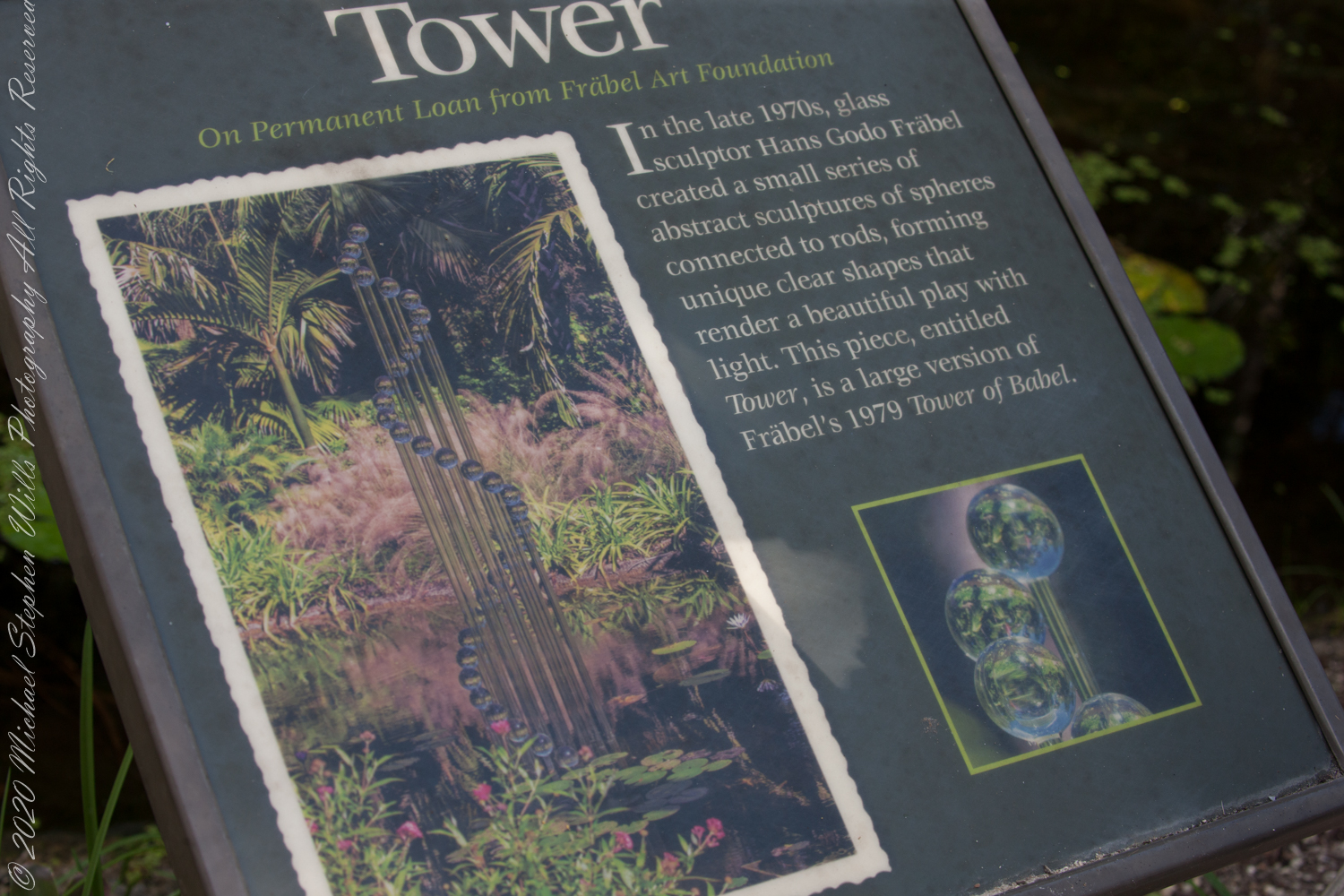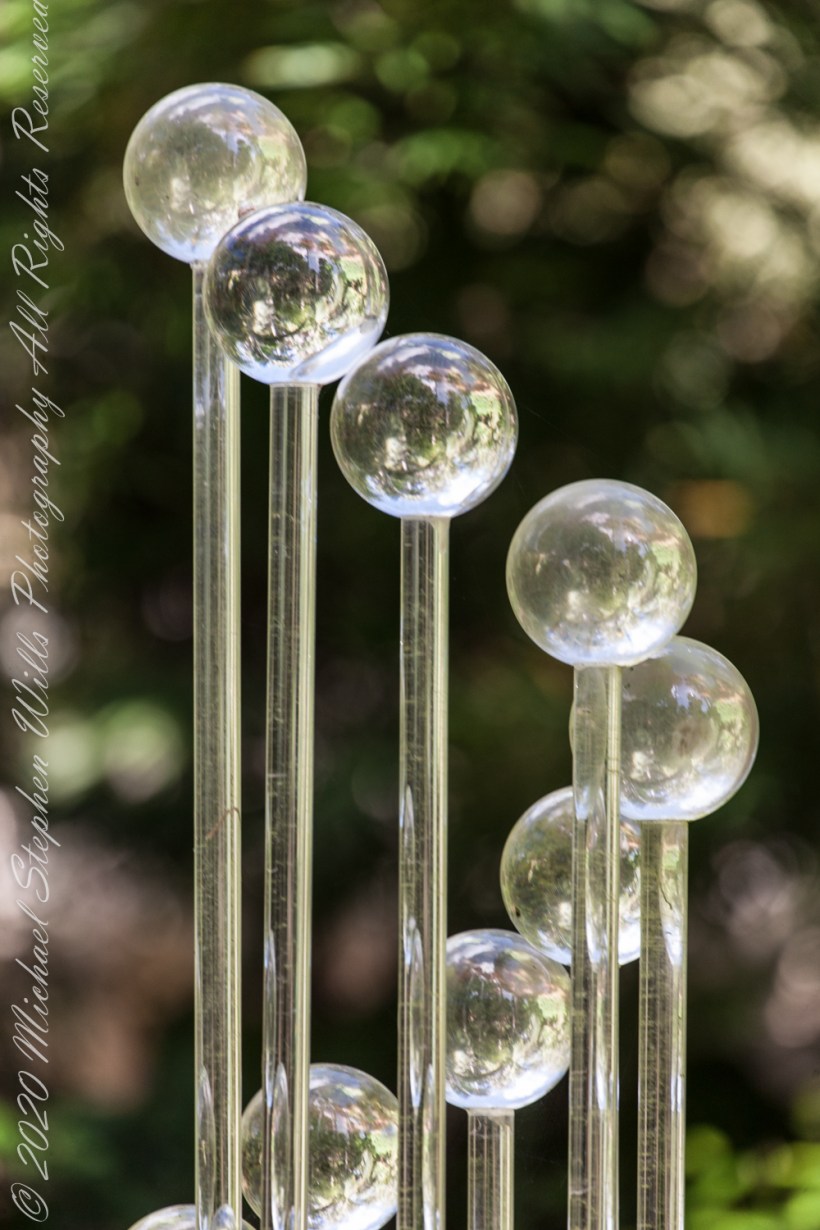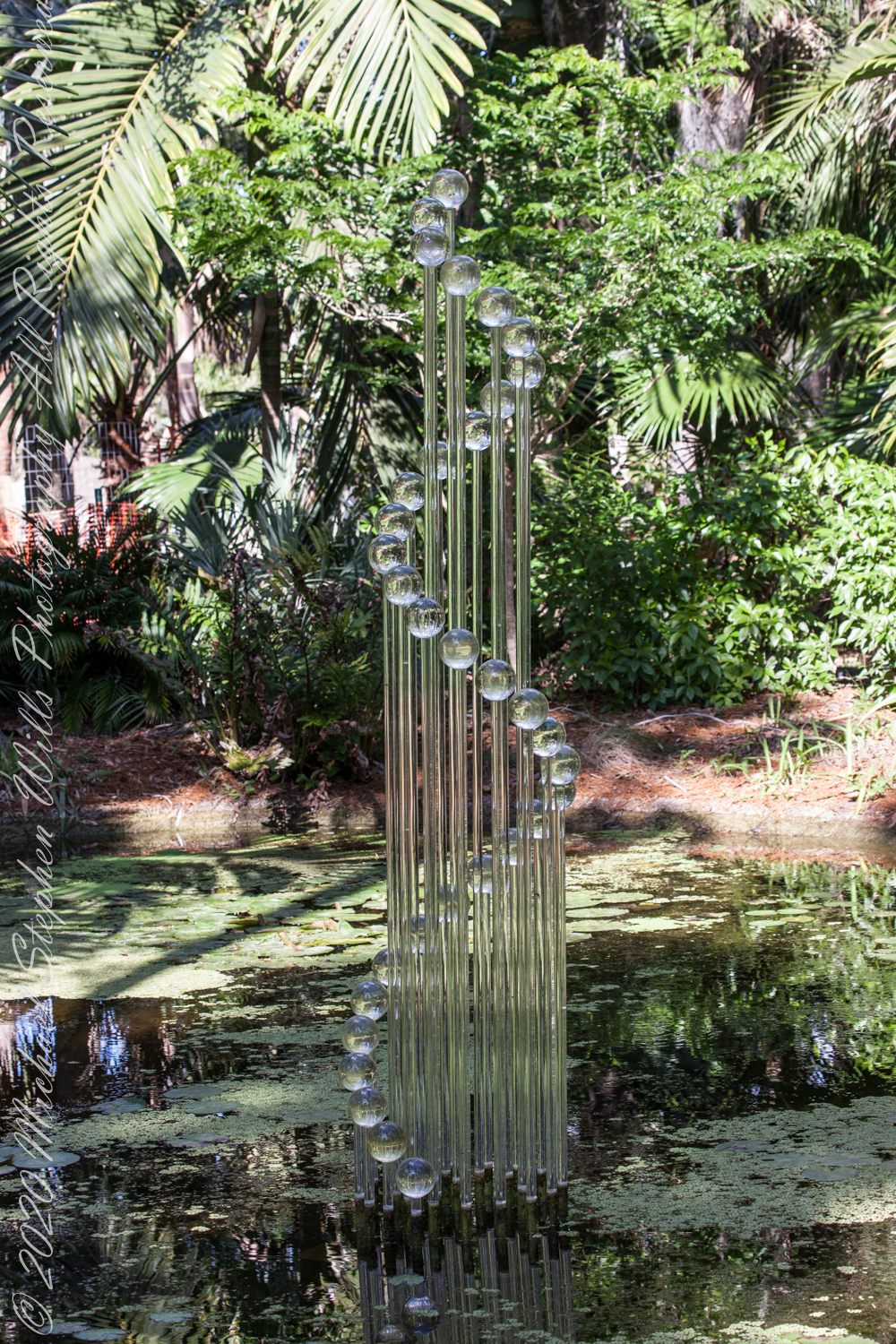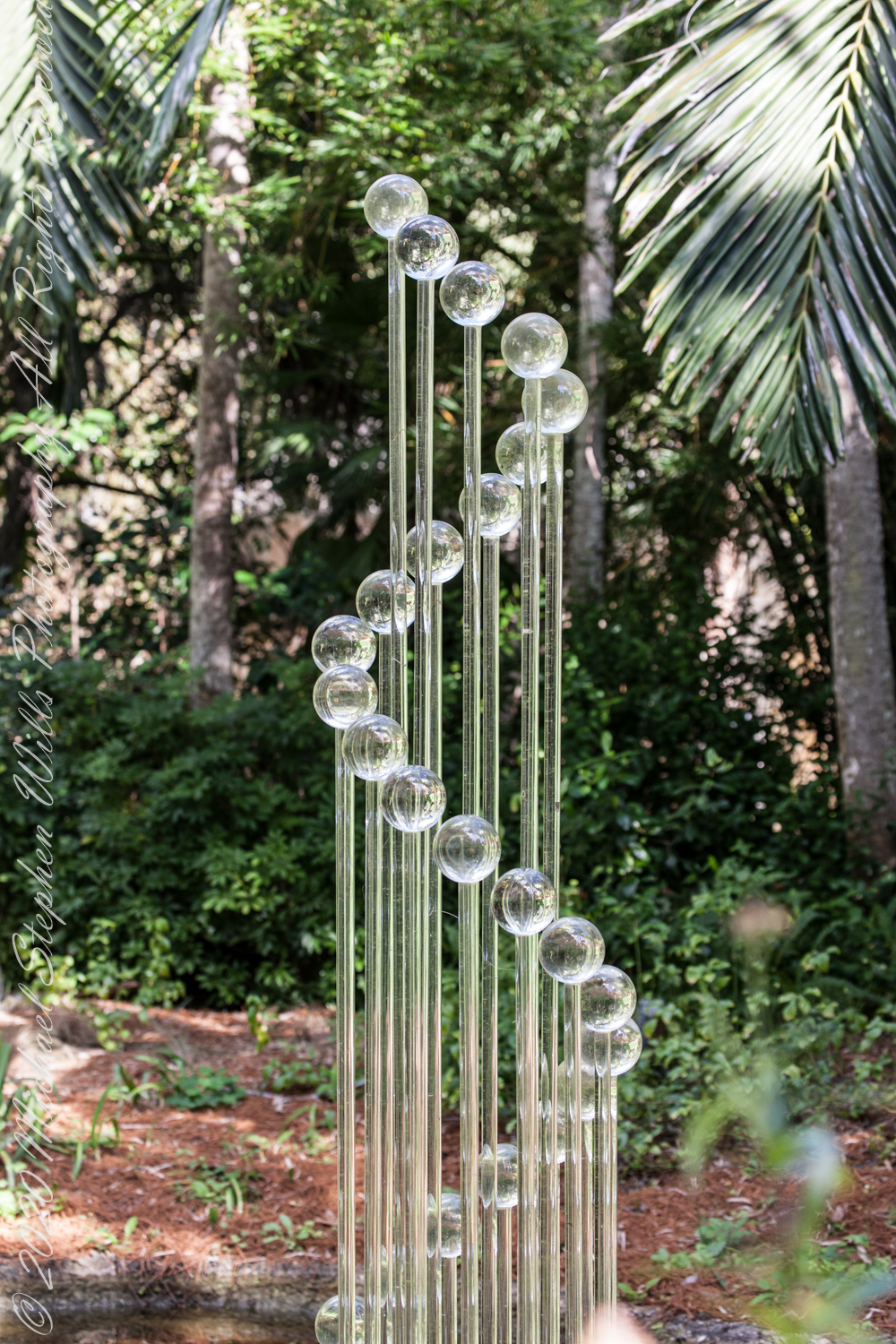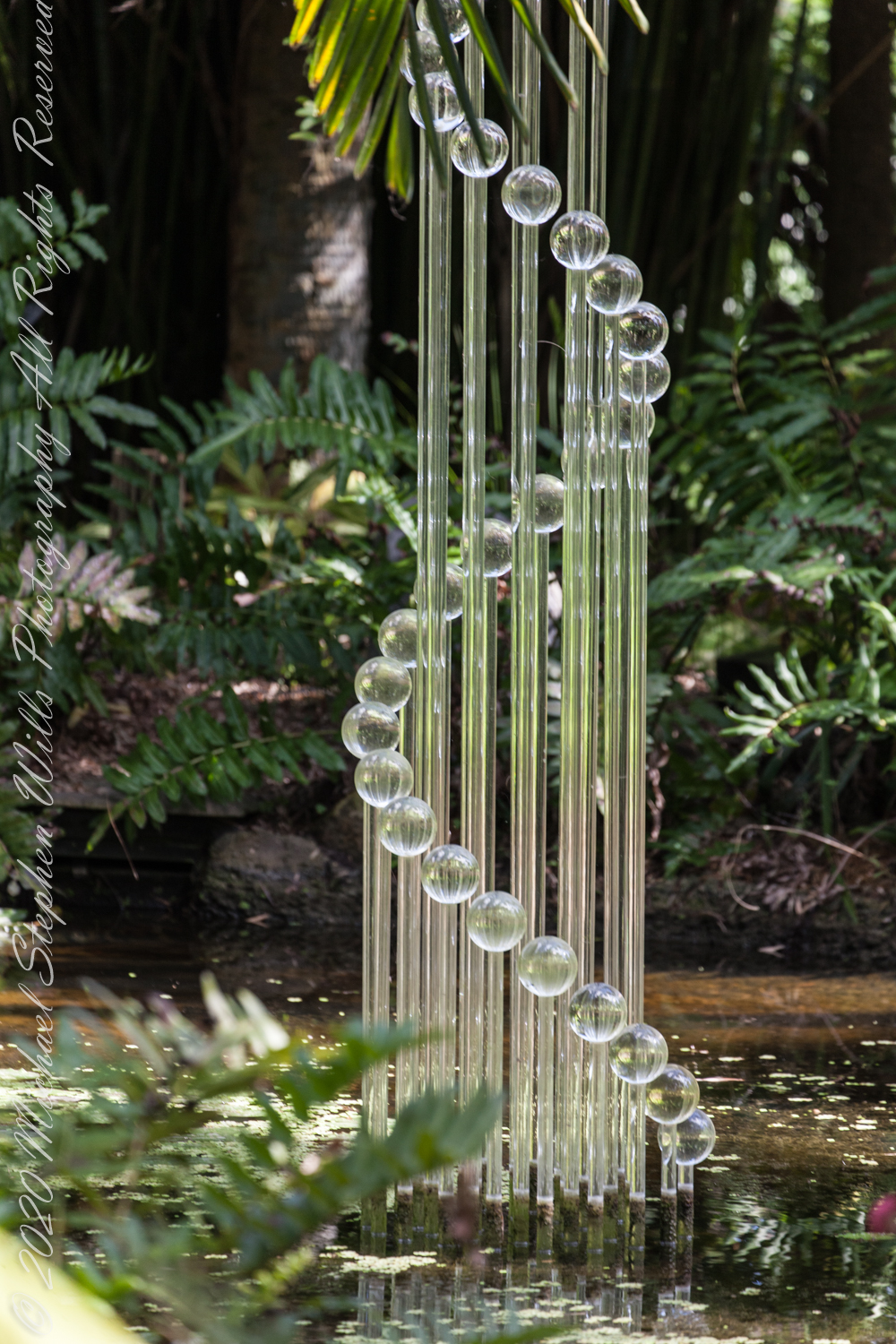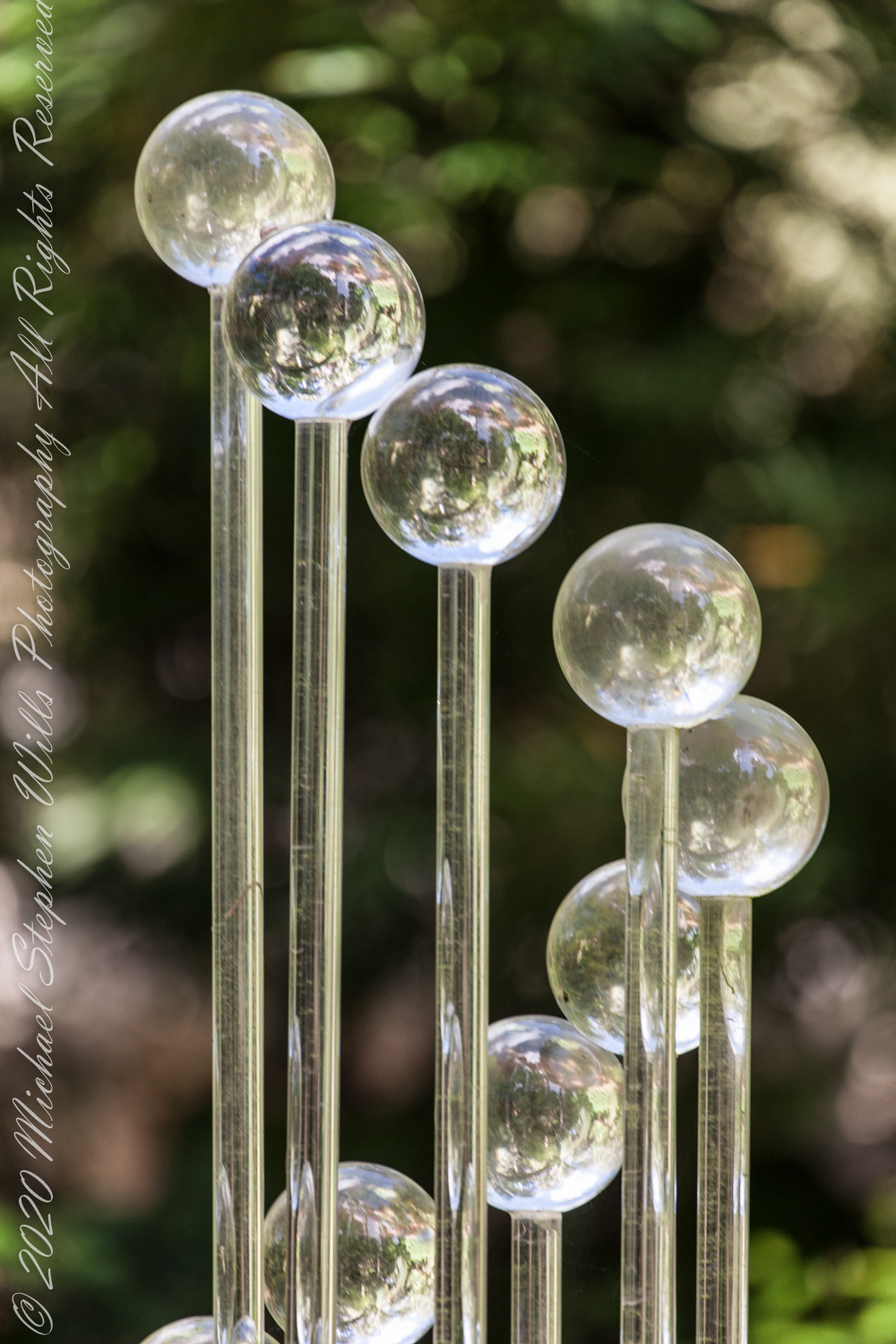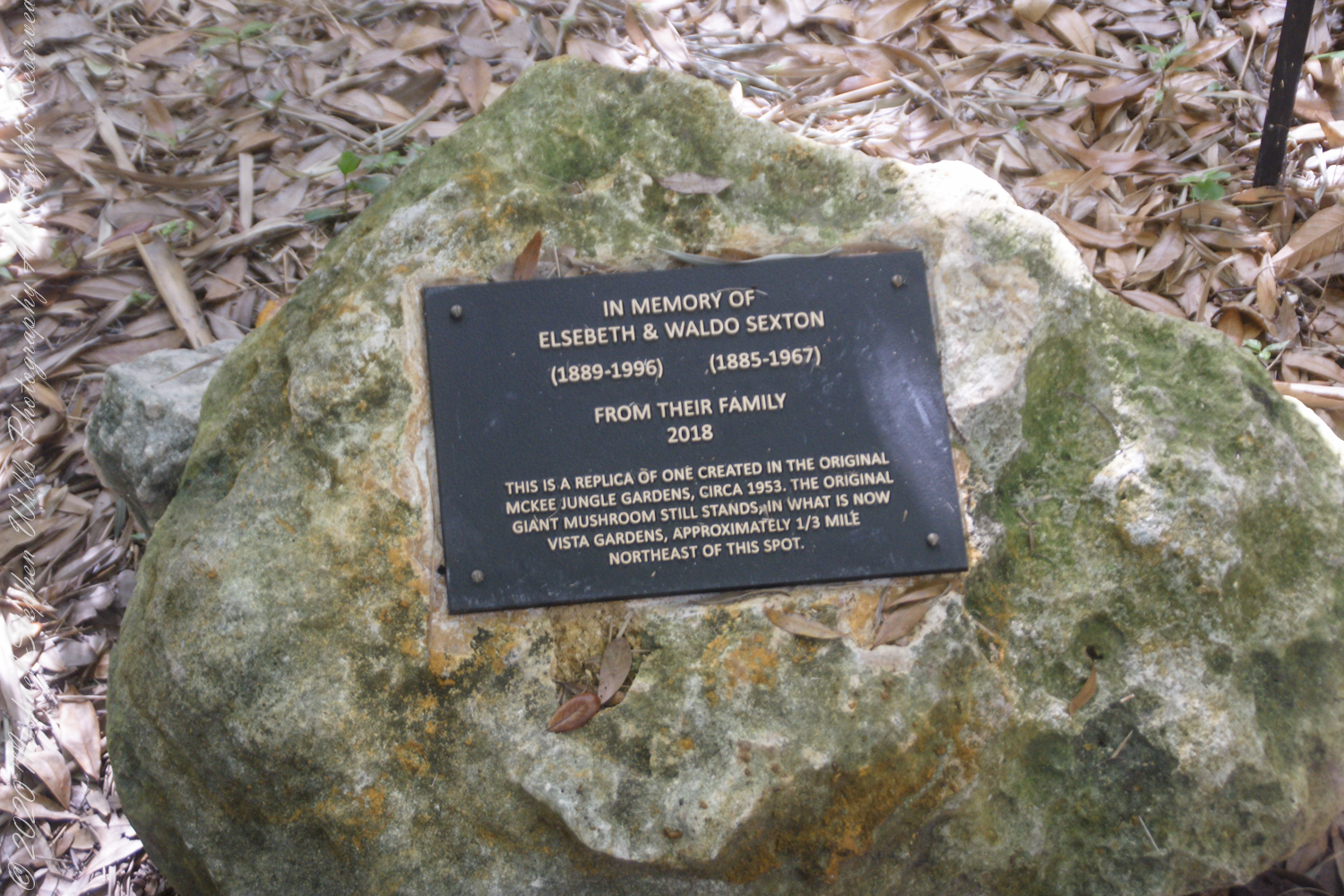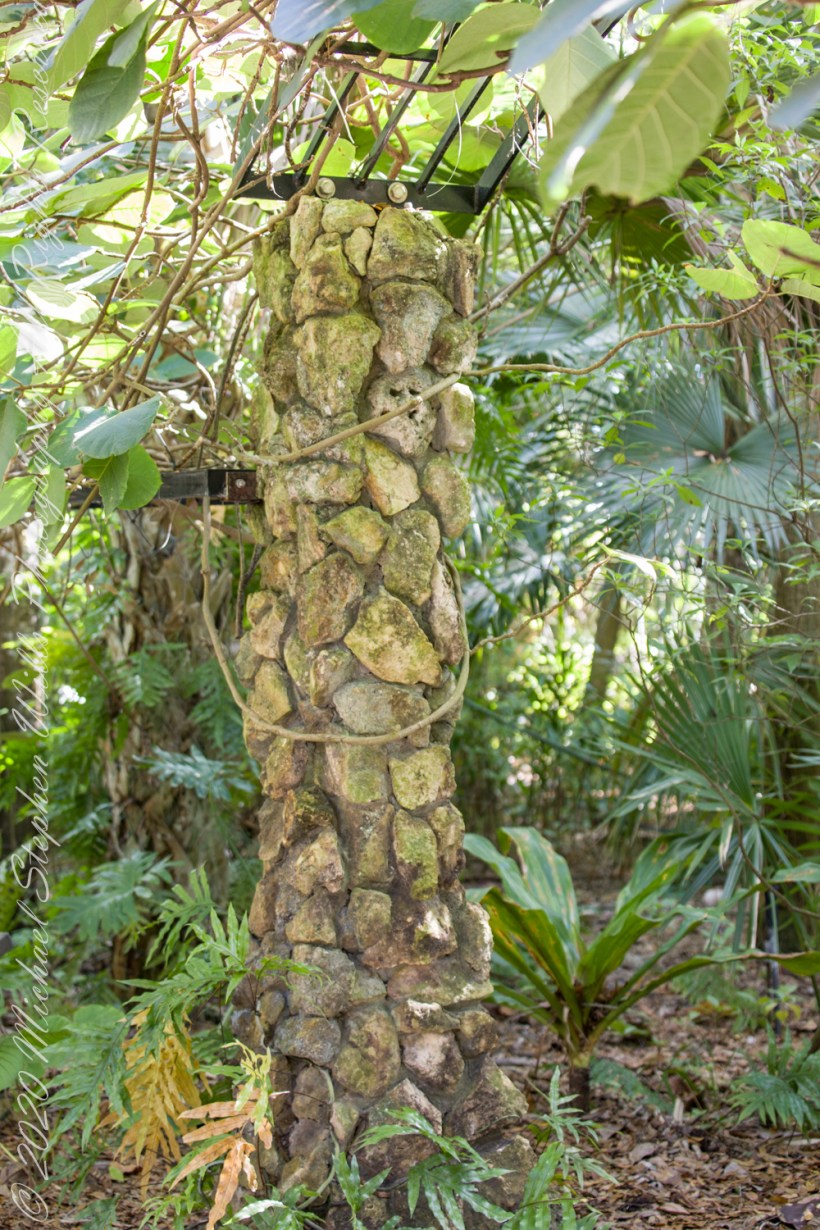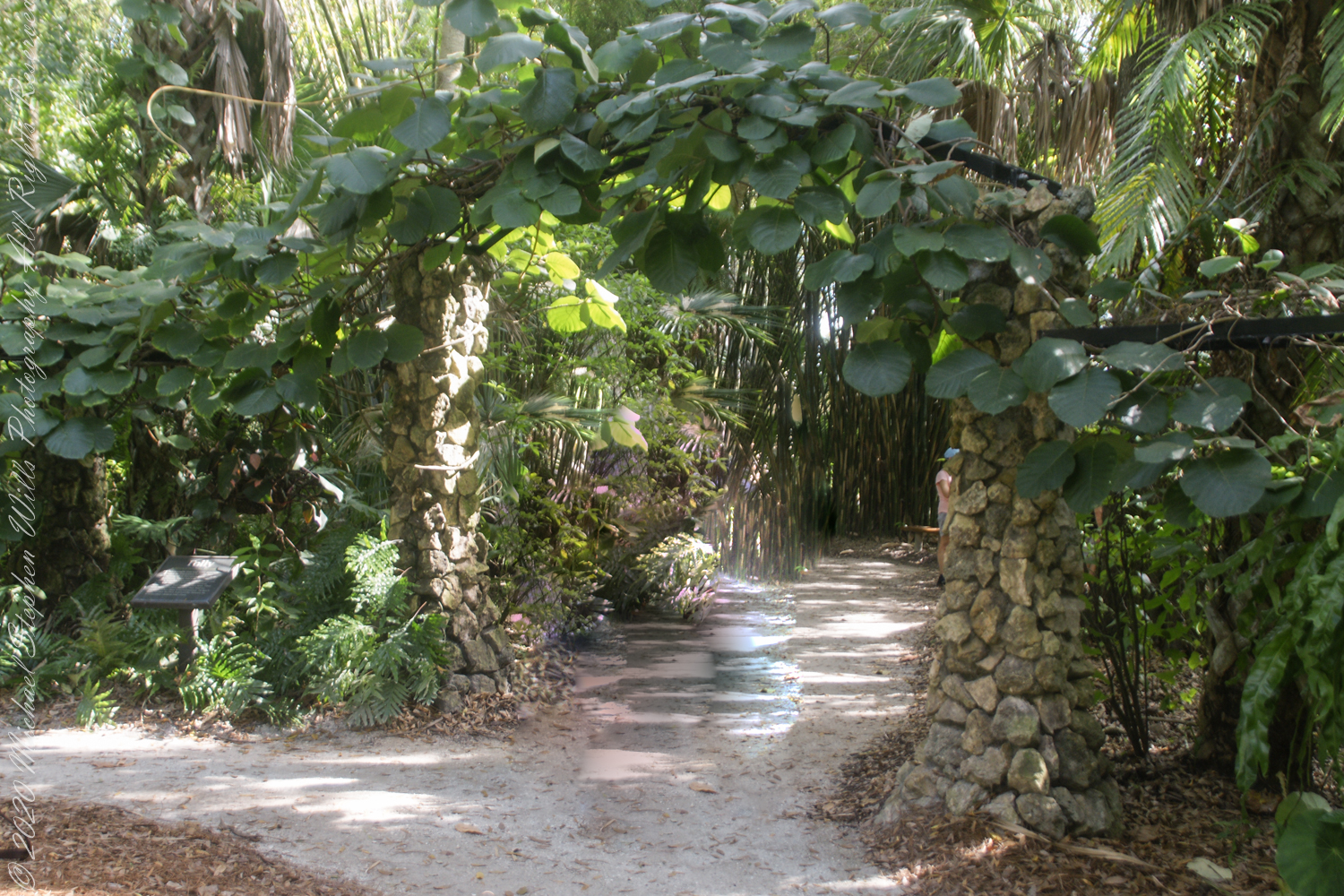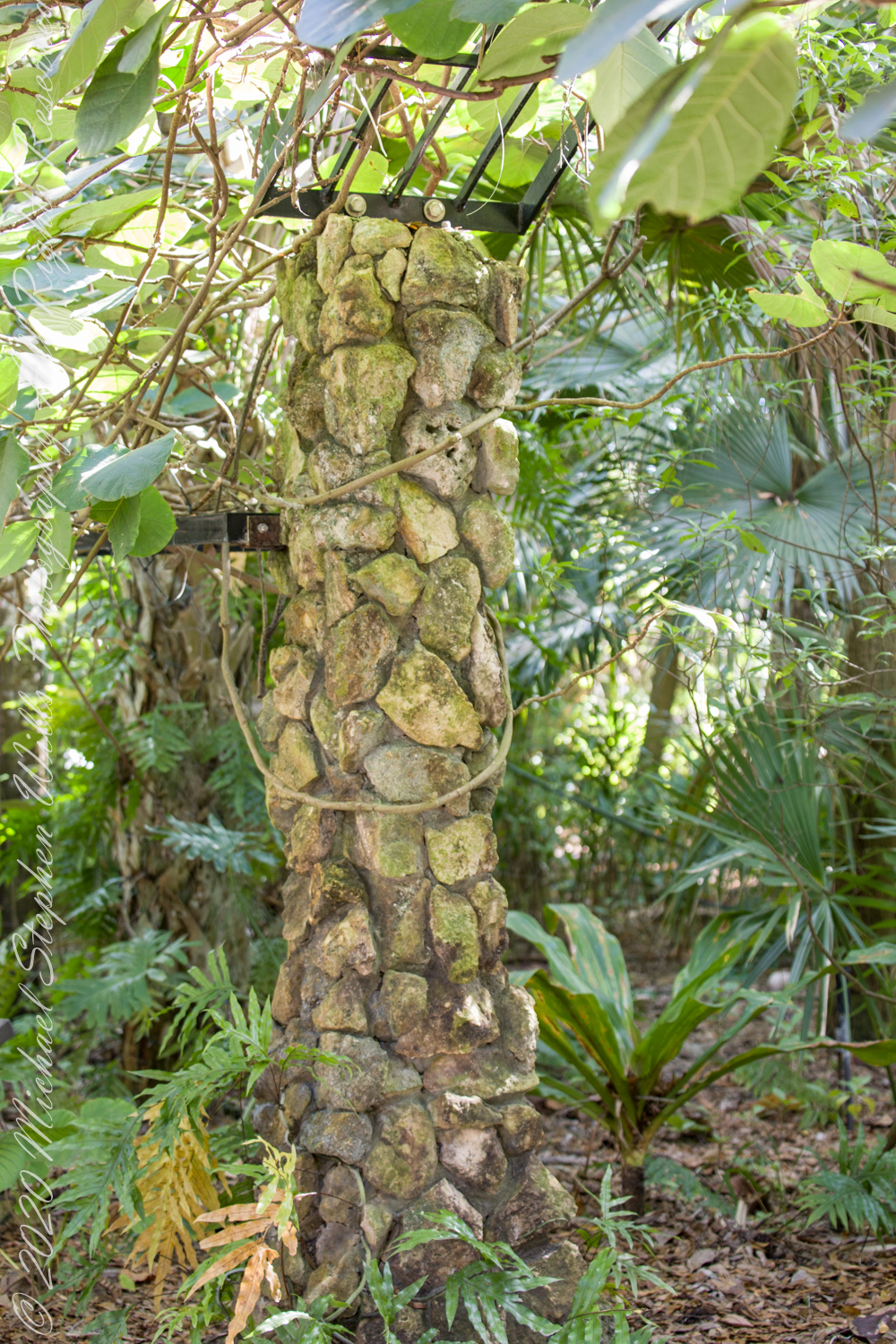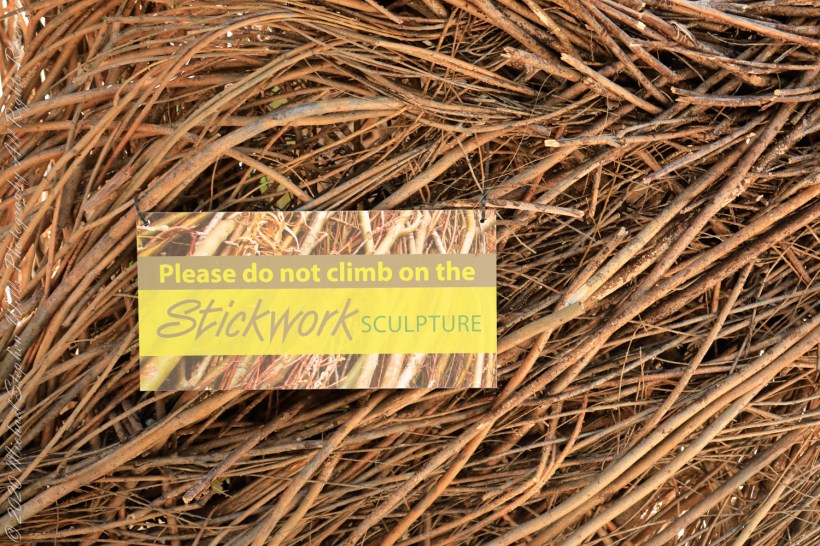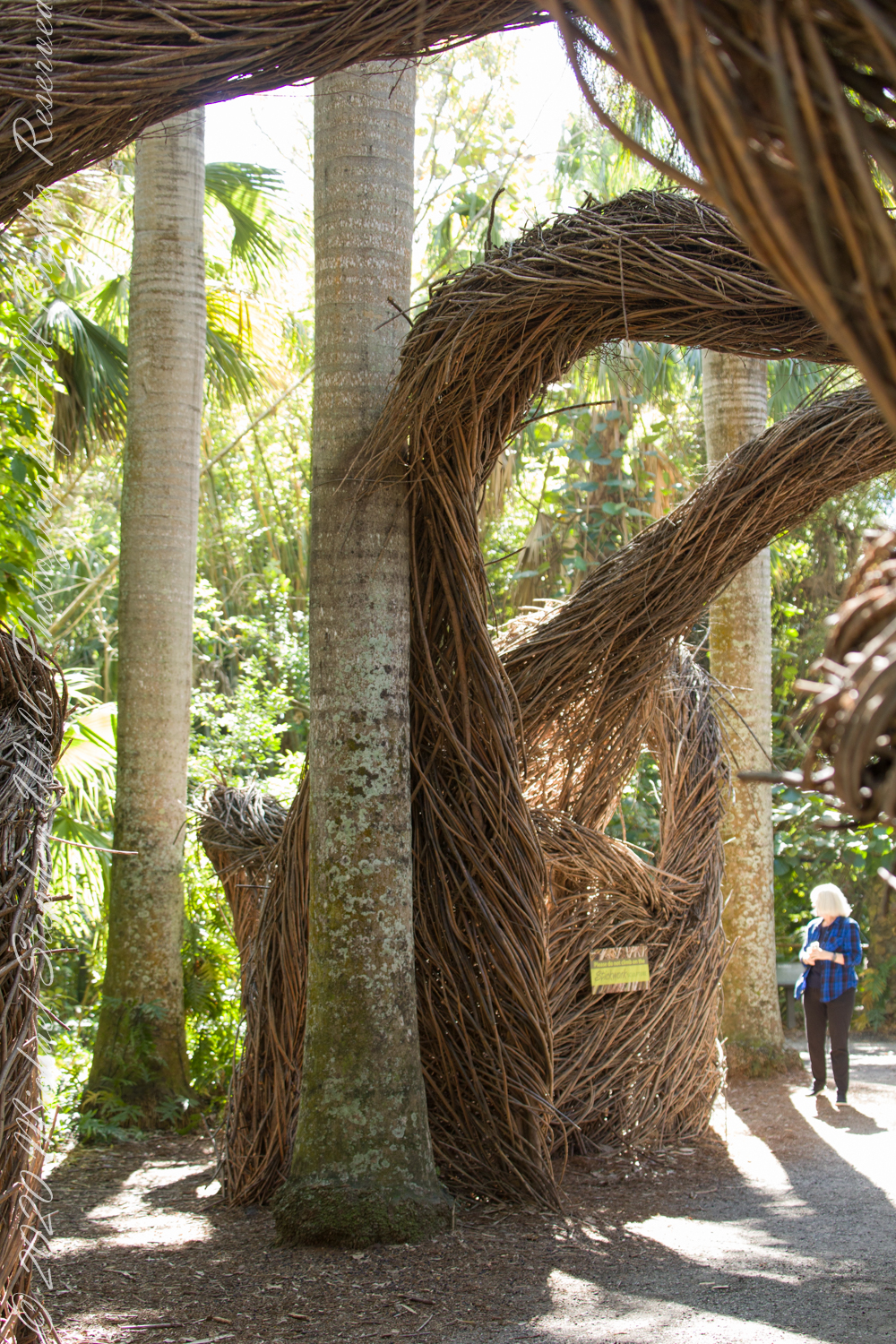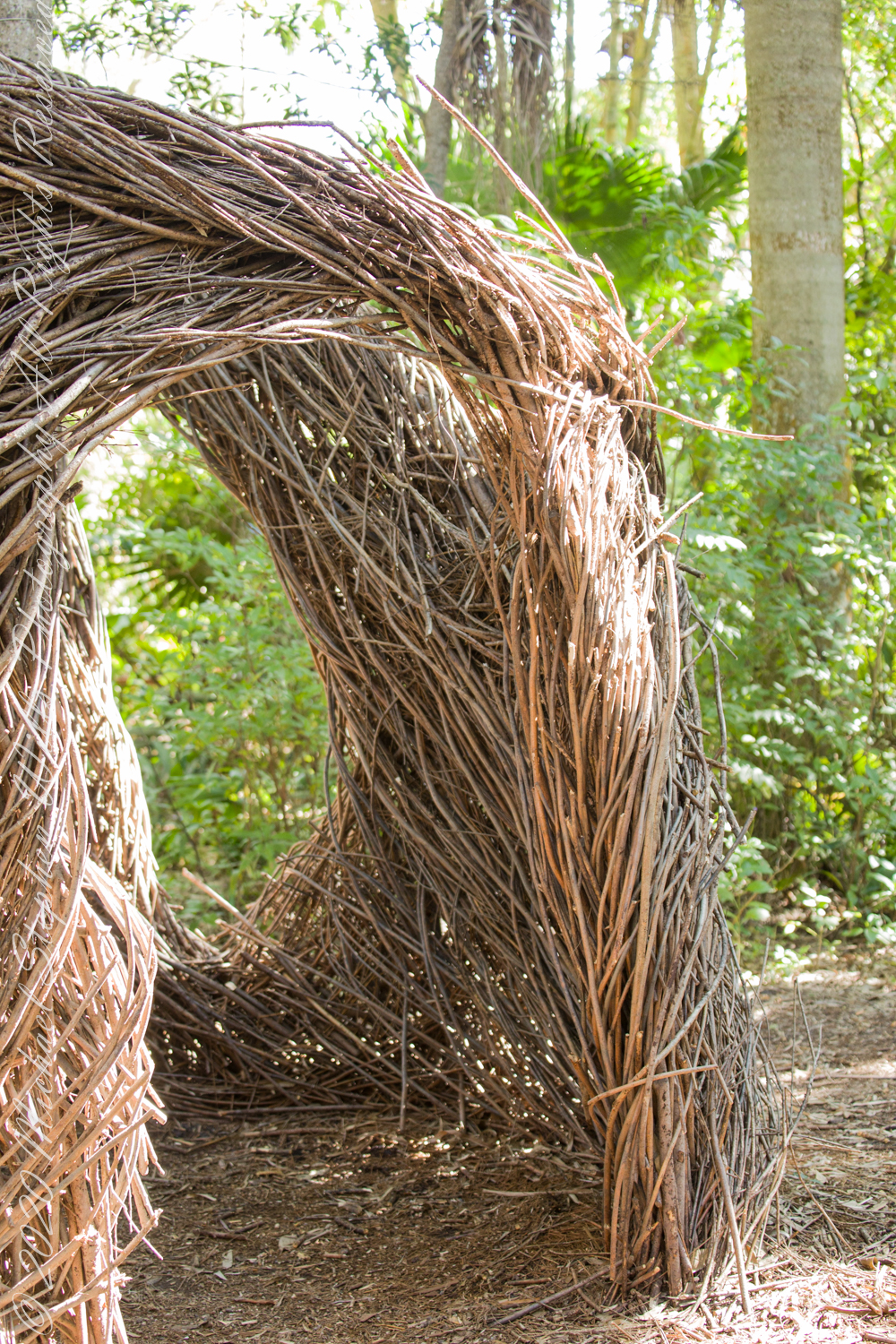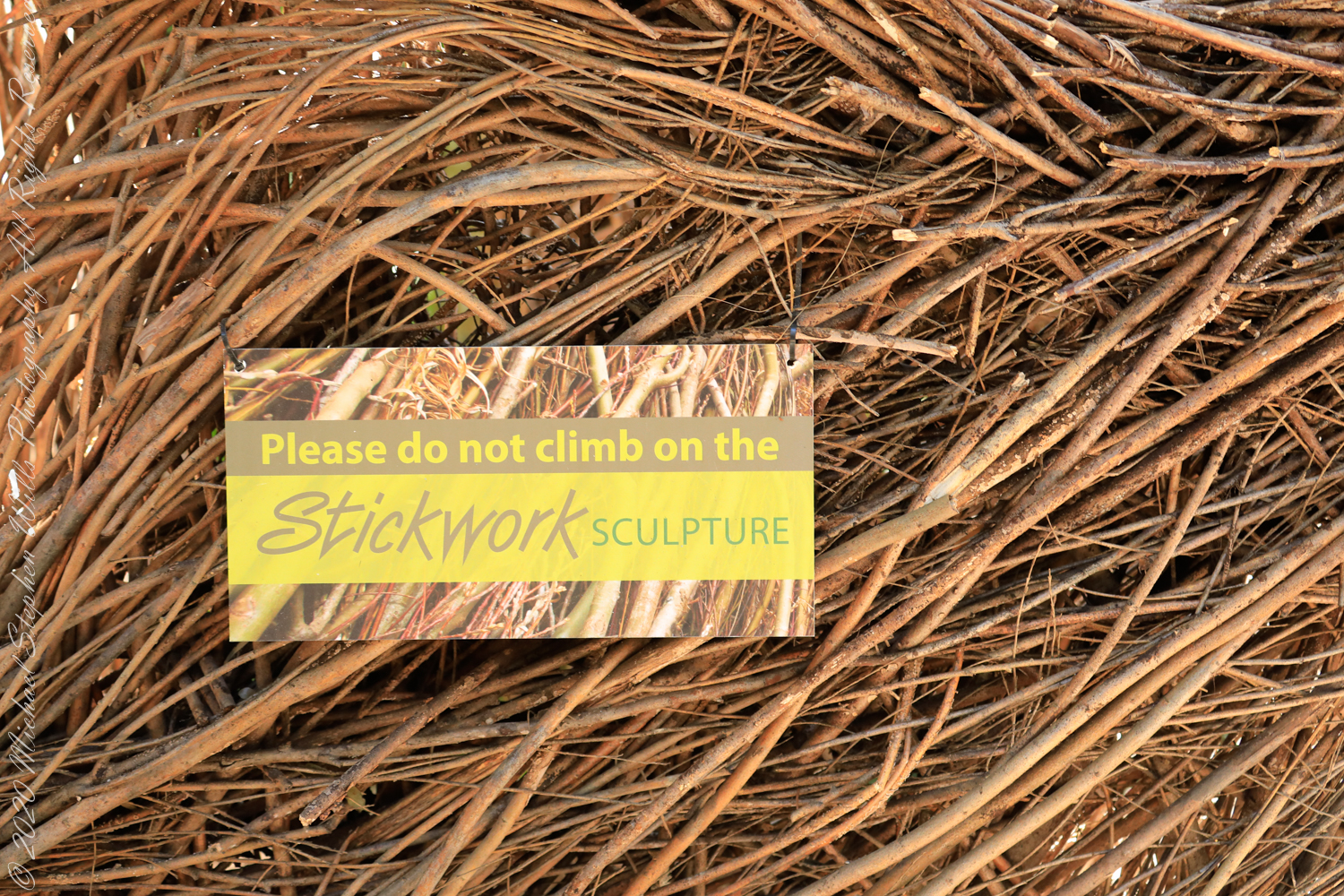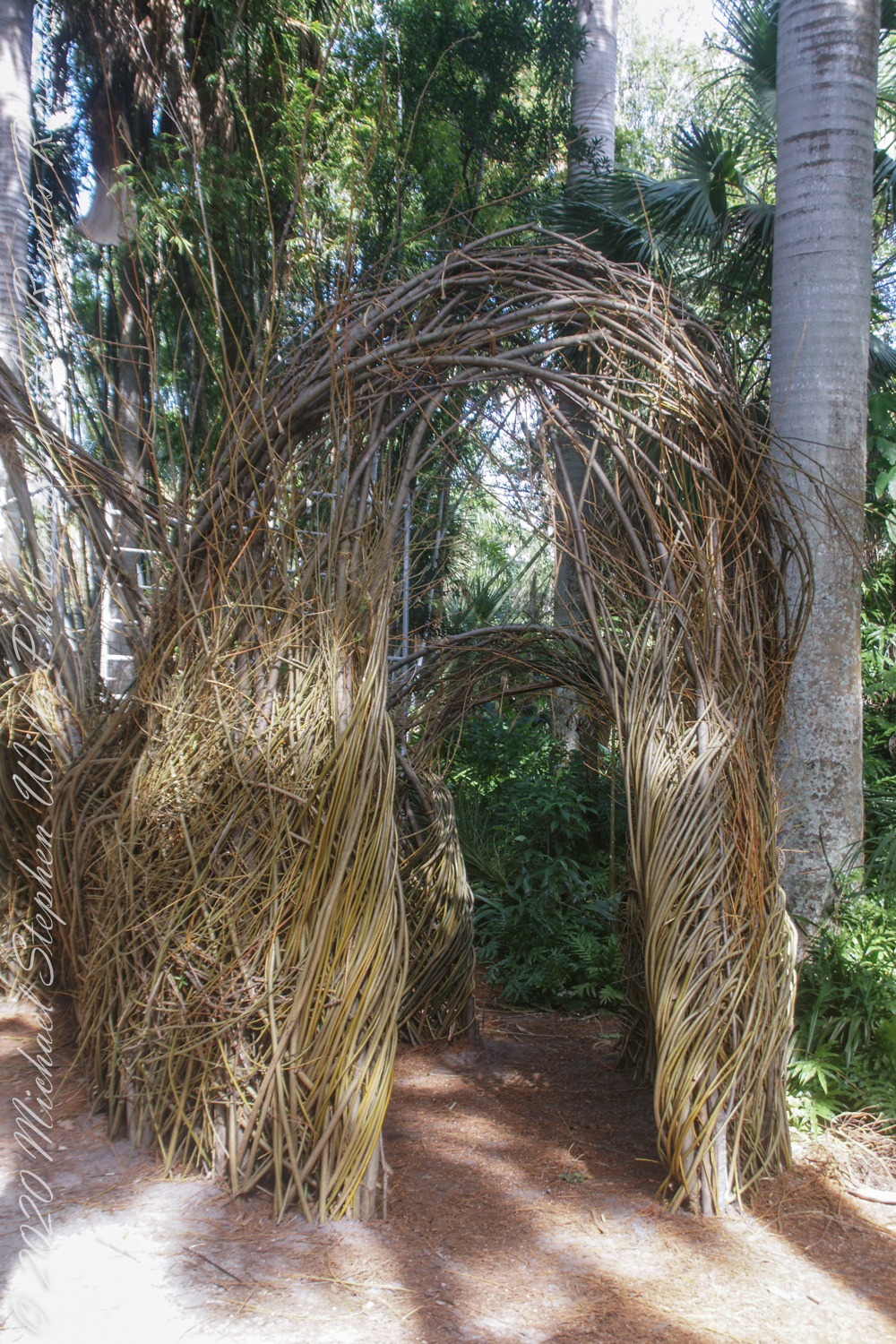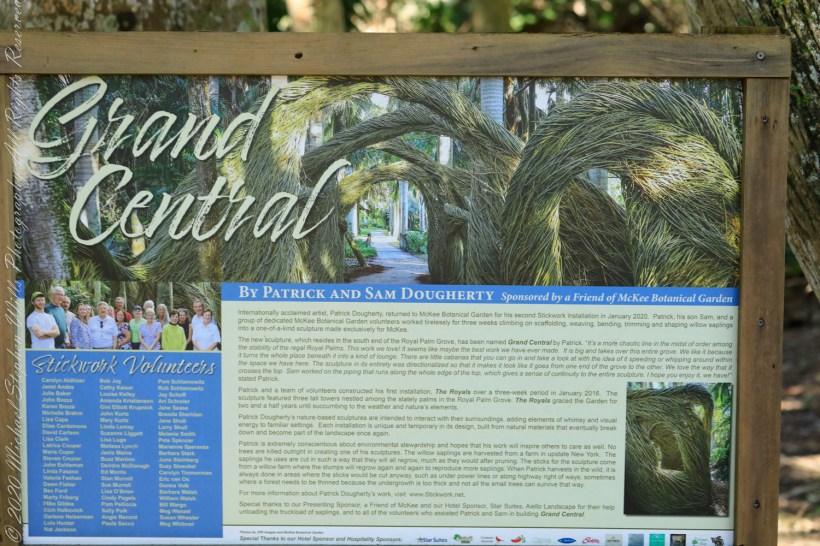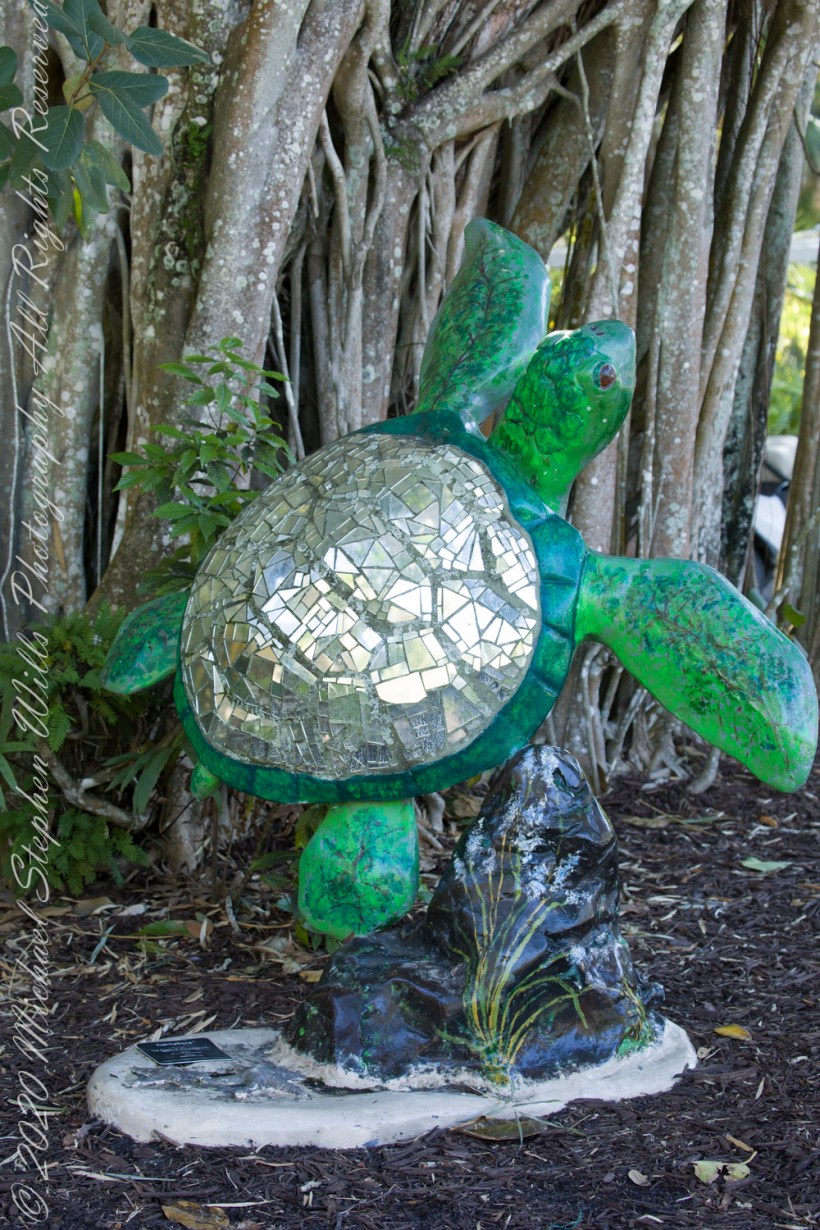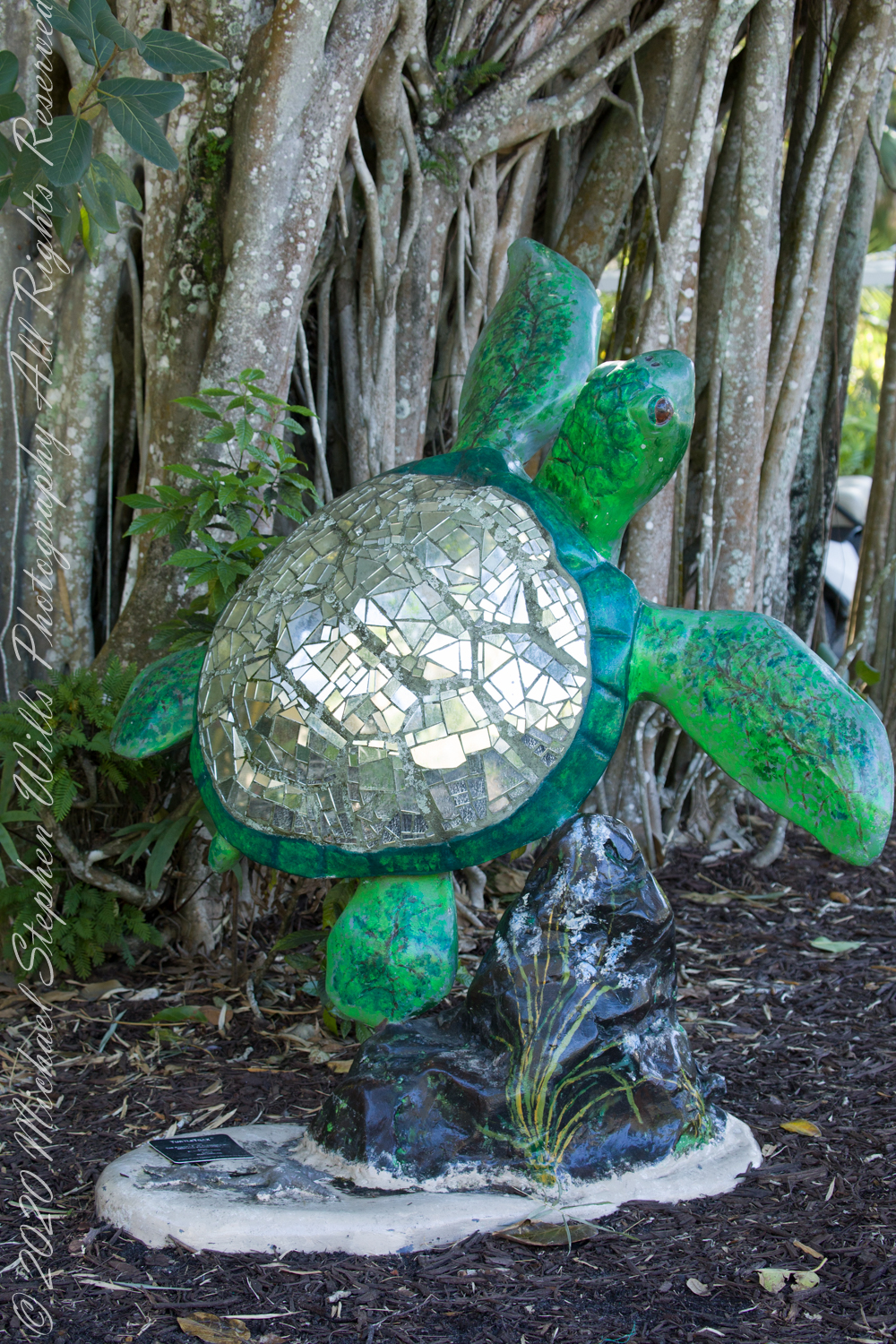
Grand Central is an artistic project adjacent to the Royal Palm avenue. Look at the photograph of the signage for more information about this project


Click me for a dinosaur at McKee Gardens, Neovenator, teeth like steak knives
A selection of photographs from our February 2022 visit to McKee Botanical Gardens, Vero Beach, Indian River County, Florida
Grand Central is an artistic project adjacent to the Royal Palm avenue. Look at the photograph of the signage for more information about this project


A selection of photographs from our February 2022 visit to McKee Botanical Gardens, Vero Beach, Indian River County, Florida
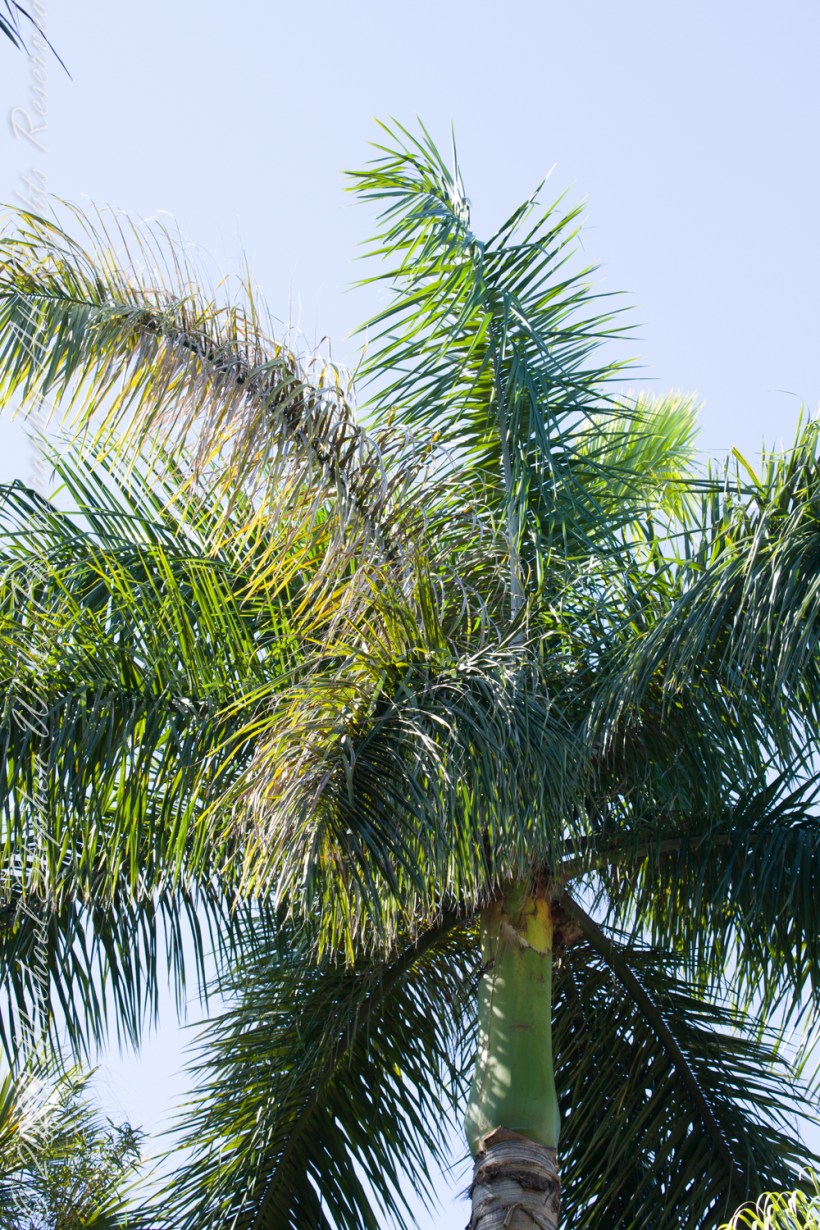
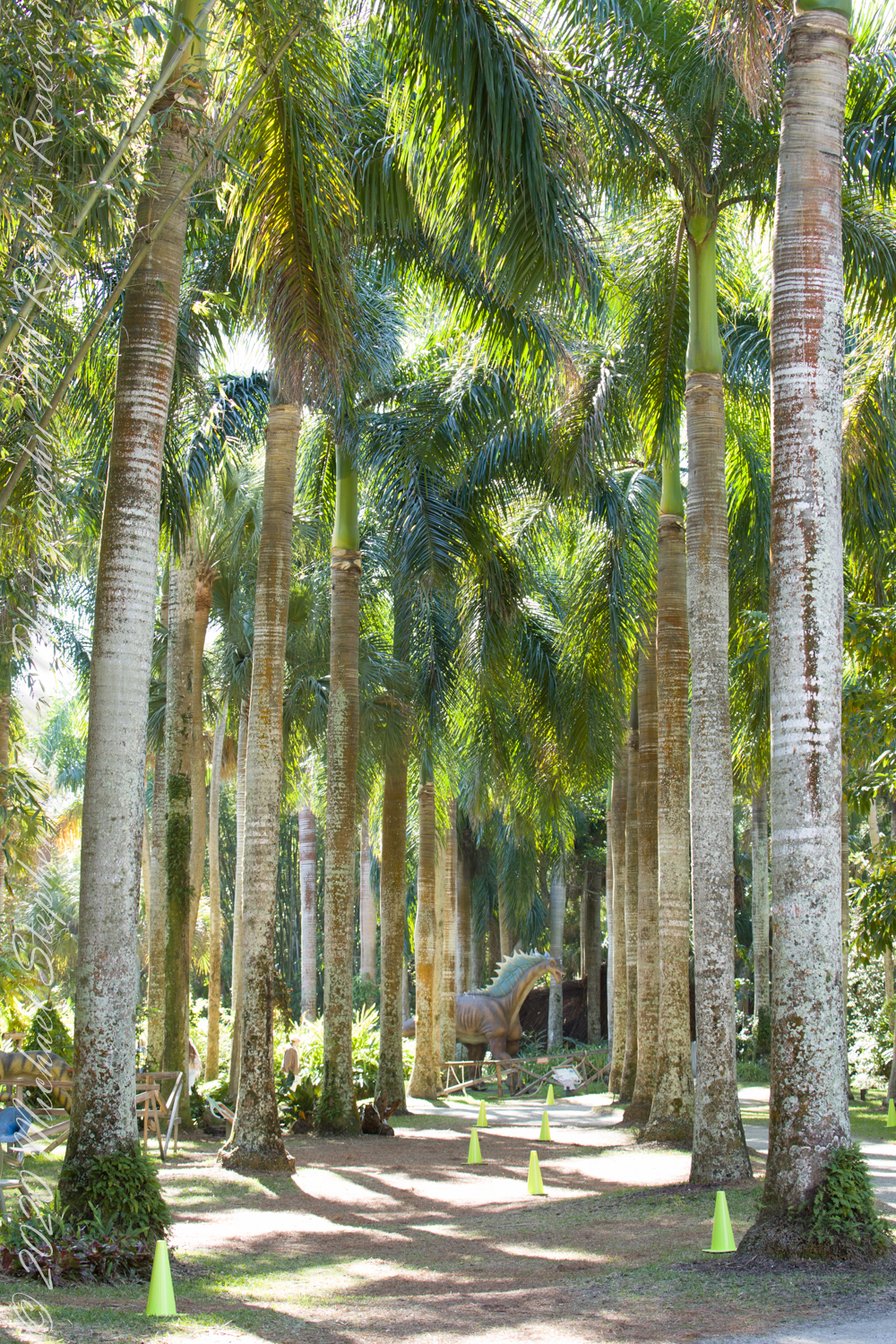
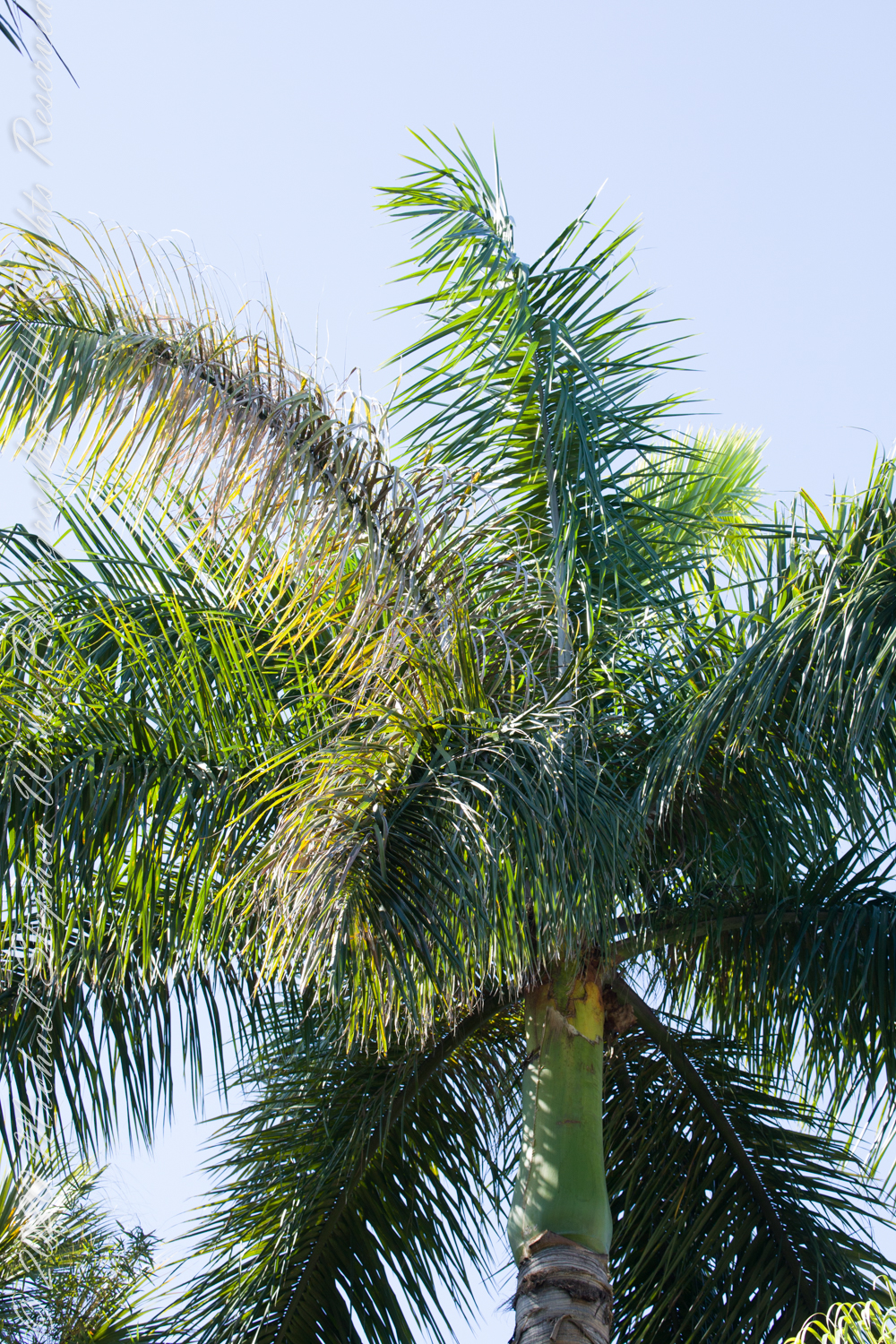
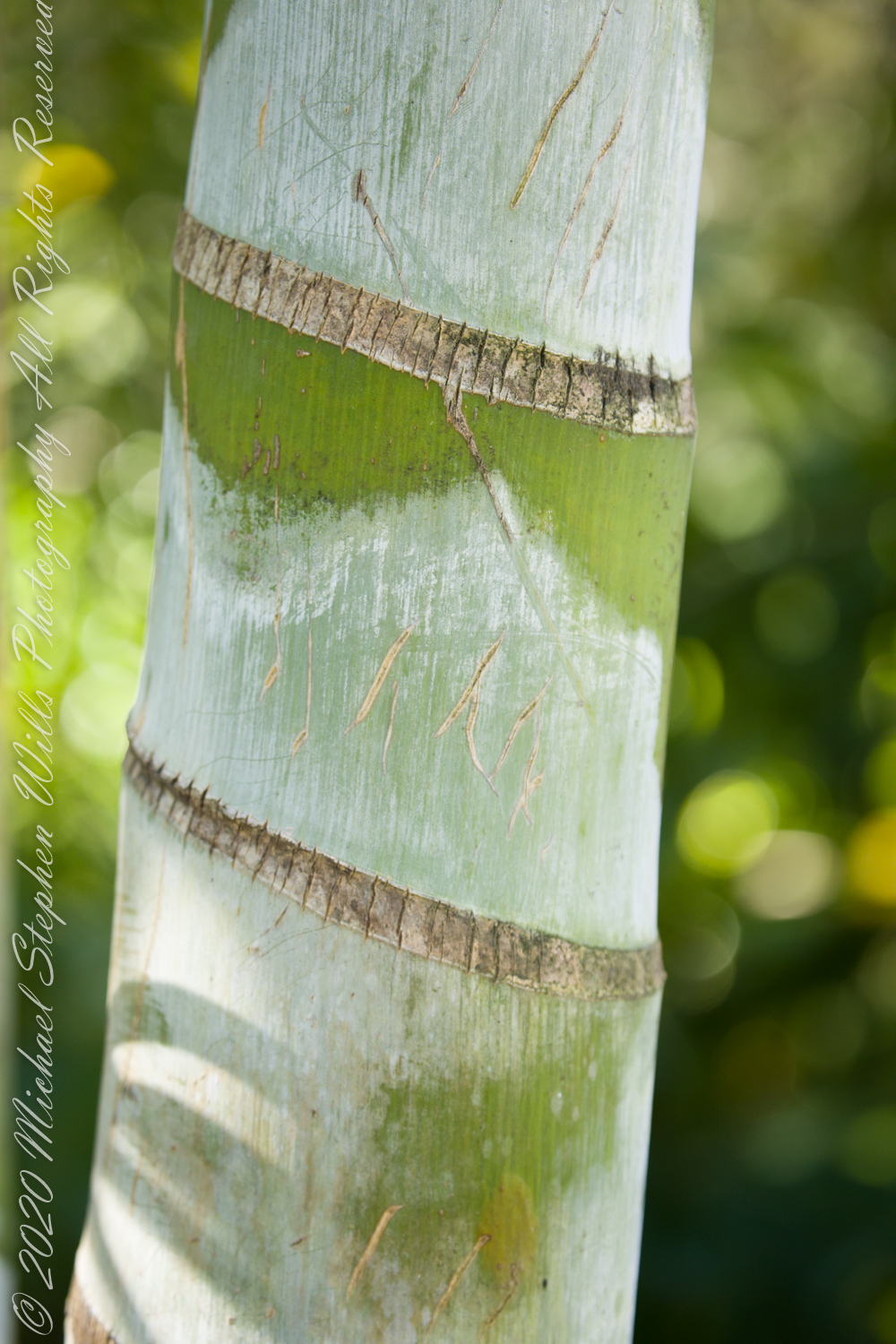
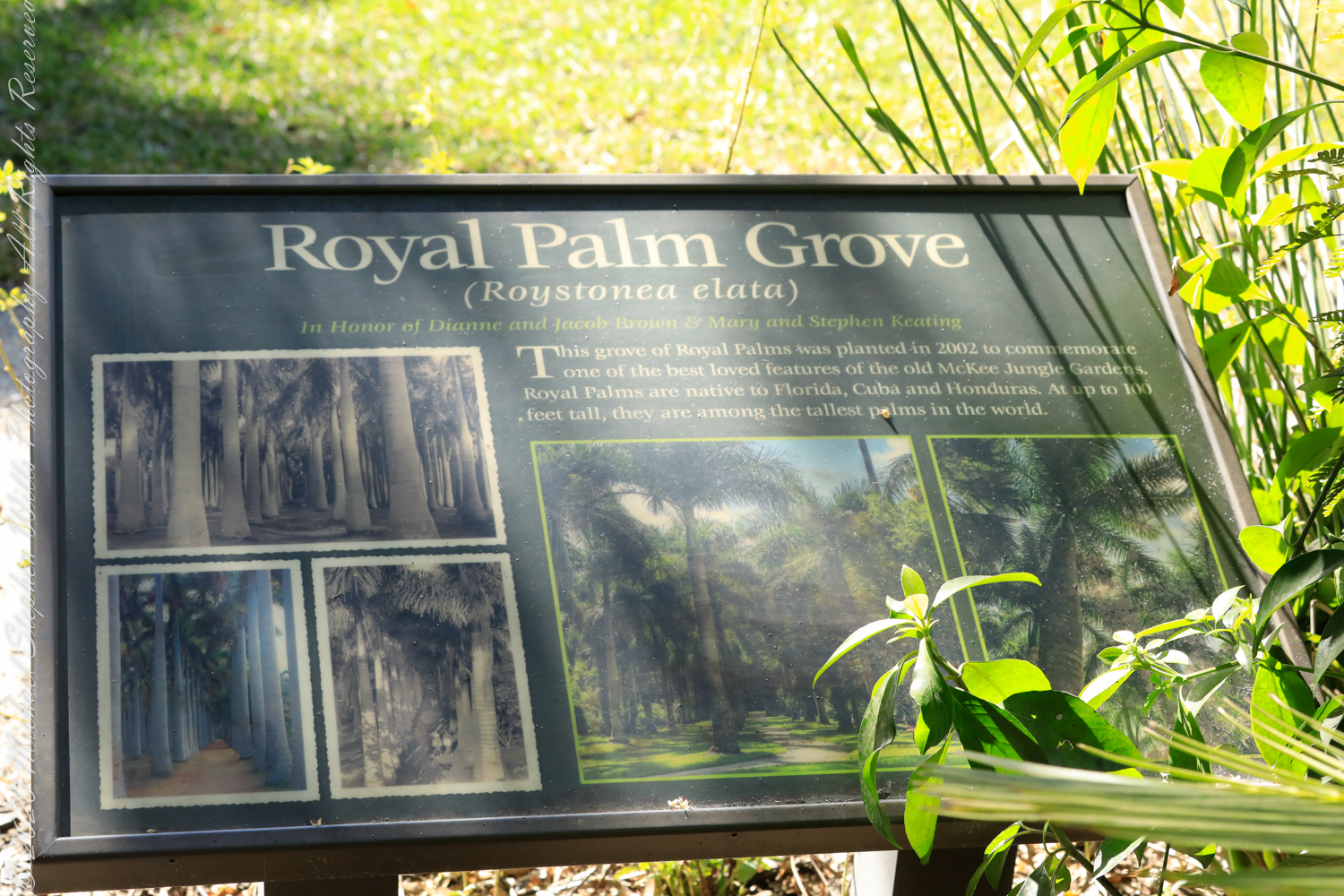
Royal Palm grove (Roystonea elata) in honor of Dianne and Jacob Brown and Mary and Stephen Keating. This grove of Roy Palms was planted in 2002 to commemorate one of the best loved features of the old McKee Jungle Garden. Royal Palms are native to Florida, Cuba and Honduras. They are among the tallest palms in the world.


A selection of photographs from our February 2022 visit to McKee Botanical Gardens, Vero Beach, Indian River County, Florida
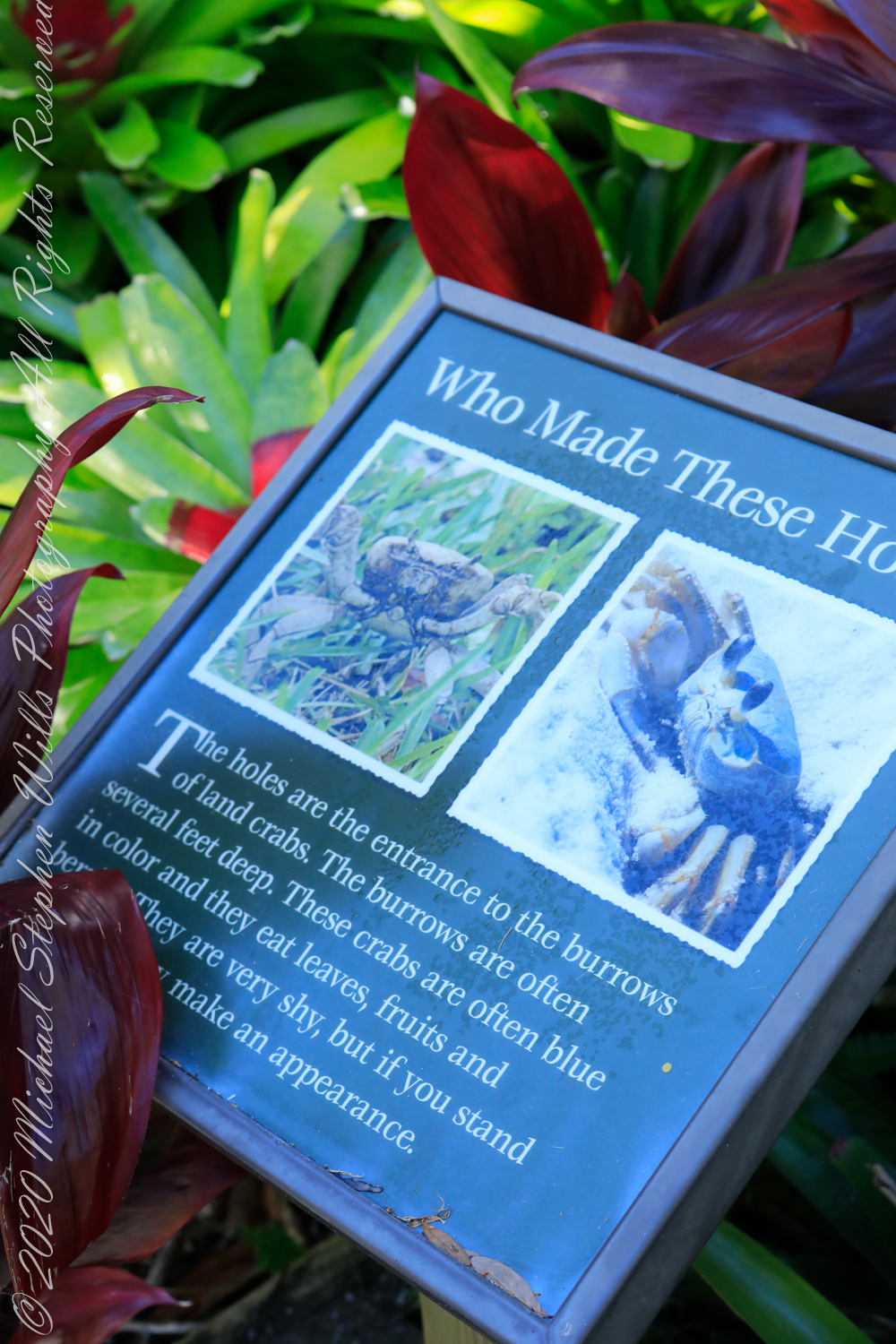
The holes are land crab burrow entrances. The burrows are often several feet deep. These crabs are often blue in color and they eat leaves, fruits and berries. They are very shy, but if you stand still they may make an appearance..
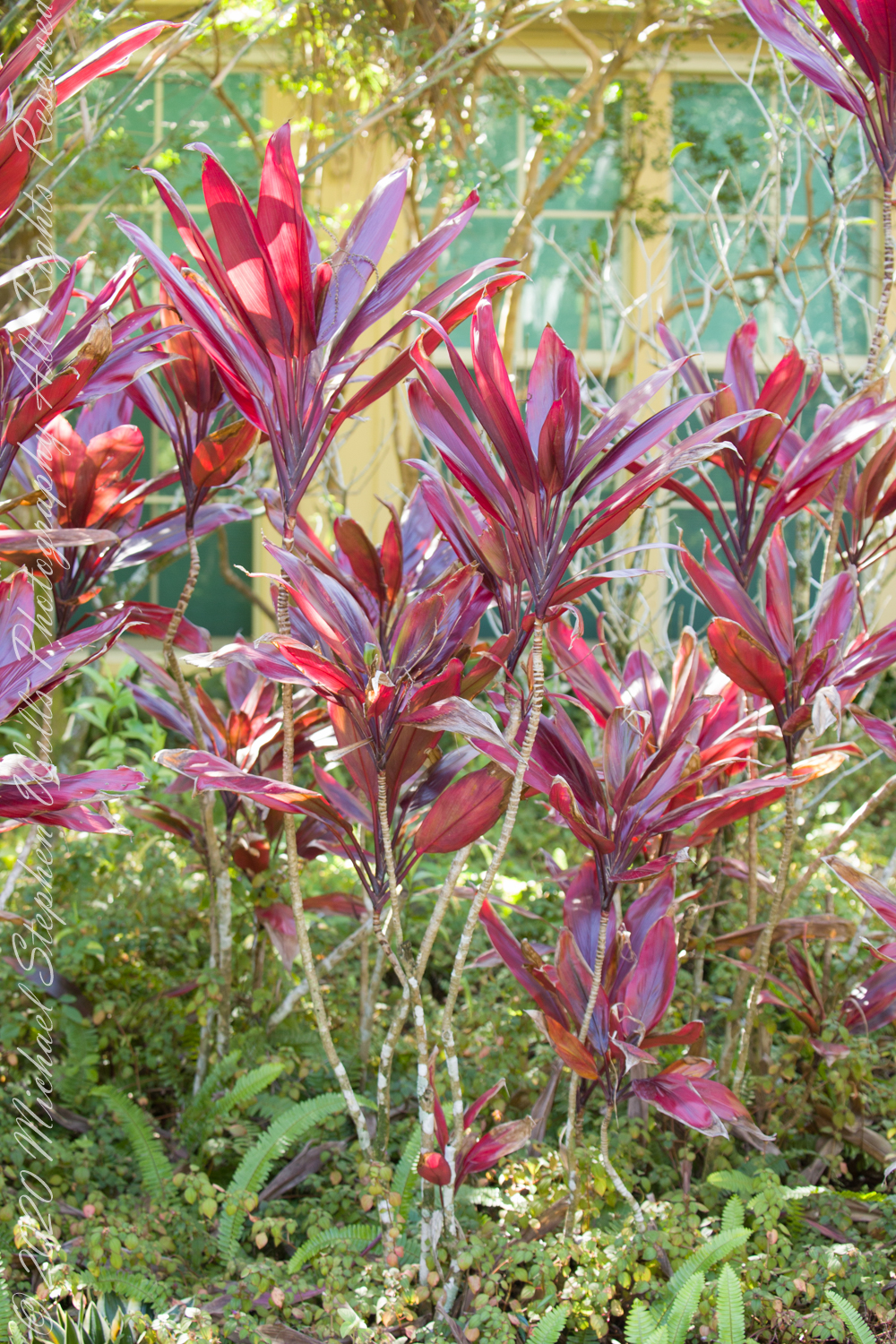
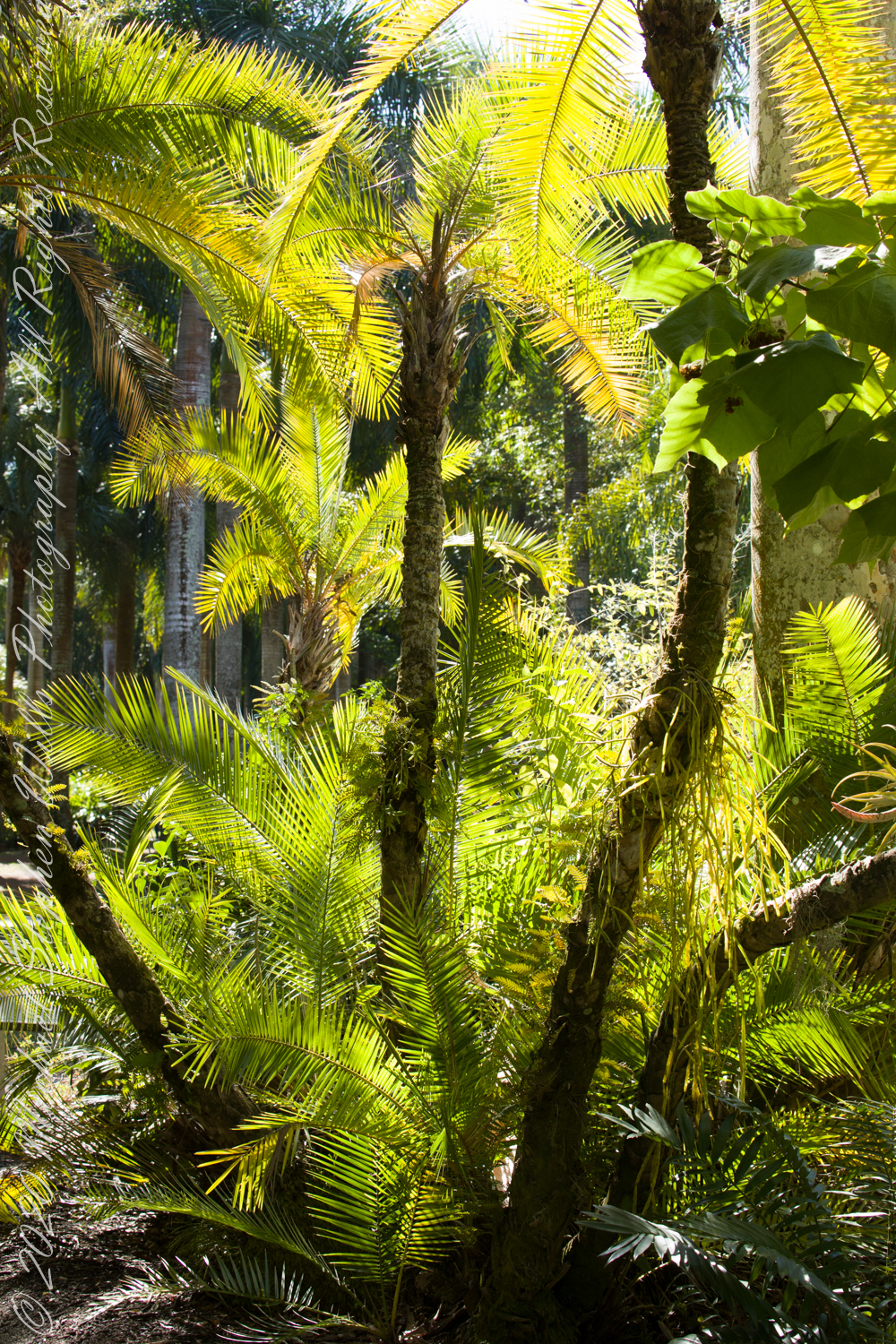
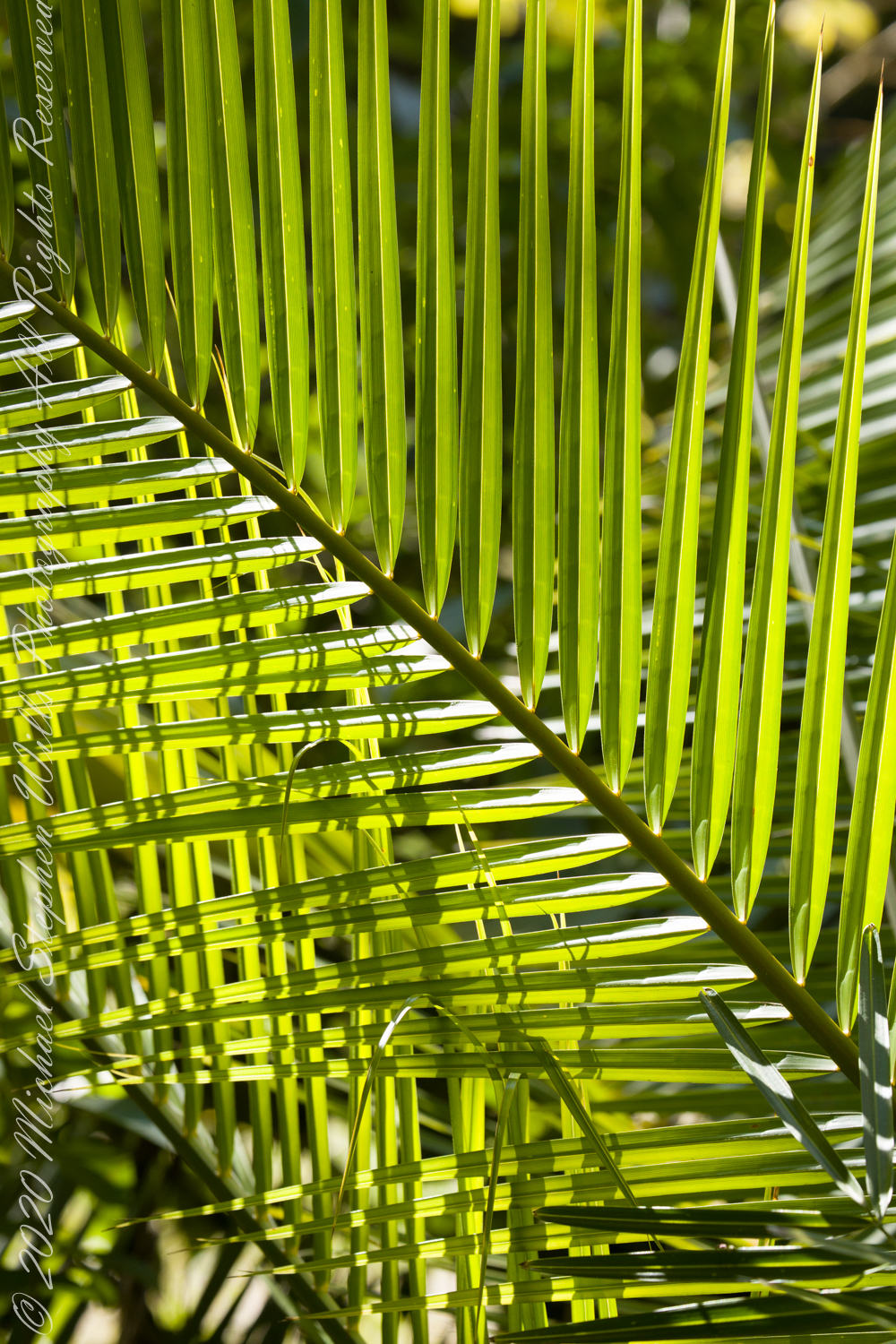


A selection of photographs from our February 2022 visit to McKee Botanical Gardens, Vero Beach, Indian River County, Florida
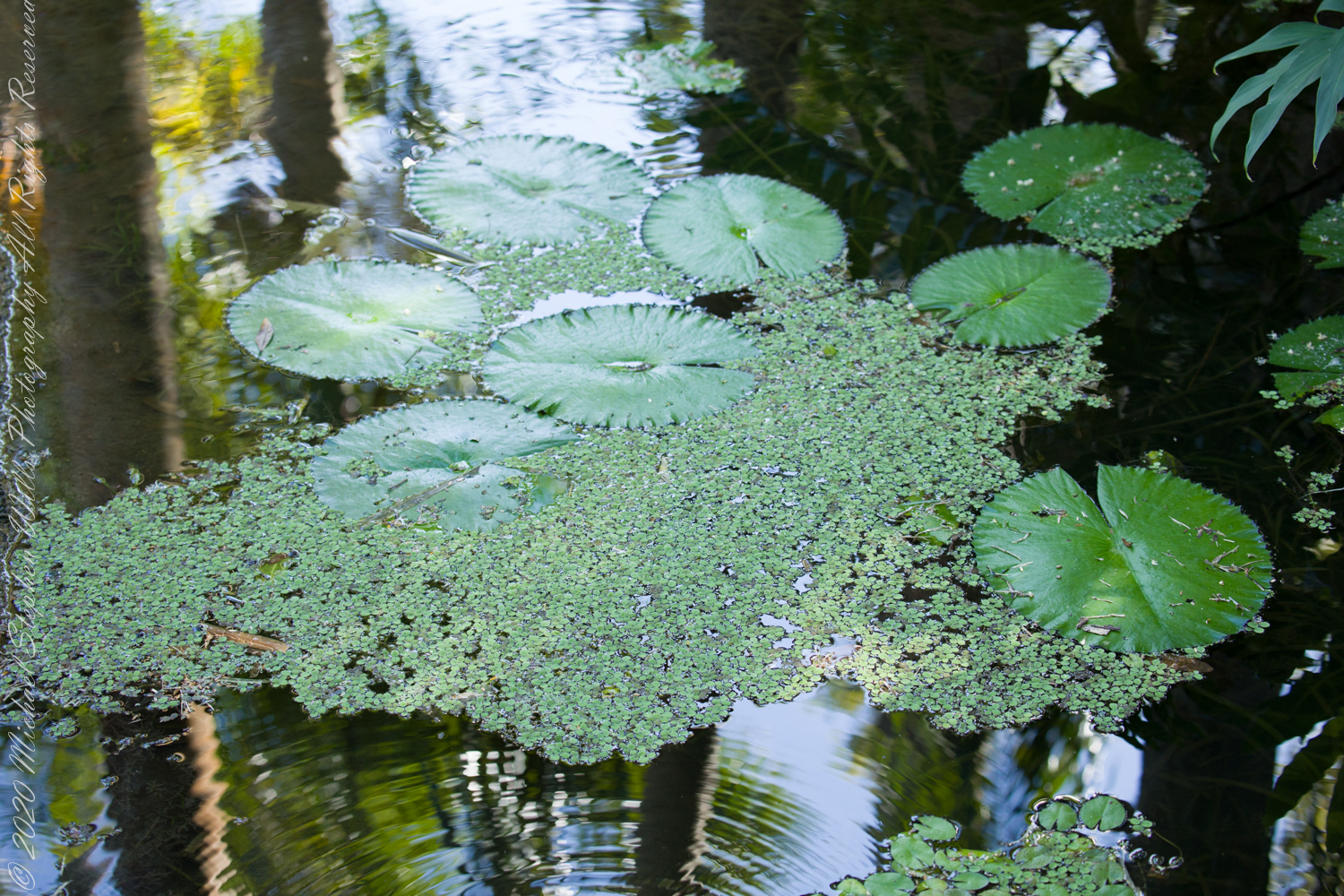
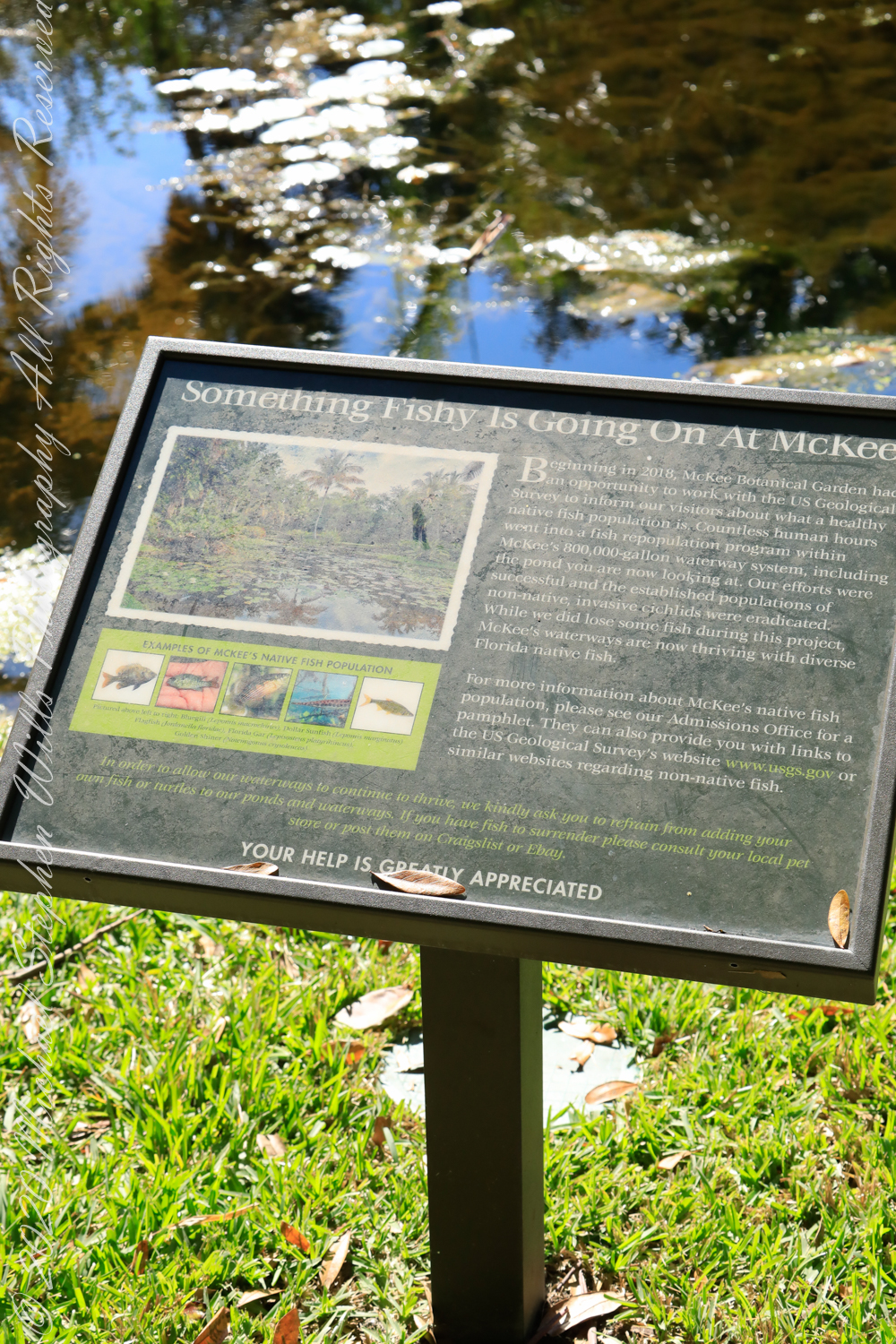
Beginning in 2018, McKee Botanical Garden had an opportunity to work with the US Geological survey to inform our visitors about what a healthy native fish population is. Countless human hours went into a fish population program within McKee’s 800,000-gallon waterway system, including the pond you are now looking at. Our efforts were successful and the established populations of non-native, invasive cichlids were eradicated. While we did lose some fish during the project, McKee’s waterways are now thriving with diverse Florida native fish.


Around Cocoa Beach


Sights and Sounds
Right Whales in February
No, the Manatee mailbox on Atlantic Avenue is NOT the whale sighted….more of that later. February 3rd 2022 dawned with scattered clouds to fracture sunbeams.

Walking south I made the 2+ mile point where, up from the beach on South Atlantic Avenue, is a memorable facade.

Also exotic schefflera, paths to the beach through Sea Grapes.


February is the time for Right Whale sightings on the Florida Atlantic Coast. On the beach, near the blue dot on the following map, were lines of people facing the ocean, some with binoculars and cameras with long lenses.

About 500 feet out, beyond where the wave roll begins, a person sat on a paddle board looking to my right. In the following IPhone videos an occasional black hump, roiling water, a flipper and the signature spout are visible. It is too far for identification, I call it a Right Whale from their reputation for visiting these shores in late January/February.
An hour later, I left the beach at South 4th Street to capture the following local color.


A selection from “Dinosaurs around the world,” McKee Botanical Gardens, Vero Beach, Indian River County, Florida
Tour of the ten (10) dinosaur exhibits, including movements and sounds, from Dinosaurs Around the World. I included scans of the brochure with map and details.
Use this map to follow dinosaurs around the park.

Background information on exhibit

Memories…..


A selection from “Dinosaurs around the world,” McKee Botanical Gardens, Vero Beach, Indian River County, Florida
Protoceratops was a very common, small, herbivorous dinosaur first discovered in Mongolia.

It had a parrot-like beak, and a bony frill over its neck that was probably used for display to other Protoceratops, much like the crests of chameleon lizards today.

There appear to be two forms of the frill, suggesting there were differences between males and females.

Recently a Protoceratops nest was found containing hatchlings, leading some scientists to believe this successful species cared for its young.

A selection from “Dinosaurs around the world,” McKee Botanical Gardens, Vero Beach, Indian River County, Florida
Triceratops was one of the last dinosaurs to walk the Earth. It is known for its large skull with a neck frill and three horns. Its head could grow to be over 8 feet long, almost a third of its body length. It was an extremely common dinosaur, and hundreds of specimens have been recovered. When first discovered, it was mistaken for a giant extinct bison. Wounds on the head of these animals indicated they commonly engaged in head-to-head fighting. Bite marks also indicate they were often eaten by Tyrannosaurus Rex.

Triceratops emerges from the jungle


Head and neck


A selection from “Dinosaurs around the world,” McKee Botanical Gardens, Vero Beach, Indian River County, Florida
Iguanodon was able to walk on all fours or stand on its hind legs to reach higher plants. It has hooves like horses. Its hands had an opposable digit, like a human thumb, used to grasp branches. This digit had a spike used for fighting other Iguanodons, in defense and feeding, as a tool to open fruits for example.