Reeds of Resilience: A Tale of Growth and Survival

Discover the hidden world of Phragmites australis, the common reed: a story of resilience, beauty, and ecological significance, told through the eyes of the wetlands.

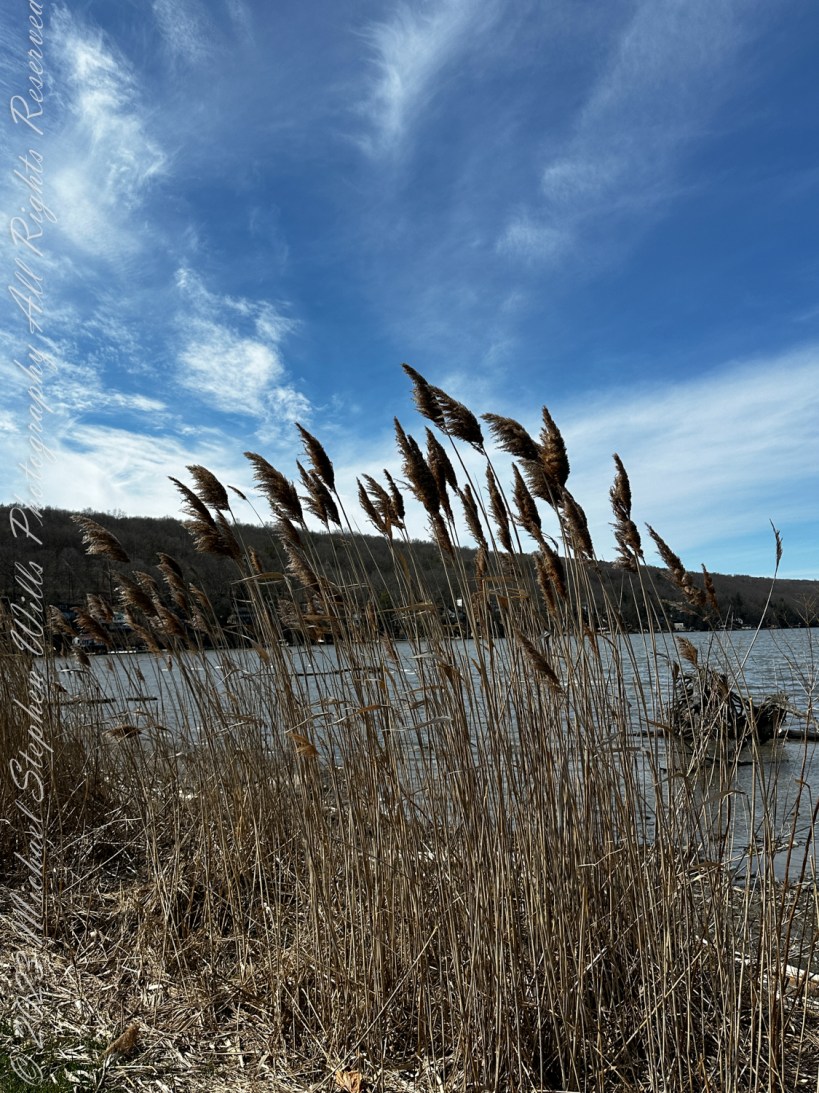
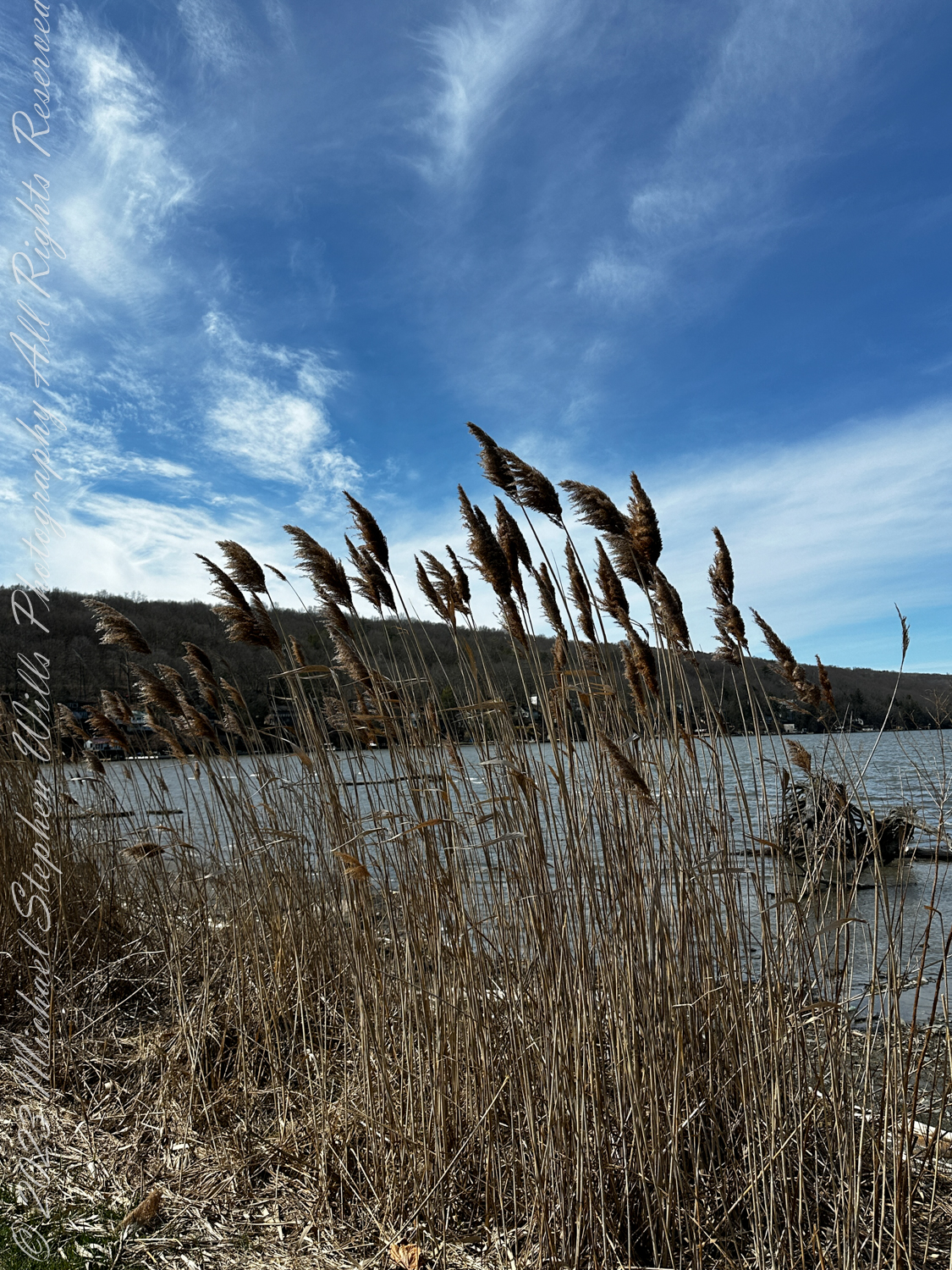
On the southern shore of Cayuga Lake, where waters mirror the ever-changing sky, I found this common reed, Phragmites australis, a plant of unassuming grace yet profound influence. This tale unfolds at the broad boarders of earth and water, a refuge and kingdom to countless beings.

Phragmites australis, a reed both simple and complex, begins its journey as a whisper in the mud. From the soft, fertile earth, it bursts forth into the world, a slender shoot reaching for the heavens. Its growth is steady and assured, fueled by the sun’s embrace and the water’s caress. In time, it stands tall, a sentinel in a sea of green, its feathery plumes, called panicles, wafted by the breeze.

This reed, you see, is a cornerstone of its ecosystem, a master architect, shaping its environment, crafting homes and havens for creatures great and small, in keeping with the genus name “Phragmites.” The Greek word “phragma” translates to “fence” or “hedge”, derived from the verb “phrassein”, meaning “to enclose.” Within that realm tiny creatures find refuge. From dragonflies and damselflies to grasshoppers and beetles are found by careful, patient observers. Insects play essential roles in pollination and nutrient cycling. Birds use the dense vegetation for shelter and foraging, you might find red-winged blackbirds, marsh wrens, and rails among the stems. Frogs, toads, and salamanders find refuge in reedy marshes. They lay their eggs in the waterlogged areas, and their tadpoles thrive amidst the reed stems. Phragmites australis is a giver of life, a source of sustenance and protection for many.

Yet, the tale of Phragmites is also one of struggle and resilience. In lands far from its native soil, it is often seen as an invader, a usurper of territories, spreading with a zeal that can overwhelm native flora and alter habitats. Its spread, unchecked, can lead to monocultures, diminishing biodiversity. But in its essence, Phragmites does not seek conquest but survival, thriving in spaces both gentle and harsh, adapting with an elegance that commands admiration.

As seasons turn, the reed undergoes a transformation, its green turning to gold, then to the brown of the earth from which it sprang. But even in decay, it nurtures life, its fallen stalks a shelter for the small and the silent, its seeds a promise of renewal. And when spring whispers anew, Phragmites rises once more, a cycle unbroken, a circle complete.
In the tale of Phragmites australis, we find a narrative of life itself—growth and decay, beauty and conflict, resilience and adaptation. This common reed, standing tall among the waters of the world, is a testament to the enduring power of nature, a reminder of the intricate tapestries of life that flourish in the quiet corners of our planet.
Click Me for another posting on the Common Reed.

Copyright 2024 Michael Stephen Wills All Rights Reserved

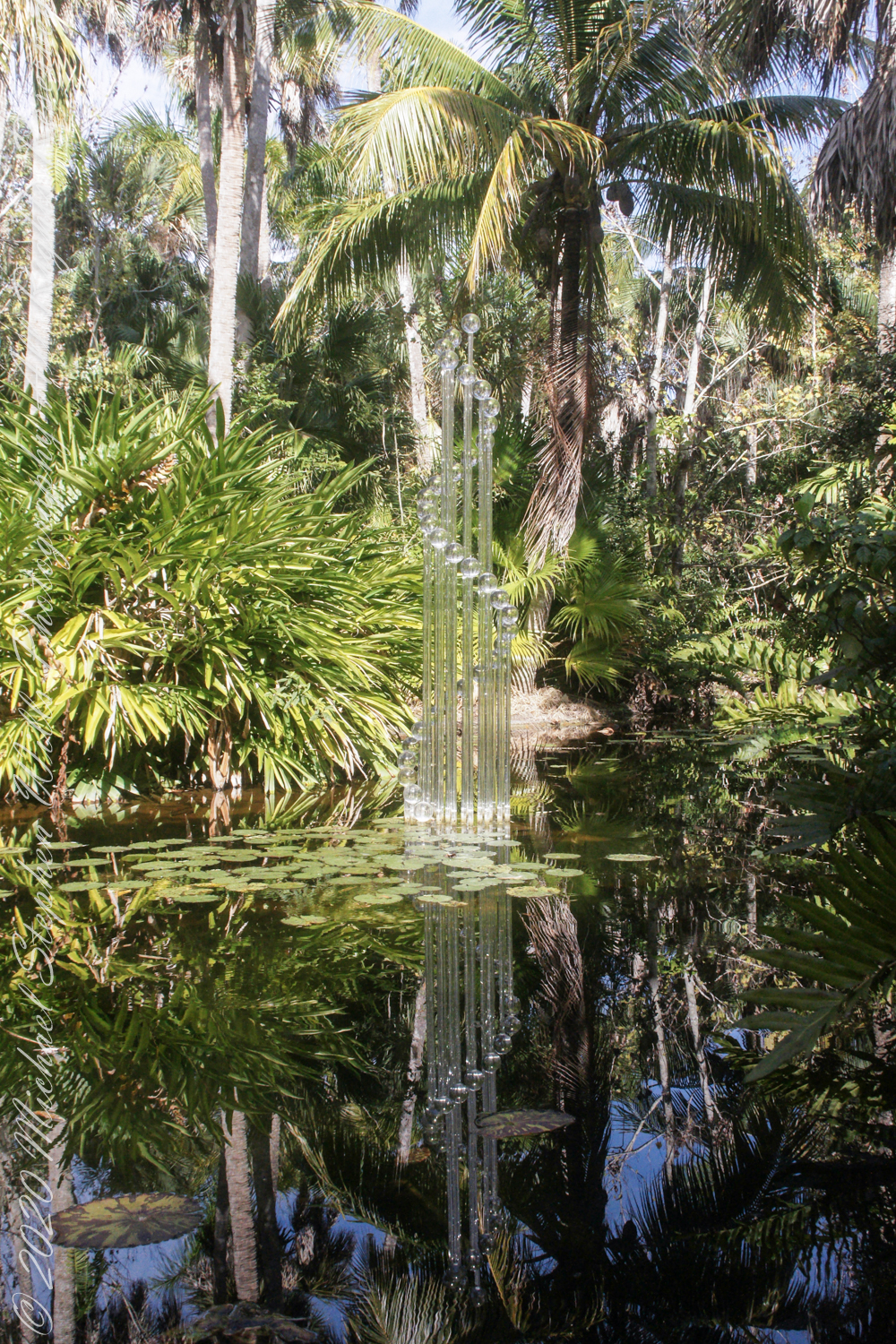
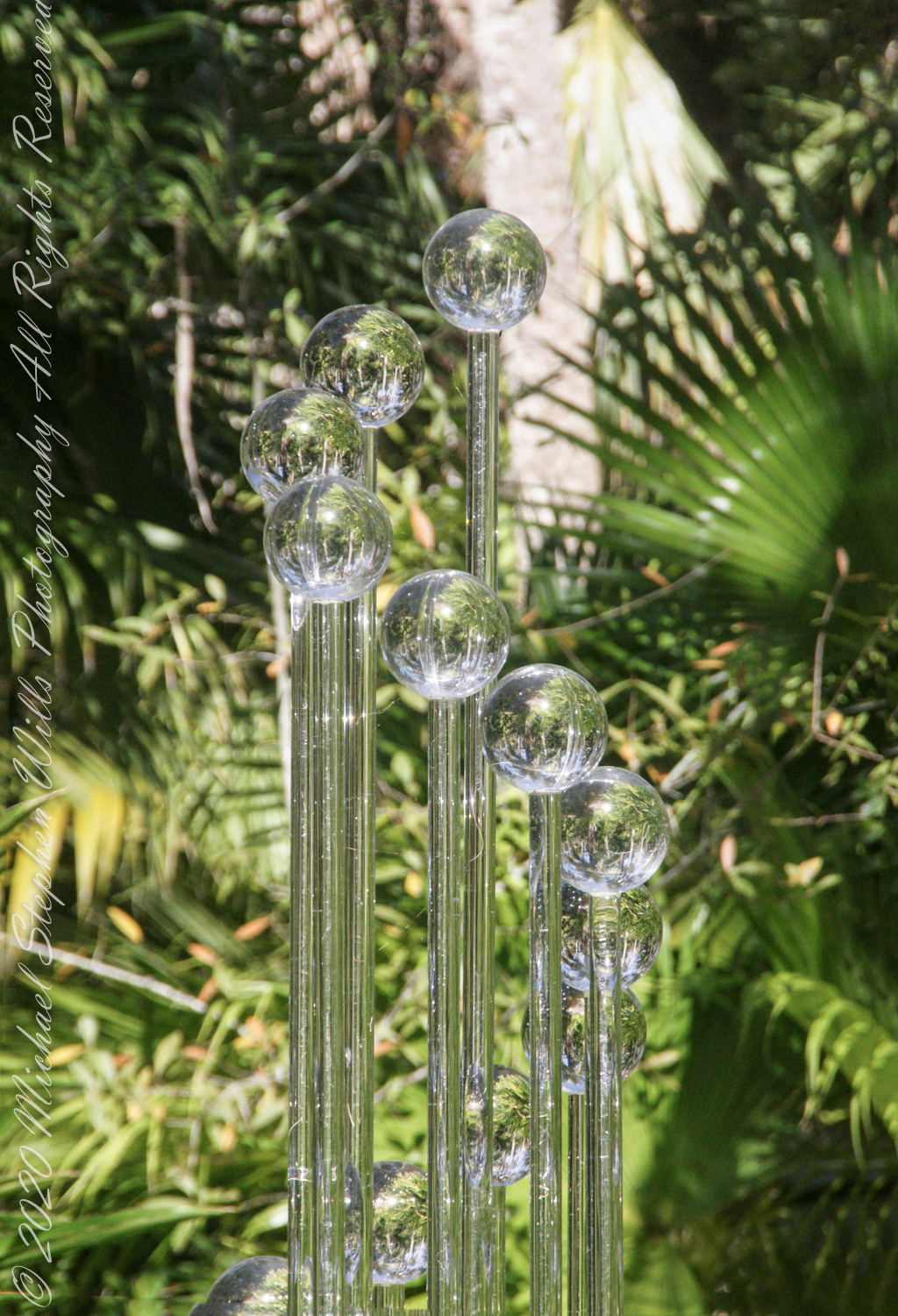
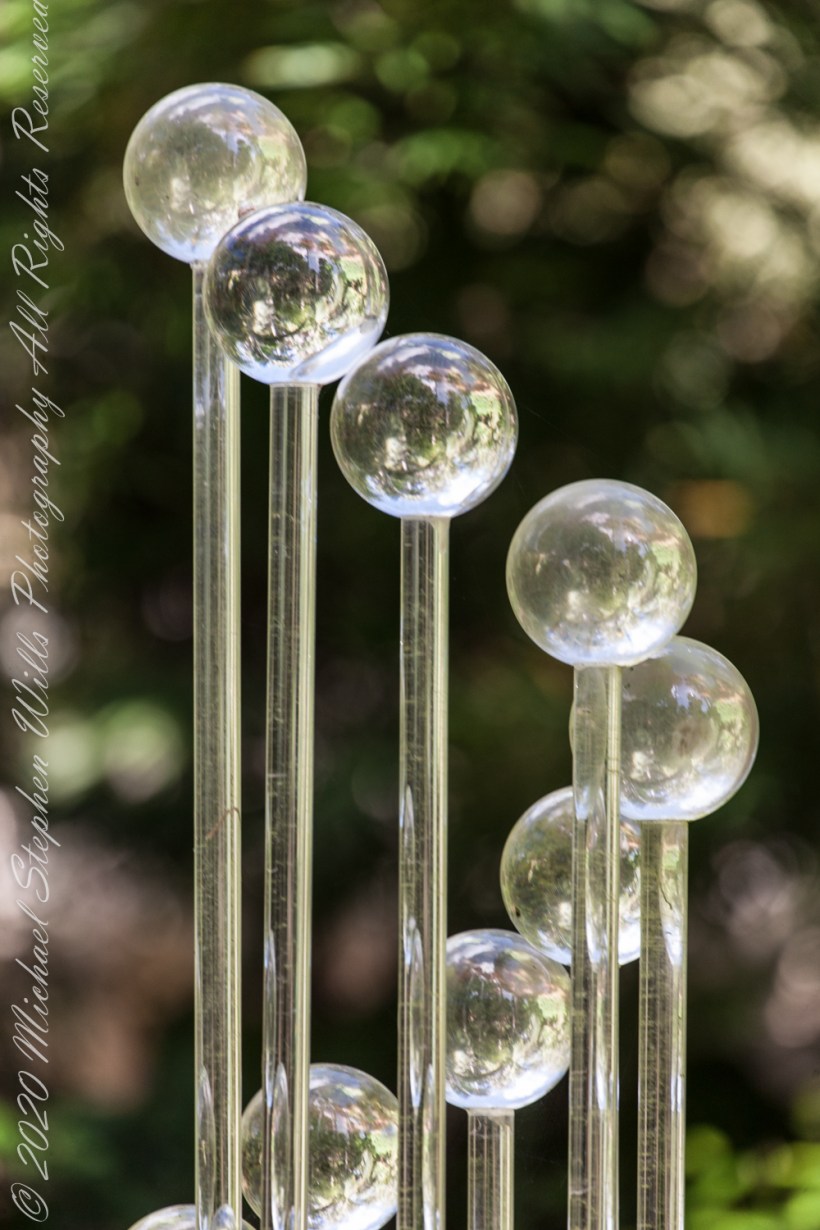
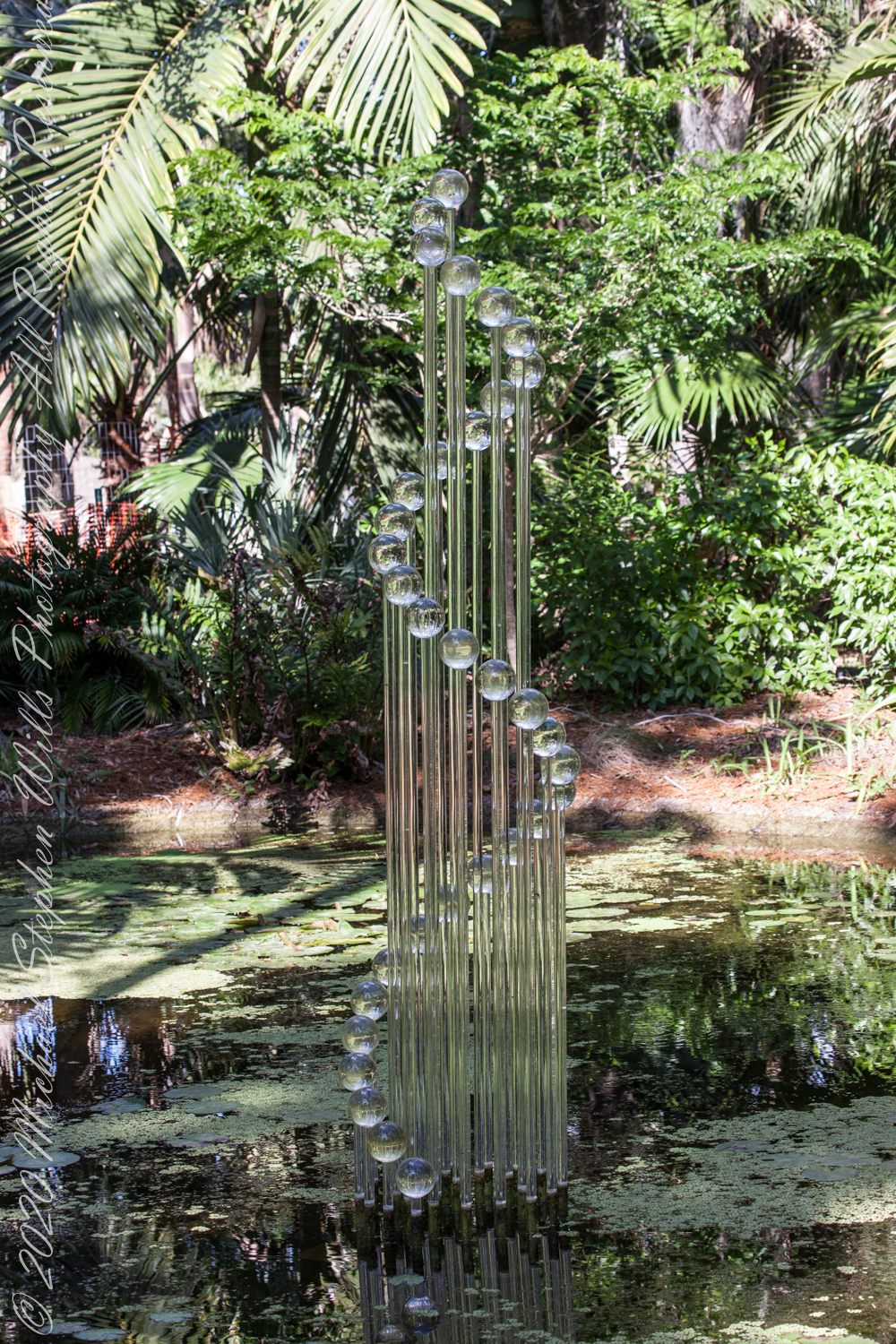
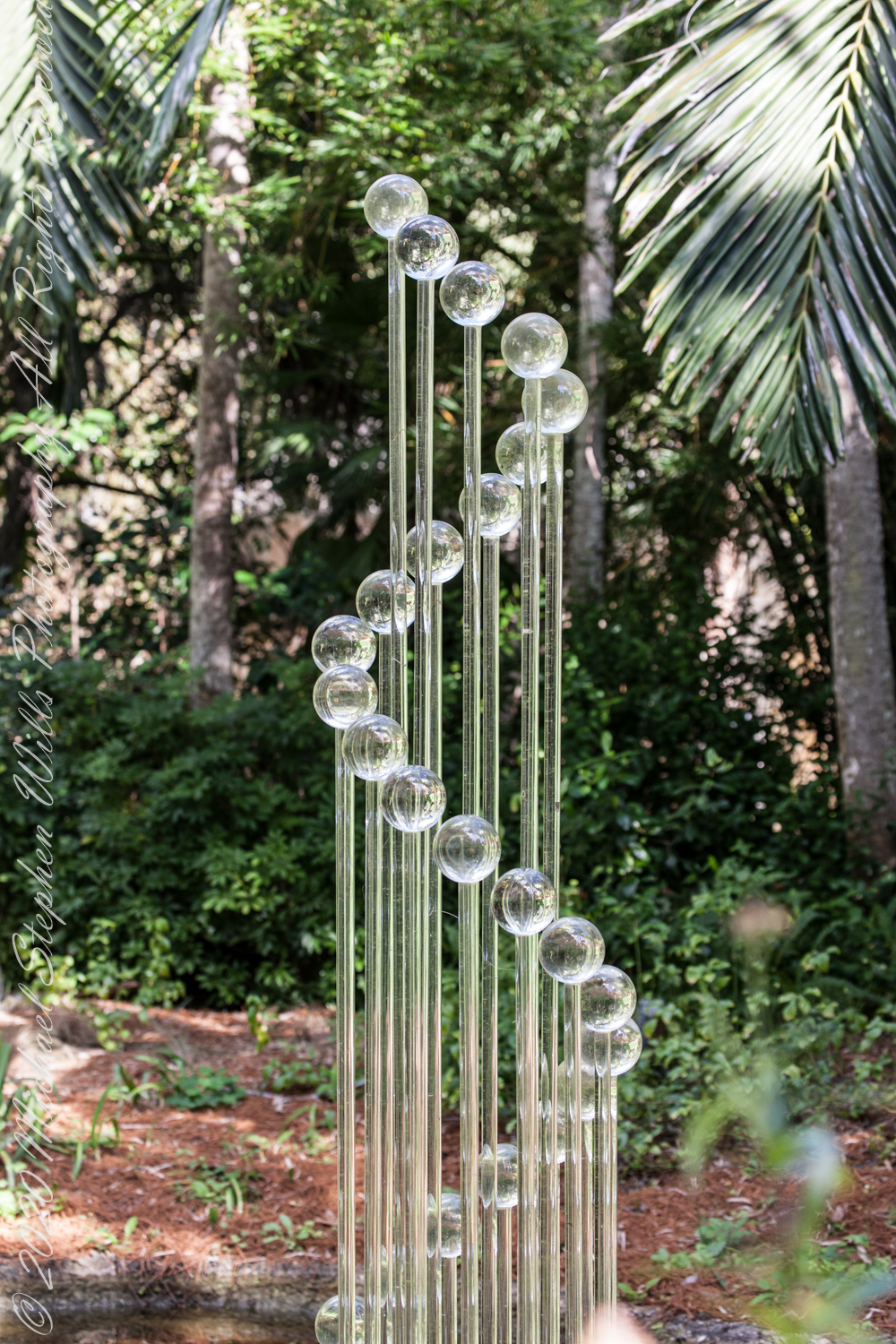
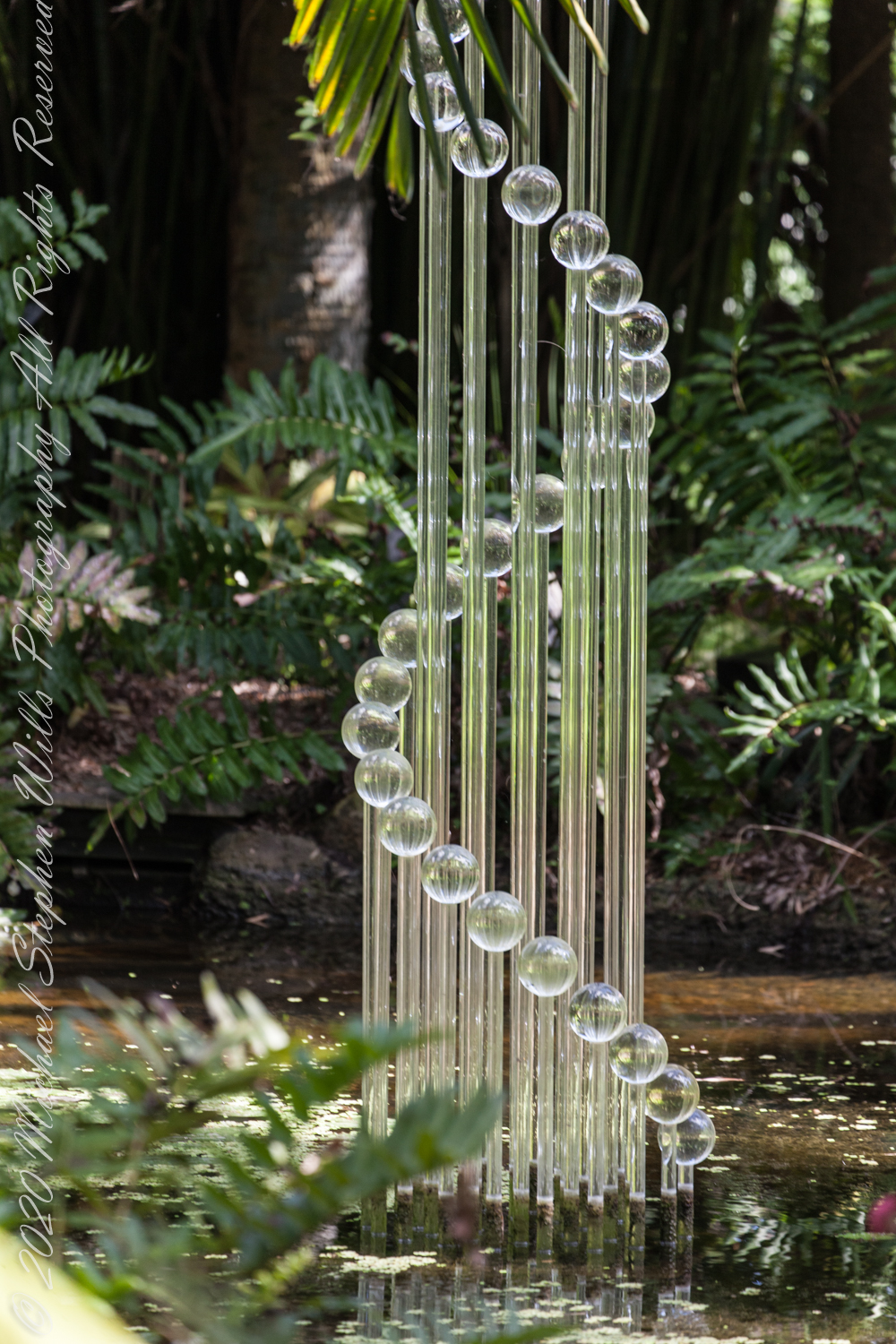
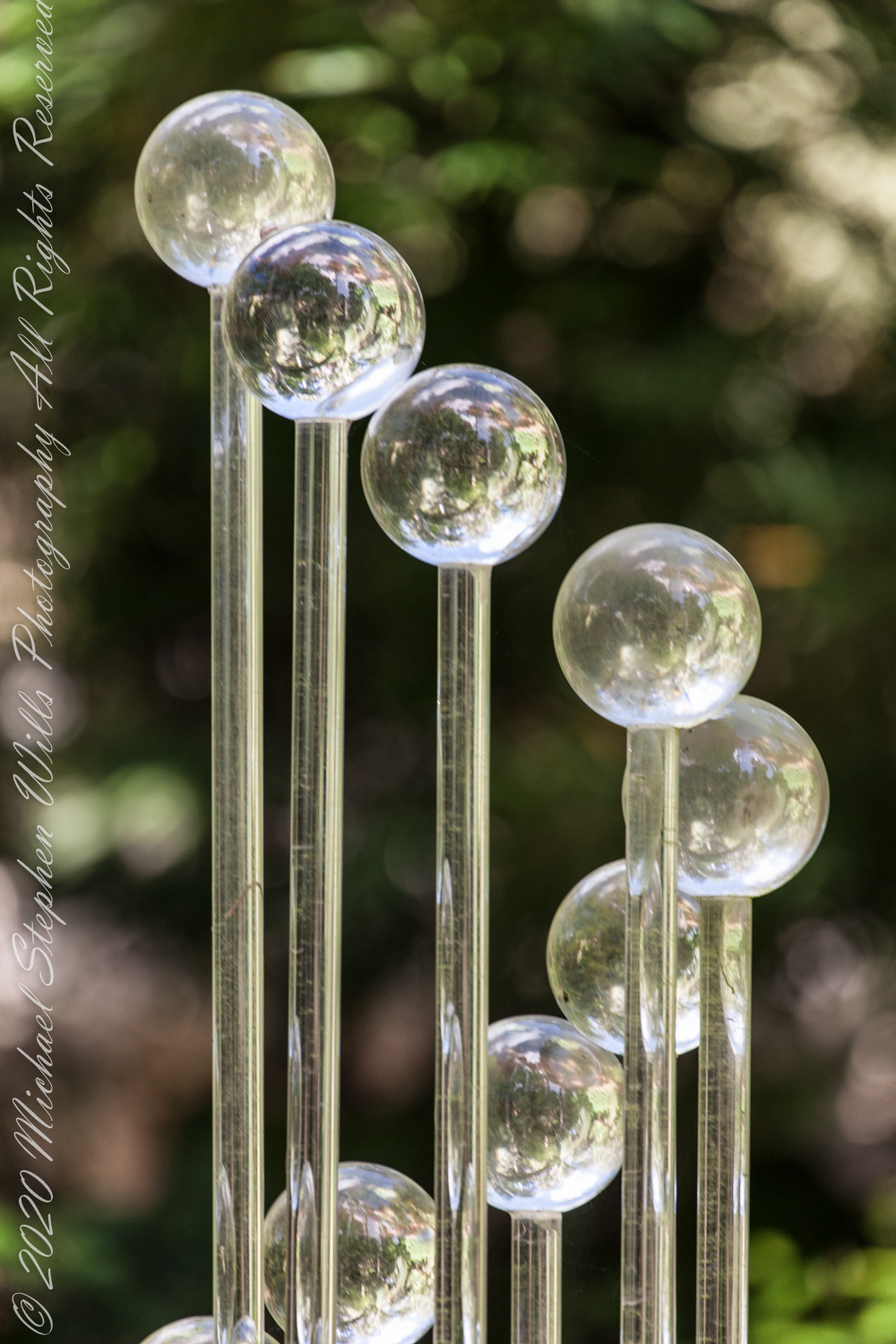
Tower of Glass reprise

A selection of photographs from our January 2019 visit to McKee Botanical Gardens, Vero Beach, Indian River County, Florida

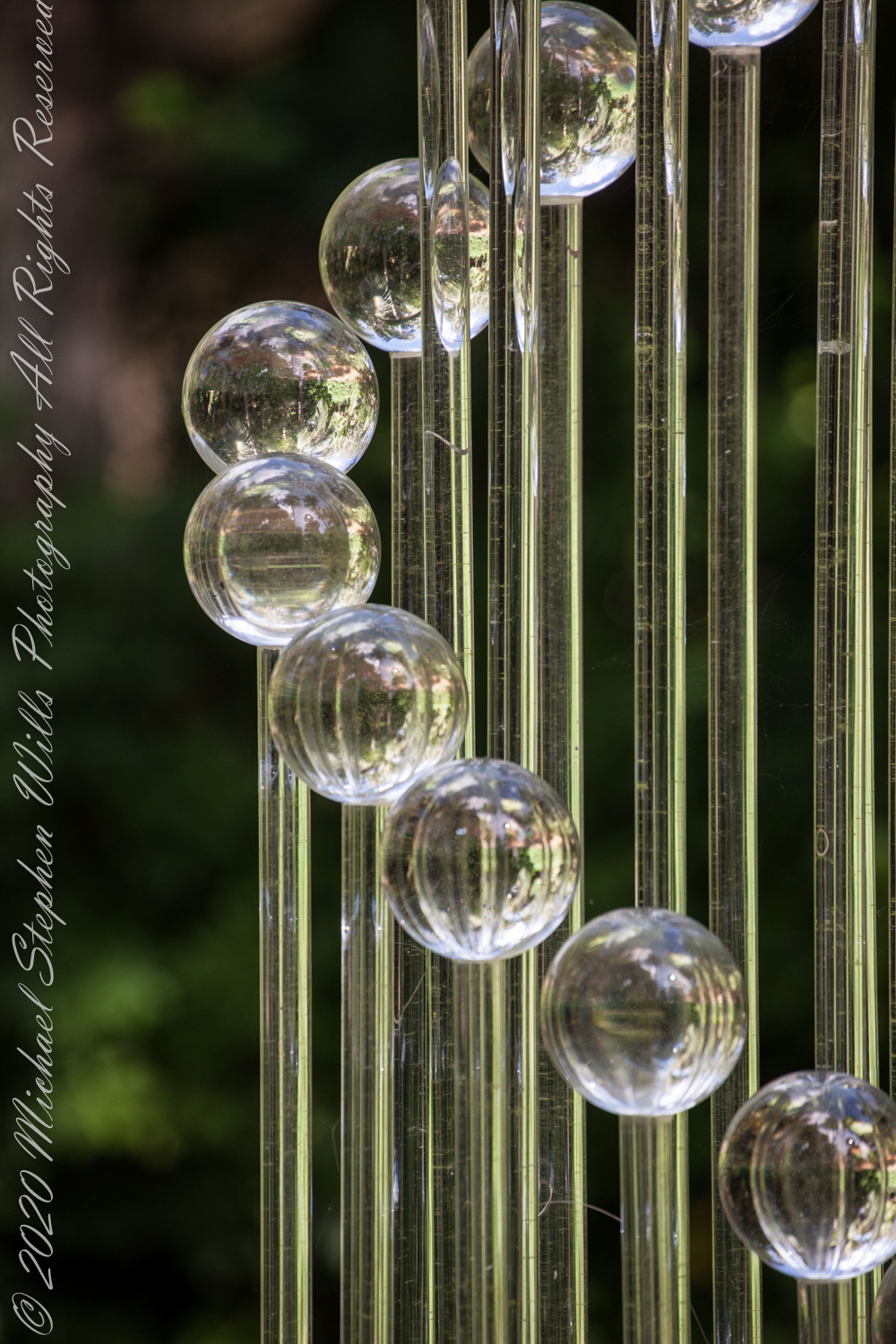
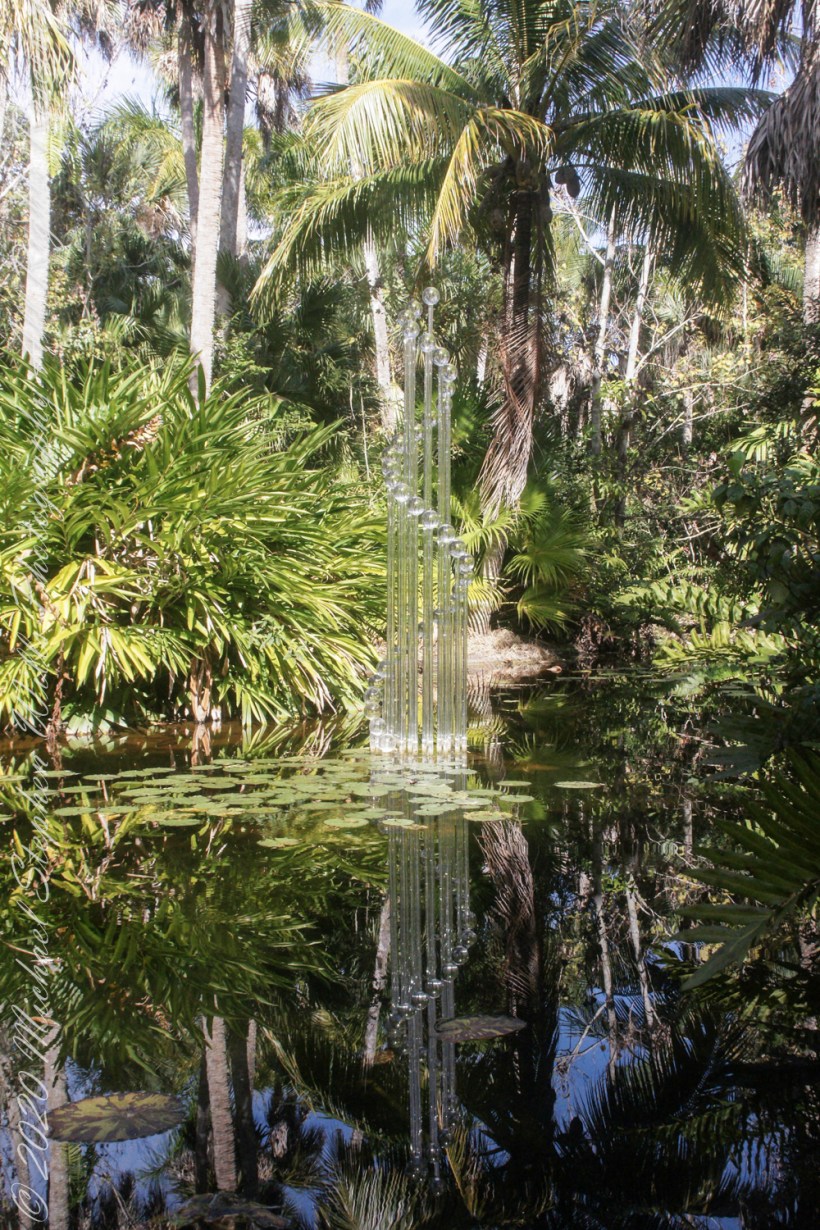
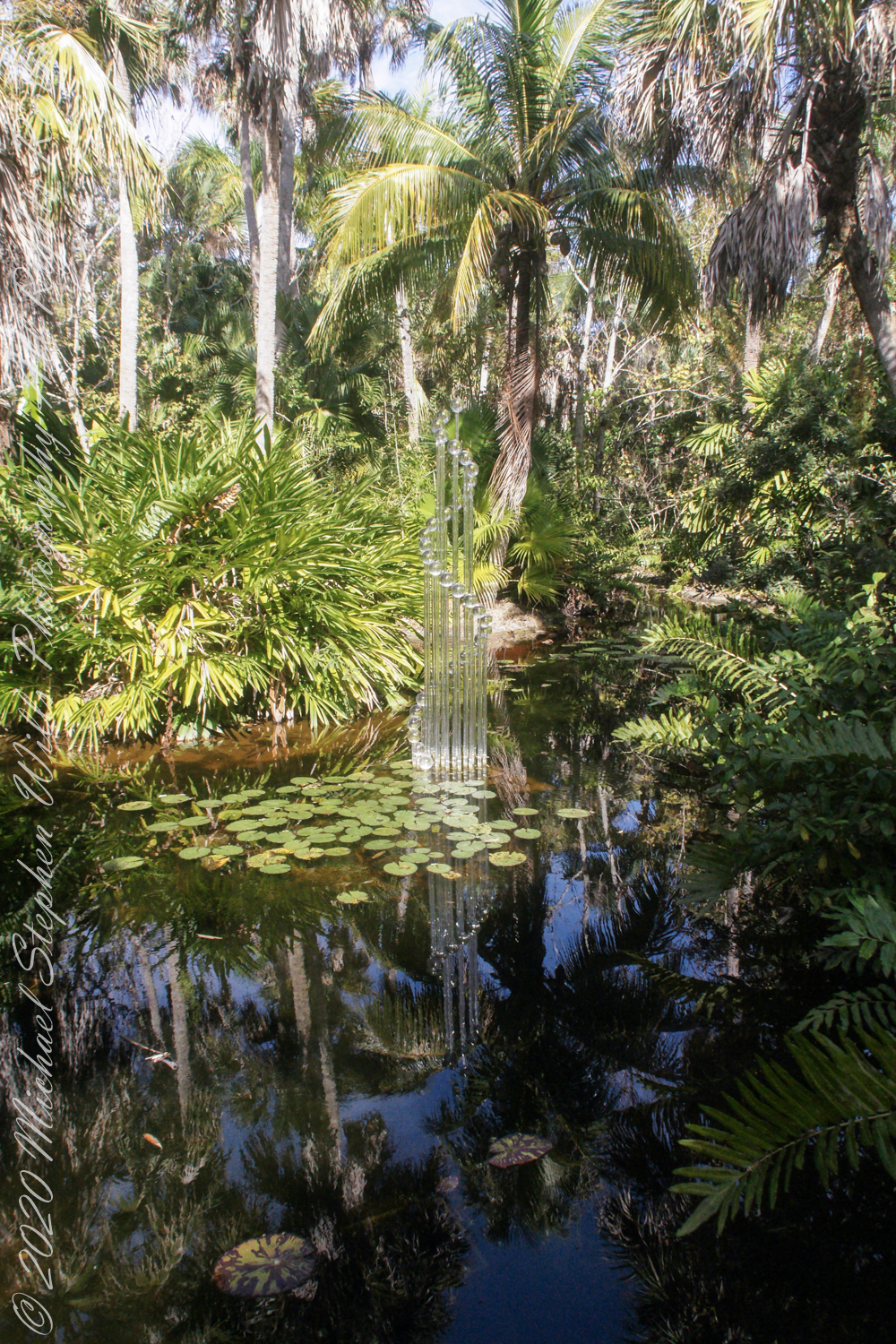
I found three more photographs of “Tower…”

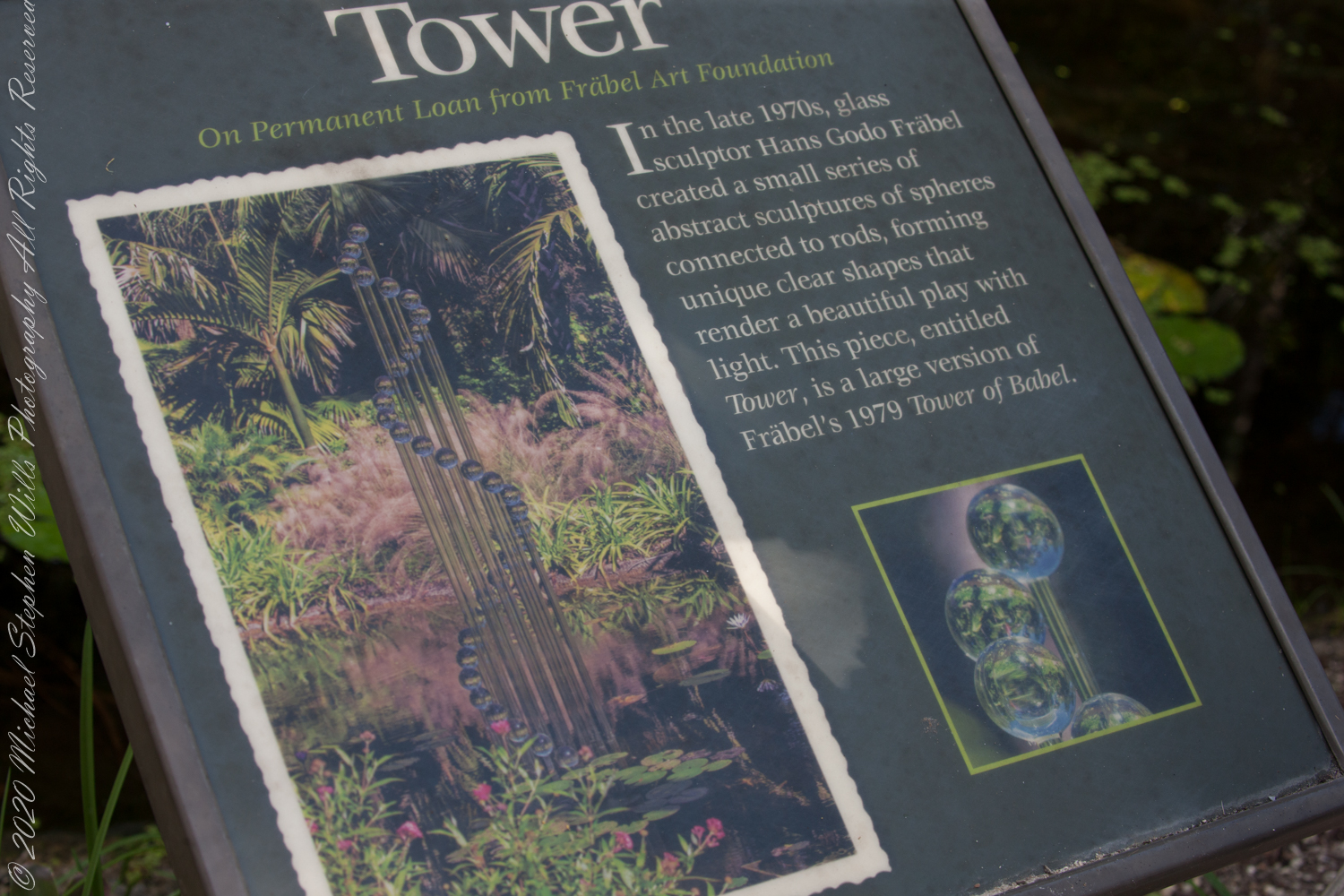
Tower is on permanent load from Frabel Art Foundation. In the late 1970s, glass sculptor Hans Godo Frabel created a small series of abstract sculptures of spheres connected to rods, forming unique clear shapes that render a beautiful play with light. This piece, entitled Tower, is a larger version of Frabel’s 1979 Tower of Babel.
Click me for a dinosaur at McKee Gardens, “Triceratops, one of the last.

References: text is from the park placard with minor edits.

Copyright 2022 Michael Stephen Wills All Rights Reserved

Tower of Glass

A selection of photographs from our January 2019 visit to McKee Botanical Gardens, Vero Beach, Indian River County, Florida

Tower is on permanent load from Frabel Art Foundation. In the late 1970s, glass sculptor Hans Godo Frabel created a small series of abstract sculptures of spheres connected to rods, forming unique clear shapes that render a beautiful play with light. This piece, entitled Tower, is a larger version of Frabel’s 1979 Tower of Babel.

Click me for a dinosaur at McKee Gardens, Neovenator, teeth like steak knives

References: text is from the park placard with minor edits.

Copyright 2022 Michael Stephen Wills All Rights Reserved

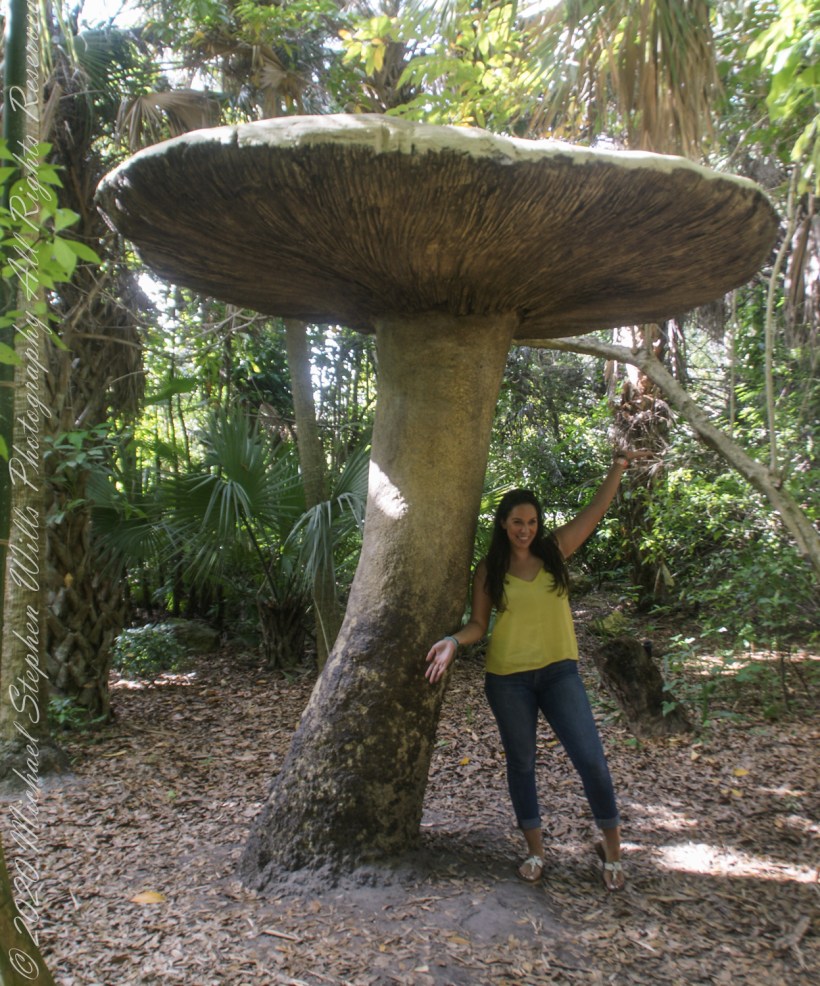
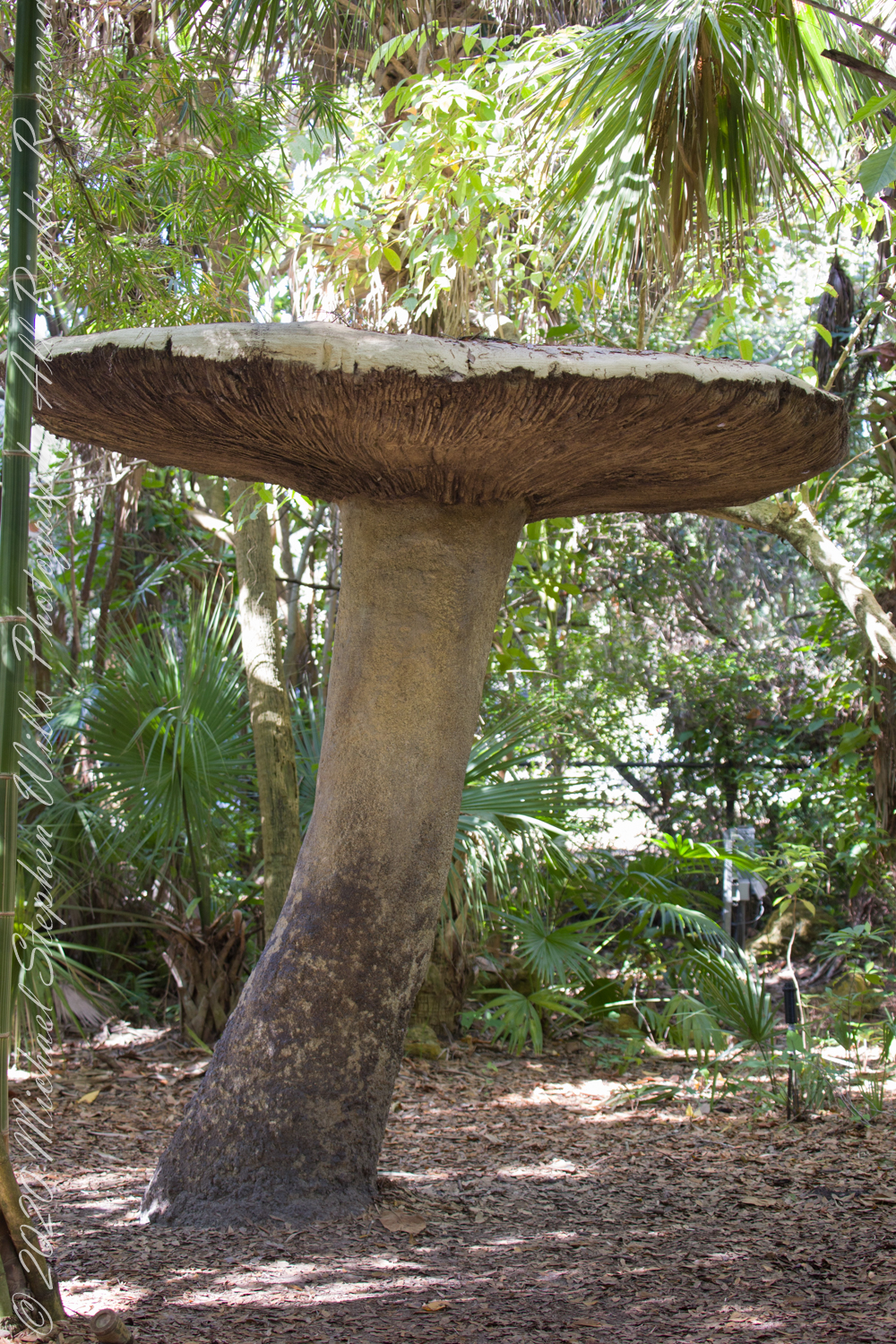
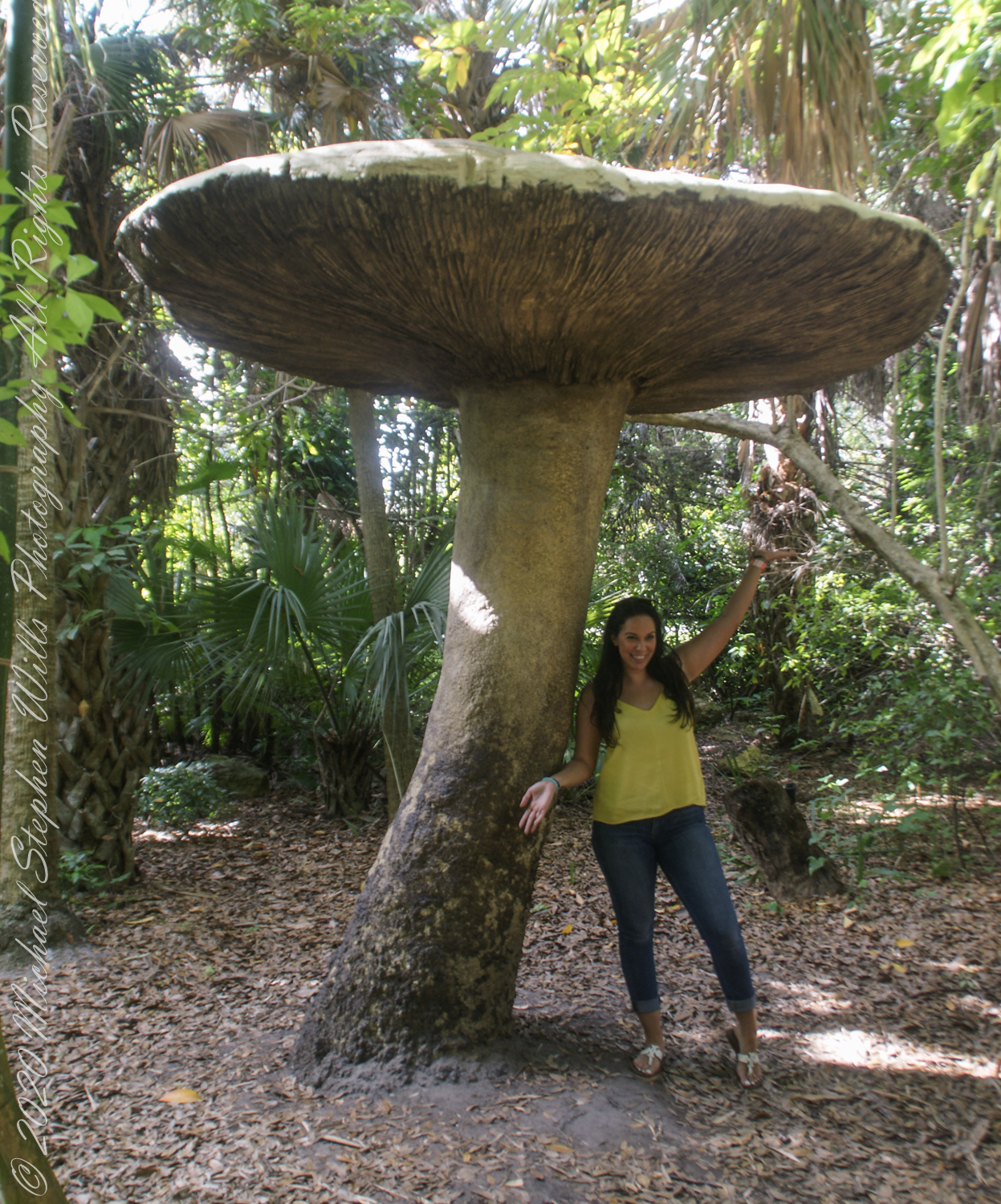
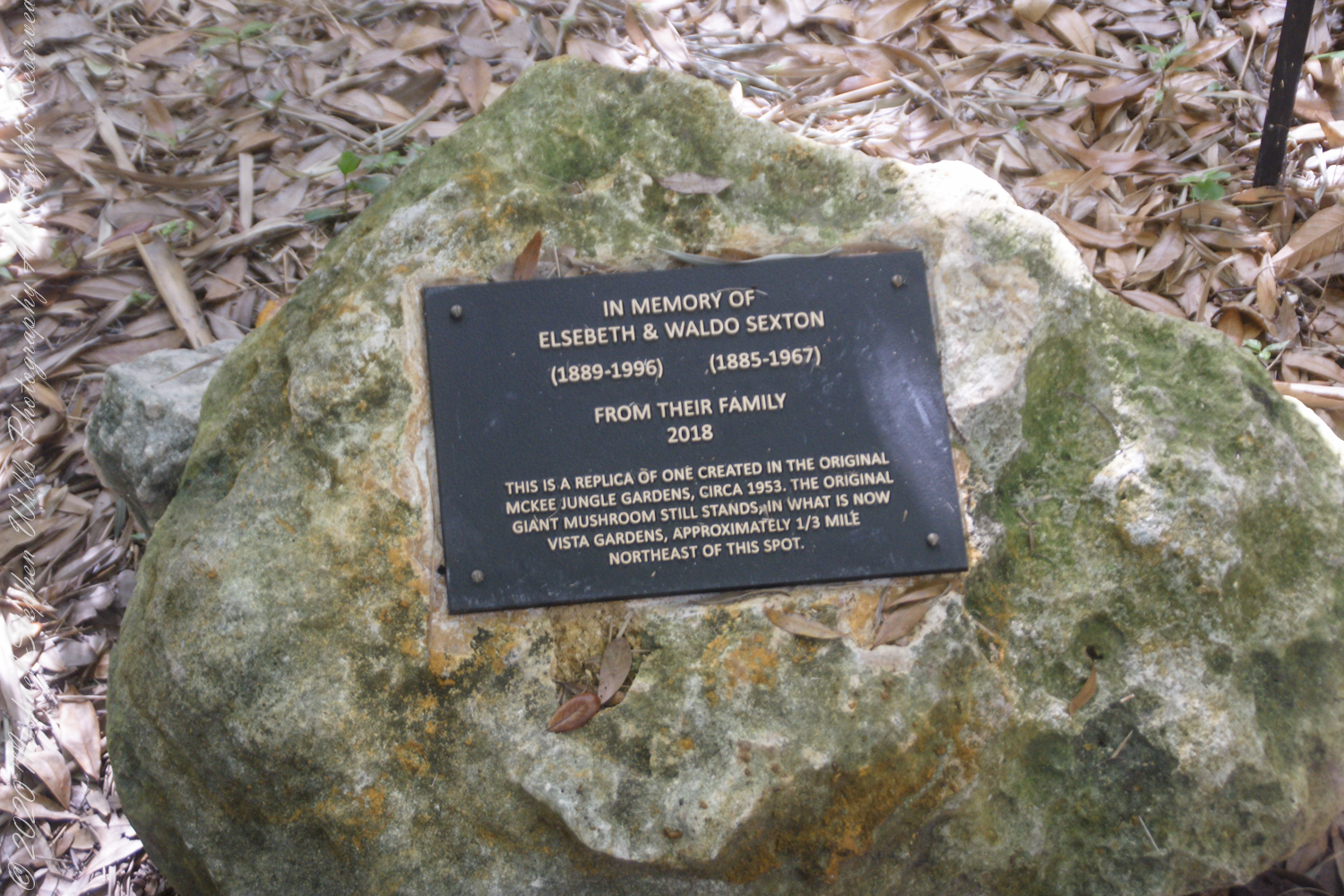
Memorial Mushroom

A selection of photographs from our February 2022 visit to McKee Botanical Gardens, Vero Beach, Indian River County, Florida

In Memory of Elsebeth (1889-1996) and Waldo Sexton (1885-1967) from their family (2018). This is a replica of one created in the original McKee Jungle Gardens, circa 1953. The original Giant Mushroom still stands in what is now Vista Gardens, approximately 1/3 mjile northeast of this spot.

Click me for a dinosaur at McKee Gardens, Neovenator, teeth like steak knives

Copyright 2022 Michael Stephen Wills All Rights Reserved

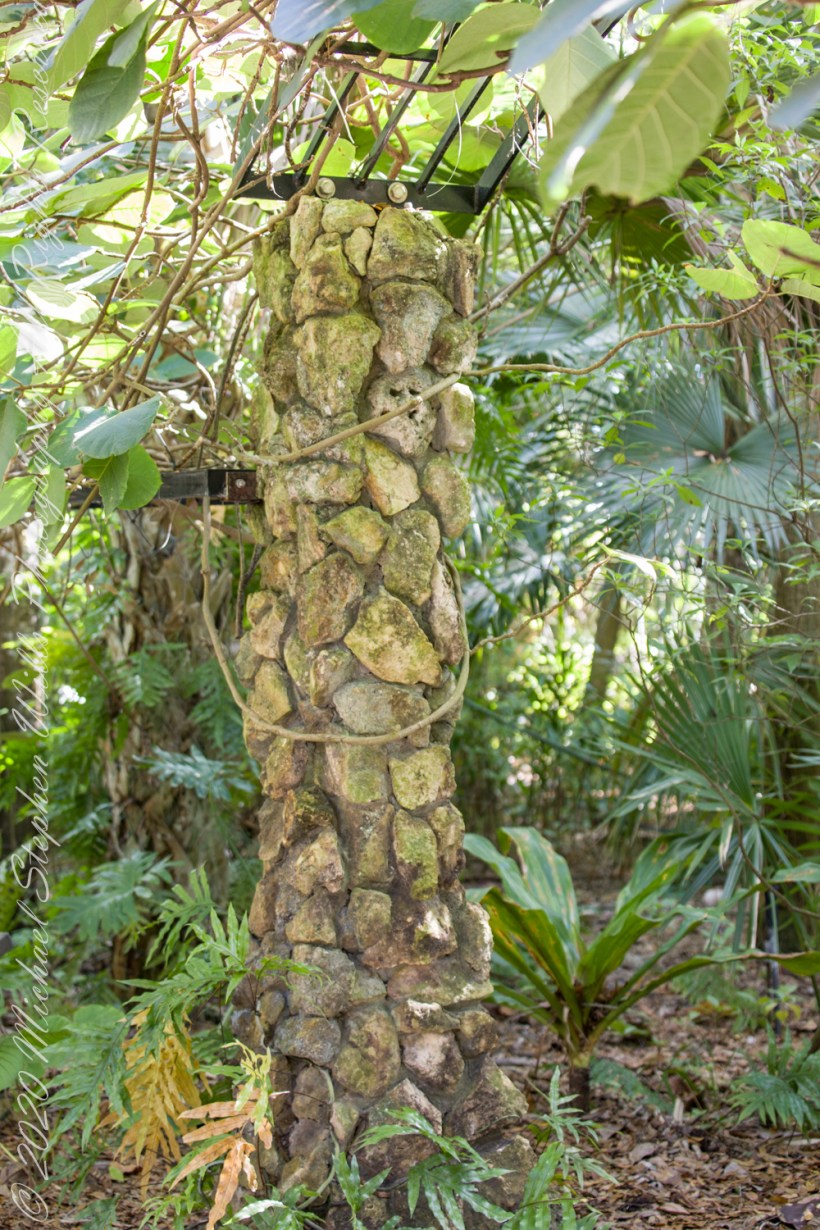
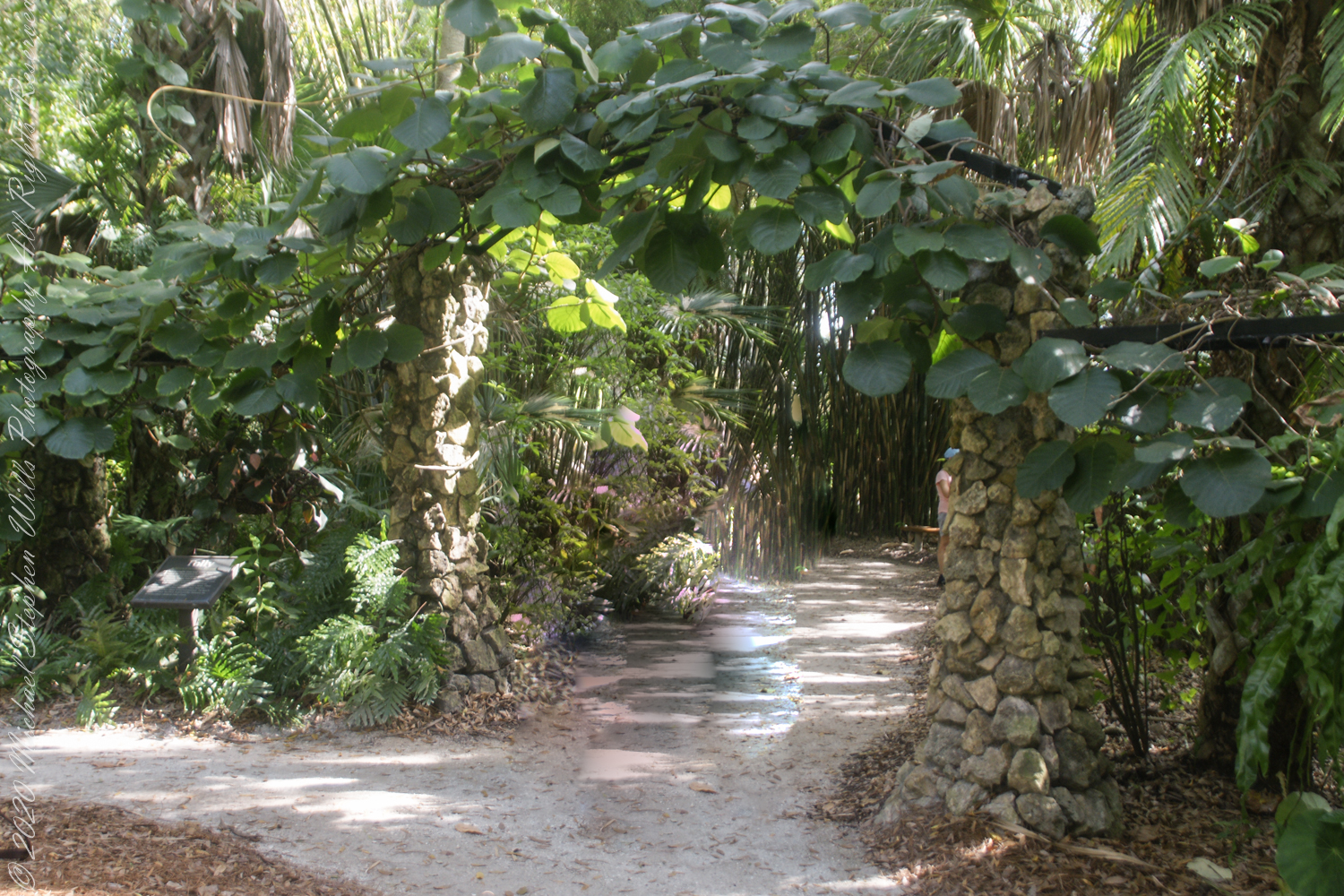
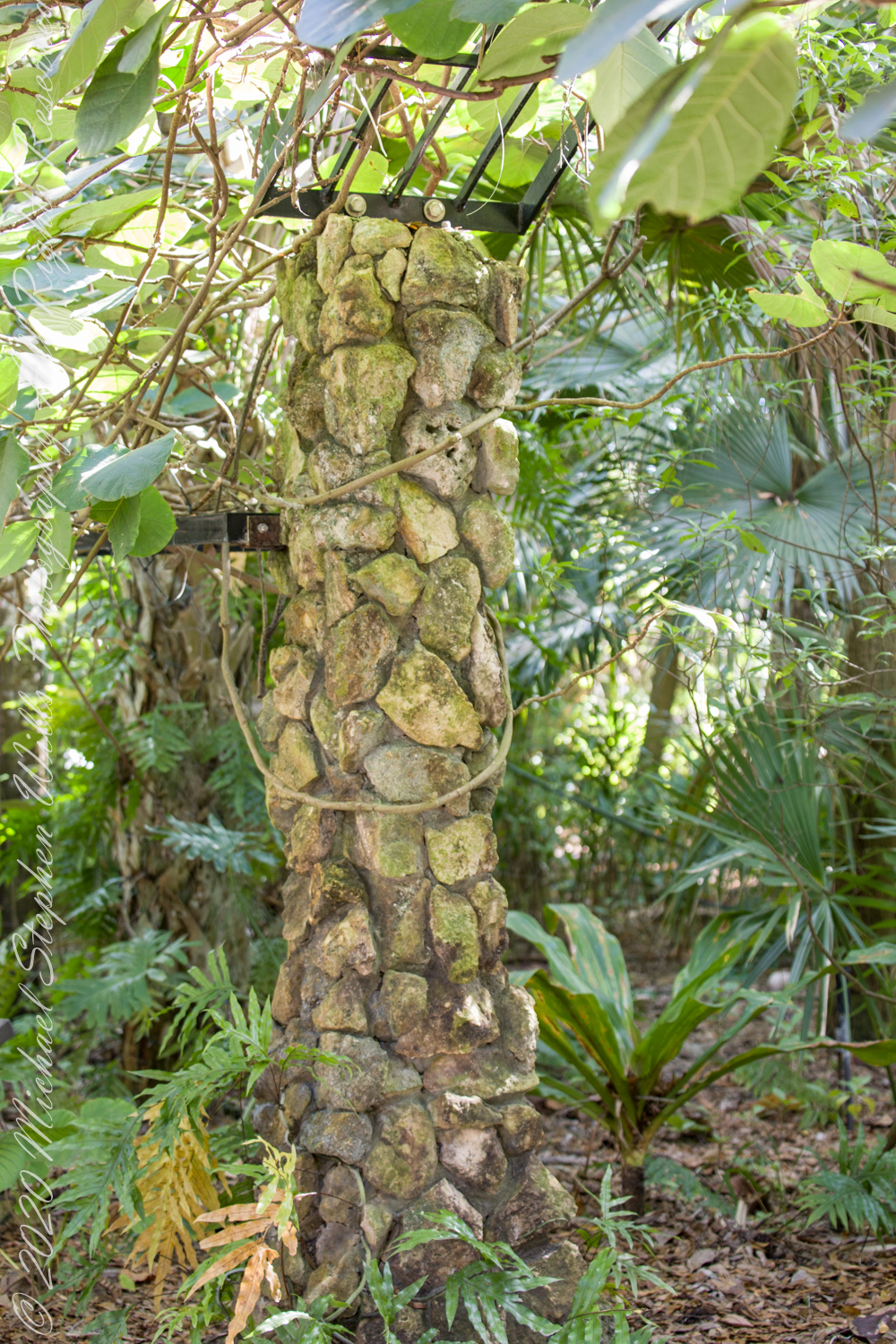
When is a folly not a mistake?

A selection of photographs from our February 2022 visit to McKee Botanical Gardens, Vero Beach, Indian River County, Florida

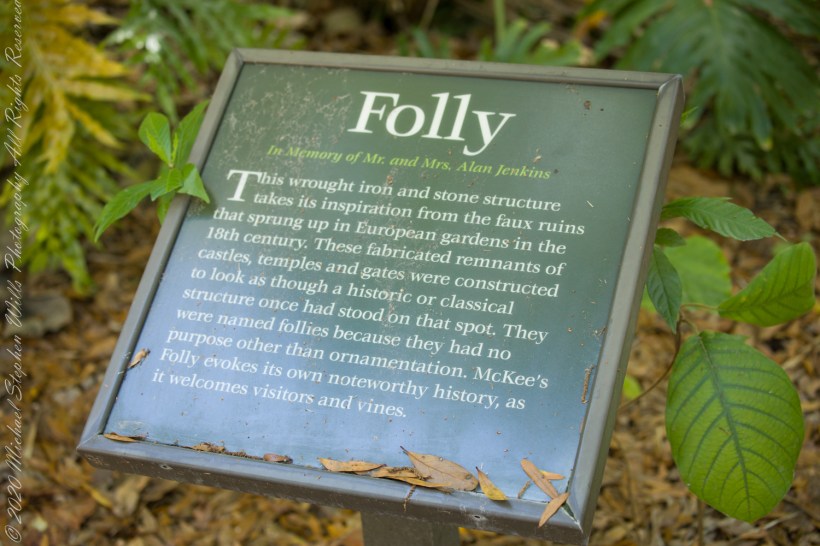
This wrought iron and stone structure takes it inspiration from the faux ruins that sprung up in European gardens in the 18th century. These fabricated remnants of castles, temples and gates were constructed to look as though a historic or classical structure once had stood on that spot. They were named follies because they had not purpose other than ornamentation. McKee’s Folly evokes its own noteworthy history, as it welcomes visitors and vines.

Click me for a dinosaur at McKee Gardens, Neovenator, teeth like steak knives

Copyright 2022 Michael Stephen Wills All Rights Reserved

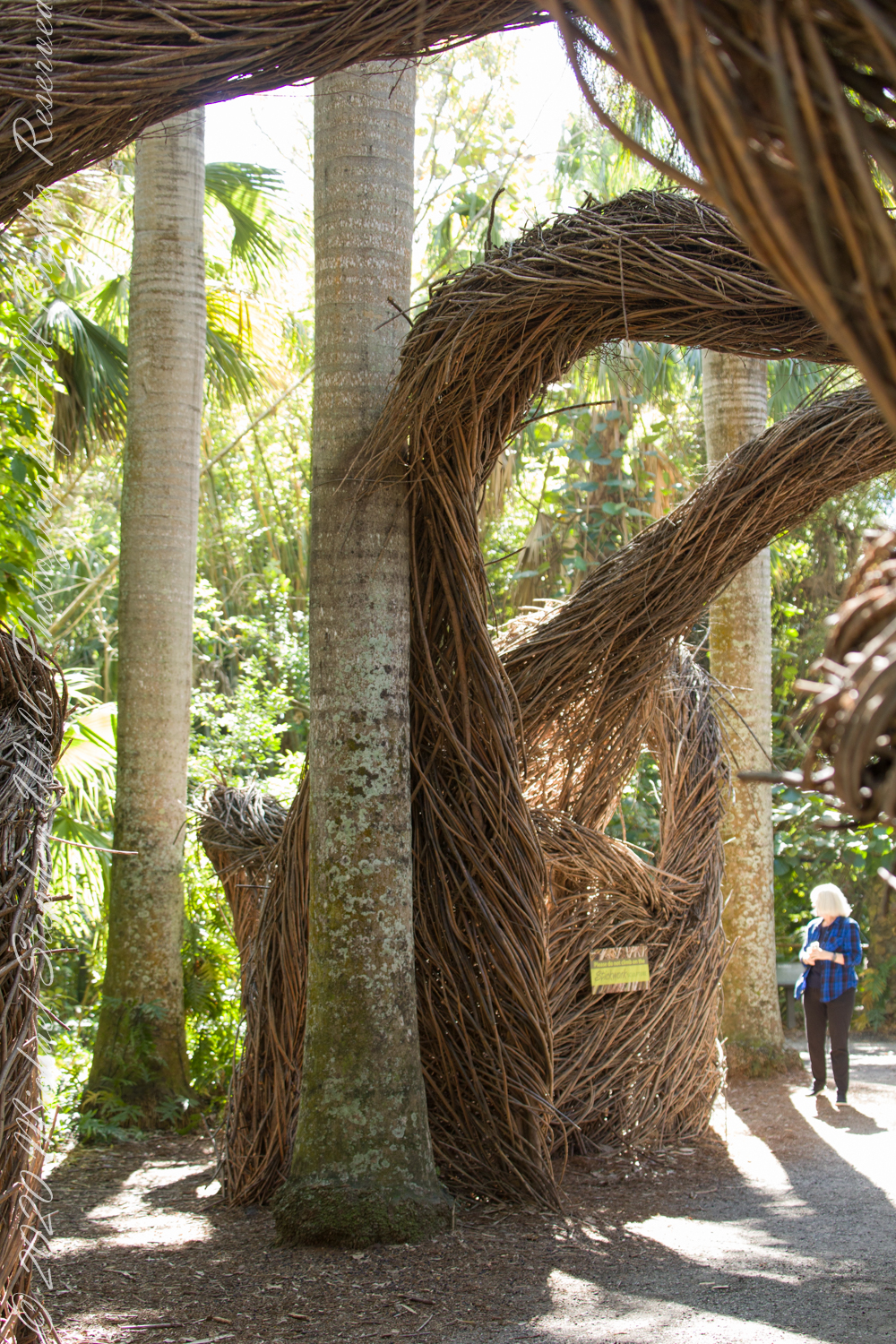
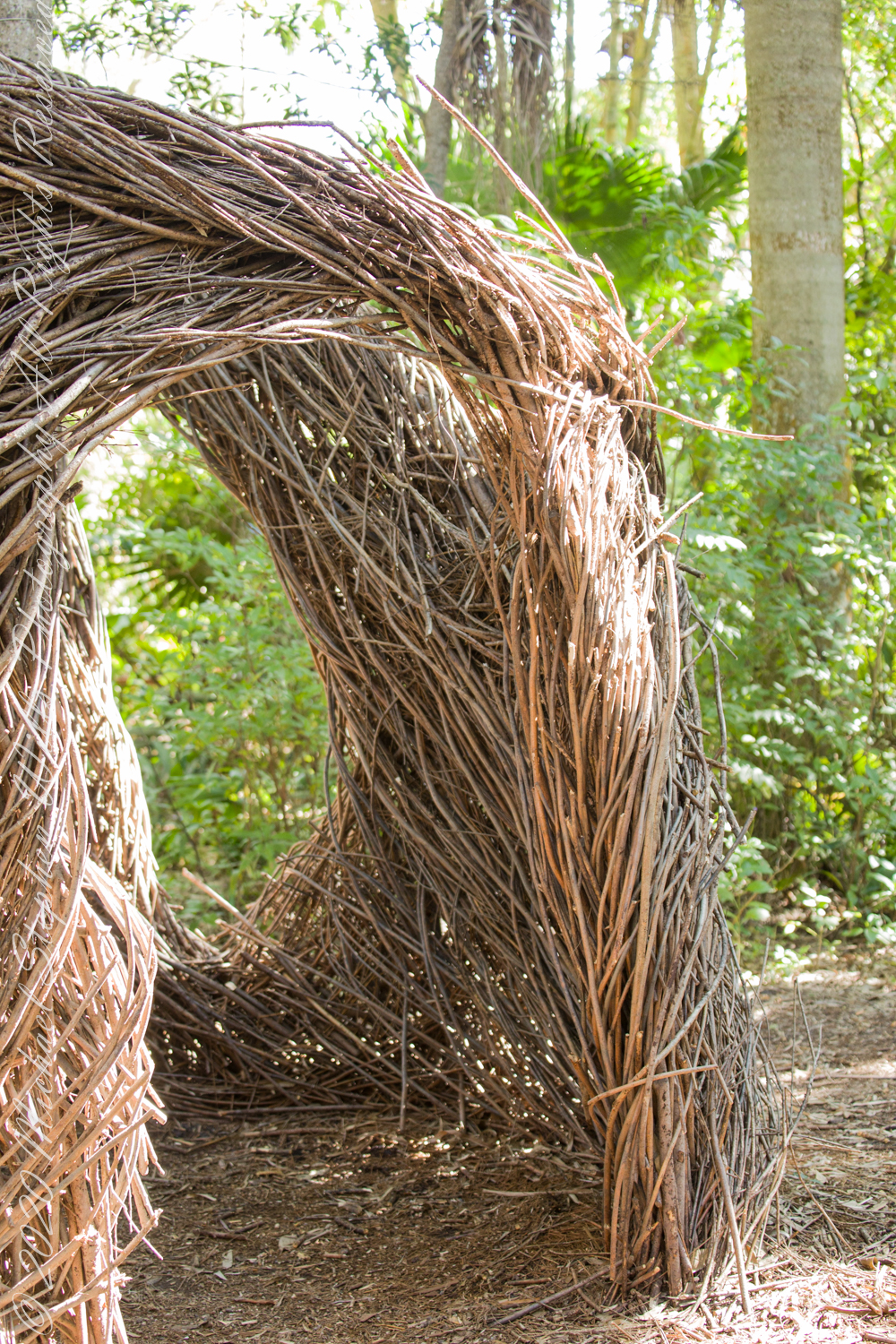
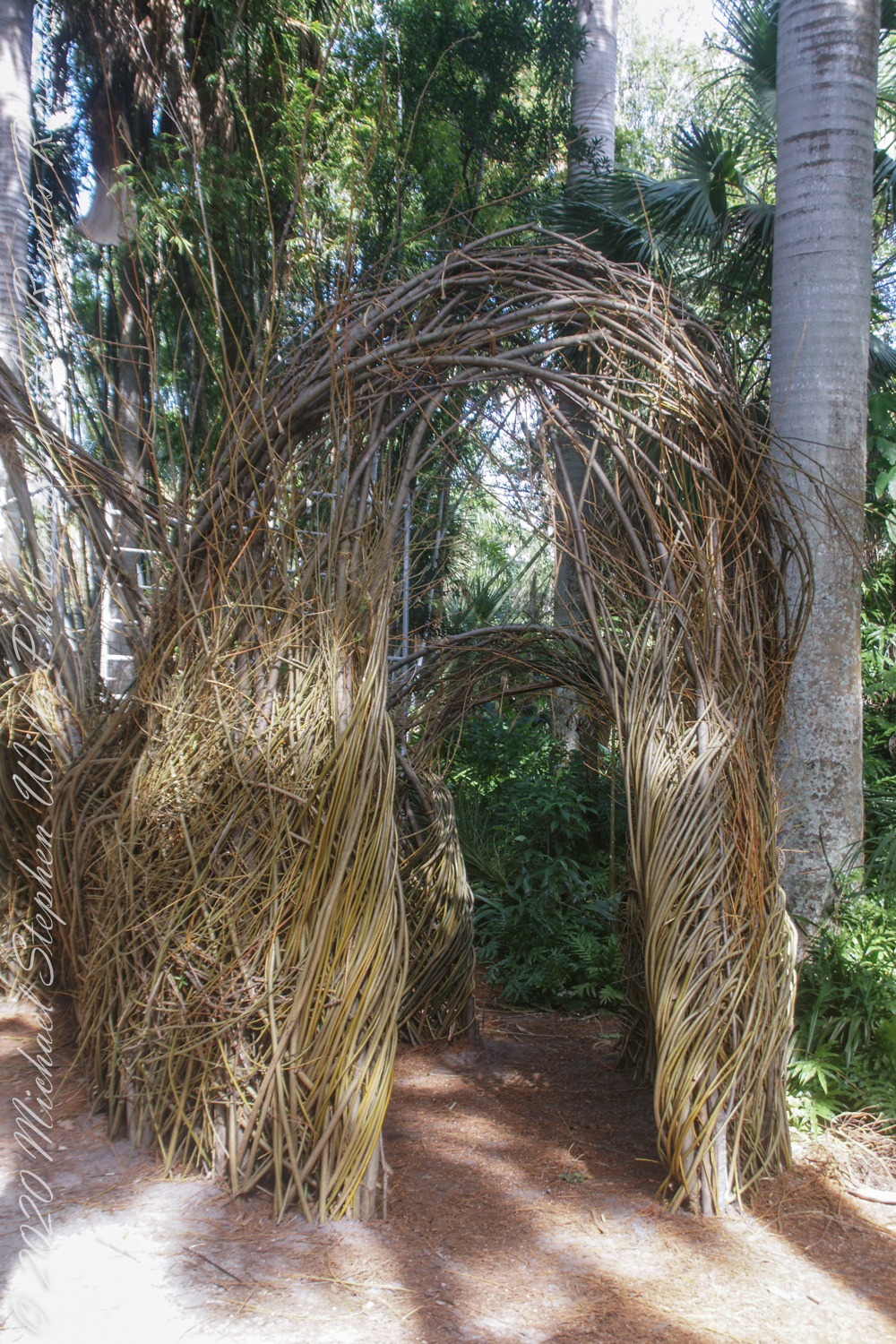
Grand Stickwork

A selection of photographs from our February 2022 visit to McKee Botanical Gardens, Vero Beach, Indian River County, Florida

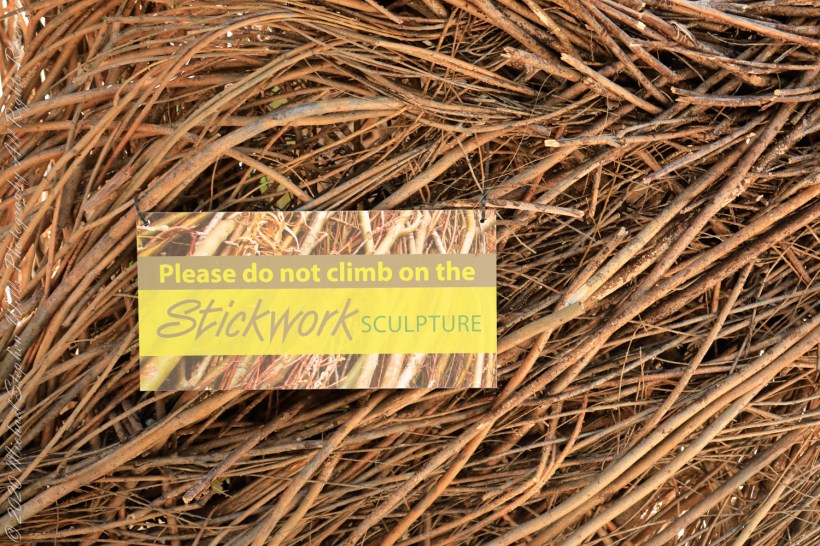
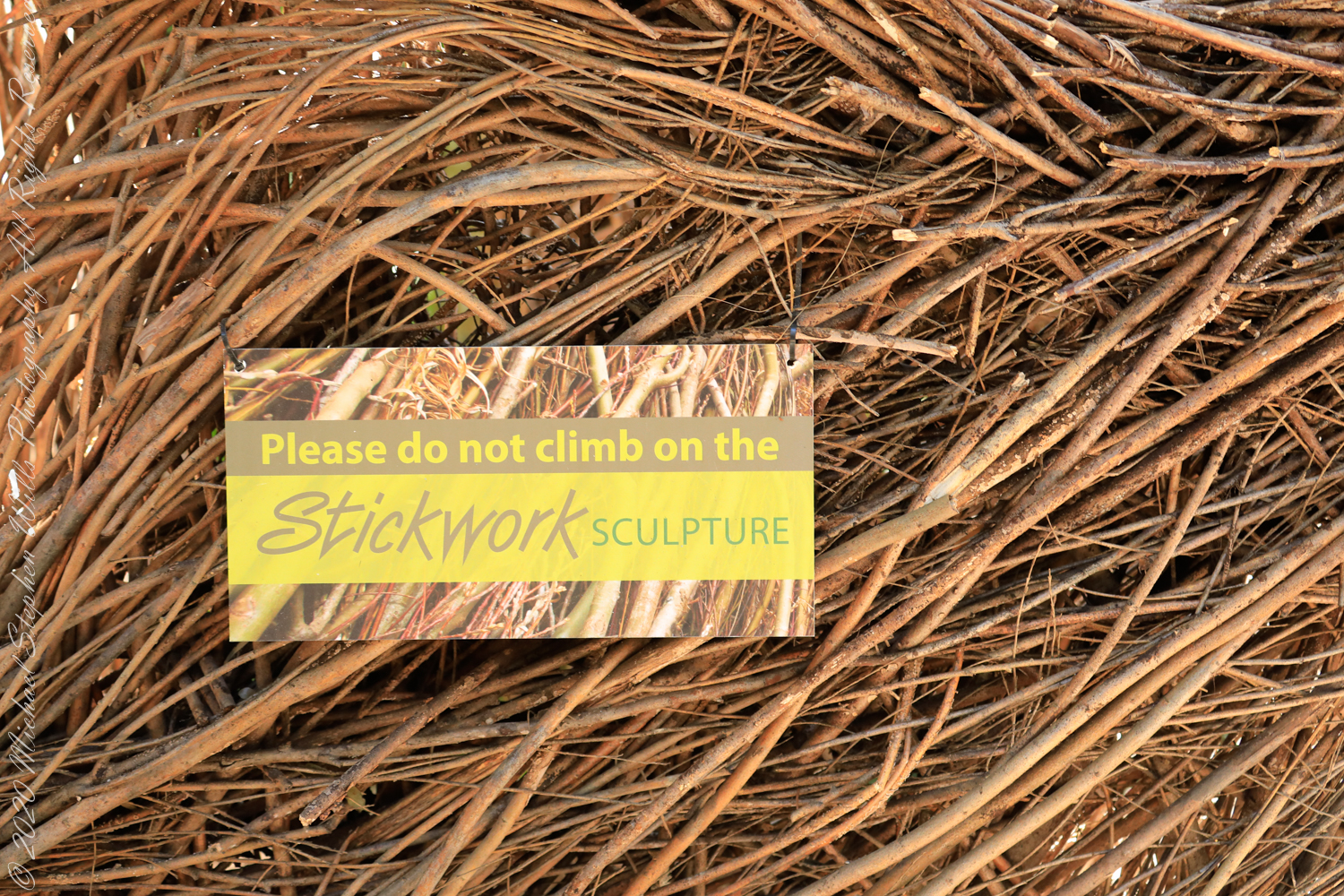
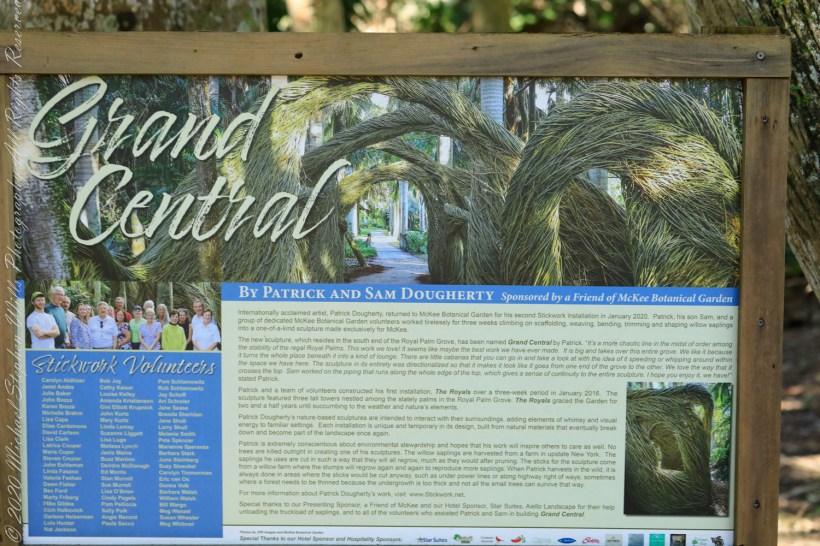
Grand Central is an artistic project adjacent to the Royal Palm avenue. Look at the photograph of the signage for more information about this project

Click me for a dinosaur at McKee Gardens, Neovenator, teeth like steak knives

Copyright 2022 Michael Stephen Wills All Rights Reserved

Botanic Royality

A selection of photographs from our February 2022 visit to McKee Botanical Gardens, Vero Beach, Indian River County, Florida

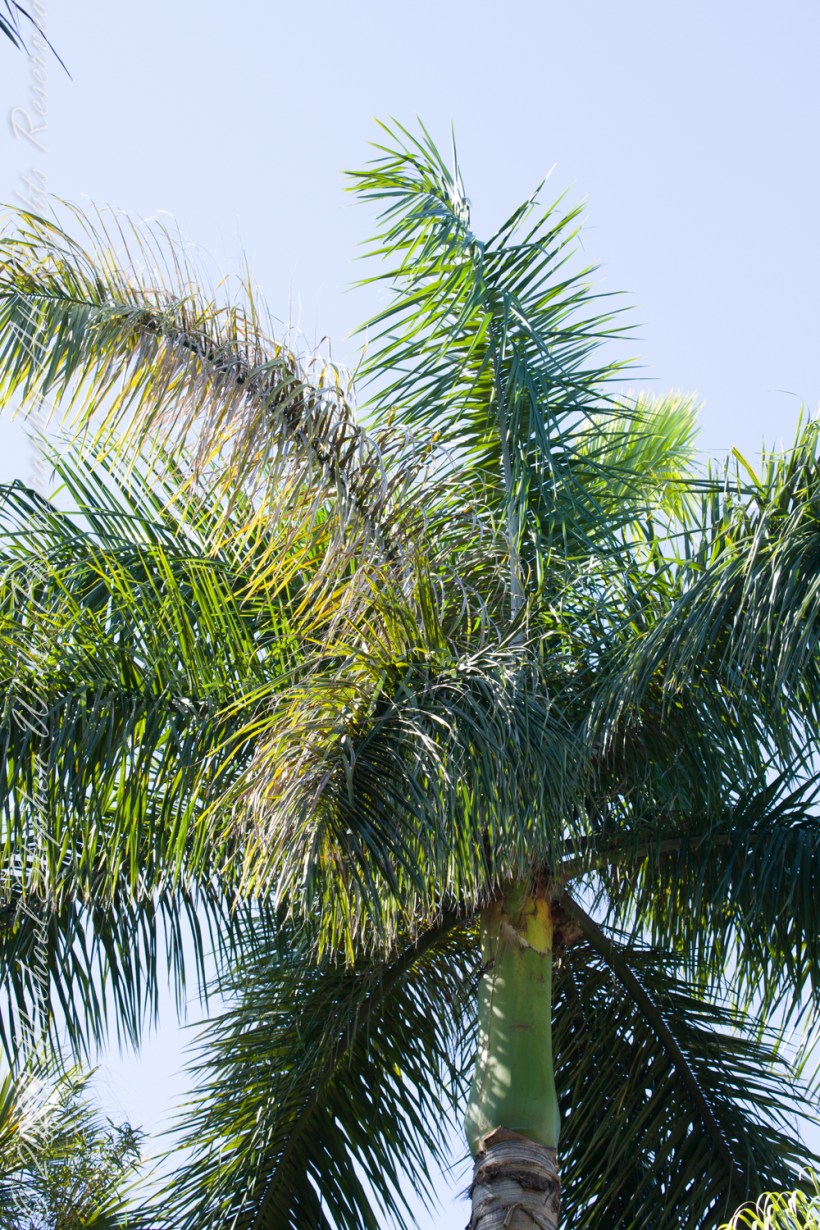
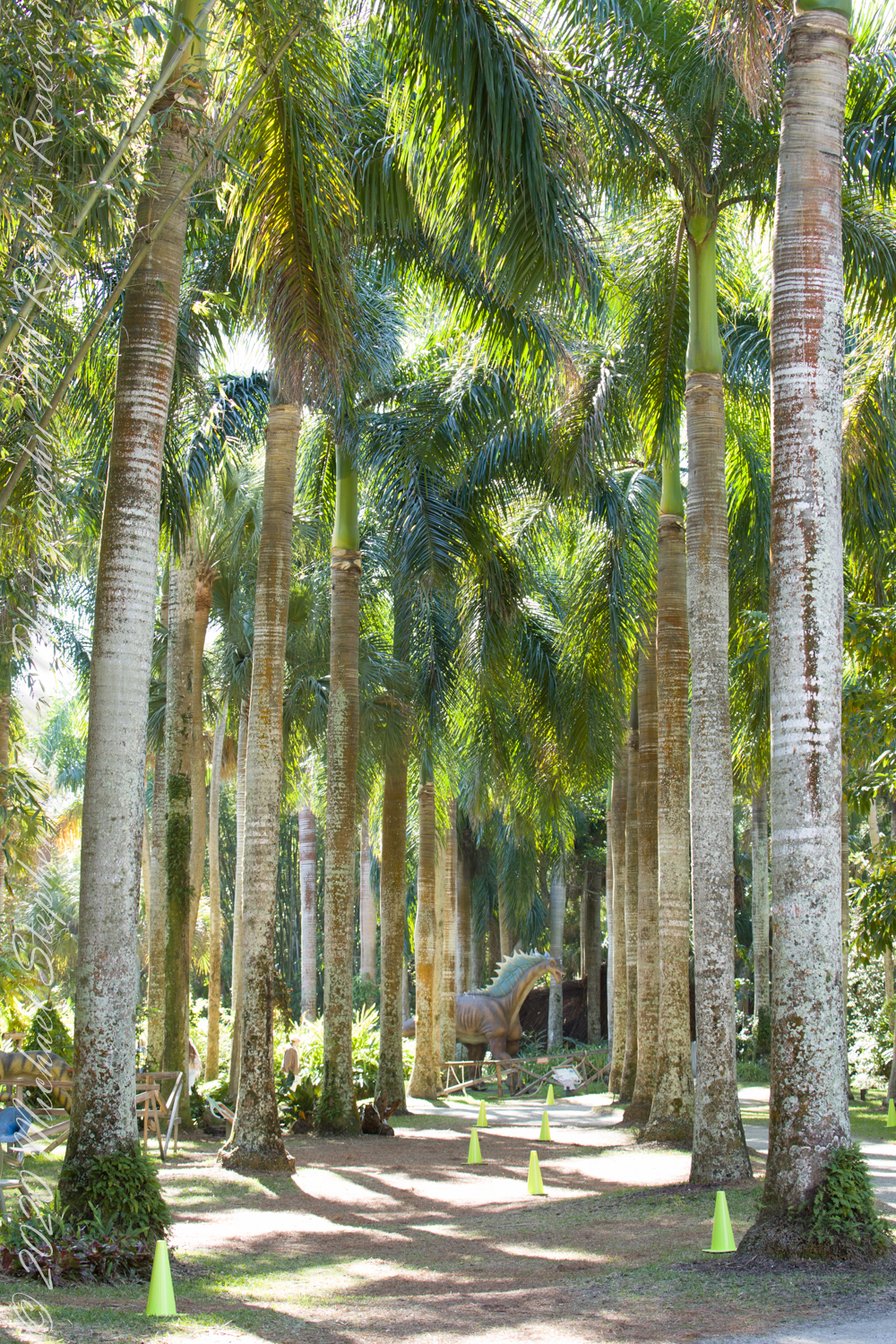
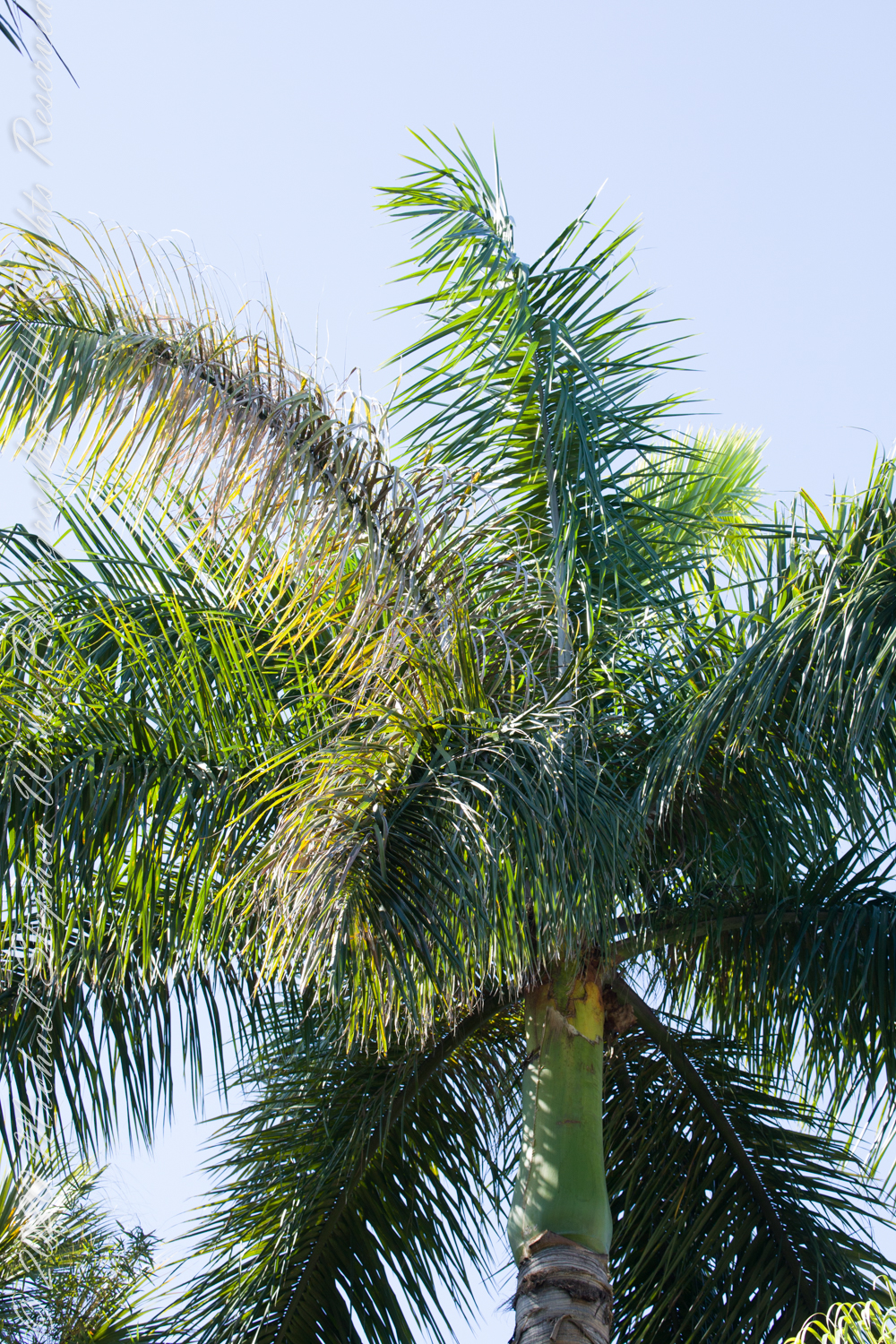
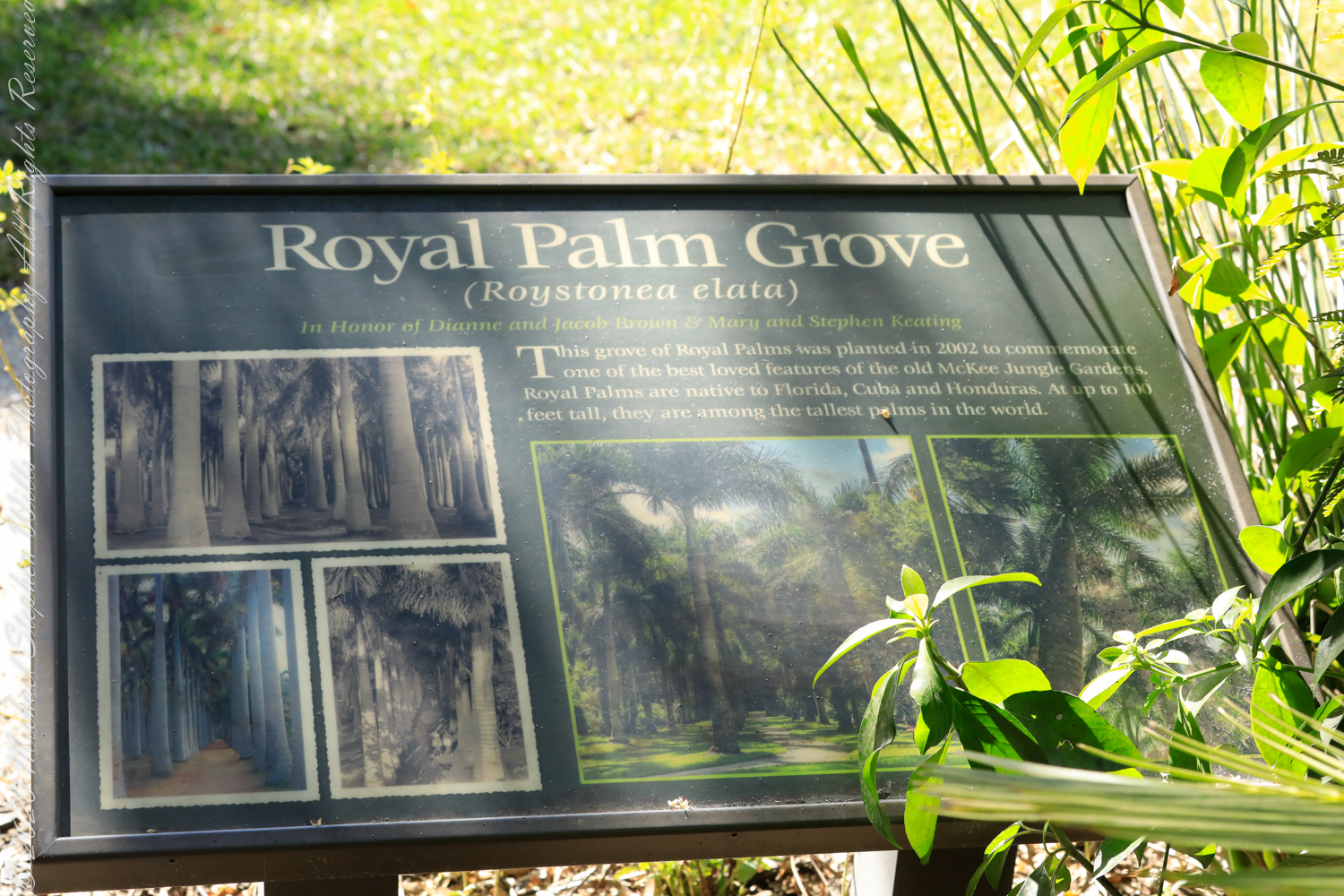
Royal Palm grove (Roystonea elata) in honor of Dianne and Jacob Brown and Mary and Stephen Keating. This grove of Roy Palms was planted in 2002 to commemorate one of the best loved features of the old McKee Jungle Garden. Royal Palms are native to Florida, Cuba and Honduras. They are among the tallest palms in the world.

Click me for a dinosaur at McKee Gardens, Amargasaurus, a “small” sauropod.

References: text is from the park placard with minor edits.

Copyright 2022 Michael Stephen Wills All Rights Reserved

Mystery hole in the ground

A selection of photographs from our February 2022 visit to McKee Botanical Gardens, Vero Beach, Indian River County, Florida

The holes are land crab burrow entrances. The burrows are often several feet deep. These crabs are often blue in color and they eat leaves, fruits and berries. They are very shy, but if you stand still they may make an appearance..

Click me for a dinosaur at McKee Gardens, Baellynasaura, “Big Eyes

References: text is from the park placard with minor edits.

Copyright 2022 Michael Stephen Wills All Rights Reserved

Fishy Business

A selection of photographs from our February 2022 visit to McKee Botanical Gardens, Vero Beach, Indian River County, Florida

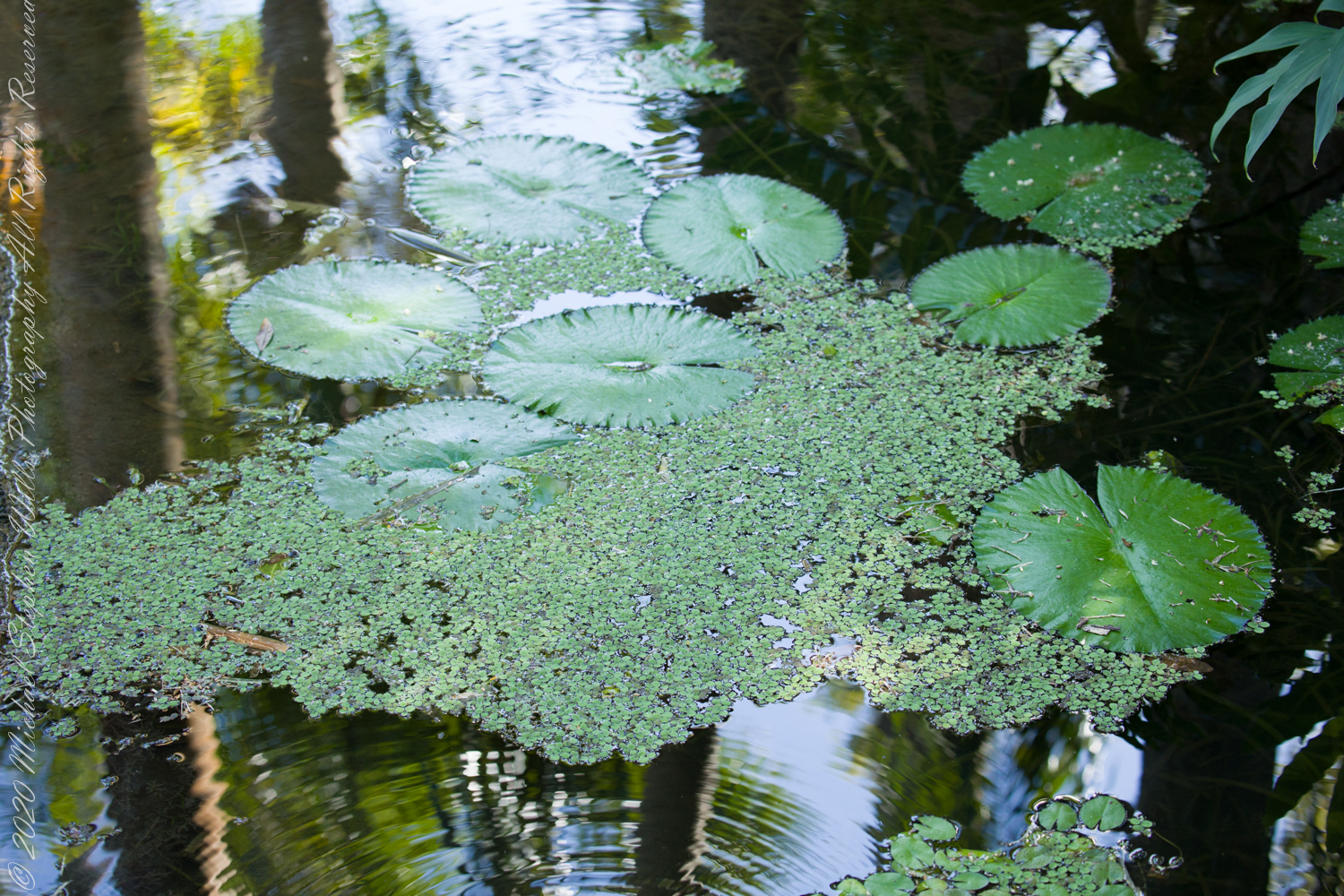
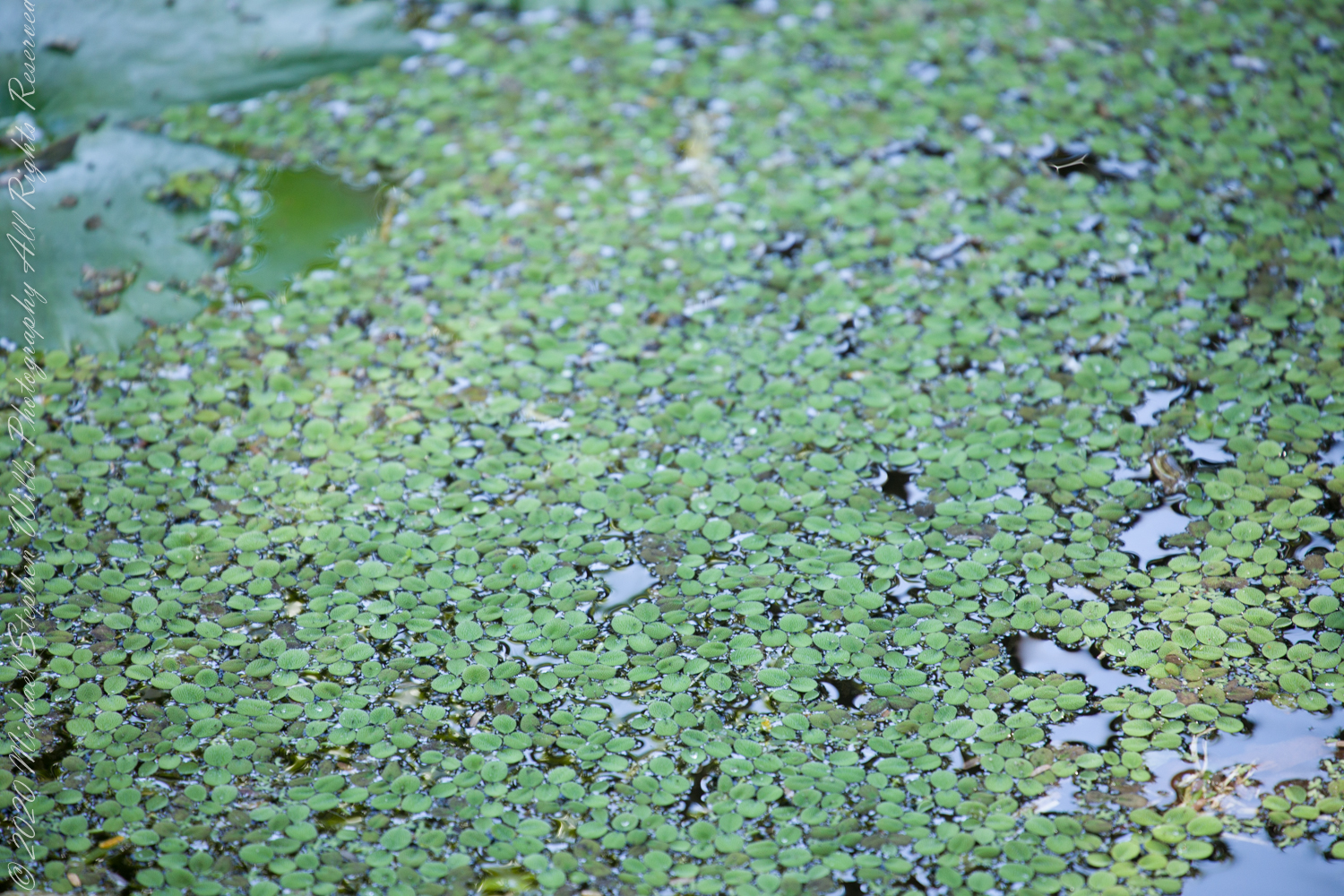
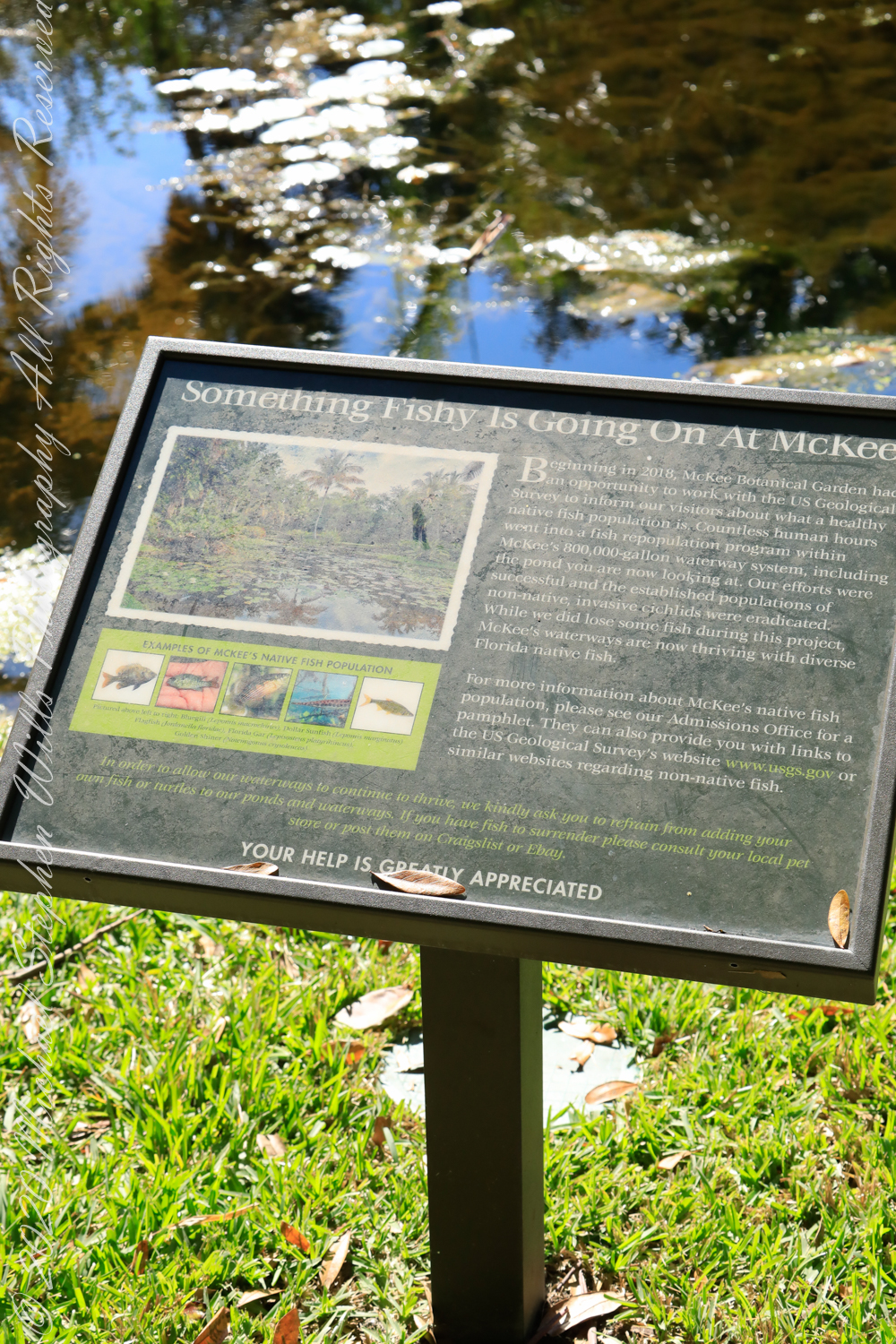
Beginning in 2018, McKee Botanical Garden had an opportunity to work with the US Geological survey to inform our visitors about what a healthy native fish population is. Countless human hours went into a fish population program within McKee’s 800,000-gallon waterway system, including the pond you are now looking at. Our efforts were successful and the established populations of non-native, invasive cichlids were eradicated. While we did lose some fish during the project, McKee’s waterways are now thriving with diverse Florida native fish.

Click me for a dinosaur at McKee Gardens, Neovenator, teeth like steak knives

References: text is from the park placard with minor edits.

Copyright 2022 Michael Stephen Wills All Rights Reserved