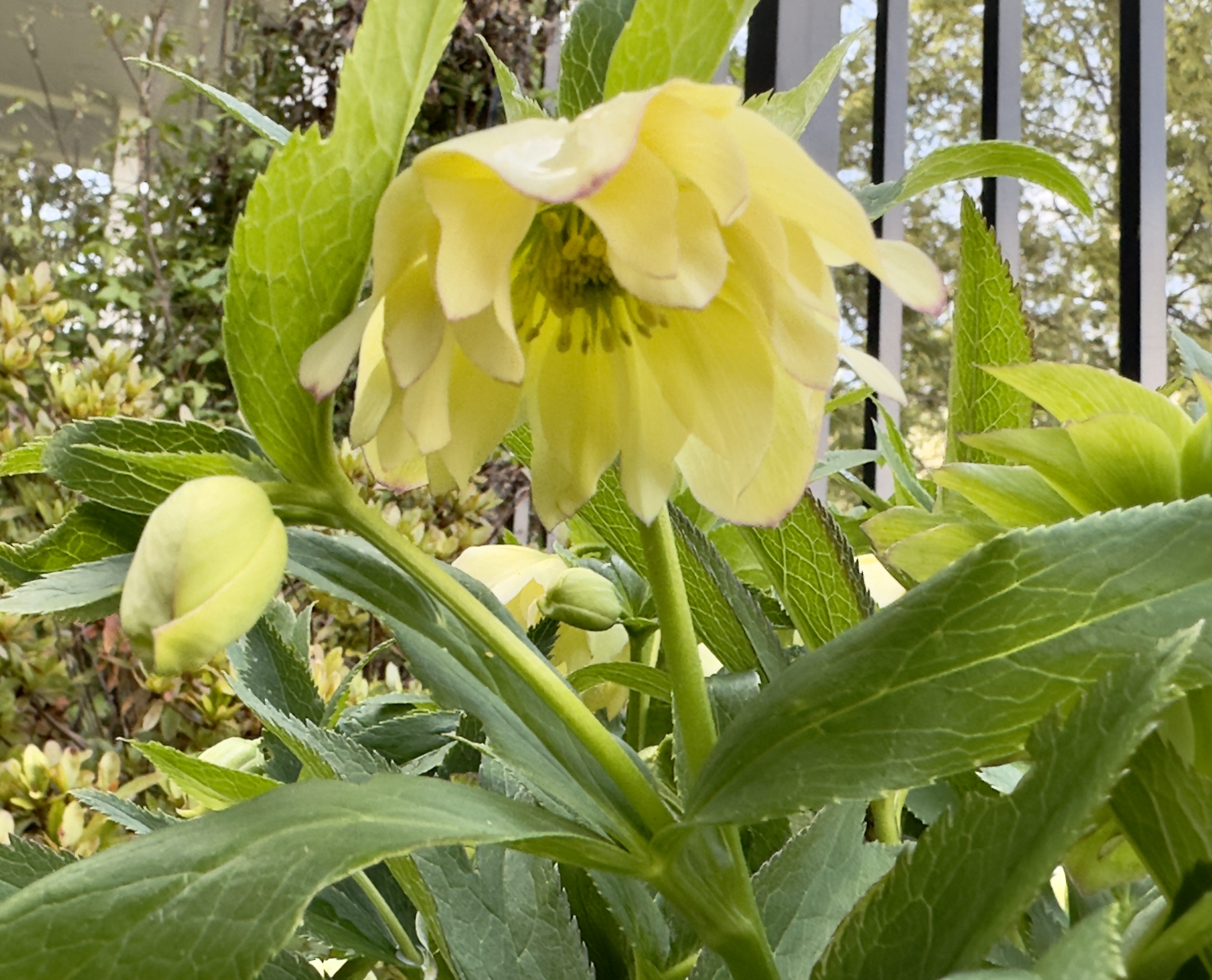
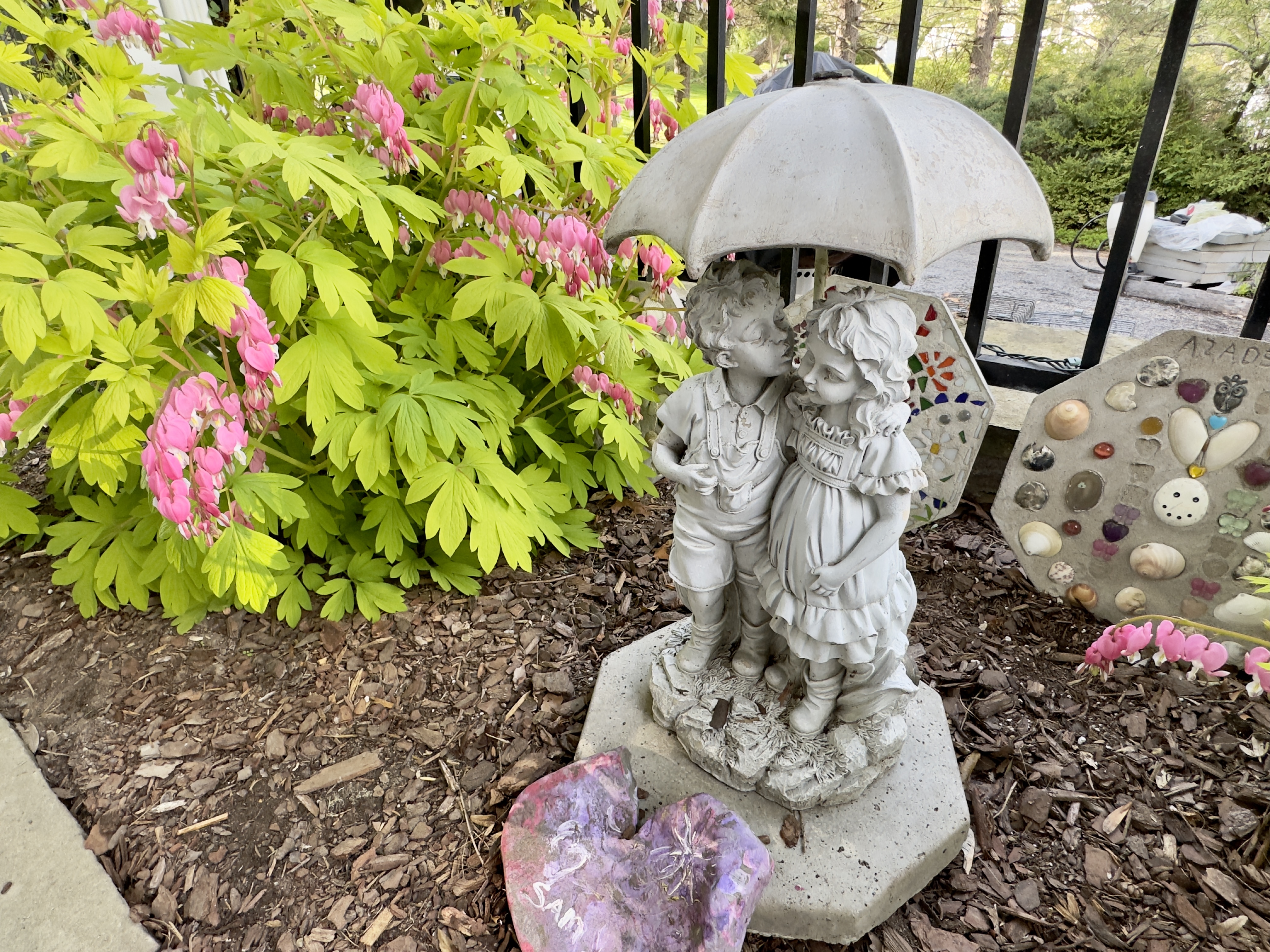
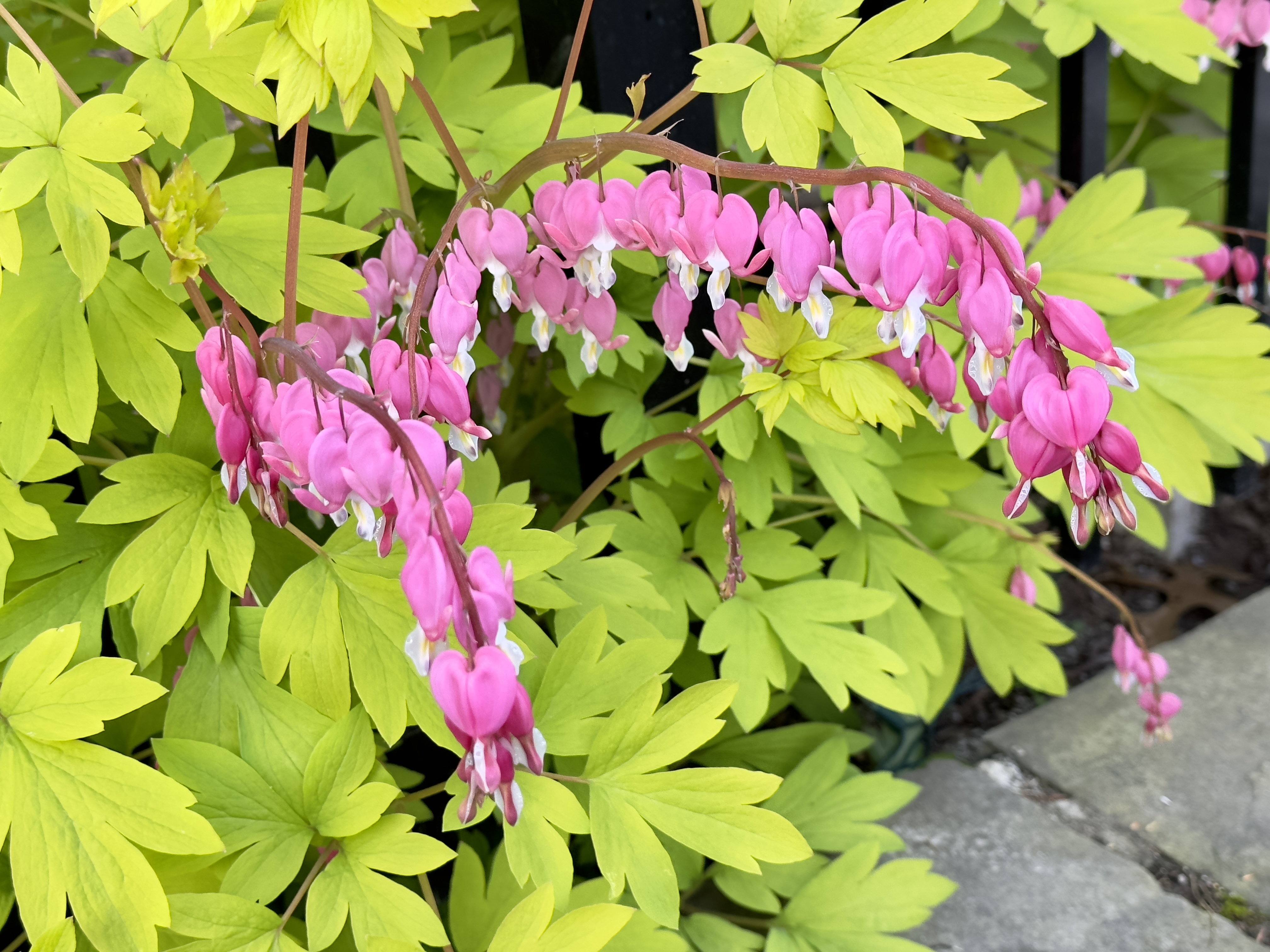
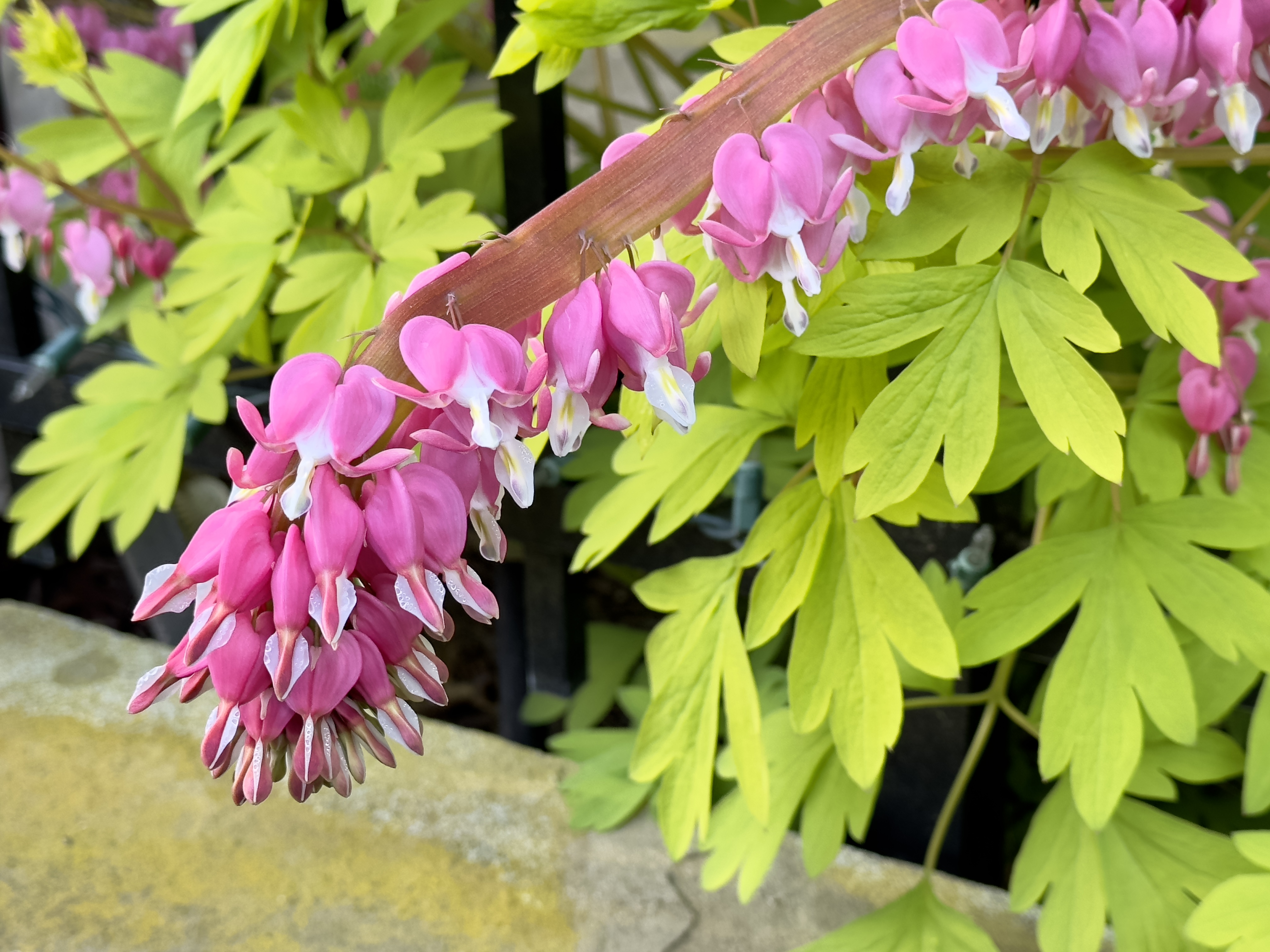
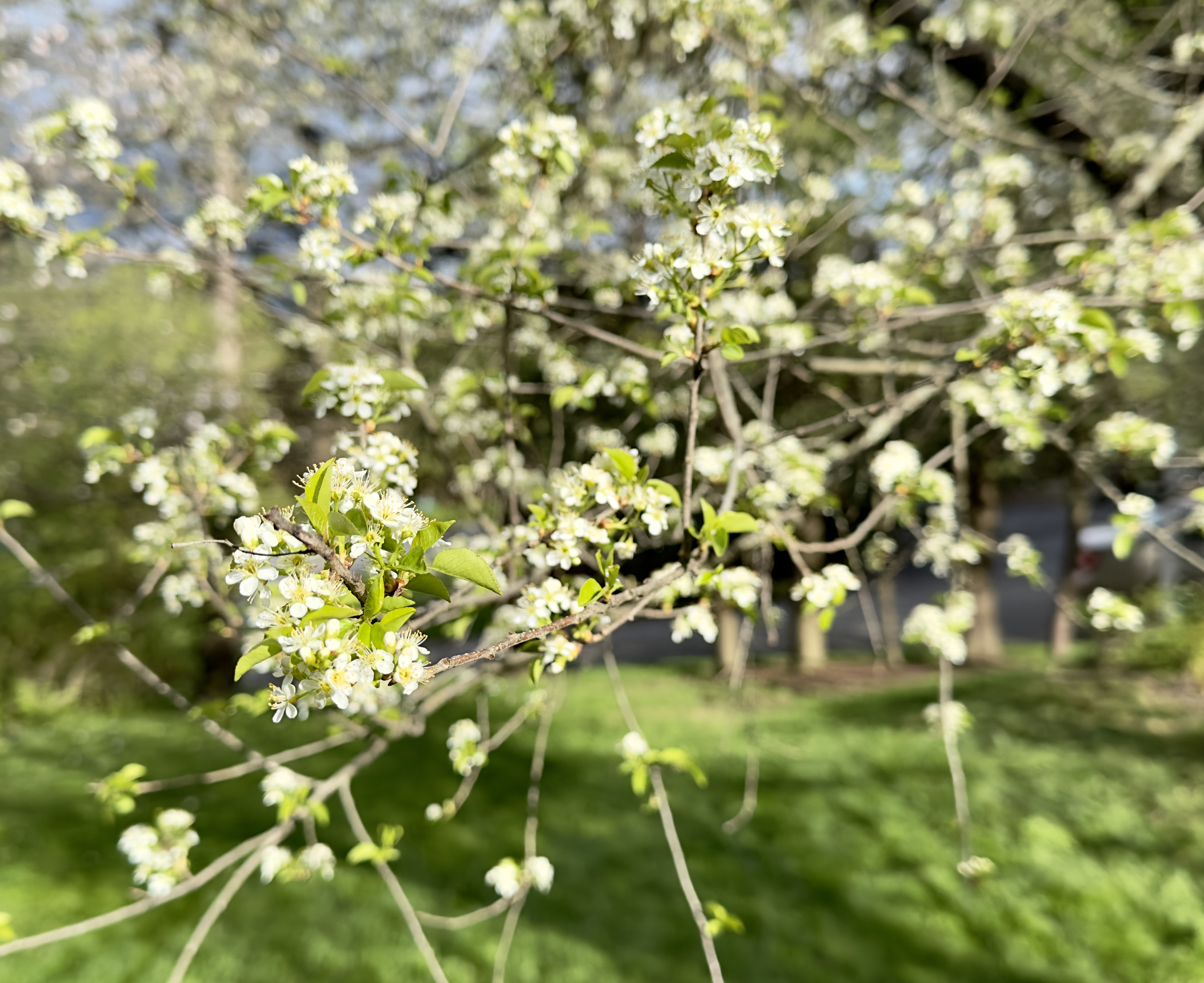
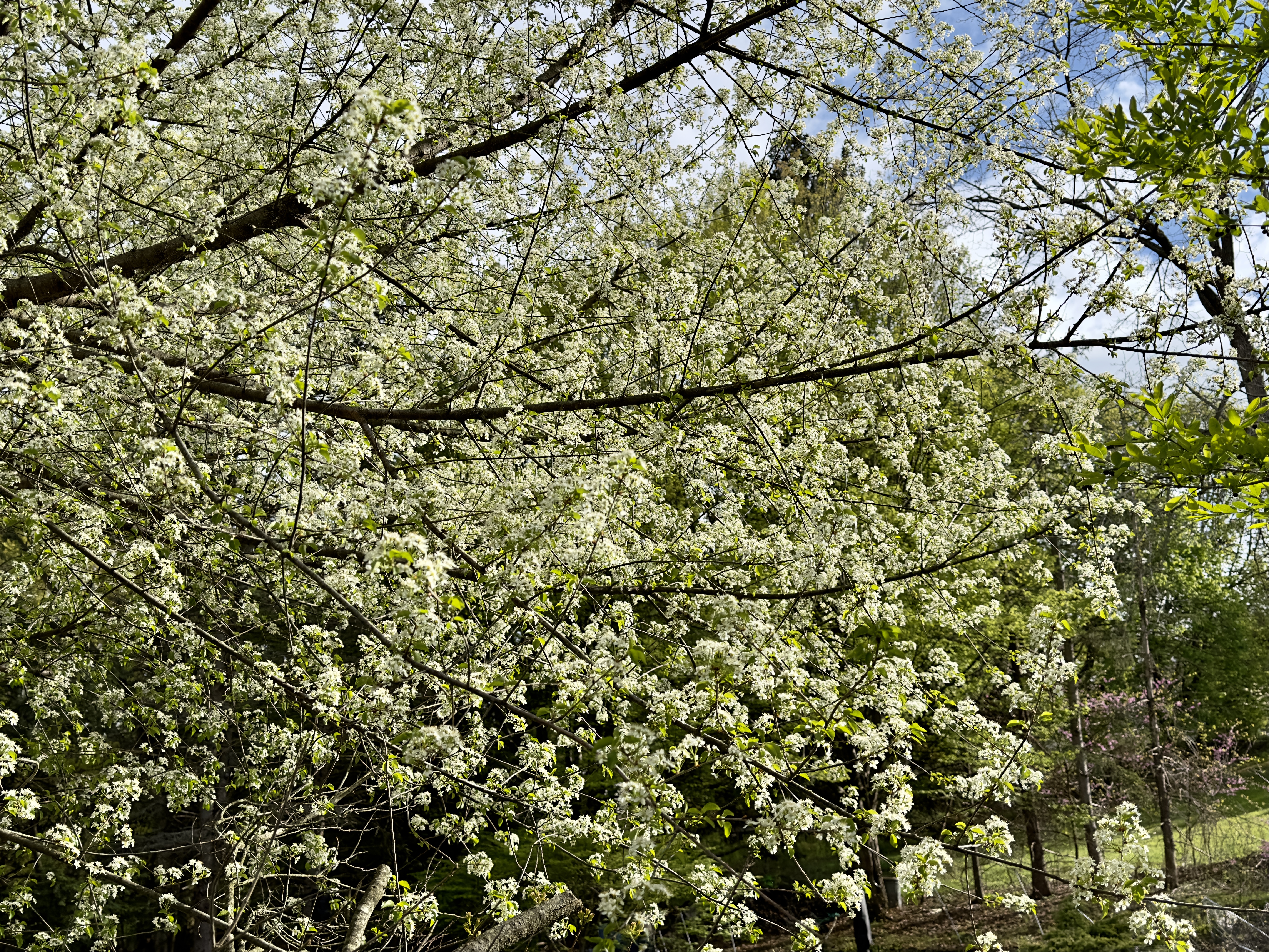
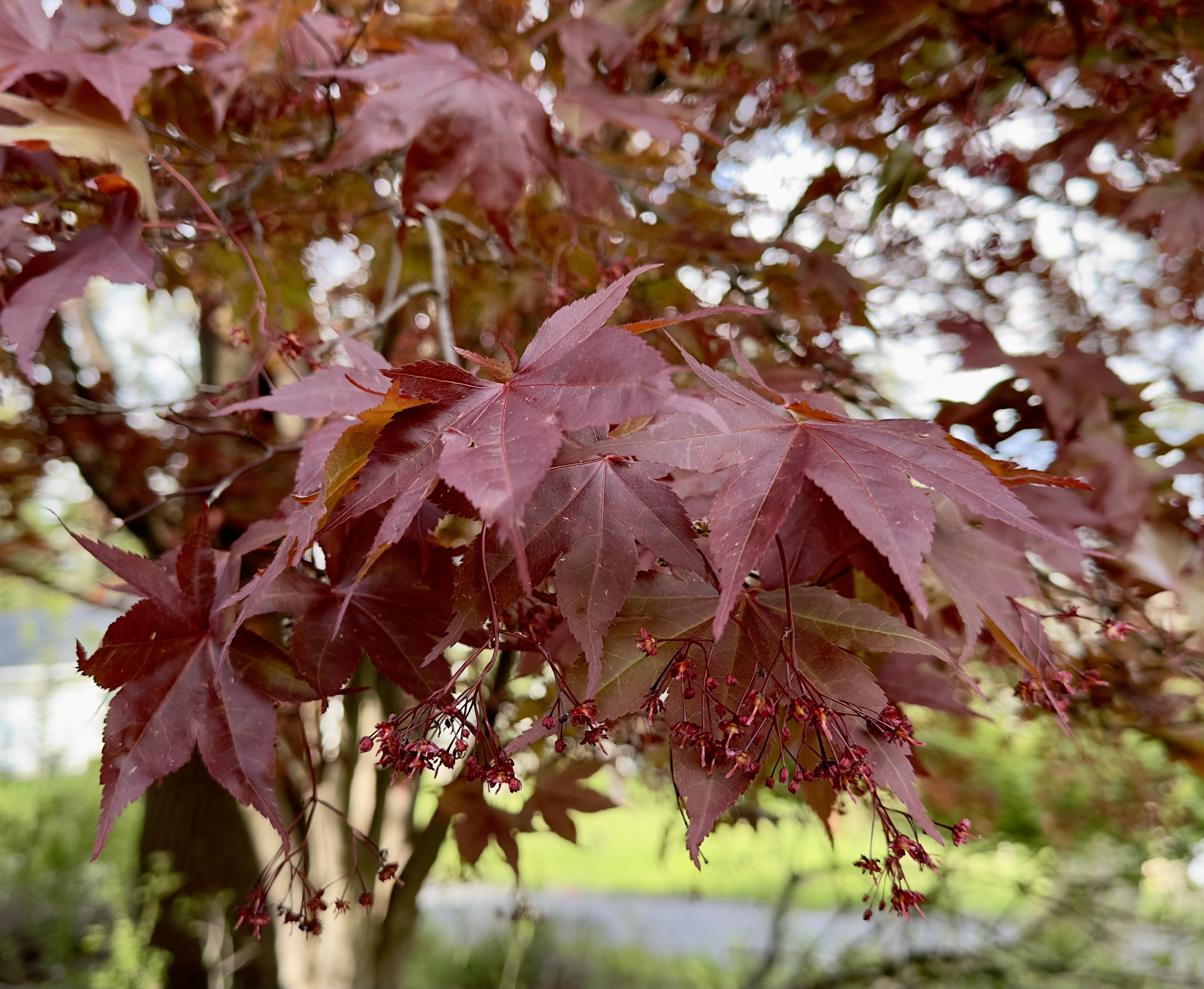
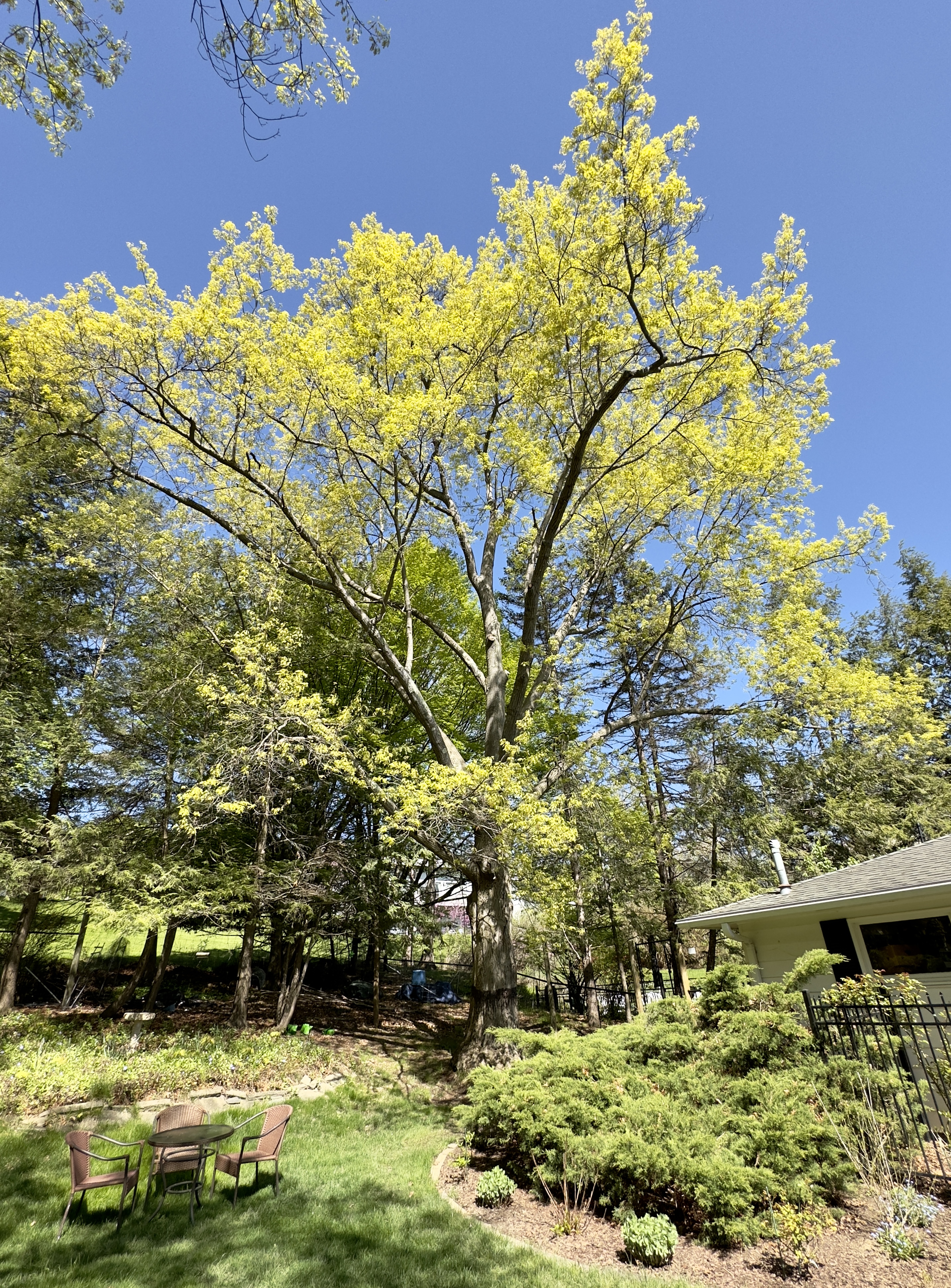
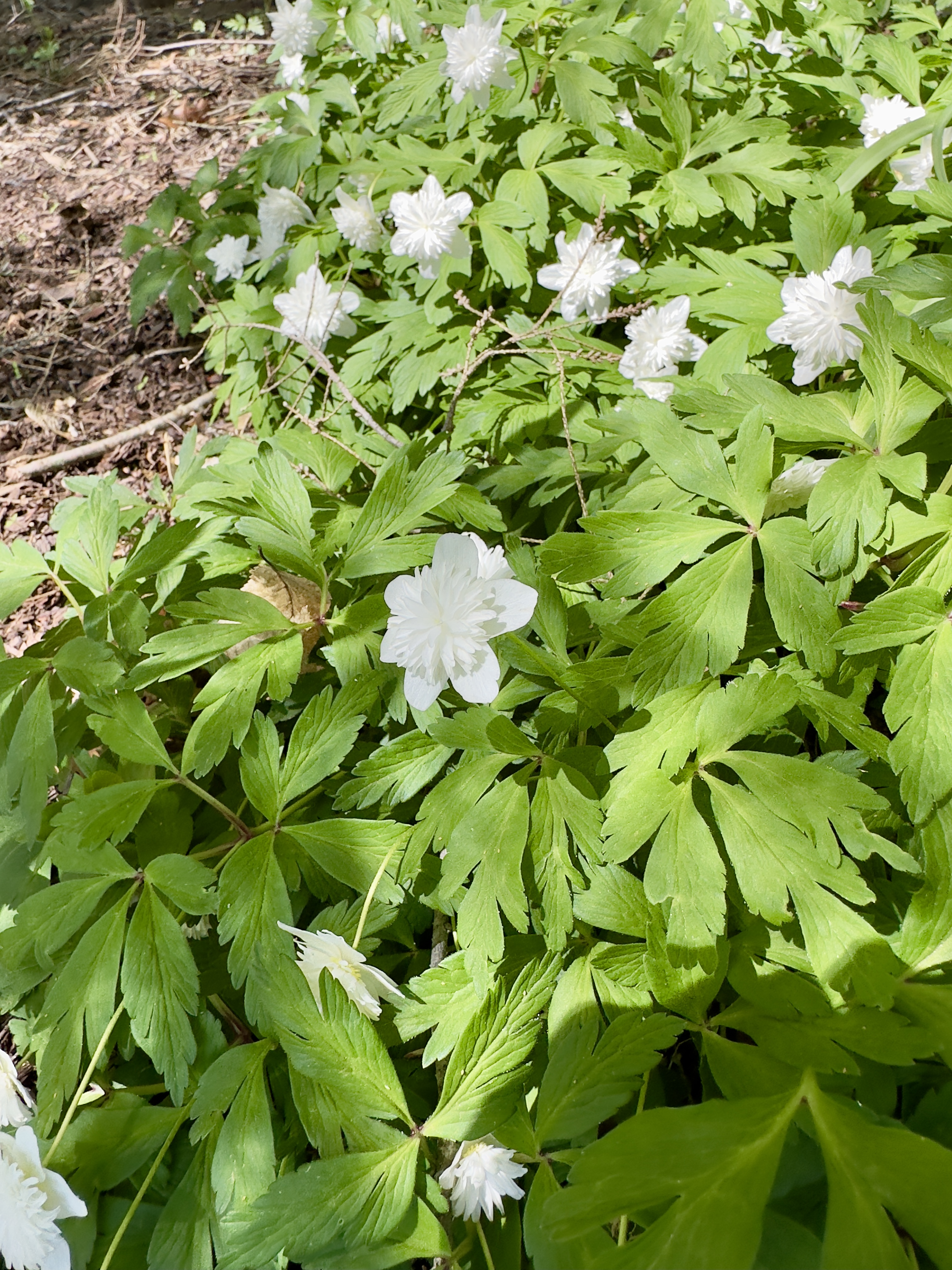
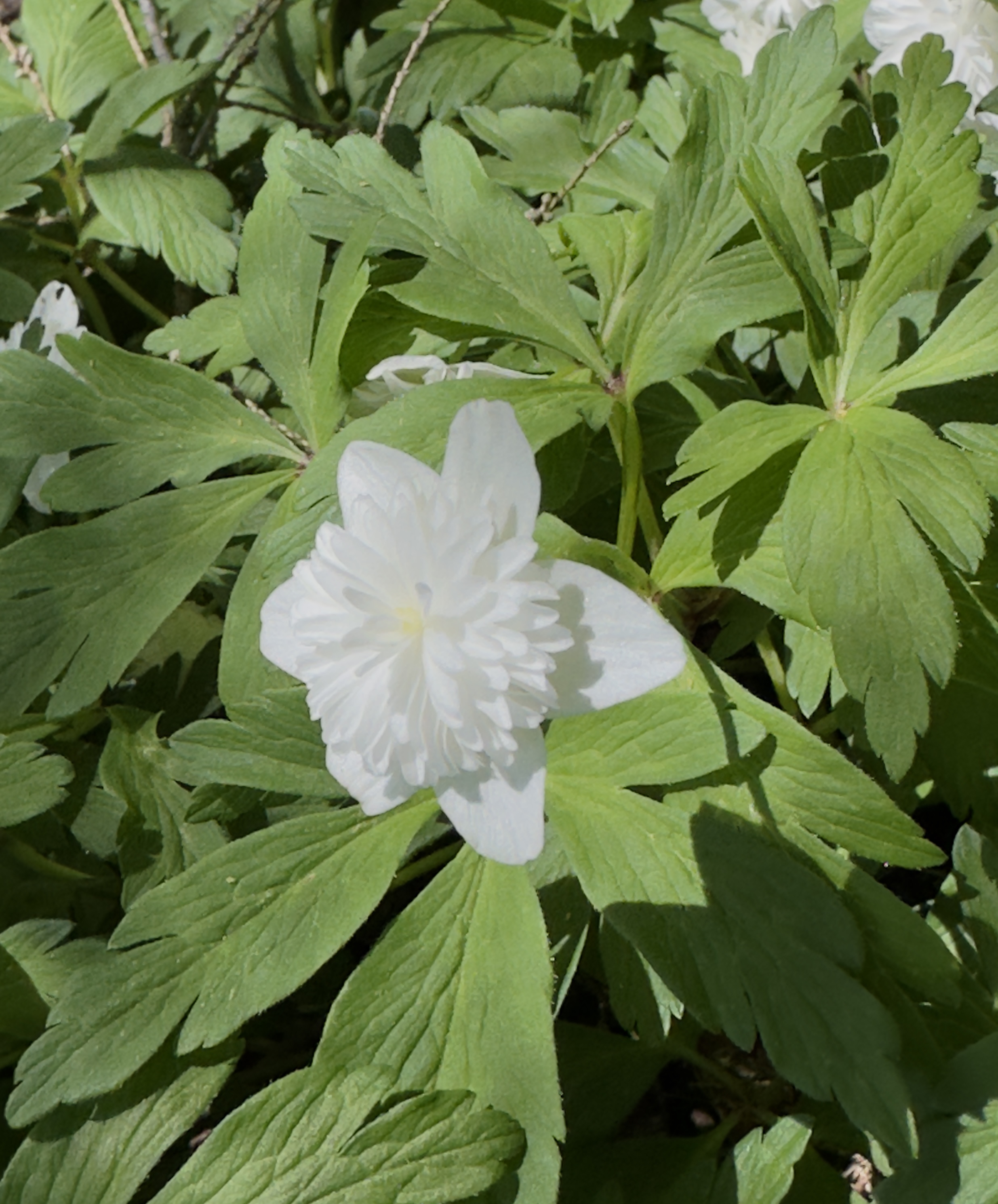
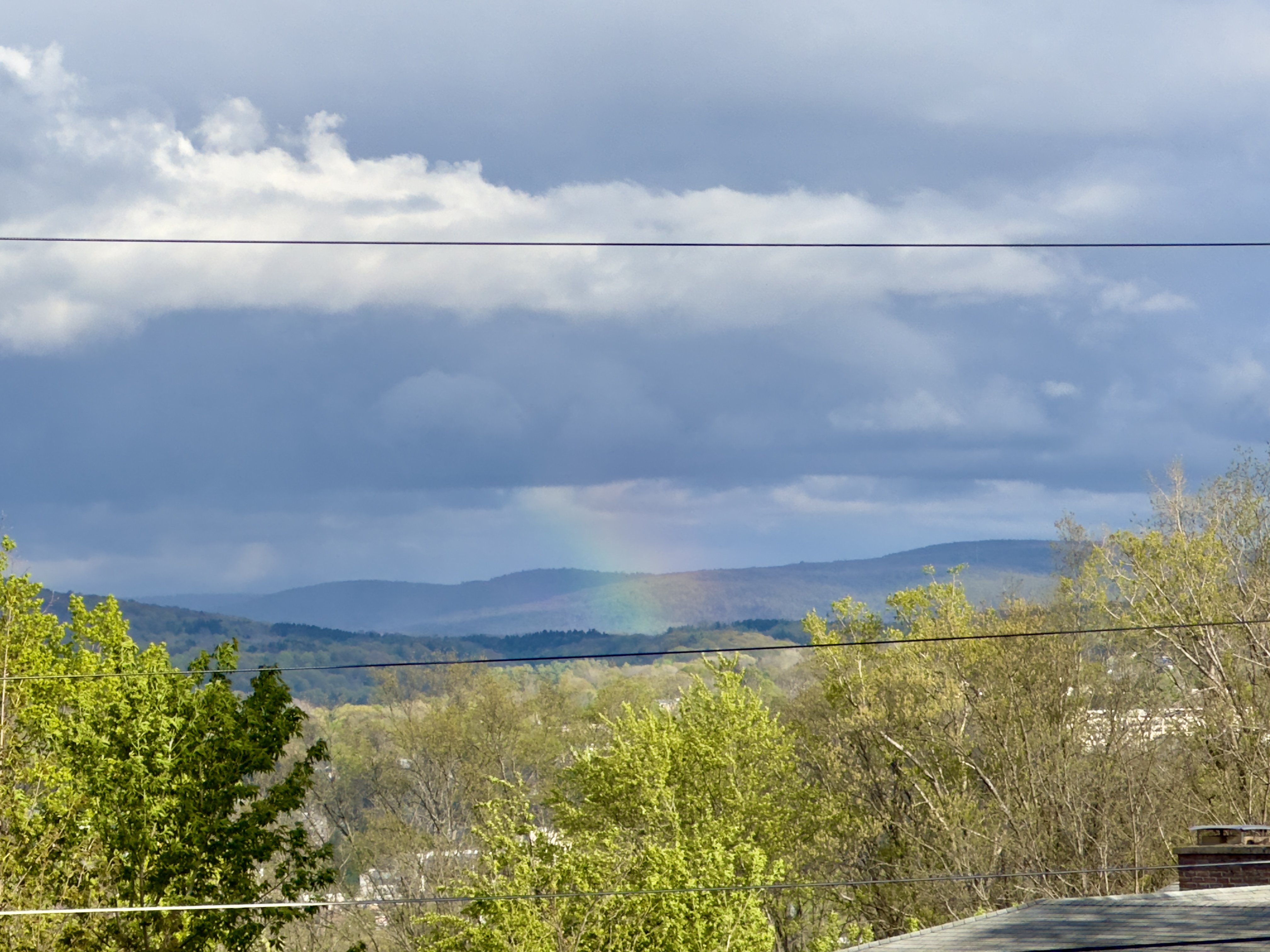
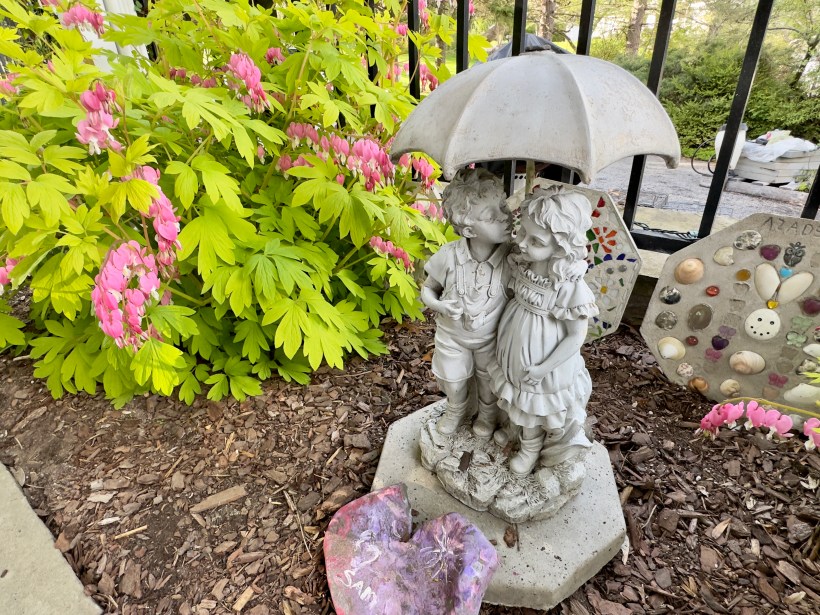
A few days past May Day 2023 I traversed our home gardens with the Apple Phone 14 ProMax to see what I could see…..
In Springtime
A few days past May Day 2023 I traversed our home gardens with the Apple Phone 14 ProMax to see what I could see…..
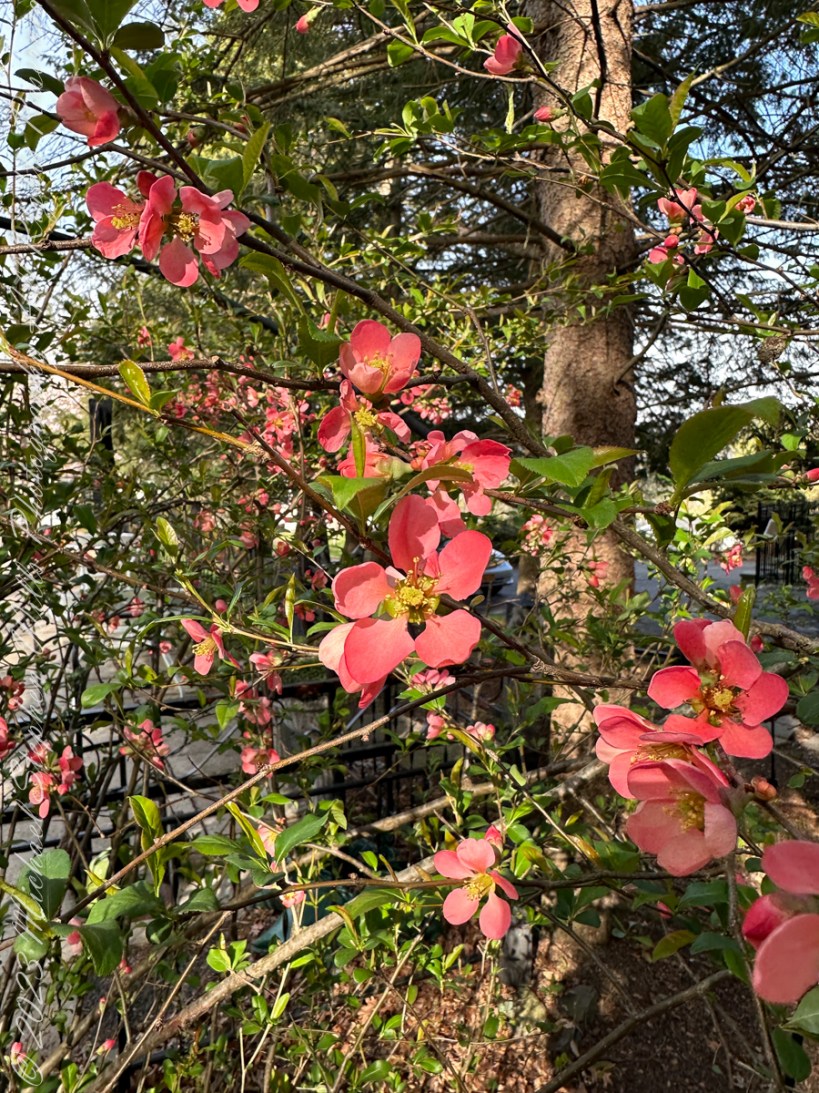
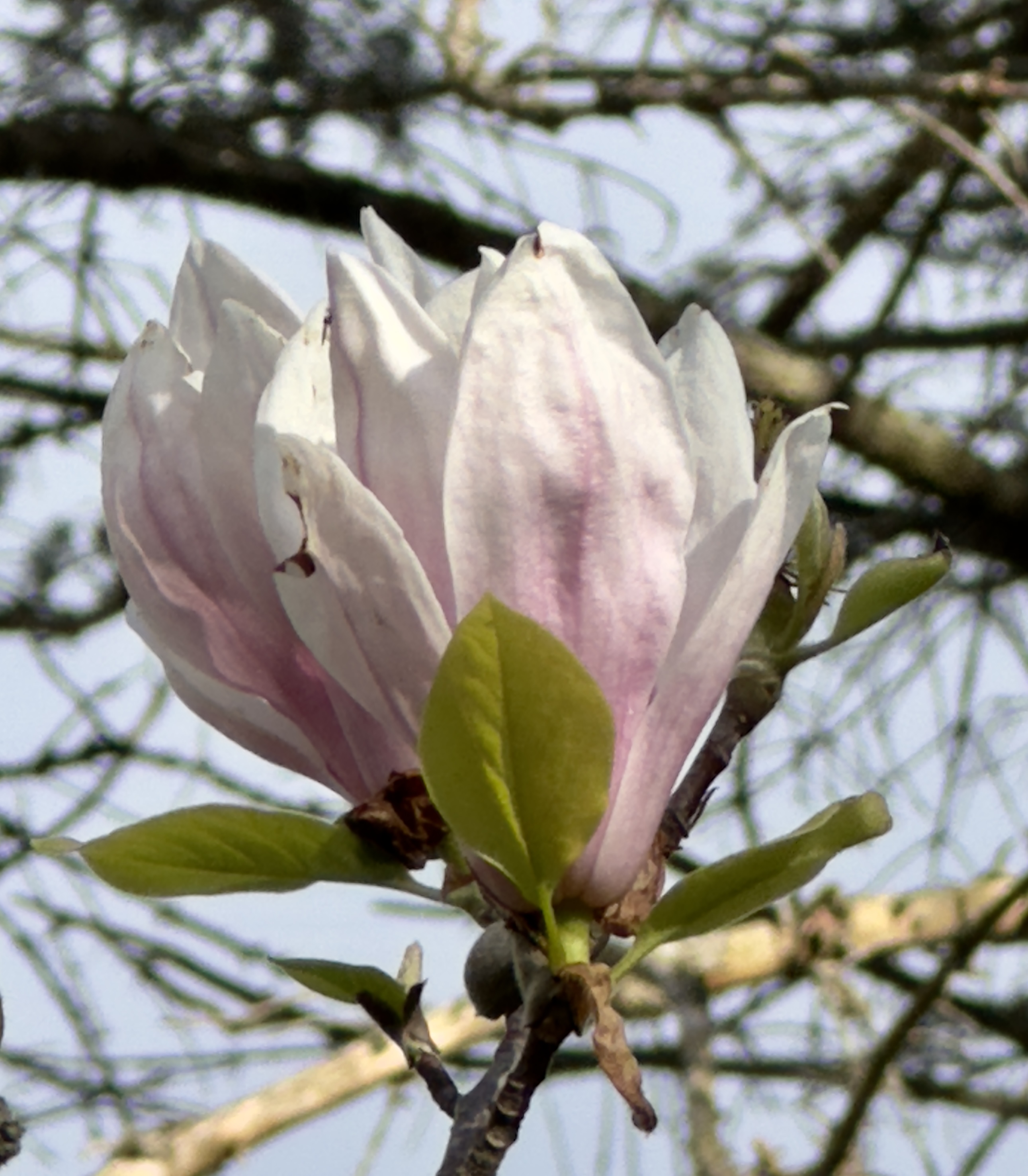
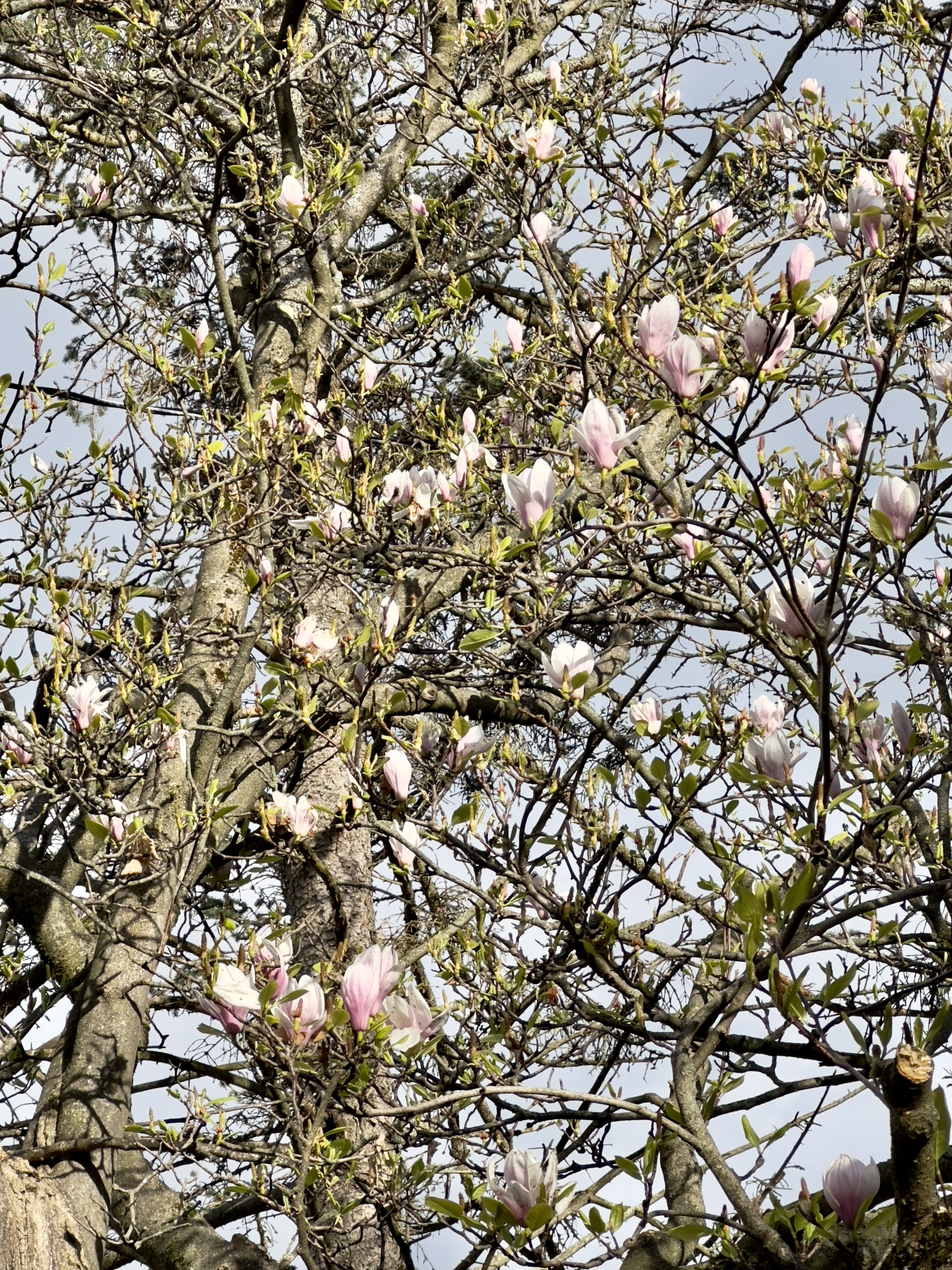
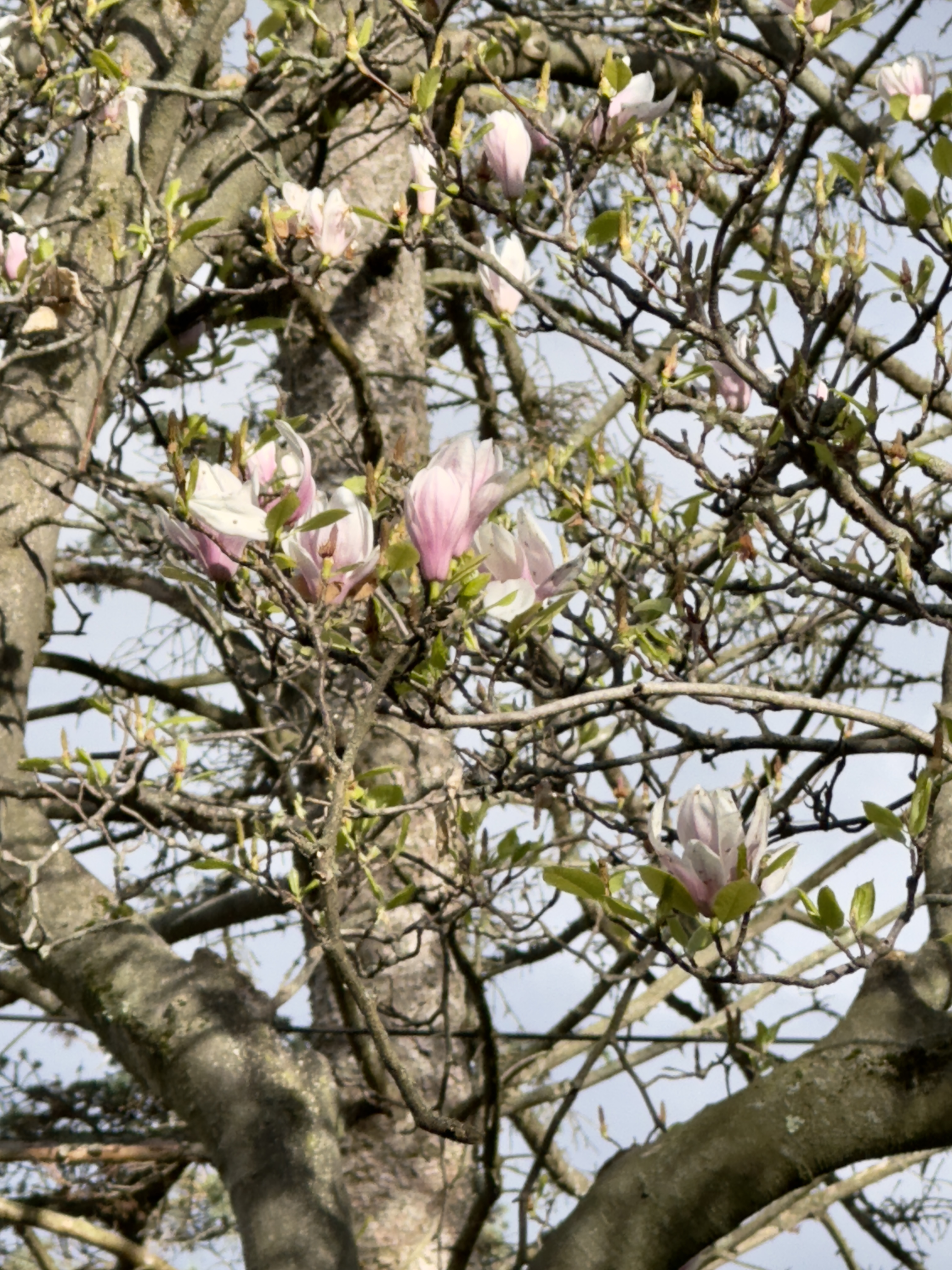
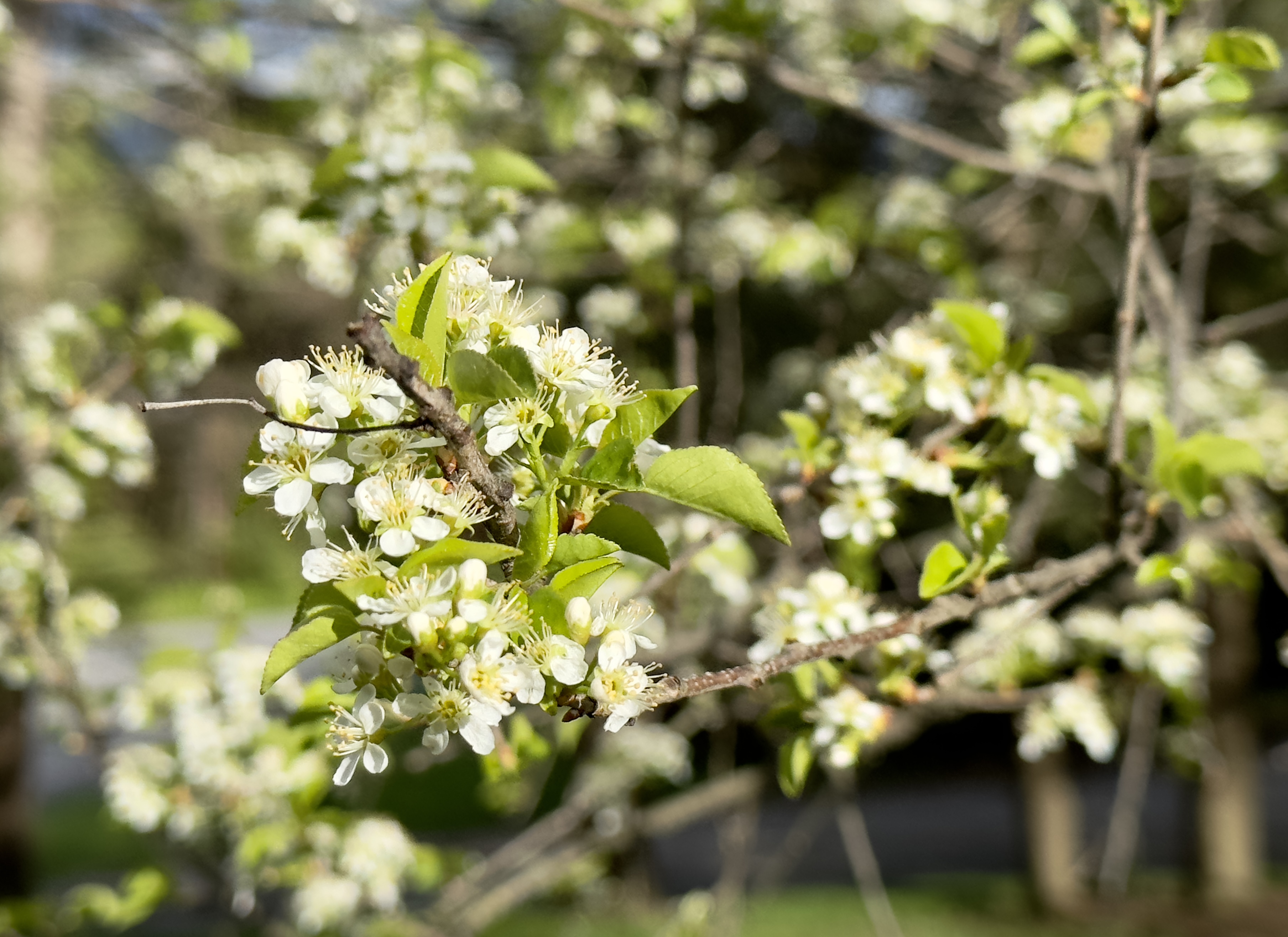
Eight Photographs of Five Flowers
After spreading 15,000 square feet of crabcrass/fertilizer and before attending a frigid first baseball game of a grandson, I capture eight photographs of five different flowers from our home.
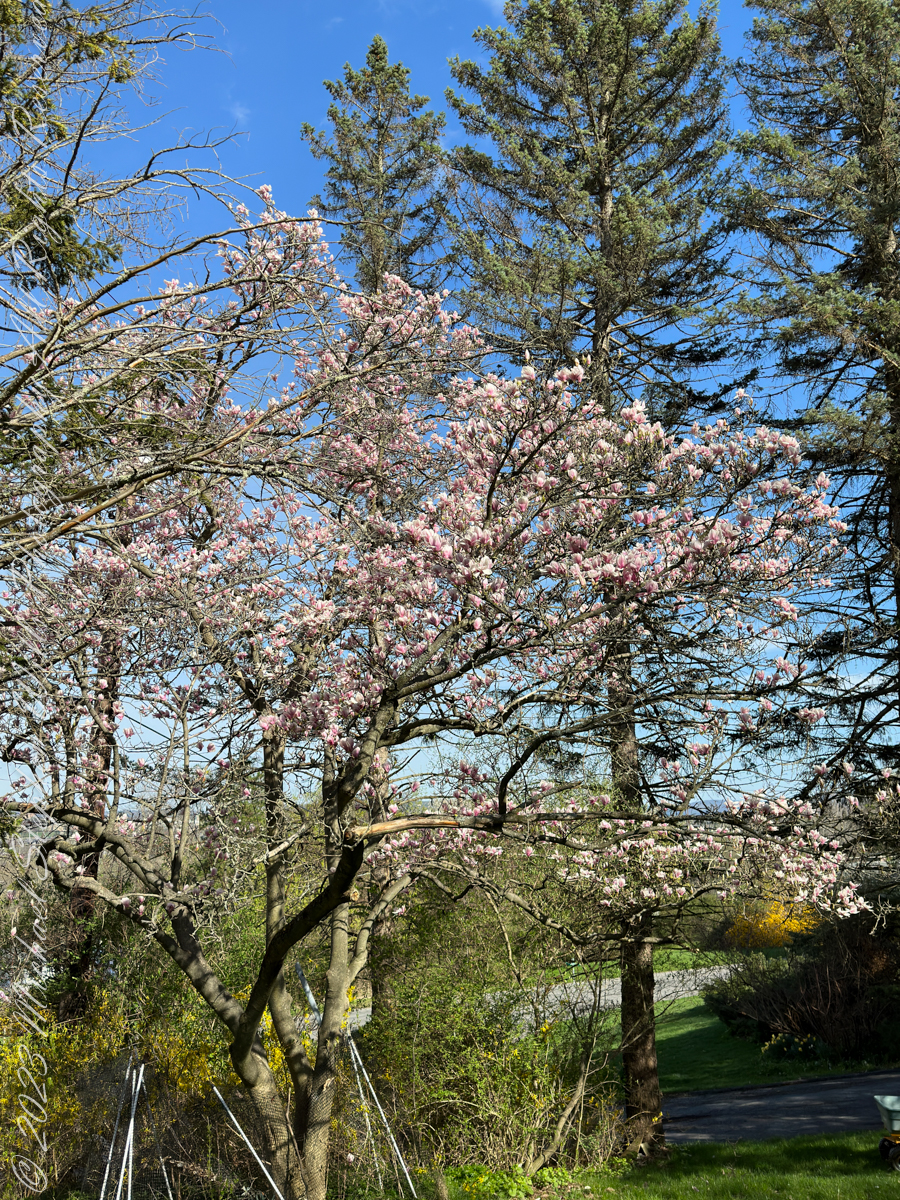
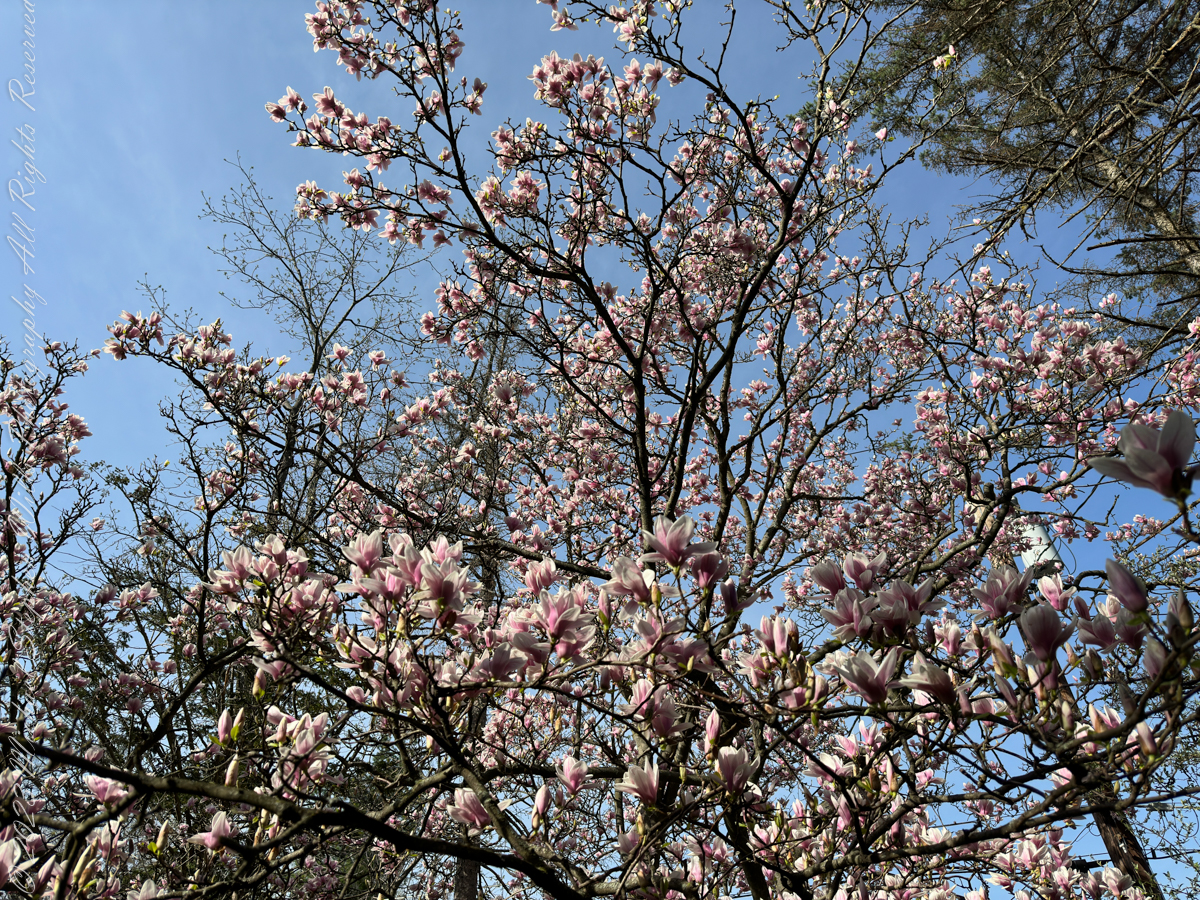
More about the Magnolia, from Wikipedia: The name Magnolia first appeared in 1703 in the Genera of Charles Plumier (1646–1704), for a flowering tree from the island of Martinique (talauma). It was named after the French botanist Pierre Magnol.
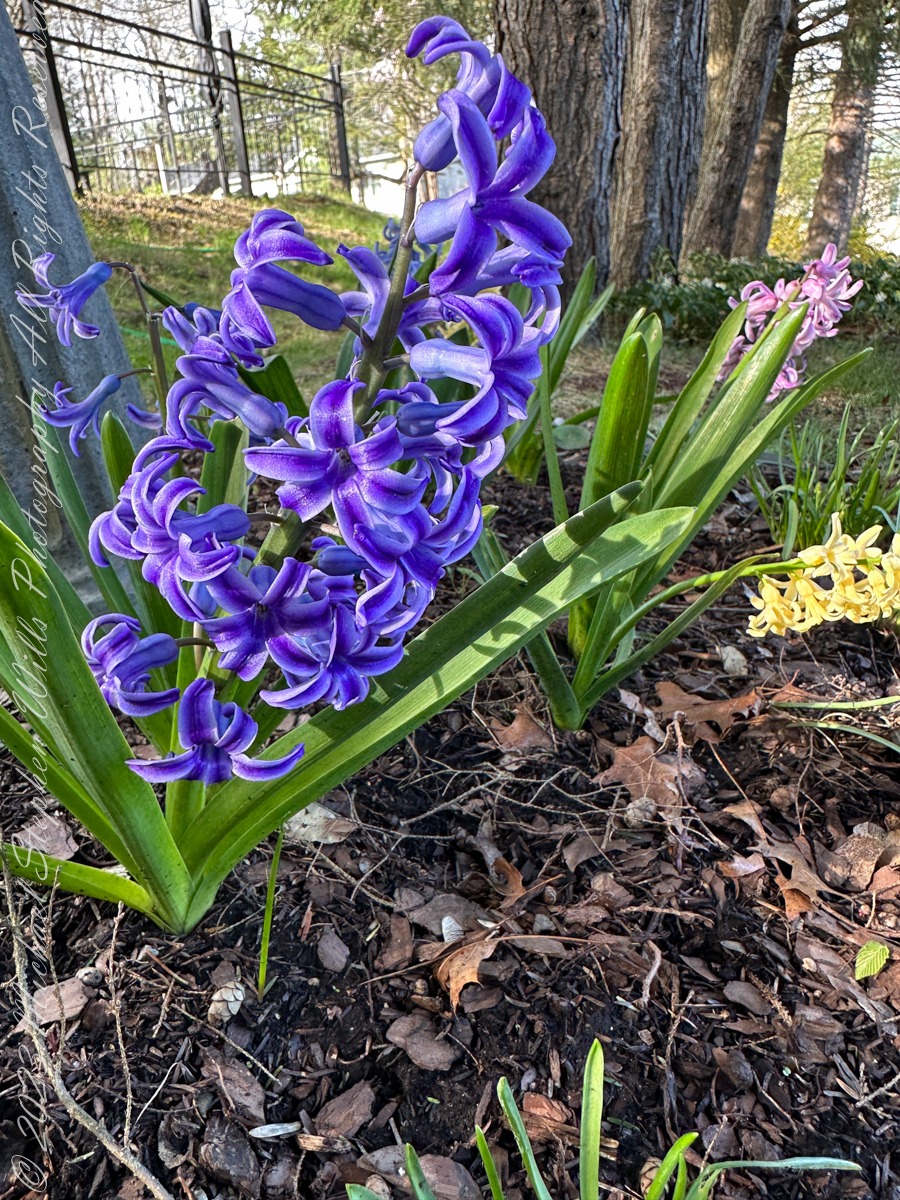
More about the Hydrangea, from Wikipedia: Hydrangea is derived from Greek and means ‘water vessel’ (from ὕδωρ húdōr “water” + ἄγγος ángos or αγγεῖον angeîon “vessel”), in reference to the shape of its seed capsules.
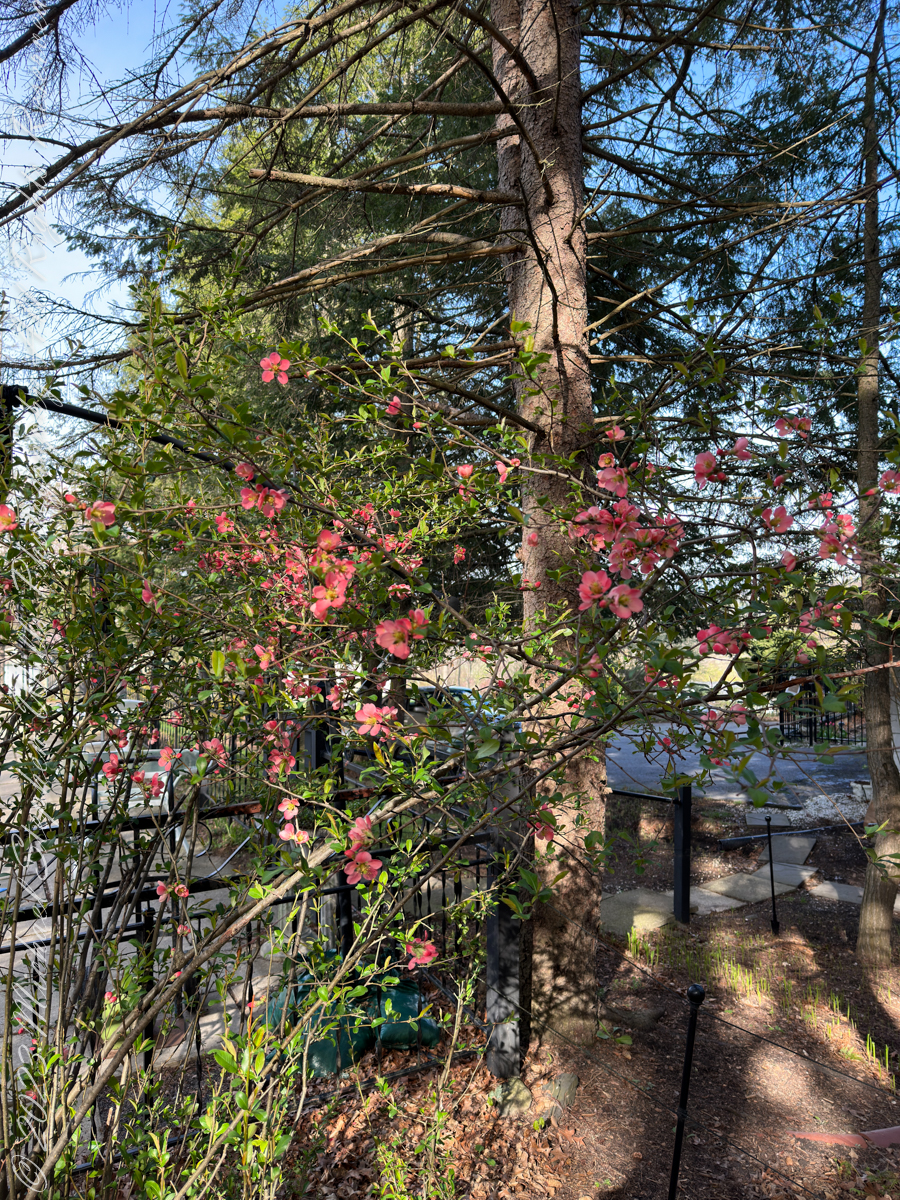
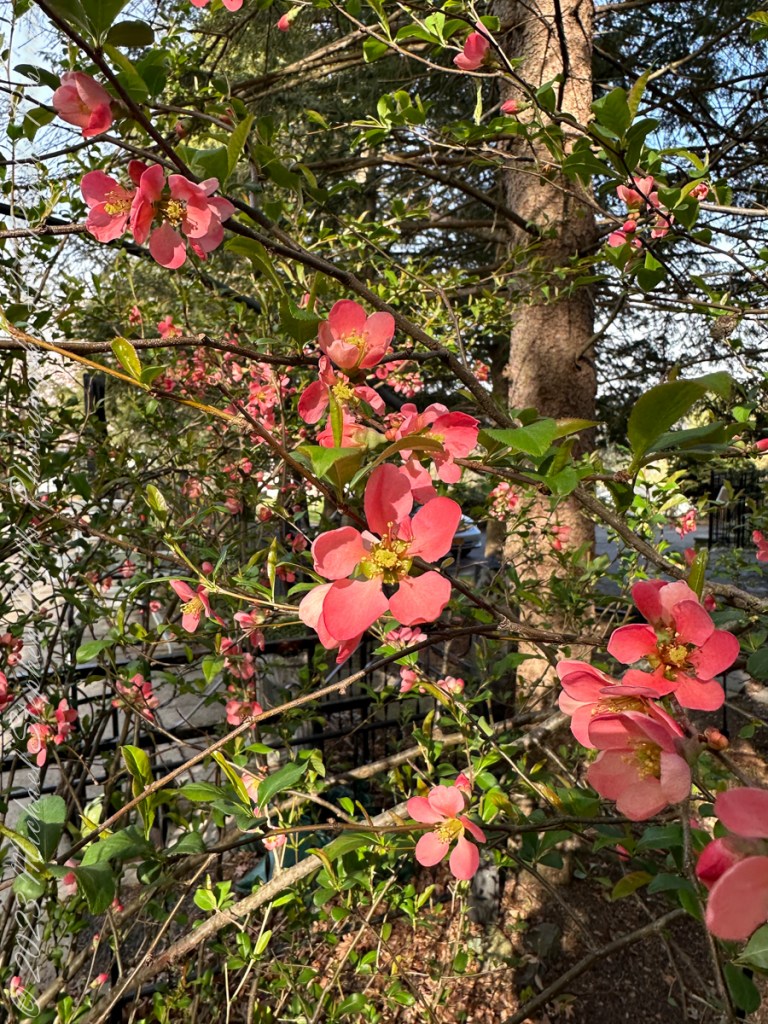
More about these Quince, from Wikipedia: Although all quince species have flowers, gardeners in the West often refer to these species as “flowering quince”, since Chaenomeles are grown ornamentally for their flowers, not for their fruits.
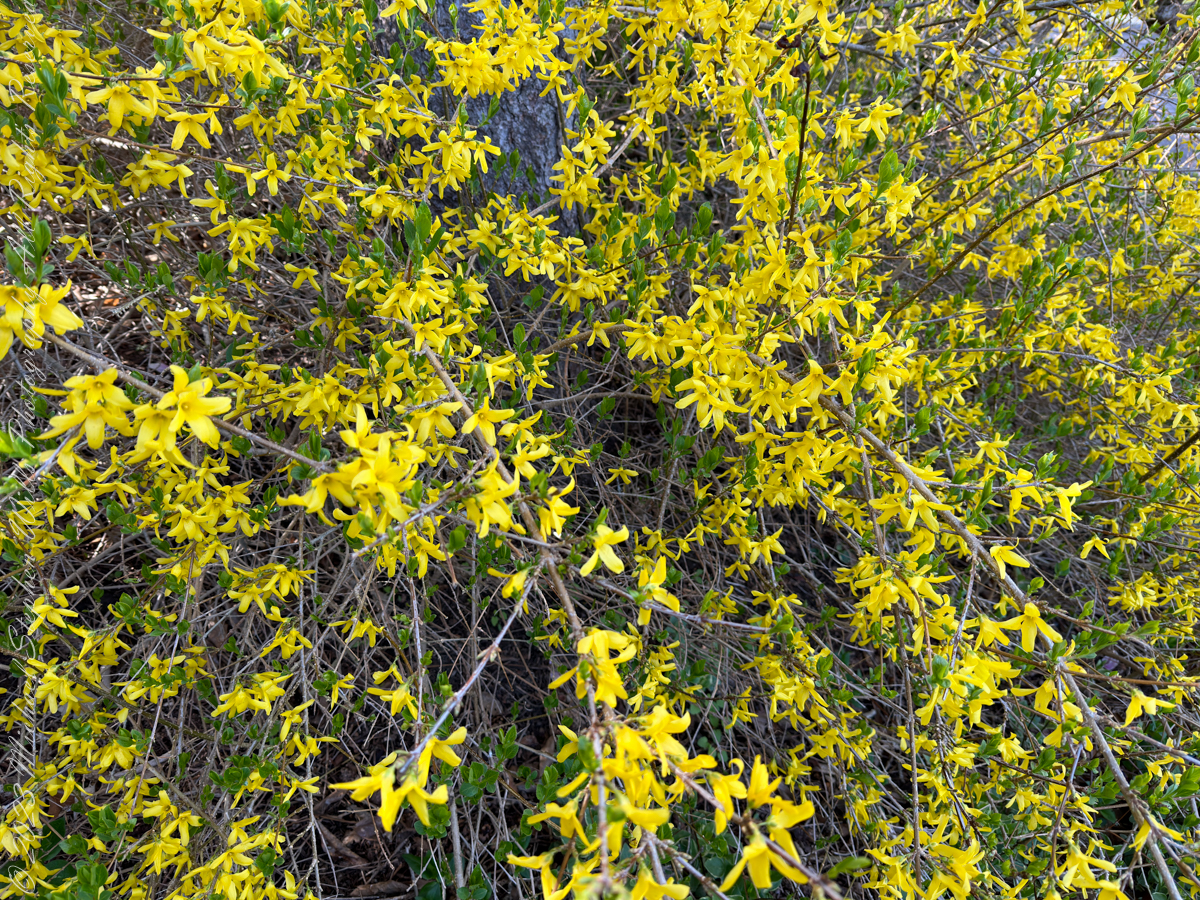
More about Forsythia, from Wikipedia: The genus is named after William Forsyth (1737–1804), a Scottish botanist who was a royal head gardener and a founding member of the Royal Horticultural Society.
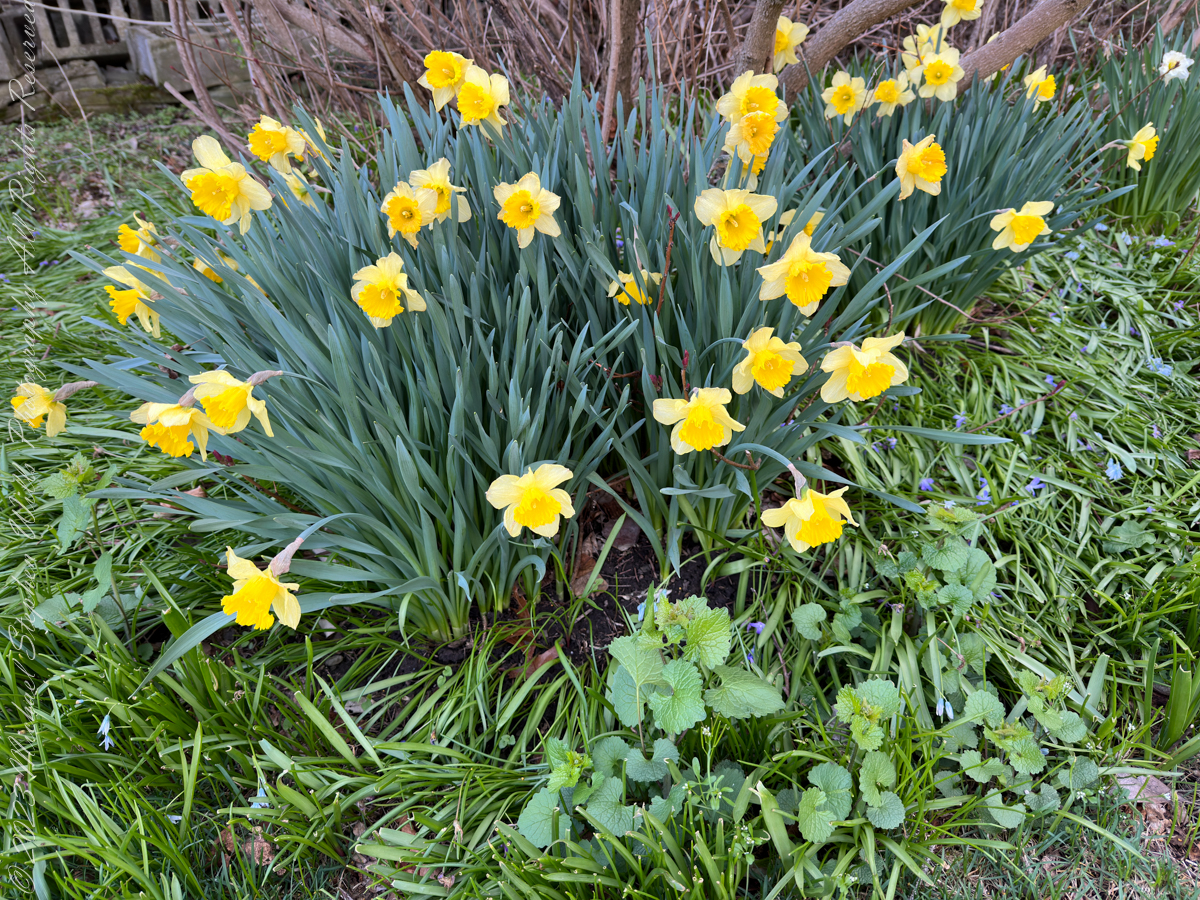
More about Forsythia, from Wikipedia: Narcissus is a genus of predominantly spring flowering perennial plants of the amaryllis family, Amaryllidaceae. Various common names including daffodil, narcissus, and jonquil are used to describe all or some members of the genus. Narcissus has conspicuous flowers with six petal-like tepals surmounted by a cup- or trumpet-shaped corona. The flowers are generally white and yellow (also orange or pink in garden varieties), with either uniform or contrasting colored tepals and corona.
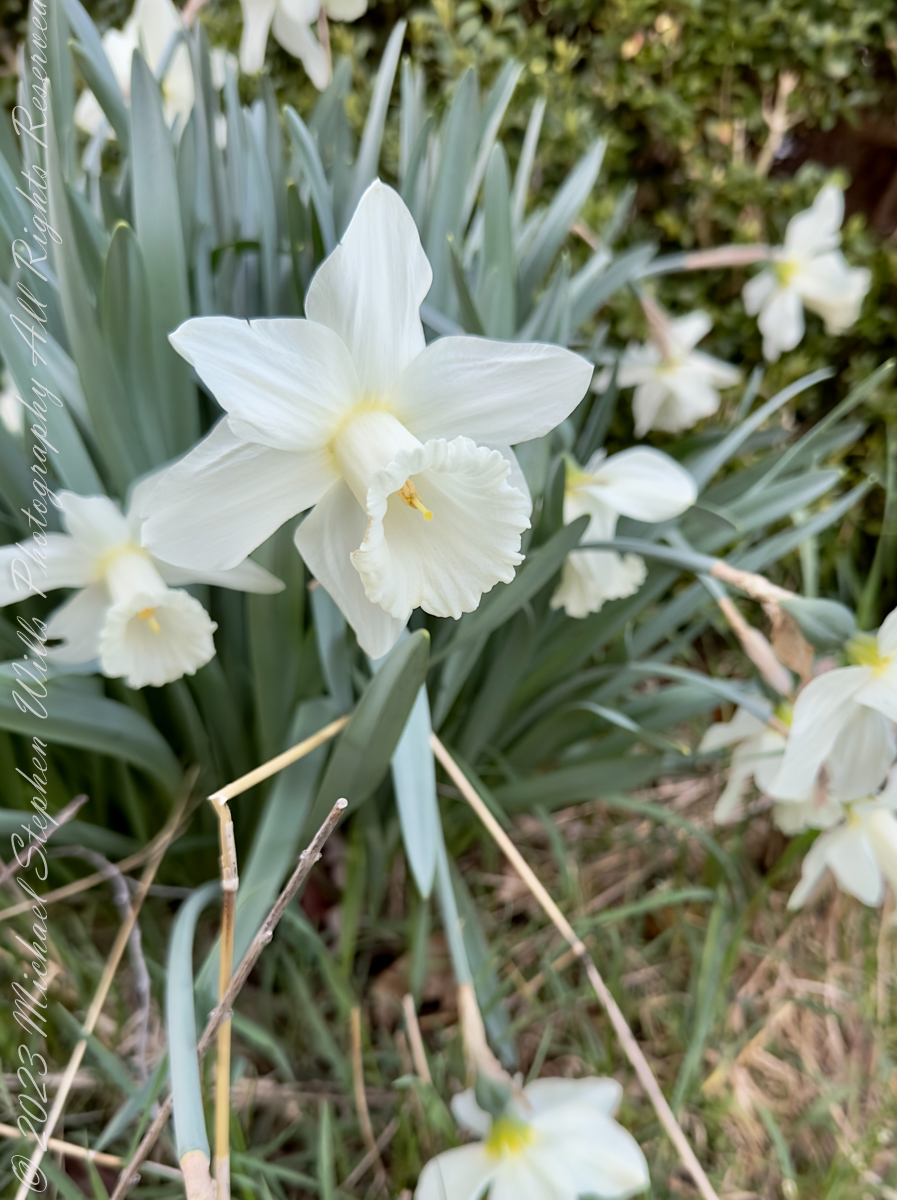

White on White
We mistook this magnolia tree for a “pussy willow” from its flower bud texture and shape.
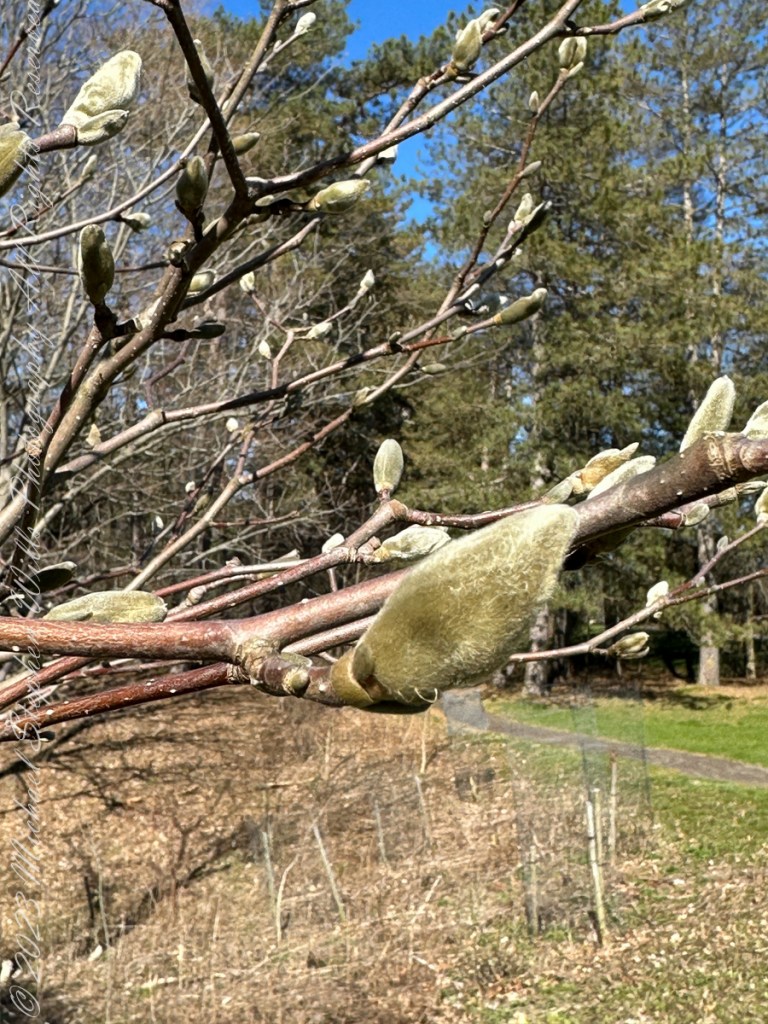
The signage attached to a branch disabused us of this impression, incorrect all for being true until the flowers burst forth.

A visually beautiful magnolia whose golden flowers bloom in abundance and persist well; a small tree or large shrub with a loosely pyramidal form and large relatively coarse leaves; flowers appear before the foliage; an ideal landscape or garden accent
Golden Gift Magnolia is covered in stunning fragrant gold cup-shaped flowers held atop the branches in early spring before the leaves. It has dark green deciduous foliage. The large pointy leaves turn coppery bronze in fall.
Golden Gift Magnolia is a deciduous tree with a distinctive and refined pyramidal form. Its relatively coarse texture can be used to stand it apart from other landscape plants with finer foliage. This is a relatively low maintenance tree and should only be pruned after flowering to avoid removing any of the current season’s flowers. It has no significant negative characteristics.
Magnolia is an ancient genus. Appearing before bees evolved, the flowers are theorized to have evolved to encourage pollination by beetles. To avoid damage from pollinating beetles, the carpels of Magnolia flowers are extremely tough. Fossilized specimens of M. acuminata have been found dating to 20 million years ago, and fossils of plants identifiably belonging to the Magnoliaceae date to 95 million years ago. Another aspect of Magnolia considered to represent an ancestral state is that the flower bud is enclosed in a bract rather than in sepals; the perianth parts are undifferentiated and called tepals rather than distinct sepals and petals. Magnolia shares the tepal characteristic with several other flowering plants near the base of the flowering plant lineage such as Amborella and Nymphaea (as well as with many more recently derived plants such as Lilium).

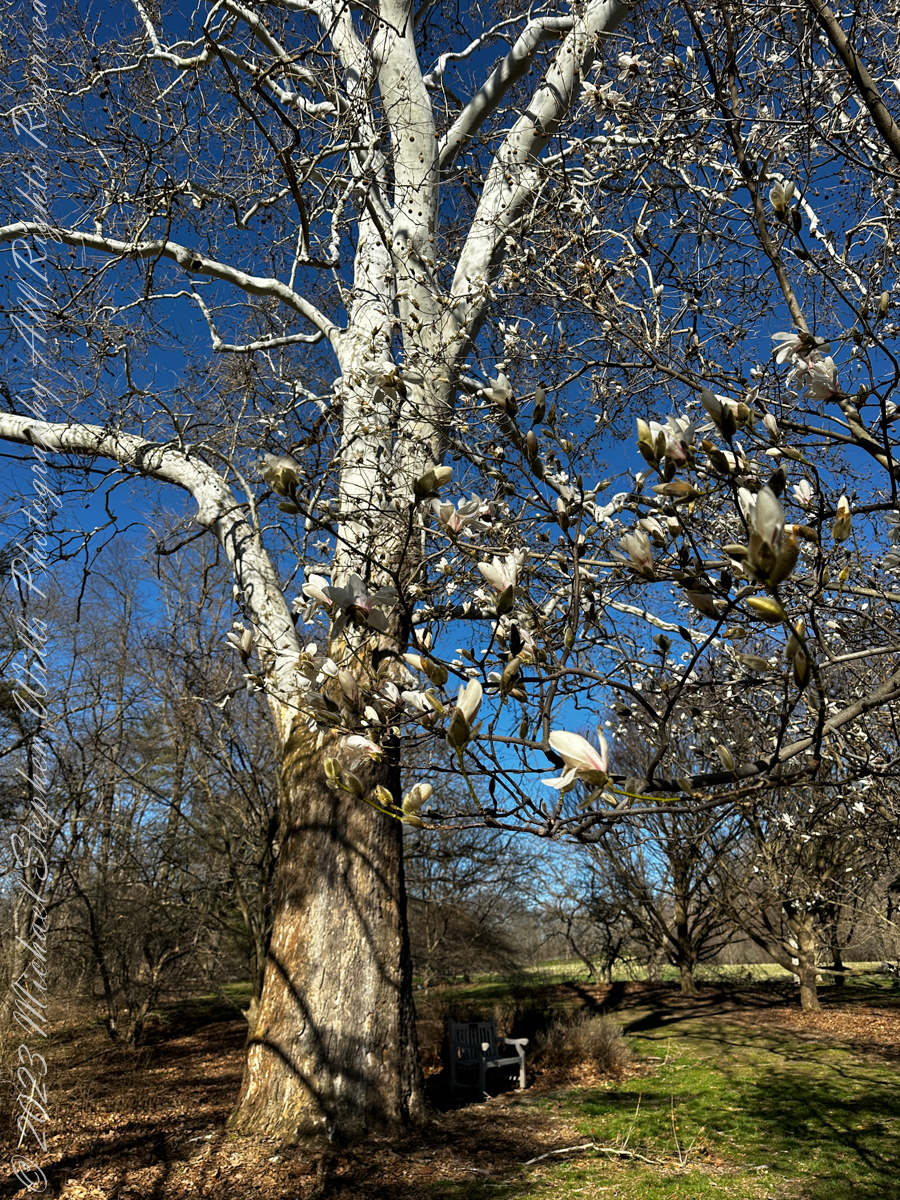

A 2021 Blessing
The Magnolia genus has been around for eons, come characteristics are protective from beetles as they existed before bees and relied upon beetles for fertilization. Our’s may be the species Magnolia dawsoniana (Dawson’s Magnolia), it shares many of the published characteristics: among them tolerance to our hardiness zone 5, flower color and shape, tree growth pattern.
This was an exceptional year for blooms. starting late April, lasting into May. The fence around trunks is for protection against bucks (male deer), from rubbing their horns in autumn.
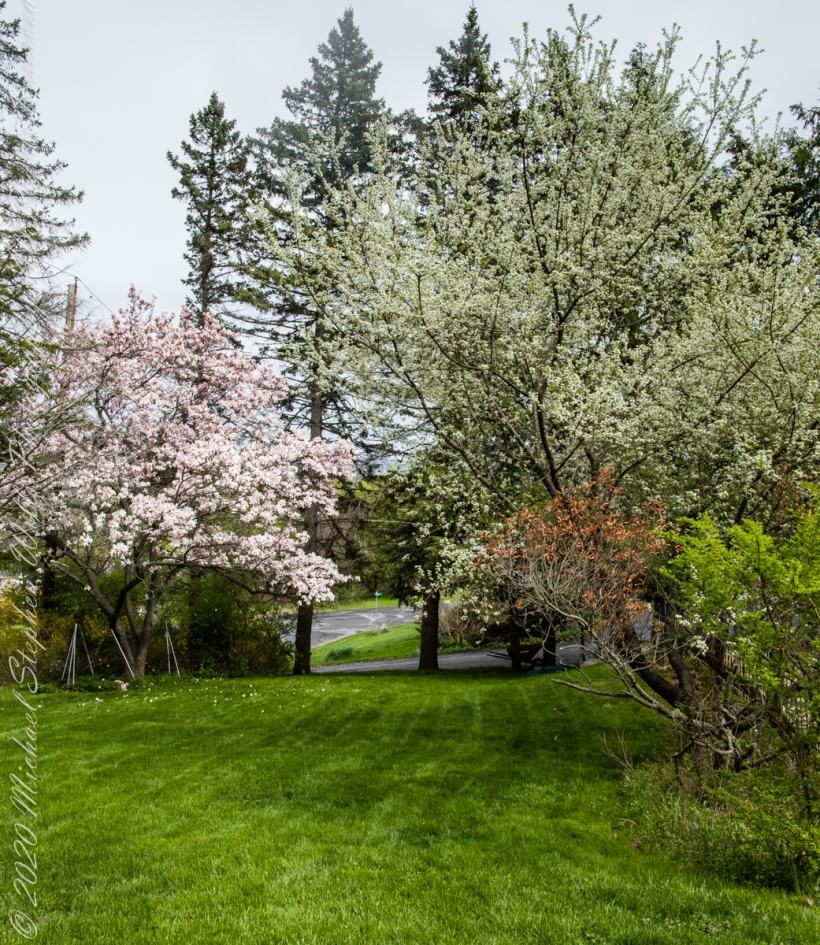

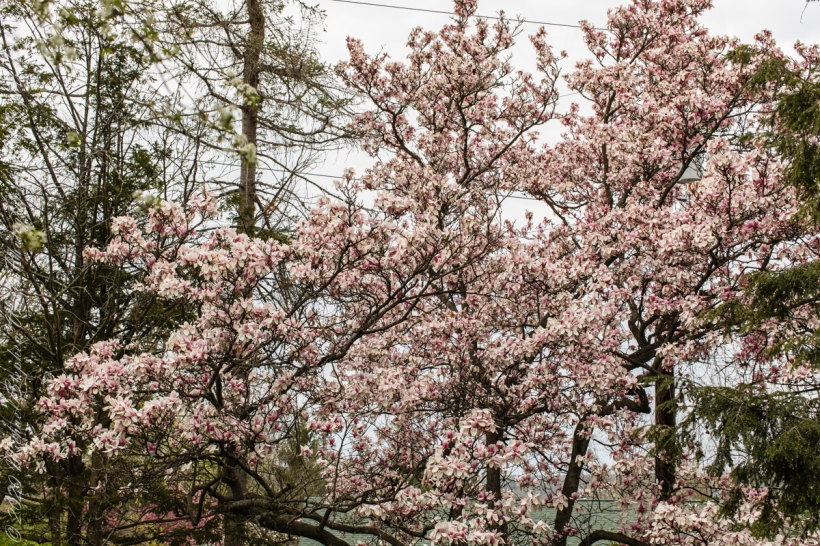
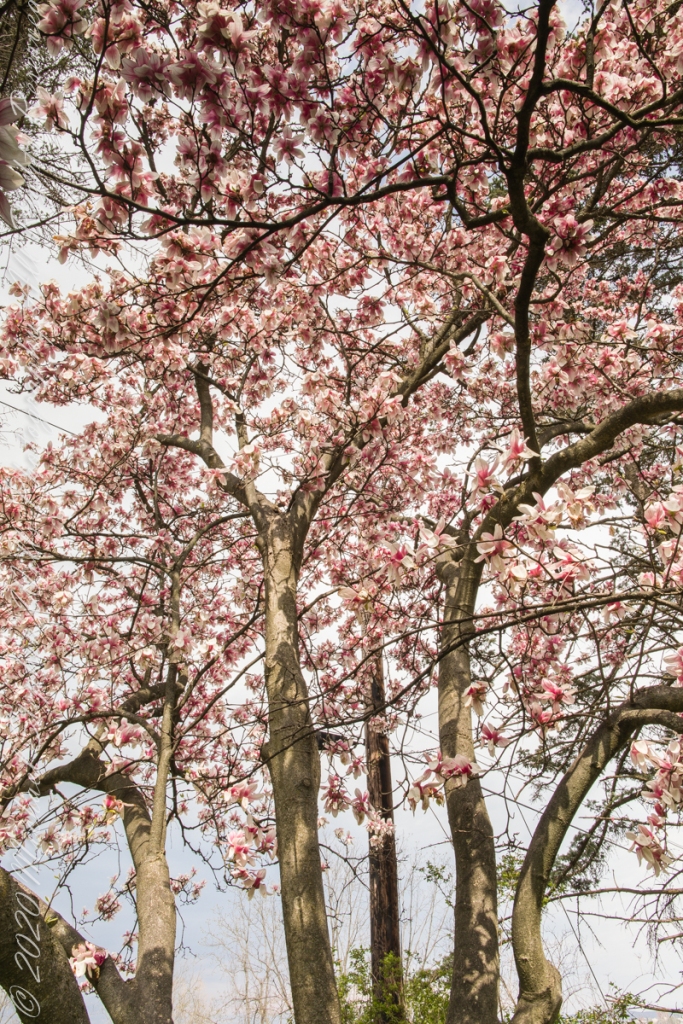

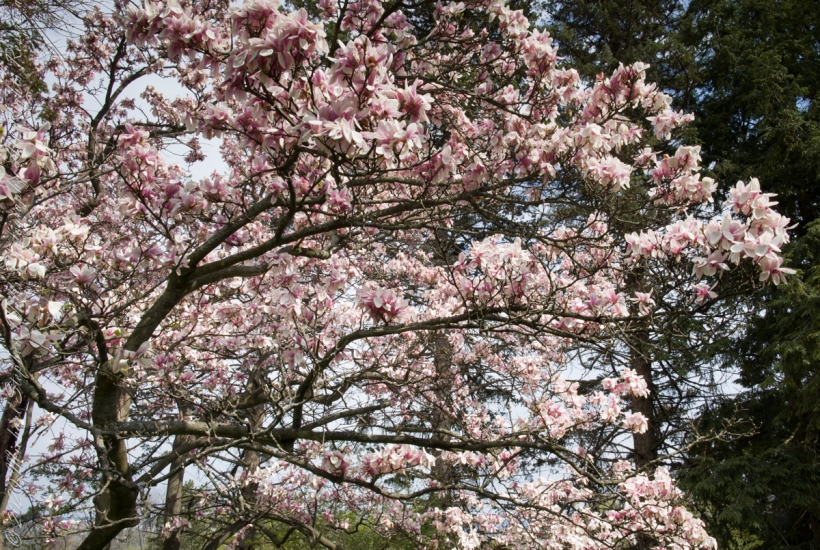
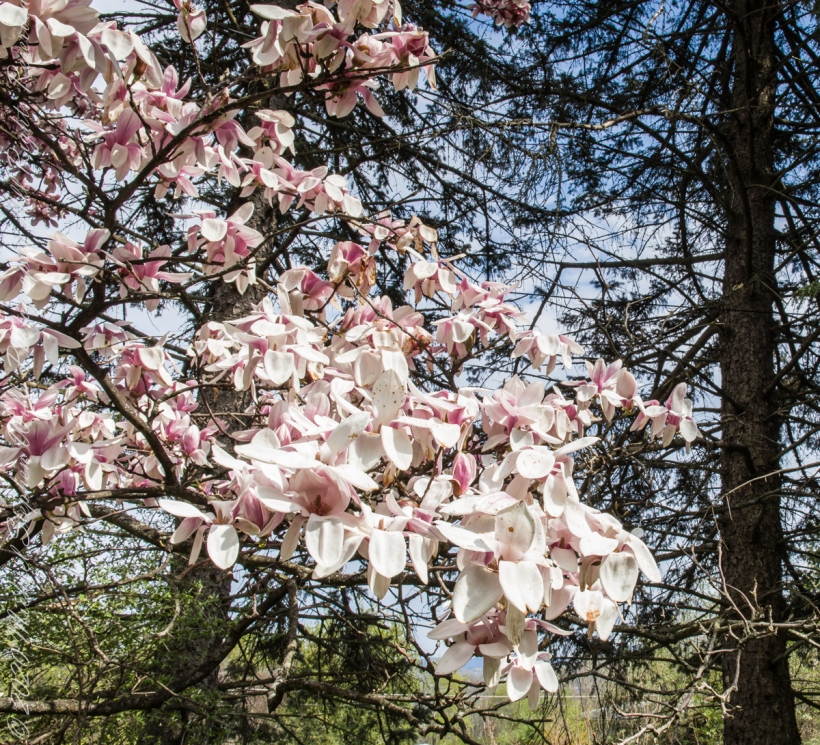
For most of these 2021 photographs I used the lens Canon 24 mm f/1.4L II USM, the one captioned 50 mm I used Canon 50mm f/1.2L USM. The Canon EOS 5D Mark IV dslr with the Manfrotto Studio tripod with hydrostatic ball head for all.
The last great year was 2018……

For these 2018 photographs the Canon 24 mm and Canon EF 100mm f/2.8L “Macro” lenses with Canon’s EOS-1Ds Mark III dslr.
 Michael Stephen Wills Photography