Exploring Ancient Wisdom in Today’s Healing Practices

As I waited during my wife’s physical therapy session, the connection between ancient healing traditions and modern medicine revealed a journey of resilience and hope.

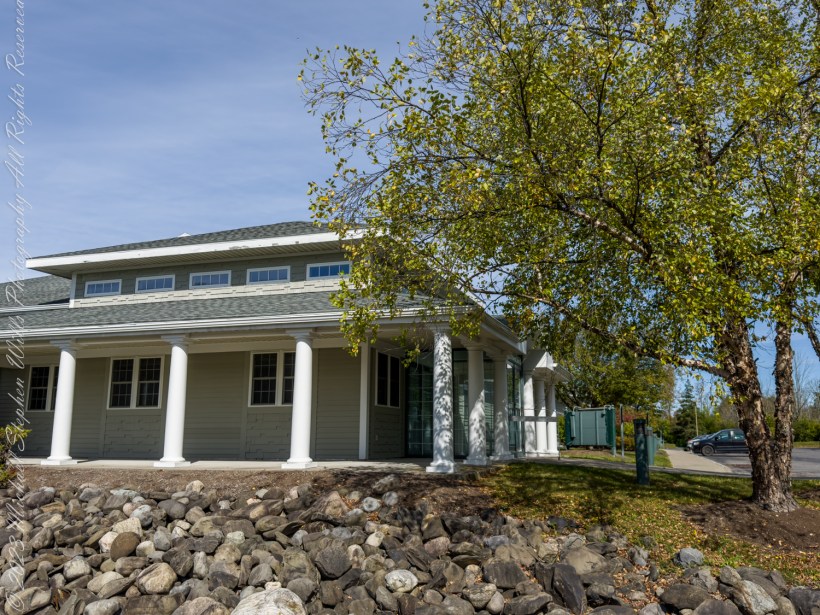
Standing in the cool autumn sunlight, I find myself pacing beneath the sturdy Doric columns of this medical campus in Northeast Ithaca, waiting as Pam undergoes another session of physical therapy. The simplicity of the columns strikes me—clean, white, and unadorned. They hold up the building with a kind of timeless grace, a quiet reflection of ancient design.
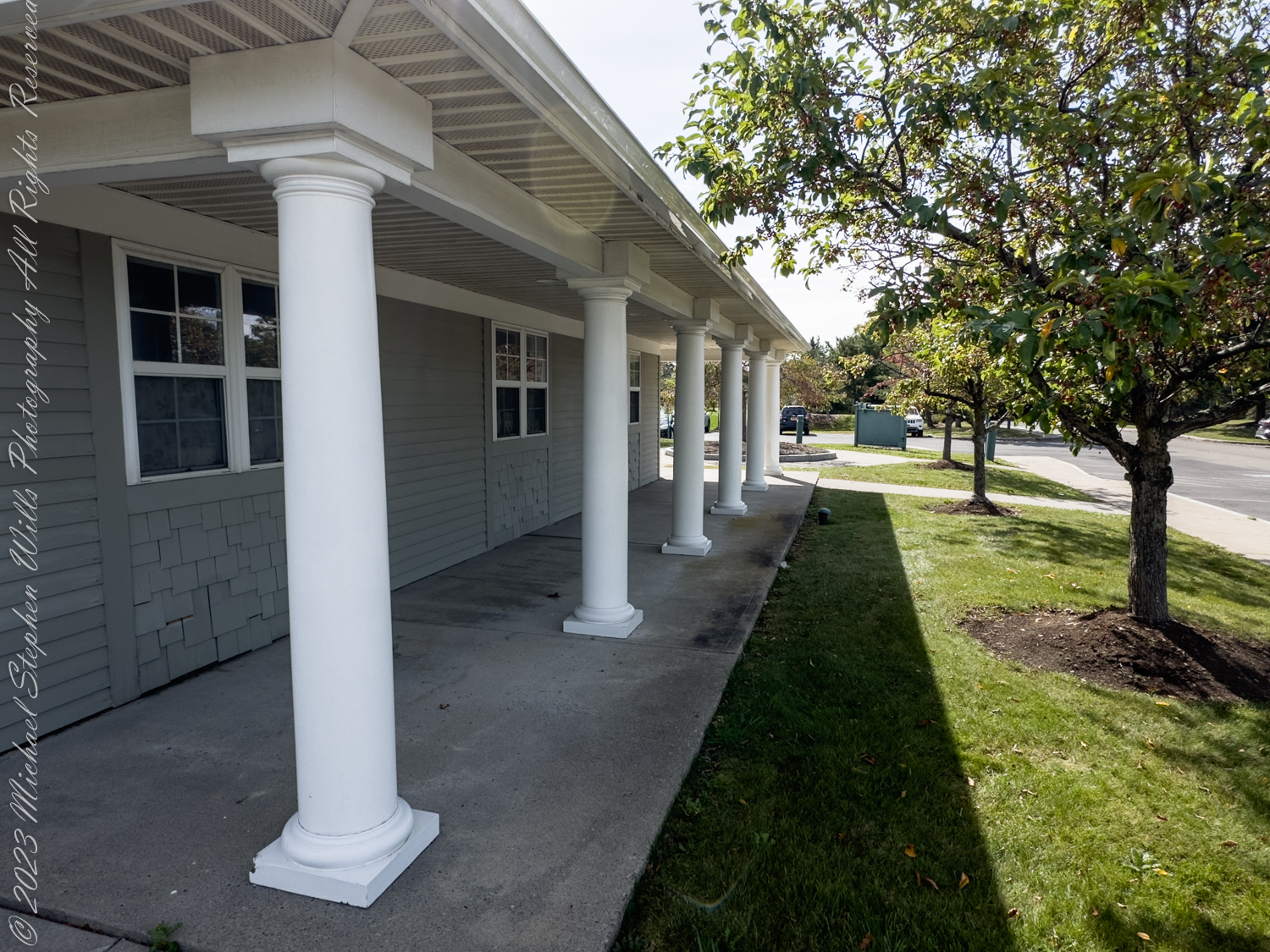
The architecture of the Medical Office Campus of northeast Ithaca is graced by doric columns arrayed in a row forming a portico colonnade. The original Greek Doric columns were fluted, and had no base, dropping straight into the platform on which the temple or other building stood. The capital was a simple circular form, with some mouldings, under a square cushion that is very wide in early versions, but later more restrained. Here the form of the capital is mirrored in the base. 20 Arrowwood Drive, Ithaca, Tompkins County, New York State

Doric columns are symbols of strength and stability. In this moment, they remind me of the quiet resilience I’ve seen in Pam throughout her recovery. Each column, solid and unwavering, reflects the foundational principles that underpin both architecture and the healing arts. Just as these columns have withstood the passage of centuries, modern medicine, too, stands tall on the legacy of ancient knowledge.

As I lean against one of these pillars, I think about the deep connections between ancient civilizations and the medicine we practice today. The origins of healing reach back to the Egyptians, who understood anatomy with remarkable precision. They would have been familiar with the use of medicinal plants. It’s remarkable to think that the surgeries performed back then, basic as they were, have evolved into the complex procedures of modern times, procedures like the one that replaced Pam’s hip with the efficiency of a machine through the care of skilled hands.
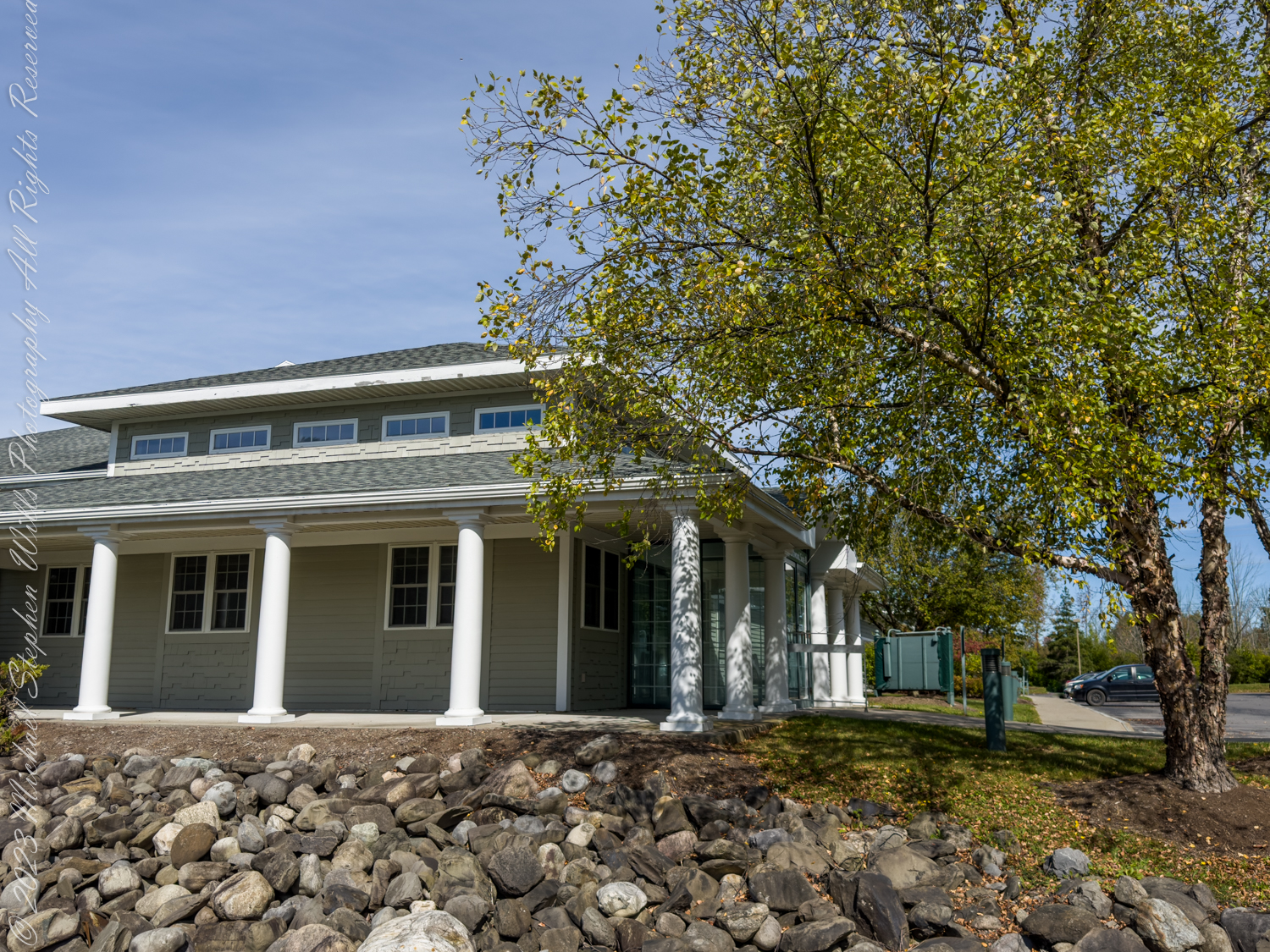
10 Brentwood Drive, Ithaca, Tompkins County, New York State

I look up at the sky, tracing the outline of the roof these columns support. The Greeks, with their reverence for observation, would have appreciated the rational design of this building. Hippocrates, the father of medicine, laid the groundwork for clinical observation, a method still used by the doctors caring for Pam. They probe, ask questions, and observe her movements, trying to decipher the hidden ailments within her body, much as the ancient physicians did centuries ago. It’s in this continuity that I find comfort—knowing that the doctors and physical therapists here are part of a long tradition, stretching back to Galen, who wrote about anatomy and physiology in ways that informed medical students for generations.

Modern medicine, like these columns, is a blend of the old and the new. Acupuncture, an ancient Chinese practice, is now commonly recommended for pain relief, a reminder that even today we rely on wisdom passed down through millennia. Pam’s therapists blend tradition with cutting-edge technology, using machines that track her progress and exercises that help her regain strength. Yet, at the heart of it, the human body heals the way it always has—with time, patience, and care.

As I walk the perimeter of the building, past patches of sunlight falling on the sidewalk, I’m struck by the parallels between the construction of this space and the body’s own repair. Both depend on a solid foundation. Roman innovations in public health, sanitation, and the idea of hospitals have shaped the spaces where we now seek healing. And here, in this modern medical facility, the connection to those roots feels tangible, much like the stones beneath my feet.
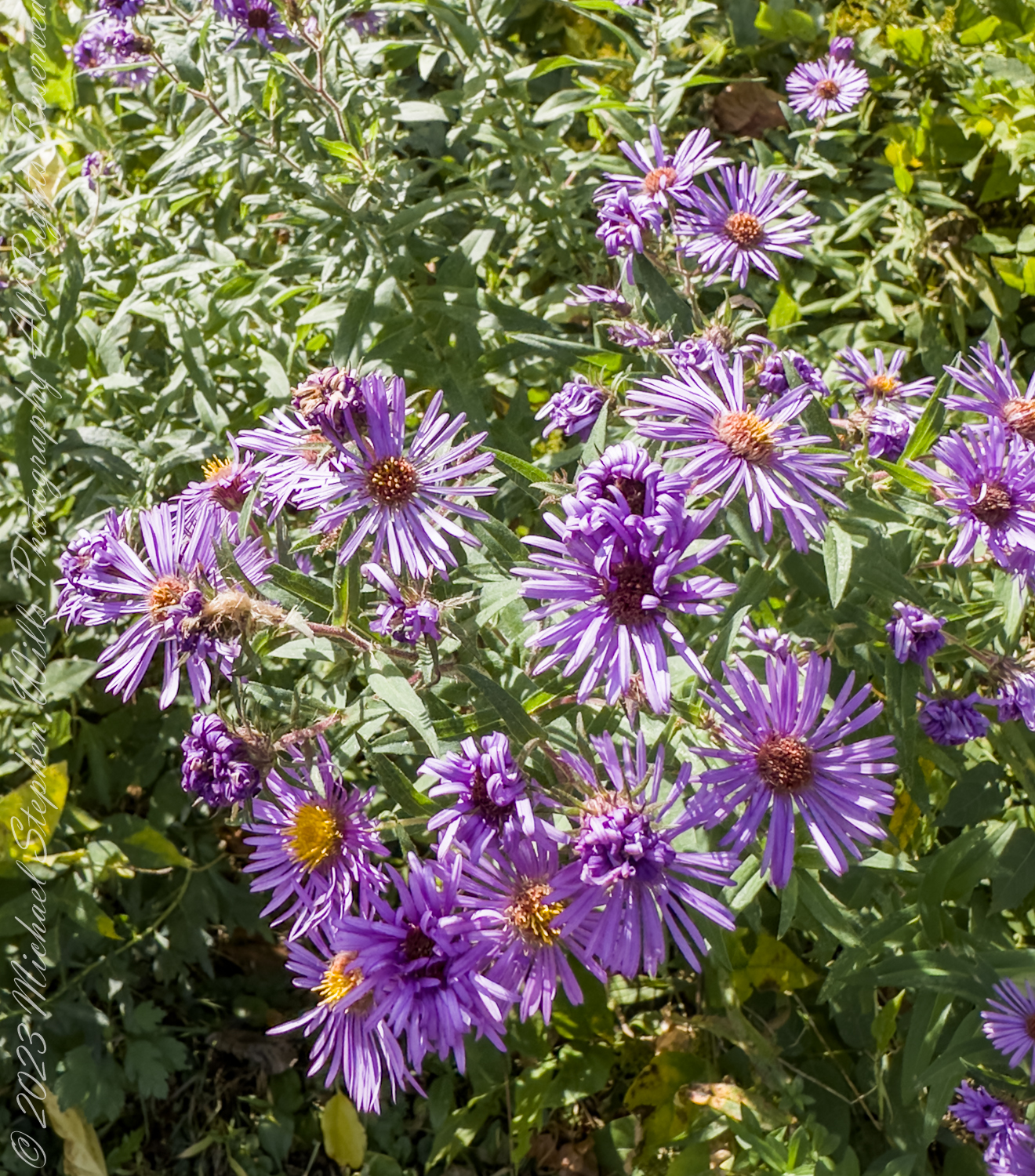
The name Aster comes from the Ancient Greek meaning “star”, referring to the shape of the flower head. ‘Aster’ species are used as food plants by the larvae of a number of Lepidoptera species. These asters grew wild on an otherwise landscaped medical campus. Found on an eaqrly autumn morning near 10 Brentwood Drive, Ithaca, Tompkins County, New York State

Asters, blooming nearby, sway gently in the breeze. They too are resilient, much like Pam. Their purple blossoms remind me of the hope that pervades our journey. The columns stand as sentinels of a kind of knowledge that is both ancient and ever-evolving—a blend of science, history, and faith in the power of the human spirit to endure.
Copyright 2024 Michael Stephen Wills All Rights Reserved

Life Unraveled: An Encounter with the Emerald Ash Borer

As I walked the quiet medical campus, a dying ash tree caught my eye. Its bark revealed the intricate, destructive galleries left by the relentless Emerald Ash Borer, telling a silent story of loss.

Feeling the need for air, for motion I walk the grounds of a medical campus in Northeast Ithaca, New York, as my wife undergoes physical therapy following her total hip replacement. The sun is high, casting long shadows across the neatly trimmed lawn and scattered trees. There’s a certain calmness here, a space to reflect amid the quiet hustle of the healthcare world.

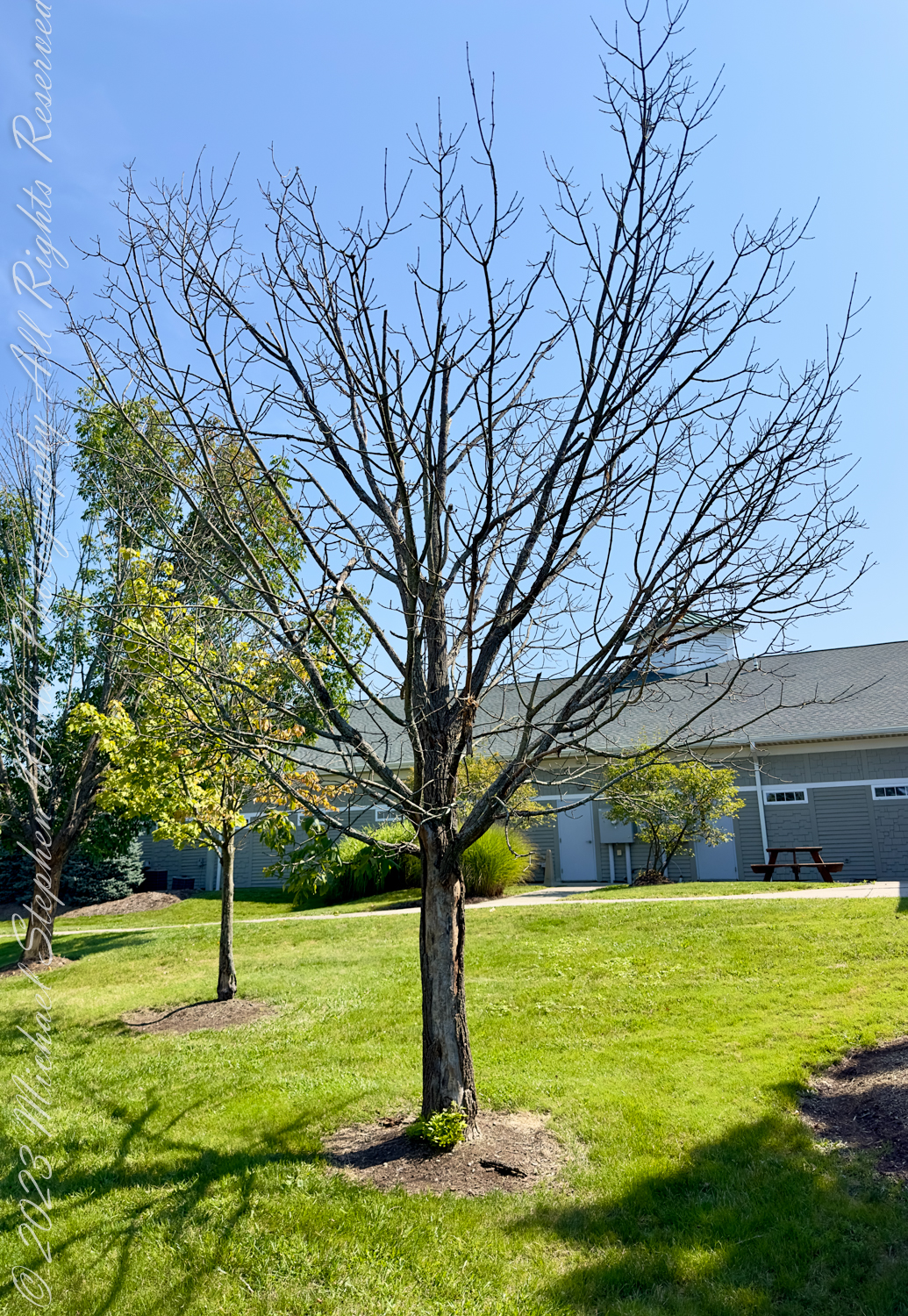
One tree stands out from the others. I immediately sense that something is not quite right. The branches, bare and brittle, reach out like skeletal arms against the blue sky. It’s summer—this tree should be lush, green, full of life. Yet, here it stands, a stark silhouette among the healthier trees nearby. My curiosity draws me closer, and as I circle the tree, my suspicions are confirmed: it’s an ash tree, Fraxinus americana, dying from an all-too-familiar enemy, the Emerald Ash Borer (Agrilus planipennis).

A dying ash tree on the medical campus off Warren Road, Northeast Ithaca.

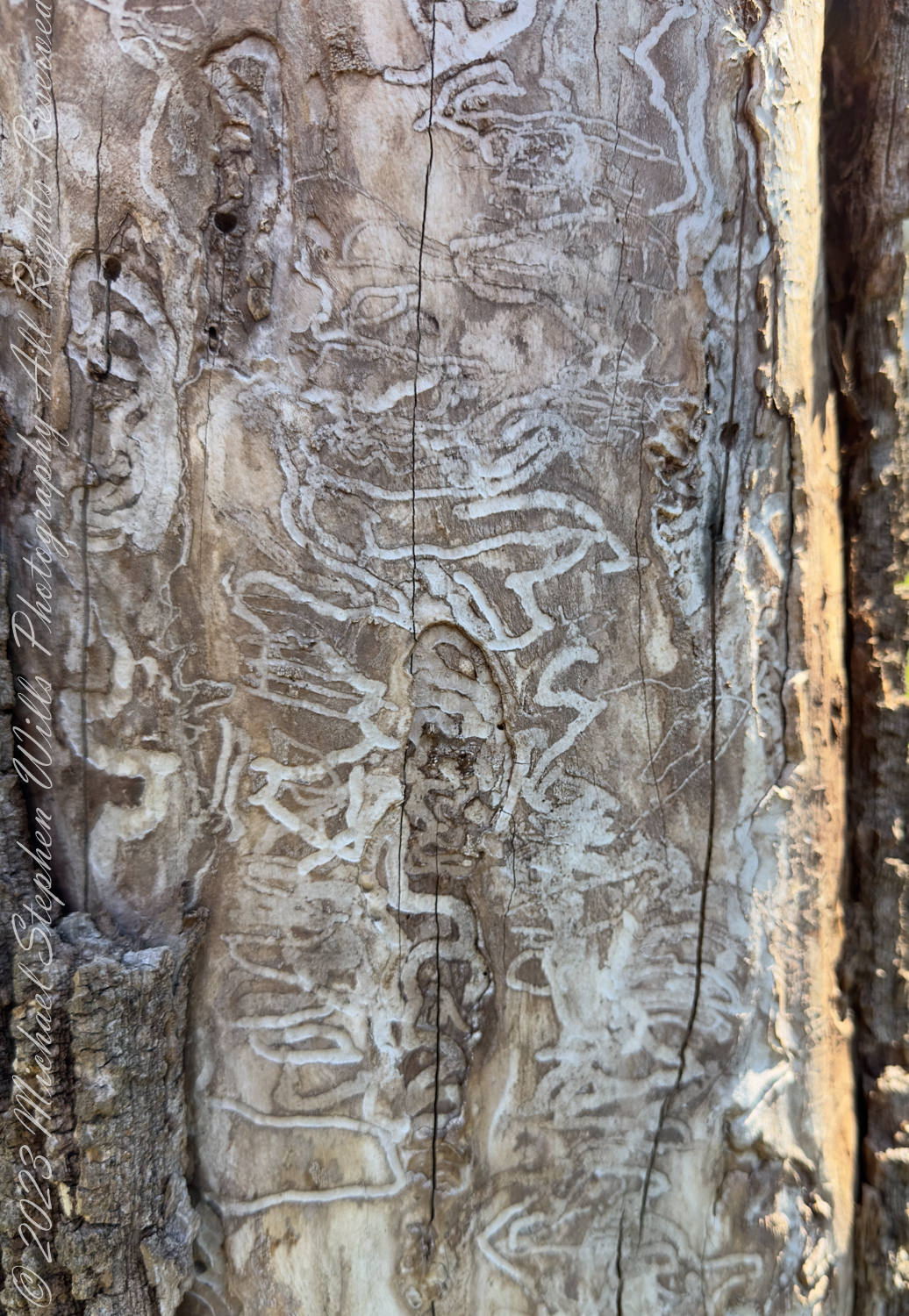
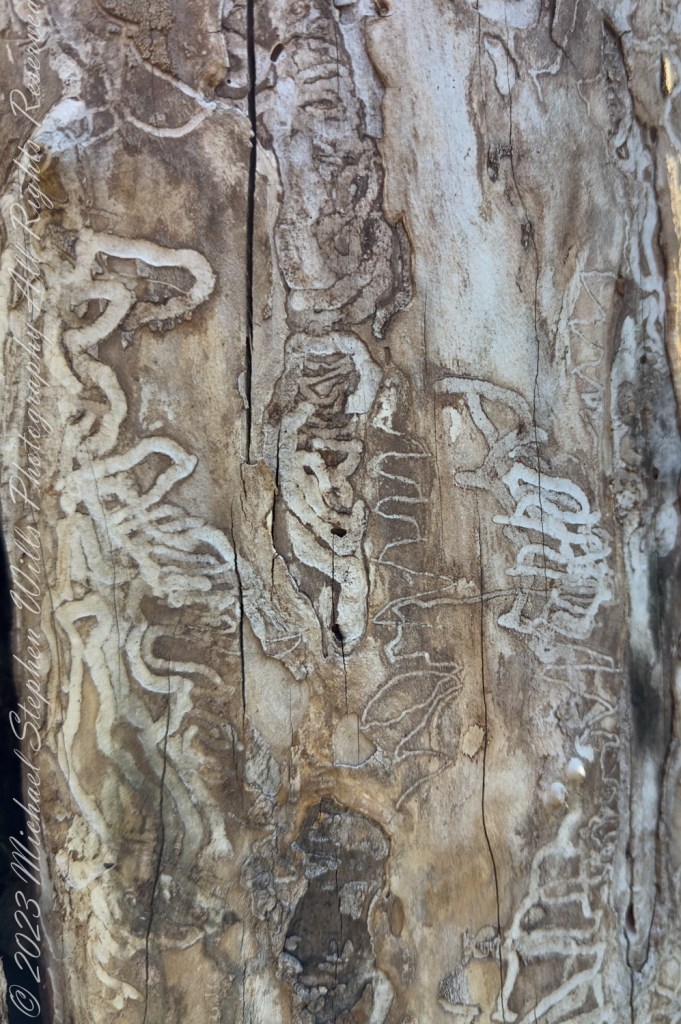
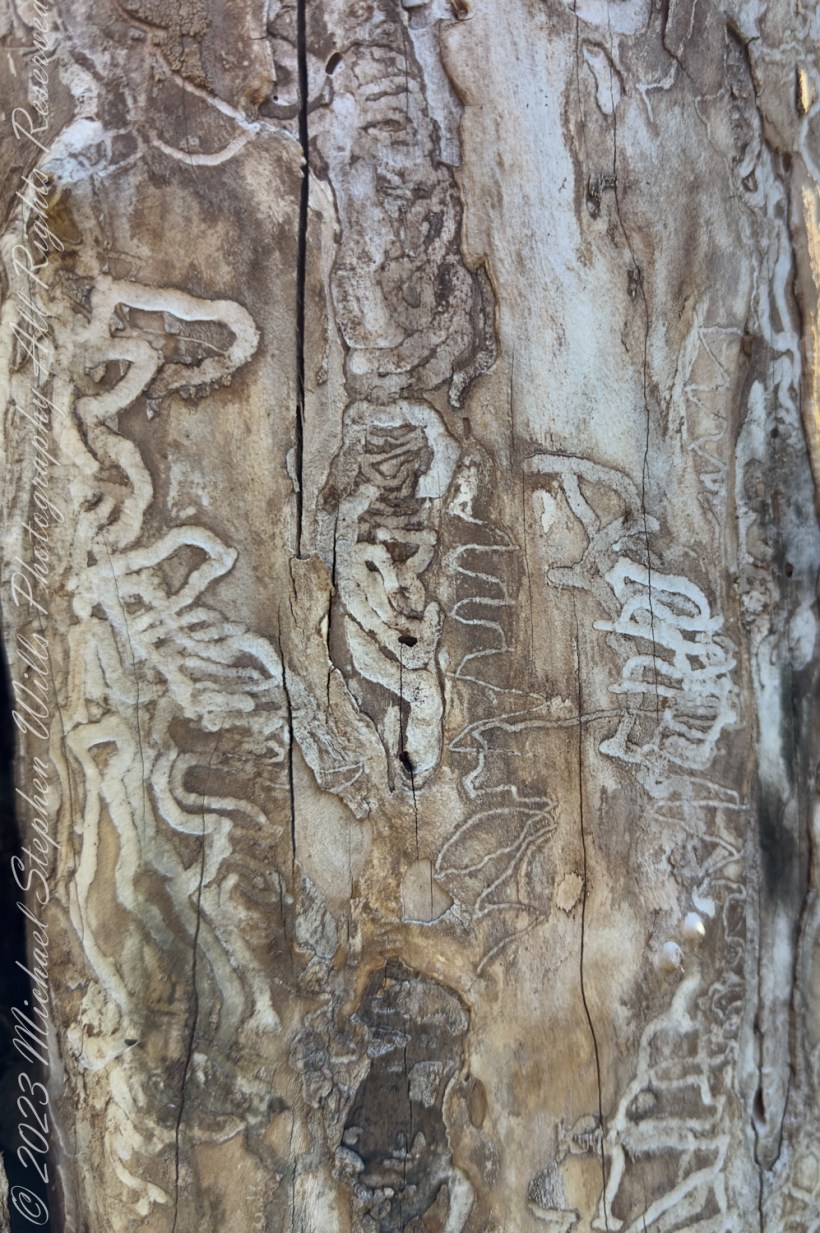
The first clue is a thinning canopy. Ash trees, in their prime, have such graceful foliage, creating broad umbrellas of shade. But when they fall victim to the Emerald Ash Borer, their decline is swift and merciless. The branches I see now are devoid of leaves, save for a few stragglers clinging on in vain. The bark tells an even clearer story. Large chunks have sloughed off, revealing a labyrinth of winding, S-shaped galleries just beneath the surface. These are the telltale signs of the larvae, relentlessly feeding on the inner bark, severing the tree’s lifeline as they go.

The tunnels left by the Emerald Ash Borer (EAB) are called galleries. These S-shaped galleries are created by the larvae of the EAB as they feed on the inner bark and cambium of ash trees. The galleries disrupt the tree’s ability to transport nutrients and water, eventually leading to the tree’s death.

I pull out my phone to capture some close-up shots. The gnarled, crisscrossing tunnels that wind through the exposed wood are mesmerizing in a way, almost like a natural etching carved by the tiny jaws of the Emerald Ash Borer. They’ve created a kind of grim artwork on this dying tree, though there’s nothing beautiful about the destruction they leave behind. I know that underneath this bark, the tree’s circulatory system—the xylem and phloem—has been disrupted, no longer able to transport water or nutrients. Slowly, the tree has starved.

It’s strange how, in the middle of waiting for my wife’s recovery, I find myself thinking about life and loss in this quiet moment with the ash tree. In some ways, this frail giant mirrors what my wife has been going through. The breakdown of something once strong and vital—be it bone or tree—doesn’t happen overnight. It’s gradual, unnoticed at first, until the damage becomes too great to ignore. But while my wife’s new hip will give her strength and mobility once more, there’s no hip replacement for this ash tree. The damage here is irreversible.

I circle the tree again, and the more I look, the more I notice the signs of decline. The bark peels away easily, almost like paper, exposing more of the damaged wood beneath. In some areas, there are what look like D-shaped exit holes, where the adult Emerald Ash Borers have chewed their way out to fly off and start the cycle anew. This is what makes the battle against this invasive species so frustrating—they are small, almost insignificant in size, but the sheer numbers in which they attack, combined with their ability to spread so quickly, make them nearly impossible to stop.

Just as I’m about to walk away, a thought crosses my mind: how many more ash trees will fall to this same fate? The Emerald Ash Borer, a native of Asia, arrived in the United States sometime in the early 2000s, hitching a ride in wooden packing materials. It quickly spread across states, leaving devastation in its wake. Here in New York, the effects have been nothing short of catastrophic. Entire forests of ash are being wiped out, and this tree, standing alone on the edge of the medical campus, is just one more casualty.

I turn back toward the building, the rhythmic crunch of my footsteps on the path feeling heavier now. As my wife works to heal and rebuild her strength inside, I think about the resilience of the human body, its ability to repair, to bounce back after trauma. But for the ash tree, there is no such recovery. Without intervention—chemical treatments that are costly and often impractical on a large scale—this tree will eventually become firewood, its wood too damaged to be of much use for anything else.

It’s a sobering thought, but also a reminder. Nature’s battles, much like our own, are often unseen, quiet struggles that unfold slowly over time. Sometimes, we win, as my wife will with her new hip, but other times, like the ash tree and its silent battle with the Emerald Ash Borer, the fight is already lost.

Copyright 2024 Michael Stephen Wills All Rights Reserved