Drombeg Stone Circle VI

Seventeen Stones

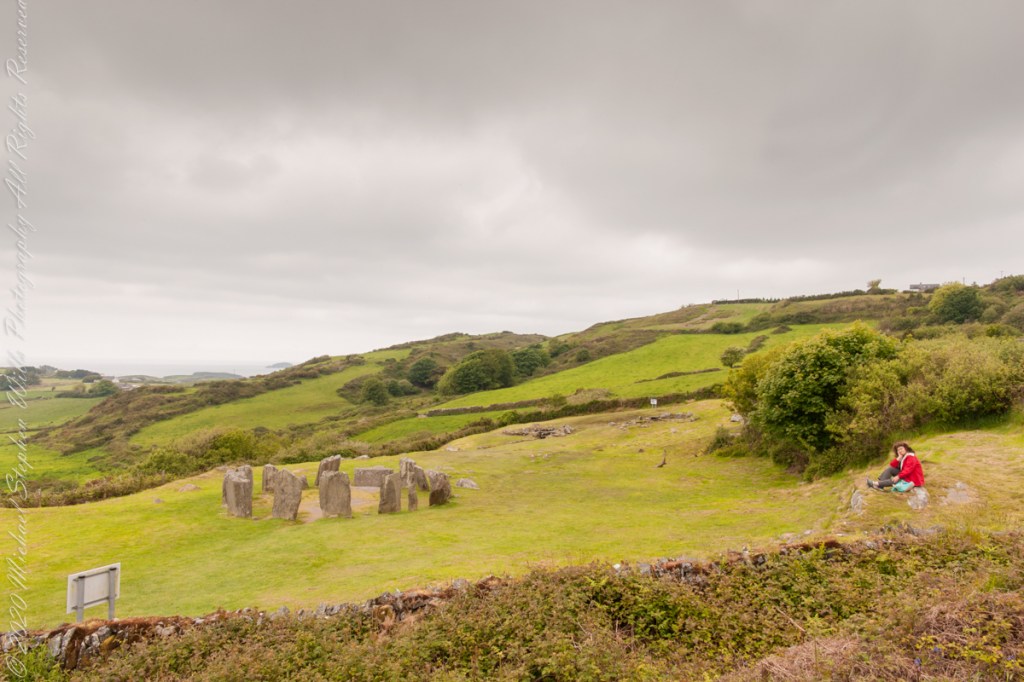
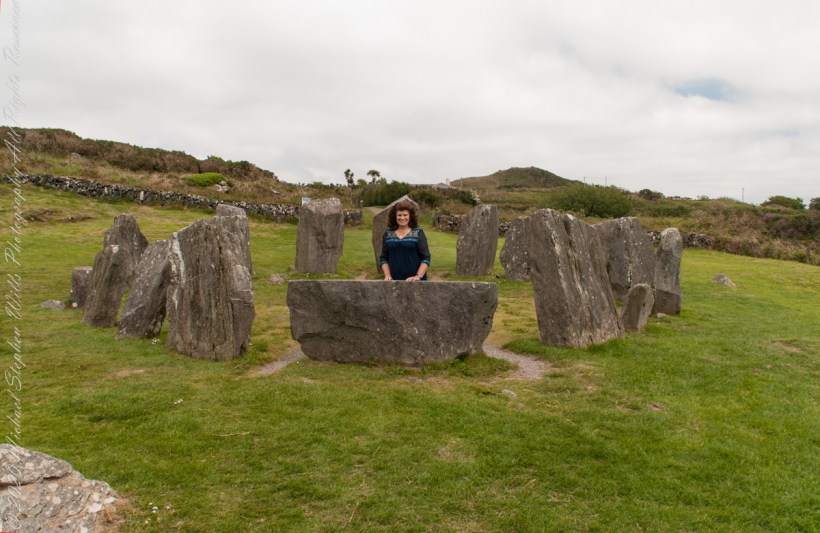
Here is one of my finest photographs from that morning. The ocean view is a reason Drombeg is one of the most popular neolithic sites.

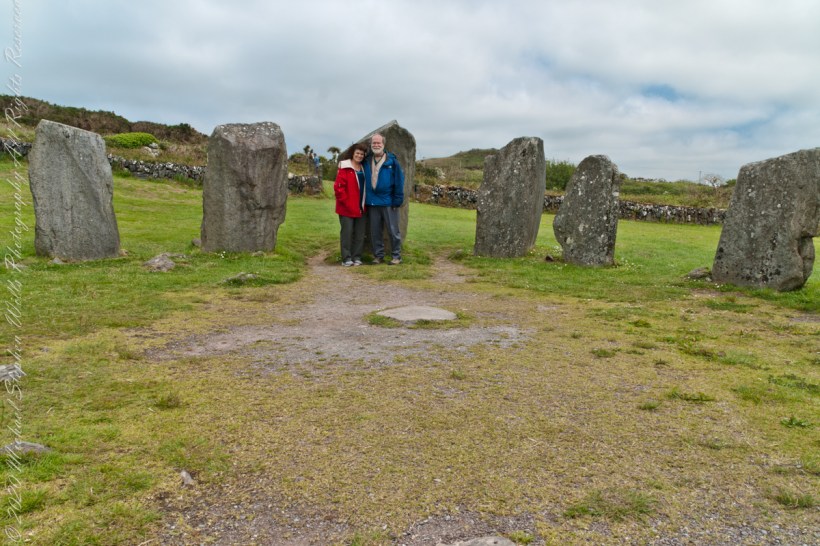
The Celtic Sea is close to this site, unoccupied since 800 BC, may be as old as 1100 BC according to radiocarbon dating from 1957 excavations. Thirteen of the original seventeen stones form a circle 31 feet across. Two portal stones face a recumbent stone, together forming a axis pointing to the sun position at sunrise on the winter solstice. One of the most visited Neolithic sites in Ireland, it required some patience to achieve an image without human figures.

Click any pic for a larger view, in a new tab, or a slide show. When using WordPress Reader, you need to open the post first.
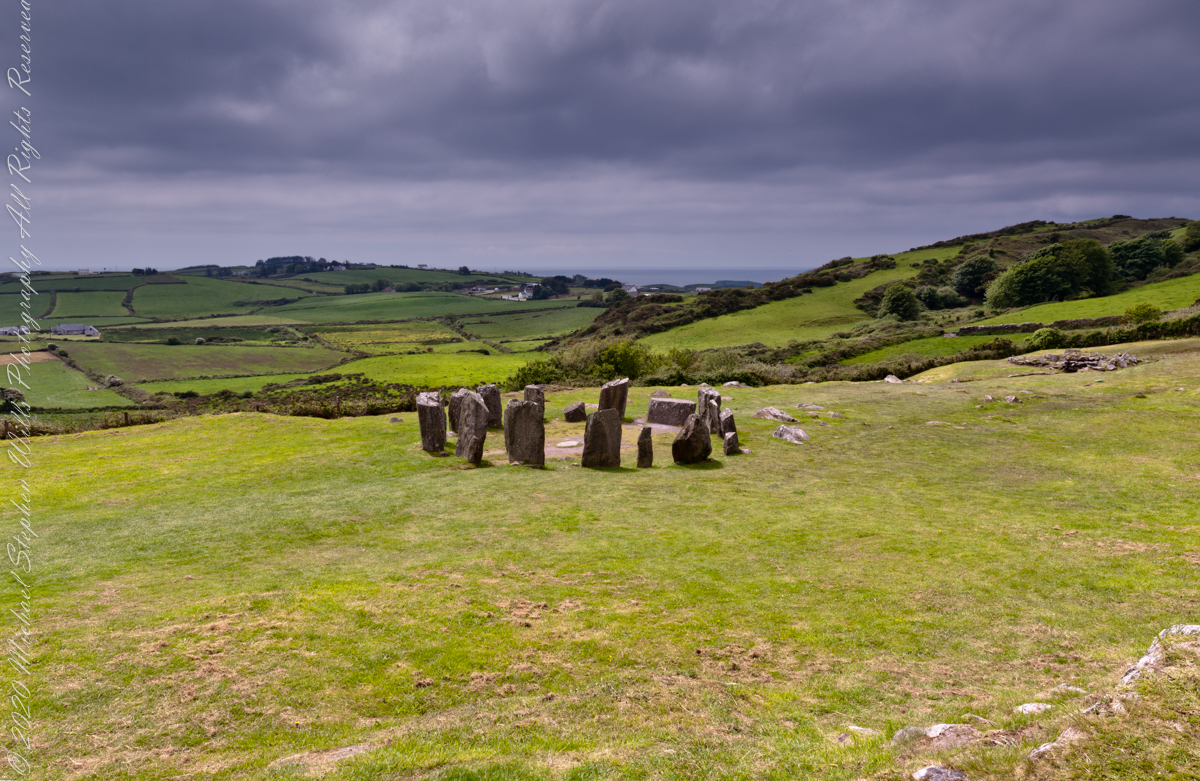
The camera is set on a tripod positioned in front of the recumbent.
Click Me for the next post in this series
Copyright 2021 Michael Stephen Wills All Rights Reserved

Presidents Fillmore and F. D. Roosevelt

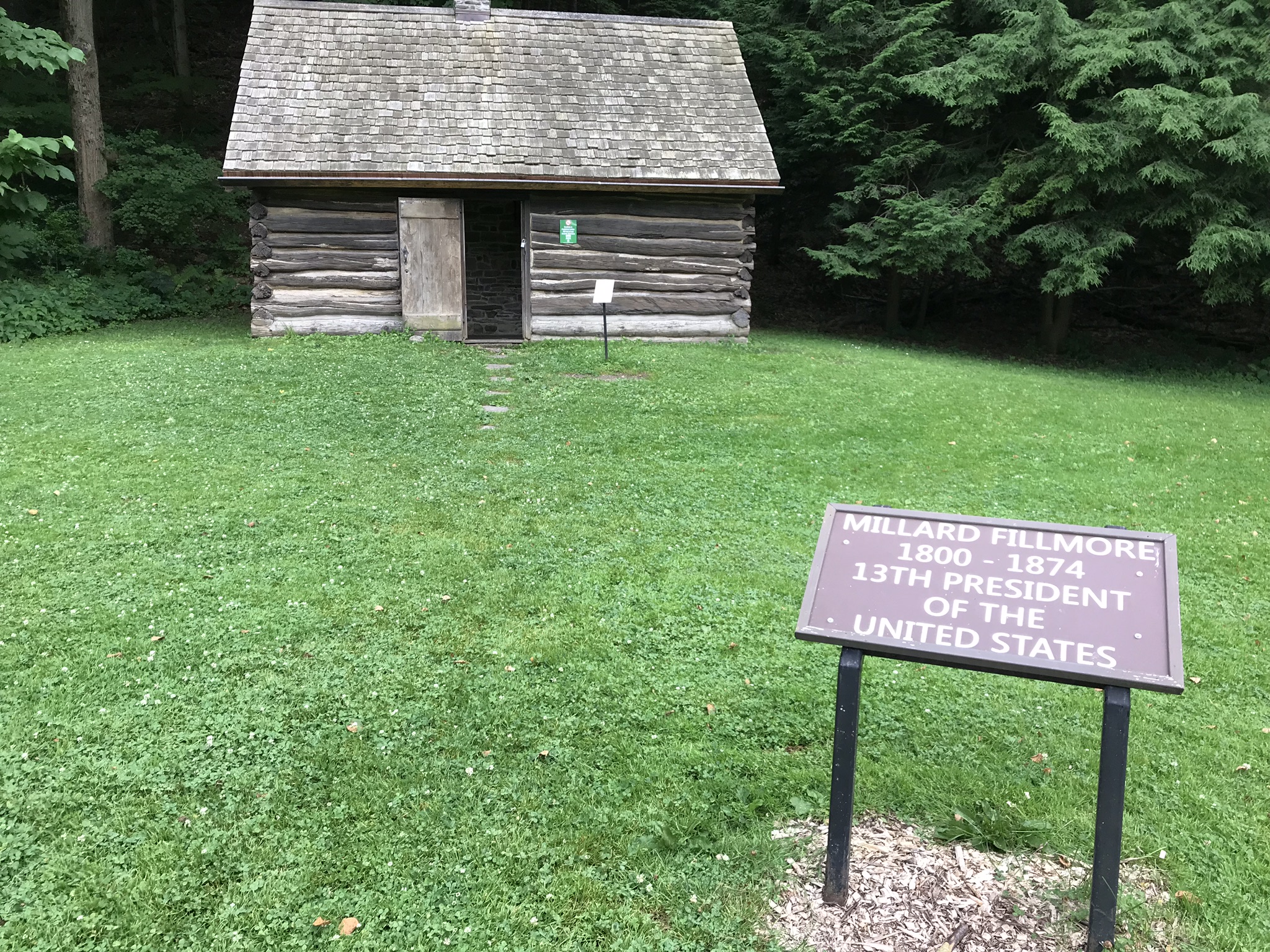
A U.S. President born in a log cabin, MiIllard Fillmore

Capturing photographs and videos on the fly, we visited
Fillmore Glen State Park, Moravia, New York with our granddaughter, Nia. This is Pam and my favorite park for the lack of crowds, variety of wildflowers and dramatic views.

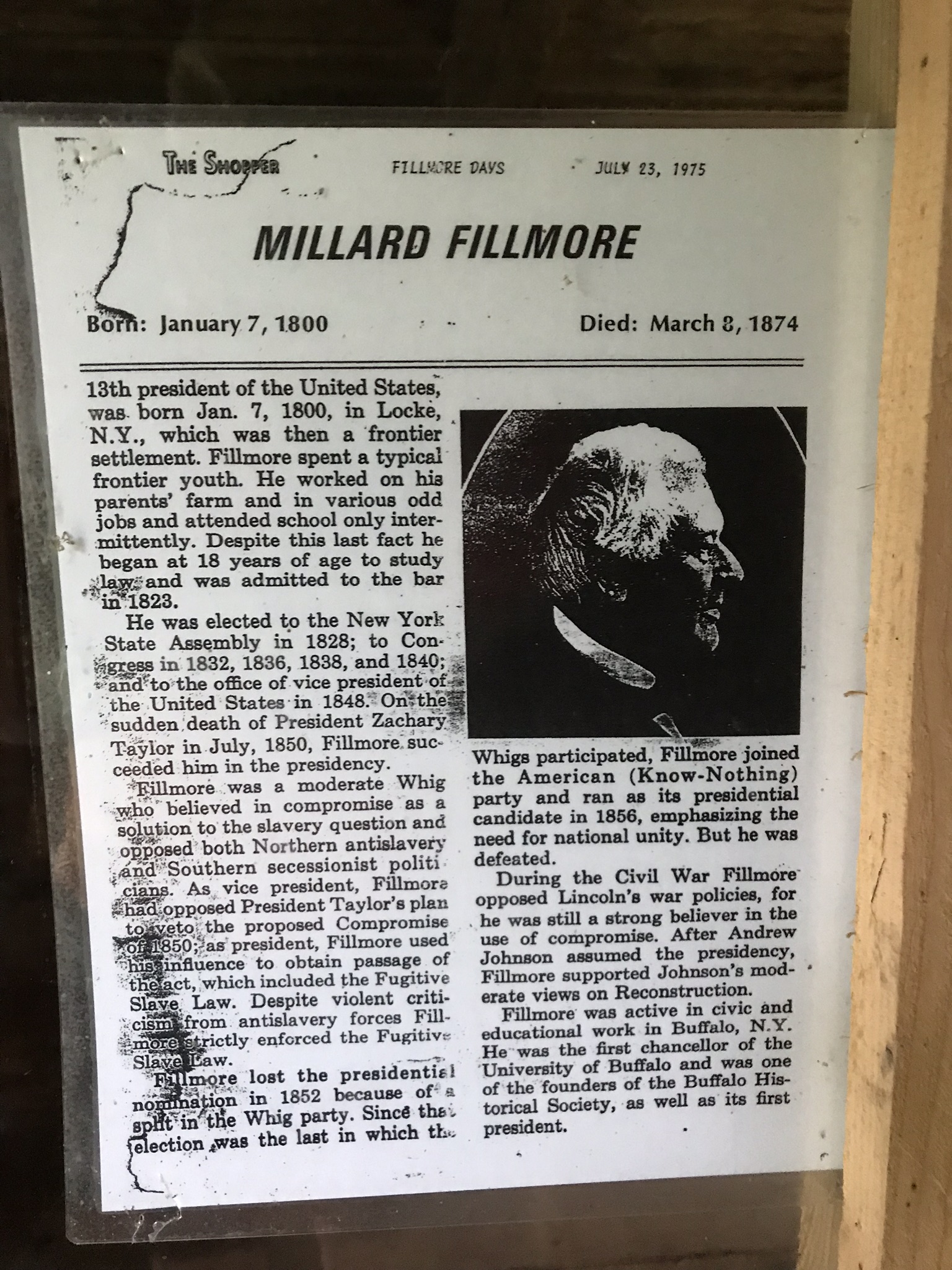
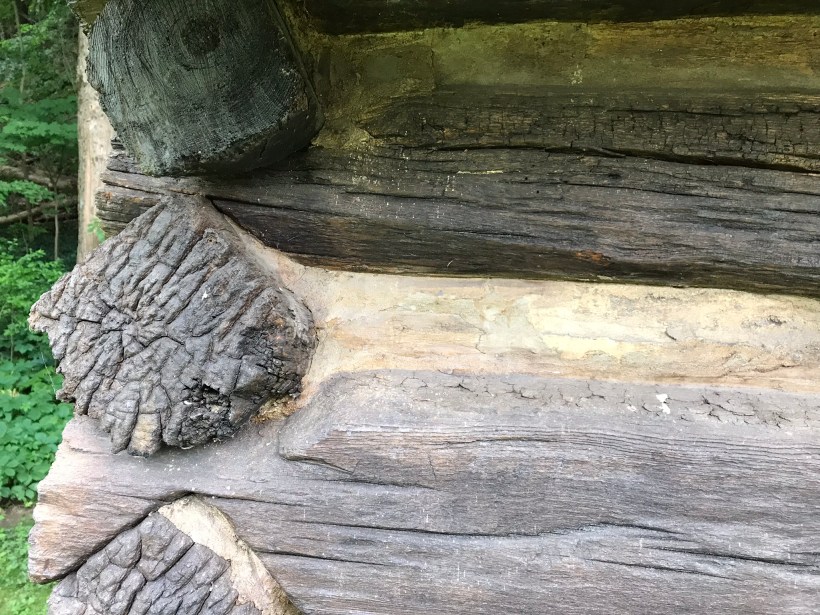
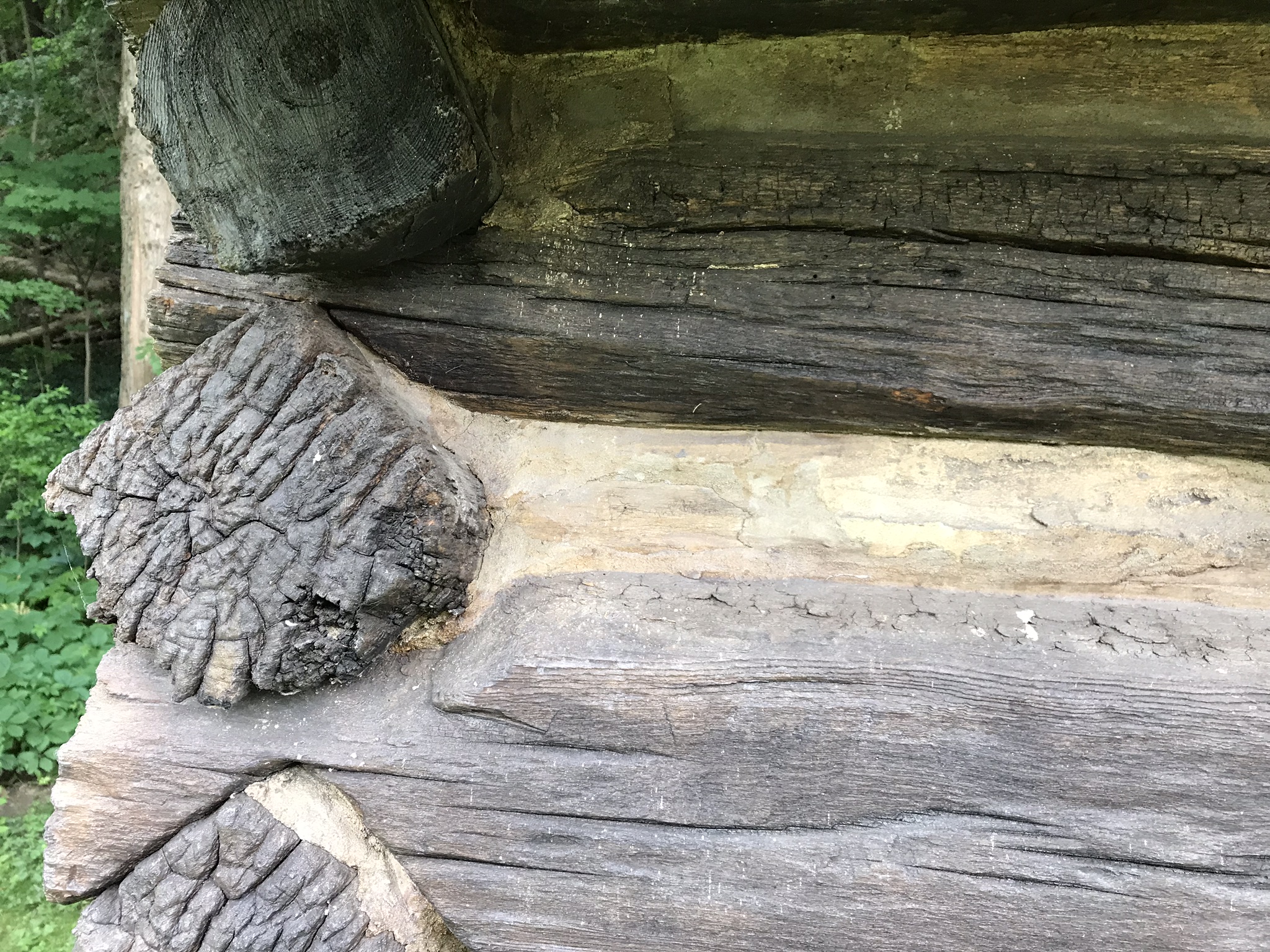
A the bottom of Gorge Trail, near the creek fed swimming pool, is a cabin moved to the park from a few miles away to commemorate an American President’s birthplace. Milllard Fillmore was born on the peneplain above the gorge of Dry Creek in a place called Locke, five miles from the modern park entrance. His birth cabin was destroyed in 1852, the land is dedicated to his memory with a monument. This cabin of a type identical was disassembled and reconstructed on this spot in 1965 by the Millard Fillmore Memorial Association.

The 480 square foot (20 by 24 feet) original (the rebuild is a bit smaller) had a central fireplace and and will chinked logs, a ceiling of simple planks.

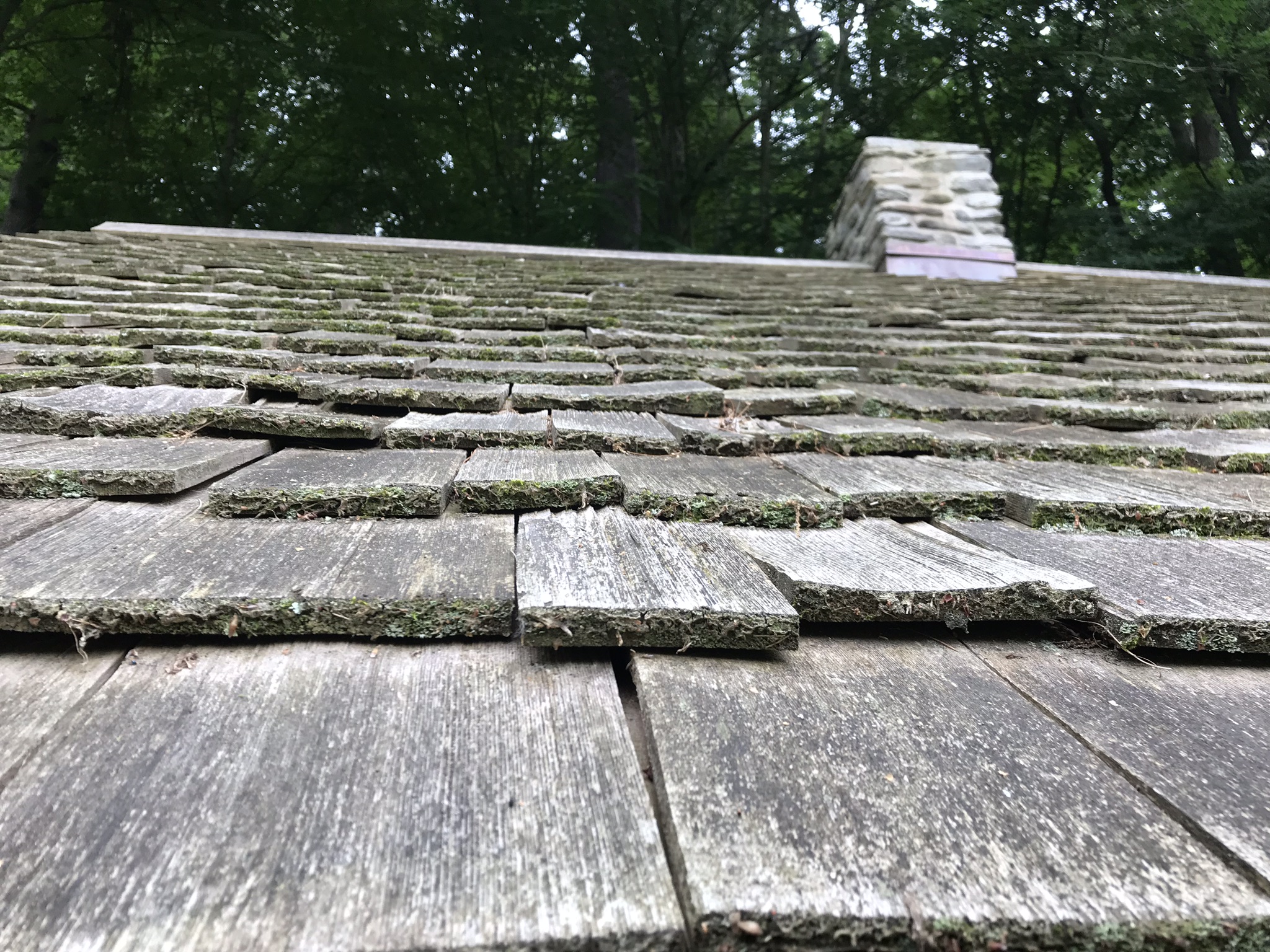
The cedar shingles were hand made, as were the nails.

More information on a display inside the cabin.
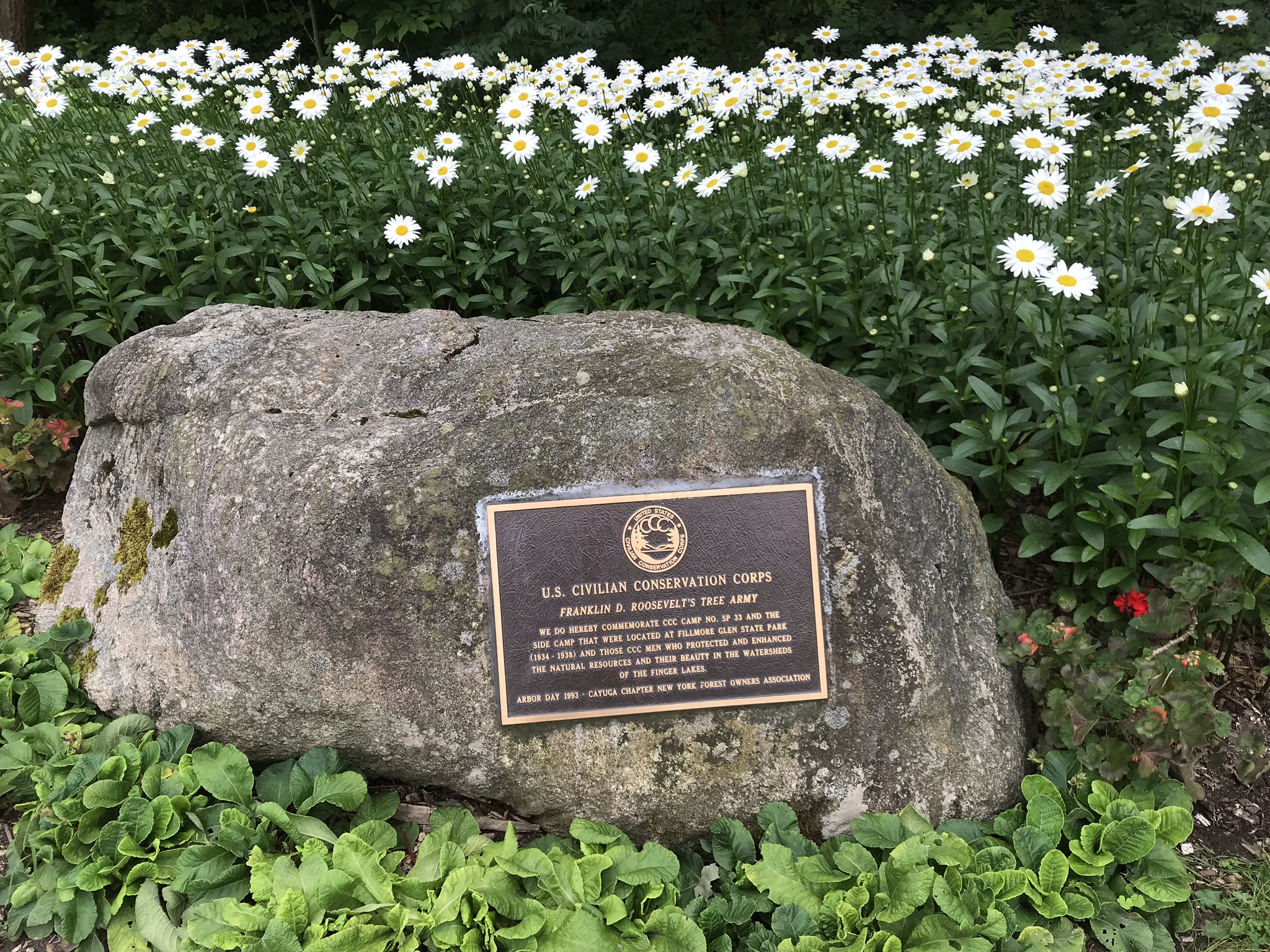
A few feet away is a memorial to Franklin D. Roosevelt’s Civilian Conservation Corps. We can thank them for building much of the park infrastructure we depend upon today.
Copyright 2021 Michael Stephen Wills All Rights Reserved.

Drombeg Stone Circle V

Seventeen Stones

The Celtic Sea is close to this site, unoccupied since 800 BC, may be as old as 1100 BC according to radiocarbon dating from 1957 excavations.

Click any pic for a larger view, in a new tab, or a slide show. When using WordPress Reader, you need to open the post first.

The Celtic Sea is close to this site, unoccupied since 800 BC, may be as old as 1100 BC according to radiocarbon dating from 1957 excavations. Thirteen of the original seventeen stones form a circle 31 feet across. Two portal stones face a recumbent stone, together forming a axis pointing to the sun position at sunrise on the winter solstice. One of the most visited Neolithic sites in Ireland, it required some patience to achieve an image without human figures.

Click Me for the next post in this series.

Copyright 2021 Michael Stephen Wills All Rights Reserved

The Space Station and the Waterfall

Potential danger abounds

Capturing photographs and videos on the fly, we visited
Fillmore Glen State Park, Moravia, New York with our granddaughter, Nia. This is Pam and my favorite park for the lack of crowds, variety of wildflowers and dramatic views.

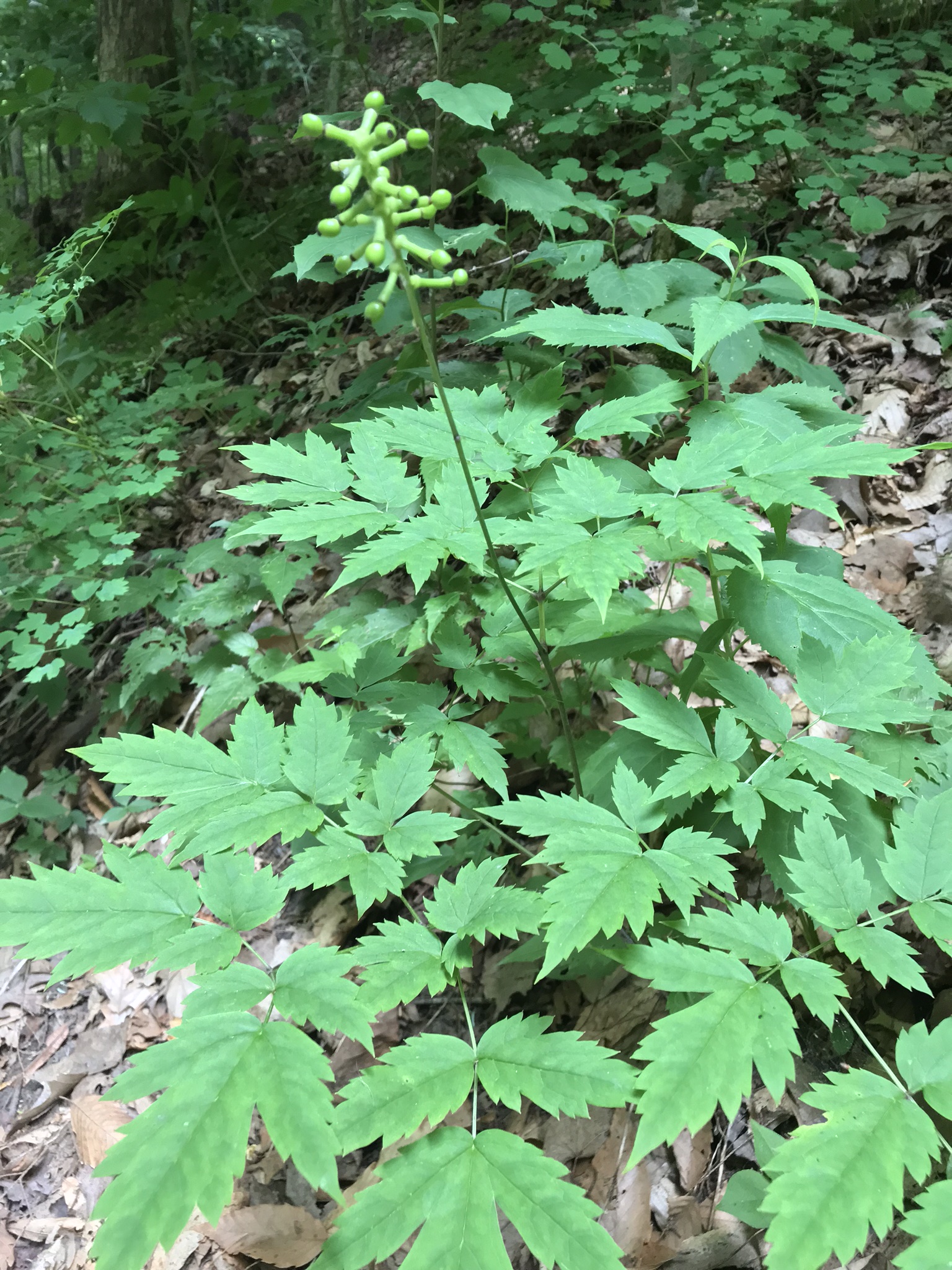
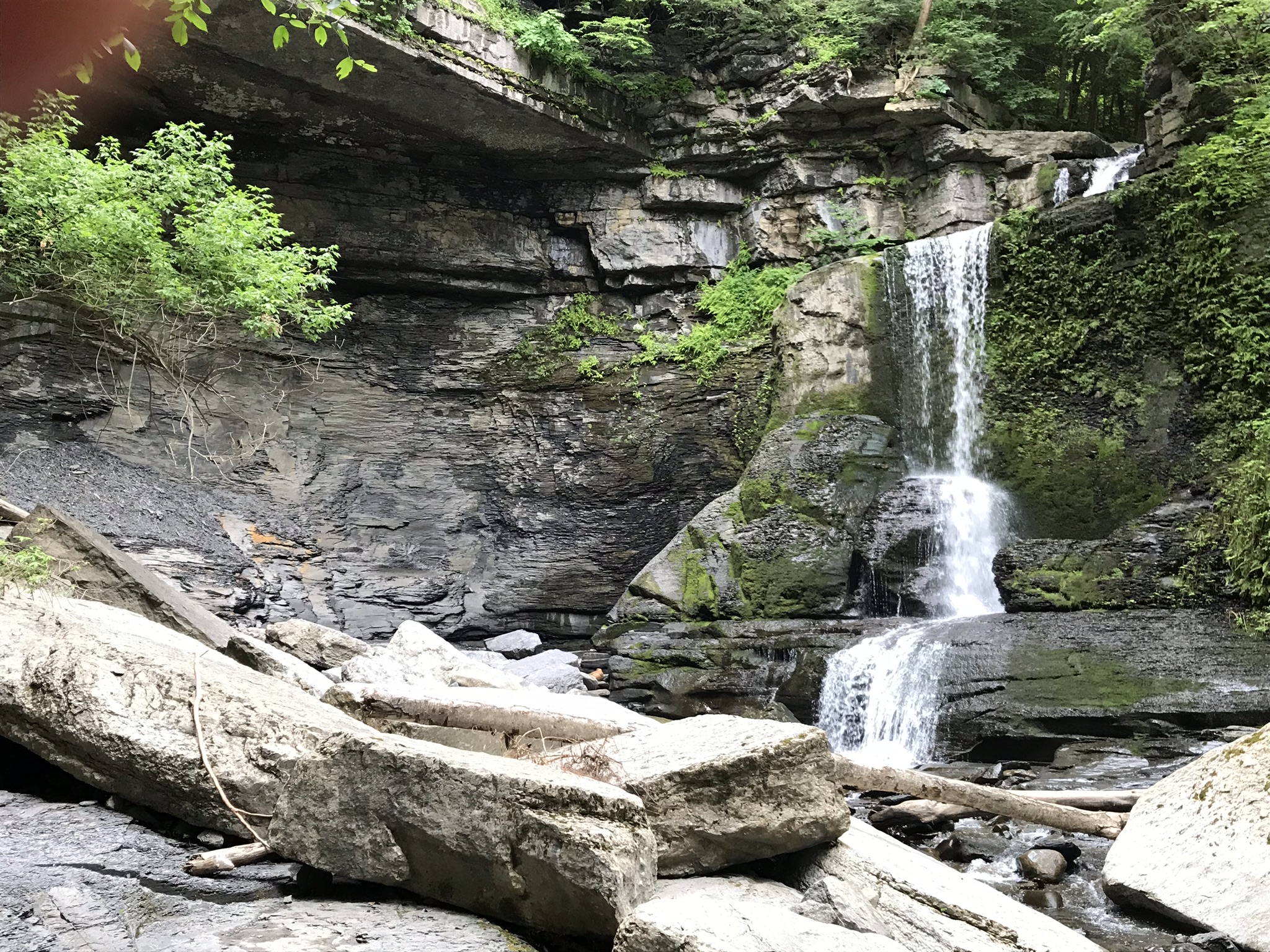
Growing near Cowsheds Waterfall, at the foot of Gorge Trail, was this
strange fruiting wildflower so like a modular space station. It is Baneberry.  There are white and red forms. This is white Baneberry (Actaea pachypoda).  These terminal round nodes resolve into white balls with black dots, like dolls eyes. The cylindrical connectors (as in space station) turn bright red. Red Baneberry (Actaea rubra) has bright red berries. The flower is a fluffy white mass that gives no hint of the seed form.

All parts of both forms are highly poisonous, the bane of Baneberry. The berries are deadly. Ingestion of as few as two berries by children will cause death from cardiac arrest. Six for an adult.

Click any photograph for a larger view.

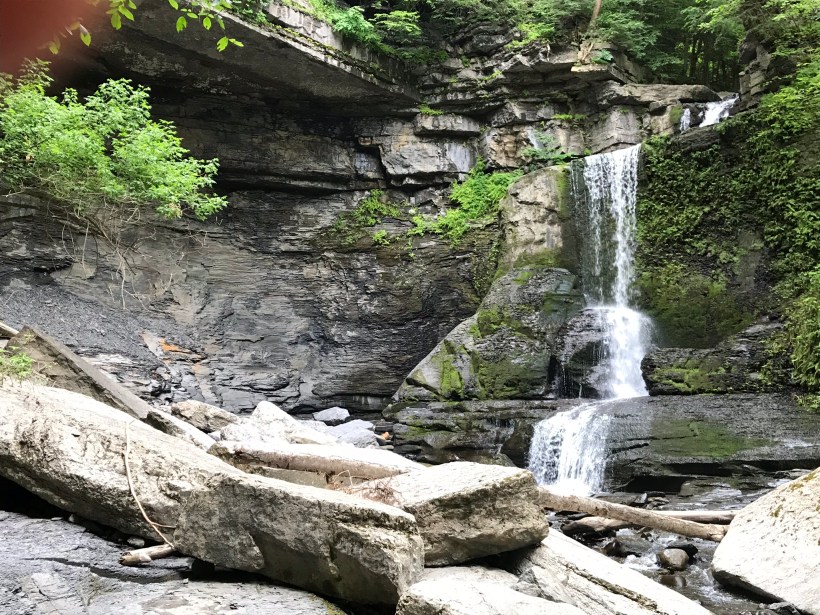
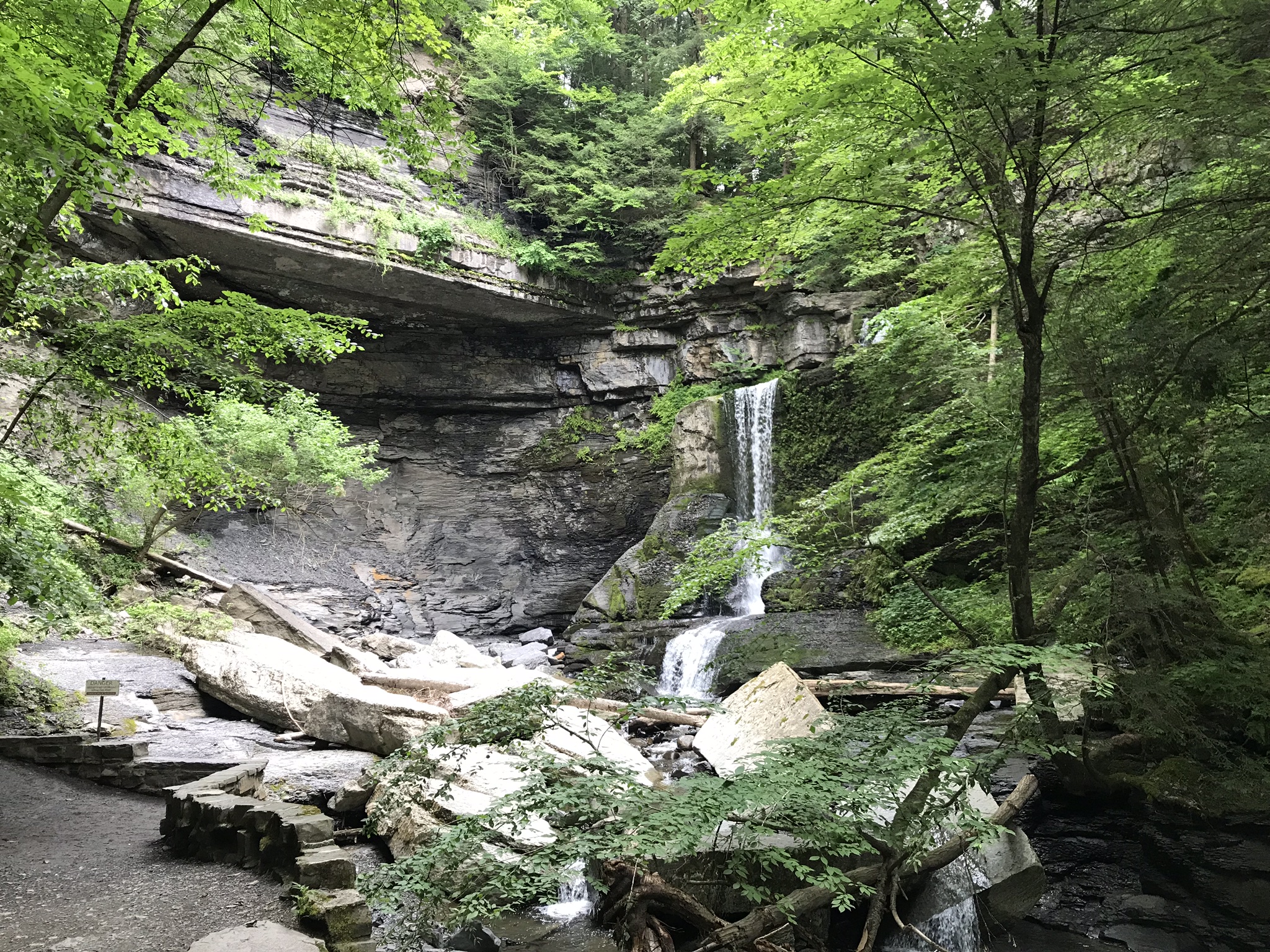
Cowsheds Waterfall is littered with enormous limestone blocks, remnants of a shelf. The rock under the limestone, a soft shale, is worn away first by running water forming a room (or Cowshed) under the limestone. Eventually, the limstone falls into the creek. The waterfall is at the end of a blind canyon with a sign at a trail end warning visitors to go no further. Careless visitors to Finger Lakes Gorges are killed, on occasion, by falling rock when they loiter beneath cliffs.

Overview of the site
Click me for my Fine Art Photography Gallery.
Copyright 2021 Michael Stephen Wills All Rights Reserved.

Drombeg Stone Circle IV

Seventeen Stones

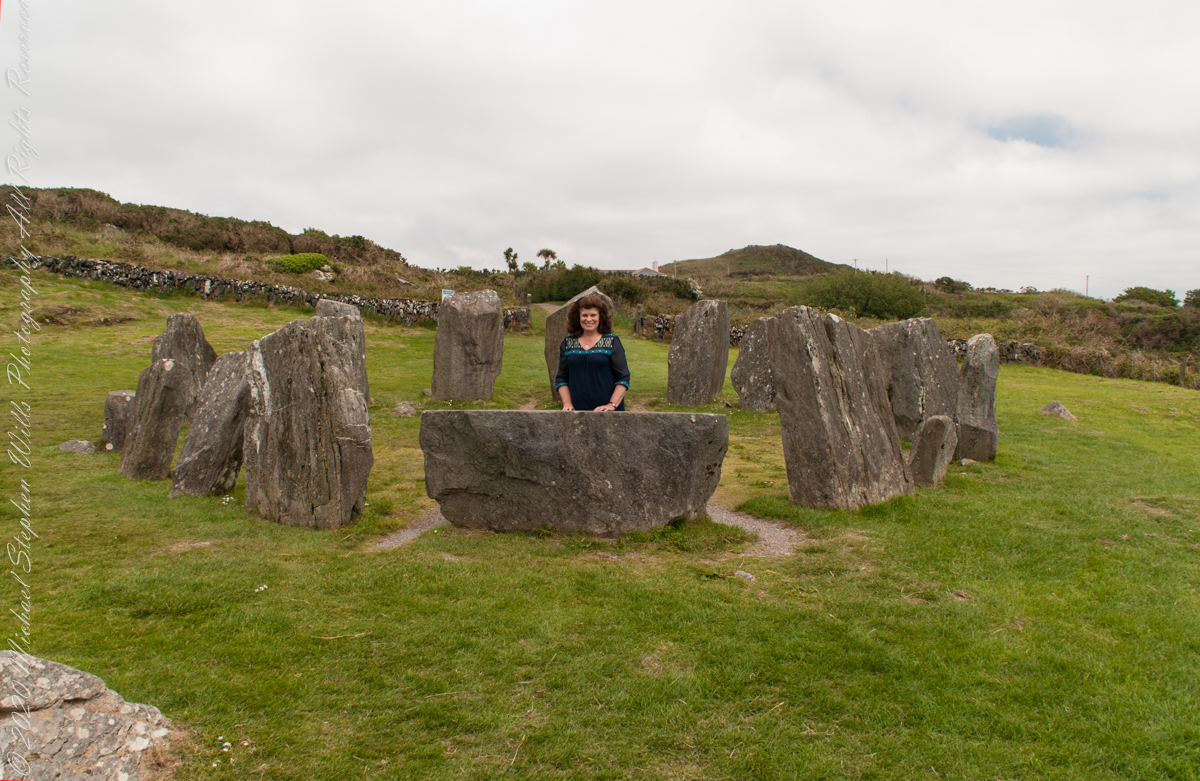
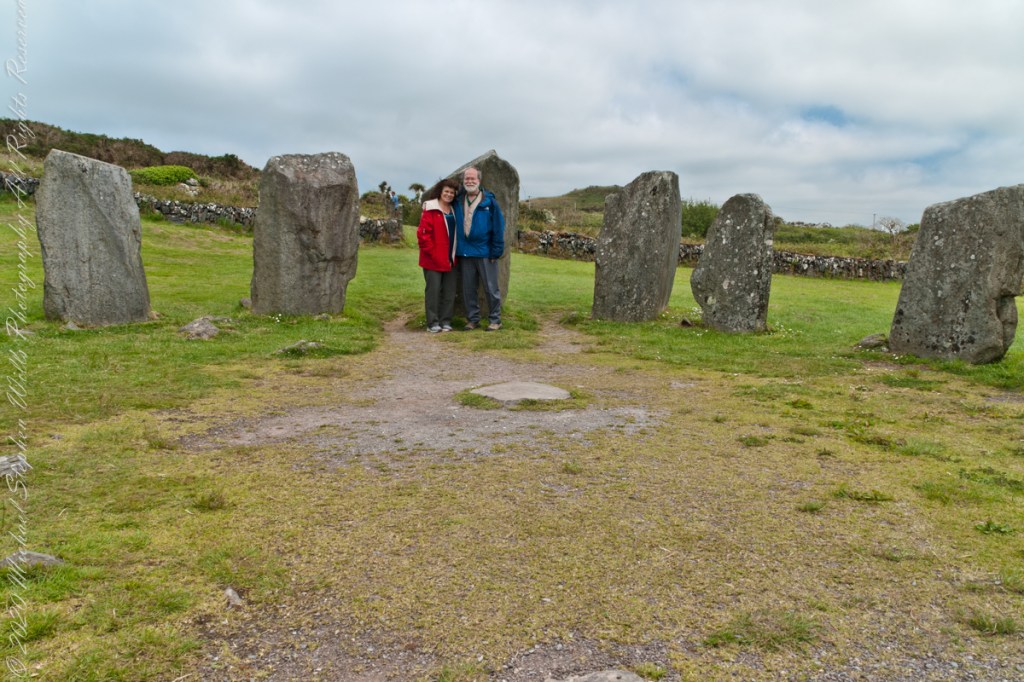
Seventeen closely placed stones with an axis pointing south-southwest toward the setting sun, formed by two “entrance” stones, one directly behind Pam, the second to the left. The recumbent in front of her forms the third axis element.

The path features in the past three posts is behind the entrance stones.

Click any pic for a larger view, in a new tab, or a slide show. When using WordPress Reader, you need to open the post first.

Click Me for the next post in this series
Copyright 2021 Michael Stephen Wills All Rights Reserved

Night Blooming Cereus VIII

reaction to cold temperature

Our “Night Blooming Cereus” is blooming earlier in 2021, blooms opened twice during nights of early August. I put the name in quotes because during the course of writing the first seven posts ( I through VII ) I learned this is NOT a member of the genus Cereus, it is actually an epiphyte of the Epiphyllum genus.

For those familiar with the early history of New York City and Hudson Valley it is easy to see why a common name of the plant is “Dutchman’s Pipe Cactus.”

Click me for another Night Blooming Cereus Cereus flower post.

References

Wikipedia, “Epiphyllum”, “Epiphyllum oxypetalum,”epiphyte.”

Copyright 2020 Michael Stephen Wills All Rights Reserved

Drombeg Stone Circle III

Exotic beauty

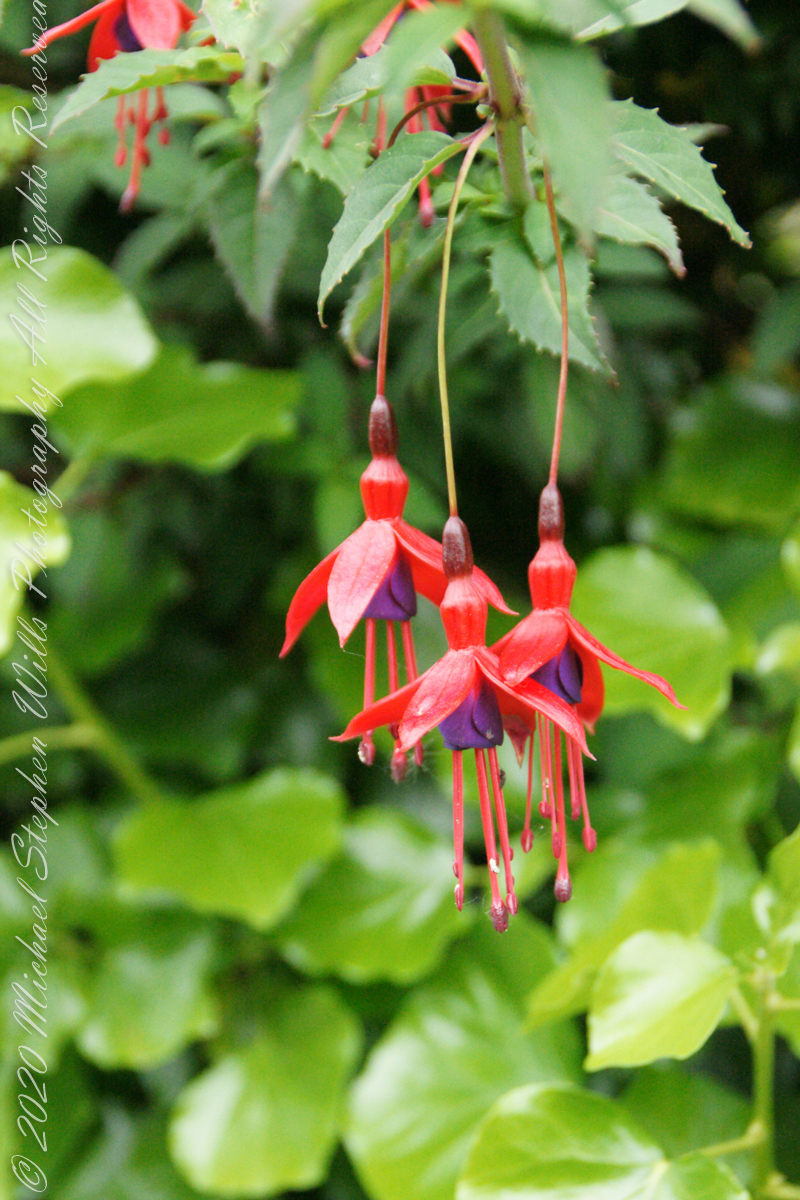
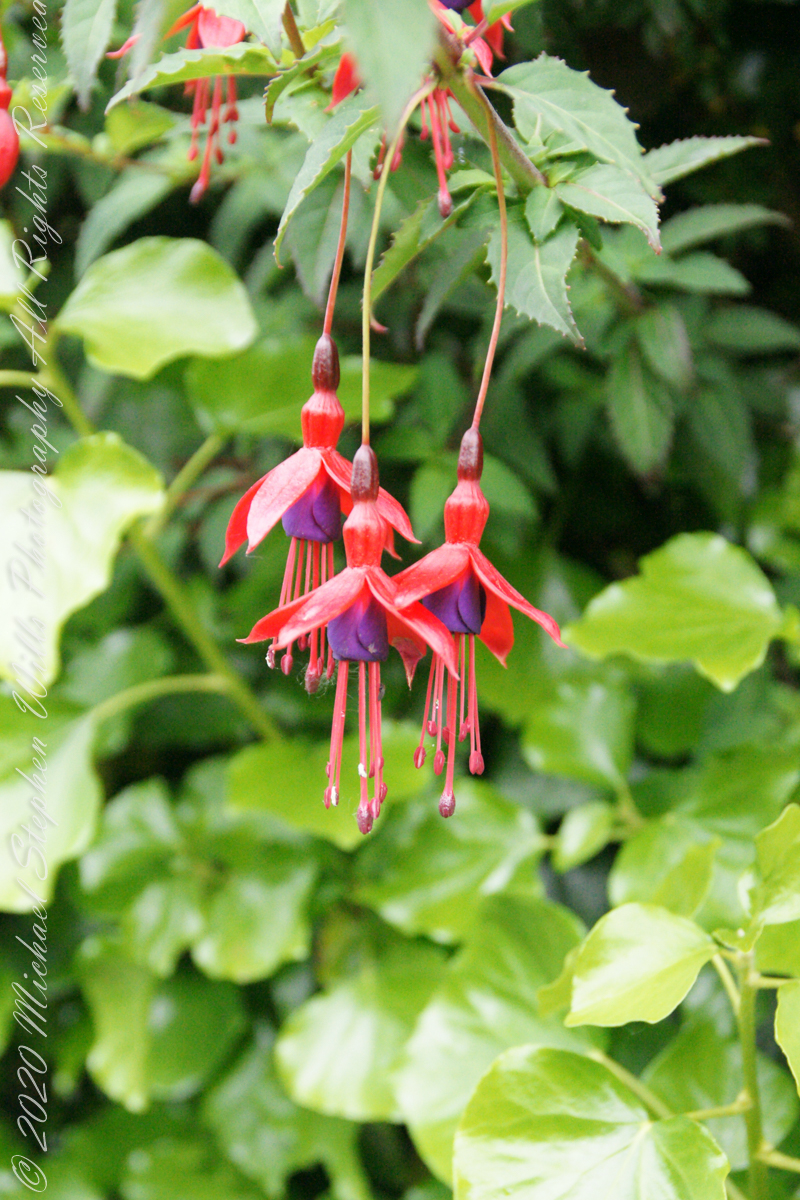
It is not surprising to find this non-native shrub growing along the path to Drombeg Stone Circle. English gardens featured fuchsia since the late 18th century. The ocean view is part of the charm of this place, the resulting milder climate suits the flourishing of exotic species of plants native to South America, the Caribbean and New Zealand.

Click any pic for a larger view, in a new tab, or a slide show. When using WordPress Reader, you need to open the post first.

Click Me for the next post in this series.

Copyright 2021 Michael Stephen Wills All Rights Reserved

Drombeg Stone Circle II

Rock Native

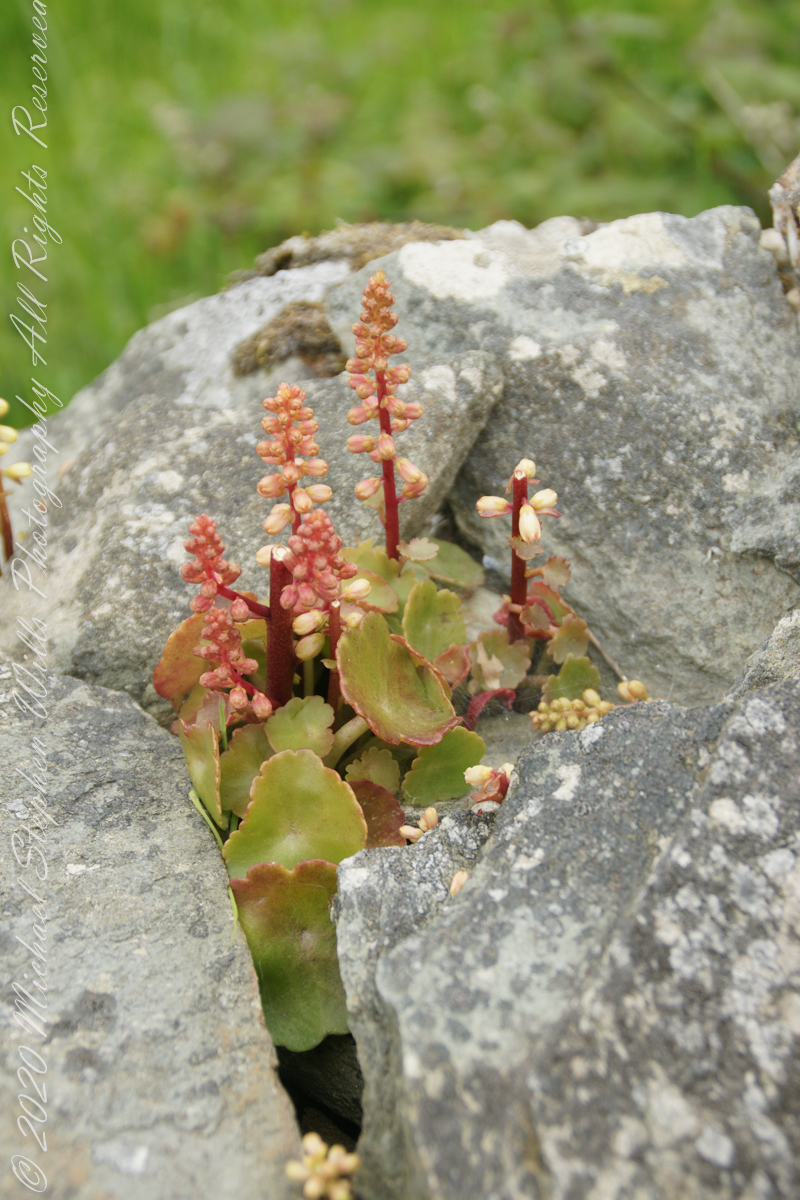
This unidentified spring of racemes, fleshy leaves and stalks, grew from the rock wall of the entry path to Drombeg Stone Circle. Here the climate is strongly influenced by the Celtic Sea, milder winters allow exotic plants to flourish.

My appraisal is this is in the Crassulaceae family, possibly the genus Kalanchoe or, more probably Umbilicus, from the fleshy, round, succulent leaves and form of the flowers. Species of Umbilicus are native to Western Europe and known to favor rock walls.

Click any pic for a larger view, in a new tab, or a slide show. When using WordPress Reader, you need to open the post first.

Click Me for the next post in this series.

Copyright 2021 Michael Stephen Wills All Rights Reserved

Weedy Orchid IV

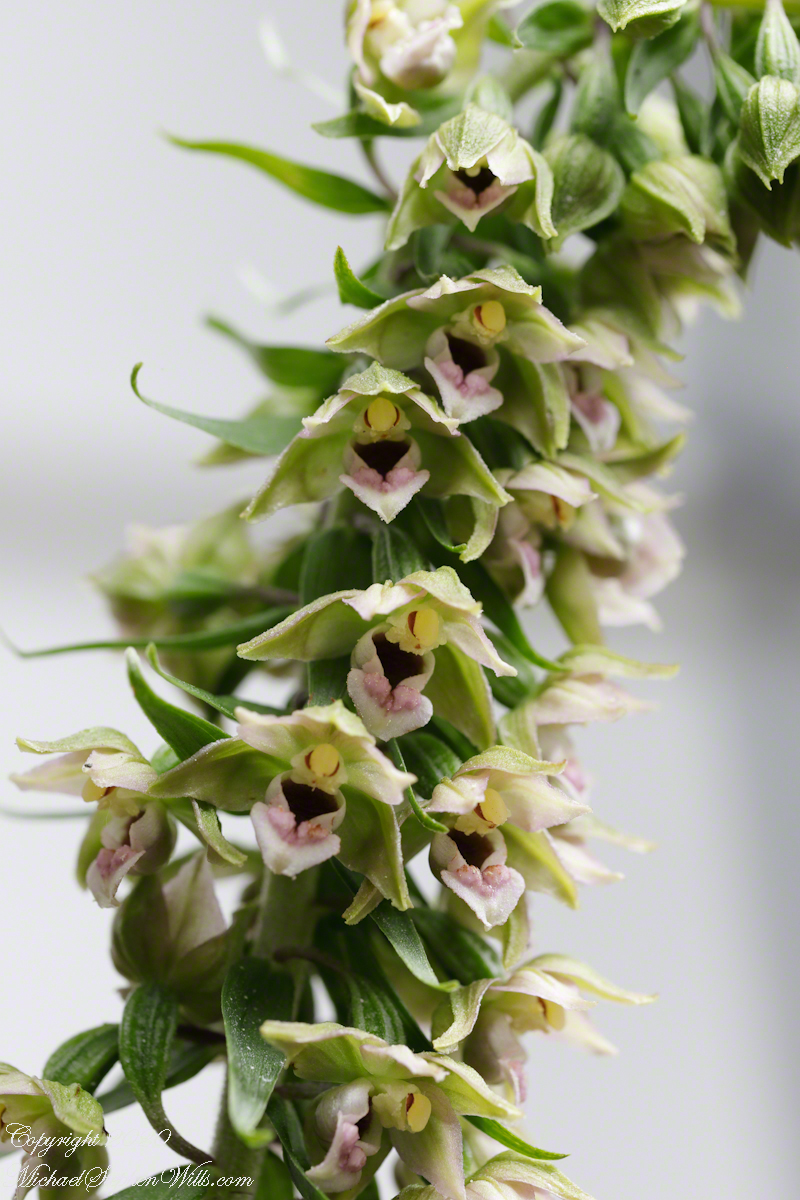
Presenting a macro of a Broad-leaved Helleborine (Epipactis helleborine) growing in our rose garden, in full bloom, a profusion of orchid flowers. This plant, an introduced species to North America, is found widely across our continent.

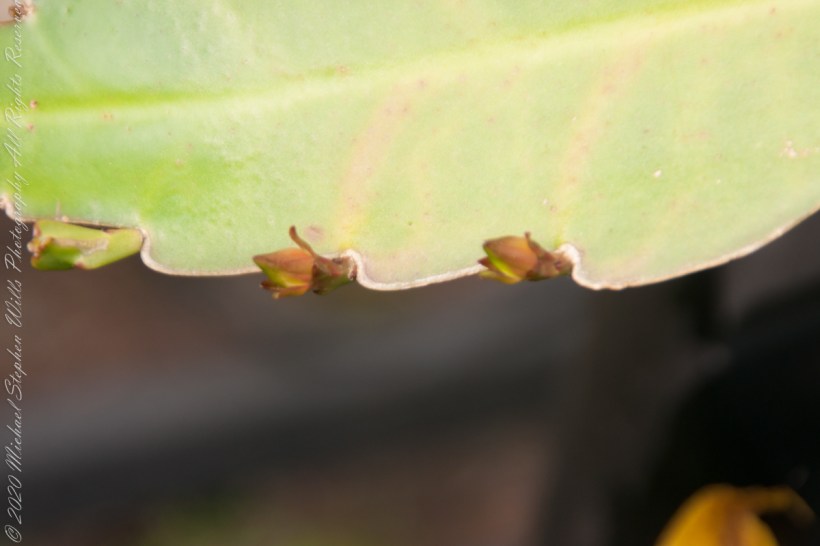
Helleborine, the scientific name species designation, means like a Hellebore, I assume referring to the calyx, outer part of the flower bud, these open to reveal the flower. In this macro, the unopened buds are upper right. Bottom center the calyx, fully open, with the flower ready to accept pollination, fertilization. After opening, the calyx seems to be part of the flower, a characteristic of hellebore (see Helleborus argutifolius).

The flowers attract a variety of Hymenoptera. I observed wasps, yellow-jackets visiting.

Click photograph for a larger view and use Ctrl-x to zoom in closer.

Photograph is from a 100mm “macro” lens, f6.3.

Thank You for visiting.

Copyright 2020 Michael Stephen Wills All Rights Reserved

Weedy Orchid III

This series reveals an an interesting plant I encountered July 2019. the Broad-leaved Helleborine (Epipactis helleborine), a wild orchid.

Each flower produces a seed capsule with an uncountable profusion of minuscule seeds. Germination is only possible if a fungus is present, mycorrhizal symbiosis the scientific term from the root words myco (fungus) and rhiz- as in rhízōma “mass of roots.”

Click photograph for a larger view and use Ctrl-x to zoom in closer.

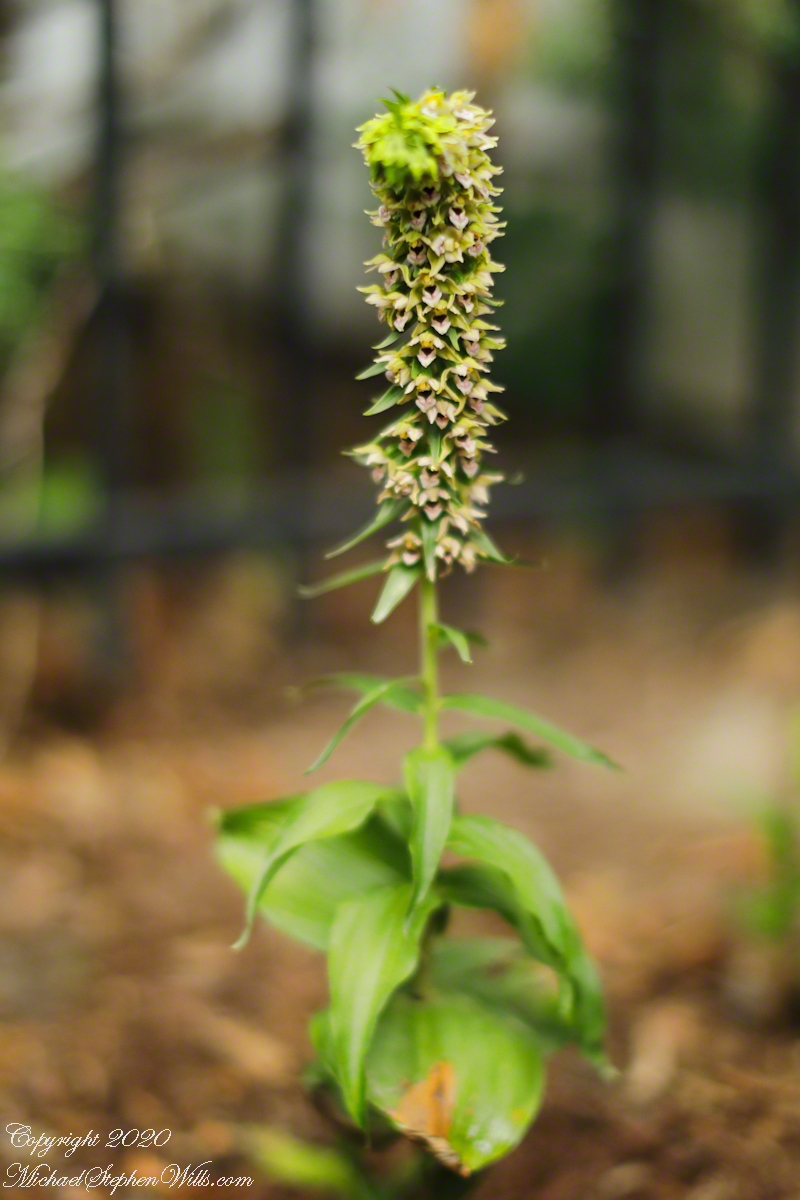
This photograph minimizes the clutter of this rose garden site, lost in a beautiful bokeh, at a cost of much flower detail. Many of the numerous blooms are out of focus. F-stop is set to wide open, f1.2. The apparent image distortion, upper left hand quadrant, is the blurred arc of a juniper bush limb.

Today’s header image is from yesterday’s post, by way of comparison.

Click me for the first post of this series.

.to be continued.

Copyright 2019 Michael Stephen Wills All Rights Reserved