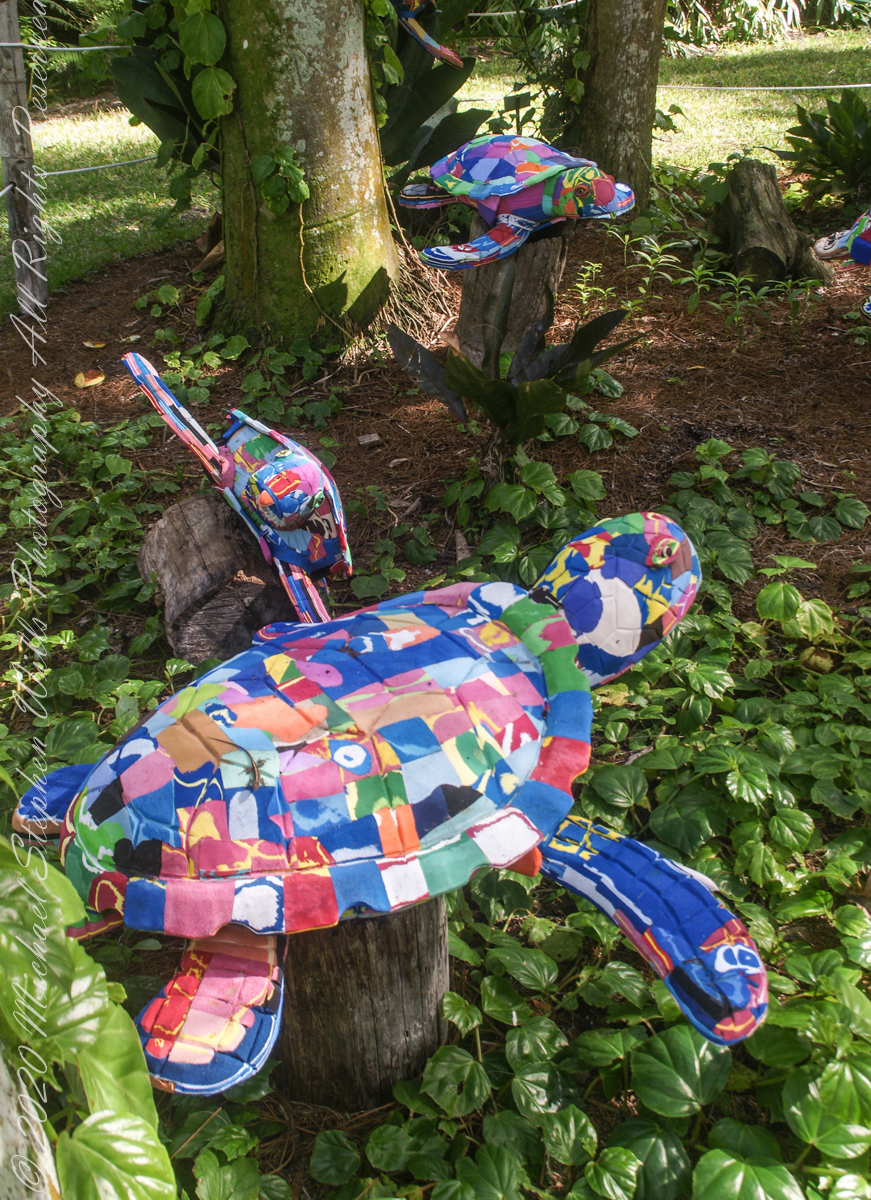
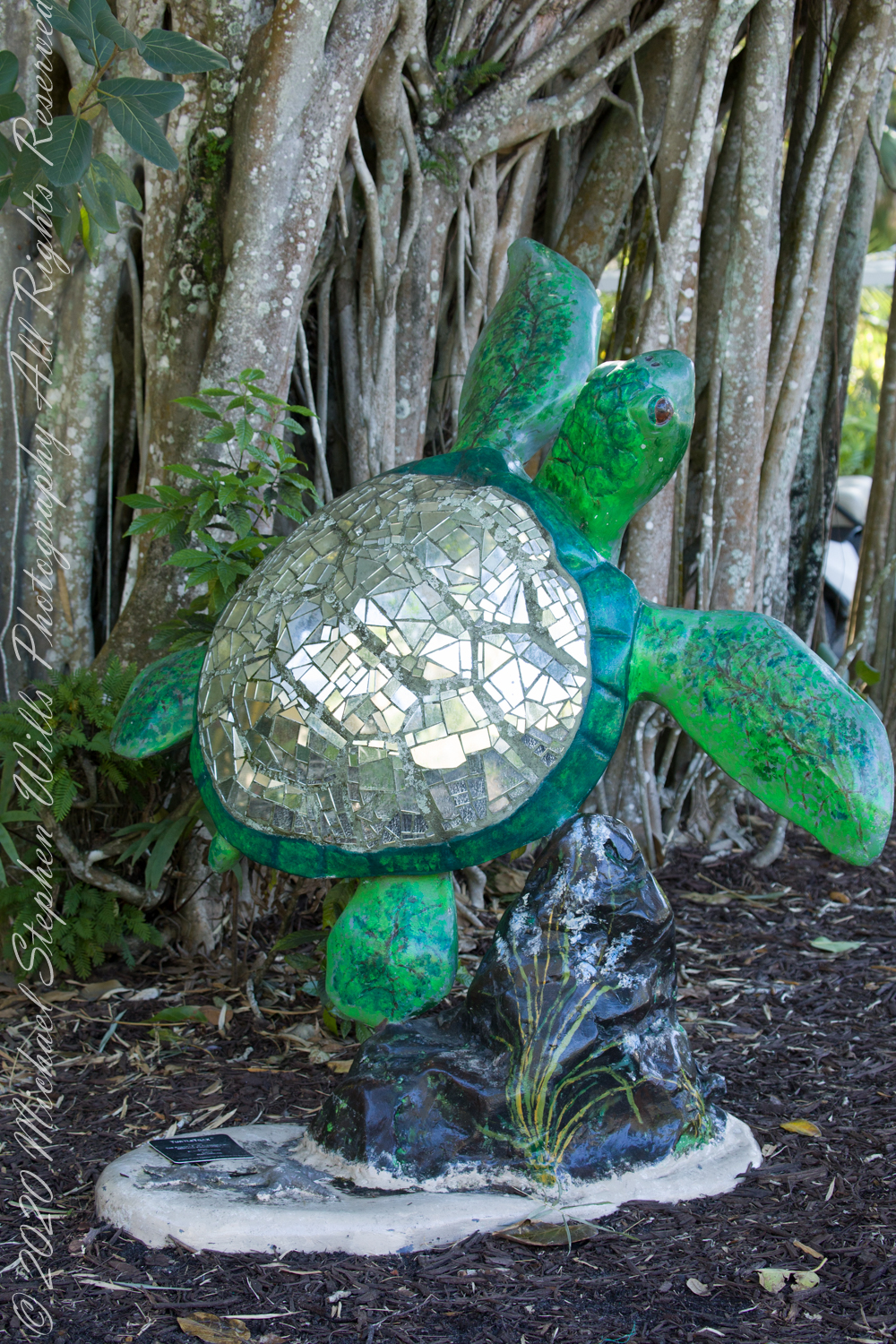
Up to 400 recycled flip flops were used by Ocean Sole Africa Project artists to create each sea turtle sculpture from a 2019 exhibit hosted by McKee Botanical Gardens, Vero Beach, Indian River County, Florida.
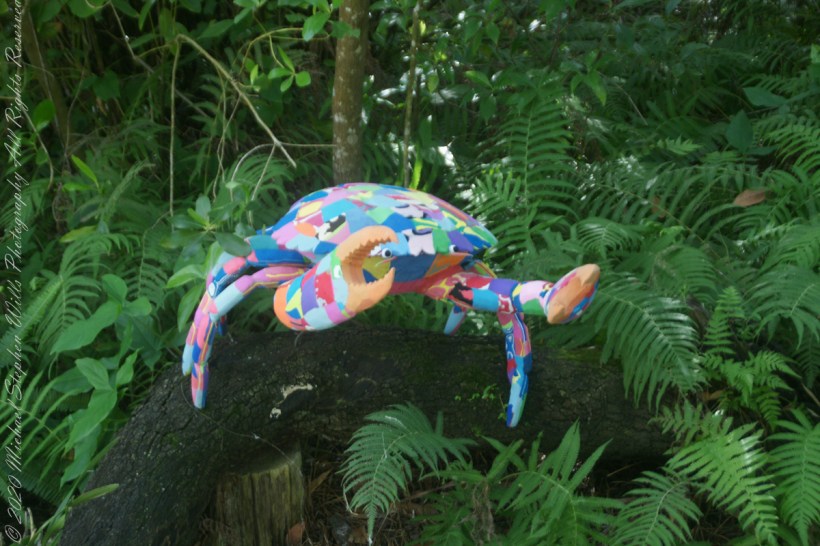
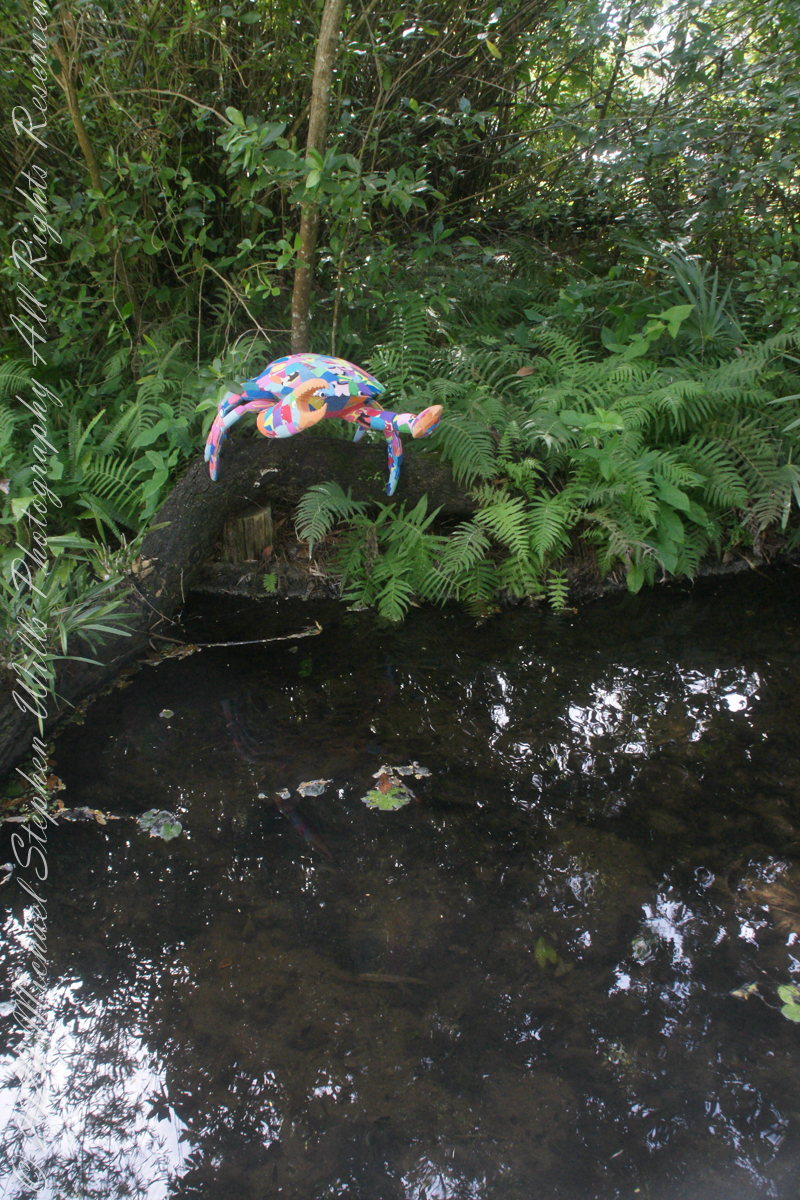
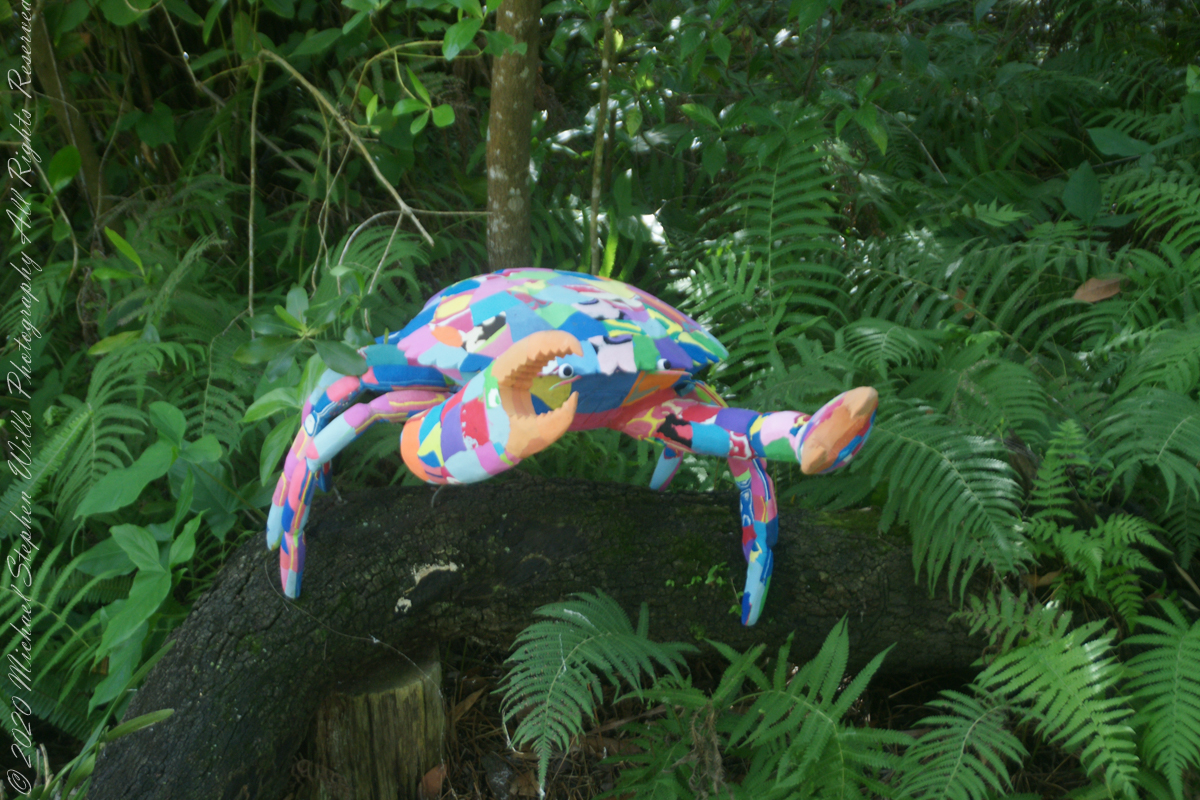
Blue land crabs inhabit McKee Gardens, only resembling these specimens, made from as many as 400 discarded flip flops, in having ten legs for which the Order Decapoda is named. The front two legs are specialized chelae (claws) for grabbing and eating whatever is in front of them (omnivorous). Two other characteristics are eyes on stalks and an exoskeleton composed of chitin. From an exhibit of creations by the Ocean Sole Africa project, McKee Botanical Gardens, Vero Beach, Indian River County, Florida.
Blue land crabs inhabit McKee Gardens, only resembling these specimens, made from as many as 400 discarded flip flops, in having ten legs for which the Order Decapoda is named.
The front two legs are specialized chelae (claws) for grabbing and eating whatever is in front of them (omnivorous). Two other characteristics are eyes on stalks and an exoskeleton composed of chitin.
Copyright 2022 Michael Stephen WillsAll Rights Reserved
Light pollution from beach development is a threat to baby sea turtles; the glow from city sources can cause them to head into traffic instead of the ocean.
450 recycled flip flops were used by Ocean Sole Africa Project artists to create each sea turtle sculpture from a 2019 exhibit hosted by McKee Botanical Gardens, Vero Beach, Indian River County, Florida.
Sea turtles (superfamily Chelonioidea), sometimes called marine turtles, are reptiles of the order Testudines and of the suborder Cryptodira. Sea turtles can be found in all oceans except for the polar regions. Sea turtles are generally found in the waters over continental shelves.
During the first three to five years of life, sea turtles spend most of their time in the pelagic zone floating in seaweed mats. Once the sea turtle has reached adulthood it moves closer to the shore. Females will come ashore to lay their eggs on sandy beaches during the nesting season. Sea turtles migrate to reach their spawning beaches, which are limited in numbers. Living in the ocean therefore means they usually migrate over large distances.
All sea turtles have large body sizes, which is helpful for moving large distances. Large body sizes also offer good protection against the large predators (notably sharks) found in the ocean. Light pollution from beach development is a threat to baby sea turtles; the glow from city sources can cause them to head into traffic instead of the ocean. There has been some movement to protect these areas. On the east coast of Florida, parts of the beach known to harbor sea turtle nests are protected by fences.
This Sea Turtle sculpture graces the entrance of McKee Gardens as a permanent exhibit.
Conservationists have monitored hatchings, relocating lost baby sea turtles to the beach. Hatchlings find their way to the ocean by crawling towards the brightest horizon and can become disoriented along the coastline. Lighting restrictions can prevent lights from shining on the beach and confusing hatchlings. Sea turtle-safe lighting uses red or amber LED light, invisible to sea turtles, in place of white light.
Copyright 2022 Michael Stephen WillsAll Rights Reserved
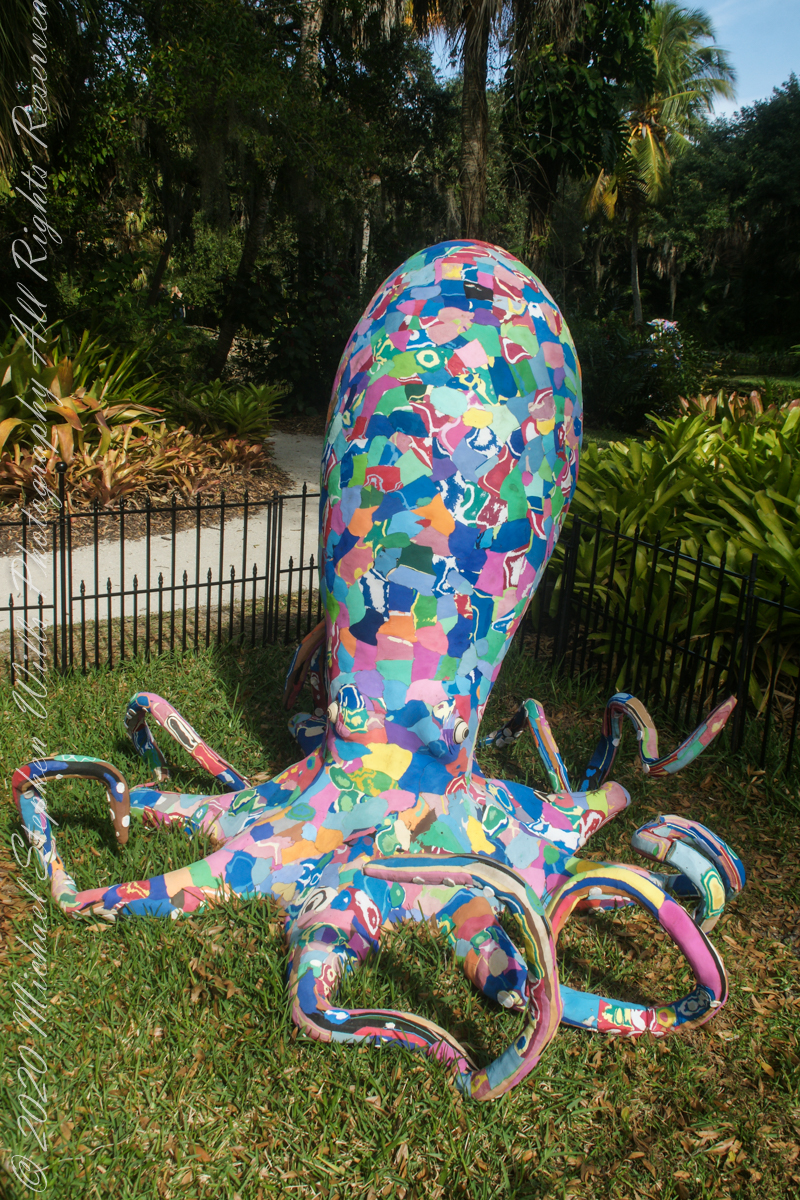
This common octopus (Octopus vulgaris) specimen was created by artists of Ocean Sole Africa. 890 recycled flip flops were used in this sculpture. from a 2019 exhibit hosted by McKee Botanical Gardens, Vero Beach, Indian River County, Florida.
Octopuses are adaptable and intelligent 8-limbed creatures known live in and around ocean reefs, deep ocean and intertidal zones. Invertebrate, without a skeleton an octopus can hide in tight spaces. Maneuvering and hunting, each tentacle is lined with suckers that grab rocks and prey. Existing solely on meat, these carnivores prey on crabs and shellfish, finding them with sharp binocular eyesight and devouring with a sharp parrot-like beak. Their defenses include camouflage, changing skin color to made surroundings, ejection of thick black ink to distract a predator and escape. A last line of defense is sacrificing an arm that can grow back over time. These blue-blooded aristocrats have three hearts!
Copyright 2022 Michael Stephen WillsAll Rights Reserved
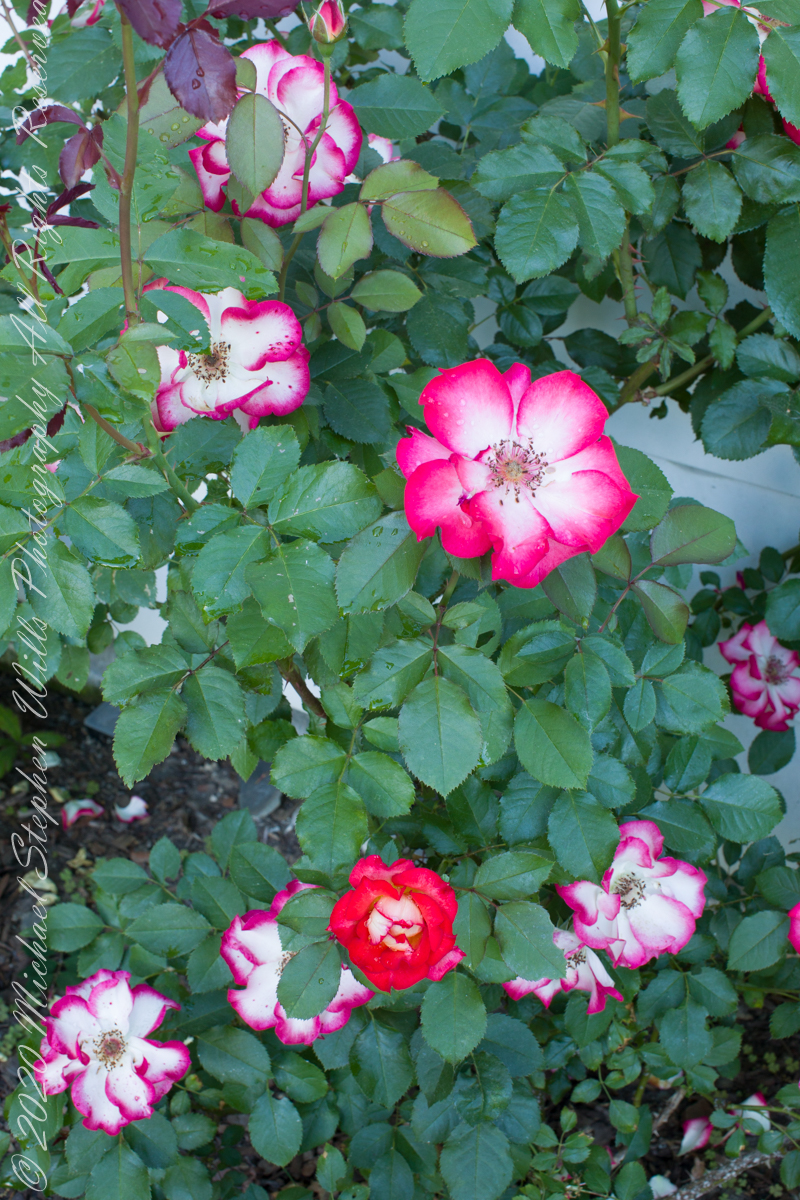
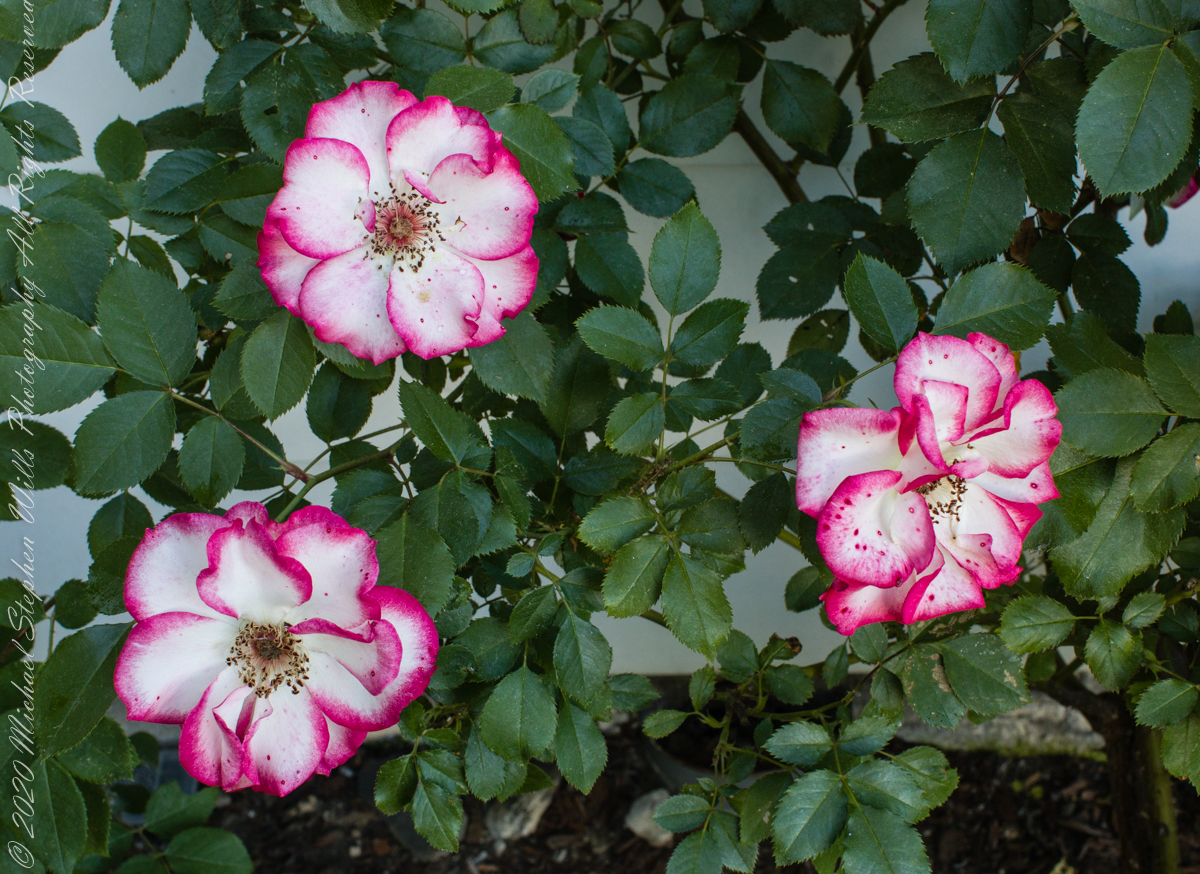
These Floribunda, semi-double petaled blooms were captured along with the yellow double cluster roses of the previous post, in the evening shade of a late spring day, June 23rd.
ISO 800, 1/13 sec at f/16
Above is a mix of just opened (the dark red, center bottom), fully opened new (just to right of center) and aging (all the rest).
ISO 800, 1/30 sec at f/16
Throughout this set I used the Canon EOS 5D Mark IV dslr with the EF 50 mm f/1.2L USM stabilized with a Manfrotto 468MG tripod with Hydrostatic Ball Head.
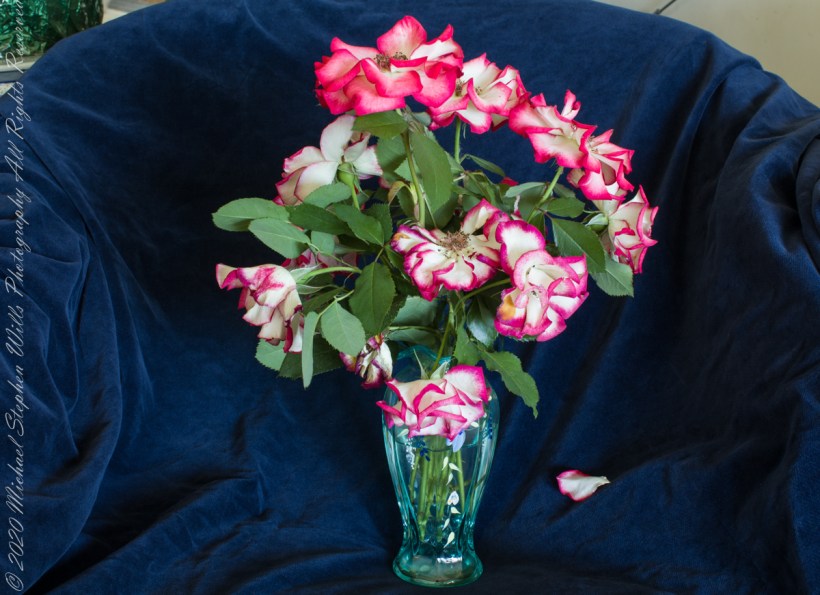
Floribundas, sometimes called cluster flowered roses, originated with Poulsen’s nursery in Denmark from crossed with Hybrid Teas with Polyantha Roses, themselves crosses between dwarf Chinas and a dwarf, repeat-flowering form of R. multiflora. Texas-based rose hybridizer Tom Carruth released Betty Boop in 1999, naming it after a cartoon character from the 1930’s. Pam found this plant around 2008 offered by the K-mart store in Cortland. She is amazed by the beauty of the Betty Boops.
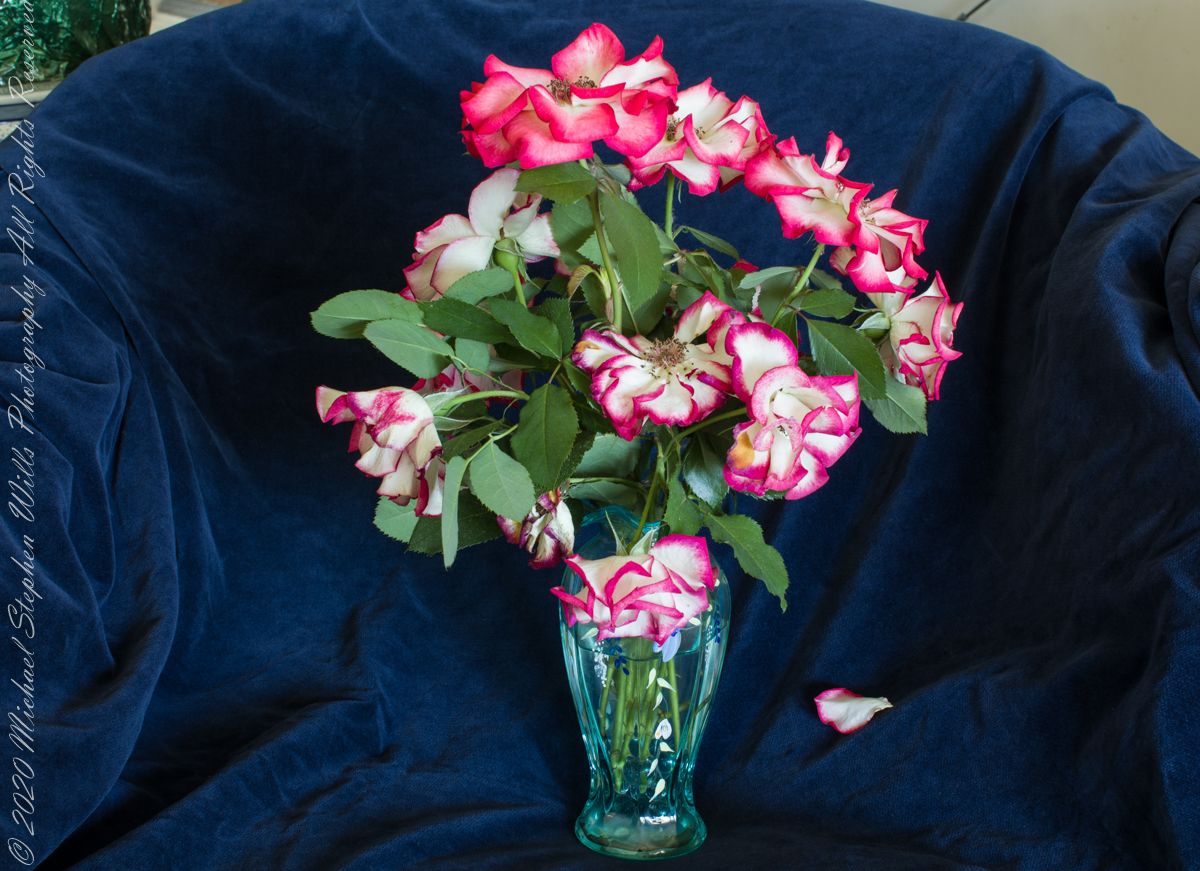
Another beloved characteristic is the longevity of the blooms. Pam collected and arranged this vase last week, for Father’s Day. I provided the setting. In this controlled environment the low ISO provides better colors and contrast with minimal digital noise.
ISO 100, 2.5 sec at f/16.
References
“The Botanical Garden” Vol 1, Roger Phillips and Martyn Rix, Firefly Books, Buffalo, N.Y. 2002 pp 228 – 233.
Wikipedia search for “Betty Boop rose” and ” Tom Carruth rose.”
Copyright 2022 Michael Stephen Wills All Rights Reserved
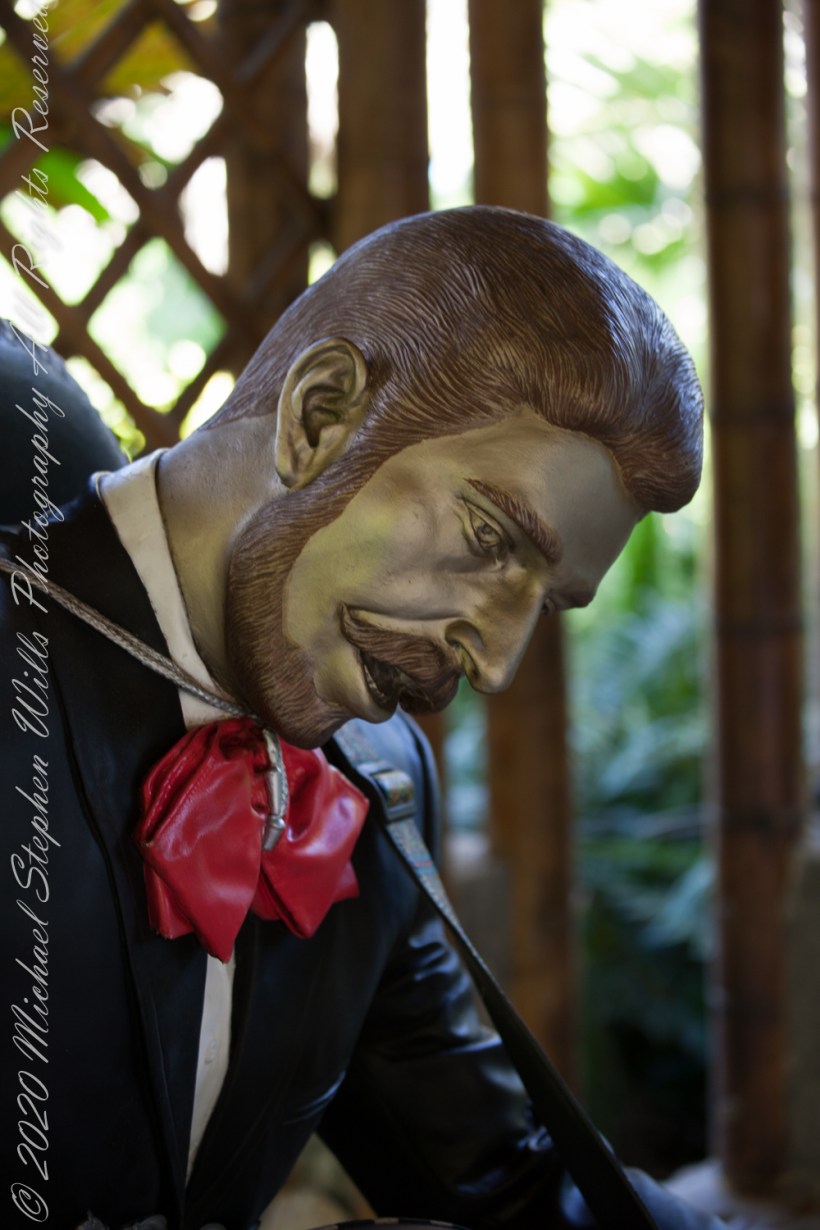
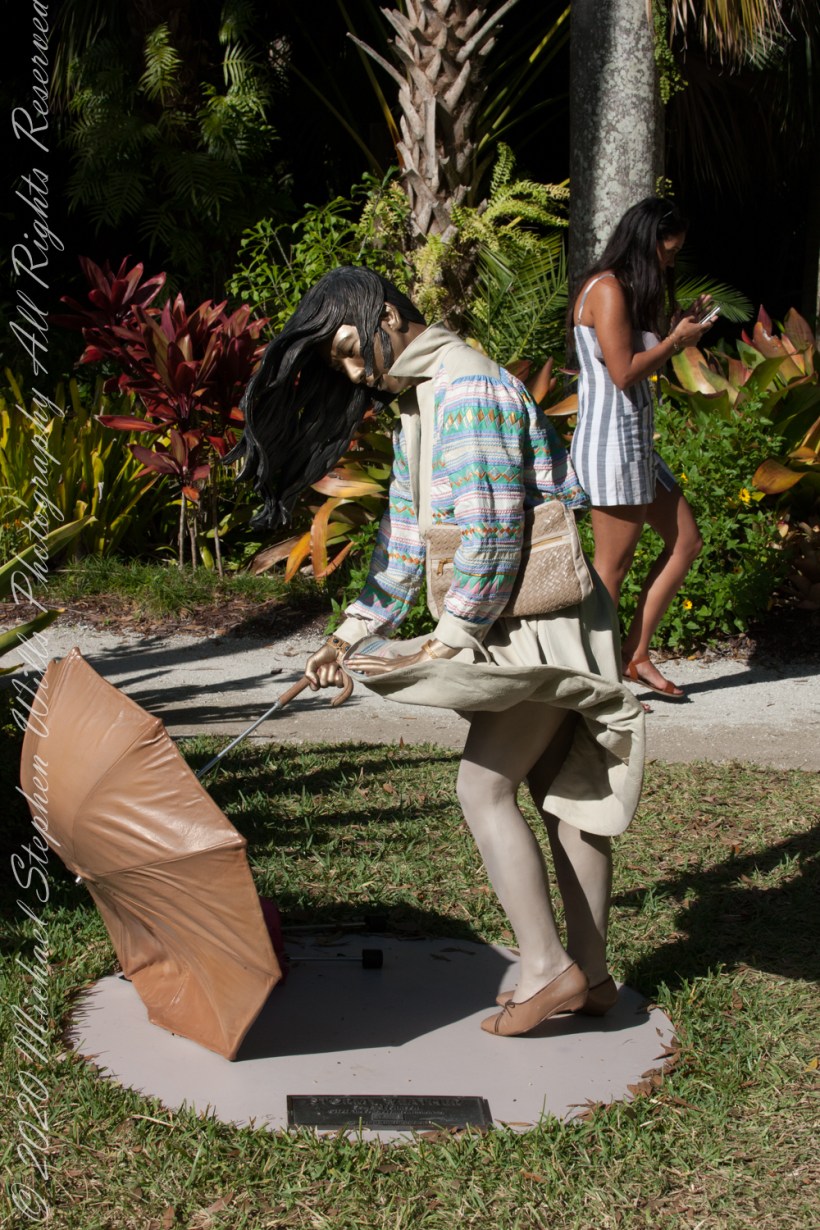
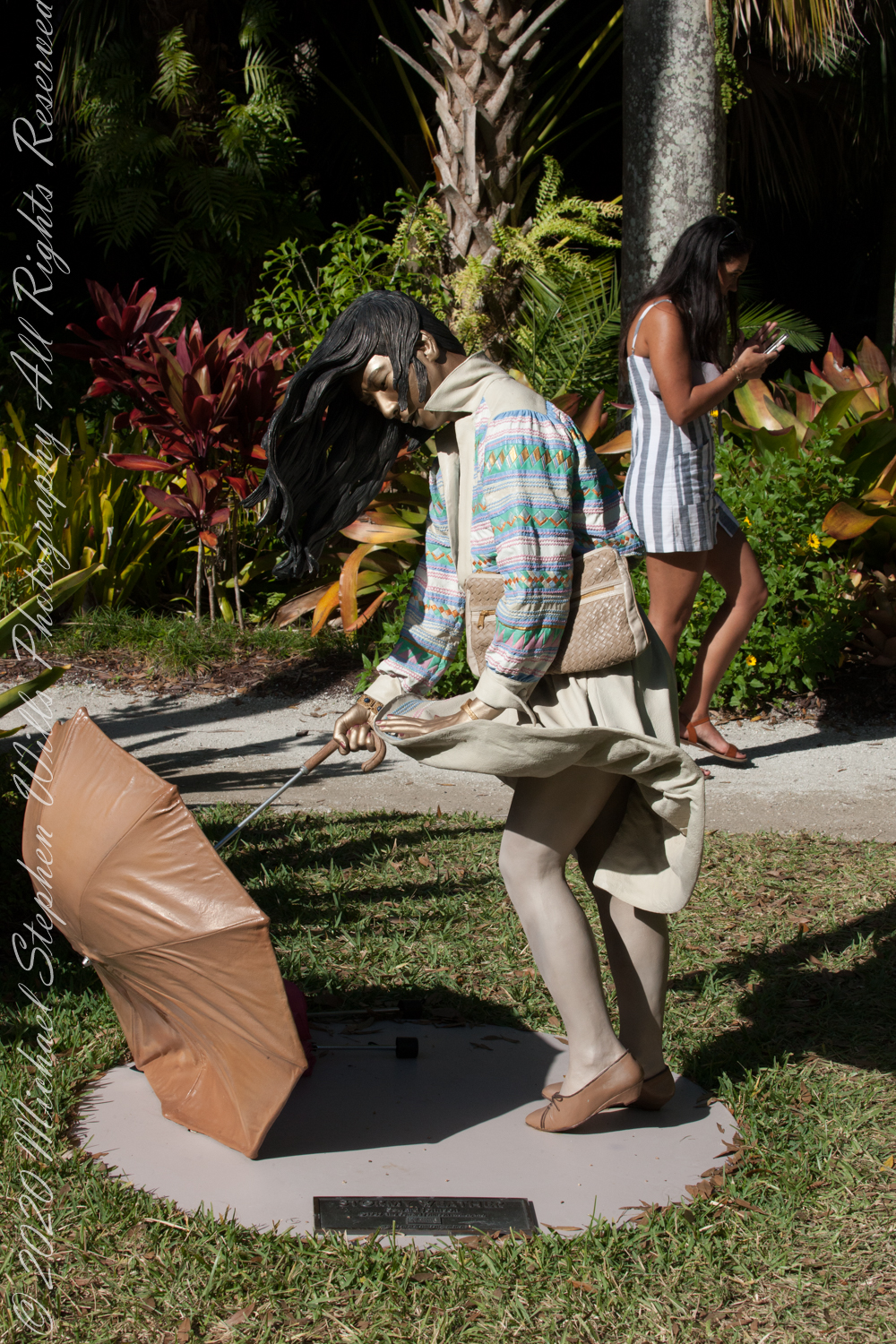
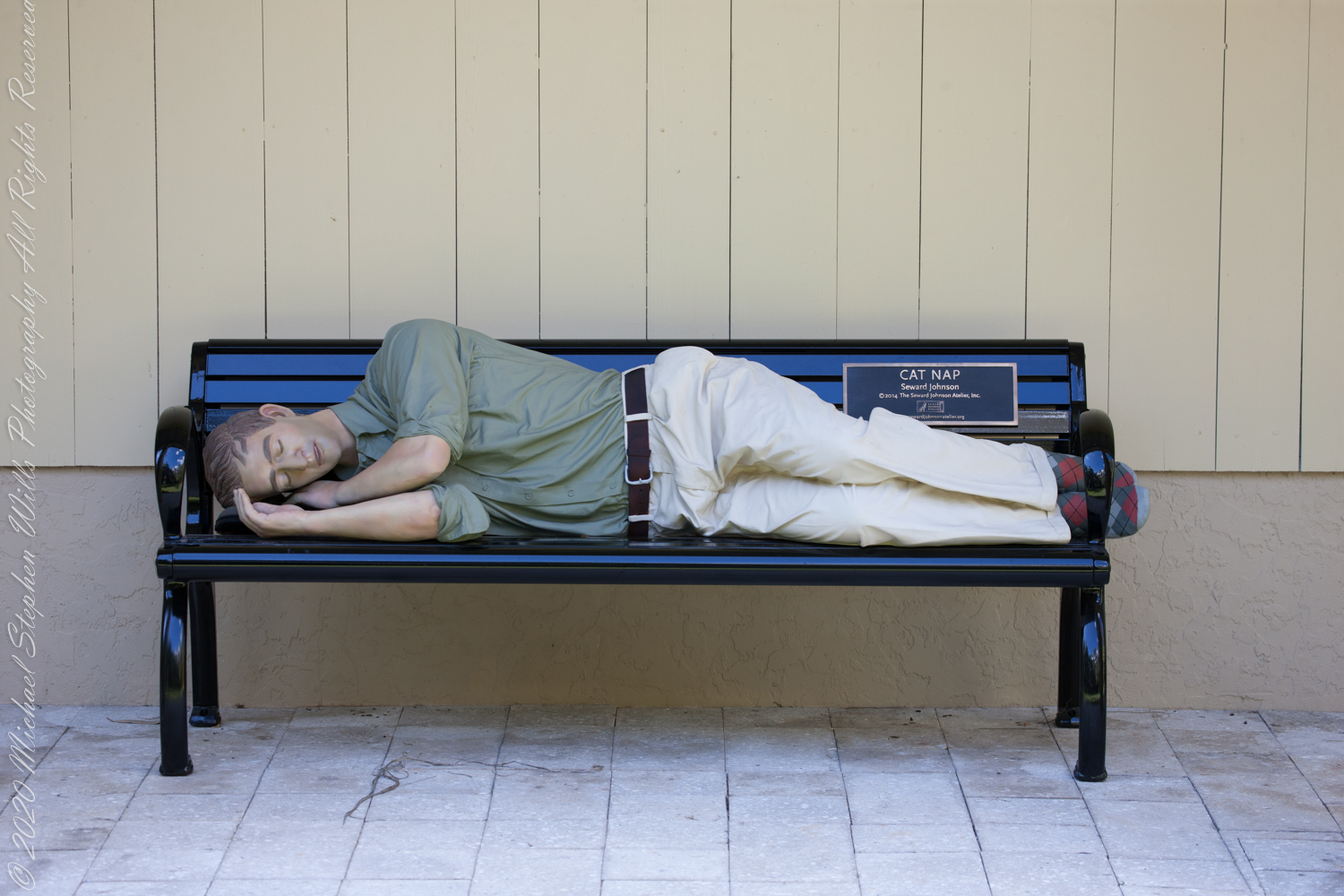
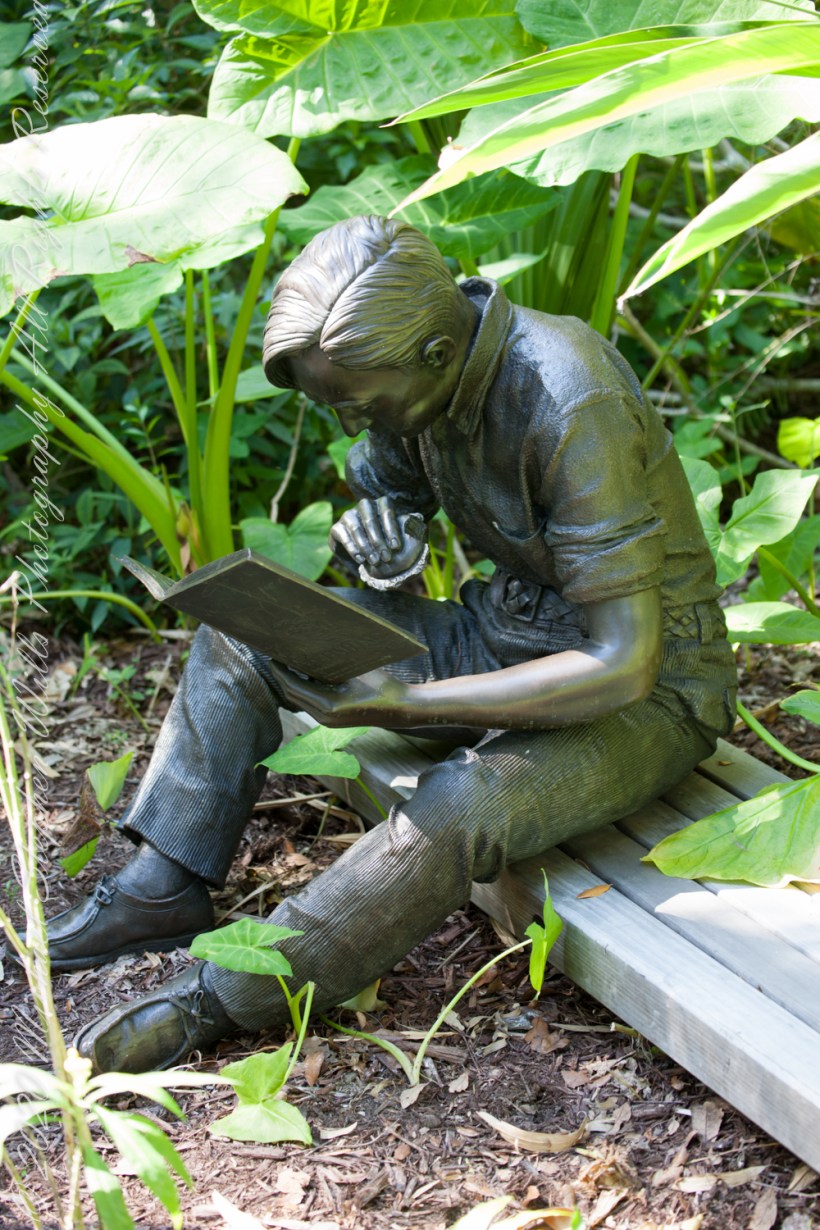
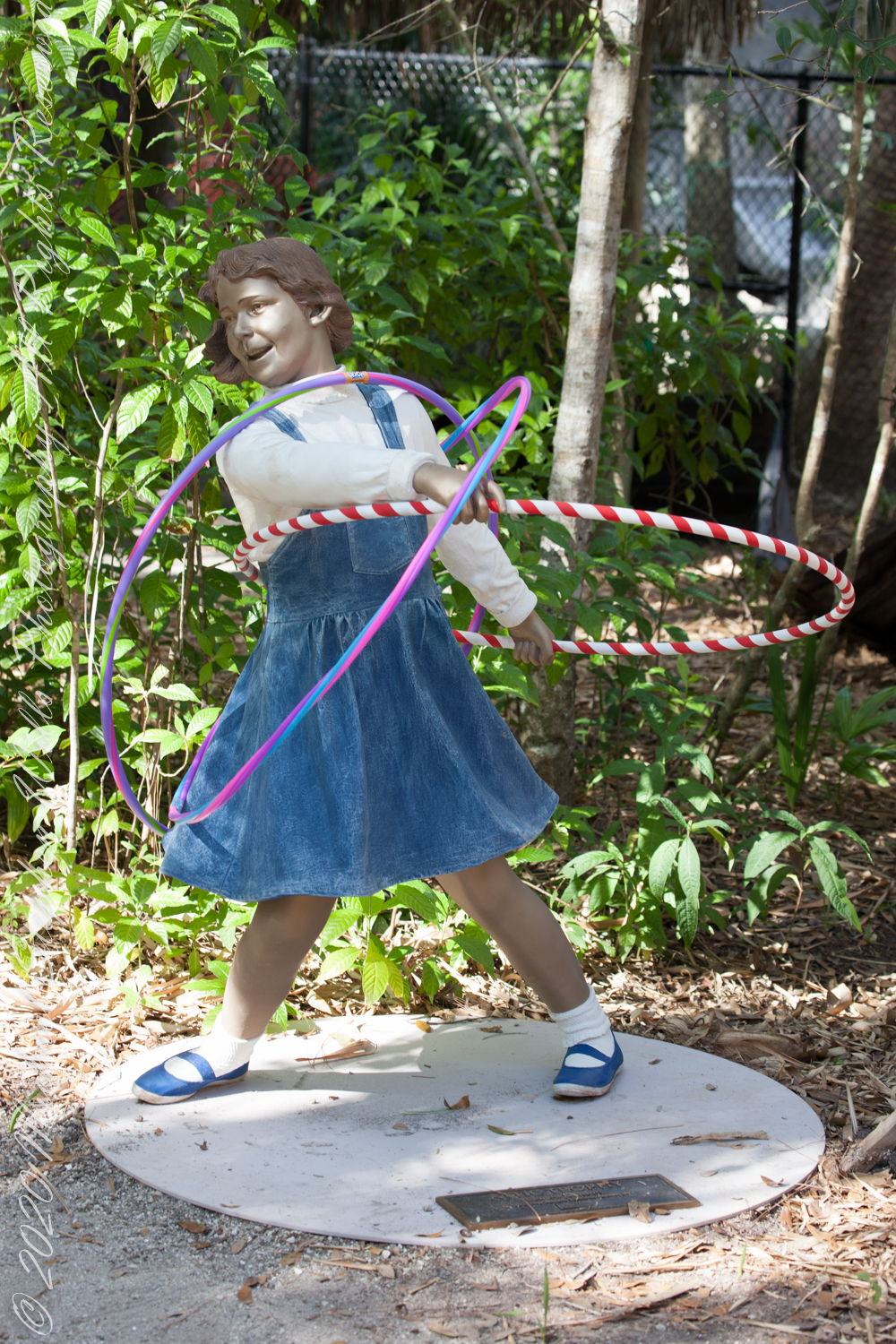
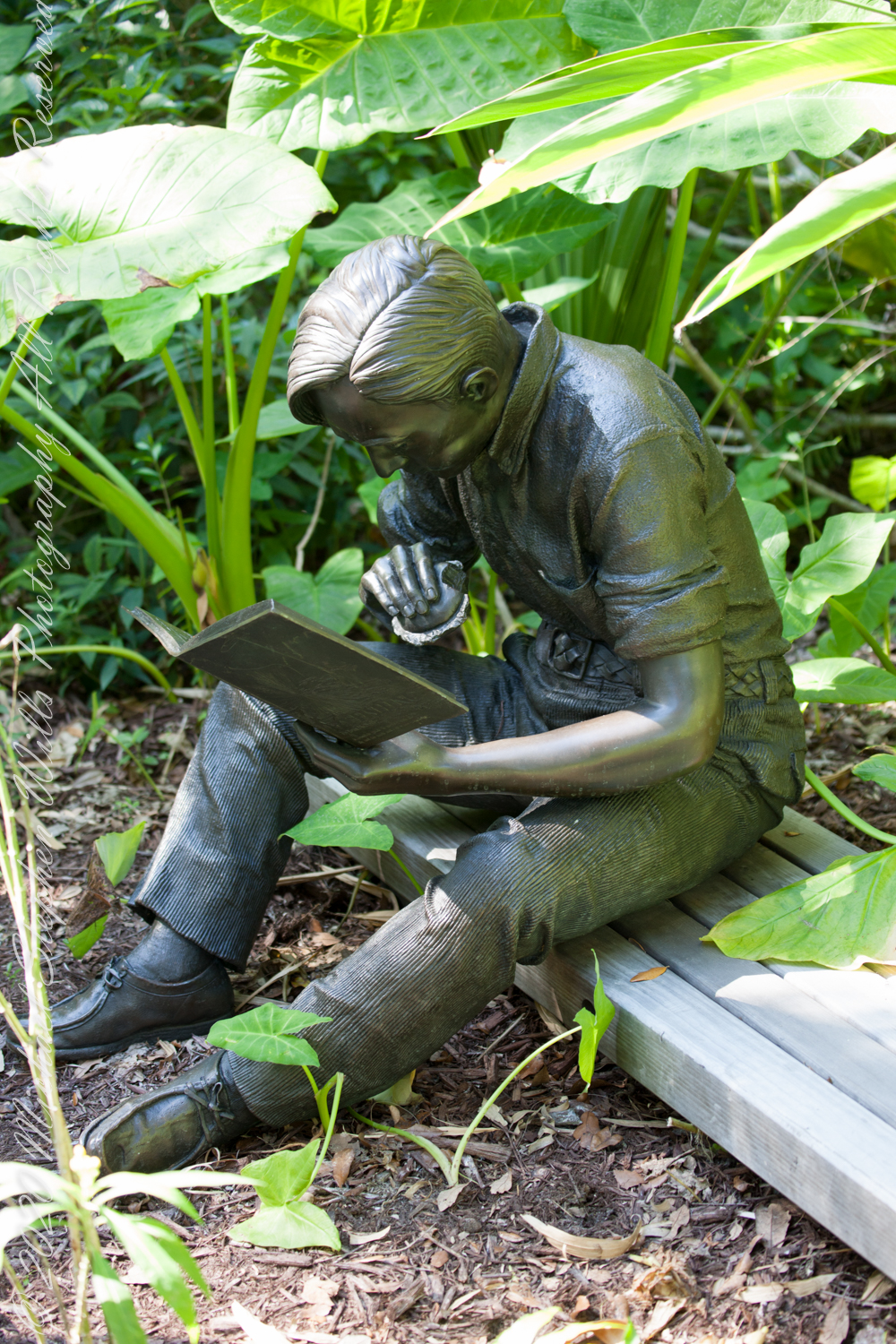
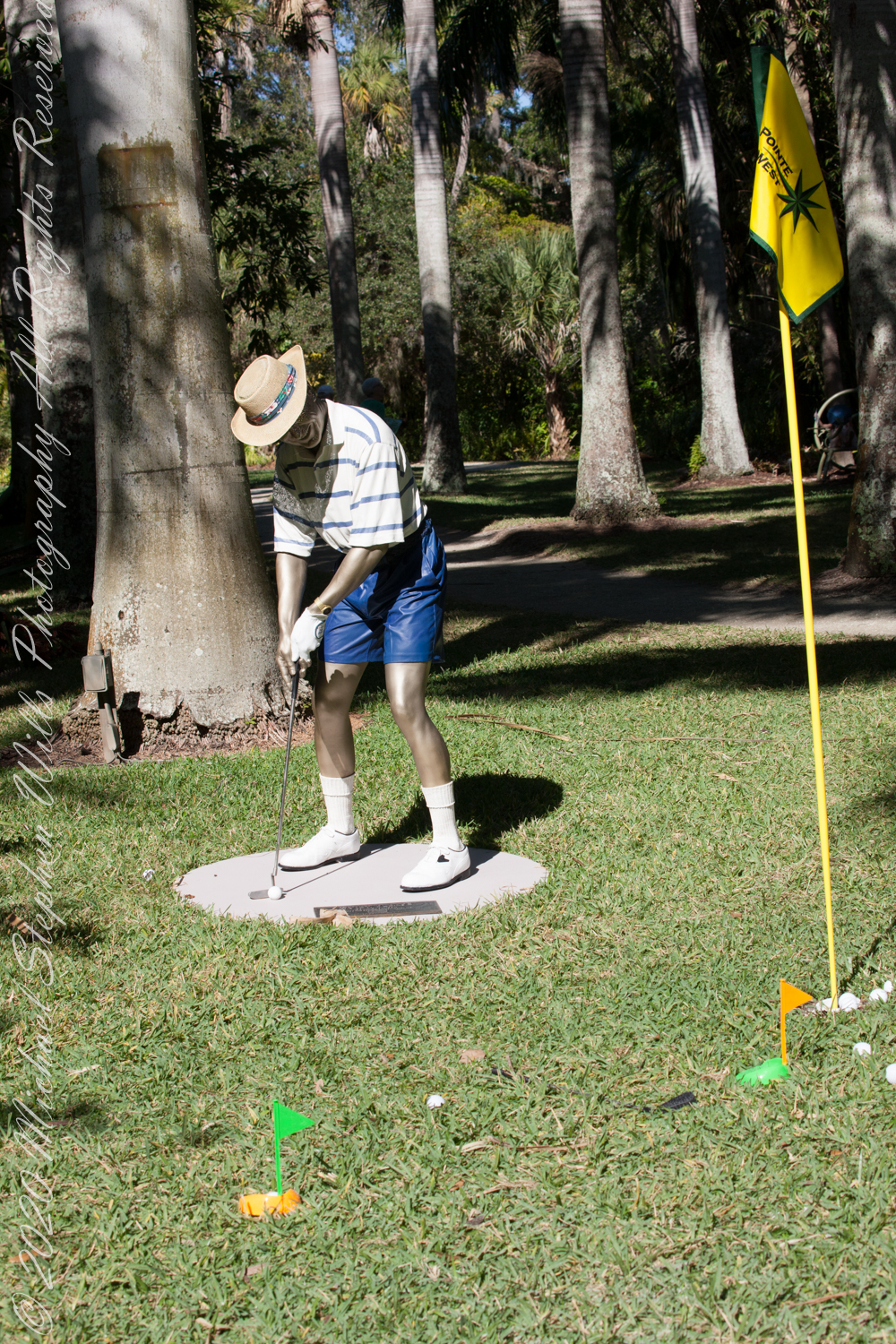
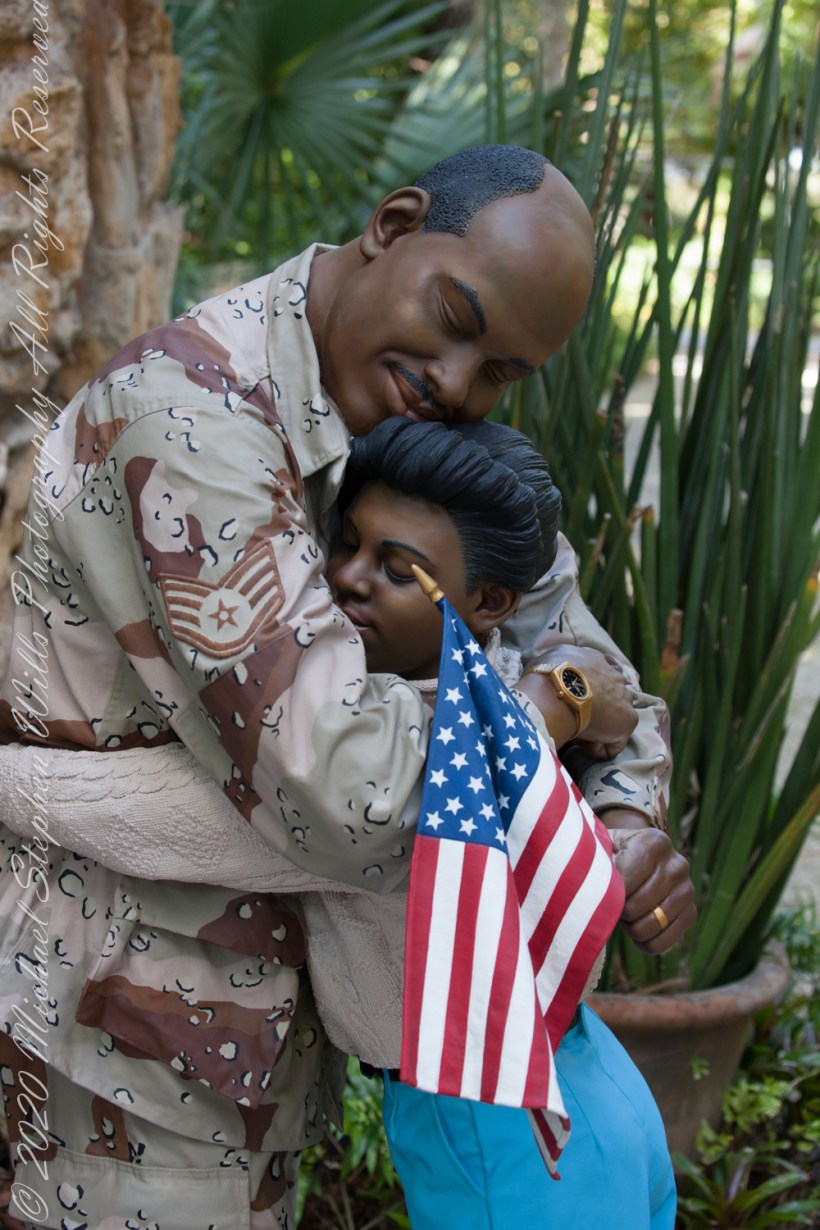
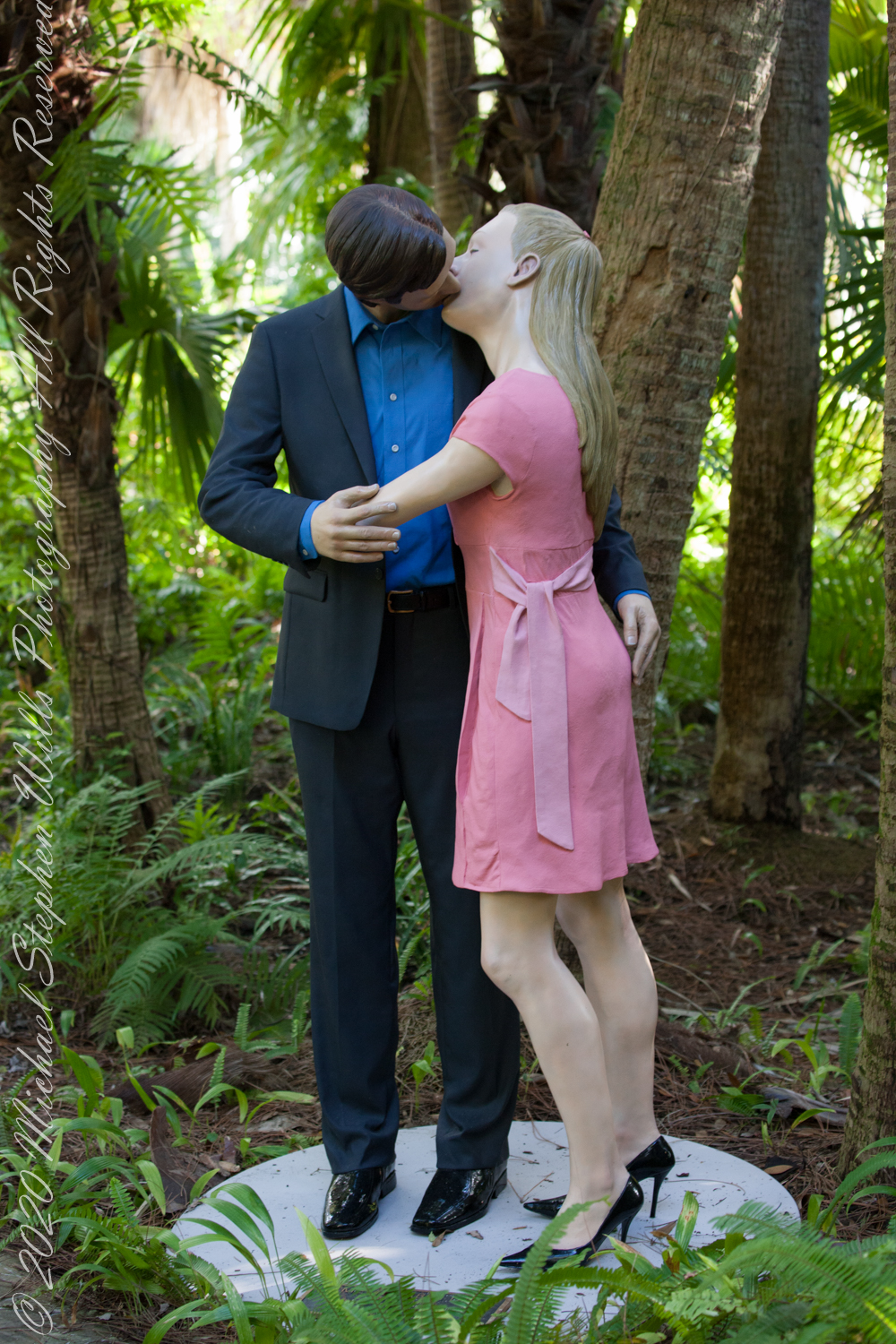
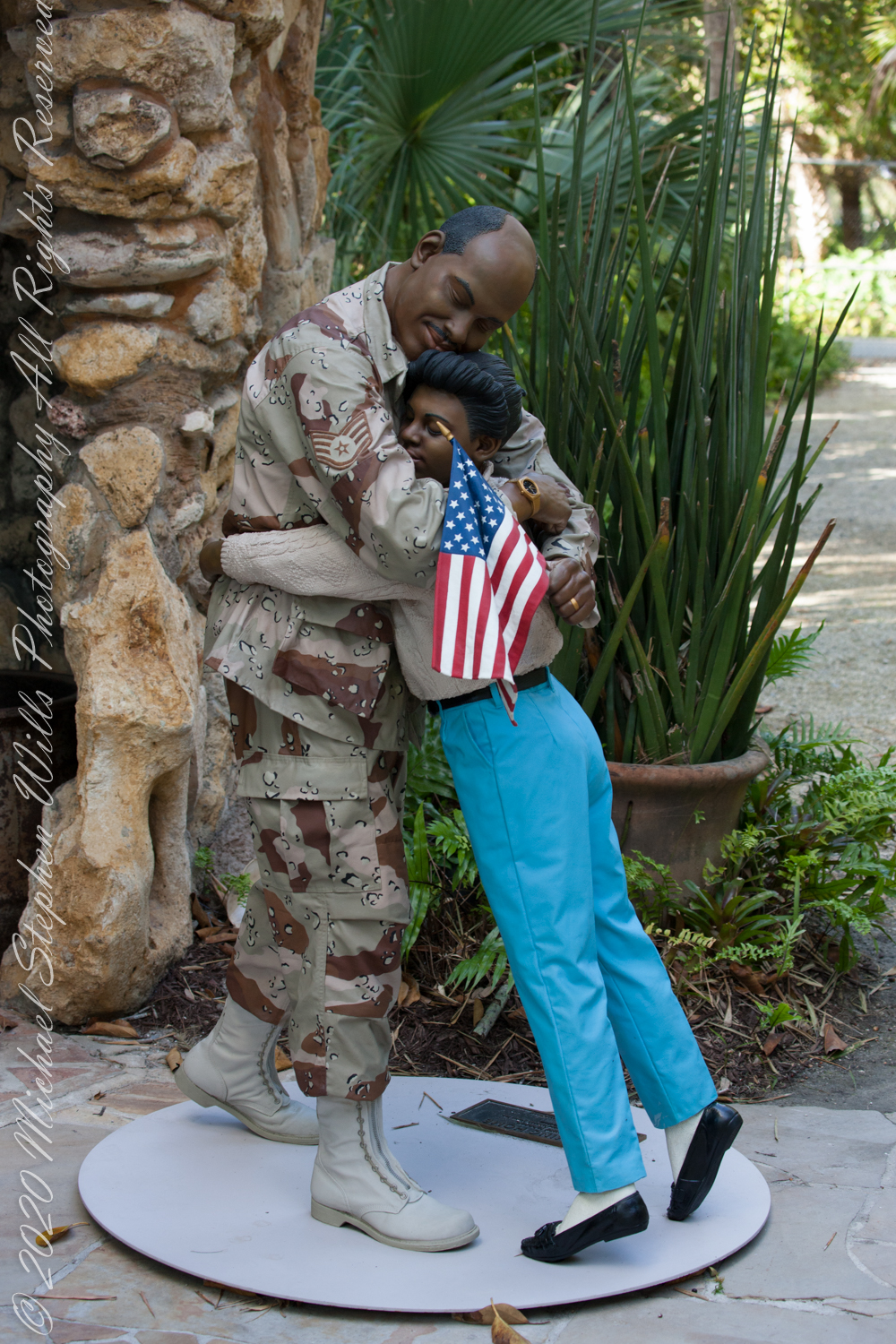
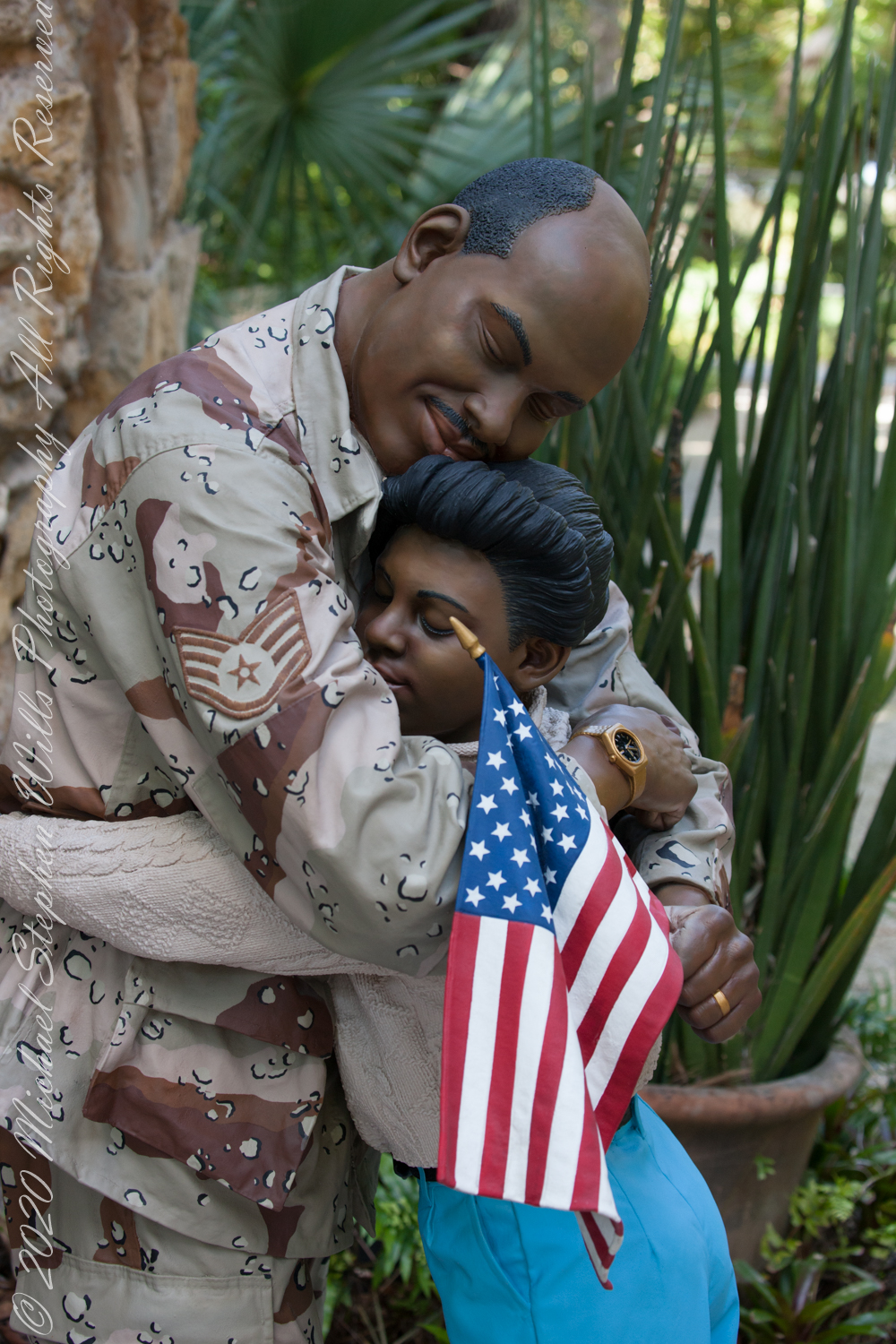
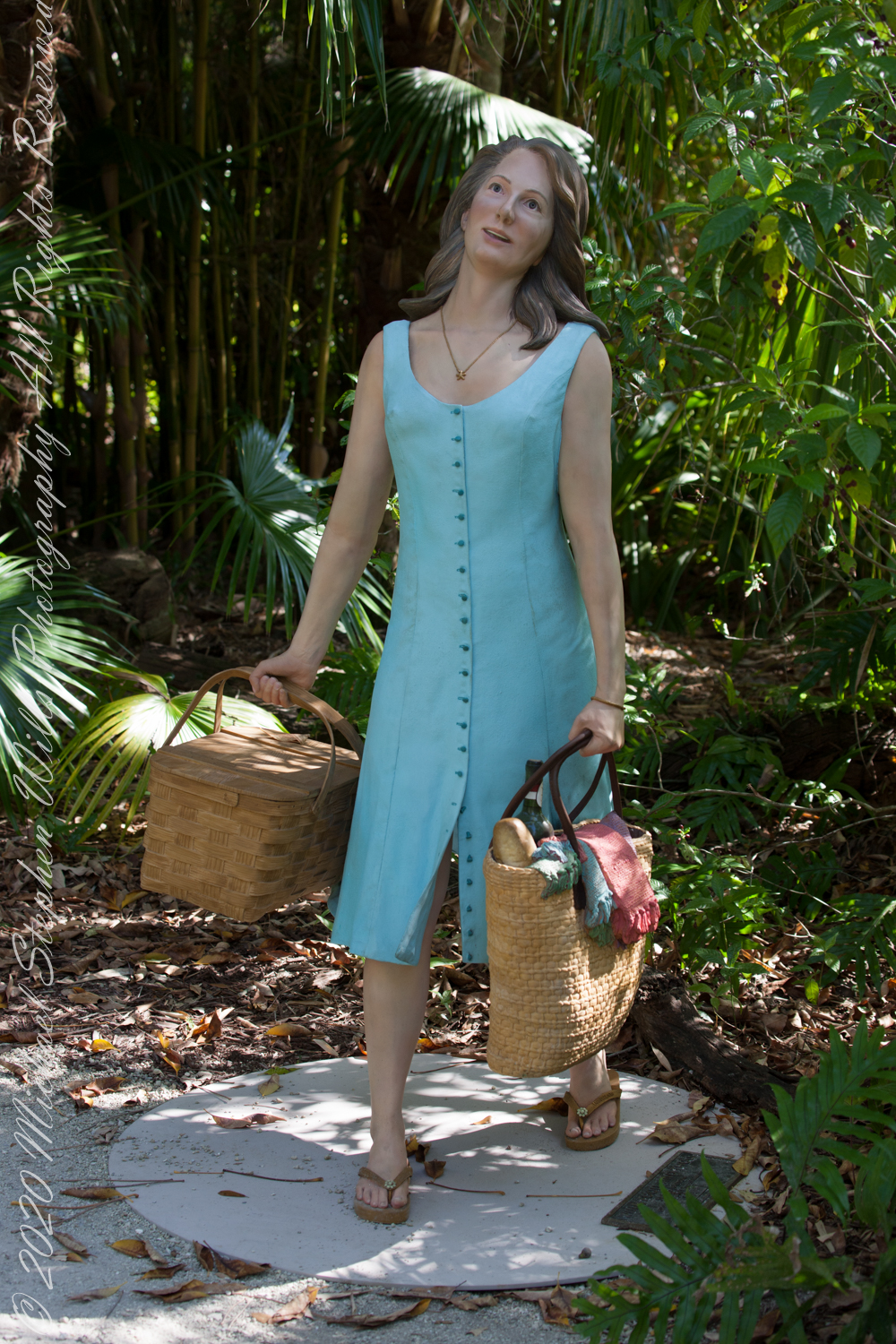
My final Seward Johnson sculpture posting opens with a piece of uncertain authorship, I just know it was not installed for our second 2020 visit just before COVID-19 hit.
“untitled”
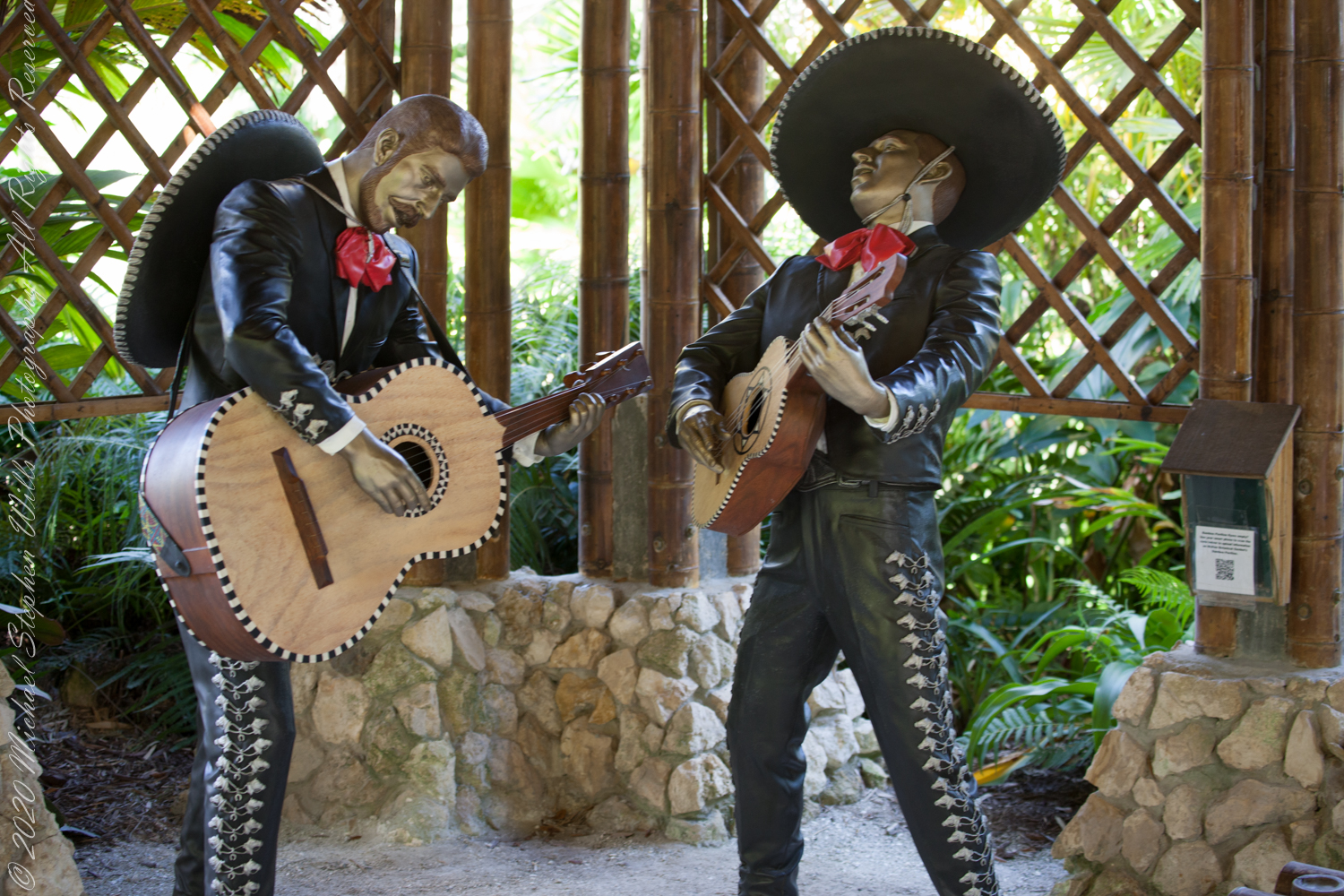
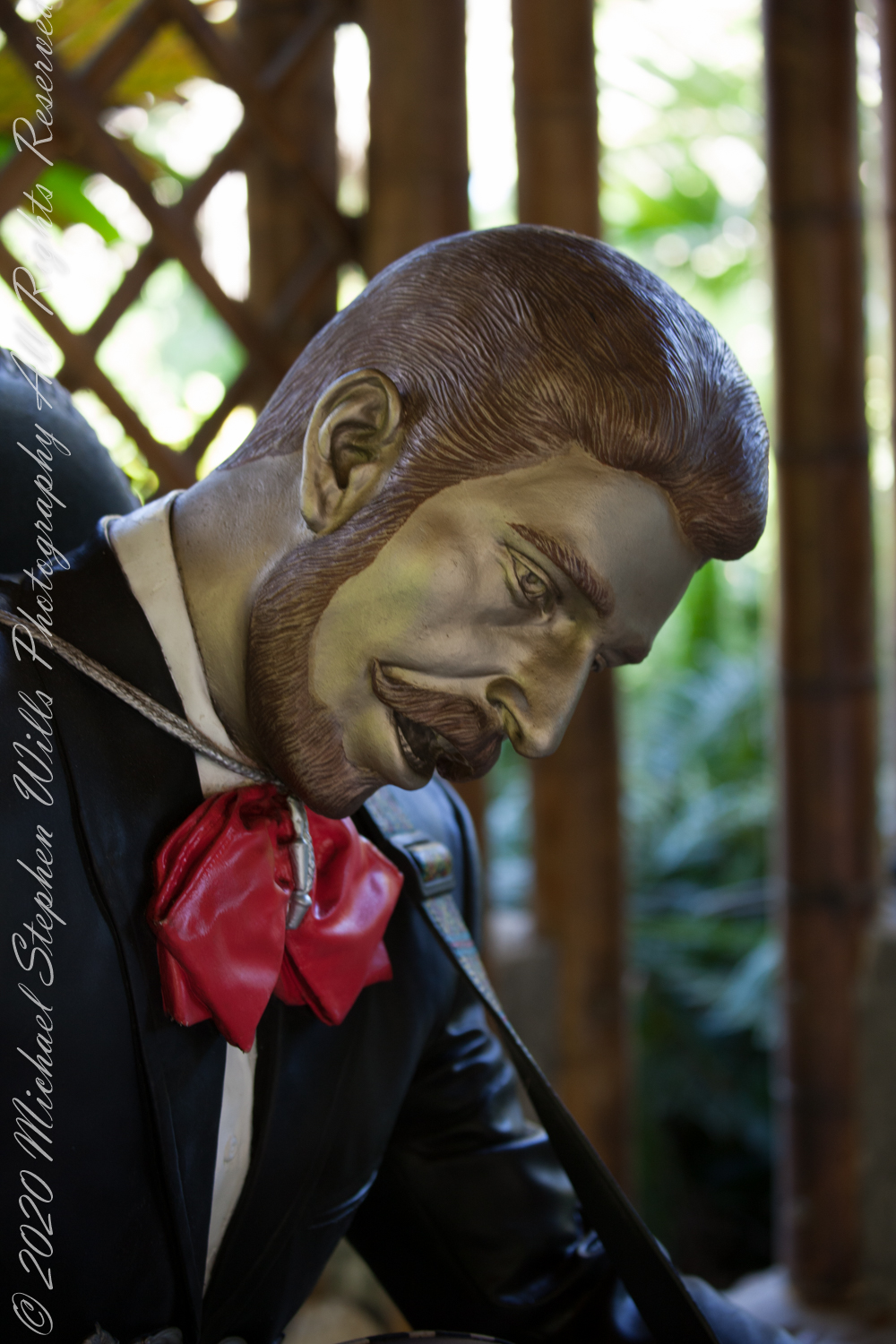
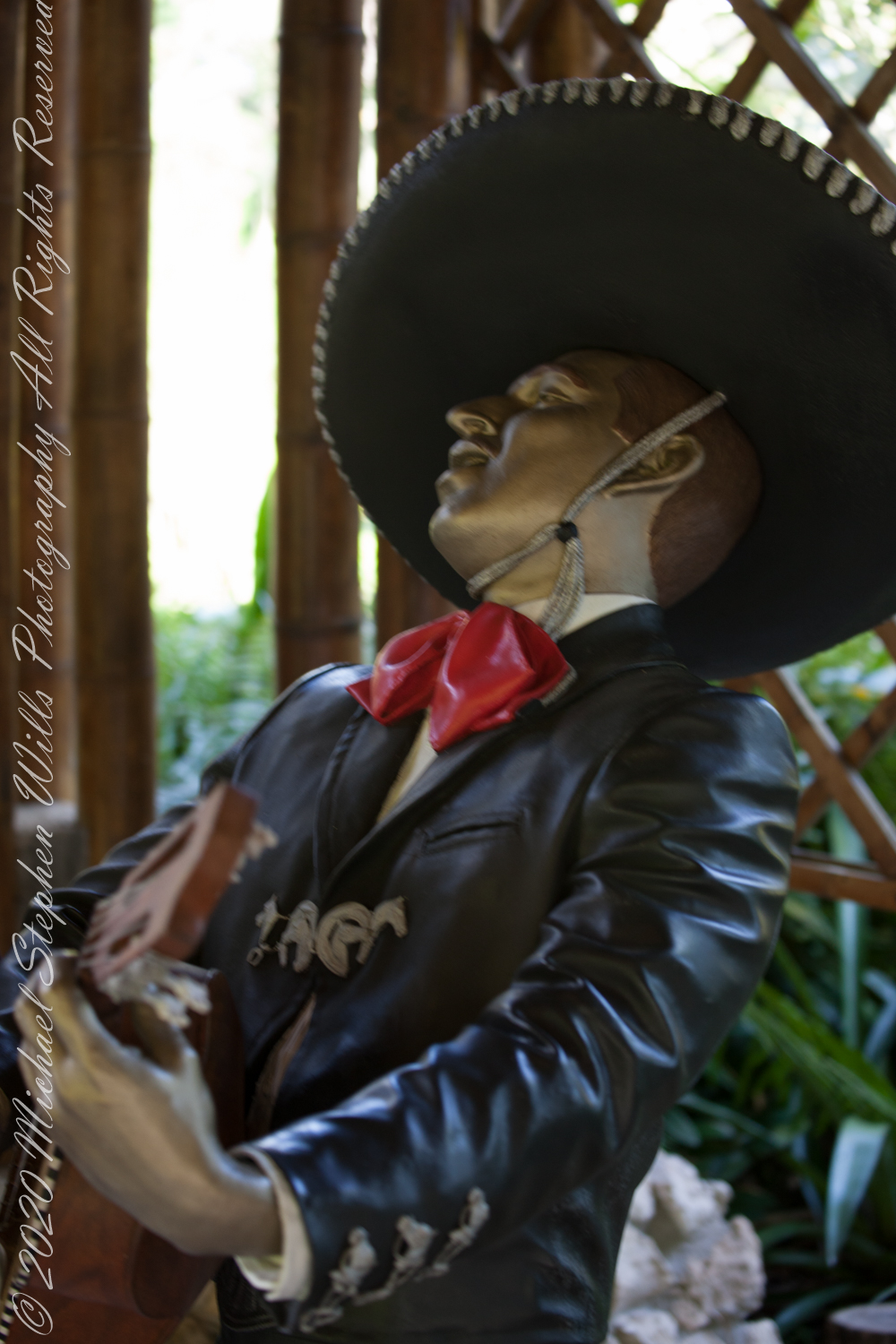
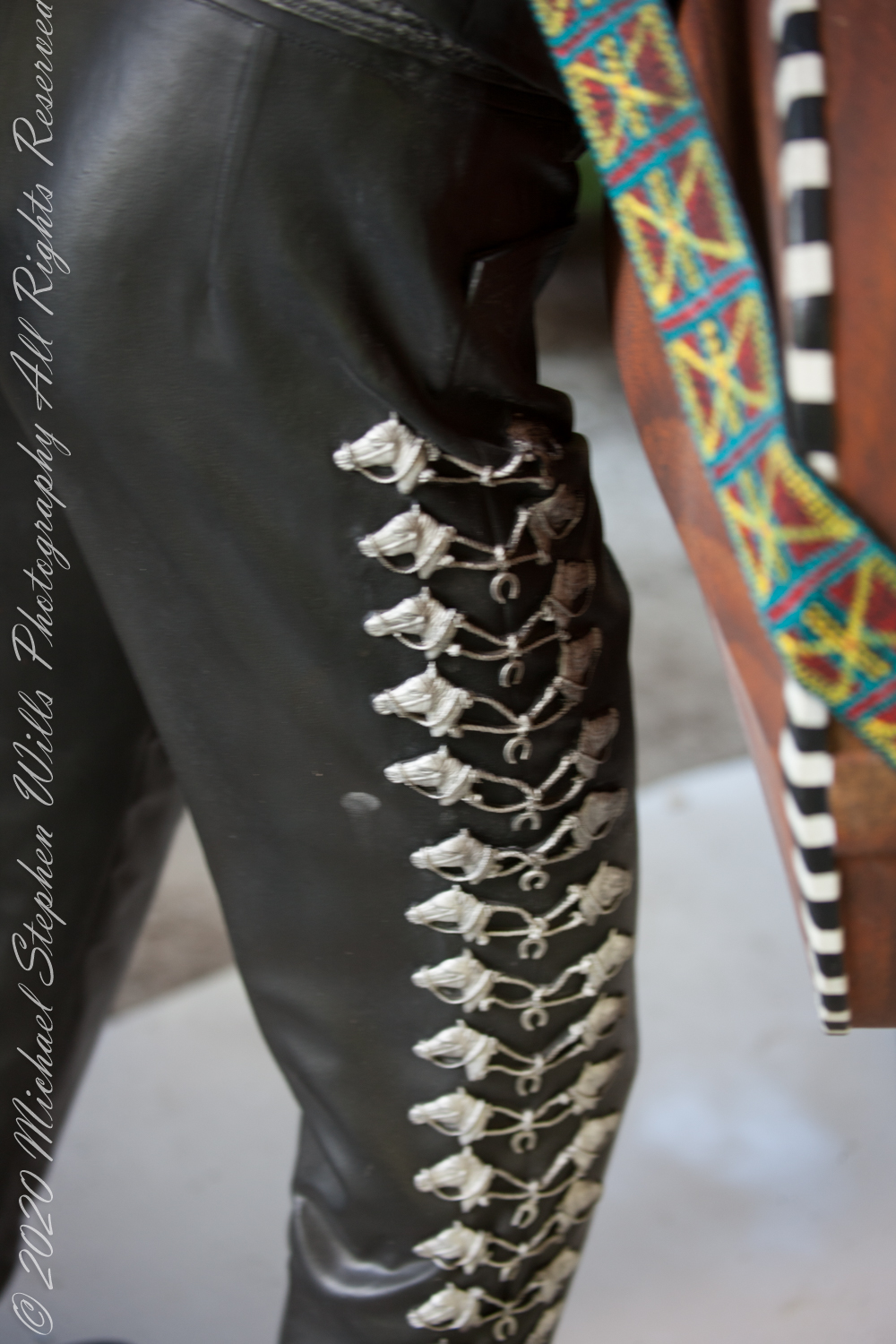
“Los Mariachis”
Here we have a dynamic group, I can almost hear the music.
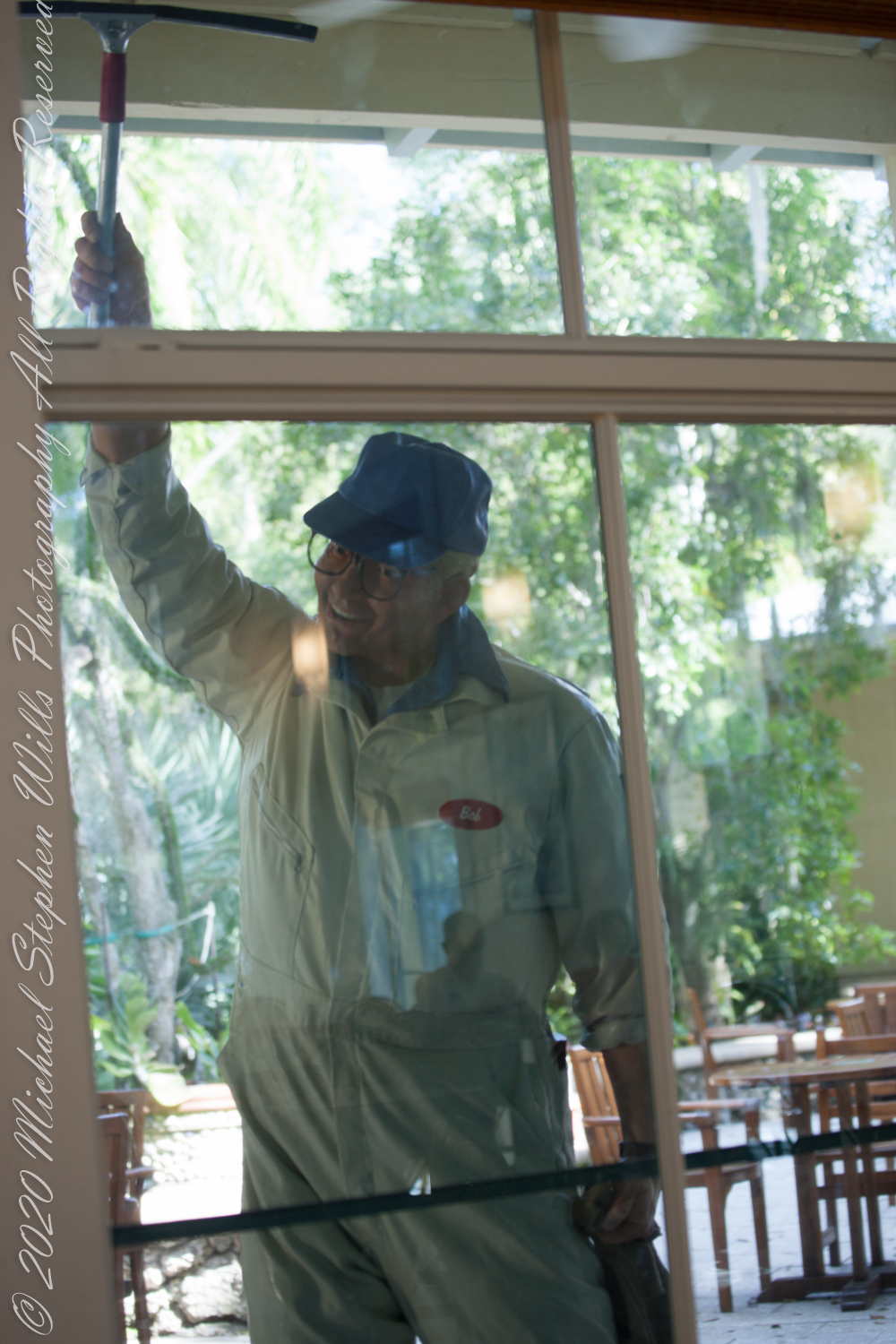
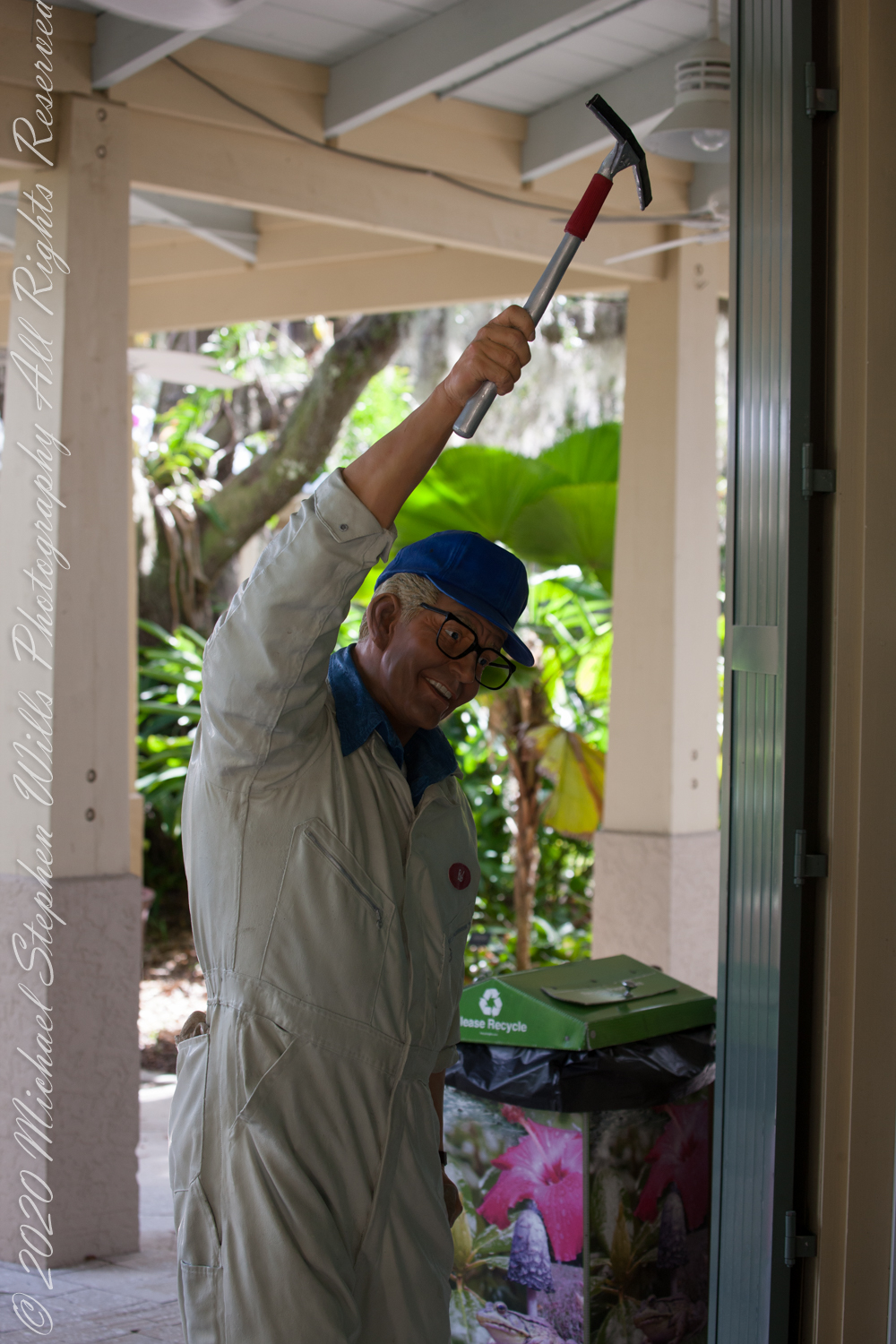
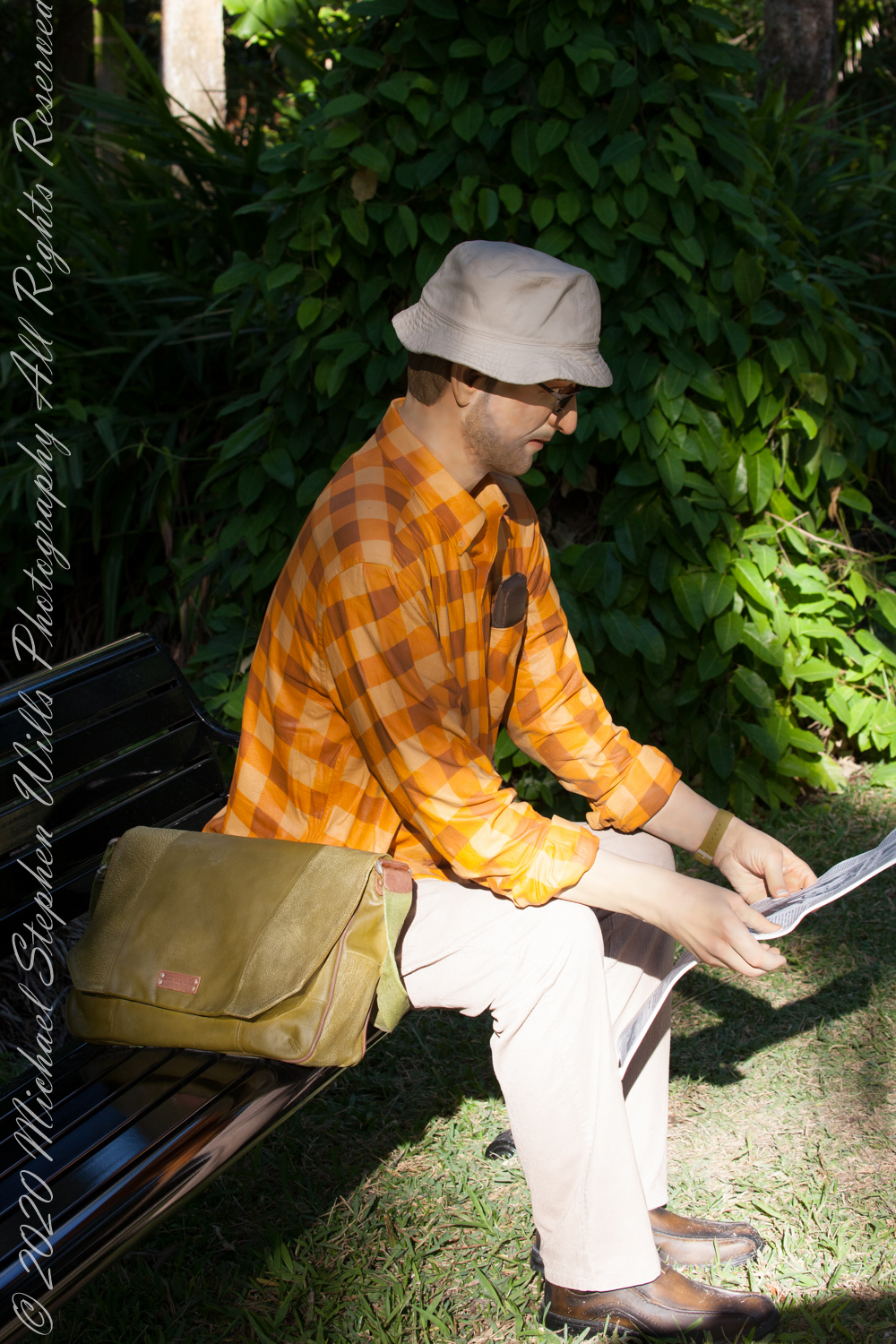
This set starts off with a nice guy at work. He was positioned on the large cafe windows. We met the grandchildren around lunch time, so we caught up around the food.
Snooty art critics look down their noses at Johnson’s work, calling it “kitsch,” sentimental and not worthy of display in art museums. It say, “this will be cherished when you are dust.”
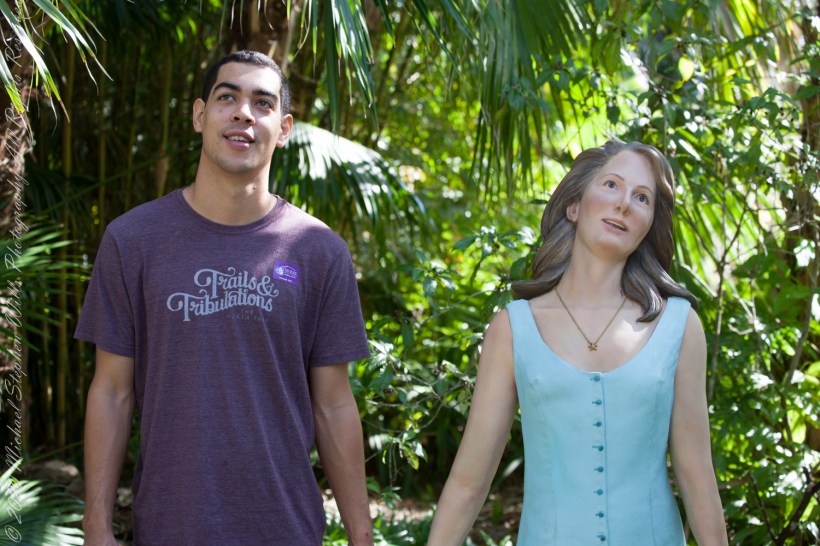
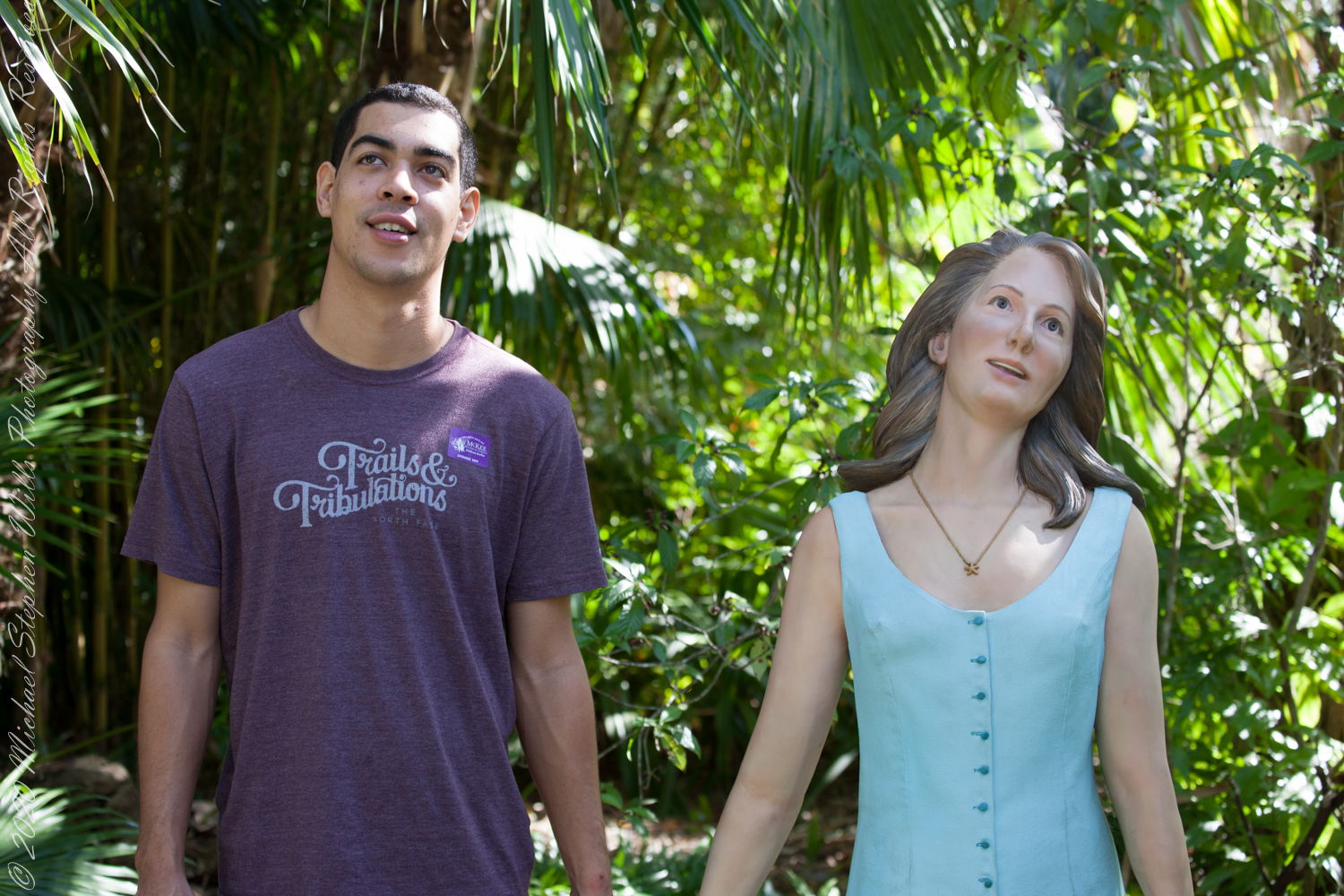
When grandson Taj first encountered a life scale Seward Johnson sculpture, he wondered out loud how, “They kept the cloths clean?” That is the effect trompe-l’œil technique strives for.
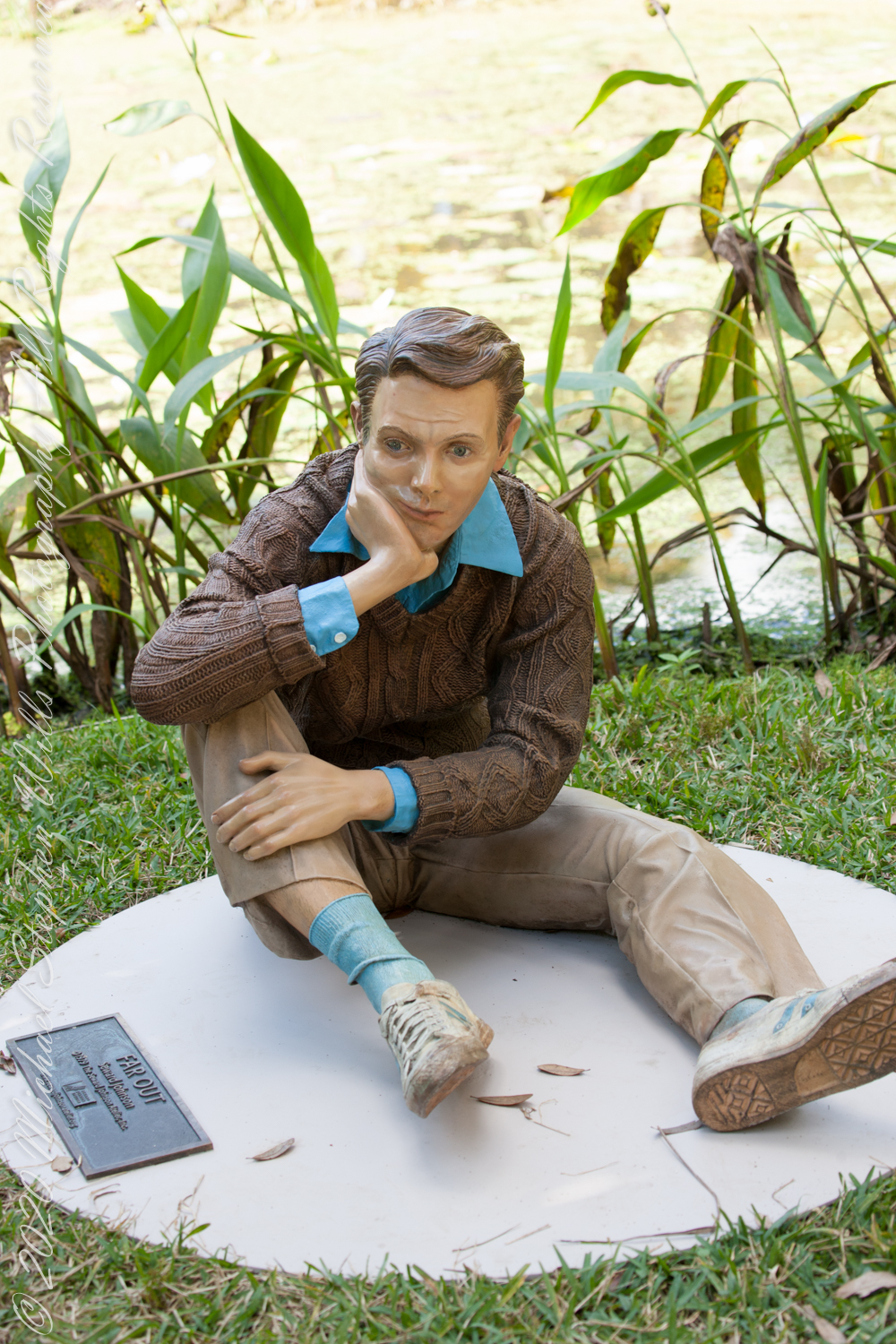
In the next sculpture, the response might be, “Ewhew, what dirty sneakers.”
“Far Out”
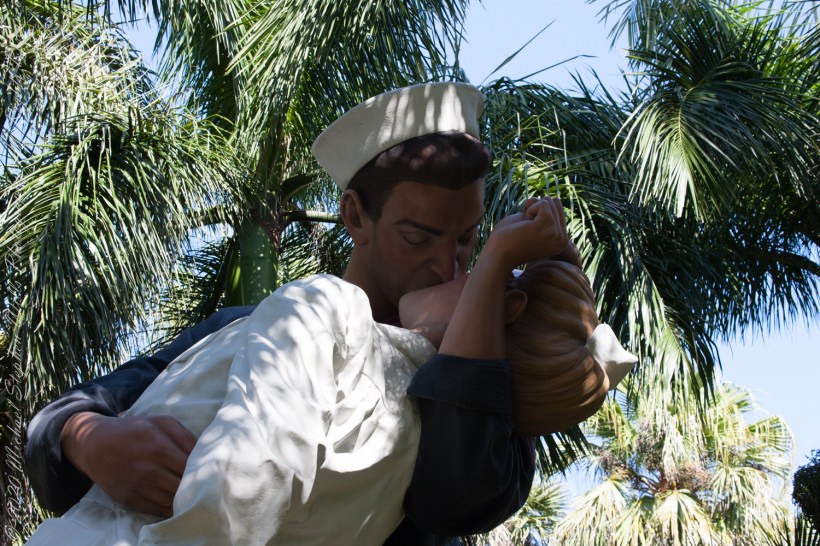
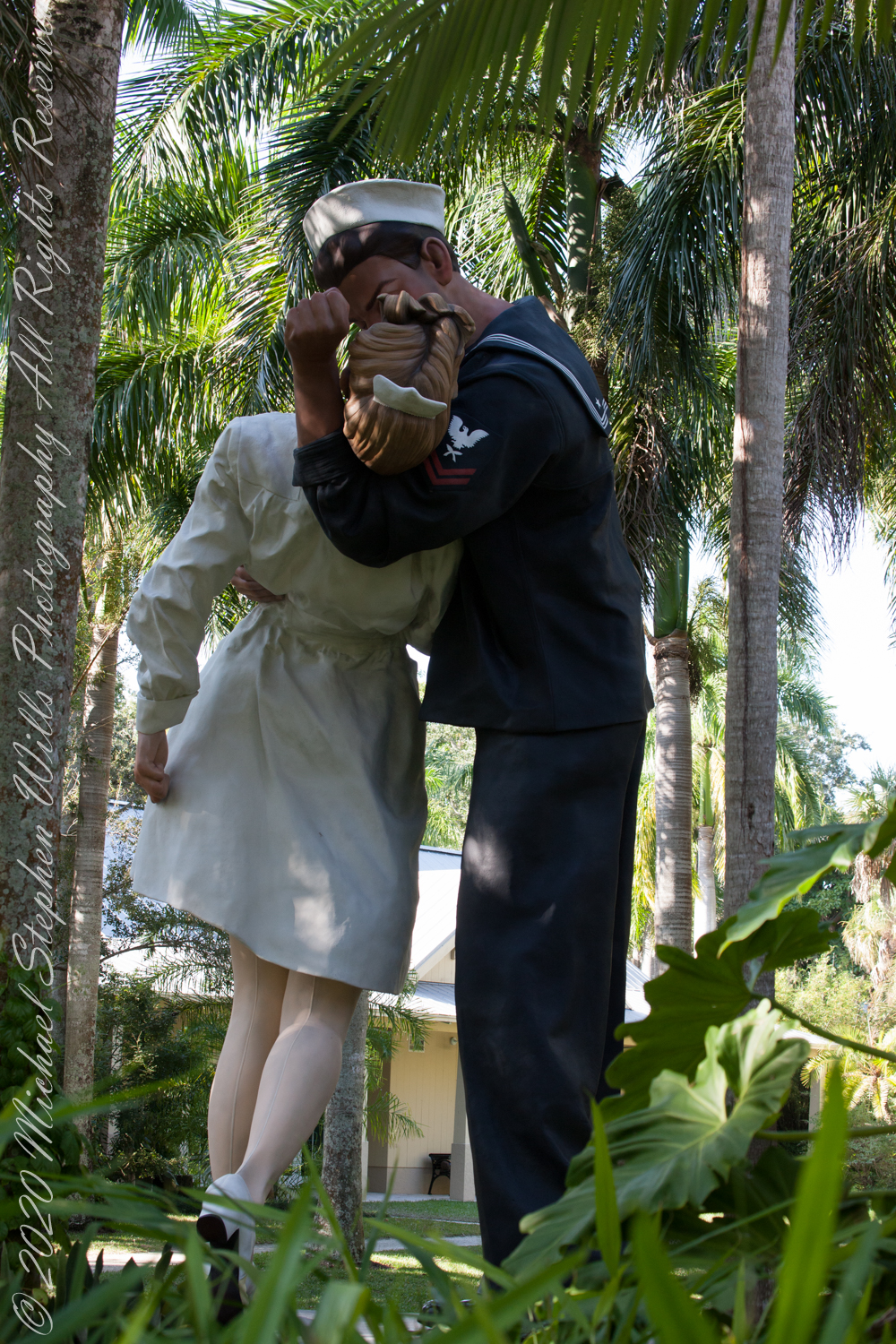
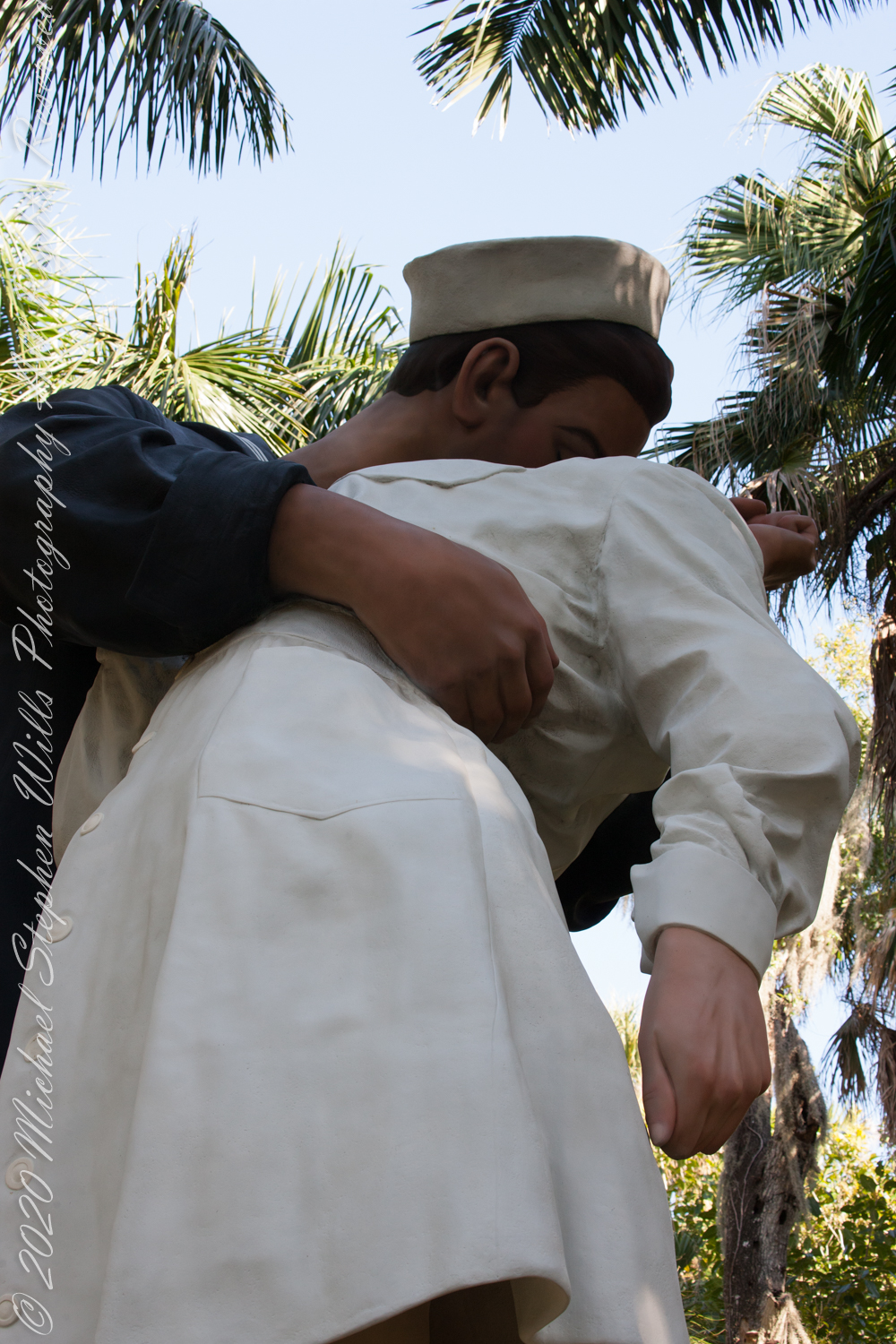
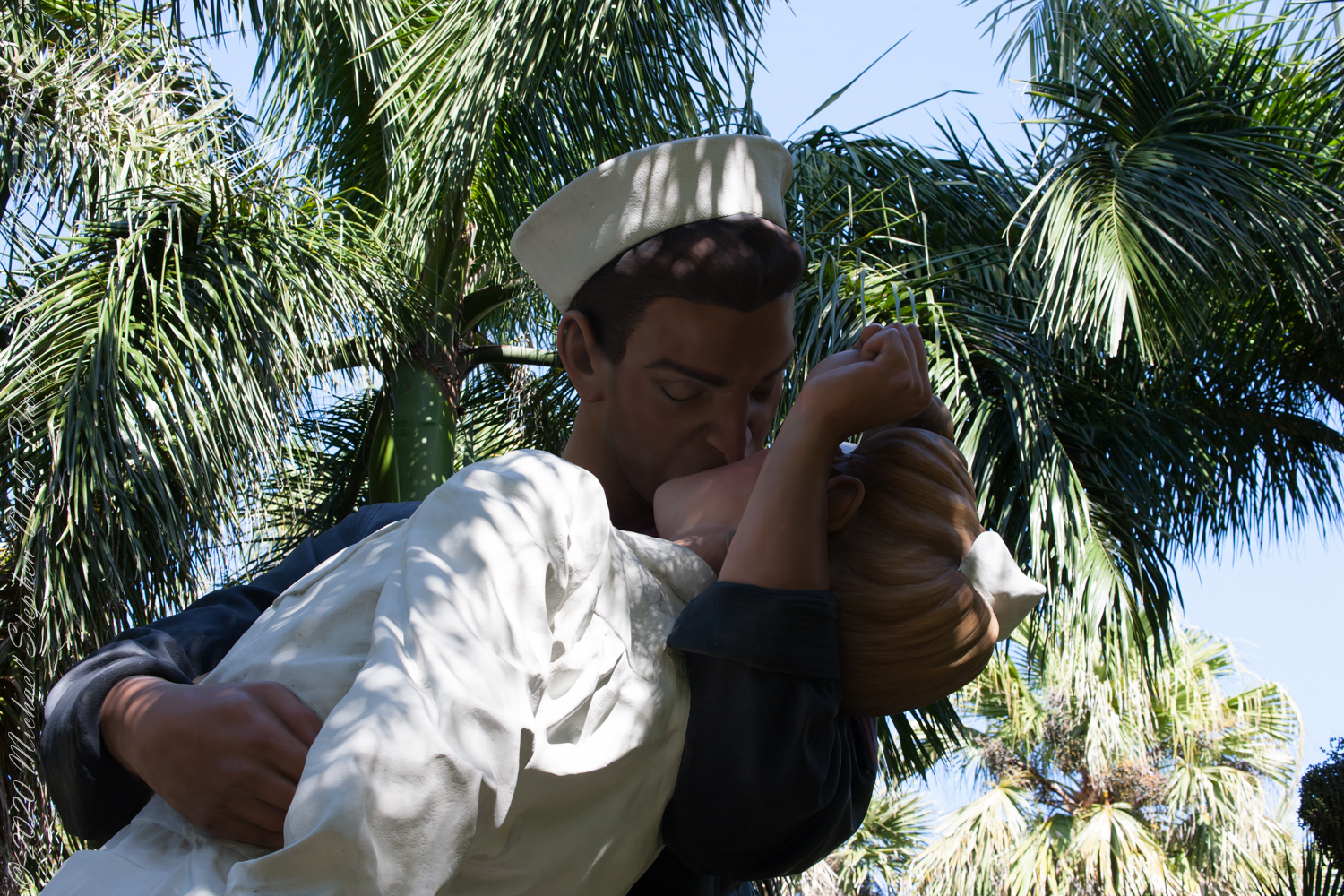
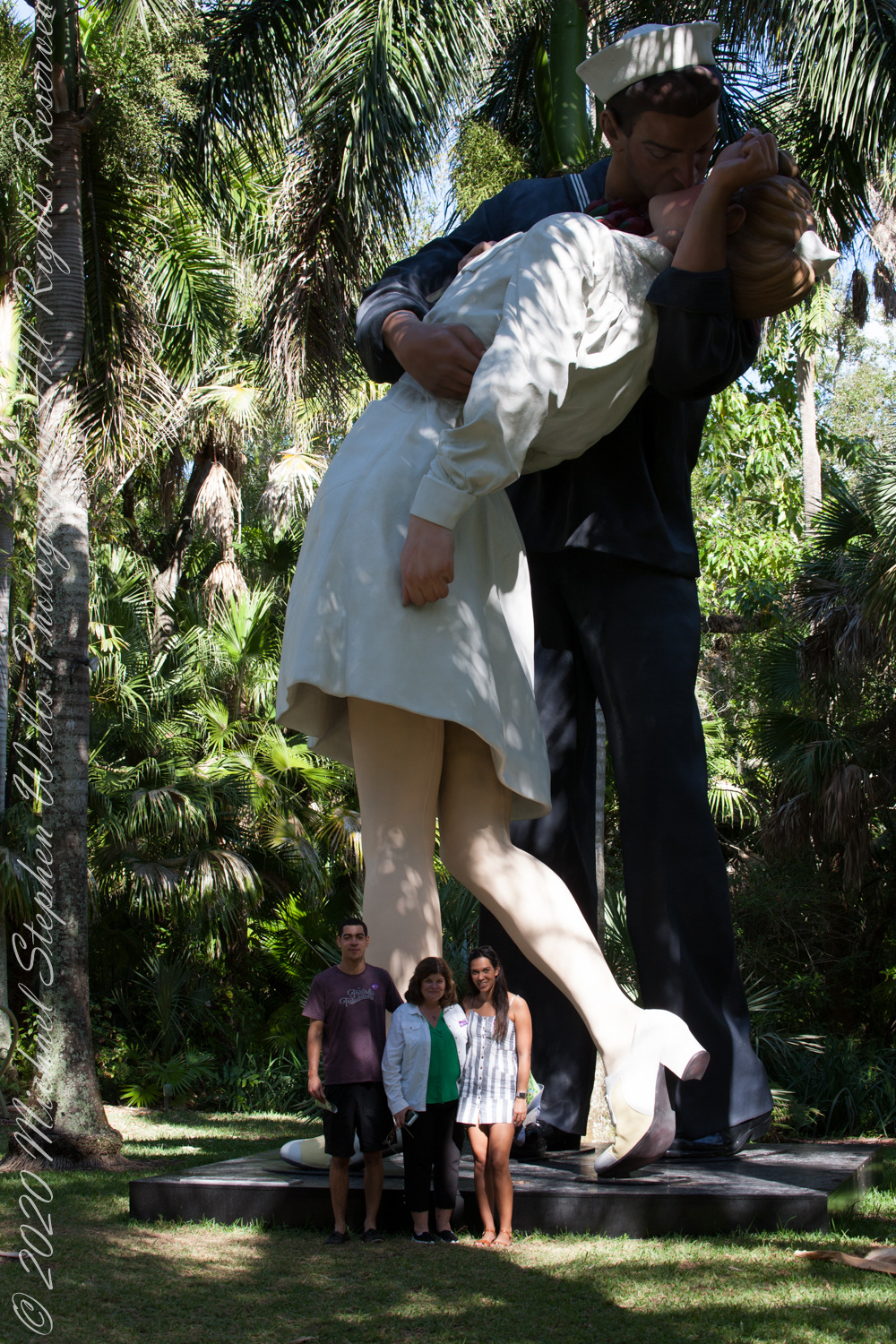
There was one larger than life work on display, set most appropriately among the Royal Palms.