Quaker Settlement Series 1

Discover the solemn beauty of Quaker Settlement Cemetery through my lens, where intricate slate headstones whisper tales of early settlers, intertwining family lore with the artistry of marble willows

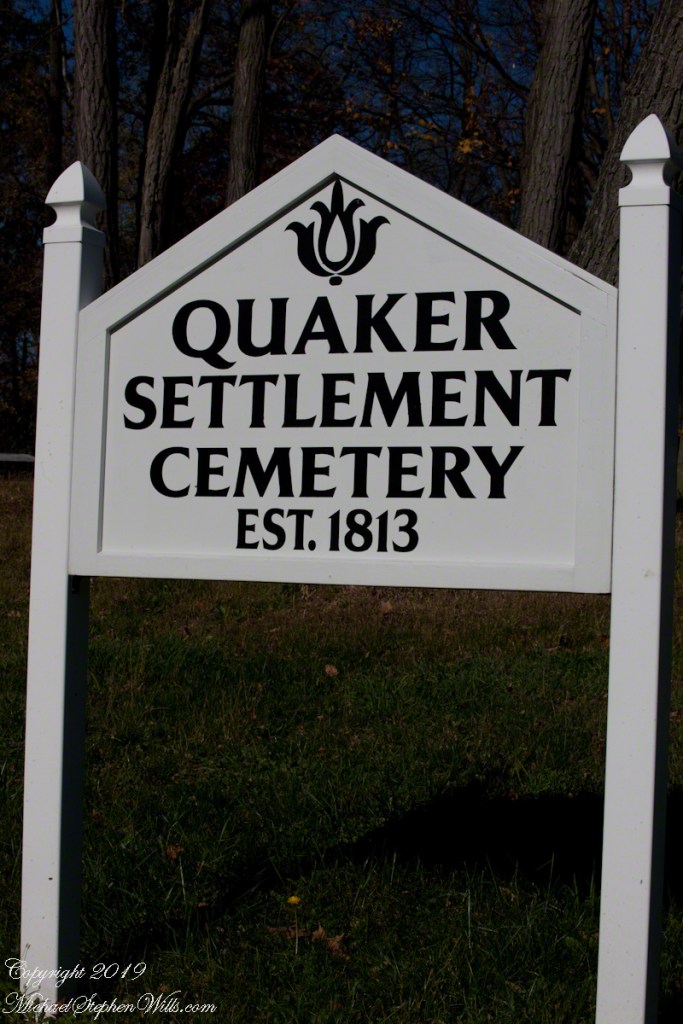
On my way to Taughannock Falls, November 6, 2019 (see my post “Cuteness Break”, the first of that series) I explored a different route and came up this cemetery set among an appealing pine grove.

Click photograph for a larger view. To do this from WordPress Reader, you need to first click the title of this post to open a new page.
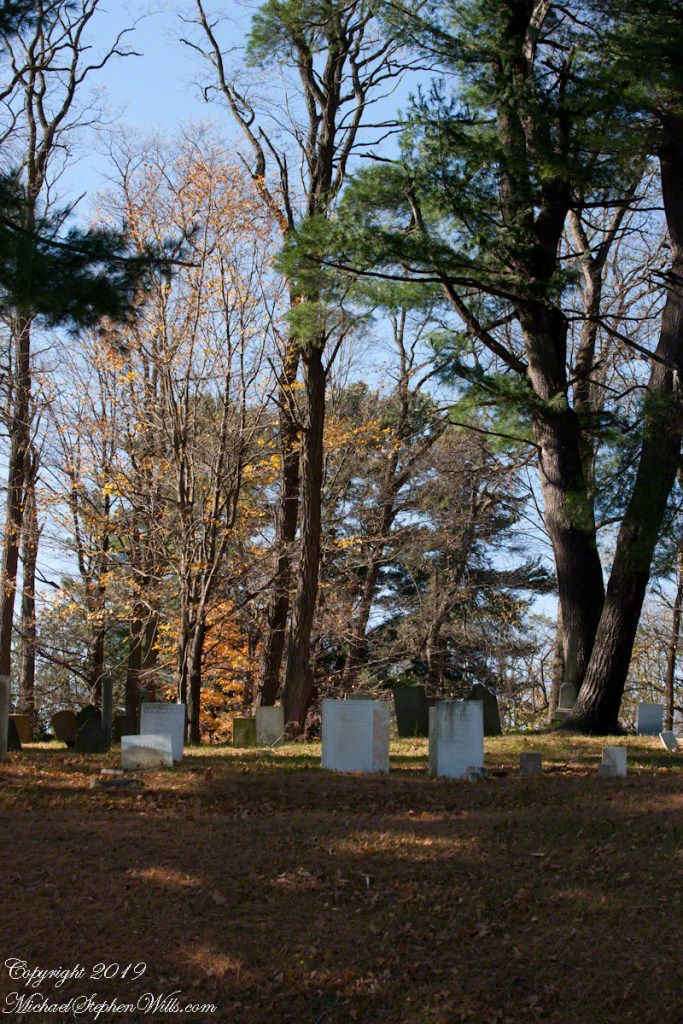
Located in the town of Ulysses, New York there is a Quaker Settlement church a few feet further west on Perry City Road. I have Quaker ancestors, so took the opportunity to peruse the family names. The stones were unusually beautiful and touching, mostly local slate, some with intricate carvings.

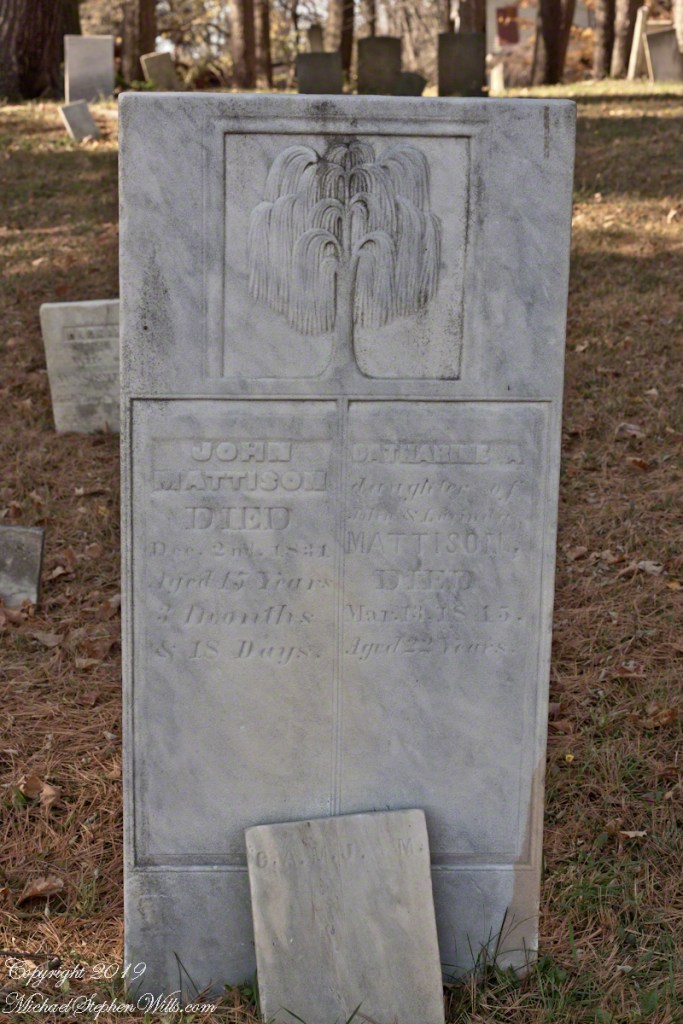
Here is a headstone for two young people of the same family name. The white marble carved in the form of a willow, from the flowing lines and, knowing how our willows green up springtime, it calls to mind the same youthful greening as appropriate for two young people who lived 22 and 15 years.

Analysis of the dates, given in the following capture, tells the story of an young woman, a baby born 5 months after her death and who followed his aunt 15 years later.
I have a great aunt who also died young with a headstone naming her mother and father. Here is the granite headstone of Mary R. Daughter of George & Margarett Wills Died Oct. 3, 1886 Aged 20 years. Saint Mary of Assumption Cemetery, Sweetwater, New Jersey. My grandfather James Edward Wills was 9 years old at his sister Mary’s passing. He must have attended her church service and internment, standing at this spot.

Copyright 2024 All Rights Reserved Michael Stephen Wills

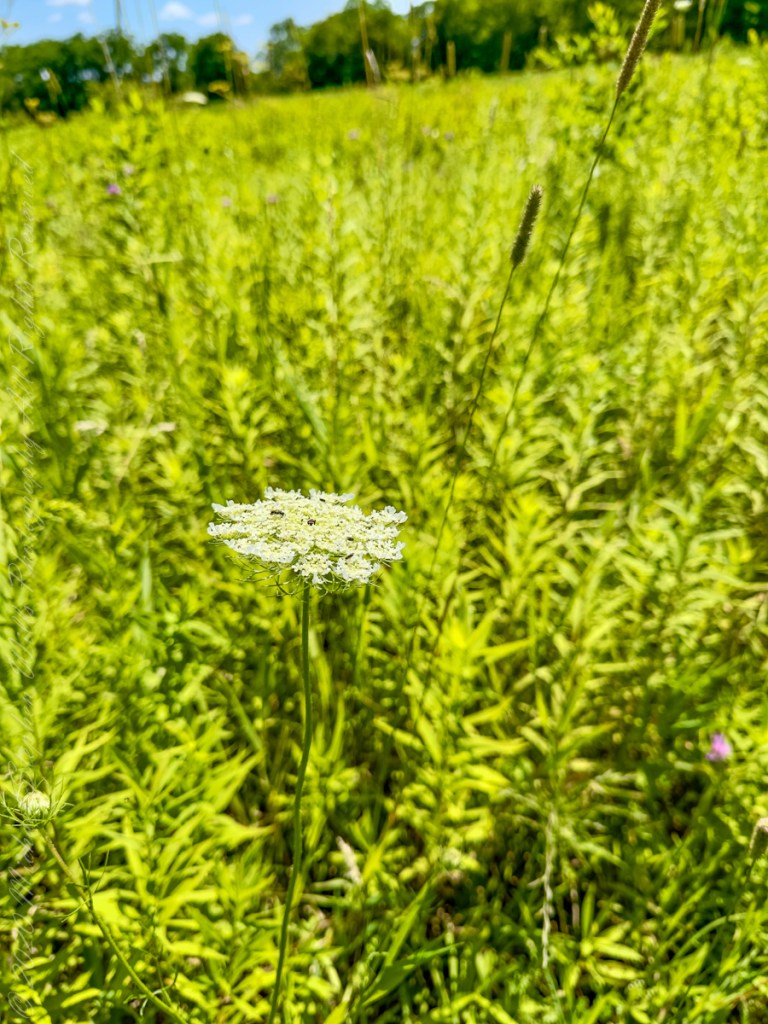
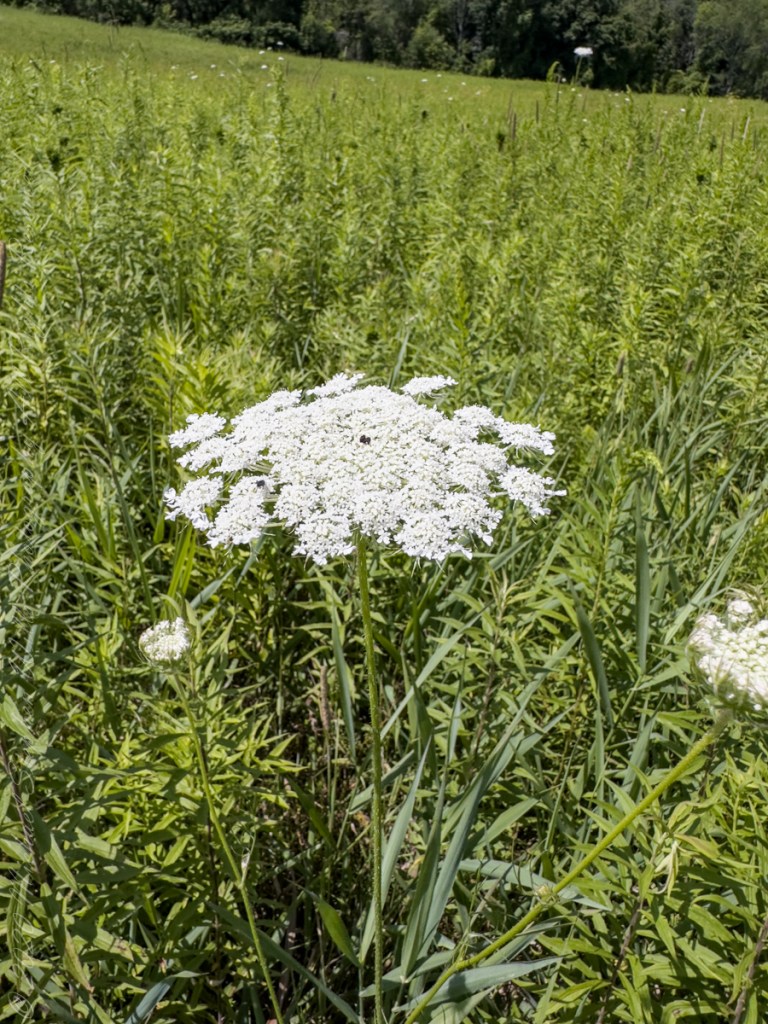
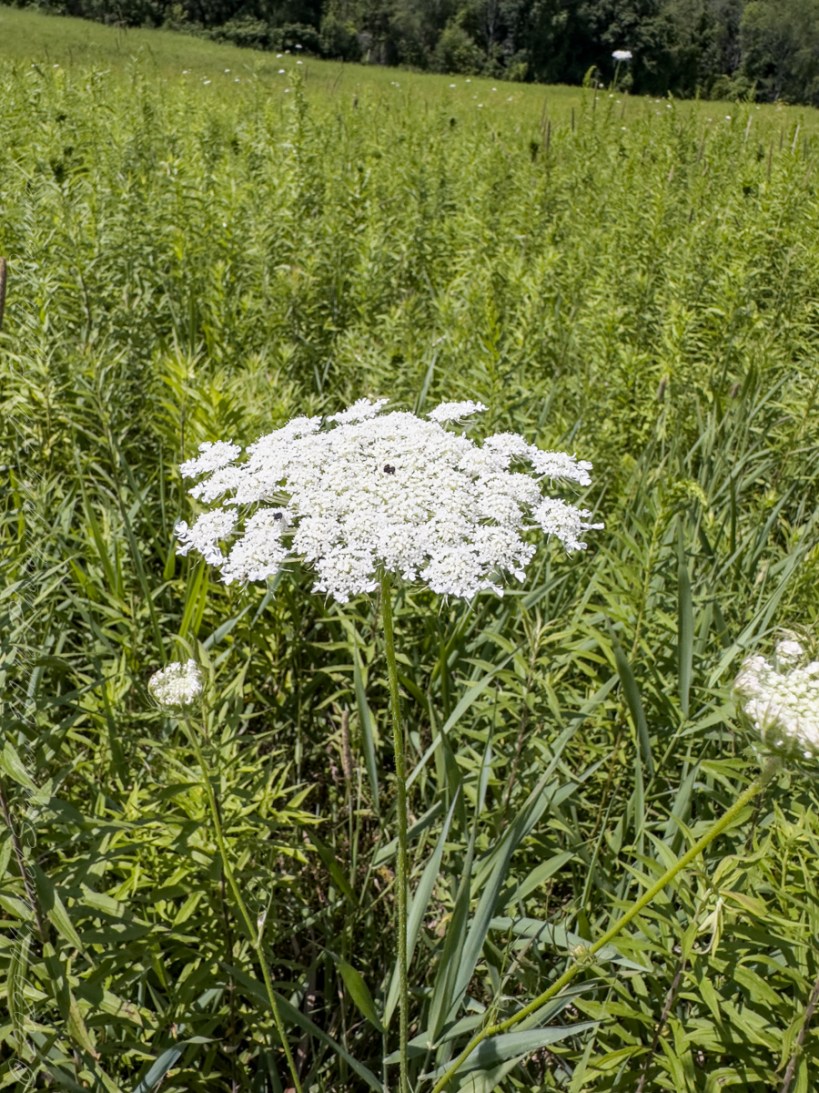
Wild Carrot

have you ever noticed the black petals in the center?

Found in a meadow of the Brock-Harvey Forest Preserve. The function of the central dark florets of D. carota has been subject to debate since Charles Darwin speculated that they are a vestigial trait.

It has been suggested that they have the adaptive function of mimicking insects, thus either discouraging herbivory, or attracting pollinators by indicating the presence of food or opportunities for mating.
One study in Portugal found that the dark florets contributed to visitation by the varied carpet beetle, Anthrenus verbasci, and that higher numbers of dark florets correlated with increased visitation, whereas inflorescences without dark florets had fewer visits. Replacing the dark florets with one or more freeze-killed A. verbasci, who are similar to the florets in size and shape produced similar results to those observations of inflorescences with intact florets..

This specimen was found among many others in a meadow of the Brock-Harvey Forest Preserve

Click me for another post from this forest preserve.

References
Wikipedia, Daucus carota

Copyright 2023 Michael Stephen Wills All Rights Reserved

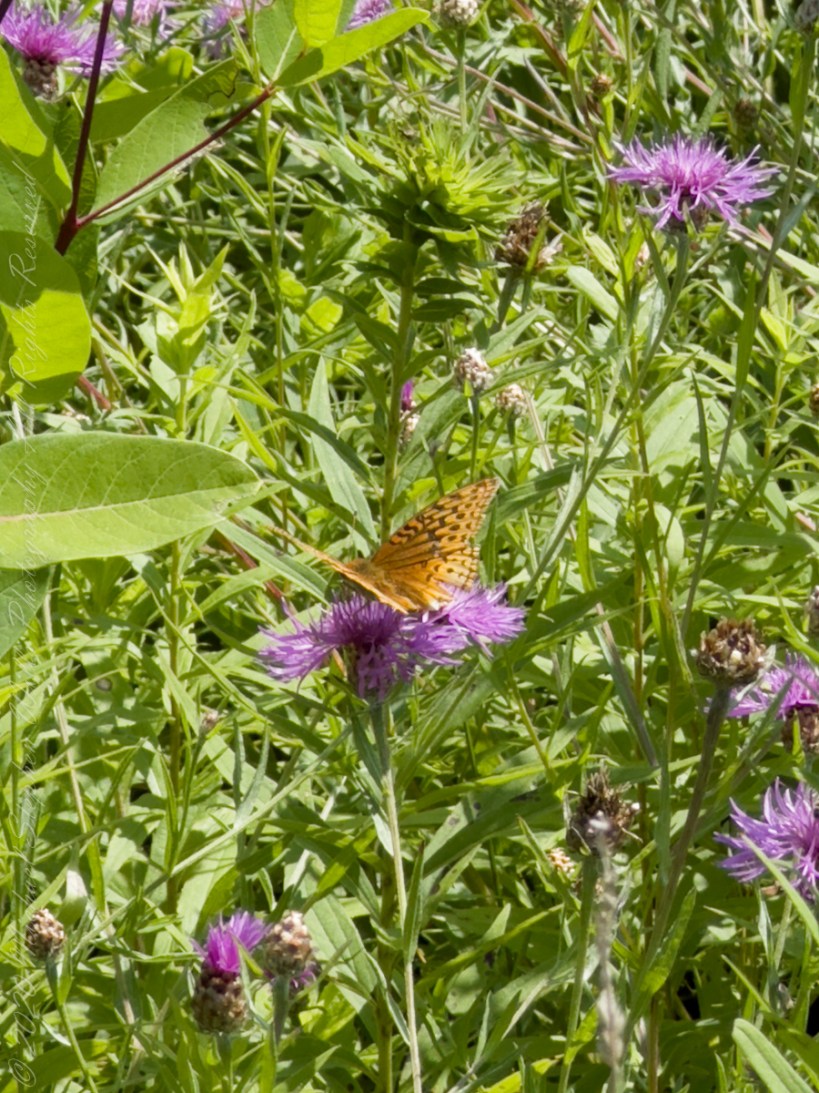
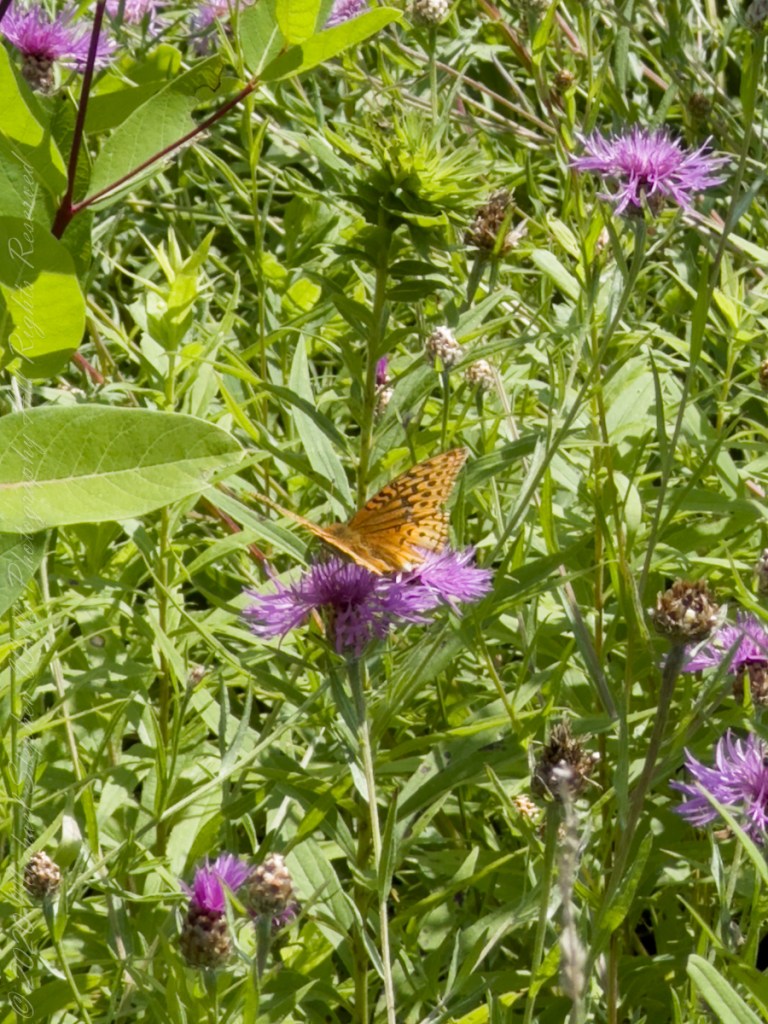
Meadow Fritillary

An August morning

The range of the Meadow Fritillary covers eastern British Columbia east through southern Canada and the northern part of the US to Newfoundland, south to north central Oregon, central Colorado, northeast Tennessee, and northwest North Carolina.

This species is found throughout the Northeast and New England. It is said to have significantly expanded its range southward in recent years. Adult Meadow Fritillaries feed on nectar from a variety of plants, including Black-eyed Susans, dandelions, and Ox-eyed Daisies.

The Meadow Fritillary’s flight pattern is usually described as rapid, low, and jerky.

This specimen was found among many others in a meadow of the Brock-Harvey Forest Preserve

Click me for another post from this forest preserve, “Grand Views.”

References
Wikipedia, Boloria bellona

Copyright 2023 Michael Stephen Wills All Rights Reserved

Grand Views

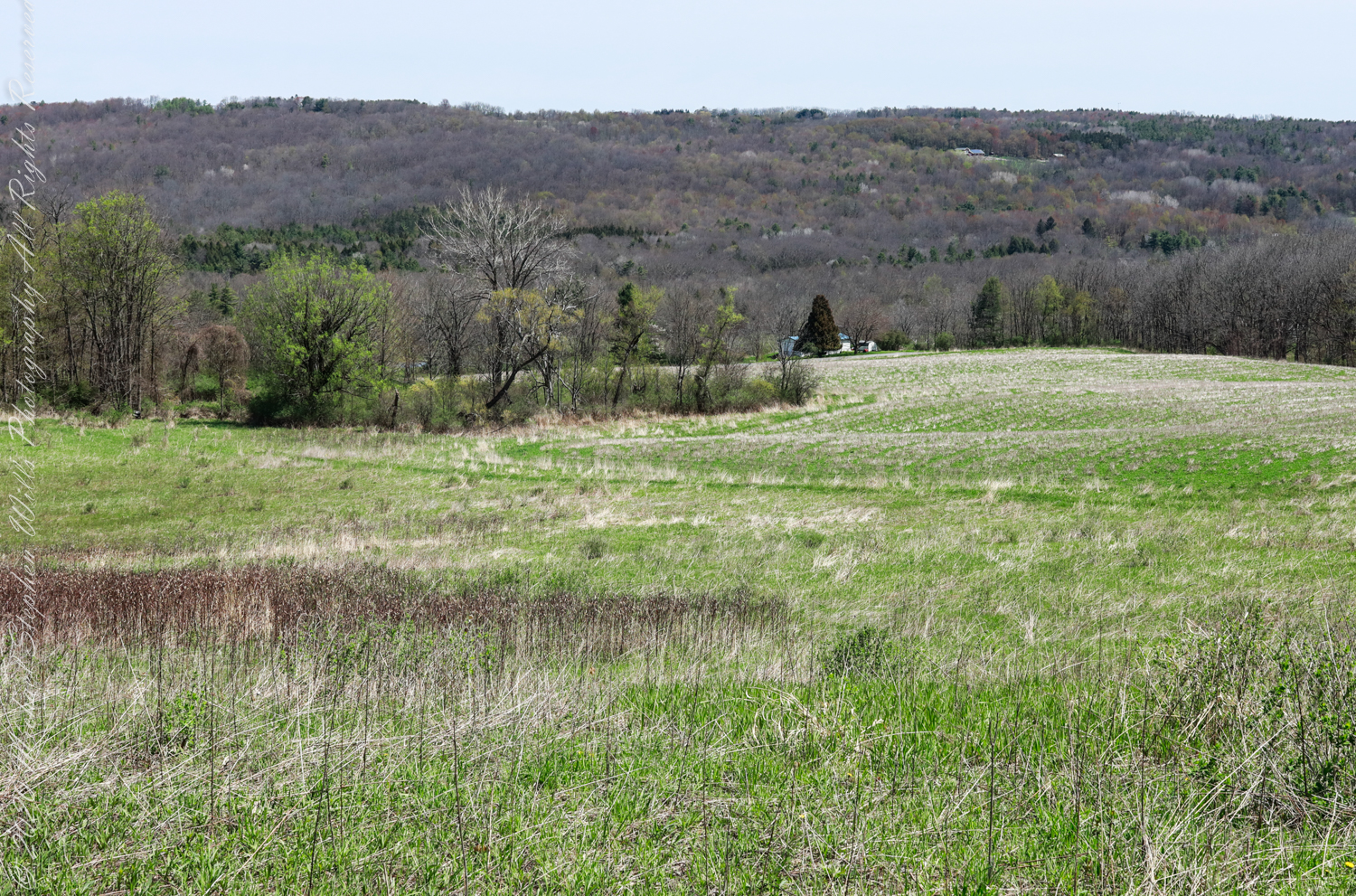
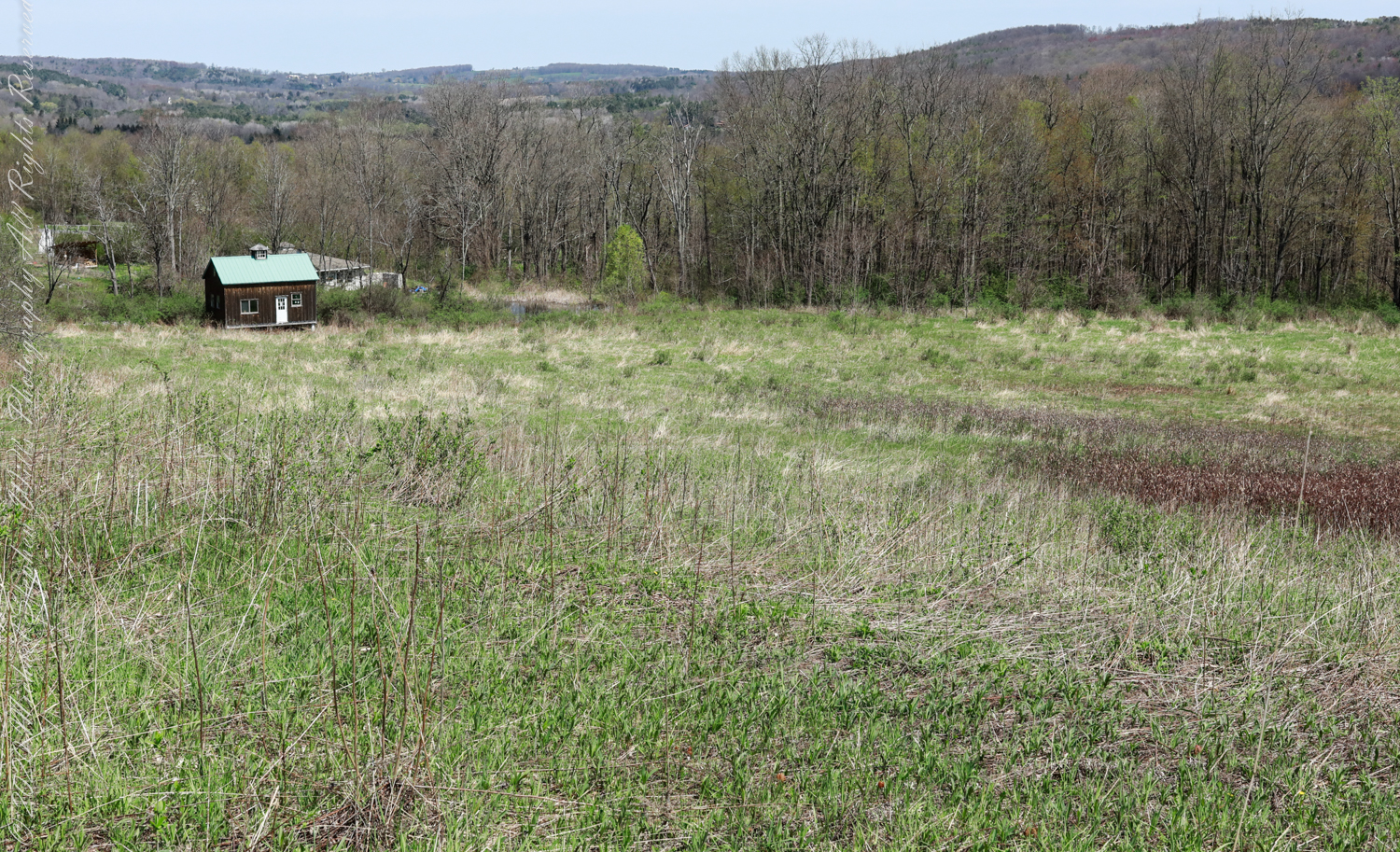
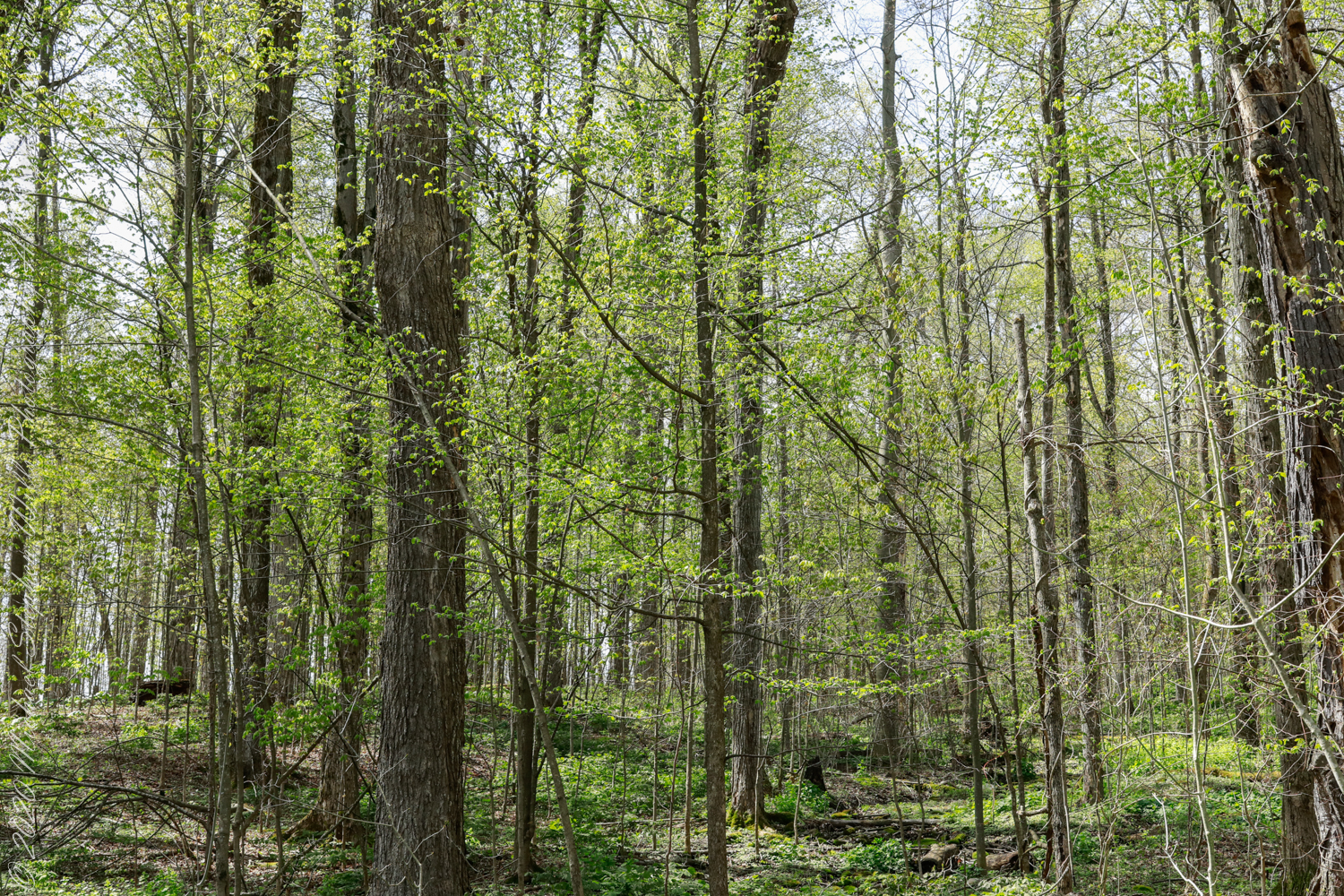
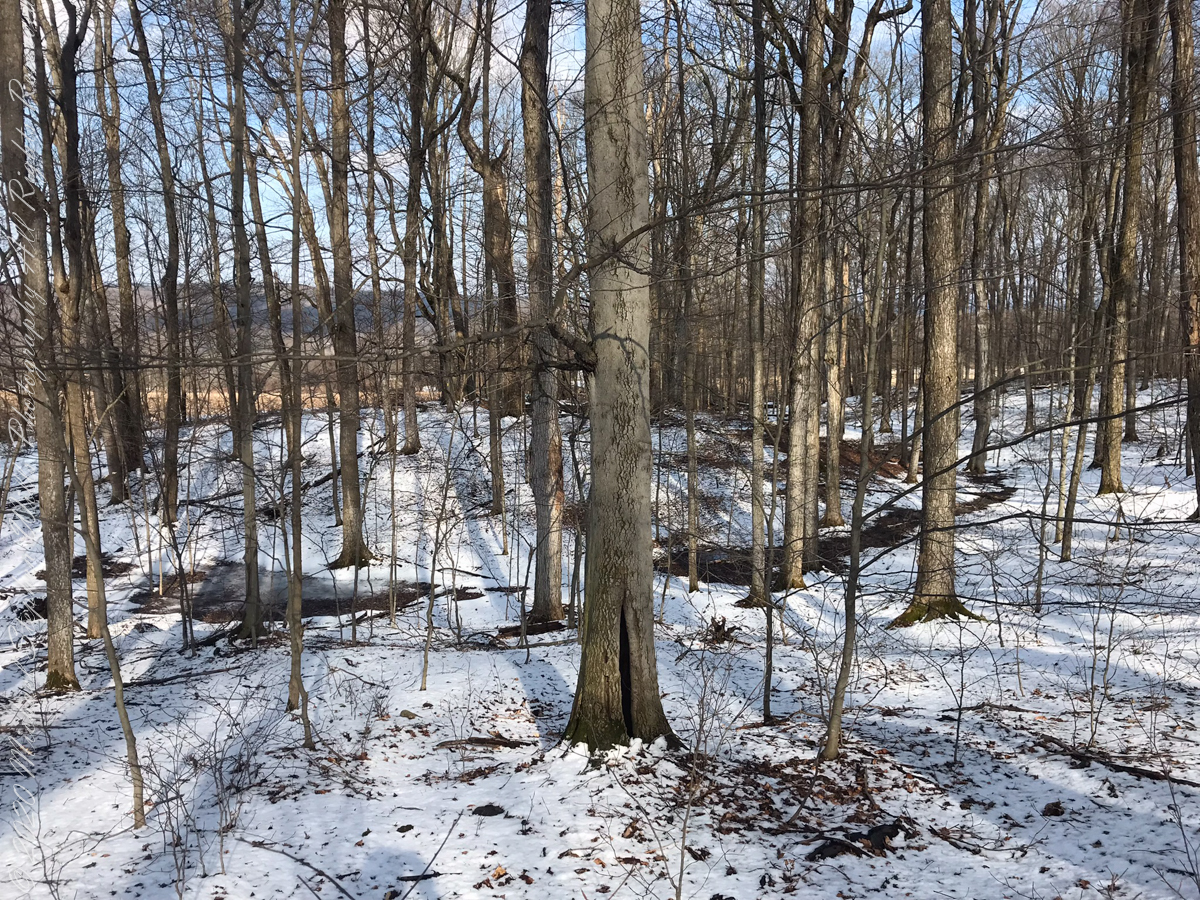
Brock-Harvey Forest Preserve on an early May morning

Click me for the first post of this series, “Burgeoning Forest .”

Copyright 2022 Michael Stephen Wills All Rights Reserved

Two Snags

Brock-Harvey Forest Preserve on an early May morning

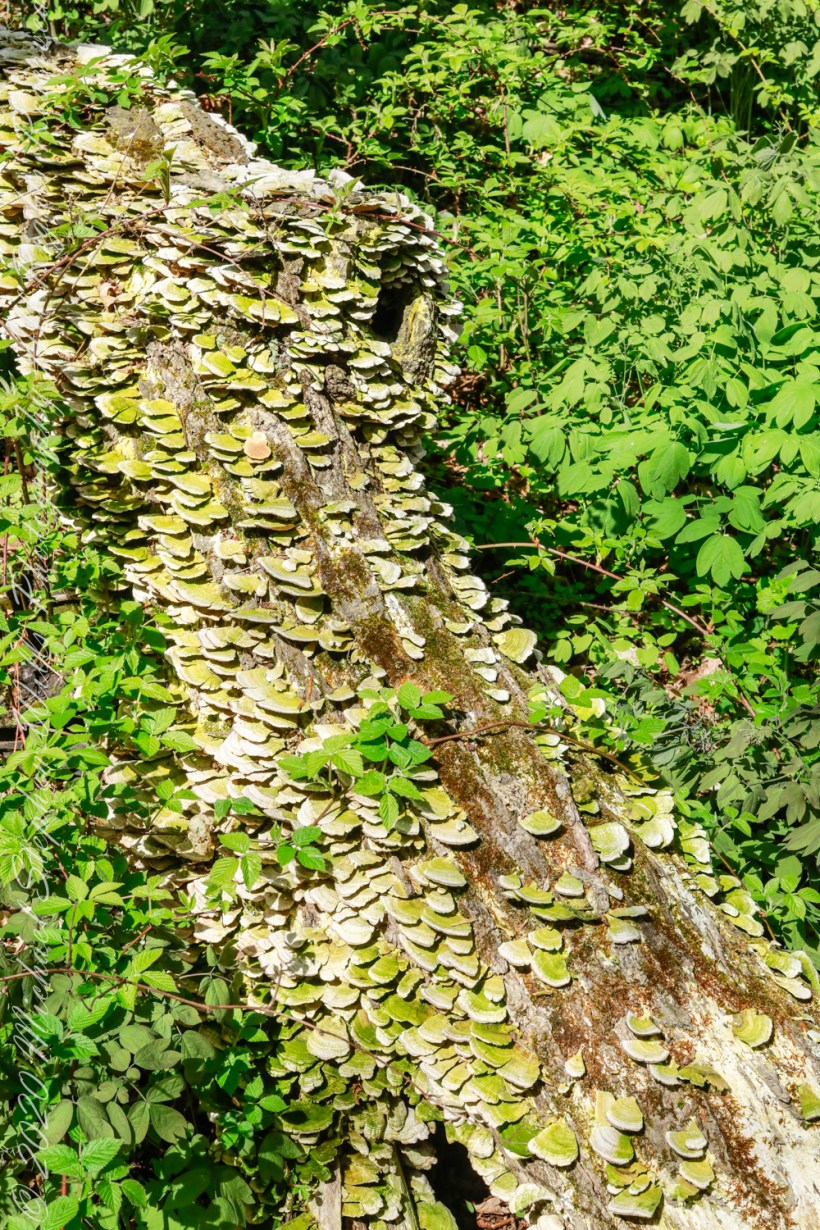
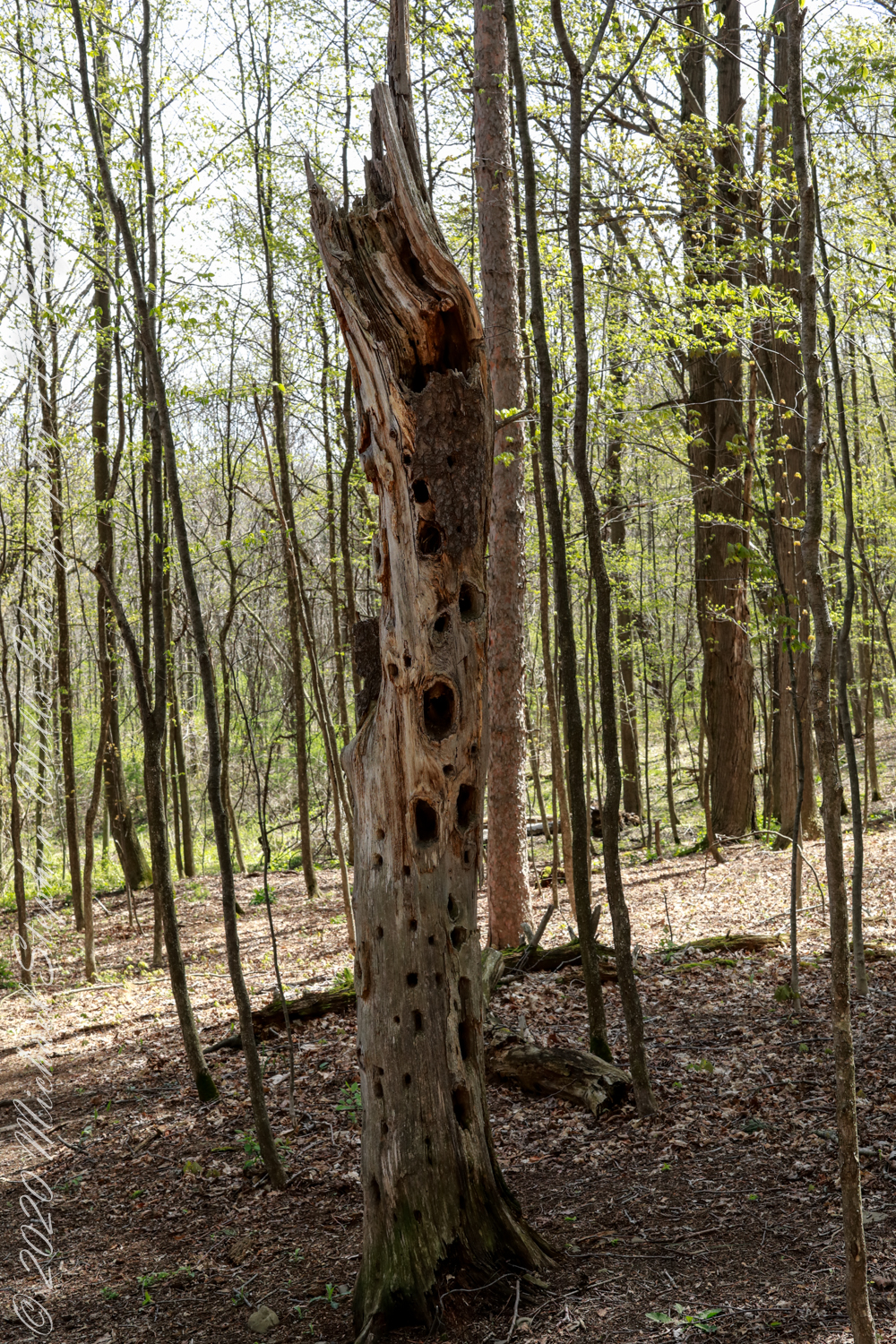
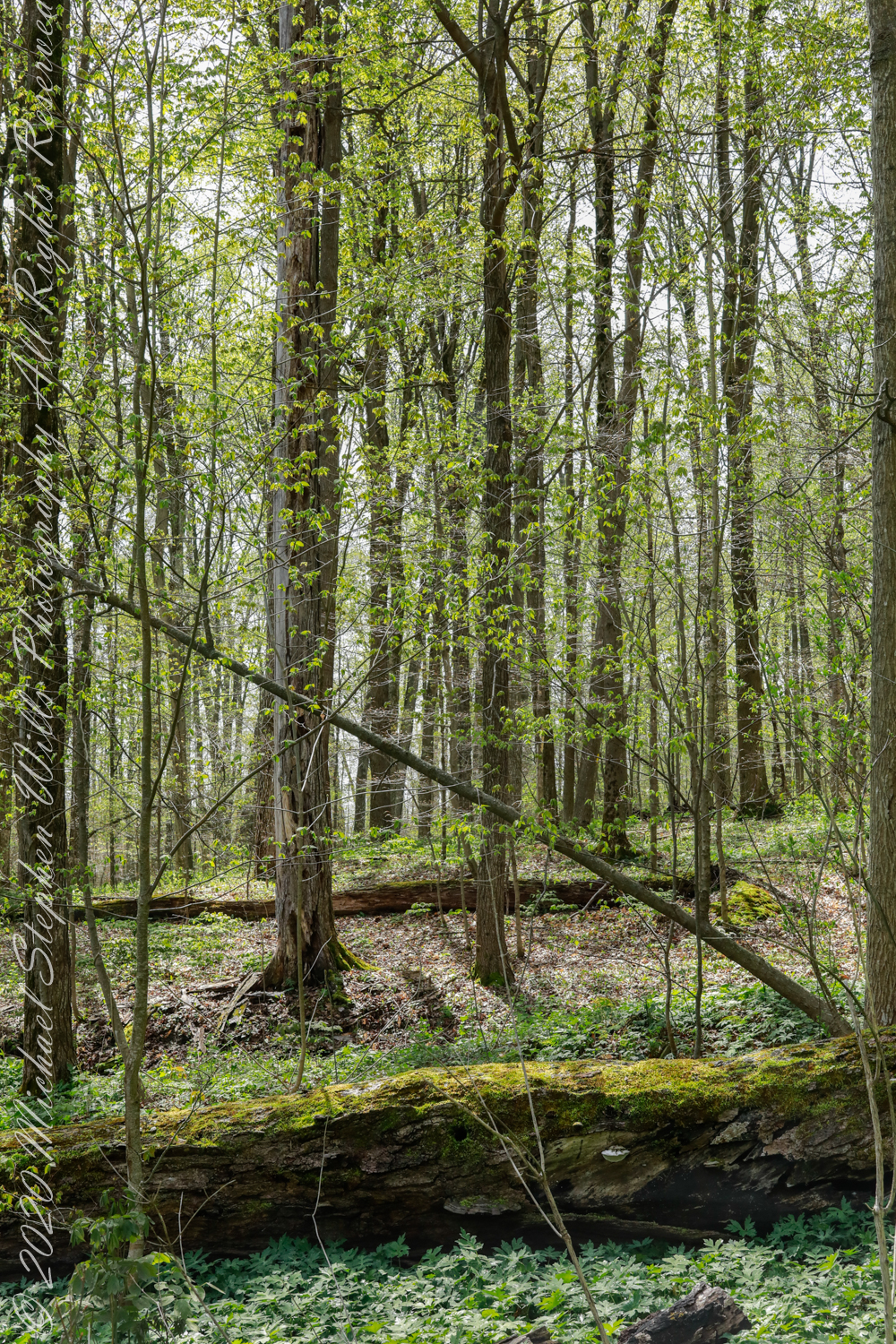
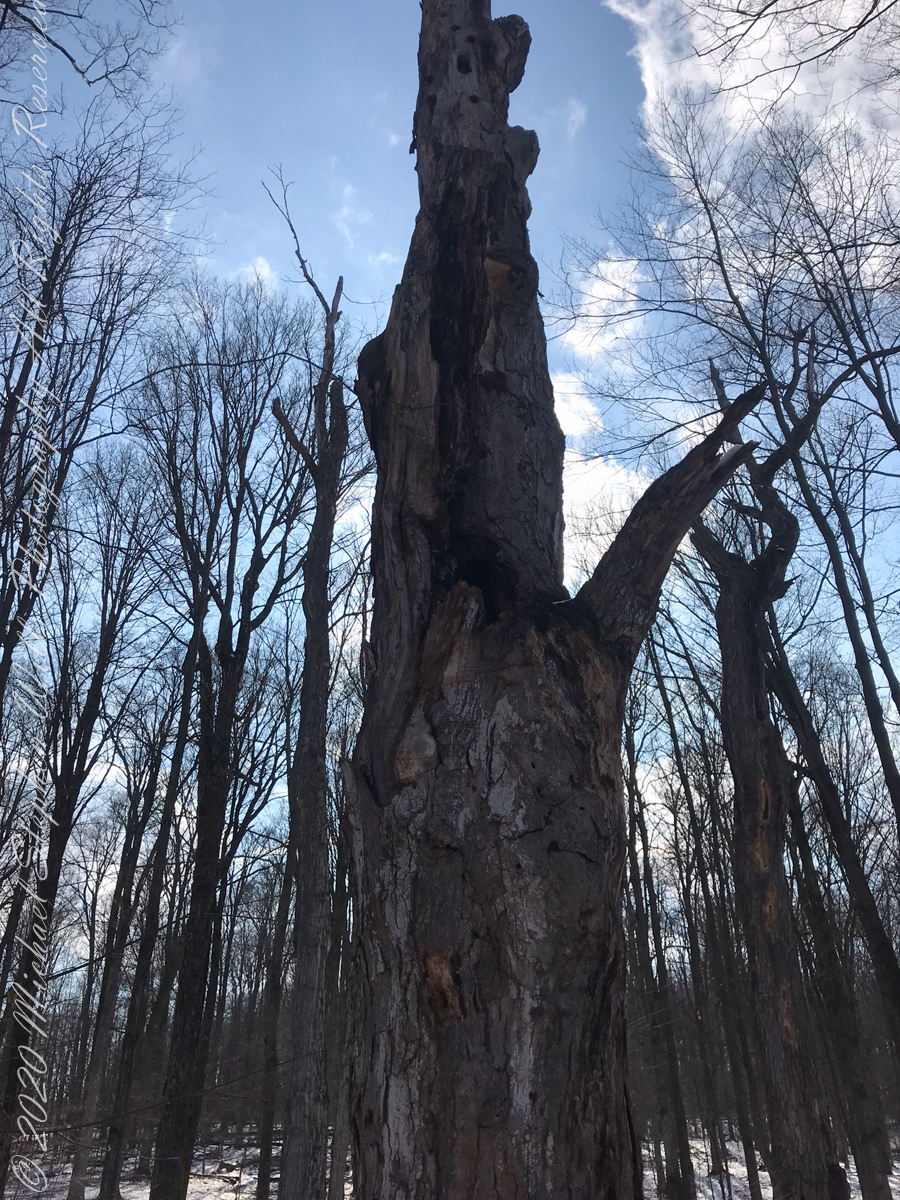
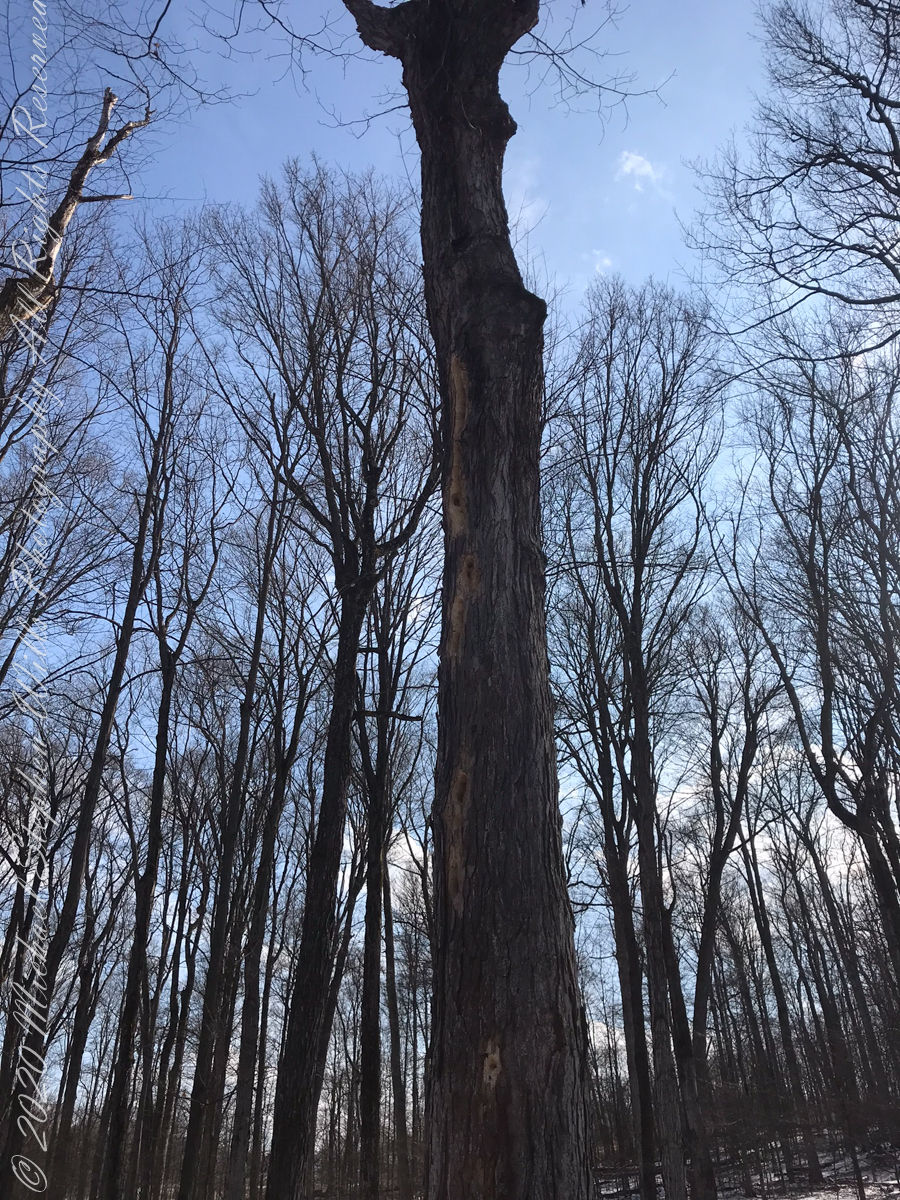
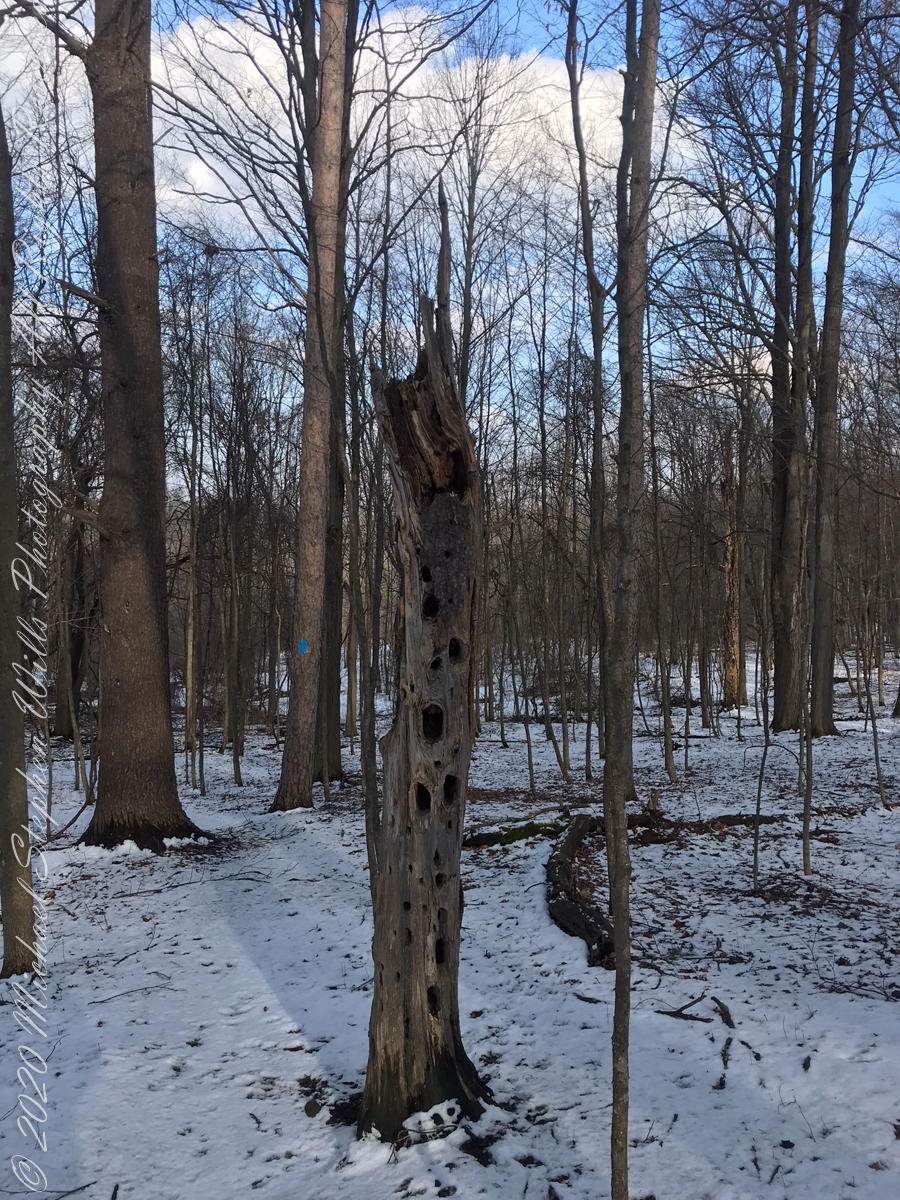
I found these snags surrounded and, at a distance, hidden by the burgeoning Brock-Harvey forest preserve here in the Finger Lakes.

As with burgeon (see yesterday’s blog post), the word “snag” has a long history from a forested northern region of the planet, though it hales from Scandinavian languages rather than Old English and Old German. As a noun “snag” is something with a point and a body long enough to cause inconvenience, the point catching on anything handy. As a verb “snag” is to become inconvenienced by a projecting body.

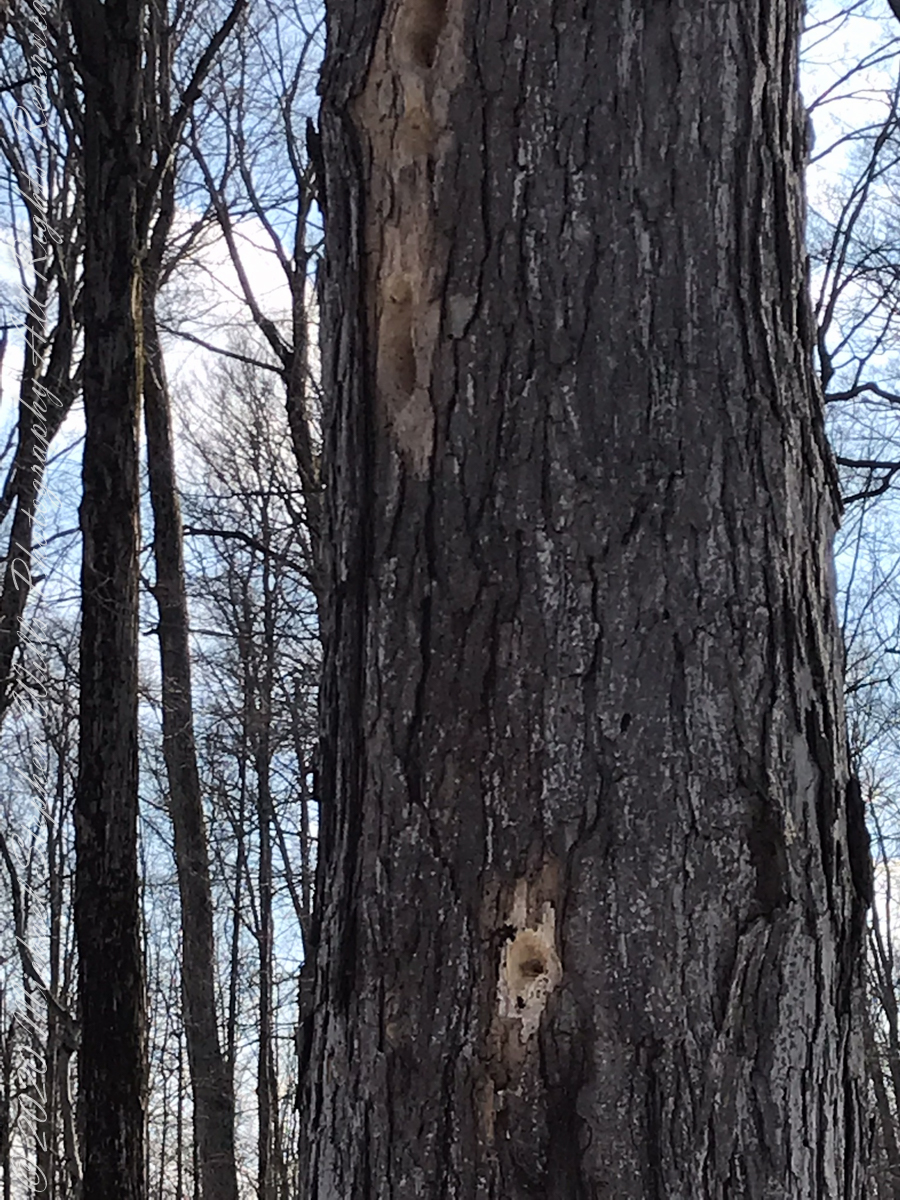
In forestry, a snag is any trunk of a dead tree. Commonly, a tree top breaks off leaving a jagged point which possibly can become an inconvenience. For birds, an upright dead tree is a blessing, perfect for homemaking.

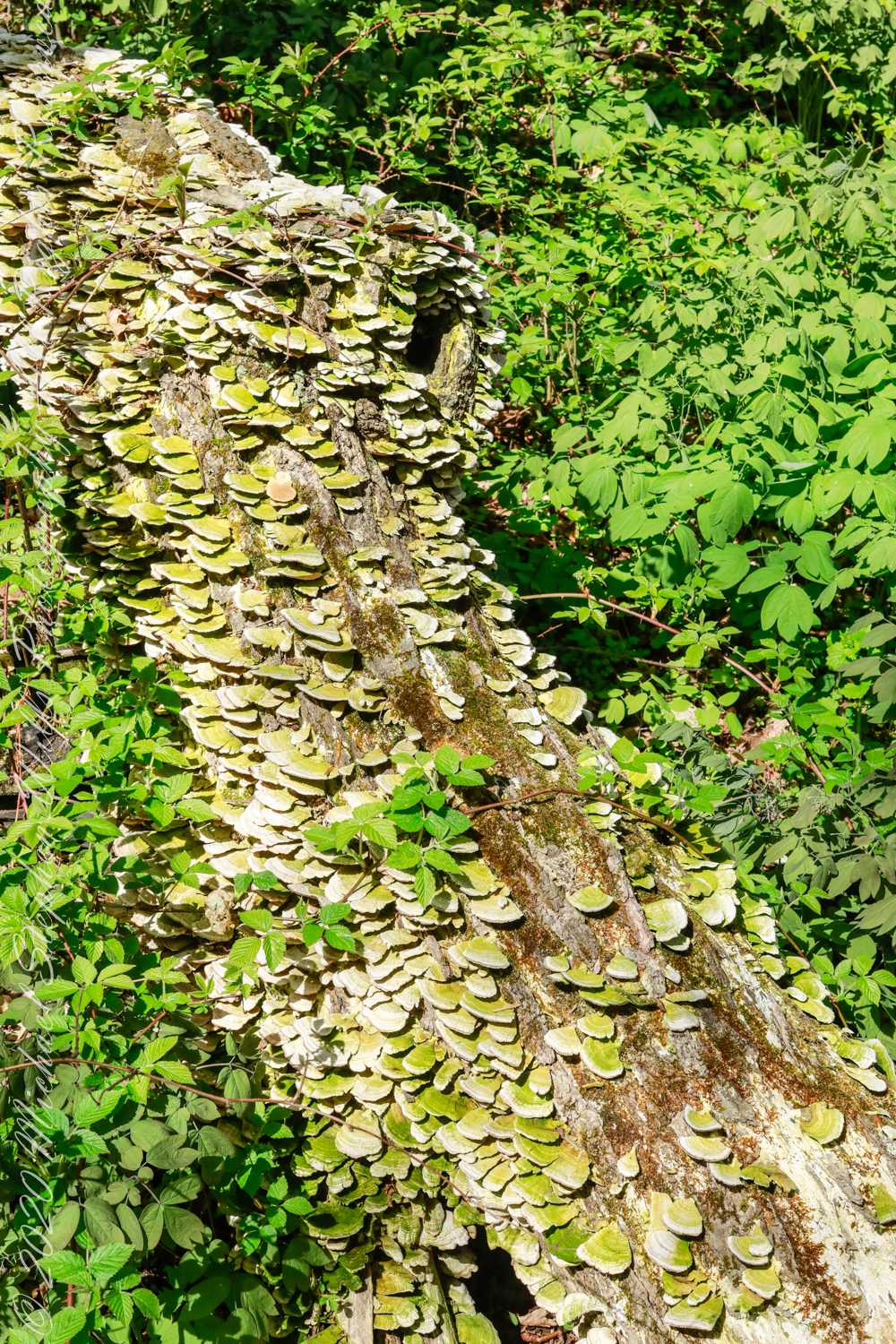
Fallen, the snag is still a snag and also a home first for fungus. When the work of the fungus is done, the resulting mound is perfect for growing new trees.

Click me for the next post from this forest preserve, “Grand Views.”

References
snag definitions are from the Compact Oxford English Dictionary, Oxford University Press, 1971

Copyright 2022 Michael Stephen Wills All Rights Reserved

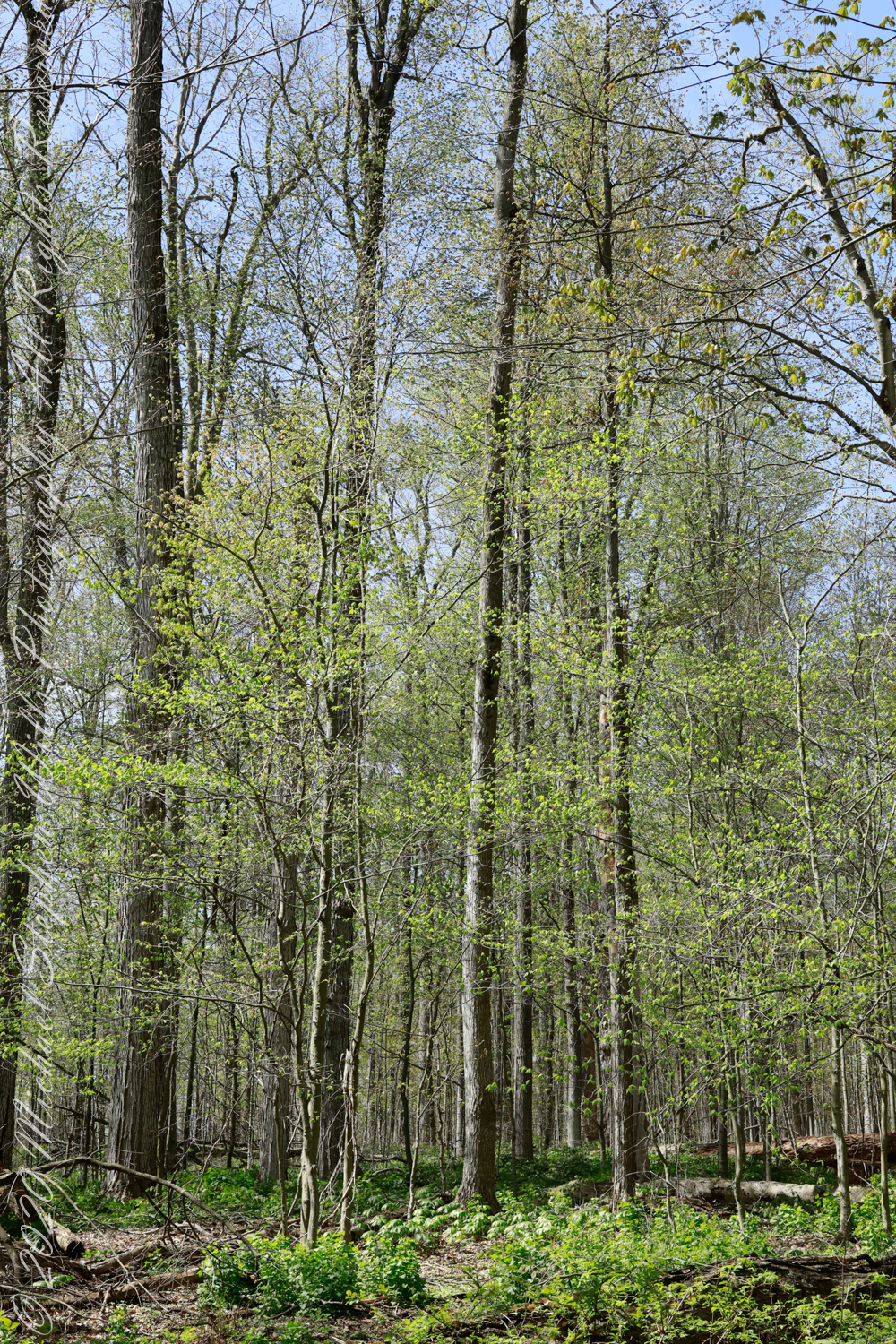
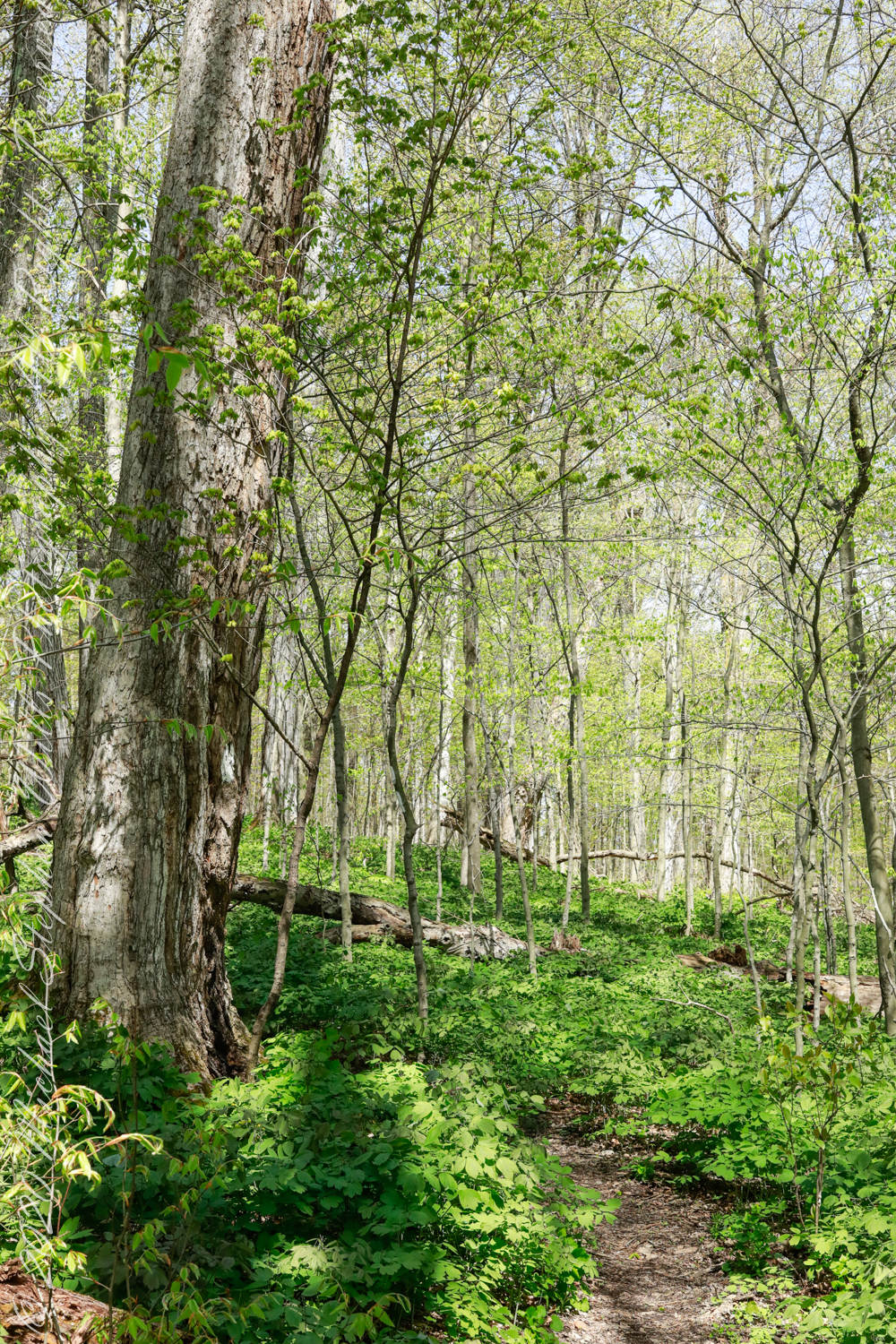
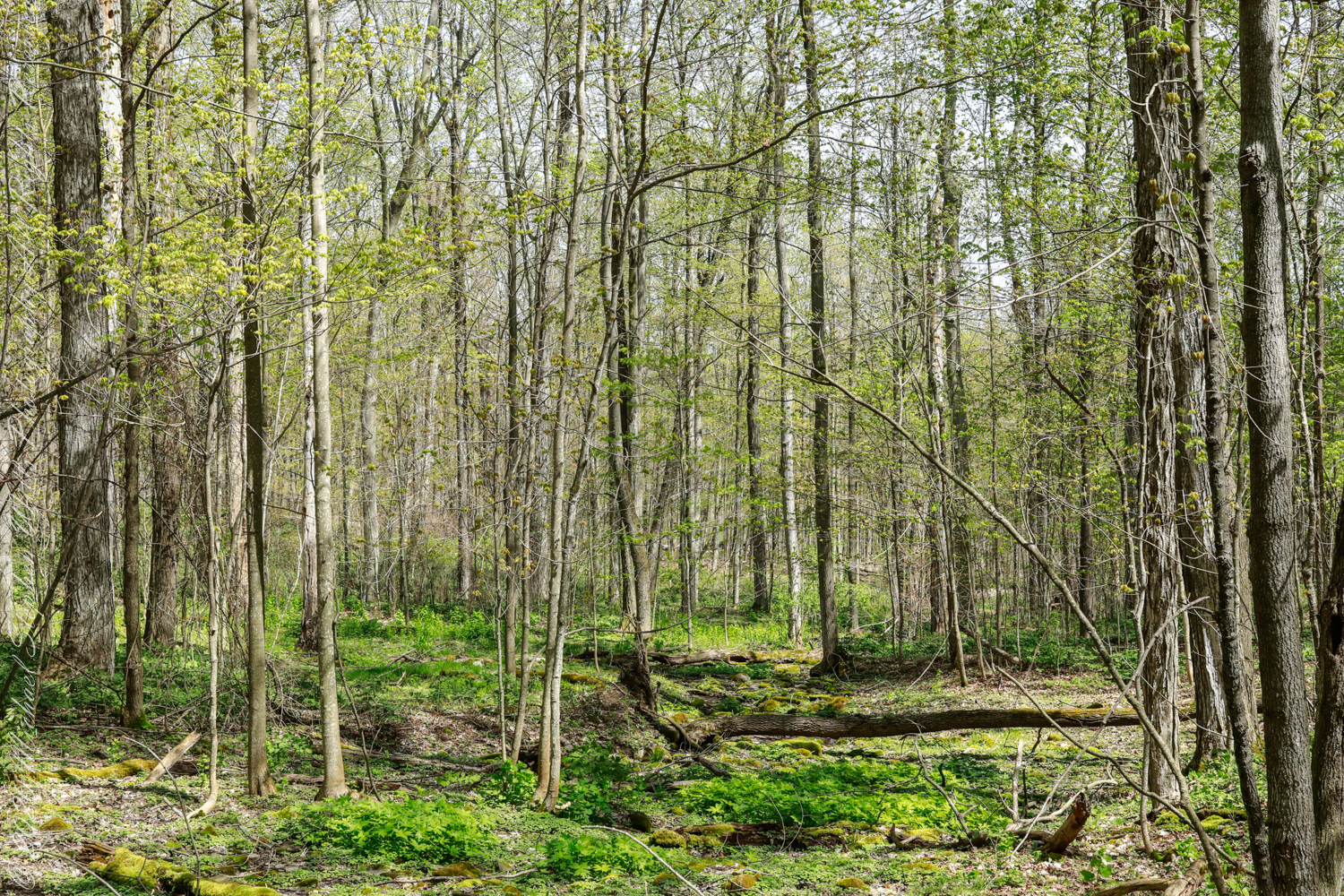
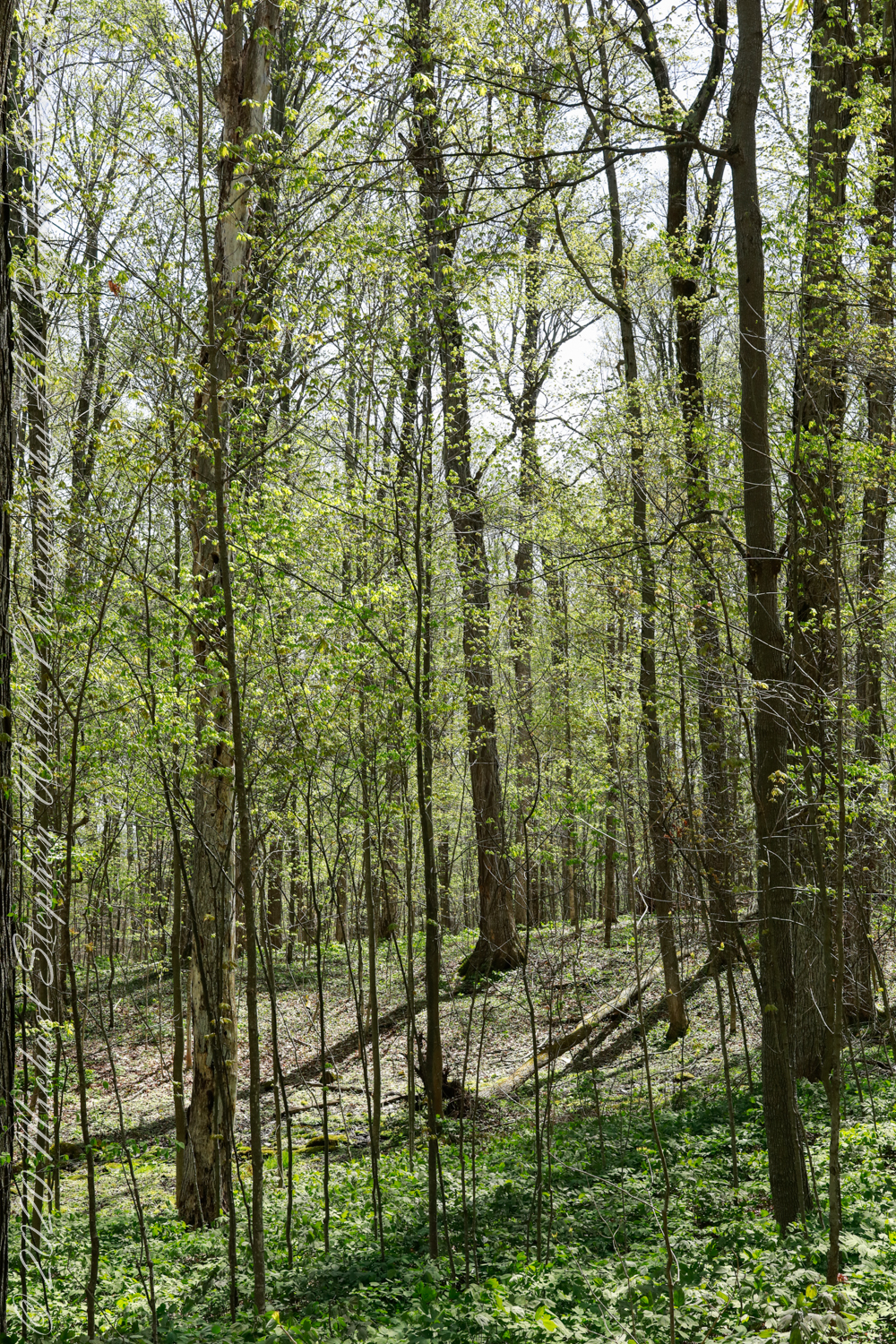
Burgeoning Forest

Brock-Harvey Forest Preserve on an early May morning

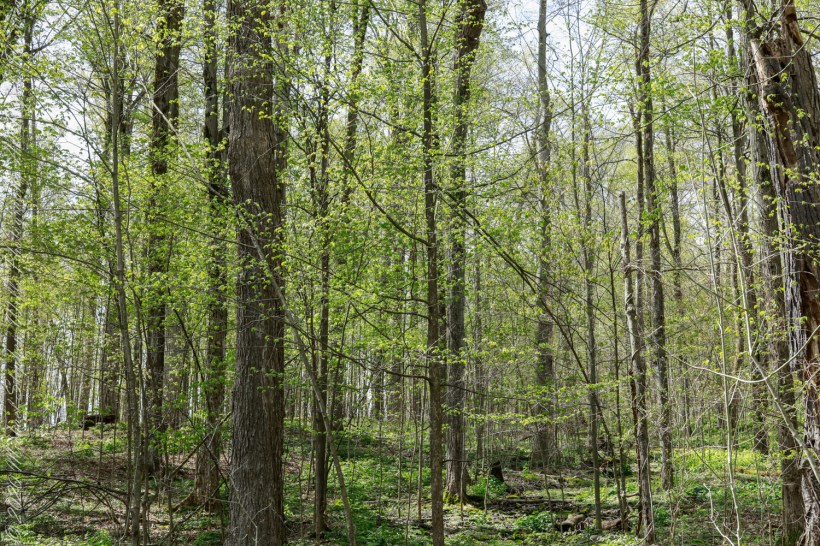
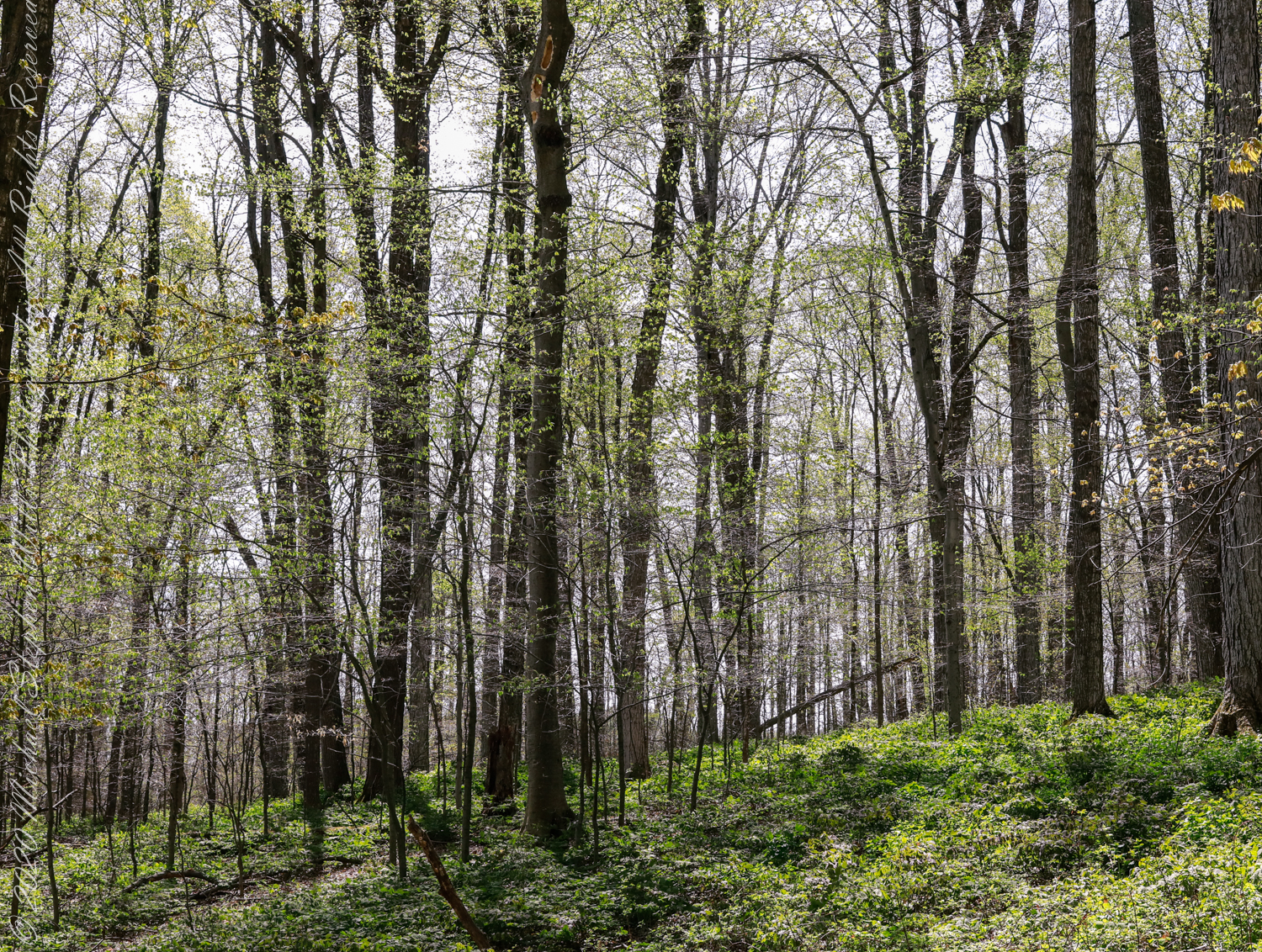
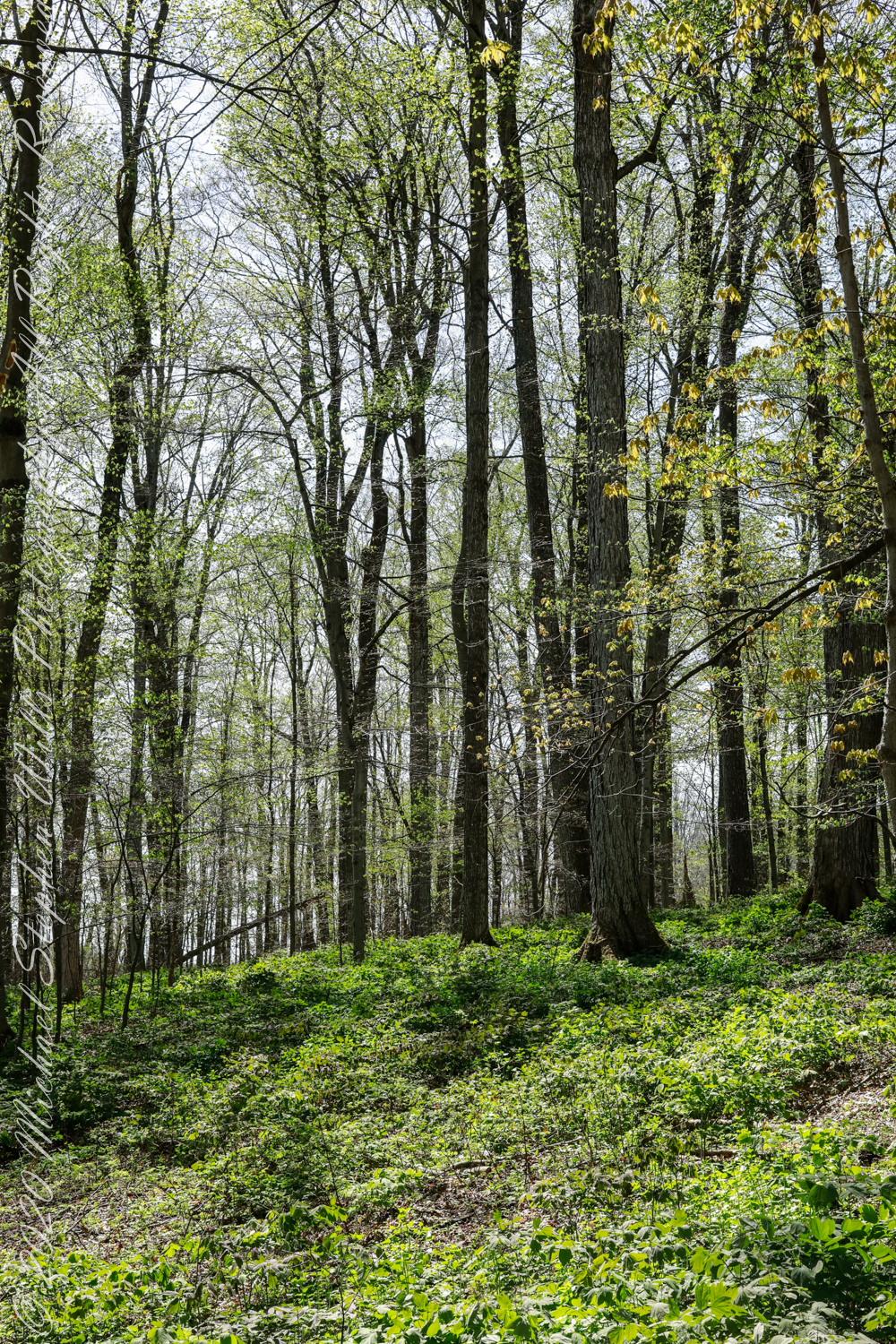
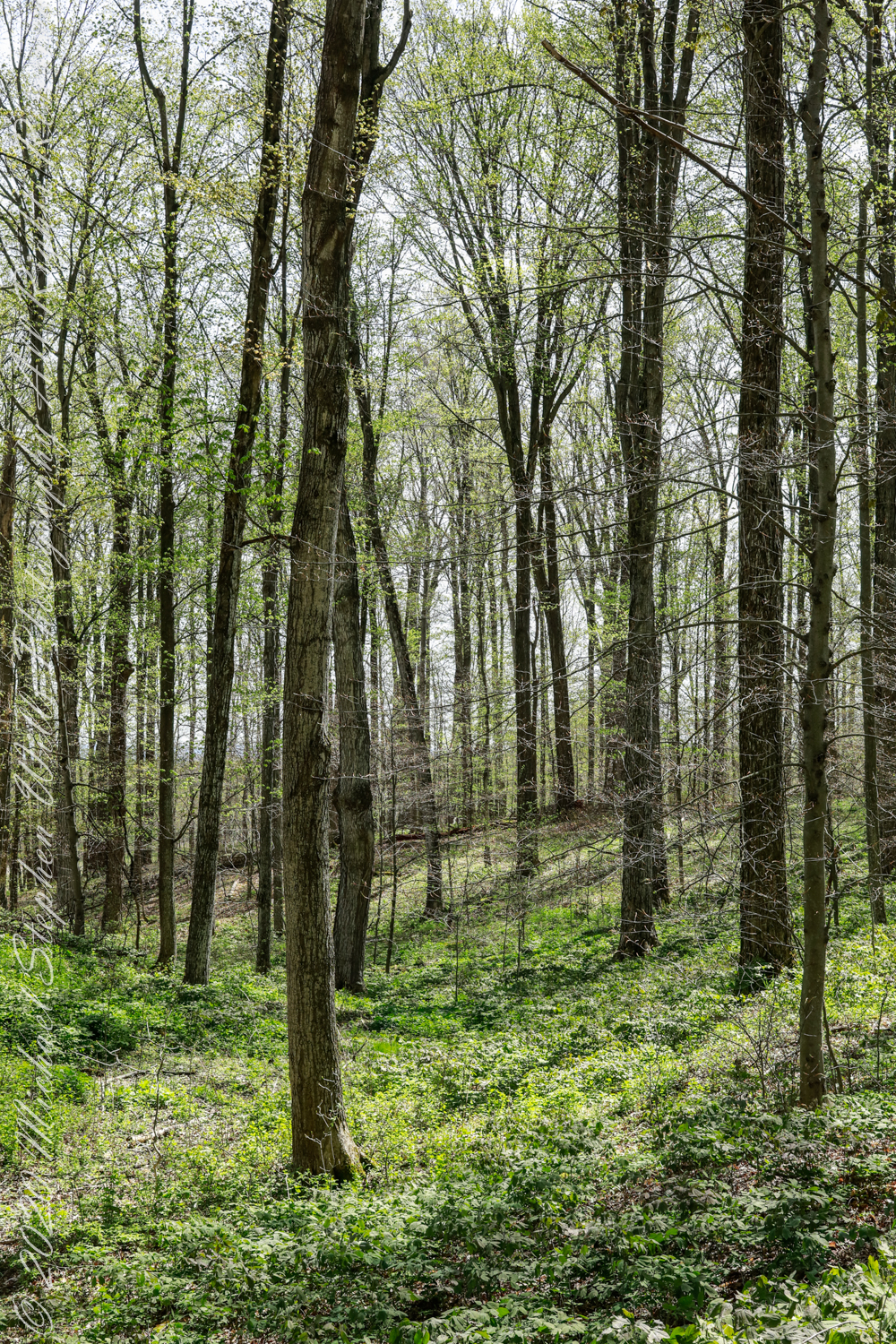
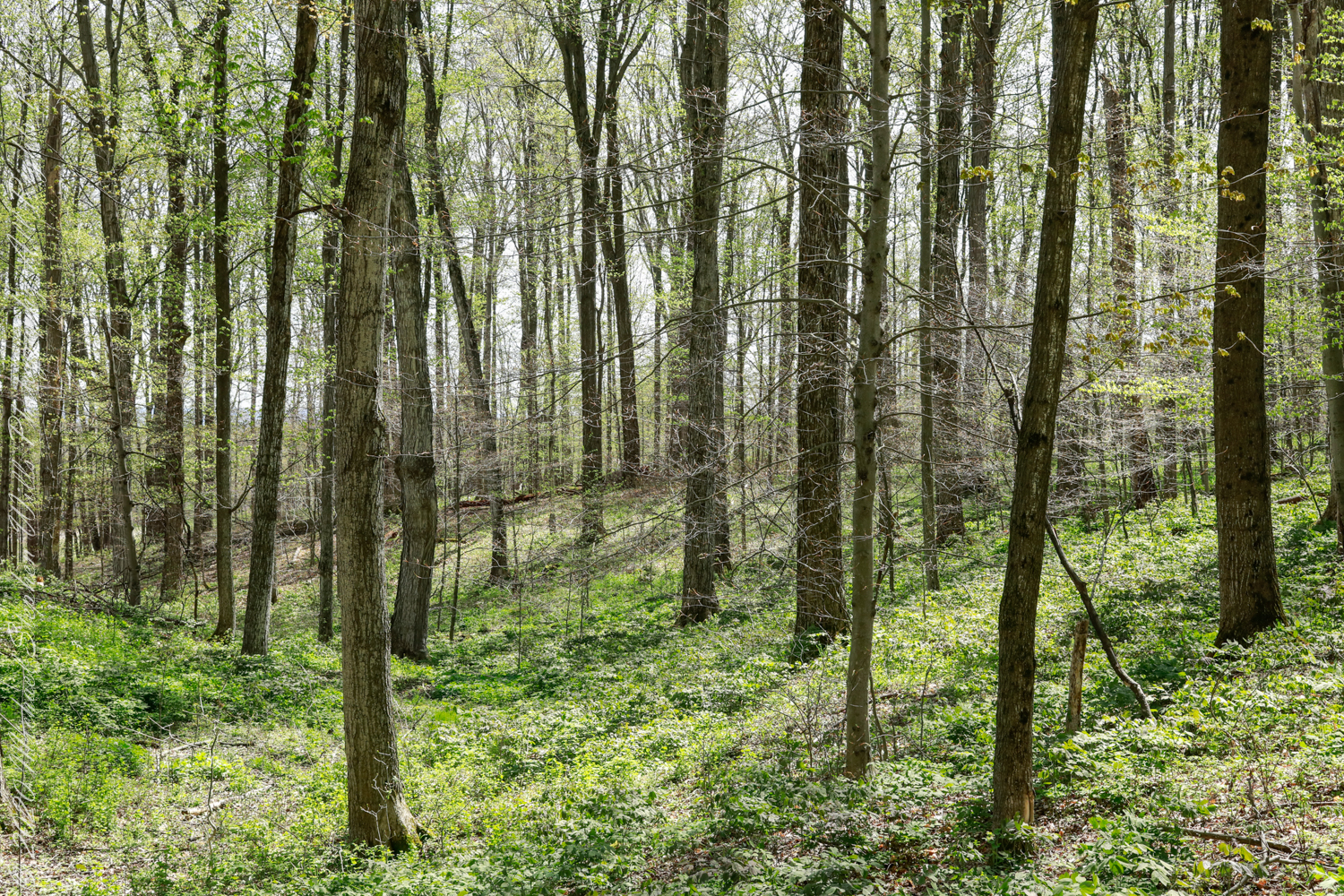
There is a word to describe the first growth of spring, rare in a way as having grown within the English/French languages without roots from either Greek or Latin, wholly suitable to a forest people. The first growth of spring so impressive it has words of its own: burgeon.

Both as a noun, burgeon the bud itself, and a verb; to burgeon, as in to burst forth. Burgeoning: the process of the act itself.

Click me for another post from this forest preserve.

References
burgeon/burgeoning definitions from the Compact Oxford English Dictionary, Oxford University Press, 1971

Copyright 2022 Michael Stephen Wills All Rights Reserved

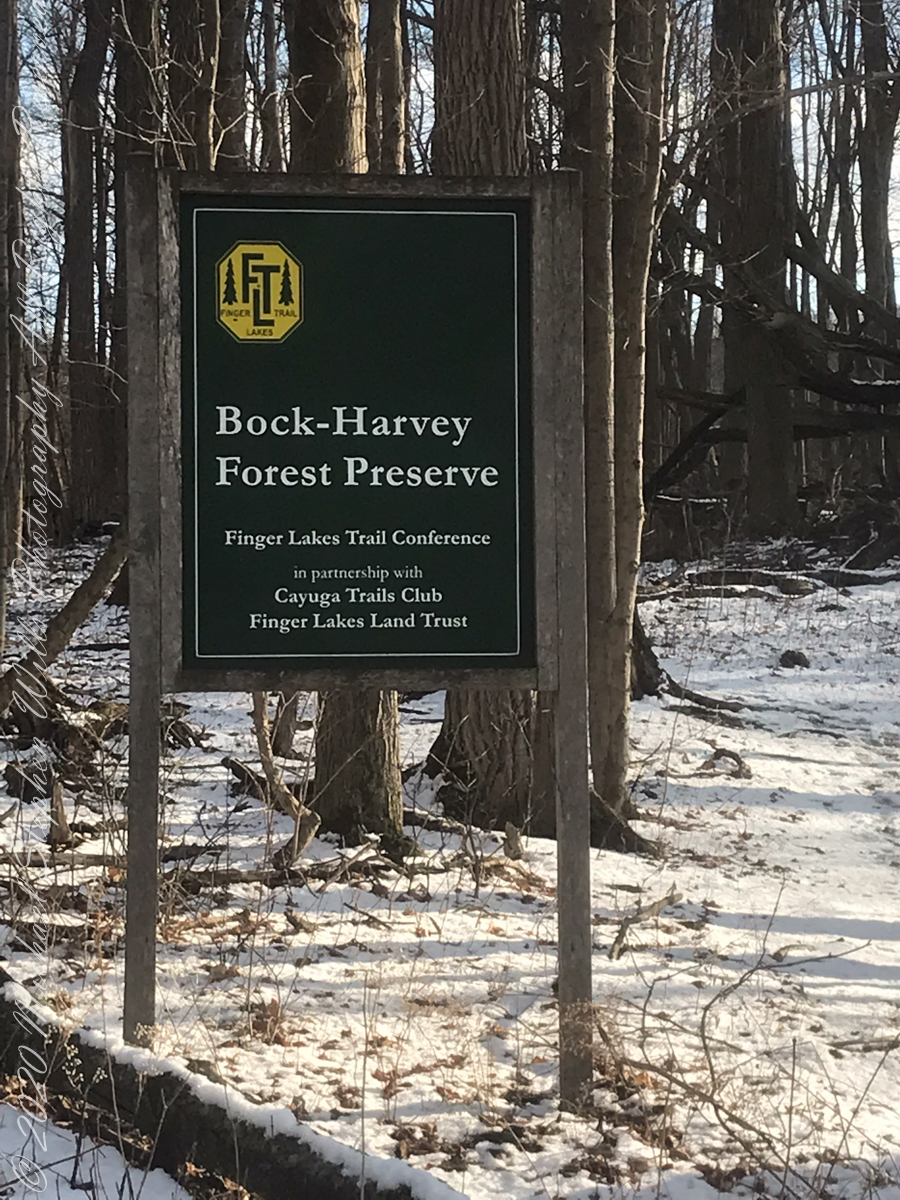
Brock-Harvey Forest Preserve

first look

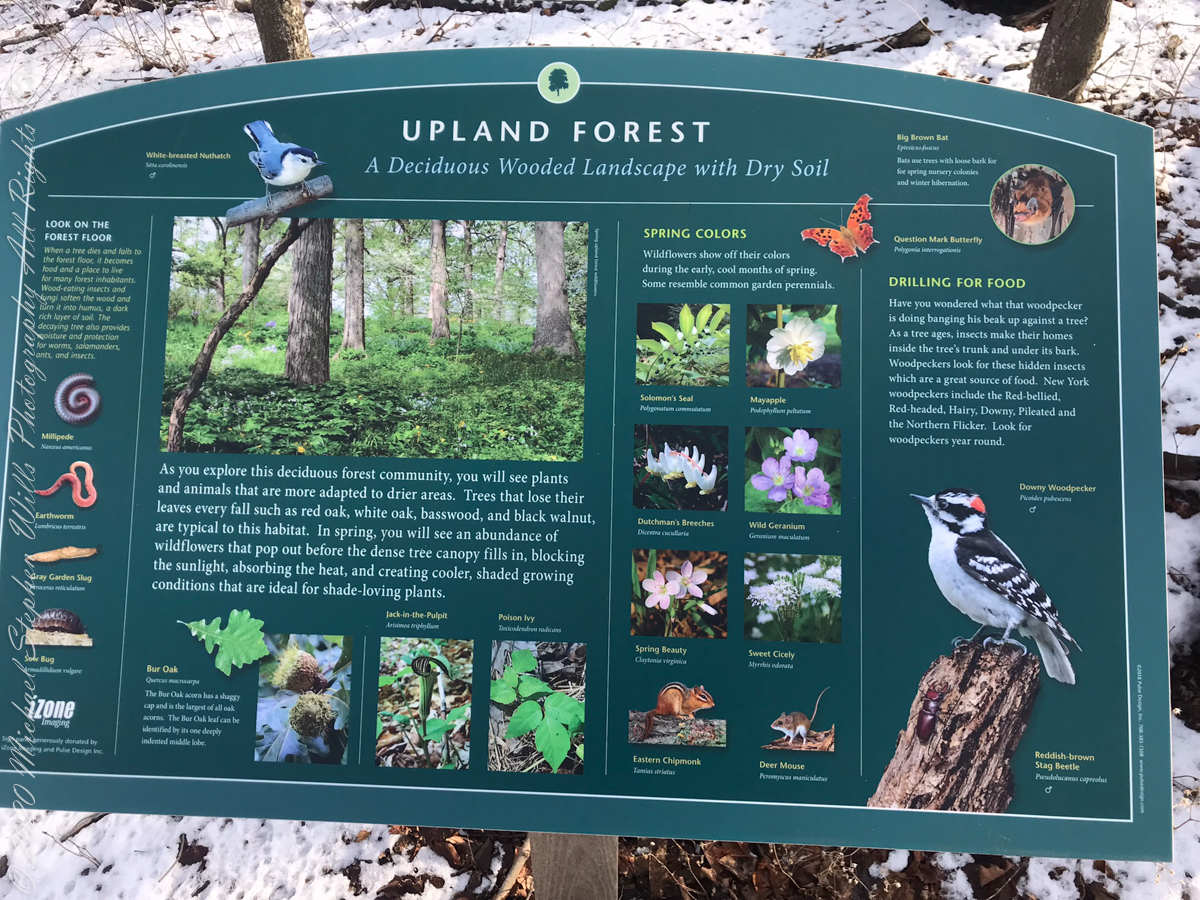
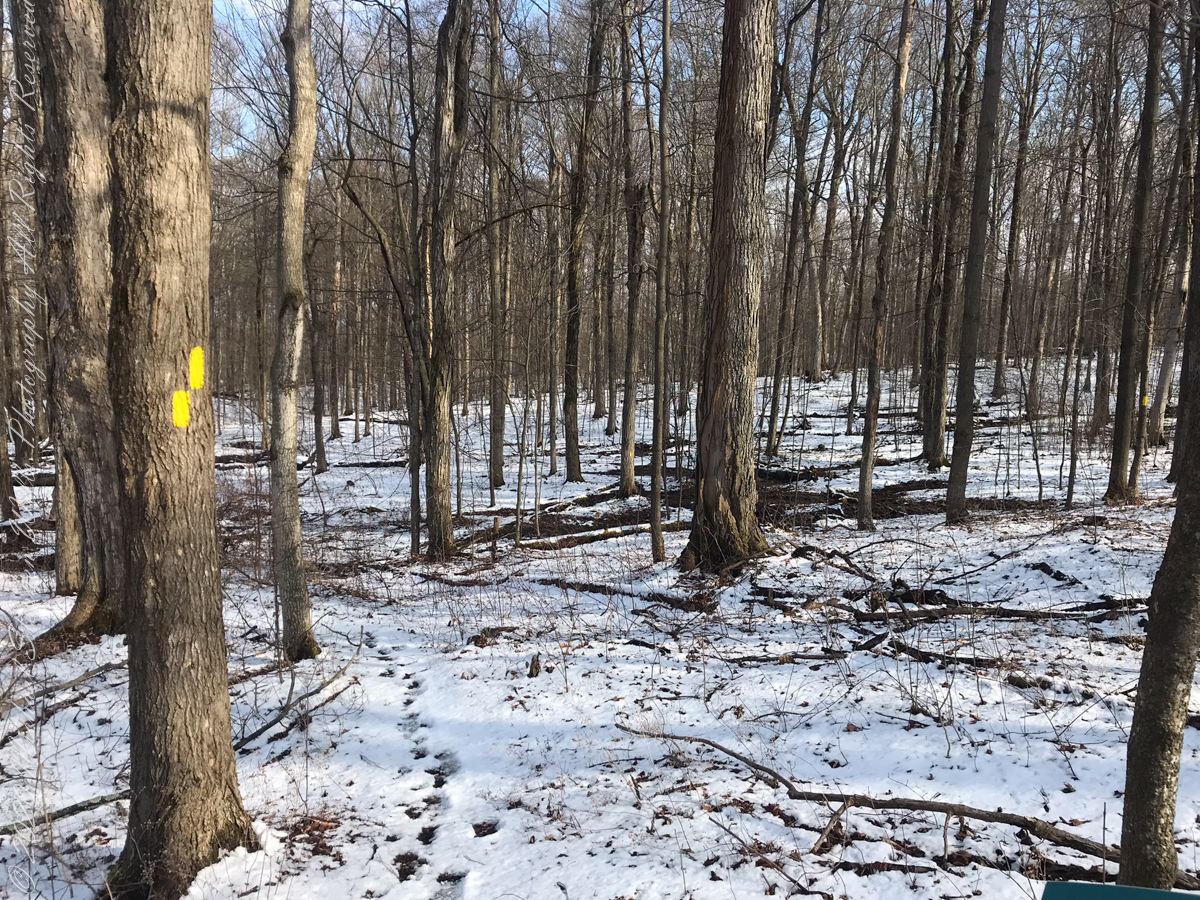
On September 14, 2013, the Bock-Harvey Forest Preserve was dedicated protecting 48 acrea of open meadow, transitional meadow, mixed hardwood forest, a special environmental protection zone and the Finger Lakes Trail.  Brock-Harvey Forest Preserve, and all land as far as the eye can see from there, was part of the Military Tract of Central New York, 28 townships given classical Greek and Roman names, each township 100 lots of 600 acres each, approved by the U.S. Congress 1799.  Here, the township was Ulysses, encompassing the southern end of Cayuga Lake and surrounding lands.  Thus, the city of Ithaca and Hector Street winding up from the valley passing below our home.

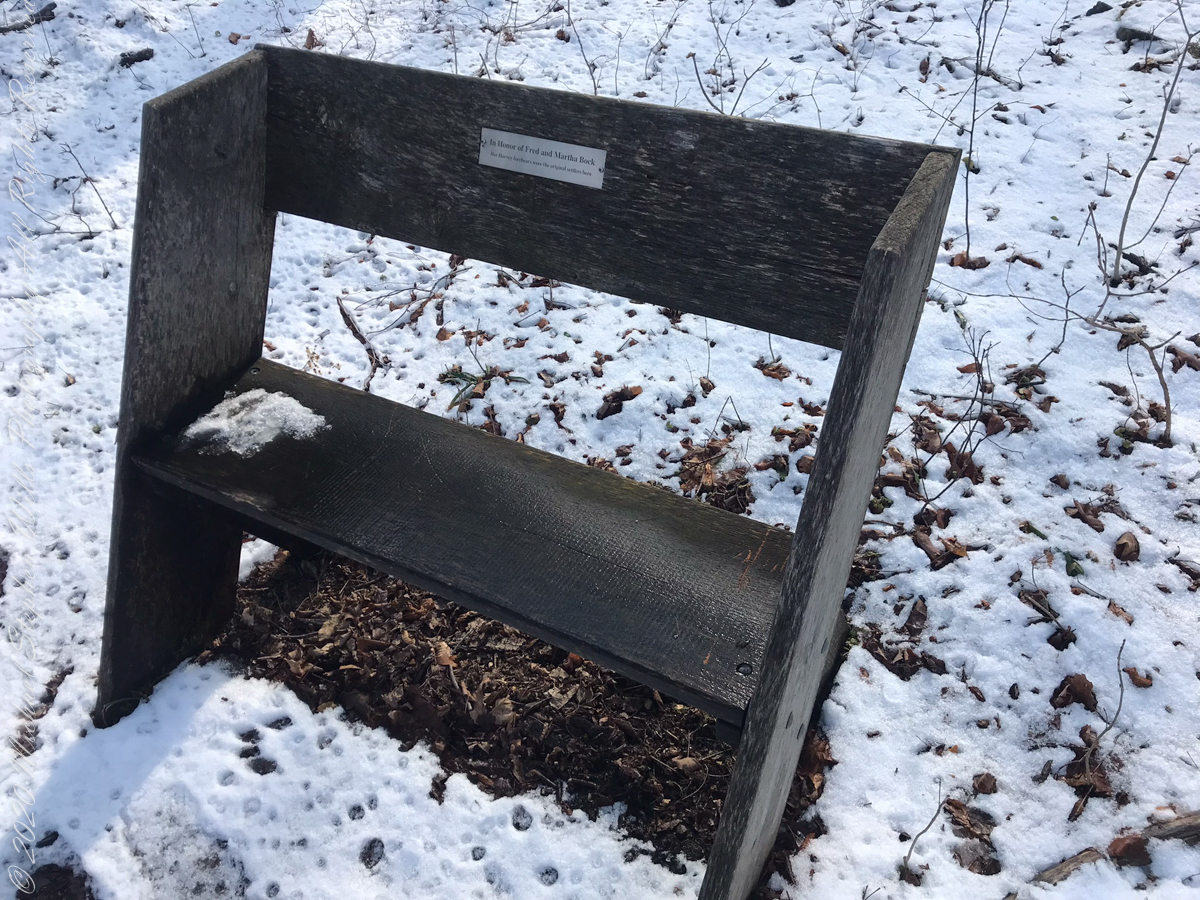
This land and several other military tracts were purchased by Samuel Harvey.  He then gave he lands to his sons including this farm to Silas Harvey, the great-great-great-great grandfather of Megan Barber who led the dedication ceremony of the forest preserve.  Megan’s great-grandmother Martha Harvey married Fred Bock and lived on this land used for dairy farming for over 150 years. 

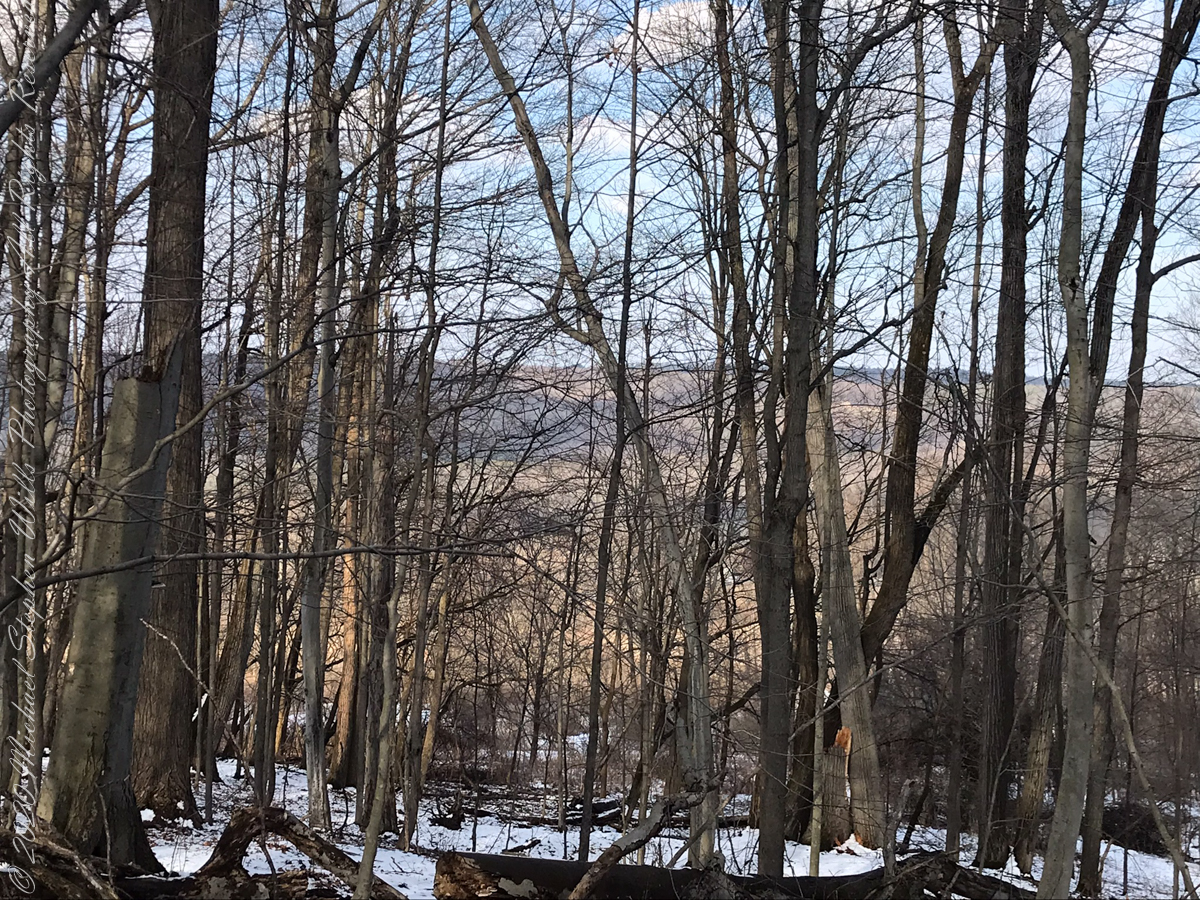
The preserve exceeded my expectations for great upland views.

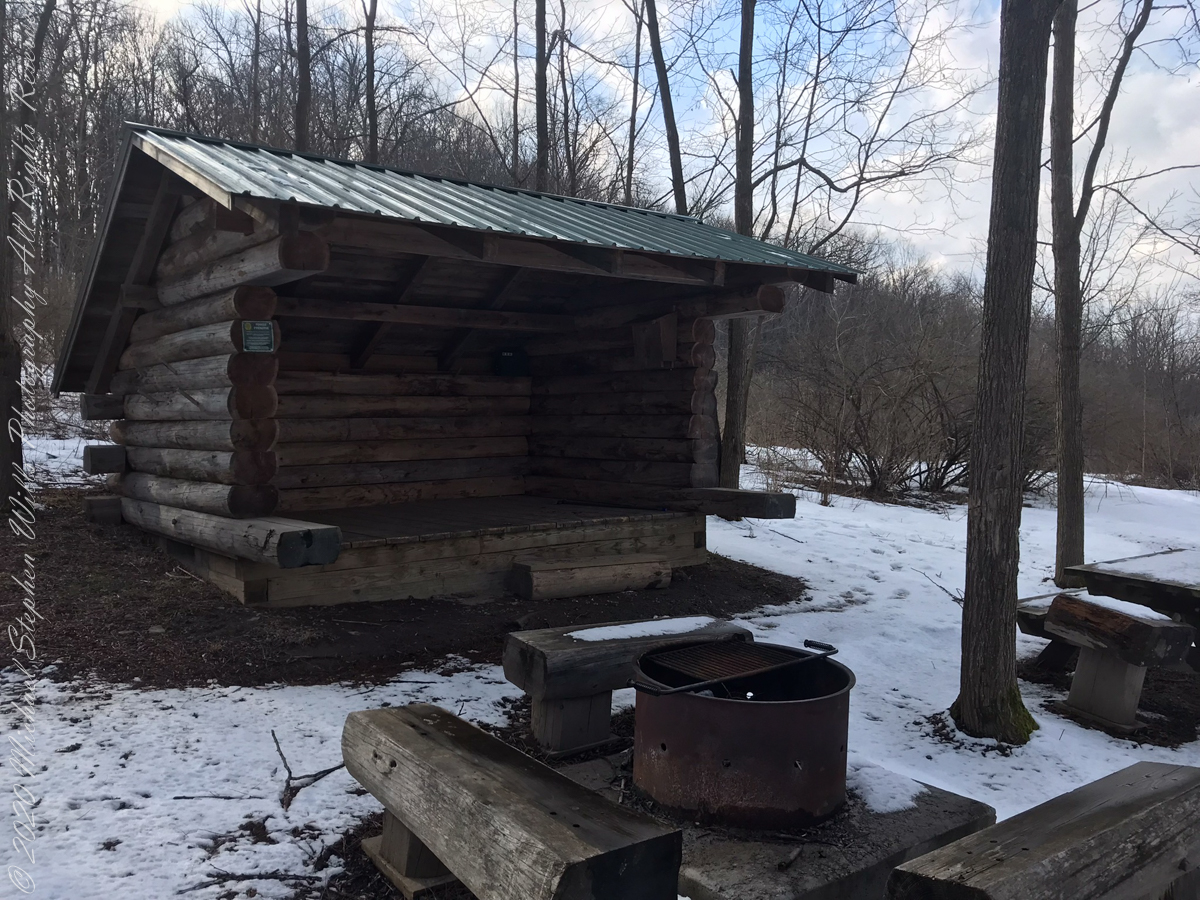
View from Shelter across the valley of Enfield Creek, the same that flows over Lucifer Falls of Treman State Park

Brock-Click me for another Brock-Harvey Forest Preserve post, “Burgeoning Forest.”

References

The background on the land was taken from a posting on the preserve and from Wikipedia, “Military Tract of Central New York.”

Copyright 2022 Michael Stephen Wills All Rights Reserved

Quaker Settlement Series 2

Gone too soon

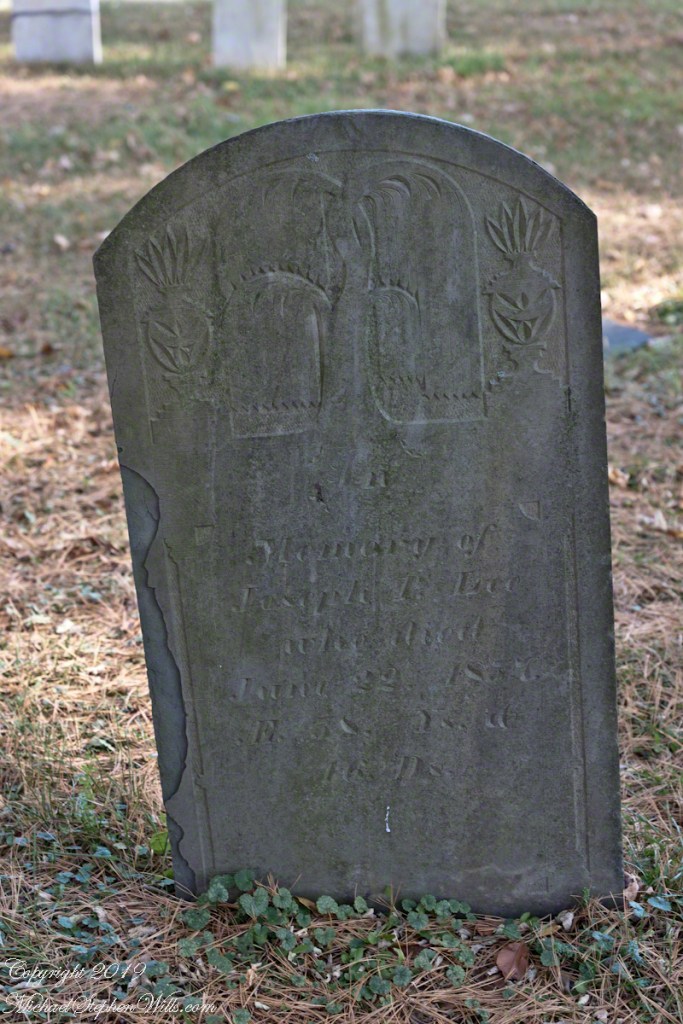
Joseph P. Lee, a middle aged gentleman with carvings of a mature willow flanked by urns. In the intervening 162 years the upper layers of slate flake at the edges.

Click photograph for a larger view. To do this from WordPress Reader, you need to first click the title of this post to open a new page.

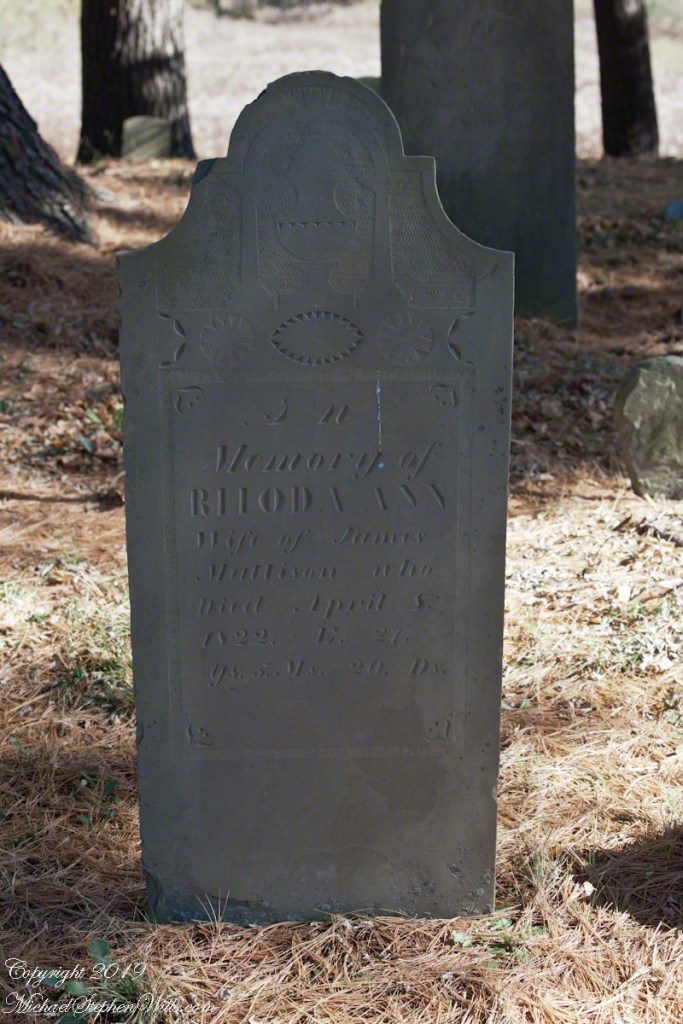
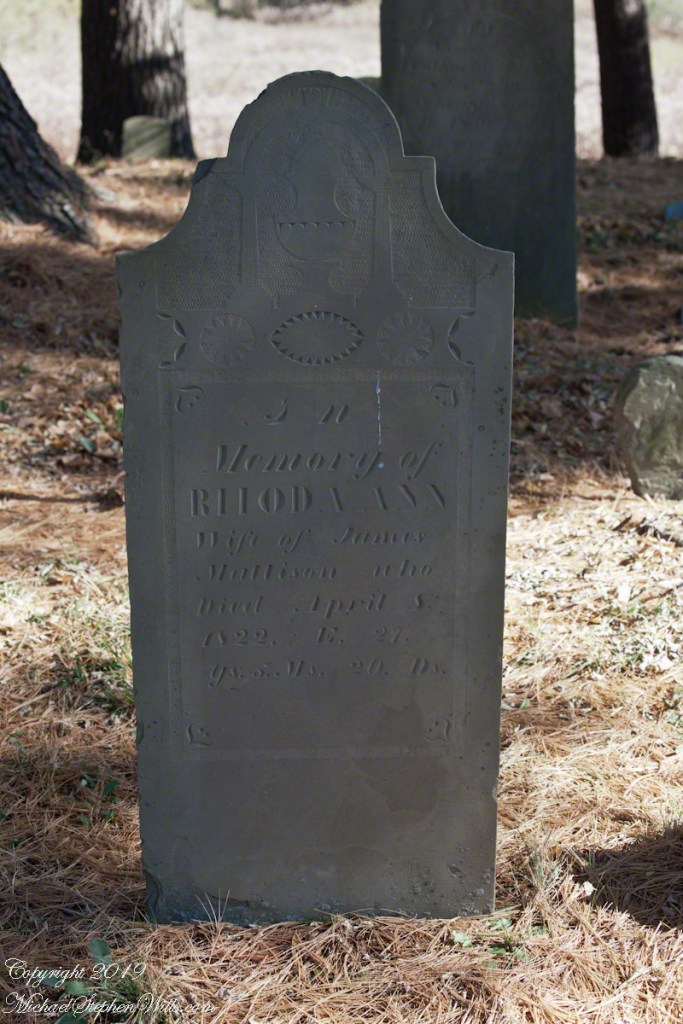
Rhoda Ann Mattison, a wife who died too young. What was the relationship of James and Rhoda to Catherine and John?

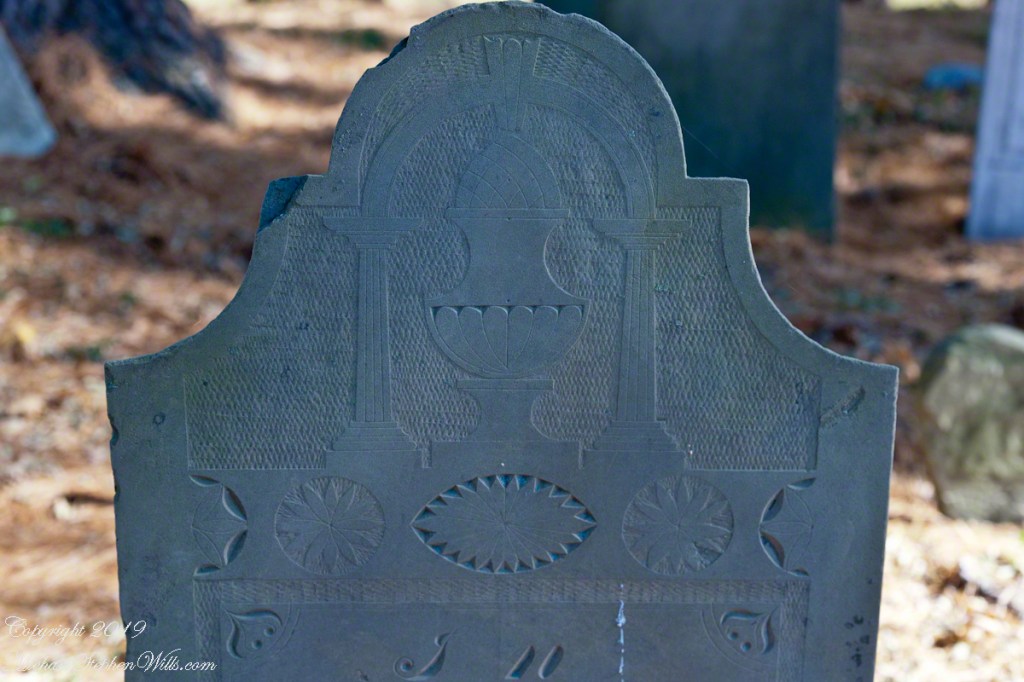
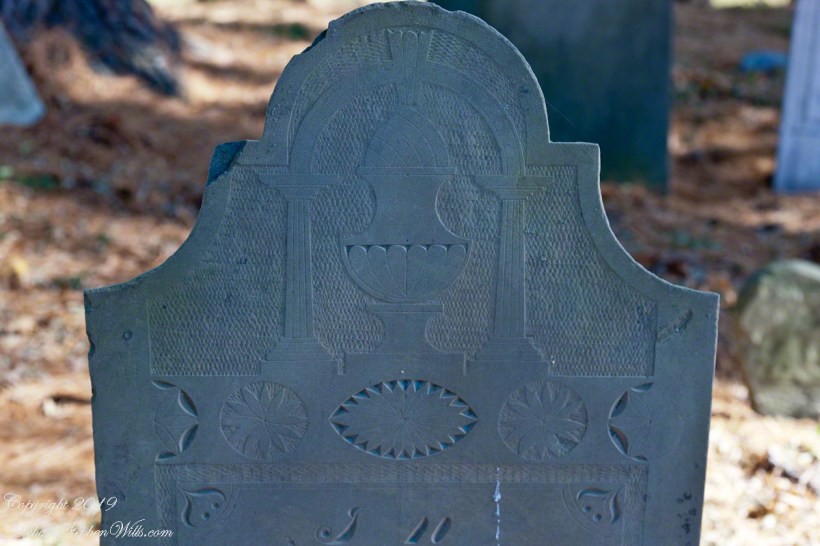
The carving is a pineapple (for hospitality) set in a elegant vase on a plinth flanked by ionic columns, a simple arch (banded to imply a rainbow?) surmounts all. Cross hatching implies space. An implied eternal banding of stylized leaves as starbursts.

I brought out the characteristic slate coloring. There is evidence of ware from the intervening 197 years, though the carving is surprising crisp.

Slideshow of photographs in this series

Copyright 2019 All Rights Reserved Michael Stephen Wills