Turtle Socks

Flowers from Mars

Two kettles of the preserve represent a pond and, below, a bog. Here is a photograph from the observation platform using the IPhone 7. I brought along the Canon dslr and 100 mm “macro” lens for the stars of this show…..
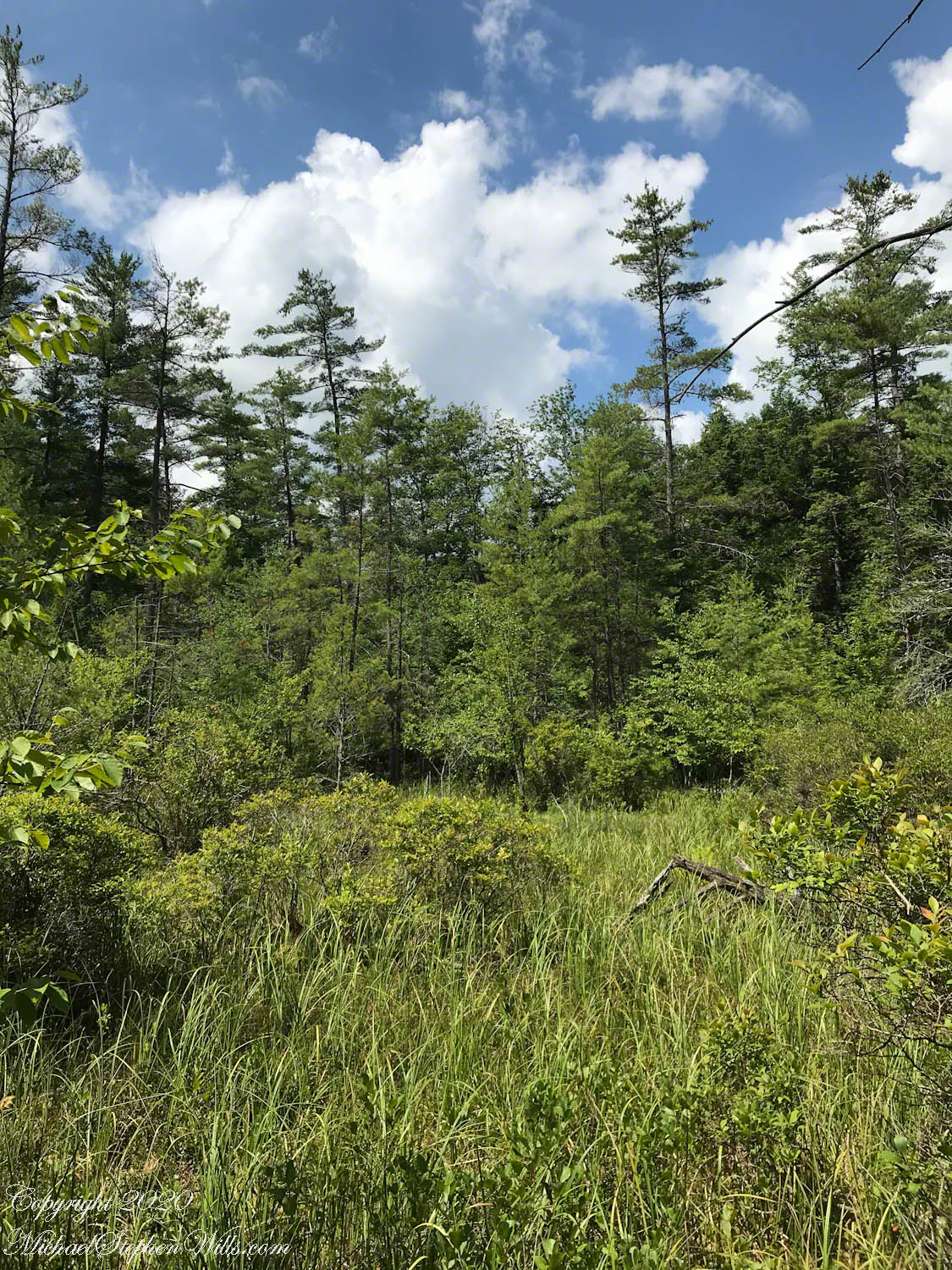
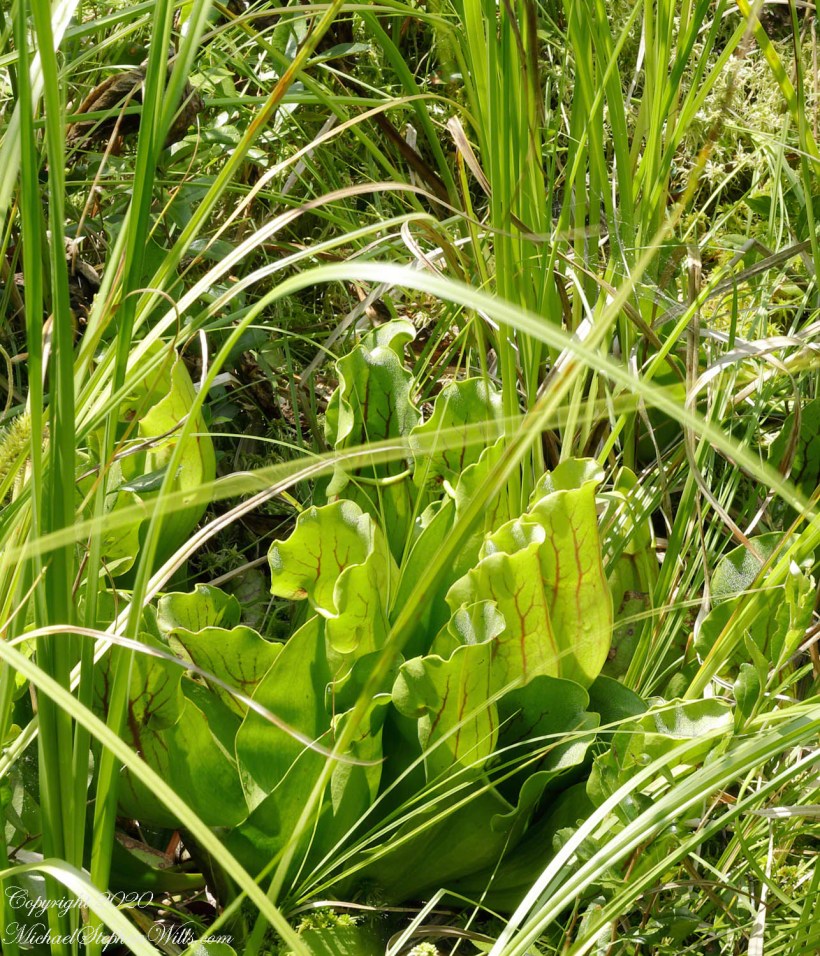
….purple pitcher plants (scientific name: Sarracenia purpurea). In past years, the central observation deck cut-out, hosted healthy pitchers. Today, invading high bush blueberries from the bog margin, crowded out the pitchers and the only flowering plant were among the grasses 8 to 10 feet away. My goal was photographing the extraordinary flowers.
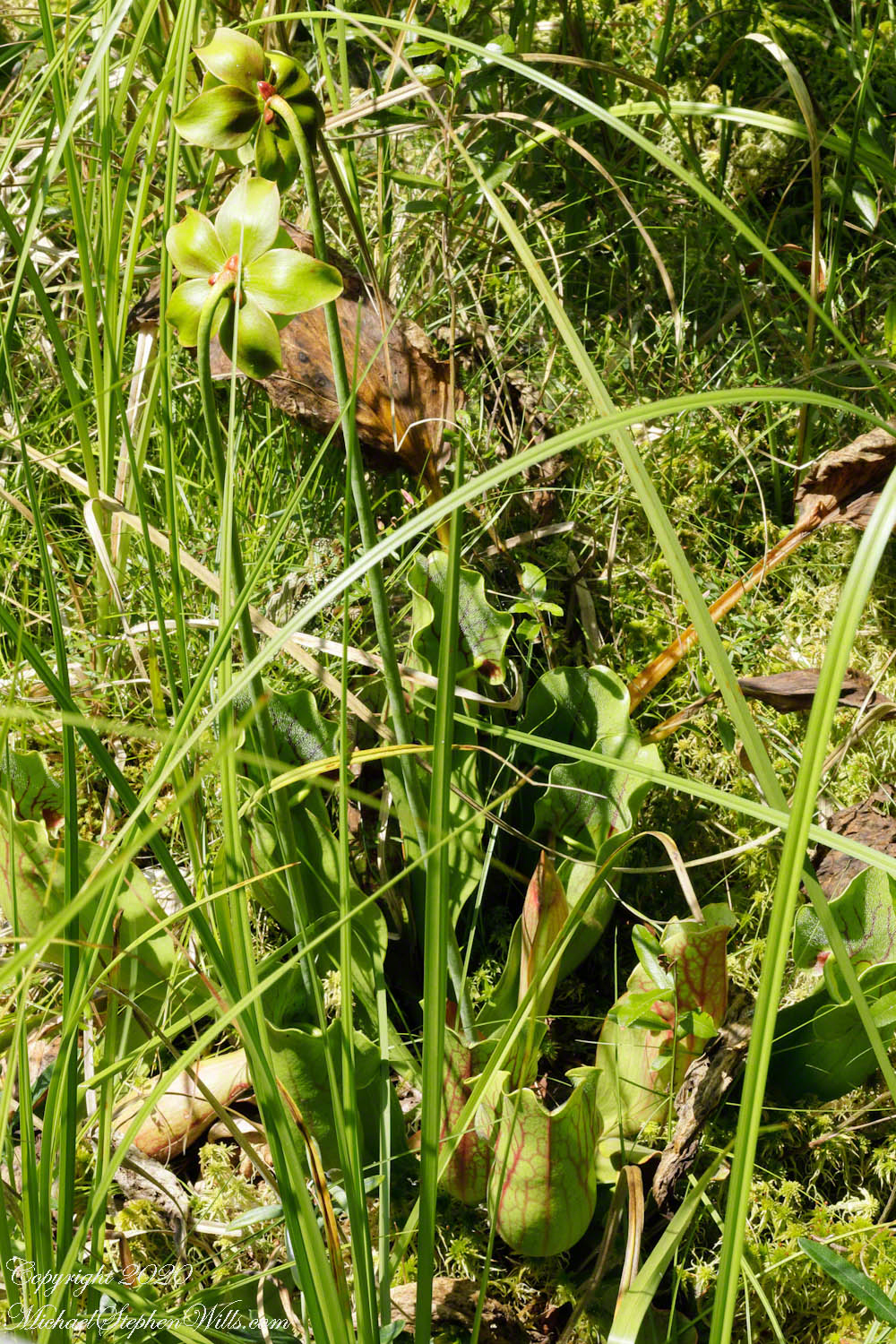
Each flower rises from the base on a strong stalk. Here are the pitchers, also called “turtle socks”, flooded with sunlight.
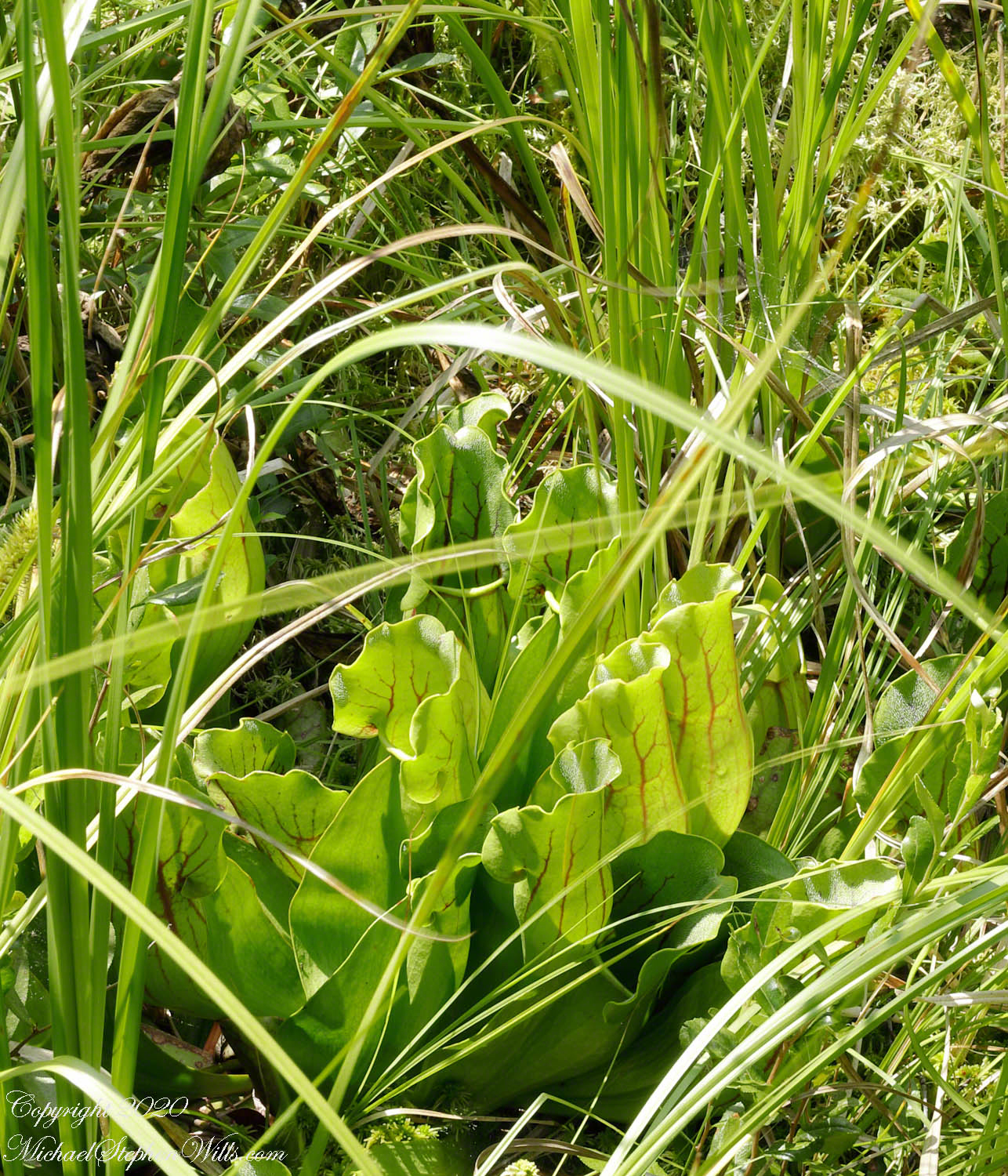
A flower unlike any I have experienced, like the carapace of an insect, the reproductive element underneath a hood.
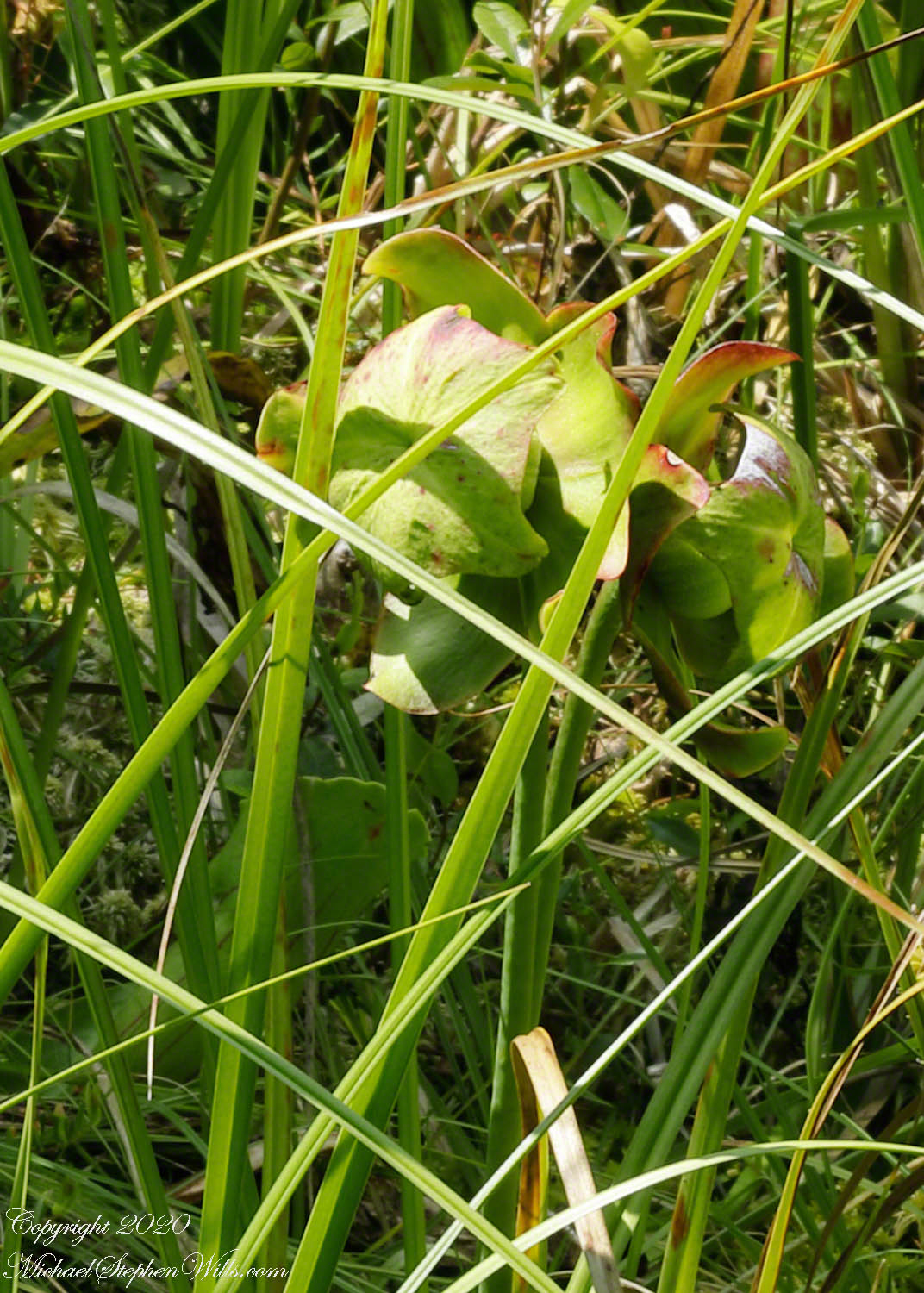
The posterior, there are only bracts.
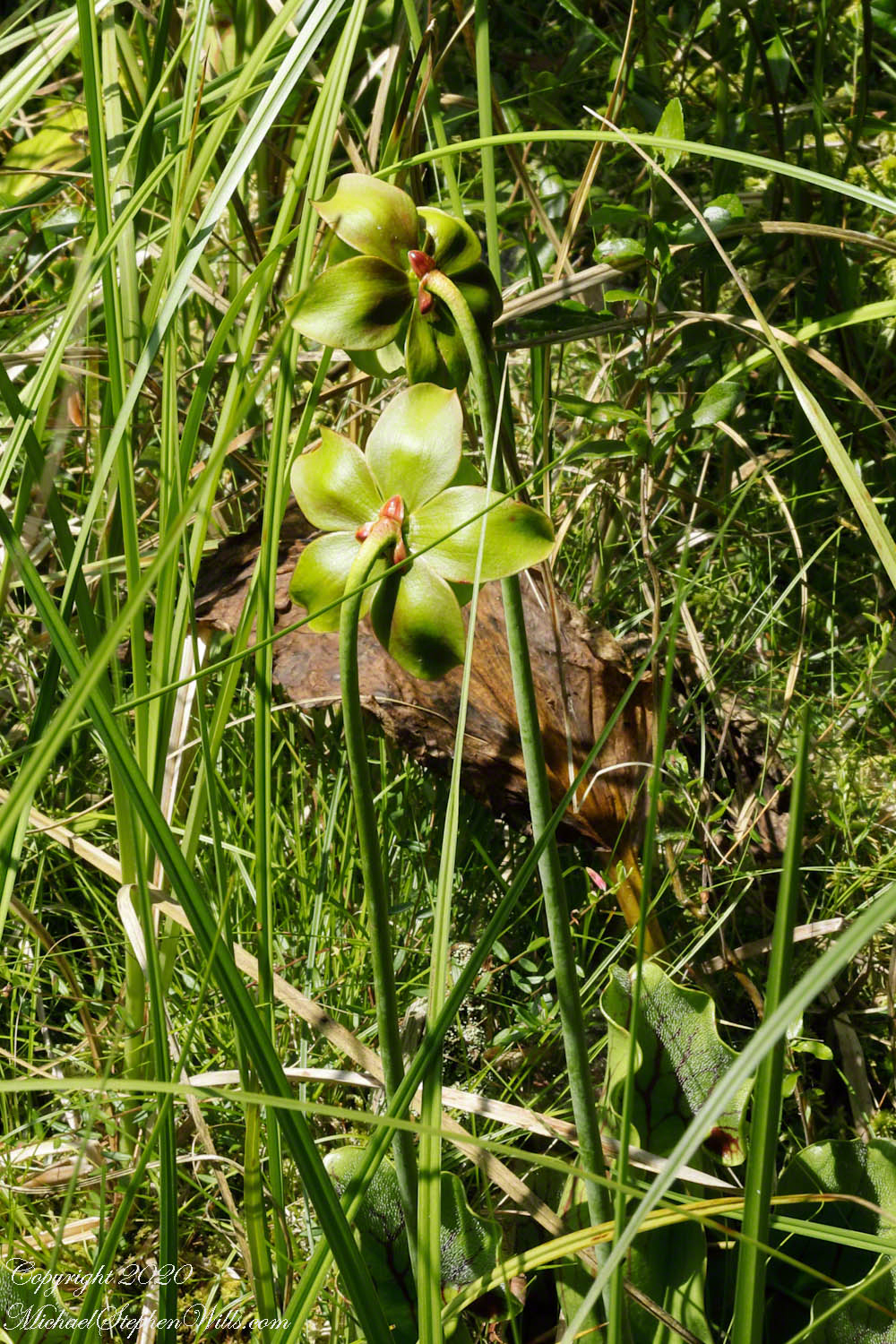
I have, somewhere, macro images of the pitcher, with the downward facing hairs. Brought the wrong lens to capture this at a distance.

Click Me for the first post of this series.
Copyright 2020 Michael Stephen Wills All Rights Reserved

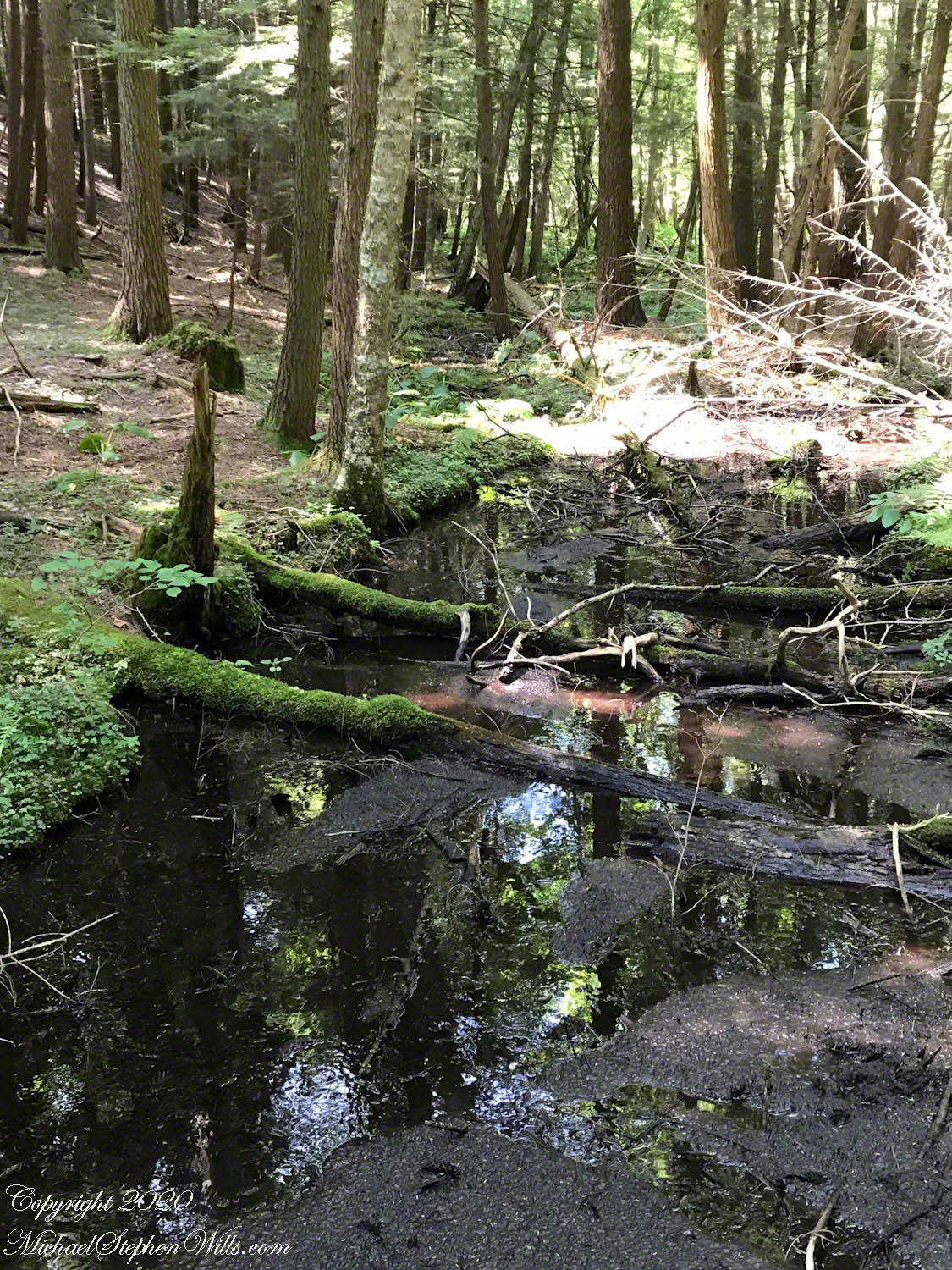
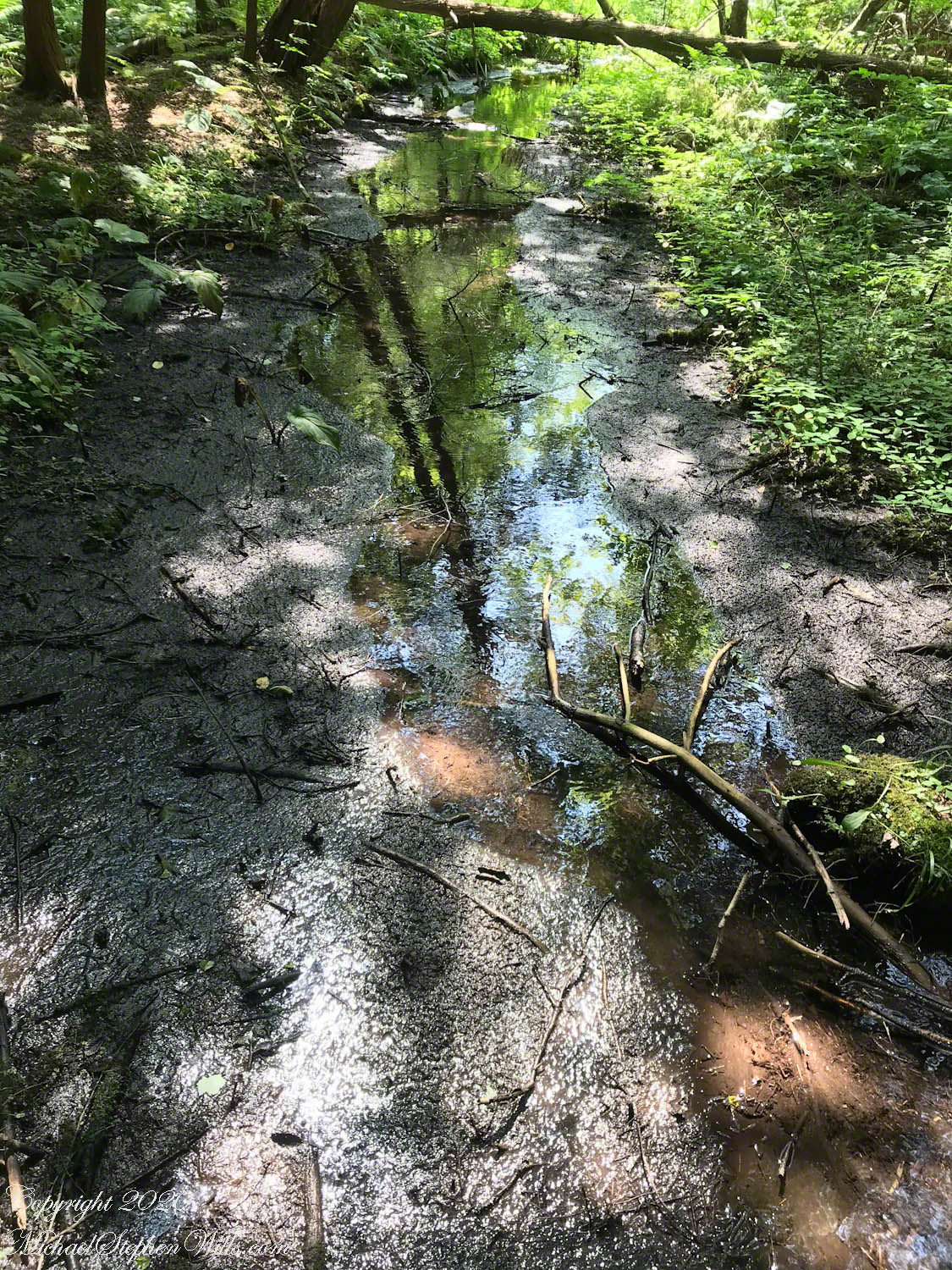
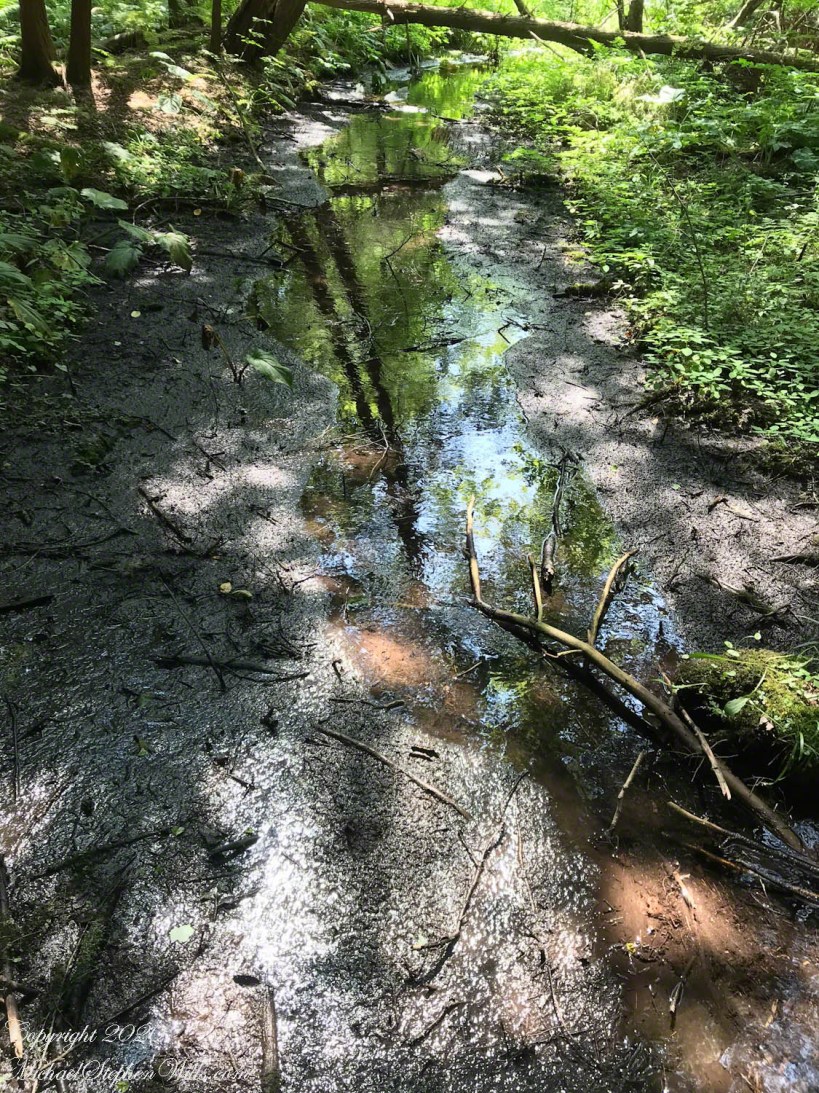
Flowing water

Water flowing from glacial till

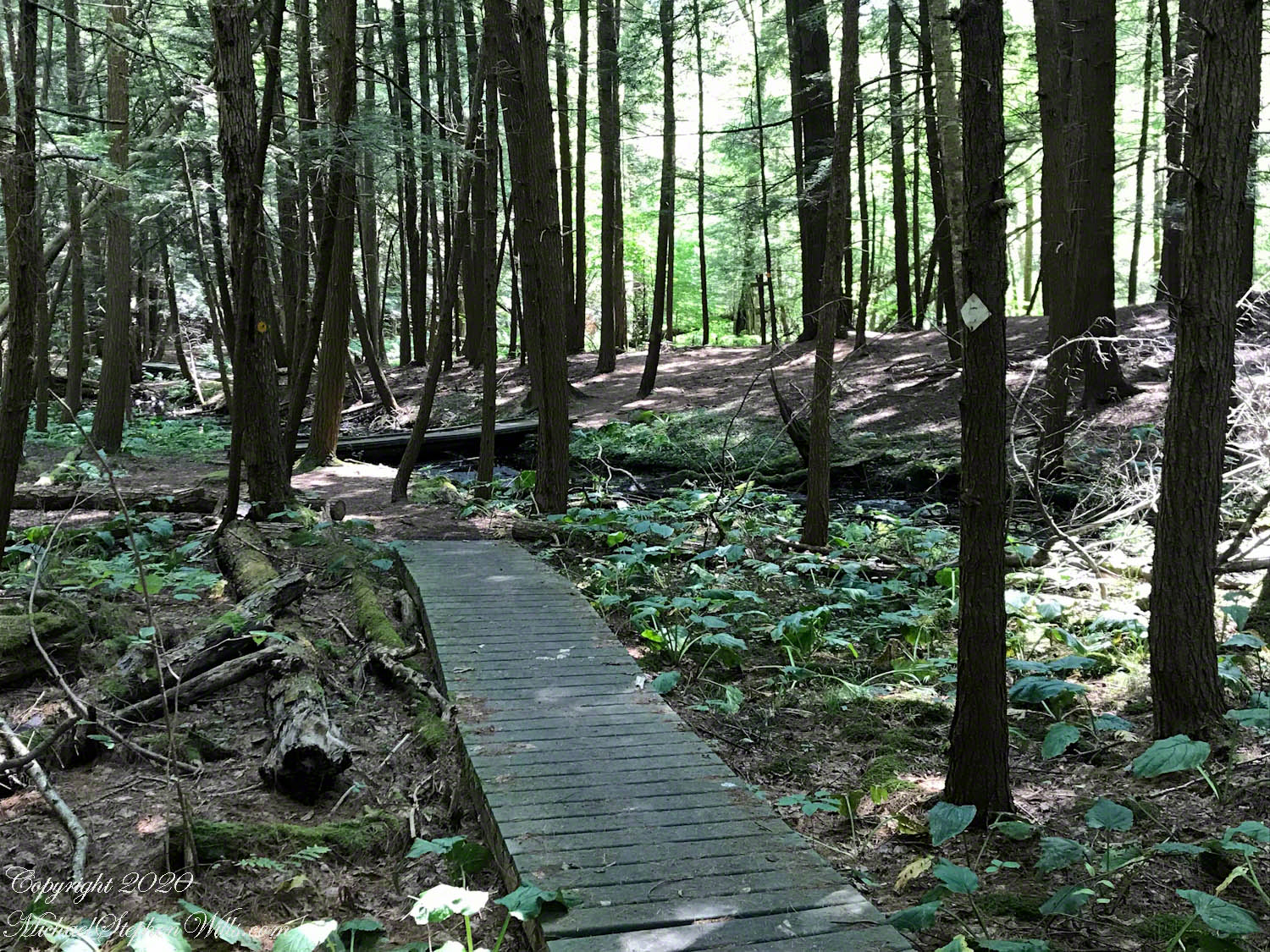
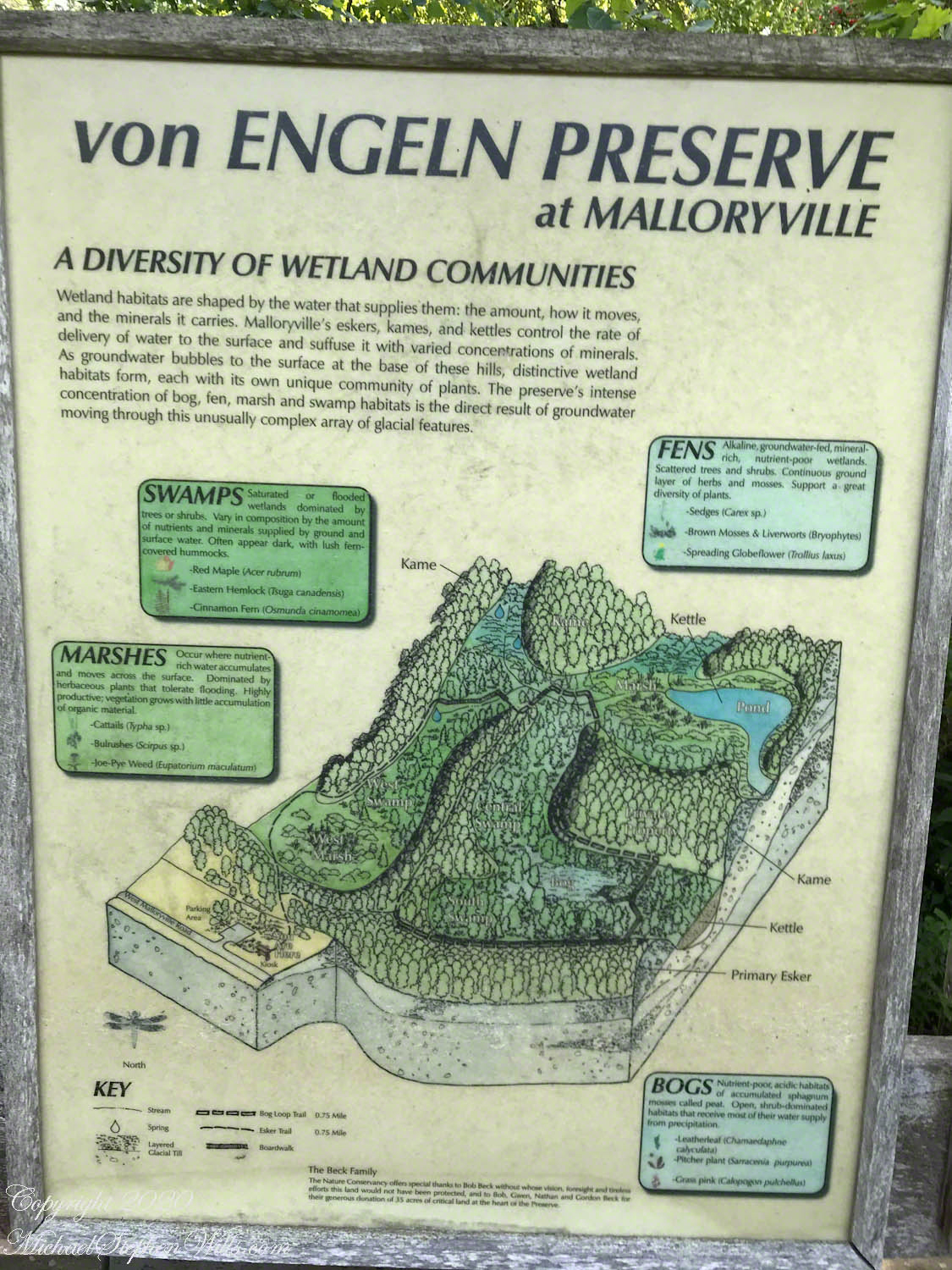
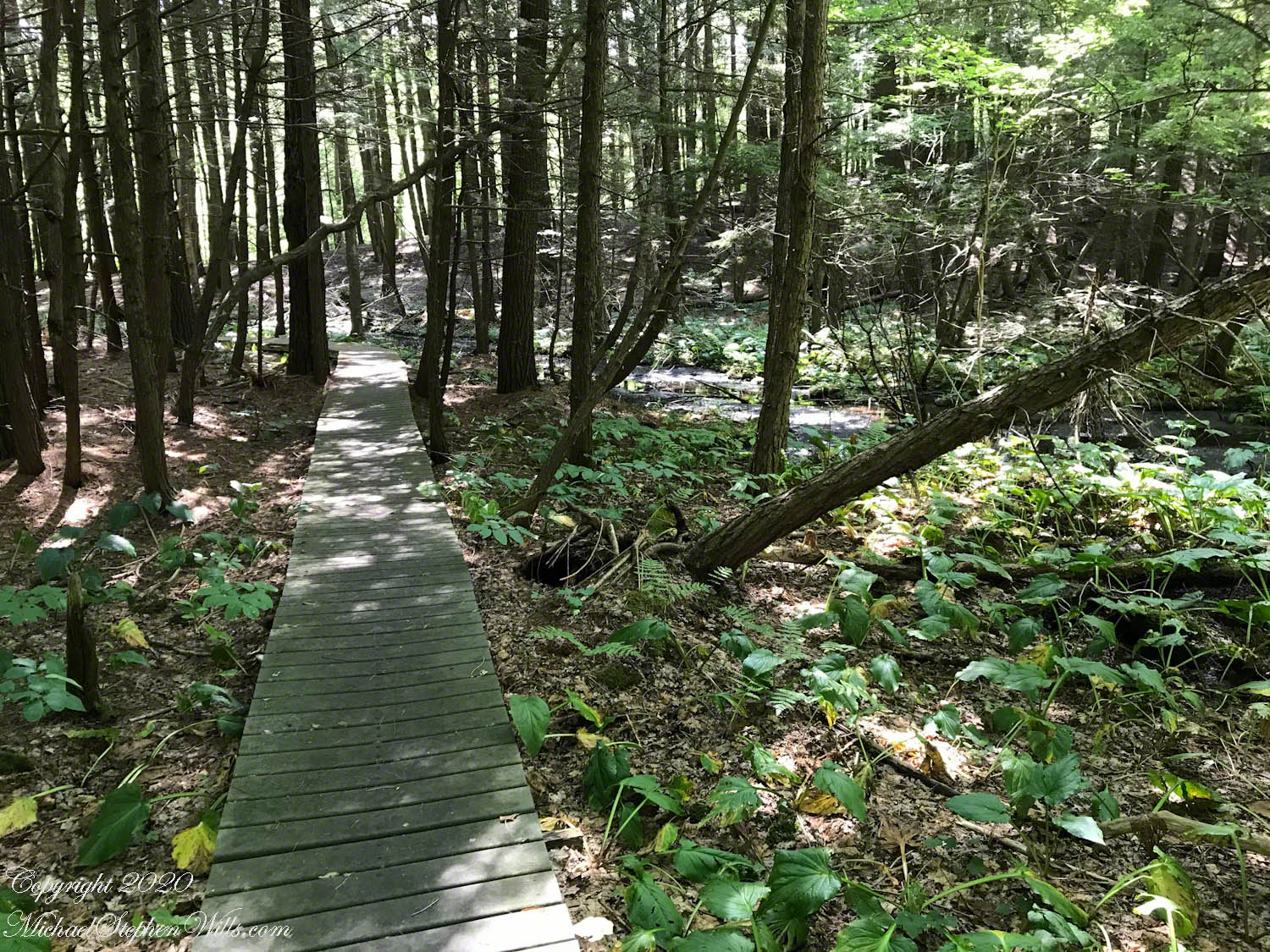
Amazingly swamp, fen, bog, marsh can all be experienced during a thirty minute walk within this preserve. Here we are traversing a swamp …

…buoyed along on planking from recycled plastic.

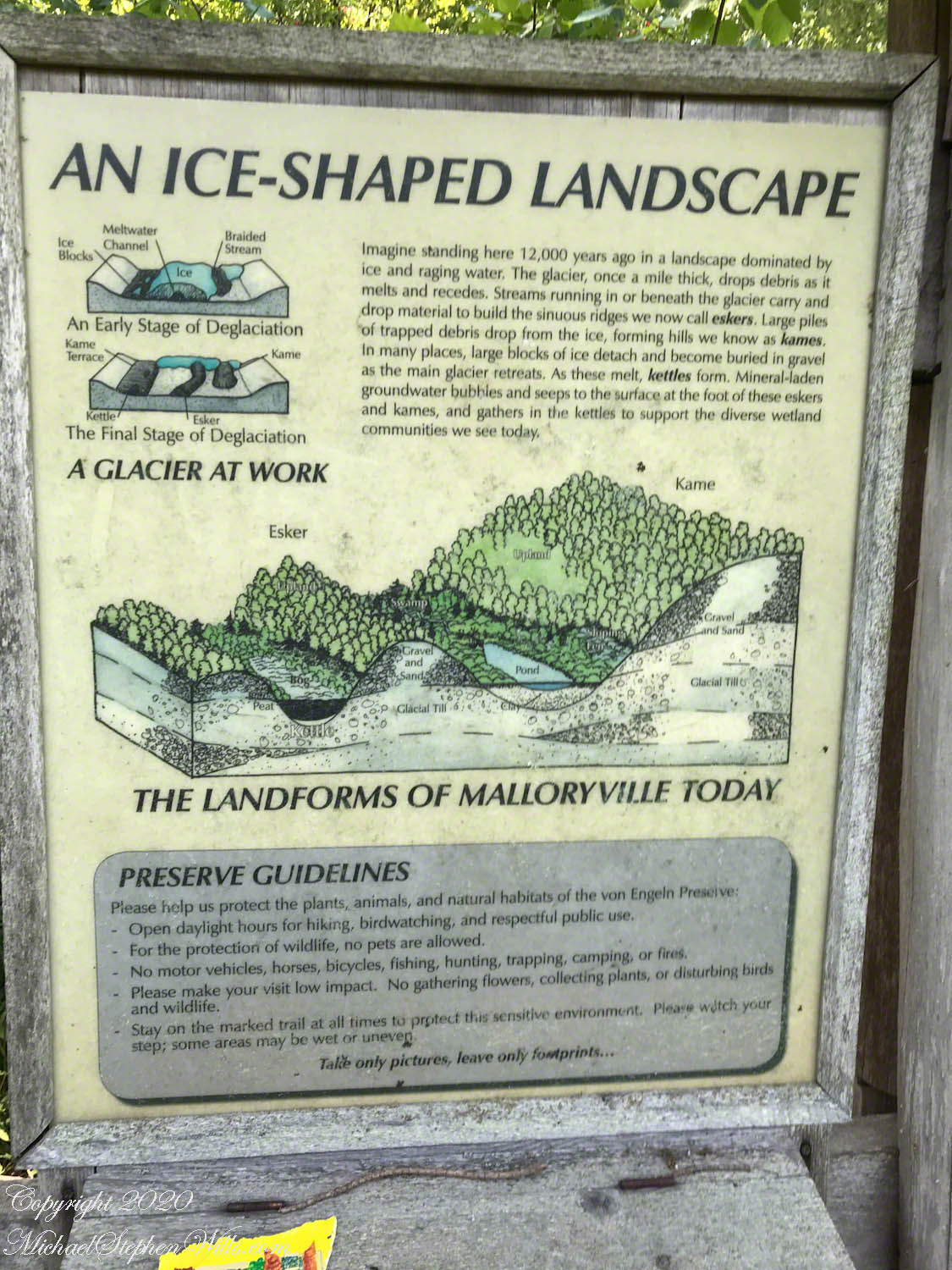
The founders of this place, from a dairy farming family, strove for years to protect the water sources from encroachment by development, primary a duplicate of a gravel pit found on the other side of the Fall Creek valley.

This former acidic rainwater, percolating through glacial till, is buffered and chemically altered to create these multiform environments.

Water, flowing quietly, almost soundlessly, with powerful effect.

Click me for better experience viewing the following video. To do this from WordPress Reader, you need to first click the title of this post to open a new page. Note the replay icon (an arrow circling counter-clockwise.

Click Me for the first post of this series.
Copyright 2020 Michael Stephen Wills All Rights Reserved

Formed by Water

Overview

Let’s digress from our exploration of Iquique, Chile for this attraction local to the Finger Lakes Region of New York State, an environment diametrically opposed to the Atacama desert. The Preserve at Malloryville opened 1997, eleven years after we moved to our home our home on Fall Creek (see header photograph).

The correct name is the O.D. von Engeln Preserve at Malloryville. I knew this name from his Finger Lakes geology book obtained from the library and read closely in the early 1990’s. It helped me understand the landscape among which our home was set, in 5 minutes walking distance from the future location of the preserve.

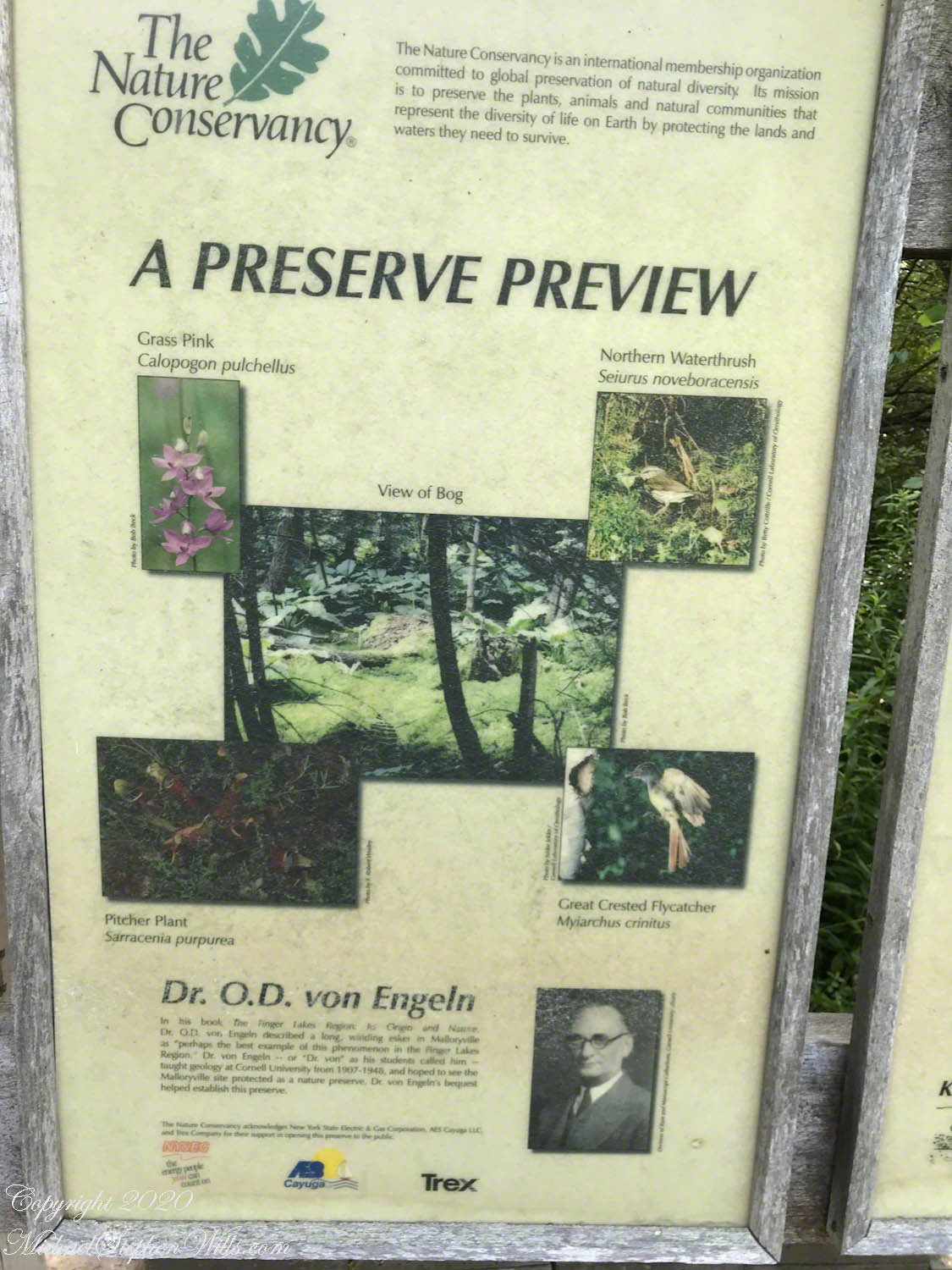
The text from the above information placard at the preserve entrance says it all:“Wetland habitats are shaped by the water that supplies them: the amount, how it moves, and the minerals it carries. Malloryville’s eskers, kames and kettles control the rate of delivery of water to the surface and suffuse it with varied concentrations of minerals. As ground water bubbles to the surface at the base of these hills, distinctive wetland habitats form, each with its own unique community of plants. The preserve’s intense concentration of bog, fen, marsh and swamp habitats is the direct result of ground water moving through this unusually complex array of glacial features.

Before the preserve was opened I was familiar with the landforms described in the above placard. My son and I did his first camping on top of an esker outside our front door. We enjoyed hiking along Fall Creek.

To be continued…..

Copyright 2020 Michael Stephen Wills All Rights Reserved

Solved: Flowering Bush Mystery

from Asia by way of Germany

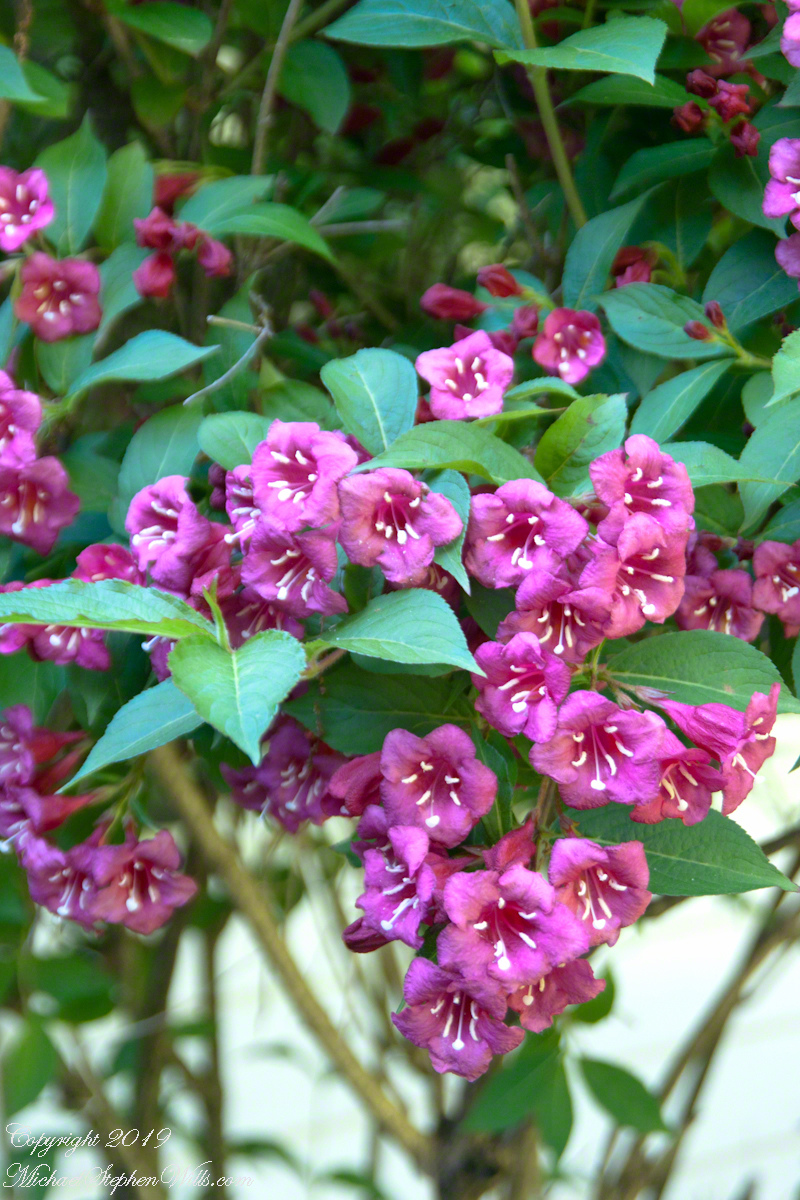
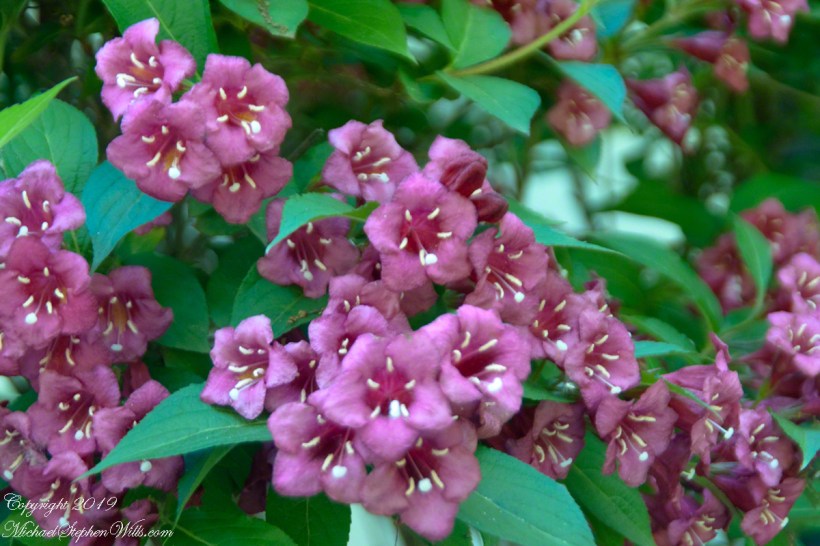
Thank you to the readers whose thoughtful responses appeared these past two days. Pam and I were caring for two grandchildren and, last evening after their Mom picked them up, I sat down with “The Botanical Garden” by Phillips and Rix, Volume I (2002, Firefly Books, Buffalo, New York and Willowdale, Ontario) and a sprig of the leaves and flowers and narrowed the choices to the genus Weigela of the family Caprifoliaceae.


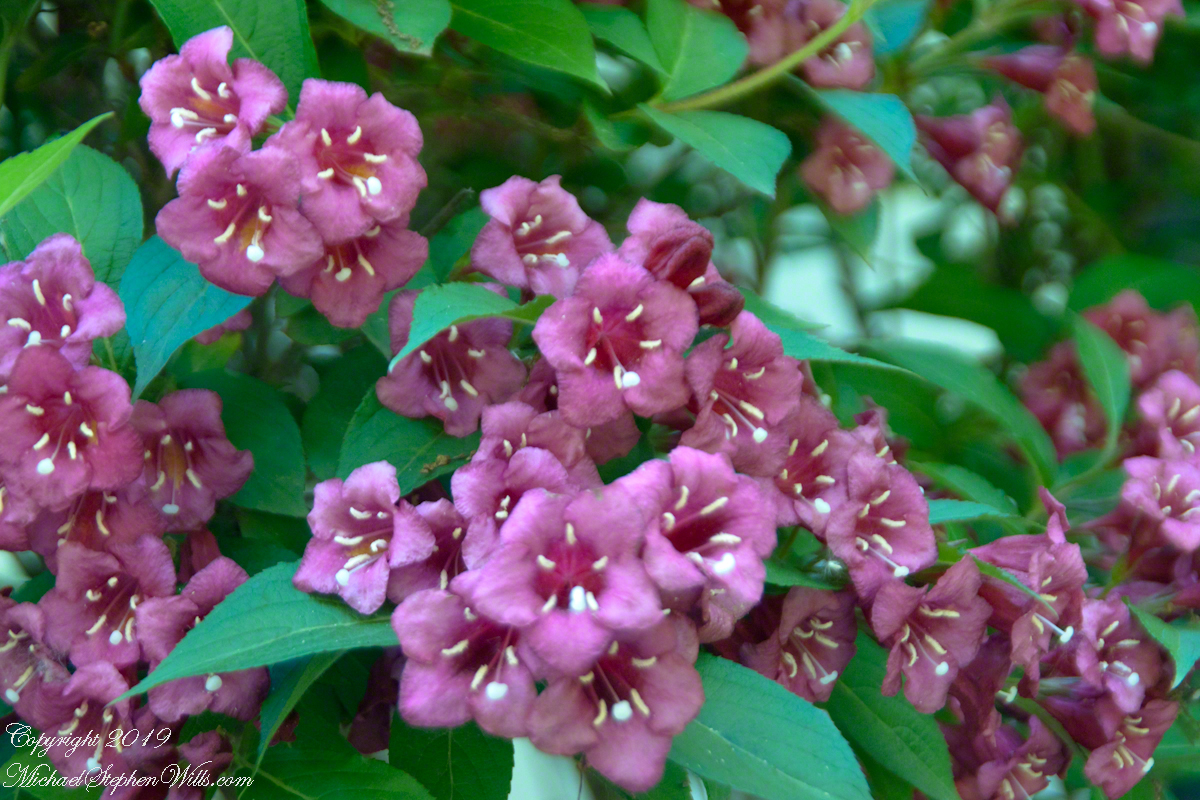
Native to Asia (China, Korea, northeastern Siberia, and Japan), it was cultivated in France in the late 19th Century and is popular in cold climates, where it does well. These plants have been outside the kitchen window of our home for as long a Pam can remember (back to the 1960s).

I don’t know the exact species, it may be a hybrid of several. What identifies it is the overall growth pattern (tall, though we prune it down so the kitchen window view is not obstructed), the leaves (shape, come in pairs on opposite sides of the branch, tip is pointed and edges have teeth), the flower (tubular, 5 petals, 5 stamen shorter than the petals, 1 simple style with a capitate stigma). “Capitate” means it is round and on top of the style like a head. “Style” is an extension of the ovary though which fertilization by pollen happens. Ours is not fragrant, though some are.

Weigela is the family name of a early professor of Botany (and Chemistry, Pharmacy, Mineralogy) for the university town of Greifswald on the Baltic Sea. There is a botanic garden and arboretum associated with the university and, I suppose, a specimen of the plant was collected for the garden where it is scientifically characterized by the professor.

Copyright 2019 All Rights Reserved Michael Stephen Wills

Exploring the Cancer Constellation: A Detailed Guide

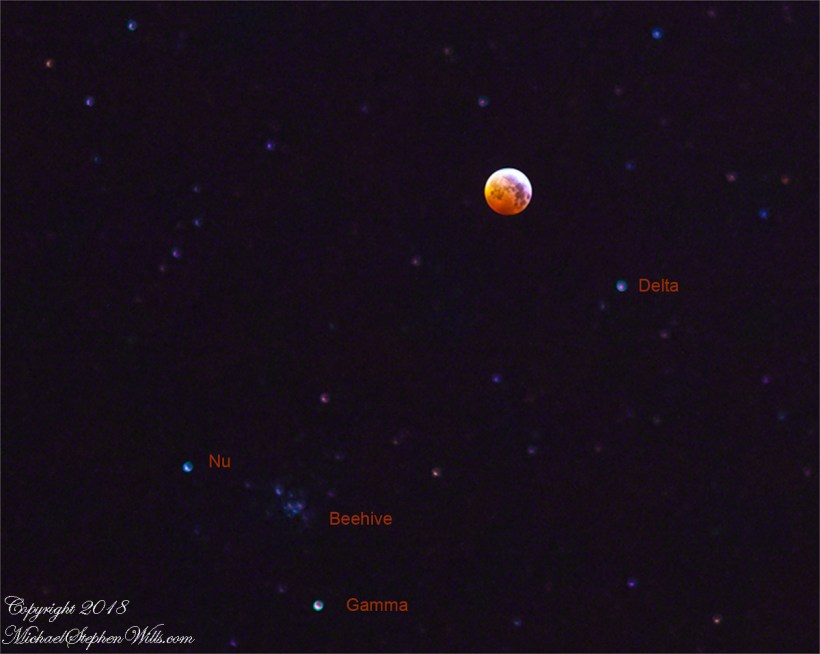
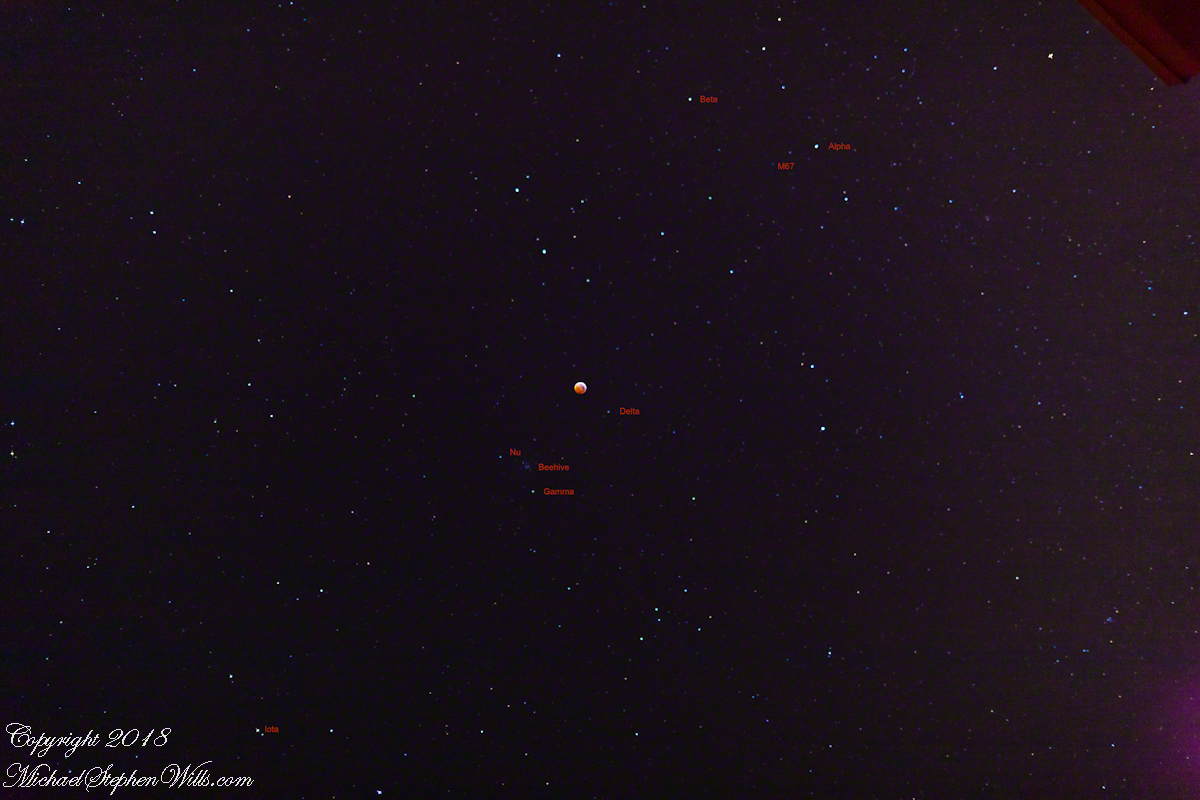
Here are labeled photographs, detailing its major elements, and including visual guides for enhanced viewing.

Pam proofed my post, “When the Moon Dined from a Stellar Mangar”and found some improvements, including adding text labels to aid in finding Cancer constellation elements.

Labels!!

You will find I replaced photographs in the original post and well, all the major elements of Cancer are labeled. Here is an explanation of the new elements.

You can now trace the “Y” constellation pattern, with Alpha and Beta Chancri (Latin for “of Cancer”) the two claws and Iota the tail. Both elemetns of Iota, a visual binary star system, are there. They are wonderful viewed with a telescope. Near Alpha is M67 (Messier Object 67), another galactic cluster of gravitationally bound stars. It is quite faint in this photograph.

Click photograph for a higher resolution version
Total Lunar Eclipse and Surrounding Sky with labels for primary element of the Cancer constellation
Enter your email to receive notification of future postings. I will not sell or share your email address.