The Last Bloom and the Bee’s Blessing

In the final bloom of the season, a honeybee’s delicate dance with the Queen of the Night captures the fleeting beauty of nature’s cycles. Discover the profound connection between flower, bee, and life’s rhythms.

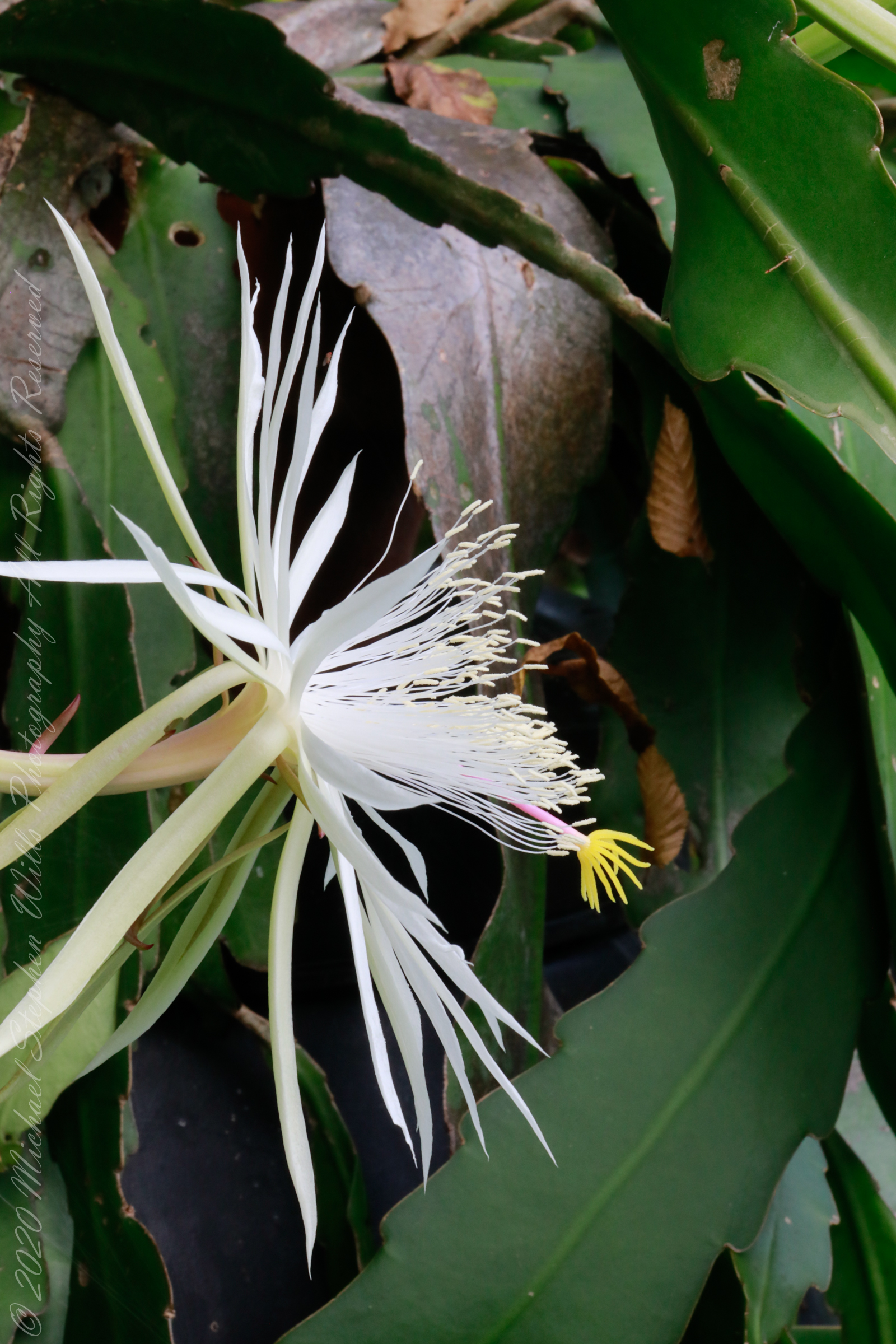
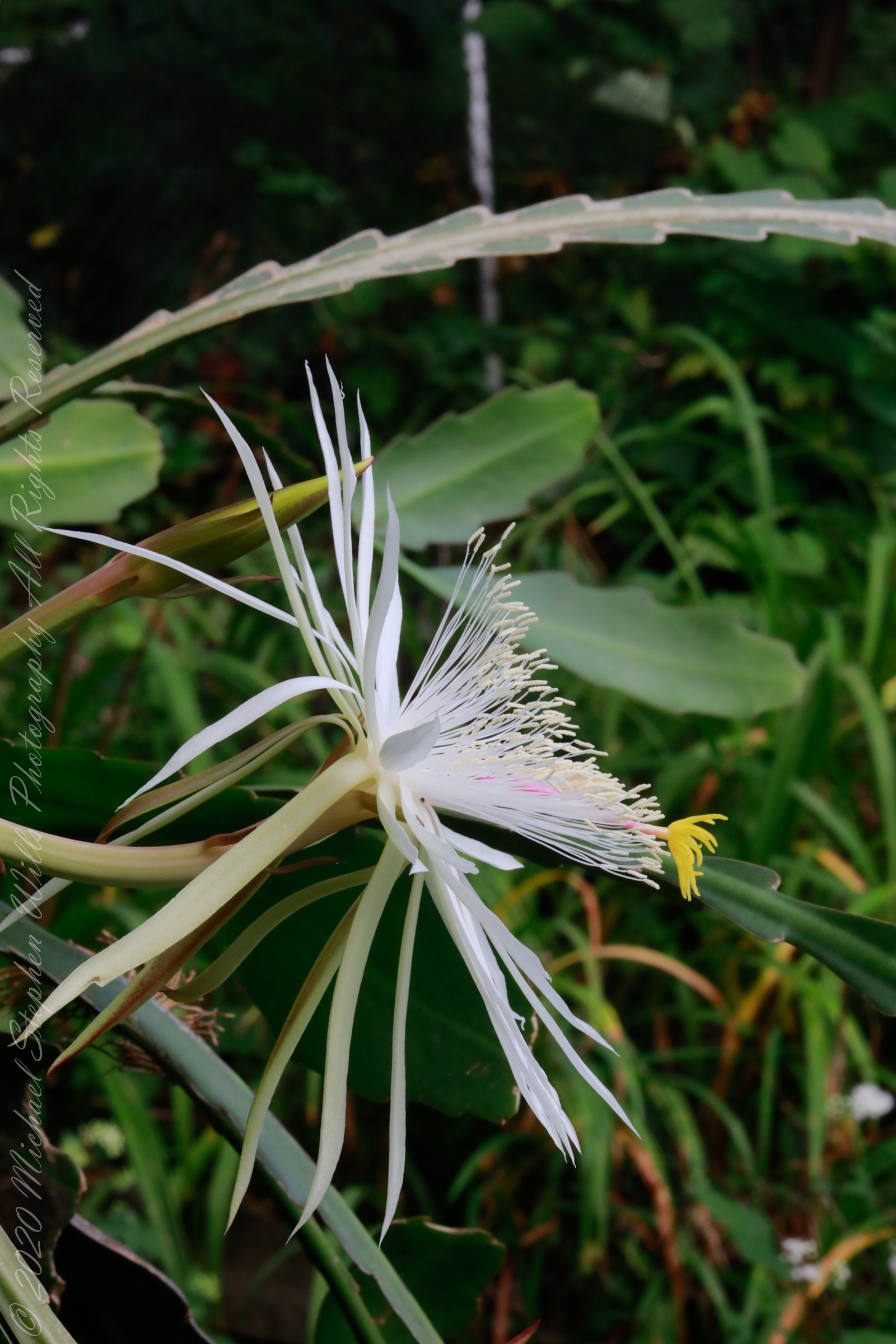
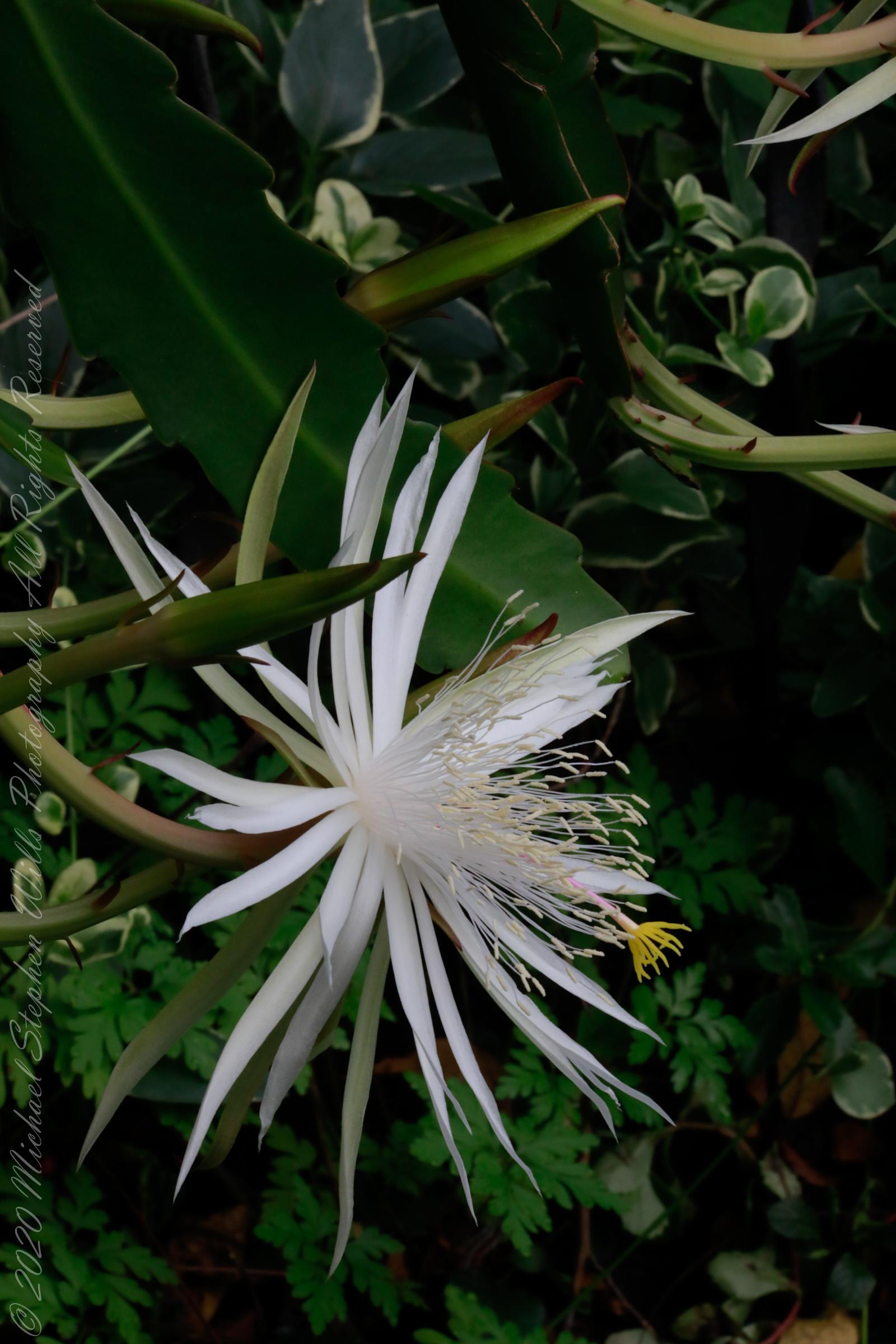
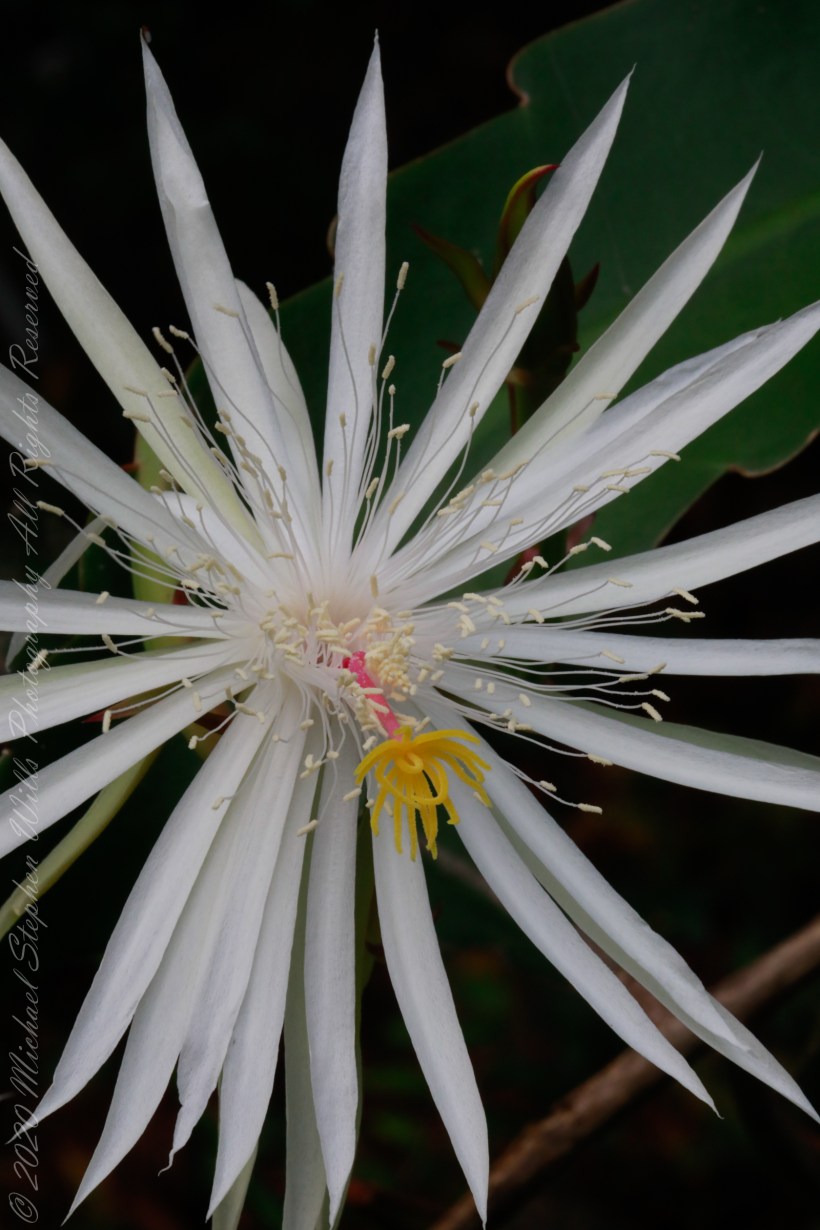
The Epiphyllum oxypetalum, commonly known as the Queen of the Night, is a remarkable plant. Native to Central America, this epiphyte is known for its large, fragrant flowers that bloom only once a year and last just for a single night. The fleeting nature of its bloom makes it a symbol of transience and beauty in many cultures. For me, this flower is a quiet, intimate connection to the rhythms of nature that play out around our home in Ithaca, New York.

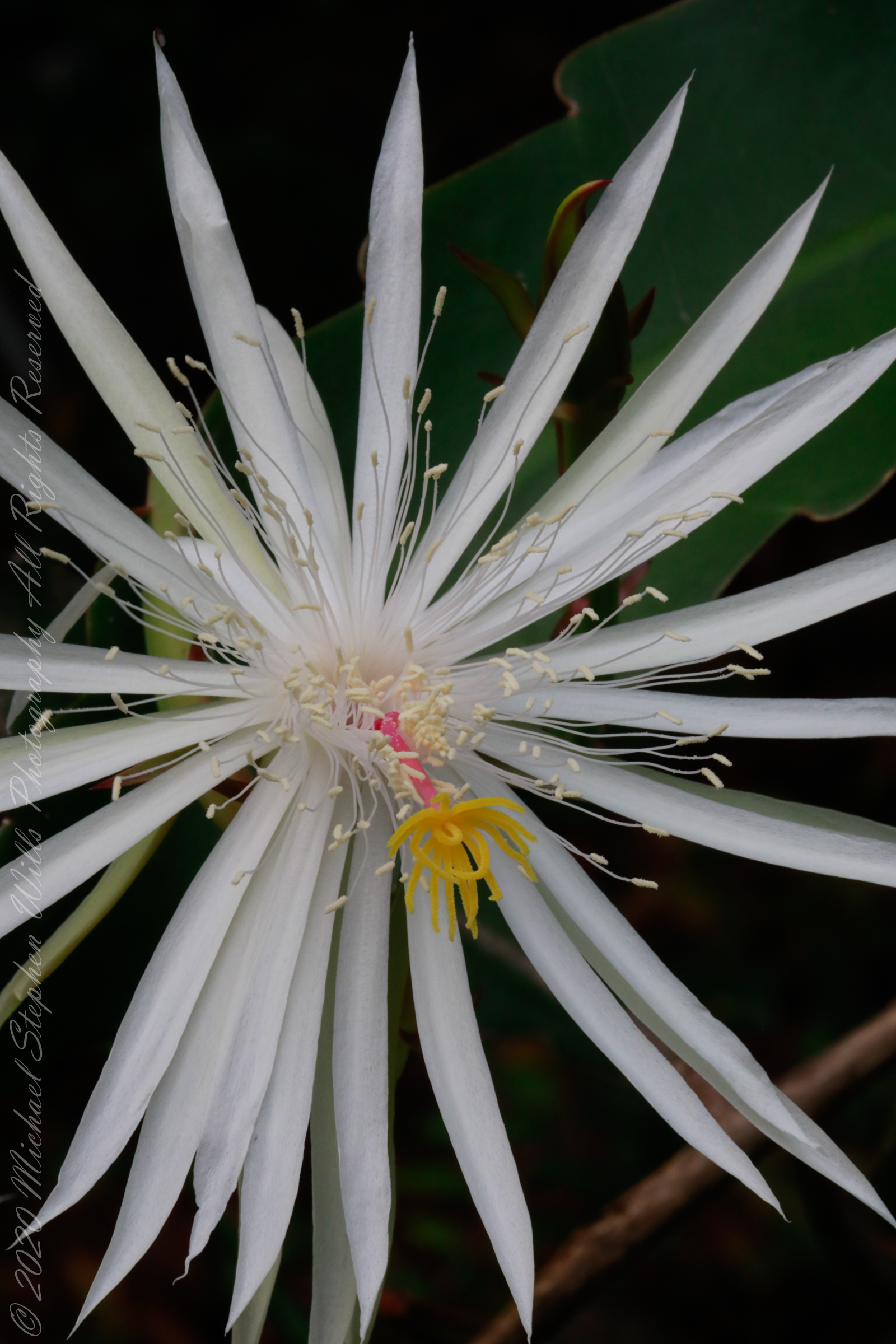
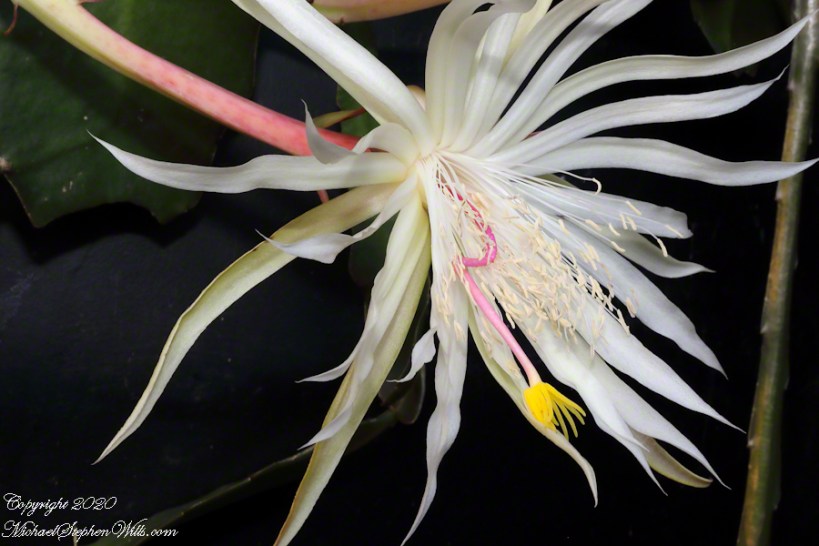
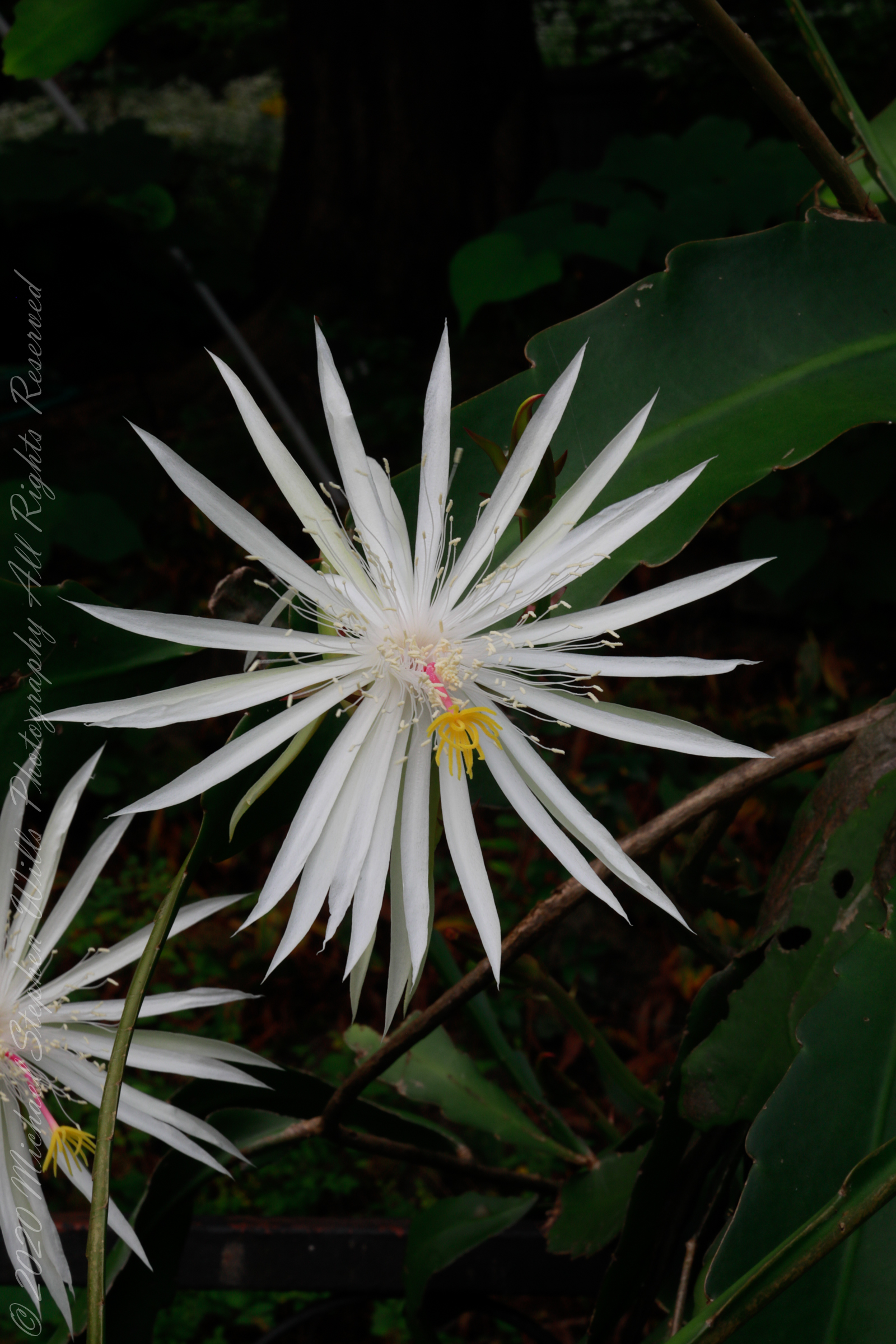
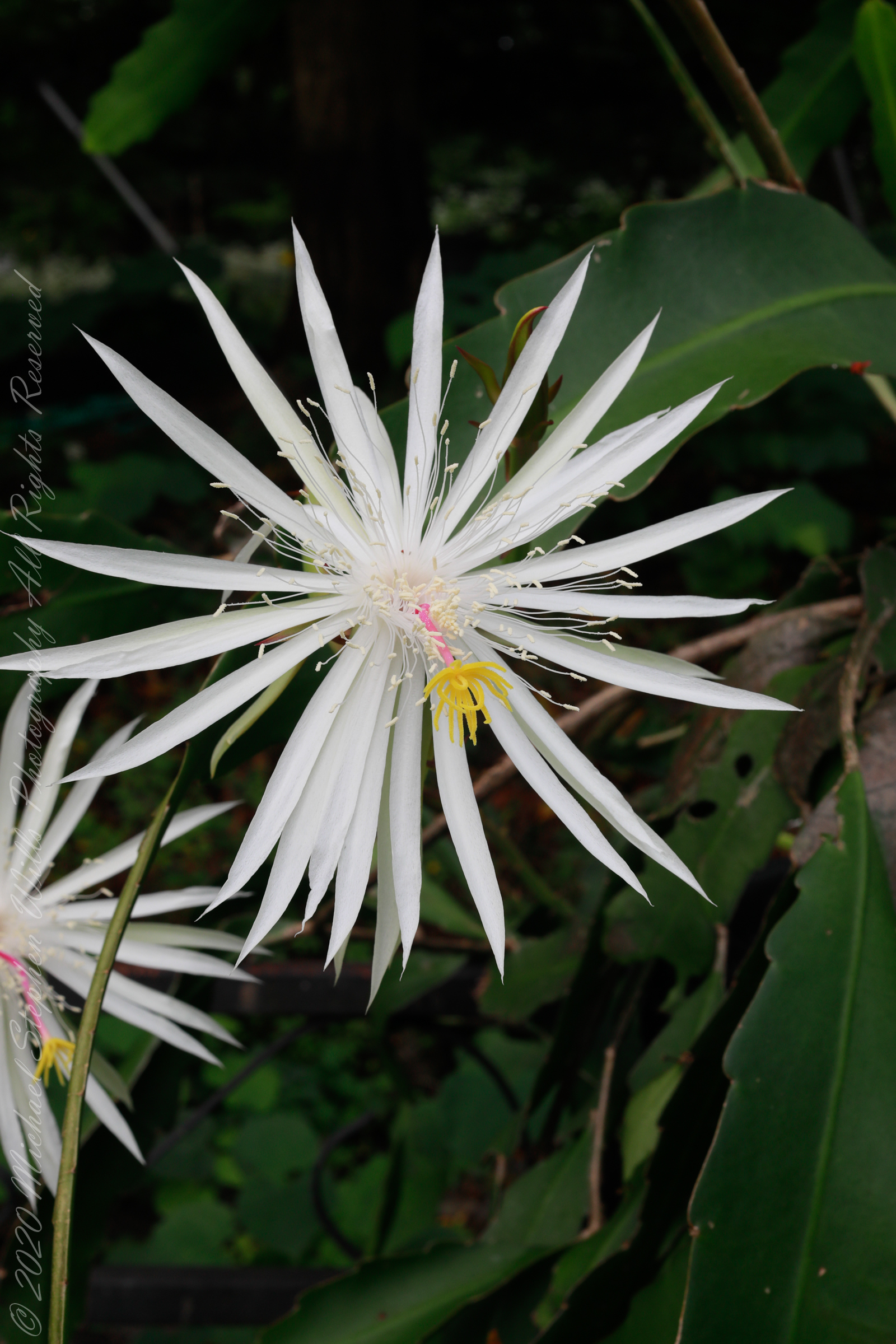
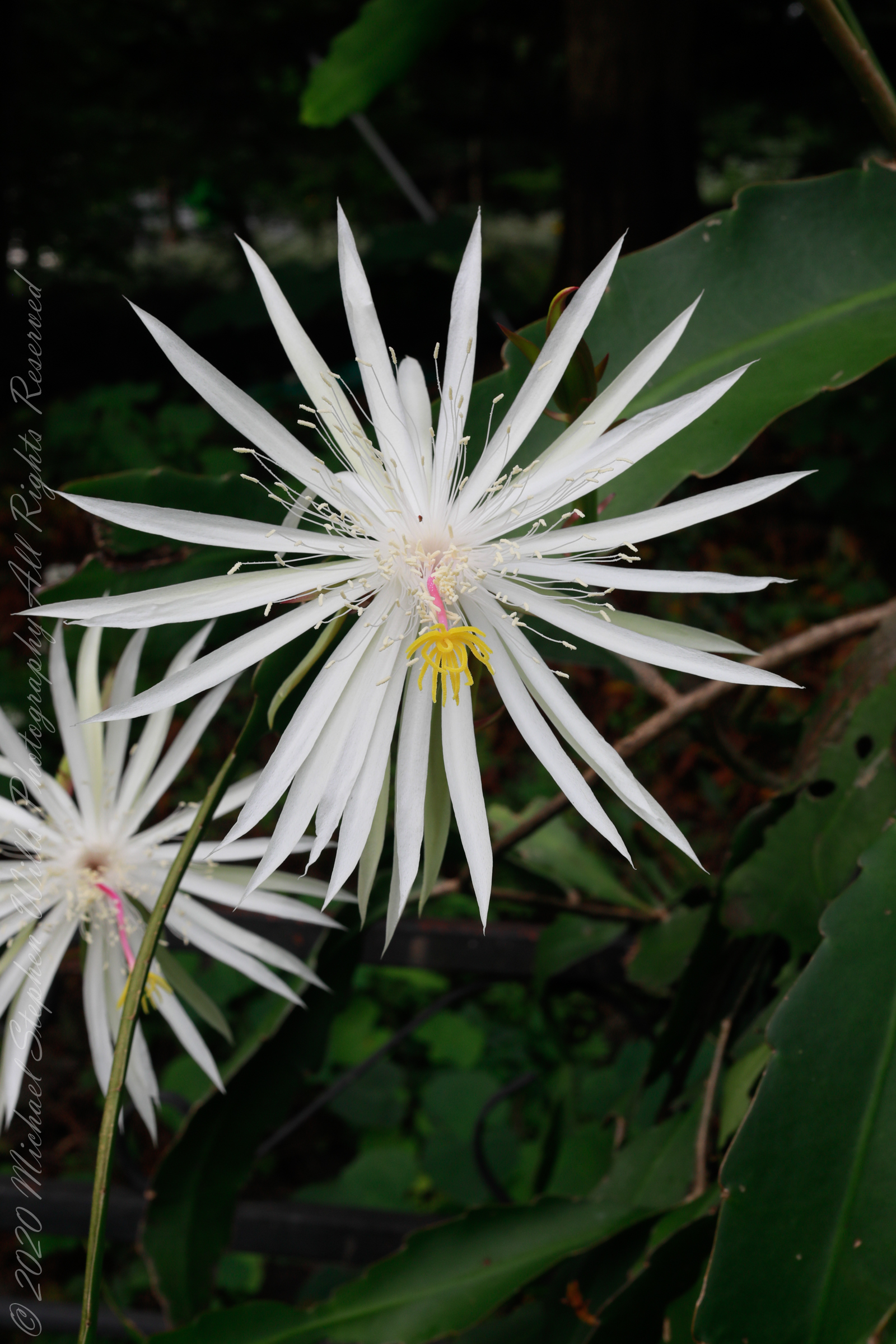
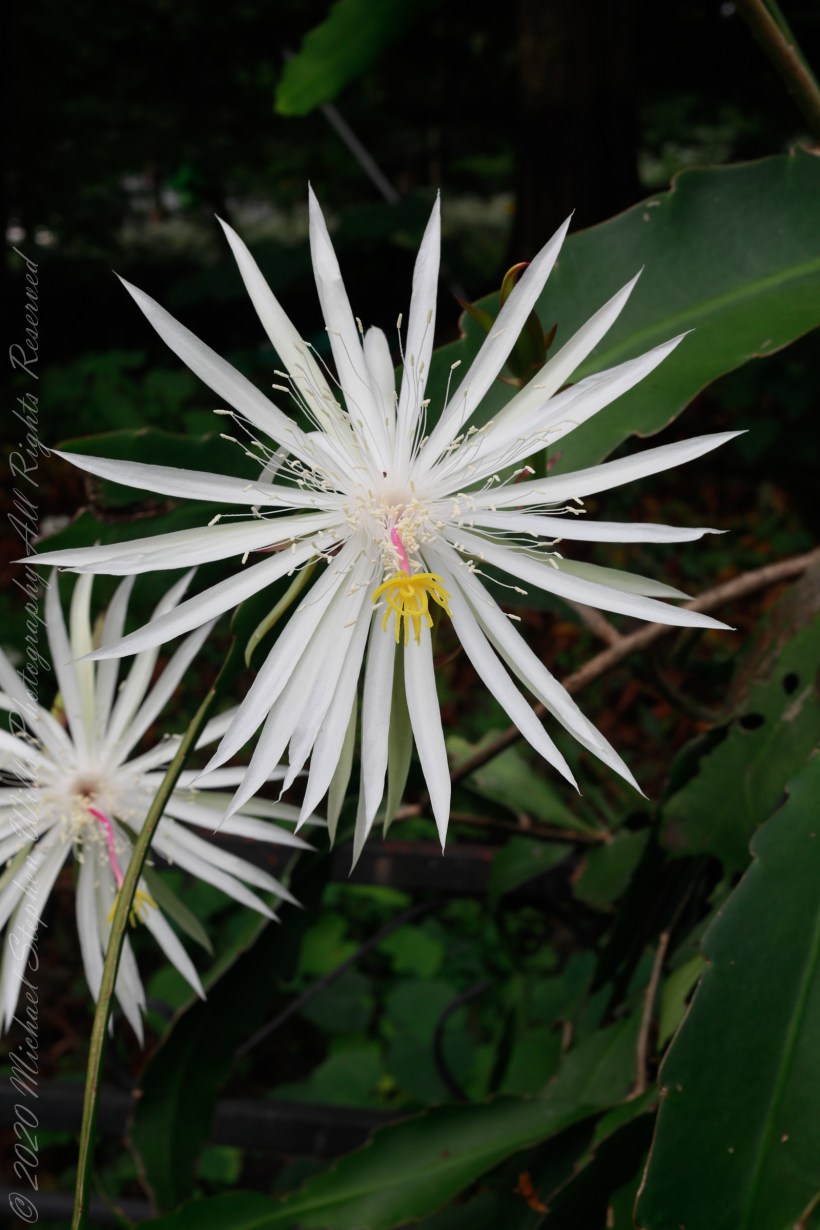
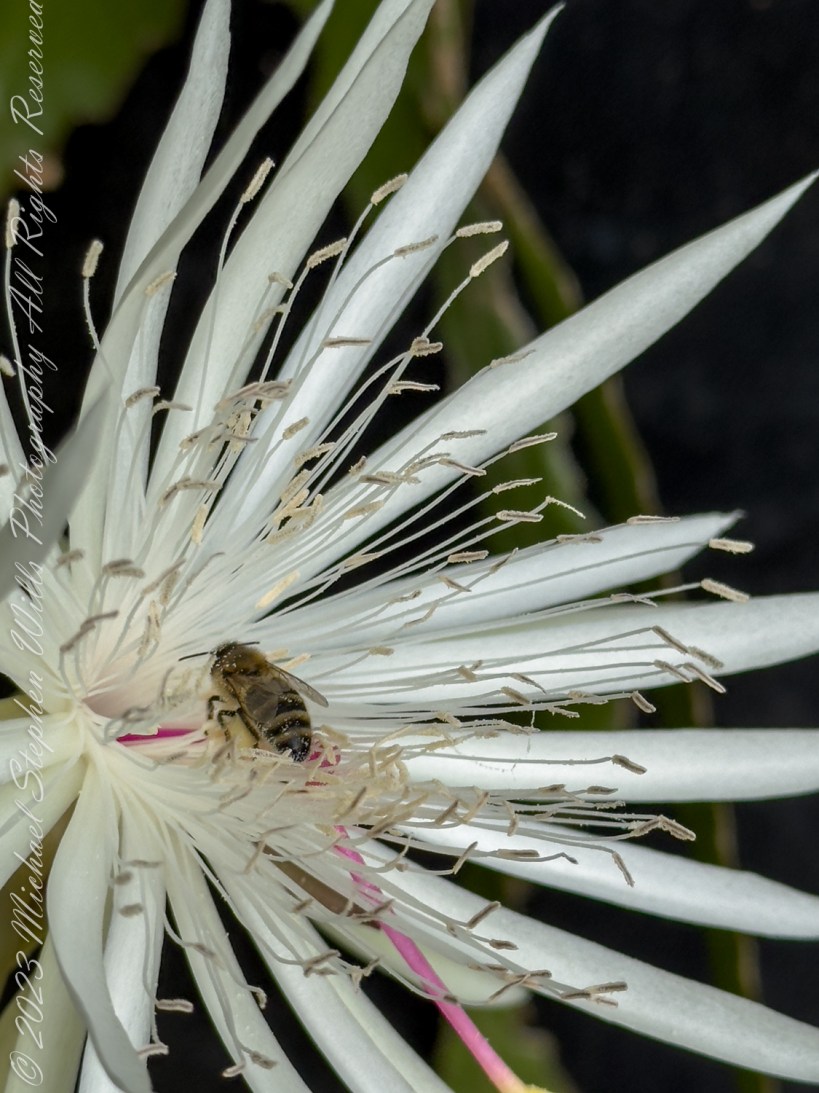
The images you see include the last flower of the season, a white starburst of delicate petals encasing a universe of intricate details. As the day progresses, the flower remains open, revealing the next chapter in its life cycle—the possibility of forming fruit. This potential is entirely dependent on pollination, a process that is both beautifully simple and astonishingly complex.
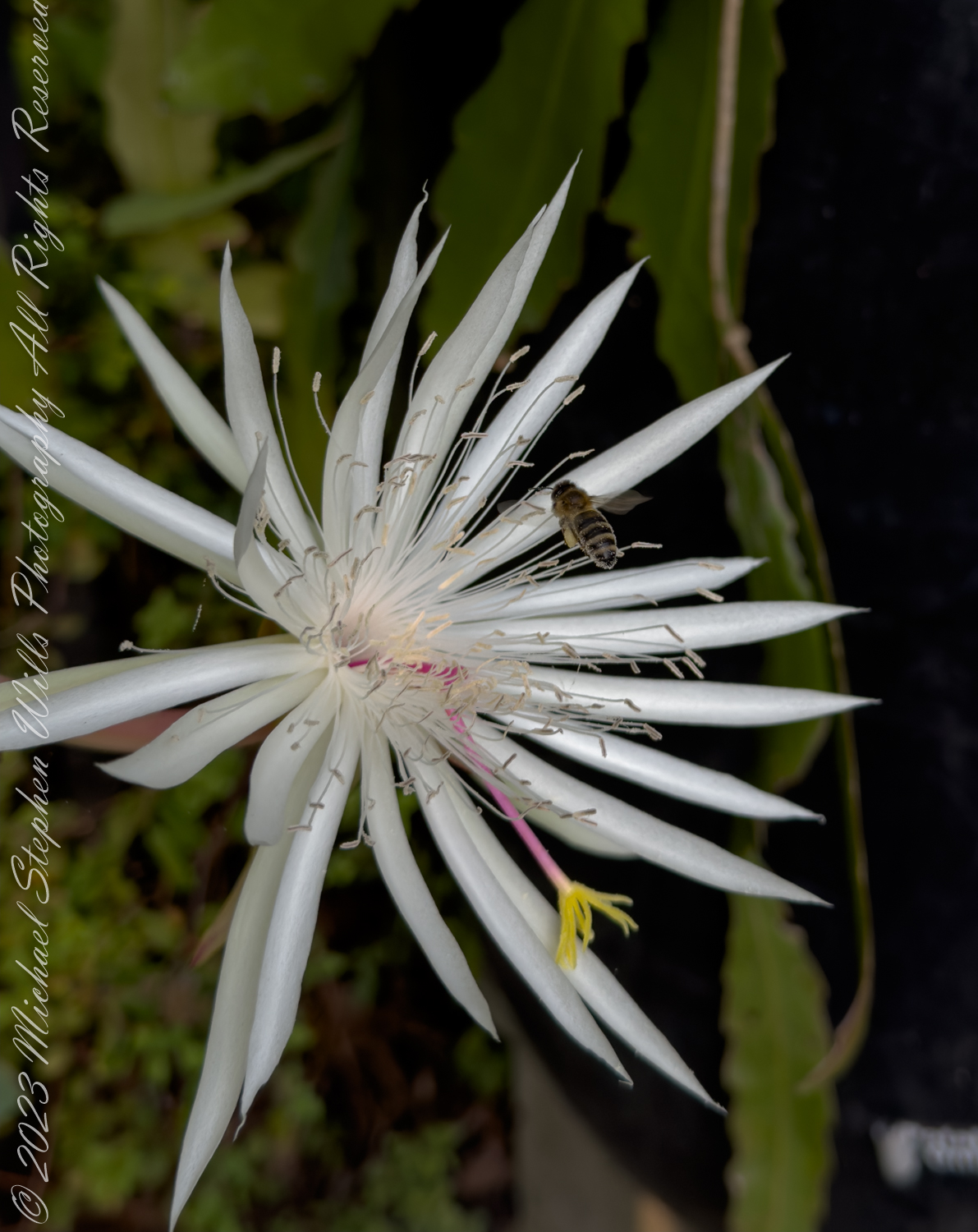
A honeybee, a tiny yet essential participant in the grand scheme of things, hovers and lands delicately on the flower. In the first image, the bee appears tentative, exploring the outer fringes of the flower’s central structures. Its wings are still, as if it has just touched down after a careful, deliberate approach. The stamens, like a thousand arms extended in welcome, offer their pollen. Each grain of pollen is a promise, a potential seed, carried with the hope of propagation. The bee is the flower’s messenger, moving from one bloom to another, ensuring the continuity of life.

As I observe the bee’s actions through these photographs, I can’t help but reflect on the importance of these small creatures. Their work often goes unnoticed, yet without them, our ecosystems would collapse. The honeybee, in particular, has been a focus of concern in recent years due to declining populations, largely attributed to human activities. But here, in my garden, this bee is simply going about its day, unaware of the broader implications of its existence. It is focused on the task at hand, a model of mindfulness in action.
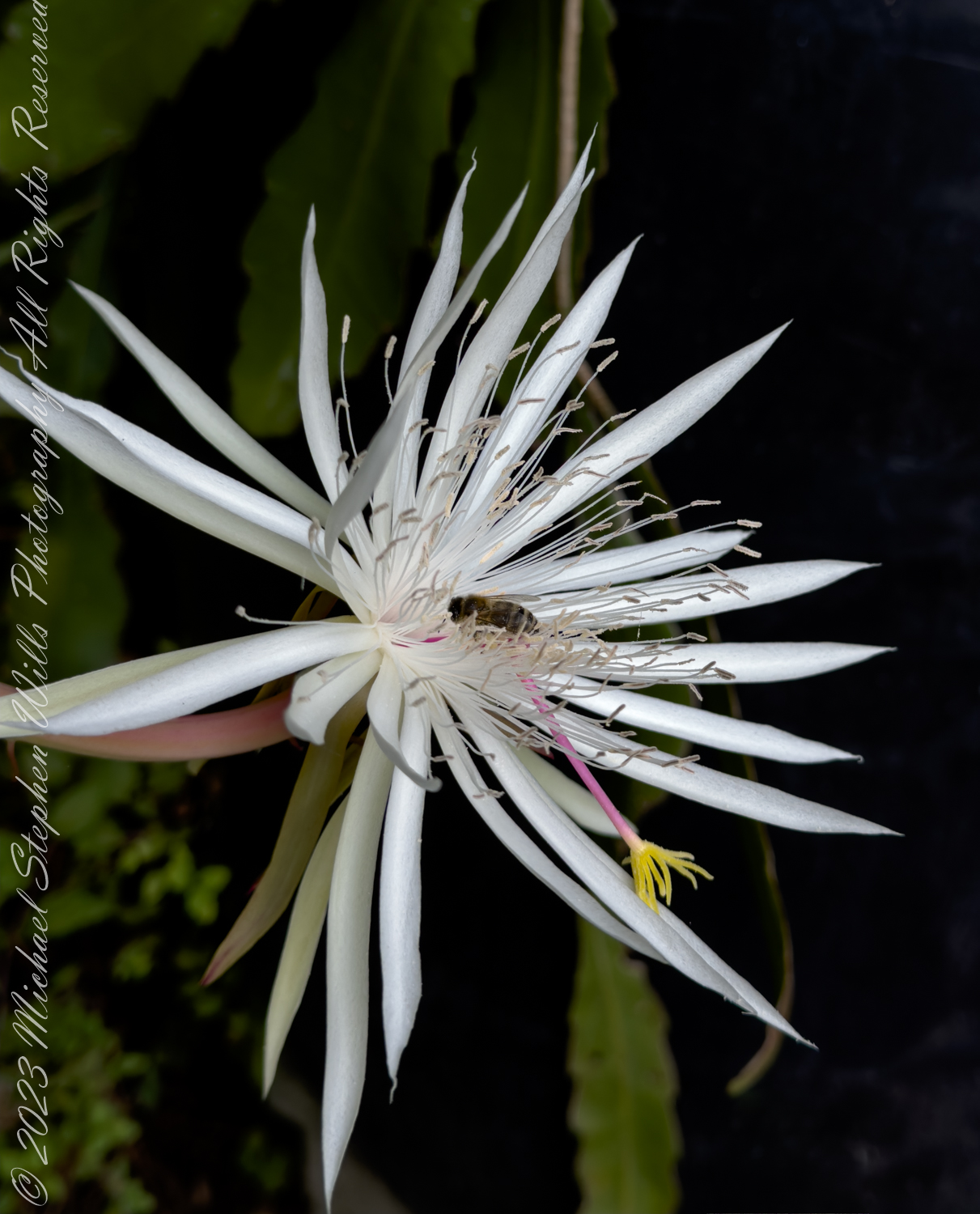
In the second and third images, the bee has moved deeper into the flower, its body now dusted with pollen. It is fully engaged in its work, undeterred by the enormity of its task. The pink style of the flower contrasts sharply with the white petals and the yellow stamens, creating a vibrant tableau of life. The bee’s body is now part of this scene, its presence both functional and aesthetic. It is not just a visitor; it is an integral part of the flower’s story.
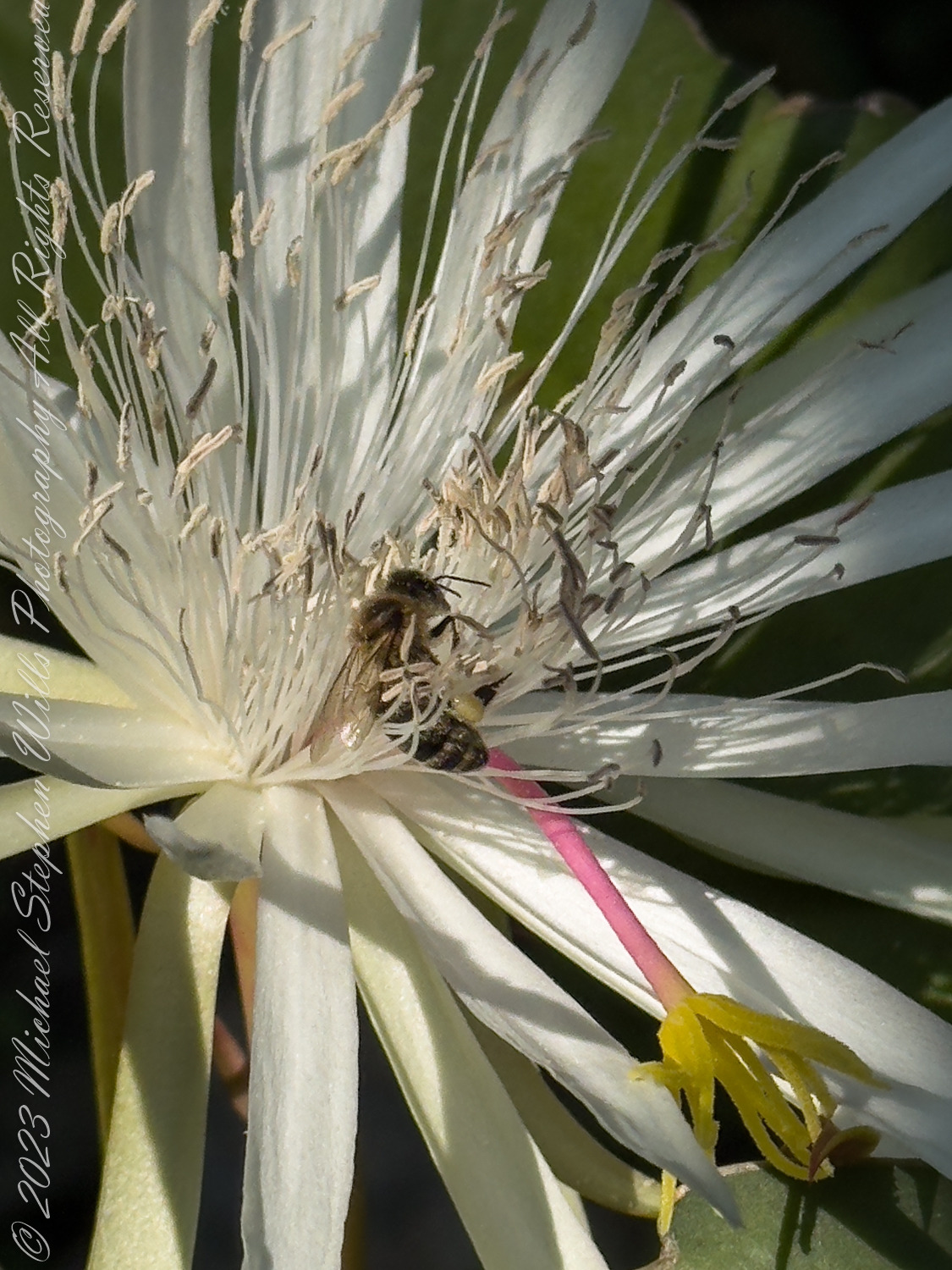
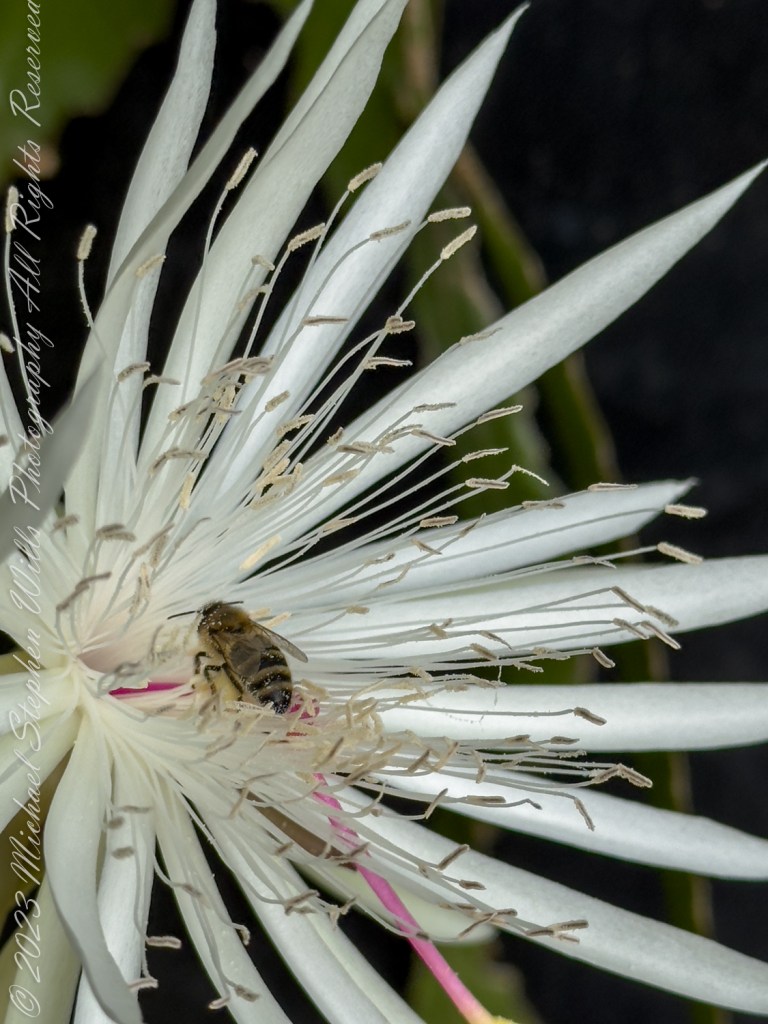
The fourth and fifth images capture the culmination of the bee’s efforts. Having gathered what it came for, the bee is ready to move on, its job done here. The flower, too, has fulfilled its role for the season. The energy it expended to produce this magnificent bloom will now be directed towards forming fruit, provided that the pollination process is successful. If it is, this single flower will give rise to a new generation of plants, continuing the cycle of life.
But there is another, more personal layer to this story. This is the last flower of the season. It carries with it the weight of finality, the knowledge that soon the plant will rest, conserving its energy for the next year’s bloom. As I contemplate this, I am reminded of the cycles that govern not just plant life, but all life. There is a time for blooming, a time for fruiting, and a time for rest. Each phase is essential, each one a preparation for the next.

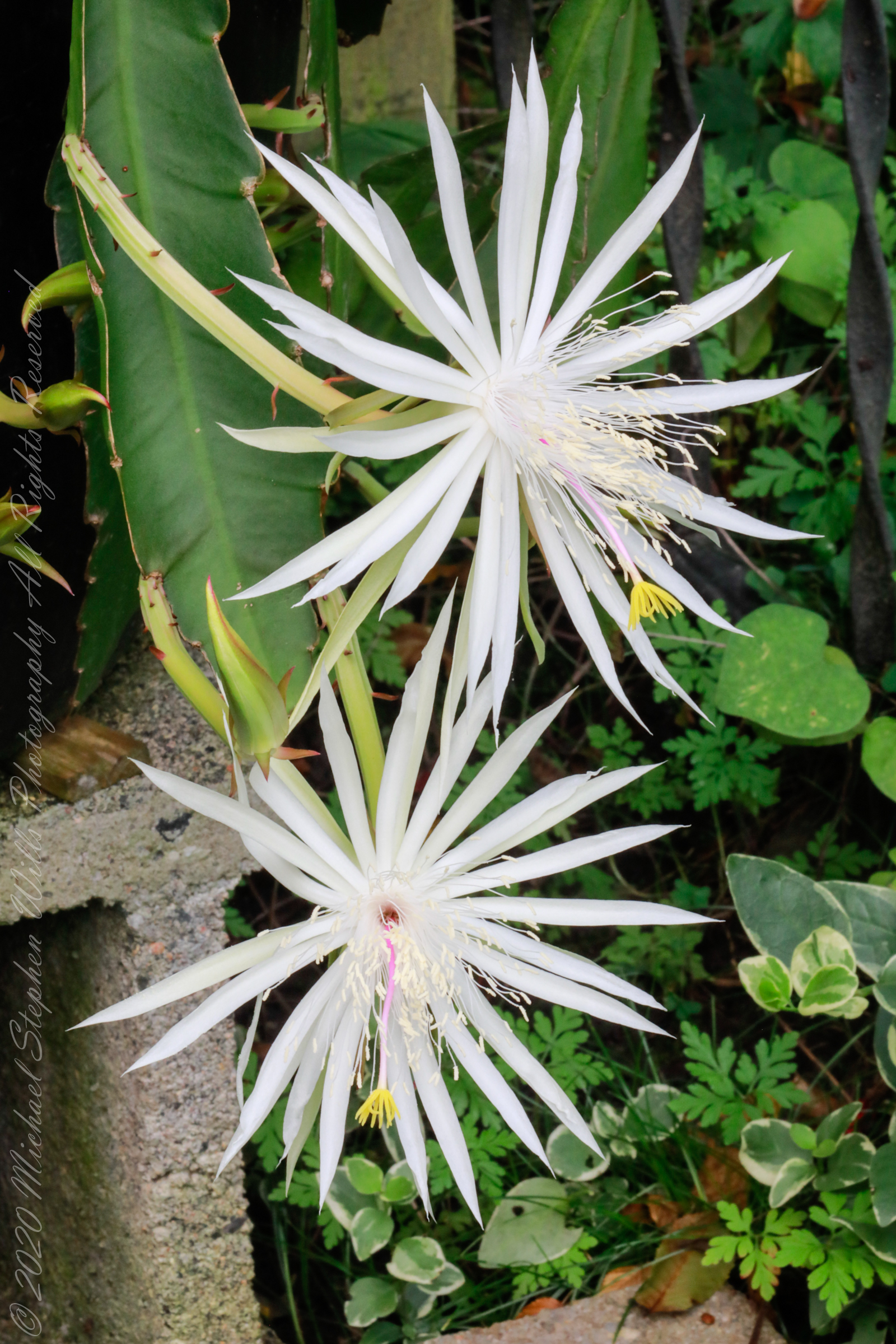
A bonus view of the honeybee in action

In allowing this flower to form fruit, I am participating, in a small way, in this cycle. We are stewards of the natural world, responsible for nurturing and preserving the life forms that share our planet. The honeybee, the flower, and I are all connected in this intricate web of life, each playing our part in the unfolding drama of existence.

These photographs are a meditation on life, a reminder of the beauty and fragility of the world around us. They capture a moment in time, brief encounters between a flower and a bee, but they also speak to something larger, something timeless. The Epiphyllum oxypetalum may bloom for just one night, but its impact, like that of the honeybee, reverberates far beyond that brief window. And in that, there is a profound lesson for all of us.

Copyright 2024 Michael Stephen Wills All Rights Reserved

Epiphyte

Discover the enchanting world of Epiphyllum, where the “Night Blooming Cereus” thrives without soil, capturing moisture and nutrients from the air. Explore its unique beauty and ecological significance. Read more to delve into this fascinating plant’s story.

The Epiphyllum genus, which includes my “Night Blooming Cereus,” consists of epiphytic plants. The term “epiphytic” comes from the Greek epi- (meaning “upon”) and phyton (meaning “plant”). Epiphytic plants, sometimes called “air plants,” do not root in soil. However, this term can be misleading, as many aquatic algae species are also epiphytes on other aquatic plants (seaweeds or aquatic angiosperms). Therefore, it’s essential not to confuse the genus root word “phyllum” (leaf) with the generic term “phytic” (plant), even though they share the common prefix “epi.” A plant can be epiphytic without being part of the Epiphyllum genus.

These were captured with the Canon EOS 5D Mark IV dslr on a Manfrotto tripod.

An epiphyte is a plant or plant-like organism that grows on the surface of another plant, deriving its moisture and nutrients from the air, rain, or debris accumulating around it. The host plants on which epiphytes grow are called phorophytes. Unlike parasites, epiphytes use other plants merely for physical support and do not negatively impact the host. Epiphytes can also be called epibionts when growing on non-plant organisms. Common in both temperate zones (mosses, liverworts, lichens, algae) and the tropics (ferns, cacti, orchids, bromeliads), epiphytes enhance biodiversity and biomass in their ecosystems. They make excellent houseplants due to their minimal water and soil needs and create rich habitats for various organisms, including animals, fungi, bacteria, and myxomycetes.

Epiphytes are not connected to the soil and must source nutrients from fog, dew, rain, mist, and decomposing organic material. They have an advantage in the canopy, where they access more light and are less vulnerable to herbivores. Epiphytes also benefit animals that live in their water reservoirs, like some frogs and arthropods.

Epiphytes significantly affect their host’s microenvironment and the broader ecosystem. They hold water in the canopy, reducing soil water input, and create cooler, moister conditions, which can decrease the host plant’s water loss through transpiration. Non-vascular epiphytes, like lichens and mosses, are particularly efficient at rapid water uptake.

Click me for another “Cereus” Post.

Reference: my post draws heavily on this source: Wikipedia, “Epiphyte.”

Copyright 2024 Michael Stephen Wills All Rights Reserved

Still Blooming

Though it is sometimes referred to as a night-blooming cereus, it is not closely related to any of the species in the tribe Cereeae

It was a quiet day, upping shutter speed via an increased ISO and both exposures are equally sharp.

These were captured with the Canon EOS 5D Mark IV dslr on a Manfrotto tripod.

“The flowers are nocturnal. They grow on flattened stems and are up to 30 cm (12 in) long and 17 cm (7 in) wide, and very fragrant. The principal odor components in the aroma are benzyl salicylate and methyl linoleate.[5] Pericarpels are nude, slightly angled, and green. Bracteoles are short and narrow up through ca. 10 millimetres (0.39 in) long. Receptacles are up through 20 cm long, 1 cm thick, brownish, and arching. The outer tepals are linear, acute, 8–10 cm long, and reddish through amber. The inner tepals are whitish, oblanceolate or oblong, acuminate, up through 8–10 cm long and 2.5 centimetres (0.98 in) wide. The stamens are greenish white or white, slender and weak. The styles are greenish white, pale yellow, or white, 4 mm thick, as long as inner tepals, and with many lobes.”

“The fruits are oblong, up through 12 x 8 cm, purplish red, and angled.”

“It is known to have medicinal properties in many Asian cultures, including India, Vietnam, and Malaysia. The plant is widely used in traditional medicine to treat respiratory ailments, bleeding conditions, and is also believed to have the property of reducing pain and inflammation.”

Click me for another “Cereus” Post.

Copyright 2023 Michael Stephen Wills All Rights Reserved

Night bloomer

Though it is sometimes referred to as a night-blooming cereus, it is not closely related to any of the species in the tribe Cereeae

This set compares a deep focus exposure to a shallow focus with bokeh.

These were captured with the Canon EOS 5D Mark IV dslr on a Manfrotto tripod.

“Epiphyllum oxypetalum is an easily cultivated, fast growing Epiphyllum. Epiphyllum from Greek epi- “upon” + phullon “leaf.” Oxypetalum = with acute petals. It flowers in late spring through late summer; large specimens can produce several crops of flowers in one season. This is a widely cultivated Epiphyllum species.”

“It is known to have medicinal properties in many Asian cultures, including India, Vietnam, and Malaysia. The plant is widely used in traditional medicine to treat respiratory ailments, bleeding conditions, and is also believed to have the property of reducing pain and inflammation.”

Click me for another “Cereus” Post.

Copyright 2023 Michael Stephen Wills All Rights Reserved

Cereus not

Though it is sometimes referred to as a night-blooming cereus, it is not closely related to any of the species in the tribe Cereeae

“Epiphyllum oxypetalum, the Dutchman’s pipe cactus, princess of the night or queen of the night, is a species of cactus. It blooms nocturnally, and its flowers wilt before dawn. Though it is sometimes referred to as a night-blooming cereus, it is not closely related to any of the species in the tribe Cereeae, such as Selenicereus, that are more commonly known as night-blooming cereus. All Cereus species bloom at night and are terrestrial plants; Epiphyllum species are usually epiphytic.”

These were captured with the Canon EOS 5D Mark IV dslr on a Manfrotto tripod.

“Epiphyllum (“upon the leaf” in Greek) is a genus of epiphytic plants in the cactus family (Cactaceae), native to Central America and South America. Common names for these species include climbing cacti, orchid cacti and leaf cacti.”

Click me for another “Cereus” Post.

Copyright 2023 Michael Stephen Wills All Rights Reserved

Mass Bloom 2023

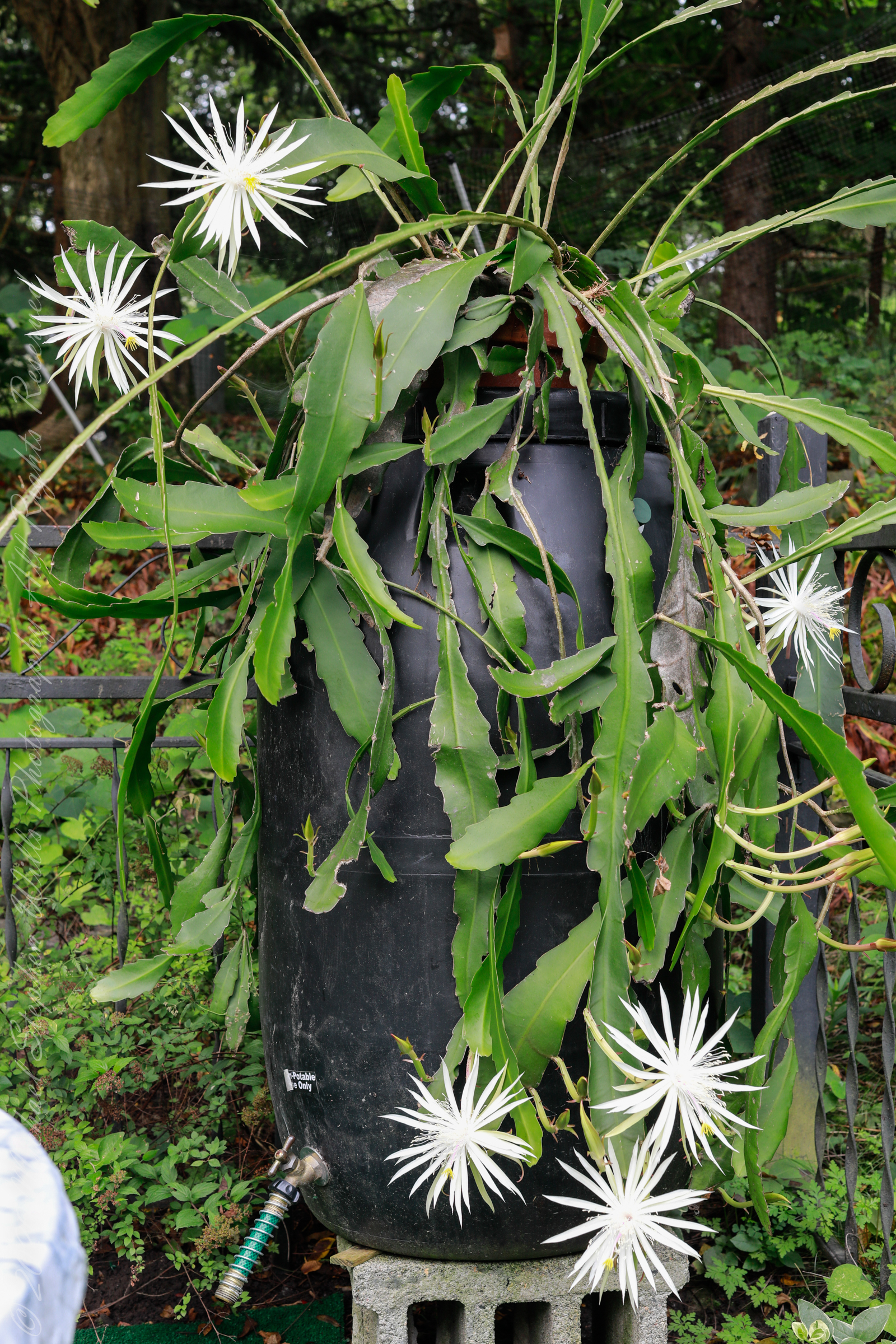
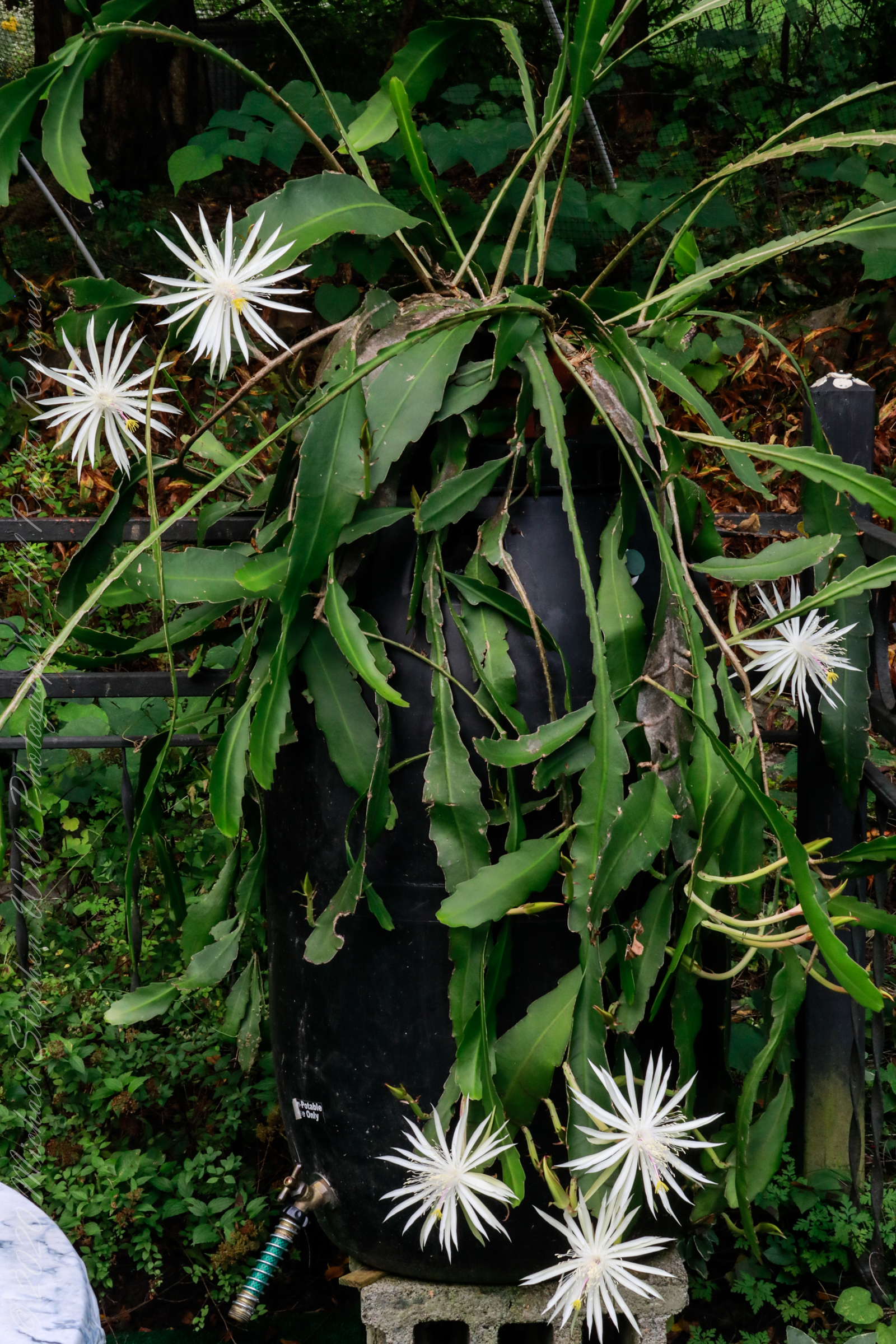
Our “cereus” summers on a water barrel poolside, this year, 2023, over 40 blossoms opened over the course of a week in September.

These were captured with the Canon EOS 5D Mark IV dslr on a Manfrotto tripod.

“Epiphyllum (“upon the leaf” in Greek) is a genus of epiphytic plants in the cactus family (Cactaceae), native to Central America and South America. Common names for these species include climbing cacti, orchid cacti and leaf cacti.”

Click me for another “Cereus” Post.

Copyright 2023 Michael Stephen Wills All Rights Reserved

Yellow-legged Wasp?

A case of mistaken identity.

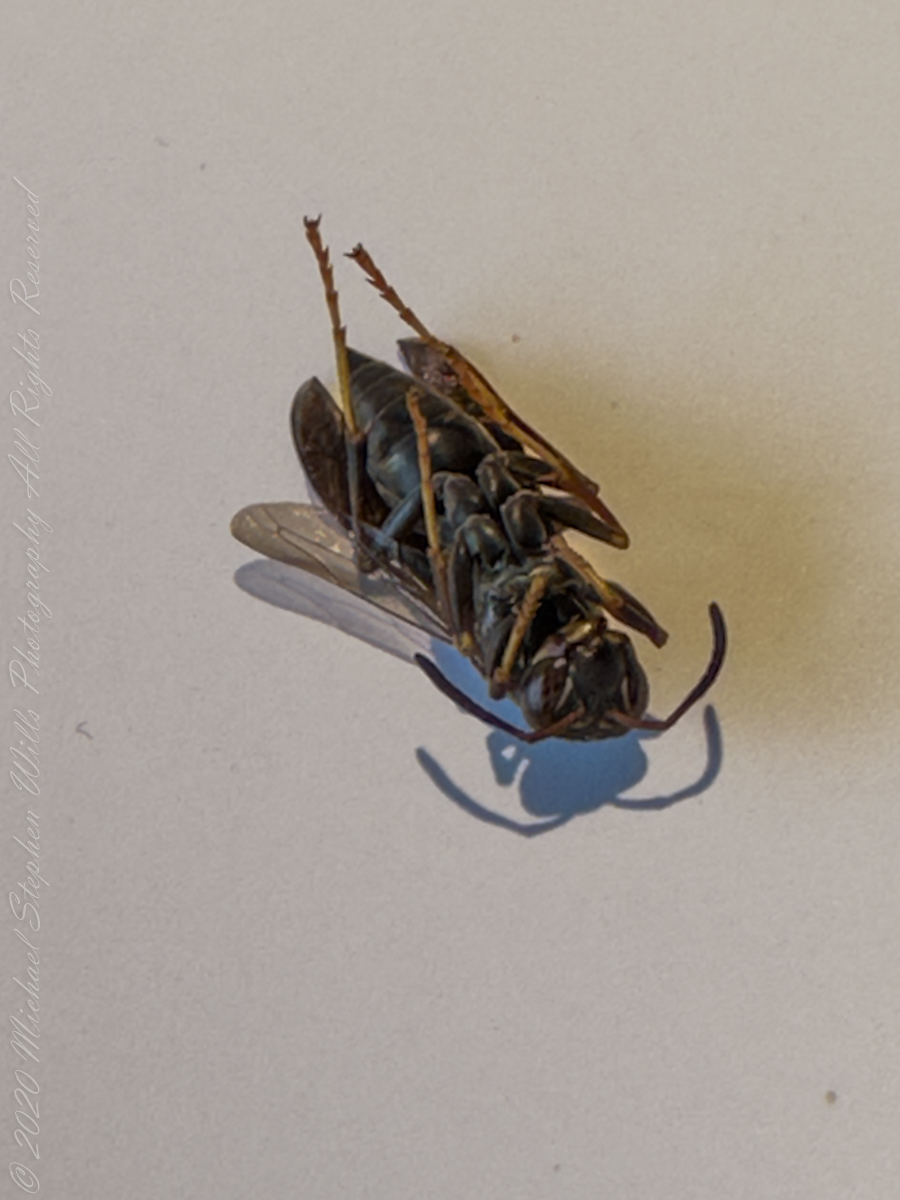
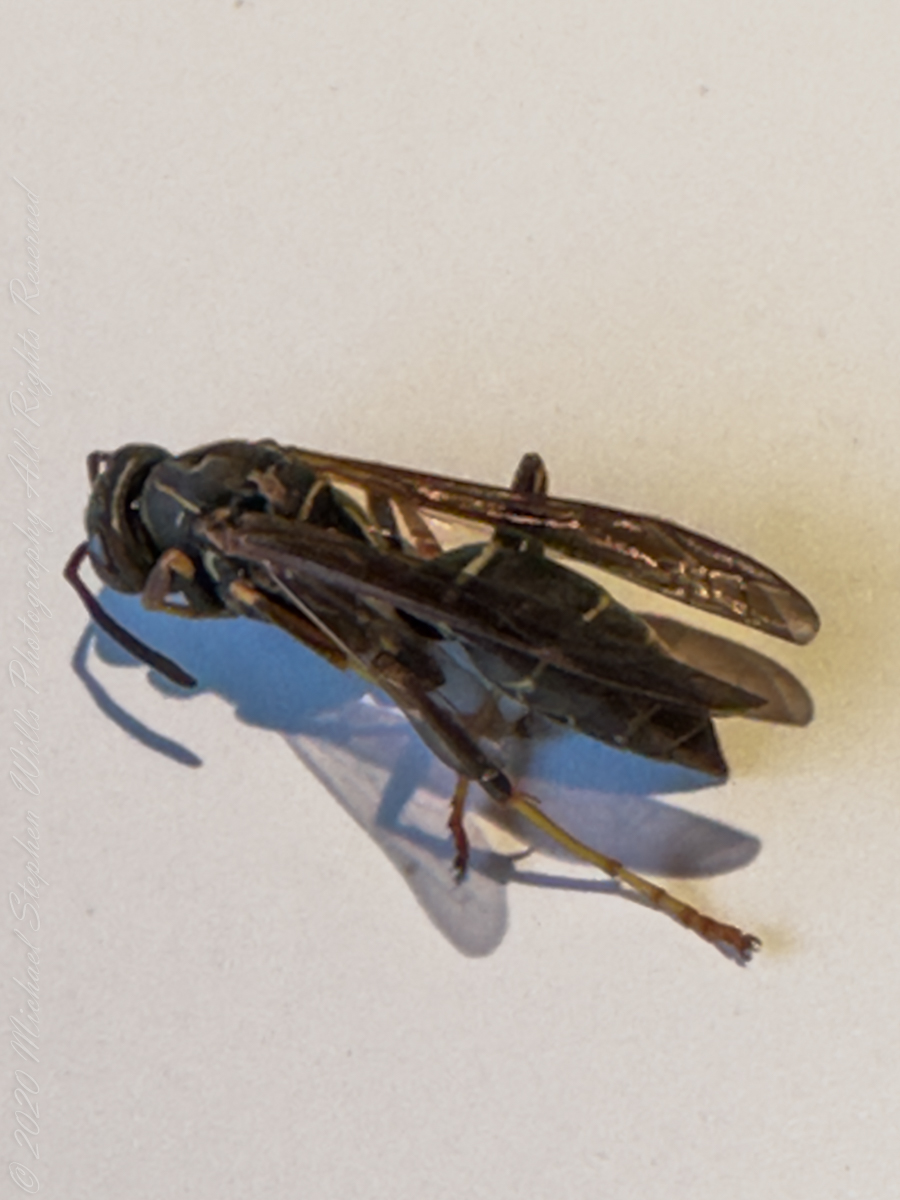
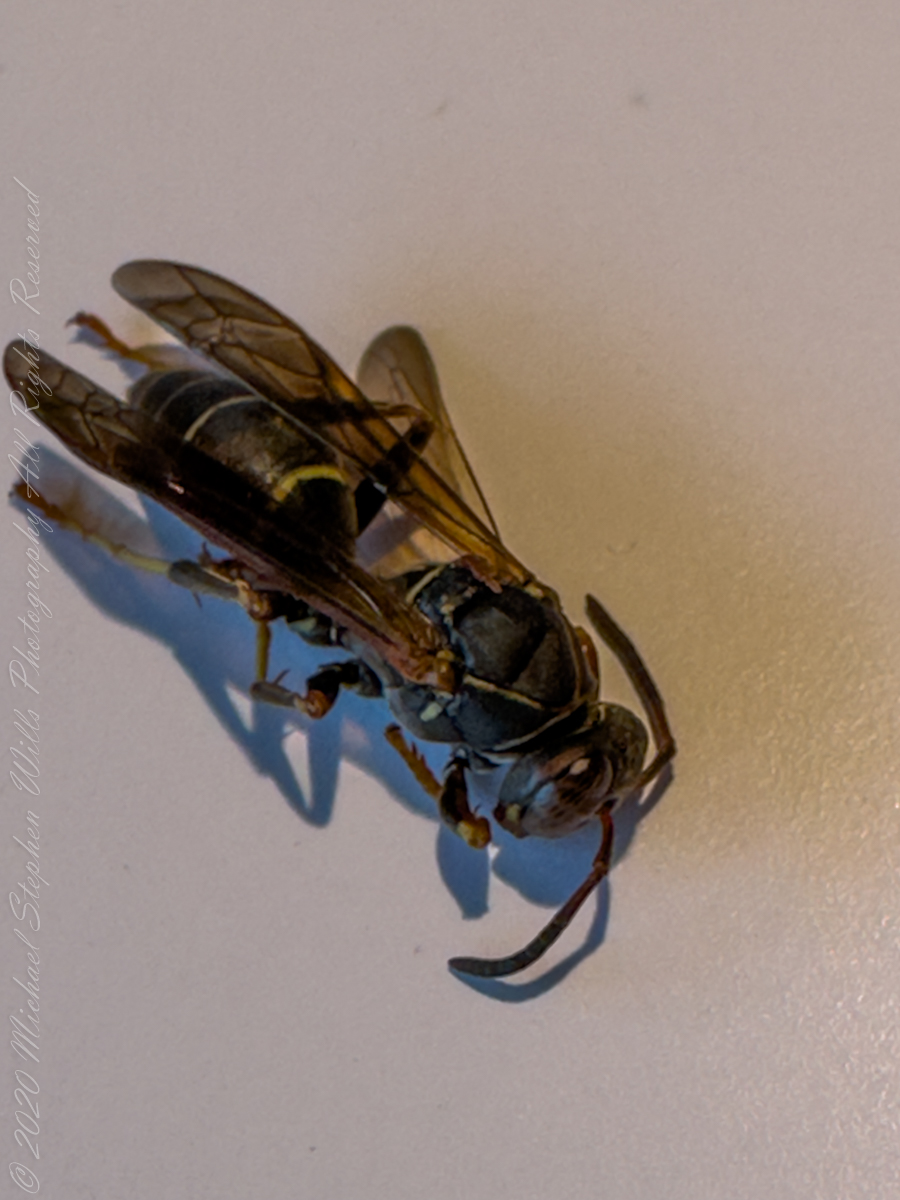
After reading a New York Times article with the sub-title “A beekeeper in Savannah, Ga., found what turned out to be a yellow-legged hornet. State and federal officials, along with academic experts, are working to eradicate the species” I spotted this wasp foraging our flowers in Ithaca, New York. Its yellow legs caught my eye, although the apparent size (seemed larger in article photograph) and face and body markings seemed different. Using an Apple Iphone 14 ProMax I captured three macros from different angles, I attached them to an email to the local Cooperative Extension office. They gave me a quick response, confirming my suspicion this was a different “yellow-legged wasp.” The agent suggested it might be a “paper wasp” and directed me to a Cornell site were, for a $25 fee, an identification could be made.

Instead, this morning I found “insectidentification.org” with an excellent search capability. Under “Bee, Ant, Wasp and Similar insects that can be found in the state/territory of New York,” the third row from top spotted an exact match being the only Yellow-legged native wasp. I am going to respond to the agent with this identification as others in the area may have the same question, given the name of the invasive wasp.

“It is the Yellow-legged Mud-dauber Wasp (Sceliphron caementarium), also known as Black and Yellow Mud Dauber, Black-waisted Mud-dauber. Of the Latin species name, Sceliphron caementarium, caementarius means mason or builder of walls.”

“These are solitary parasitoid wasps and build nests made of mud. The family of sphecid wasps collect mud balls at puddle and pool edges for constructing nests comprised of up to 25 vertically arranged, individual cylindrical cells. Frequently, nests are built in shaded areas inside formations that are sheltered from the weather or from other environmental elements. These sites may be naturally-occurring, or man-made structures. Some examples are: under and inside various types of bridges, barns, garages, open-air porches, or under housing eaves. A female might take only a day to construct a cell requiring dozens of trips carrying mud. Females will add new cells one by one to the nest after each cell is provisioned. They provision these nests with spiders, such as crab spiders, orb-weaver spiders and jumping spiders in particular, as food for the developing larvae. Each mud cell contains one egg and is provided with several prey items. The wasp then seals the cell with a thick mud plug. After initial creation and covering of the clutch, this sphecid wasp uses more mud as a means covering and protecting the whole cluster of cells, thereby forming a smooth appearance, and a uniform nest. The entire nest may attain an area equal to, or larger than, the size of an average human fist.”

“After finishing a series of cells, she leaves and does not return. While consuming the prey and increasing in size, the larva molts several times, until it molts into a pupa. Once the pupa has developed into an adult wasp, the adult emerges from its pupal case and breaks out of its mud chamber.”

“Various parasites attack these nests, including several species of cuckoo wasps, primarily by sneaking into the nest while the resident mud dauber is out foraging.”


“Adults can be seen in mid-summer feeding on nectar at flowers, especially Queen Anne’s lace (Daucus carota), parsnips and water parsnips (Sium suave, Sium latifolium, Berula erecta). They have a low reproductive rate. Stings are rare due to their solitary and usually nonaggressive nature; however, nests are aggressively defended.


“Like other solitary wasps, Sceliphron species are not aggressive unless threatened. They are sometimes regarded as beneficial due to their control of spider populations, though the spiders themselves may be beneficial in controlling pest insects.”


This species is found in a wide variety of habitats, such as rock ledges, man-made structures, puddles and other water edges, cypress domes, in long leaf pines (Pinus palustris), and in turkey oaks.


“S. caementarium is widespread in Canada, the United States, Central America and the West Indies, and has been introduced to many Pacific Islands (including Australia, Hawaii, and Japan), Peru and Europe, where it has become established in some countries of the Mediterranean Basin (Croatia, France and Corsica, Italy, Cyprus,Malta, the Canary Islands, and Madeira) and Austria, and Ukraine.


“Sceliphron caementarium can reach a length of 24–28 mm (15⁄16–1+3⁄32 in). Their petiole is generally black and is about half the length of the entire abdomen, however the population in the desert southwest often has a yellow petiole. The thorax shows various yellow markings, while the abdomen is normally black, with yellow propodeum (typical of females). The eyes are black, the antennae are black, and the legs are yellow with black trochanters and femurs. Within the United States, it is the only species with yellow-marked legs. The wings are a tawny color.”

“In 1996, Birgenair Flight 301 crashed near Puerto Rico. The most probable cause of this Boeing 757 crash was a blockage in a pitot tube by a mud dauber’s nest.”

Around our home these mud-daubers favor hollows within our aluminum fencing.

Reference: text in italics and quotes paraphrased from Wikipedia “Sceliphron caementarium” and “Sceliphron.”

Copyright 2023 Michael Stephen Wills All Rights Reserved

First Blooms

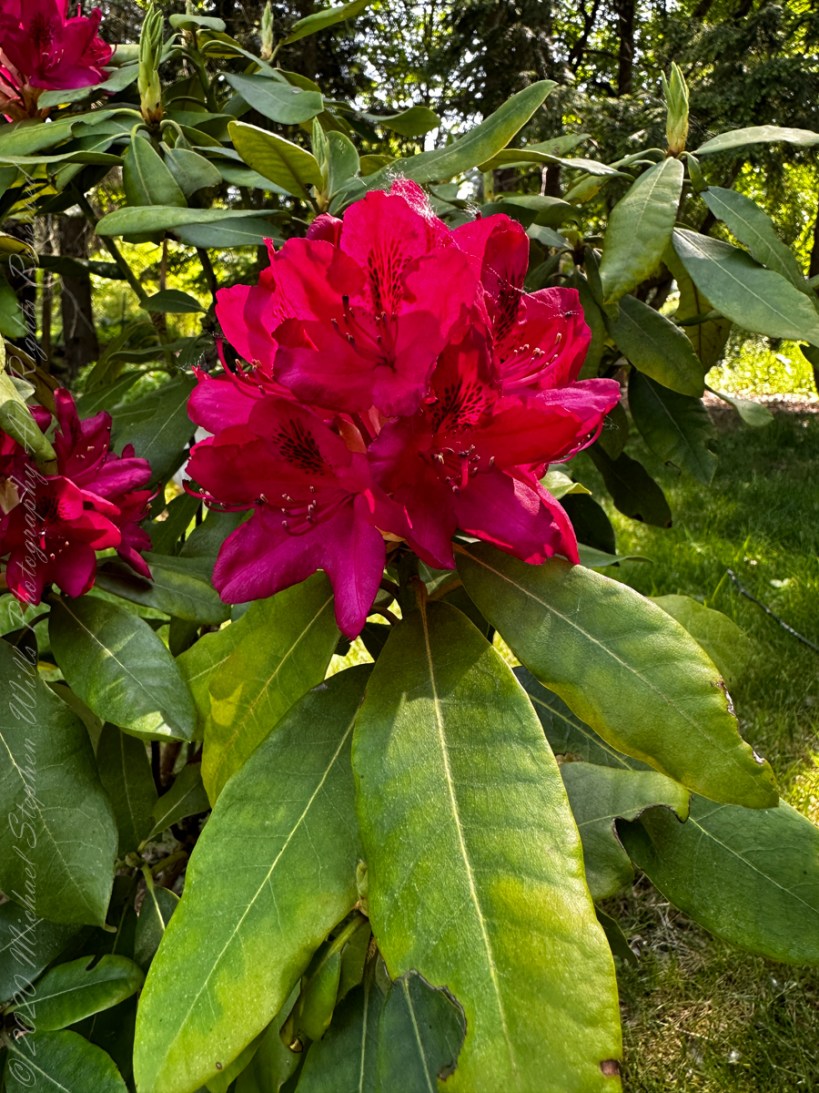
Floriography!!!

“Like other ericaceous plants (i.e. of the heather family -Ericaceae), most rhododendrons prefer acid soils with a pH of roughly 4.5–5.5; some tropical Vireyas and a few other rhododendron species grow as epiphytes and require a planting mix similar to orchids.”

“Rhododendrons have fibrous roots and prefer well-drained soils high in organic material. In areas with poorly drained or alkaline soils, rhododendrons are often grown in raised beds using media such as composted pine bark. Mulching and careful watering are important, especially before the plant is established. Rhododendron species have long been used in traditional medicine.”

“Animal studies and in vitro research have identified possible anti-inflammatory and hepatoprotective activities which may be due to the antioxidant effects of flavonoids or other phenolic compounds and saponins the plant contains.”

“In the language of flowers, the Rhododendron symbolizes danger and to beware. Floriography (language of flowers) is a means of cryptological communication through the use or arrangement of flowers.”

“Meaning has been attributed to flowers for thousands of years, and some form of floriography has been practiced in traditional cultures throughout Europe, Asia, and Africa. Plants and flowers are used as symbols in the Hebrew Bible, particularly of love and lovers in the Song of Songs, as an emblem for the Israelite people, and for the coming Messiah. William Shakespeare ascribed emblematic meanings to flowers, especially in Hamlet. Interest in floriography soared in Victorian England and in the United States during the 19th century.”

“Gifts of blooms, plants, and specific floral arrangements were used to send a coded message to the recipient, allowing the sender to express feelings which could not be spoken aloud in Victorian society. Armed with floral dictionaries, Victorians often exchanged small “talking bouquets”, called nosegays or tussie-mussies, which could be worn or carried as a fashion accessory.”

Reference: text in italics and quotes is from Wikiedia, “Rhododendron.”

Copyright 2023 Michael Stephen Wills All Rights Reserved