The Timeless Giant

In the vast expanse of the Sonoran Desert, the saguaro cactus stands as a majestic and enduring sentinel, embodying the spirit of the Southwest. These towering giants, exclusive to the Sonoran Desert, narrate a story of resilience and beauty, etched against the backdrop of a harsh and unforgiving landscape. The saguaro is not just a plant; it’s a symbol of endurance, thriving in conditions that would wilt most life.
A Testament to Resilience
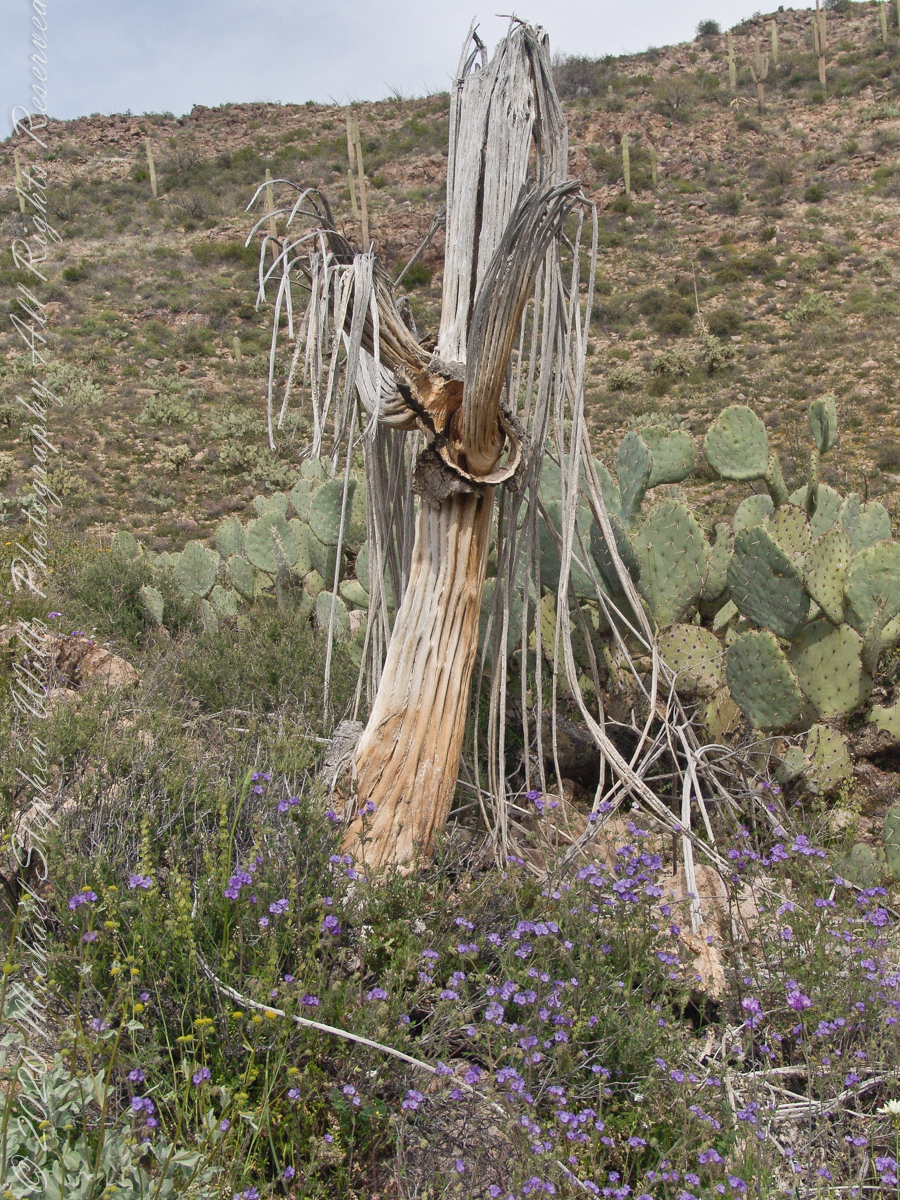
The saguaro’s life begins as a tiny seed, an almost invisible speck in the immense desert. Yet, from this minuscule beginning, it embarks on a centuries-long journey of growth. It teaches us the art of patience and the virtue of slow, deliberate progress. A saguaro can live for over 150 years, quietly witnessing the passing of time, standing tall through the scorching summers and rare, precious rains. Its roots, shallow yet widespread, are a testament to its adaptability and resilience, drawing life from the sparse desert moisture.
An Ecological Haven
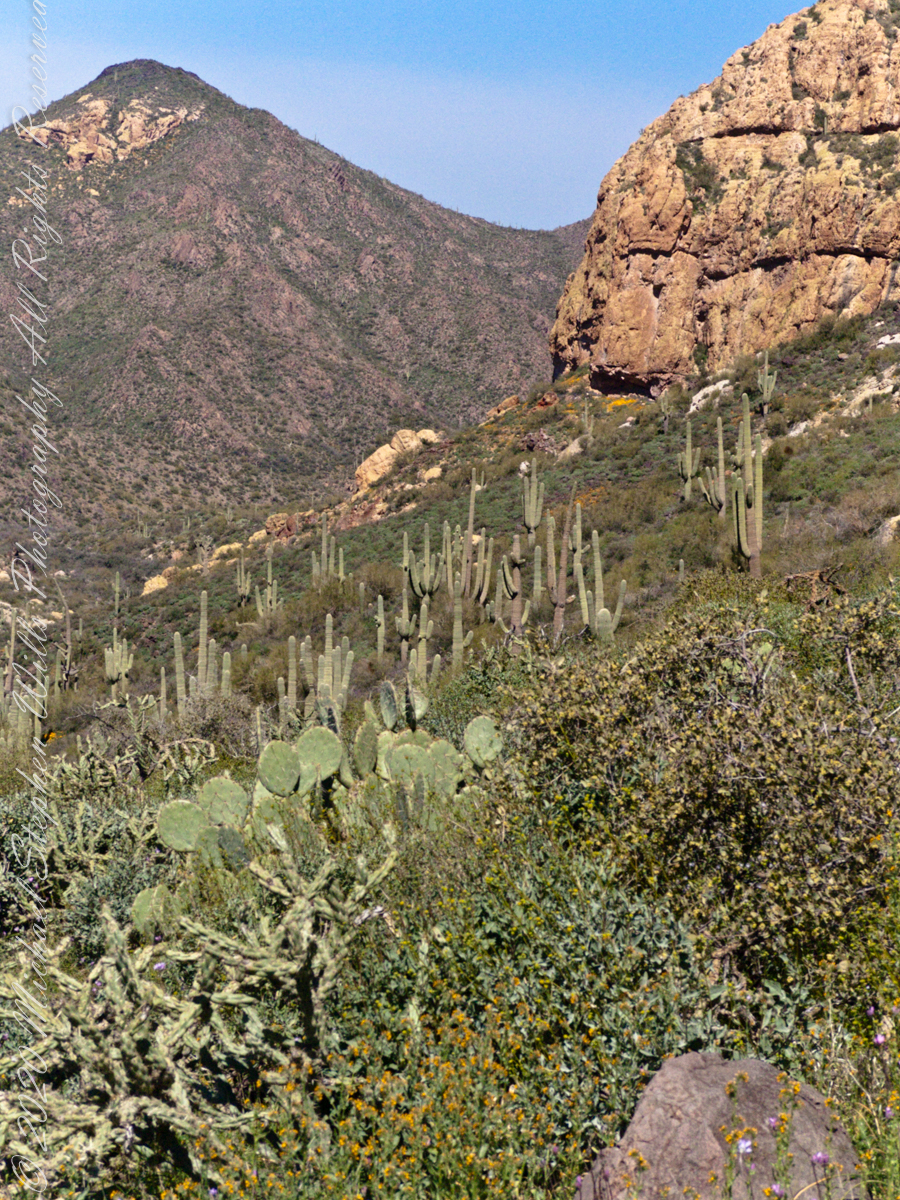
The saguaro is more than just a plant; it’s a vibrant ecosystem. Its arms, reaching skyward, offer shelter and sustenance to a variety of desert wildlife. Birds carve out nests in its thick flesh, while its blossoms provide nectar to bats and bees. In the searing heat of the desert, the saguaro stands as a benevolent guardian, offering shade and respite to the creatures that seek its refuge.
A Cultural Icon
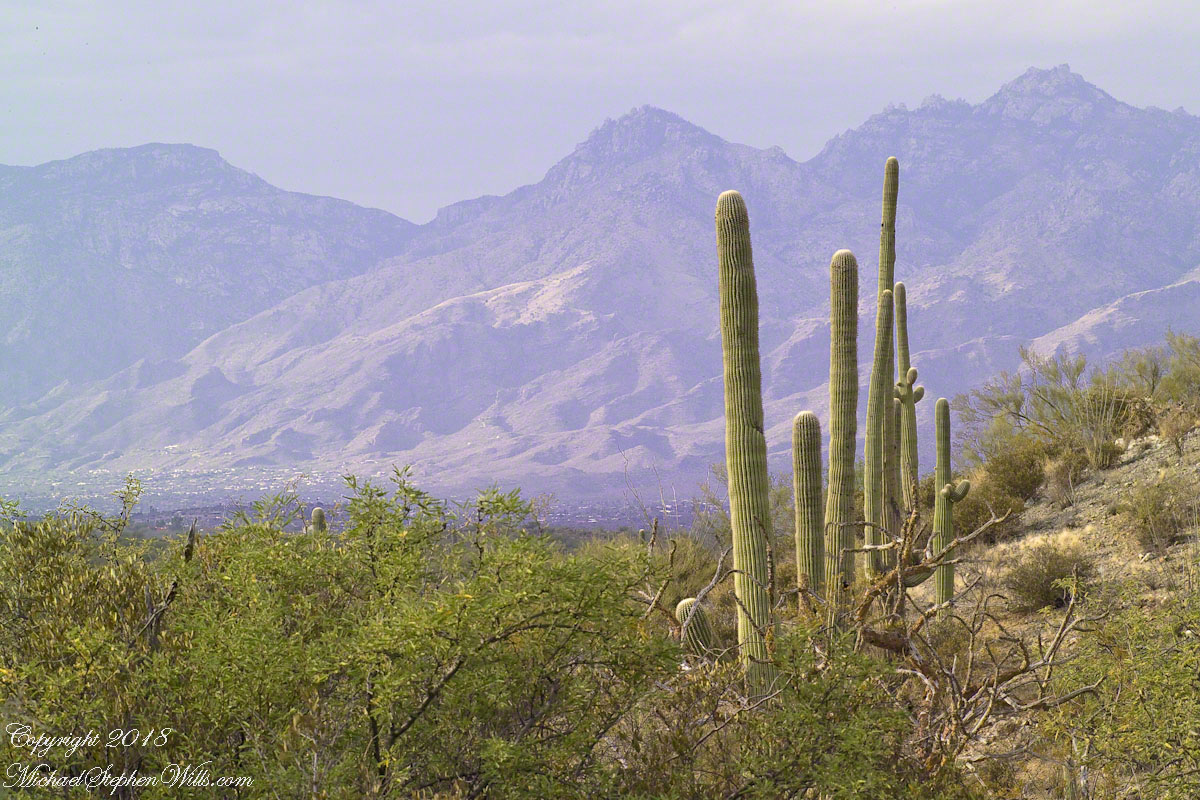
To the indigenous peoples of the desert, the saguaro is revered, woven into their culture and traditions. It stands as a symbol of strength and endurance, a reminder of the delicate balance between life and the environment. The annual harvest of its fruit is a time-honored ritual, celebrating the gifts of the earth and the continuity of life.
The Dance of Life and Death
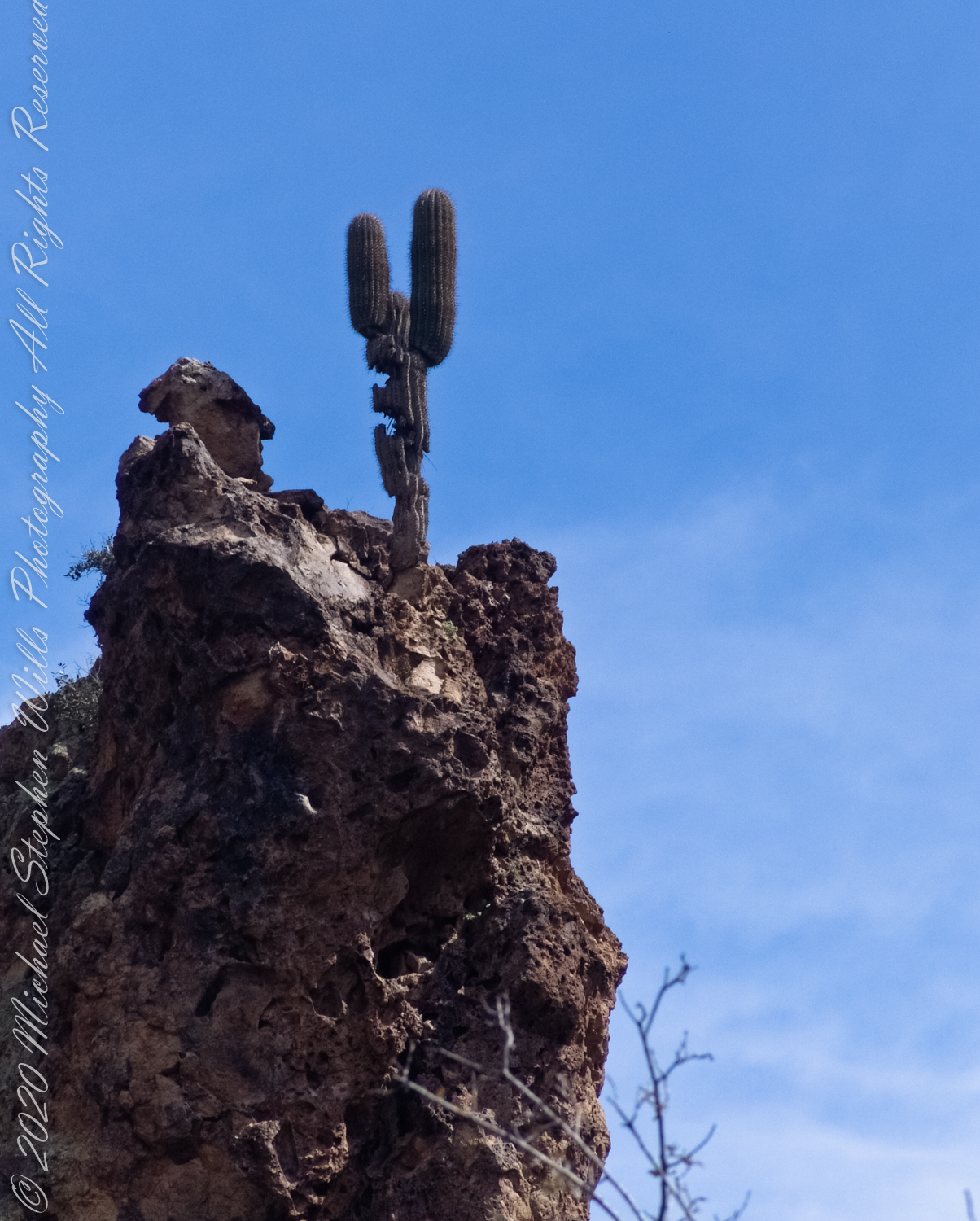
The saguaro’s life cycle is a poignant reminder of the impermanence of existence. In death, the saguaro leaves behind a skeleton of woody ribs, an intricate natural sculpture that persists long after the flesh has returned to the earth. This cycle of life and death plays out in silent dignity, a dance of the natural world that underscores the interconnectedness of all beings.
A Call to Reflection
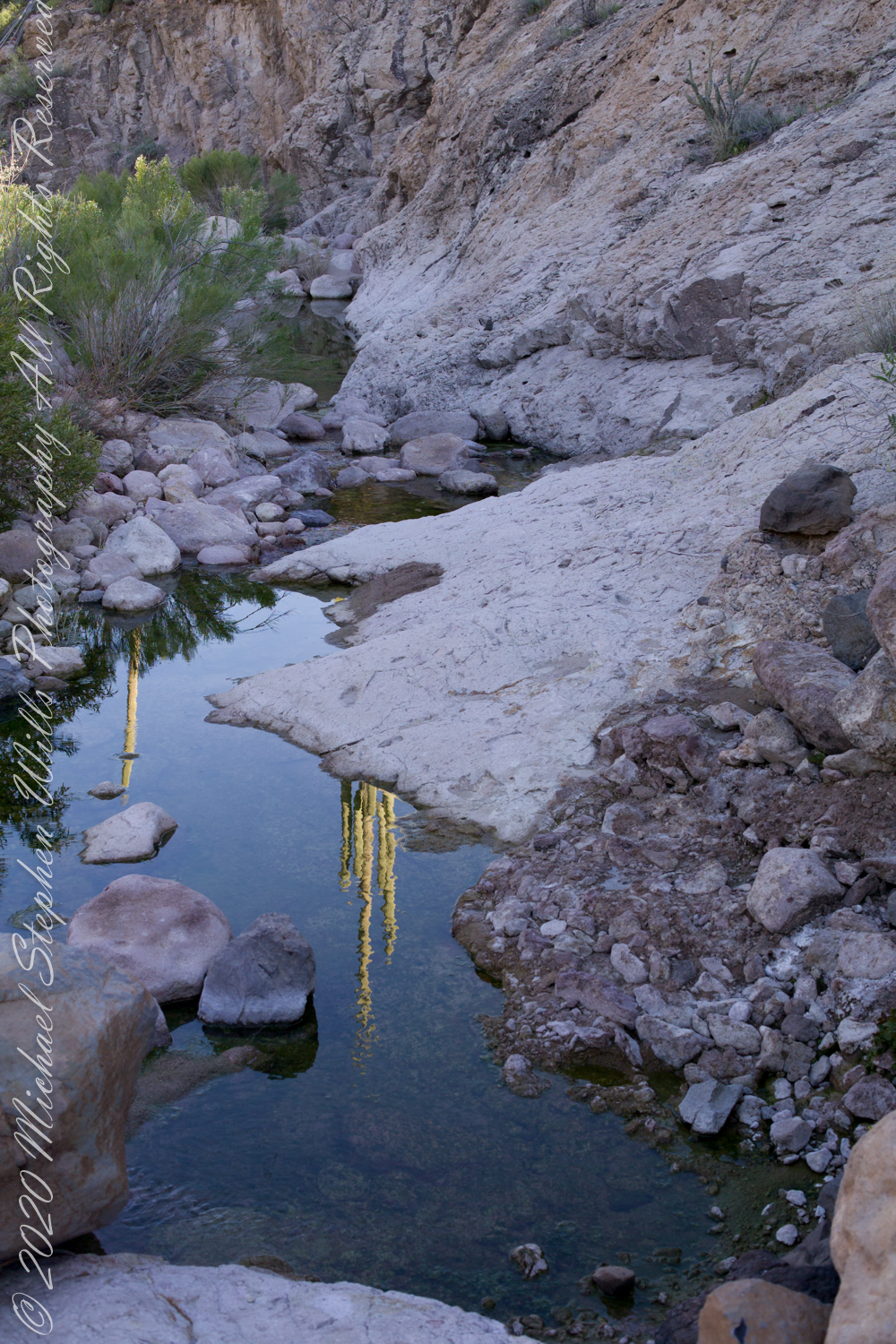
The saguaro invites us to reflect on our own place in the world. In its presence, we are reminded of the slow passage of time and the importance of resilience. It stands as a beacon of hope, a reminder that life, even in the harshest conditions, finds a way to not just survive, but to thrive. The saguaro’s silent vigil is a call to respect and protect the fragile ecosystems of our planet, for in their survival, we find our own.
The Enduring Legacy
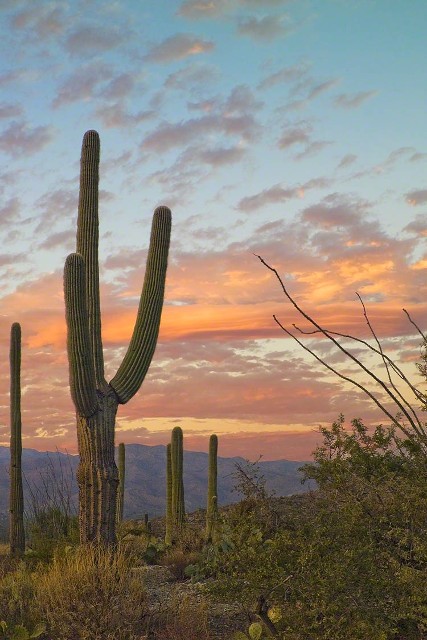
As the sun sets over the Sonoran Desert, casting long shadows across the sand, the silhouette of the saguaro stands tall and steadfast. It is a legacy of endurance, a symbol of the unyielding spirit of the natural world. The saguaro’s story is our story, a narrative of survival, resilience, and the enduring beauty of life. In its towering form, we find inspiration and a profound connection to the earth, a reminder of the enduring majesty of the natural world.
Click Me to view my photographs on Getty.


Nice 👌
LikeLiked by 1 person
Thanks
LikeLike
What a magnificent photographic tribute to the saguaro – and beautifully written! I hope I’m not missing any images; there are some spaces where it appears that perhaps some photos didn’t upload. I’ll keep checking.
LikeLiked by 1 person
Oh, and I forgot to mention that I learned to my delight that Purple Martins nest in the saguaros. In Florida they are quite dependent on human-made Purple Martin houses.
LikeLiked by 1 person
Anita, your note lead me to research Purple Martins. Yes, these are a desert sub-species of the Purple Martin that re-use nests built by woodpeckers, a habit of other desert birds as well. Here is an informative link of this subject.
https://www.hummingbirdsplus.org/nature-blog-network/bird-nesting-habits-in-saguaro-cacti/
LikeLiked by 1 person
Thanks for this very comprehensive article. I wasn’t familiar with the nature blog network before this. We had a showing a few months ago of this new documentary: https://www.purplehazeacfmovie.com/
The film’s producer was very excited when he discovered the purple martins nesting in the saguaros.
LikeLiked by 1 person
I believe those “blank” are images in the process of uploading. Thanks so much for your appreciative and helpful words.
LikeLiked by 1 person
I thought so… I’ll keep checking back to see everything
LikeLiked by 1 person
My brother used to work in the Organ Pipe Monument National Park.
LikeLiked by 1 person
You brother was lucky for that experience, GP. When was this?
LikeLiked by 1 person
He left about a year ago.
LikeLiked by 1 person
Does your brother work for the park service and he was there on rotation? I’ve only seen the signs for the park driving I8 between Tucson and San Diego.
LikeLiked by 1 person
He was a civilian working for the service. He enjoyed being in the field, but back at the office, he said there was far too much politics.
LikeLiked by 1 person
Politics are hard to get away from when people are involved. I assume he was referring to interpersonal relations instead of partisanship.
LikeLiked by 1 person
Those trying to climb the ladder and have enough assistants to their job for them. He just wanted to be outside!!
LikeLiked by 1 person
amen
LikeLike
Beautiful work Michael!
LikeLiked by 1 person