Bumblebees and Begonia Flowers

early morning light

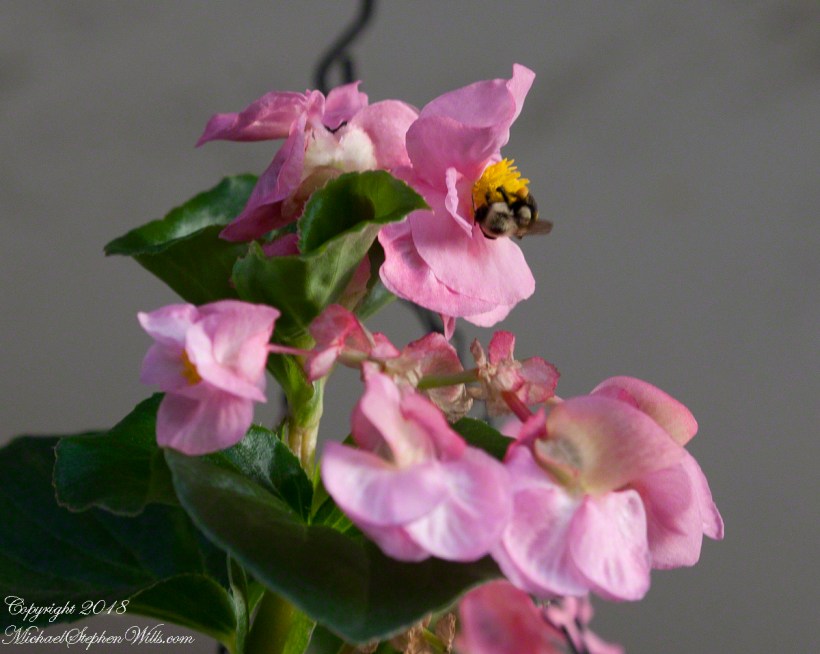
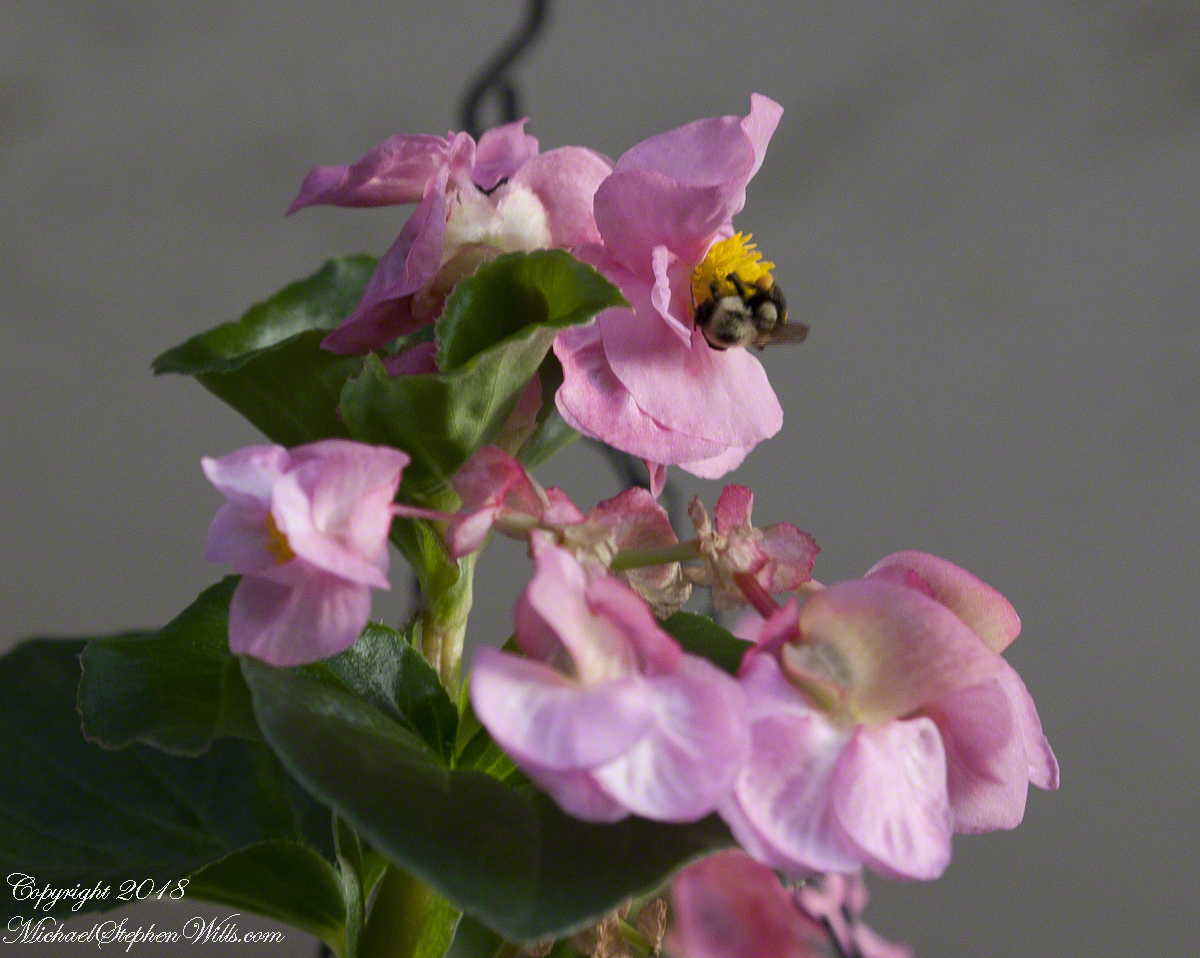
Once a year when Pam’s gardens are at a summer peak, I venture out to capture her work in early morning light. For this second image of the begonia, I used the same handheld Canon EOS 1Ds Mark III SLR but with the Canon lens EF 70-300 f 4-5.6L ISM variable lens.

Click photograph for a larger view.

Bumblebees numbers will tell you if local mouse populations are under control. Mice will invade bumblebee burrows to eat the eggs and young. If the bees are plentiful, it means more are escaping mouse predation and only because mouse numbers are low.
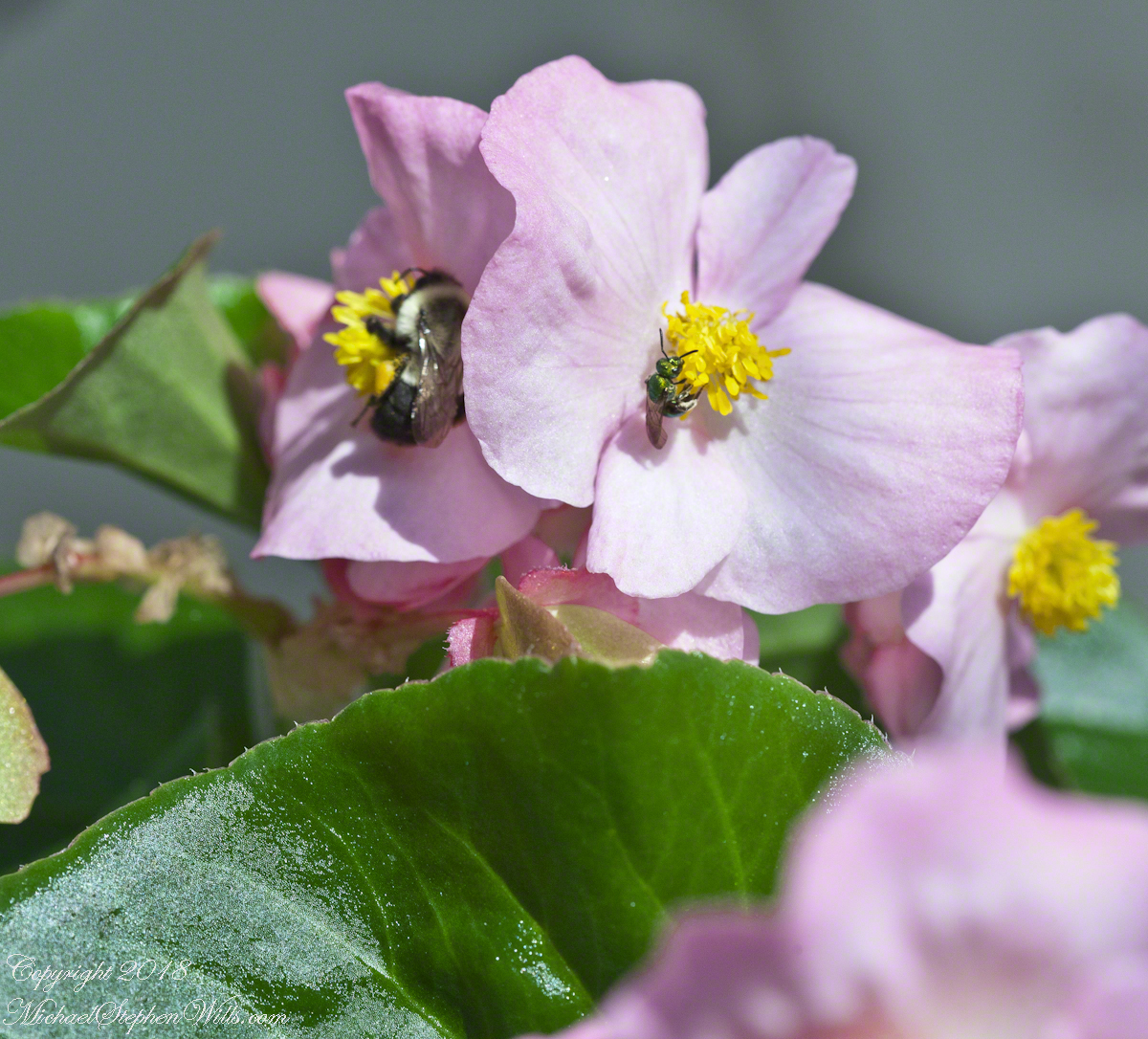
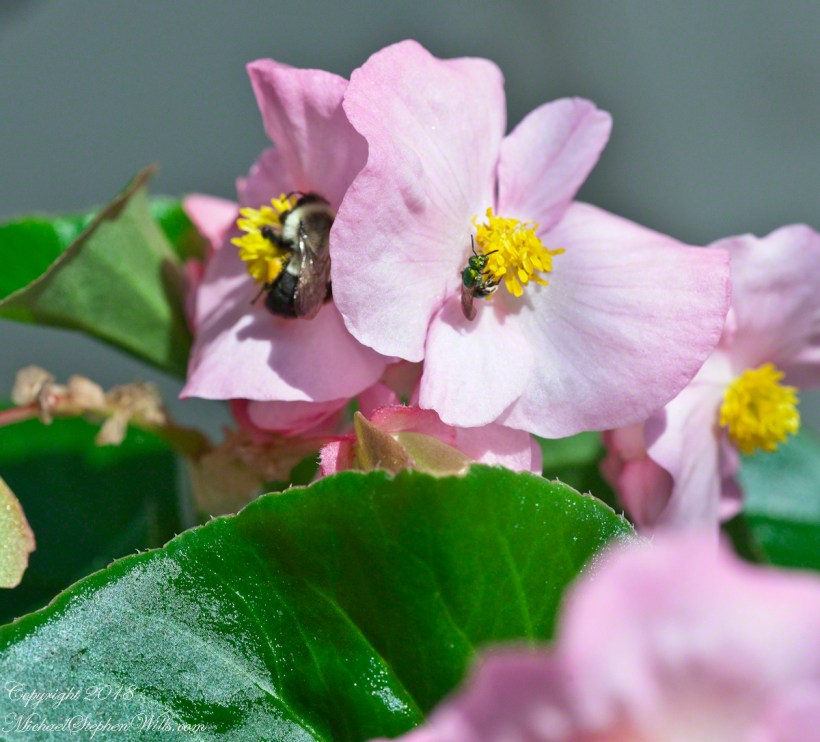
This morning, bees of all kinds filled the begonia flowers. Bumblebees were amusing to watch enthusiastically roll around the many stamen of the male flowers, gathering as much pollen as possible.

The lens focal length is set to 84 mm to capture the entire plant, on reviewing the proofs I decided to crop the image down to emphasize the bee.

Copyright 2022 Michael Stephen Wills All Rights Reserved

Begonia Grandis

Macro!!

Once a year when Pam’s gardens are at a summer peak I venture out to capture her work in early morning light. For this image I used a handheld Canon EOS 1Ds Mark III SLR with the Canon lens EF 100 f 2.8L Macro. This is the first post of this series. Click me for “Water Lily Flower with hornet,” from my photography gallery.

Click photograph for a larger view.

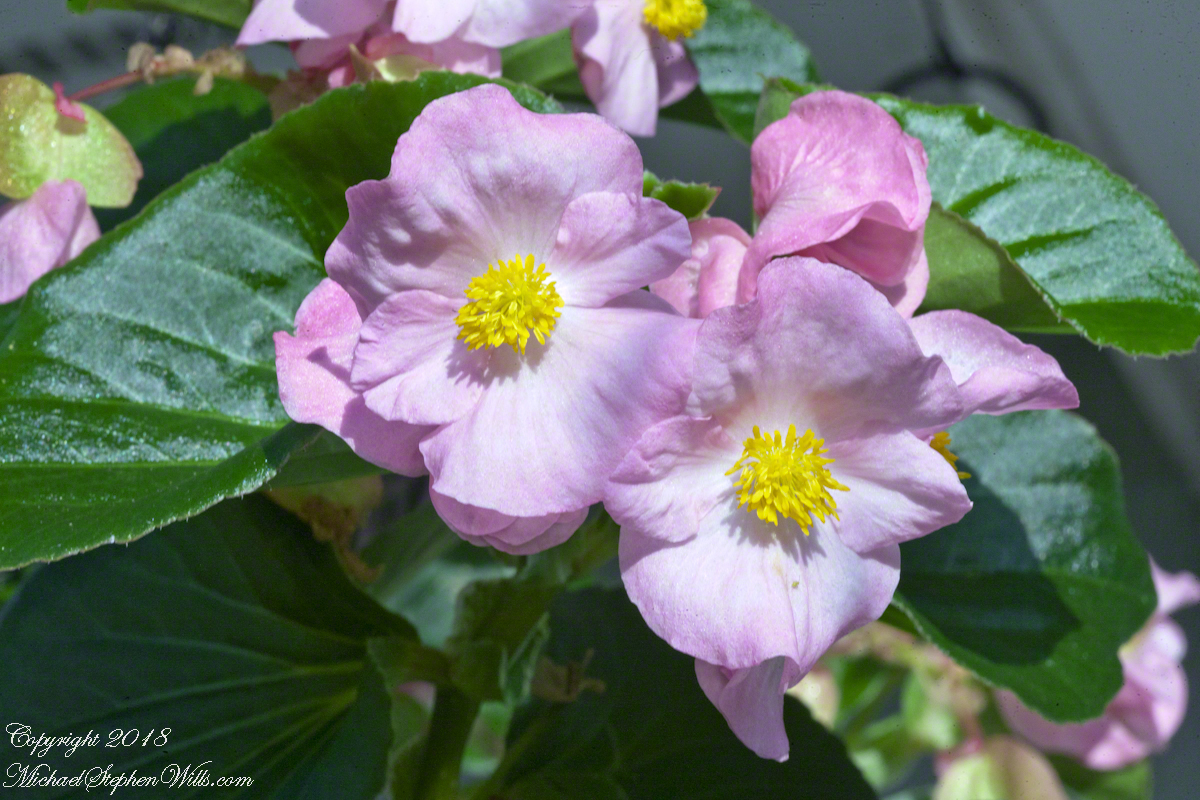
Begonia is a large genus of flowering plants, sub-tropical and tropical natives, adapted her to a hanging basket put out after the last frost, the end of May, Memorial Day, in these parts. The flowers are monoecious, both male and female unisex flowers bloom on a single plant.

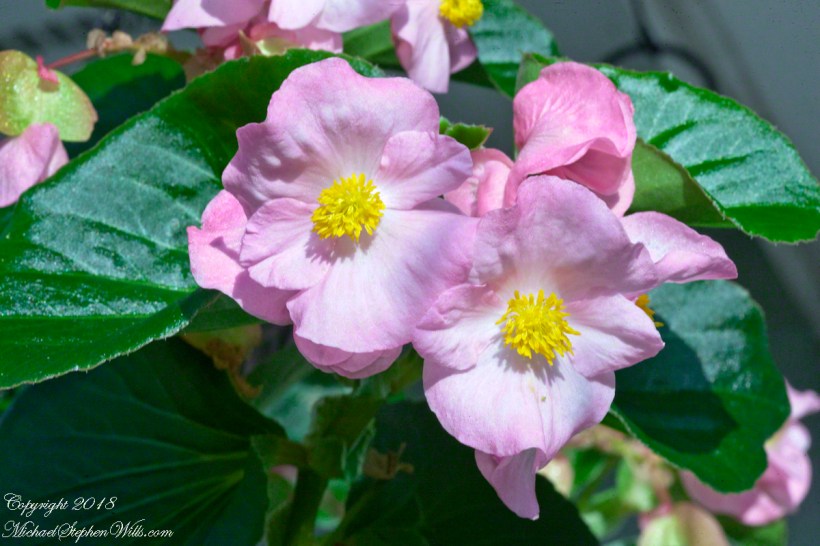
Pictured are double male flowers composed entirely of stamens. This plant has a sour flavor enjoyed in parts of its range. Over consumption will produce ill effects as the tissues are high in oxalic acid, a poison to humans.

Here, the leaves and flowers glow in the gentle light of early morning.

Copyright 2022 Michael Stephen Wills All Rights Reserved

Mass Bloom

“Princess of the Night” one evening

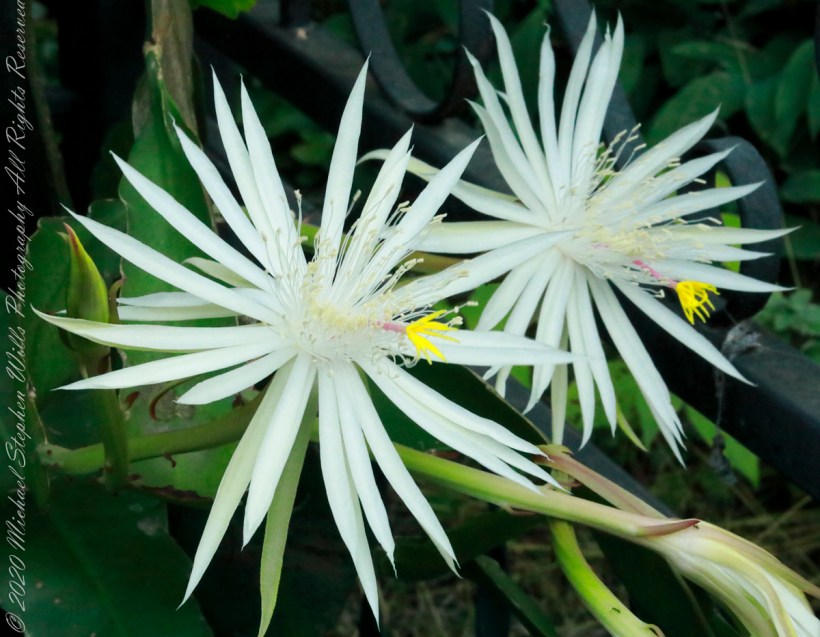
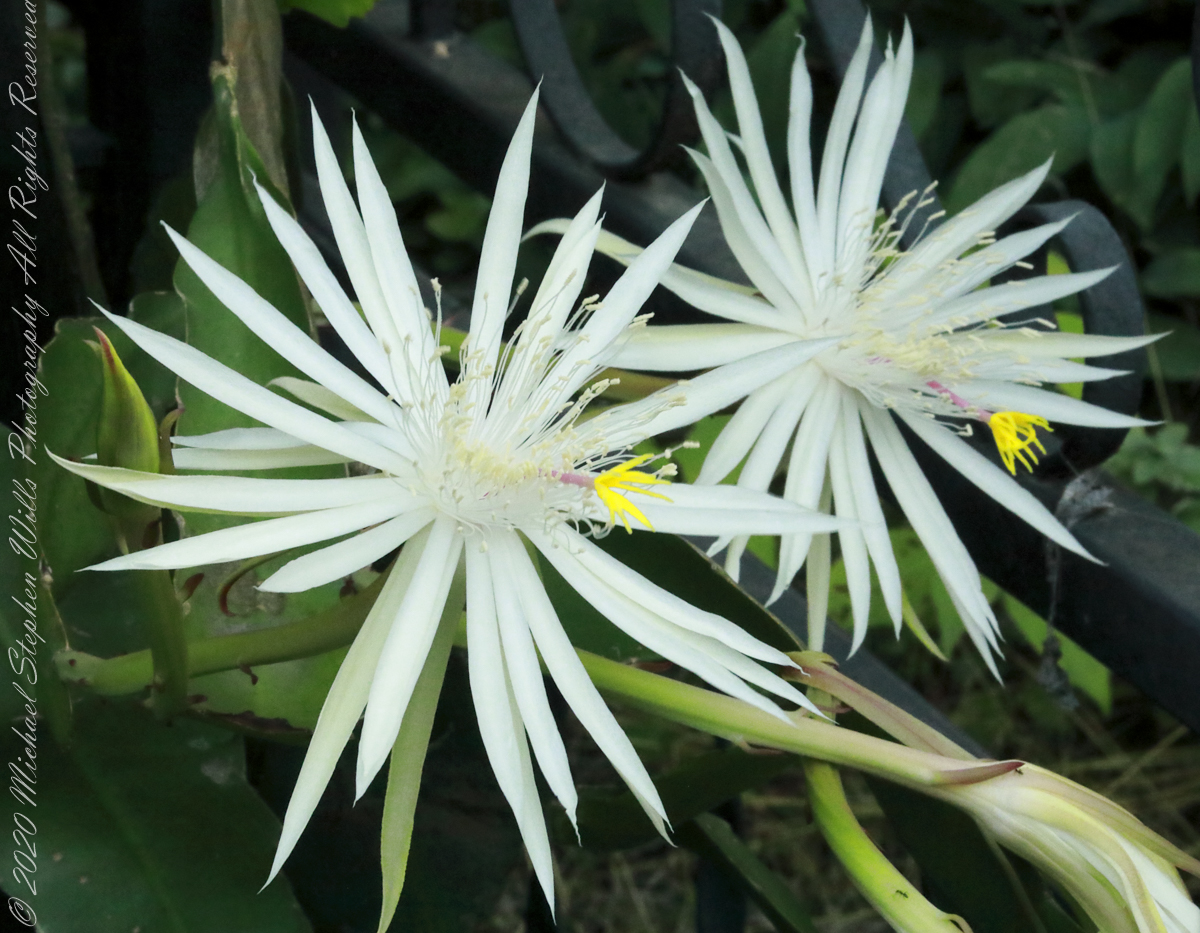
Our Night Blooming Cereus produced to date fifteen (15) flowers this spring and summer. These opened July 26th after sunset.

Click pic for larger view in a new browser tab. If you are in WordPress Reader, open the post to use this feature.

These were captured with the Canon EOS 5D Mark IV dslr with a 50mm f/1.4 lens on a Manfrotto tripod. In the following closeup from the lower right is visible a flower bud and spent bloom among the flowers.

Click me for another Cereus Post.

Copyright 2022 Michael Stephen Wills All Rights Reserved

Horse Camp

Western Still Life

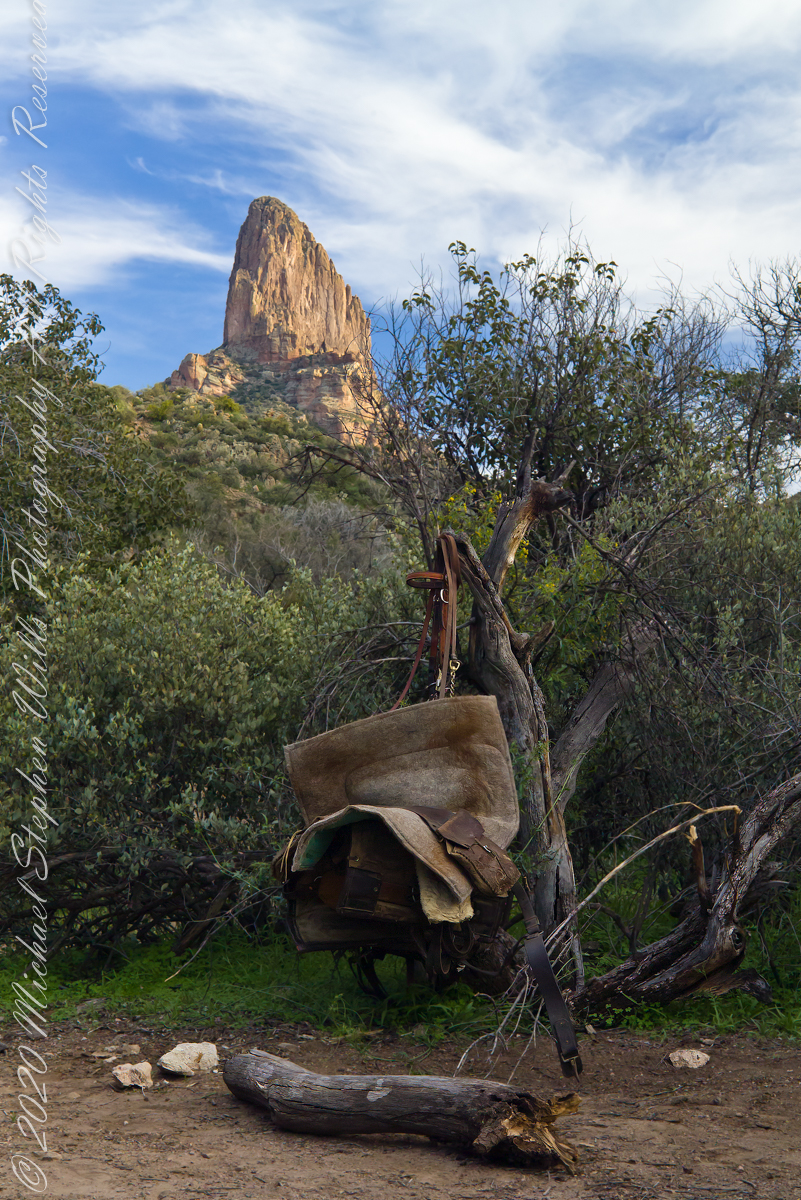
The end of a day trekking to East Boulder Canyon at the foot of Weaver’s Needle, Superstition Wilderness. I had a light pack with the camera equipment and supplies packed in on horseback.

Click Me for my Online Gallery


Click me for another Superstition Wilderness Episode

Copyright 2022 Michael Stephen Wills All Rights Reserved

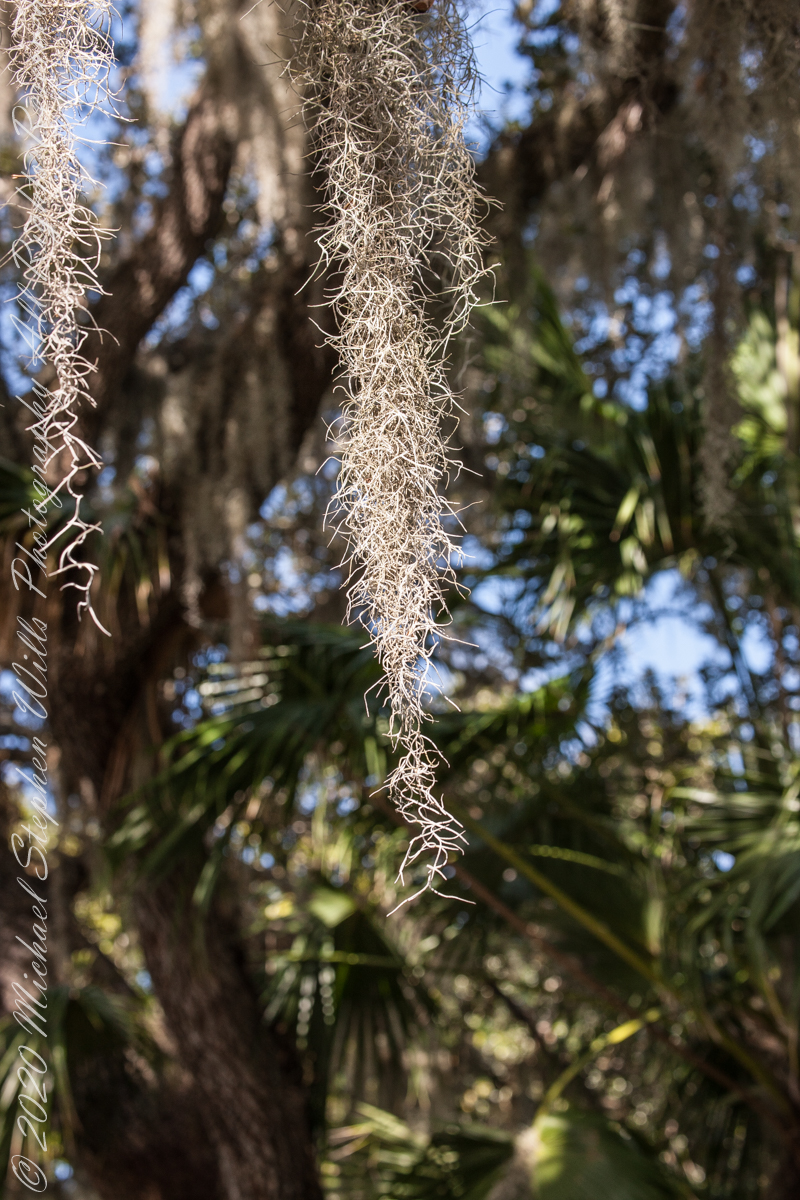
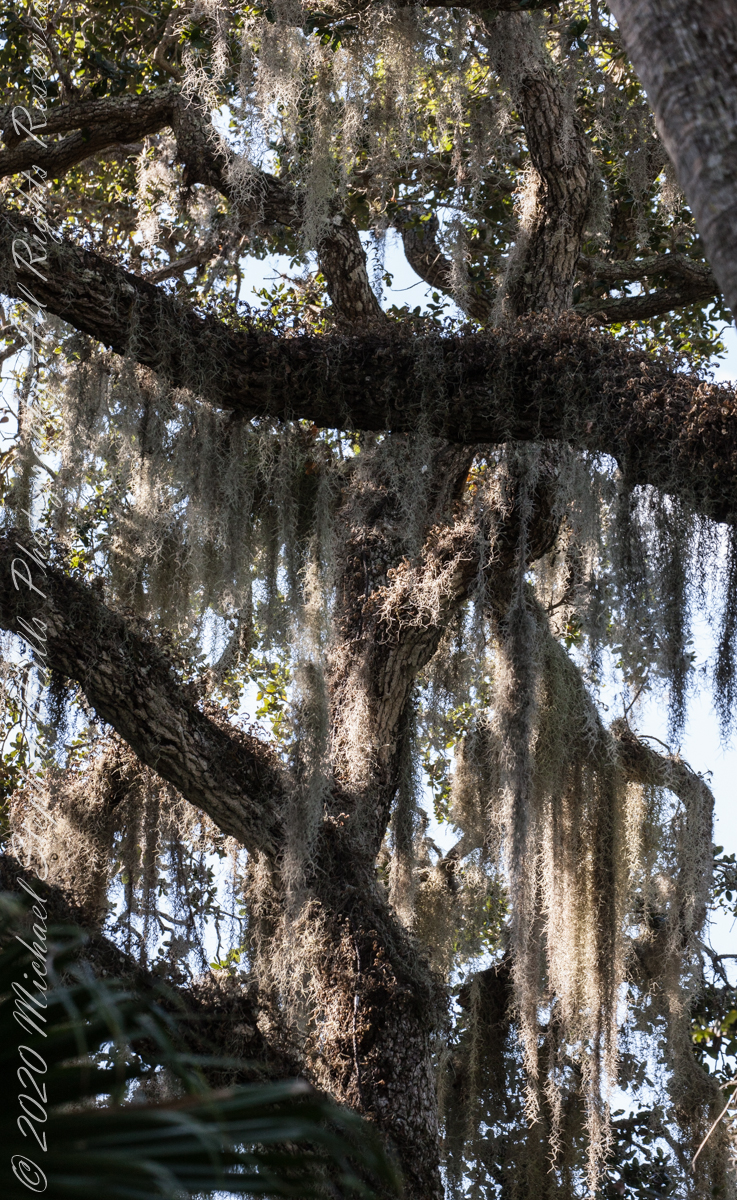
When is “moss” not moss?

Southern Gothic

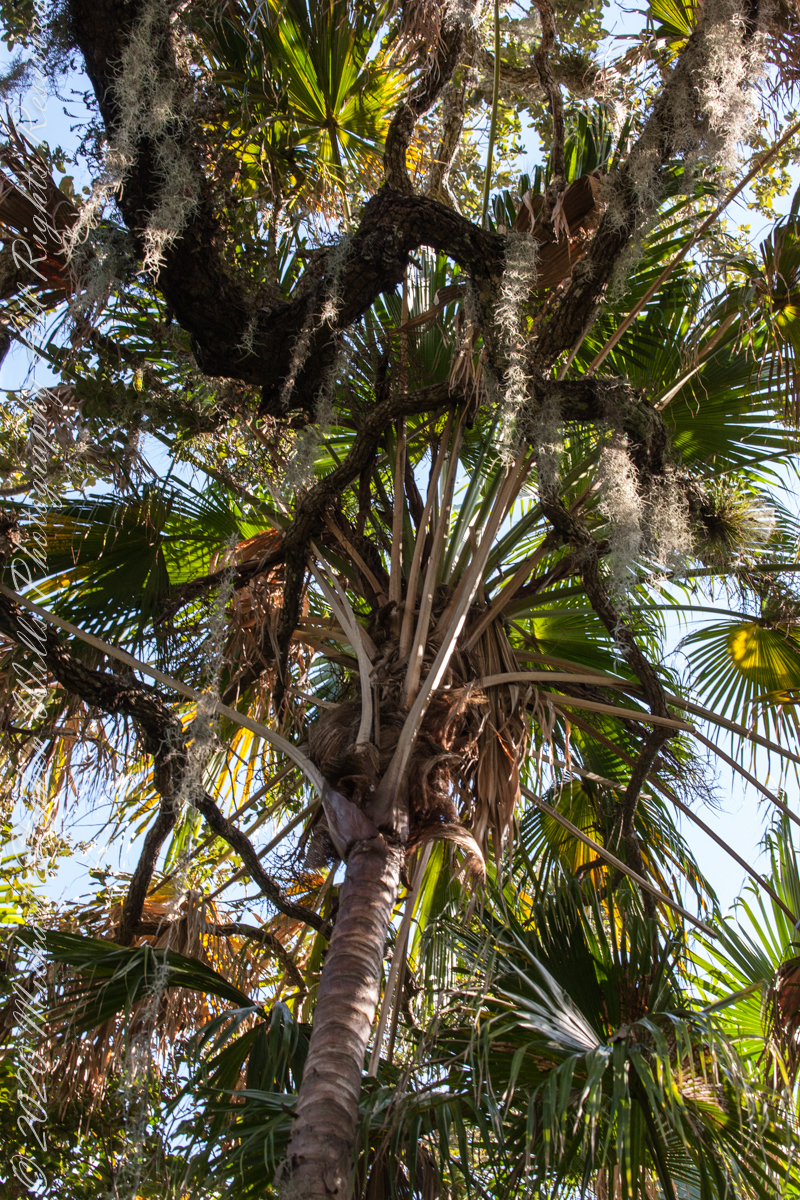
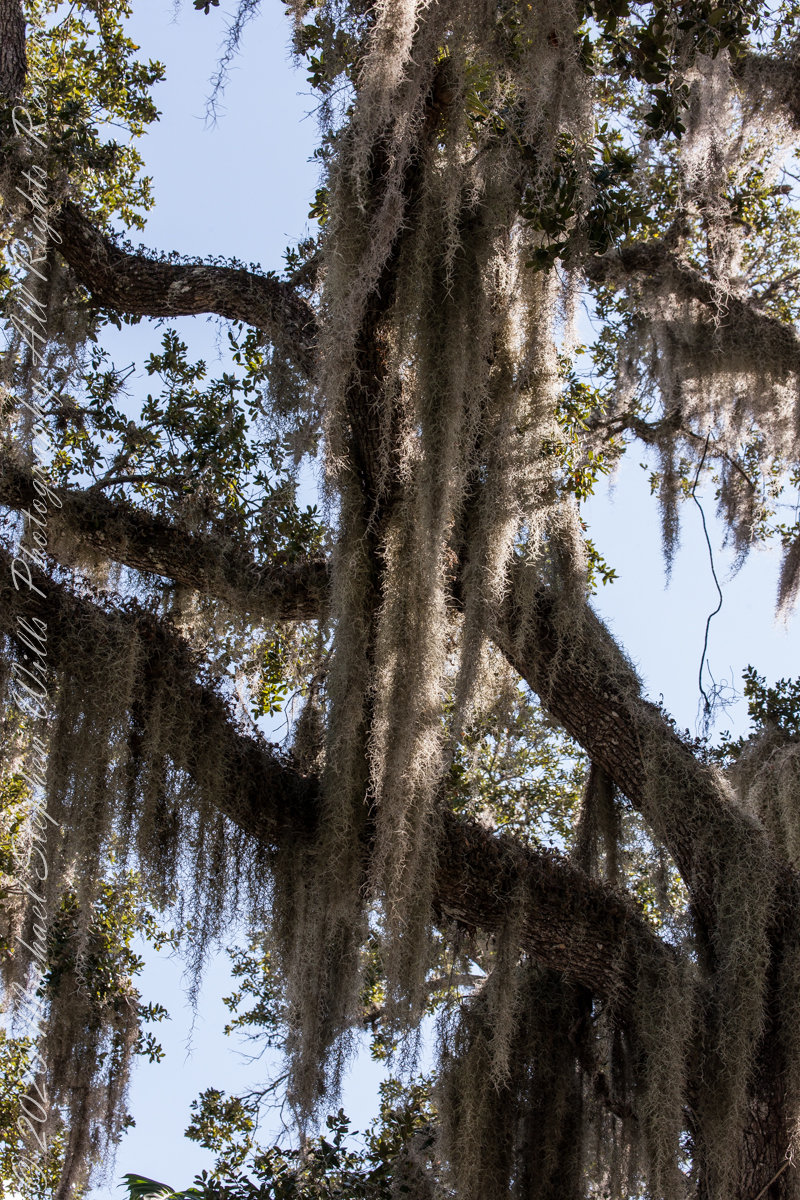
We spotted this stuff within minutes of arriving at McKee Gardens for an afternoon visit with the grandchildren. Festooned above our heads from thick Oak branches, I could not resist pulling out the camera for this photograph to capture the flavor of Southern Gothic. Fortunately, our group included neither deeply flawed nor disturbing characters, though we can confess to a touch of eccentricity.

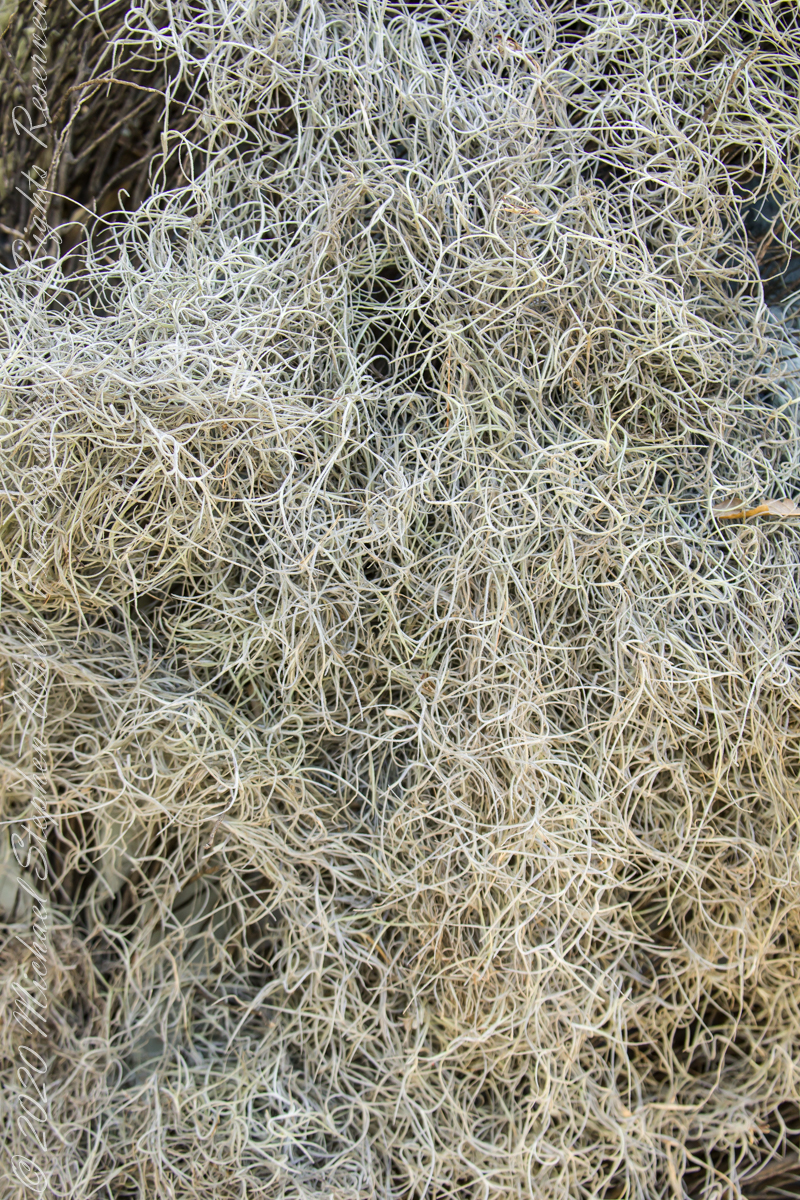
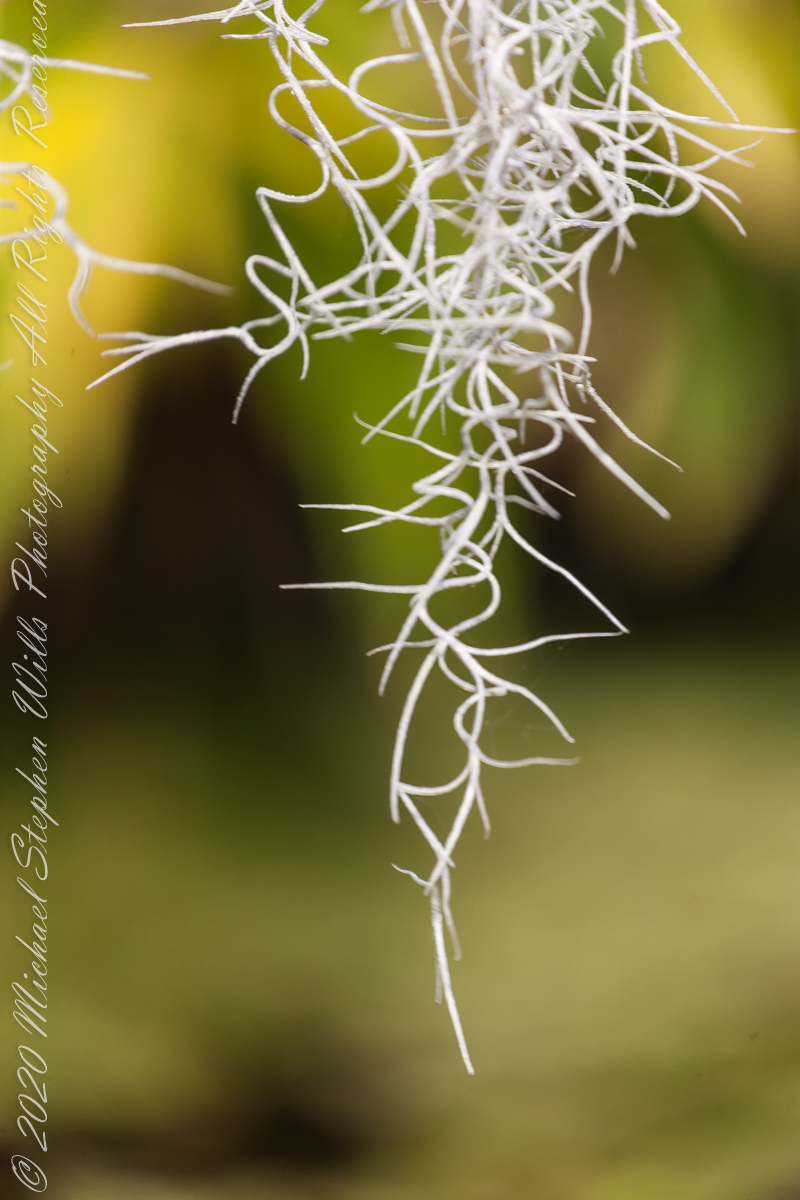
Spanish Moss produces inconspicuous flowers with tiny seeds. Spanish Moss also propagates from fragments of the fine leaves.

Spanish Moss is neither moss nor Spanish. Scientific name Tillandsia usneoides, this flowering plant is in the family Bromeliaceae that includes pineapple. Here we have two epiphytic bromelias sharing the trunk of a palm.

A rootless epiphyte native to the tropical / semi-tropical Americas, Spanish Moss has a preference for southern live oak (Quercus virginiana) and bald cypress (Taxodium distichum) because of their high rates of foliar mineral leaching (calcium, magnesium, potassium, and phosphorus) that provides an abundant supply of nutrients to the epiphytic plant.

My two volume “go to” resource for plants and trees had sparse information about Spanish Moss and no wonder as it is a burden on trees, though not parasitic, and so more a pest than a decorative element to cherish. Surprisingly, Spanish Moss was purposely introduced to Hawaii where it is now known as “Pele’s Hair” after their fire goddess.

Click me for a dinosaur video from McKee Gardens.

Reference: wikipedia “Spanish Moss”

Copyright 2022 Michael Stephen Wills All Rights Reserved

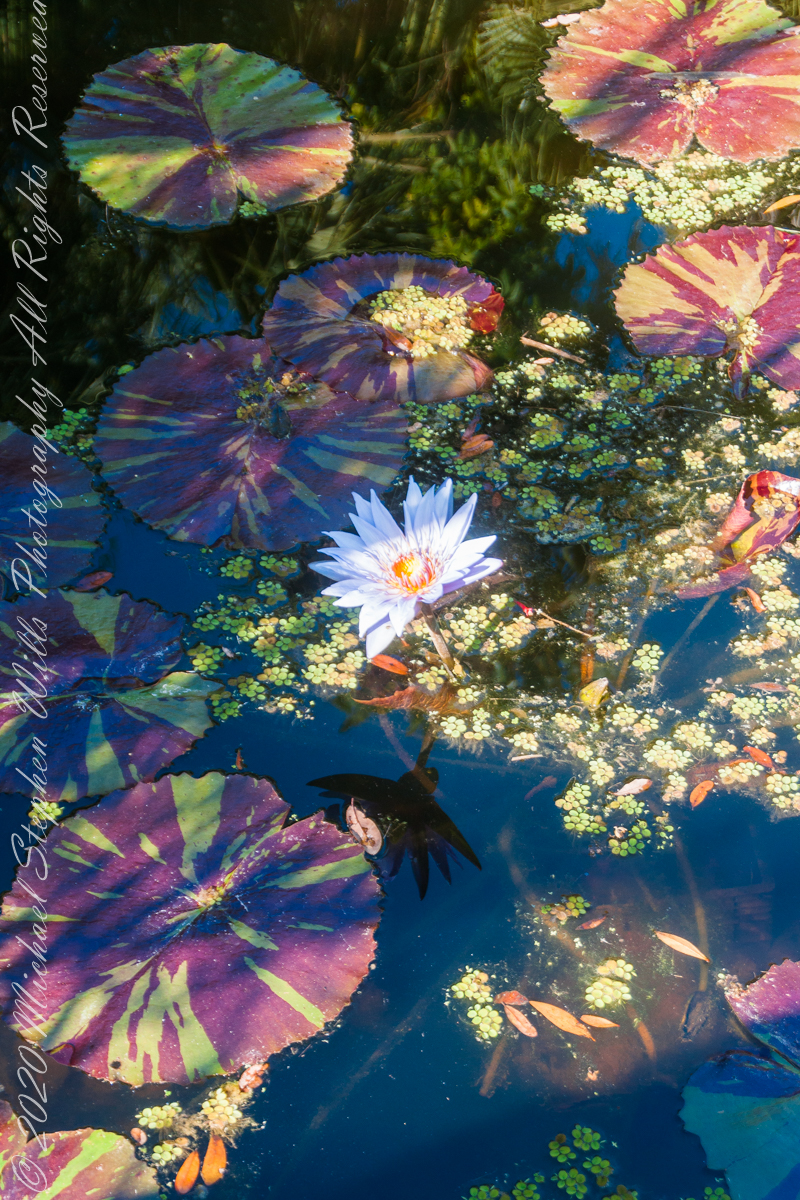
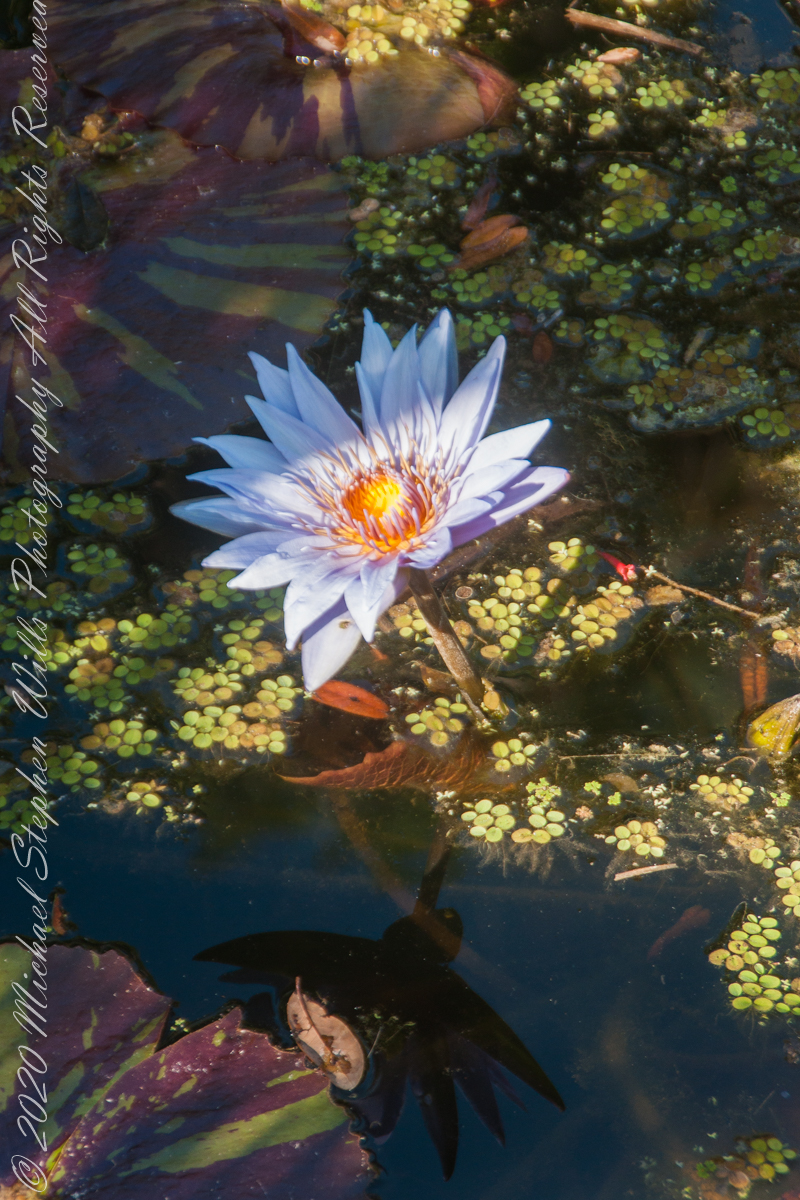
The Waterlily Genus Nymphaea

Congrats to all fathers and grandfathers, Happy Fathers Day

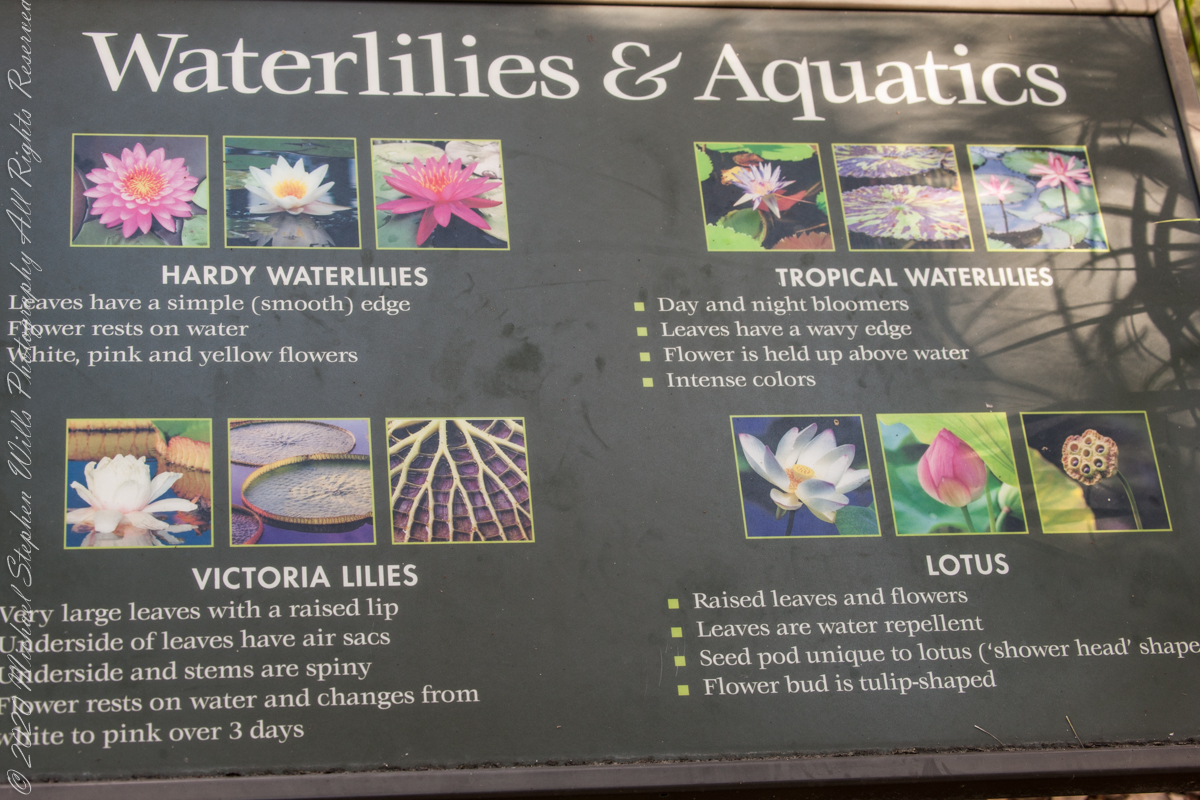
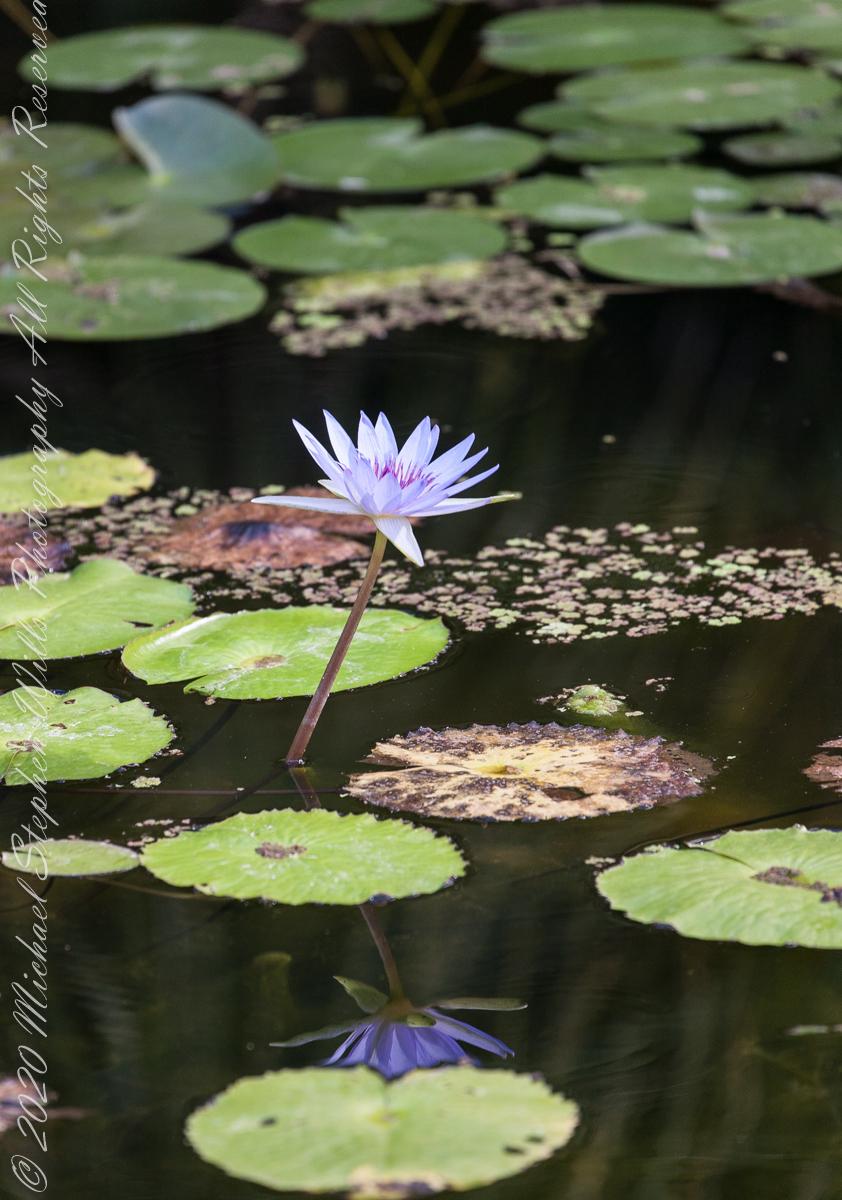
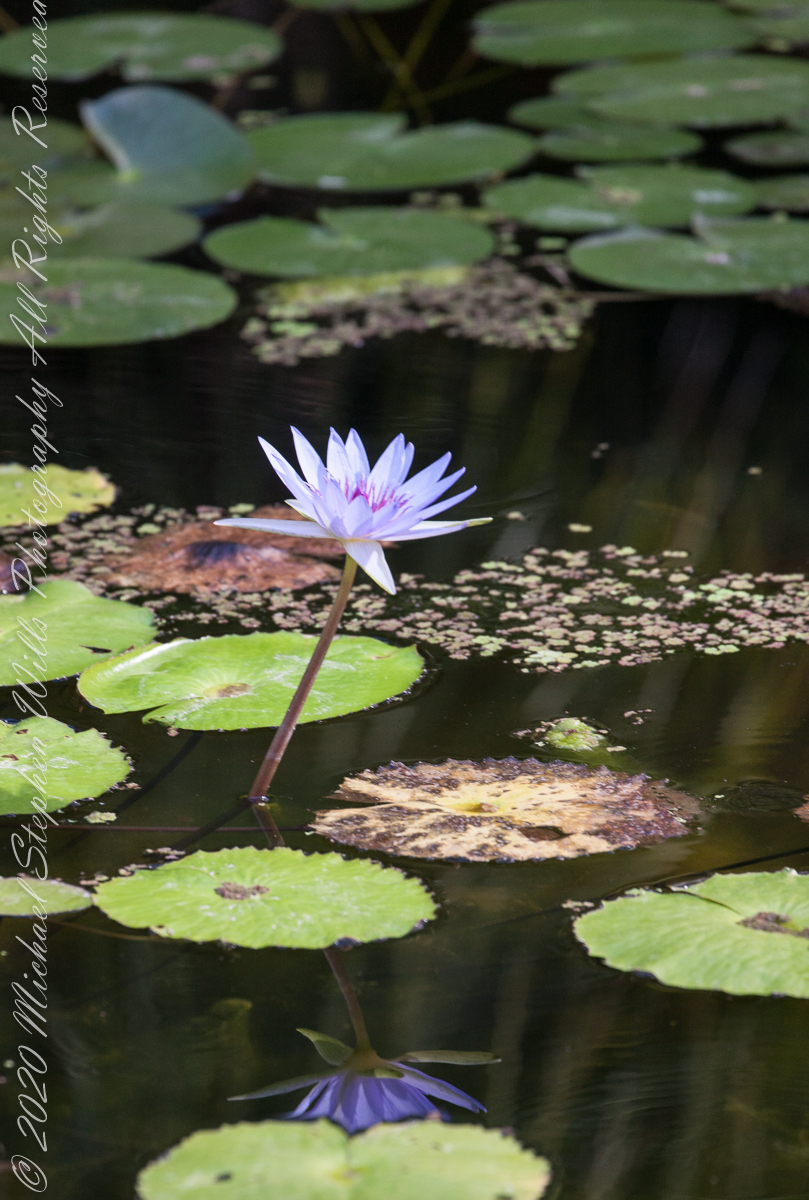
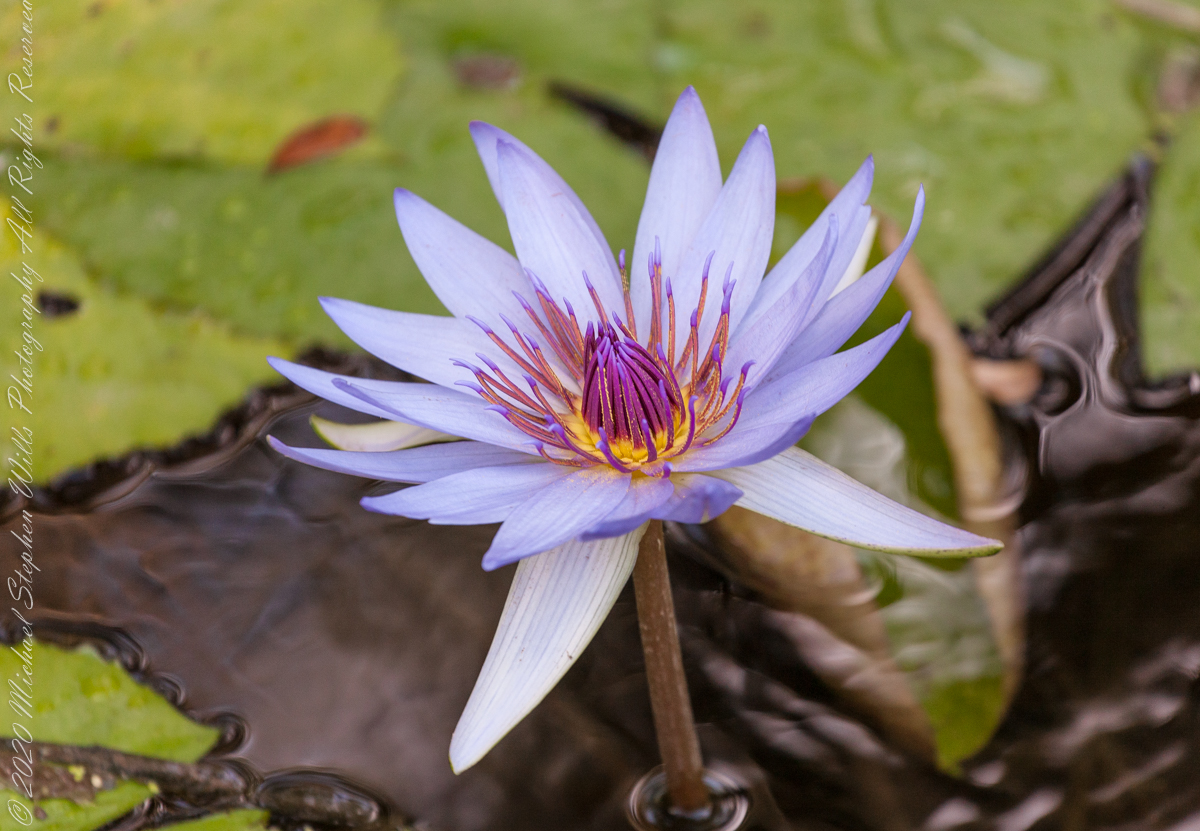
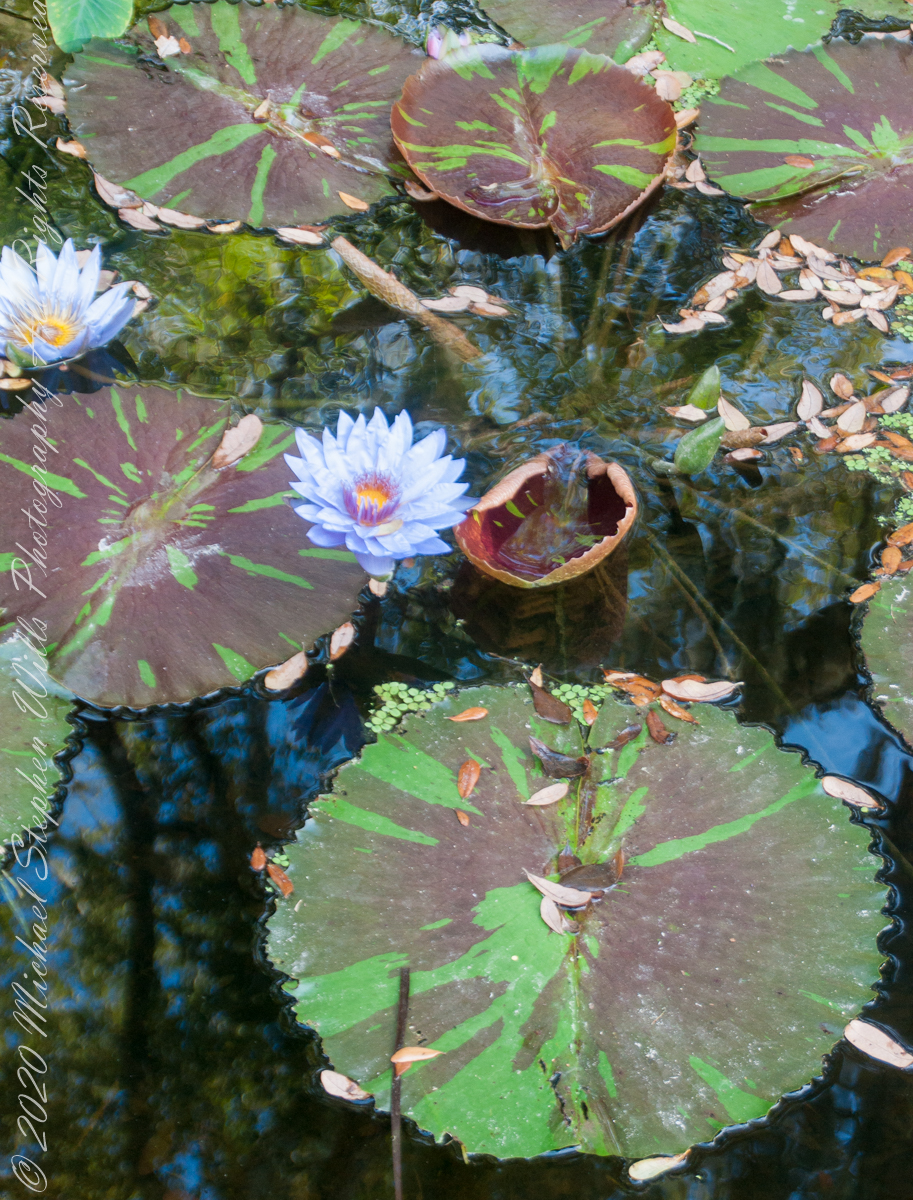
The McKee informative placard divides the Genus Nymphaea into “Hardy” and “Tropical” waterlilies. “Hardy” being plants native to temperate climates, such as New York State. I do not have photos of these from McKee. Nor are there examples of Lotus.

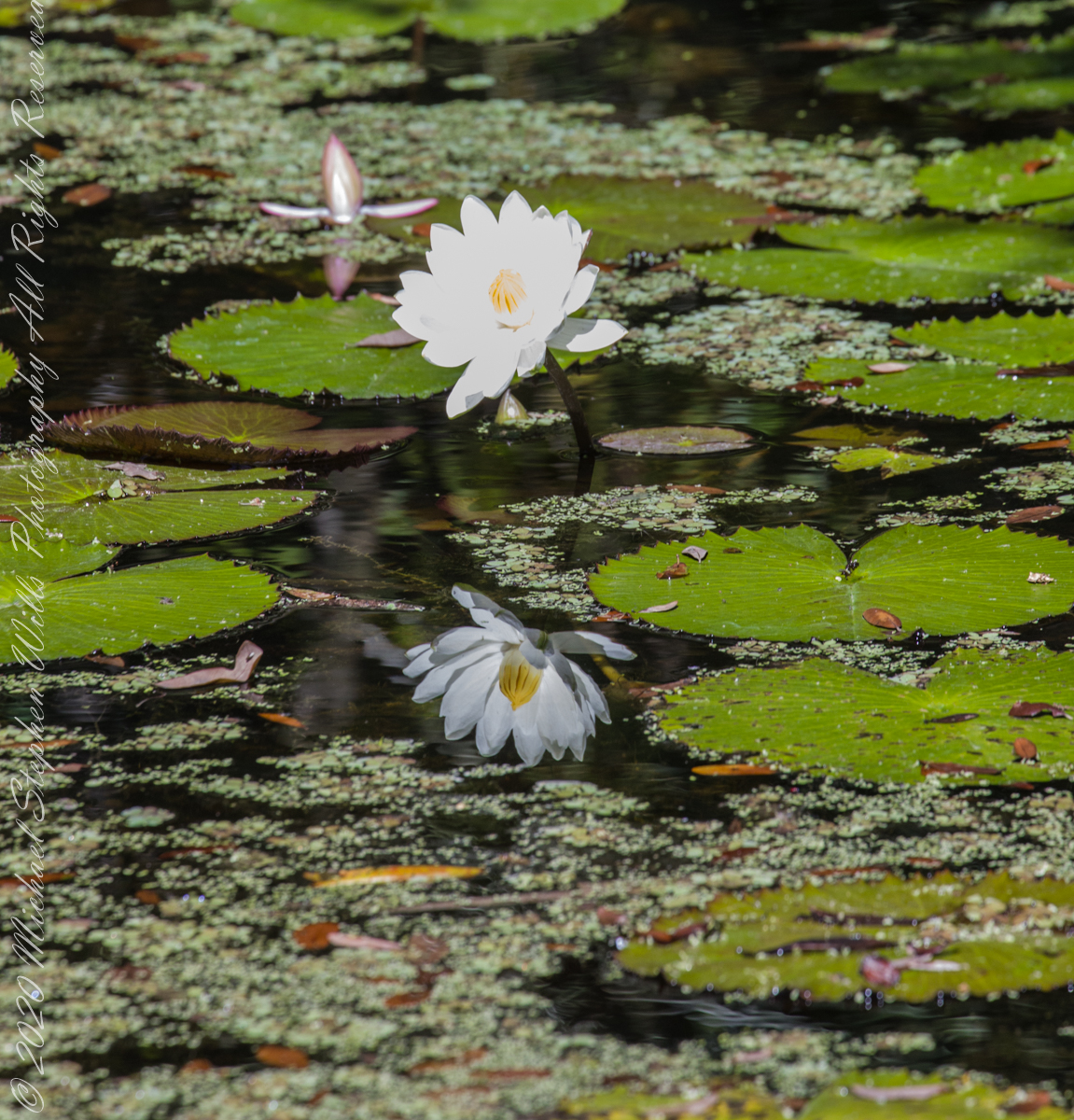
What I have is an abundance of the “tropical” varieties.

The family Nymphaeaceae, of which the genus Nymphaea is a part, is thought to be the most basic of all the Angiosperms. A minute flower of the Nymphaea type was found in early Cretaceous deposits in Portugal, dating early waterlilies to at least 115-125 million years ago.

Angiosperm,” the word referring to all flowering plants, is composed to two greek words angio-. meaning enclosed, and -sperm, meaning seed. “DNA studies indicate the Nymphaeaceae separated from the rest of the angiosperm family tree…..before the separation of the monocots and dicots.” – see reference.

Click me for wonderful sculpture at McKee Gardens

Reference: The Botanical Garden, Volume II, by Roger Phillips and Martyn Rix, Firefly Books, pp 382-383

Copyright 2022 Michael Stephen Wills All Rights Reserved

First Bloom

“Princess of the Night” one evening

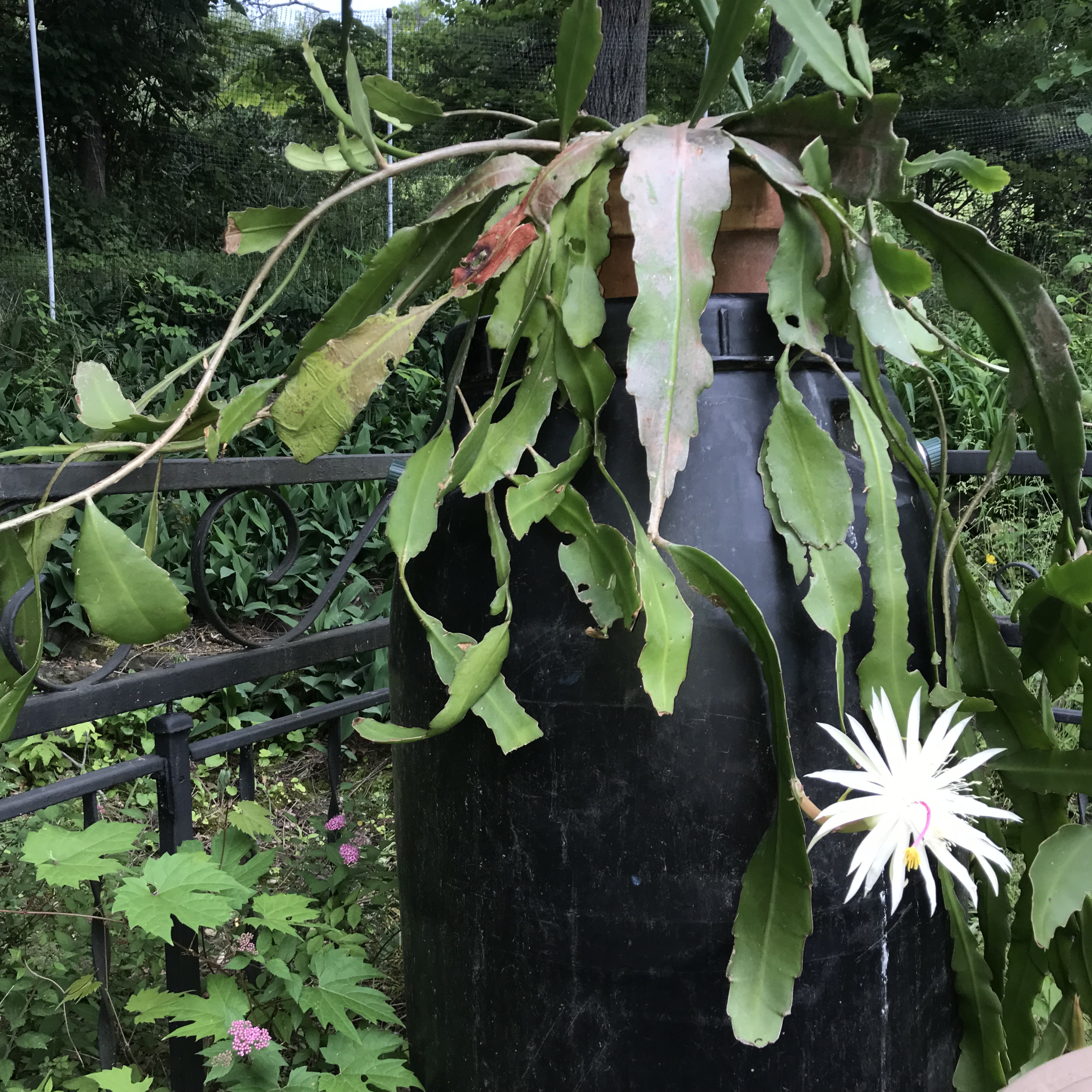
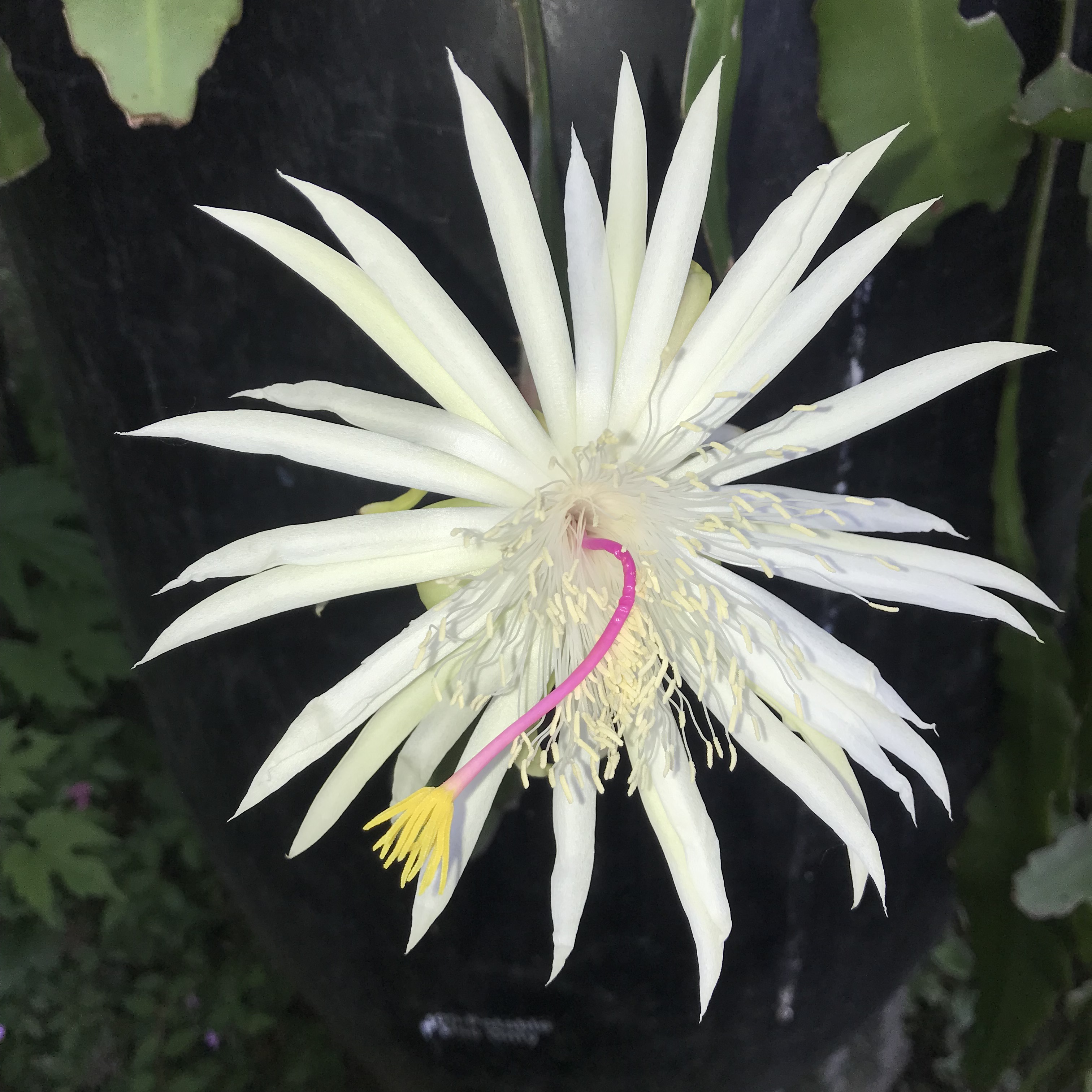
Our Night Blooming Cereus spent this winter on a stand on an eastern facing window. The day after Memorial Day it is back to the poolside rain barrel where, looking up from swimming laps June 12th, I spied the first bloom of the season.

Click pic for larger view in a new browser tab. If you are in WordPress Reader, open the post to use this feature.

I am sure it opened during the day.

I am grateful for the unexpected pleasure.

Photographs are from the Apple IPhone 7, flash enabled.

Click me for another Cereus Post.

Copyright 2022 Michael Stephen Wills All Rights Reserved

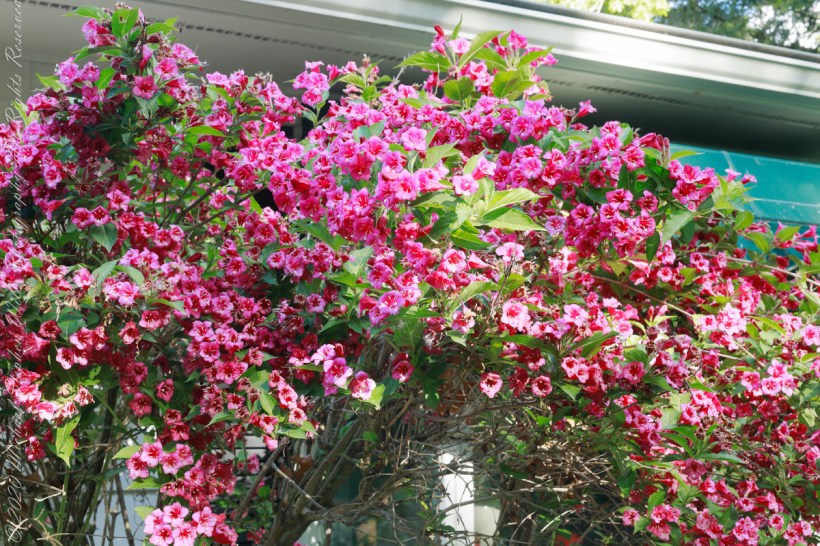
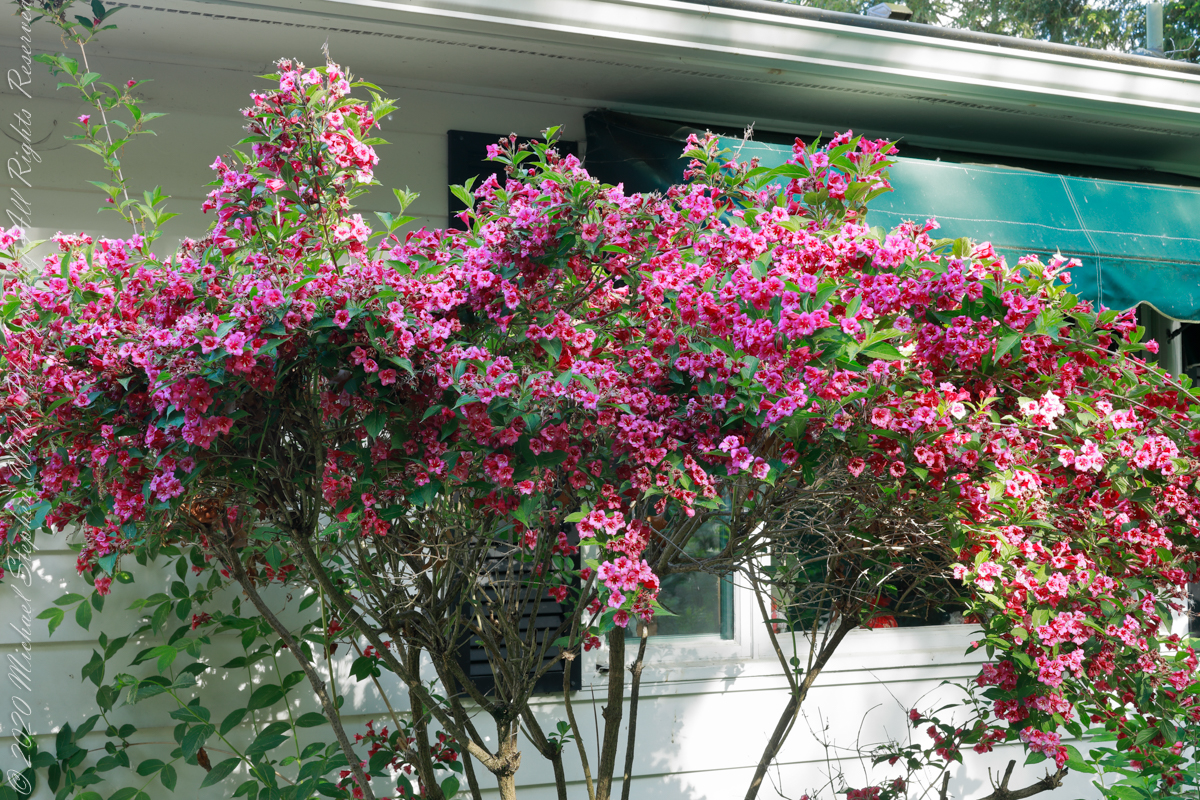
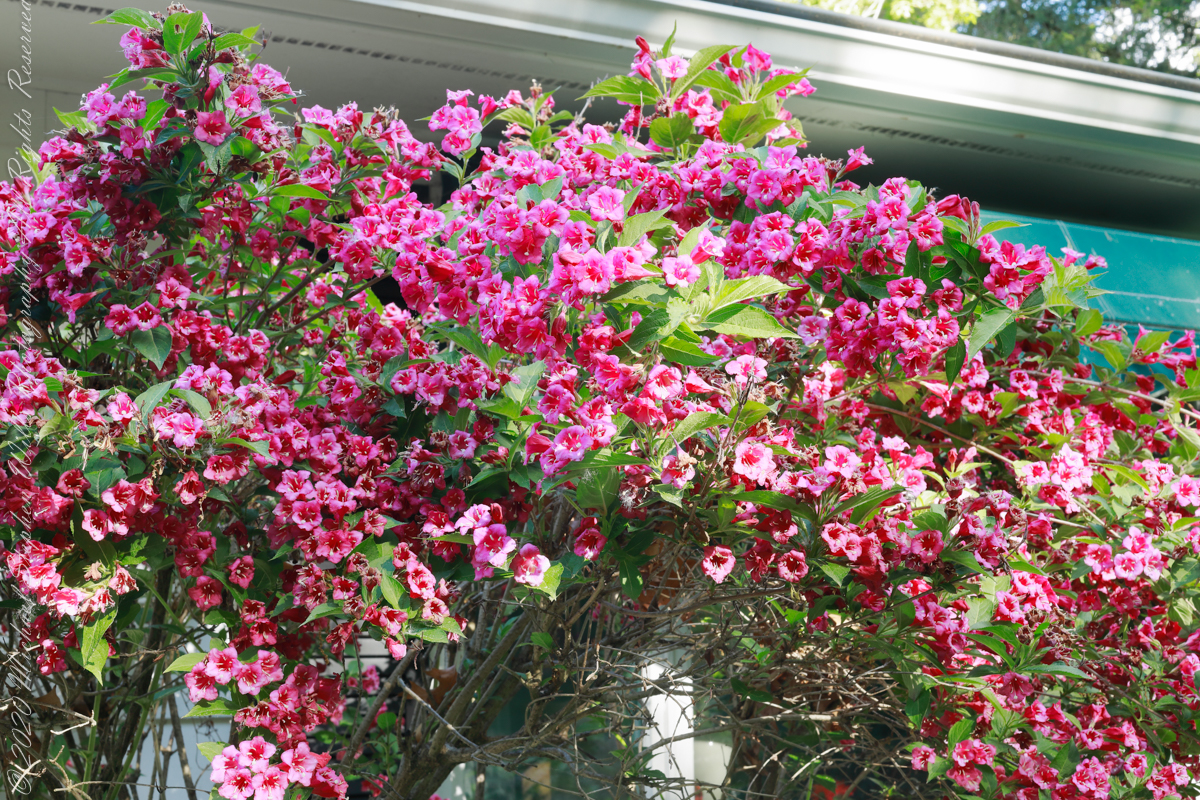
Weigela Bountiful

an exceptional bloom for our backyard wonder

Click me to find background information on our Weigela bush.

2022 is a breakout year for the Weigela bushes of our yard, each has bloomed literally for a month. The flowers are still fresh today.

Click either photograph to view a larger image on a new browser tab.

These photographs were taken with a Canon EOS 5D Mark IV dslr and the Canon EF 50mm f/1.2L USM lens with a “BeFree” Manfrotto tripod with ball head. f-stop was tamped down to the maximum, f16 for this lens. Exposures were taken in the evening with the sunlight filtered through our hemlock trees.

Copyright 2022 All Rights Reserved Michael Stephen Wills

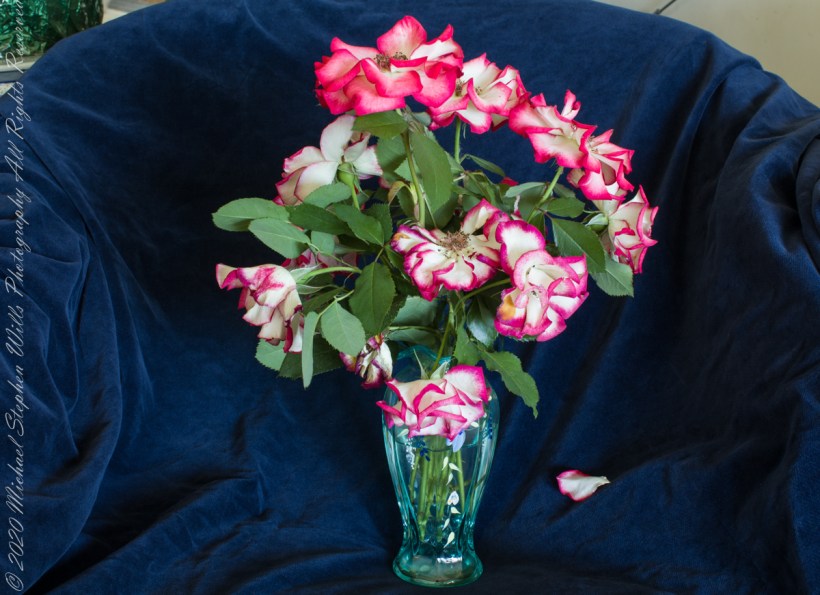
Betty Boop

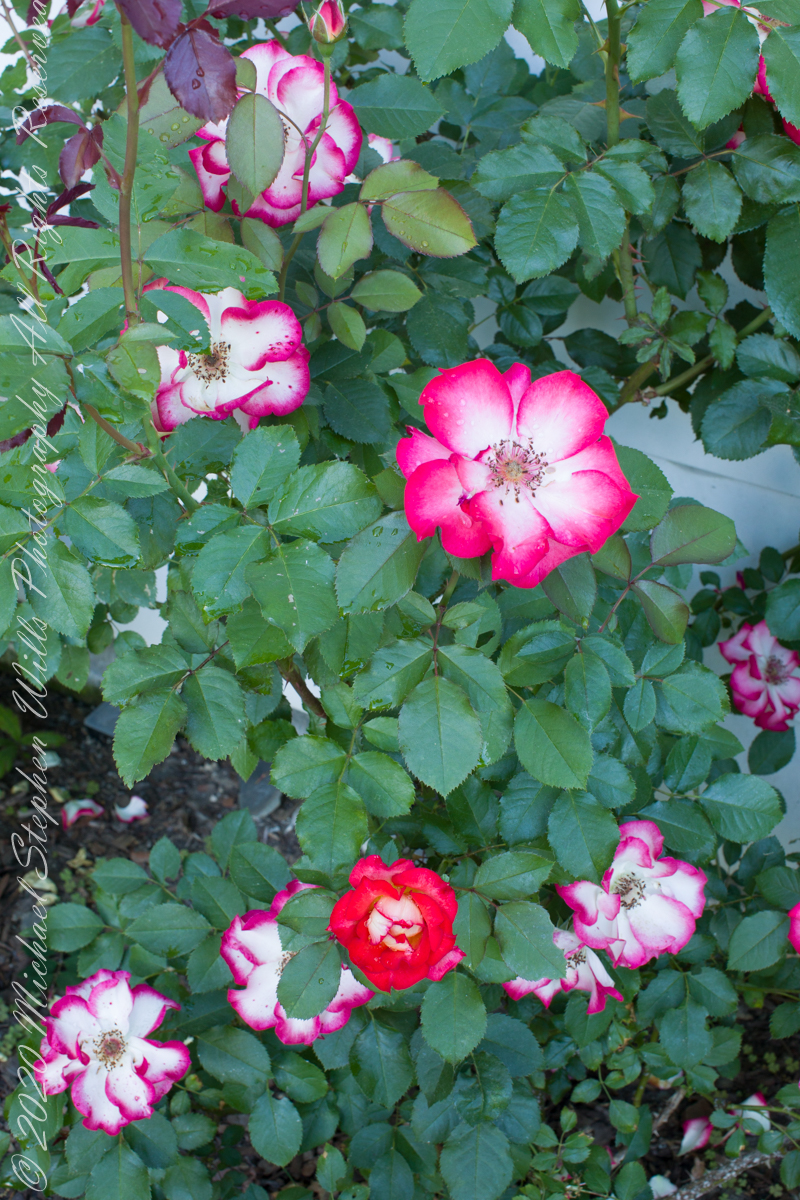
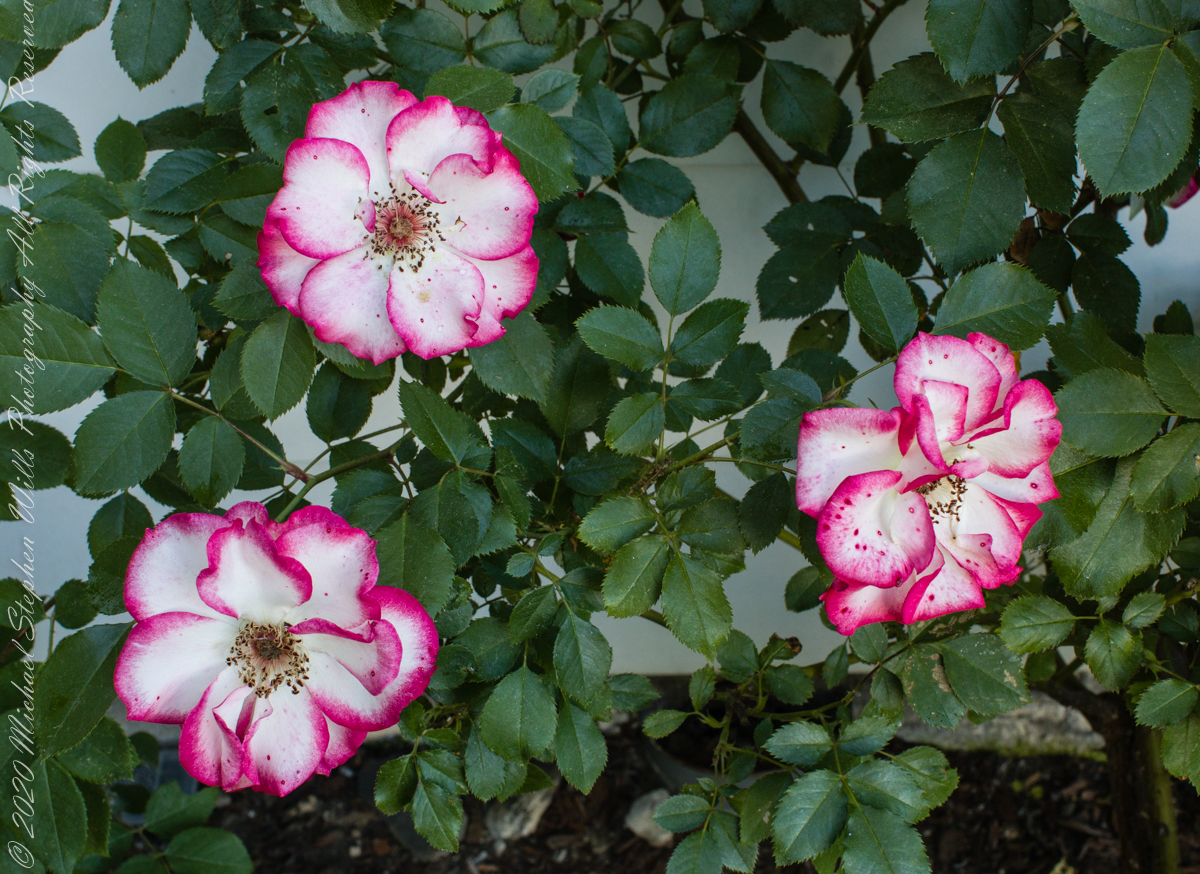
These photos feature Floribunda and double cluster roses captured on a June evening. Various stages of bloom were photographed.

These Floribunda, semi-double petaled blooms were captured along with the yellow double cluster roses of the previous post, in the evening shade of a late spring day, June 23rd.

Above is a mix of just opened (the dark red, center bottom), fully opened new (just to right of center) and aging (all the rest).

Throughout this set I used the Canon EOS 5D Mark IV dslr with the EF 50 mm f/1.2L USM stabilized with a Manfrotto 468MG tripod with Hydrostatic Ball Head.

Floribundas, sometimes called cluster flowered roses, originated with Poulsen’s nursery in Denmark from crossed with Hybrid Teas with Polyantha Roses, themselves crosses between dwarf Chinas and a dwarf, repeat-flowering form of R. multiflora. Texas-based rose hybridizer Tom Carruth released Betty Boop in 1999, naming it after a cartoon character from the 1930’s. Pam found this plant around 2008 offered by the K-mart store in Cortland. She is amazed by the beauty of the Betty Boops.

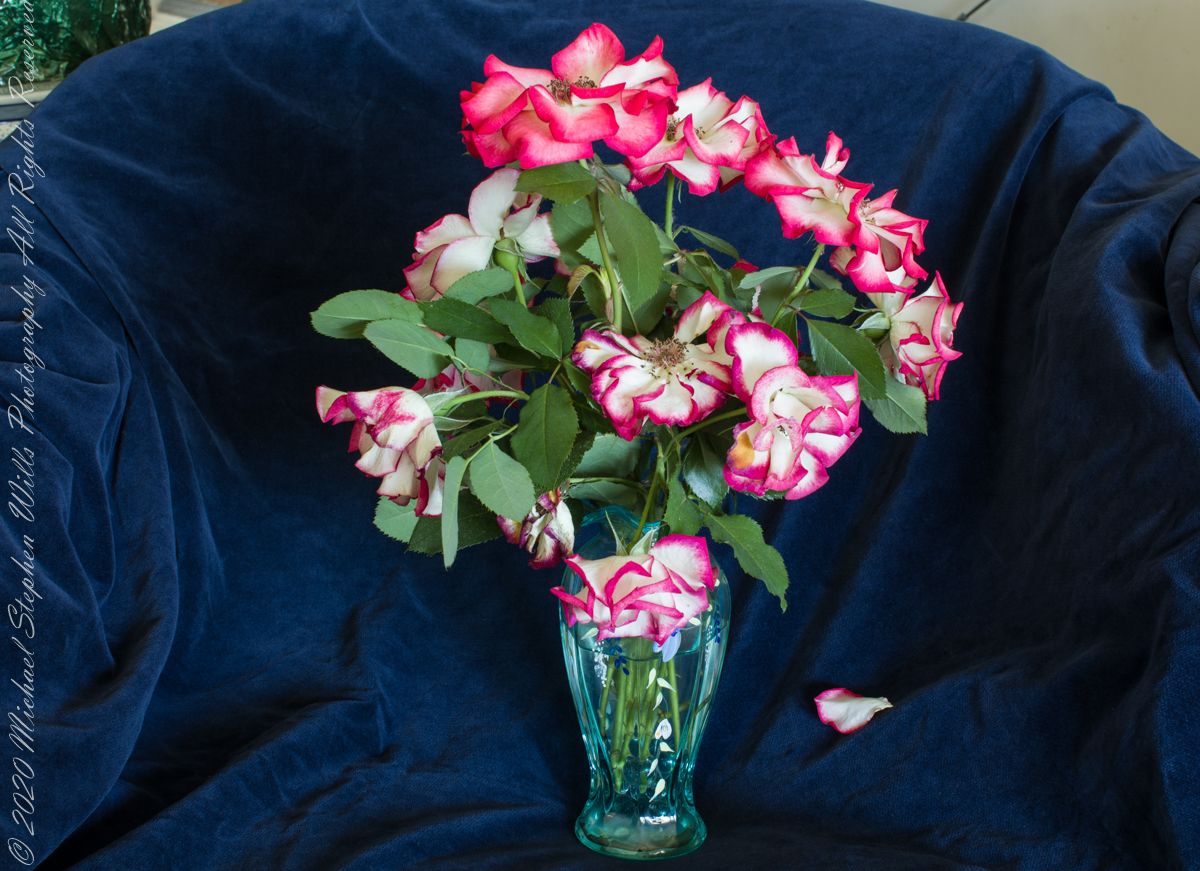
Another beloved characteristic is the longevity of the blooms. Pam collected and arranged this vase last week, for Father’s Day. I provided the setting. In this controlled environment the low ISO provides better colors and contrast with minimal digital noise.

References

“The Botanical Garden” Vol 1, Roger Phillips and Martyn Rix, Firefly Books, Buffalo, N.Y. 2002 pp 228 – 233.

Wikipedia search for “Betty Boop rose” and ” Tom Carruth rose.”

Copyright 2022 Michael Stephen Wills All Rights Reserved

“Los Mariachis” and two metal owls

A selection of photographs from our January 2019 visit to McKee Botanical Gardens, Vero Beach, Indian River County, Florida

My final Seward Johnson sculpture posting opens with a piece of uncertain authorship, I just know it was not installed for our second 2020 visit just before COVID-19 hit.

Here we have a dynamic group, I can almost hear the music.

Click me for a dinosaur at McKee Gardens, Amargasaurus, a “small” sauropod.,

Copyright 2022 Michael Stephen Wills All Rights Reserved