Autumn Wonder

Cornell Botanical Gardens

“Cornell Botanic Gardens is a living museum with a mature botanic garden and arboretum—part of what makes Cornell one of the most beautiful campuses anywhere. We steward over 3,600 acres of biologically diverse landscapes that represent the full range of ecological communities found in the Finger Lakes region.” — from their web site

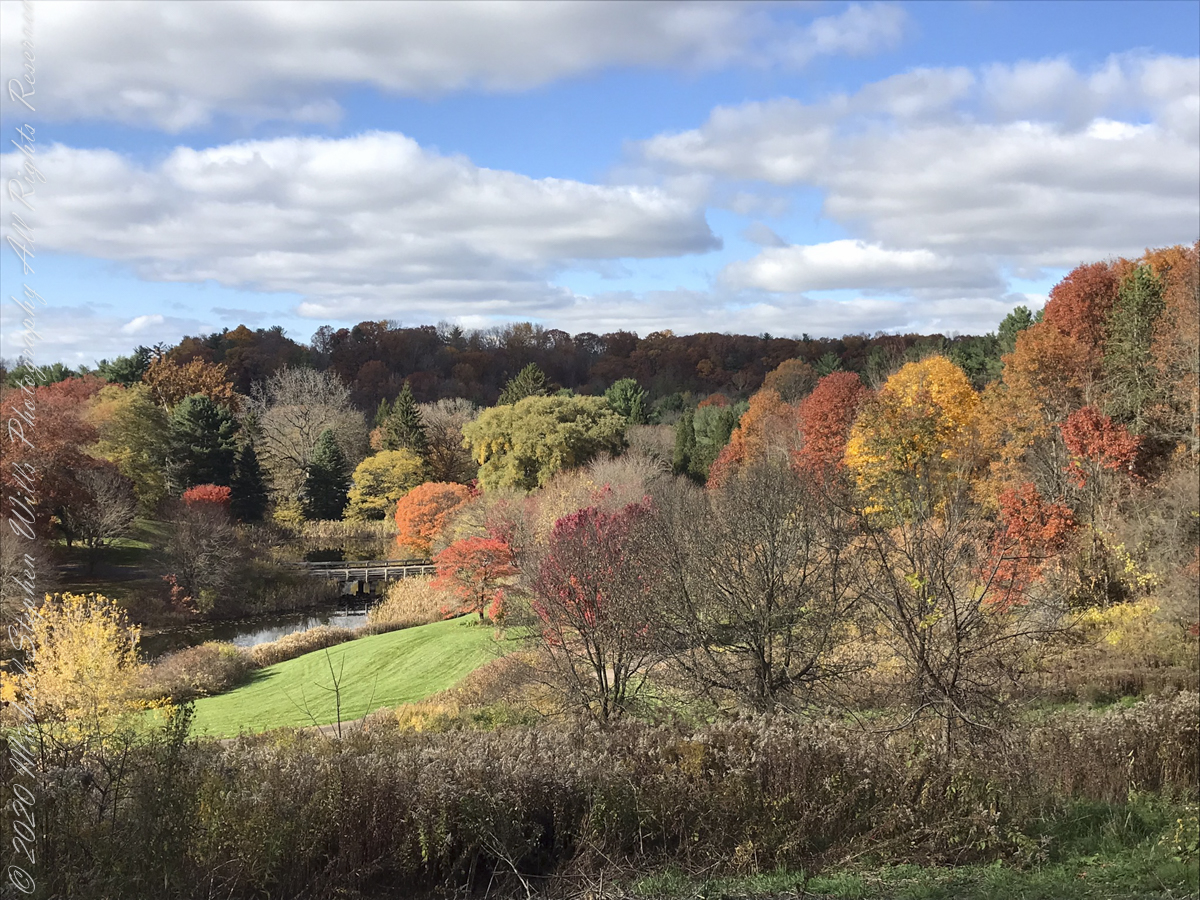
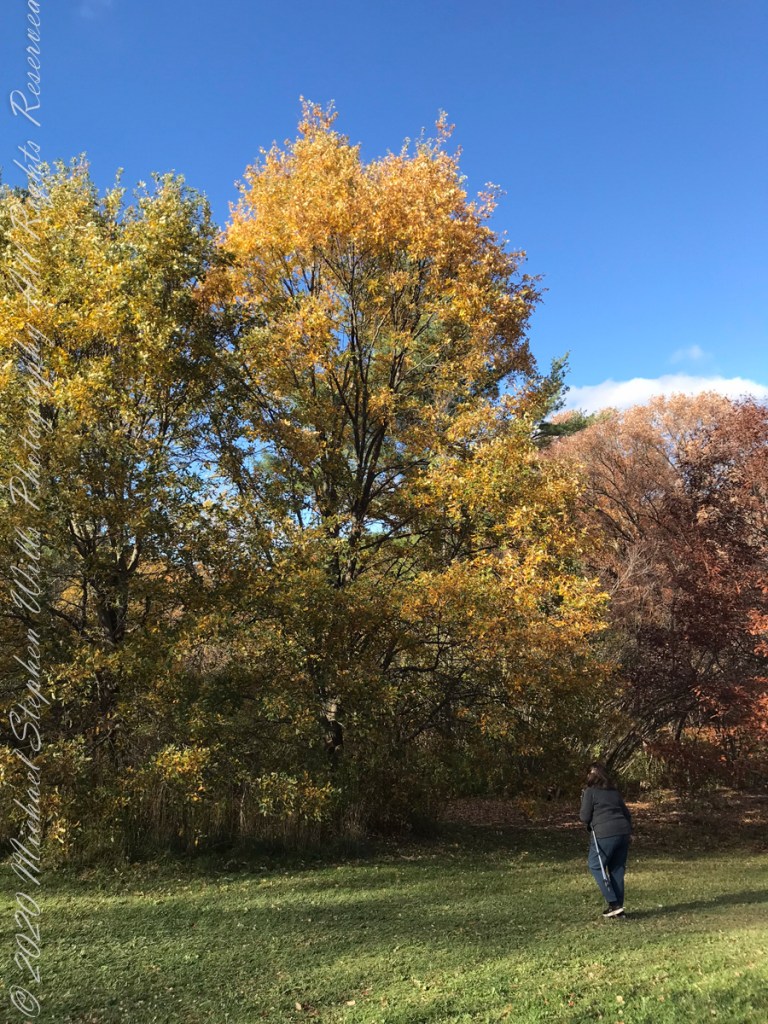
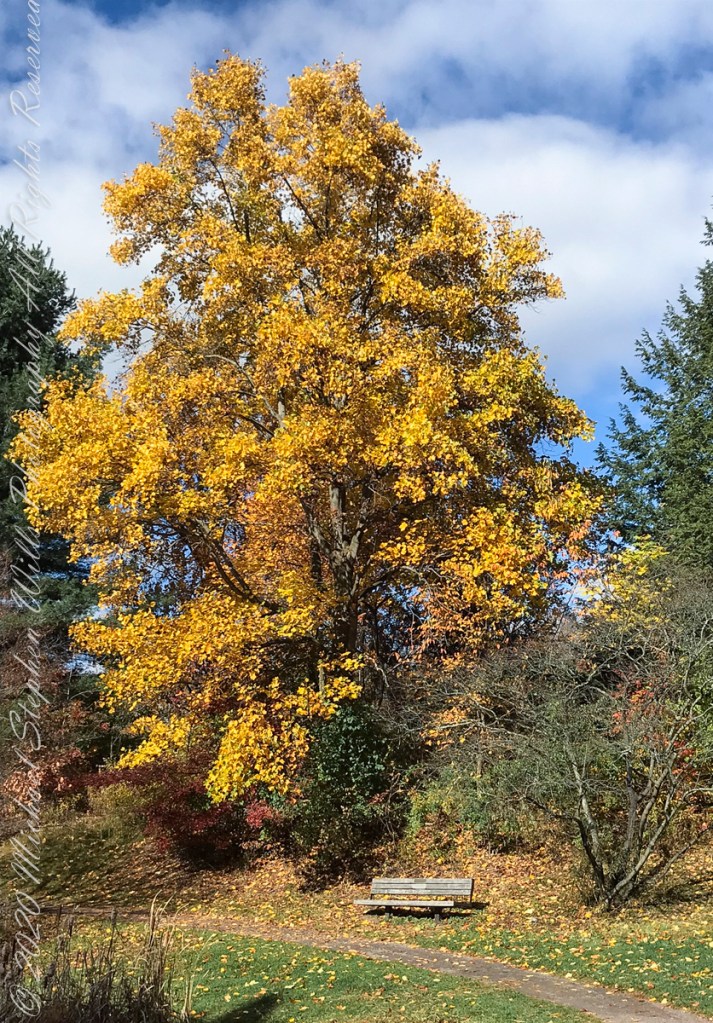
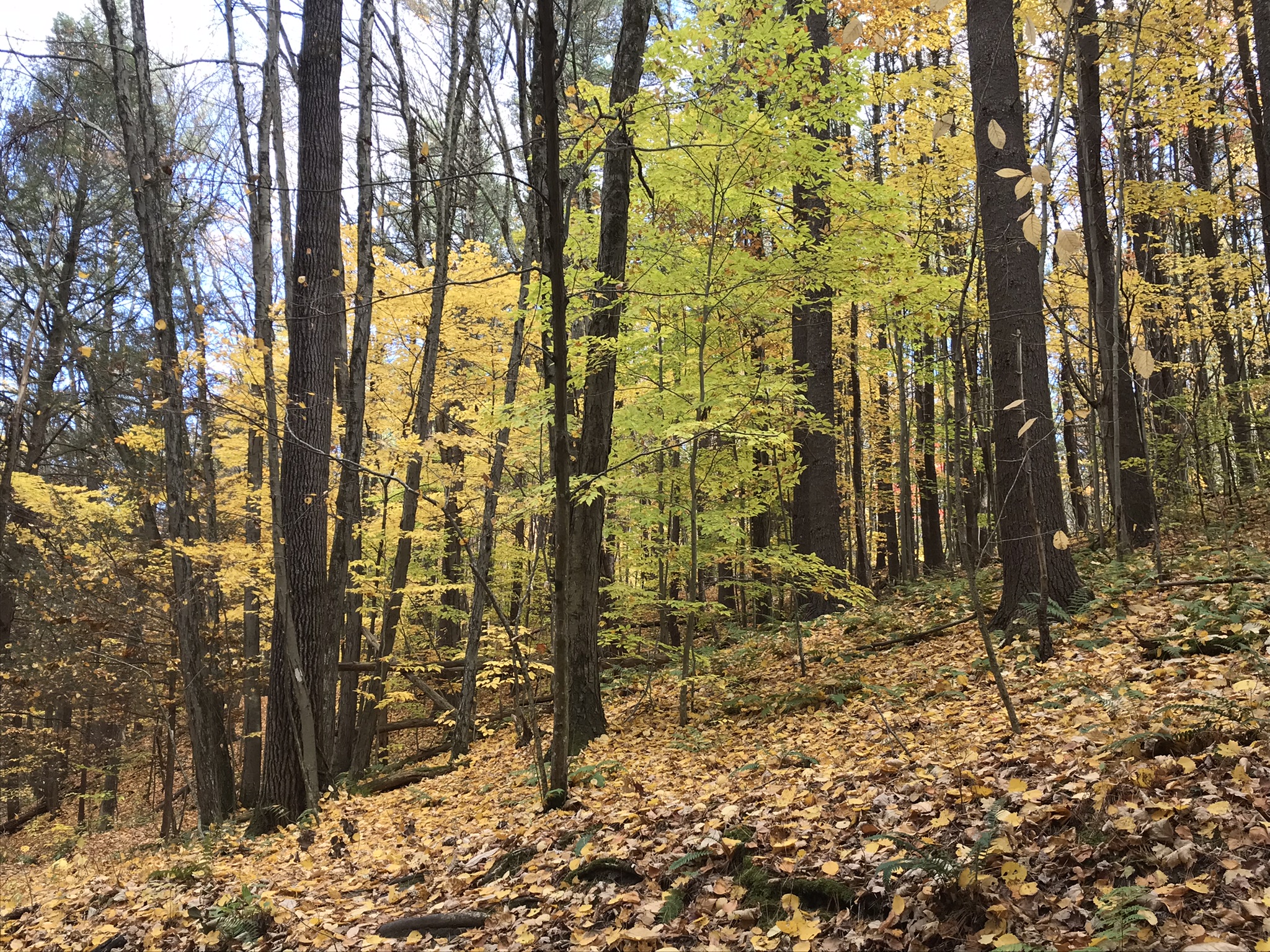
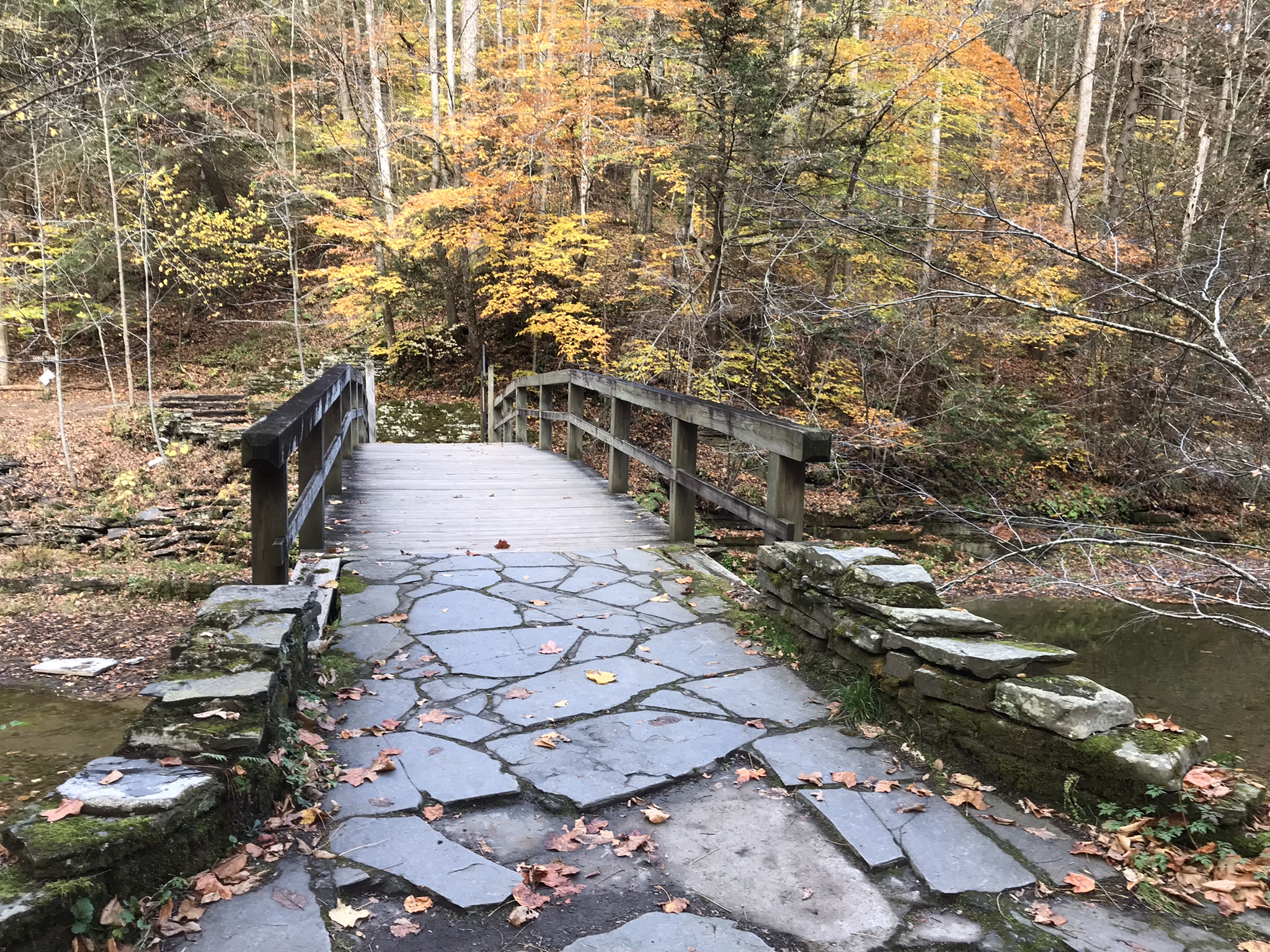
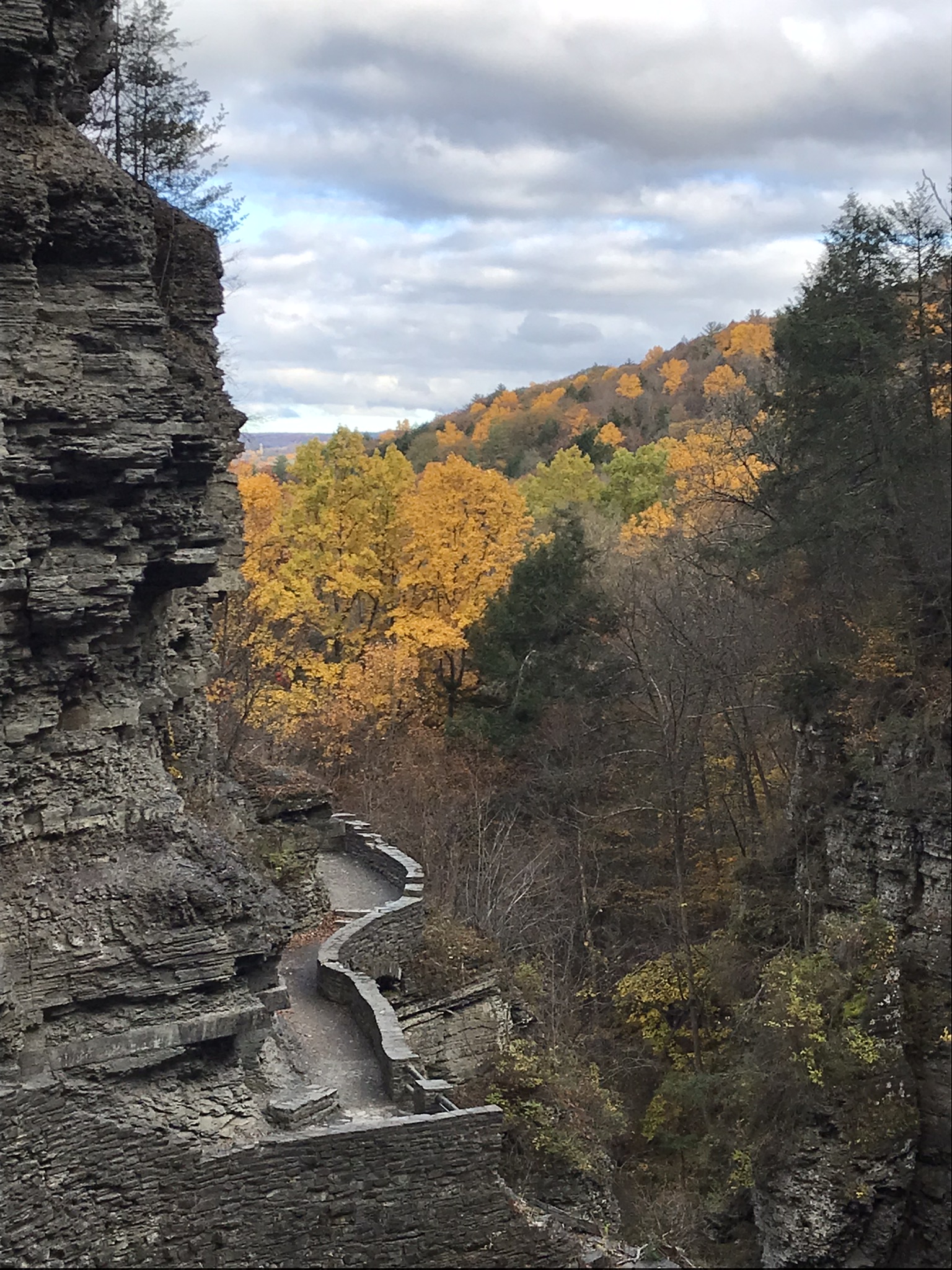
Pam and I need venture no farther than across the valley, from West to East Hill, for an experience of autumn in all its glory. These IPhone 7 photographs and videos are from a recent visit.

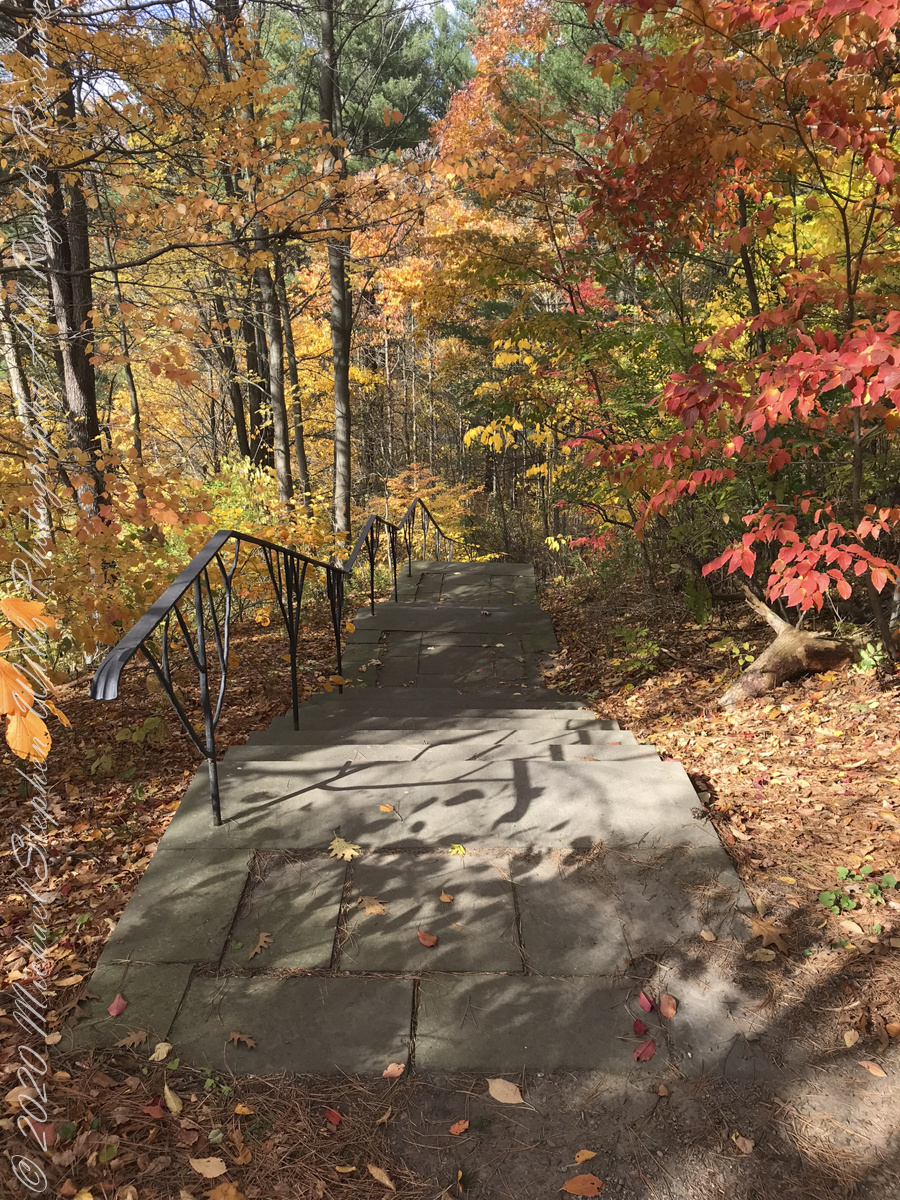
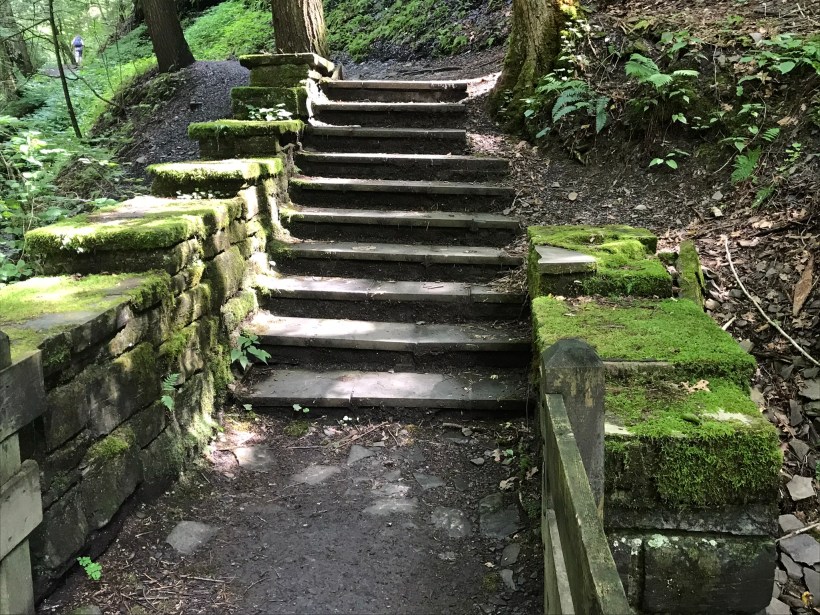
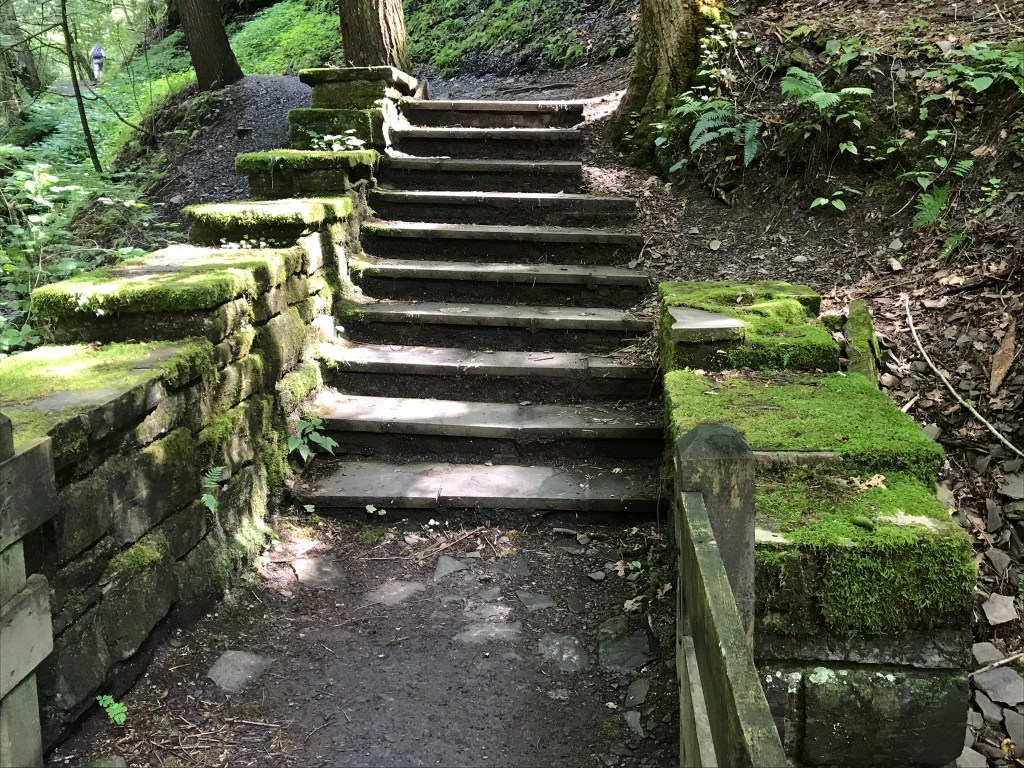
We took in the artistry of the railing, the stone steps, gentle curves.
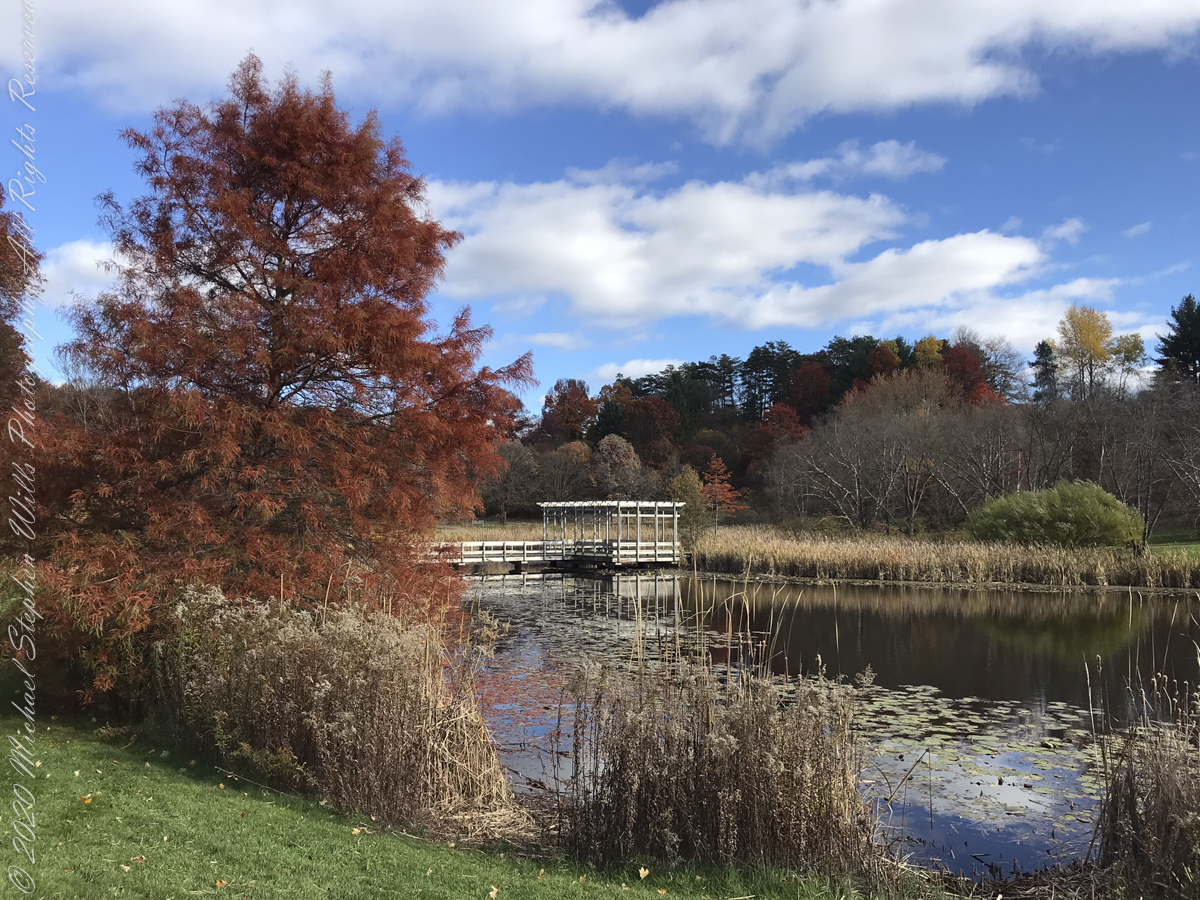
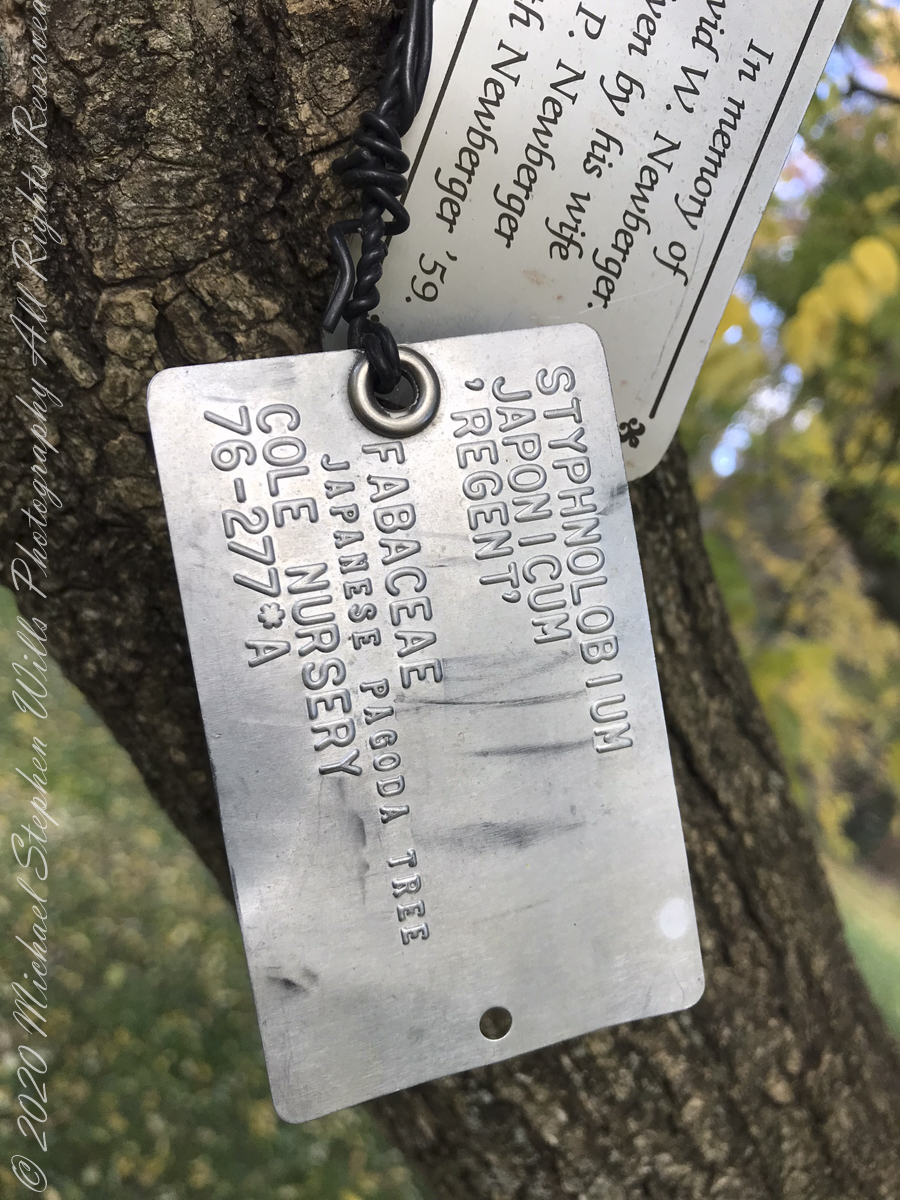
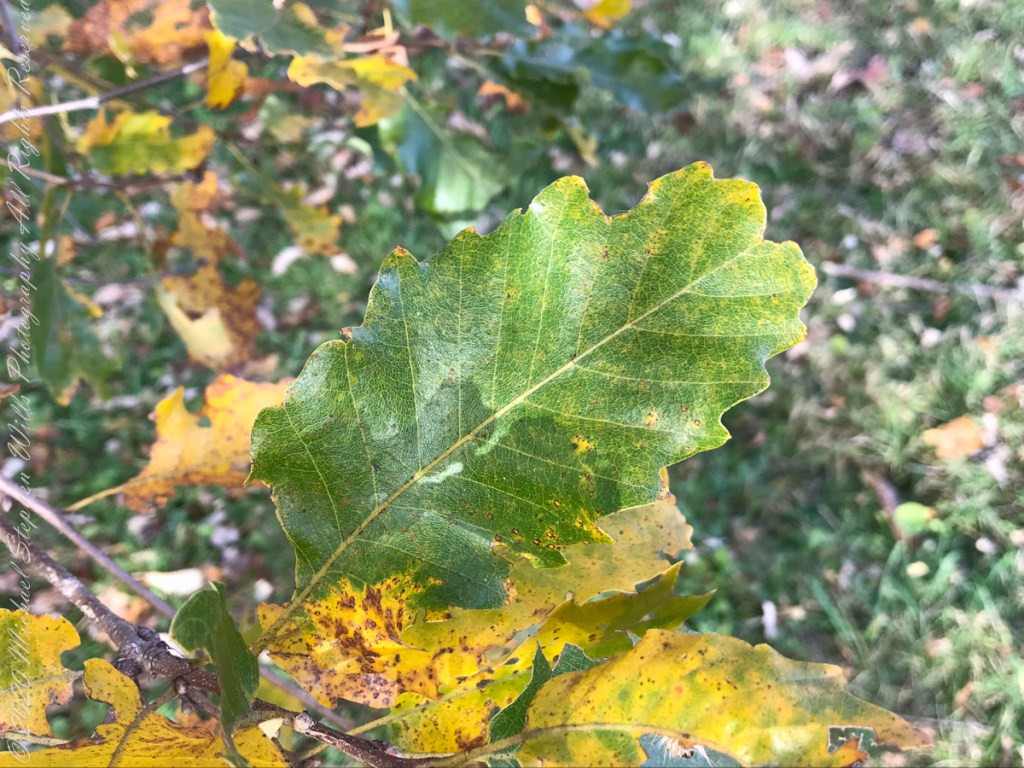
I marveled at the absence of Gypsy Moth egg masses on the Oak trunks, in spite of evident though modest leaf damage.
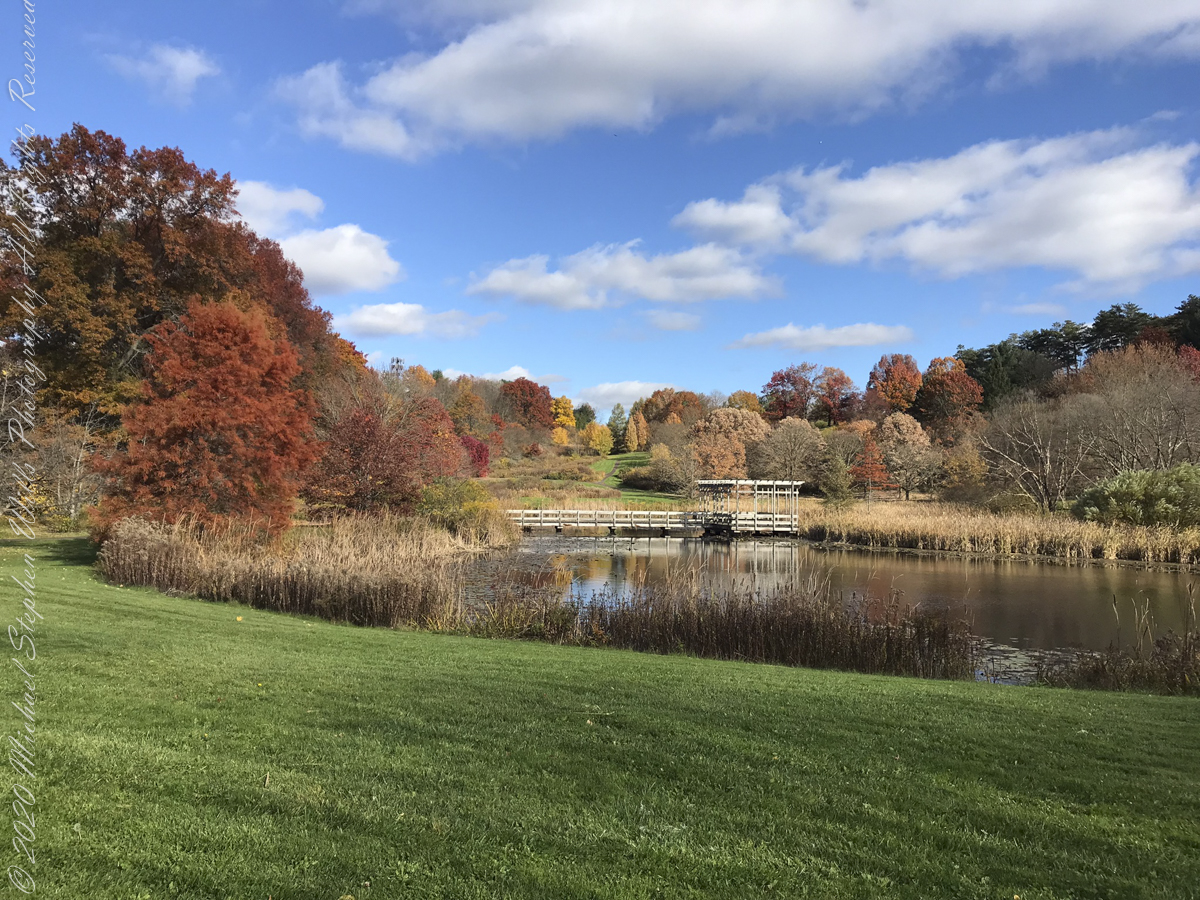
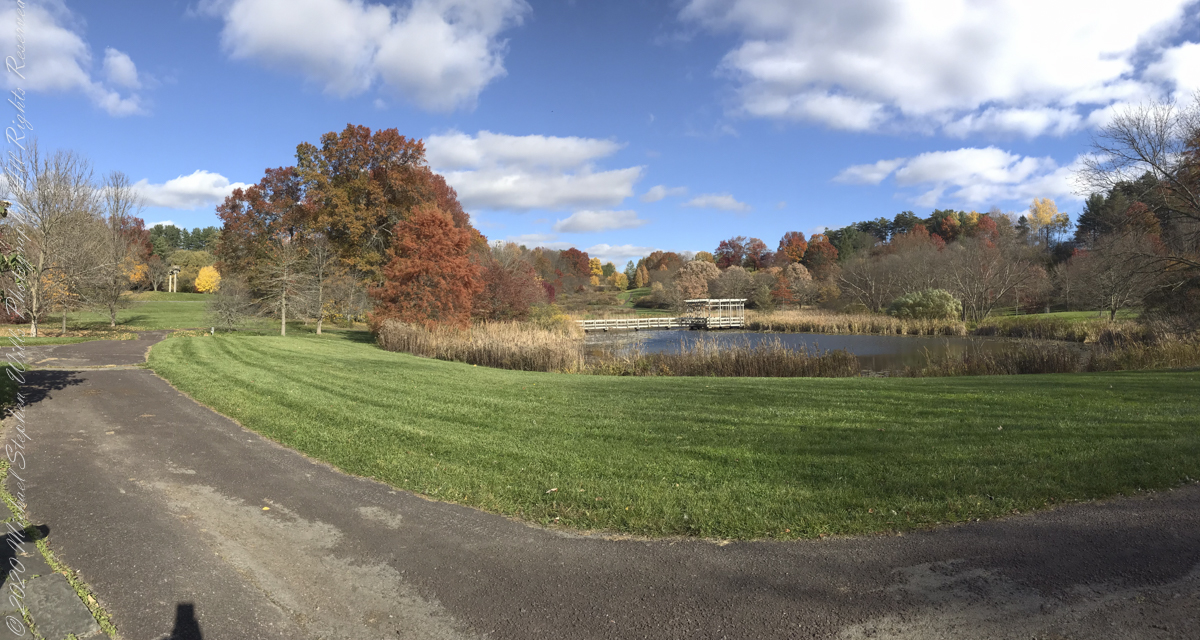
Houston Pond is visible in several of the “Buena Vista” images…..

Houston Pond reflections from the pavilion

Another version of reflections from Houston Pond taken from pavilion

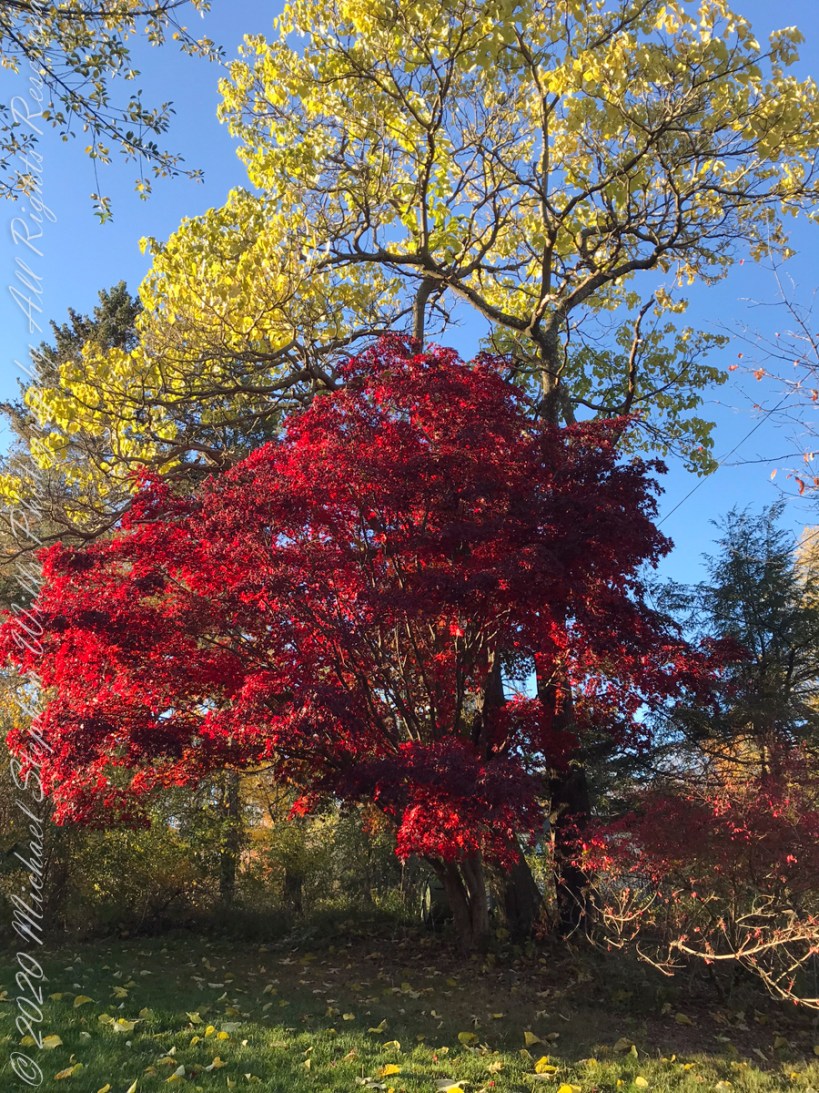
“No Place Like Home” — Back on West Hill, our Japanese Maple was waiting for us.
Copyright 2022 Michael Stephen Wills All Rights Reserved

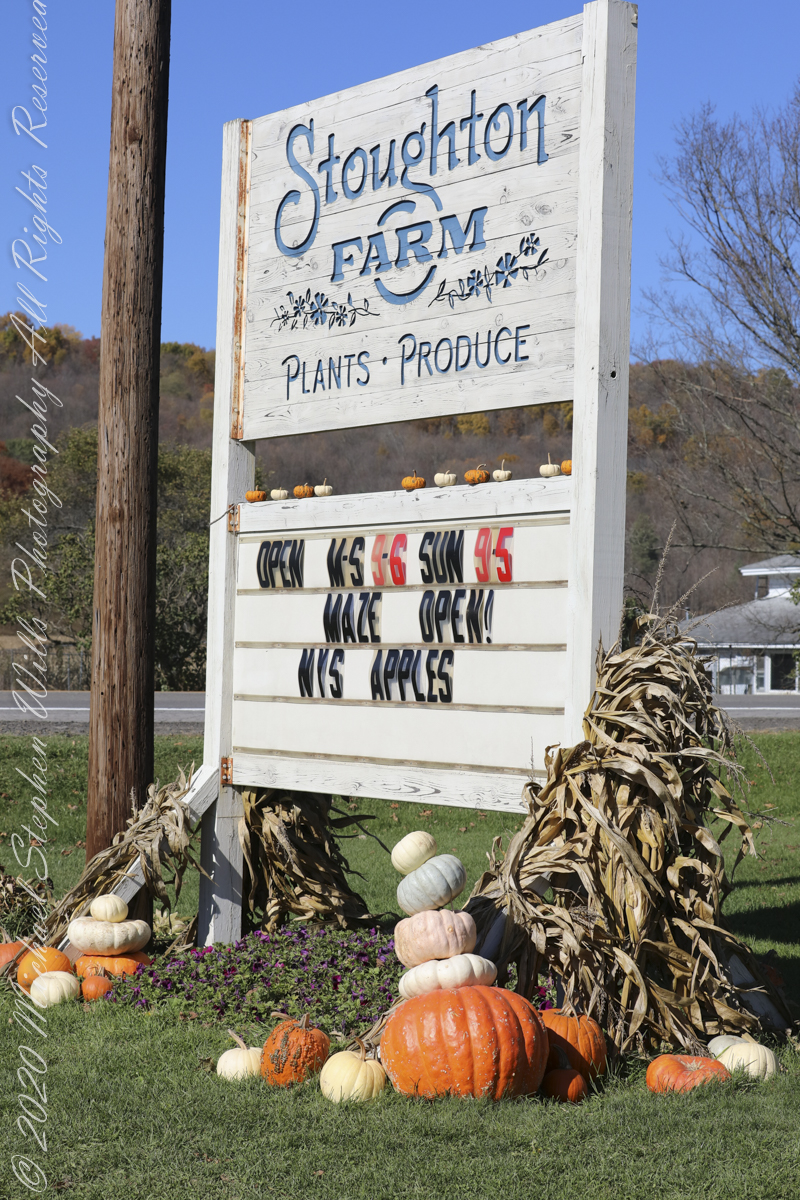
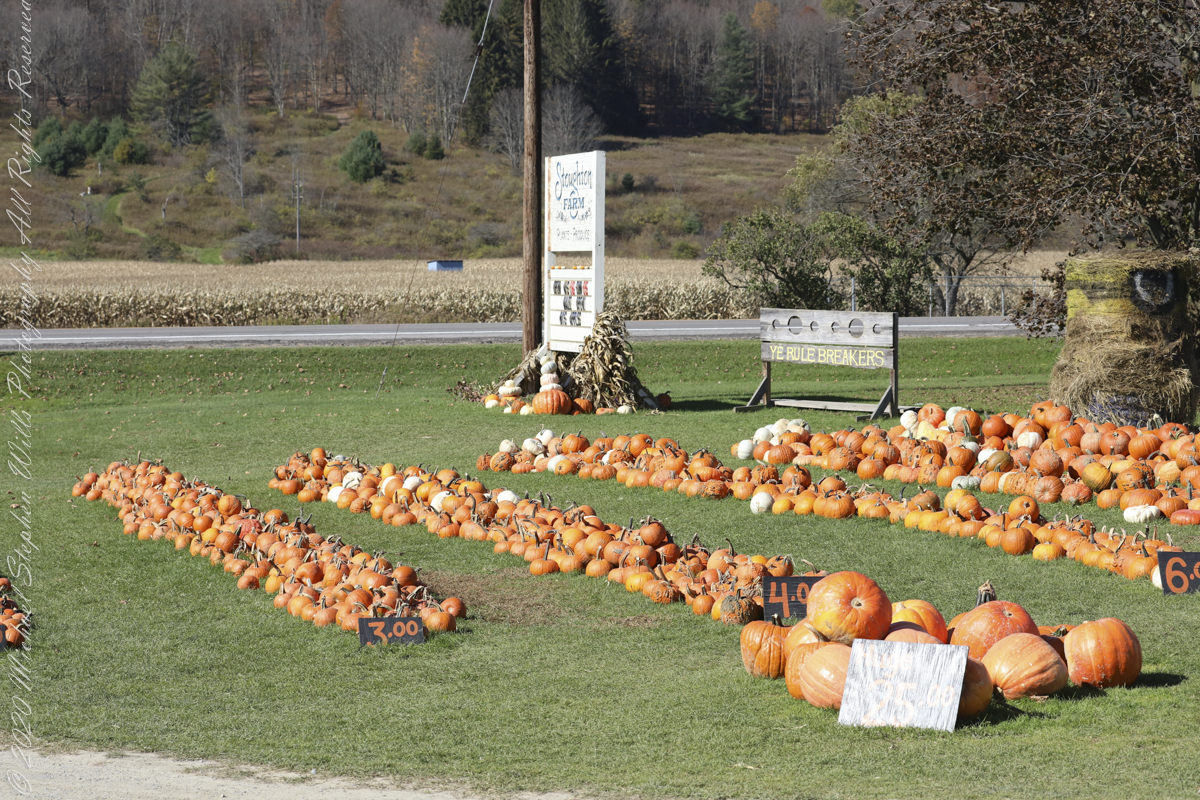
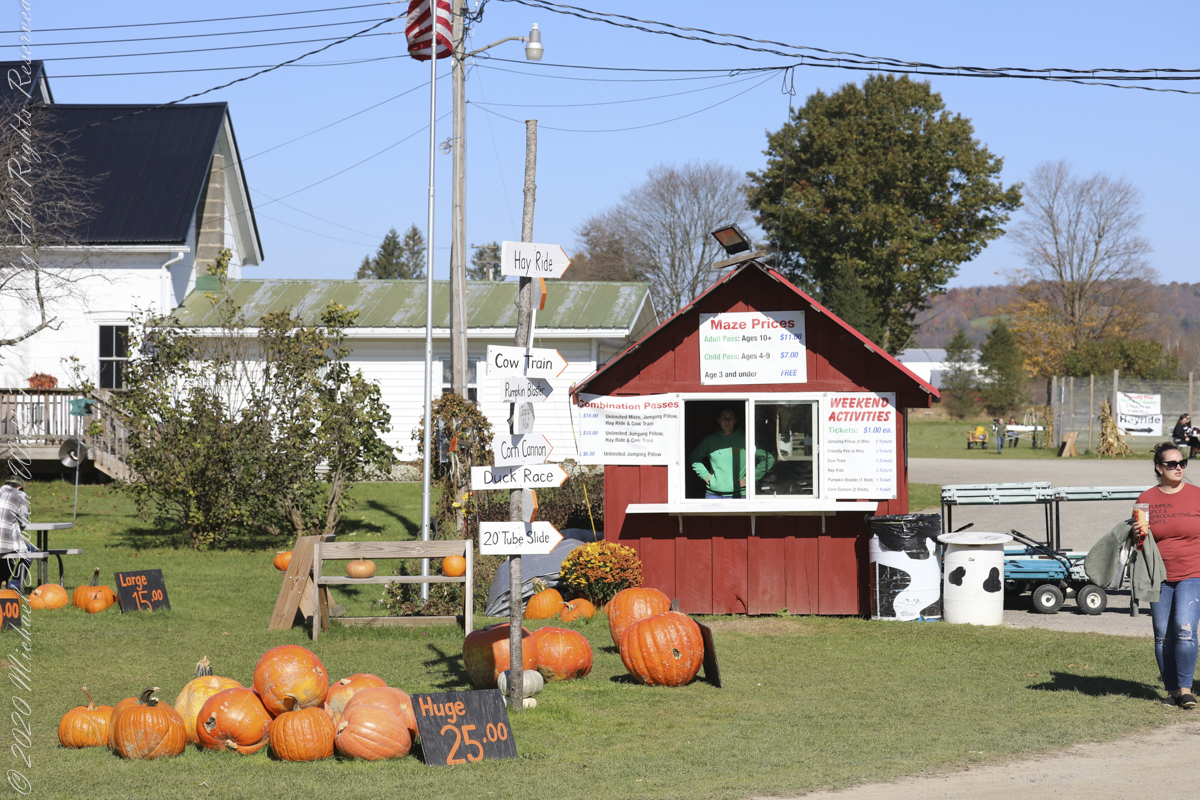
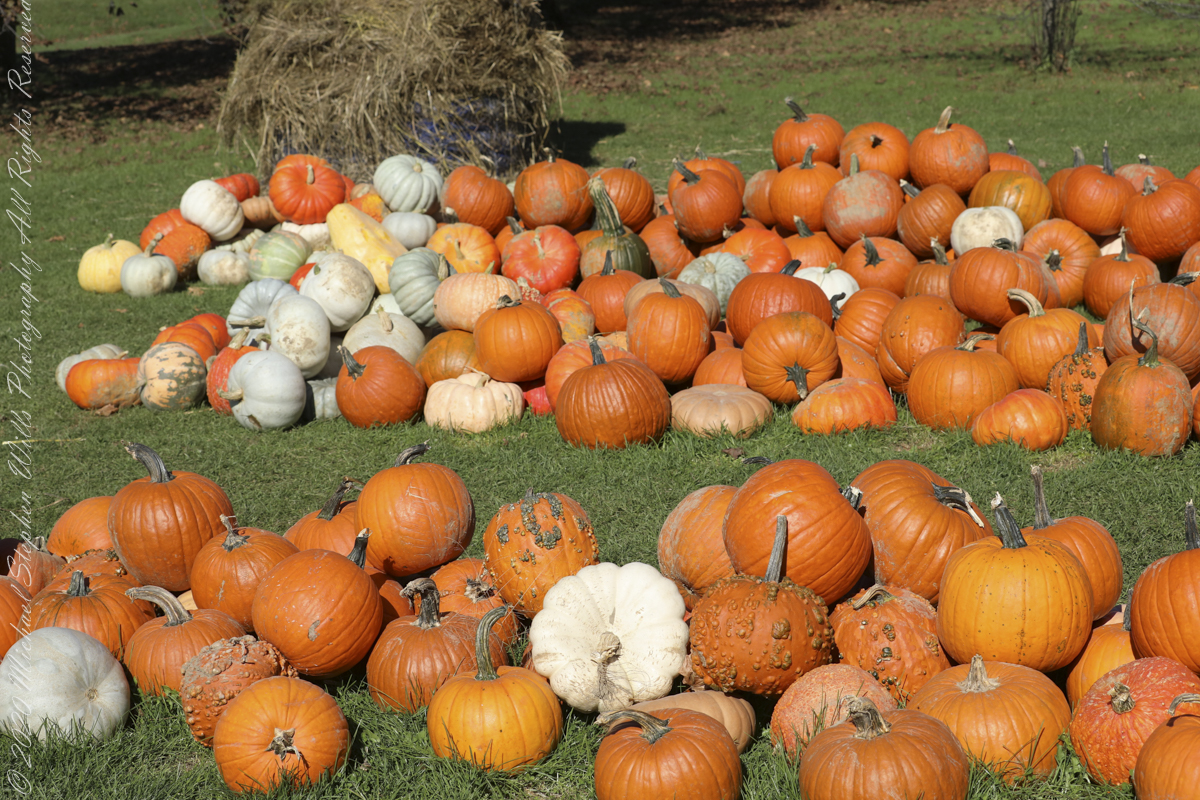
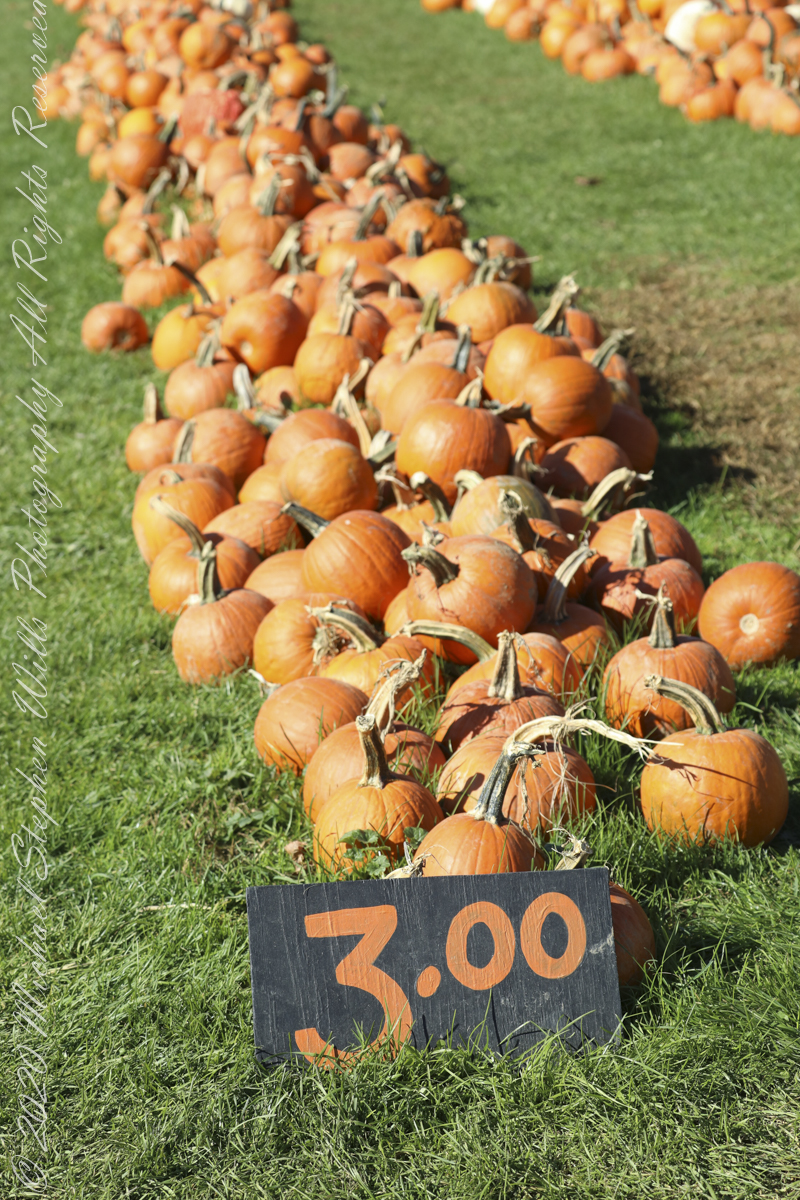
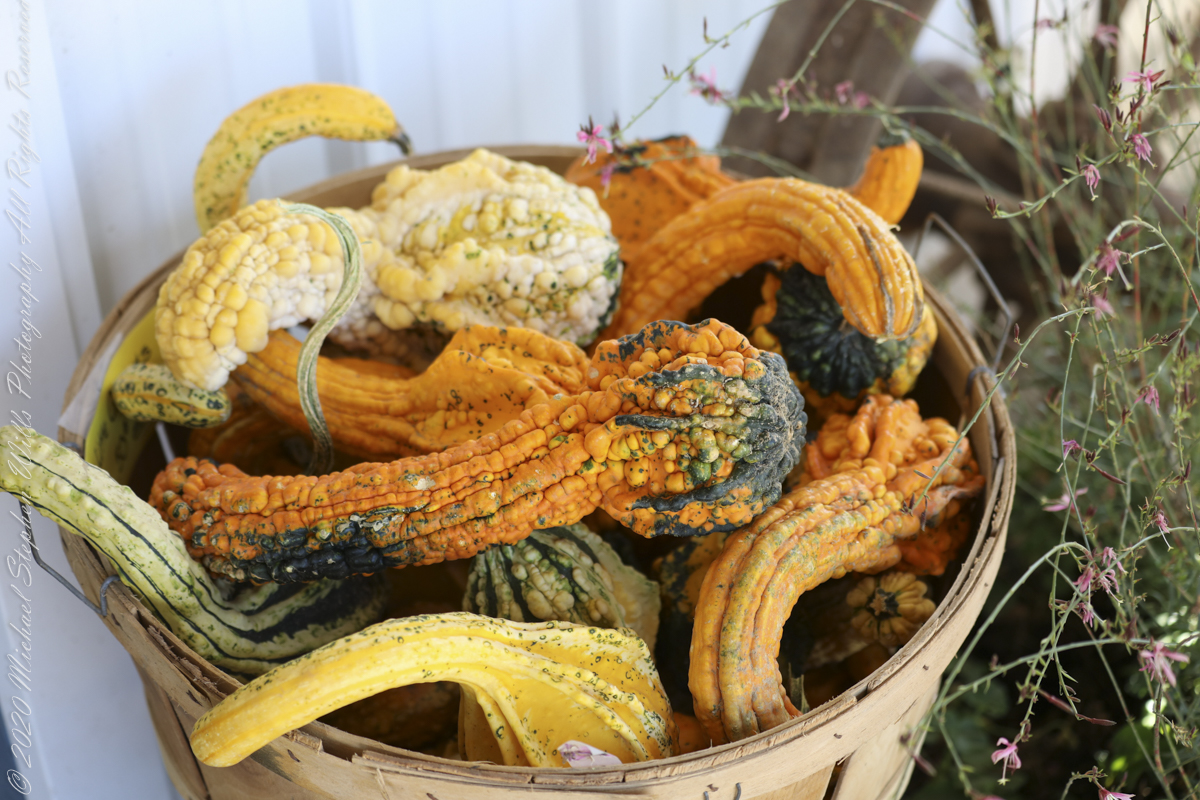
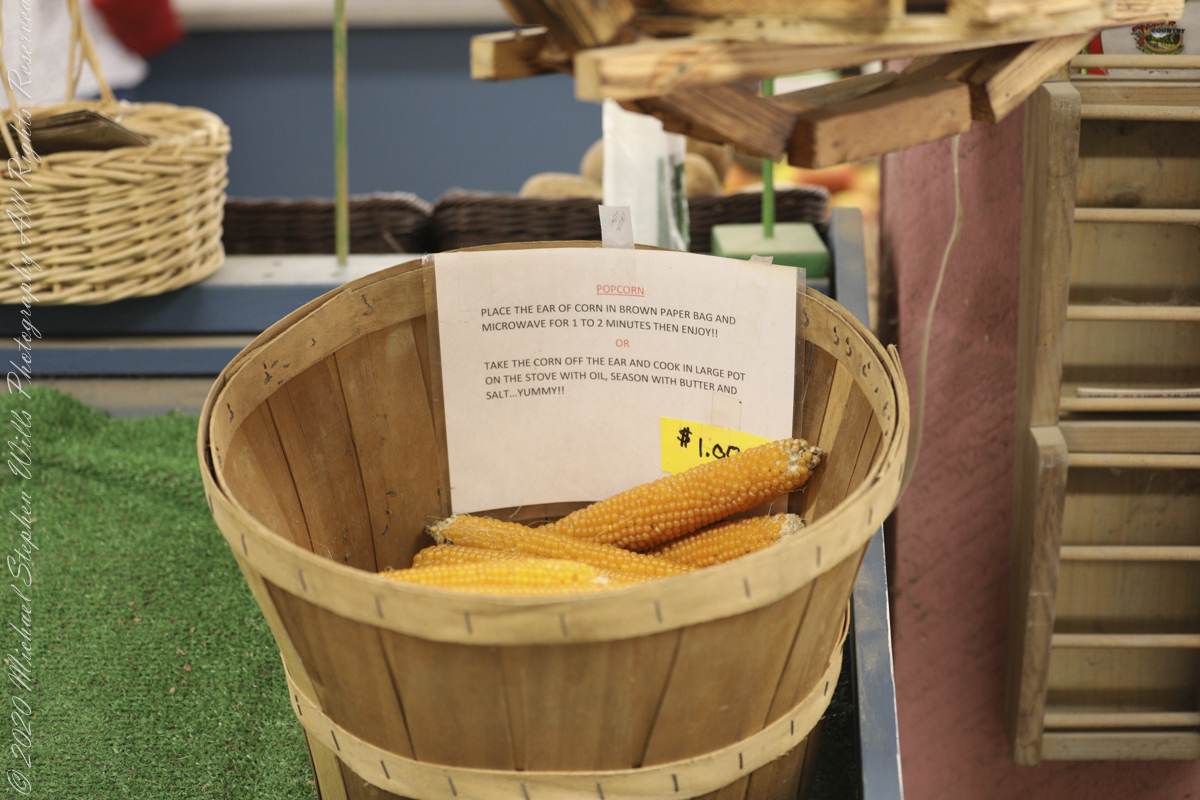
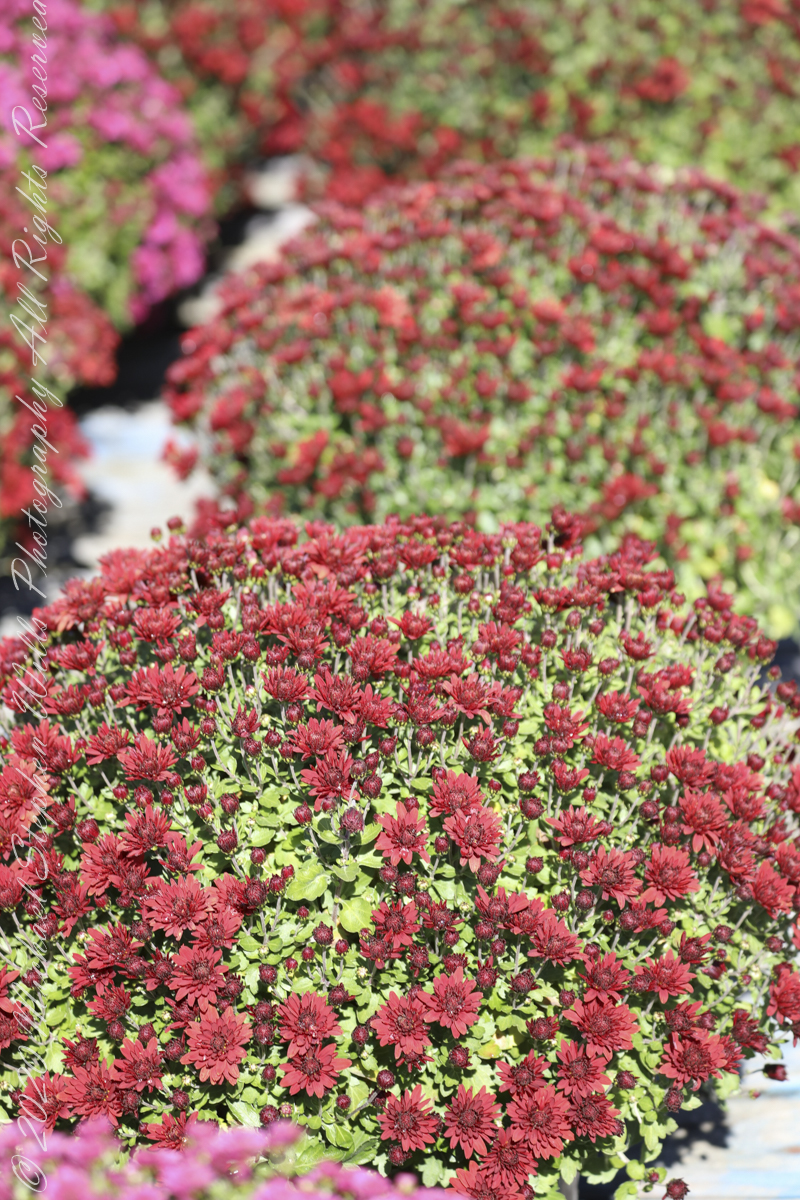
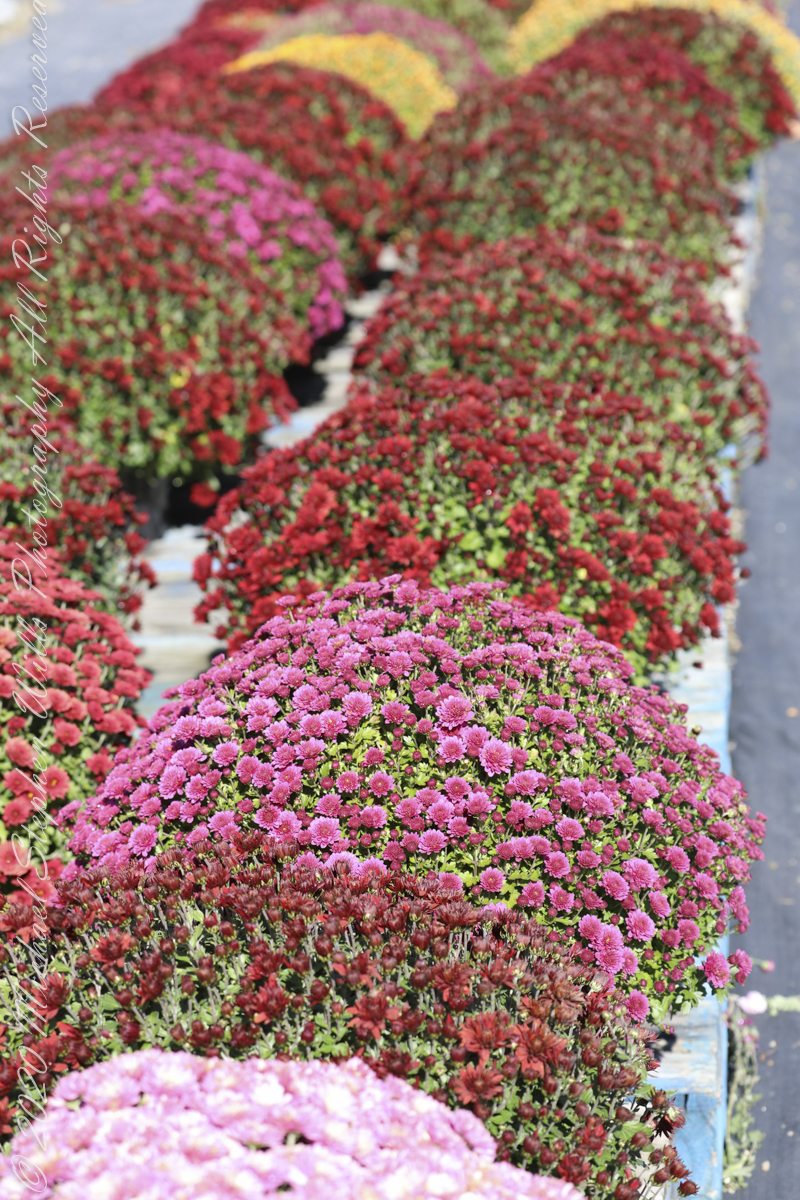
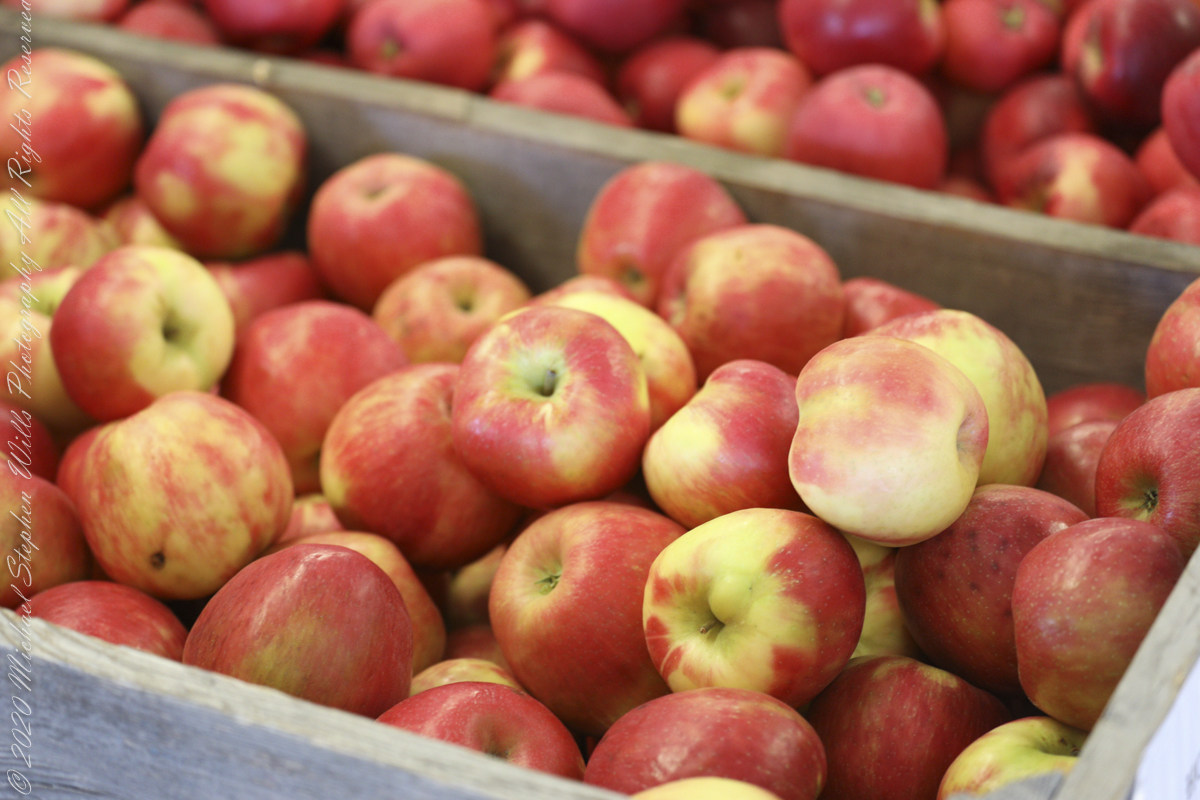
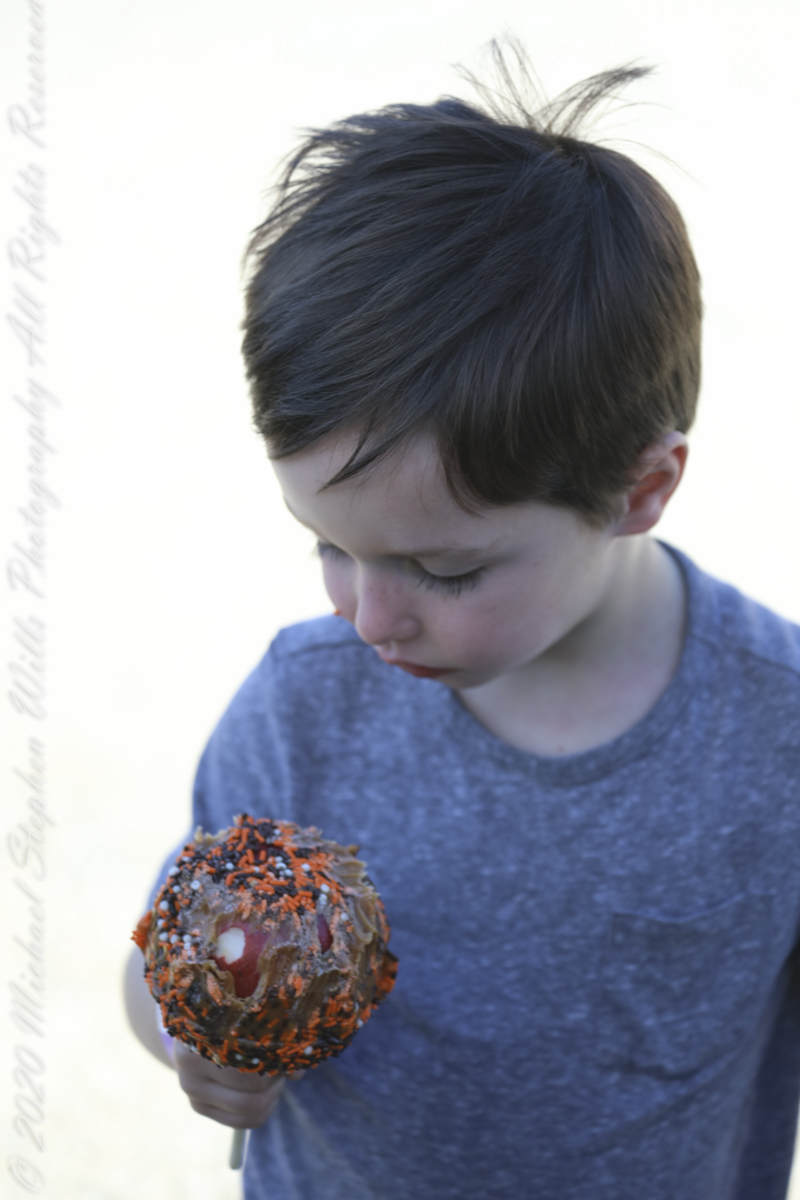
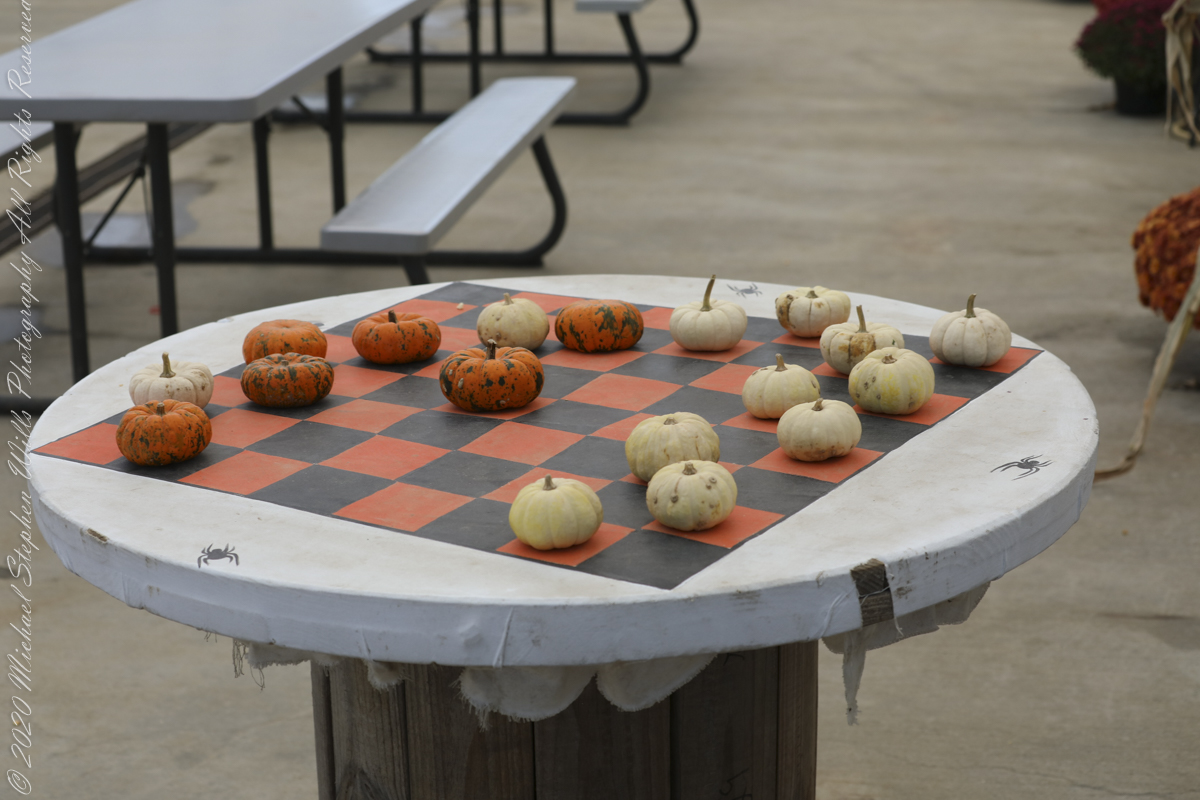
Harvest Festival

A Photo Essay

Commerce

Family

Fun

Copyright 2022 Michael Stephen Wills All Rights Reserved

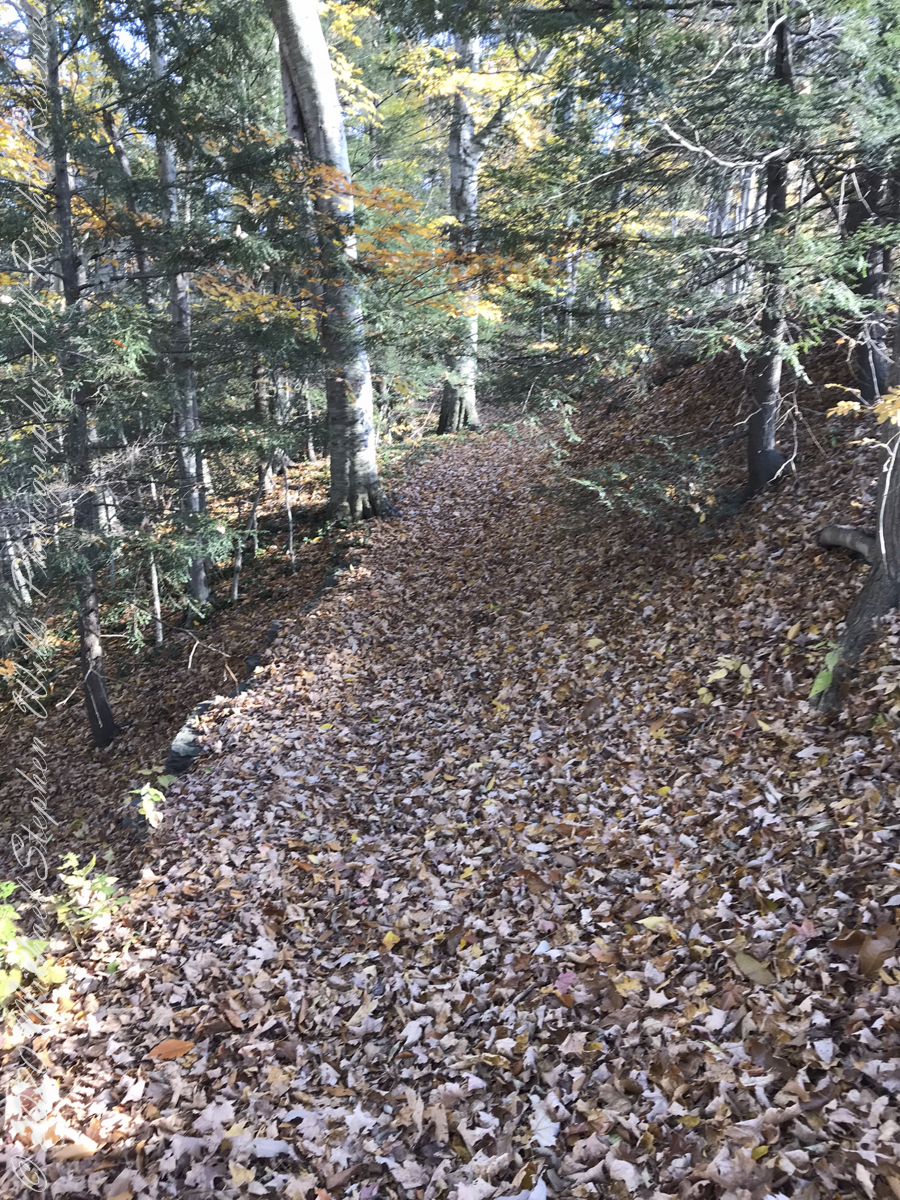
Autumn Amble

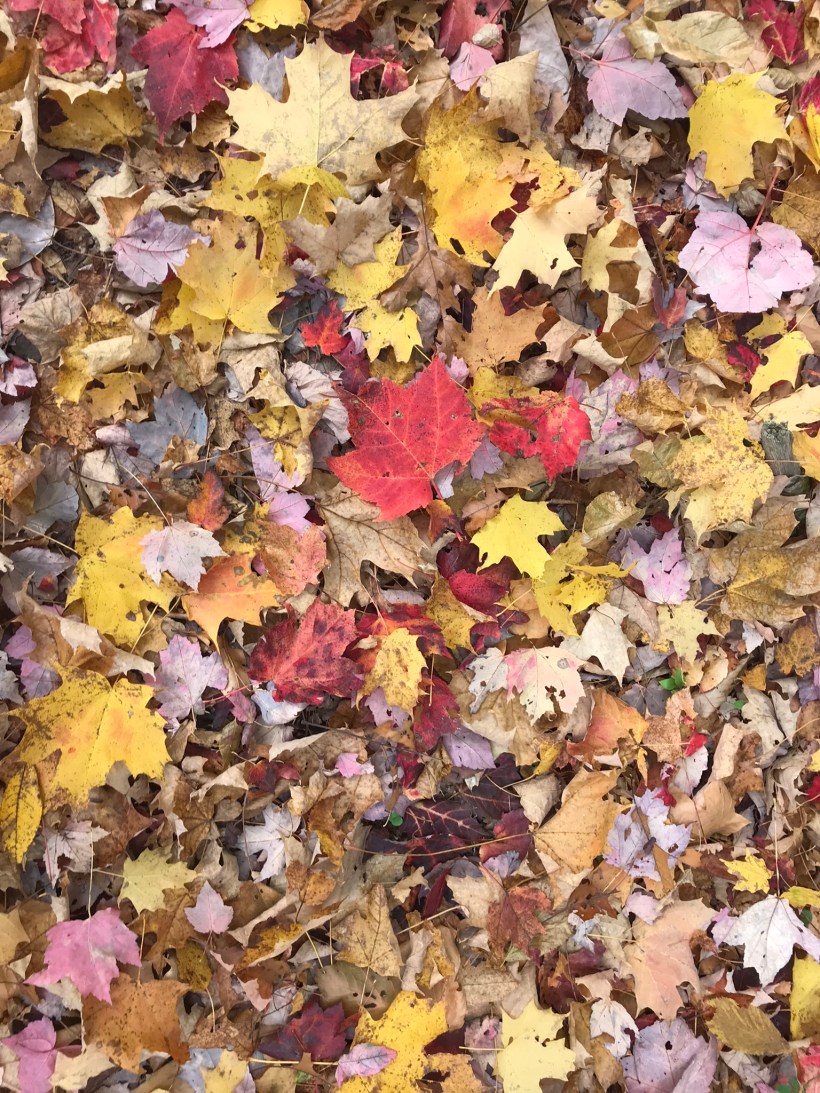
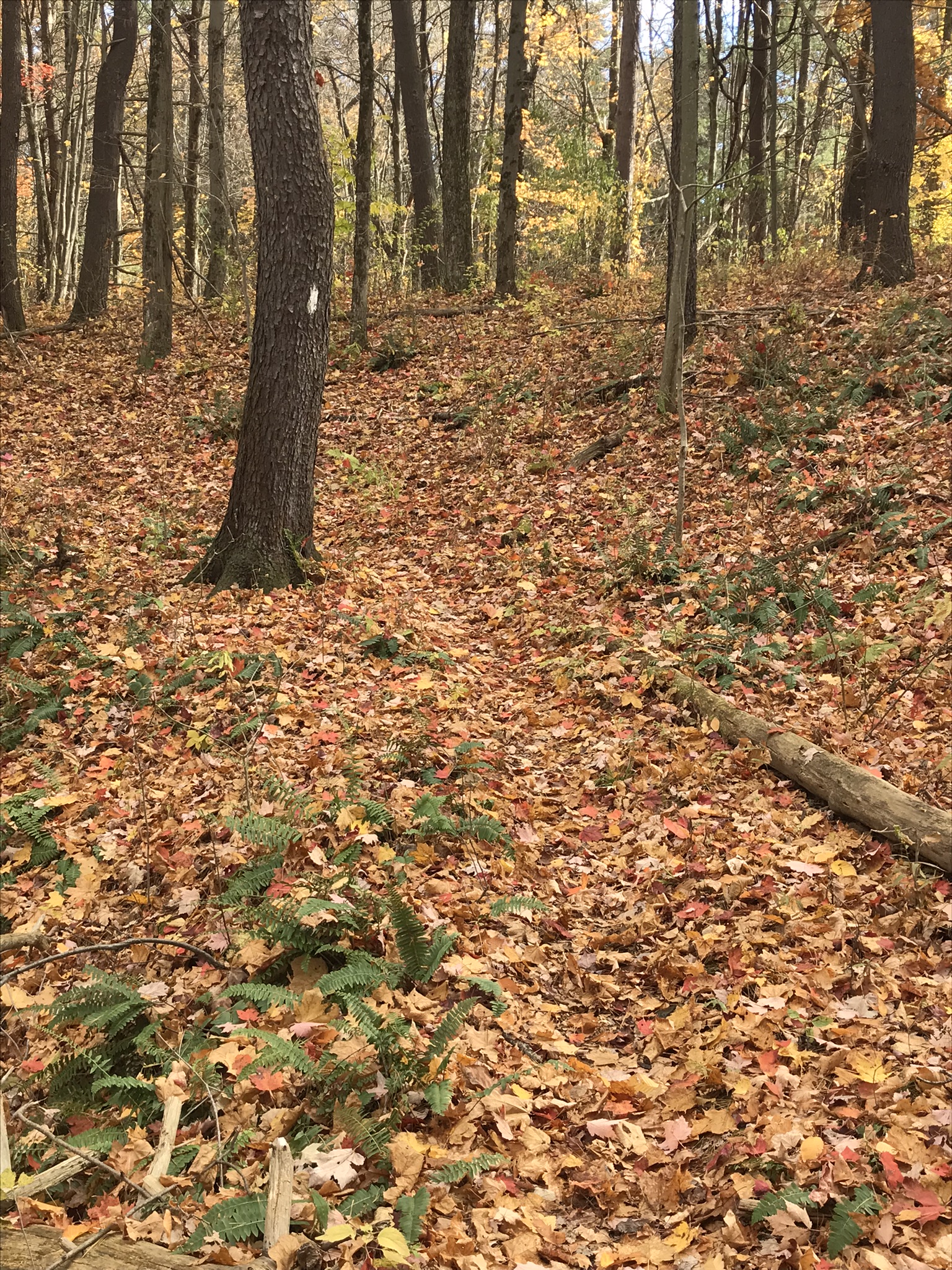
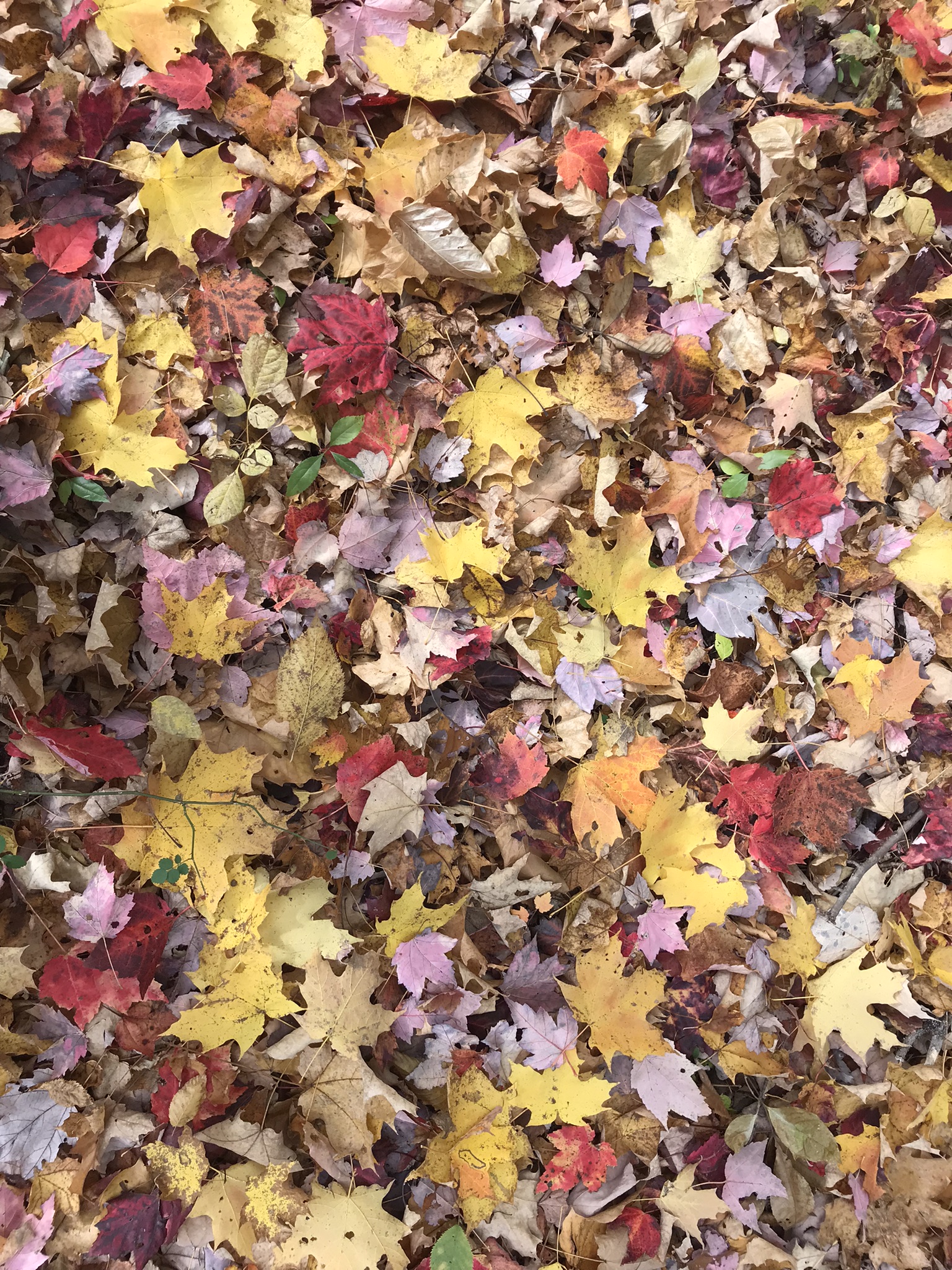
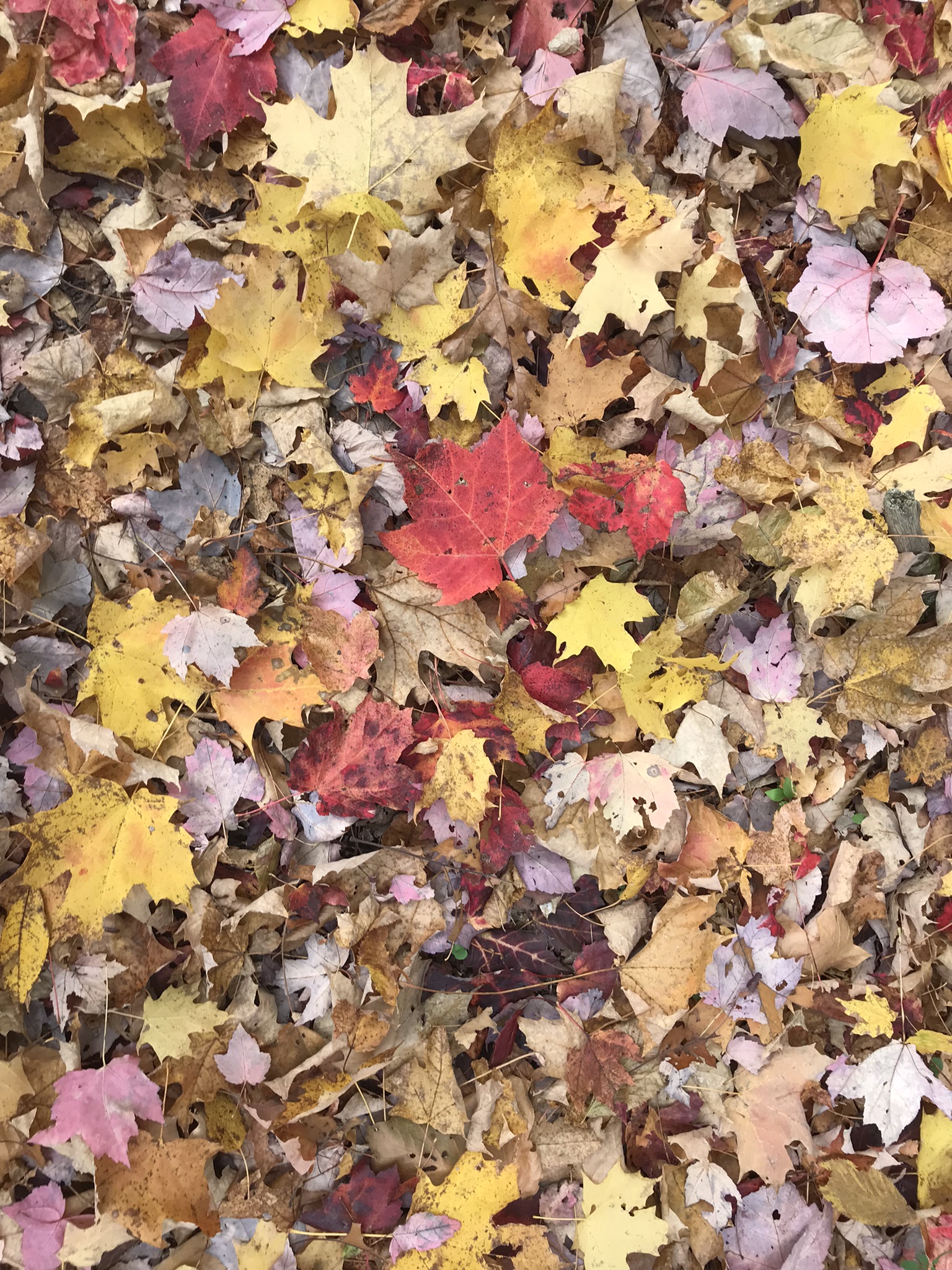
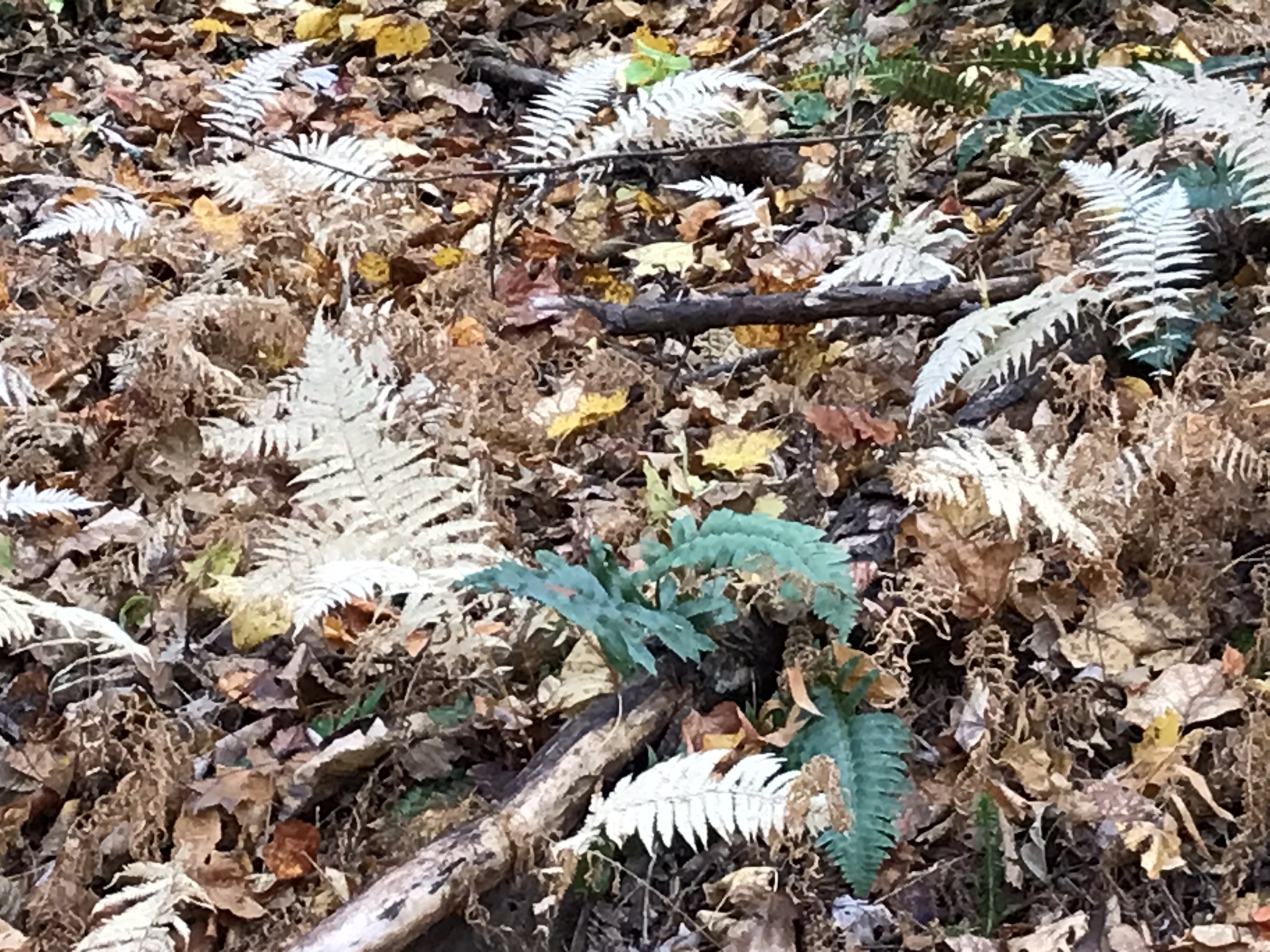
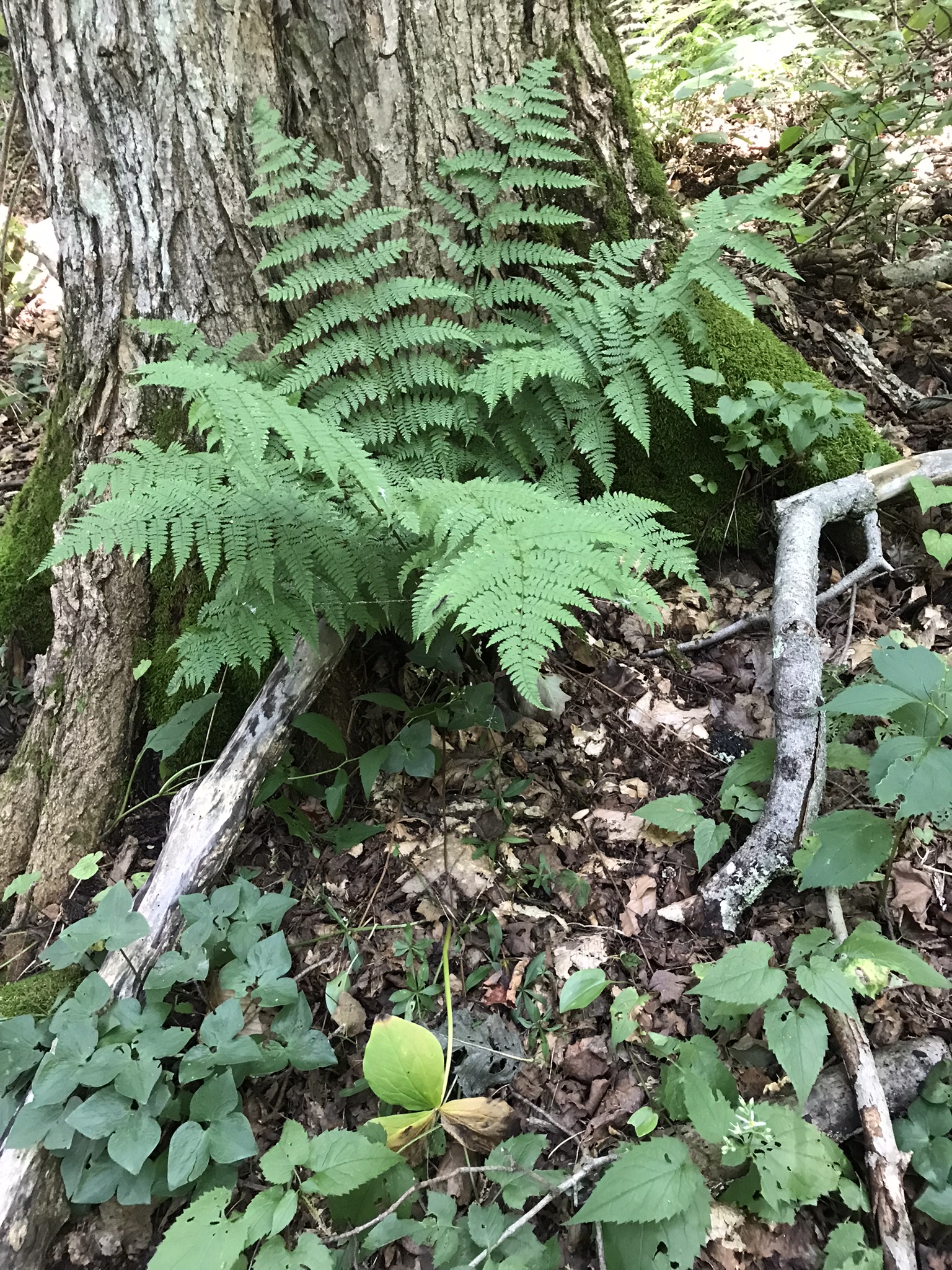
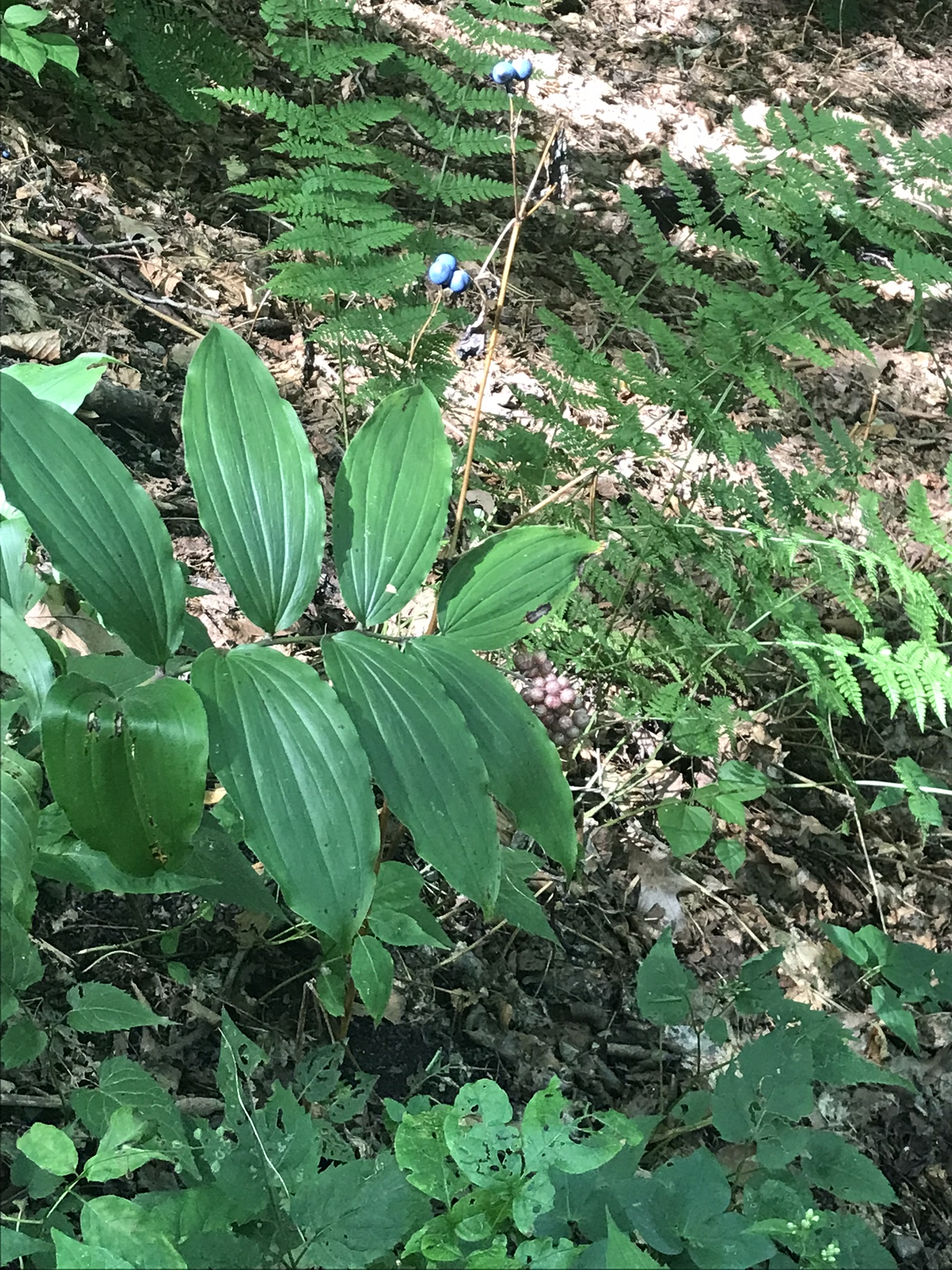
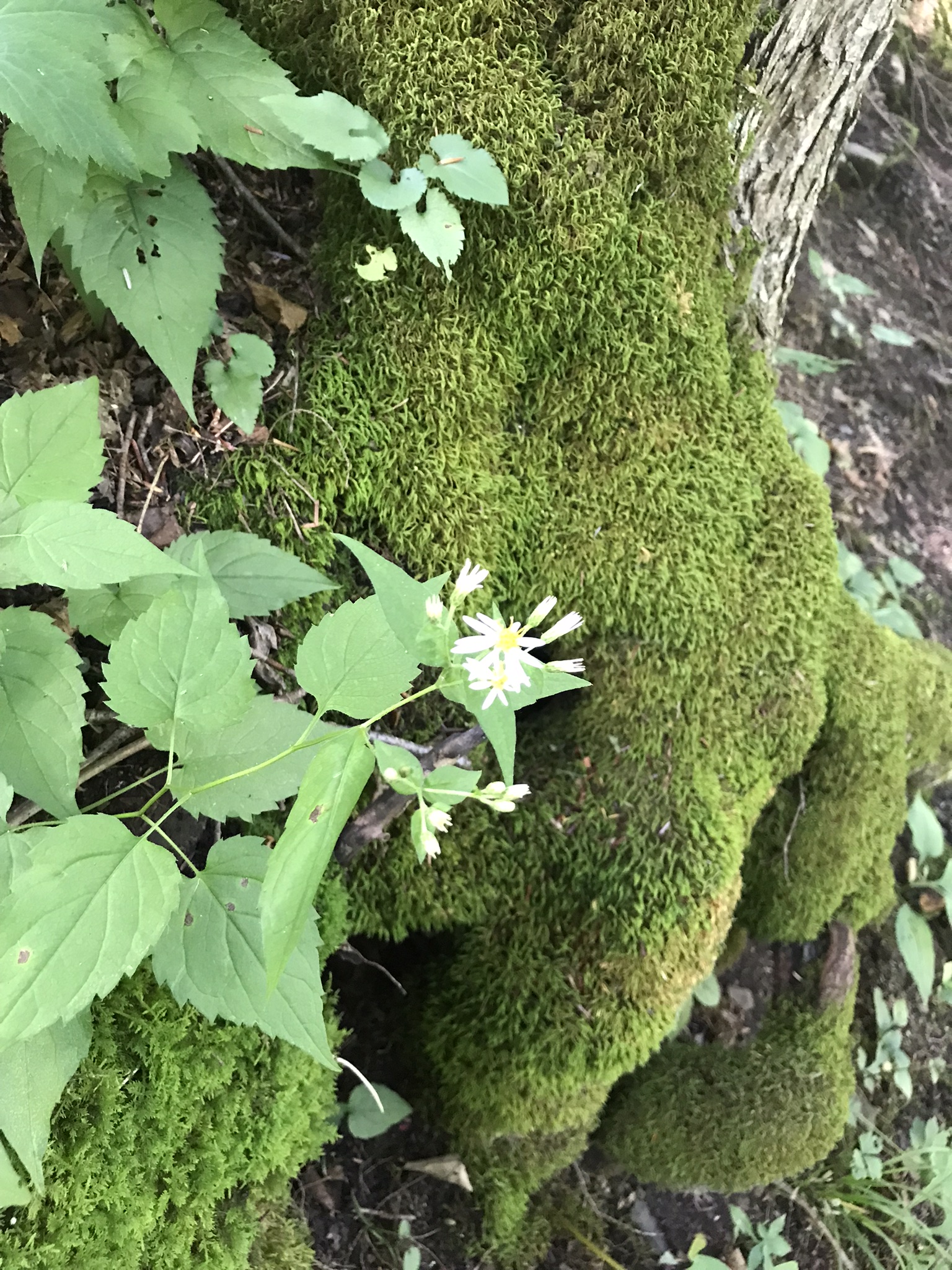
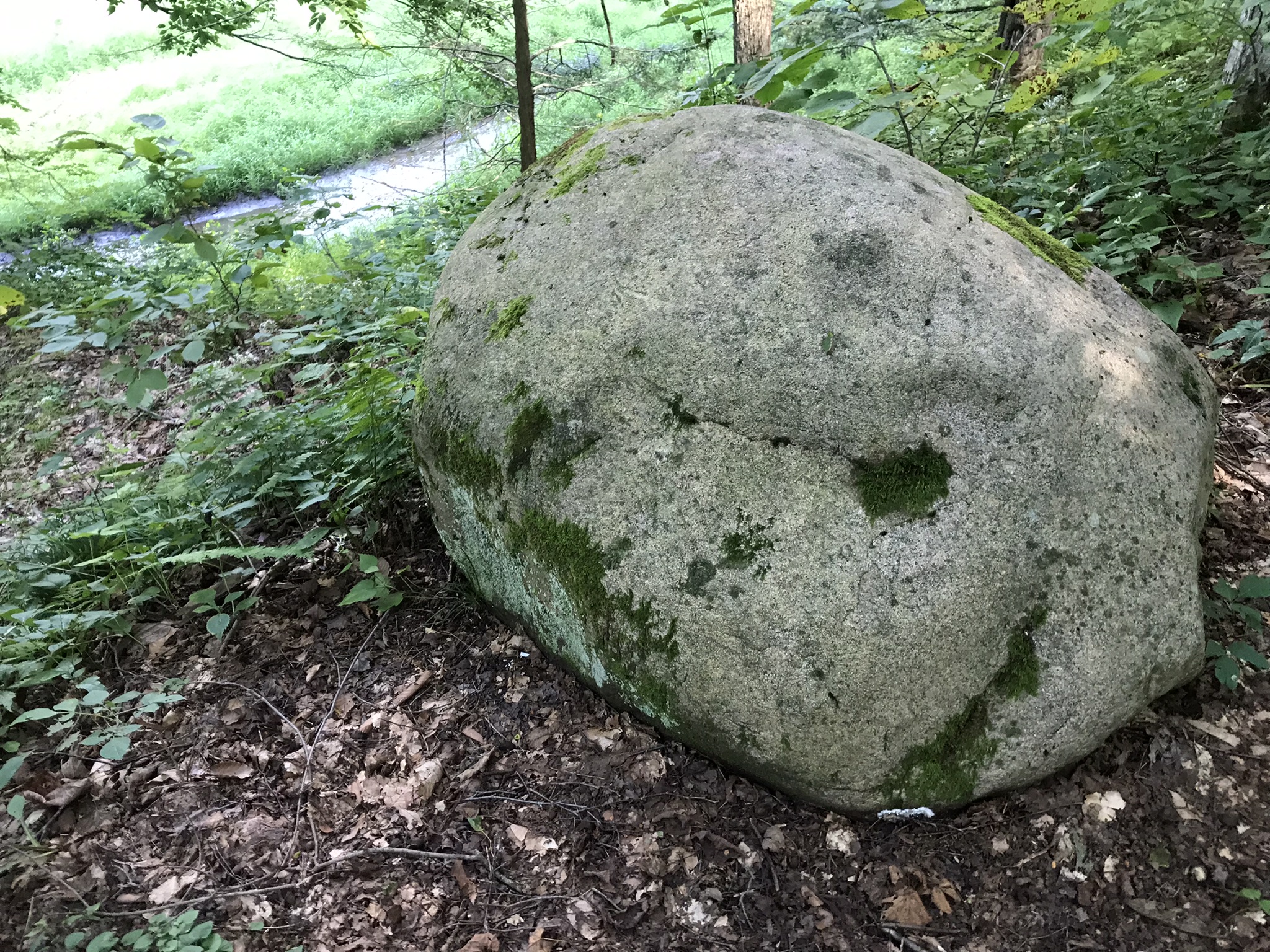
The forest floor was newly painted after leaf fall

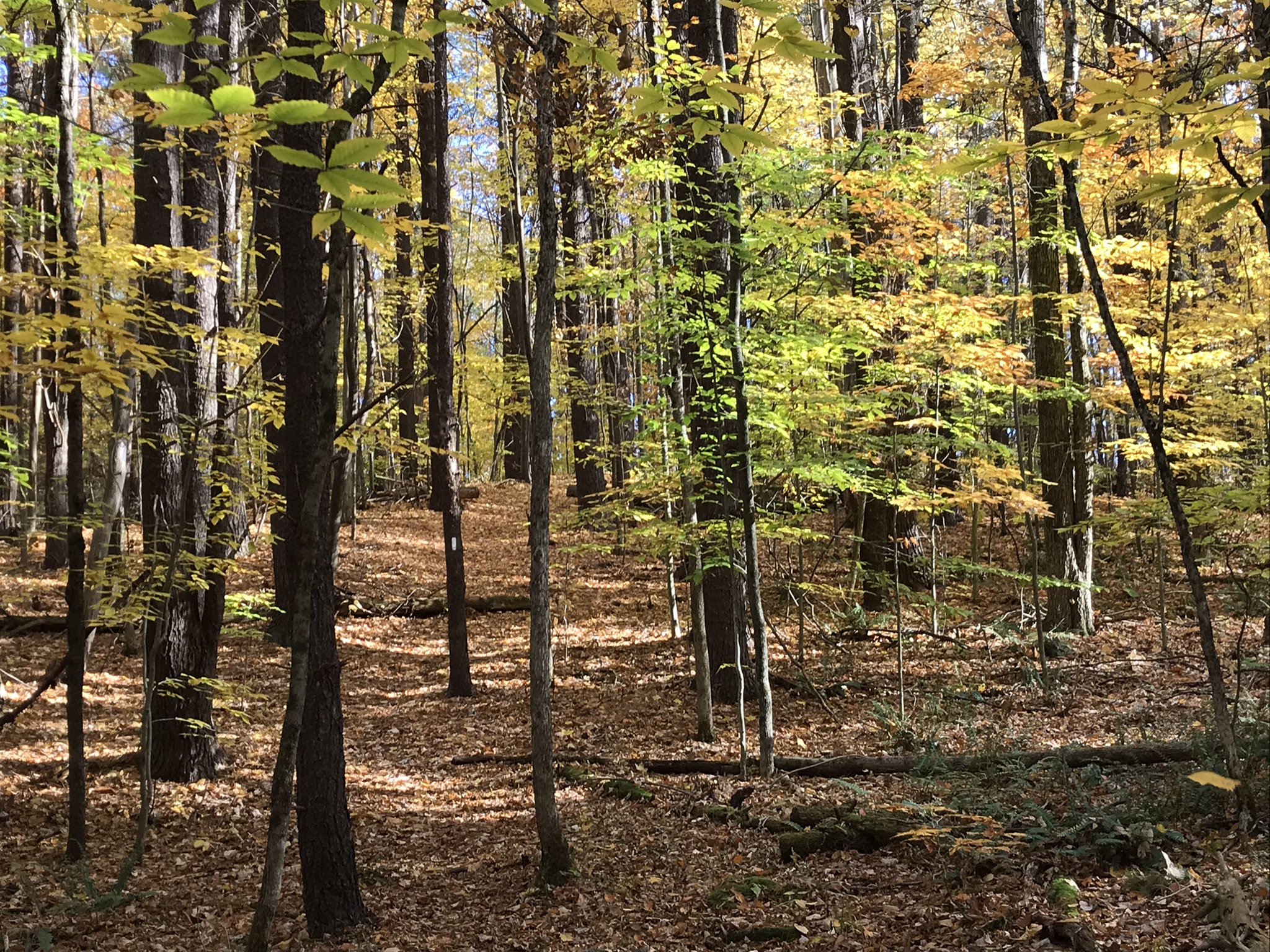
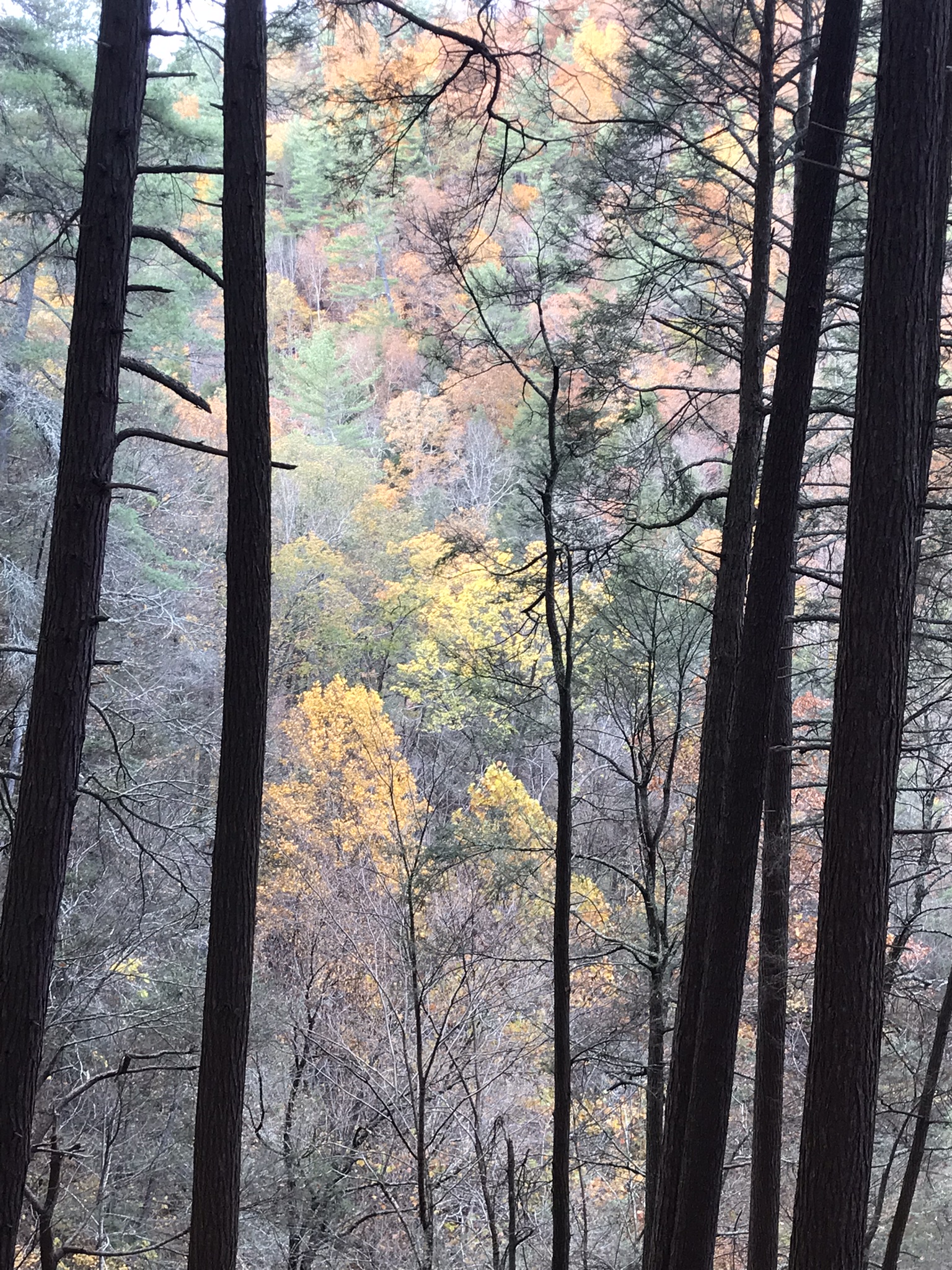
Snapshots from my IPhone 7 from a 6 mile walk this week around Robert H. Treman Park.

Copyright 2022 All Rights Reserved Michael Stephen Wills

Gorge Exploration

Fillmore Glen State Park, Moravia, New York

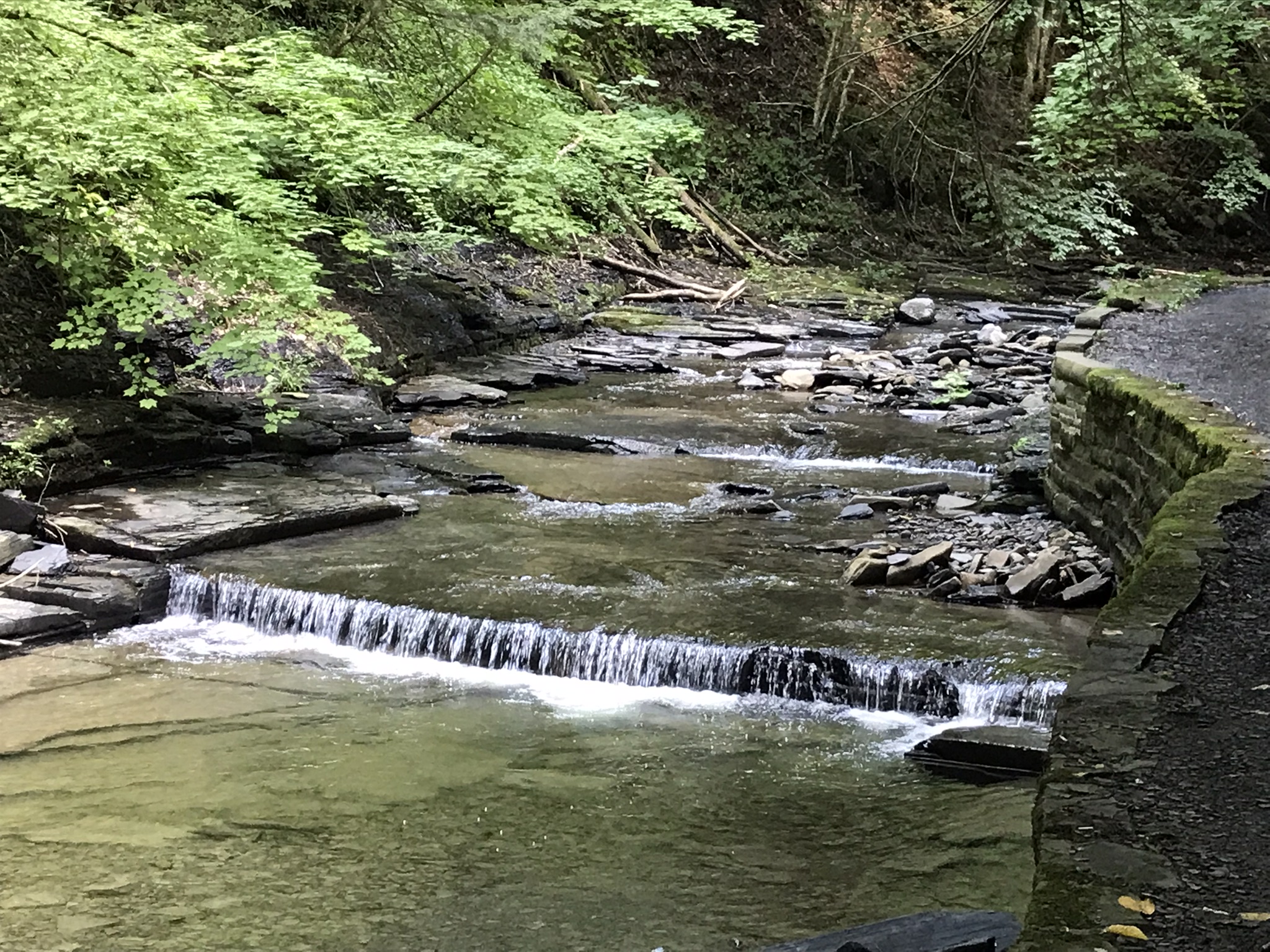
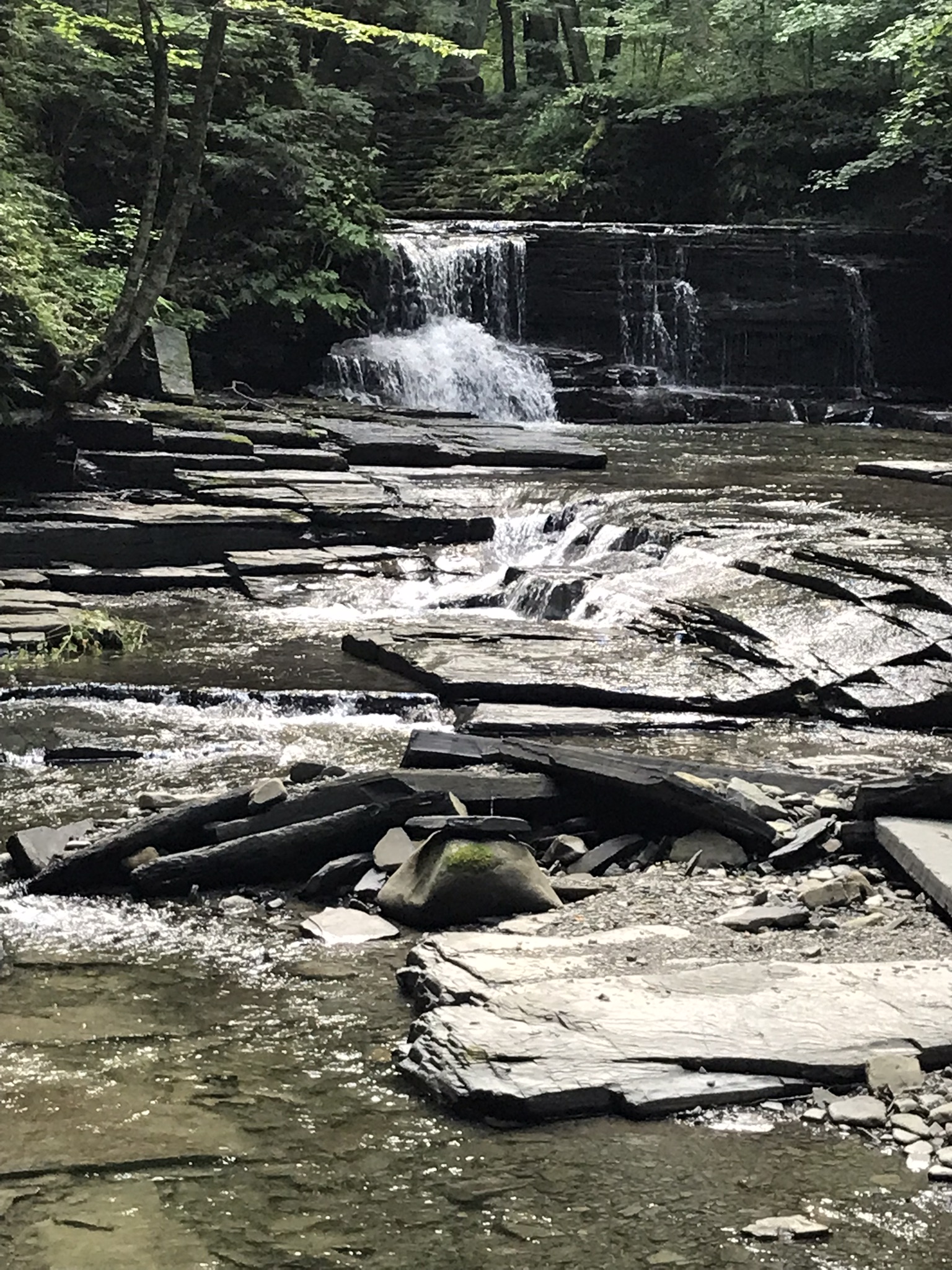
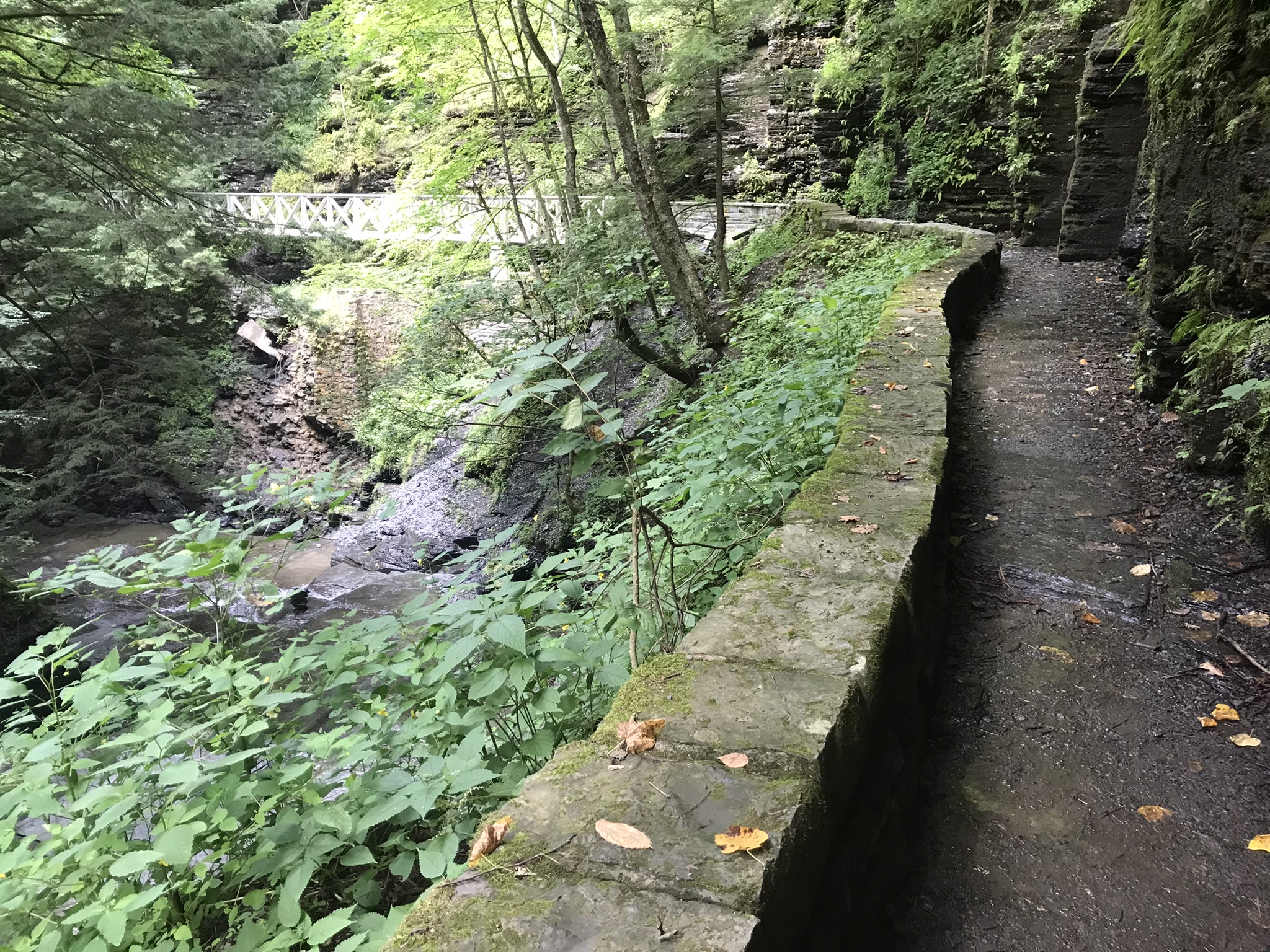
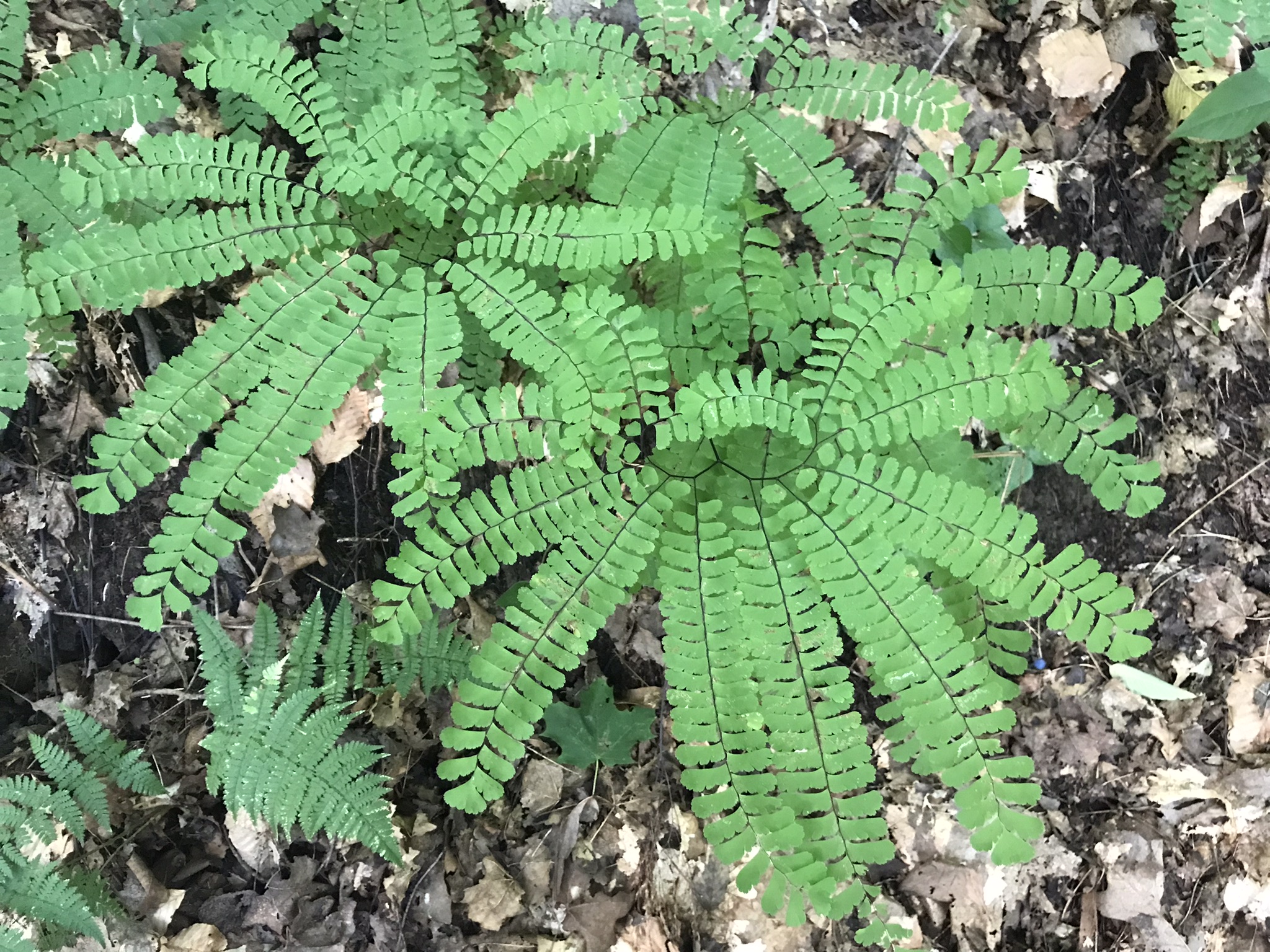
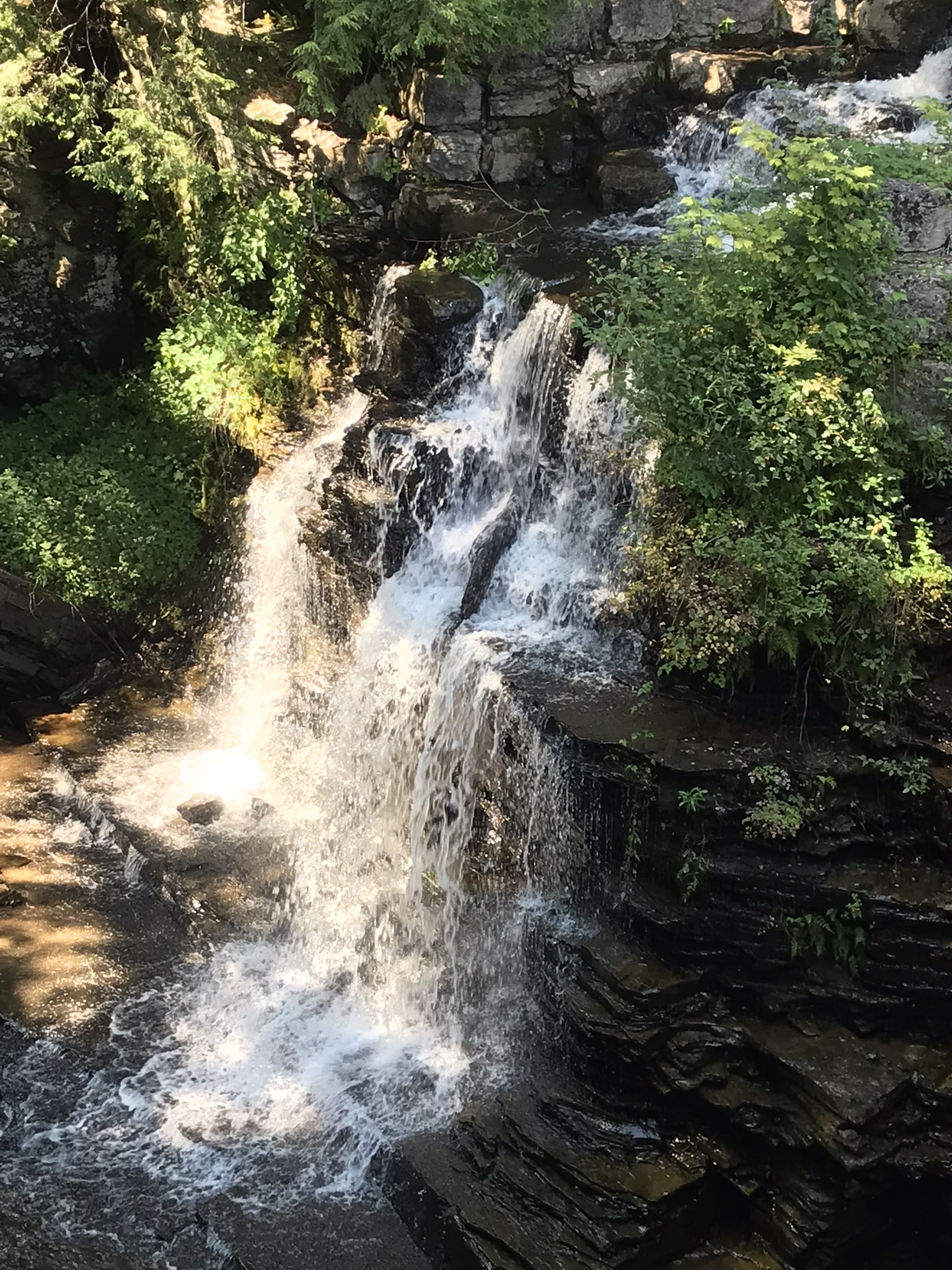
Late August last I captured these photographs and videos on the fly using an Iphone7 while Pam and I walked Fillmore Glen State Park, Moravia, New York. Click me for “The Space Station and the Waterfall,” another glen exploration.

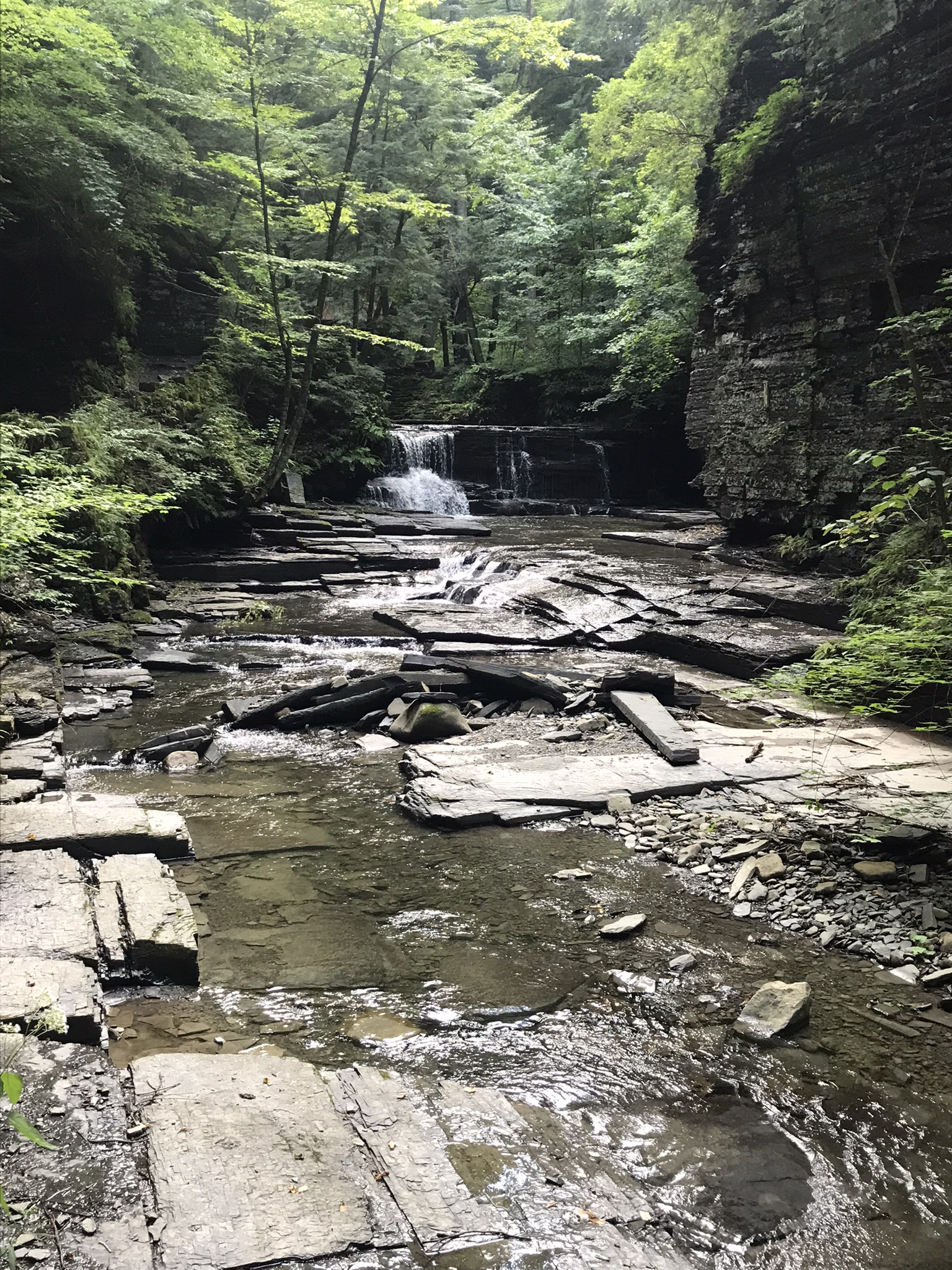
Ephemeral Waterfall

Metal Intrusion

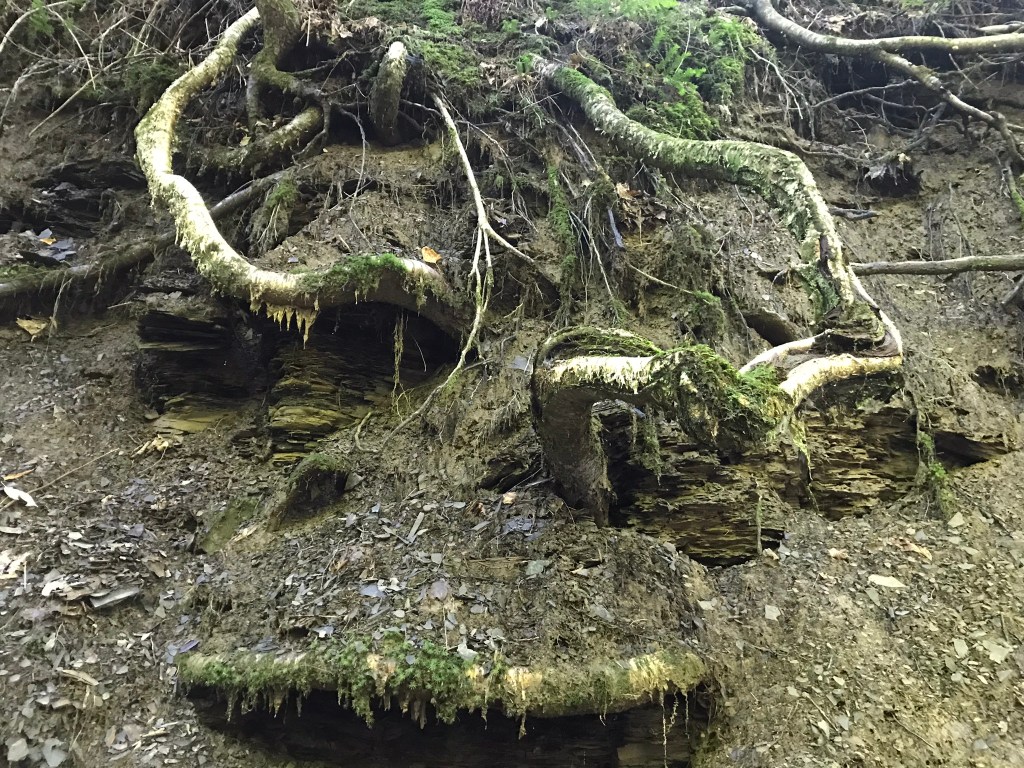
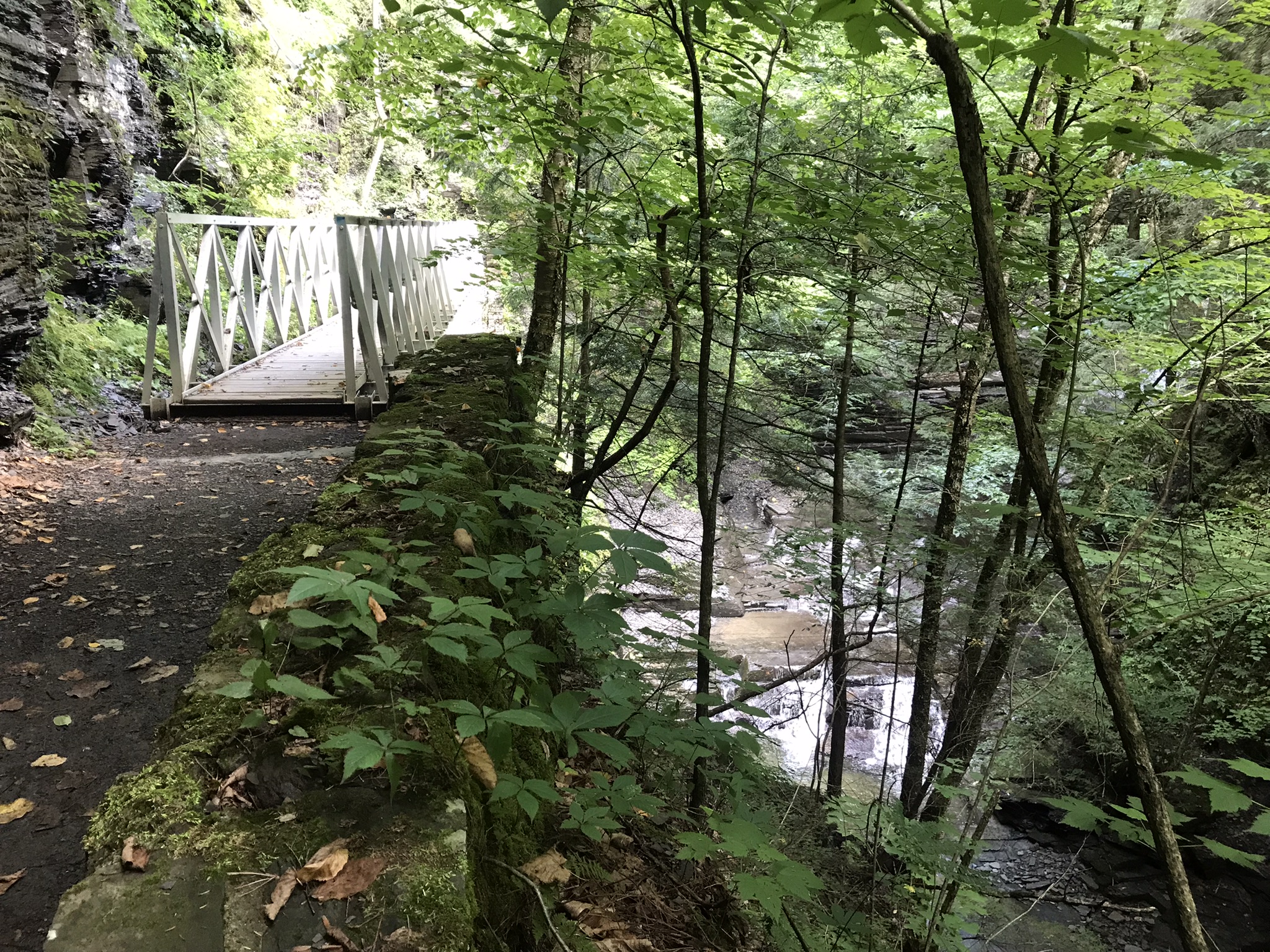
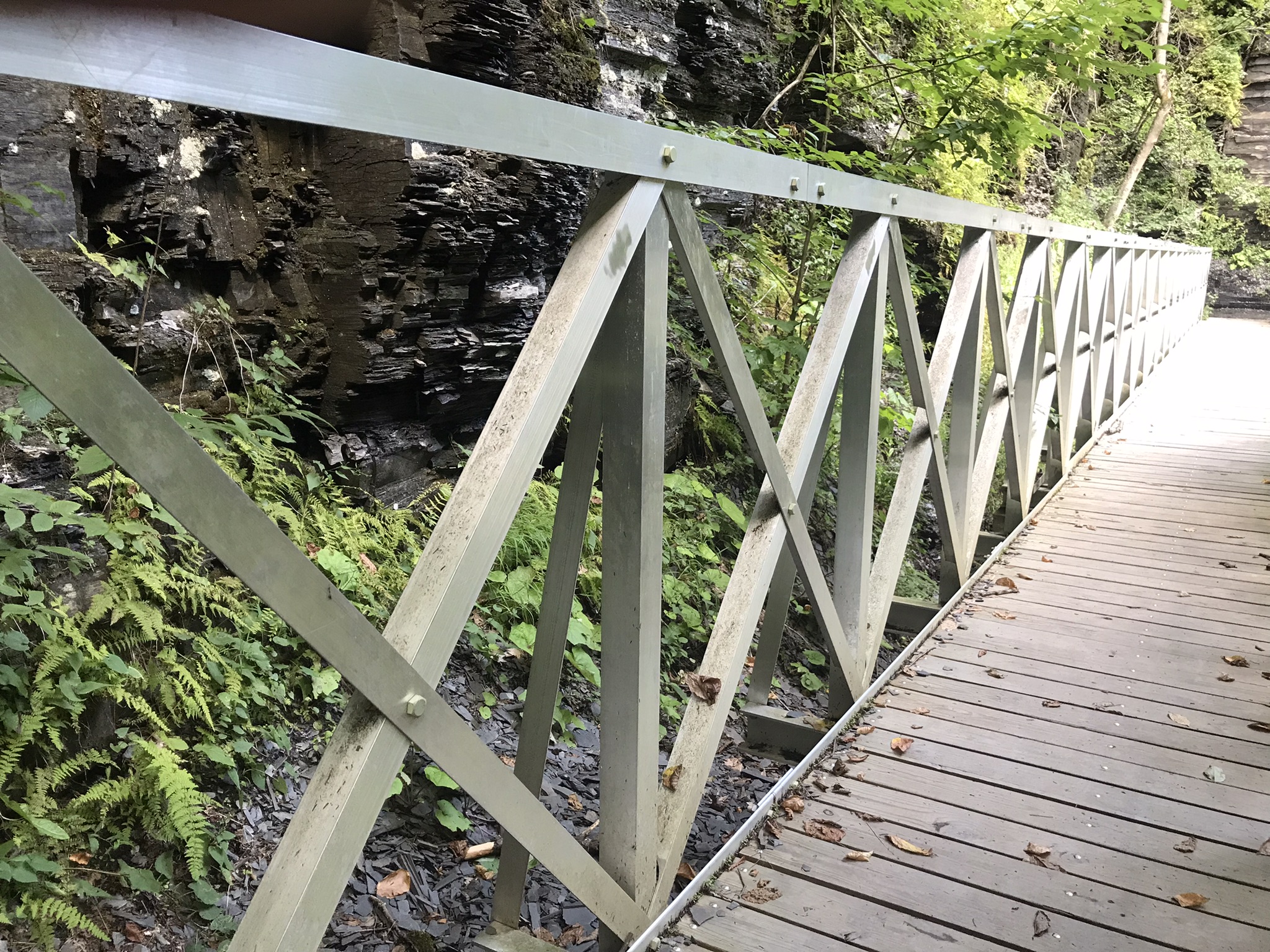
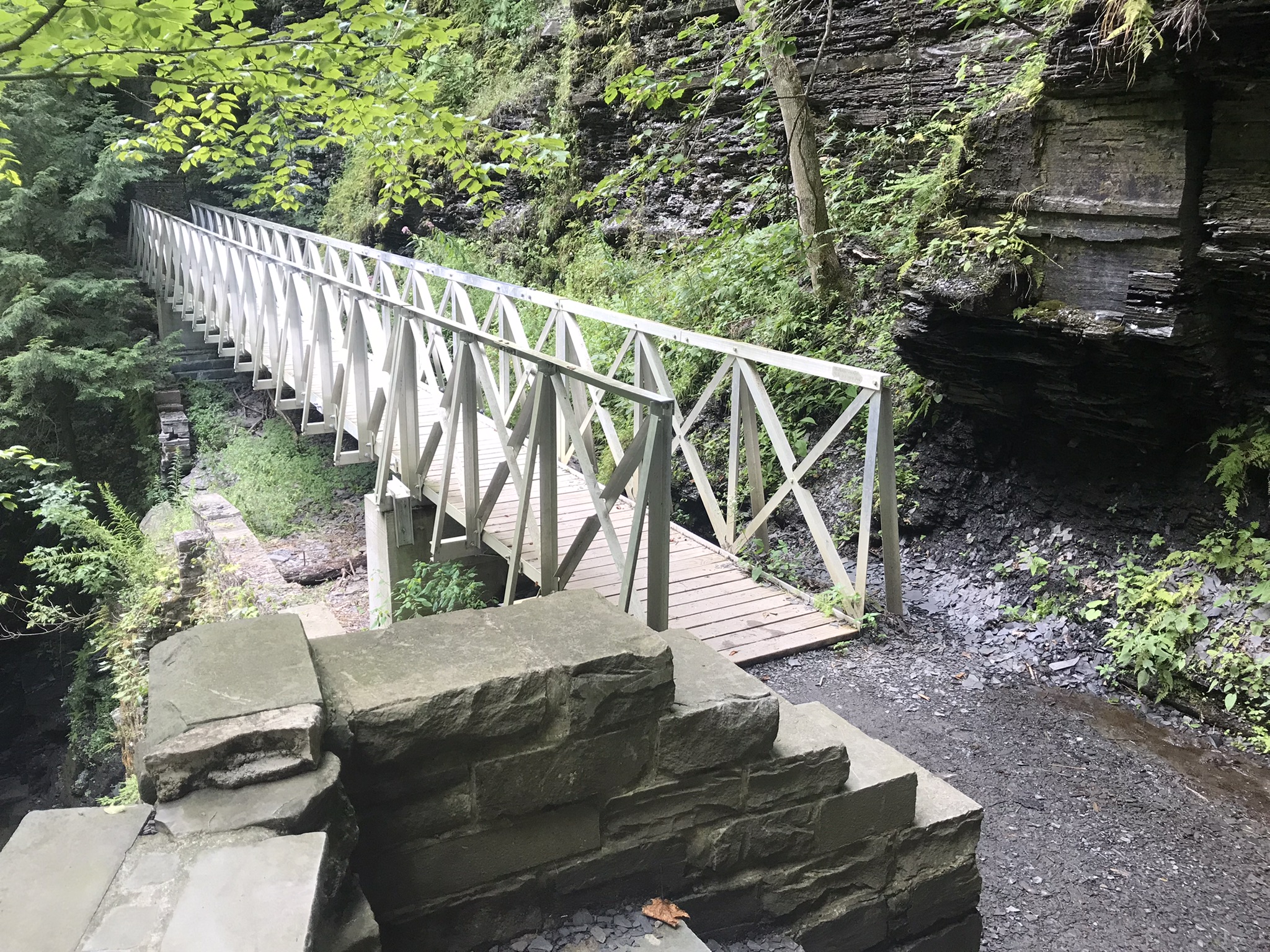
Spring thaw washed away the gorge wall, this functional metal bridge will outlast all but the most catastrophic gorge wall disruptions.

Graceful Waterfall Overview

Flora

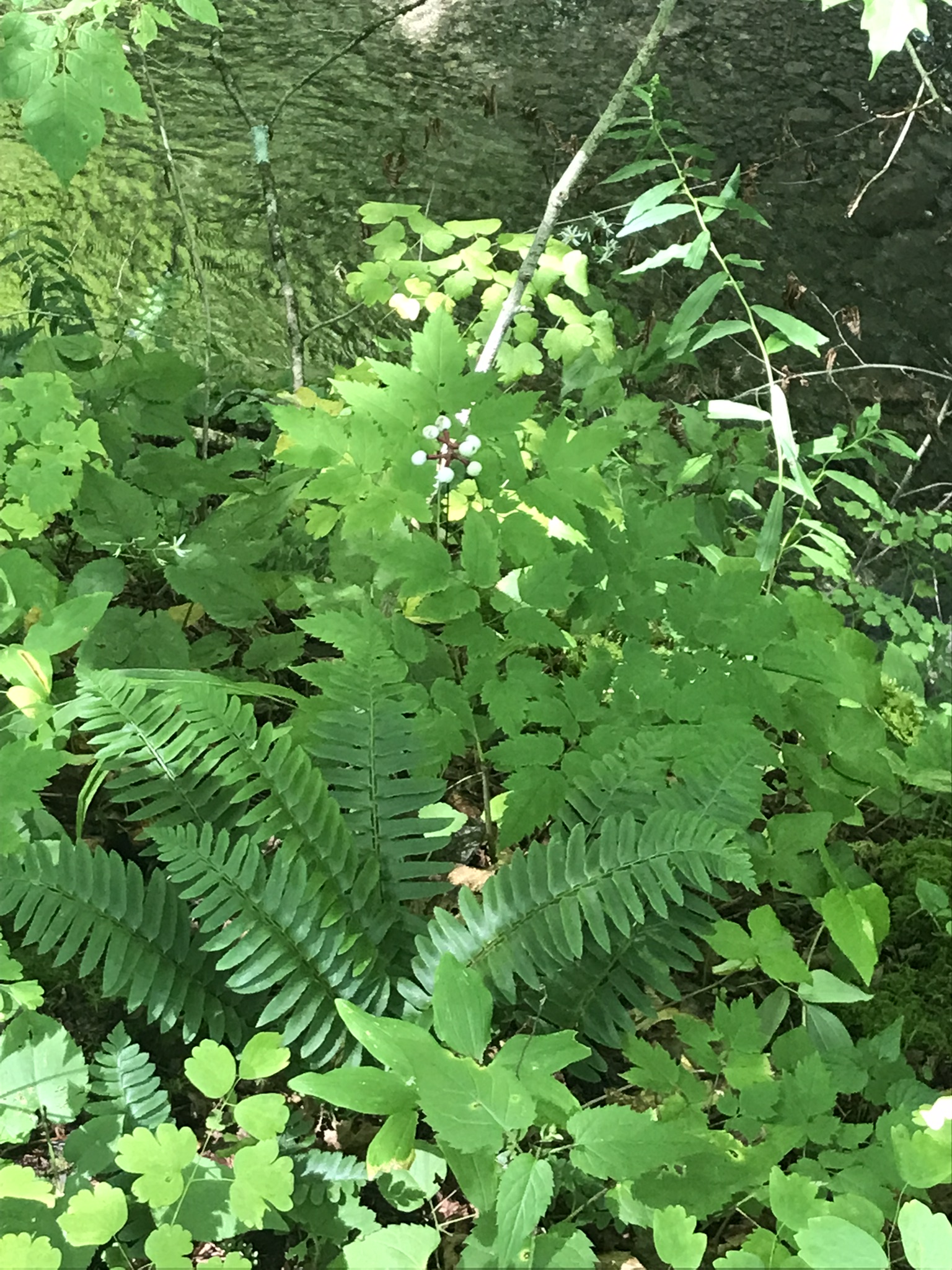
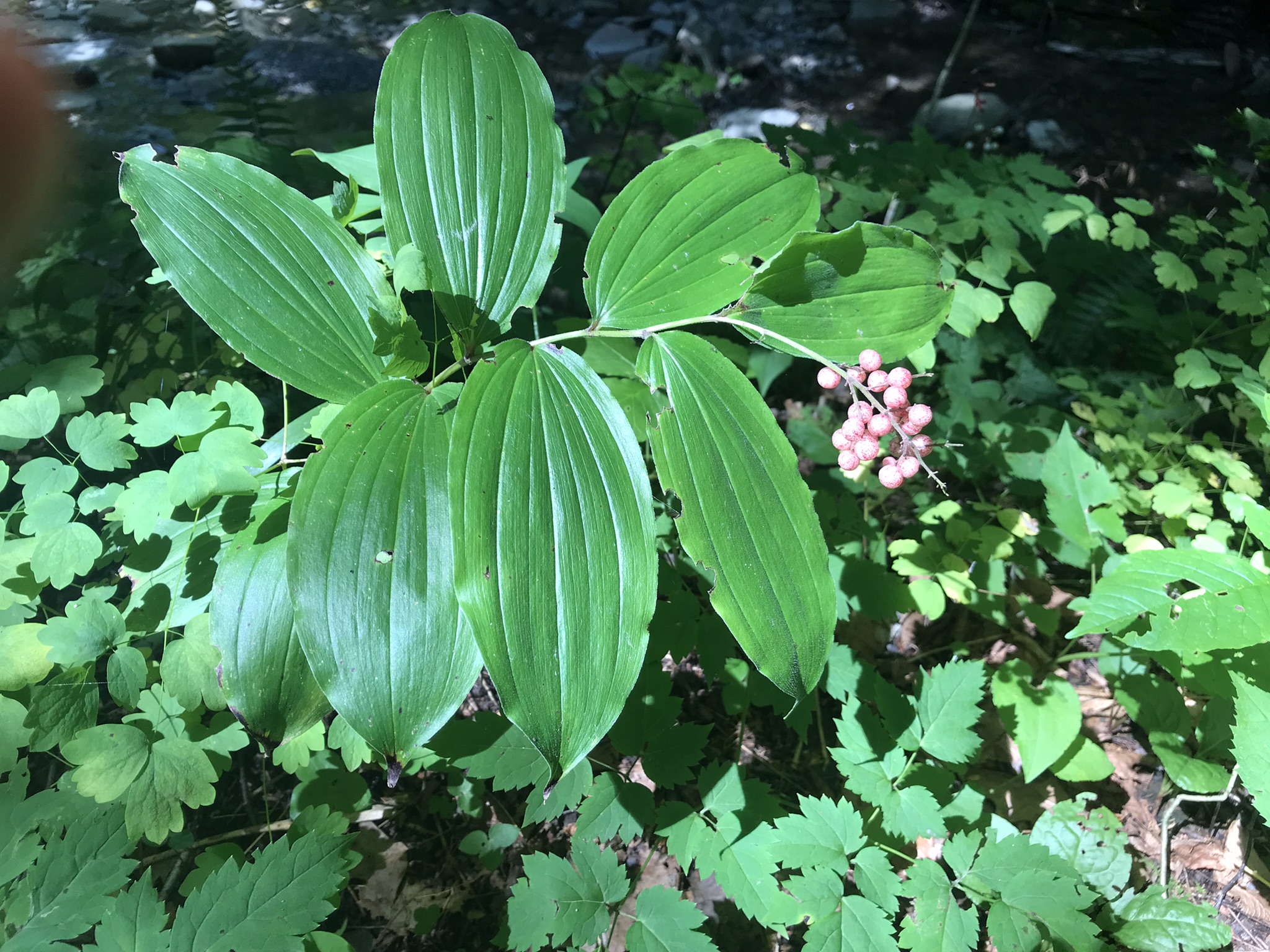
White Baneberry, aka “Dolls Eyes,” a fascinating plant, entirely poisonous.

All parts of all Baneberry varieties (red and white) are highly poisonous, the bane of Baneberry. The berries are deadly. Ingestion of as few as two berries by children will cause death from cardiac arrest. Six for an adult.

Landscape Features

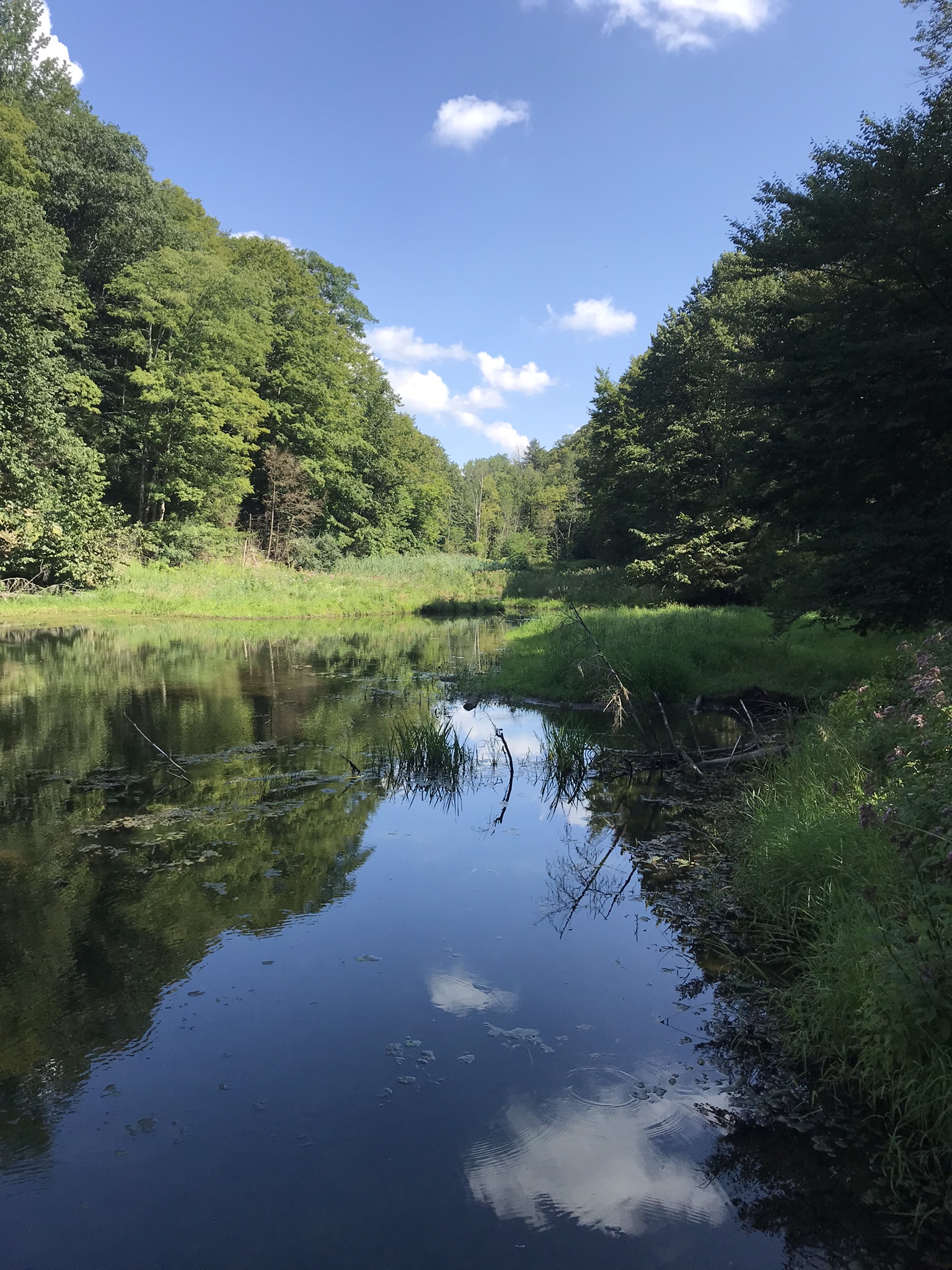
Overview, Spillway and Pond

Copyright 2022 Michael Stephen Wills All Rights Reserved

Begonia Flowers and a Sweat Bee

shiny, bright green tiny bee

Once a year when Pam’s gardens are at a summer peak I venture out to capture her work in early morning light. For this third image of the begonia series I used the same handheld Canon EOS 1Ds Mark III SLR but with the Canon lens EF 100 mm f 2.8L IS USM variable lens. Click me for the first post, “Begonia Grandis.”

Click photograph for a larger view.

Sweat Bee!!

The bee on the right, in sharp focus, was a puzzle to me. I am familiar with it, they are very common around here, and striking with a bright green shiny thorax. For this post I decided to identify it.

After thirty minutes of poking around I found a list of New York Wild bees on the Cornell CALS (College of Agriculture and Life Sciences) site. It is in the form of an excel spreadsheet and very helpful. There are over 400 species listed. Using the “filter” feature I found the six families and, for each, did a web search. I am 98% sure this bee is in the family Halictidae, known as “sweat bees,” being attracted to the salt of perspiration they use for nutrition.

Next I looked as the first name in the species designation within the family Halictidae. Tjhis is the genus. There were not many, in a few minutes singling out Agapostemon, known as the “metallic green sweat bee.” I did not find it necessary to hone in on the exact species as members of the genus Agapostemon have defining characteristics.

There are four species listed on the Cornell CALS spreadsheet, all are ground nesting and solitary. Sweat bees are useful as crop pollinators. In Texas they can replace honeybees for pollination of cotton.

Agapostemon sericeus
Agapostemon splendens
Agapostemon texanus
Agapostemon virescens

The lens is designed for macro work and is a fixed focus, it can capture small details without needed to be close to the subject. I decided to crop the image down to emphasize the bees. The sharper focus is on the sweat bee

Copyright 2022 Michael Stephen Wills All Rights Reserved

Bumblebees and Begonia Flowers

early morning light

Once a year when Pam’s gardens are at a summer peak, I venture out to capture her work in early morning light. For this second image of the begonia, I used the same handheld Canon EOS 1Ds Mark III SLR but with the Canon lens EF 70-300 f 4-5.6L ISM variable lens.

Click photograph for a larger view.

Bumblebees numbers will tell you if local mouse populations are under control. Mice will invade bumblebee burrows to eat the eggs and young. If the bees are plentiful, it means more are escaping mouse predation and only because mouse numbers are low.

This morning, bees of all kinds filled the begonia flowers. Bumblebees were amusing to watch enthusiastically roll around the many stamen of the male flowers, gathering as much pollen as possible.

The lens focal length is set to 84 mm to capture the entire plant, on reviewing the proofs I decided to crop the image down to emphasize the bee.

Copyright 2022 Michael Stephen Wills All Rights Reserved

Begonia Grandis

Macro!!

Once a year when Pam’s gardens are at a summer peak I venture out to capture her work in early morning light. For this image I used a handheld Canon EOS 1Ds Mark III SLR with the Canon lens EF 100 f 2.8L Macro. This is the first post of this series. Click me for “Water Lily Flower with hornet,” from my photography gallery.

Click photograph for a larger view.

Begonia is a large genus of flowering plants, sub-tropical and tropical natives, adapted her to a hanging basket put out after the last frost, the end of May, Memorial Day, in these parts. The flowers are monoecious, both male and female unisex flowers bloom on a single plant.

Pictured are double male flowers composed entirely of stamens. This plant has a sour flavor enjoyed in parts of its range. Over consumption will produce ill effects as the tissues are high in oxalic acid, a poison to humans.

Here, the leaves and flowers glow in the gentle light of early morning.

Copyright 2022 Michael Stephen Wills All Rights Reserved

Mass Bloom

“Princess of the Night” one evening

Our Night Blooming Cereus produced to date fifteen (15) flowers this spring and summer. These opened July 26th after sunset.

Click pic for larger view in a new browser tab. If you are in WordPress Reader, open the post to use this feature.

These were captured with the Canon EOS 5D Mark IV dslr with a 50mm f/1.4 lens on a Manfrotto tripod. In the following closeup from the lower right is visible a flower bud and spent bloom among the flowers.

Click me for another Cereus Post.

Copyright 2022 Michael Stephen Wills All Rights Reserved

Horse Camp

Western Still Life

The end of a day trekking to East Boulder Canyon at the foot of Weaver’s Needle, Superstition Wilderness. I had a light pack with the camera equipment and supplies packed in on horseback.

Click Me for my Online Gallery


Click me for another Superstition Wilderness Episode

Copyright 2022 Michael Stephen Wills All Rights Reserved

When is “moss” not moss?

Southern Gothic

We spotted this stuff within minutes of arriving at McKee Gardens for an afternoon visit with the grandchildren. Festooned above our heads from thick Oak branches, I could not resist pulling out the camera for this photograph to capture the flavor of Southern Gothic. Fortunately, our group included neither deeply flawed nor disturbing characters, though we can confess to a touch of eccentricity.

Spanish Moss produces inconspicuous flowers with tiny seeds. Spanish Moss also propagates from fragments of the fine leaves.

Spanish Moss is neither moss nor Spanish. Scientific name Tillandsia usneoides, this flowering plant is in the family Bromeliaceae that includes pineapple. Here we have two epiphytic bromelias sharing the trunk of a palm.

A rootless epiphyte native to the tropical / semi-tropical Americas, Spanish Moss has a preference for southern live oak (Quercus virginiana) and bald cypress (Taxodium distichum) because of their high rates of foliar mineral leaching (calcium, magnesium, potassium, and phosphorus) that provides an abundant supply of nutrients to the epiphytic plant.

My two volume “go to” resource for plants and trees had sparse information about Spanish Moss and no wonder as it is a burden on trees, though not parasitic, and so more a pest than a decorative element to cherish. Surprisingly, Spanish Moss was purposely introduced to Hawaii where it is now known as “Pele’s Hair” after their fire goddess.

Click me for a dinosaur video from McKee Gardens.

Reference: wikipedia “Spanish Moss”

Copyright 2022 Michael Stephen Wills All Rights Reserved