Finger Lakes National Forest 3

compare portrait vs. landscape orientation.

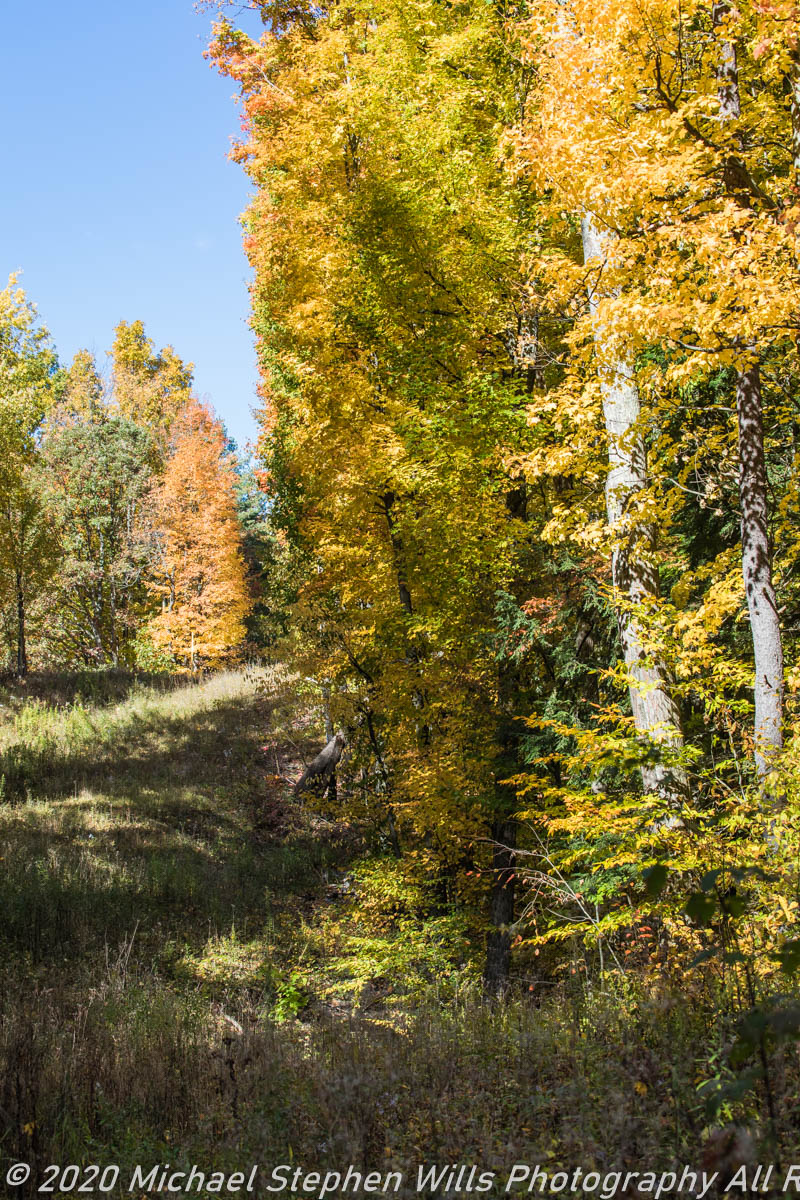
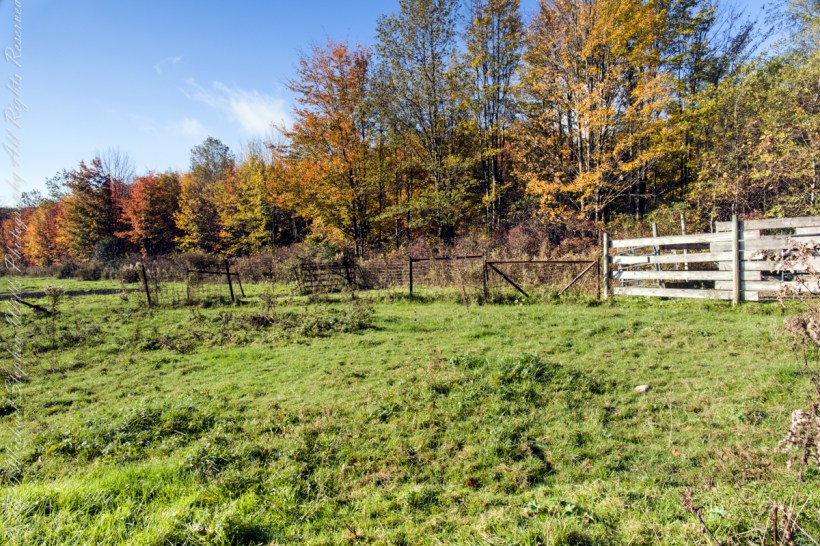
In the long history of this forested ridge two Iroquois tribes relied on this land for tree nuts and hunting, the soil did not support agriculture. After the Revolutionary War, the British siding Iroquois tribes were driven away and the land given as one mile square blocks to soldiers, in payment for service. During the Depression era, many of these farms were abandoned and others sold to the Federal government.

Today, there is a patchwork of private land and National Forest. This line of color marks the forest boundary on the eastern ridge side.

Click photograph for a larger view. To do this from WordPress Reader, you need to first click the title of this post to open a new page.
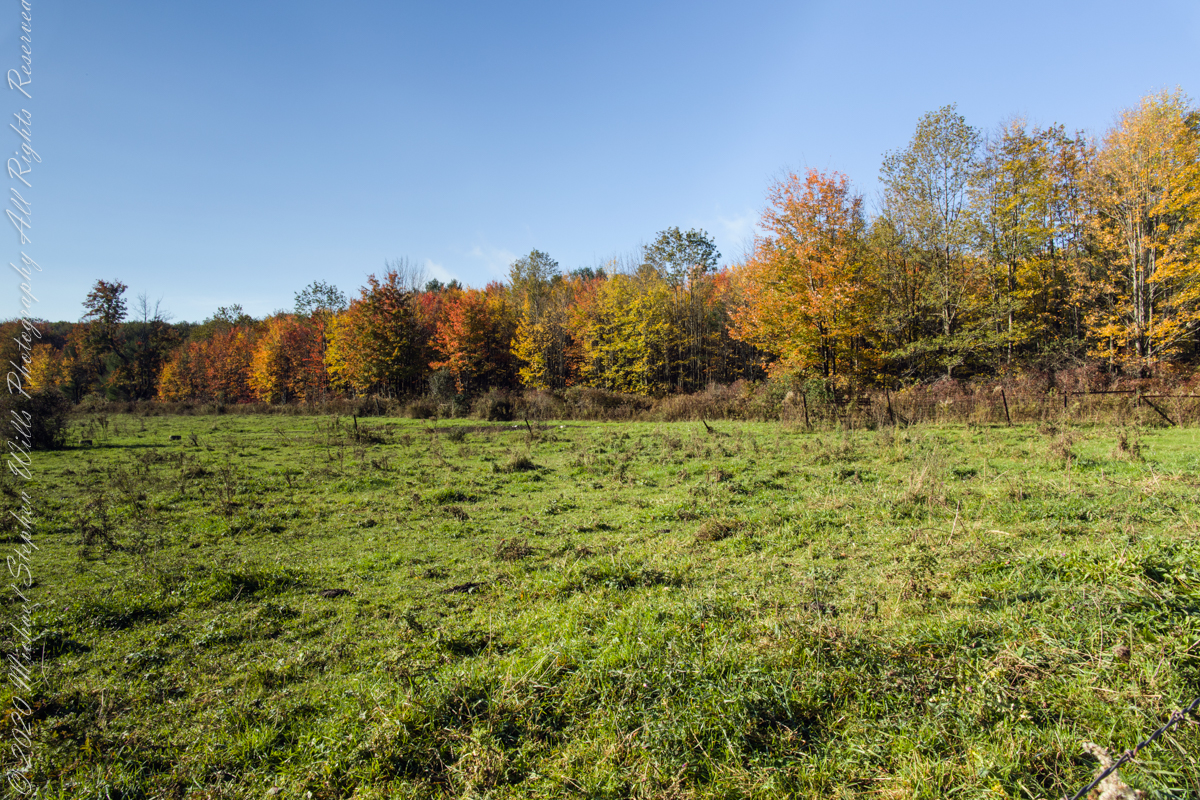
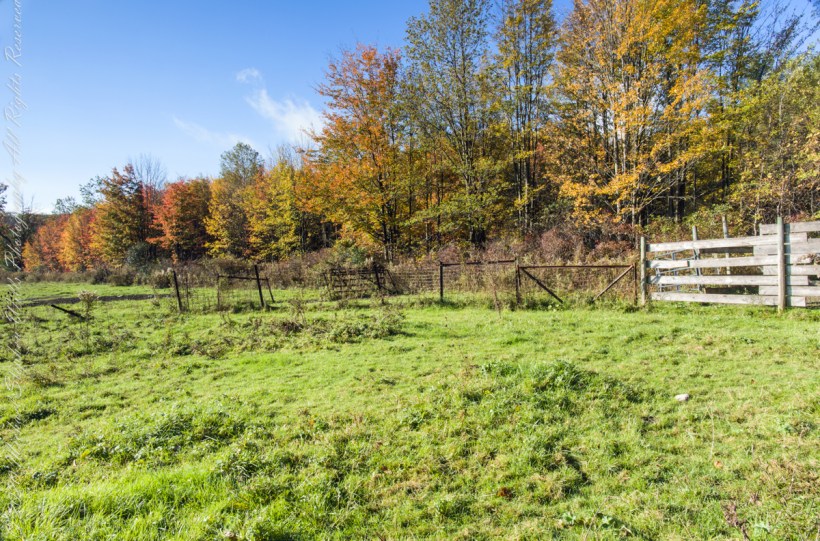
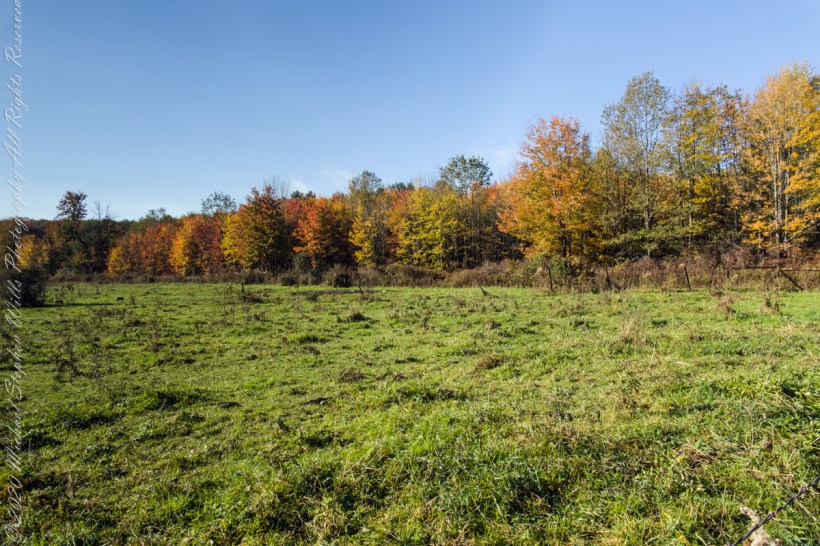
I positioned the tripod against the barbed wire fence marking the posted property. A few barbs and sear goldenrod flowers just visible in the lower right corner.
Click me for another Finger Lakes Autumn post.
Finger Lakes National Forest 2

compare portrait vs. landscape orientation.

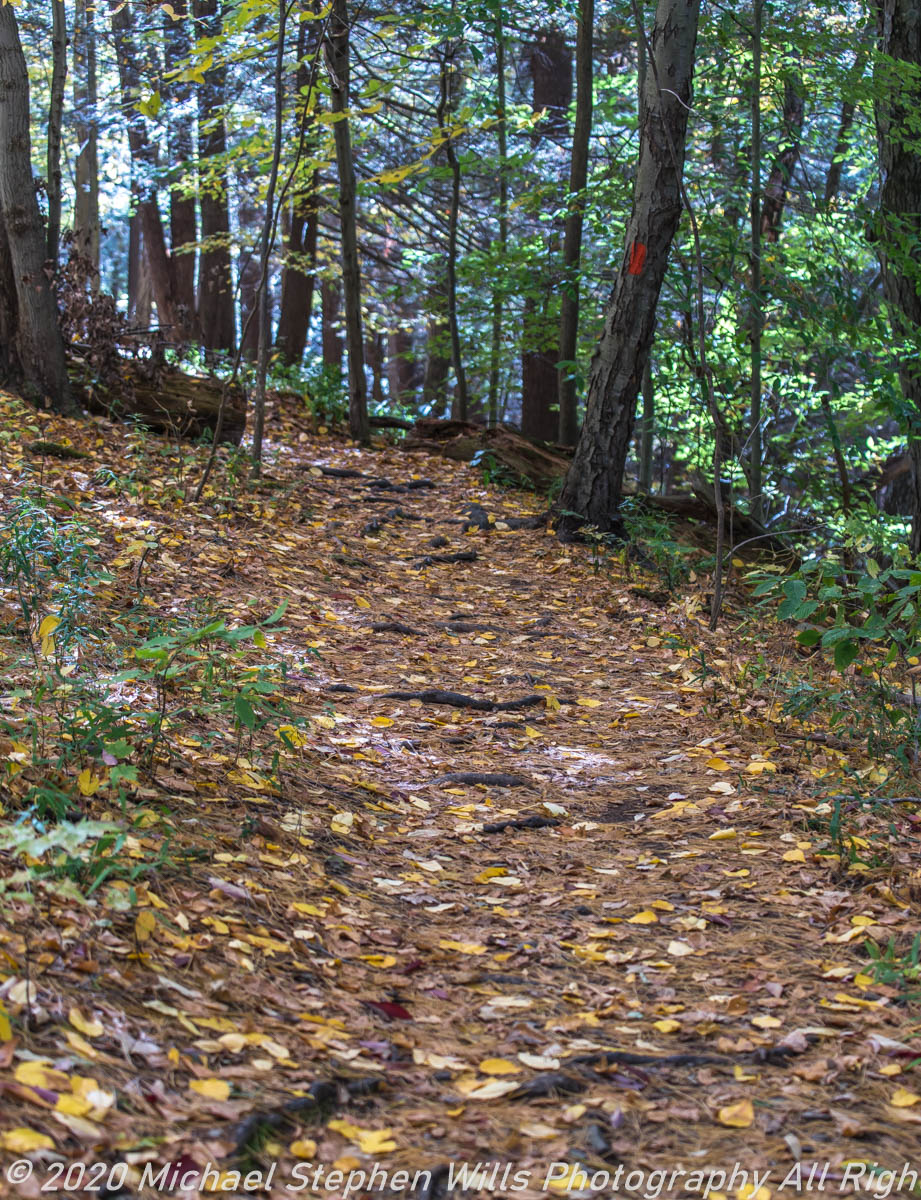
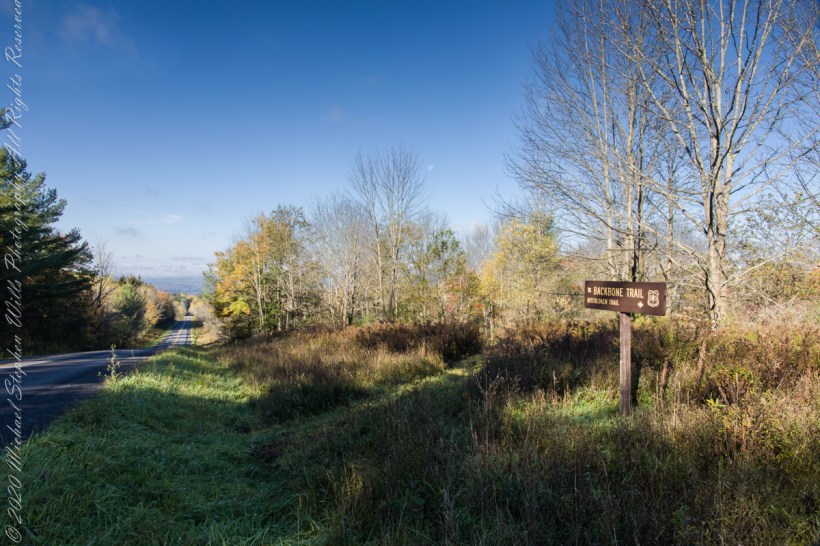
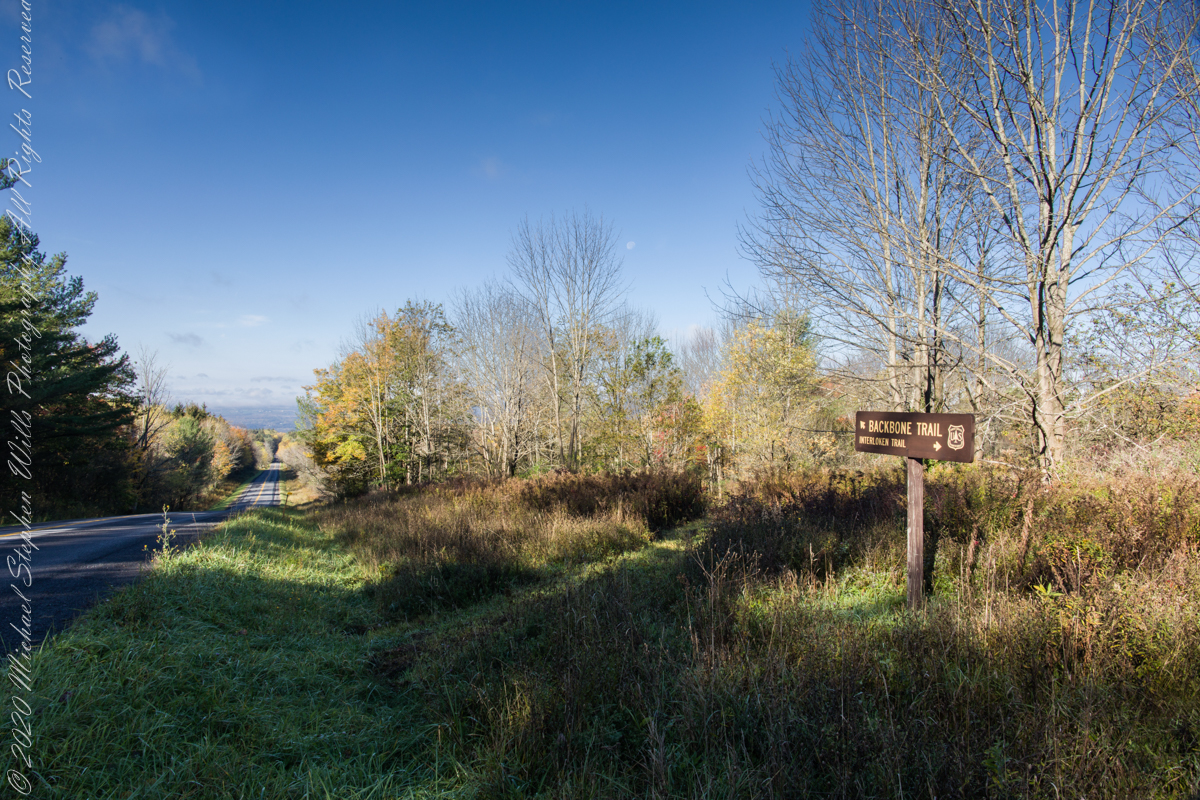
An open road, autumn morning, a hiking trail under a setting moon. Thirty miles of hiking trails thread these 16,212 acres. Some, like the Backbone trail, traverse farmland reverted to forest and meadow, popular for horseback riding.

Click photograph for a larger view. To do this from WordPress Reader, you need to first click the title of this post to open a new page.
Click me for another Finger Lakes Autumn post.
Finger Lakes National Forest 1

compare portrait vs. landscape orientation.

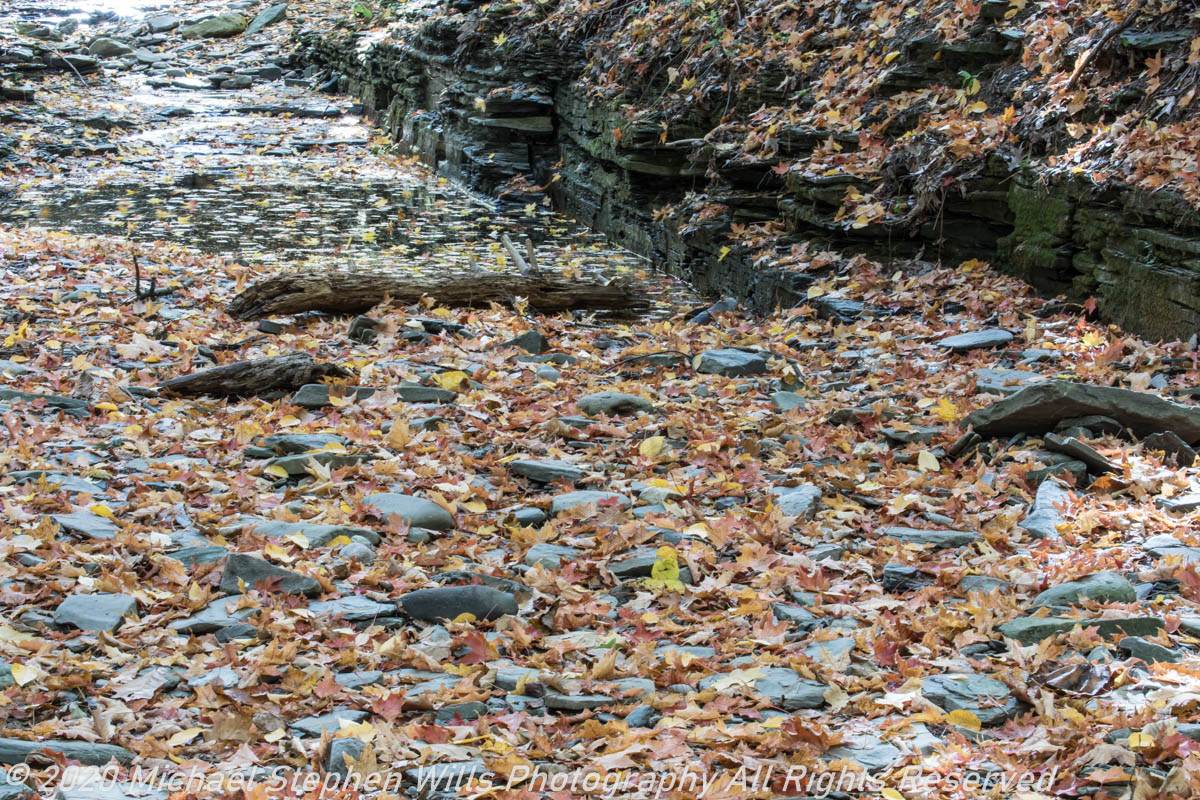
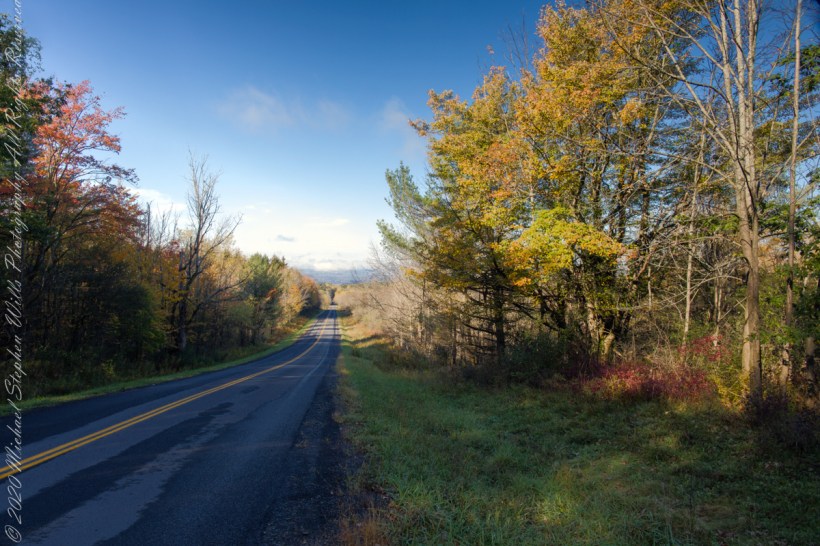
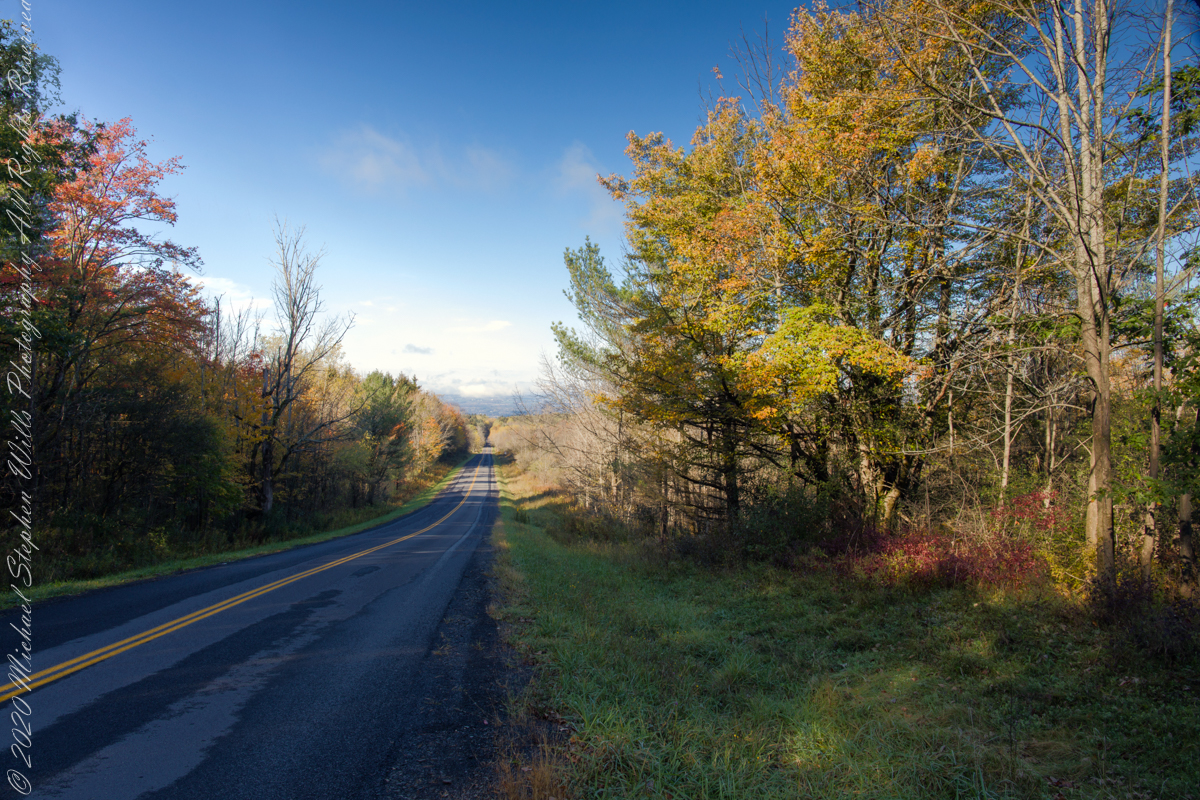
The only National Forest in New York State, this land is visible as a ridge to the west of our home. Here we are on the west side, the ridge of Seneca Lake in the distance.

Click photograph for a larger view. To do this from WordPress Reader, you need to first click the title of this post to open a new page.
Click me for another Finger Lakes Autumn post.
Autumn Clouds

catching late light

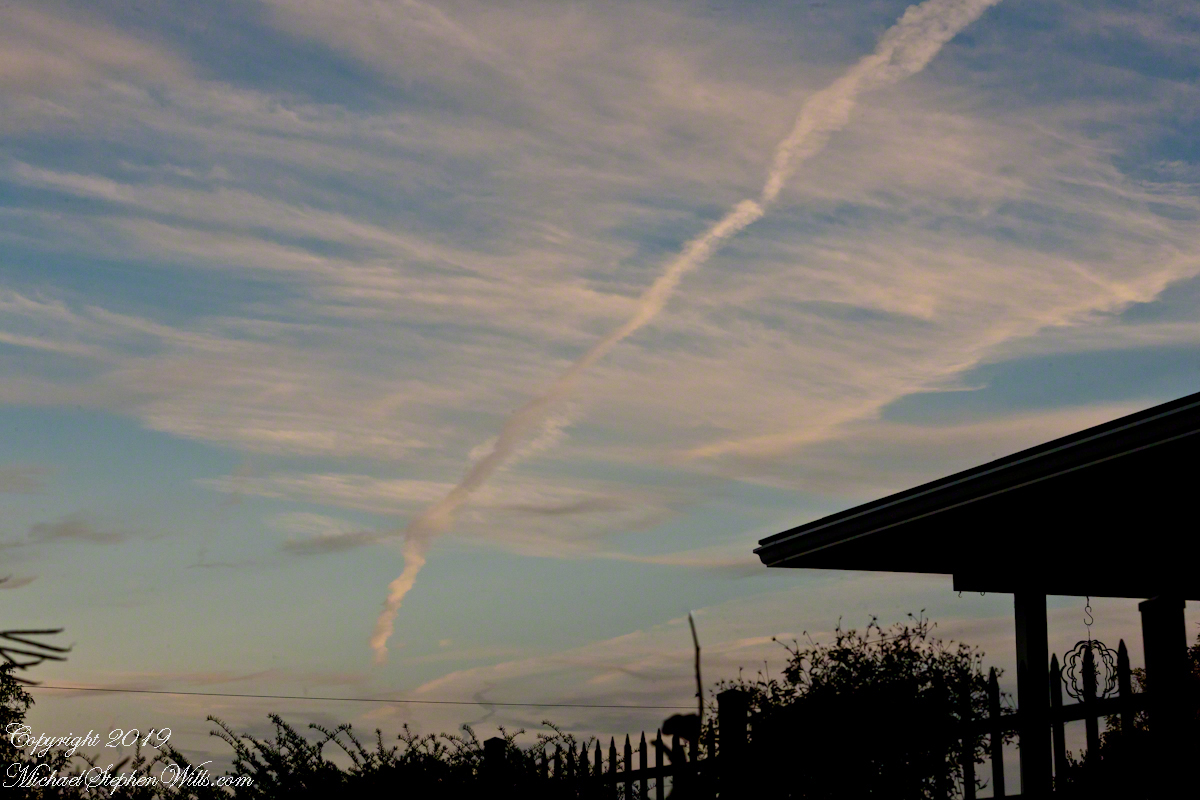
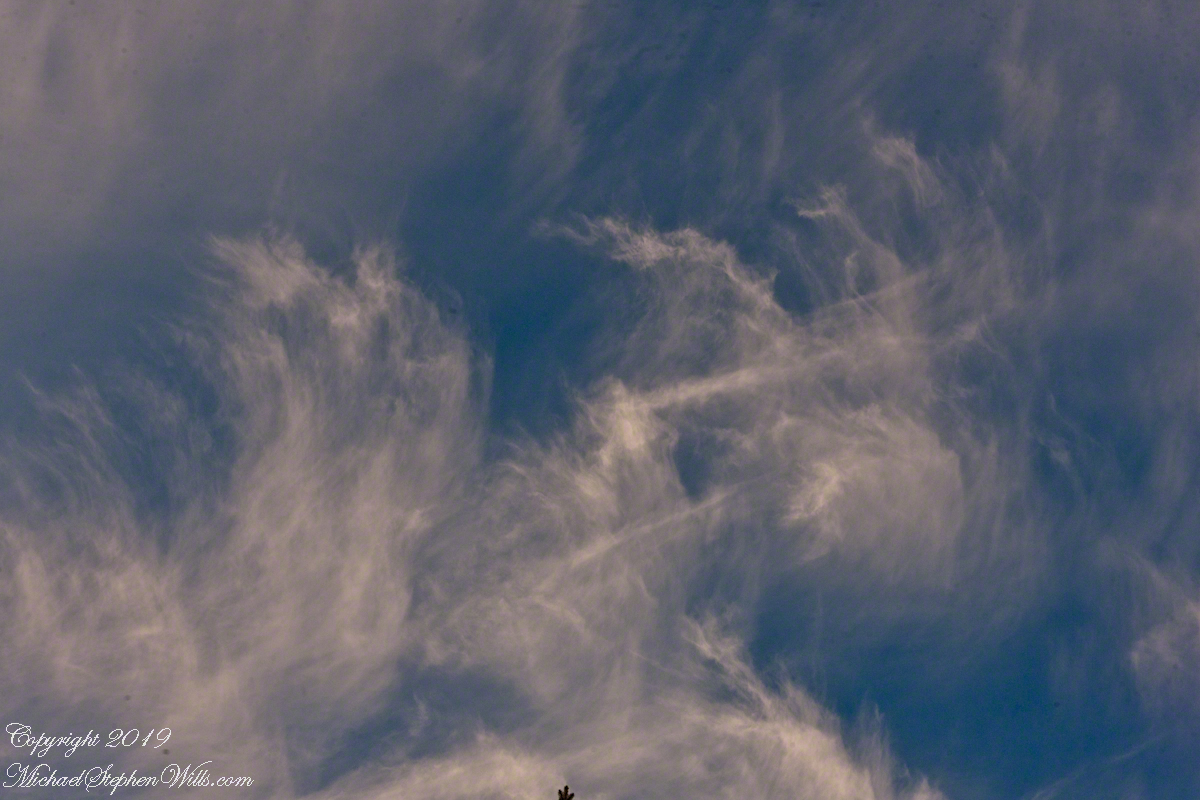
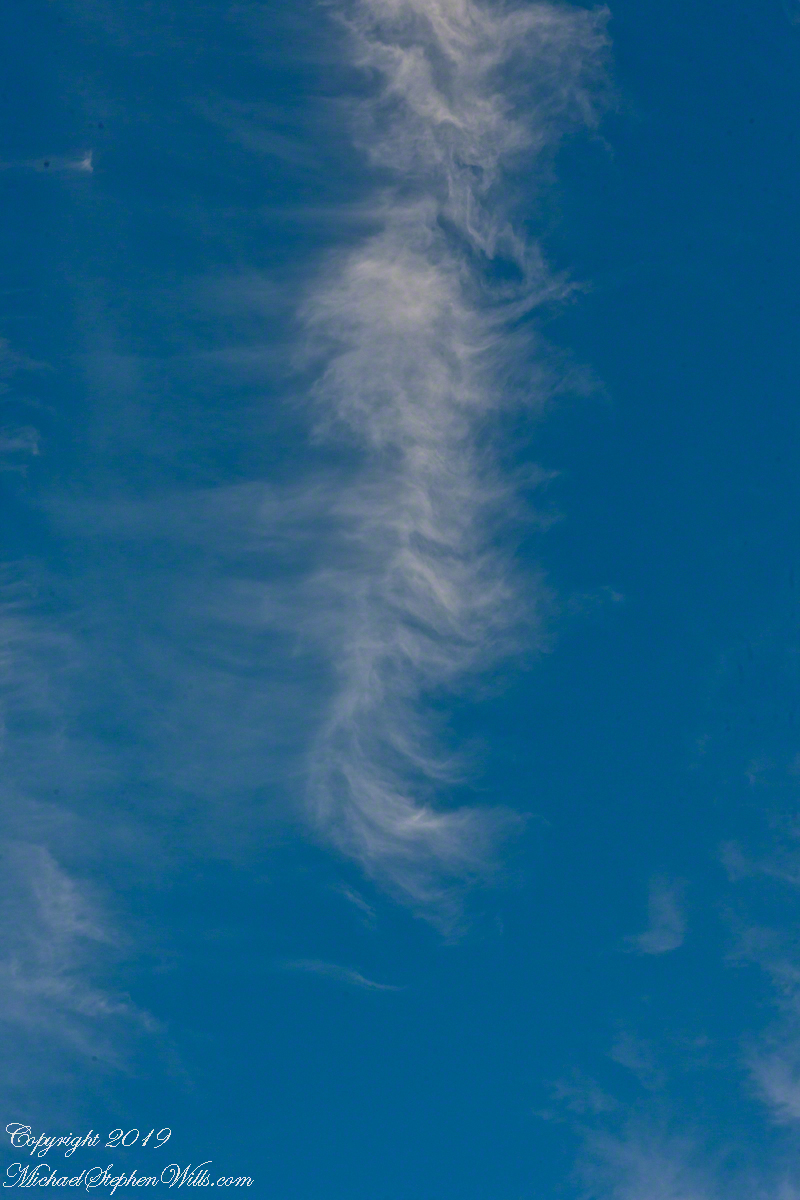
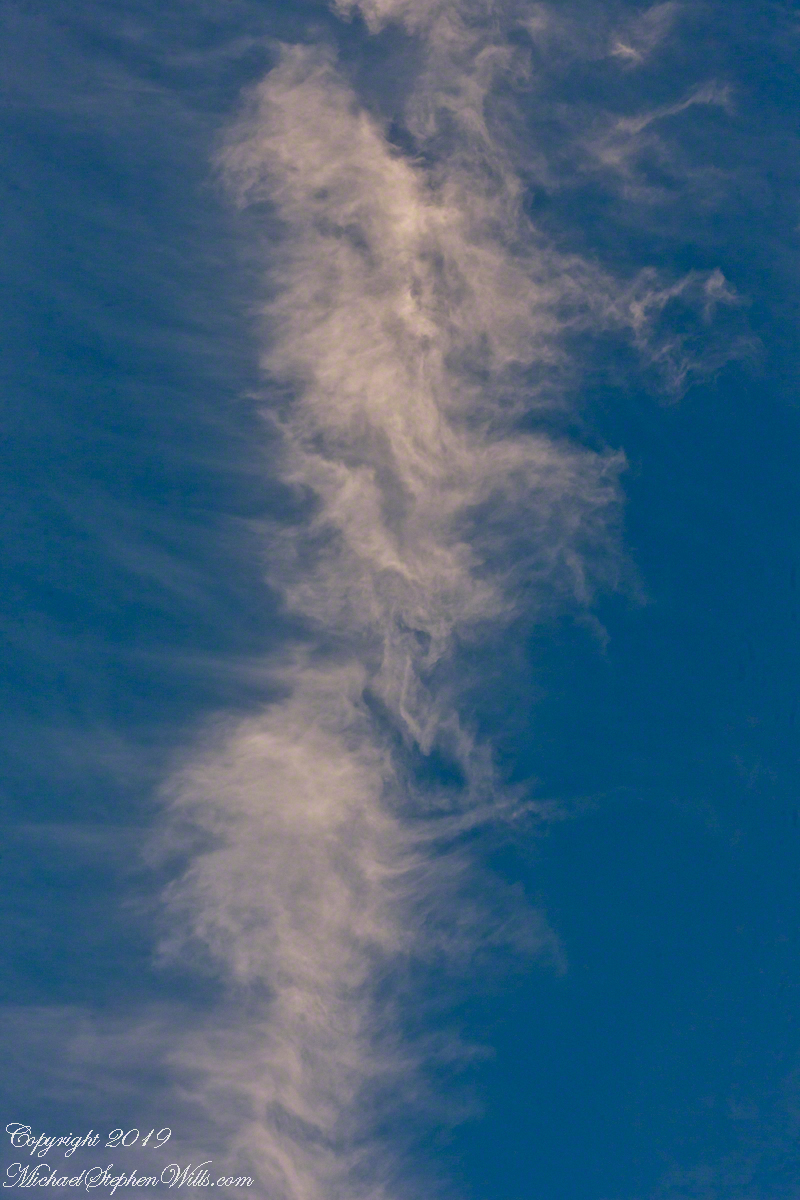
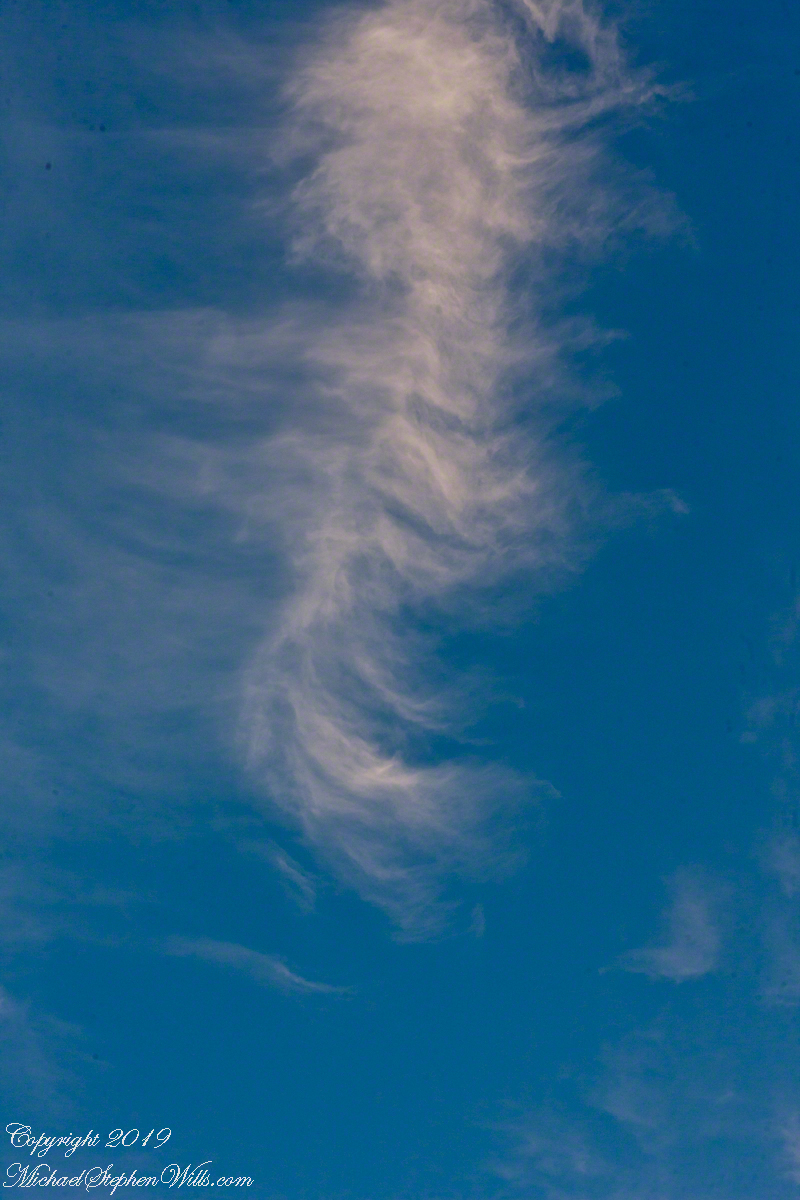
This evening cirrus clouds filled the sky at sunset. View the following photographs to understand how these forms are named from the Latin word for a ringlet, or curl, of hair. Formed above 16,500 feet, on this day the cirrus glow with the light of a sun low in the sky.

Here is a wide view from our driveway that includes a deteriorating con trail and possibly a mixture of other cloud types, I am no expert. I used a Canon “zoom” lens for flexibility in framing. To minimize exposure time for a crisp capture of the moving object, ISO was set to to 1,000 and the f-stop minimized.

Click any image for a larger views. Then, click again to return to post.

Post production I needed to spend time removing dust spots (neglected to clean the image sensor), some of the images still have those annoying spots.

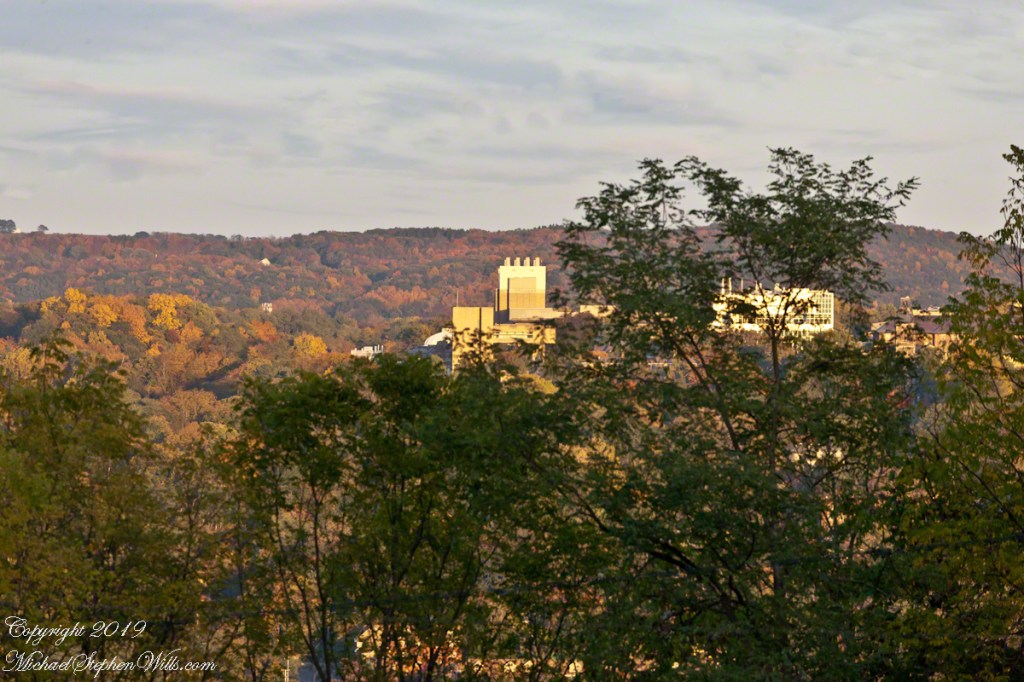
We enjoy looking west across the valley when the hills are glowing.

Click this link for another Autumn posting, “Thin Crescent Bowl Filled with Earthglow.”

References: search for Cirrus Cloud on Wikipedia.

Copyright 2021 All Rights Reserved Michael Stephen Wills

Firebush

slow burn

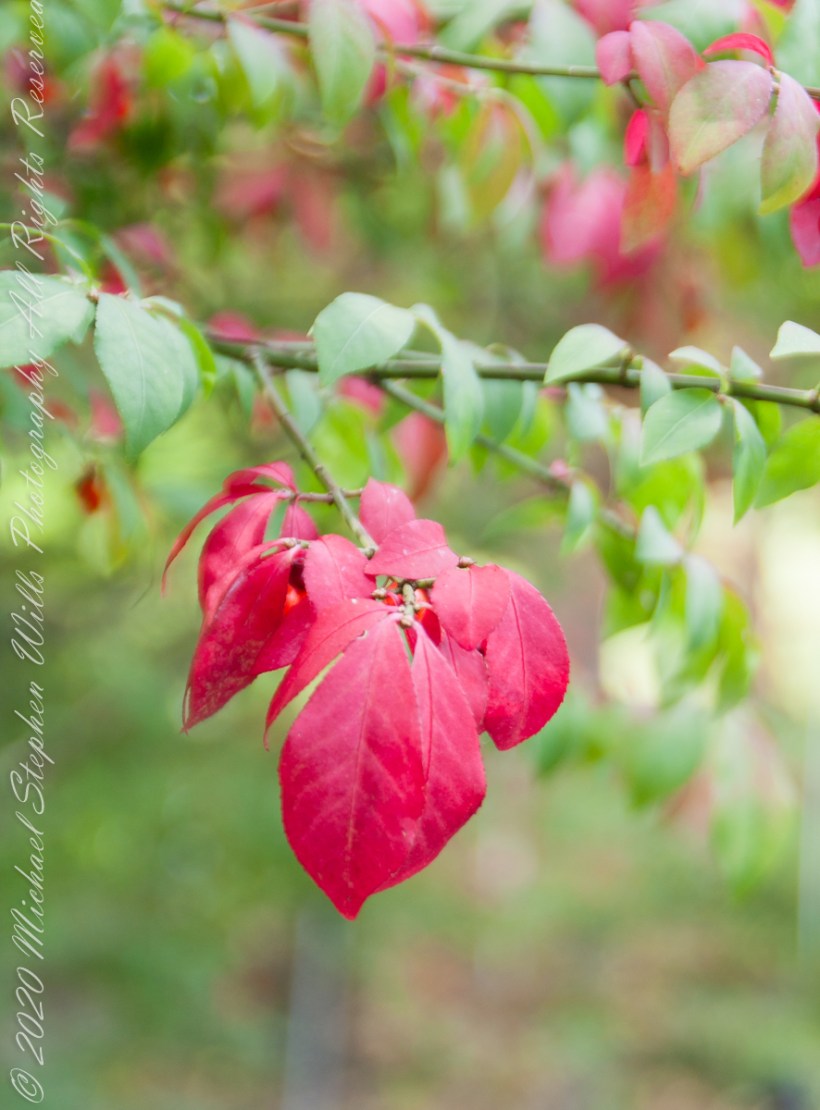
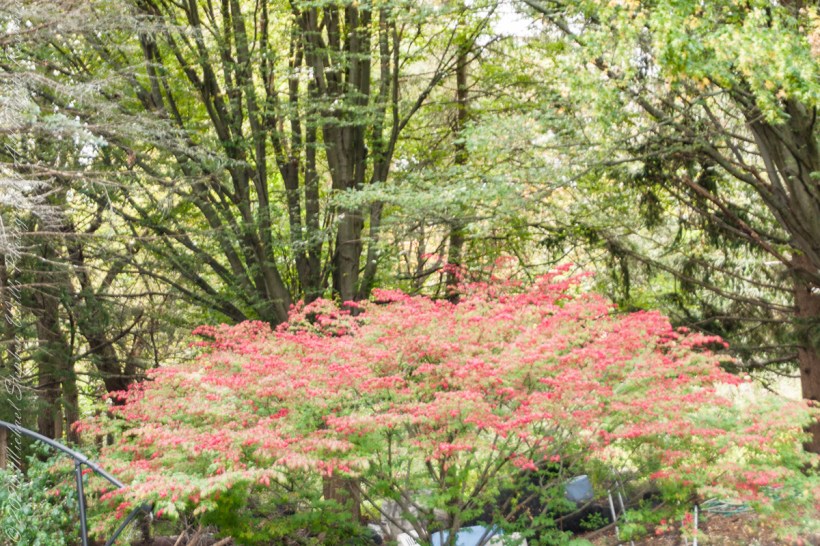
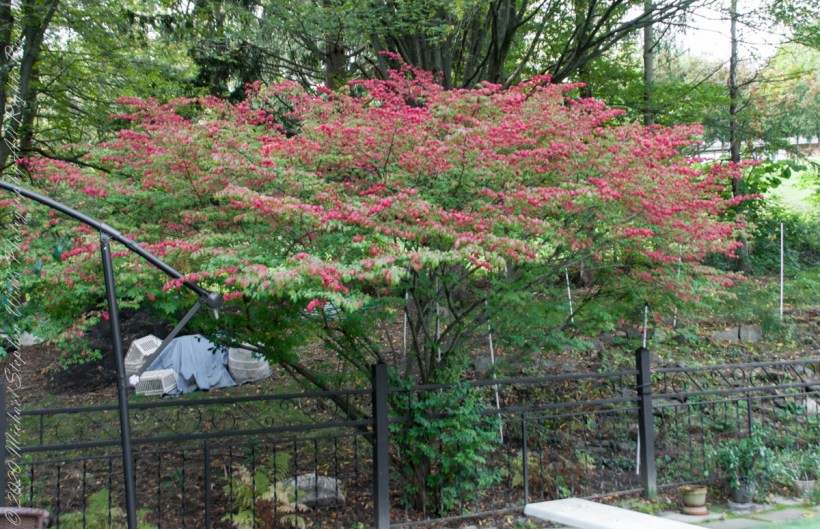
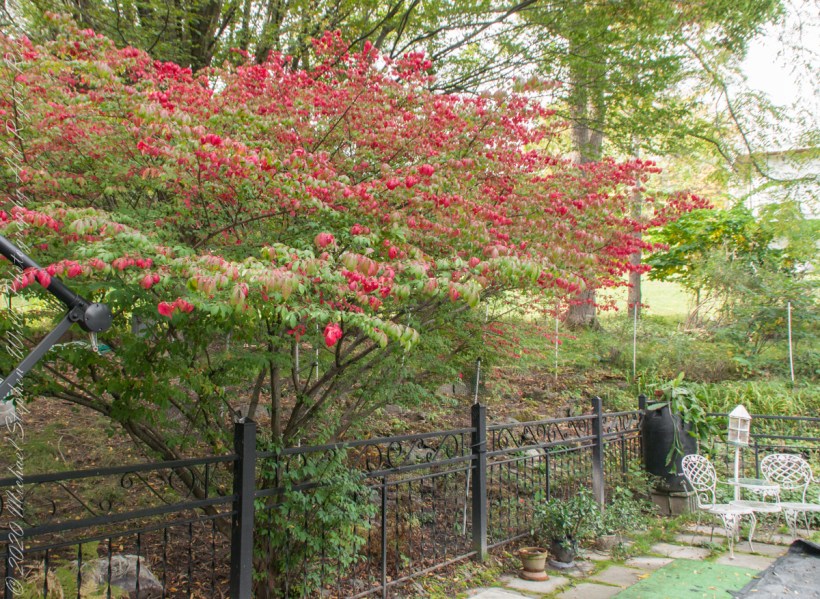
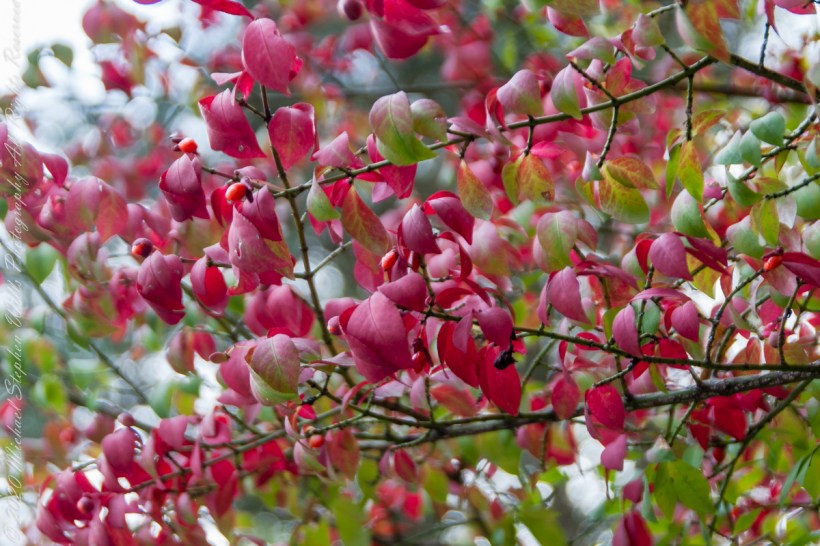
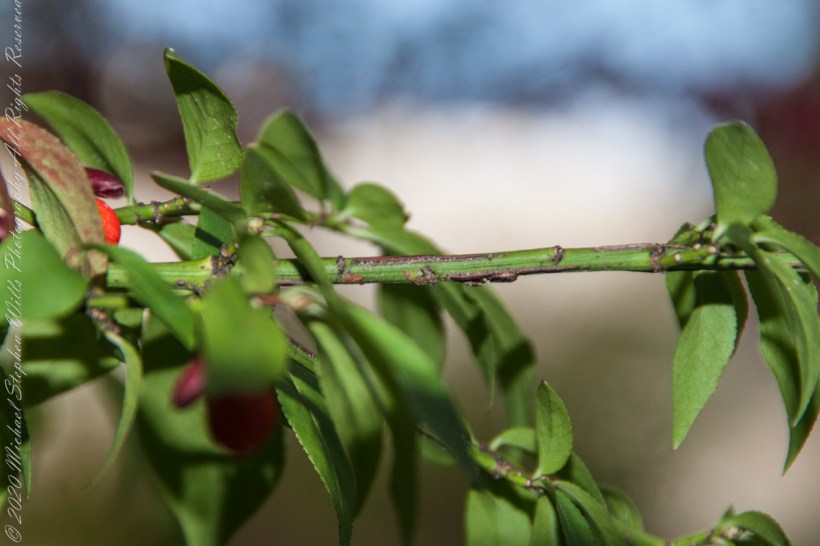
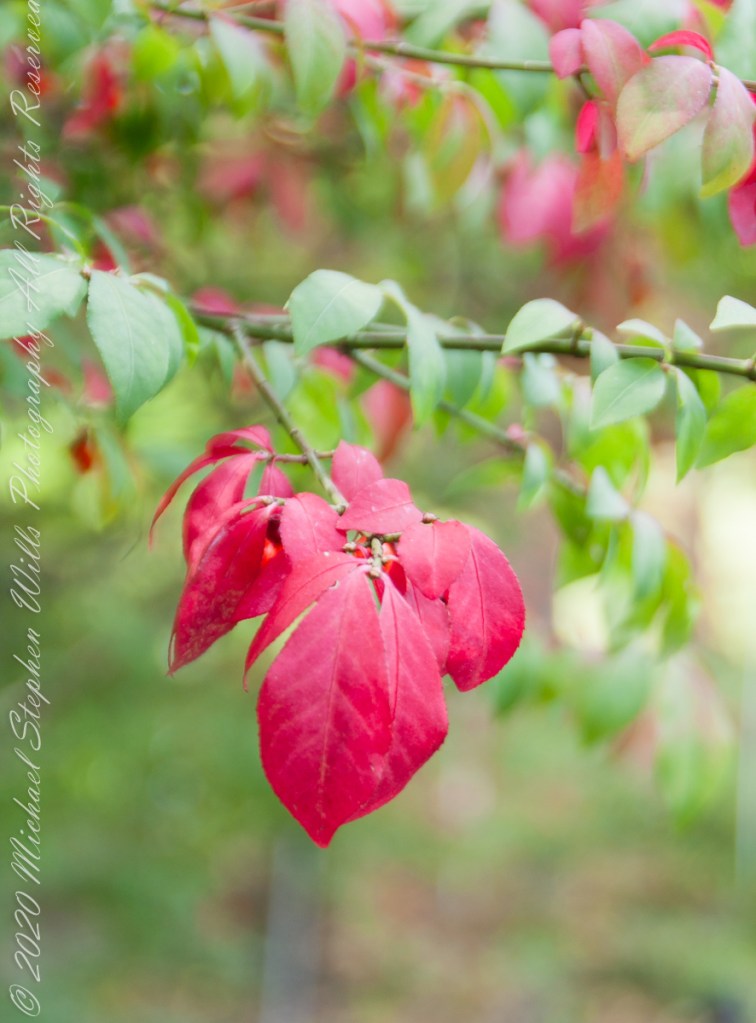
After we came home from the Underground Railroad excursion, with a camera and time on my hands, this Euonymus bush fringed with scarlet leaves caught my eye. Starting with a leaf here and there in September the flame-like color spreads until it takes on the character it is named for “Firebush.”

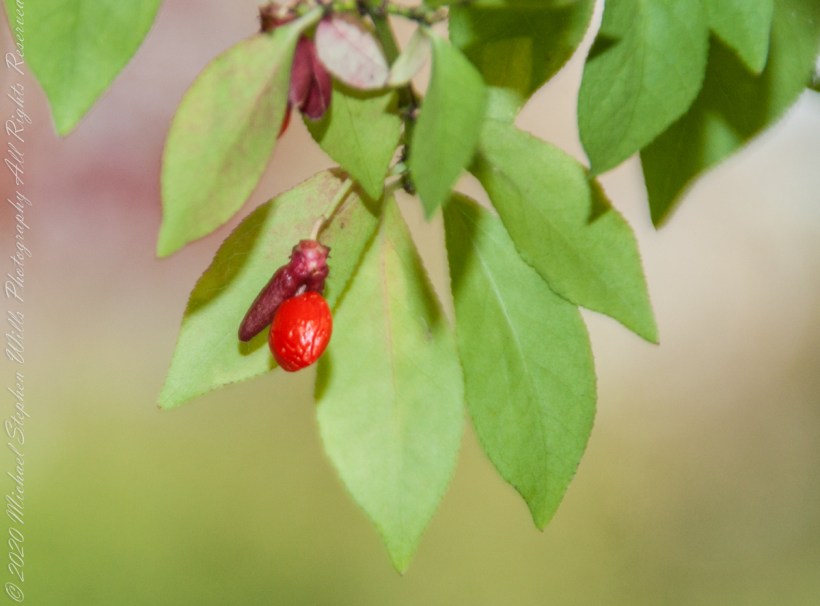
Springtime it is covered with tiny green flowers, each turns to a small, fleshy fruit encapsulating tiny seeds said to be loved by birds. As ours neglect the fruits, I’ve taken to collecting them to spread along the borders of our back property. Here and there some have sprouted around the bush, this year I marked a few to move this winter when the plant is dormant. I have high hopes for success of this project as the species is known as “invasive” in 21 states.

Click pic for larger view in a new browser tab. If you are in WordPress Reader, open the post to use this feature.

We feel the planting is in an excellent place, though it is difficult to photograph for the clutter I was reluctant to resolve at that moment. In one of the following photographs is the gangly Cereus plant atop its water barrel.

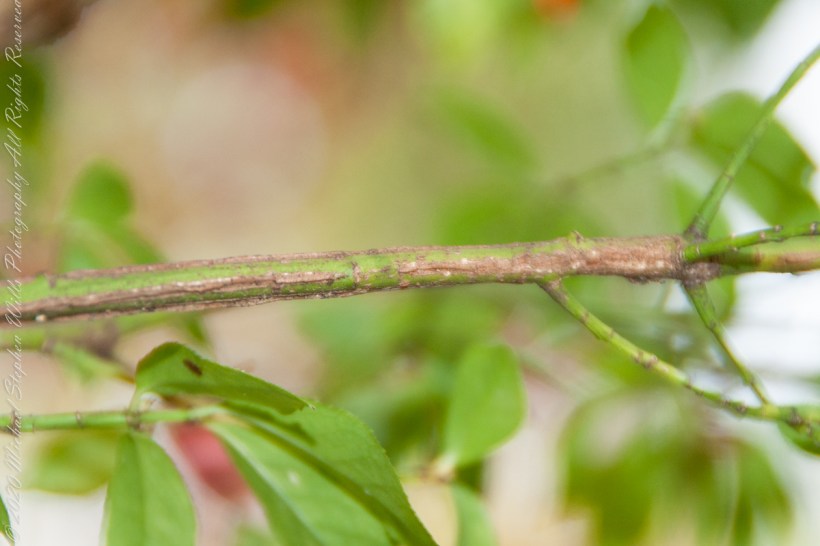
All parts of the plant are toxic, causing severe discomfort when eaten. The name “Spindle plant” was given it in England for the corky wings that grow long the length of stems, not so pronounced with our Euonymus species.

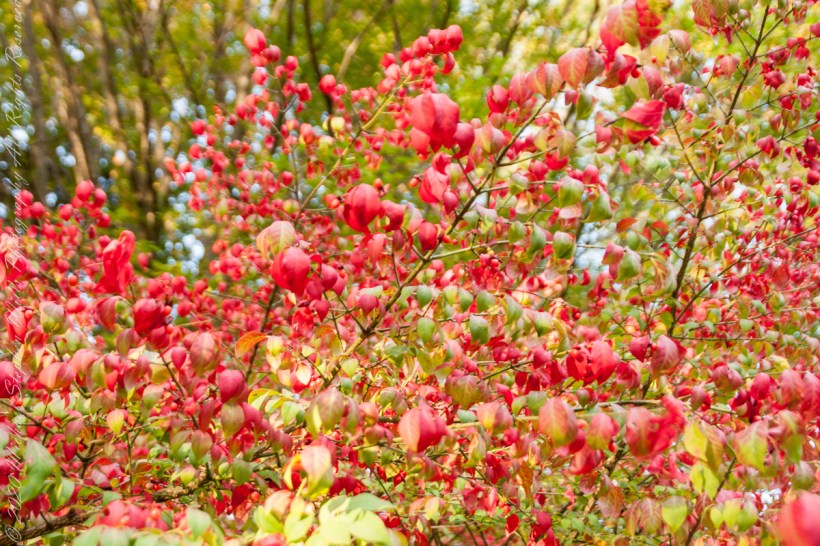
Here are macros of the flaming leaves and fleshy berry.

Click this link for another Autumn posting, “Thin Crescent Bowl Filled with Earthglow.”

References: search Wikipedia for Euonymus alatus

Copyright 2021 All Rights Reserved Michael Stephen Wills

Thayer Preserve, Lick Brook

Former farm land

Sandbank Road climbs from the valley of Ithaca city to the rural peneplain on the way to Buttermilk Falls, we passed the sign for this preserve many times, today we explored this place, new to us. The trail descends to Lick Creek canyon.

Click photograph for larger view. Use combination keys to enlarge/reduce: Ctrl+ (Control / Plus) and Ctrl- (Control / Minus)

We stopped to enjoy the open space of a powerline clear cut where the trail intersects the creek bed. Here we turned, following the water.

Off trail to the creek bed.

Click to view my Finger Lakes photographs on Getty.
Copyright 2019 All Rights Reserved Michael Stephen Will