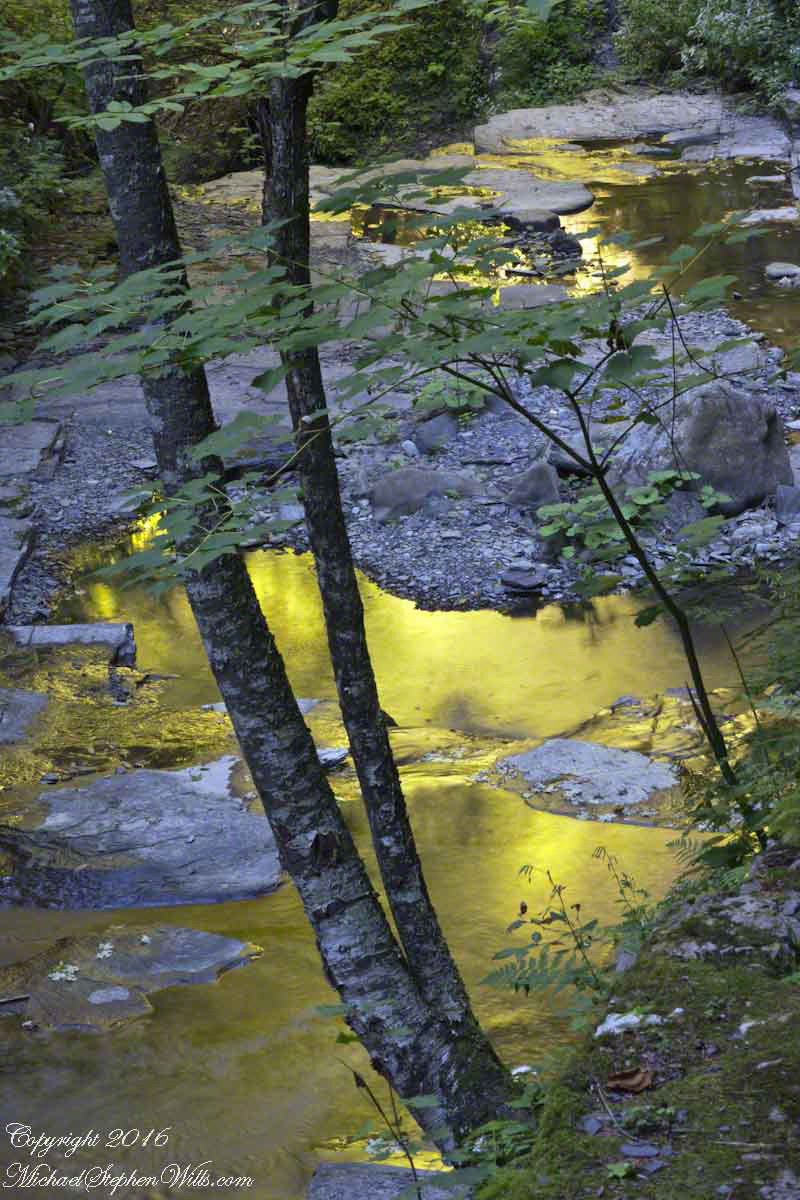
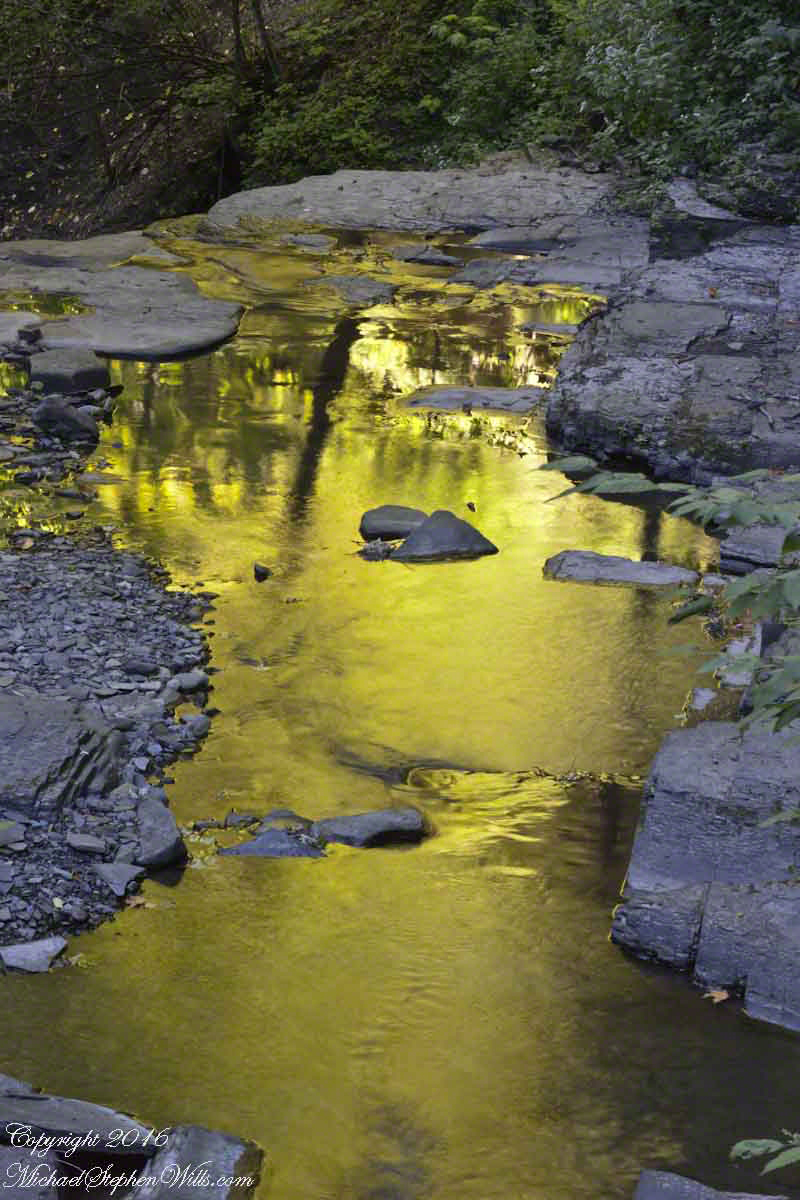
Among Fallen Leaves

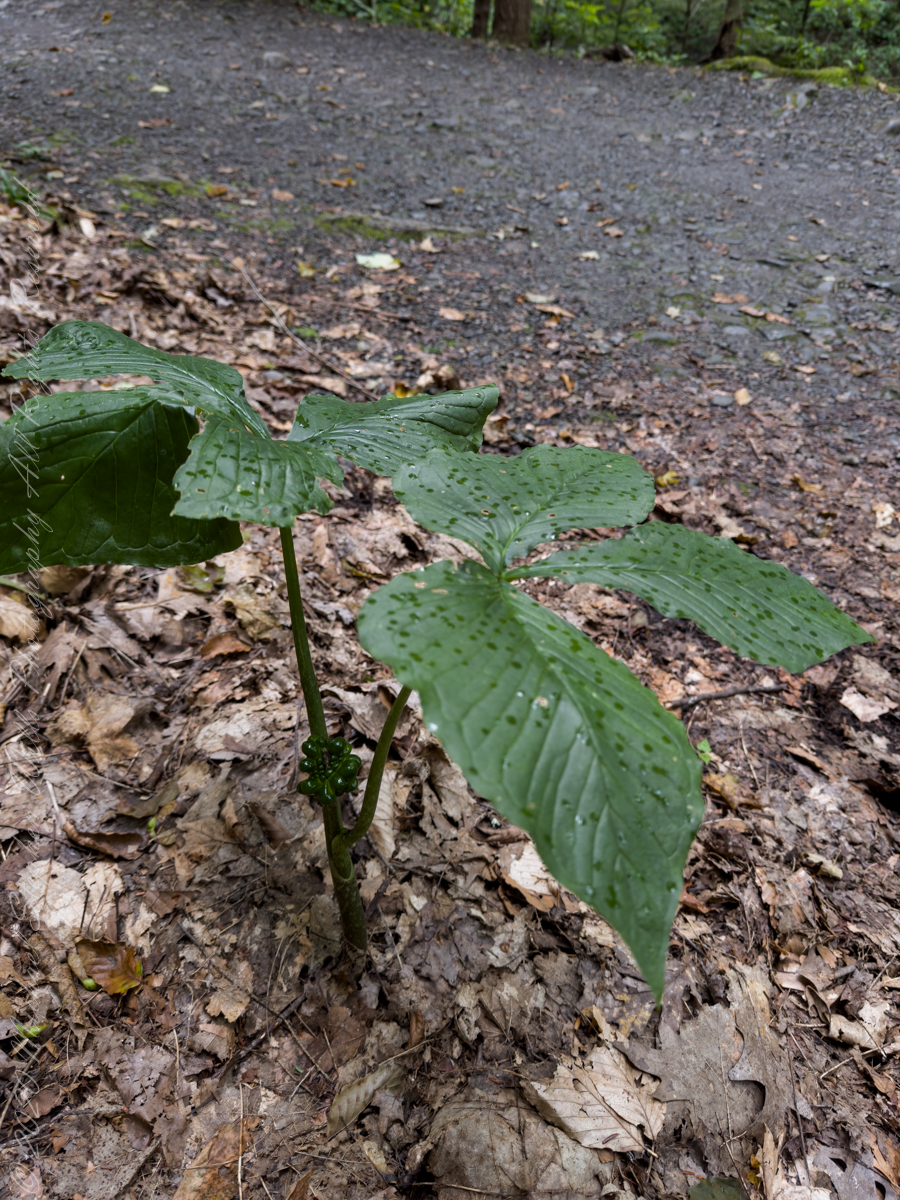
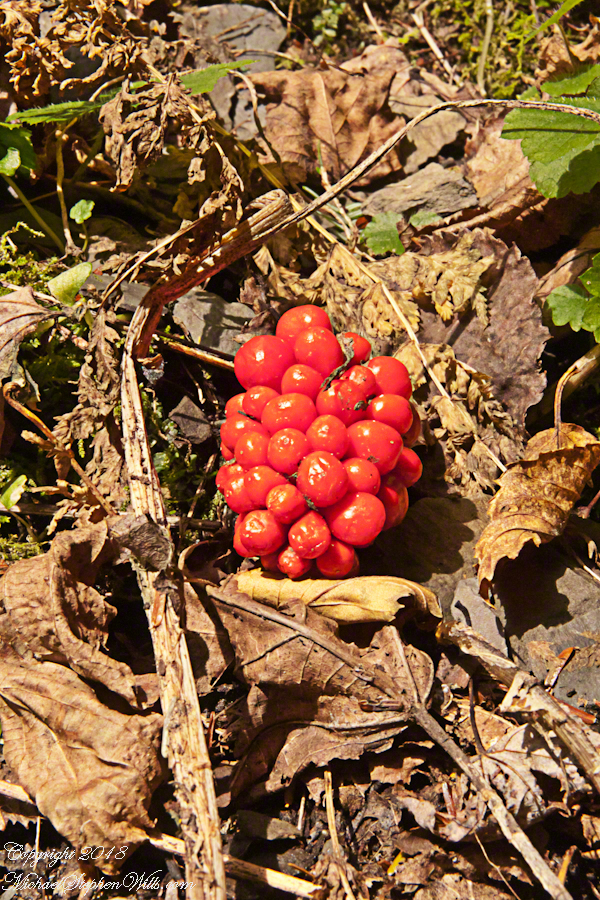
The red berries of the Jack-in-the-Pulpit plant play a key role in seed dispersion, wildlife sustenance, and fueling its energy storage organ, the corm.

As the crisp air of autumn settles in and the leaves begin their spectacular transformation into hues of red, orange, and yellow, the forest floor comes alive with a myriad of hidden wonders. Among these wonders, the Jack-in-the-Pulpit (Arisaema triphyllum) stands out for its striking red berries and the role they play in the fall glory of the woodland ecosystem. In this essay, we will explore the beauty and significance of these red berries and how they are intrinsically linked to the plant’s corm.
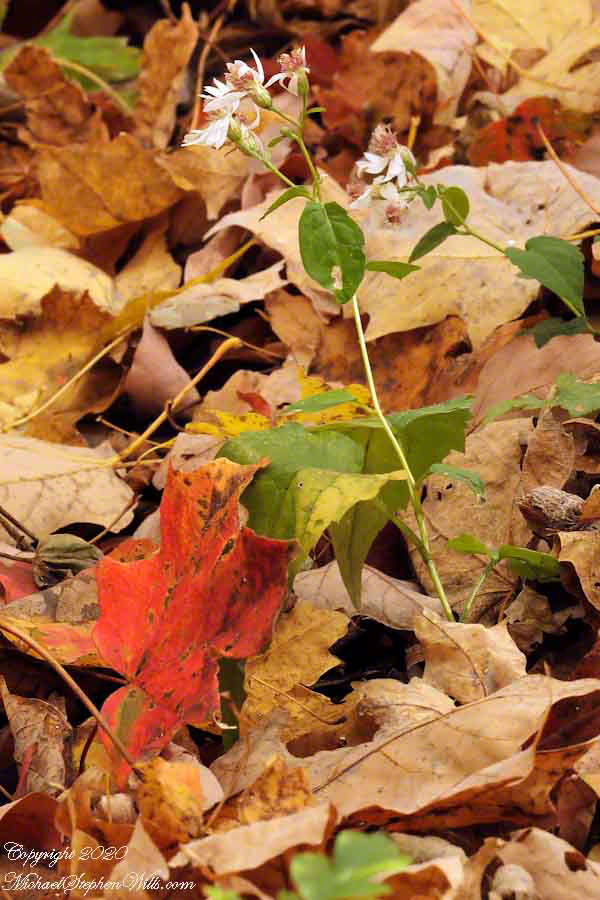
The Jack-in-the-Pulpit, a native perennial herbaceous plant of North America, is known for its distinctive appearance, featuring a hood-like structure known as the spathe and a tall, slender stalk called the spadix. It is during the fall season that the plant’s fascinating red berries make their appearance, contrasting vividly against the backdrop of autumn’s colors. These berries are the result of a process that begins in the spring, when the plant first emerges from its underground corm.

Throughout the growing season, the Jack-in-the-Pulpit devotes its energy to producing these striking red berries, which serve several important ecological functions. The red berries are not only visually appealing but also function as a means of reproduction for the plant. They contain seeds that, once mature, can be dispersed to establish new Jack-in-the-Pulpit plants. These seeds are often transported by animals that consume the berries, such as birds and rodents, which then disperse them in their droppings, contributing to the plant’s spread throughout the forest.
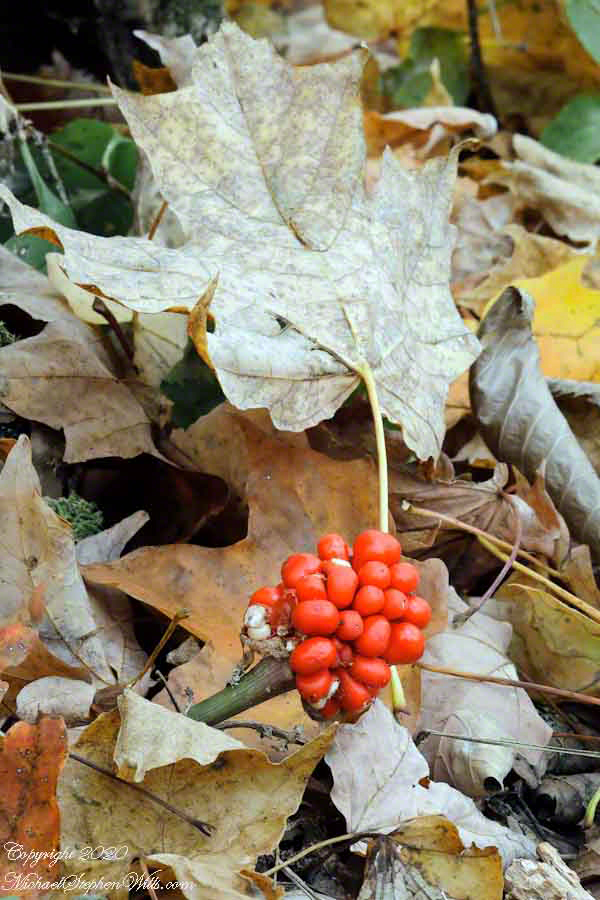
The bright red color of the berries is a key feature that attracts birds, making them an essential food source during the fall and early winter months. Birds like thrushes, cardinals, and robins are known to feed on the Jack-in-the-Pulpit berries, aiding in seed dispersal while benefiting from the nutrient-rich fruits. This mutualistic relationship between the plant and its avian dispersers showcases the interconnectedness of the forest ecosystem, where each species relies on the other for survival and propagation.

The significance of the Jack-in-the-Pulpit’s red berries extends to the corm beneath the surface. The corm serves as an energy storage organ for the plant, helping it survive through the harsh winter months when the above-ground parts of the plant wither and die. During the fall, as the plant directs its energy toward producing berries, it also transfers nutrients to the corm, ensuring its vitality and readiness for the following spring.

Furthermore, the corm itself can serve as an energy reserve for the production of future berries and the growth of new shoots. As the plant enters dormancy, it relies on the stored energy in the corm to fuel its growth when conditions become favorable in the next growing season. In this way, the corm and the red berries are intricately linked, with the berries representing the culmination of a year-long process of energy accumulation and reproduction.

In conclusion, the red berries of the Jack-in-the-Pulpit are a captivating and vital component of the fall glory that graces our woodlands. Their vibrant color and ecological role in seed dispersal highlight the plant’s contribution to the forest ecosystem’s richness and diversity. Moreover, these berries are a testament to the interconnectedness of nature, as they are not only visually stunning but also an essential food source for wildlife. As we marvel at the beauty of fall and explore the wonders of the natural world, let us take a moment to appreciate the significance of the red berries of the Jack-in-the-Pulpit and their role in the intricate web of life that surrounds us.
Copyright 2023 Michael Stephen Wills All Right Reserved MichaelStephenWills.com

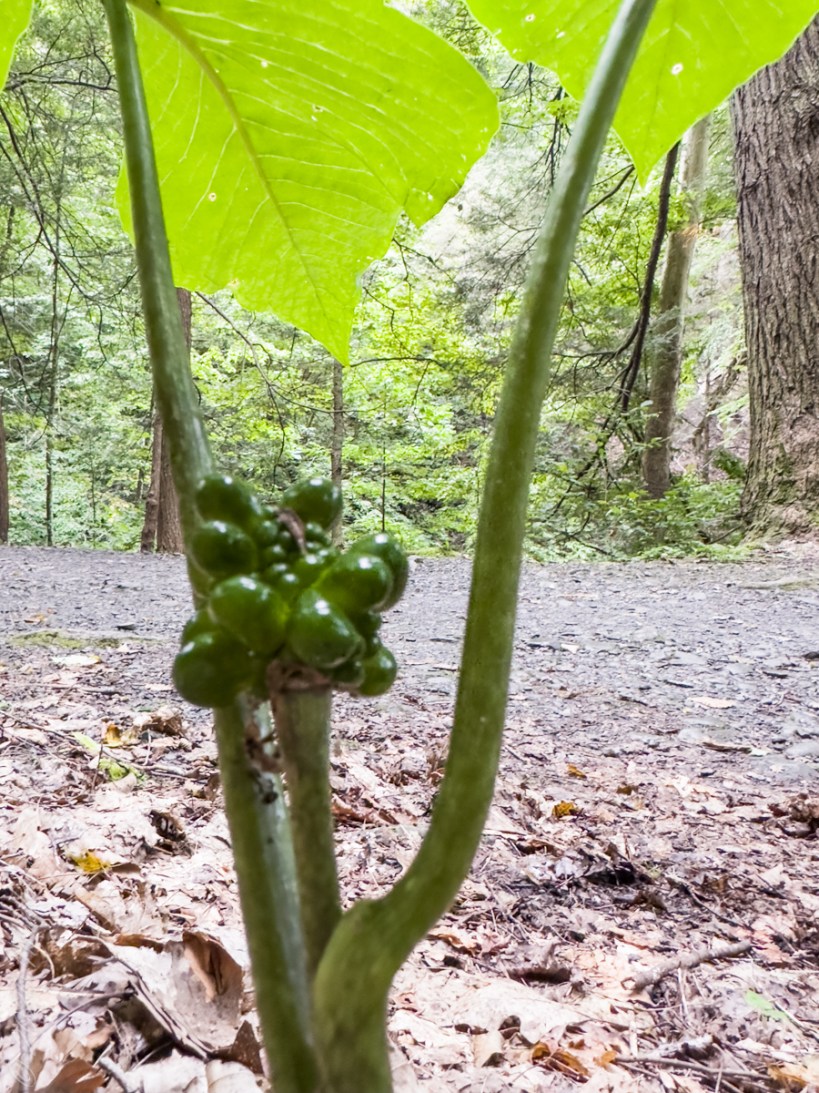
Jack-in-the-Pulpit “Gone to Seed”

Those of you who know Georgia O’Keefe may be familiar with the form and coloring of Jack-in-the-pulpit from the series of six oil canvasses from 1930

“Arisaema triphyllum sensu lato is a herbaceous, perennial, flowering plant growing from a corm. It typically grows up to two feet tall, but populations in Georgia and Florida are known to reach almost twice that height. It has 1 or 2 leaves, each with three leaflets (triphyllum). Occasionally the lateral leaflets will be two-parted or lobed, giving the appearance of five leaflets per leaf. One species (A. quinatum) typically has five pseudo-leaflets per leaf.”

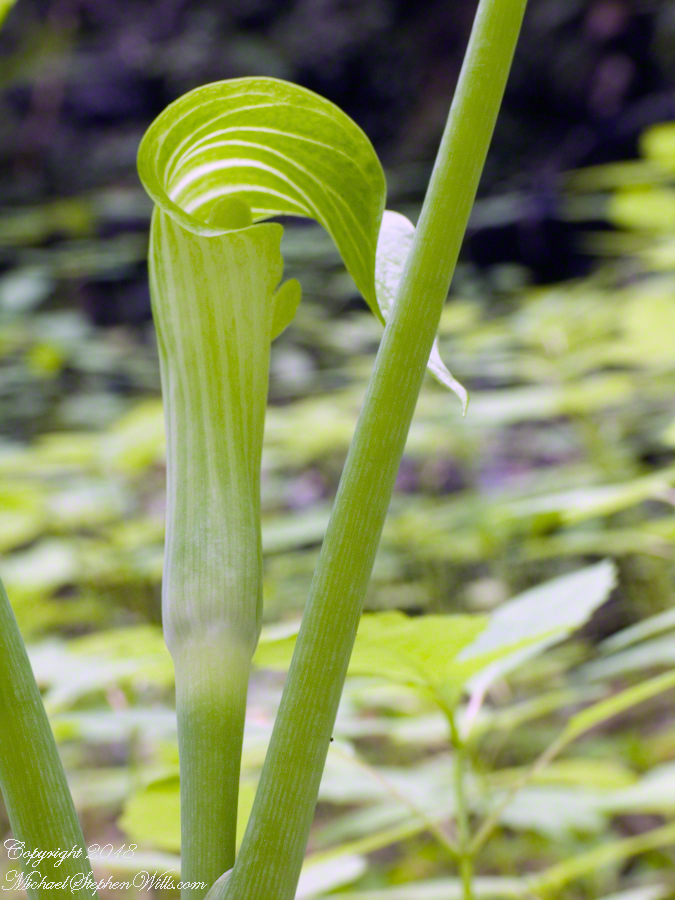
Those of you who know Georgia O’Keefe may be familiar with the form and coloring of Jack-in-the-pulpit from the series of six oil canvasses from 1930, her time in the east living near a spring. There is a spathe, the pulpit, strongly colored in dramatic vertical, flowing stripes, wrapped around a spandix, the “jack”, being a stem covered with male and female flowers.

Around the time my photography habit started in 2002 I was surprised by the jacks growing from the walls of Fillmore Glen, spying the distinctive forms flowing a bit above eye level under the three large leaves. Seeing them was like recognizing a friend in Halloween disguise, the exotic O’Keefe shapes in a known place.

“The small, inconspicuous flowers of Jack-in-the-pulpit are borne on a fleshy, spike-like inflorescence called a spadix (“Jack”), which is enclosed (or nearly enclosed) by a large, sometimes colorful bract called a spathe (“pulpit”). The flowers are clustered around the base of the spadix inside the spathe. A sterile spadix appendix protrudes from the mouth of the spathe tube. The appendix is covered by the leafy tip of the spathe, referred to as the spathe hood (or spathe lamina). The lip along the mouth of the spathe tube, used as a landing platform for winged insects, is called the spathe flange.”

“The inflorescence can be male (with male flowers only), bisexual (with both male and female flowers), or female (with female flowers only). In a small plant, most if not all of the flowers are male. As the plant matures and grows larger, the spadix produces female flowers as well as male flowers. The transition from male to female continues until eventually the plant produces female flowers only.[6] This is an example of dichogamy, a rare phenomenon in flowering plants. Due to this sex-change lifecycle, this species is sometimes called colloquially as Jack or Jill in the pulpit  or Jill-in-the-pulpit.”

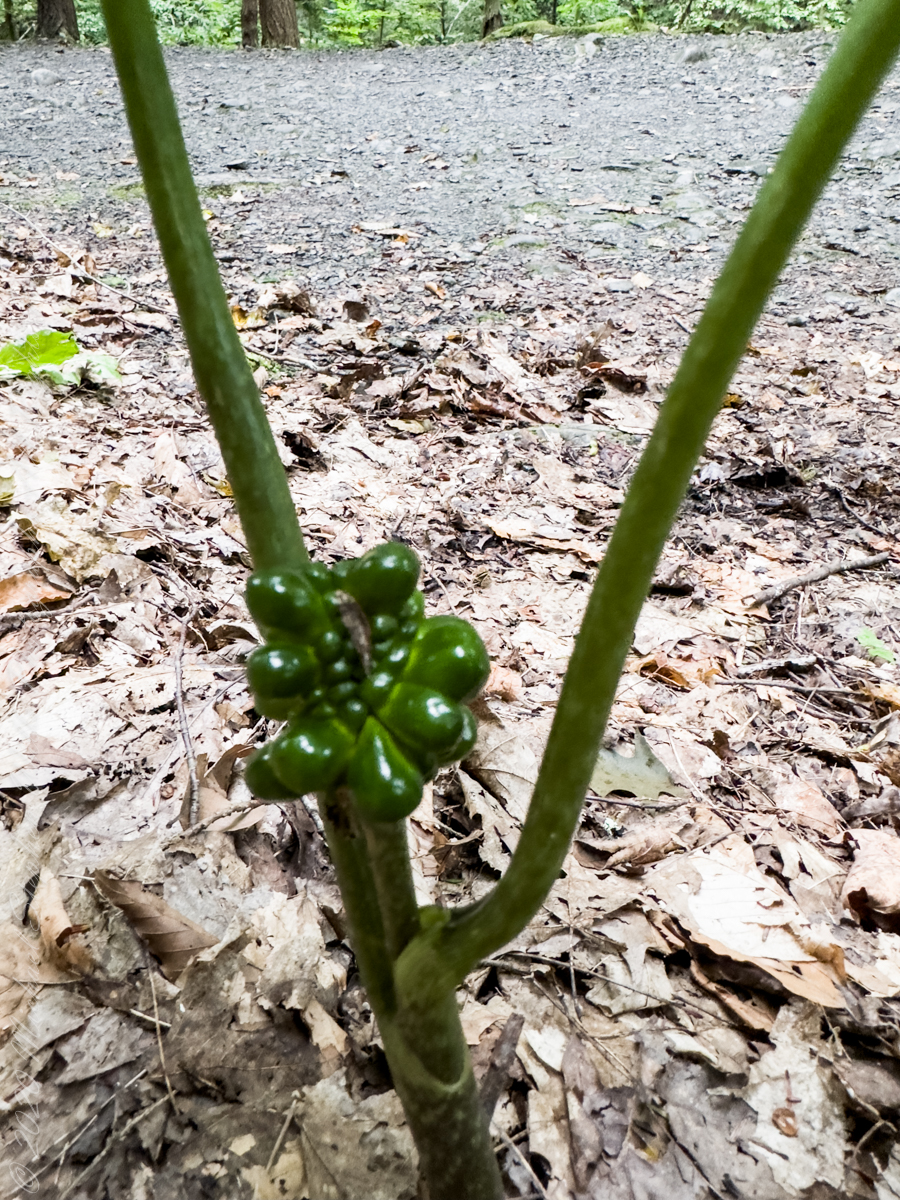
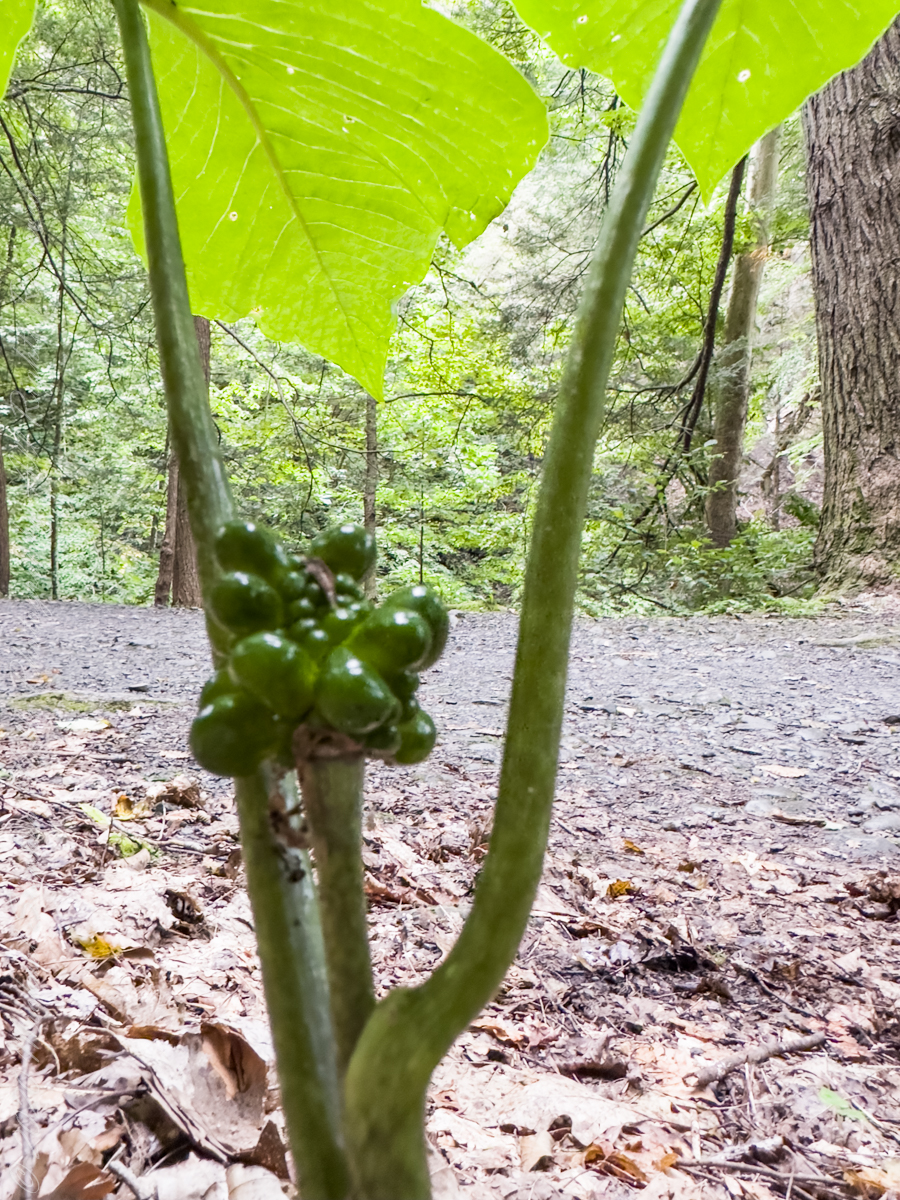
“The unripe fruits are smooth, shiny green berries (each 1 cm wide) clustered around the thickened spadix. Fruits ripen in the late summer and early fall, turning a conspicuous bright red color. Each berry typically produces 1–5 seeds, which are white to light tan in color, rounded, often with flattened edges and a short sharp point at the top. If the seeds are freed from the berry, they will germinate the next spring, producing seedlings each with a single rounded leaf. A seedling needs three or more years of growth before it becomes mature enough to flower.”

“The Arisaema triphyllum complex includes four closely-related species: Arisaema pusillum, Arisaema stewardsonii, Arisaema quinatum, and Arisaema triphyllum sensu stricto. A fifth species (Arisaema acuminatum) is sometimes included but its validity is controversial.”

Ecology

“Arisaema triphyllum sensu lato flowers from April to June.[citation needed] Arisaema triphyllum sensu stricto is the first to flower in the spring. In regions where the species are sympatric, Arisaema stewardsonii and Arisaema pusillum begin to flower 1–2 and 2–3 weeks later, respectively. Since an individual flowering period can last 1–3 weeks or more, it is not unusual to find all three species in flower at the same time. In the southeastern United States, Arisaema quinatum is reported to flower later than either A. pusillum or A. triphyllum s.s.”

“Arisaema triphyllum sensu lato is pollinated by fungus gnats, which it attracts by smell and are trapped by the flower. They manage to escape from a hole at the bottom of the male’s pulpit, but cannot do so when they fall inside a female pulpit, which do not have exit holes Thus the Jill-in-the-pulpit is a rare femme fatale in the plant world: luring the gnats in with scent, but ultimately killing the pollinators in a death trap.”

“Other insects are known to visit the flowers as well, such as gall gnats and beetles.[6] The plant is not self-pollinating since the male flowers on a specific plant have already matured and died before the female flowers of that same plant are mature. So the female flowers need to be pollinated by the male flowers of a different plant. This inhibits inbreeding and contributes to the health of the species.”

Here is another “jack” posting

Reference: text in italics and quotes is from the Wikipedia, “Arisaema triphyllum.”

Copyright 2023 Michael Stephen Wills All Rights Reserved

Spring Waterfall Walk

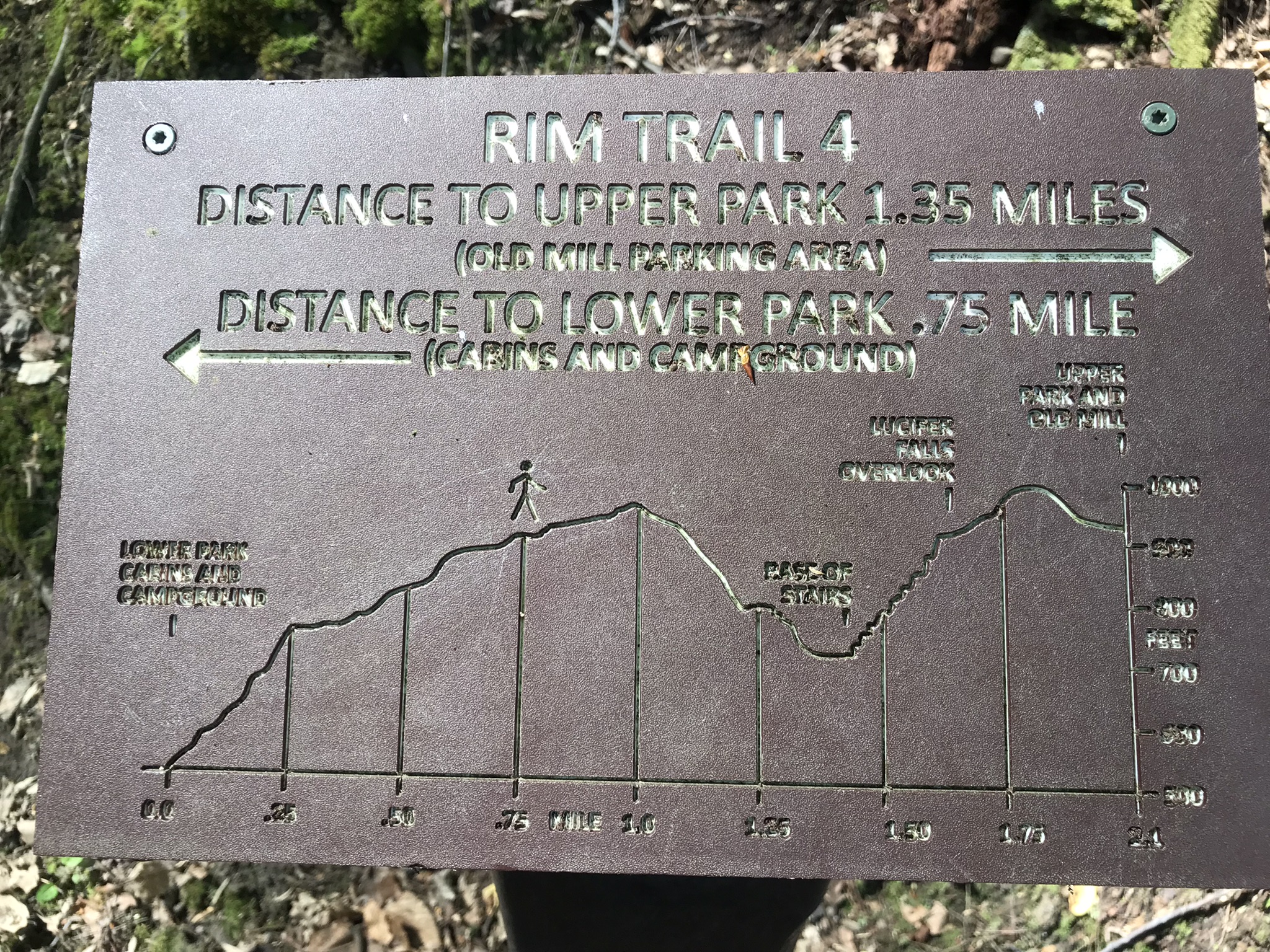
Travelling light, using the IPhone 7during a 4 mile walk on the Gorge and South Rim Trails of Robert H. Treman New York State Park, Finger Lakes Region near Ithaca, New York. A few waterfalls and sights along the way. Distance is from the “Health” app on my phone.

A pool is formed beneath this waterfall by a dam, removed each fall and yet to be placed. Summertime, the water is deliciously cool. It is great fun swimming to the waterfall base and inching along under the spray. This view is the reward for the first climb up from the gorge floor, the South Rim Trail.

The first Foam Flower…..

This flower grew just off this section of the trail.

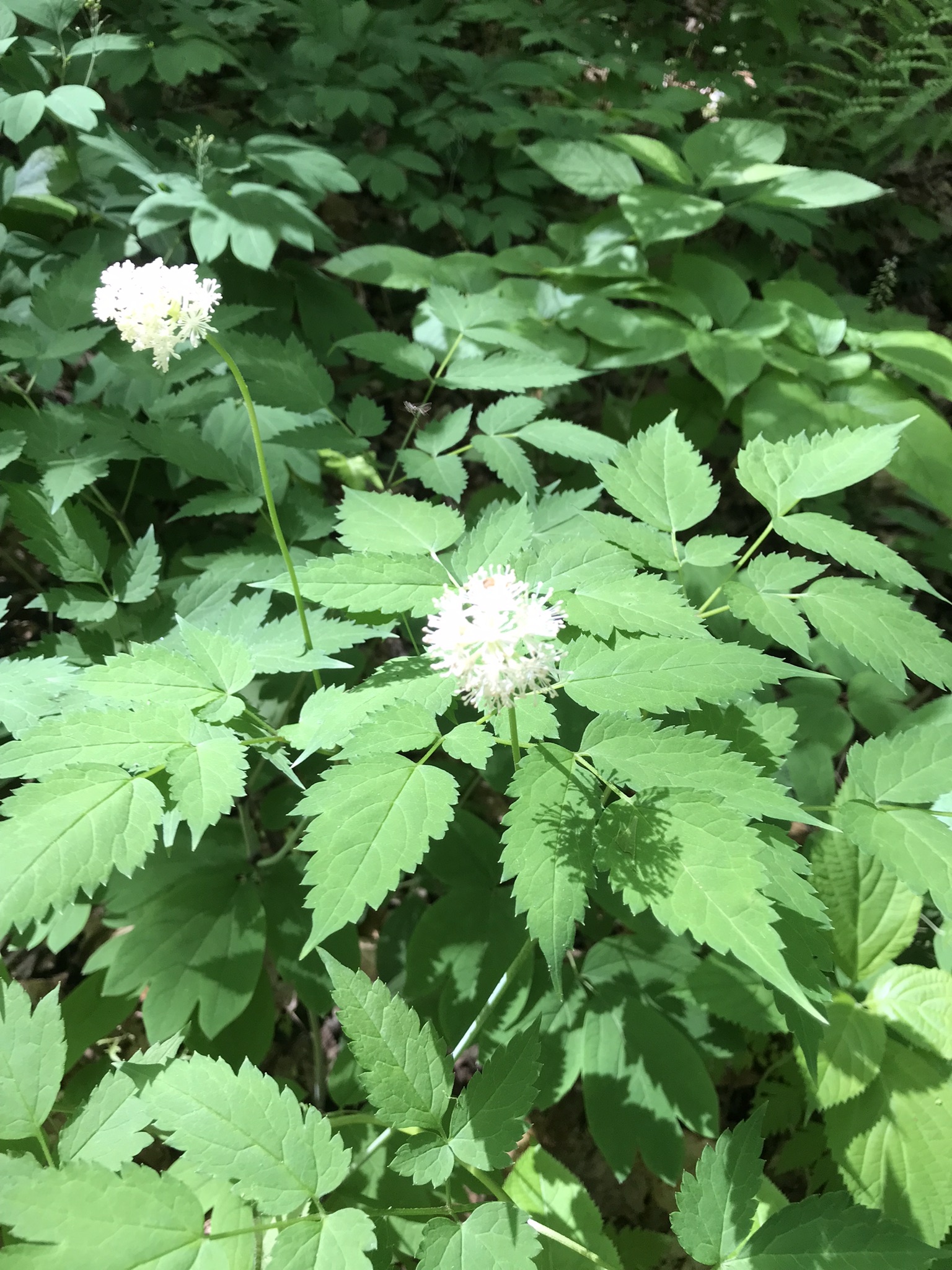
A few hundred feet further along, the Foam Flowers were crowded in clumps. The scientific name, Tiarella cordifolia, is from the heart shaped leaves (cordifolia). Each flower forms a crown like seed, thus “tiarella” from the French.

Click me for more information on this plant.

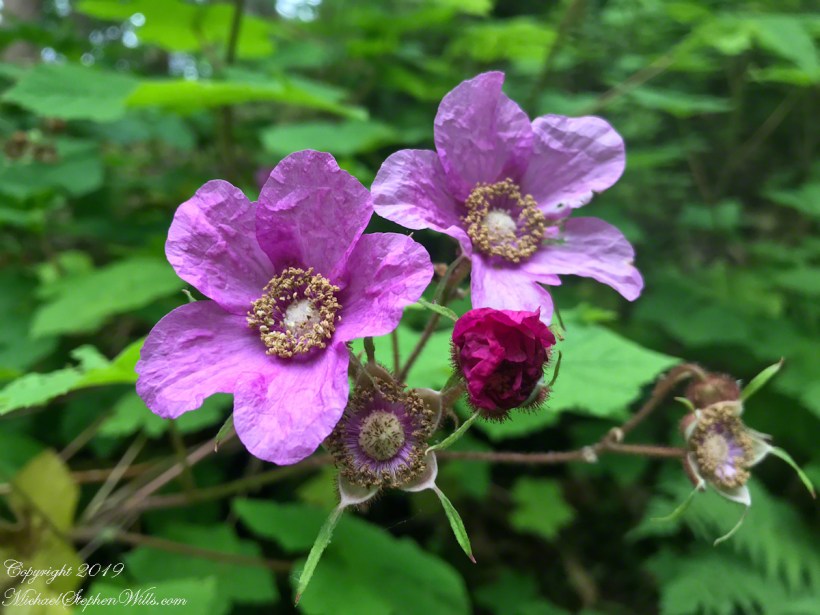
Here I approached the high point of this section of the South Rim Trail. I look forward to summer and Purple Flowering Raspberry, the featured photograph (header) of this post.

Click me to learn more about the Purple Flowering Raspberry from my Fine Art Photography Gallery

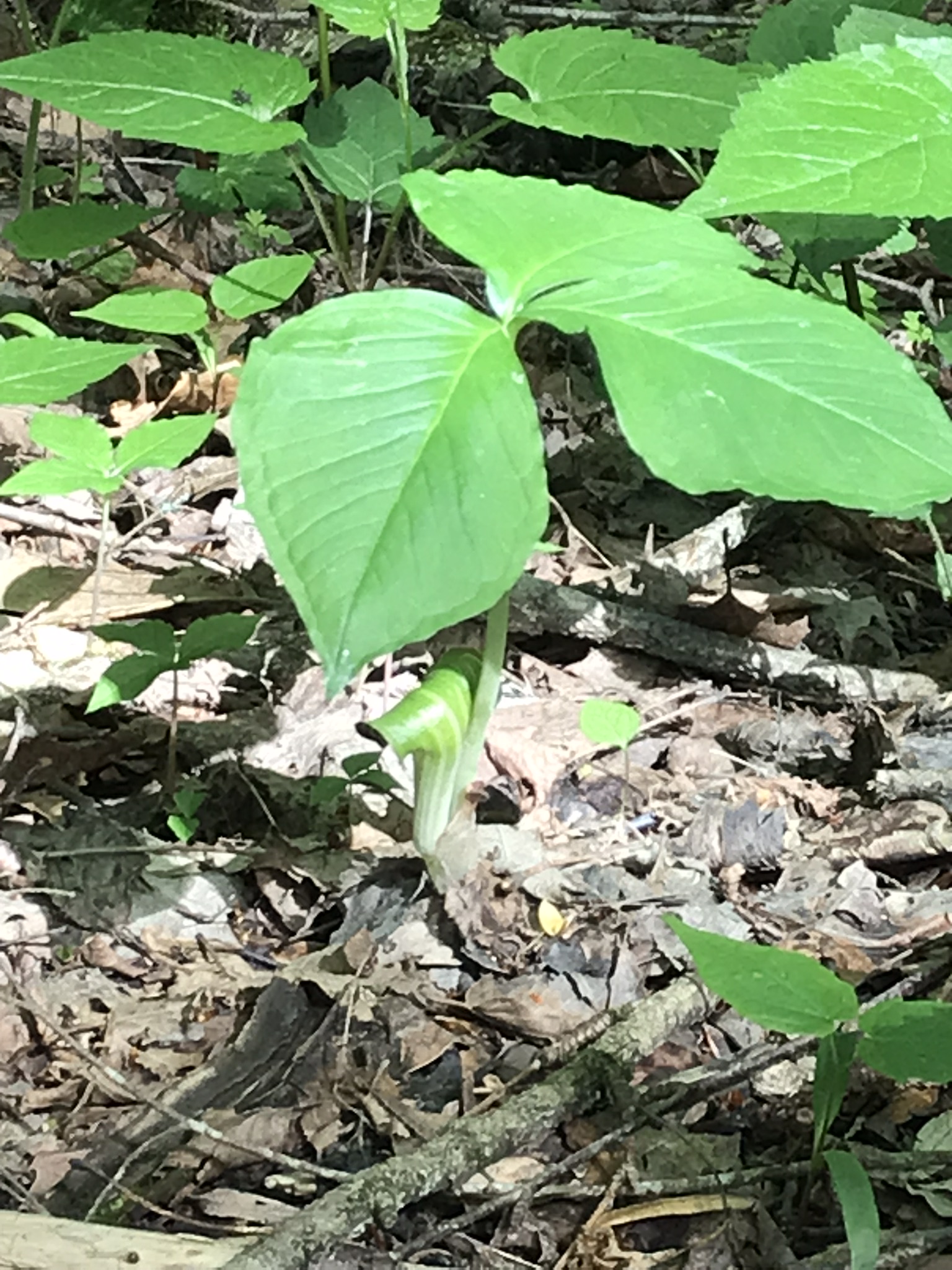
I caught sigh to this Jack-In-The-Pulpit on the descent to the gorge. Click me for a better photograph of this plant.

An enchanted place just off the trail.

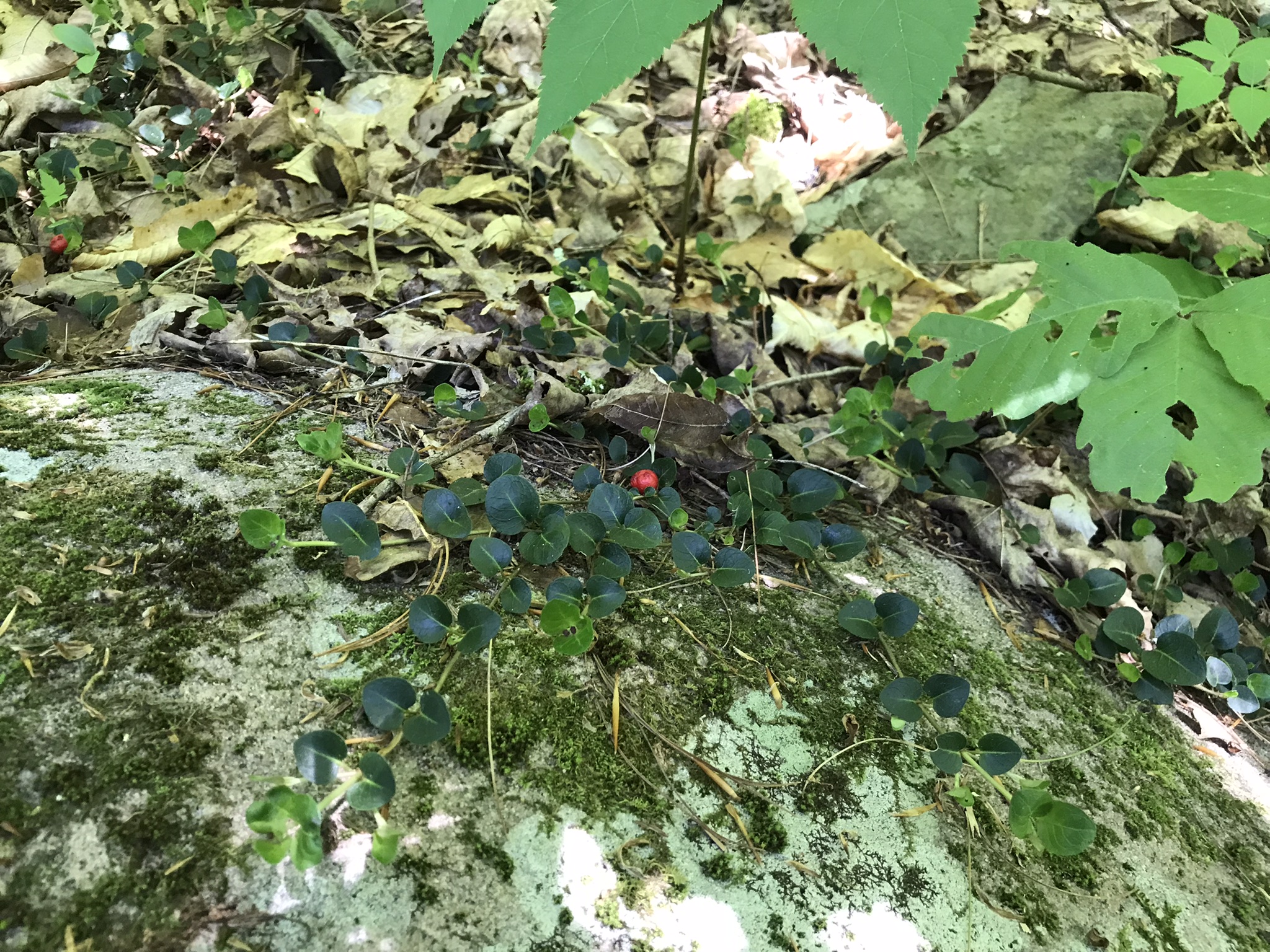
I spotted this Creeping Wintergreen (Gaultheria procumbens) with a single red berry on my return trip via the Gorge Trail.

Click me for the another Enfield Glen post, “A Summer Flower and Waterfalls.
Copyright 2022 All Rights Reserved Michael Stephen Wills

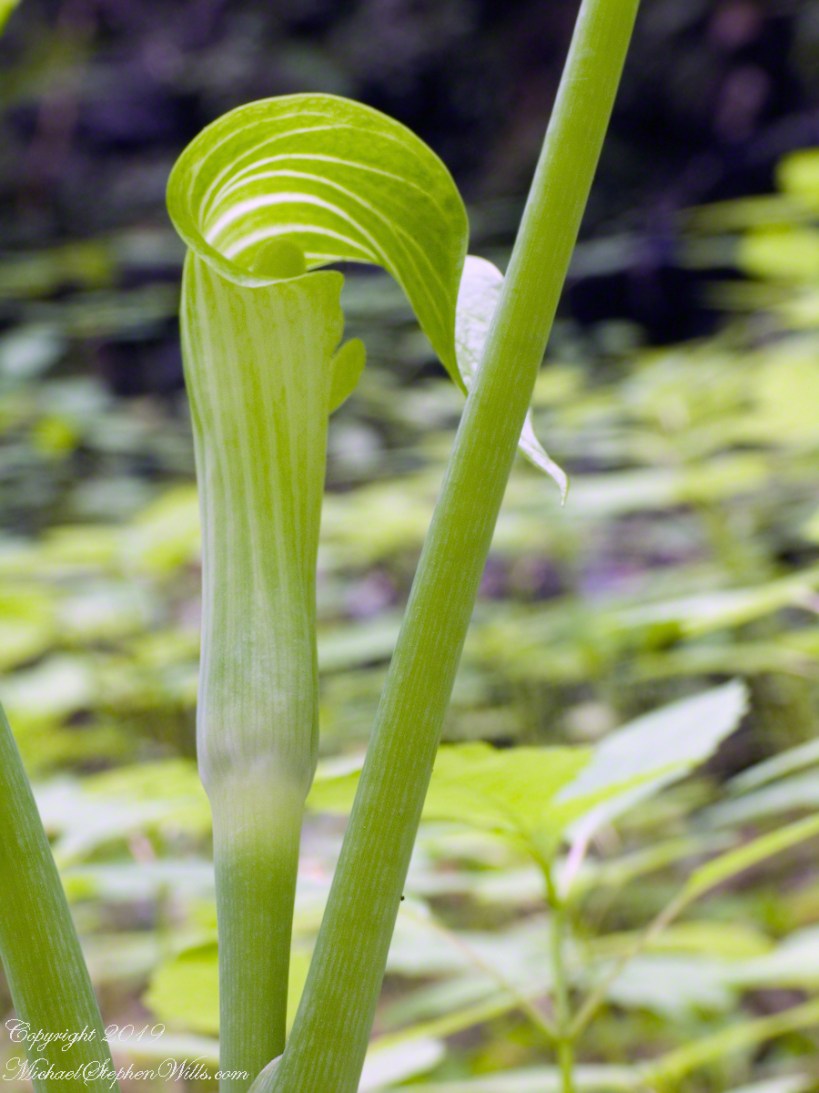
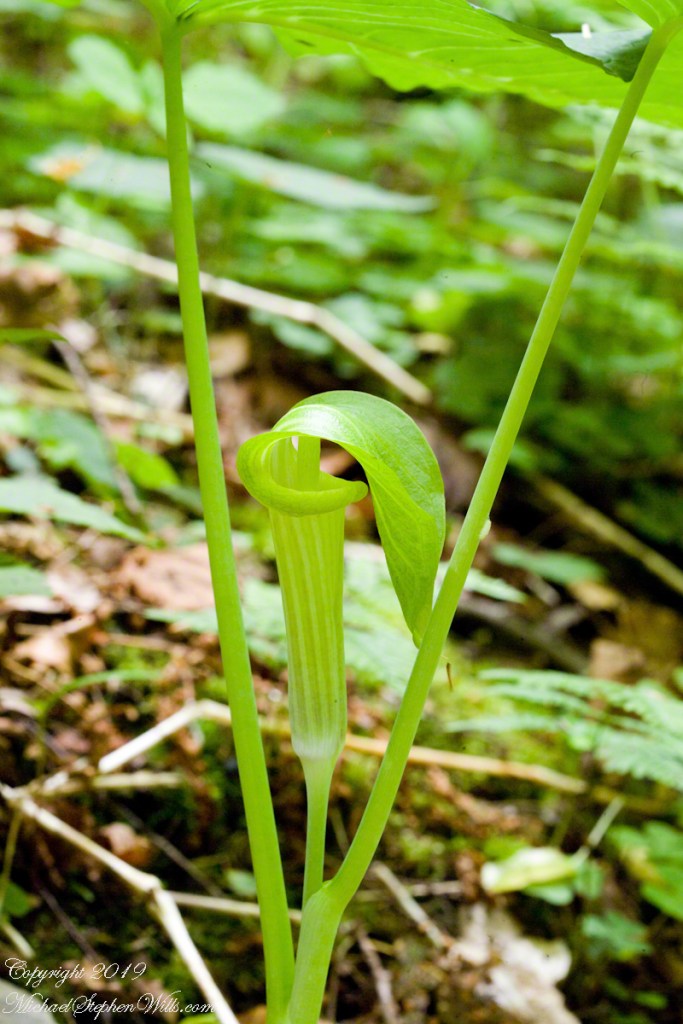
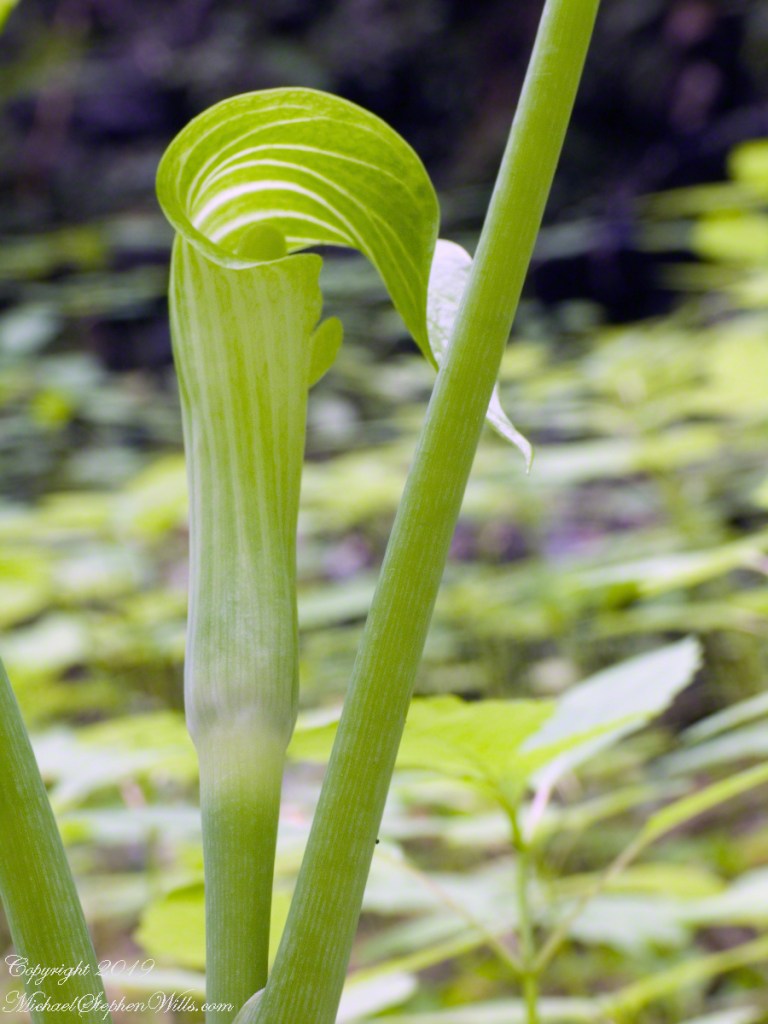
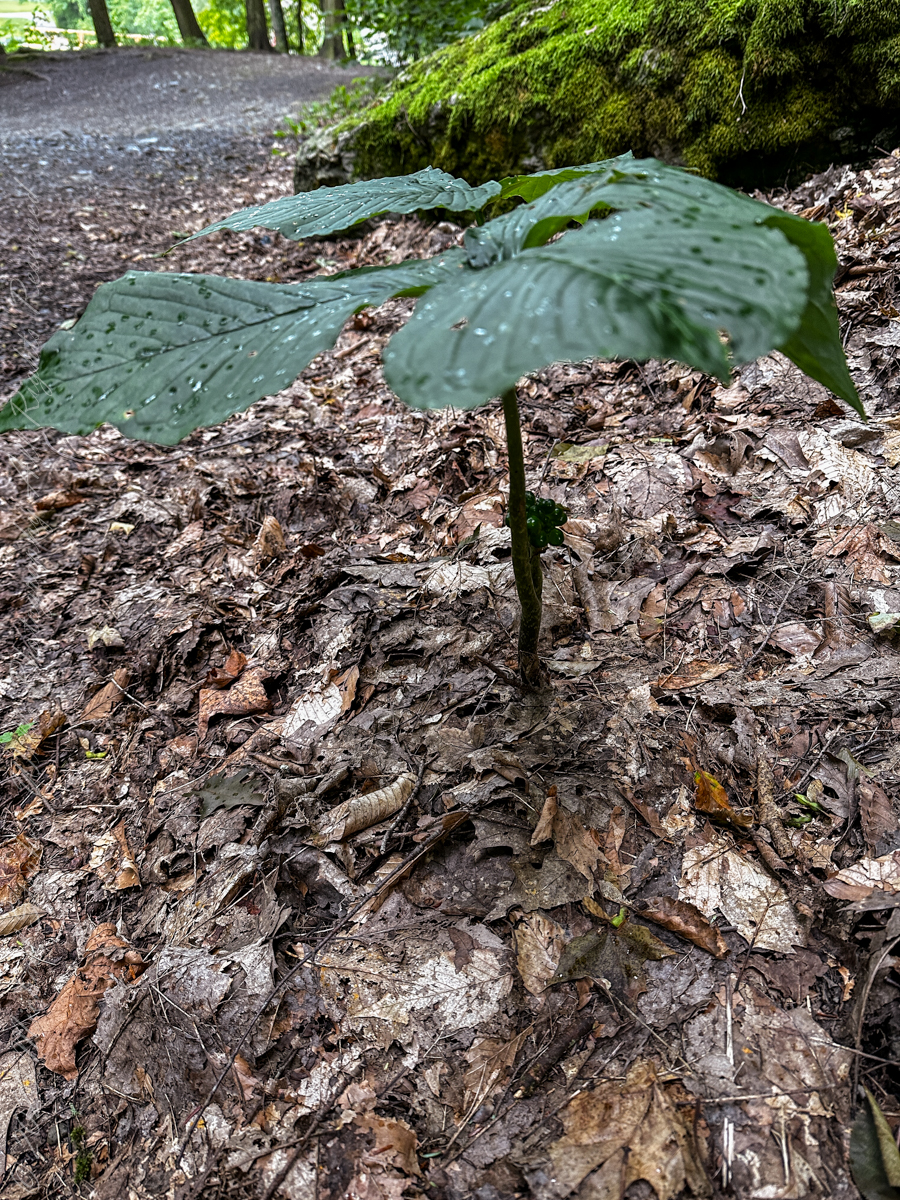
Young, fresh and green

Hidden on the forest floor

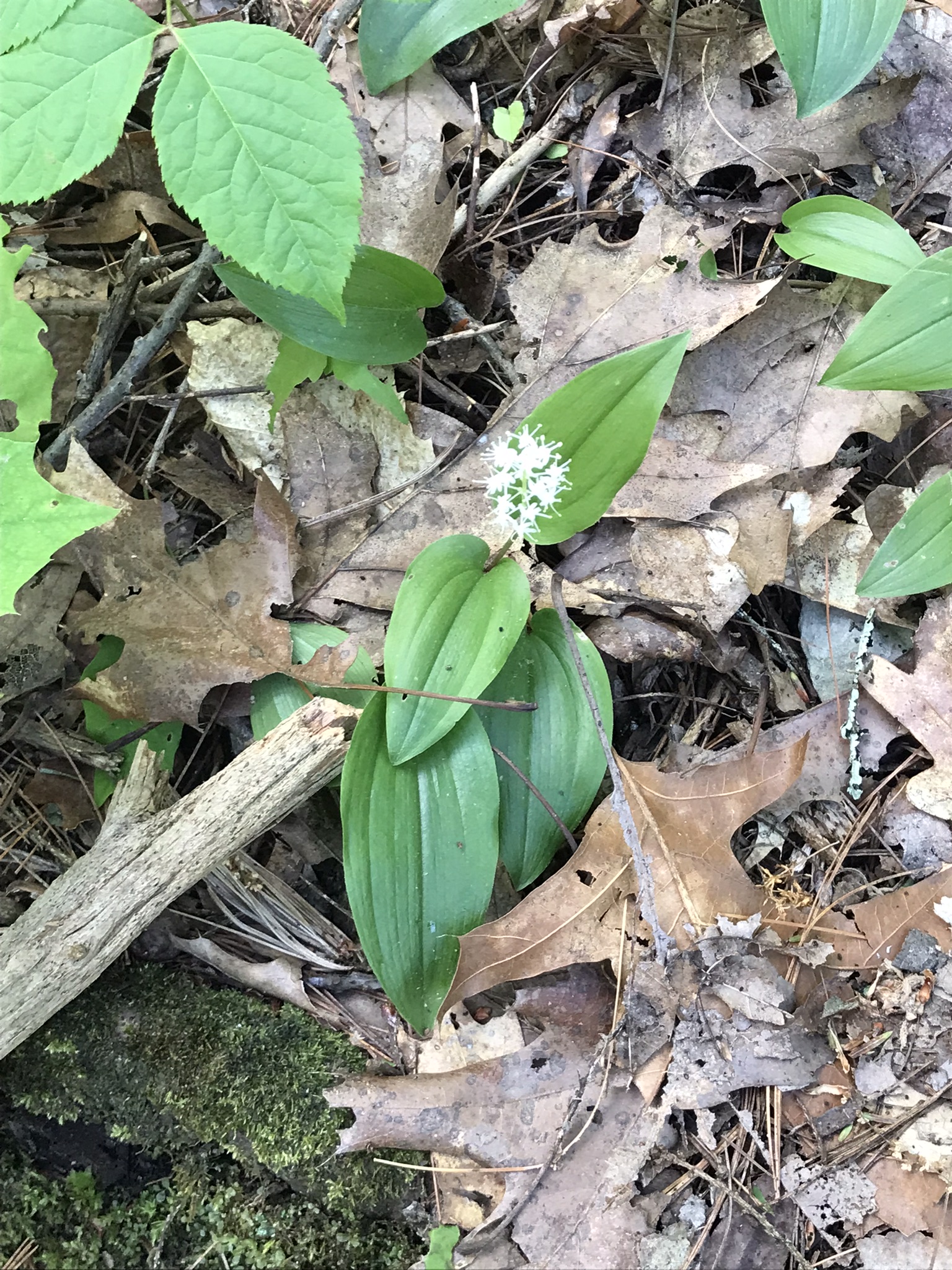
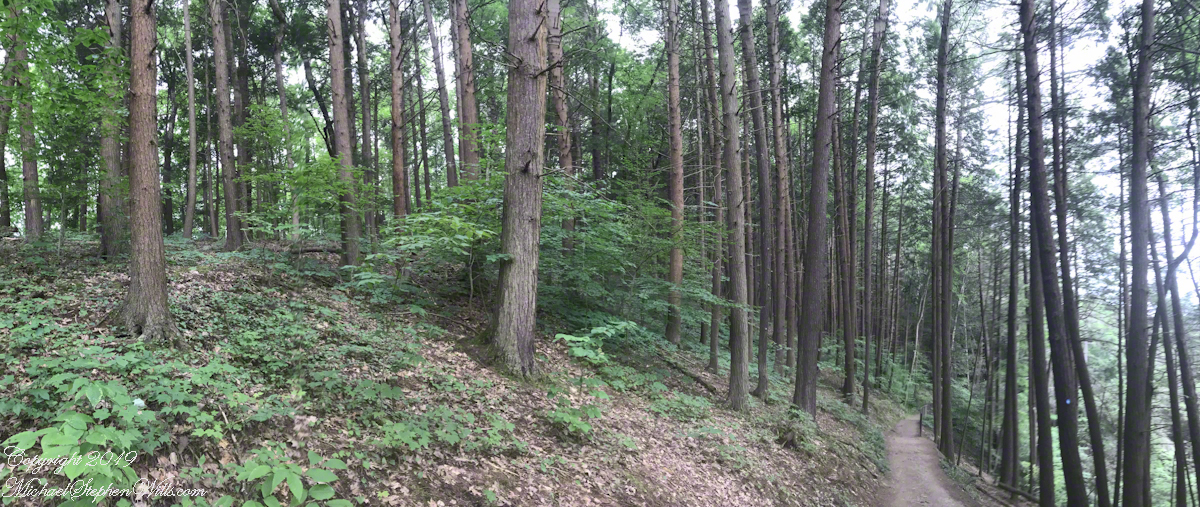
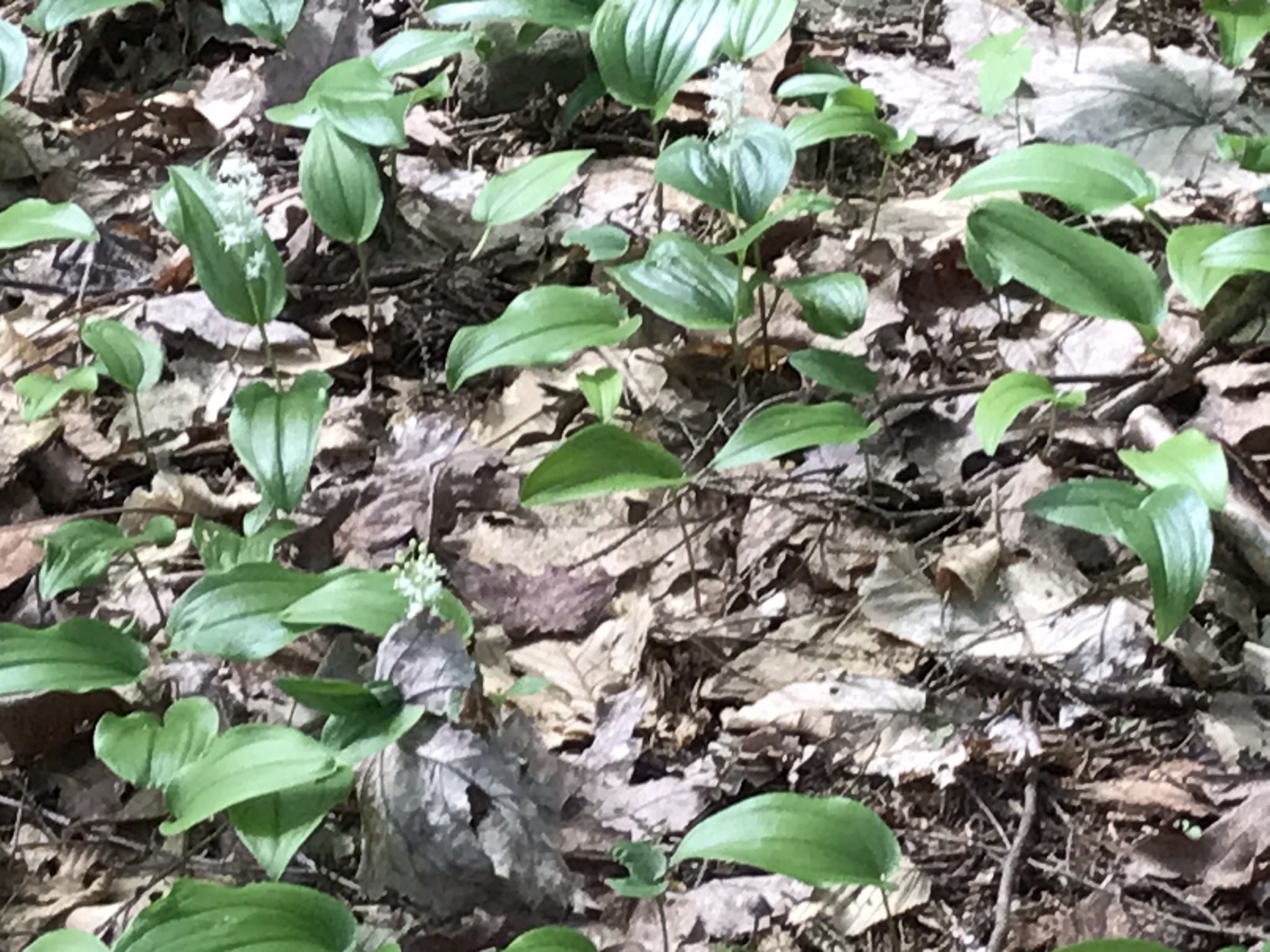
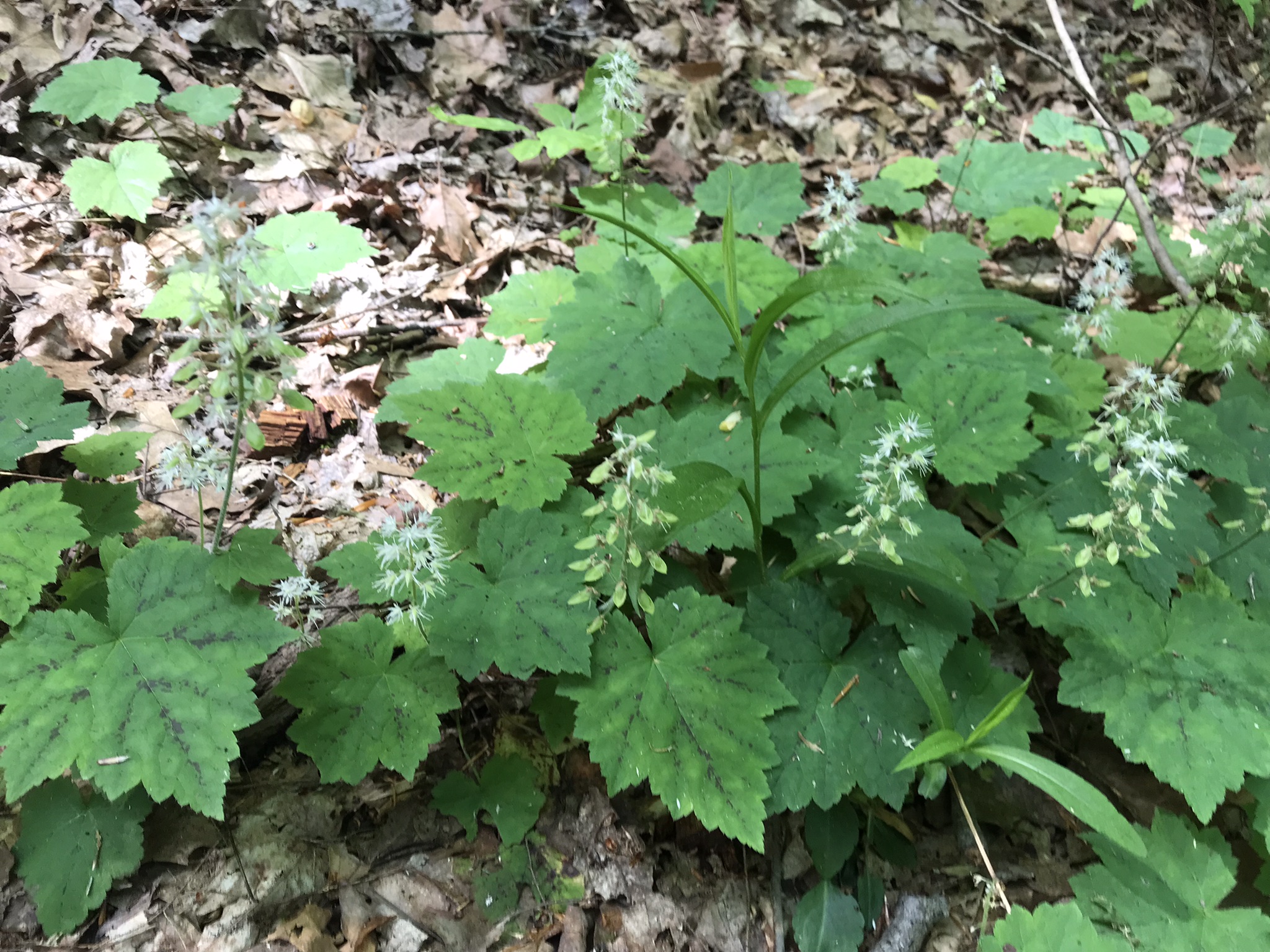
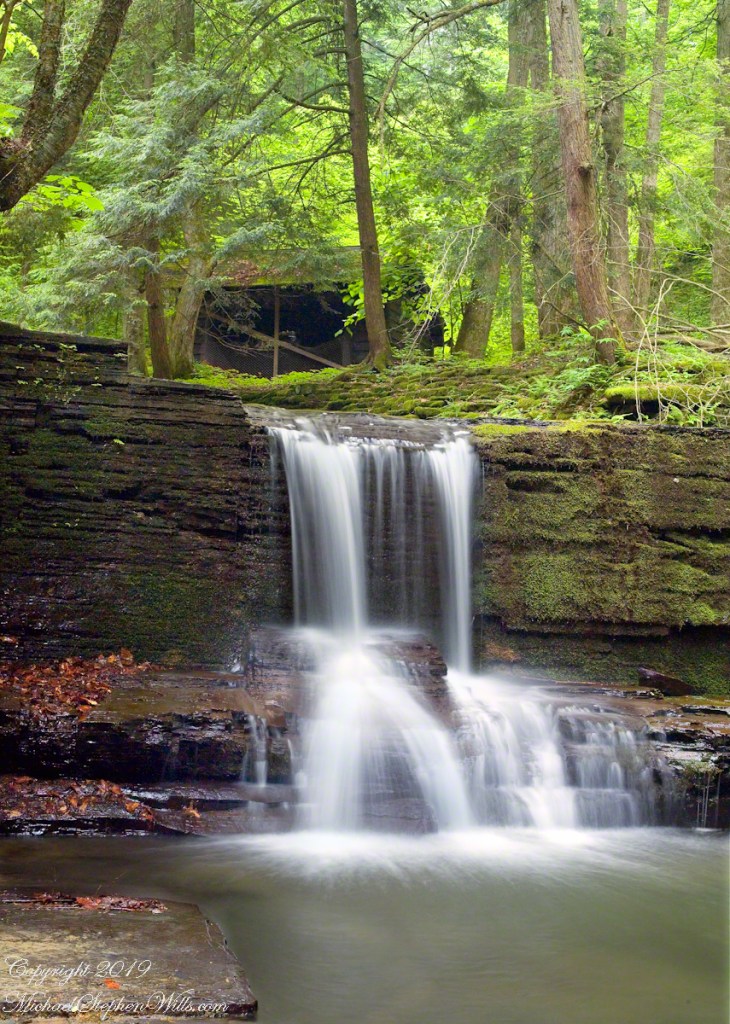
We can roam the woods and gorges this time of year to find these wildflowers camouflaged in their young, green foliage. Here are two images from a June 3rd afternoon in Fillmore Glen with a waterfall. Enjoy!!

Click any photograph for a larger view.
Click for my Fine Art Photography Gallery

Click me for a post with more information about Jack-in-the-pulpit.

Copyright 2021 All Rights Reserved Michael Stephen Wills

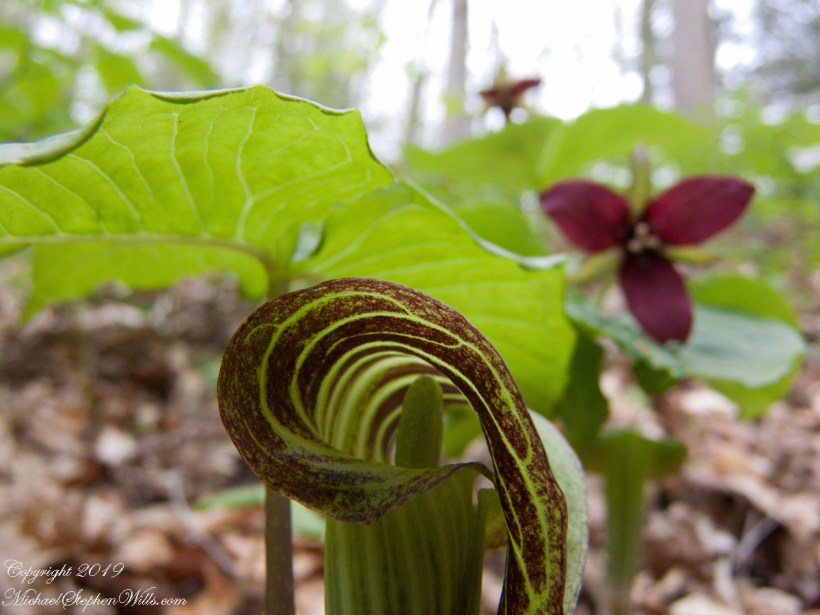
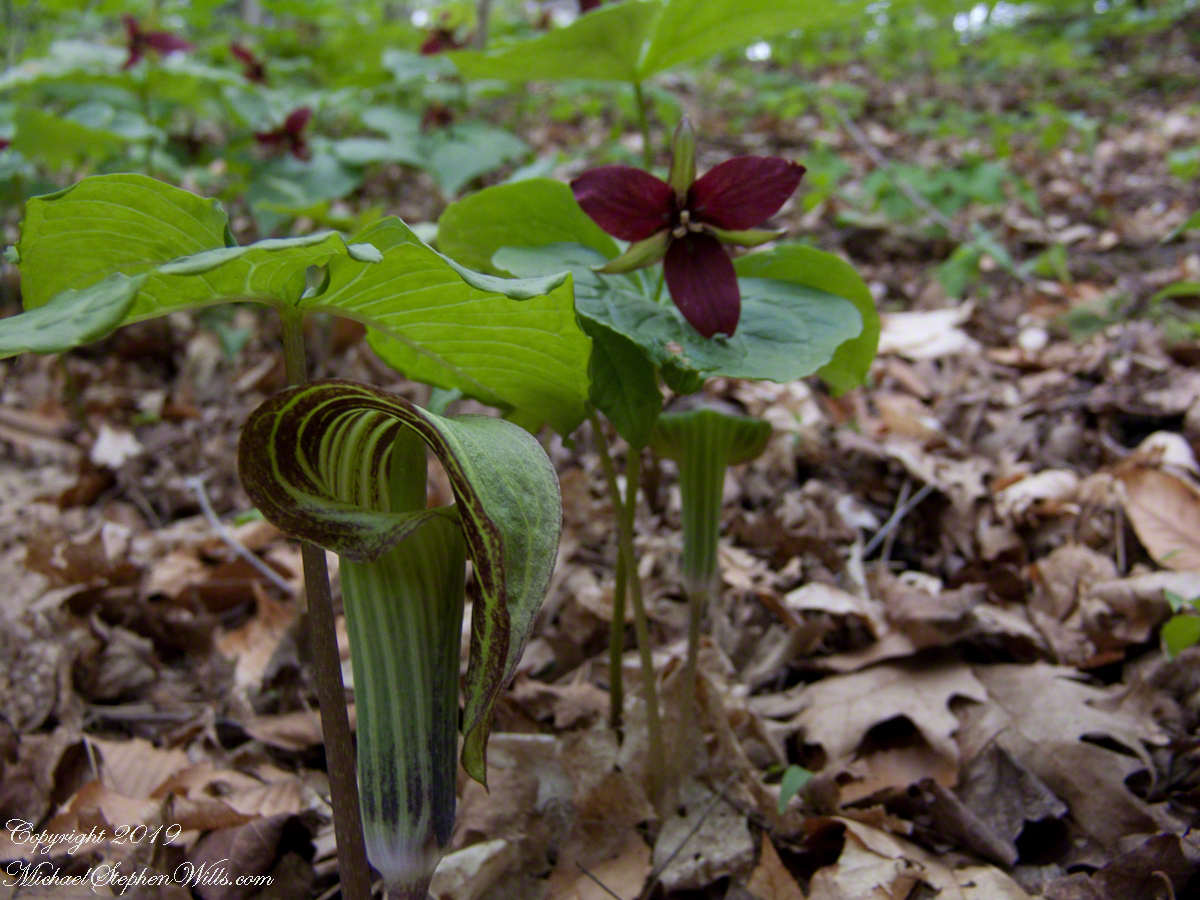
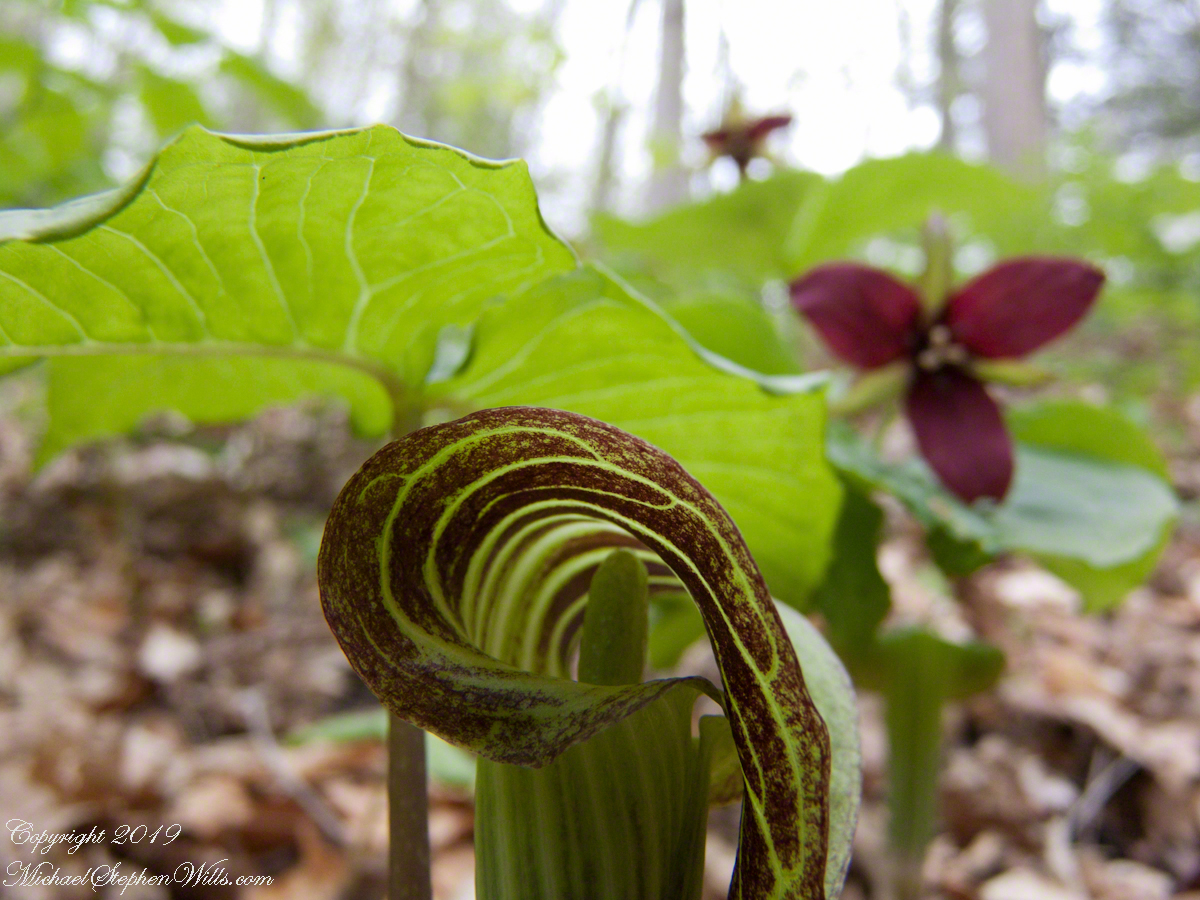
Jack in full color with Red Trillium

The Brown Dragon

Brown dragon is an apt nickname for Jack-in-the-pulpit, captured here with Red Trillium on the forest floor of Fillmore Glen State Park. I was down in the mud for the closeup,

Click any photograph for a larger view.
Click for my Fine Art Photography Gallery

Click me for a post with more information about Jack-in-the-pulpit. There is a great deal more information about Jack-In-The-Pulpit on my previous post, at the above link. Try it out!!

Copyright 2021 All Rights Reserved Michael Stephen Wills

Red Berries

Jack-In-The-Pulpit one June Day

The many names for this plant are reflective of how wide spread it is. Called Arisaema triphyllum (scientific name), jack-in-the-pulpit, bog onion, brown dragon, Indian turnip, American wake robin, or wild turnip this secretive plant flourishes in moist soils across eastern North America, everywhere north to south. I say “secretive” because the varieties I am familiar with hide the flower under the leaves, three of them growing from a stalk.

Click this link to view my Online Gallery.

Lovers Lane Observation Platform– CLICK ME!!!!

Those of you who know Georgia O’Keefe may be familiar with the form and coloring of Jack-in-the-pulpit from the series of six oil canvasses from 1930, her time in the east living near a spring. There is a spathe, the pulpit, strongly colored in dramatic vertical, flowing stripes, wrapped around a spandix, the “jack”, being a stem covered with male and female flowers.

Around the time my photography habit started in 2002 I was surprised by the jacks growing from the walls of Fillmore Glen, spying the distinctive forms flowing a bit above eye level under the three large leaves. Seeing them was like recognizing a friend in Halloween disguise, the exotic O’Keefe shapes in a known place.

From this gift, an awareness of the possibility lead me to recognize “jacks” in many other places. I have yet to exhaust the possibilities.

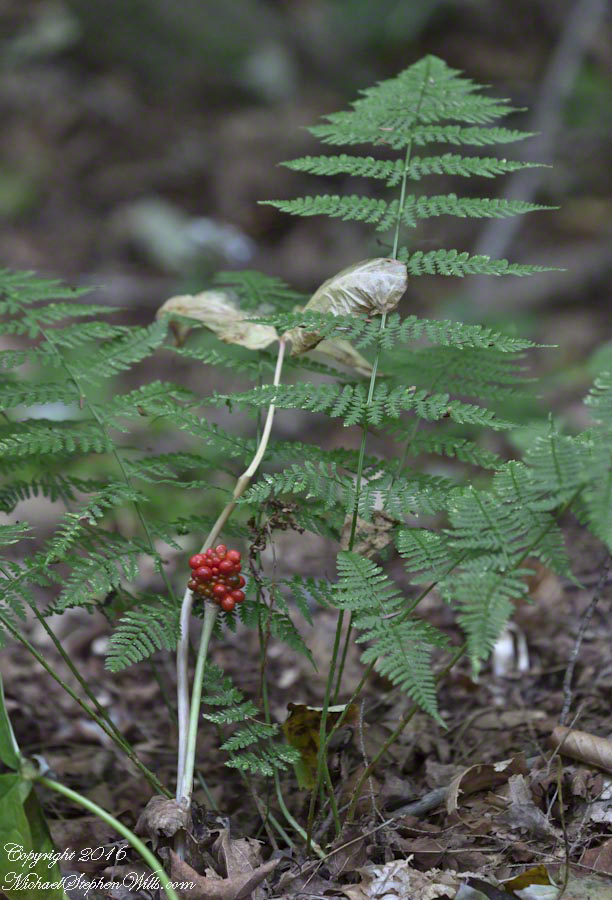
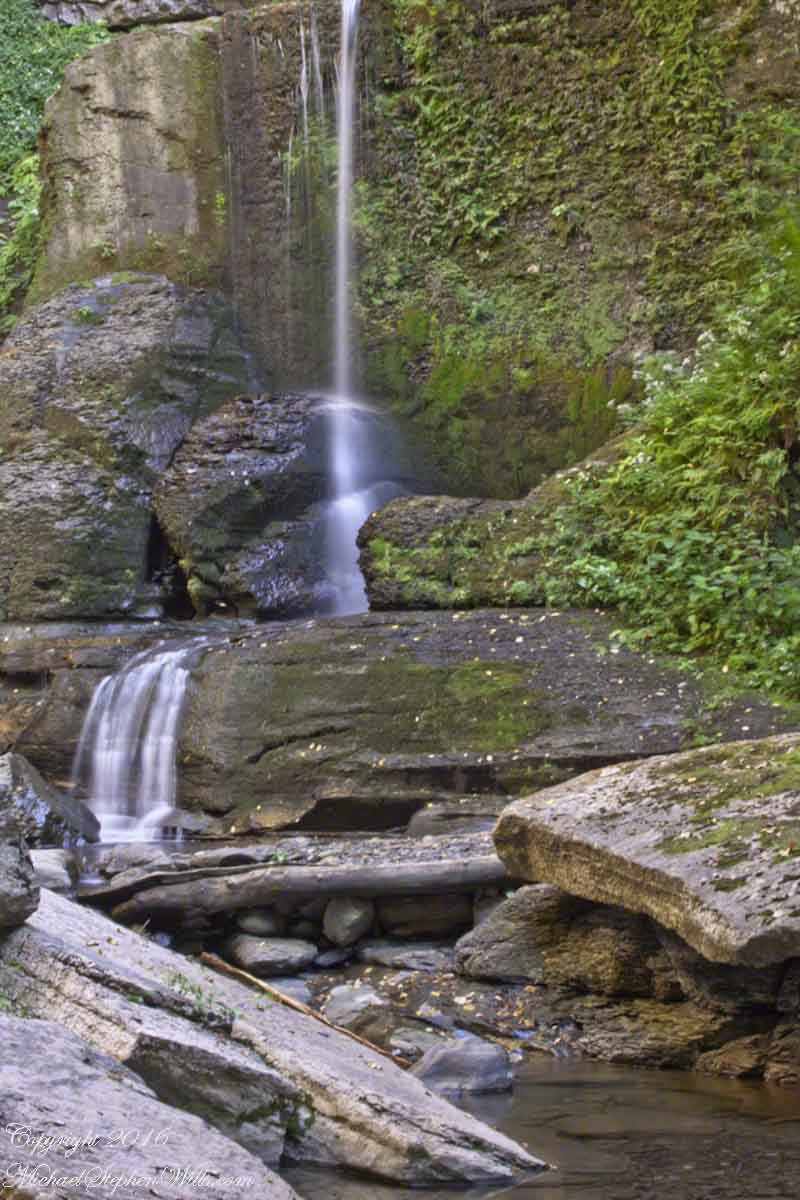
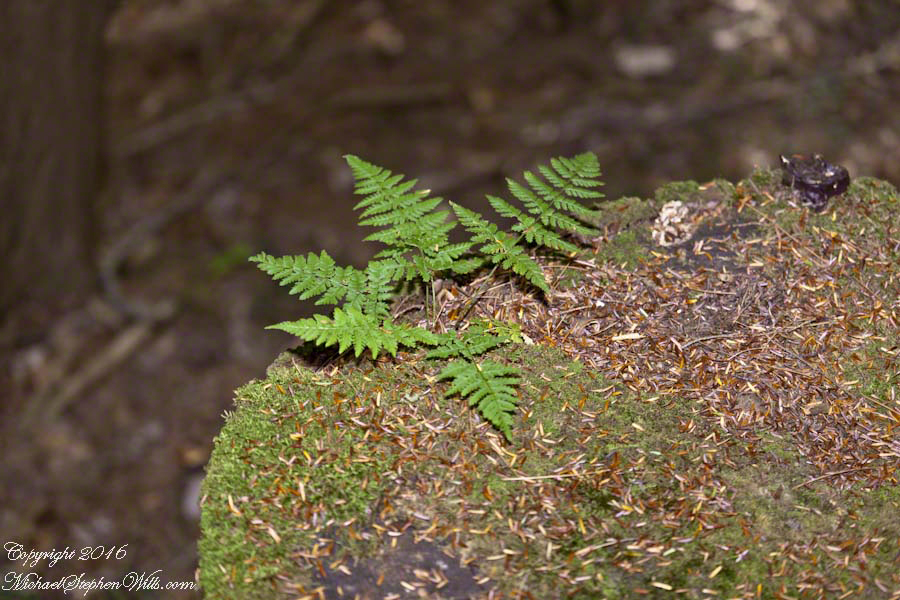
2015 I acquired a Canon EF 70-300mm f/4-5.6 L IS USM lens for our cruise around South American. It proved very useful for an unending combination of situations. Here, it allowed me to frame this specimen, the former covering of three leaves now sere brown and collapsed, the berries revealed in startling clarity among evergreen ferns, Christmas red and green. The strangely named Dry Creek, the driving force of Fillmore Glen, flowing below this humus layered shelf moist with a constant flow from the gorge walls.

The park trails make for a pleasant choice at the start of each excursion. This day, Pam and I visited Cowshed Falls at the foot of the glen, climbed the north rim trail to walk among the hemlocks, listening the leisurely calls of Hermit Thrust like breaking crystal. The time of mushrooms was past in late September, instead we enjoyed the Indian Summer sun and breeze safe in knowing it will not last.

“Jacks” are part of the known lore of the Native American woodland tribes. These berries are poisonous, so beware of handing them. Wikipedia tells me a ploy was to mix the berry juice with meat to leave for enemies. Hidden by the meat flavor, the heartily enjoyed poison lead to death. The plant grows from a thick root, a corm. Correctly dried and prepared, the corm is food. I can imaging these plants an entities haunting the forest, choosing to reveal themselves, or not, to knowing souls. Maybe this is was drew O’Keefe to these woodland shapes growing around the springs of her summer homes. Leisure and an open, wandering glance are important, anyway, for noticing them. Most strangers wander by, engrossed in conversations, memories, evanescent distractions.

Here are other “shots” from the same day.

Here is another posting about the Finger Lakes of New York State.

Copyright 2021 Michael Stephen Wills All Rights Reserved

Jack-in-the-Pulpit Seed Berries

a forest secret

Click the link or photograph to view my Online Gallery.

The many names for this plant are reflective of how wide spread it is. Called Arisaema triphyllum (scientific name), jack-in-the-pulpit, bog onion, brown dragon, Indian turnip, American wake robin, or wild turnip this secretive plant flourishes in moist soils across eastern North America, everywhere north to south. I say “secretive” because the varieties I am familiar with hide the flower under the leaves, three of them growing from a stalk.

Lovers Lane Observation Platform– CLICK ME!!!!

Those of you who know Georgia O’Keefe may be familiar with the form and coloring of Jack-in-the-pulpit from the series of six oil canvasses from 1930, her time in the east living near a spring. There is a spathe, the pulpit, strongly colored in dramatic vertical, flowing stripes, wrapped around a spandix, the “jack”, being a stem covered with male and female flowers.

Around the time my photography habit started in 2002 I was surprised by the jacks growing from the walls of Fillmore Glen, spying the distinctive forms flowing a bit above eye level under the three large leaves. Seeing them was like recognizing a friend in Halloween disguise, the exotic O’Keefe shapes in a known place.

From this gift, an awareness of the possibility lead me to recognize “jacks” in many other places. I have yet to exhaust the possibilities.

Last year I acquired a Canon EF 70-300mm f/4-5.6 L IS USM lens for our cruise around South American. It proved very useful for an unending combination of situations. Here, it allowed me to frame this specimen, the former covering of three leaves now sere brown and collapsed, the berries revealed in startling clarity among evergreen ferns, Christmas red and green. The strangely named Dry Creek, the driving force of Fillmore Glen, flowing below this humus layered shelf moist with a constant flow from the gorge walls.

The park trails make for a pleasant choice at the start of each excursion. This day, Pam and I visited Cowshed Falls at the foot of the glen, climbed the north rim trail to walk among the hemlocks, listening the leisurely calls of Hermit Thrust like breaking crystal. The time of mushrooms was past in late September, instead we enjoyed the Indian Summer sun and breeze safe in knowing it will not last.

“Jacks” are part of the known lore of the Native American woodland tribes. These berries are poisonous, so beware of handing them. Wikipedia tells me a ploy was to mix the berry juice with meat to leave for enemies. Hidden by the meat flavor, the heartily enjoyed poison lead to death. The plant grows from a thick root, a corm. Correctly dried and prepared, the corm is food. I can imaging these plants an entities haunting the forest, choosing to reveal themselves, or not, to knowing souls. Maybe this is was drew O’Keefe to these woodland shapes growing around the springs of her summer homes. Leisure and an open, wandering glance are important, anyway, for noticing them. Most strangers wander by, engrossed in conversations, memories, evanescent distractions.

Here are other “shots” from the same day.

Here is another posting about the Finger Lakes of New York State.

Copyright 2021 Michael Stephen Wills All Rights Reserved