My photographic style centers on the use of natural light to visualize emotion and evoke memory. The evolution of my style began early in the year 2002, with an imperative to capture personal and fleeting memories.
My son and I traveled to New York City, to view the first Saint Patrick's Day parade after September 11, 2001. My work from that parade was so successful and satisfying (see "New York Fire Department, Saint Patrick's Day 2002") I just never stopped.
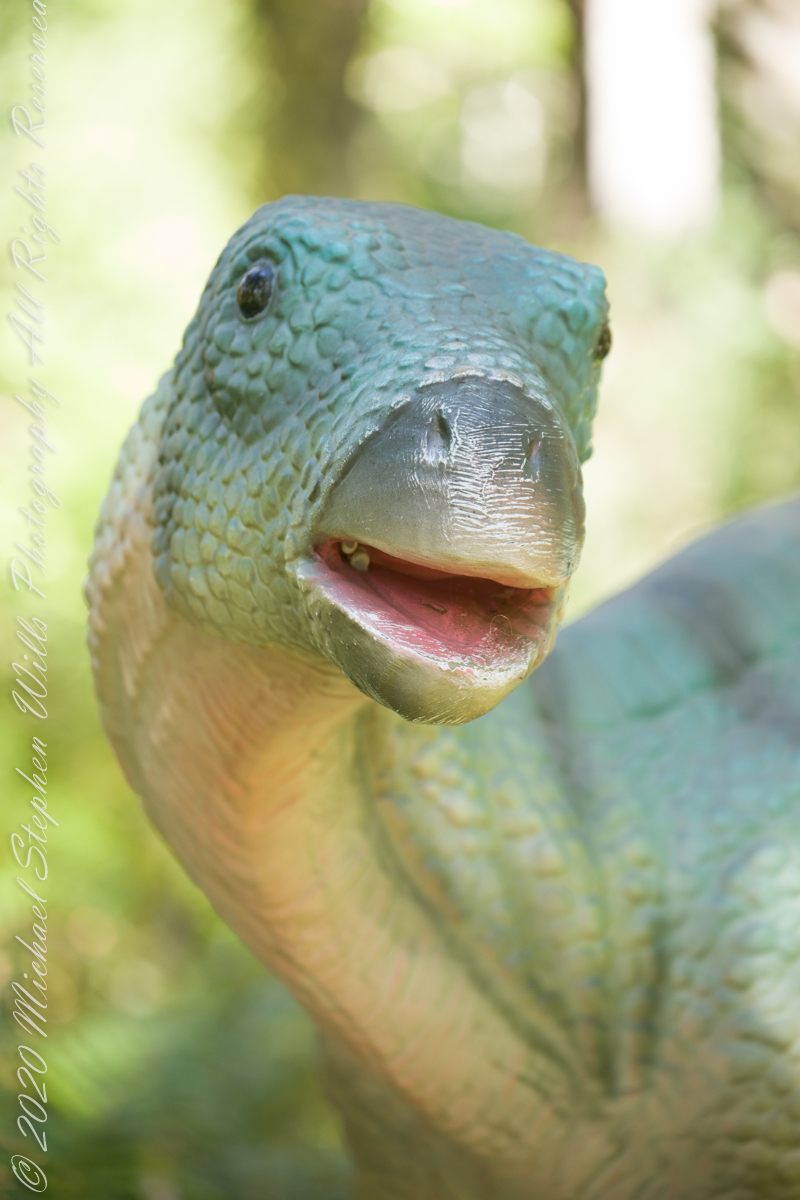
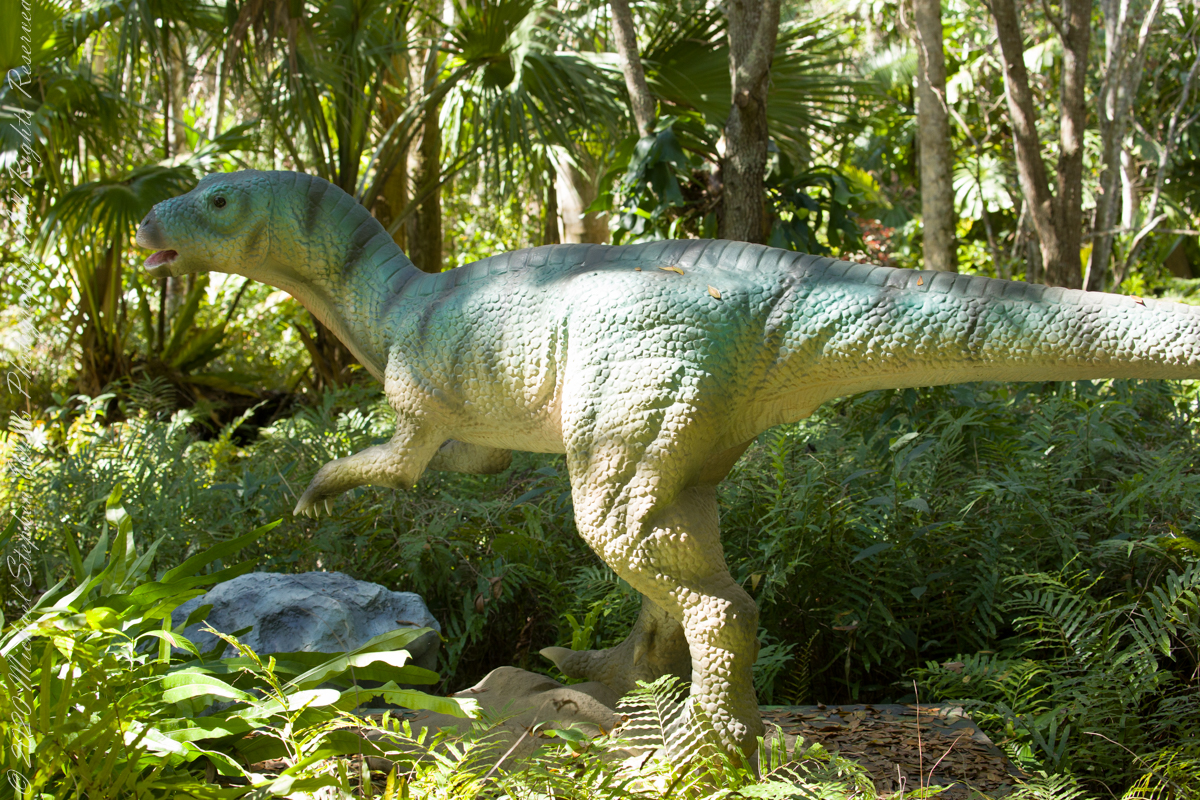
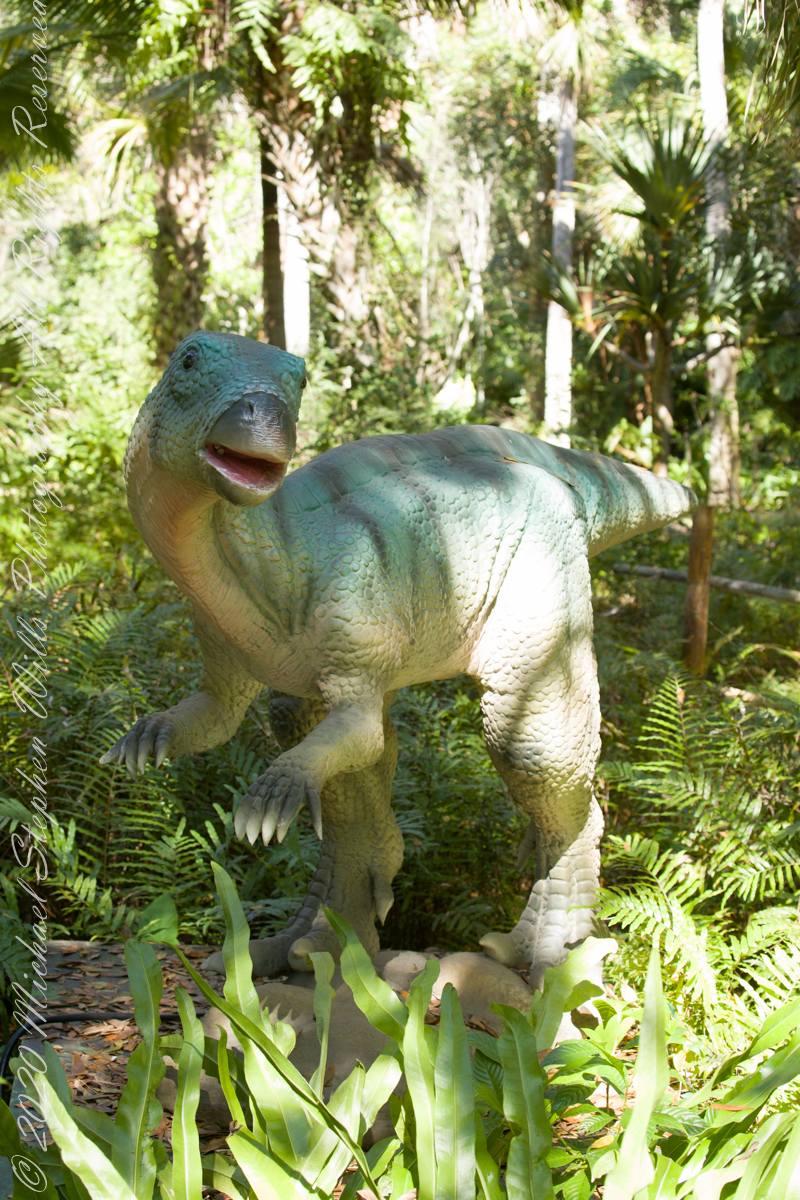
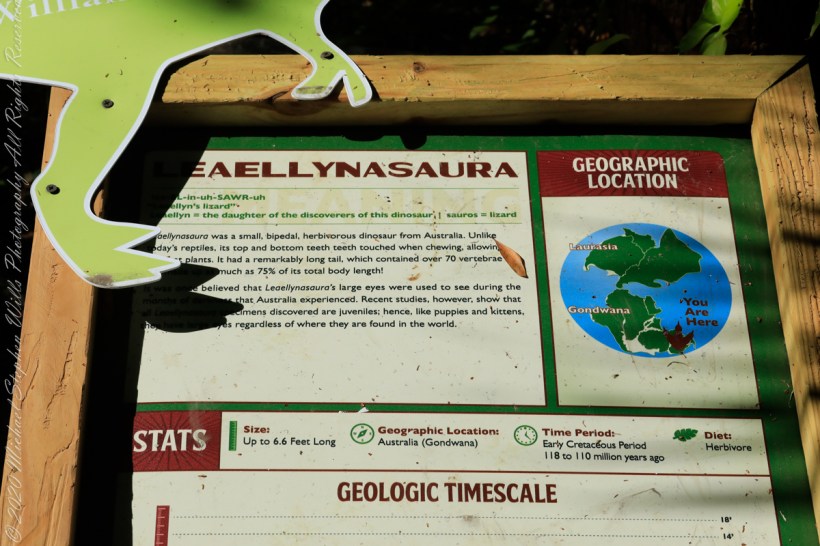
Baellynasaura was a small, bipedal, herbivorous dinosaur from Australia. Unlike today’s reptiles, its top and bottom teeth touch when chewing, allowing it to consume plants. It had a remarkably long tail, which contained over 70 vertebrae, as much as 75% of its total bodyt length. It is believed Leaellynasaura’s large eyes were used to see during the long nights that Australia experienced. Recent studies, however, show that these specimens discovered are juveniles; hence, like puppies and kittens, their eyes are large regardless of where they are found in the world.
Enjoying travel on a horse trap, a type of carriage, on Inishmore , the largest Aran Island in Galway bay, we headed up Cottage Road from Kilronan, the main island settlement. It was from Kilronan we disembarked from the ferry, hired the driver and trap. Our destination an Iron Age fort, Dun Aengus, and sights along the way.
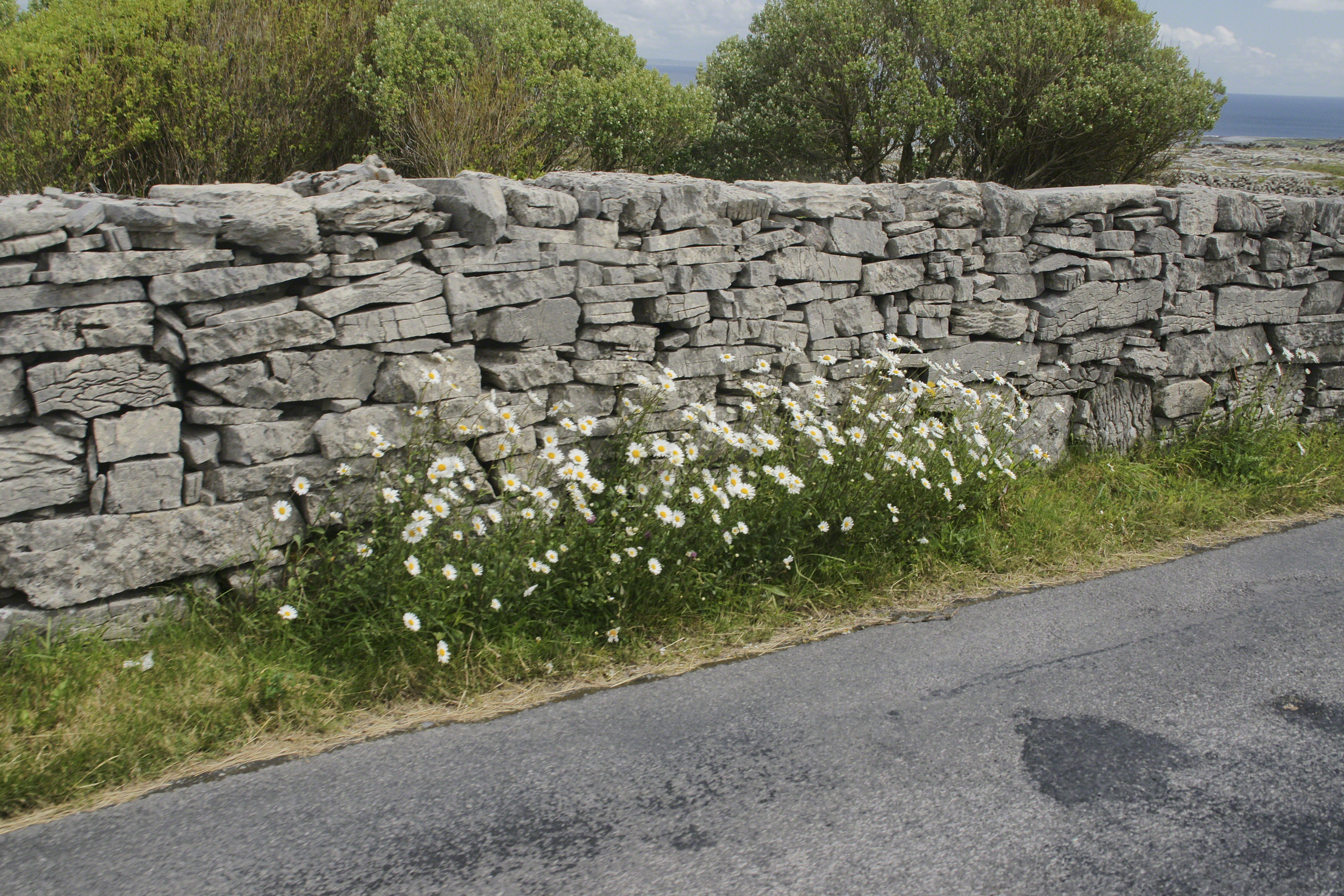
Dry Stone walls abound throughout Ireland. Ancient walls, buried in peat, were discovered in County Mayo and dated to 3,800 BC. This is a field wall on Cottage Road with daisies growing at the wall base.
The wall is composed of stones, not rocks. I have read in places a stone is a rock put to use or shaped by human hands. Other usages have rock and stone used interchangeably. For example, an internet search on “Dry Rock Wall” will return hits on the same. “You pays your money and takes your choice.”
Sources for this post: search Wikipedia for “Dry Stone”.
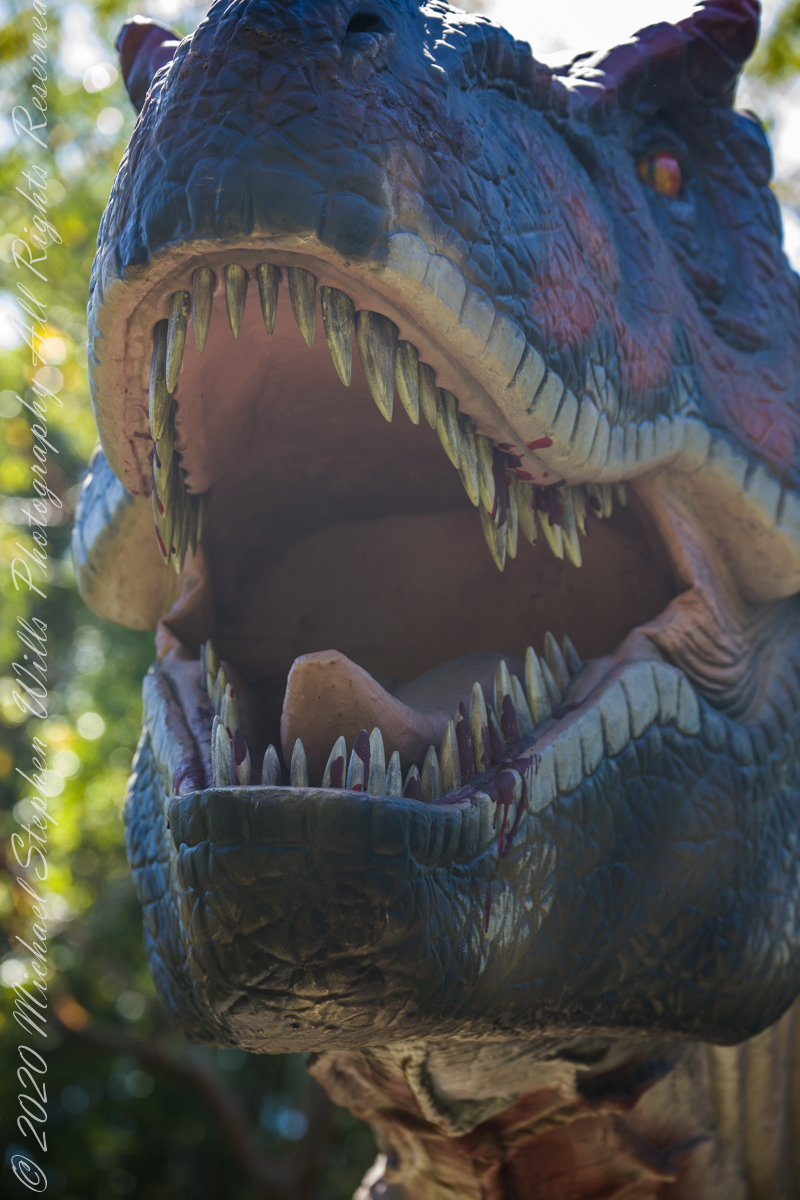
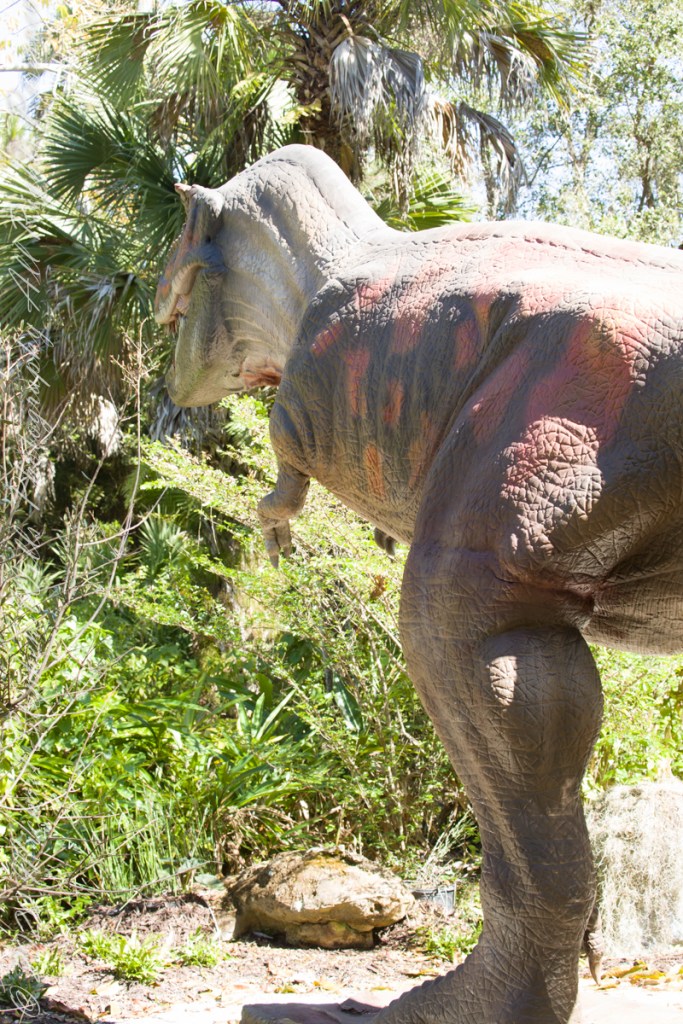
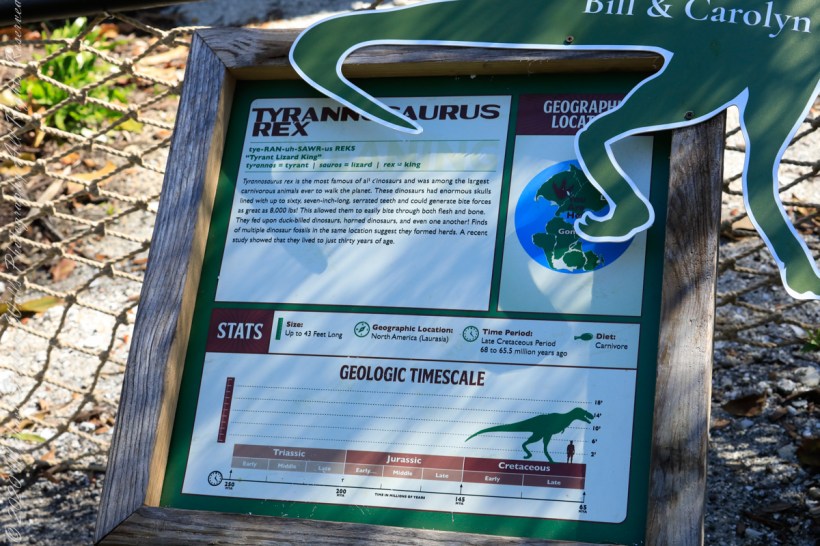
Tyrannosaurus Rex, the most famous of all dinosaurs, was among the largest carnivorous animals ever to walk the planet. Tyrannosaurus Rex had enormous skulls lined with up to sixty, seven-inch long teeth and could generate bite forces as great as 8,000 pounds. This allowed them to easily bite through both flesh and bone. They fed upon duck-billed dinosaurs, horned dinosaurs and even one another. Finds of multiple dinosaur fossils in the same location suggest they formed herds. A recent study showed that they lived to just thirty years of age.
Thank goodness humans never shared the environment with “The Rex.”
pure terror
References: text is from the park placard with minor edits.
Copyright 2022 Michael Stephen Wills All Rights Reserved
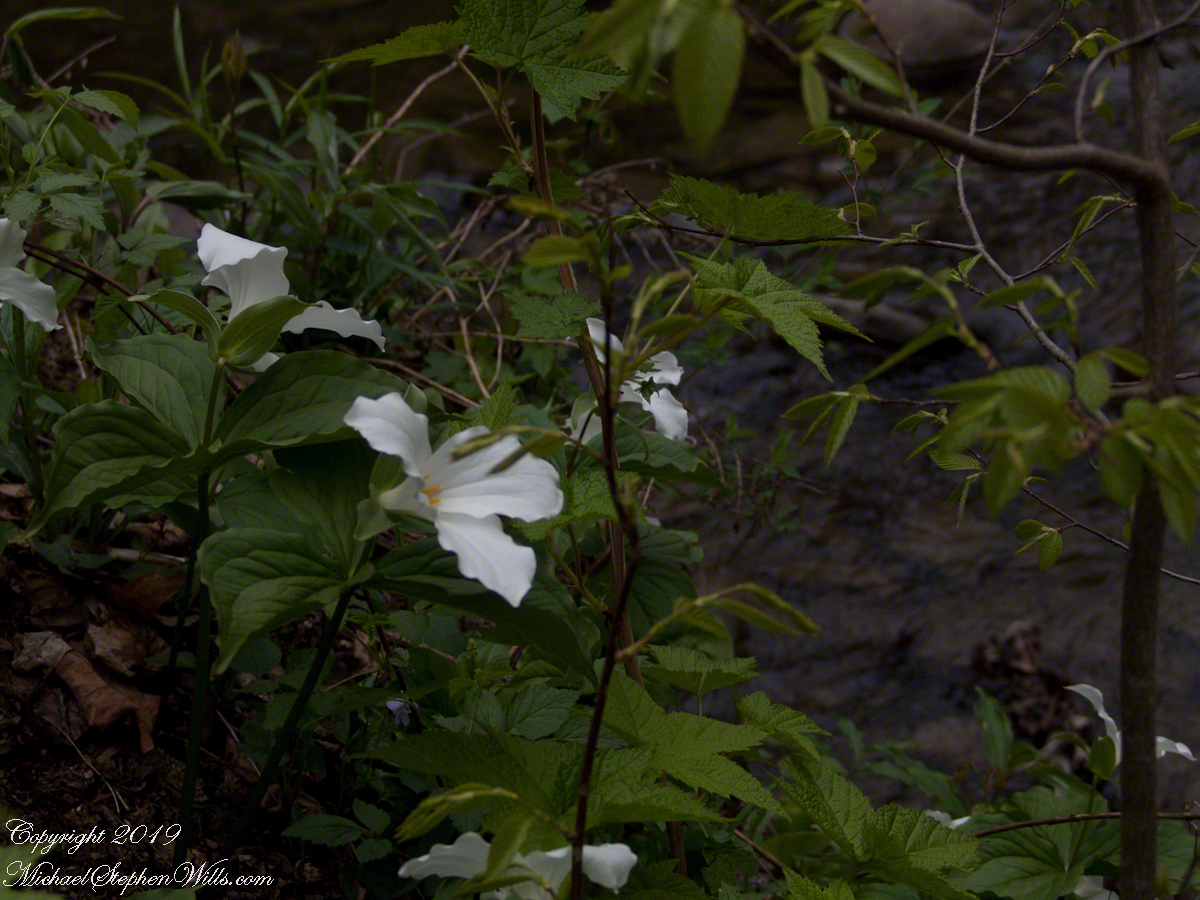
An access road, now blocked with huge boulders by the State Park, leads to this dam at the head of Fillmore Glen. I stop here for reflection at times and have climbed behind the dam for photographs. It is possible to drive up the south side of the glen on a poorly maintained road and park next to the boulders. In this season (spring) the surrounding forest is carpeted in wildflowers. Hepatica, trillium, dutchman’s breeches. One day, years ago, I pulled in behind a late model convertible with a license plate holder advising the owner was a member of the 10th Mountain division and a World War II veteran.
They were a well dressed and groomed couple. The white haired driver, in his late 80’s at least, patiently waited while she, a frail woman, walked the margins of the forest, enjoying the wildflowers. It was my impression this was a ritual for them, developed over the years. One of the few spring outings left to them.
Wildflower displays develop over hundreds of years. The massed trillium are on land not disturbed for thousands of years, since the last ice age. These same spring wonders were certainly enjoyed by the Iroquois before us.
Click either photograph for a larger view.
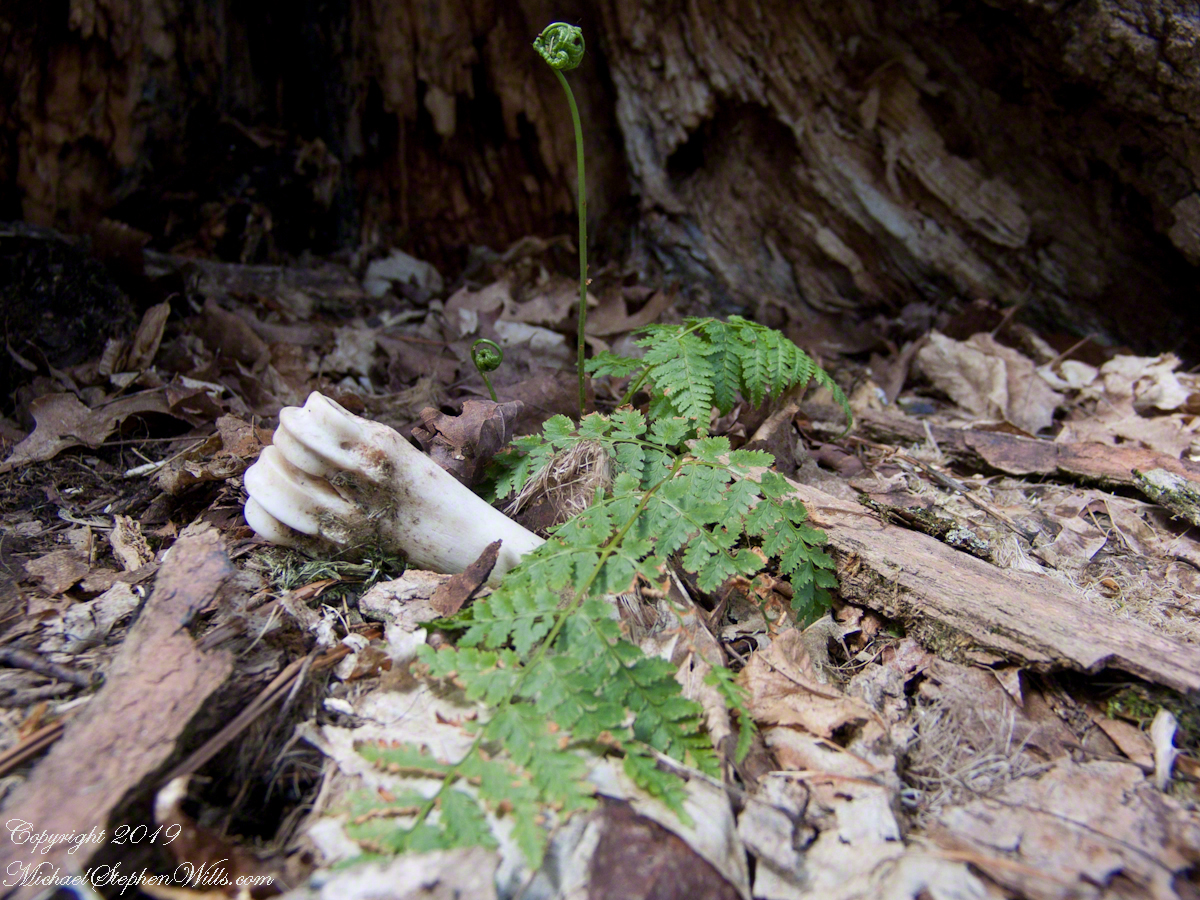
On the gorge slope below the parking area, in a hollow on the north side of a large (I recall) oak, one early sunny spring morning I discovered the last resting place of a deer. Only the bones and some fur remained, the visible portion resembles the Capitulum and trochlea of a human arm bone and, indeed, there was a scapula close by. The season is evoked by the unfurling fern against the based of the oak.
Dark, Unwritten Forest Secrets
Copyright 2022 All Rights Reserved Michael Stephen Wills
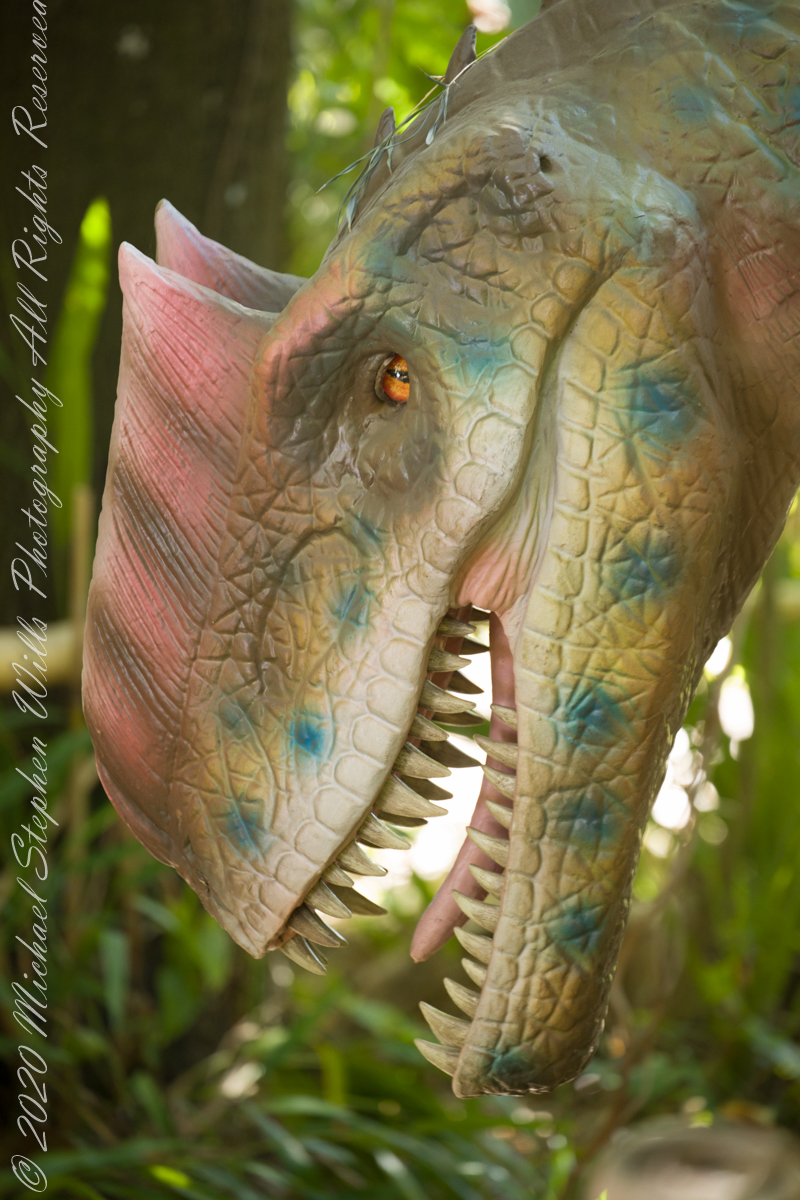
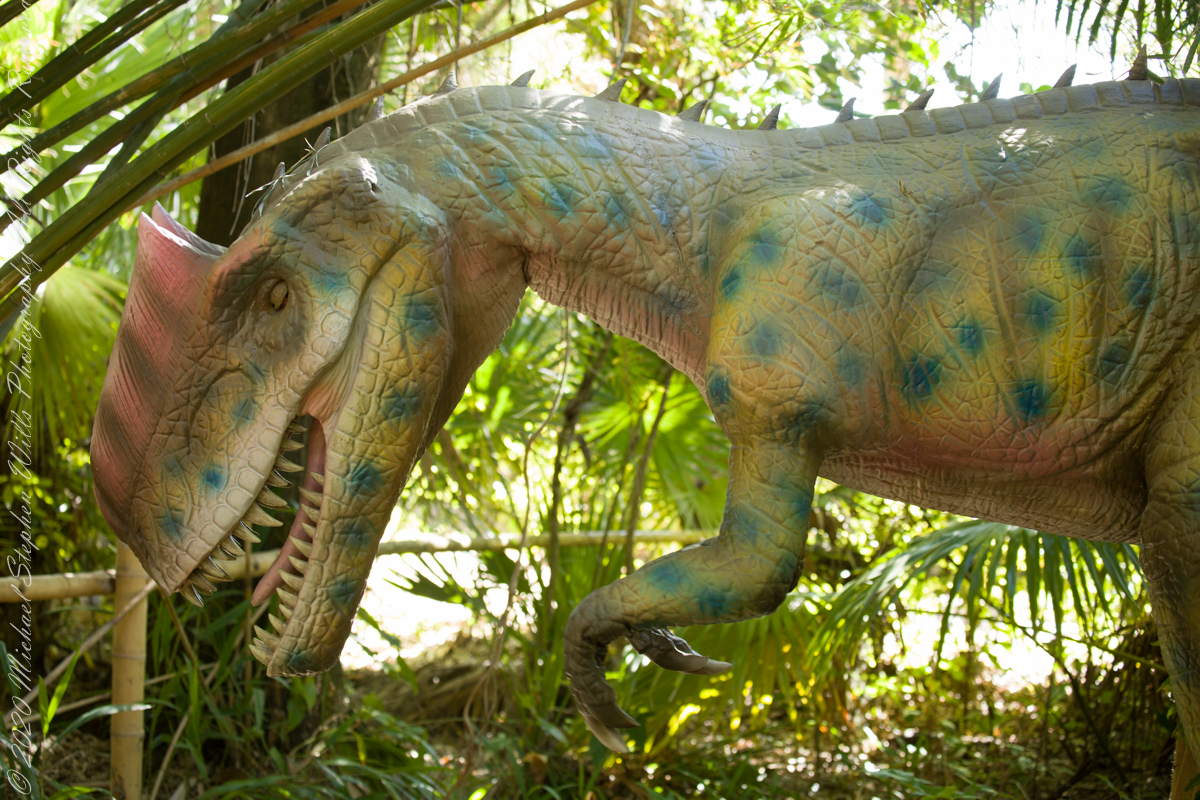
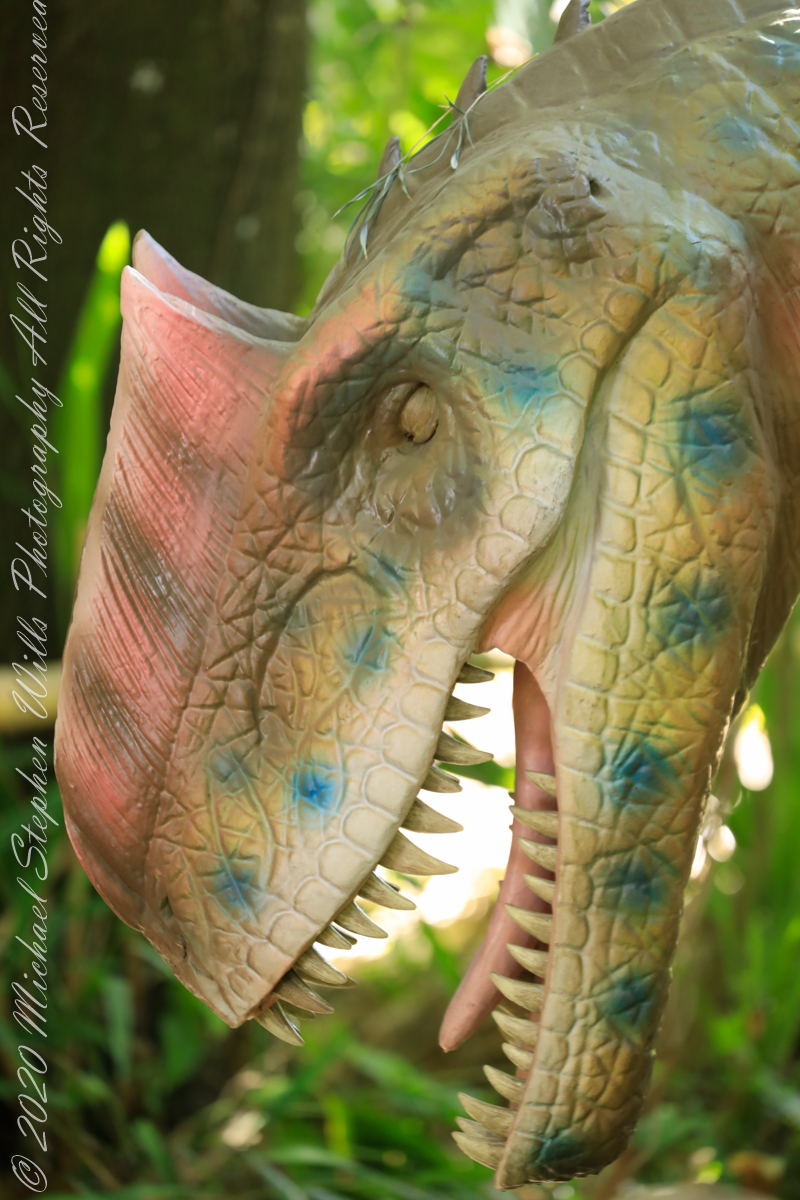
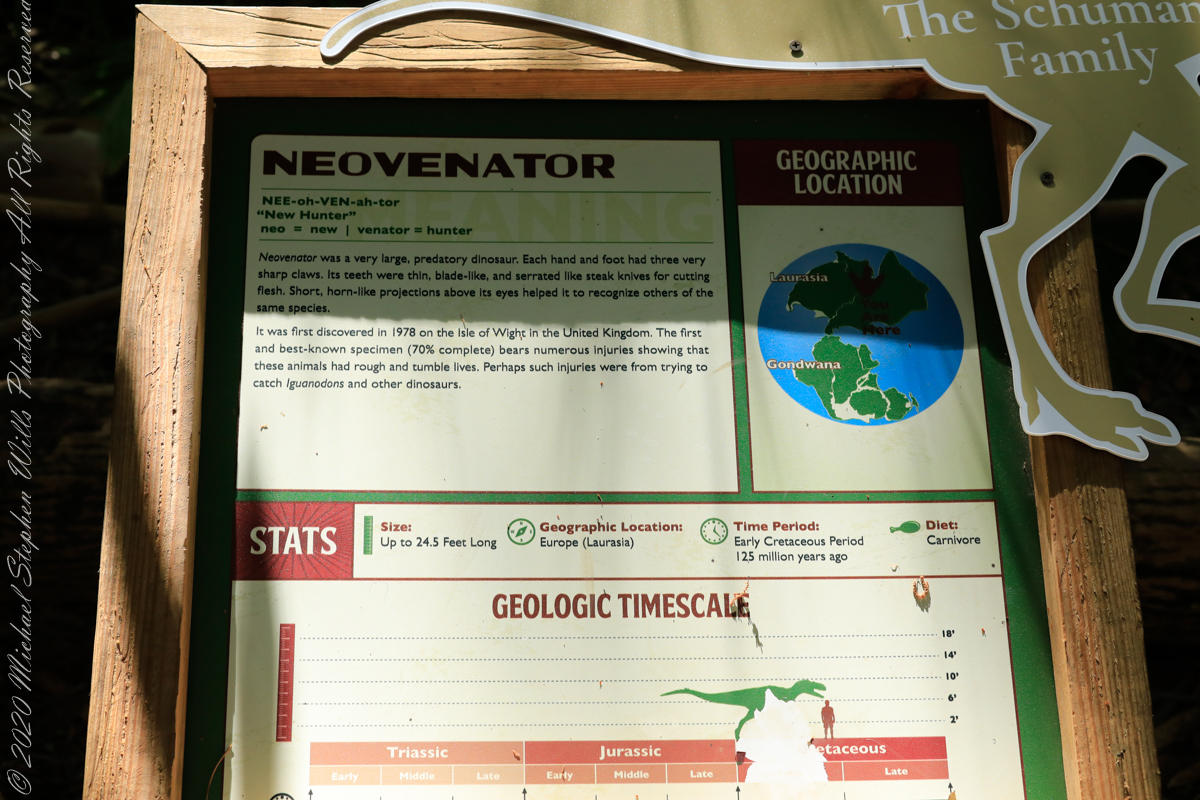
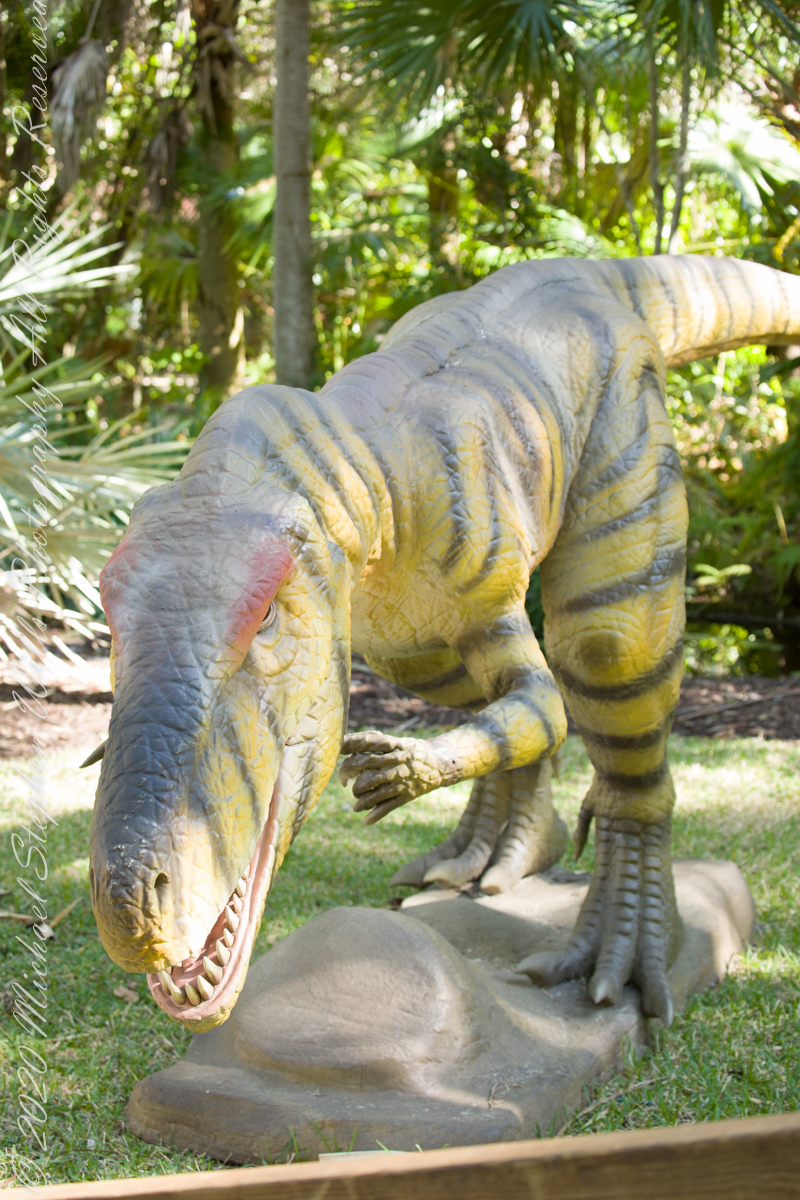
Neovenator was a very large, predatory dinosaur. Each hand and foot had three very sharp claws. Its teeth were thin, blade-like, and serrated like steak knives for cutting flesh. Short, horn-like projections above its eyes helped to recognize others of the same species. First discovered in 1978 on the Isla of Wight, United Kingdom. The fist and best-known specimen (70% complete) bears numerous injuries showing that these animals had rough and tumble lives. Perhaps such injuries were from trying to catch Iguanodons and other dinosaurs. Neovenator is derived from the latin words for “now” and “hunter.”
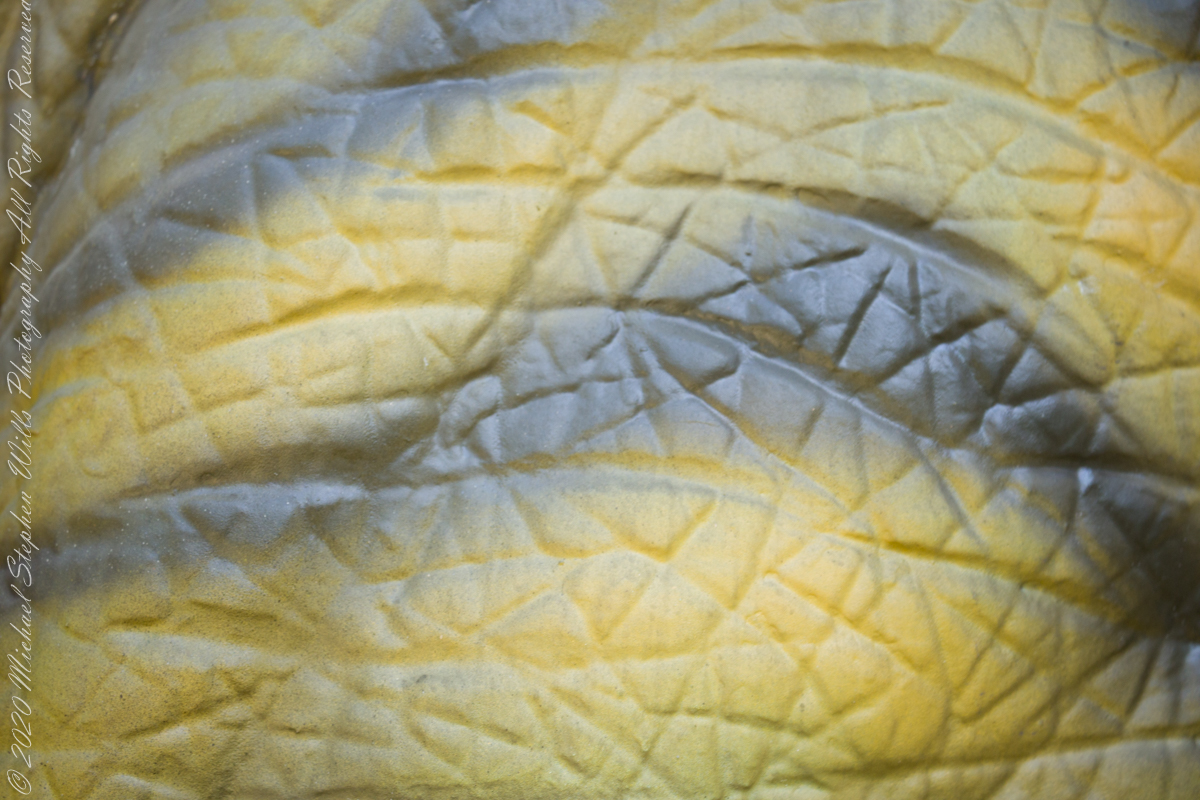
Skin TextureShort, horn-like projections above its eyes helped to recognize others of the same species.
Long extended tail provided balance
A creepy customer
References: text is from the park placard with minor edits.
Copyright 2022 Michael Stephen Wills All Rights Reserved
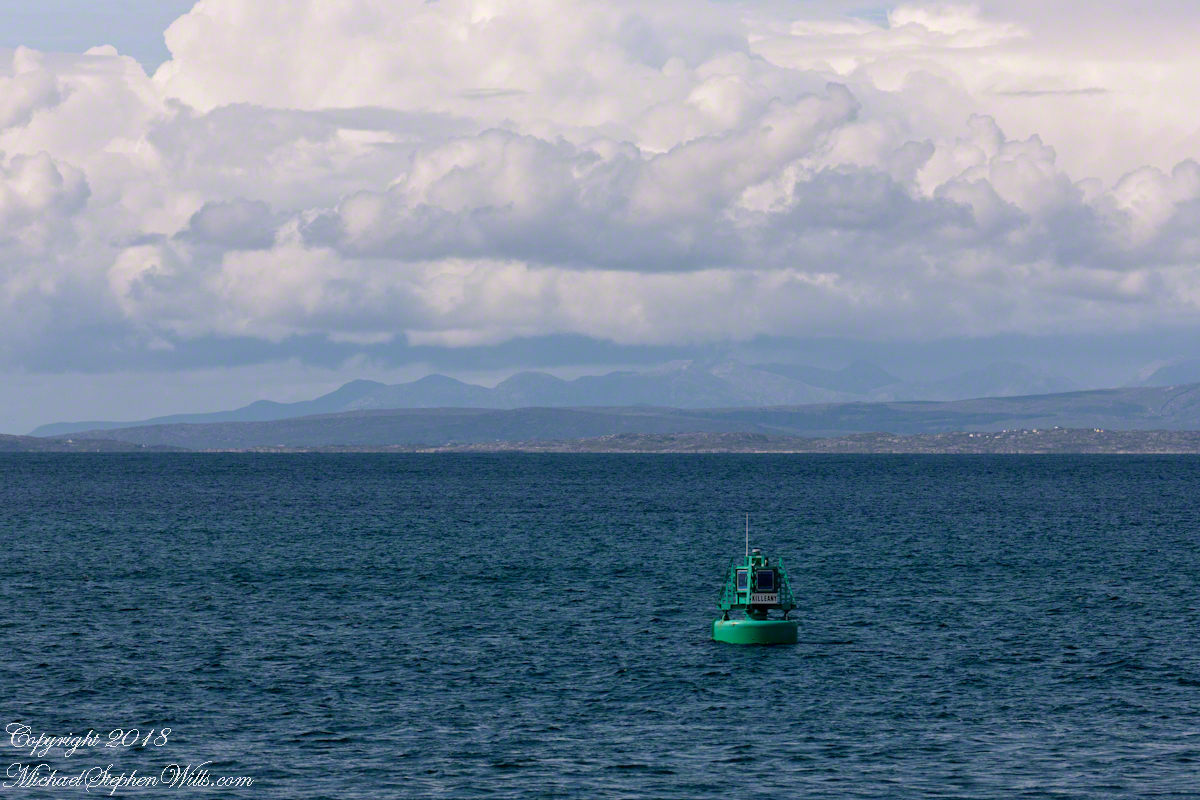
The approach to Killeany Bay of the Aran Island Inishmore is very dangerous, guarded by a Lighthouse on Straw Island to the South and the Killeany buoy to the North.
This view is to the north, northwest from a ferry en route to Inishmaan through Galway Bay. In the distance is the Connemara and the 12 Bens (12 Pins) mountains. Aran Islands, County Galway, Ireland.
There of stories of this buoy coming unmoored. October 27th 2012 it went adrift. An Aran fisherman, Micheál Seóighe (Ml Joyce) and his boat Naomh Beanán tracked it down, hauled it back to the harbor. The buoy was back in service shortly after.
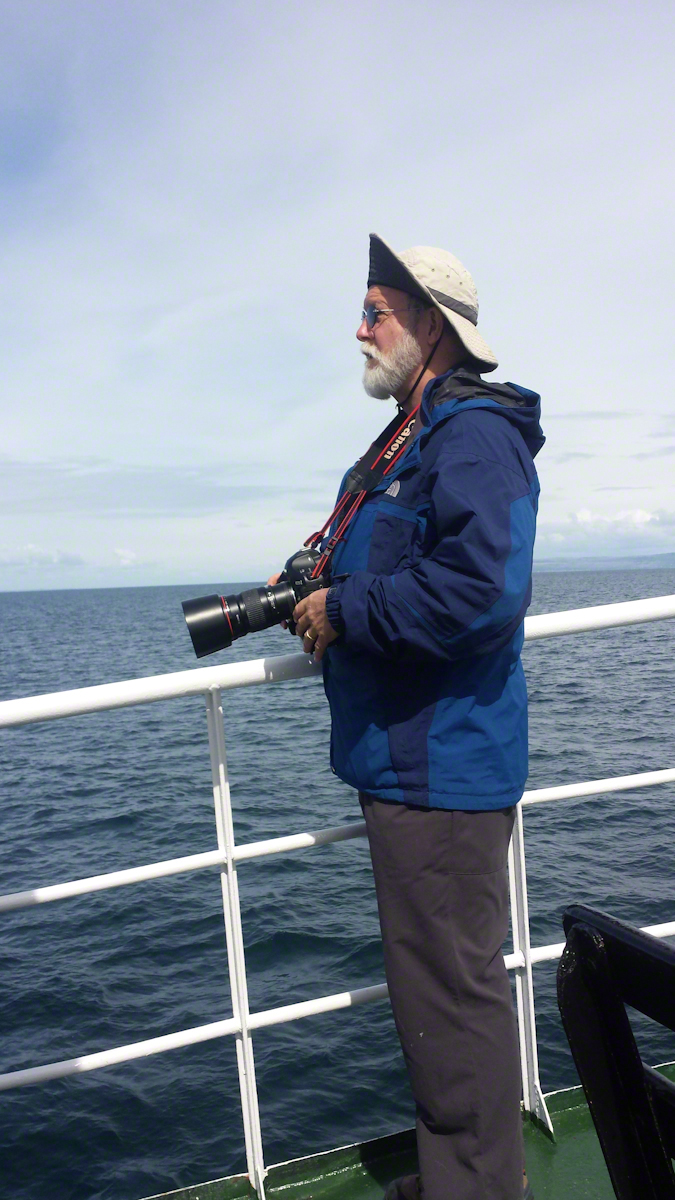
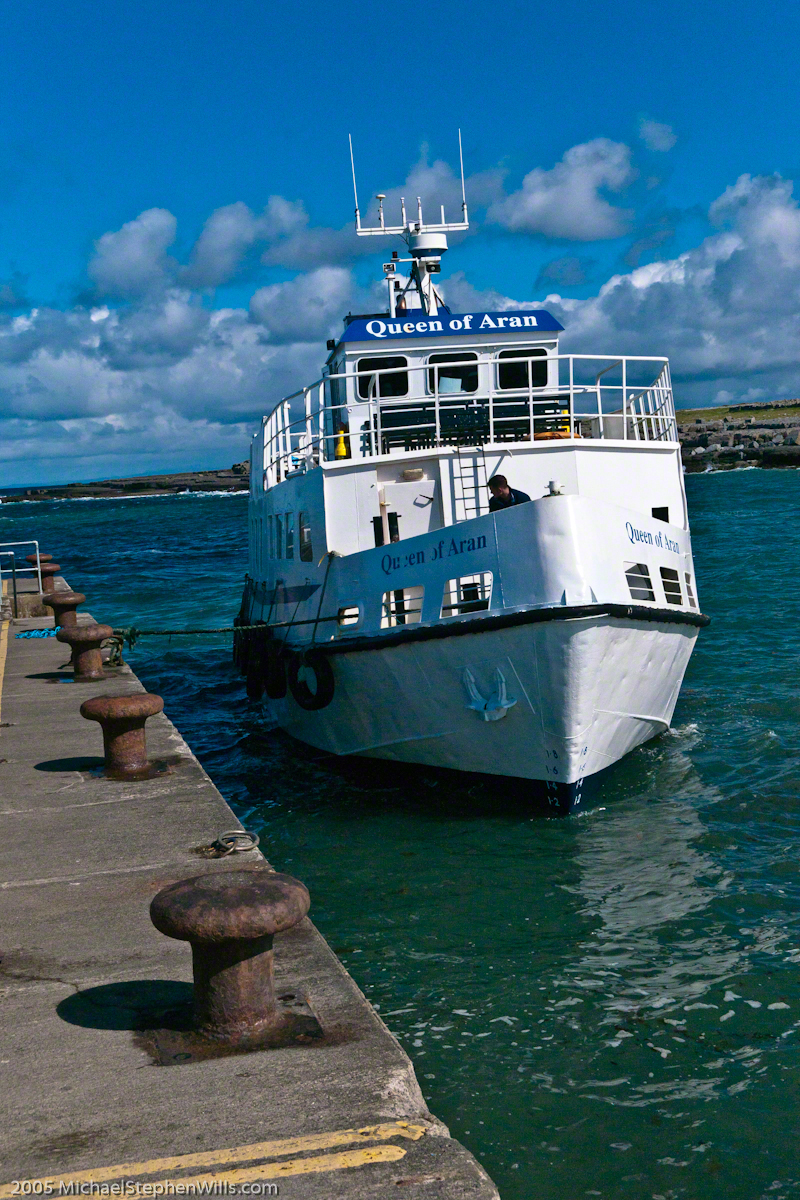
Here is a photograph of me with the camera used. It is a Canon EOS 1Ds Mark III with a Canon lens 200 mm f2.8/L. I am standing on the deck of the Queen of Aran ferry out of Doolin next to the Cliffs of Mohr.
Pam Wills took this photograph with her Samsung Galaxy 4 smart phone.
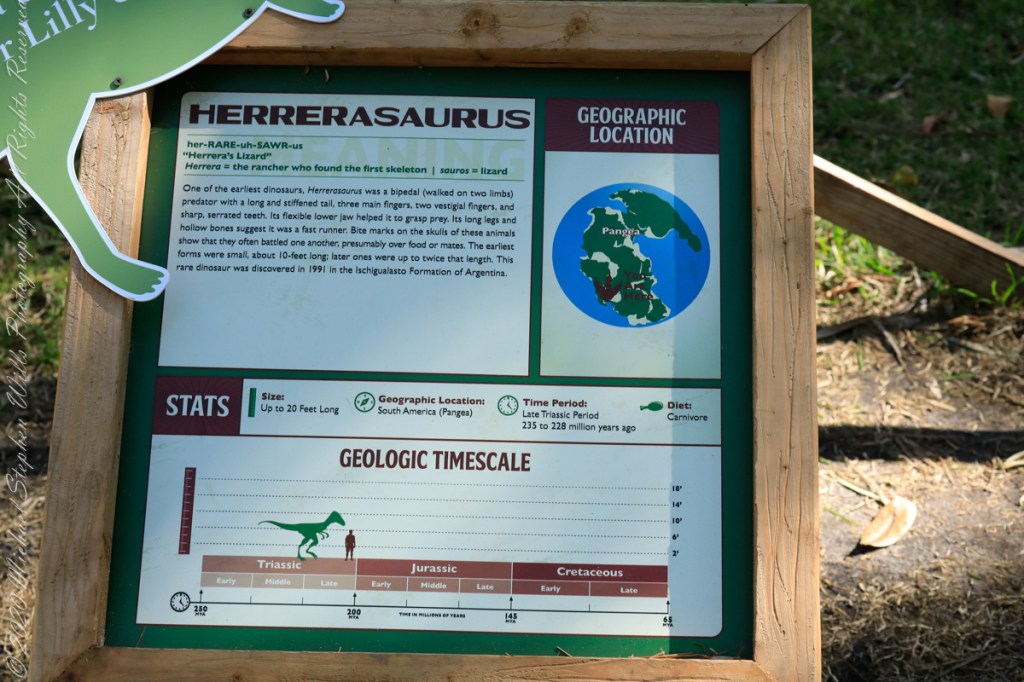
One of the earliest dinosaurs, Herrerosaurus was a bipedal predator with a long and stiffened tail, three main fingers, two vestigial fingers, and sharp, serrated teeth. Its flexible lower jaw helped to grasp prey. Its long legs and hollow bones suggest it was a fast runner. Bite marks on skulls of these animals show they often battled one another, presumably over food or mates. The earliest forms were small, about 10-feet long; later ones were up to twice that length. This rare dinosaur was discovered in 1991 in the Ischigualasto Formation of Argentina.
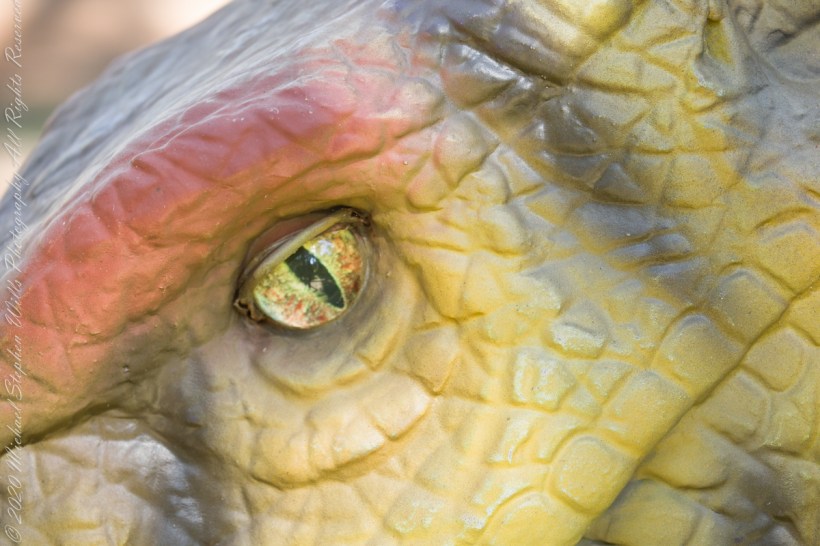
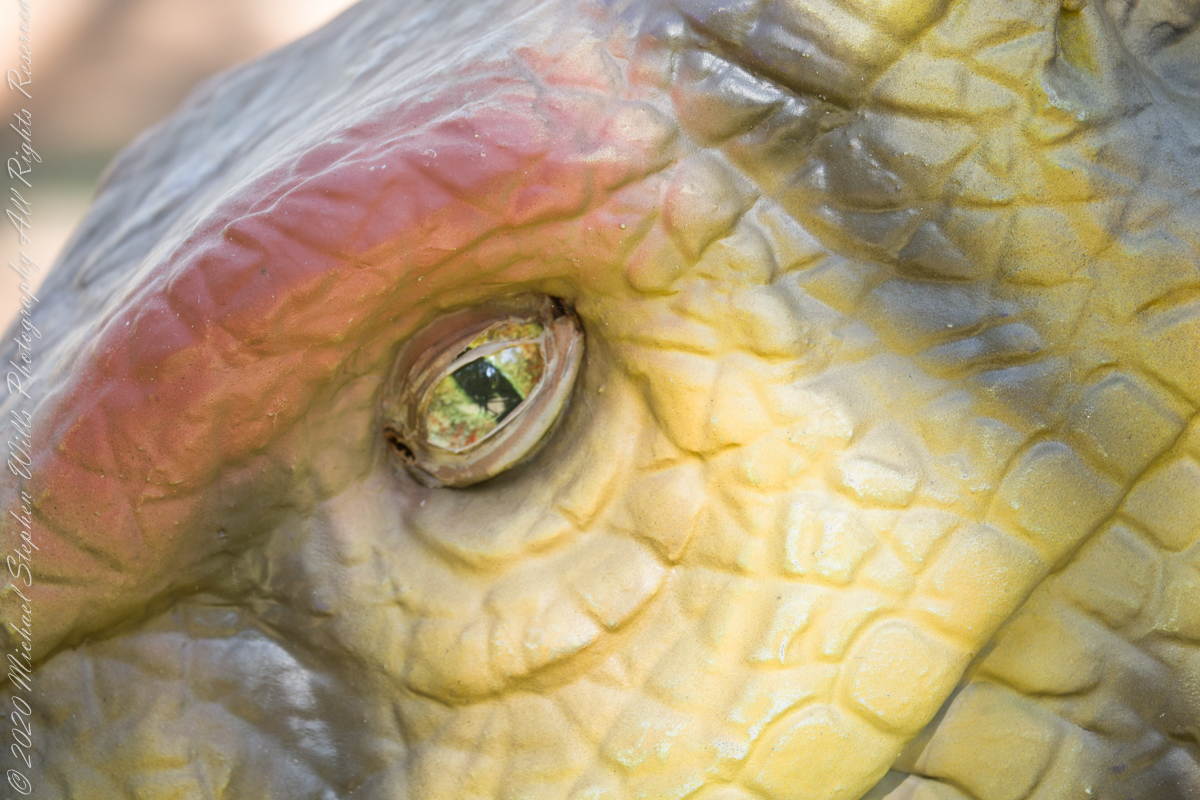
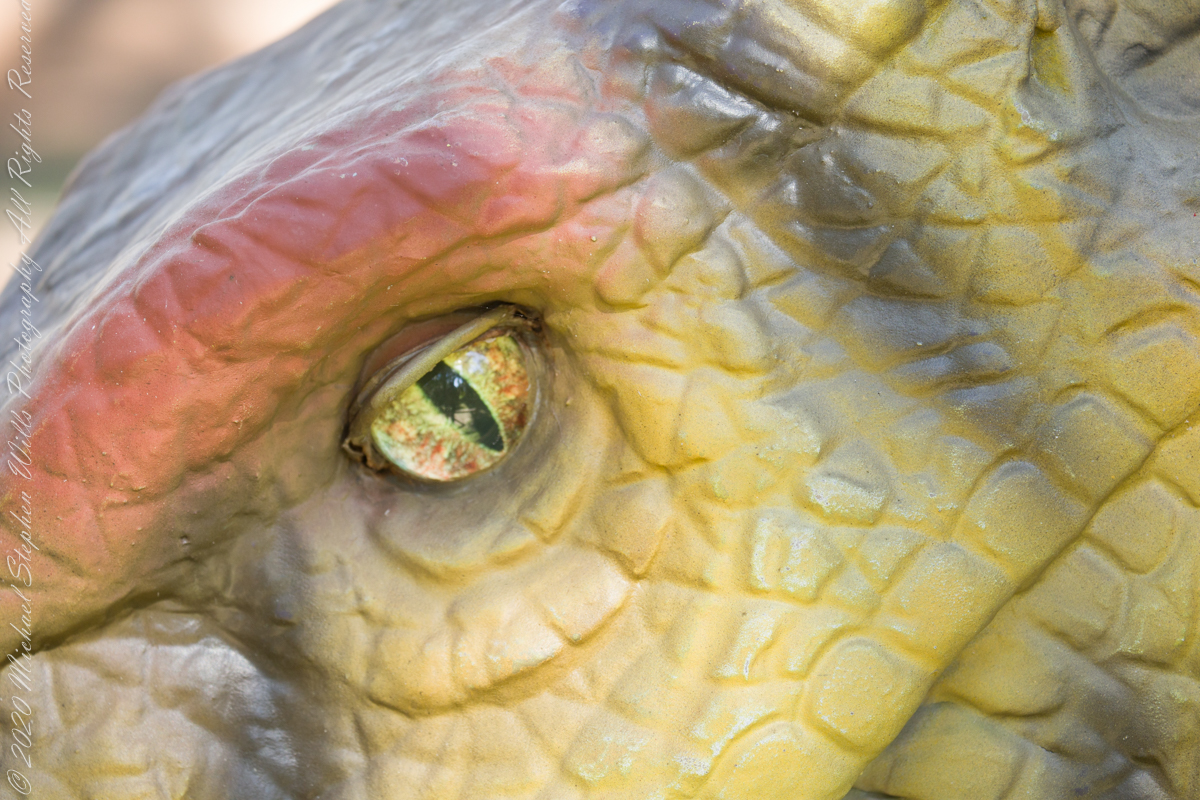
This sculpture has a nictitating membrane, a transparent or translucent third eyelid present in some animals that can be drawn across the eye for protection and to moisten it while maintaining vision. The animatronic sculpture includes the nictating membrane lowering over eye, moving jaws and body and a roar.
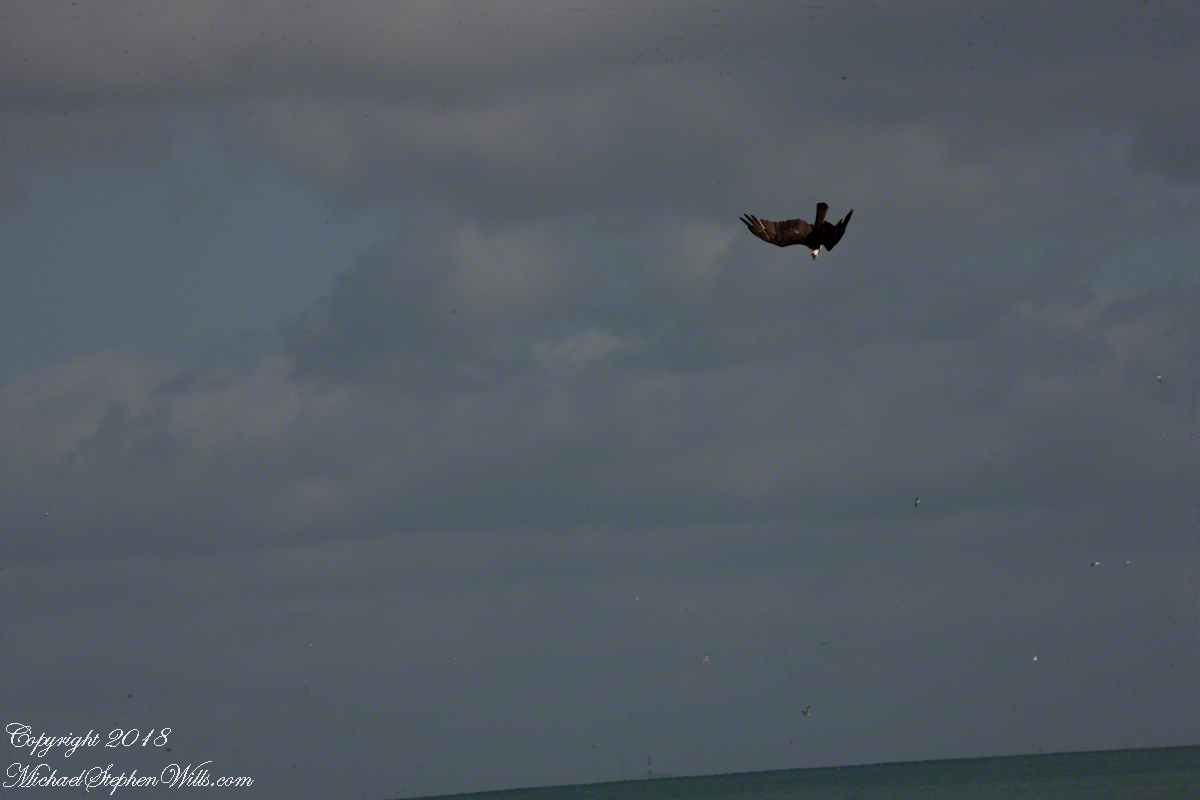
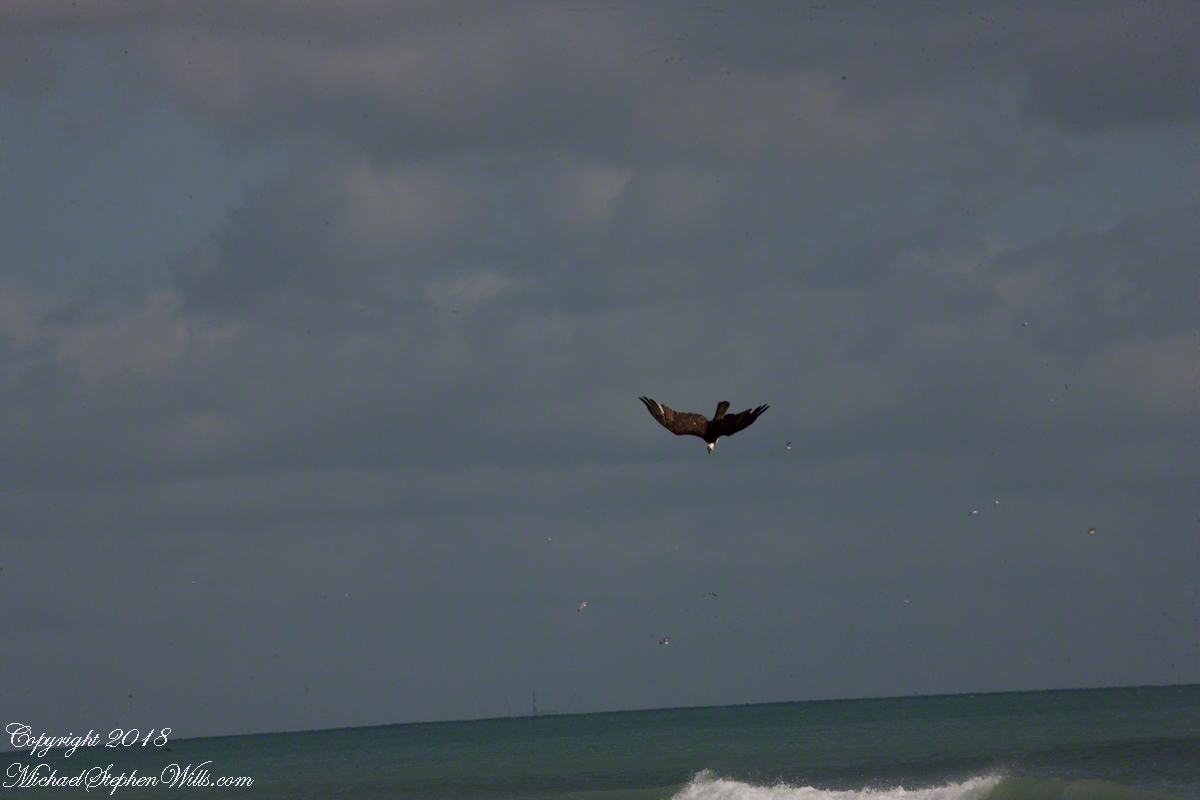
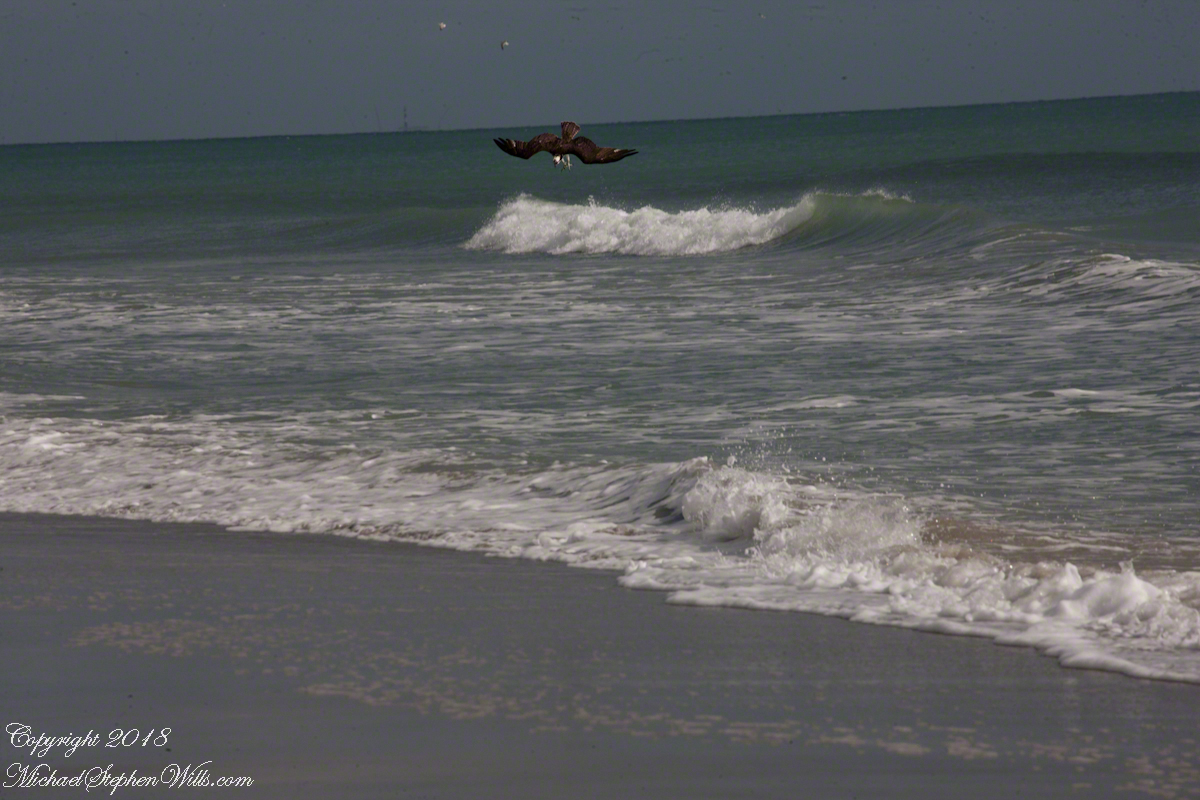
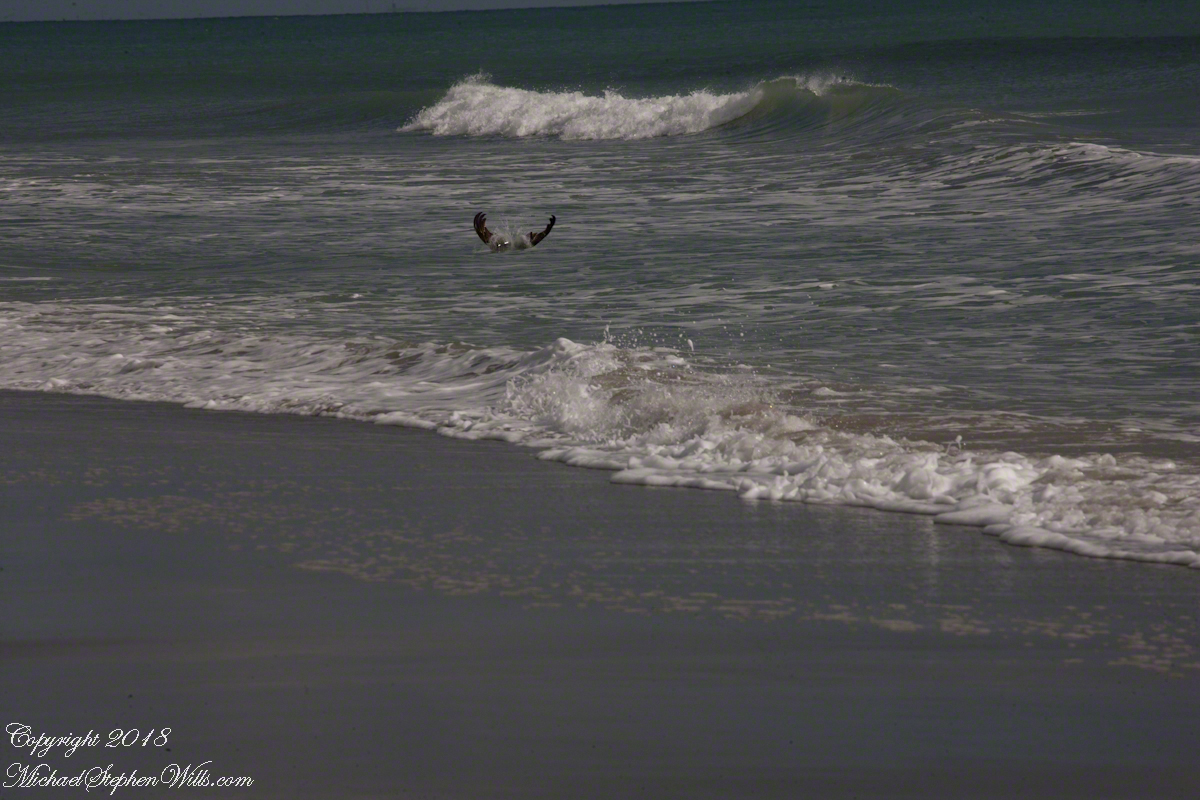
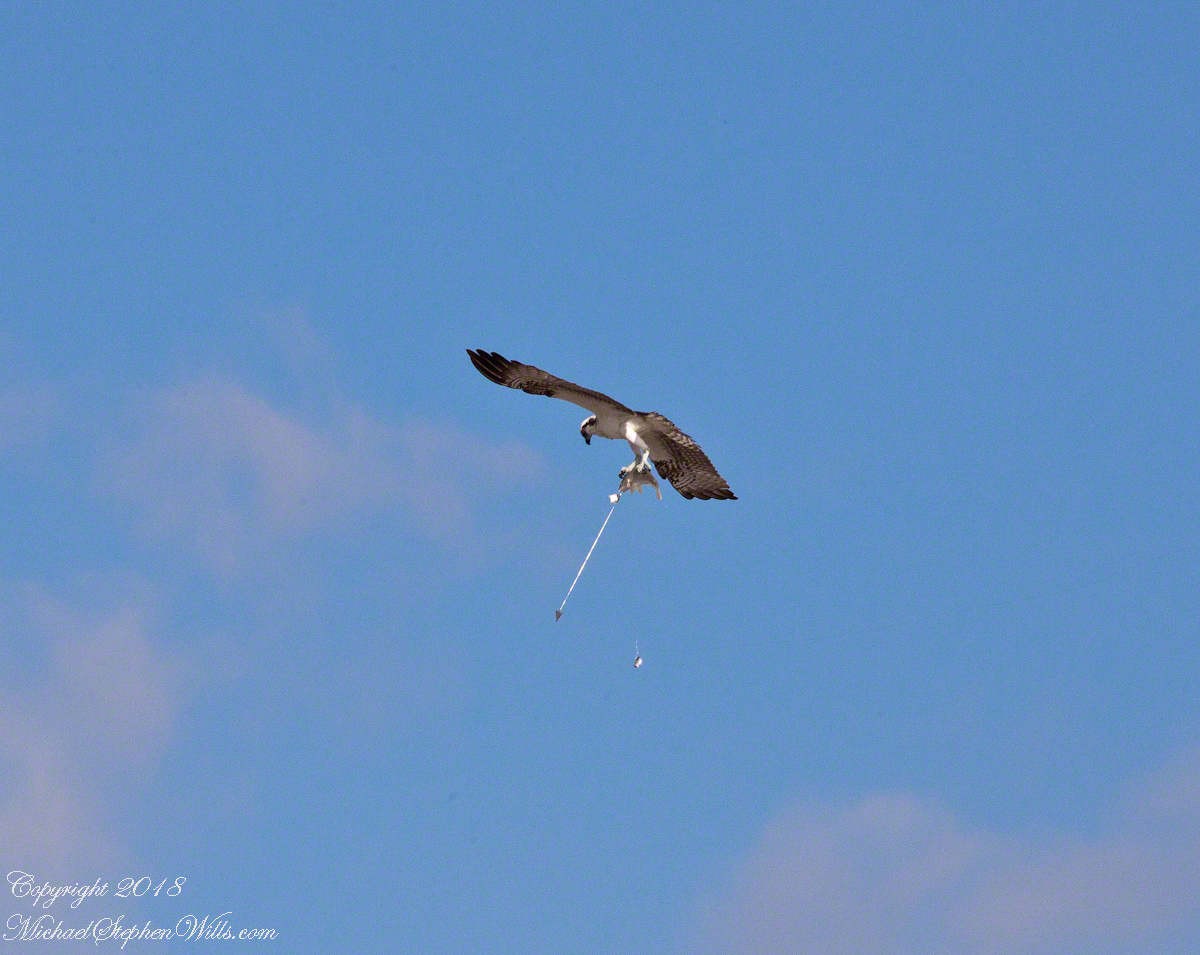
A sequence of high speed shots of what the Osprey does best. For this, the sixth and final post of this series (Click me for the first post, “Endless Searching“), we follow the bird in a dramatic plummet into the surf until it rises, catch in claws.
Late morning of January 20, 2019 I headed out with the Canon EOS-1Ds Mark III mounted with the Canon EF 70-300mm f/4-5.6L USM lens for handheld shots. Many elements aligned for these shots: weather, equipment, placement among them. The angle of the sun at 11:21 am was not optimal, but the cloud cover made up for it.
Click any photograph for a larger view.
The Day’s Setting
Commitment
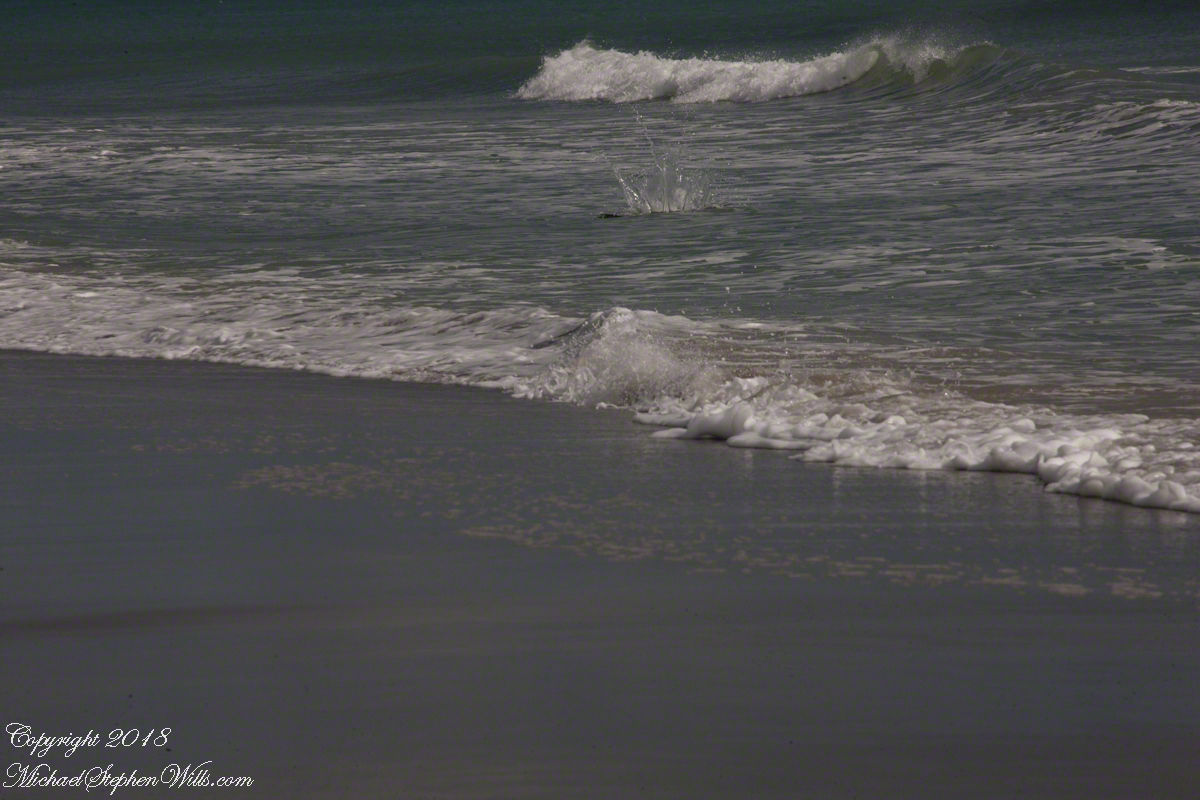
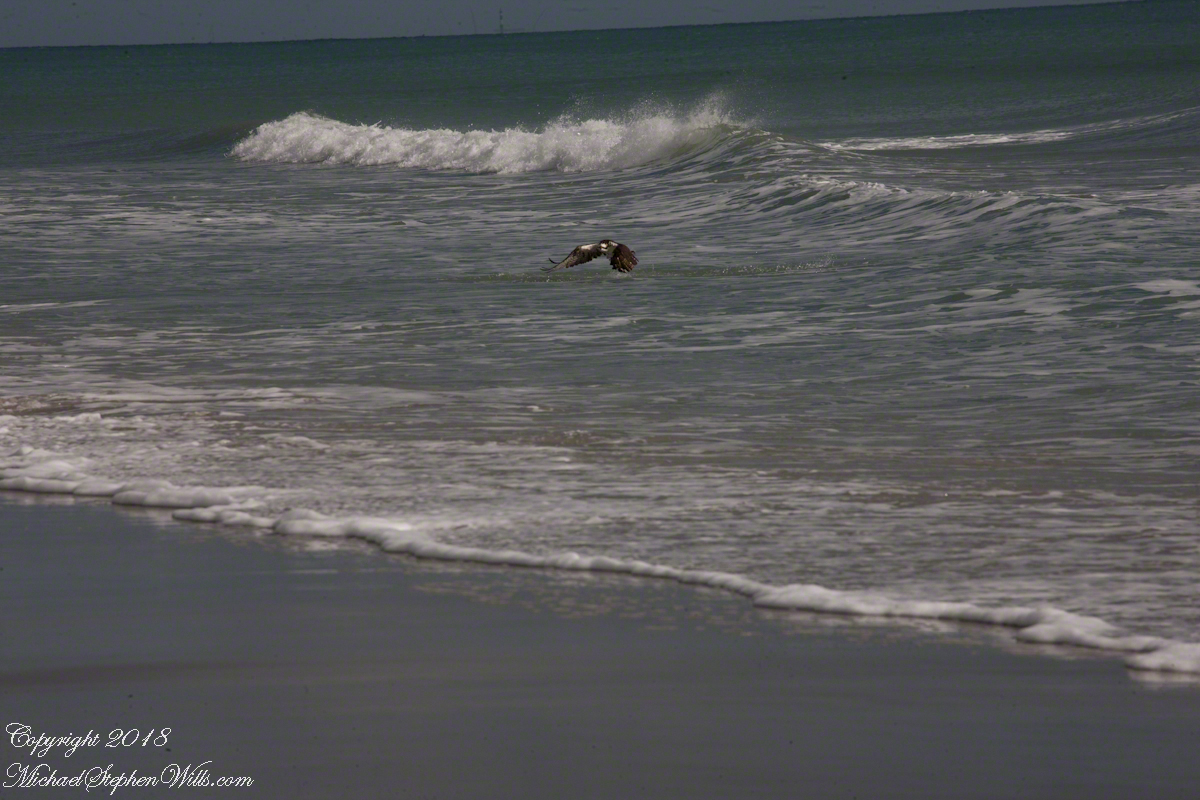
The dive impact happens in less than 2 seconds.
My observation is the reason the wings are extended is to maintain control of the dive…..…..I have seen these dives terminate inches from the water with a u-shaped swoop.Talons are extended in the final seconds.
The Strike
Less than one second from point of impact until emgergence and flight.
Instant of impace with wings still extended.Gone
Arise
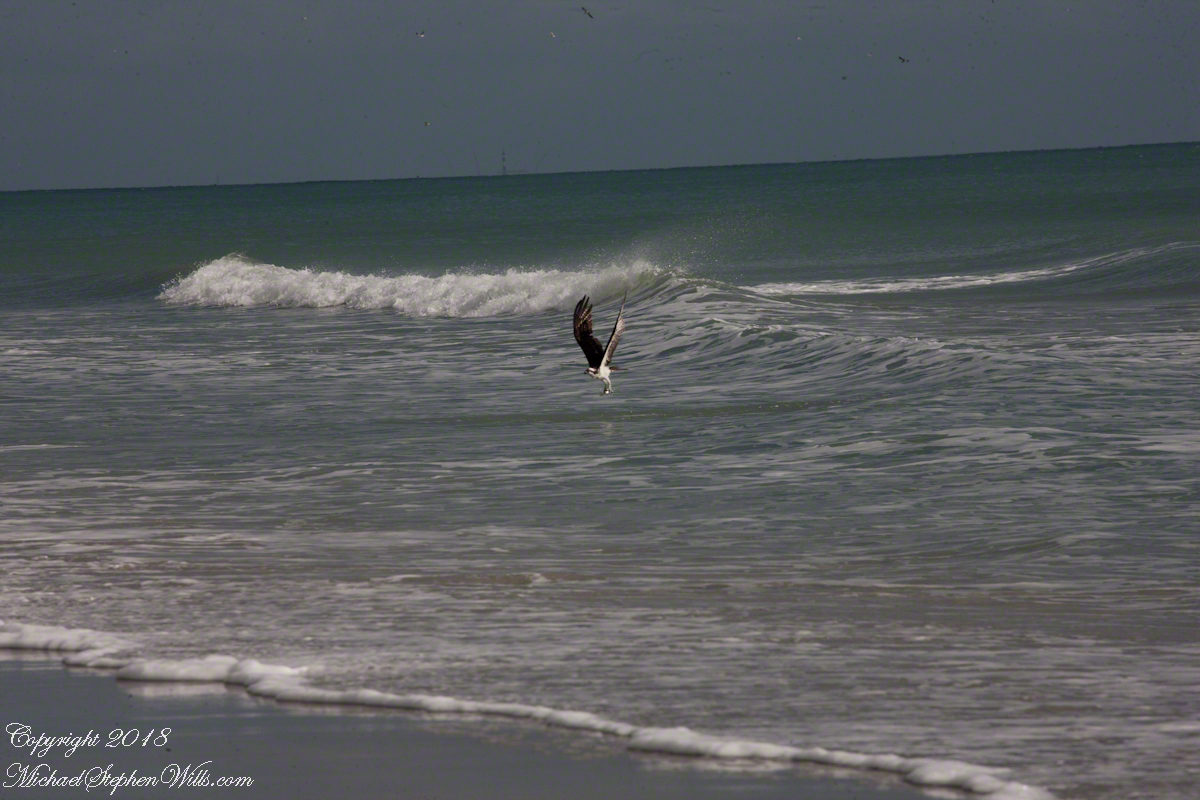
What strength, to lift off from the water.Catch in talons
Copyright 2022, Michael Stephen Wills All Rights Reserved
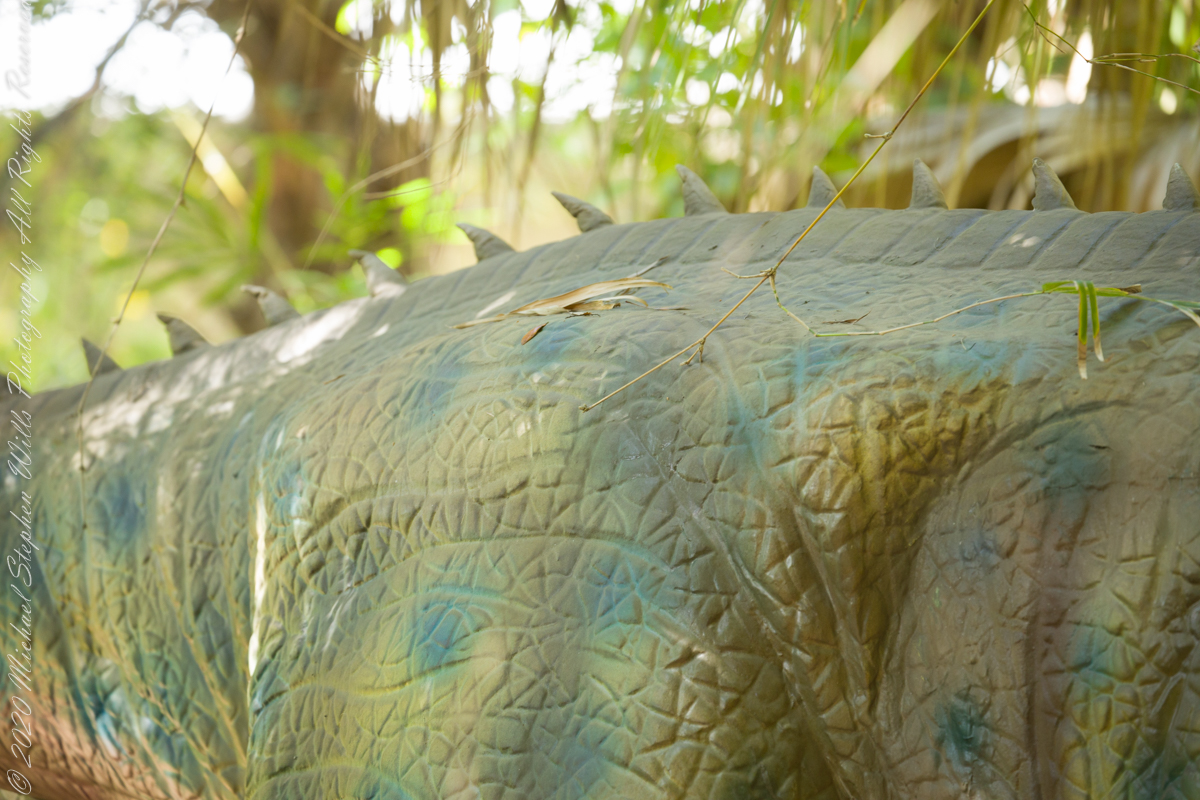
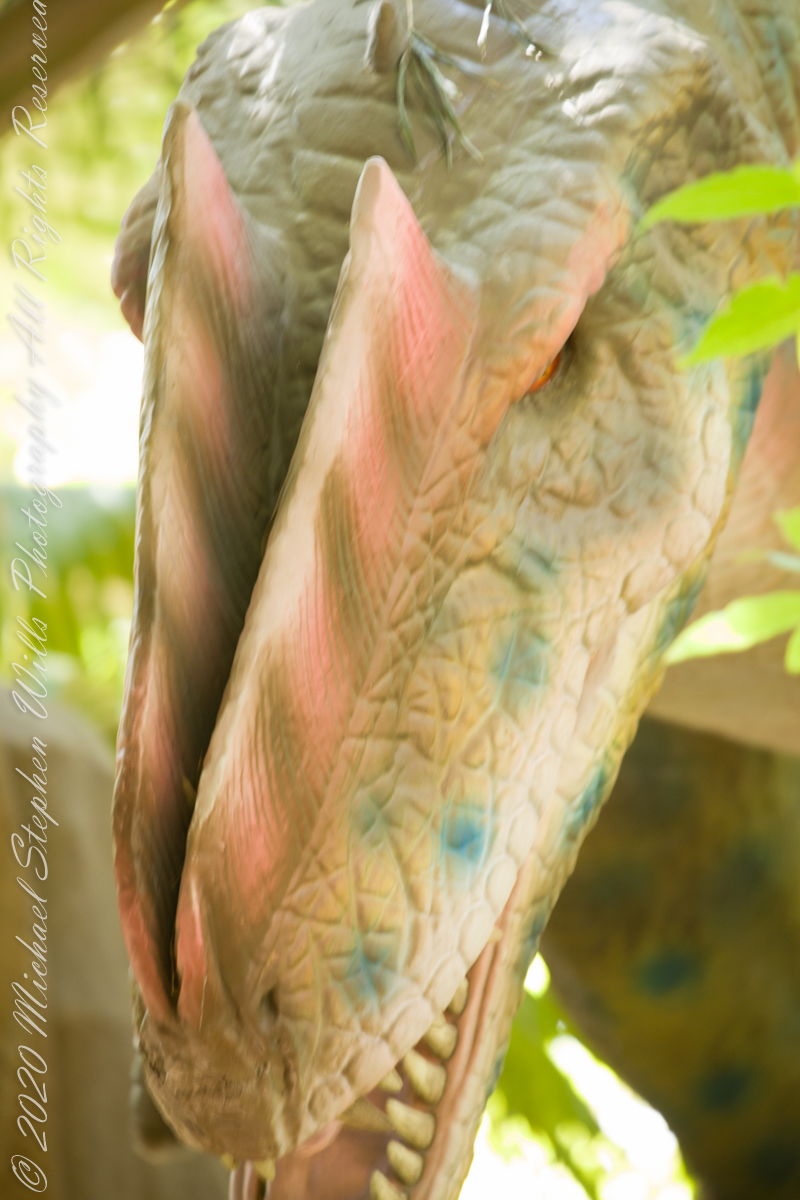
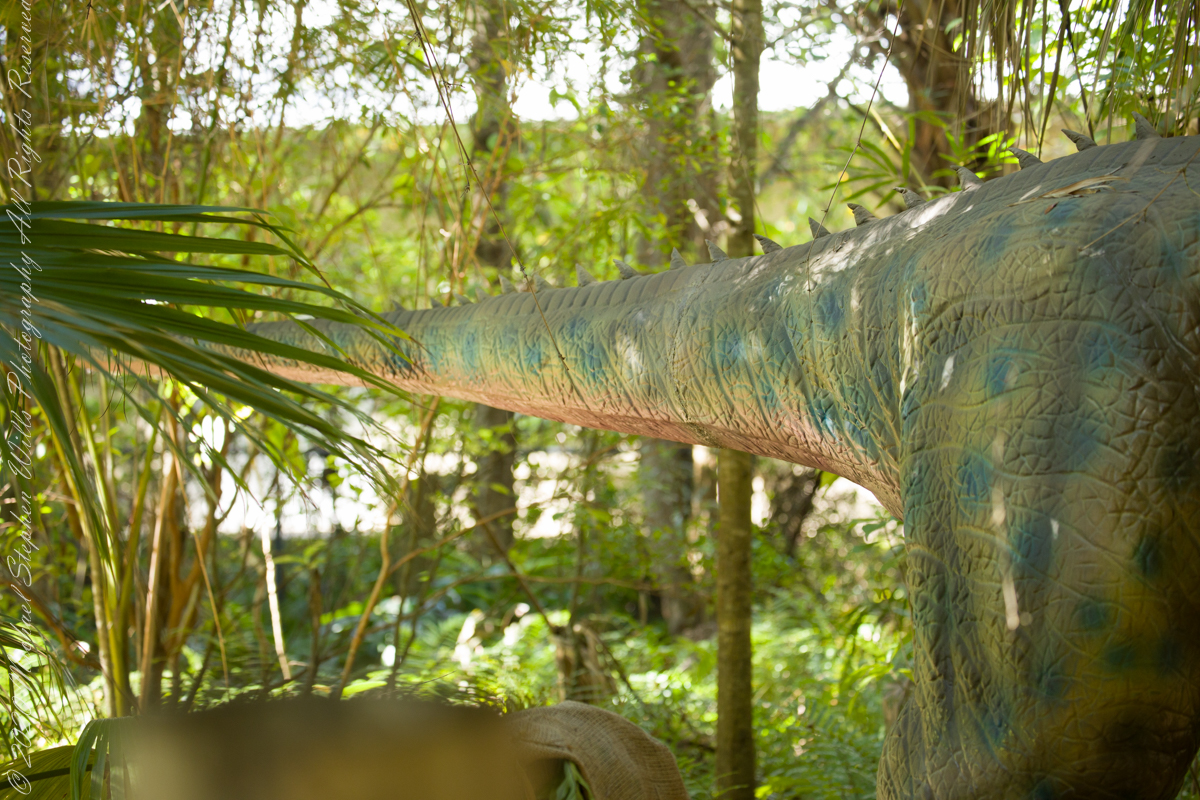
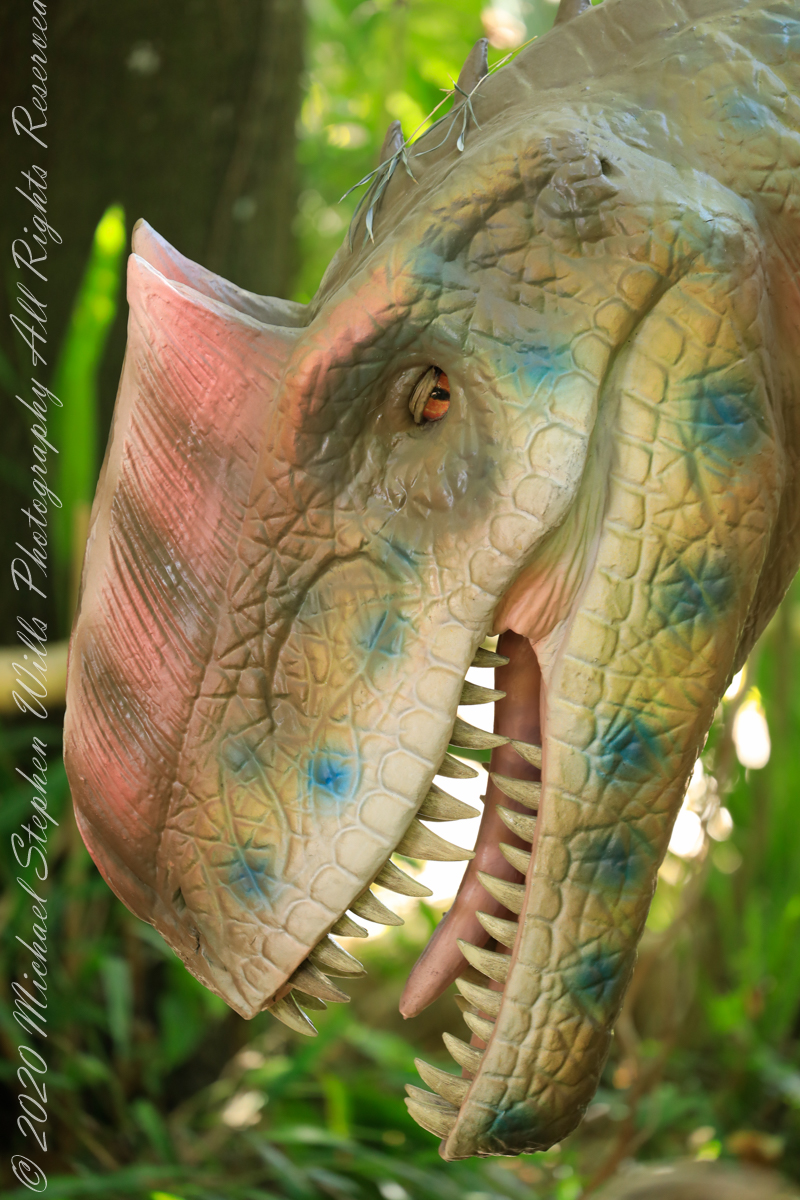
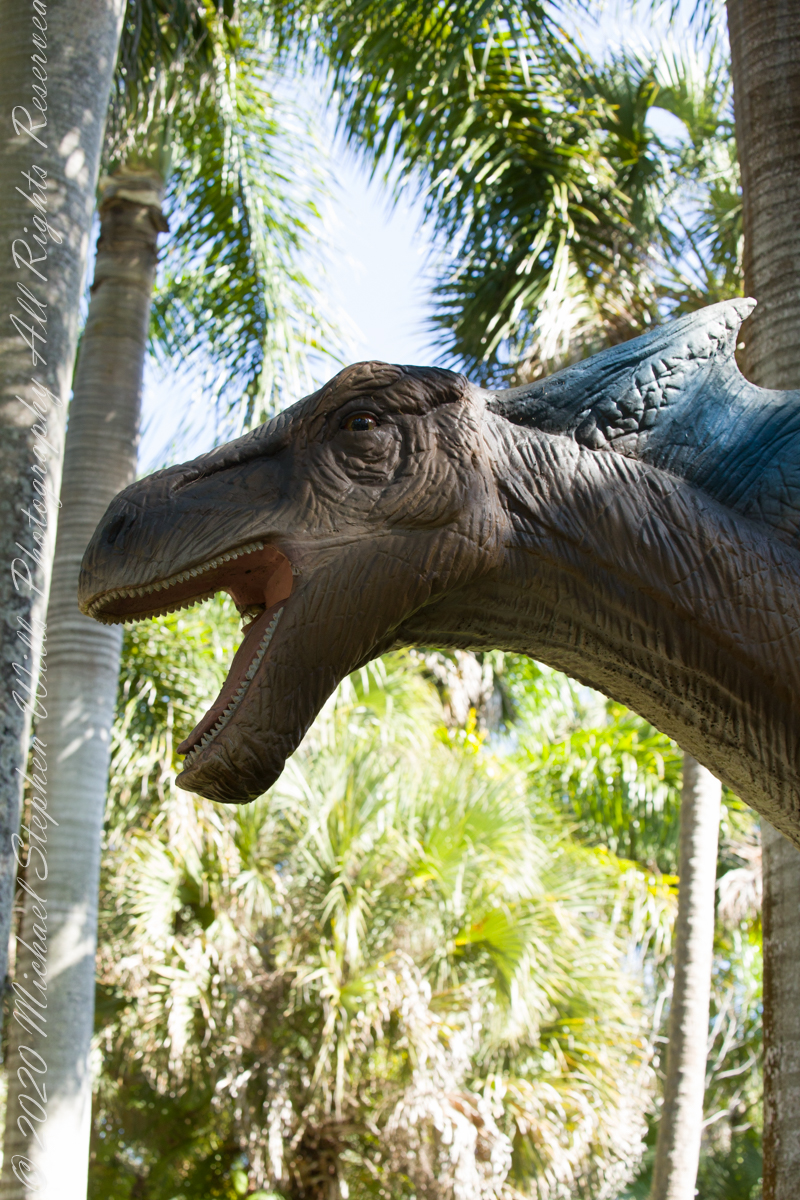
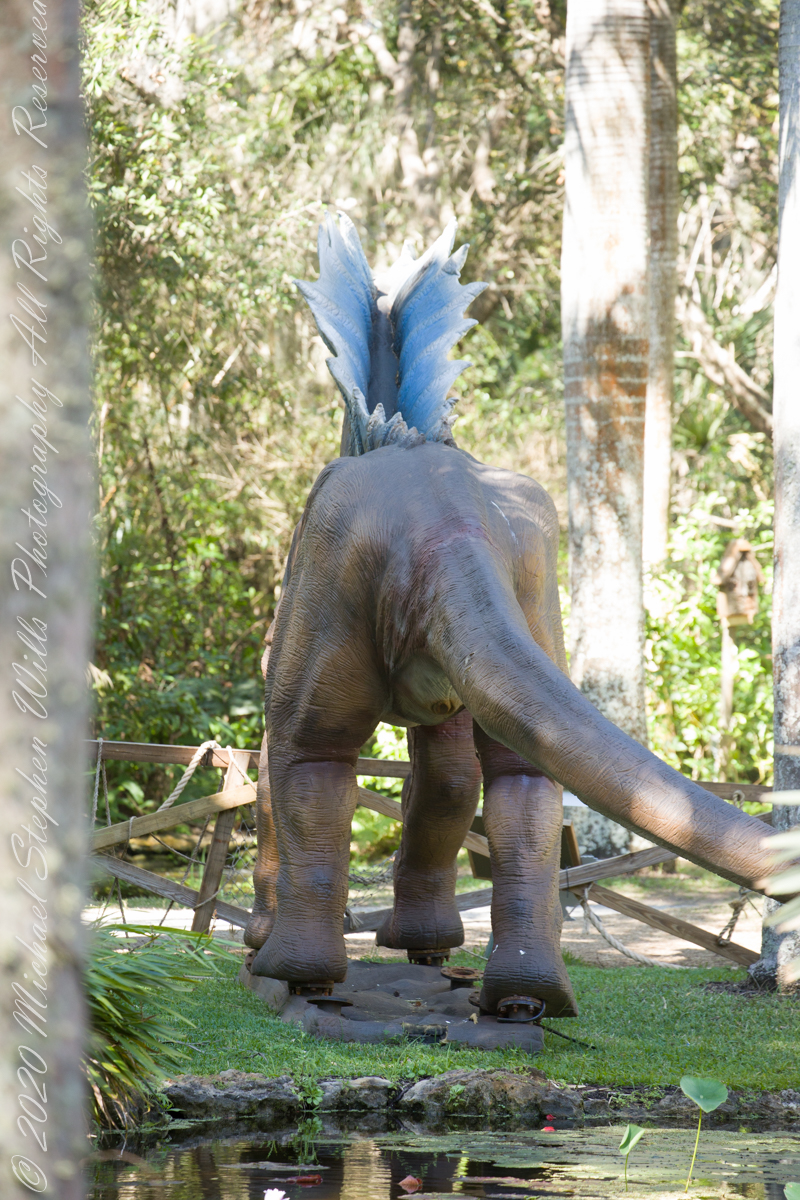
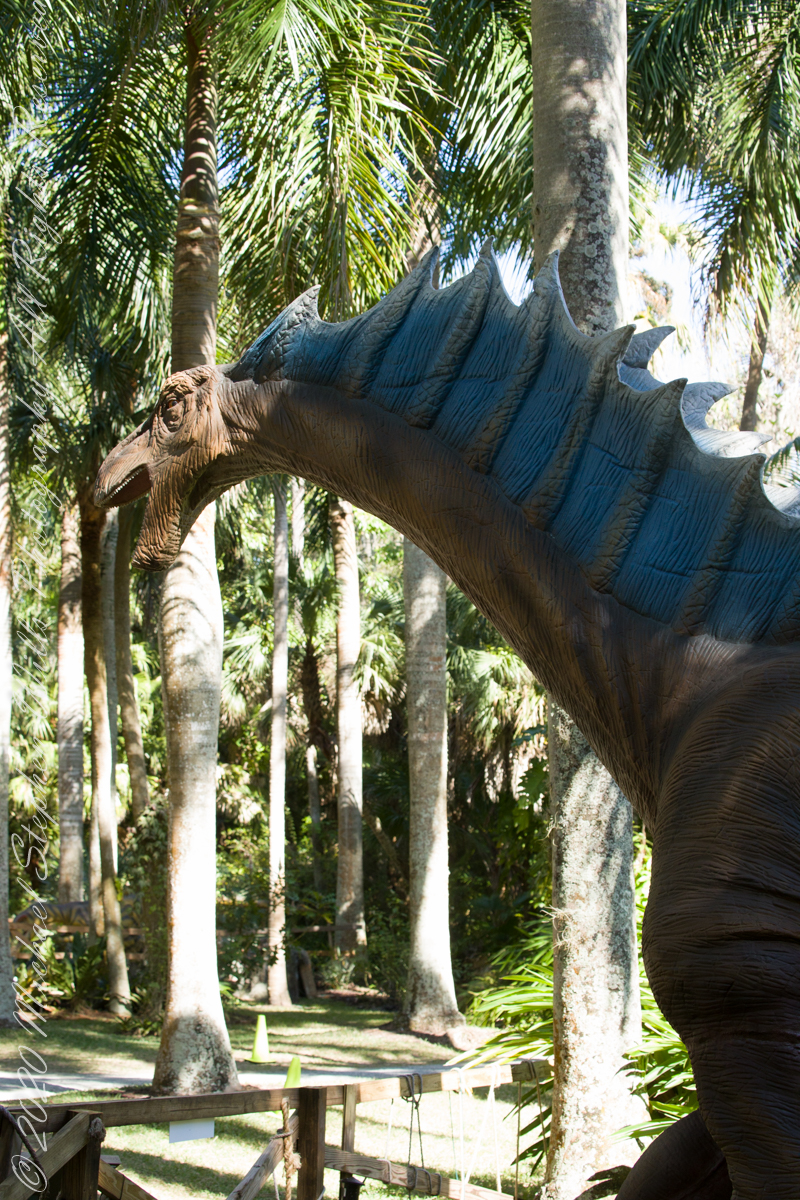
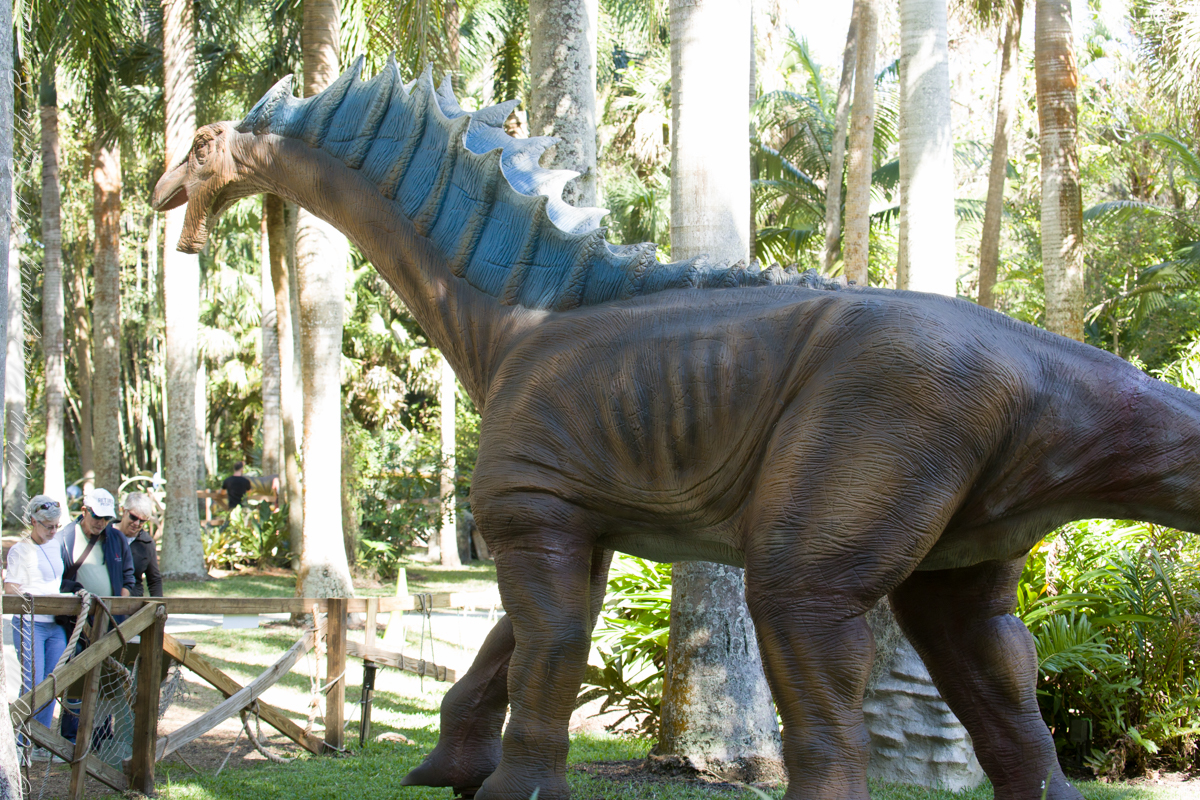
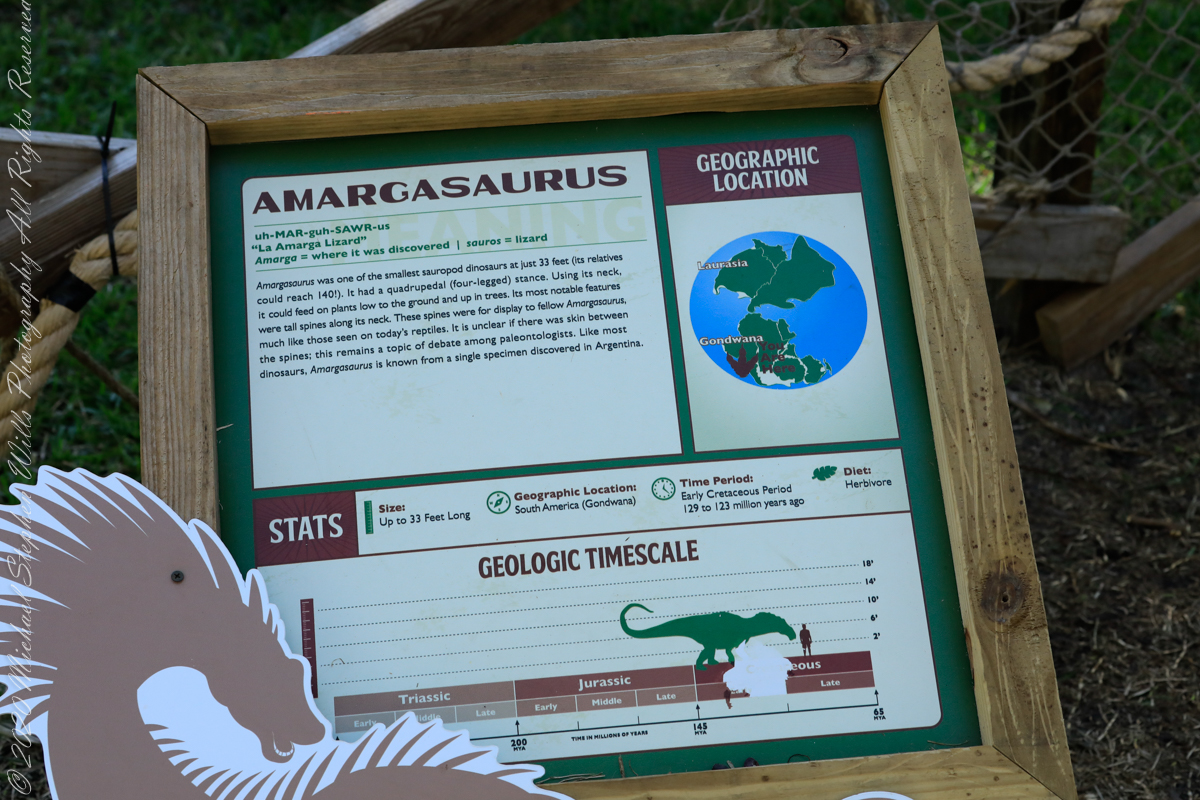
Amargasaurus was one of the smallest sauropod dinosaurs at just 33 feet (its relatives could reach 140 feet!!). It had a quadrupedal stance. Using its neck, it could feed on plants low to the ground and up in trees. Its most notable features were tall spines along its neck. These spines were for display to fellow Amargasaurus, much like those seen on today’s reptiles. It is unclear if there was skin between the spines; this remains a topic of debate among paleontologists. Like most dinosaurs, Amargasaurus is know from a single specimen discovered in Argentina.
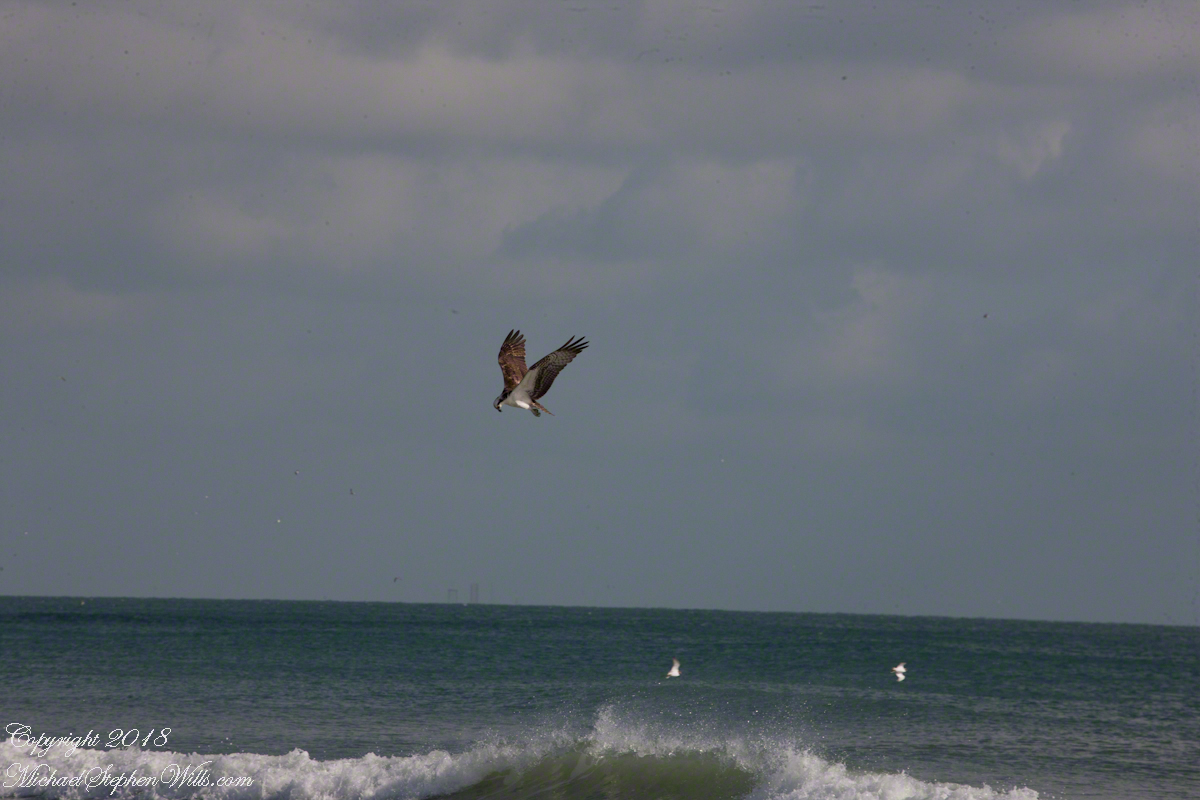
Now and then a photograph comes along that stands by itself. For this, the fifth post of this series (Click me for the first post, “Endless Searching“), we explore images that speak for themselves.
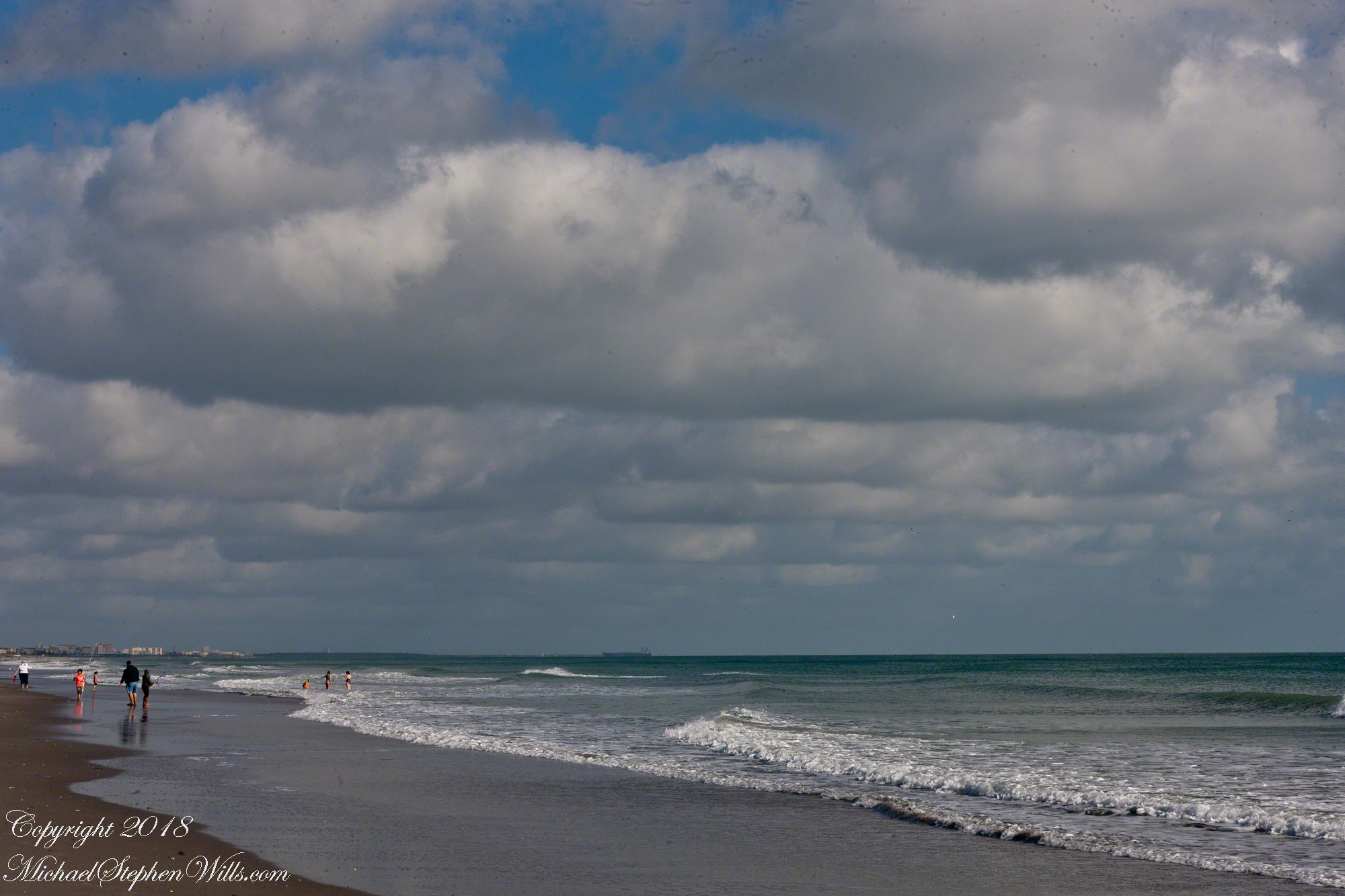
Humans are hard coded to relish scenes of water and land. This day I headed out with the Canon EOS-1Ds Mark III mounted with the Canon EF 70-300mm f/4-5.6L USM lens for handheld shots.
Click any photograph for a larger view.
The Day’s Setting
Hook, Line and Sinker
Poise
Barely visible on the horizon are Cape Canaveral Launch Towers
Copyright 2022, Michael Stephen Wills All Rights Reserved







 Michael Stephen Wills Photography