Betty Boop

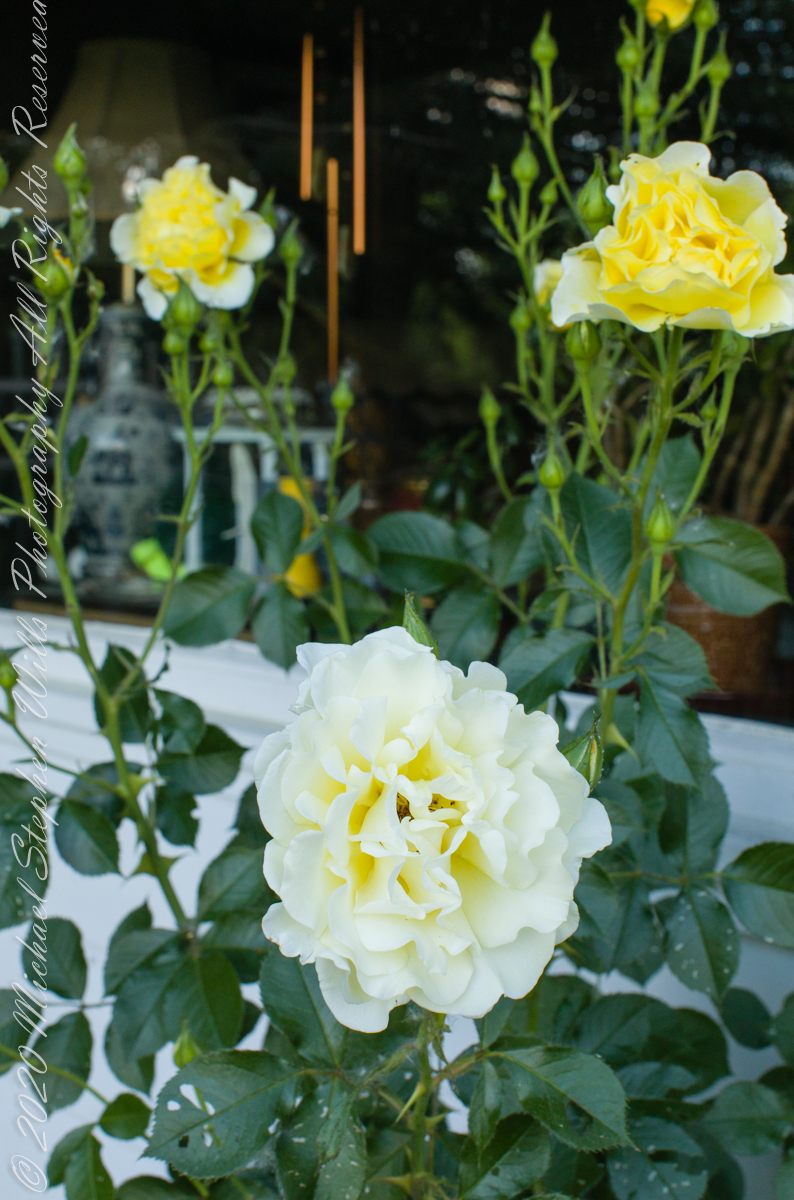
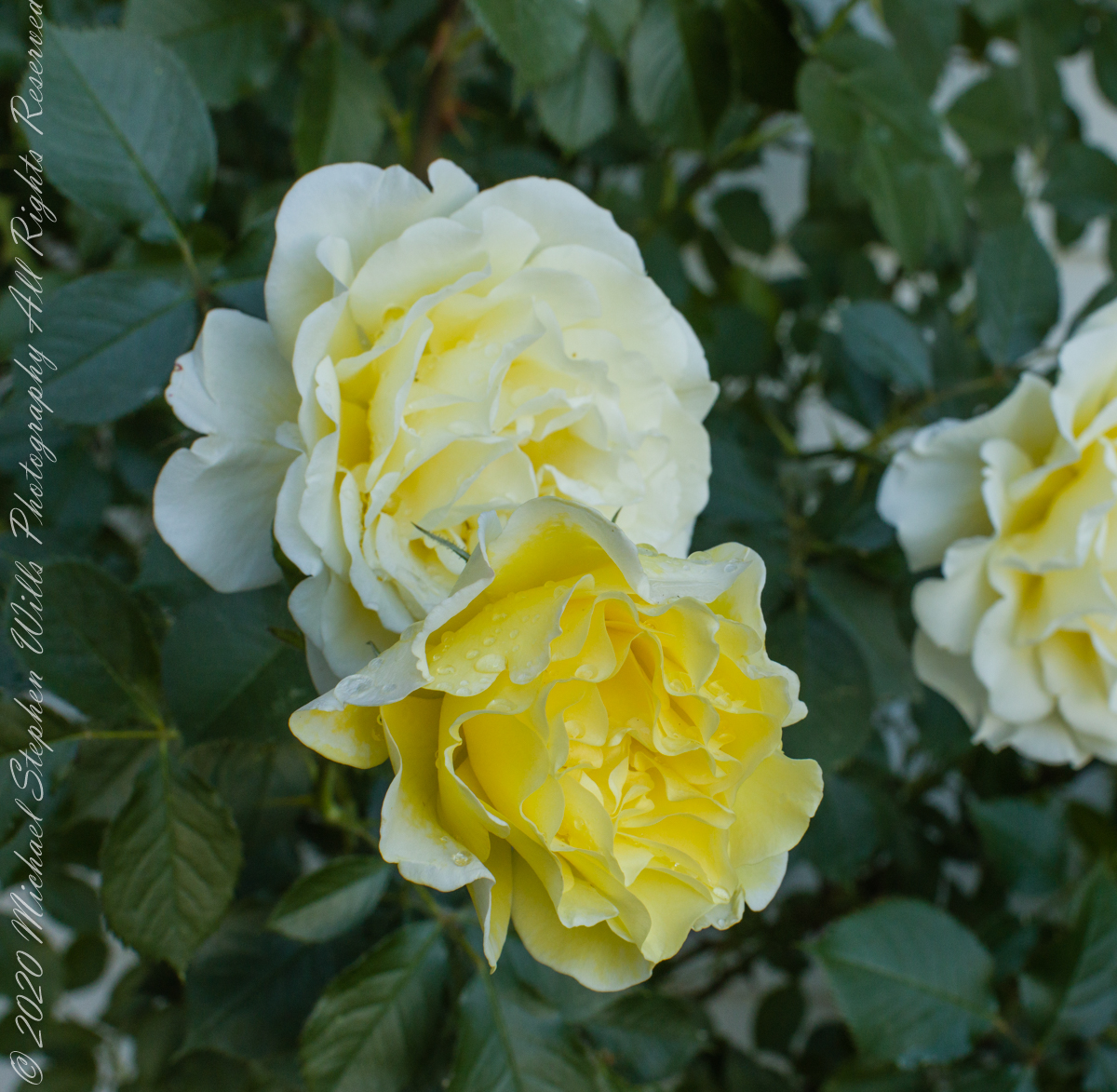
These photos feature Floribunda and double cluster roses captured on a June evening. Various stages of bloom were photographed.

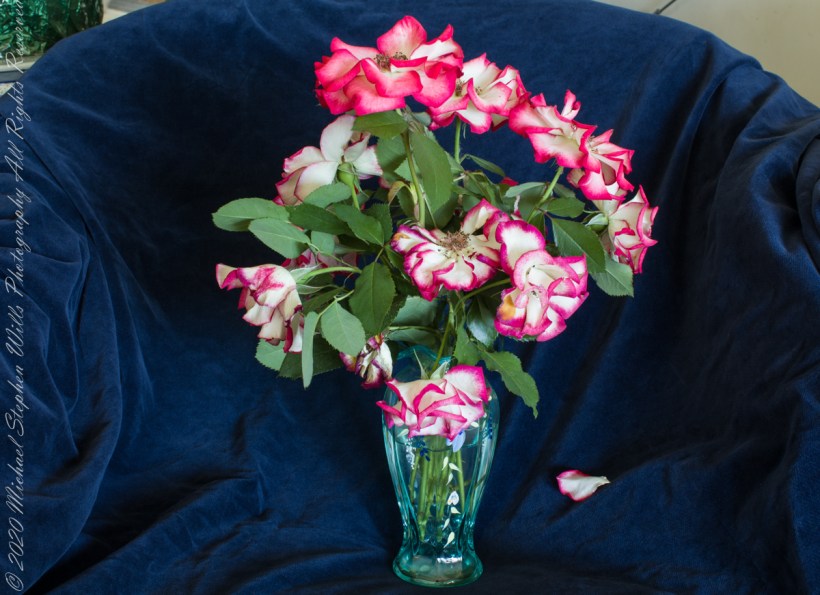
These Floribunda, semi-double petaled blooms were captured along with the yellow double cluster roses of the previous post, in the evening shade of a late spring day, June 23rd.
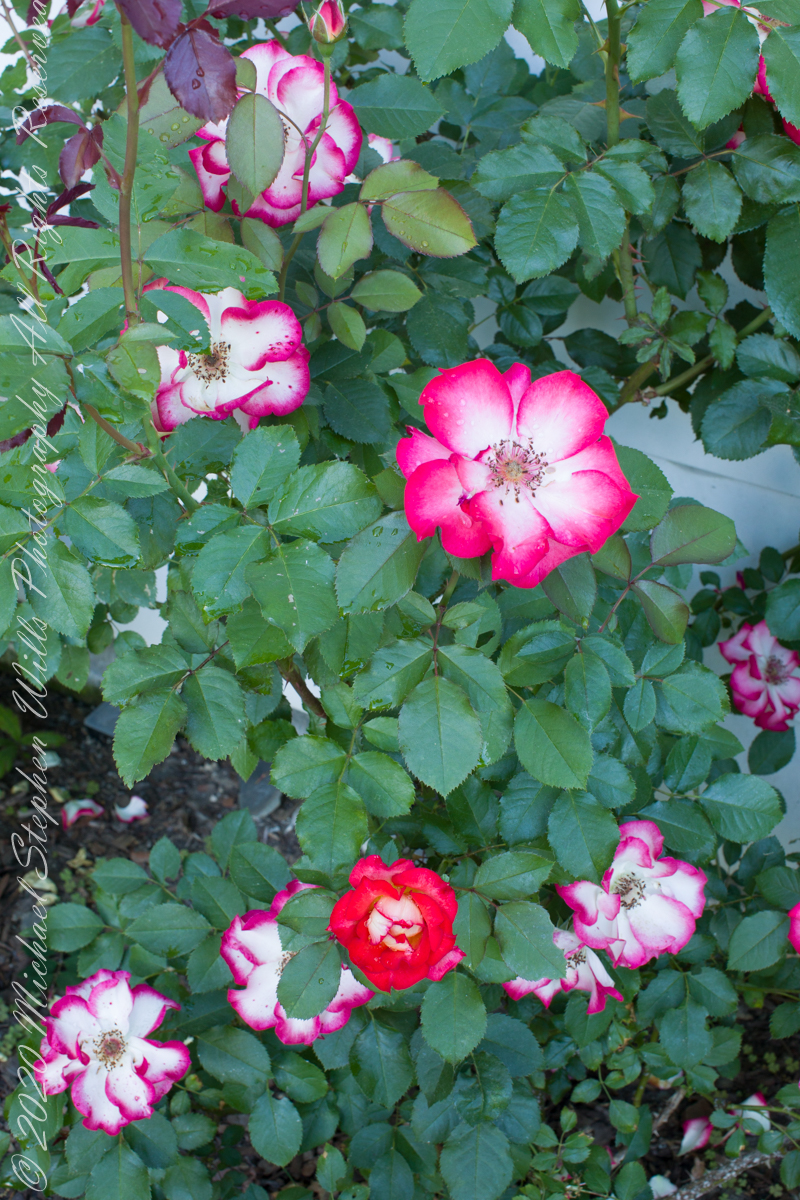
Above is a mix of just opened (the dark red, center bottom), fully opened new (just to right of center) and aging (all the rest).
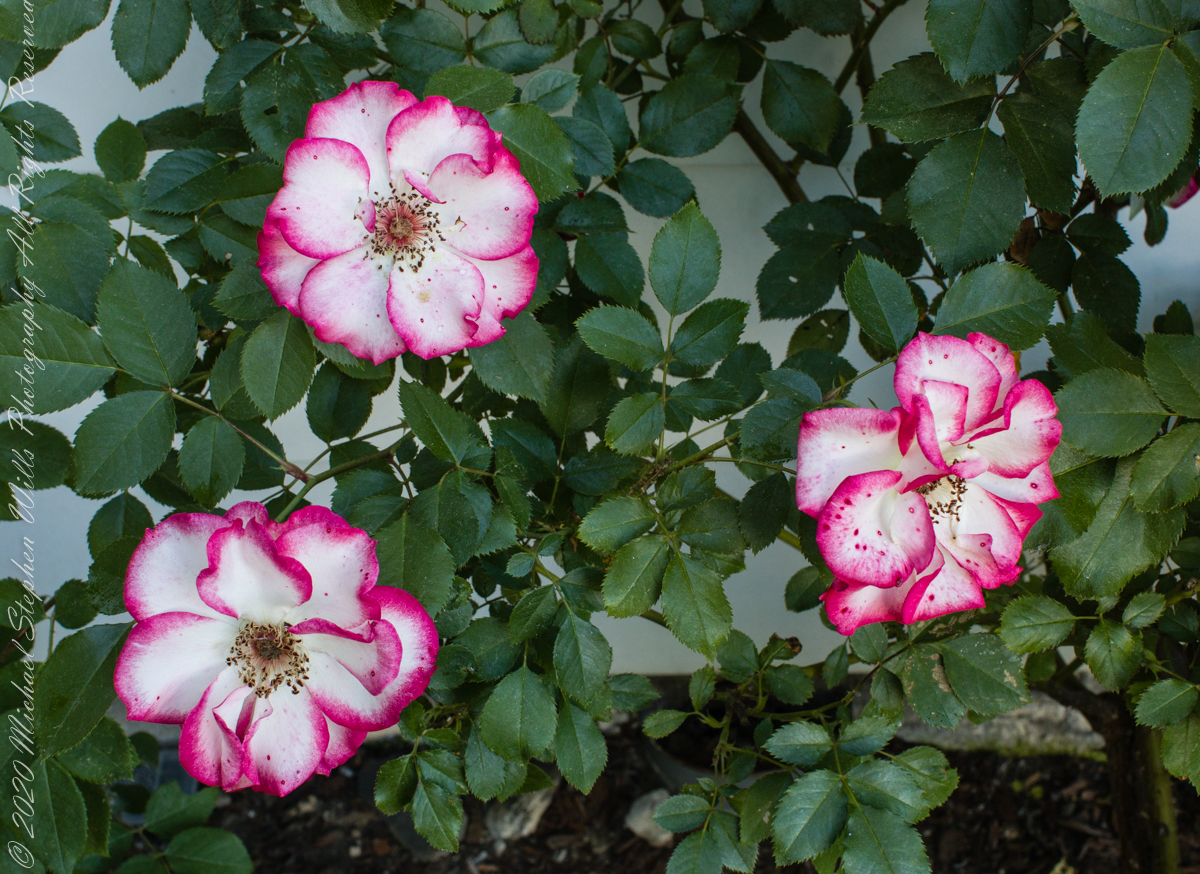
Throughout this set I used the Canon EOS 5D Mark IV dslr with the EF 50 mm f/1.2L USM stabilized with a Manfrotto 468MG tripod with Hydrostatic Ball Head.

Floribundas, sometimes called cluster flowered roses, originated with Poulsen’s nursery in Denmark from crossed with Hybrid Teas with Polyantha Roses, themselves crosses between dwarf Chinas and a dwarf, repeat-flowering form of R. multiflora. Texas-based rose hybridizer Tom Carruth released Betty Boop in 1999, naming it after a cartoon character from the 1930’s. Pam found this plant around 2008 offered by the K-mart store in Cortland. She is amazed by the beauty of the Betty Boops.

Another beloved characteristic is the longevity of the blooms. Pam collected and arranged this vase last week, for Father’s Day. I provided the setting. In this controlled environment the low ISO provides better colors and contrast with minimal digital noise.

References

“The Botanical Garden” Vol 1, Roger Phillips and Martyn Rix, Firefly Books, Buffalo, N.Y. 2002 pp 228 – 233.

Wikipedia search for “Betty Boop rose” and ” Tom Carruth rose.”
Copyright 2022 Michael Stephen Wills All Rights Reserved

Lemon Yellow

With us since ancient times

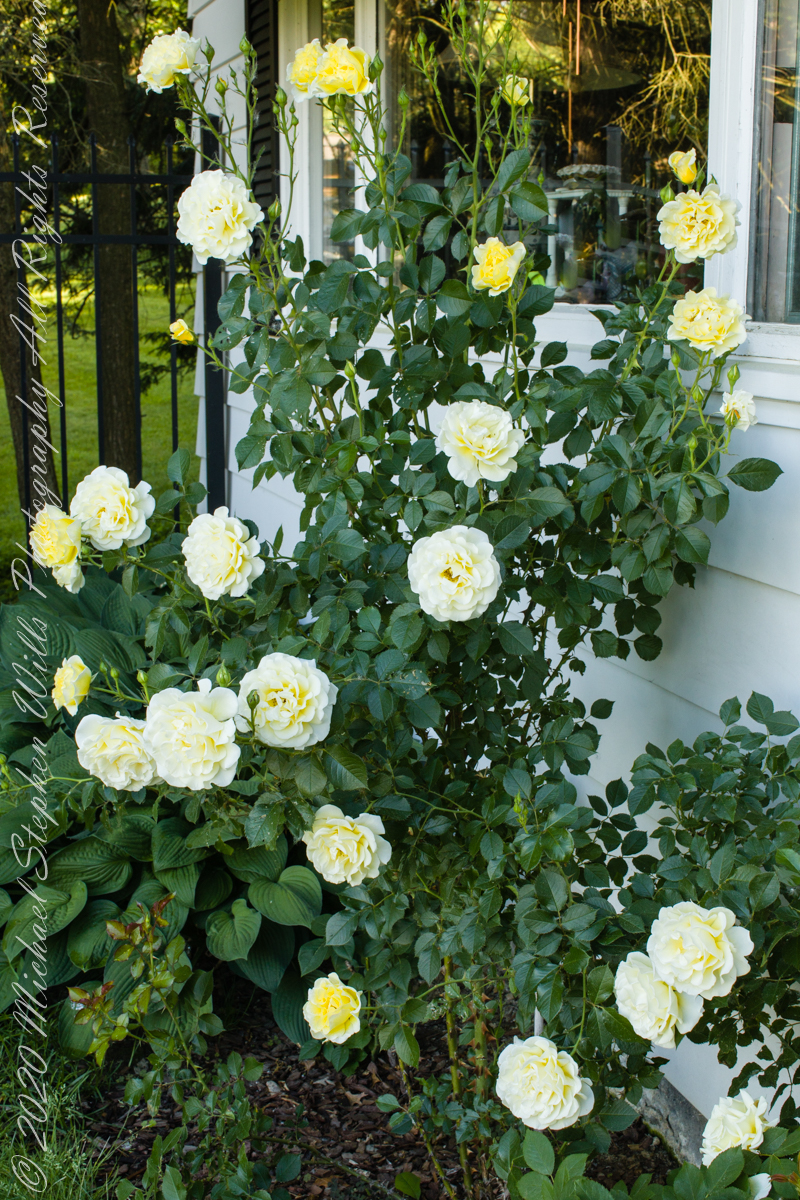
Enjoyed since ancient times throughout the Middle East and China, our European roses were cultivated from Chinese introduced in the late 18th Century. One evening this June, unusually quiet with no breeze, Pam asked me to photograph this tall shrub in full bloom. These are protected from grazing deer by a stout fence, six feet tall.

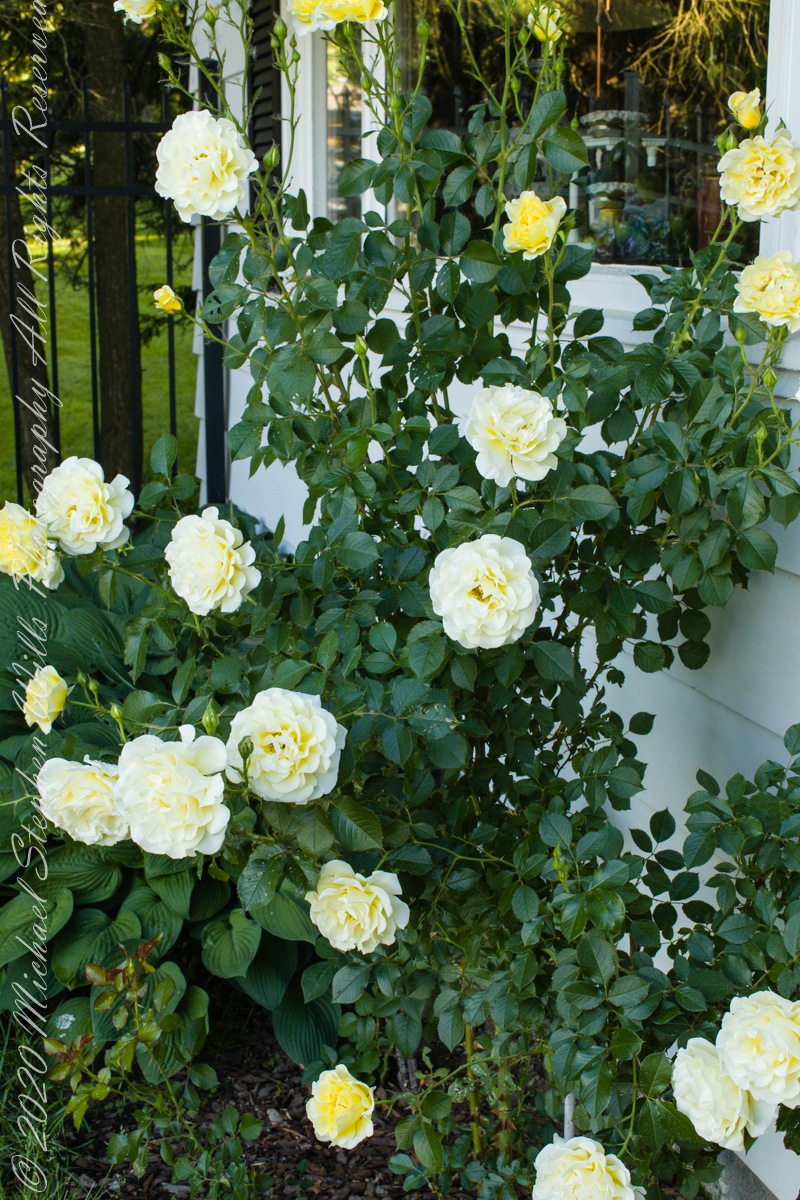
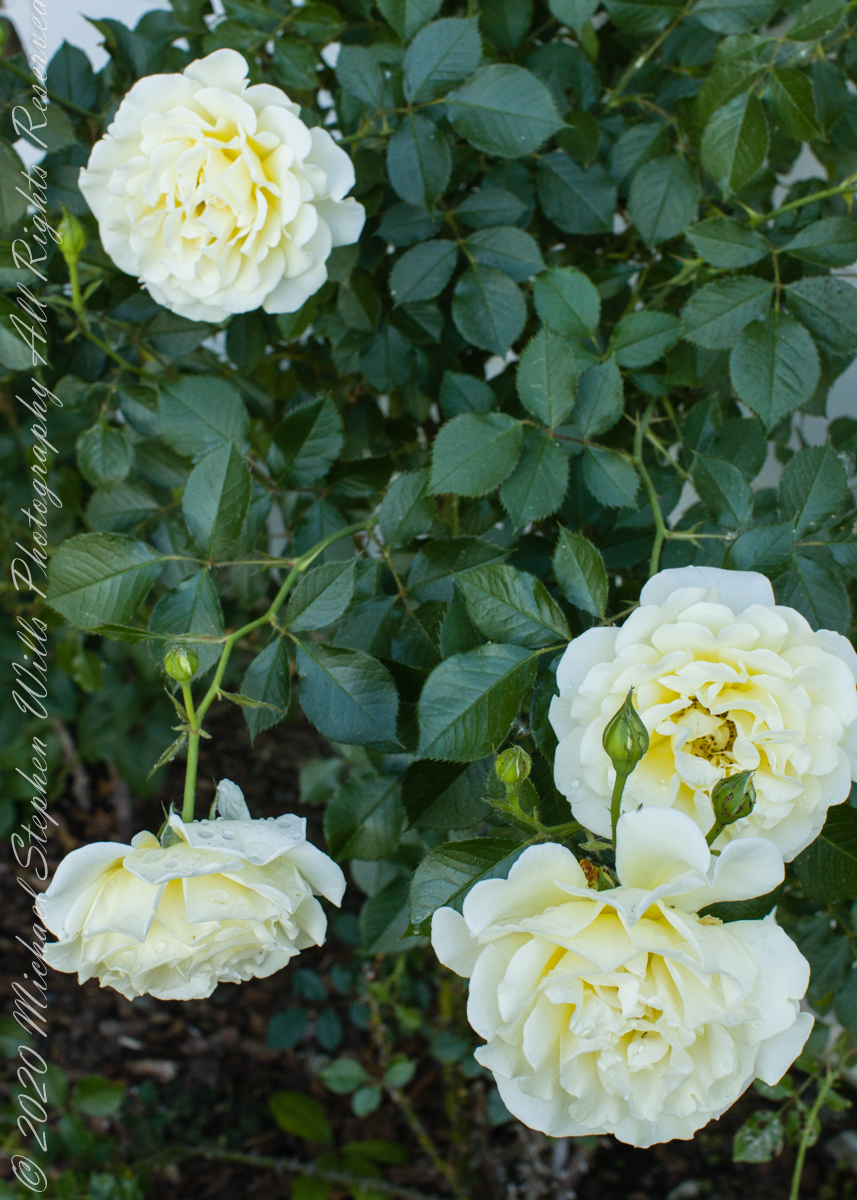
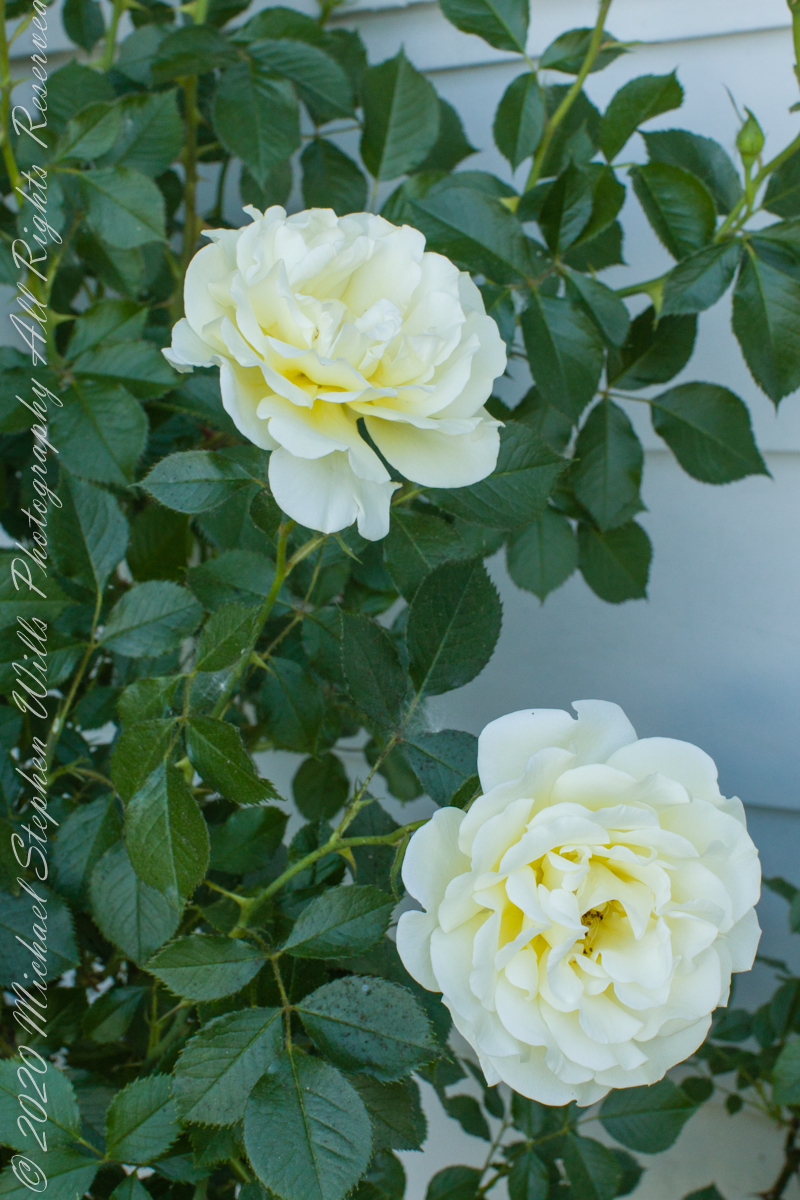
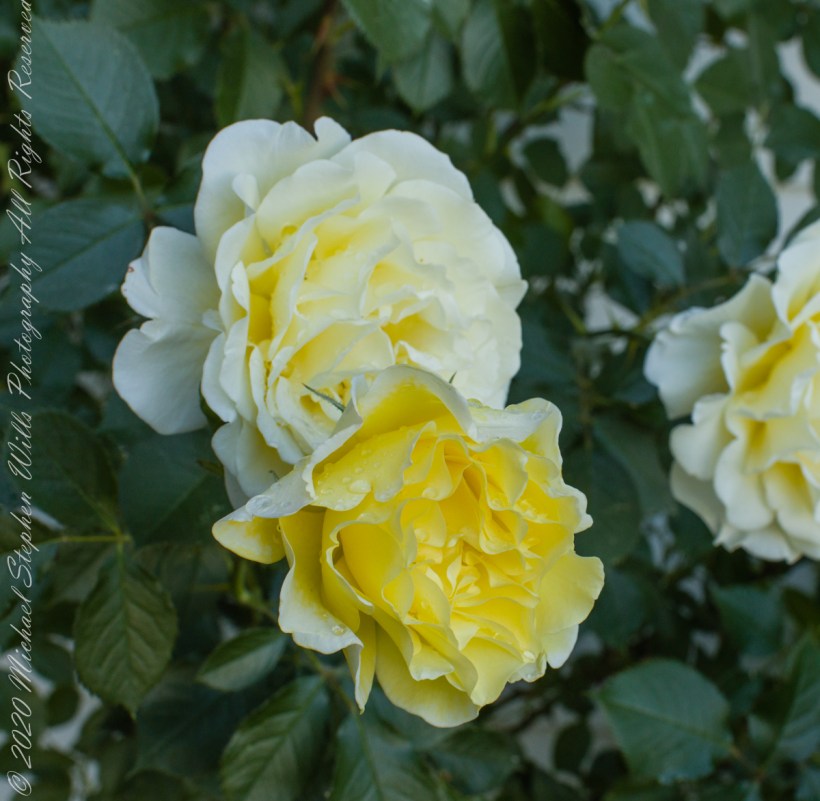
At first it appears the blooms are a mix of colors from lemon yellow to cream.

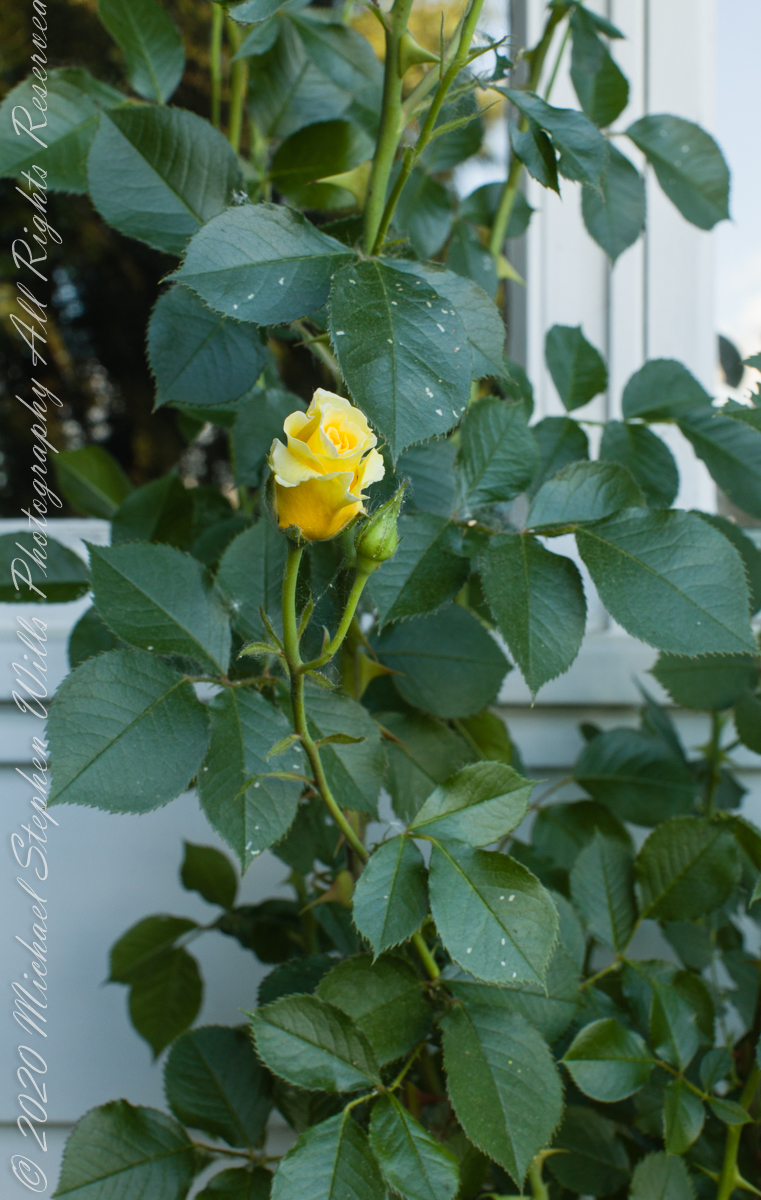
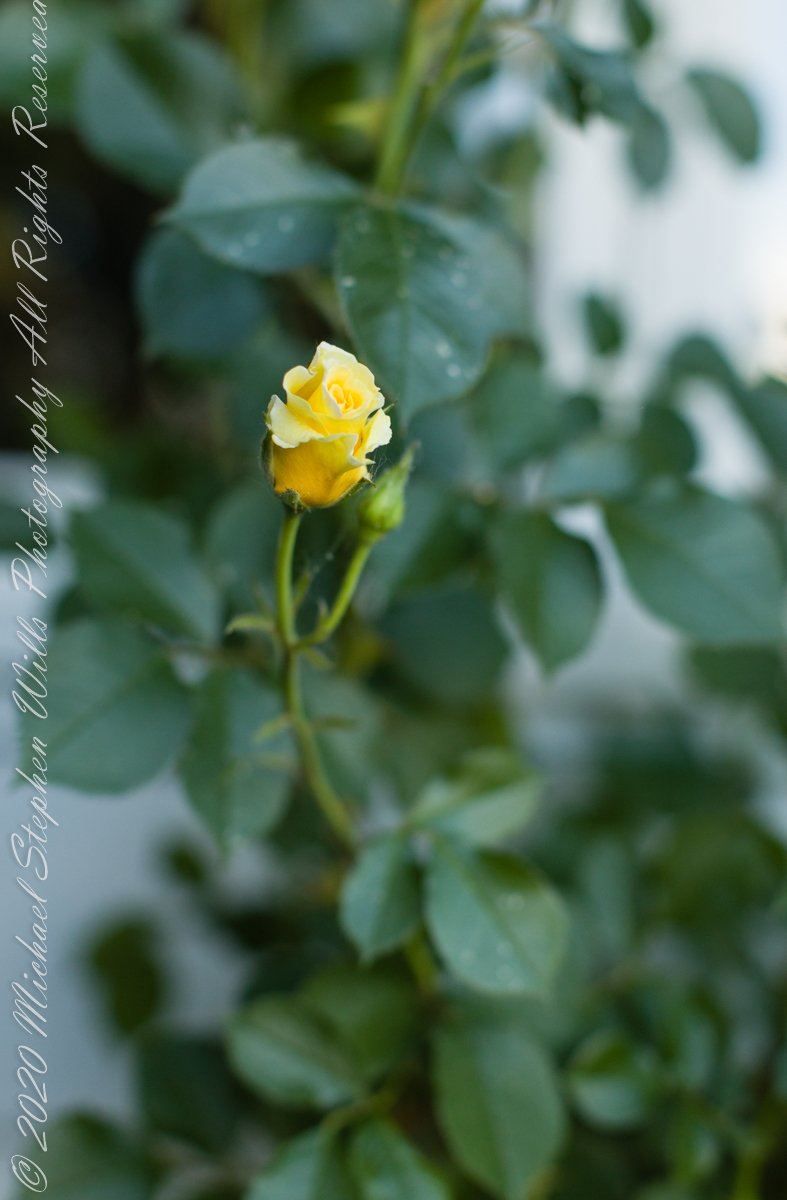
The variation is an indication of each bloom’s age since opening. At first each opens to a lemon yellow. Here is a combination of opening and tightly closed bud. Throughout this set I used the Canon EOS 5D Mark IV dslr with the EF 50 mm f/1.2L USM stabilized with a Manfrotto 468MG tripod with Hydrostatic Ball Head. The stabilization allowed me to present the following comparison, at right the very fast 50 mm lens allows the opening bud to be highlighted. Left side, the lens diaphragm is somewhat closed and the opening bud, tightly closed and leaves are all seen. The pinnate, serrated leaves have one terminal lobe and two lateral for a set of three. There are fewer thorns than some, but sharp enough to be careful.

Flowers bloom throughout the late spring, summer and fall. Pam stops fertilizing in late summer to allow the plant to harden for our Zone 4b winters. Here you can see the plentiful flower buds, compare the opening to mature flower colors.

References

“The Botanical Garden” Vol 1, Roger Phillips and Martyn Rix, Firefly Books, Buffalo, N.Y. 2002 pp 228 – 233

Copyright 2022 Michael Stephen Wills All Rights Reserved

Spring Waterfall Walk

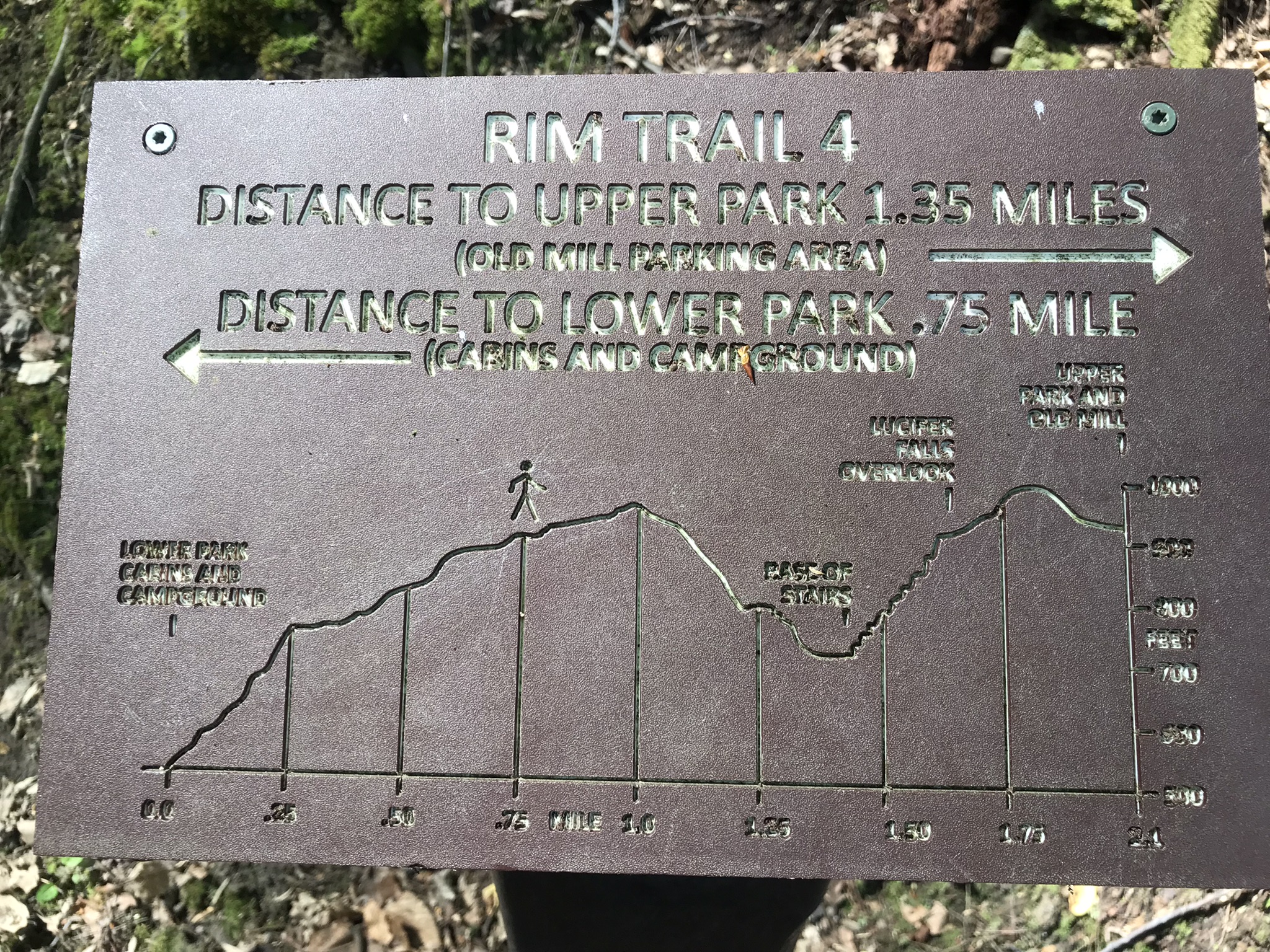
Travelling light, using the IPhone 7during a 4 mile walk on the Gorge and South Rim Trails of Robert H. Treman New York State Park, Finger Lakes Region near Ithaca, New York. A few waterfalls and sights along the way. Distance is from the “Health” app on my phone.

A pool is formed beneath this waterfall by a dam, removed each fall and yet to be placed. Summertime, the water is deliciously cool. It is great fun swimming to the waterfall base and inching along under the spray. This view is the reward for the first climb up from the gorge floor, the South Rim Trail.

The first Foam Flower…..

This flower grew just off this section of the trail.

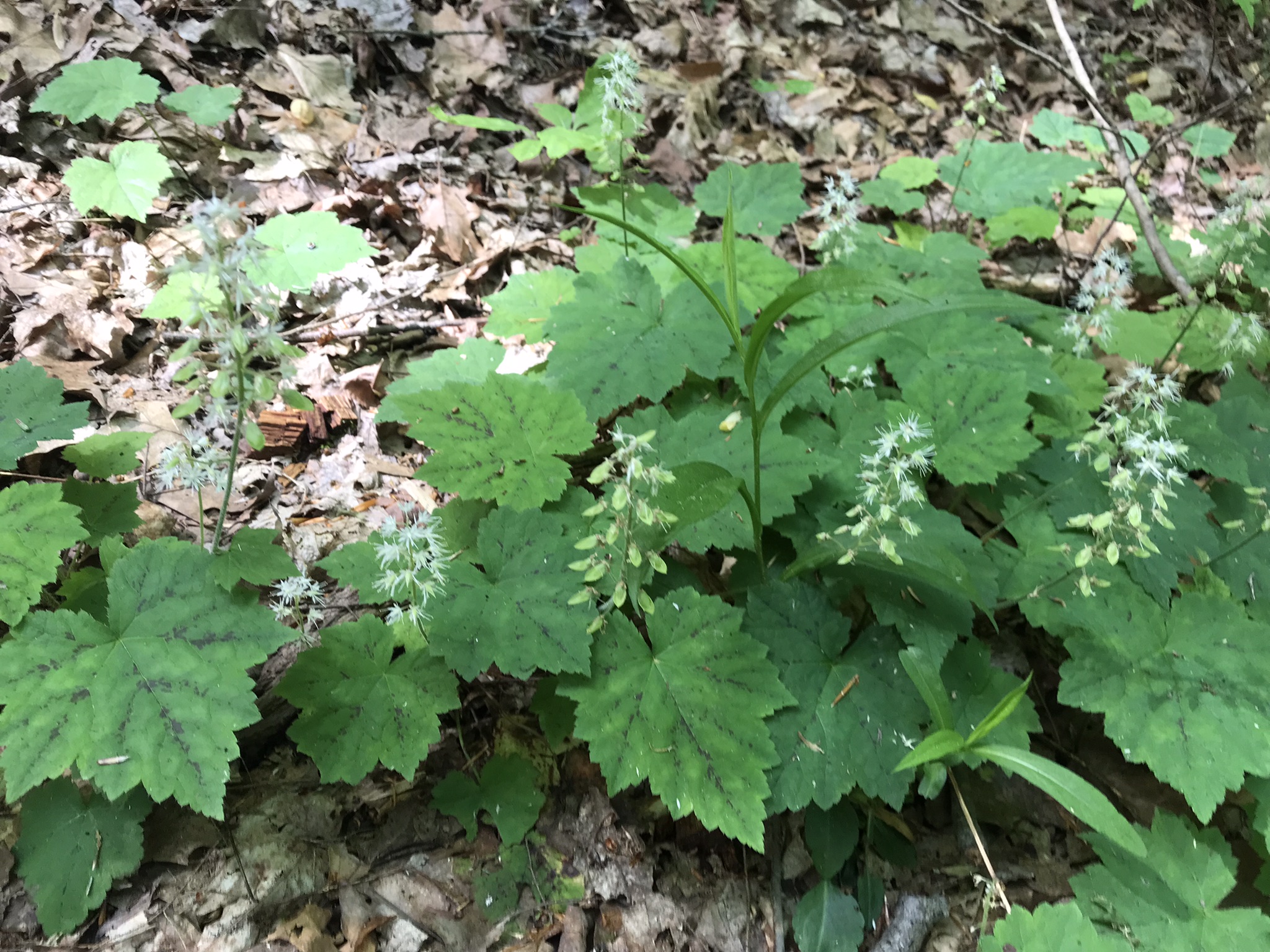
A few hundred feet further along, the Foam Flowers were crowded in clumps. The scientific name, Tiarella cordifolia, is from the heart shaped leaves (cordifolia). Each flower forms a crown like seed, thus “tiarella” from the French.

Click me for more information on this plant.

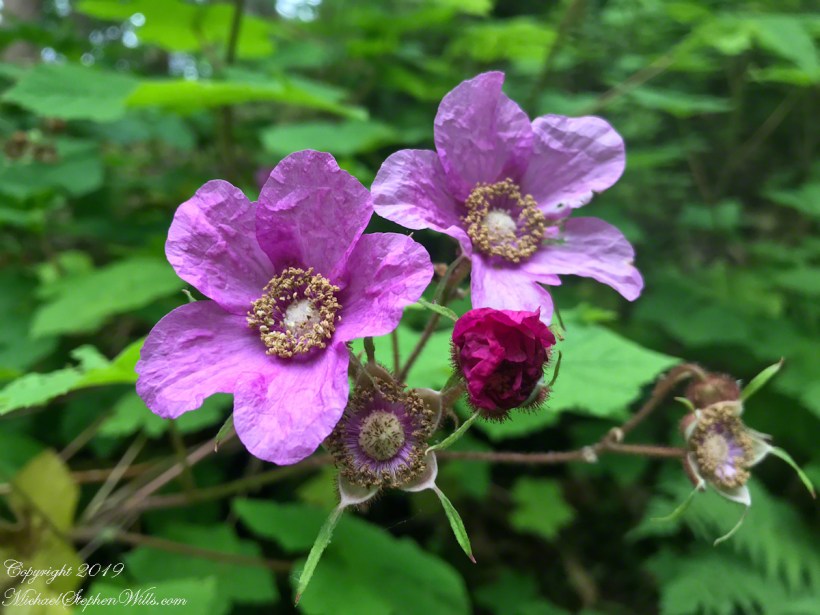
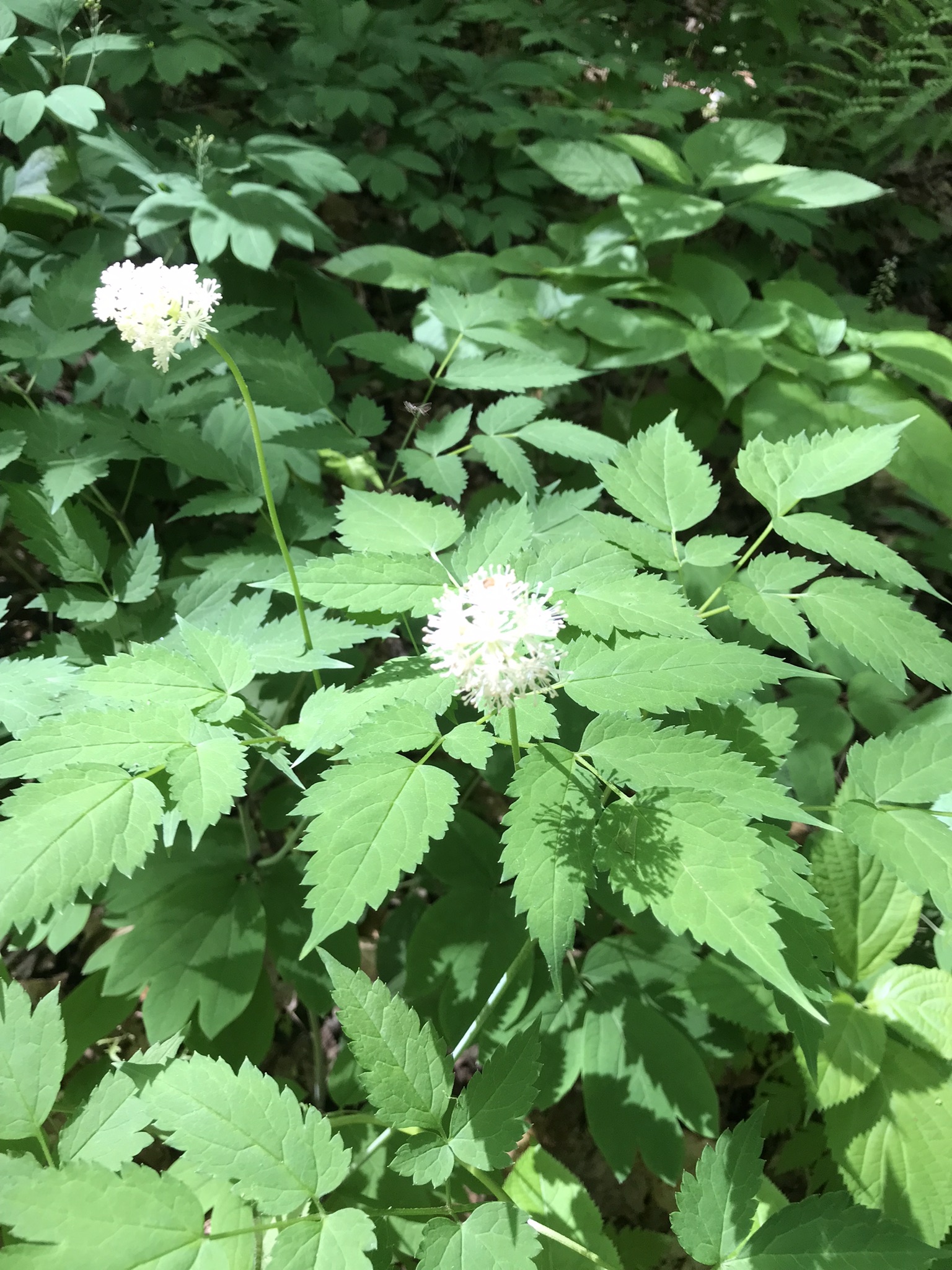
Here I approached the high point of this section of the South Rim Trail. I look forward to summer and Purple Flowering Raspberry, the featured photograph (header) of this post.

Click me to learn more about the Purple Flowering Raspberry from my Fine Art Photography Gallery

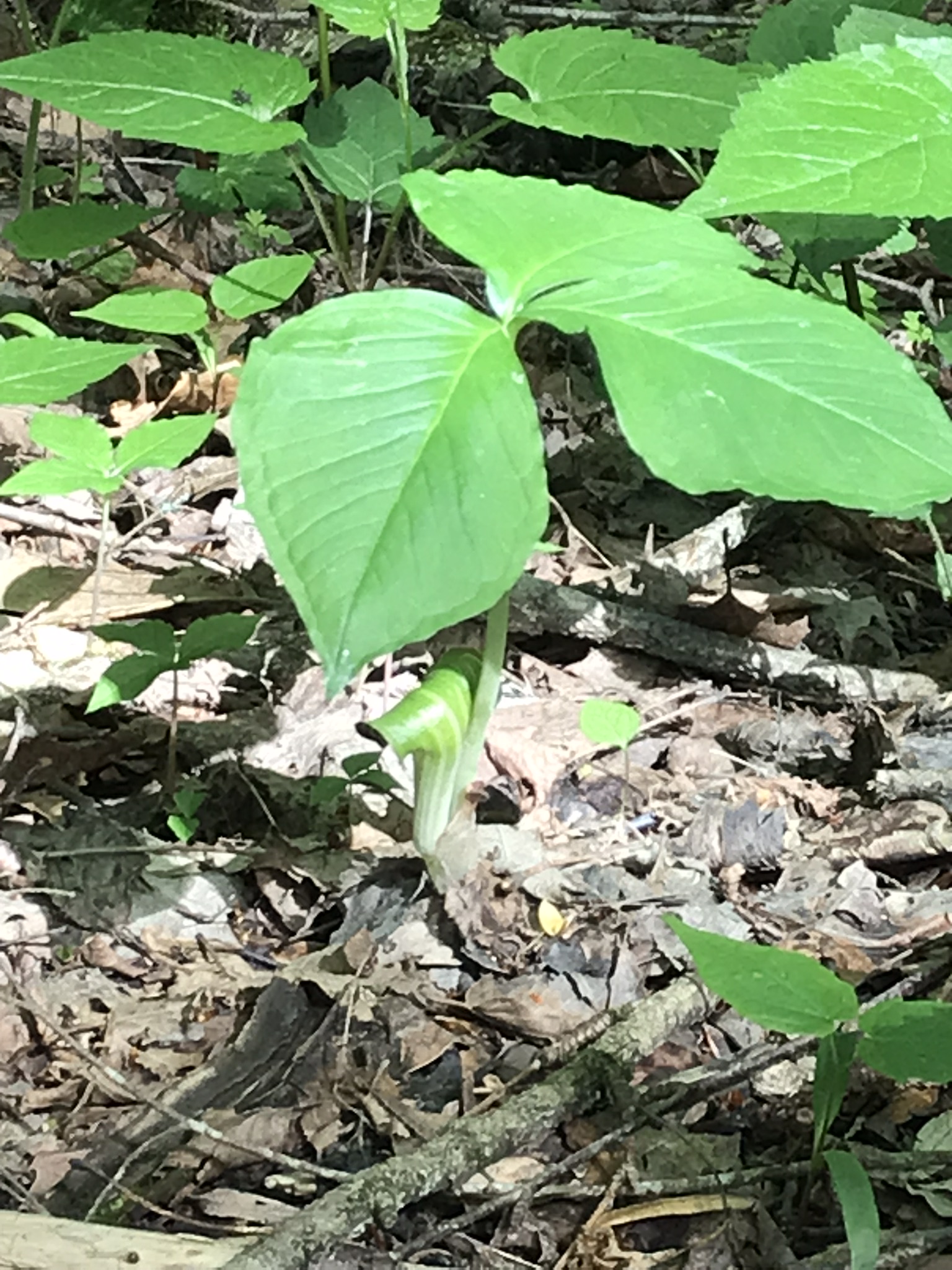
I caught sigh to this Jack-In-The-Pulpit on the descent to the gorge. Click me for a better photograph of this plant.

An enchanted place just off the trail.

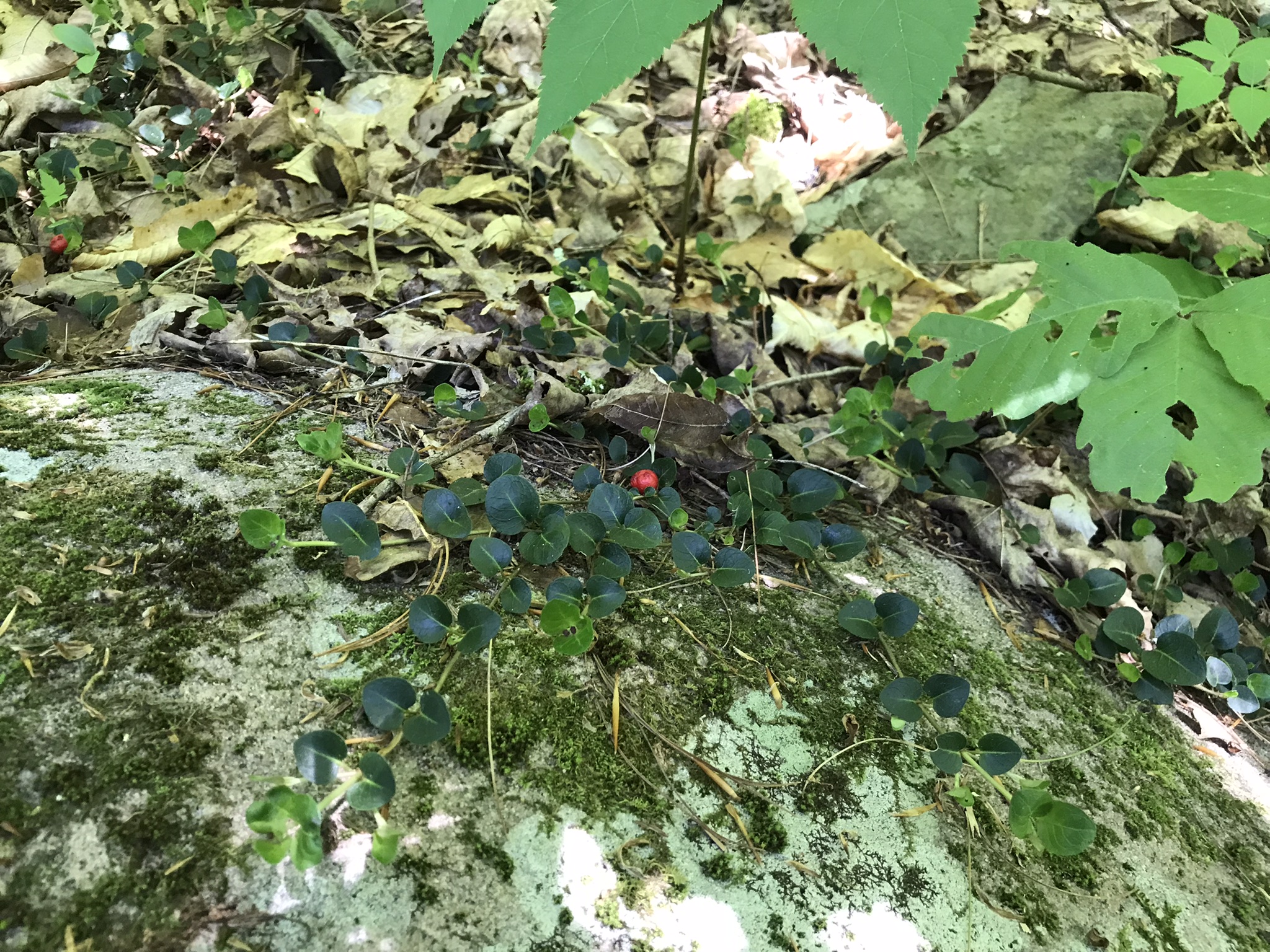
I spotted this Creeping Wintergreen (Gaultheria procumbens) with a single red berry on my return trip via the Gorge Trail.

Click me for the another Enfield Glen post, “A Summer Flower and Waterfalls.
Copyright 2022 All Rights Reserved Michael Stephen Wills

Burgeoning Forest Accepted by IStock

Happy News

Getty IStock accepted twelve (12) of the “Burgeoning Forest” photographs featured in my blog. Click Me to visit the original post

Click Me to visit my photographs on Getty IStock.

Copyright 2022 Michael Stephen Wills All Rights Reserved

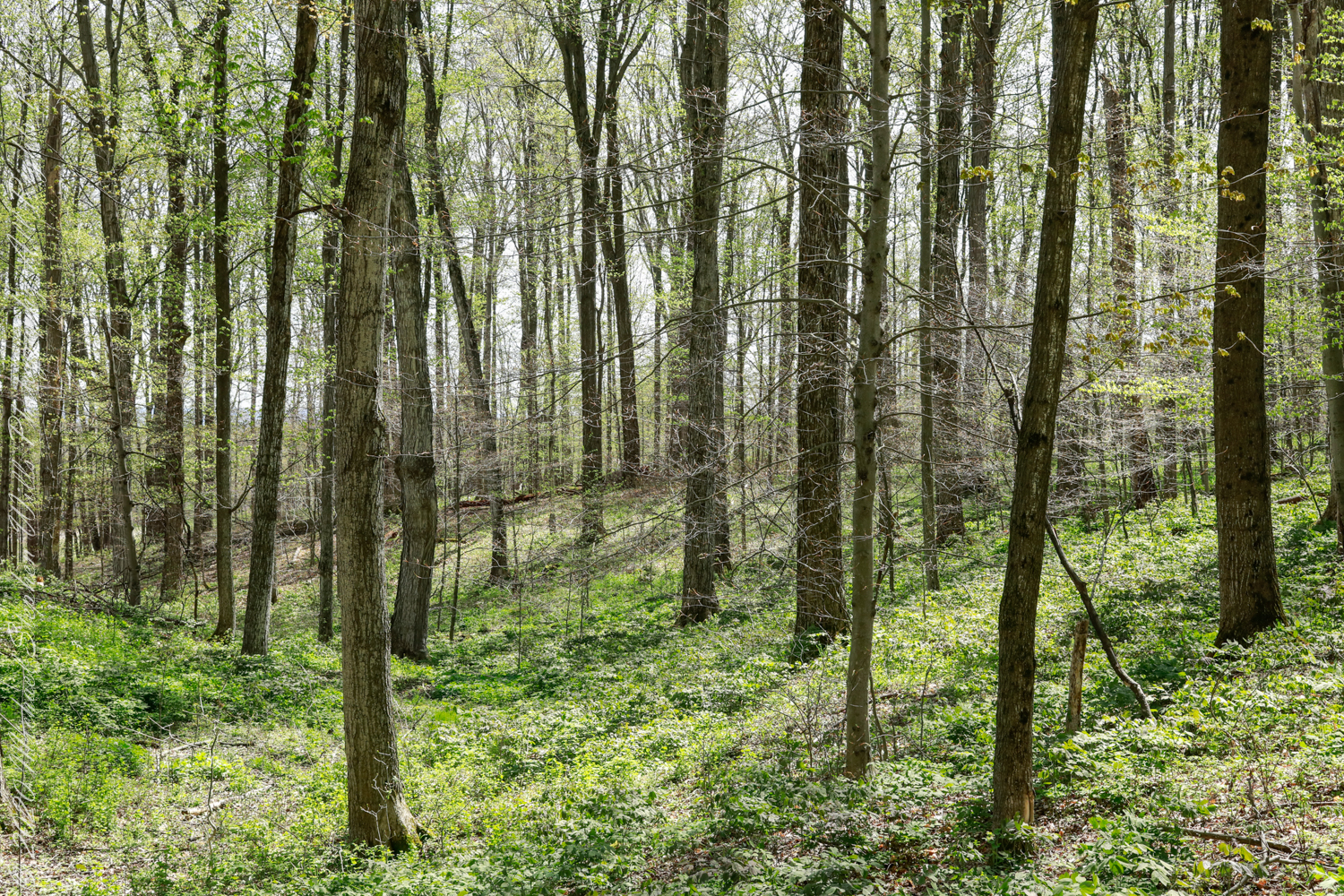
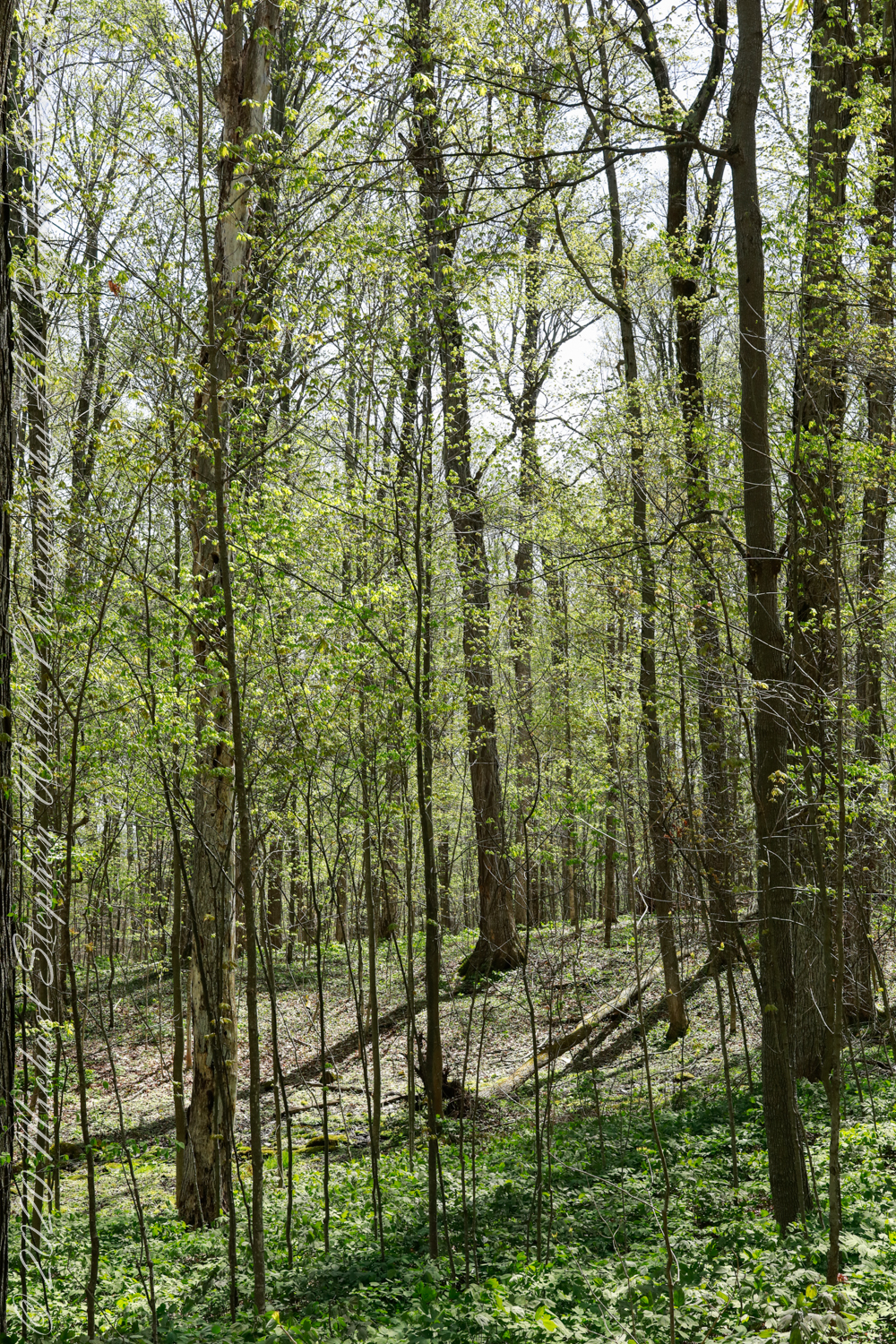
Grand Views

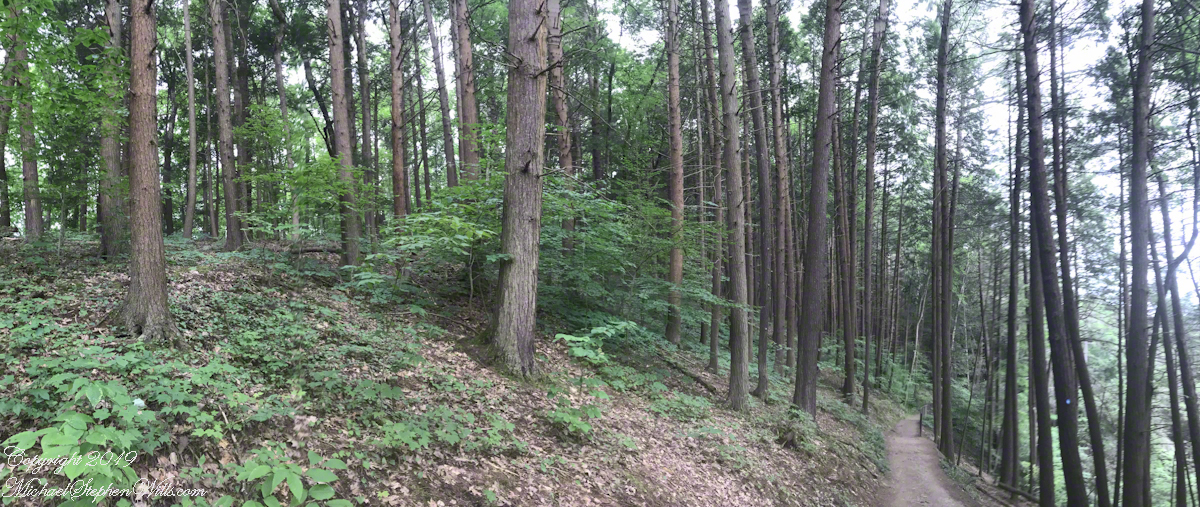
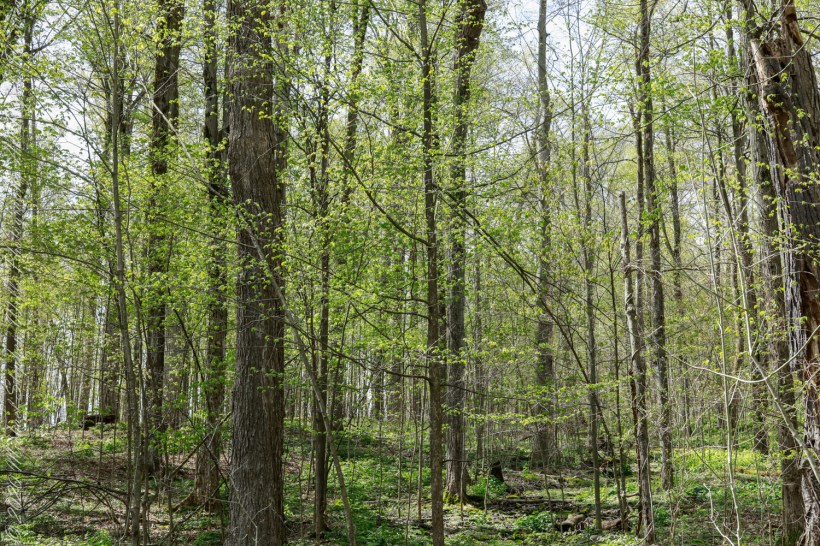
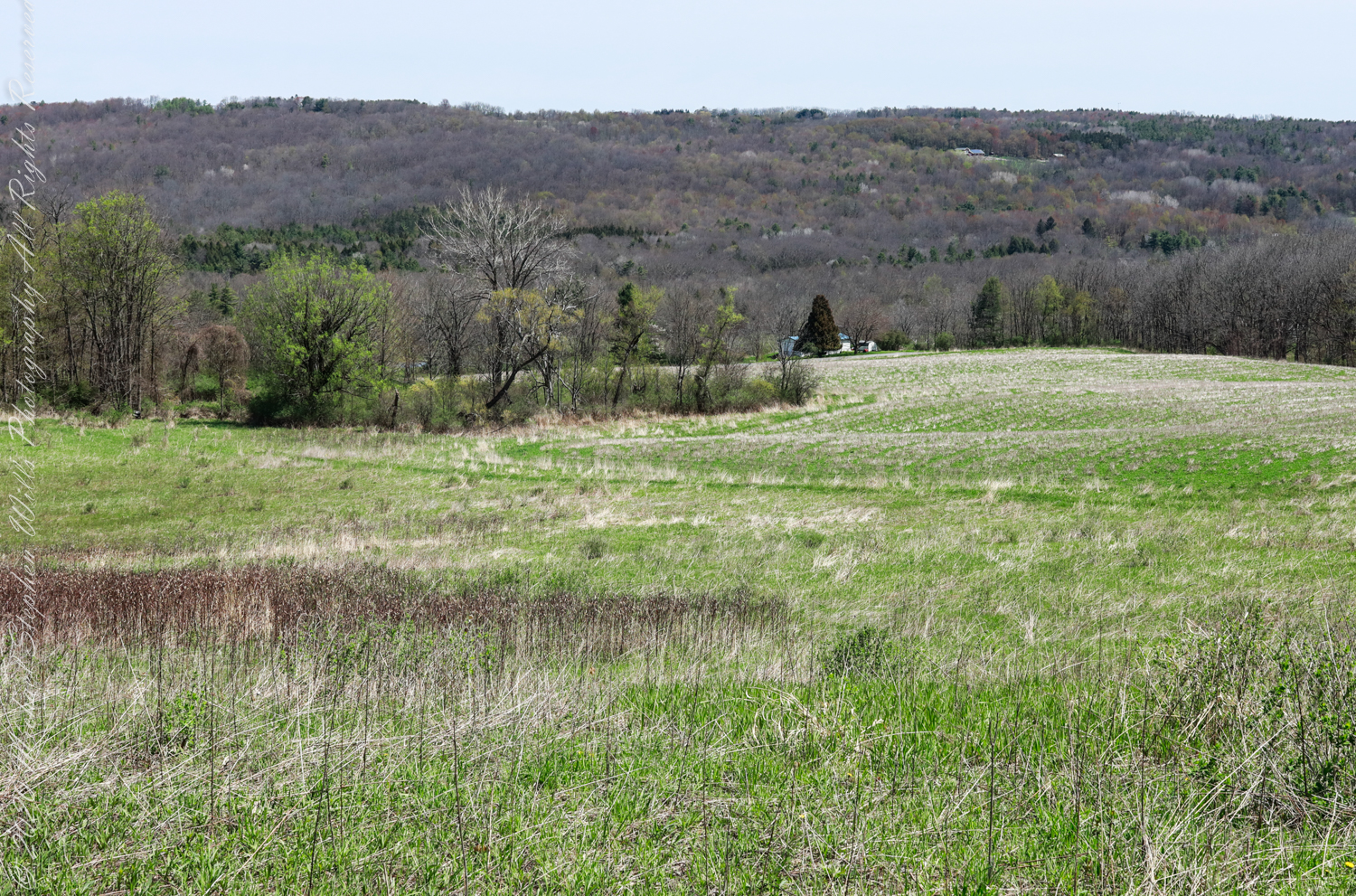
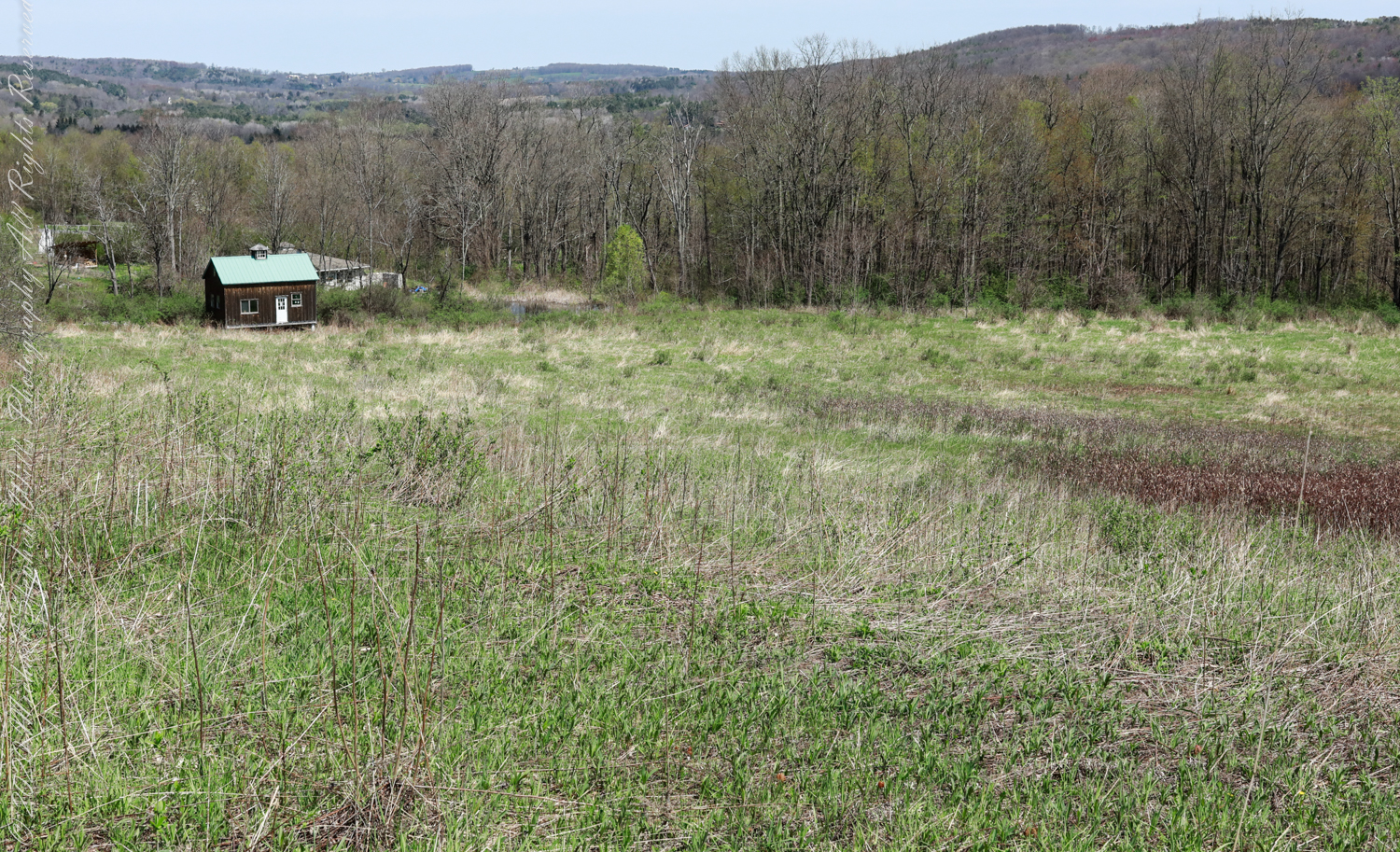
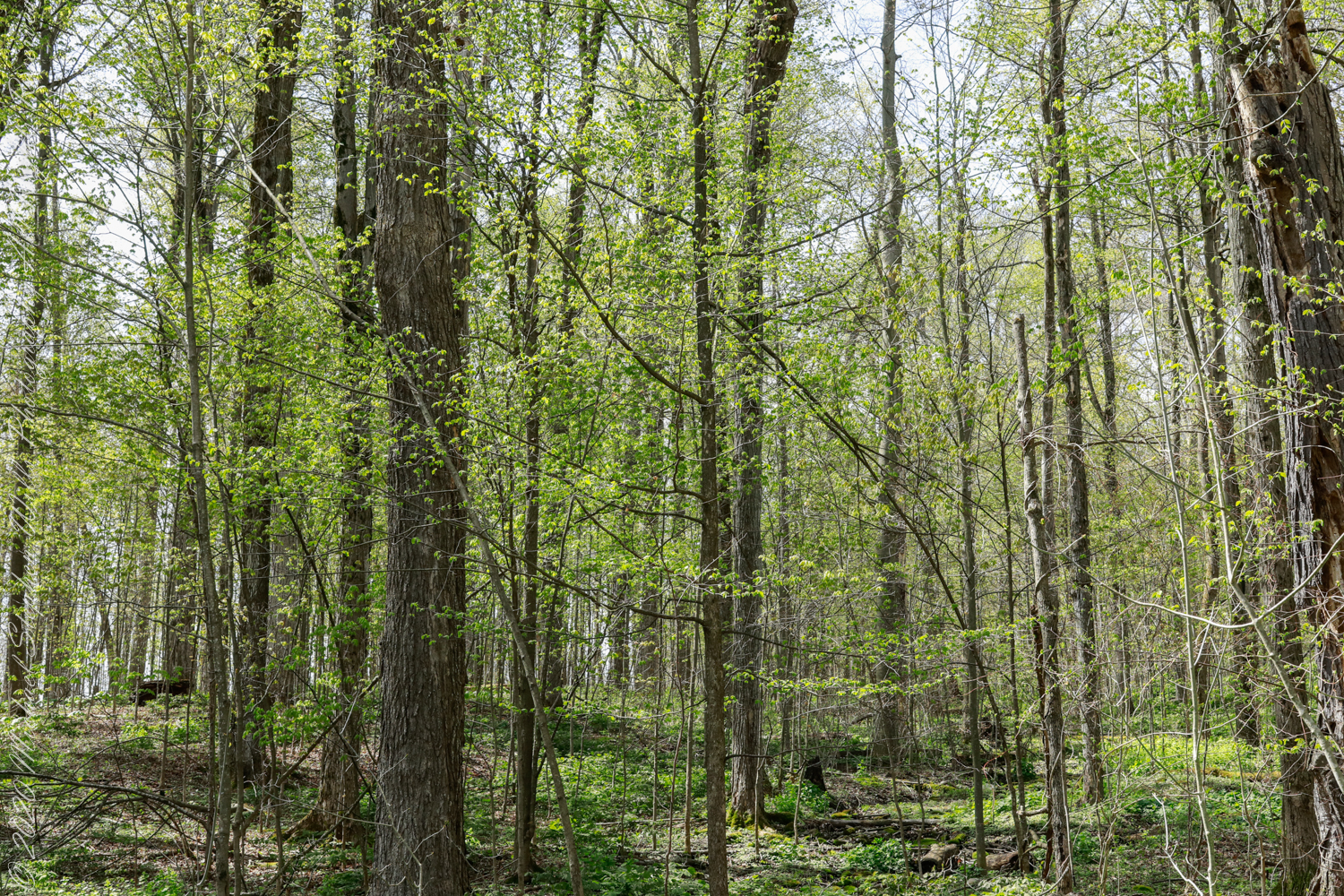
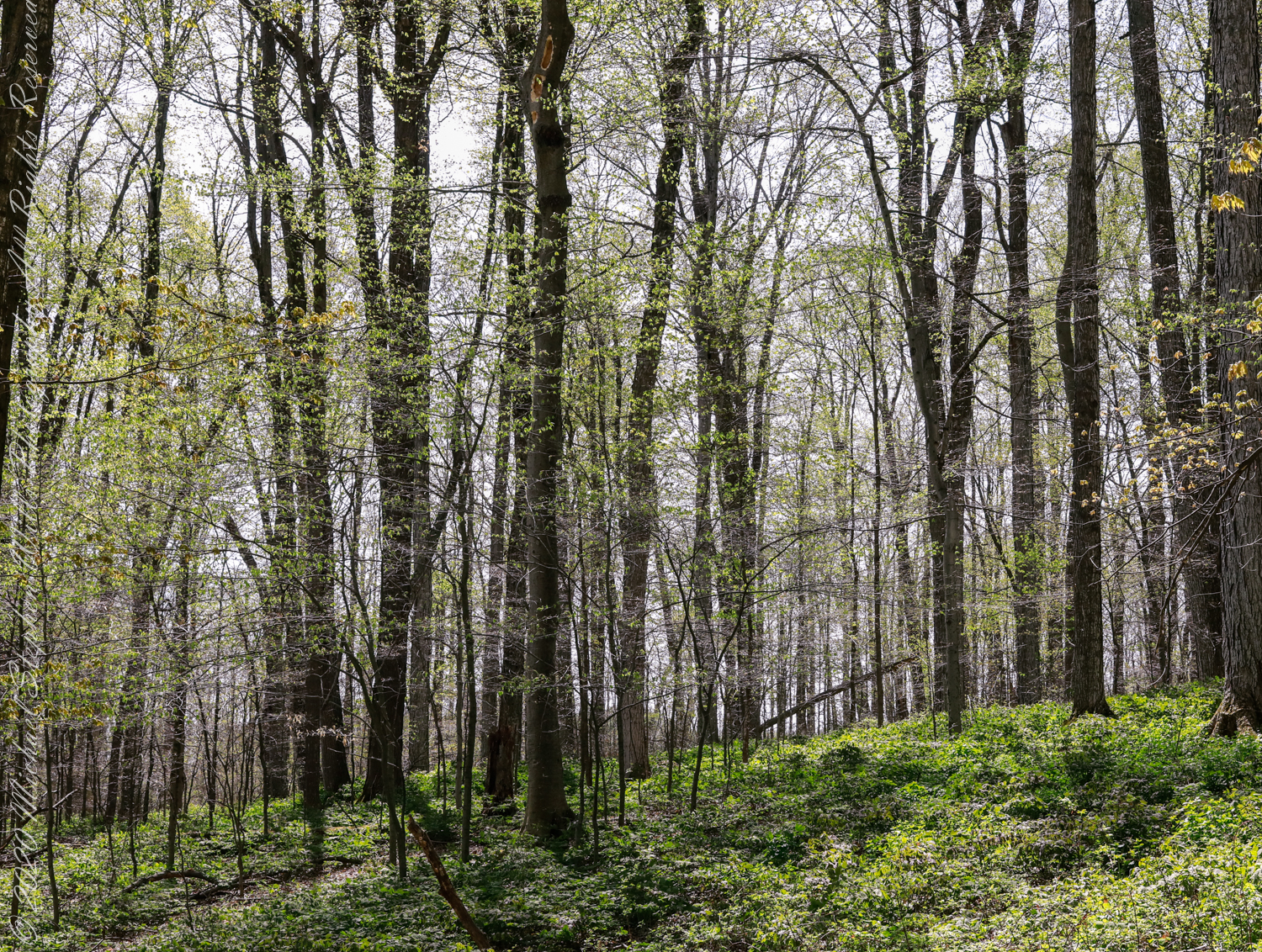
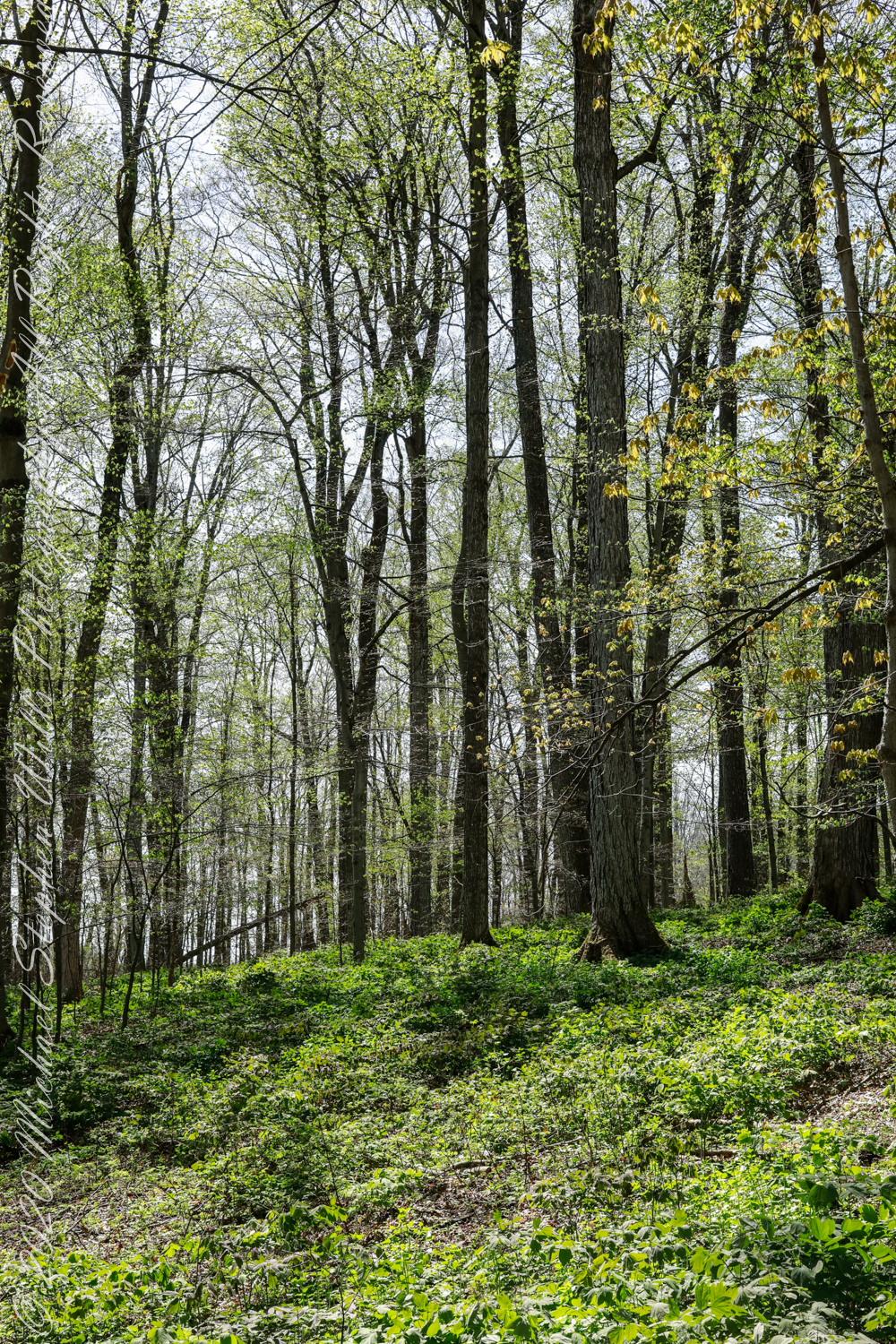
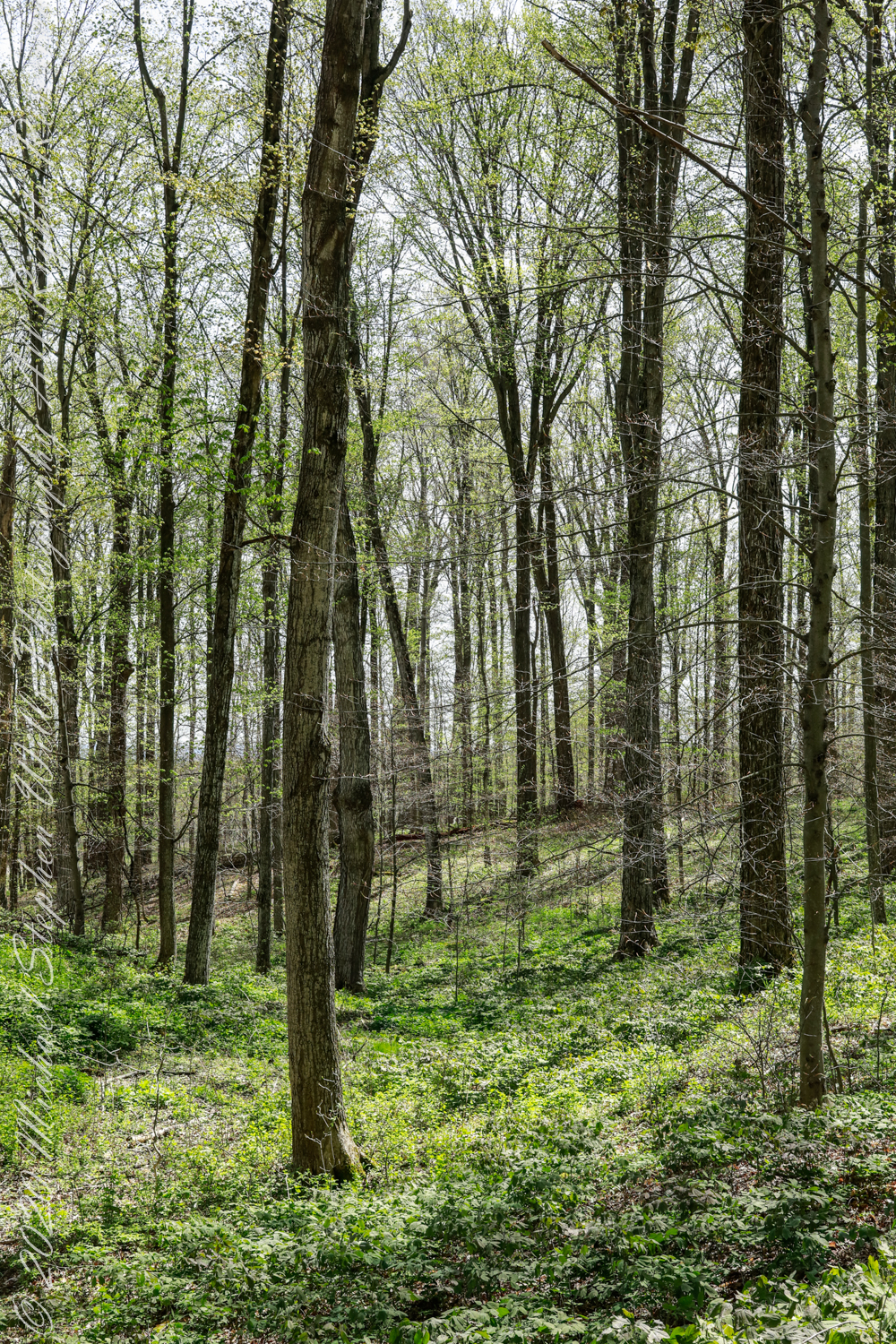
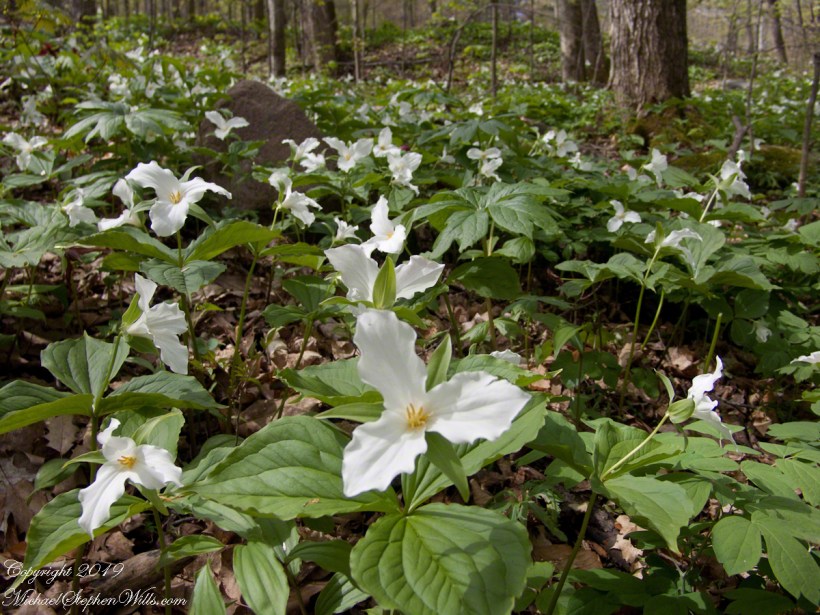
Brock-Harvey Forest Preserve on an early May morning

Click me for the first post of this series, “Burgeoning Forest .”
Copyright 2022 Michael Stephen Wills All Rights Reserved

Two Snags

Brock-Harvey Forest Preserve on an early May morning

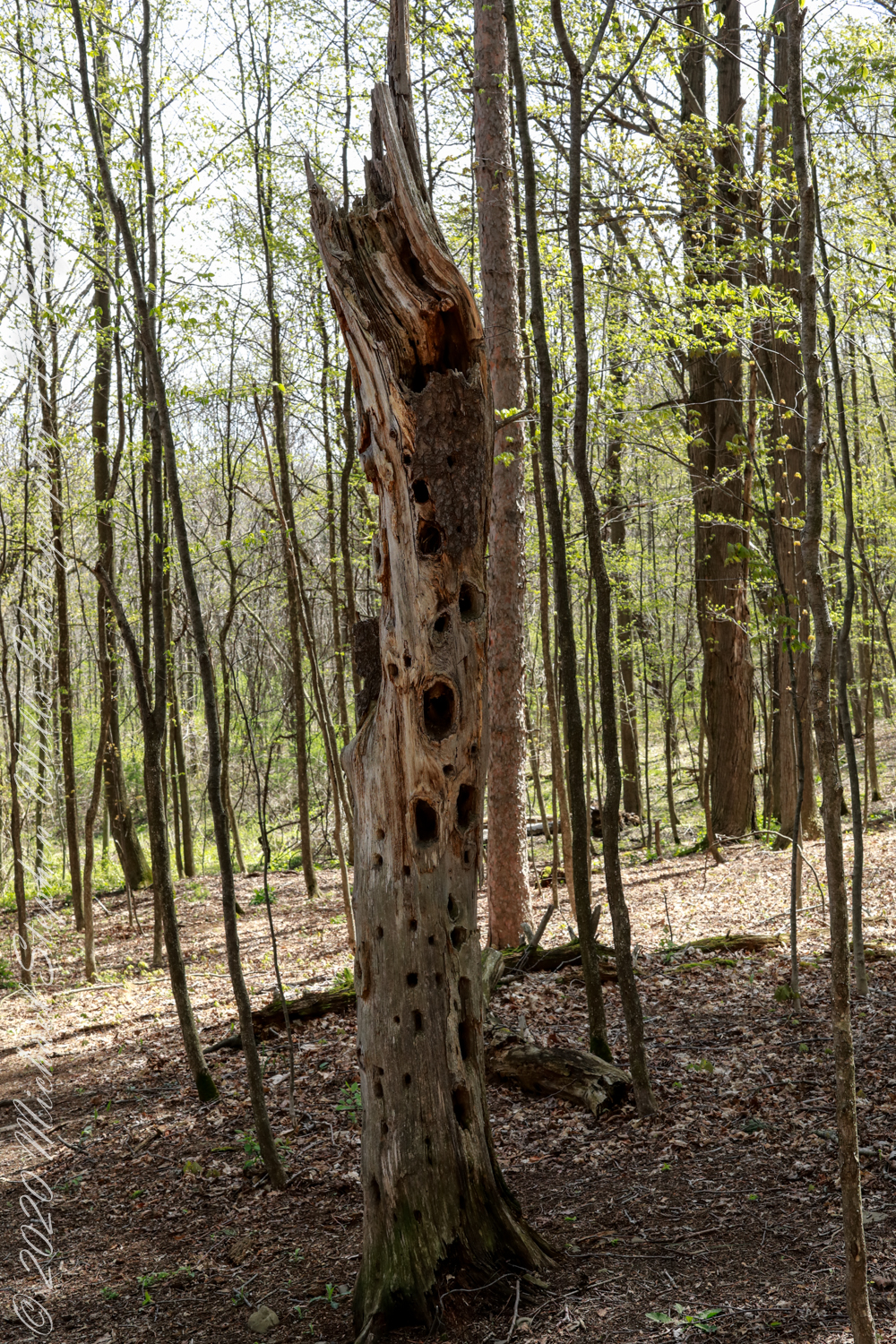
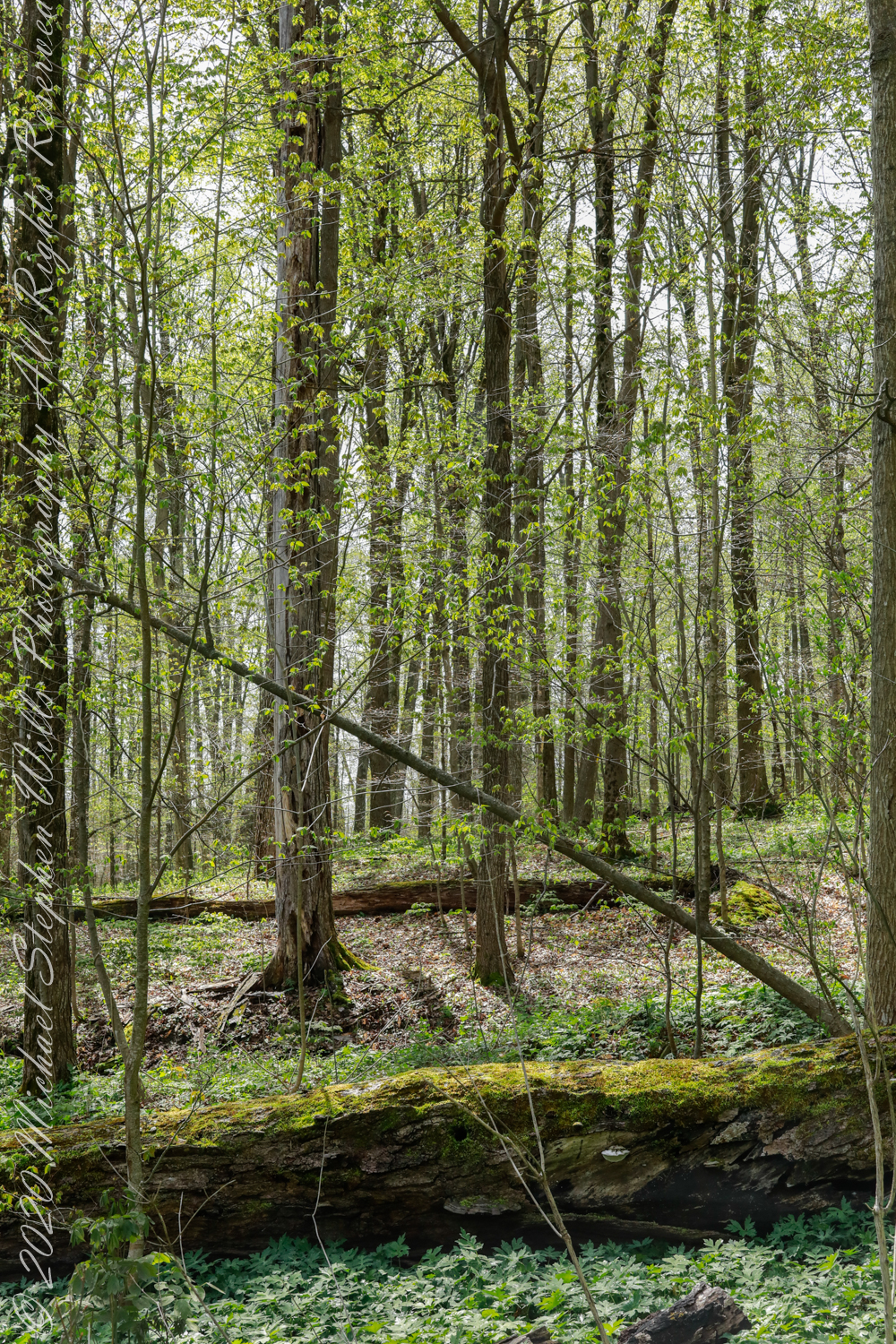
I found these snags surrounded and, at a distance, hidden by the burgeoning Brock-Harvey forest preserve here in the Finger Lakes.

As with burgeon (see yesterday’s blog post), the word “snag” has a long history from a forested northern region of the planet, though it hales from Scandinavian languages rather than Old English and Old German. As a noun “snag” is something with a point and a body long enough to cause inconvenience, the point catching on anything handy. As a verb “snag” is to become inconvenienced by a projecting body.

In forestry, a snag is any trunk of a dead tree. Commonly, a tree top breaks off leaving a jagged point which possibly can become an inconvenience. For birds, an upright dead tree is a blessing, perfect for homemaking.

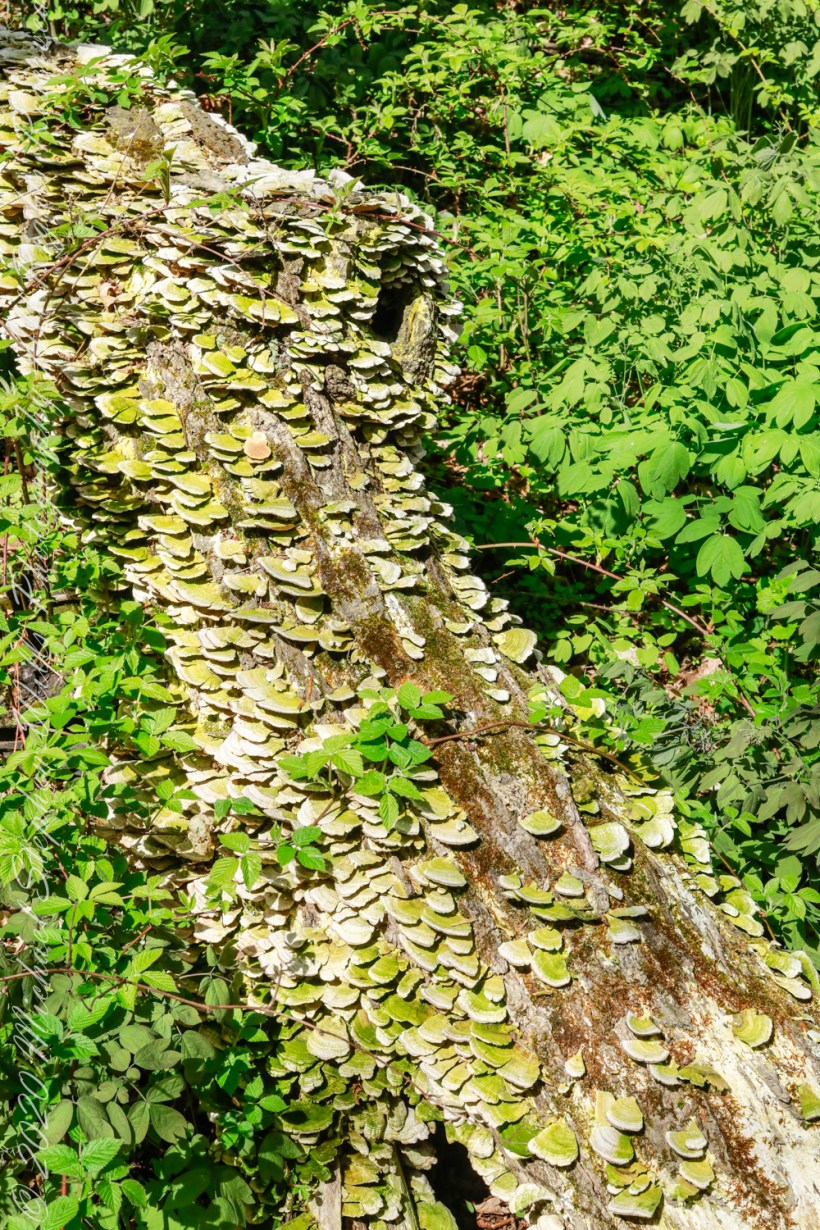
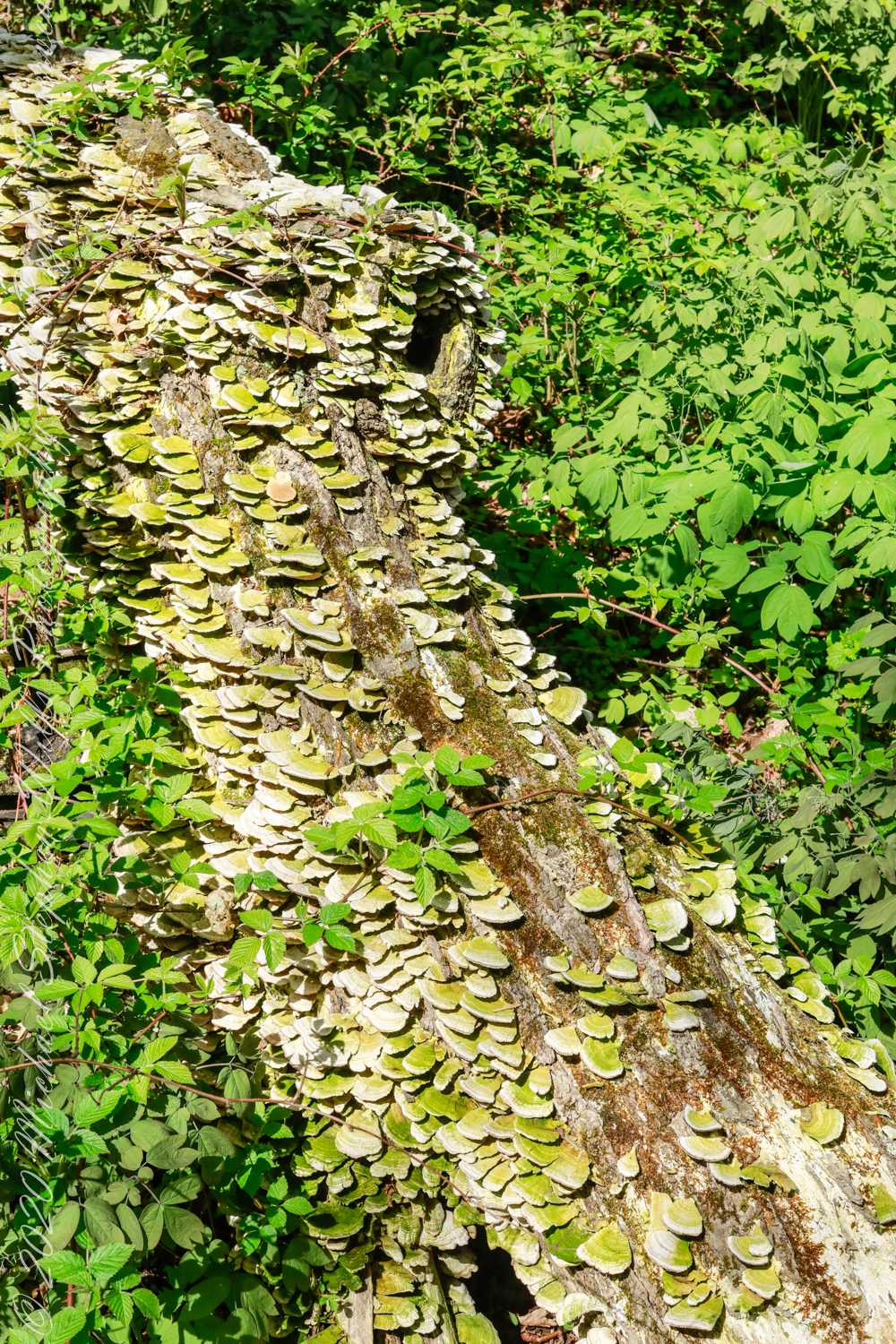
Fallen, the snag is still a snag and also a home first for fungus. When the work of the fungus is done, the resulting mound is perfect for growing new trees.

Click me for the next post from this forest preserve, “Grand Views.”

References
snag definitions are from the Compact Oxford English Dictionary, Oxford University Press, 1971

Copyright 2022 Michael Stephen Wills All Rights Reserved

Burgeoning Forest

Brock-Harvey Forest Preserve on an early May morning

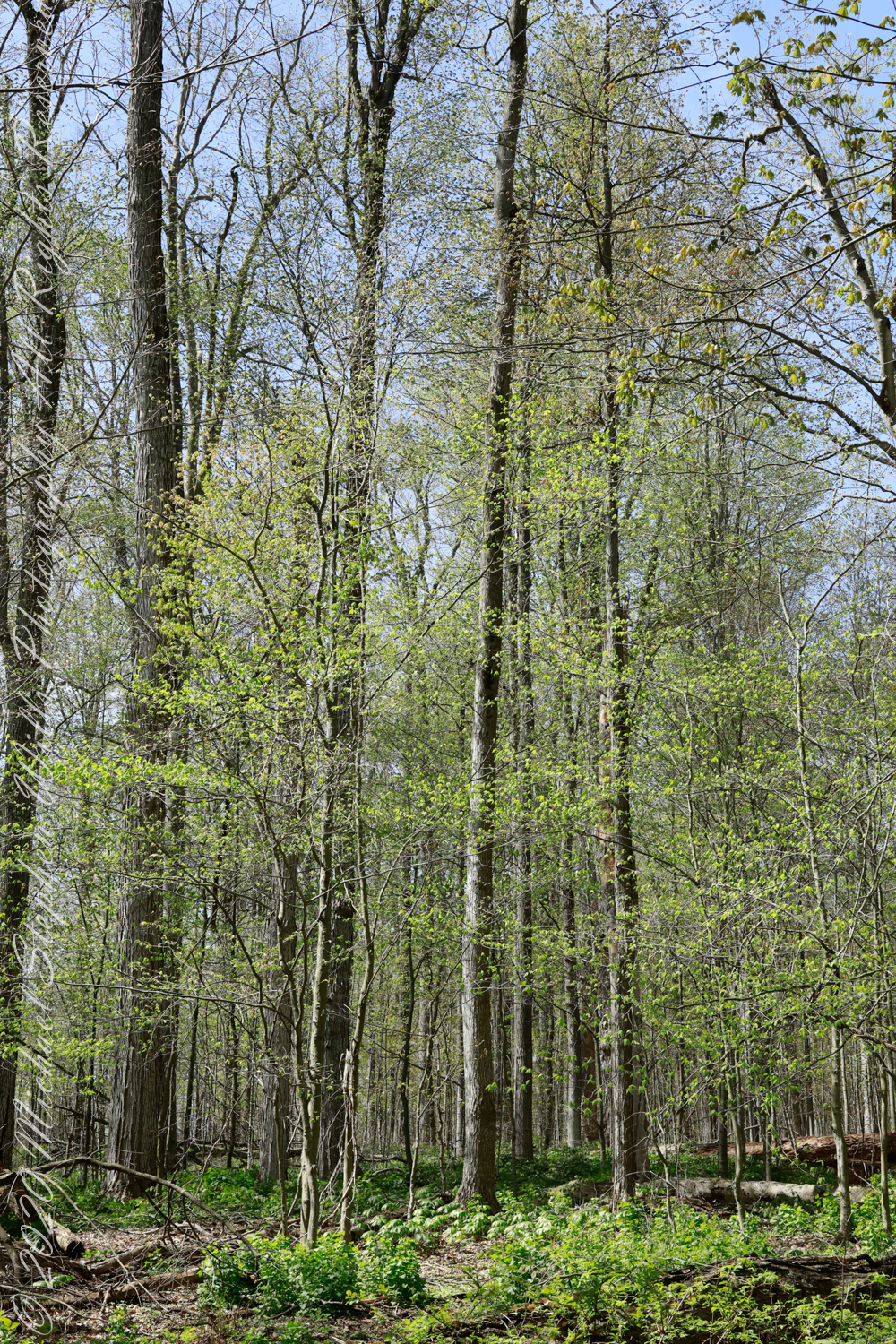
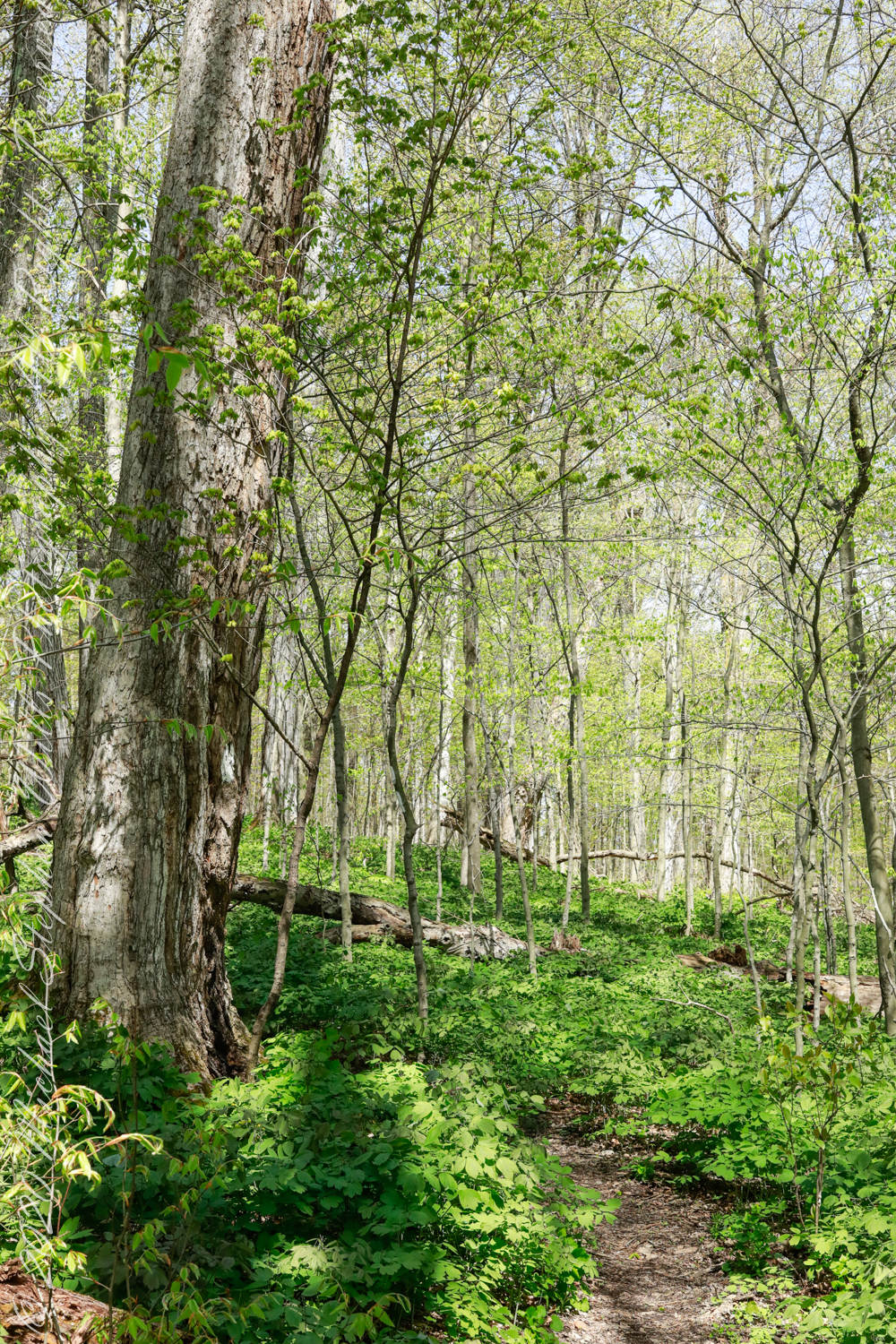
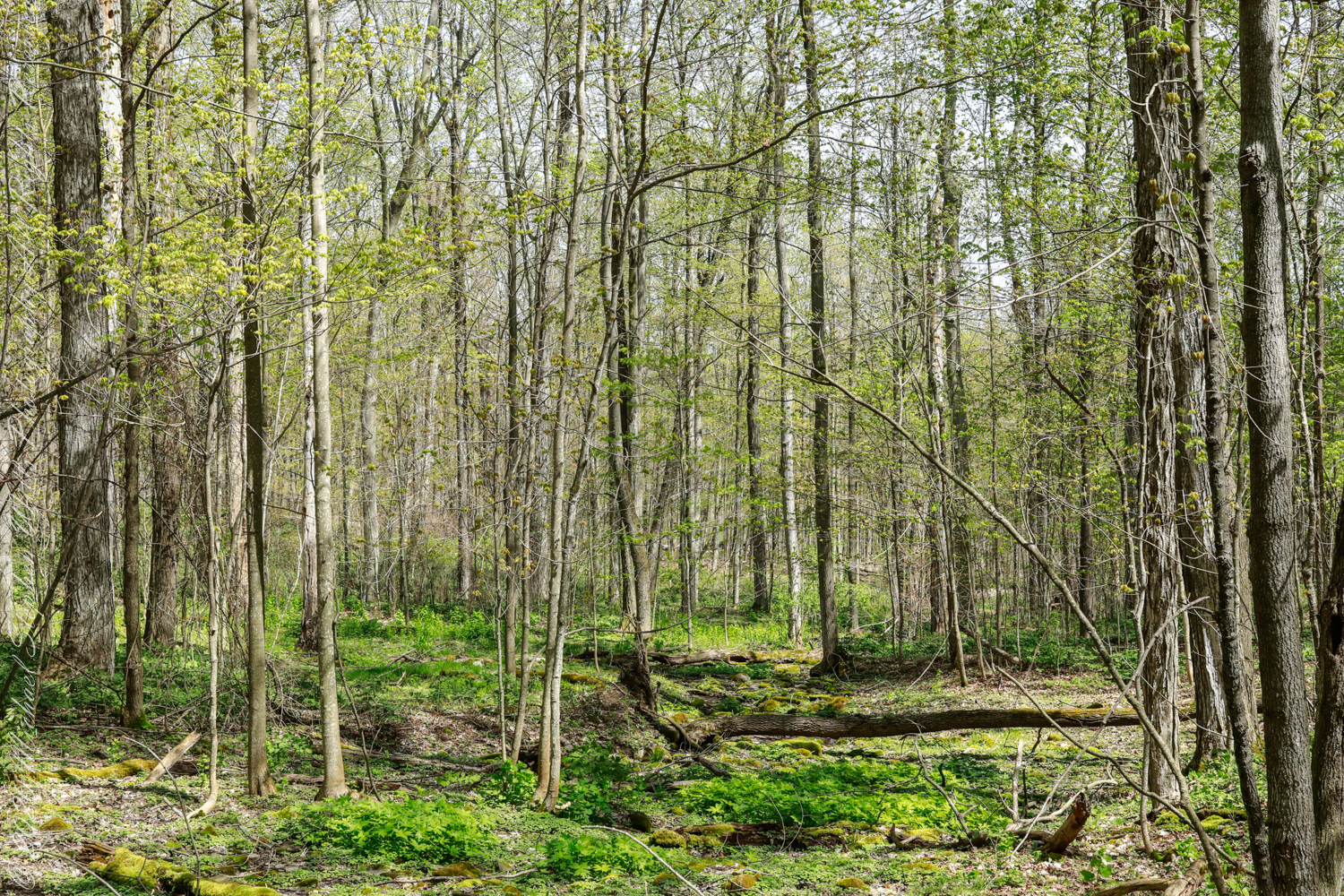
There is a word to describe the first growth of spring, rare in a way as having grown within the English/French languages without roots from either Greek or Latin, wholly suitable to a forest people. The first growth of spring so impressive it has words of its own: burgeon.

Both as a noun, burgeon the bud itself, and a verb; to burgeon, as in to burst forth. Burgeoning: the process of the act itself.

Click me for another post from this forest preserve.

References
burgeon/burgeoning definitions from the Compact Oxford English Dictionary, Oxford University Press, 1971

Copyright 2022 Michael Stephen Wills All Rights Reserved

Life from Death

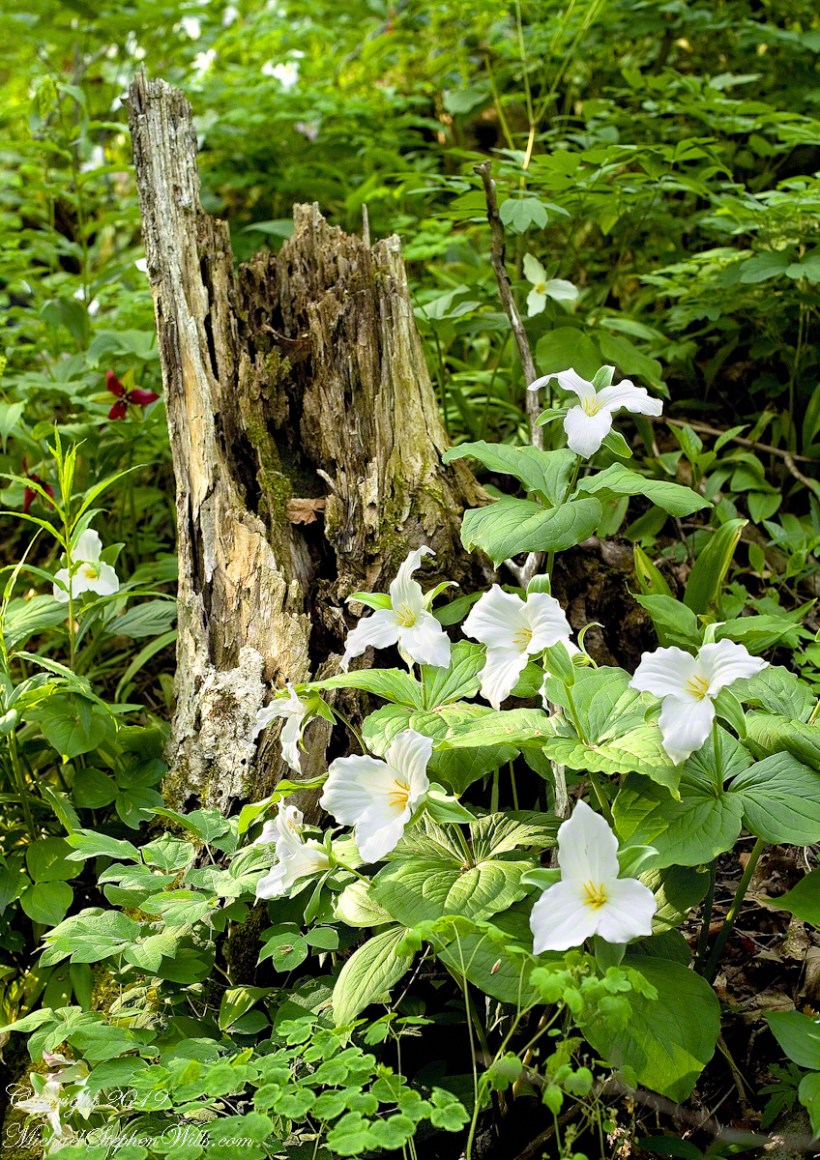
while trillium

Taken with a Canon 100 mm “macro” lens, a Kodak digital single lens reflex body, a Manfrotto tripod and ample time and patience.

Enjoy!

Click here for my Online Gallery offering from this group.

Trillium rise from the decaying tree roots.

Copyright 2022 All Rights Reserved Michael Stephen Wills

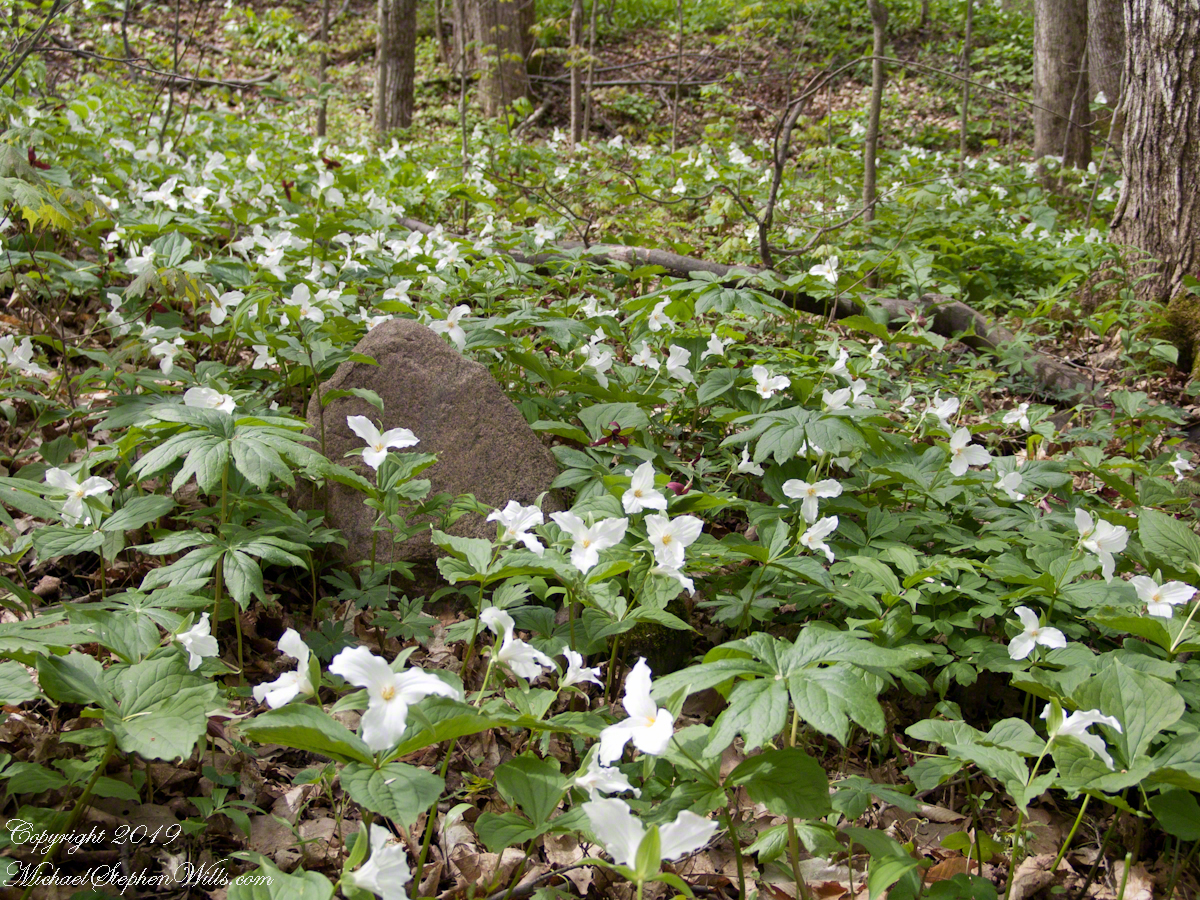
Massed White Trillium Blooms

Wonder of the northern spring forest

Click here for my Online Gallery offering from this group.

I came upon this display April 2004, a wonder of the northern spring forest.

Click either photograph for a larger view.

Copyright 2022 All Rights Reserved Michael Stephen Wills

Wintergreen?

aspirin-nations

Capturing photographs and videos on the fly using an Iphone, we visited Fillmore Glen State Park, Moravia, New York with our granddaughter, Nia. This is the seventh post of this series. Click me for another springtime post.

Click any photograph for a larger view.

Growing up on Long Island provided limited exposure to the great variety of animal and plant life on planet earth. I remember Canesteo, a town just off the western edge of the Finger Lakes in Steuben County, after moving there in the 1980’s, had a marvelous abundance of different plants in the lawn. It was a welcoming feeling to notice this before the term “monoculture” was circulated.

These days the exuberant variety of ferns and mosses in the Finger Lakes are still alien in the sense noticing the small differences between species is still beyond me; or, rather, I have yet to know well all the later arrivals on the scene, the flowering plants and these command my attention.

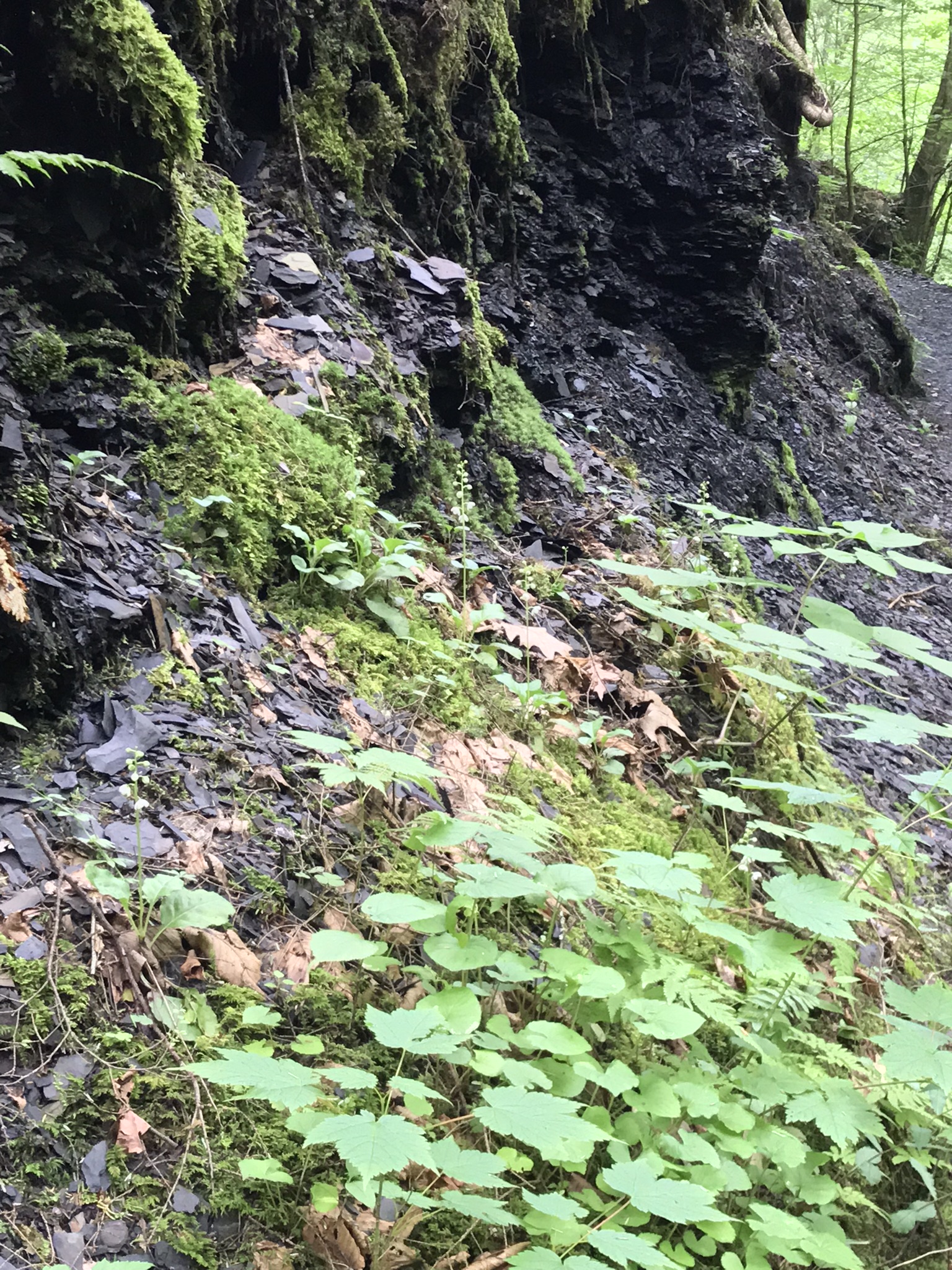
Close by the Sorrell of my post “Glen Shadows” is this inconspicuous flower, common name Shinleaf, seen here growing in spite of the the wet rip rap of shale at the base of the glen wall on the footpath. Much of the characterization of this plant is from the inconspicuous basal leaves from which the raceme of flowers springs.

Evergreen Pears

Moss and Shinleaf are associated in these groupings, I could conclude the moss provided a place for the tiny seeds of the plant to lodge and take root. The plant is a perennial and stays green throughout the winter, leading to another conclusion: there is a substance in the leaf cells that resists freezing. The latin meaning of the (scientific name) genus Pyrola means “Pear”, the shape of the leaf.

Look closely at the flowers to see the small flowers, the style extending beyond the petals like a bell clapper.

The common name, Shinleaf, is from England where the plant is credited with providing relief for minor injury. I am unclear on the grouping of this plant as a wintergreen. Shinleaf might be included as a wintergreen, and possibly attributed with healing properties, because “wintergreen” in the past was a synonym for “evergreen.”

There are species of wintergreens, in a different family, with leaves containing methyl salicilate that metabolizes (changed in our bodies) to a substance related to aspirin and more potent. I am reconsidering my identification of “cranberry” in the previous post “Red” to be a type of wintergreen high in methyl salicilate and growth close to the Shinleaf.

This abundance of life variety must be cherished and preserved, it can be a source of survival for the human species.

Copyright 2022 Michael Stephen Wills All Rights Reserved